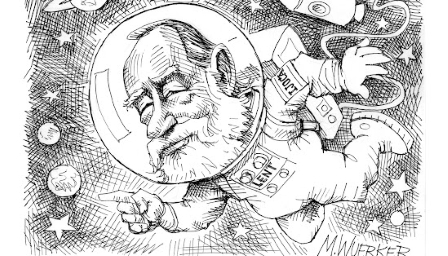
Comics scholar and researcher John Lent has passed away.John Anthony Lent September 8, 1936 – May 16, 2026 From The International Comics Art Forum: Dr. John A. Lent is one of the leading proponents of the international study of comics, and of comics research within academia. Having lectured and taught on comics and mass communications […]
Comics scholar and researcher John Lent has passed away.John Anthony Lent September 8, 1936 – May 16, 2026 From The International Comics Art Forum: Dr. John A. Lent is one of the leading proponents of the international study of comics, and of comics research within academia. Having lectured and taught on comics and mass communications […]
D. Sudhakar, Karnataka’s planning and statistics minister and senior Congress leader, passed away in the early hours of Sunday following a prolonged illness, hospital authorities confirmed. He was 66.Sudhakar breathed his last at Krishna Institute of Medical Sciences in Electronic City, Bengaluru, where he had been undergoing treatment for a severe lung infection for the past two months.In an official medical bulletin, Dr R. Chinnadurai, medical director of the hospital, stated: “Honourable mini
D. Sudhakar, Karnataka’s planning and statistics minister and senior Congress leader, passed away in the early hours of Sunday following a prolonged illness, hospital authorities confirmed. He was 66.
Sudhakar breathed his last at Krishna Institute of Medical Sciences in Electronic City, Bengaluru, where he had been undergoing treatment for a severe lung infection for the past two months.
In an official medical bulletin, Dr R. Chinnadurai, medical director of the hospital, stated: “Honourable minister Mr Sudhakar D, 66 years old, was declared dead at 3.15 am on 10.05.2026 at Krishna Institute of Medical Sciences, Electronic City.”
A prominent face in Karnataka politics, Sudhakar represented the Hiriyur assembly constituency in Chitradurga district and was regarded within the Indian National Congress as an experienced grassroots leader with strong organisational influence.
ನಮ್ಮ ಸರ್ಕಾರದ ಯೋಜನೆ ಮತ್ತು ಸಾಂಖ್ಯಿಕ ಸಚಿವರು, ಹಿರಿಯ ನಾಯಕರು ಆಗಿದ್ದ ಡಿ.ಸುಧಾಕರ್ ಅವರ ಅಕಾಲಿಕ ನಿಧನದಿಂದ ದುಃಖಿತನಾಗಿದ್ದೇನೆ. ಕಳೆದ ಕೆಲವು ದಿನಗಳಿಂದ ಅನಾರೋಗ್ಯ ನಿಮಿತ್ತ ಆಸ್ಪತ್ರೆಗೆ ದಾಖಲಾಗಿ ಚಿಕಿತ್ಸೆ ಪಡೆಯುತ್ತಿದ್ದರು. ಇತ್ತೀಚೆಗೆ ನಾನು ಖುದ್ದು ಆಸ್ಪತ್ರೆಗೆ ಭೇಟಿನೀಡಿ ಸುಧಾಕರ್ ಅವರಿಗೆ ಚಿಕಿತ್ಸೆ ನೀಡುತ್ತಿದ್ದ ವೈದ್ಯರಿಂದ… pic.twitter.com/2OO7VvWLrs
ಅನಾರೋಗ್ಯದಿಂದ ಚಿಕಿತ್ಸೆ ಪಡೆಯುತ್ತಿದ್ದ ನಮ್ಮ ಸಂಪುಟ ಸಹೋದ್ಯೋಗಿ, ನನ್ನ ಆತ್ಮೀಯ ಸ್ನೇಹಿತ ಡಿ. ಸುಧಾಕರ್ ಅವರು ಇಂದು ಕೊನೆಯುಸಿರೆಳೆದ ಸುದ್ದಿ ಅತೀವ ದುಃಖವನ್ನುಂಟು ಮಾಡಿದೆ.
ಹಿರಿಯೂರು ಶಾಸಕರು, ಚಿತ್ರದುರ್ಗ ಜಿಲ್ಲಾ ಉಸ್ತುವಾರಿ ಸಚಿವರು ಹಾಗೂ ರಾಜ್ಯದ ಯೋಜನೆ ಮತ್ತು ಸಾಂಖ್ಯಿಕ ಸಚಿವರಾಗಿದ್ದ ಡಿ. ಸುಧಾಕರ್ ಅವರು ಜನಪರ ಕಾಳಜಿಯುಳ್ಳ… pic.twitter.com/GFngq5BAYt
Chief minister Siddaramaiah expressed deep sorrow over the minister’s demise, recalling his recent visit to the hospital and saying he had hoped Sudhakar would recover.
“Sudhakar was a person with immense concern and commitment towards public service. Such a person should have remained among the people for many more years,” Siddaramaiah said in a post on X.
“Despite the continuous efforts of doctors and the prayers of all of us, Sudhakar has left us today. This is an extremely painful moment,” he added.
Deputy chief minister D.K. Shivakumar also condoled the veteran leader’s death, describing him as a people-centric politician who had rendered exemplary public service throughout his career.
“I pray that God grant eternal peace to D Sudhakar and give strength to his family to bear the grief. Om Shanti,” Shivakumar wrote on X.
Leader of Opposition R. Ashoka too expressed grief over Sudhakar’s passing, joining leaders across party lines in mourning the loss of a senior public representative.
Sudhakar’s death marks a significant loss for Karnataka’s political landscape, particularly in the Old Mysuru and central Karnataka regions where he enjoyed considerable public support and political goodwill.
Albert Wolsky, a two-time Academy Award winning and Tony nominated costume designer whose many high-profile credits include his Oscar-taking work on All That Jazz (1979) and Bugsy (1991), died Saturday, May 23, at his home in Hollywood. He was 95. His death was announced by friends and colleagues on social media and confirmed by Deadline. Born in Paris, France, […]
Albert Wolsky, a two-time Academy Award winning and Tony nominated costume designer whose many high-profile credits include his Oscar-taking work on All That Jazz (1979) and Bugsy (1991), died Saturday, May 23, at his home in Hollywood. He was 95. His death was announced by friends and colleagues on social media and confirmed by Deadline. Born in Paris, France, […]
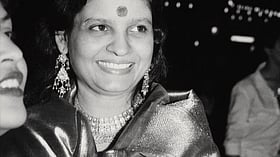
With the passing of Suman Kalyanpur on Sunday, 31 May at her residence in Mumbai, a quiet, luminous chapter of Indian cinema has drawn to a permanent close. Aged 89, Kalyanpur was one of the last surviving titans of the 'Golden Era' of Bollywood playback singing — a period defined by poetic depth, orchestral majesty, and acoustic purity. She leaves behind a monumental musical legacy that spans thousands of songs across Hindi, Marathi, Bengali, Gujarati, and numerous other regional languages. For
With the passing of Suman Kalyanpur on Sunday, 31 May at her residence in Mumbai, a quiet, luminous chapter of Indian cinema has drawn to a permanent close. Aged 89, Kalyanpur was one of the last surviving titans of the 'Golden Era' of Bollywood playback singing — a period defined by poetic depth, orchestral majesty, and acoustic purity.
She leaves behind a monumental musical legacy that spans thousands of songs across Hindi, Marathi, Bengali, Gujarati, and numerous other regional languages. For decades, Kalyanpur’s voice was the industry’s graceful, resilient constant. she was an artist of sublime talent who navigated the highly competitive, sometimes monolithic world of mid-century Hindi film music with dignity, letting her artistry speak for itself.
Born Suman Kalyanpur on 28 January 1937 in Dhaka (then part of undivided Bengal), she moved with her family to Mumbai in 1943. Growing up in a culturally rich environment, her innate musicality quickly drew attention. Her entry into the annals of playback singing reads like a classic showbiz fairytale: the legendary ghazal maestro Talat Mahmood heard a young Suman performing at a local musical concert. Deeply moved by the clarity and emotional resonance of her voice, Mahmood immediately recommended her to the premier recording label of the era, HMV.
By 1954, she made her formal playback debut in the film Mangu, singing the hauntingly 'Koi Pukaare Dheere Se Tujhe' under the baton of music director Mohammad Shafi. Though the rest of the film’s soundtrack was composed by O.P. Nayyar, Kalyanpur had firmly planted her feet in the industry. Her marriage to Mumbai-based businessman Ramanand S. Hemmady further anchored her life in the city that would become the canvas for her musical genius.
To discuss Kalyanpur’s career requires confronting the inevitable and bittersweet comparison that defined her professional journey. Her vocal timbre, precise modulation, and classical dexterity bore an uncanny resemblance to that of Lata Mangeshkar. In a cruel paradox, the very quality that proved her world-class calibre also became a professional hurdle. Many contemporary filmmakers and critics lazily dismissed her as a clone, and several mainstream producers shied away from utilising her gifts.
Yet, history remembers Kalyanpur not as an imitation, but as an indispensable alternative. When the infamous royalty dispute between Mohammed Rafi and Lata Mangeshkar caused a bitter four-year rift from 1962-66, the industry did not grind to a halt. Instead, composers turned to Kalyanpur. During this period, she stepped into the recording booths to partner with Rafi, creating some of the most enduring duets in Indian cinema. Her ability to match Rafi’s vocal dynamism note-for-note solidified her status as an elite vocalist in her own right.
The brilliance of Kalyanpur’s discography shines through her iconic collaborations and solo triumphs. Her duets with Rafi remain the gold standard of romantic playback, captured in the playful banter of 'Aaj Kal Tere Mere Pyar Ke Charche' from Brahmachari and the hesitant romance 'Na Na Karte Pyar Tumhi Se Kar Baithey' from Jab Jab Phool Khile.
She matched his emotional depth note-for-note in the sublime 'Tumne Pukara Aur Hum Chale Aaye' and complemented the haunting, intimate vulnerability of Dev Anand’s Baat Ek Raat Ki through the immortal 'Na Tum Humein Jaano' — a song whose velvety melancholy still lingers like smoke in an old black-and-white frame.
Kalyanpur’s voice could also evoke heartbreak with remarkable restraint and tenderness. Songs such 'Yun Hi Dil Ne Chaha Tha Rona Rulana' and 'Teri Yaad To Ban Gayi Ek Bahana' carried the quiet ache of separation with extraordinary emotional maturity, while the unforgettable plea of 'Mere Mehboob Na Ja, Aaj Ki Raat Na Ja' became one of Hindi cinema’s most evocative nocturnal melodies. Equally enduring was her soulful rendition of 'Bujha Diye Hain Khud Apne Haathon' — a ghazal-like lament steeped in resignation and poetic sorrow that showcased her unmatched command over pathos and subtlety.
Her versatility extended to deeply moving familial anthems as well; her rendition of 'Behna Ne Bhai Ki Kalayee Se' from Resham Ki Dori earned her a well-deserved Filmfare Award nomination in 1975, anchoring itself as a definitive Raksha Bandhan classic.
Interestingly, the modern listener often misattributes many of these emotionally layered melodies to Lata Mangeshkar. This persistent confusion is perhaps the ultimate, ironic testament to the flawless, top-tier quality Kalyanpur brought to the microphone.
Despite being overlooked by the standard star-making machinery of Bollywood, Kalyanpur became a muse for the era’s greatest musical minds. Masters like Naushad, S.D. Burman, Khayyam, Shankar Jaikishan, Laxmikant-Pyarelal, and Roshan recognised her unique expressive capabilities.
She was particularly favored by Shankar Jaikishan and Roshan, delivering wrenching performances in classics like Dil Ek Mandir (1963), Shagun (1964), and Jahaan Aara (1964). Her versatility was staggering — ranging from the playful romance of 'Mera Pyar Bhi Tu Hai' (Saathi) to the existential melancholy of 'Zindagi Imtihaan Leti Hai' (Naseeb).
She was also a decorated classical vocalist, winning the prestigious Sur Sringar Samsad award three times for the best classical song in a Hindi film. Beyond Bollywood, her Marathi repertoire remains legendary. Songs like 'Rimjhim Zharati Shraawan Dhaara' and 'Ketanichyaa Banee Tethe' are woven into the cultural fabric of Maharashtra.
As the landscape of Hindi cinema shifted toward synthesised sounds and westernised beats in the late 1970s and 80s, Kalyanpur chose a dignified retreat. Her final recorded film song was 'O Saathi Re' for Veerana (1988). For the last three decades of her life, she largely stayed away from the flashbulbs of Bollywood, preferring a quiet life in Mumbai, punctuated only by occasional international concert tours where global audiences showered her with long-overdue adoration.
Recognition by the state came late, but it was richly deserved. In 2023, the government of India conferred upon her the Padma Bhushan, the nation’s third-highest civilian honour. “Suman Kalyanpur did not just sing; she infused the verses of the golden era with a rare, gentle dignity. She stood in the colosseum of giants and carved out a sanctuary of pure melody that belongs to her alone.”
Hasnain Naqviis a former member of the history faculty at St Xavier’s College, Mumbai. More of his writing here
Walter Parazaider, a founding member of the jazz-rock band Chicago whose saxophone provided the punch of “Just You ‘n’ Me” while his flute solo on “Colour My World” lent that song its romantic poignance, died of complications from Alzheimers disease died this morning, June 17, while in hospice care. He was 81. His death was […]
Walter Parazaider, a founding member of the jazz-rock band Chicago whose saxophone provided the punch of “Just You ‘n’ Me” while his flute solo on “Colour My World” lent that song its romantic poignance, died of complications from Alzheimers disease died this morning, June 17, while in hospice care. He was 81. His death was […]
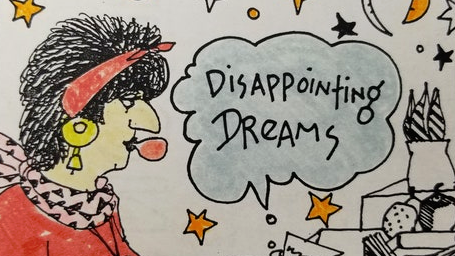
Feminist cartoonist and Sylvia creator Nicole Hollander has passed away. Nicole Marilyn Hollander (née Garrison) April 25, 1939 – April 23, 2026 It is being credibly reported on social media that cartoonist Nicole Hollander has passed away. From Michael Bonesteel: NICOLE HOLLANDER, the edgy and entertaining creator of “Sylvia,” passed away last night. She was […]
Feminist cartoonist and Sylvia creator Nicole Hollander has passed away. Nicole Marilyn Hollander (née Garrison) April 25, 1939 – April 23, 2026 It is being credibly reported on social media that cartoonist Nicole Hollander has passed away. From Michael Bonesteel: NICOLE HOLLANDER, the edgy and entertaining creator of “Sylvia,” passed away last night. She was […]
Joe Negri, a jazz guitarist best known to generations of children and their parents as the kindly, music-loving handyman of Mister Rogers’ Neighborhood, died Saturday, May 30, at a senior living facility outside Pittsburgh. He was 99. His death was announced by his family. Beginning in 1968 and continuing through 2001, Negri, who had been […]
Joe Negri, a jazz guitarist best known to generations of children and their parents as the kindly, music-loving handyman of Mister Rogers’ Neighborhood, died Saturday, May 30, at a senior living facility outside Pittsburgh. He was 99. His death was announced by his family. Beginning in 1968 and continuing through 2001, Negri, who had been […]
David Hockney, the legendary British artist behind some of the most recognizable works of contemporary painting, such as ‘The Splash’ and ‘Pool with Two Figures’, has died. He was 88. News of Hockney’s death was first reported in the French press and was later confirmed by his publicist in a statement to the BBC and […]
David Hockney, the legendary British artist behind some of the most recognizable works of contemporary painting, such as ‘The Splash’ and ‘Pool with Two Figures’, has died. He was 88. News of Hockney’s death was first reported in the French press and was later confirmed by his publicist in a statement to the BBC and […]
William Smithers, an actor best known for a recurring role on the hit ’80s TV series Dallas as well as a featured role in the 1973 Steve McQueen prison drama Papillon, died May 26 in Santa Barbara, California. He was 98. His death was first reported by the local newspaper Santa Barbara Independent yesterday. A […]
William Smithers, an actor best known for a recurring role on the hit ’80s TV series Dallas as well as a featured role in the 1973 Steve McQueen prison drama Papillon, died May 26 in Santa Barbara, California. He was 98. His death was first reported by the local newspaper Santa Barbara Independent yesterday. A […]
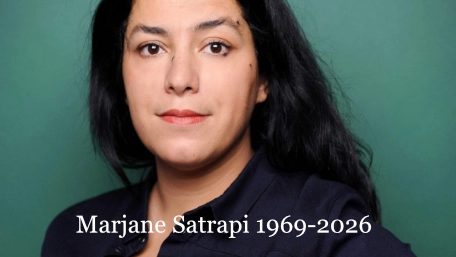
French-Iranian artist, author, and filmmaker Marjane Satrapi has passed away at the age of 56. Marjane is perhaps best known for her autobiographical graphic novel “Persopolis” and the film she directed by the same name.The family released a statement announcing the death to AFP: Marjane Satrapi died of sadness a little over a year after […]
French-Iranian artist, author, and filmmaker Marjane Satrapi has passed away at the age of 56. Marjane is perhaps best known for her autobiographical graphic novel “Persopolis” and the film she directed by the same name.The family released a statement announcing the death to AFP: Marjane Satrapi died of sadness a little over a year after […]
David May, a two-time Grammy-winning producer who worked many of music’s biggest names and was a former longtime VP at Warner Records and Rhino Entertainment, has died. He was 68. Deadline confirmed that he died April 13 in Nashville of natural causes. Specializing in new audio formats and mastering, May worked on projects ranging from studio […]
David May, a two-time Grammy-winning producer who worked many of music’s biggest names and was a former longtime VP at Warner Records and Rhino Entertainment, has died. He was 68. Deadline confirmed that he died April 13 in Nashville of natural causes. Specializing in new audio formats and mastering, May worked on projects ranging from studio […]

 Login
Login