❌

Normal view

  • βœ‡Malay Mail - All
  • Bolivia declares emergency as 50-day blockade crisis chokes food, fuel supplies
    Paz said the emergency aims to restore order and ensure essential goods flowMeasure clears way for use of armed forcesBlockades have cut key roads for 50 days, stranding trucks and choking food, fuel and medicine suppliesΒ LA PAZ, June 20 β€” Bolivia’s crisis intensified on Saturday as President Rodrigo Paz declared a state of emergency, enabling wider military deployment to clear blockades and restore order after protests brought the economy to a halt over the past
     

Bolivia declares emergency as 50-day blockade crisis chokes food, fuel supplies

20 June 2026 at 07:29

Malay Mail

  • Paz said the emergency aims to restore order and ensure essential goods flow
  • Measure clears way for use of armed forces
  • Blockades have cut key roads for 50 days, stranding trucks and choking food, fuel and medicine suppliesΒ 

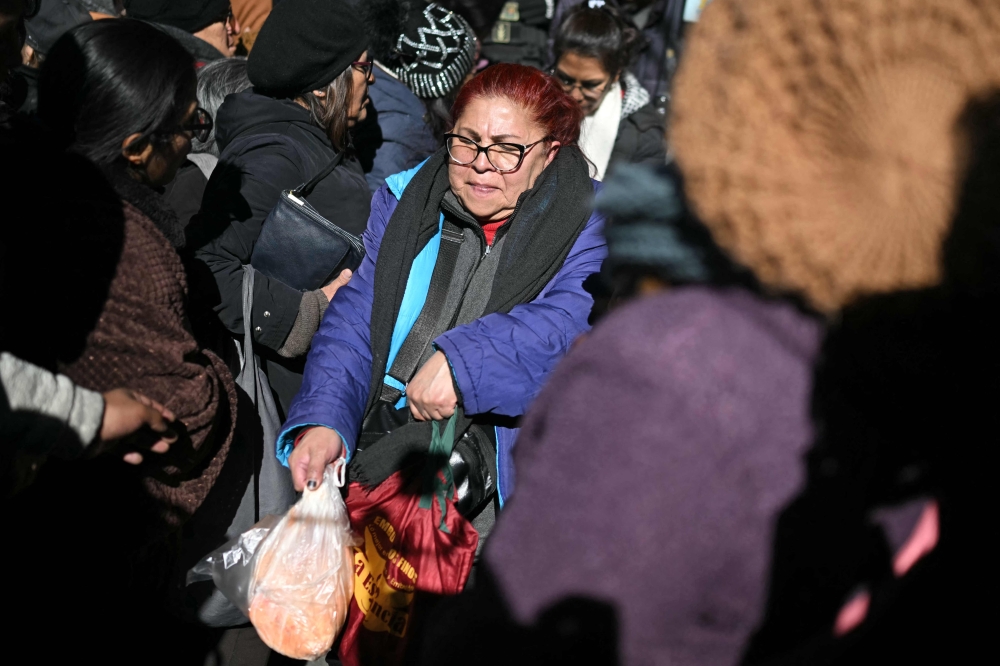
LA PAZ, June 20 β€” Bolivia’s crisis intensified on Saturday as President Rodrigo Paz declared a state of emergency, enabling wider military deployment to clear blockades and restore order after protests brought the economy to a halt over the past 50 days.

The emergency declaration gives Paz broader constitutional tools to restore order, such as sending armed forces to clear blockades.

While the order goes into effect immediately, the president must notify Congress of the state of emergency within 24 hours of issuing the decree, which then has up to 72 hours to approve or reject the measure.

Protesting groups, many allied to former leftist President Evo Morales, have cut off key roads, stranding trucks and choking supplies of food, fuel and medicines to many areas, including La Paz.

The conflict initially erupted after Paz abruptly cut long-standing fuel subsidies to shrink the deficit, amid a worsening dollar crunch and talks with the International Monetary Fund.

Despite later steps to stabilize fuel prices and reverse unpopular land reforms, protests intensified into broader discontent, with unions demanding wage increases, an end to fuel and dollar shortages, and Paz’s resignation.

Paz’s declaration came in a live message to the nation just hours after he unveiled a deal struck on Friday with the main union, the Bolivian Workers’ Confederation (COB), that aimed to ease tension.

However, many roads connecting the South American nation’s main production center are under the control of rural associations aligned with Morales, who were not a part of the negotiations and are continuing to protest mainly in the area of Cochabamba.

Paz said the crisis had evolved into an organized attempt to destabilize democracy after weeks of violence and blockades.

He said the state of emergency aims to restore order, protect citizens and ensure the flow of essential goods, while warning that those continuing disruptions would face legal consequences.

β€œThis is not a state of emergency to restrict people’s lives… It is a state of emergency to give freedom back to the people, to free Bolivia from those who use political conflict to block roads and harm the population,” Paz said. β€” Reuters

  • βœ‡Malay Mail - All
  • Bangladesh hikes fuel prices for second time in six weeks amid energy pressures
    Β DHAKA, June 1 β€” Bangladesh raised fuel prices today, six weeks after the previous increase, as the government seeks to ease pressure on state finances affected by the conflict in the Middle East.The country imports about 95 percent of its fuel requirements, with most coming from the Middle East.Kerosene was raised to 135 taka (US$1.09) per litre, up from 130, while petrol raised to 140 taka (US$1.14) from 135. Diesel was unchanged.Authorities are also considerin
     

Bangladesh hikes fuel prices for second time in six weeks amid energy pressures

1 June 2026 at 07:15

Malay Mail

Β 

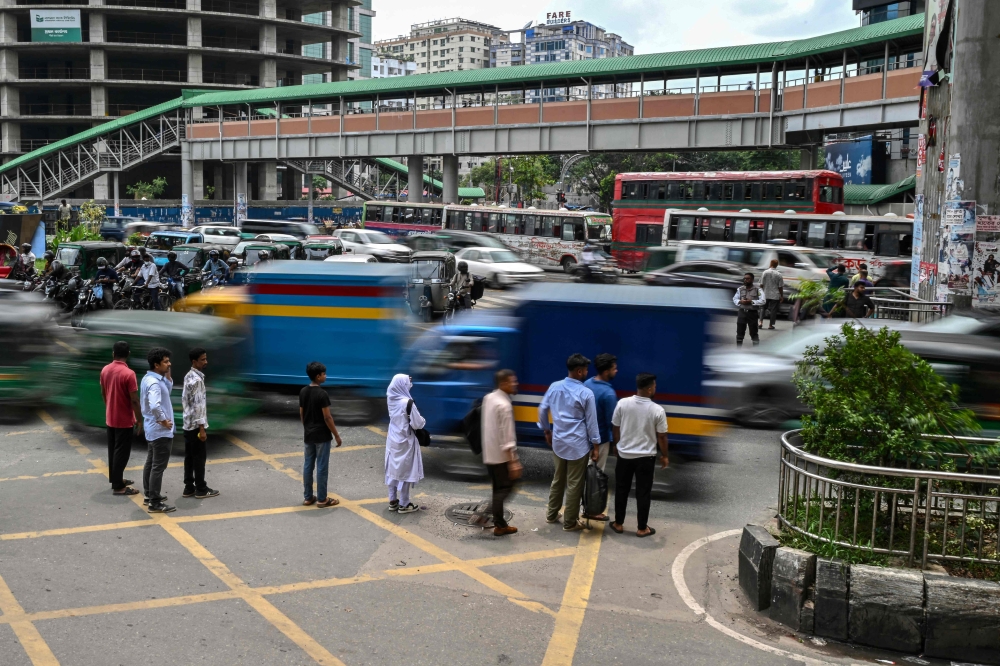
DHAKA, June 1 β€” Bangladesh raised fuel prices today, six weeks after the previous increase, as the government seeks to ease pressure on state finances affected by the conflict in the Middle East.

The country imports about 95 percent of its fuel requirements, with most coming from the Middle East.

Kerosene was raised to 135 taka (US$1.09) per litre, up from 130, while petrol raised to 140 taka (US$1.14) from 135. Diesel was unchanged.

Authorities are also considering another increase in electricity tariffs.

The latest fuel-price increase is likely to add further pressure to the cost of essential goods in a country that has struggled with persistently high inflation over the past several years.

After a slight decline, inflation stood at 9.04 per cent in April.

Dhaka in March said it was seeking loans of around US$2 billion from multilateral donors to tackle energy security concerns sparked by the surging fuel prices caused by the war on Iran.

In May, the International Monetary Fund said it was in negotiations for a new assistance programme at Dhaka’s request.

Bangladesh is already in the middle of a US$5.7 billion IMF programme, which began in 2023 and was due to run for four years.

While Dhaka and other major cities have largely avoided frequent power outages, rural areas experienced disruptions.

Electricity demand typically peaks during the current summer season, when residents who can afford turn on air conditioning, with temperatures hitting 35C in Dhaka.

Alongside the price adjustments, Bangladesh has been pursuing a range of measures to strengthen energy security, including inviting bids for offshore exploration for natural gas.

Bangladesh’s first nuclear power plant at Ruppur is nearing operational readiness, with the first phase of uranium fuel loading already completed. β€” AFP

Β 

❌
Subscriptions