Reading view

In conversation with Claudia López, Colombian presidential candidate and ex-mayor of Bogotá

Less than three weeks before Colombians head to the polls in presidential elections, centrist candidate Claudia Lopez’s odds at victory are slim, to say the least.

Since winning the primary contest to lead the Consultation of Solutions (Consulta de las Soluciones) bloc in March, the silver-haired former mayor of Bogotá has been criss-crossing the country to win over moderate voters.

But the latest polls report the 56-year-old’s share of the vote as being in the low single digits.

Dressed in her signature gilet and sipping from a mug of coffee, the former Harvard University guest lecturer says in flawless English that she wants to do the interview in Spanish – “I need to get people to vote for me,” she jokes. 

With little to lose, López speaks candidly about her time in office, her views on other politicians, and her experience on the campaign trail.

Watch the full interview here

Reflections on her mayorship

López, who steered Bogotá through the Covid-19 pandemic and a mass wave of anti-government protests, speaks proudly of her stint as mayor from 2020 to 2024.

The presidential hopeful rattles off a list of her achievements in office: her management of the Covid-19 pandemic, lifting 600,000 women out of poverty, and rolling out Bogotá’s public bicycle network.

López also speaks candidly about the problems during her mayorship, which spanned the administrations of presidents Iván Duque and Gustavo Petro.

“Interestingly, I ended up having an easier relationship with President Duque, a right-winger, than with my left-wing president, whom I voted for,” says López. 

López, who publicly backed Petro’s candidacy, describes friction between the national government and the mayor’s office.

“President Petro is an effusive leader, but he is too effusive, very machista, and I, well, I don’t agree with that; if there’s one thing I can’t stand in my life, it’s the abuse of power.”

On the campaign trail

Today, the former senator finds herself trying to carve out a place in a noisy election cycle marked by political extremes and polarization.

Her coalition’s platform is based on three pillars: security and territorial governance; equality and social justice; and regional development without corruption.

López’s shift to the center has drawn some criticism, including from voters who note the former Green Alliance member’s u-turn on key environmental issues like fracking.

Last year, she declared: “If god gave us oil, coal, and gas, that is what we will use.”

“I maintain this stance,” insists López, adding she opposes the Petro administration’s pause on all oil and gas exploration. “Stopping gas exploration means halting Colombia’s energy transition – it’s a mistake.”

López argues the policy has damaged the economy and reduced funds for investment and development. 

Instead, she backs a gradual transition: “I estimate that the transition in Colombia from fossil fuels to cleaner energy sources will take us about 25 years, give or take.”

The candidate believes in preserving biodiversity, saying she would not authorize mineral exploration in the country’s forests or protected areas, marking a softer stance than some of her opponents.

Among her rivals, López is especially critical of right-wing criminal defense attorney Abelardo de la Espriella.

“He is the only candidate – let’s put it this way – whom I would absolutely never vote for. He is a defender of mobsters. He is a shadowy character,” says López.

De la Espriella notoriously represented figures linked to paramilitary death squads, the head of the worst pyramid scheme in Colombian history, and Alex Saab, considered the frontman for corruption schemes by former Venezuelan dictator Nicolas Maduro. 

López argues that he is an Uribista – a supporter of the politics of right-wing ex-president Álvaro Uribe – but is on a different “side of the coin” to Uribe’s chosen candidate, Paloma Valencia.

“Paloma is definitely a supporter of Uribe, but she’s never exactly been a defender of mobsters,” explains López.

The ex-mayor refused to rule out voting for Valencia or for leftist candidate Ivan Cepeda, the two frontrunners alongside de la Espriella.

But López, a lesbian woman, is staunchly critical of Valencia’s stance on LGBTQ+ rights. The candidate for Uribe’s Democratic Center (Centro Democrático) party opposes adoption by same-sex couples while her party has blocked bans on conversion therapy. 

She is particularly critical of Juan Daniel Oviedo, a gay politician, for agreeing to be Valencia’s running mate in March. 

“I regret that Juan Daniel Oviedo feels compelled to play along with that anti-rights agenda. In fact, I believe he is the only person who has been told to his face that he is not considered an equal human being, that he is not considered a citizen with the same rights, and that they do not trust him to raise a child,” says López.

Despite her objections to Valencia, López says she still will not rule out voting for her in the second round, citing the improbable possibility that Paloma faces de la Espriella in a run-off.

But the former mayor maintains she would not endorse Valencia and Oviedo in any eventuality: “I wouldn’t campaign for them, ask anyone to vote for them, or endorse them.”

Looking to the future

Finally, faced with nearly impossible odds in May’s elections, López projects a springy optimism about her political future.

“I’m very happy with the campaign I’ve run, and I’m very grateful to the Colombian people,” says the candidate, stressing that it is just her first stab at the presidency.

“Ours is a new grassroots movement; we only just collected the signatures last year, so I feel grateful, happy, and very excited, and I’m going to continue in politics and continue working to build Colombian social democracy.”

This article originally appeared on The Bogotá Post and was republished with permission.

Featured image description: Claudia Lopez.

Featured image credit: Billy Ramsey.

The post In conversation with Claudia López, Colombian presidential candidate and ex-mayor of Bogotá appeared first on Latin America Reports.
  •  

The far right takes flight in Colombia under Abelardo de la Espriella

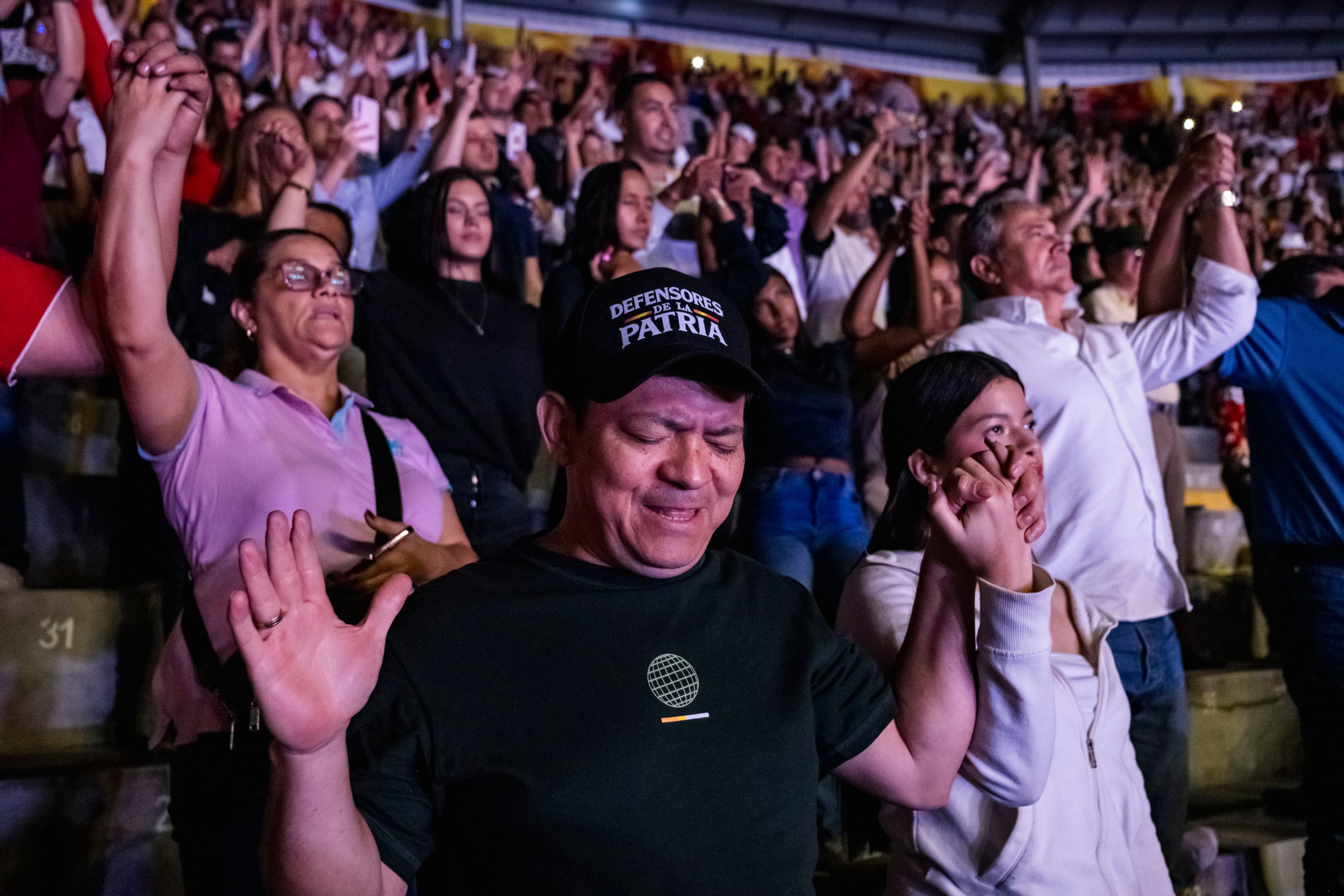
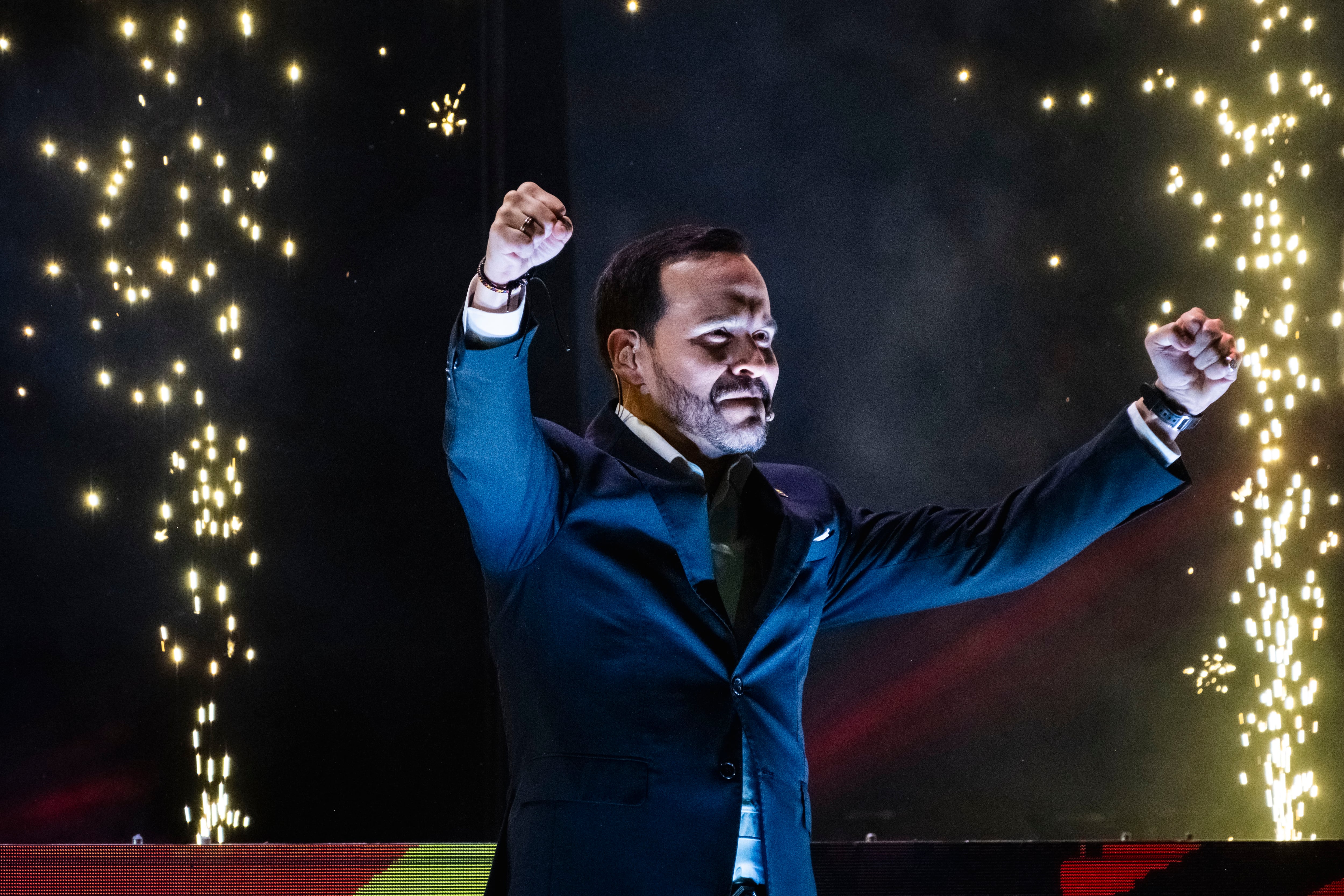
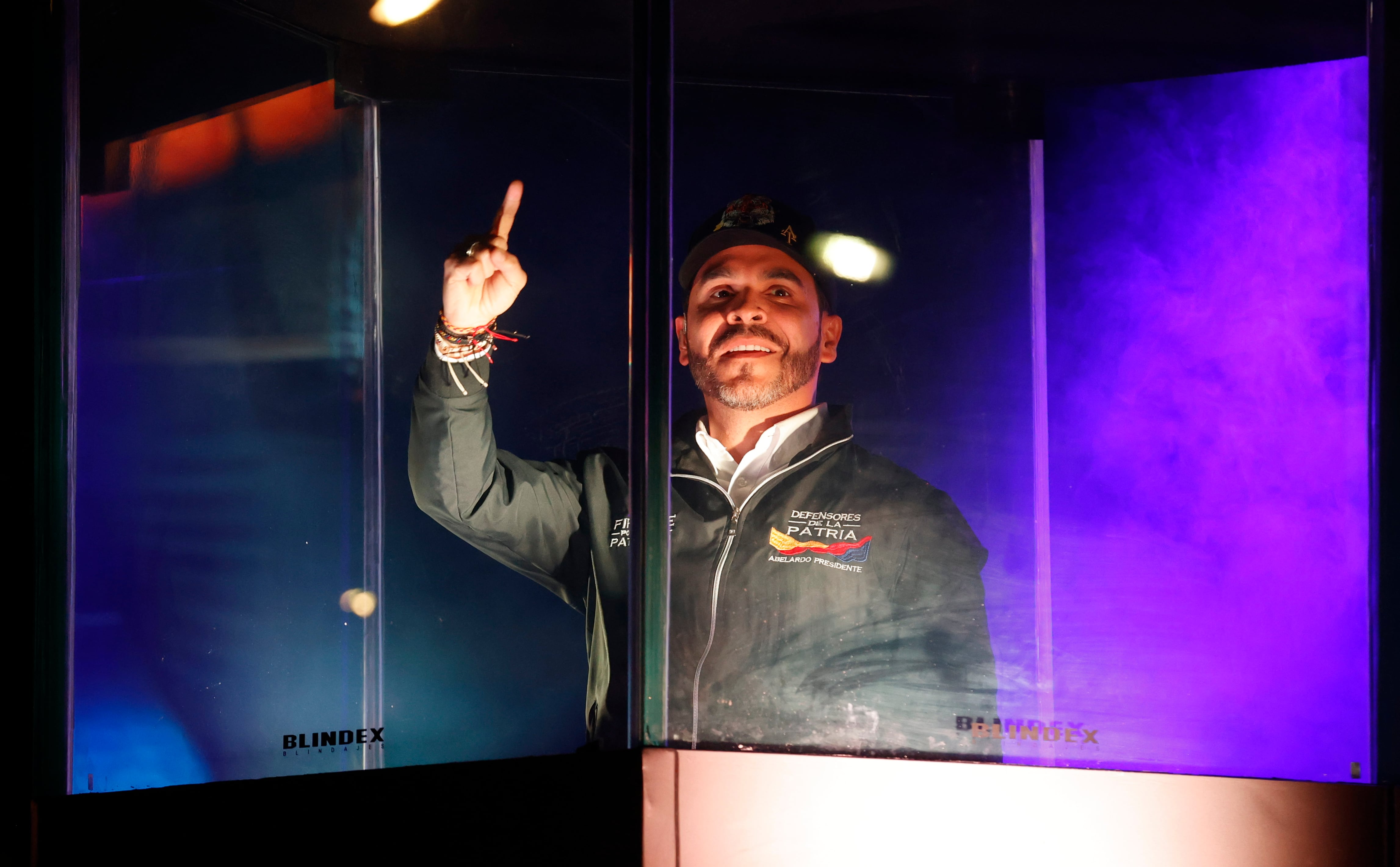
The global far right, which has achieved major milestones in recent years by seizing power in countries such as Argentina and Chile, is now watching closely the elections Colombia will hold on May 31. Abelardo de la Espriella, a lawyer making his political debut as an outsider, has emerged as the country’s extremist figure, invoking epic rhetoric to position himself as the ideal candidate to defeat the left. His campaign has focused on defending a “miracle homeland,” a country of traditional values with the economy and security at its core, where the left— or “communism,” as he calls it—and moderate parties play no leading role. His message has resonated in a society battered by violence, where many see the self-styled “Tiger” as a necessary change.

Seguir leyendo

Supporters of Abelardo de la Espriella at a campaign event in Cali on March 12.Abelardo de la Espriella at a campaign event in Cali.

© Mauricio Dueñas Castañeda (EFE)

Abelardo de la Espriella during the closing speech of his campaign in Bogotá on Wednesday.
  •  

The prediction markets betting on Colombia’s upcoming election

Prediction market giants Kalshi and Polymarket are showing a recent surge in bets on right-wing populist Abelardo de la Espriella to be the eventual winner of Colombia’s presidential election at the end of May. 

The markets are out of line with conventional polls in Colombia, which have leftist candidate Ivan Cepeda comfortably leading the race with de la Espriella in second, followed by center-right candidate Paloma Valencia. 

In the last week, however, bets on de la Espriella to win the election have increased relative to bets on his rivals.

On May 1, de la Espriella was given a 28.8% chance of victory whilst Cepeda was given 38% on betting market Kalshi. As of May 8, de la Espriella has overtaken Cepeda by 1 percentage point, reaching 42%. 

Polymarket shows a similar trend. De la Espriella’s odds have risen from 28% to 39% over the last seven days, though he still trails Cepeda, who remains on 41%.

Over time, the race has been more measured. Since September of last year, Kalshi bet data show de la Espriella and Cepeda wrangling for first and second places until March when Valencia exploded onto the scene following her win in the right wing political party primary in which de la Espriella did not participate. She has since dropped – both on prediction markets, and in the polls. 

Sergio Guzmán, director of Colombia Risk Analysis, isn’t convinced of the predictive power of betting markets in the case of Colombia’s elections.

He observes that, before the Colombian primaries in March, Valencia was unfancied on betting markets. She stormed to victory with 3,236,286 votes in the primaries while her party obtained 16% of the vote share in legislative elections. Meanwhile, de la Espriella declined to take part in a primary, but the party he leads, Movimiento de Salvación Nacional, won only 4% of the vote share. Cepeda’s party, Pacto Historico, held a primary in October 2025 which he won with 1,186,095 votes.

“The best information we have suggests that Cepeda and Paloma have the highest proven ability to get votes,” Guzman told Latin America Reports. “To me, that suggests something is off in the prediction markets.”

The Poll Weighting Index from news website La Silla Vacia combines polling data from the five authorized polling companies and finds that de la Espriella has 24% of voter intention, while Cepeda has 38%. 

This would be sufficient to earn the right-wing populist a place in the second round, but the same poll index suggests de la Espriella would lose the second round by three points to Cepeda.

The trouble with prediction markets for polling 

Whilst prediction markets are not new, the recent rise in the popularity of sites such as Kalshi and Polymarket, presents challenges to democratic processes that require greater public understanding. 

Unlike polls, prediction markets do not measure voting intentions but the hunches of investors. They allow users to trade cryptocurrency-based shares on future events. Correct predictions pay $1 per share; incorrect ones lose their value.

Thus, rather than being an average of users’ probability beliefs, prediction markets are skewed towards the predictions of those with more capital to commit and are vulnerable to manipulation by those with the means to influence the perception of the likelihood of an outcome. 

There is some evidence that prediction markets have outperformed polls on electoral margins forecasting, but both get significantly more accurate closer to the predicted event and should not be treated as reflecting the probability of an outcome. 

Kalshi’s market for bets on the Colombian presidential election is relatively shallow, with only USD $385,390 bet at the time of writing, making the odds particularly volatile, and potentially vulnerable to manipulation.

Coljuegos, the state-owned body responsible for regulating online gambling in Colombia, does not recognize either Kalshi or Polymarket as an authorized operator.

Changes to Colombia’s poll process 

The discrepancy between poll data and prediction market data may partly reflect the age of the available polling data. In Colombia, the most recent authorized surveys were conducted no later than April 30, meaning all publicly available polling is now more than a week old.

Prediction markets such as Kalshi and Polymarket, by contrast, update continuously, with odds shifting hour by hour as traders react to new information.

While most polling data isn’t instantaneous, the increased delays stem from electoral polling regulations introduced in Colombia last year. The rules effectively impose a gagging order on polls until the National Electoral Council (CNE) has reviewed their methodology and respondent metadata.

As a result, the publication of voter intention polling has slowed considerably, often lagging by more than a week.

Spanish polling and consulting firm GAD3 has suspended polling operations on Colombia’s presidential elections, arguing that the new requirements make reliable research impractical. 

In a statement, the company said it was “unfeasible to carry out social research with the minimum guarantees of rigor and operational viability.”

The prediction market phenomenon entering Latin American politics – as it has around the world – will be an interesting trend to watch. 

For his part, Guzmán suspects that the prediction markets are more reactive than predictive, but understands that people need “a place where they can go to soothe their anxiety,” in the absence of more regular polling updates.

Featured image: Screenshot of Kalshi market for Colombia’s upcoming election taken on May 9.

Image credit: Kalshi

The post The prediction markets betting on Colombia’s upcoming election appeared first on Latin America Reports.
  •  

‘Invisible damage’: Report on violence against animals in Colombia conflict

Bogotá, Colombia – On April 20, the Special Jurisdiction for Peace (JEP) – Colombia’s transitional justice mechanism – released a report on the violence suffered by animals in the context of the armed conflict. 

The JEP’s report, conducted in partnership with the University of Essex, found that an animal is killed or injured every 30 minutes due to the armed conflict.

Animal rights activists say the release represents a step forward in publicizing the often invisibilized violence inflicted upon animals in war.

The report was developed through the construction of a database using 237 national, regional, and local media outlets, and 600 X accounts belonging to social and environmental organizations, as well as State entities and multilateral organizations.

Based on the information collected, they made an individual categorization referring to domestic animals, and a collective one referring to species, that is, wild animals. In this context, 100,252 domestic animals faced violence and 44 species are at imminent risk of extinction as a result of the armed conflict.

Thirty-two percent of the recorded cases involving animals were directly linked to military actions, including armed confrontations, ambushes, and attacks. The impacts were not distributed evenly across the territory; there are regions where armed conflict, illegal economies, and environmental richness converge, intensifying the harm. For example, Antioquia is the department with the highest concentration of species threatened by the conflict.

“We realized that most cases involved incidents such as accidents with landmines, anti-personnel mines, ambushes against the public security forces, harassment of the public security forces, and armed confrontations. These were some of the situations in which animals were killed or injured. They were also affected by forced displacement,” Laura Ojeda, a researcher on the JEP’s Investigation and Prosecution Unit who contributed to the report, explained. 

Forced abandonment was one of the most documented forms of harm identified in the report, largely because it was closely tied to the victimization of caregivers within the dynamics of the conflict. 27% of the recorded cases — corresponding to approximately 900,000 animals — involved forced abandonment.

The report also identified nine ways in which animals were used throughout the armed conflict: as means of transportation; as devices to detonate explosive artifacts; as instruments to inflict pain and suffering – torture –; as sentinels for rapid alerts; as surveillance tools; in practices of bioterrorism involving zoonotic diseases; as propaganda tools; as amulets or part of esoteric rituals; and as a means to intimidate communities and extort payments from business owners and farmers.

Visibilizing animal suffering

The report comes as part of the JEP’s efforts to recognize the environment within its processes of justice, truth, and reparation. This release, the third in a series of three, is the first to focus on the specific forms of violence suffered by animals. 

“It is part of a strategy to recognize all forms of life that have been victims of the armed conflict in Colombia,” Ojeda told Latin America Reports.

For Senator Andrea Padilla of the Green Alliance (Alianza Verde) party, the report represents a major step forward for animal rights. 

She notes that harm to animals is usually addressed as a collateral issue, as damage to property under a framework of harm to human assets.

“Animals have always been excluded from any moral consideration, from any legal consideration, even from news coverage,” the senator told Latin America Reports.

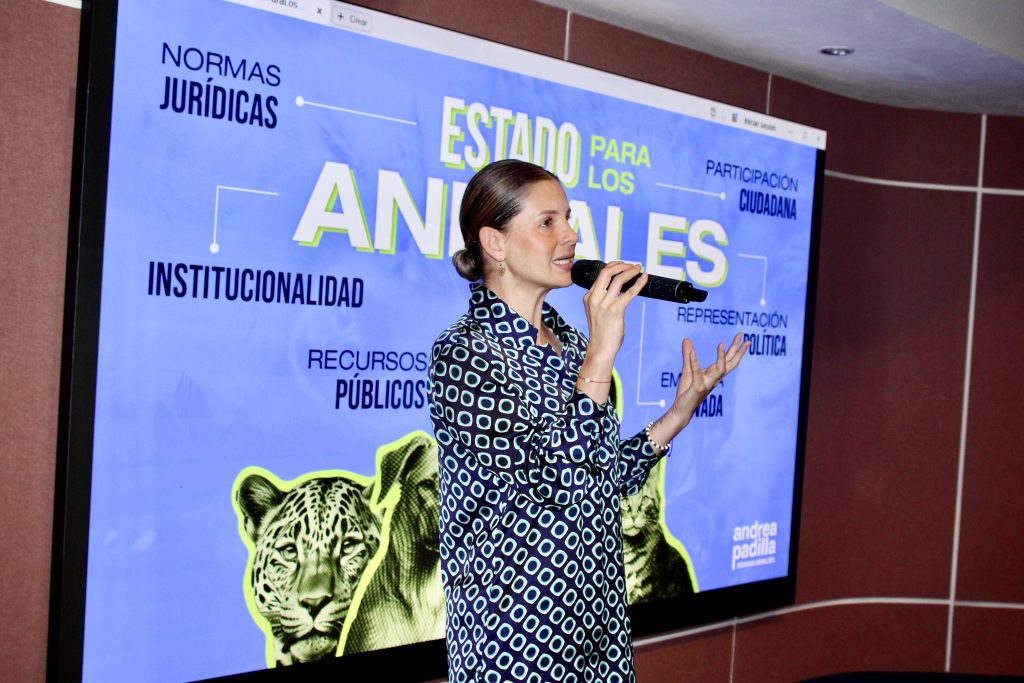
Senator Andrea Padilla delivers a speech on animal rights. Image credit: @andreanimalidad via X

The team behind the report faced the challenge of shifting the narrative away from the legal framework which refers to animals only as part of the natural environment.

Instead, it adopted a “differential” approach from natural sciences, in collaboration with La Enredadera & co, a scientific outreach collective.

For Luis Carlos Posso, anthropologist and member of the collective, the report represents an exception to the “unavoidable anthropocentrism permeating the law.”

Senator Padilla highlighted the animal rights implications:  “I believe it is only fair that sentient beings capable of emotions, affection, and social, moral, and emotional lives are also considered as affected by the conflict.”

Padilla added that understanding the impact of the conflict on animals deepens the appreciation of the human toll of violence.

“When we understand that there are bonds of affection there, family bonds that are abruptly broken by war, we can also see the conflict in a deeper way — that is, we can understand the deepest forms of harm being caused,” said the senator.

Animals as victims of the armed conflict

In addition to detailing the harms inflicted upon animals, the report proposes various reparative measures. These include habitat restoration, veterinary care in conflict zones, public veterinary care networks, the inclusion of animals in memory and truth processes, protection measures for at-risk species, and conservation initiatives.

However, there is still a long way to go before animals can be fully recognized as victims.

“Legally they are not things, but they are also not rights-holders. If they are not rights-holders, they cannot be recognized as victims,” explains Ojeda.

Colombian law recognizes animals as sentient beings, and laws such as the Ángel Law reflect significant progress in their rights. Currently, there is a bill advancing in congress that seeks to historically and legally recognize animals and ecosystems as victims of the internal armed conflict, prohibiting their use as instruments of war and ordering their essential reparation. This is Bill No. 012 of 2025, led by Senator Esmeralda Hernández of the Pacto Histórico party.

Senator Padilla explained that the success of the legal changes will depend on whoever is elected as the next president. 

“Undoubtedly, this report holds great value. It not only offers another perspective on the armed conflict, but also explicitly incorporates animals into the analysis of war, harm, and peace,” said Senator Padilla. She added that animals must be involved in reparations processes, insisting, “peace must include animals, or it will not be complete.”

This article originally appeared in The Bogotá Post and was re-published with permission.

Featured image description: Parrot in a tree.

Featured image credit: Piqsels.

The post ‘Invisible damage’: Report on violence against animals in Colombia conflict appeared first on Latin America Reports.
  •  

Colombia’s super‑rich pack their bags amid the rise of the left: ‘The country is wonderful if you have one foot out the door’

Paranoia has gripped some Colombian billionaires after four years of President Gustavo Petro’s leftist government. Arturo Ramos, 30, says the country is headed for an economic collapse. “Everyone in Latin America has gone bankrupt because of the delusion that they can spend more money than they have,” says this heir to a business empire, who prefers to remain anonymous.

Seguir leyendo

© Roveda, Gabriel (Getty Images)

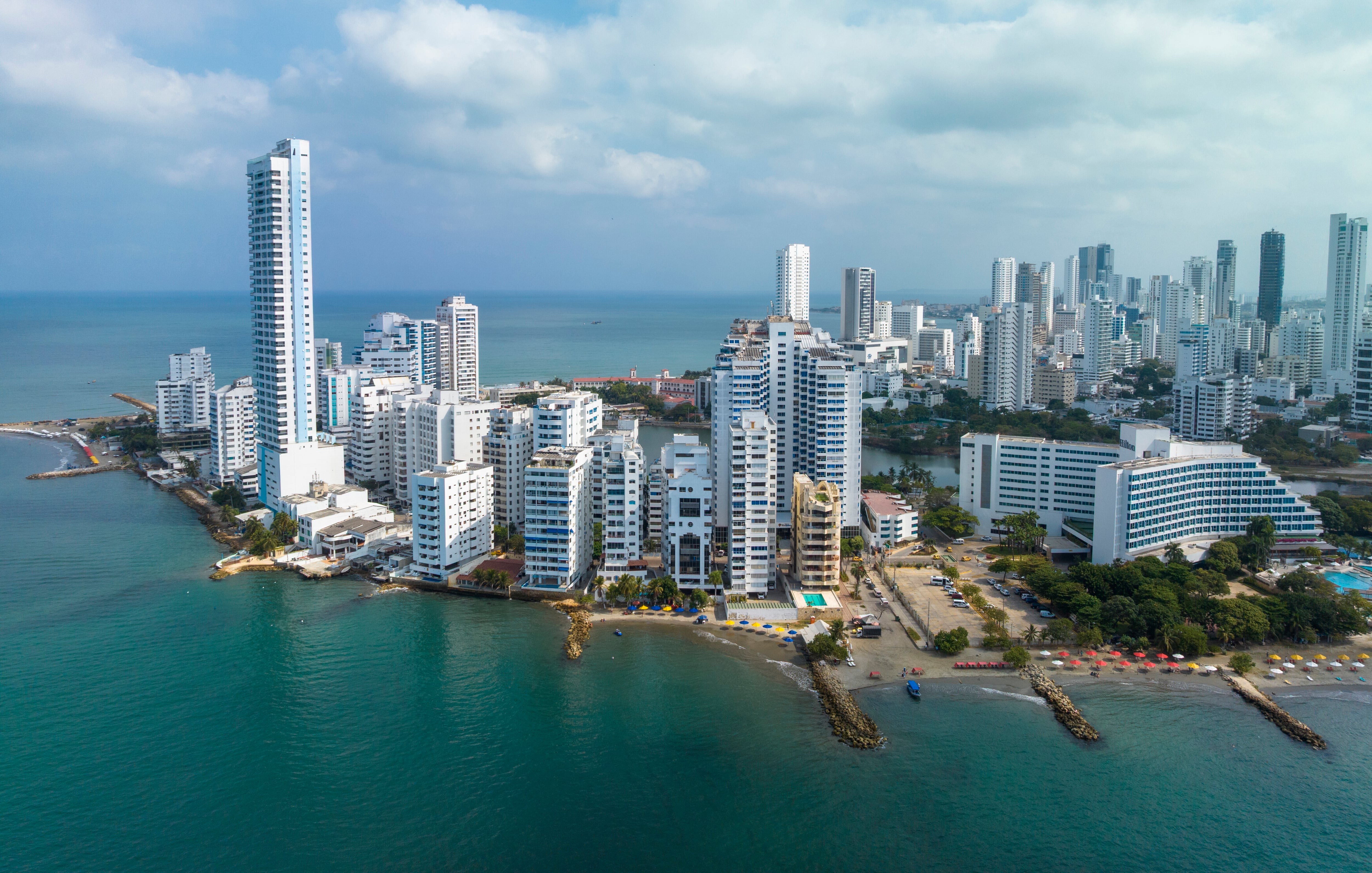
Panoramic view of skyscrapers on the coast of Cartagena, Colombia.
  •  

Colombian president declares three days of national mourning after military plane crash kills 69

Bogotá, Colombia — President Gustavo Petro on Tuesday declared three days of national mourning in Colombia following a military plane crash on Monday which killed 69 soldiers. 

The accident occurred at the Puerto Leguízamo airport in Putumayo, a region located in the southwest of the country, involving a C-130 Hercules aircraft normally used to transport troops and humanitarian aid to remote regions.

According to the latest official reports, at least 69 soldiers and crew members were killed in the disaster. The military transport plane, belonging to the Colombian Aerospace Force (FAC), was carrying over 120 people when it smashed onto the grounds of a nearby farm just after takeoff. 

During the period of national mourning, Petro confirmed that flags will fly at half-mast and military honors will be given to the victims of the tragedy and their families.

He decretado tres días de duelo en todo el territorio nacional en memoria de los 69 uniformados pertenecientes al Ejército, Fuerza Aeroespacial y la Policía Nacional que perdieron la vida en el accidente aéreo en Puerto Leguízamo – Putumayo el pasado 23 de marzo.

Las banderas… pic.twitter.com/INUAnW4bWy

— Gustavo Petro (@petrogustavo) March 24, 2026

Many households are grieving the loss of their children, but one family in particular mourns the loss of two: brothers Santiago and Daniel Esteban Arias. Originally from Puerto Libertador, in the Caribbean department of Córdoba.

Monday’s crash is one of the worst aviation tragedies in the country’s recent history. In 2016, a plane carrying players from Brazil’s Chapecoense soccer team crashed into the mountains outside Medellín, killing over 70 people. 

Lamentamos profundamente informar que, tras culminar las labores de búsqueda y rescate, hoy confirmamos con dolor los nombres de nuestros héroes que ofrendaron su vida en el accidente aéreo en Puerto Leguízamo, #Putumayo.

Cada uno de ellos partió cumpliendo su deber, con honor,… pic.twitter.com/cr25JbYdjr

— Ejército Nacional de Colombia (@COL_EJERCITO) March 24, 2026

In Puerto Leguízamo, survivors of the military plane crash were transferred to specialized medical centers across the country.

Authorities are investigating the causes of the accident but have dismissed preliminary claims of an attack by guerrilla forces active in the region. 

The Mayor of Puerto Leguízamo, Luis Emilio Bustos Morales, told local media, including Blu Radio and Noticias RCN, that “they have many hypotheses.” 

He noted that among them, “there is talk that they were carrying too much weight” or “that the runway was too short for them.”

During the emergency, residents used their own motorcycles to evacuate the survivors before official help arrived; some of them were also injured by ammunition exploding in the flames. 

The medical center known as ‘Hospital Militar Central’, located in the capital Bogotá, confirmed that a local rescue worker is among those being treated there.

President Petro expressed his gratitude through his X account, stating that “this is how a nation is built.” He thanked the local citizens who rushed to save the survivors. He also highlighted the soldiers who ran to save others during the disaster, calling their actions a “beautiful proof of love and solidarity.”

The painful moments were detailed by soldier Mauro Peñaranda, who survived and described the scene as the aircraft went down to local media outlets: “It was leaning to one side, and there was a weird noise (…) the plane was creaking,” he told RTVC. Mauro also stated that they did not receive clear instructions from the cockpit during the situation. 

“I honestly don’t even know how I got out of there… I just jumped and got out,” he said.

The governments of Ecuador, Panama, France, and the United States, among others, also offered their condolences to the Colombian military forces and the victims’ families.

Featured image: Photo of Colombian military plane crash site in Puerto Leguízamo on March 23, 2026.

This article originally appeared on The Bogotá Post and was republished with permission.

The post Colombian president declares three days of national mourning after military plane crash kills 69 appeared first on Latin America Reports.
  •  

Bukele-inspired Abelardo de la Espriella wins first round of Colombia elections

Bogotá, Colombia – Hard right provocateur Abelardo de la Espriella won a shock victory in the first round of Colombia’s presidential elections Sunday, and will head to a run-off with leftist Iván Cepeda in June. 

The most recent voter intention polls had predicted Cepeda beating de la Espriella in the first round by an average of eight points.

With over 99% of votes counted, de la Espriella leads Cepeda, by nearly three percentage points (43.7% to 40.9%). 

A run-off election will take place on June 21 since no candidate achieved over 50% vote share.

Read more: Candidate guides for the 2026 Colombian elections: Abelardo de la Espriella

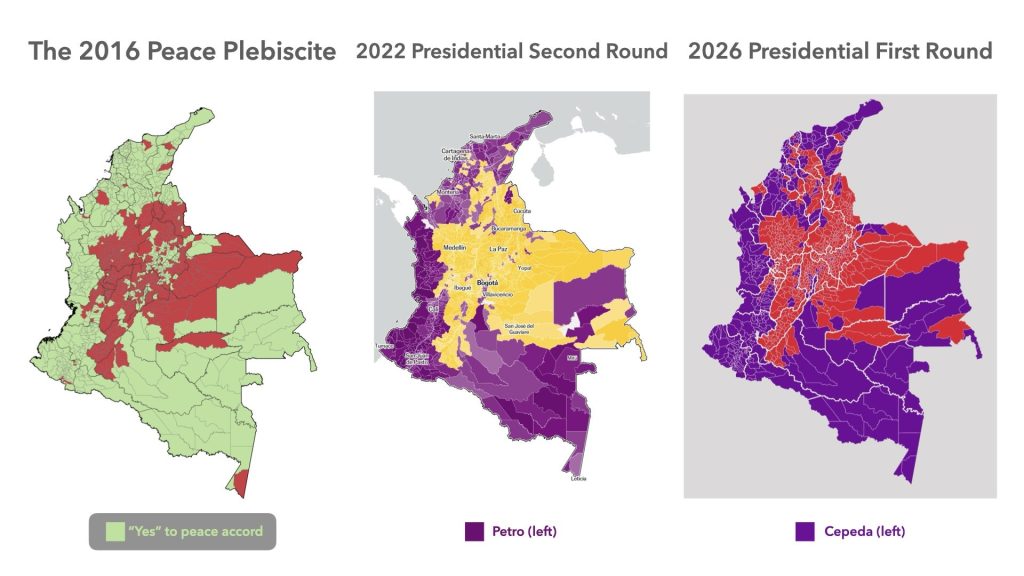
Voting closely followed political divisions seen in previous elections — including in 2022 when Gustavo Petro won the presidency, as well as the 2016 plebiscite for a peace agreement with FARC rebels — with voters rural areas impacted by Colombia’s armed conflict voting for Cepeda while voters in the heart of the country (save the capital Bogotá) voting for de la Espriella’s Defensores de la Patria ticket. 

Image credit: WOLA’s Adam Isaacson via X.

Paloma Valencia, a right-wing senator backed by former President Alvaro Uribe, was considered a favorite to make it to the second round alongside Cepeda as recently as early May, but her campaign ran out of steam in the final weeks and she ended with less than 7% of the vote.

Yann Basset, a political scientist from the University of Rosario in Bogotá told Latin America Reports that he expects Valencia’s supporters will rally around de la Espriella, handing him a victory in the run-off in three weeks’ time.

De la Espriella, who has run a slick, AI-augmented social media campaign, promised to “defeat the tyranny of the left.” 

His proposals include the construction of 10 mega-prisons, a la El Salvador strongman Nayib Bukele, and militarization of the whole territory in order to combat illegal armed groups. 

Read more: Candidate guides for the 2026 Colombian elections: Iván Cepeda

For his part, Cepeda ran on a continuation of Petro’s Historic Pact for Colombia party, including continuing efforts to achieve “Total Peace” with its many armed groups and narrowing the inequality gap in society. 

“Colombia can and should be a just country. A country in which each citizen and every community has effective access to indispensable rights, property and services for a fulfilling life,” Cepeda said on the eve of elections. 

Sunday night, Petro said he would not accept the preliminary count results, and defiant Cepeda supporters at the campaign event in the Tequendama Hotel in Bogotá were heard chanting “No pasarán!” (“They will not pass!”), referring to their right-wing rivals. 

Featured image: Abelardo de la Espriella at a campaign rally in Nariño, Colombia in April 2026.

Image credit: Abelardo de la Espriella on X.

The post Bukele-inspired Abelardo de la Espriella wins first round of Colombia elections appeared first on Latin America Reports.
  •  

Venezuela contradicts Colombia claims about military strikes near border

Medellín, Colombia – The Venezuelan government on Wednesday published a declaration saying it regretted recent violence in the Catatumbo region of Colombia just days after Bogotá announced bombing in cooperation with Caracas.

The statement muddies the waters about whether or not Venezuela was involved in the military operations against the National Liberation Army (ELN) rebels near the two countries’ joint border, which allegedly killed 7 guerrilla fighters. 

“The Bolivarian Republic of Venezuela expresses its profound concern and regrets the escalation of violence in the border region of Catatumbo,” read a statement shared on X by Foreign Minister Yvan Gil.

The declaration came after Colombian President Gustavo Petro said on Monday that he had ordered the bombing in cooperation with Venezuela. 

“I gave the order to bomb the ELN camp in accordance with the agreement reached with the Bolivarian government of Venezuela,” wrote Petro on X.

Petro appeared to allude to an agreement with Caracas to cooperate on tackling cross-border crime following his visit to Venezuela in April. 

But Caracas appeared to wash its hands of the recent bombing operation; while it did not directly acknowledge the bombing or Petro’s statement, its declaration said that it “rejects any armed action that compromises the peace, stability, and security of border communities.” 

It added that the only way to preserve peace and stability in the region is through “mechanisms of understanding and mutual respect, avoiding actions that can aggravate tensions or generate greater risks for border populations, who for decades have faced the consequences of a conflict out of their control.”

Since last year, Catatumbo has been the site of what has been described as “the most serious humanitarian crisis of recent times” in Colombia. In January 2025, a family of three, including a nine-month-old baby, was killed, marking the collapse of fragile peace pacts between the ELN and the Frente 33 – a dissident faction of the demobilized FARC rebels – and triggering a humanitarian crisis on a scale not seen in the country for over a decade.

The Red Cross said that 2025 was one of the most complicated years for humanitarian conditions in Colombia: more than 235,000 people were individually displaced, over 176,000 people have been unable to move freely because of armed conflict, and there has also been a sharp increase in cases of mass displacements.

Venezuela’s statement highlights the cross-border nature of the conflict, noting that the country “has historically suffered the consequences of Colombian internal conflict.” Colombian armed groups like the ELN and dissident FARC factions have traditionally had a significant presence in Venezuela and were known to have ties to the Nicolás Maduro regime.

But both the interim government under Delcy Rodríguez and Petro have been under pressure from the White House to confront guerrilla groups.

This article originally appeared on The Bogotá Post and was re-published with permission.

Featured image description: Colombian President Gustavo Petro and Venezuelan Interim President Delcy Rodríguez at a meeting in Caracas on April 24, 2026.

Image courtesy of: Colombian President’s Office.

The post Venezuela contradicts Colombia claims about military strikes near border appeared first on Latin America Reports.

  •  

Bolivia dismisses Colombia ambassador after Petro comments

Bogotá, Colombia – Bolivia’s government ordered Colombia’s ambassador to leave the country just days after Colombian President Gustavo Petro expressed support for ongoing anti-government protests.

“The Bolivian government has decided to request that the Ambassador of the Republic of Colombia accredited to the country conclude her diplomatic duties in Bolivian territory,” read a statement on Wednesday morning by Bolivia’s Ministry of Foreign Relations.

The ministry expressed its disapproval of Colombia’s involvement in its domestic affairs amid mounting anti-government protests.

“Bolivia considers it essential that any external assessment or statement regarding the country’s internal situation be made with responsibility, diplomatic prudence, and full respect for… institutions,” continued the statement.

While the government did not explicitly mention Petro, the measure came just days after the Colombian president weighed in on the protest movement, describing it as a “popular insurrection” in an X post last Sunday.

In recent weeks, miners, teachers, farmers and Indigenous groups have been calling for President Rodrigo Paz to resign over economic hardships, including soaring inflation and the suspension of fuel subsidies.

Bolivia’s foreign ministry responded to Petro the same day, saying his words, “do not reflect the relation of friendship, respect and cooperation between the peoples of Bolivia and Colombia.”

Petro, whose term ends in August, did not backtrack following the Ambassador’s dismissal.

“If they expel the ambassador simply for proposing dialogue ​and mediation, it means we’re sliding toward extremism that could lead ​to a very difficult situation for the Bolivian people,” the president told Caracol radio today.

Despite the spat, Bolivia’s foreign ministry said diplomatic channels remained open and the expulsion did not count as a full-scale rupture in relations.

The government added that it had granted Ambassador Elizabeth García Carrillo “the appropriate period of time in accordance with current international standards” to leave the country.

Featured image description: President Gustavo Petro (L) and President Rodrigo Paz (R). I

Featured image credit: Wikimedia Commons

The post Bolivia dismisses Colombia ambassador after Petro comments appeared first on Latin America Reports.
  •  

Family of deceased US citizen accuses Colombian State of “impunity in the alleged femicide” (Interview)

Medellín, Colombia – Following their complaint filed earlier this month before the Inter-American Commission on Human Rights (IACHR), the family of Kelly Knight, a U.S. citizen who was found dead in Medellín in 2019, spoke to Latin America Reports about what the complaint describes as “impunity in the alleged femicide” of their daughter by the “Colombian State.”

On July 19, 2019, 34-year-old Knight was found dead in her apartment in Medellín. According to the complaint, since her marriage to an unnamed man in 2018, Knight was the alleged victim of a pattern of sustained spousal abuse, including an episode on the night before her death. 

Lawyers representing the family say that on July 18, while staying with her husband at a hotel in the town of Doradal a few hours outside of Medellín, hotel staff “alerted police after they reported hearing screams.” The complaint said police were “unresponsive” and Knight was later “dragged across the asphalt by her husband, according to documented conversations between the victim and her friend.”

Upon authorities finding her deceased in her Medellín apartment the next day – “under circumstances that to this day remain unclear” – the complaint alleges that a preliminary investigation was opened in 2019 on suspicion of femicide but the case has since gone “stagnant” with no formal charges or arrests made. 

Warning signs that went unaddressed 

The family’s complaint accuses Colombia of failing to “prevent, investigate, and determine responsibility for the alleged femicide.” The family considers Knight’s husband a principal suspect as well. 

“She was close to leaving at the time she was killed, very close. We found a letter in her apartment, in the trash can, telling [her husband] exactly that. And I don’t know if he had wadded it up and thrown it away; I’m not completely sure. We just found it in the trash can, and we turned it in to the investigators,” Ray Knight, her father, told Latin America Reports

“She told us every time something happened,” he added. “She wanted to come home multiple times.”

Lawyers for Knight’s family say that despite the severity of reported incidents of abuse, Colombian authorities failed to provide “protective measures, psychosocial support, adequate threat assessment against her, or timely investigations into these events until after she died.”

“There were various signs that made the authorities aware of what was going on,” Ignacio Javier Álvarez Martínez, Executive Director of IHR LEGAL, a law firm representing the family, told Latin America Reports. “They could have done something about it, and they didn’t.”

Image credit: Online obituary for Kelly Knight.

A bungled crime scene 

By the time authorities began investigating Knight’s death, key elements of the crime scene had already been compromised, the family’s attorneys said. 

“Kelly’s body was moved. No video of the crime scene was taken,” Mariana Hernandez, another lawyer for the family, told Latin America Reports

“The bedding was destroyed, and her clothes were given back to the main person of interest [the husband],” she added.

Her family also described what they saw as a chaotic and unprofessional crime scene inside the apartment. 

“They failed to cordon off the area. It was full of people while authorities were inside,” her mother, Lee Knight, told Latin America Reports.

Some of the most critical forensic evidence was also compromised, they said. 

“They mishandled important blood samples,” said Álvarez, noting that the limited amount collected was used in ways that prevented further testing abroad.

“[Her husband] told us he threw the bedding away,” said Knight’s father. “He said it was dirty.”

The family also told Latin America Reports that a representative from the legal team attempting to retrieve Knight’s belongings after the murder was violently confronted by Knight’s husband. No charges were filed in that alleged incident, they said. 

Attorneys for the family argue that the alleged failures at the crime scene weakened the investigation and may have permanently undermined any ability to determine what happened to Knight. 

Latin America Reports contacted the Prosecutor’s Office and Medellín Mayor’s Office for comment on the case but have not received a response at time of publication. 

IHR Legal, the law firm representing the family, said that Colombia has yet to issue an official response to the compliant because the IACHR has not yet officially present the State with the complaint – a process that can take several months. 

Knight’s parents also lamented being shut out from information surrounding the investigation into their daughter’s death. 

“We had no direct communication with the prosecutor or the medical examiner,” her father said. “We were not consulted on anything.”

Knight’s mother said authorities told them that they couldn’t share findings in the case. 

“They said they couldn’t report anything to us,” she said. “We were the parents—we just wanted to know what happened to our daughter.”

Femicides in Colombia 

Kelly Knight’s case is not an isolated incident. In recent months, multiple cases of gender-based killings across Colombia have drawn attention to persistent gaps in prevention and accountability, with advocates warning that impunity remains a defining feature in many investigations.

In just the first three months of 2025, over 5,300 women were reported to be victims of intrafamiliar violence, and over 3,800 women were reported victims of sexual violence, most of which were children or teenagers. 

A 2024 study by Colombia’s ​​National Institute of Legal Medicine and Forensic Sciences, found that sexism and violence against women are spurred by an enduring patriarchal society in Colombia, where women are positioned as the “self-sacrificing mother” or “submissive wife”, while men are positioned with dominance and strength. 

Moreover, the study also demonstrated that the hypersexualization of women, the glorification of “strong” and “dominant” men, and the narrative of traditional gender roles reinforce the patterns that are replicated in society.

In the case of Kelly Knight, the lawyers argue that her husband’s testimony was prioritized over the victim’s family’s. 

“His narrative is repeated multiple times in the case file,” said Hernández.

According to the attorneys, the husband’s version of events included claims that Knight struggled with substance abuse and instability, assertions she says were not supported by evidence.

“He said she was ‘crazy’ or a ‘drug addict,’ and there is no evidence of that,” Hernández added.

Despite this, the lawyer argues, authorities relied heavily on his account in building the case since he was the principal witness, yet disregarded the female’s family side of the story. 

“They based their investigation on what he told them,” she said. “There is a lack of gender perspective in both the police and the prosecutor’s office.”

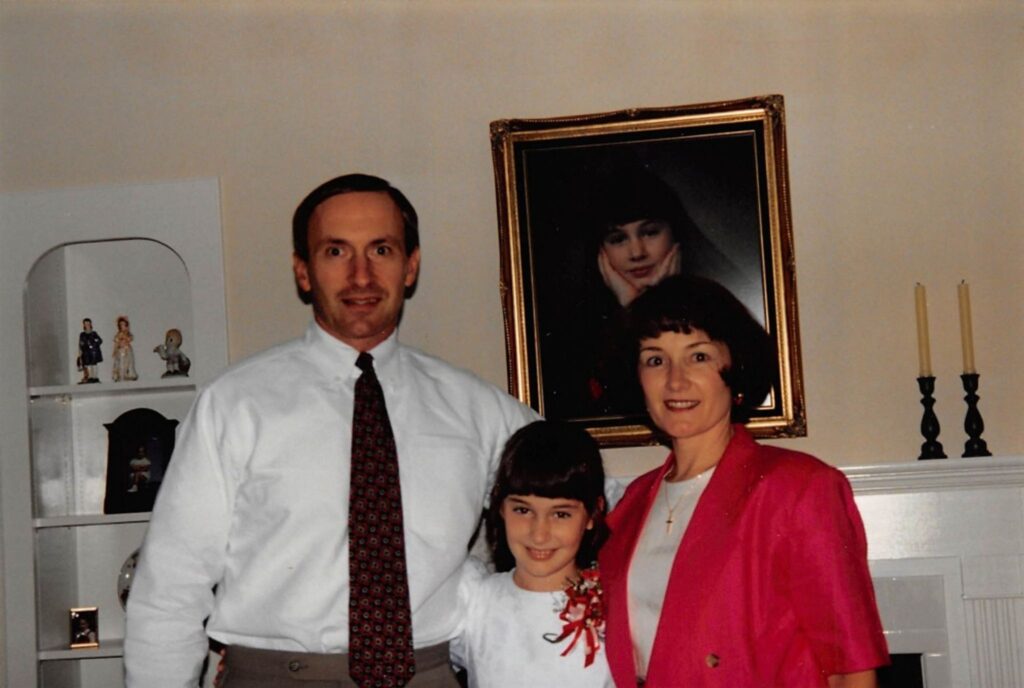
A young Kelly Knight with her family. Image credit: Online obituary for Kelly Knight.

What comes next for the Knight family? 

After six years, the Knight family, unsatisfied with how the investigation is proceeding in Colombia, filed a formal complaint with the IACHR on March 2, 2026.

Under international law, victims are typically required to exhaust domestic legal remedies before seeking redress from international judicial bodies. But exceptions apply when investigations are subject to prolonged delays or fail to produce meaningful progress.

“After a reasonable period without meaningful progress, you don’t have to wait,” Álvarez, the attorney, said. 

The Commission must now determine whether to admit the case and formally notify the Colombian state, which then has an opportunity to respond. 

“Part of filing the case is to push the state to do something about it,” Álvarez said, adding that the proceedings could compel local authorities to move the investigation forward.

Beyond the individual case, he said, the implications could be broader. “This case could be paradigmatic for Colombia and the region.”

For Knight’s parents, however, the objective remains unchanged.

“We will try every available avenue to find out what happened,” her father said. “We will get to the bottom of this if we can.”

Featured image: Kelly Knight.

Image credit: Online obituary for Kelly Knight

The post Family of deceased US citizen accuses Colombian State of “impunity in the alleged femicide” (Interview) appeared first on Latin America Reports.
  •  

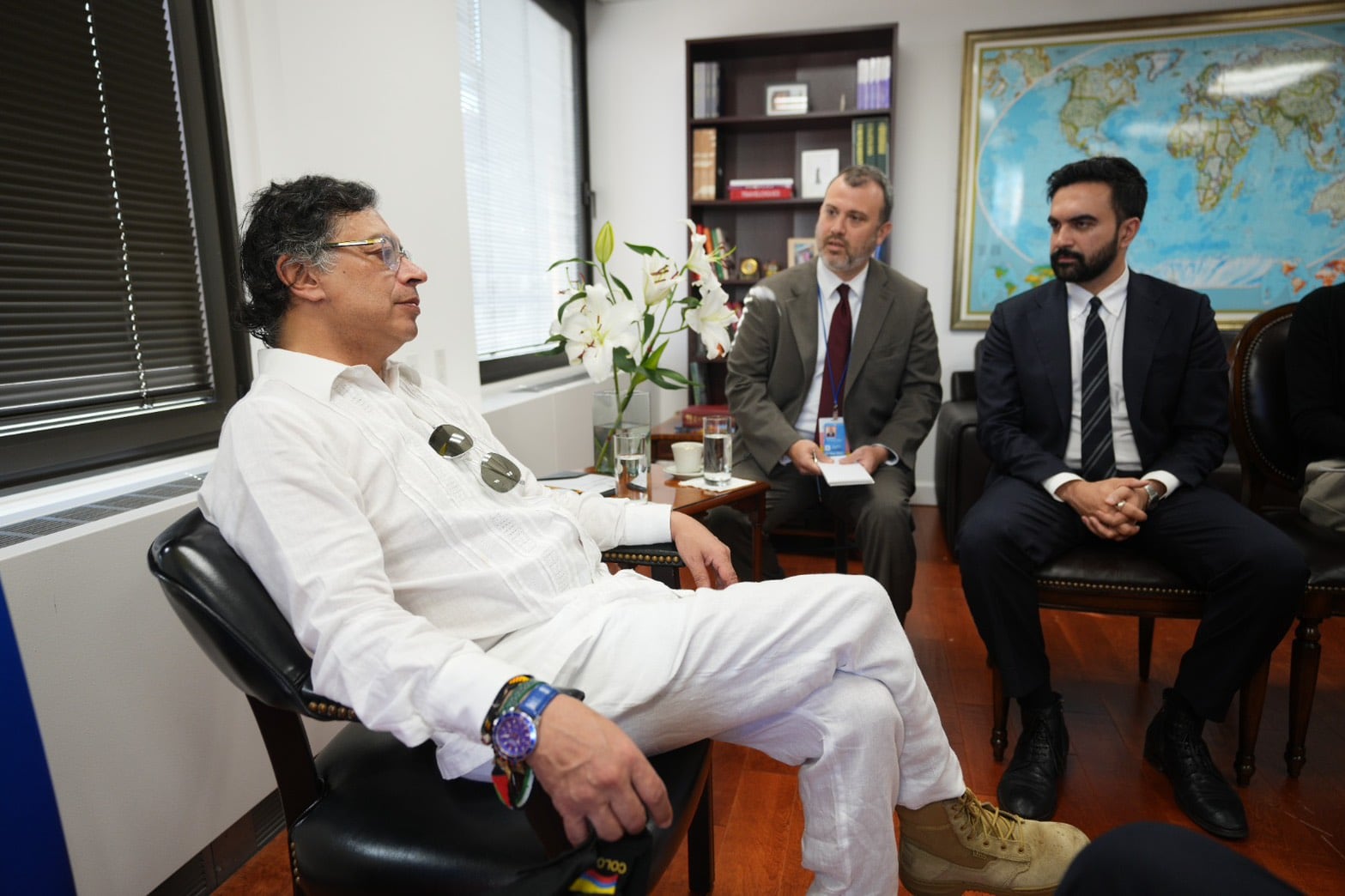
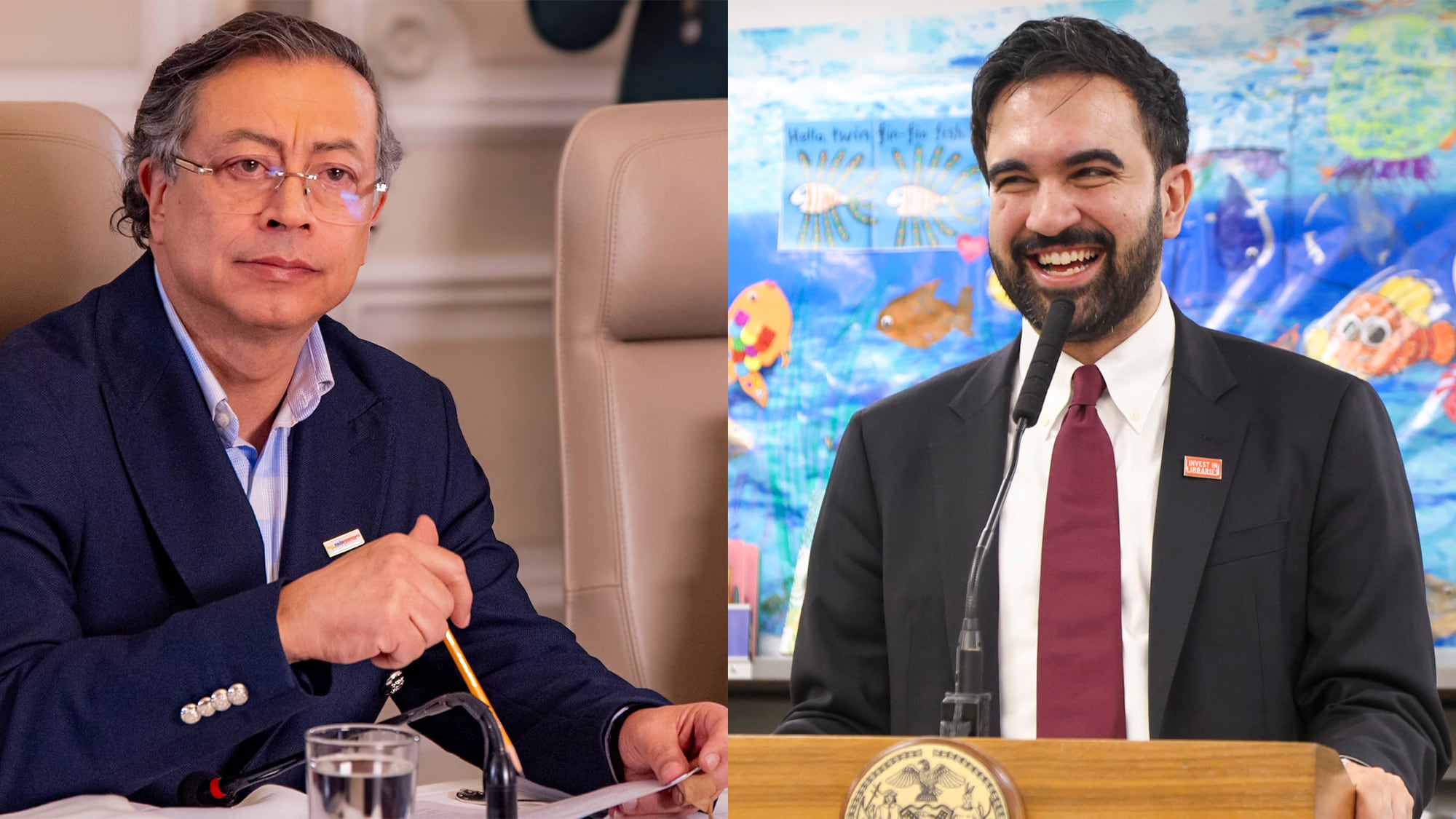
Gustavo Petro to travel to New York to meet Mayor Zohran Mamdani

Gustavo Petro (left) and Zohran Mamdani.

Colombian President Gustavo Petro is scheduled to travel to New York in a couple of weeks to meet with the city’s mayor and a leading figure of the global left, democratic socialist Zohran Mamdani, EL PAÍS has learned. The trip is set for June 12, a little less than two weeks after the first round of Colombia’s presidential election, which will be held this coming Sunday. If that vote does not produce a successor to Petro, a runoff will be held on June 21. In any case, the winner will take office on August 7.

Seguir leyendo

Gustavo Petro and Zohran Mamdani in New York, September 2025.
  •  

Colombia chooses its next president amid renewed violence

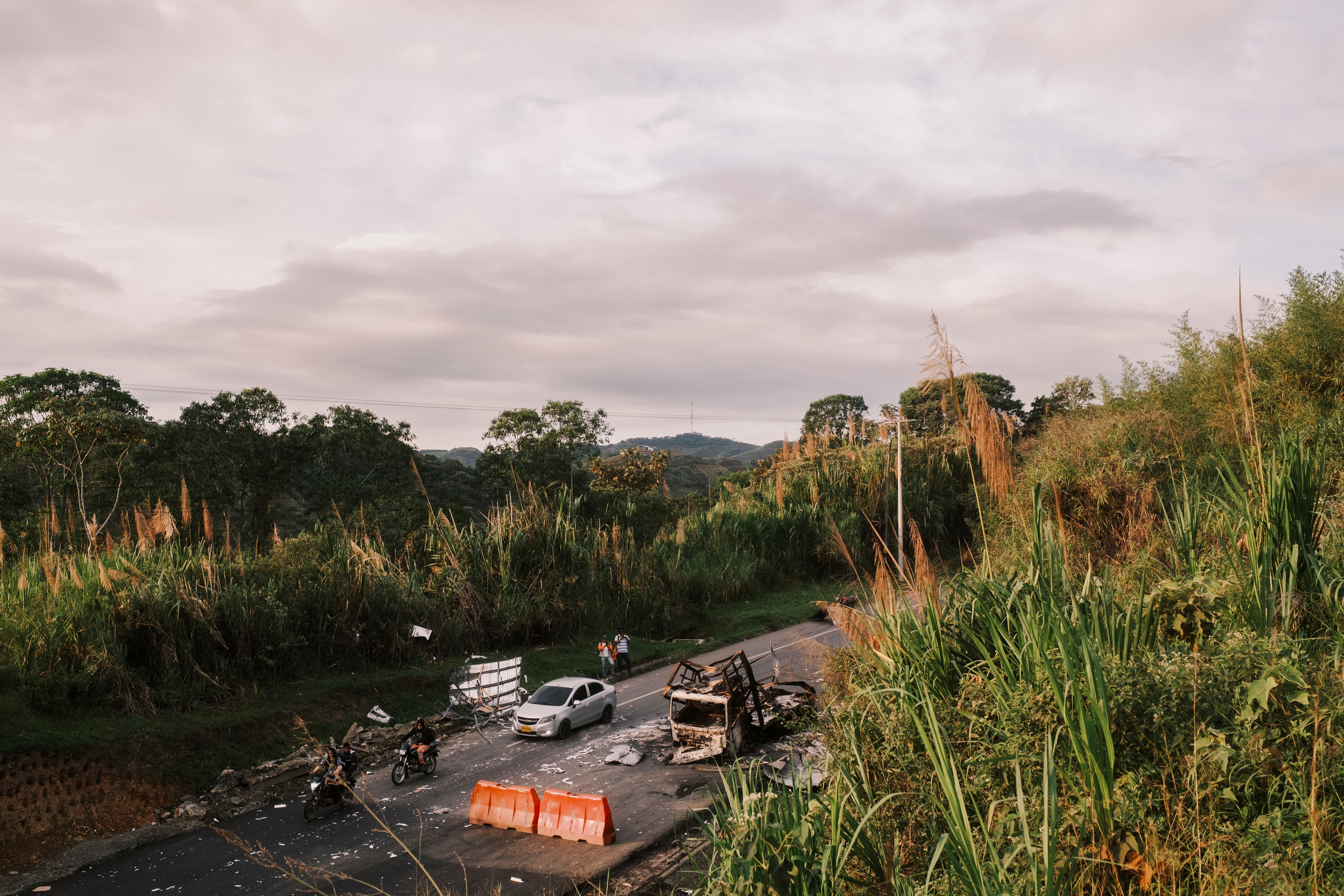
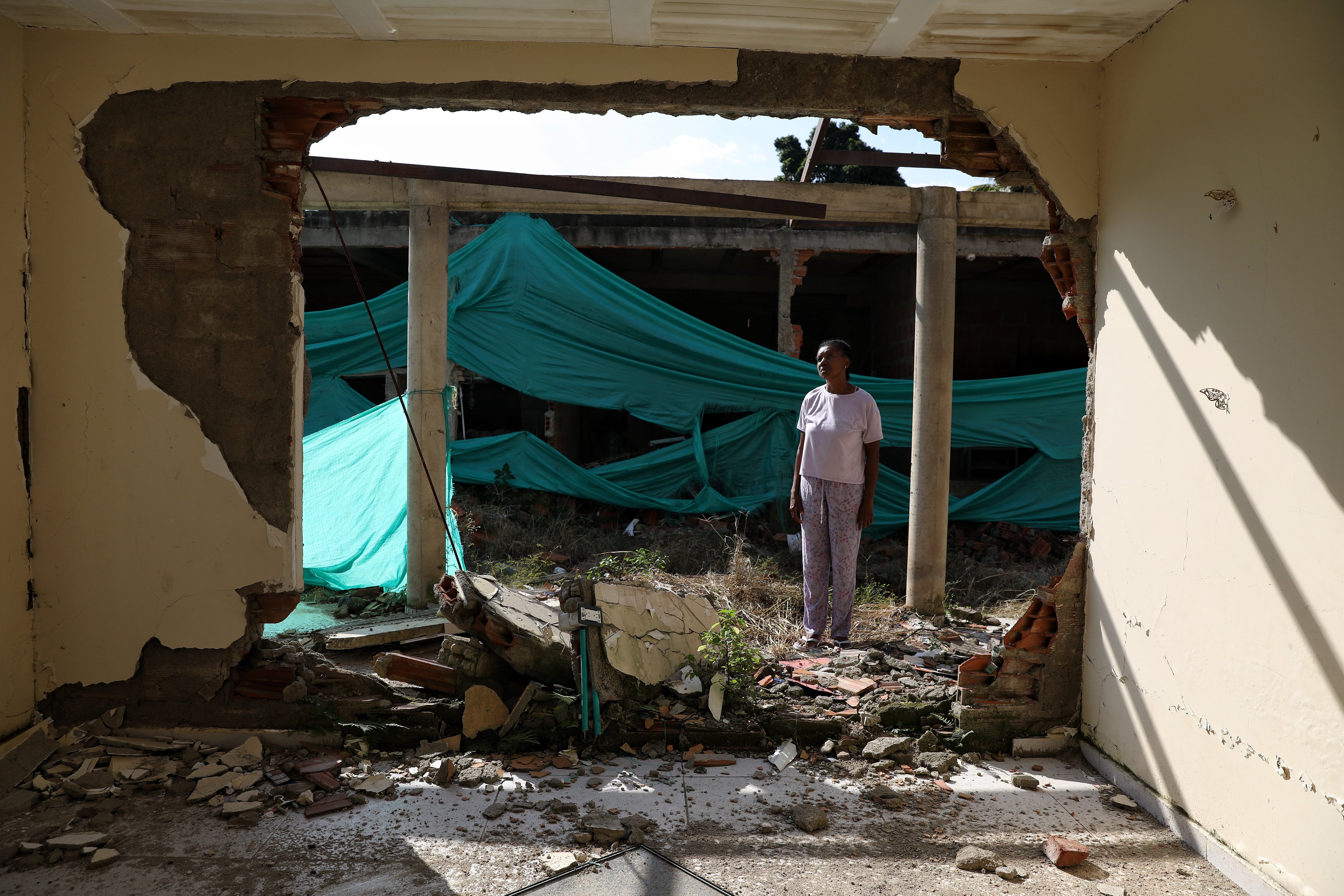
Renewed violence — a kind that has never been fully extinguished in Colombia — marks the presidential campaign to choose Gustavo Petro’s successor. In many places, the first-round vote this Sunday will take place under crossfire. Nearly 10 years after the signing of the historic peace accord with the now-defunct FARC guerrilla organization, other armed actors threaten communities and the war still burns, albeit in a more fragmented phase. The humanitarian consequences of the armed conflict have reached “the most serious level of the last decade,” the International Committee of the Red Cross (ICRC) warned this month. Amid that crisis, public security has become one of the main concerns.

Seguir leyendo

A vehicle loaded with explosives detonated by FARC dissidents on the Pan-American Highway in Cauca on April 29.

© Santiago Saldarriaga (AP Photo/Santiago Saldarriaga)

Eucaris Zamora in front of her destroyed home in Robles, May 19.
  •  
❌