Login
Login
Fukuoka schools struggling to get kids to switch from milk to tea in lunches
Debate over which drink fits lunches to a T.
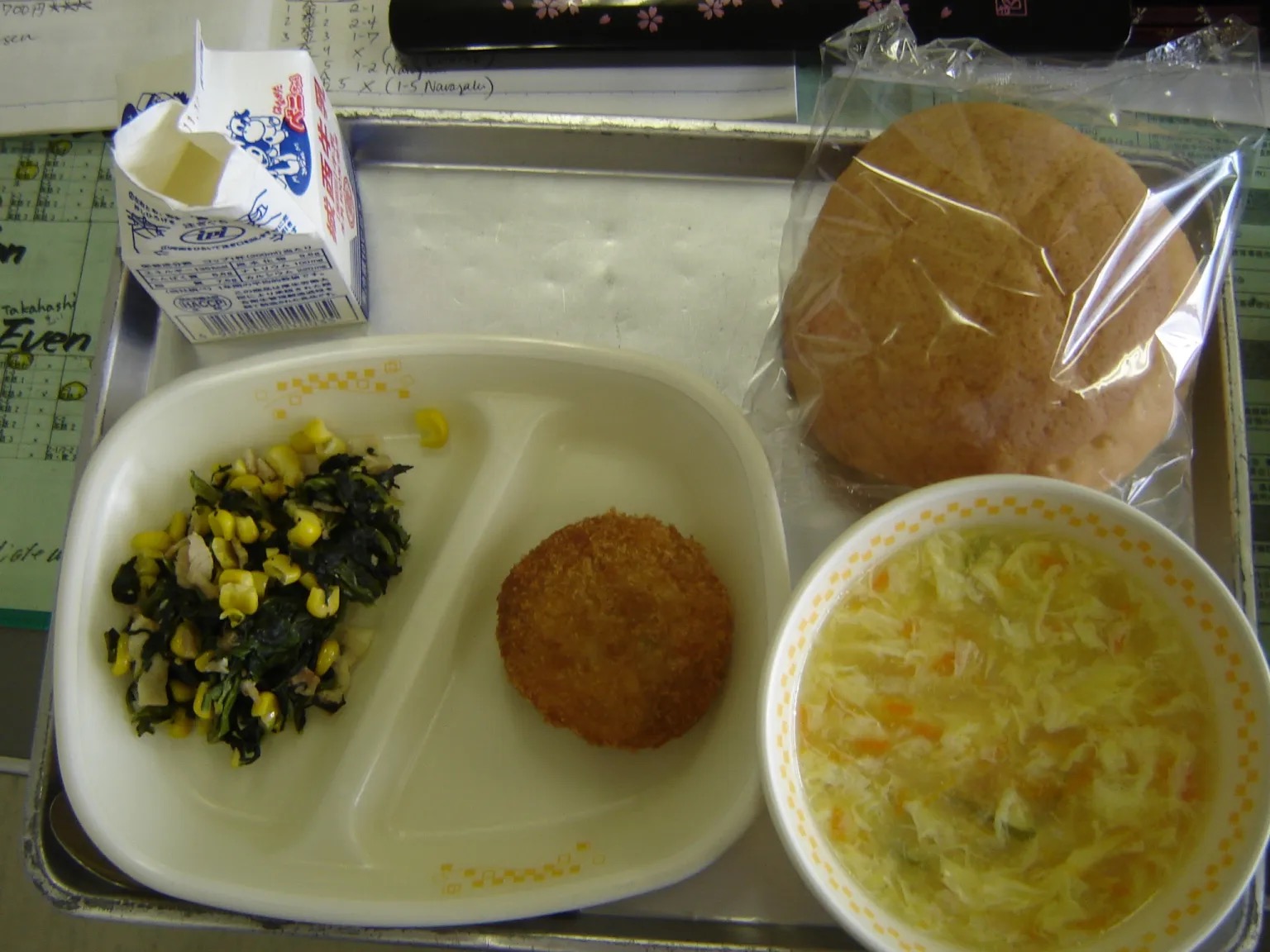
Small cartons of milk have long been a quintessential part of school lunches, even in Japan, where milk isn’t quite the widely drunk beverage that it is in some other countries. And it’s a good thing too, as its sweetness and creamy texture hide a great source of calcium, amino acids, vitamin B12, and more.
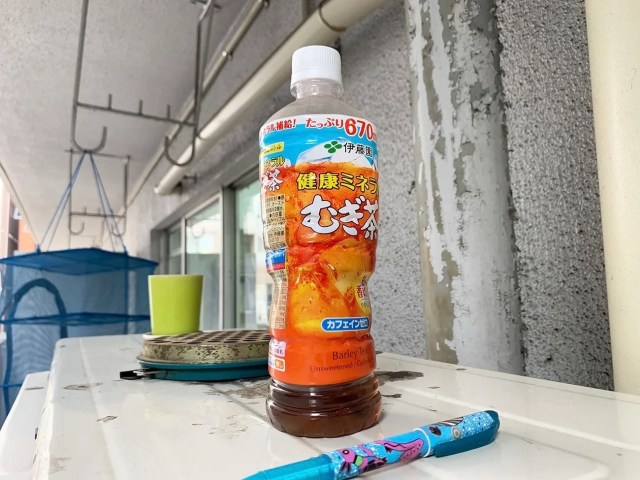
But as mentioned, it’s not really a standard drink in Japan, so from time to time, there have been experiments with serving something more common for school lunches. In many households, that thing is a pitcher of frosty tea in the fridge, usually barely tea when kids are involved. Its light taste and nutritional benefits make it great for serving with meals or as a way to cool down after playing sports. A lot of kids are also often sent off to school with a thermos of it to stay hydrated throughout the day, because barley tea has no caffeine to worry about, unlike some other teas.
▼ It’s also surprisingly durable, as we foolishly found out.
Tea is so common that a good portion of Japanese cuisine is also designed with a side of tea in mind, and the main reason schools have tried introducing tea into school lunches is that it pairs better with Japanese foods like grilled fish and rice. Some suspected it might be a cost issue, but milk is actually considerably cheaper, largely because of the well-established supply chain that’s been in use since the end of World War II.
A more harmonious meal is what the Fukuoka Board of Education had in mind when they started a trial program of serving tea with school lunches. They began holding No Milk Day once a month, where a meal of Japanese dishes was served with a drinking box of green tea rather than milk at elementary and junior high schools in the city.
▼ I might be reading too much into the kids’ reactions in this news report about a No Milk Day, but I sensed some politely veiled disgust there.
While some students appreciated the way it complemented the food, there was also a fair deal of resistance to it. Some schools reported up to 20 times the number of leftover, untouched tea boxes than that of cartons of milk on regular days, indicating that the more bitter notes of the green tea weren’t winning everyone over.
All things considered, green tea was a bit of an odd choice. A hojicha (roasted green tea) has about half the caffeine of regular green tea, while barley tea is caffeine-free and more in line with the taste of what kids usually drink. Online comments seemed to agree that green tea probably wasn’t the best idea for this program.
“If the tea was sweetened, it would probably go over better.”
“I don’t want to drink much while eating, so milk is good enough.”
“If they served cola, there wouldn’t be a drop left over.”
“Kids only drink barley tea. Just give them milk or juice.”
“Kids usually bring their own tea. They don’t need more.”
“I’m surprised elementary kids even liked milk that much.”
“This sounds like the idea of adults who don’t set foot in a school.”
“They’re growing kids. It’s probably better they have milk anyway.”
“What kid cares about food pairings?”
“Green tea is only good hot. If it’s cold, give them barley tea.”
The Fukuoka Board of Education may have felt the same way and said they will give the option of hojicha or barley tea starting this autumn, suggesting they are also far from giving up.
However, even if it does catch on with the kids, that won’t be the only hurdle to programs like this. In 2022, Shizuoka City, one of the country’s leading tea-producing regions, started a similar program of offering tea instead of milk from time to time. They ended it after a year and a half based on concerns the kids were not getting enough nutrition.
Fukuoka is aware of those concerns as well and said they will try to tailor the rest of the meal to compensate for the loss in calcium and other nutrients. Still, it’s pretty hard to match all the good stuff packed into a 200-milliliter (6.8-ounce) carton of milk at anywhere near the same cost.
I’d recommend serving milk mixed with the roasted soy bean powder kinako. It tastes great and has a Japanese tinge to it that might go well with certain dishes, even if it didn’t help me regrow my hair.
Source: Nishi Nippon Shimbun, Yomiuri Shimbun, FNN Online Prime, Hachima Kiko
Photos ©SoraNews24
● Want to hear about SoraNews24’s latest articles as soon as they’re published? Follow us on Facebook and Twitter!