A flesh-eating parasite has been detected in Texas, the U.S. Department of Agriculture (USDA) Animal and Plant Inspection Service confirmed Wednesday. A New World screwworm (NWS) was found in a young calf in Zavala County, which is southwest of San Antonio, Texas. This is the only confirmed case at this time, and it is the...
About 14.7 million American children under age 6 have all their parents working, so most spend their days outside the home, usually in child care. These settings have an environmental impact that many parents never notice, including diapers, food waste, cleaning products, art supplies, packaging, and the indoor air children breathe for hours each day.
Daycare is one of the most important places in a young child’s life. The habits children learn there, like how they deal with waste, connect with nature, and what they expect from their food, often come home with them. This means a daycare’s approach to sustainability matters for families, not just for the center itself. The good news is that about 70% of a typical preschool’s waste can be reused, recycled, or composted, so most centers can make big improvements without spending a lot.
This guide explains what to look for in a daycare, how to encourage changes at your child’s current center, and which areas—like diapers, food, indoor air, and outdoor time—parents can influence most.
The Footprint Nobody Talks About
Diapers are a huge part of the problem. Americans throw away about 20 billion disposable diapers each year, adding up to around 3.5 million tons of landfill waste. They are the third most common consumer item in U.S. landfills. The EPA says each diaper can take up to 500 years to break down and releases methane as it decomposes.
Food waste is also a big issue in early childhood settings. One U.S. study found that childcare programs throw away about 43% of the food they serve. A Finnish study showed that childcare centers waste more food per meal than restaurants or schools. When you add this up across thousands of centers, the loss of resources like carbon, water, and money is huge.
The largest U.S. study to measure environmental contaminants in childcare facilities found formaldehyde levels exceeded California’s chronic exposure guideline in 87% of centers tested, and indoor particulate matter exceeded 24-hour standards in nearly half. Sources include cleaning products, air fresheners, off-gassing furniture, art supplies, and pesticides used inside the building. Children, who breathe more air per pound of body weight than adults do, absorb more of the toxins they inhale. Most daycares have limited budgets and staff who are already busy. Still, small changes across many centers can make a big difference. Parents who notice these problems can help centers that want to improve but need support.ds an ally.
If You’re Still Choosing a Center
A center’s commitment to sustainability during licensing often shows how they operate every day. When you visit, ask clear questions. For example, “Do you compost food scraps?” gives you more information than asking, “Are you eco-friendly?”
Questions worth asking on a tour:
How is food waste handled — composted, donated, or trashed?
What cleaning products do you use, and are they third-party certified?
How much time do children spend each day outdoors, and in what conditions?
How are art supplies, books, and toys sourced — new each year, or rotated and shared?
Do you have a recycling system the children participate in?
What’s your policy on pest control and air freshening?
One credible signal to look for is the Eco-Healthy Child Care endorsement, a national program from the Children’s Environmental Health Network that has endorsed more than 1,500 facilities across the U.S., Canada, and Australia. Endorsed centers comply with at least 24 of 30 best practices covering pesticides, lead, art supplies, plastics, cleaning chemicals, and outdoor exposure. The program’s standards have been adopted by the National Association for the Education of Young Children as part of its accreditation criteria, and several states (Maryland, Pennsylvania, Utah) recognize it within their quality rating systems.
If a center can’t give specific answers to your sustainability questions, that tells you something. It doesn’t mean you should rule them out, but it suggests that any green changes may need to start with parents.
If Your Child Is Already Enrolled
Begin by talking to the director, not the classroom teacher. Directors make decisions about purchases, vendors, and staff training. Bring specific suggestions instead of general concerns. For example, asking, “Would you consider switching to a third-party-certified cleaning product?” is helpful, while “Can you be greener?” is too vague.
It helps to assume the director wants to improve but faces real limits. Offer to help with the work. Most centers will accept support that they don’t have time to organize on their own.
Rethinking the Diaper Question
If your center only allows disposable diapers, ask for the reason. Some states have strict rules about cloth diapers in group care, but many centers use disposables simply out of habit, not because of regulations.
Cloth diaper services, which handle laundry and delivery in bulk, address most of the staffing and hygiene worries that make centers choose disposables. More centers now accept plant-based or biodegradable disposables, which use less plastic but still go to landfills. These are better, but not a complete solution.
If your center won’t change its diaper policy, try suggesting a diaper recycling program if one is available nearby. Industrial diaper recycling is still uncommon in the U.S., but it exists in some parts of Europe and is growing.
Food Waste and What Kids Actually Eat
Food waste reduction is the single most effective change centers can make. It saves money, lowers methane emissions from food in landfills, and, when done openly, teaches children about food sources and the meaning of waste. Centers usually overestimate how much children eat and underestimate how much is thrown away. Simply starting to measure food wasted each day alone tends to drive a 20–30% reduction. A few tips can help:
Serve family-style. Children who serve themselves take less and eat more of what they take, compared to pre-portioned meals.
Compost on-site or partner with a local hauler. Many municipalities now have small-business composting service.
Source from local farms when seasonal and affordable. CACFP-funded programs have flexibility here that many directors don’t realize.
When packing food from home, stick to the basics: whole fruit is better than packaged slices, reusable containers are better than single-use bags, and a thermos of water is better than a juice box. The goal isn’t perfection, but to cut down on single-use packaging, which makes up a big part of a center’s daily waste.
The Indoor Air Conversation
Improving indoor air is where parent advocacy can make the biggest difference for children’s health. Most directors are open to change once they understand the issue. Children spend over 90% of their time indoors, and the air quality depends on choices about cleaning products, furniture, art supplies, and pest control.
Concrete requests that work:
Switch to Green Seal- or EPA Safer Choice-certified cleaning products. They cost roughly the same as conventional products and dramatically reduce exposure to volatile organic compounds.
Eliminate air fresheners and scented plug-ins. “Fragrance” can include hundreds of undisclosed chemicals, and the underlying odor problem is almost always solved better by ventilation.
Adopt integrated pest management instead of routine pesticide spraying. IPM uses traps, sealing, and sanitation first; pesticides are a last resort.
Choose water-based, low-VOC paints and finishes during any renovation.
Open windows when the weather allows. Mechanical ventilation in older buildings is often inadequate; outdoor air, even in mild urban areas, is usually cleaner than indoor air, which is often laden with cleaning residues and off-gassing from furniture.
These changes are inexpensive, easy to implement, and directly improve children’s breathing health. They also usually lower the number of sick days, which directors appreciate.
The case for getting children outside has shifted from a wellness argument to a developmental one. A 2022 review of nature-based early childhood education found consistent positive associations with self-regulation, social-emotional development, nature-relatedness, and play interaction. A 2024 study at the University of Minnesota Duluth found that nature-based preschool practices supported self-regulation development, particularly for children from lower socio-economic backgrounds.
This is important because outdoor time is often the first thing dropped when schedules get busy. Speaking up for outdoor time and helping make it easier for the center supports both sustainability and better education.
Practical contributions parents can make:
Help build raised garden beds. Children who grow food eat more of it and waste less.
Donate weather gear. Many centers cite “the kids don’t have rain boots” as a real barrier.
Organize a parent work day. Remove invasive plants and add native species to outdoor play areas.
Source loose parts for playgrounds. Logs, stumps, and large stones support unstructured nature play.
What You Can Pack from Home
What you do as a parent may not have as much impact as center-wide changes, but you can control it. The goal is to reduce single-use packaging in your child’s daily routine.
Stainless steel or silicone snack containers. They survive being dropped, kicked, and chewed.
A reusable water bottle. The juice-box equivalent in landfill waste over a daycare year is striking.
Whole fruit instead of pre-cut packaged fruit cups.
Cloth napkins or beeswax wraps in lunchboxes.
Send clearly labeled hand-me-down clothes. Daycares go through clothing faster than almost anywhere else.
Helping the Center Help Itself
Most U.S. daycares are small, independent, and have limited funding. The average child care worker earns about $14.60 an hour. Free help and materials are not just appreciated; they are often the only way a center can start a sustainability project.
Donations that make the biggest difference include:
Children’s books about nature, recycling, and food systems for the classroom library.
Clean recyclable materials — cardboard tubes, egg cartons, glass jars — for art projects and sorting activities.
Compost bins, indoor recycling stations, or rain barrels.
Native plant starts from your own garden in spring.
But don’t forget to donate time:
A Saturday building or repairing outdoor play structures.
Running a parent fundraiser specifically for a sustainability upgrades, such as air purifiers, a compost system, and raised beds.
Connecting the director with your municipal recycling or composting program.
When the Center Pushes Back
Some directors will see your interest as helpful, while others may feel it questions their judgment. Both responses are understandable. How you frame the conversation often decides whether it is productive or not. What tends to work is an offer, not a demand: “I’d love to help with this — what would make it easier for you?
If a center keeps refusing to discuss sustainability and it’s important to your family, that tells you something about whether it’s the right fit. Choosing a daycare is a major decision about your values, so it’s worth careful thought.
No single parent or center can solve the issue of daycare sustainability alone. But when parents ask good questions, offer real help, and choose centers that care, it adds up. This is already changing the industry.
Editor’s Note: Originally published on May 21, 2021, this article was substantially updated in May 2026.
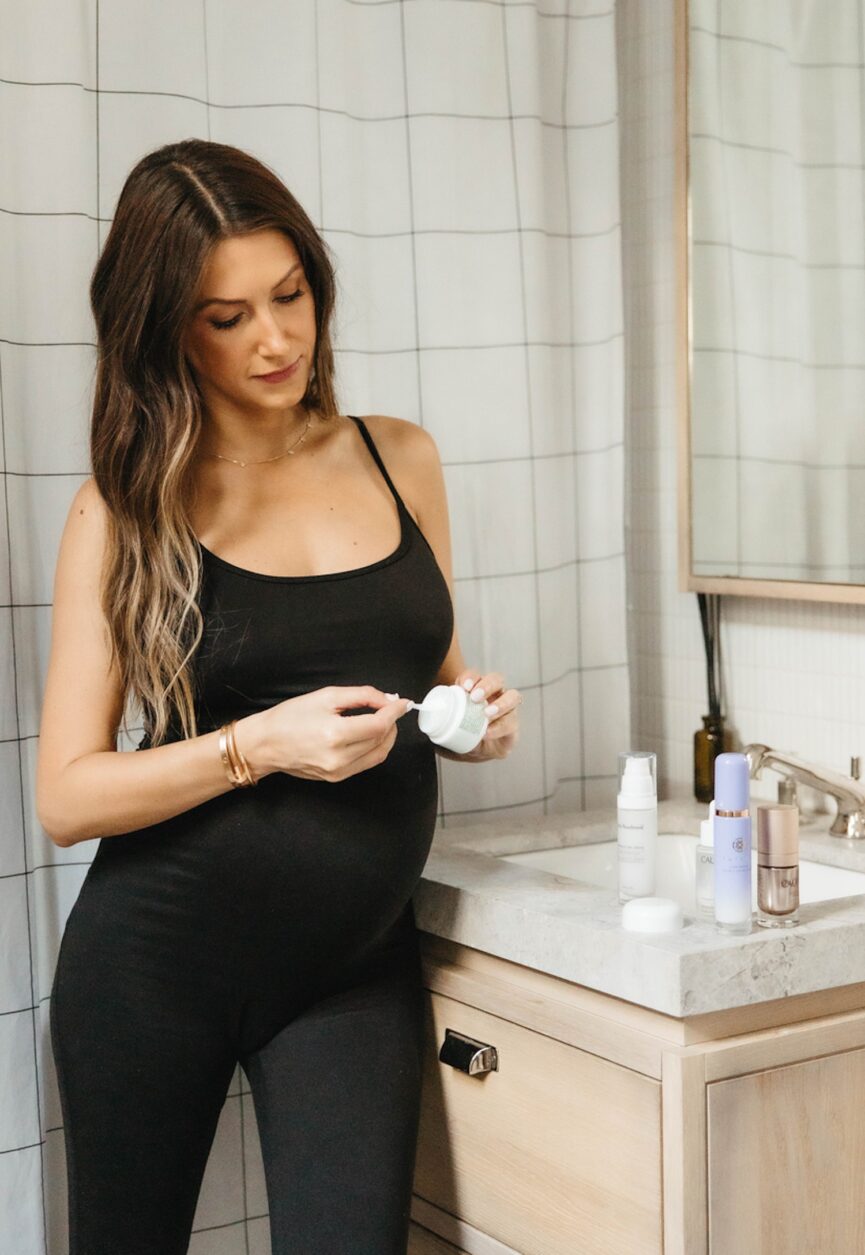
Living in Los Angeles, getting a facial can feel a little like stepping into a marketplace—everyone has something to sell, and not all of it feels necessary. Over time, I’ve learned that finding a great esthetician is less about the products they use and more about the perspective they bring. The best ones don’t overwhelm you with a 10-step routine or push whatever’s trending. They simplify, edit, and help you understand what your skin really needs.
That’s why I always ask the same question mid-facial, as my skin is being layered with serums: What’s actually worth it? Because in a world of endless launches and viral products, estheticians tend to come back to the same core principles and the same handful of products that consistently deliver.
Ahead, the esthetician-recommended skincare that makes the cut—and the thinking behind it.
Why Esthetician-Recommended Skincare Hits Different
There’s no shortage of skincare advice online, but much of it is driven by trends, not results. Estheticians take a different approach. Instead of trying to fix your skin overnight, they focus on supporting it over time: strengthening your barrier, improving hydration, and creating consistency that actually lasts.
While dermatologists are essential for diagnosing and treating medical conditions, estheticians specialize in the day-to-day health and appearance of your skin. Their approach is less about quick wins and more about long-term balance. And that’s exactly why their recommendations tend to stick.
How Estheticians Actually Think About Your Skin
I tapped estheticians Farah Bazzy and Ildi Pekar to understand how they approach skincare and the products they consistently come back to. Their philosophy? Keep it simple and focus on what supports the skin, not stresses it.
“Always look for something hydrating to rejuvenate your skin,” says Bazzy. “And add vitamin C—it’s a must.”
Both emphasize barrier support, gentle renewal, and avoiding unnecessary complexity. Because more products don’t equal better skin—better choices do.
The Ingredients Estheticians Always Come Back To
If you’re not sure where to start, Bazzy and Pekar consistently recommend focusing on a few foundational ingredients:
Hyaluronic acid for hydration and plumpness
Vitamin C for brightness and antioxidant protection
Retinol for renewal and long-term skin health
SPF as the best protection for your skin
This ingredient stack is proven, effective, and endlessly adaptable depending on your skin’s needs.
What Estheticians Don’t Recommend (Despite the Hype)
You’ve probably heard it before, and the skincare adage still rings true: less is always more. Many of the habits estheticians end up correcting come from clients overdoing it. Too many products, too many actives, and too much switching things up in pursuit of a quick result.
Here’s what our estheticians tend to steer clients away from:
Over-exfoliating (especially with multiple actives). Between exfoliating acids, retinol, and physical scrubs, it’s easy to push your skin too far. Estheticians often see clients who think they’re improving texture or breakouts, but are actually compromising their skin barrier in the process. The result? Sensitivity, inflammation, and skin that feels harder to heal.
Layering too many actives at once. Vitamin C, retinol, AHAs, BHAs… it’s tempting to use everything, especially when each ingredient promises something different. But estheticians take a more strategic approach, introducing actives slowly and intentionally.
Constantly switching products. One of the biggest misconceptions in skincare is that results should be immediate. In reality, consistency is what creates change. Stick with a routine long enough to understand how your skin responds, rather than jumping from product to product in search of a quick fix.
Trend-driven routines that ignore your skin’s needs. From viral skin cycling variations to multi-step routines built around what’s popular on TikTok, estheticians see the fallout of following trends without context. What works for someone else’s skin doesn’t always translate in real life.
Products that promise instant transformation. Anything marketed as a miracle fix tends to raise a red flag. Instead, focus on gradual, sustainable improvement—supporting your skin so it functions better in the long run.
One of the biggest misconceptions in skincare is that results should be immediate. In reality, consistency is what creates change.
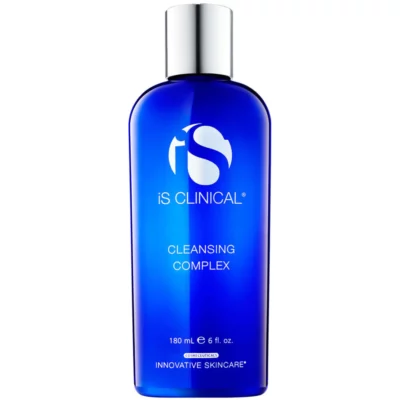
Suitable for all skin types, this cleanser is an esthitician favorite because it has both nourishing and mild resurfacing ingredients to deeply cleanse and replenish your skin. Bazzy recommends it for all skin types to instantly rejuvenate your skin.
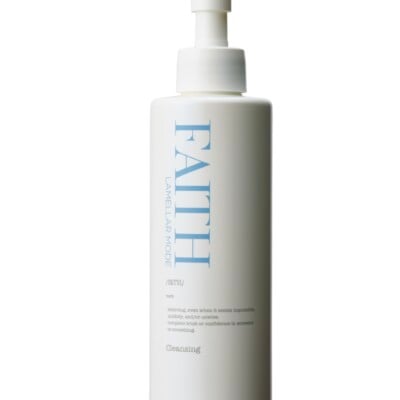
Pekar describes this as an “ultra-gentle yet effective” for its efficacy delivering a deep cleanse without ever compromising the skin barrier. Ideal for sensitive skin, this gel cleanser gently removes makeup, sebum, and pollutants.
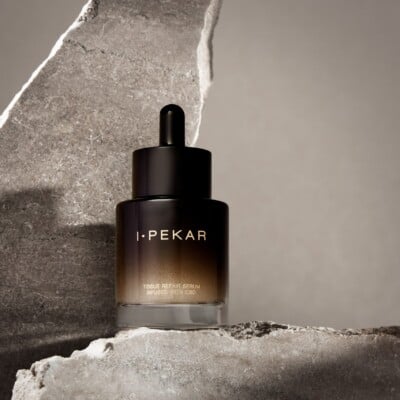
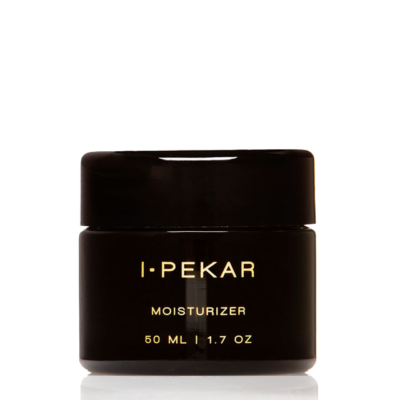
Pekar’s own serum repairs the skin from a cellular level. As serums go, this one is a deeply hydrating solution that strengthens your skin barrier. Pekar notes that it’s “formulated with a high concentration of hyaluronic acid to deeply hydrate, plump, and restore skin resilience.”
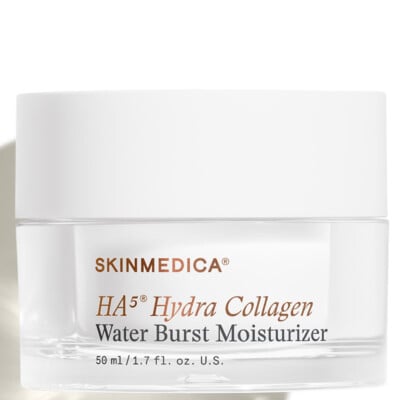
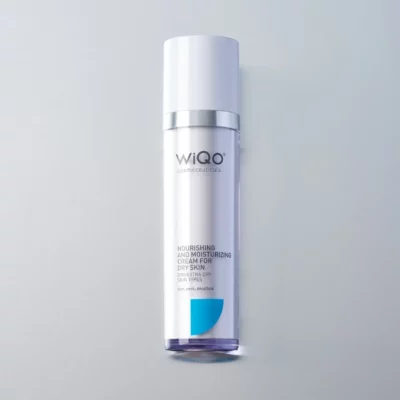
This water-based moisturizer is hydrating while still being lightweight. It boosts hydration immediately, making it one of Bazzy’s favorites for dry or dehydrated skin.
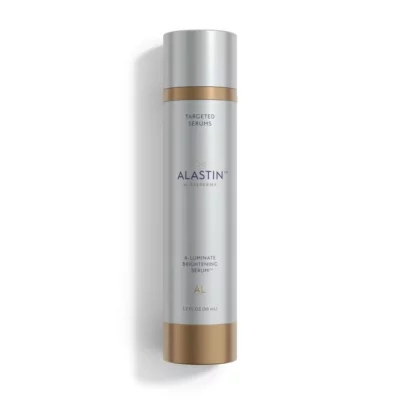
Using tranexamic acid and niacinamide, this powerful serum is Bazzy’s favorite tool against hyperpigmentation, designed to support and amplify the effects of in-office treatments like microneedling and chemical peels.
For an effective and non-irritating retinol, Pekar recommends this water-soluble retinol that “refines texture, improves tone, and supports skin renewal with minimal irritation.”
Bazzy recommends this for skin experiencing flare ups or recovering from treatments. Its shea butter base is deeply nourishing and hydrating to reduce the appearance of fine lines and prevent water loss.
At a certain point, good skincare stops being about what you add—and becomes about what you trust enough to stick with. The throughline in every esthetician’s advice is clear: support your skin, don’t overwhelm it. Choose a few well-formulated products, give them time to work, and let consistency do what trends can’t. Because the goal isn’t perfect skin overnight—it’s skin that feels healthy, resilient, and entirely your own over time.
By now, most of us know that sunscreen is non-negotiable—especially in summer, when more time outside means more exposure to UV rays, pollution, and environmental stressors like chlorine. But finding the right formula for your face is its own challenge. The best sunscreens for face do more than protect against sun damage and premature aging: they support your overall skin health, wear well under makeup, and—crucially—don’t clog your pores or leave a white cast.
The good news: sunscreen formulas have come a long way. Today’s options are lightweight, skin-loving, and genuinely enjoyable to wear. To help you find yours, we rounded up our favorites across every category—mineral, chemical, serum, tinted, and reapplication—all tested and reviewed by our editors.
Mineral sunscreens have earned a reputation for being heavy or chalky, but the formulas below have completely changed that conversation. These picks use zinc oxide and titanium dioxide to physically block UV rays while staying lightweight, breathable, and genuinely wearable—even under makeup.
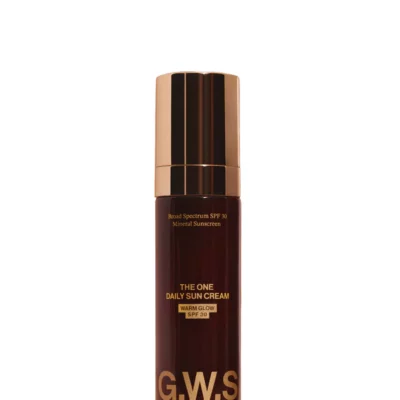
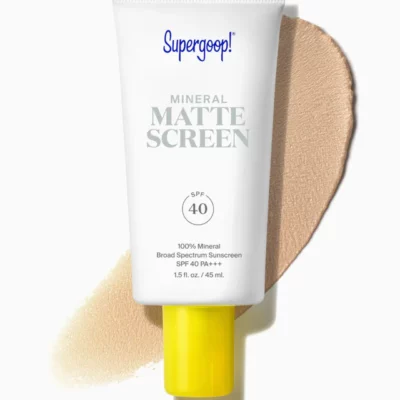
A poreless, matte finish that lets you skip foundation entirely. Bamboo extract provides antioxidant protection against free radical damage while keeping shine and oil in check all day.
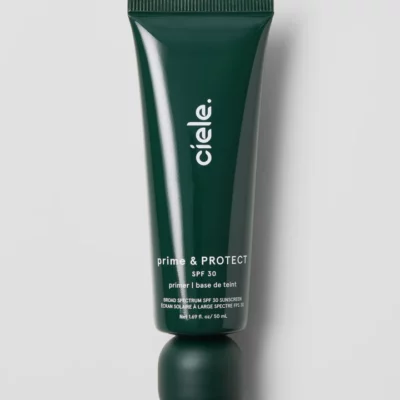
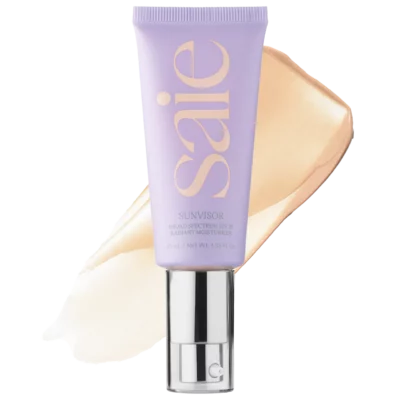
A primer and SPF in one that hydrates, primes, and protects while giving skin a subtle glow. It applies smoothly, doesn’t pill, and plays well with makeup.
Chemical sunscreens absorb UV rays rather than blocking them, which makes for an ultra-lightweight, invisible finish that works seamlessly under makeup. These are the formulas we reach for when we want serious protection without any trace of SPF on the skin.
This weightless formula uses zinc and kaolin to absorb excess oil and prevent breakouts, while antioxidants and enzymes protect and regenerate skin throughout the day.
Formulated with Vitamin C, Vitamin E, antioxidants, and an innovative ThermaRadiance Complex, this SPF brightens skin and shields it from free radicals.
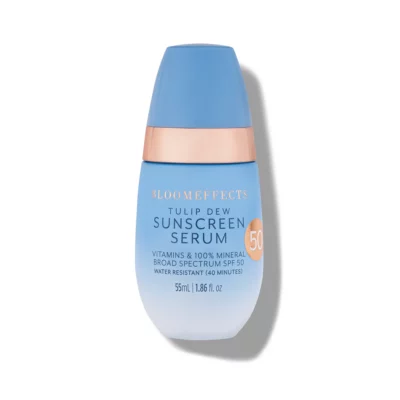
Sunscreen serums are the move if you want protection that doubles as skincare. These formulas layer seamlessly into your routine and deliver active ingredients alongside their SPF, making them especially useful for anyone dealing with dryness, dullness, or dehydration.
A glycerin-rich formula that glides on smooth and hydrates deeply while protecting skin from free radicals and environmental stressors with antioxidants.
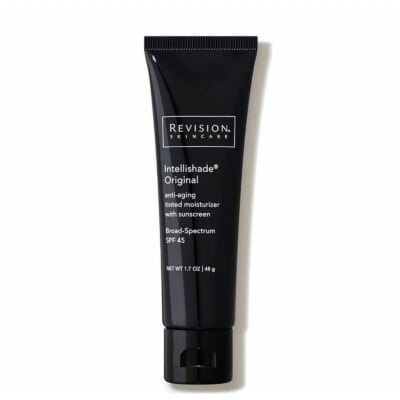
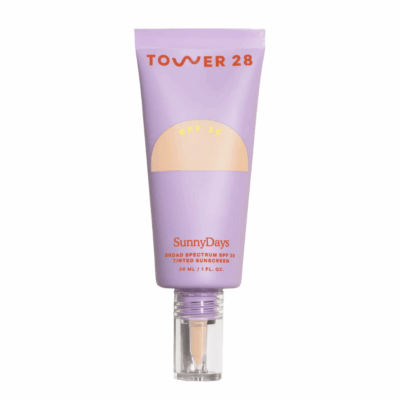
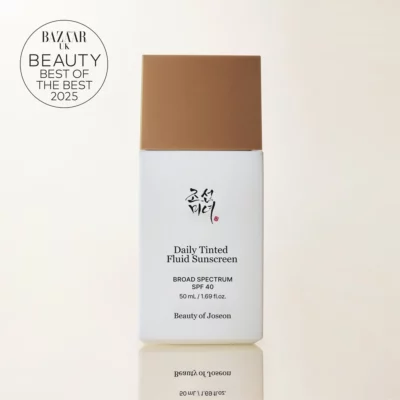
Tinted sunscreens are the ultimate summer multitasker—they even out your complexion, protect your skin, and eliminate the need for foundation on lower-maintenance days. These picks deliver the kind of “your skin but better” finish that makes them easy to reach for every morning.
A four-in-one formula that functions as a serum, moisturizer, face oil, and SPF in one step. Hyaluronic acid, vitamin E, aloe vera, and vitamin C make this a genuinely skin-loving option.
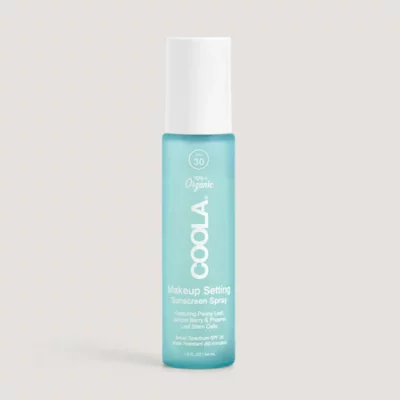
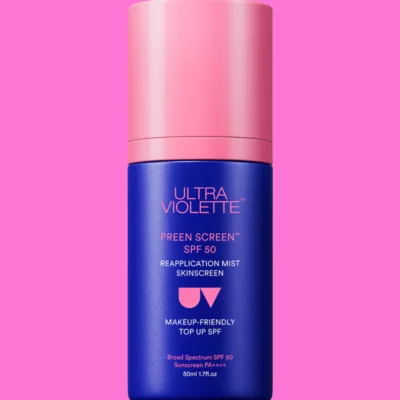
Reapplication is where most sunscreen routines fall apart—nobody wants to reapply over a full face of makeup. These formulas solve that problem with mist and spray formats that refresh your SPF without disturbing anything underneath.
Sunscreen is the one skincare step that pays dividends for decades, and with formulas this good, there’s no reason to skip it. Whether you prefer the clean-ingredient reassurance of a mineral formula, the invisible finish of a chemical SPF, or the convenience of a tinted option, the best sunscreen for your face is the one you’ll actually wear every day. Find your formula, apply it generously, and reapply. Your future skin will thank you.
This post was last updated on June 11, 2026, to include new insights.
A great shower can be more than a quick rinse—it’s a reset. Some days, it’s a five-minute refresh before (or after) work. Other days, it’s a full “everything shower” moment, complete with hair masks, scrubs, and body oils. Either way, it’s worth making the intentional shift to make your shower a ritual.
Over the years, our team has tested a lot of shower products—from drugstore staples to spa-level splurges. These are the ones that elevate our showers into a moment worth indulging in, and the ones we actually repurchase.
The Best Shower Products, According to Our Editors
Ahead, our editors share the best shower products they swear by, from scalp treatments and shampoos to body washes, exfoliators, and tools that make your routine feel like a mini at-home spa.
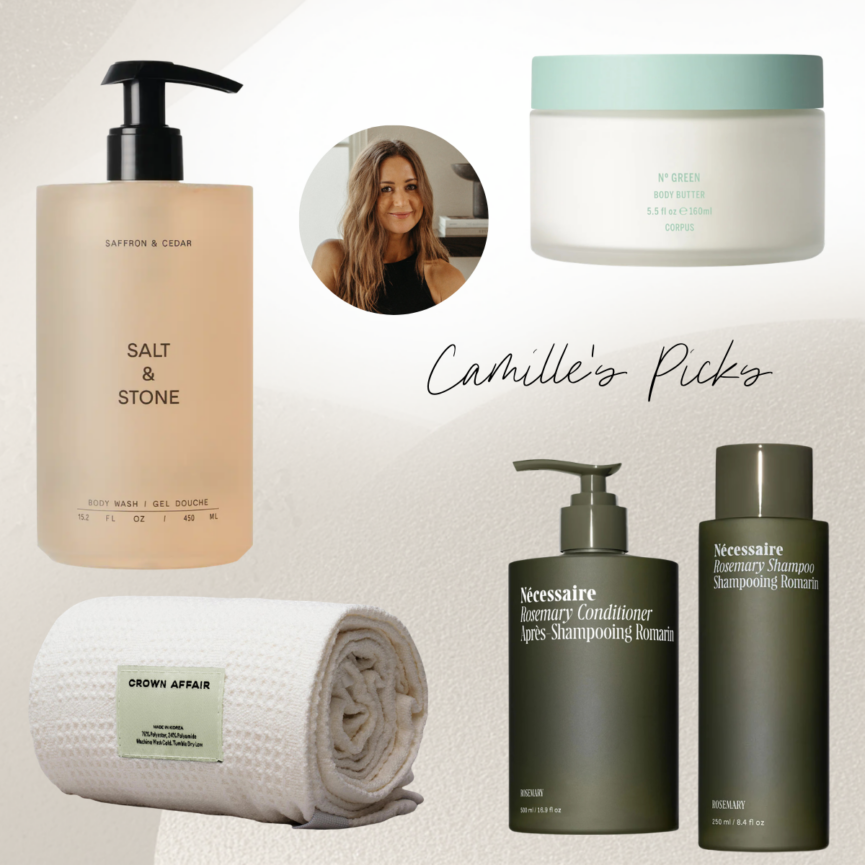
Why I Love It: Nothing feels more luxurious than massaging this rosemary shampoo and conditioner into my scalp. It’s nourishing, refreshing, and instantly transforms my bathroom into a spa.
Best For: Refreshing the scalp while adding softness and shine
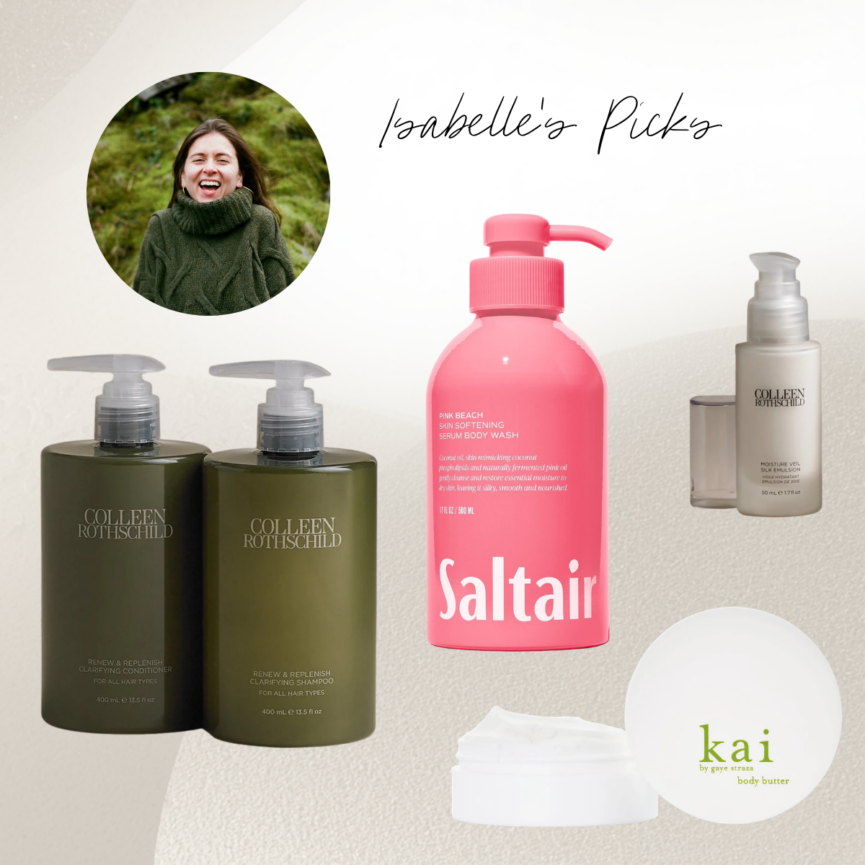
Why I Love It: This duo gives me that fresh-from-the-salon feeling every time I use it. The eucalyptus and rosemary instantly wake up my scalp, while the formula clarifies without leaving my hair dry or squeaky. I’ve been struggling with oily hair for years—this is finally the solution that keeps my hair soft and hydrated without any greasy finish.
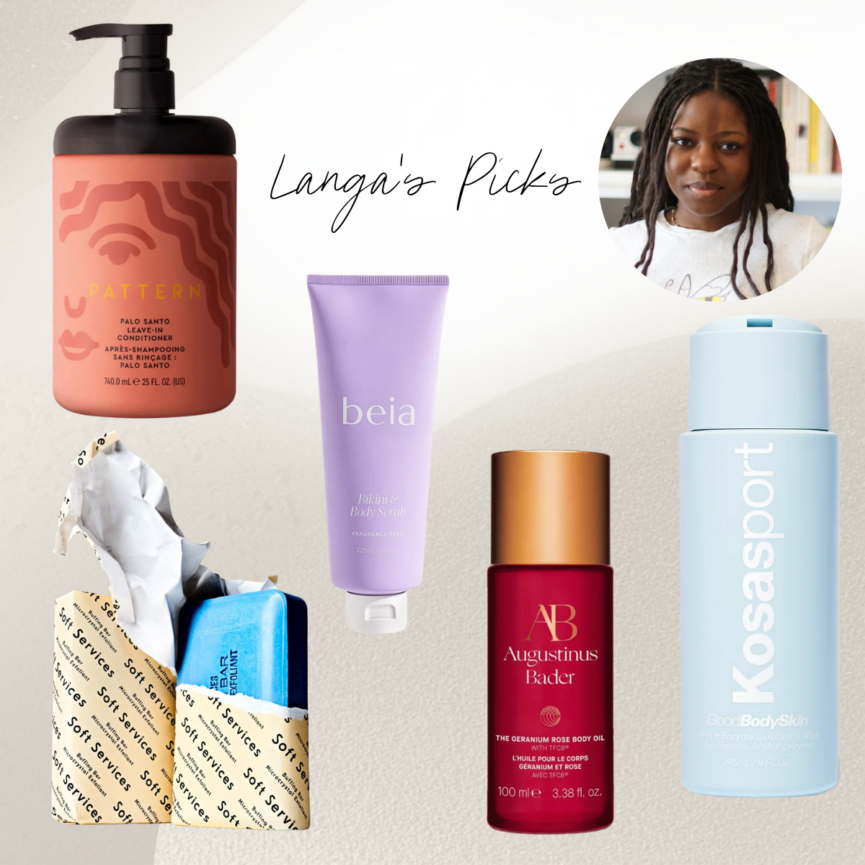
Why I Love It: It can be hard to find hair products that don’t smell like artificial flowers. This leave-in is my fave for an elevated, light Palo Santo scent. And of course, it makes my hair impossibly soft and easy to detangle.
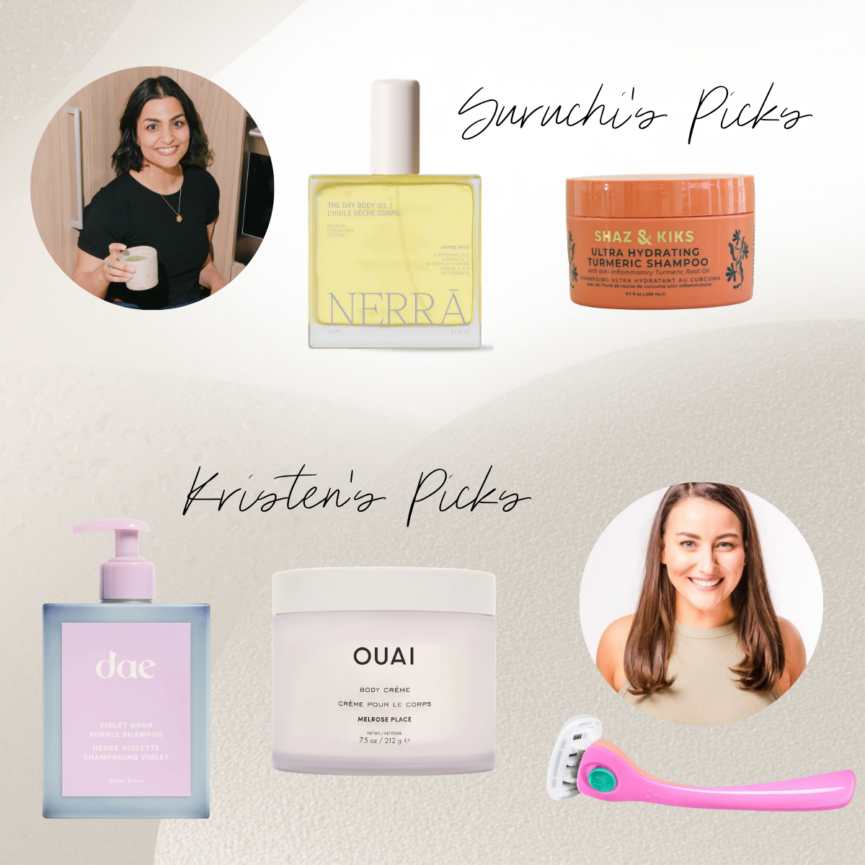
Why I Love It: Last summer, I decided to go blonde (as a brunette!). I’m convinced one of the reasons I still get compliments on my blonde hair is because of this shampoo. Purple shampoo helps keep brassiness down, and it totally delivers.
Why I Love It: I’ve loved every hair care product I’ve tried from Shaz and Kiks, but this Hydrating Turmeric Shampoo is one of my all-time faves. It leaves my hair feeling so soft and hydrated, while also helping to leave my scalp feeling fresh and clean.
Best For: Hydrating your hair with the power of Ayurvedic ingredients
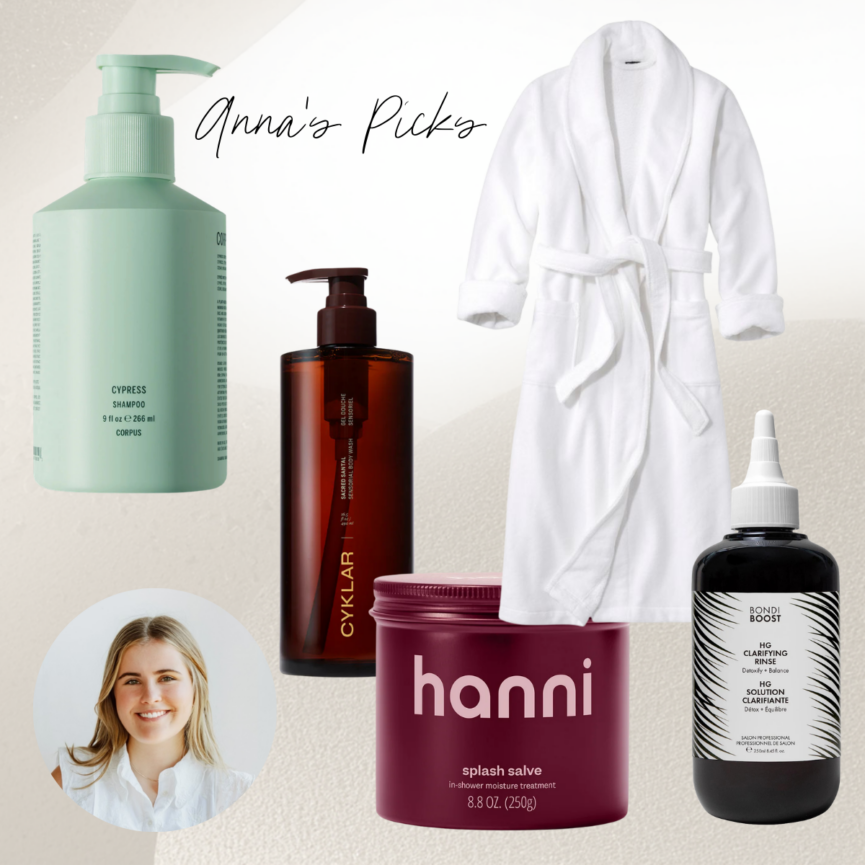
Why I Love It: I love this shampoo for the way it makes my shower routine feel a little more elevated. The cypress scent is fresh and grounding, and it leaves my hair feeling really clean without that stripped feeling. It’s one of those small upgrades that make an everyday ritual feel more intentional.
Best For: Fresh, glossy hair that smells really, really good
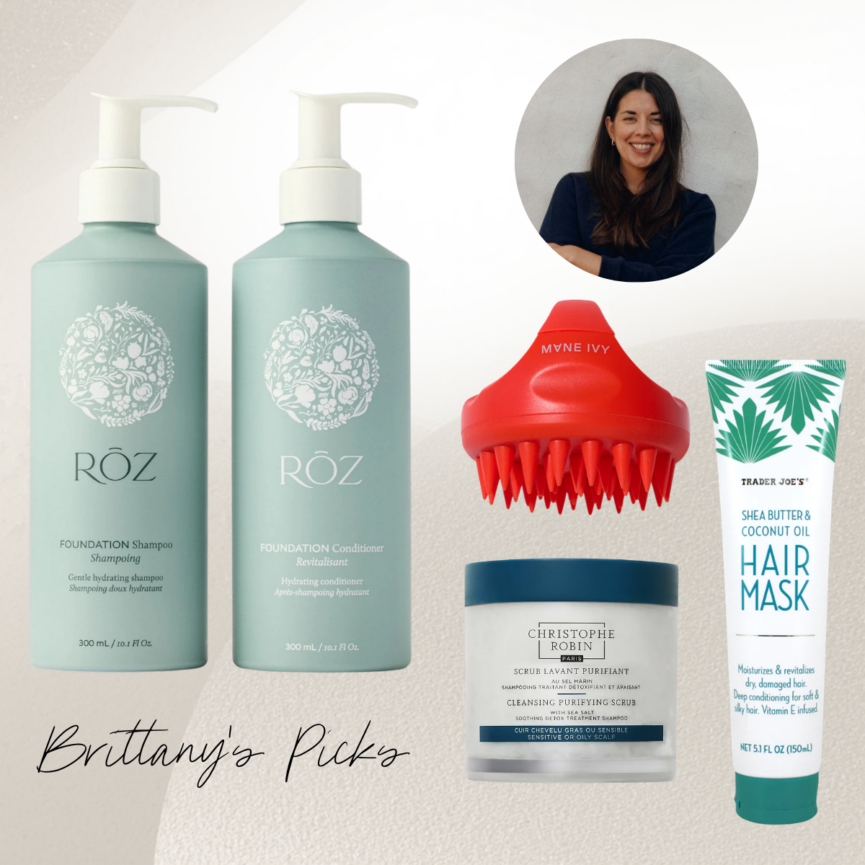
Why I Love It: I truly believe Roz changed my hair. Mine is long, thick, and straight, and tends to produce buildup easily. The first thing I love about this duo is the scent—it’s sophisticated and nature-bent, like a spa mountain retreat. But what keeps me coming back is how clean, healthy, and smooth it makes my hair. Styles and shine just last longer. And so does this product, by the way. A set lasts me almost 8 months, washing 3-4 times a week.
Best For: Everyday hair care that smells like a mountain spring
Why I Love It: This hair mask is my favorite drugstore (if you will) product. If you know—you know. It’s a holy grail for conditioning and nourishment on tired strands. I use it once a week paired with my sea salt scalp scrub, and the duo cannot be beat.
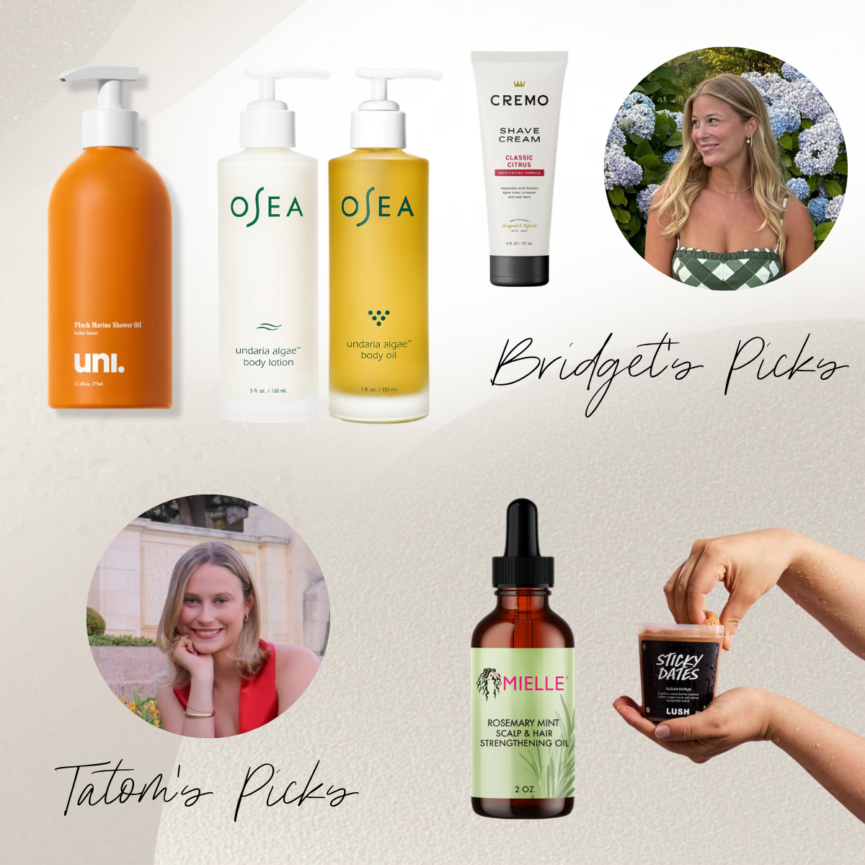
Why I Love It: I’ve been using Mielle’s Rosemary Mint Scalp & Strengthening Hair Oil as a pre-shower treatment lately, and it’s become one of those simple rituals that makes a noticeable difference. I comb it through my hair and let it sit for about an hour before I shower, and every time I rinse it out, my hair feels so soft, shiny, and healthy. It has that minty, scalp-fresh feeling I love.
Why I Love It: I’ve long been on the hunt for a product that reduces buildup and nourishes my scalp. For a few months now, this purifying scrub has been the star of my weekend hair routine. You only need a little bit (I’m talking a teaspoon) and it lathers beautifully to rebalance oils, exfoliate my scalp, and leave my hair feeling clean and purified for days.
Best For: Weekly scalp care & clarifying treatment
Why I Love It: I love using this when my scalp needs a little reset. It gives that really fresh, clean feeling at the roots and helps remove buildup without being harsh. It’s become my go-to when my hair just isn’t feeling its best.
Best For: Giving your scalp the deep clean it’s been begging for
Why I Love It: Some body washes are purely functional, but this one feels like a tiny vacation every time I use it. The scent is warm and beachy without being overly sweet, and the formula leaves my skin noticeably softer the moment I step out of the shower. It has that silky, serum-like texture that makes your whole routine feel like a (much cheaper) spa visit.
Best For: Turning your everyday shower into a mini beach escape
Why I Love It: The holy grail of physical exfoliating products. If you have KP (also known as strawberry skin), a few weeks of light exfoliation with this bar will practically make it disappear.
Why I Love It: I love the texture of this body scrub. It doesn’t just dissolve when it comes in contact with skin or water. It’s gentle, but also so effective.
Why I Love It: This body scrub feels like such a treat. Sticky Dates has the most delicious scent, and I love that it stays on the skin in the best way after showering. It leaves my skin feeling super soft and refreshed every single time.
Why I Love It: I’m addicted to soft, dewy skin, and my perfected routine starts in the shower with Uni’s Shower Oil. It’s an oil-based body wash that starts as an oil and transforms into a lather as you massage it into your skin. It’s the best shower oil I’ve tried because it still feels cleansing without stripping my skin of moisture. I do still add lotion post-shower, but I’ve seen a noticeable difference in my skin immediately after towel drying.
Best For: Replenishing moisture and supporting the skin barrier
Why I Love It: If I could convince you to buy one shower essential, it would be this. The santal scent is warm, soft, and grounding, making the entire shower feel slightly more luxurious. The lather leaves your skin feeling so refreshed—especially paired with the body oil—it’s such a dreamy combination.
Why I Love It: I love this because it streamlines my routine. You apply it at the end of your shower and rinse, and somehow you step out already moisturized. It’s perfect for days when you want soft skin but don’t feel like doing a full post-shower lotion routine.
Best For: Hydrated, silky skin without the extra lotion step
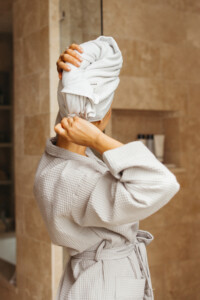
Why I Love It: If you didn’t think it was possible to be obsessed with something like a hair towel, think again. Crown Affair manages to make even the most mundane items feel luxurious (have you seen the scrunchie?), and this oversized towel gently absorbs while protecting hair from damage that causes frizz and breakage.
Why I Love It: Billie razors and I have been in a committed relationship since 2019. I haven’t needed to purchase razors at the store in years because I get them delivered to my door. A dream! I even swap out the handles for different colors seasonally.
Why I Love It: You’d think that I’d have mastered shaving my legs by now, but if I use anything except THIS shaving cream, I leave the shower looking like I walked through a bush. Cremo’s shave cream is super slick and hydrating, letting me easily shave without any nicks. It’s also super concentrated, so a bottle lasts me forever!
Why I Love It: This body butter has a whipped texture that melts into skin and leaves it glowing and radiating the most divine scents of bergamot, lemon, and orange blossom. My favorite treat for slathering on right after my bath.
Best For: Deeply nourishing skin with a soft, velvety finish
Why I Love It: This moisturizer melts into the skin in the most beautiful way—rich but never heavy. I love applying it right after a shower when my skin is still slightly damp; it locks in moisture and leaves everything feeling smooth and deeply hydrated.
Why I Love It: Yep, I double moisturize post-shower, because if I had to pick one signature scent for the rest of my life, this would be it. Kai’s fragrance is soft, floral, and clean in a way that feels effortless rather than perfumey. The body butter itself is deeply nourishing, and the scent lingers just enough that I catch little hints of it throughout the day.
Best For: Anyone searching for their signature scent
Why I Love It: Fair warning: this duo is expensive, but it feels so luxe every time I put it on. The body oil is silky and doesn’t transfer, and the body cream is instantly nourishing. I don’t just feel a difference, I see one when I put it on.
Why I Love It: I’m obsessed with this scent. I love using this body creme post-shower, especially in the warmer months. It’s a sweet, floral scent that’s ultra feminine and chic. I also like that the body cream is light and not super thick—it goes on so smoothly. Plus, it’s pink!
Best For: Smooth, glowing skin that feels as good as it smells
Why I Love It: Again, I’m addicted to my soft skin routine—and people notice how soft I am all the time. This duo from Osea is my holy grail. Post-shower, I start with the lotion and seal it all in with the oil. Both products also have firming properties, so not only will you feel hydrated, but your skin will feel tighter over time. Plus, the smell is to die for—I’m craving it in perfume form. Yes, it’s a bit pricy, but the luxurious feeling is worth it. I used to save this for special occasions, but then I decided that every day is special and I deserve to feel and smell this good on the daily!
Why I Love It: This Nerra Body Oil is my ultimate luxe upgrade to my shower routine. I love body oil, and this is maybe the only one I’ve tried that doesn’t leave behind an oily feeling, thanks to the way the oil absorbs right away, leaving your skin feeling soft and moisturized. I always get so many compliments about how lovely the scent is, and I can’t stop recommending this.
Best For: A beautiful, subtle, and luxurious scent and the ultimate moisture without the oily feeling
Why I Love It: I was never really a robe person—until this one. It’s incredibly soft and cozy, and throwing it on after my shower has become one of my favorite parts of the whole routine. It just makes that post-shower, getting-ready moment a little bit more romanticized.
Best For: That luxury hotel feeling—without leaving home
How to Build an “Everything Shower” Routine
There’s your everyday shower—and then there’s the everything shower. The kind where you linger a little longer, reset your mood, and step out feeling like the most polished version of yourself. It’s less about adding more steps and more about being intentional with the ones you already have. Personally, I always feel like I’m channeling Gwyneth on my everything days, but you do you.
Here’s how to build a routine that feels both elevated and easy to return to.
Step 1: Prep Skin and Hair First
Turn on the shower and let the water warm up while you get prepped. I like to start with a dry brush routine to slough off dead skin and stimulate my lymphatic system. It feels like a mini massage and delivers results, leaving my skin silky-soft by the end of the shower.
Depending on your hair type, brushing it out before you get it wet can do wonders. I find it reduces the amount of breakage and tangles later when I step into the shower with thoroughly brushed hair.
Step 2: Start Your Hair & Scalp Care
Think of haircare as the foundation. Begin by fully saturating your hair, then go in with a shampoo that gently cleanses without stripping. This is also the moment to apply a scalp treatment or mask—something that clears buildup while supporting long-term hair health. Once your treatment is in, let it sit while you move through the rest of your routine.
Step 3: Exfoliate and Cleanse
While your hair soaks, shift your focus to your skin. A gentle body scrub helps remove dry, dull layers and brings back that smooth, just-left-the-spa feeling.
Follow with a body wash that feels good to use—whether that’s something citrusy and energizing or soft and grounding. The goal here isn’t just clean skin, it’s creating a moment you actually look forward to.
Step 3: Shave (If You Want To)
If shaving is part of your routine, this is the moment to do it—after your skin has softened under warm water and exfoliation. A good razor and a moisturizing shave cream can make all the difference between something you rush through and something that feels seamless.
Step 4: Rinse + Reset
Before stepping out, take a final rinse and let everything wash away—product, tension, the mental clutter of the day. This is a small shift, but it turns your shower into a true reset instead of just another task.
Step 5: Lock in Moisture Post-Shower
The real glow happens after you turn off the water. While your skin is still slightly damp, apply a body oil or in-shower moisturizer to seal everything in.
Wrap your hair in a microfiber towel, take a breath, and resist the urge to rush off. Slip into something silky, pour a glass of wine or brew some tea, and settle in with a book or movie for the ultimate top off.
What shower products do you actually need?
At minimum, a great shower routine comes down to three things: a gentle shampoo, a body wash you enjoy using, and a moisturizer to apply afterward. From there, extras like scalp treatments, scrubs, and body oils can elevate the experience—but they’re just that: additions, not requirements.
What is an “everything shower”?
An “everything shower” is a longer, more intentional routine where you go beyond the basics—washing your hair, exfoliating, shaving, and applying treatments all in one session. It’s less about doing everything and more about creating a moment that leaves you feeling fully reset.
How often should you exfoliate in the shower?
For most skin types, exfoliating one to two times per week is enough to maintain smooth, healthy skin without irritation. If your skin is more sensitive, you may want to scale back and opt for gentler formulas.
What are the best shower products for glowing skin?
Look for products that support both exfoliation and hydration. A body scrub helps remove dullness, while a nourishing body wash and post-shower oil or lotion help restore moisture and give skin that soft, lit-from-within glow.
Do you need a long routine for an effective shower?
Not at all. A quick, simple shower can be just as effective when you’re using products that work well for your hair and skin. Think of the “everything shower” as an occasional ritual—not an everyday requirement.
This post was last updated on March 24, 2026, to include new insights.
A sixth case of New World screwworm has been confirmed in a Texas calf. It’s the second calf in La Salle County, Texas, to become infested with the parasite that threatens wildstock with larvae that burrows deep into the tissue of its inhabitant, according to the U.S. Department of Agriculture. Officials in the Lone Star...
The US uninsured rate is expected to rise significantly in the coming years. | Malte Mueller/Getty Images
One of the clearest success stories in US healthcare over the past 20 years has been the dramatic decline in the number of Americans without health insurance. In 2010, the year the Affordable Care Act was enacted, 16 percent of the population lacked coverage. By 2025, according to estimates from the US government, that figure was cut nearly in half, to 8.3 percent.
The increase in coverage hasn’t been a panacea; even people with an insurance card can struggle to afford their medical bills or to secure a doctor’s appointment. But with the US standing alone among its international peers in its failure to offer universal healthcare, it represented significant progress toward ensuring every American had a basic level of access to routine medical services.
Now, however, those gains are about to be reversed.
Last year, when drafting their One Big Beautiful Bill, Republicans had a chance to strike a blow against the ACA — a law they’d vilified for years — 15 years after its passage and eight years after failing to repeal the law in President Donald Trump’s first term. They established work requirements to target the people covered by the ACA’s Medicaid expansion and allowed subsidies that had helped millions of people to buy private coverage on the ACA marketplaces to lapse.
As a result, millions of Americans are dropping their health insurance this year, and millions more are expected to lose their coverage in the years to come.
The uninsured rate has spiked before, but it’s usually the byproduct of an economic crisis; people lose their jobs, and they lose their coverage. What makes the current turmoil different is that it is entirely a matter of policy choices.
“I don’t think there’s any historical precedent for the rollback in federal support for health coverage coming with the cuts in Medicaid plus the expiration of enhanced ACA premium subsidies,” Larry Levitt, executive vice president for health policy at the healthcare think tank KFF, told me. “The expected effects of OBBBA on coverage are self-inflicted and dwarf even the historical losses due to changes in the economy.”
ACA marketplace enrollment is projected to shrink dramatically in 2026
One of the major ways that the ACA expanded health insurance coverage was by setting up insurance marketplaces where individuals and families could purchase private health plans with the help of government subsidies.
Sign up for the Good Medicine newsletter
Our political wellness landscape has shifted: new leaders, shady science, contradictory advice, broken trust, and overwhelming systems. How is anyone supposed to make sense of it all? Vox’s senior correspondent Dylan Scott has been on the health beat for a long time, and every week, he’ll wade into sticky debates, answer fair questions, and contextualize what’s happening in American healthcare policy. Sign up here.
Enrollment in those marketplaces has ballooned — particularly since 2021, when Democrats in Congress approved an expansion of the ACA’s financial aid that made more people eligible for assistance. Prior to 2021, there had been a strict cutoff at 400 percent of the federal poverty level (about $64,000 for an individual in 2026, or $132,000 for a family of four). Anybody who made a higher income was ineligible for aid. After 2021, anybody could qualify for ACA subsidies, and their insurance premiums were capped at a percentage of their income. (The subsidies were initially authorized for two years and, then, were extended to 2026 through the Inflation Reduction Act.)
It seemed to have plugged one of the obvious holes in the healthcare law: While many people below 400 percent of the poverty level had enjoyed both mandated comprehensive coverage and new government subsidies that offset any increases in costs, people above that threshold had been subjected to significant premium hikes since the ACA passed. Now, they were able to access the same subsidies, and sign-ups boomed. Marketplace enrollment grew from 9.8 million Americans in 2019 to 22.3 million in 2025.
But, to keep down the cost of their legislation and get it passed with a narrow Senate majority, Democrats allowed the new subsidies to expire in 2026. Then, Trump won the 2024 presidential election, and Republicans took control of Congress. The GOP decided not to extend the subsidies, despite some bipartisan efforts to pull together a plan. When people went to sign up for their health insurance for 2026, many of them no longer had access to financial aid. I spoke last year with some of those people. One family was preparing to allow one parent and child to become uninsured so they could afford a health plan for the other parent who has an autoimmune disease. A young man with asthma also expected to go without coverage after his previous plan ($100 per month and no deductible) was no longer available, and the cheapest replacement he could find was $282 per month with a $10,000 deductible. He told me he was banking on being able to pay for his medication out of pocket or getting it through a charity service.
So, we knew some people would drop their insurance as a result of the expired subsidies, but it was hard to be sure how many. Now, we’re starting to get hard data, and it does not look good. Based on KFF’s preliminary analysis of enrollment data and premium payments, about 4.7 million fewer people will actually end up being enrolled in an ACA marketplace plan in 2026 compared to 2025 — a 21 percent drop in a single year.
Work requirements are going to knock millions of people off Medicaid
The ACA’s other major coverage provision was the expansion of Medicaid eligibility to any American with an income at or below 133 percent of the poverty level (about $21,000 for an individual in 2026, or $44,000 for a family of four). It replaced the preexisting patchwork system for eligibility that created significant differences across states — in particular, millions of childless adults, some of whom were living in deep poverty but had been left out of the program in many states before the ACA, now qualified for Medicaid.
As of June 2025, more than 16 million Americans who became newly eligible for Medicaid through the ACA had been enrolled in the program, making up nearly a quarter of all Medicaid enrollees.
Republicans in Congress had been sharply critical of Medicaid expansion, even as many GOP-led states adopted it, and 2025’s OBBBA gave them a chance to roll it back. They approved, for the first time, national work requirements for Medicaid, targeted to expansion-eligible enrollees, and made several other technical changes to constrain states’ Medicaid financing. People on the program will be required to work or perform other approved activities for at least 80 hours per month or show they should be exempted from the requirement. Otherwise, they could lose their benefits.
And based on what we know from historical precedent, many of the coverage losses won’t be because people are actually ineligible for Medicaid, but because of the administrative burden of complying with these new requirements, even if you are working, or if you are someone — like a pregnant person — who is supposed to be exempted. Arkansas is the only state to implement Medicaid work requirements prior to the OBBBA, and only a fraction of the people required to submit work activities to the state actually did so; many of the people who lost coverage lost it because they failed to turn in paperwork.
The Medicaid population is, by nature, hard to reach. This group is lower-income and might work irregular hours, move around more, or have less access to the internet. It’s easy for people to fall through the cracks.
The OBBBA’s requirements go into effect nationally in January 2027 (after this year’s midterm elections), but some states are instituting them early. Nebraska implemented work requirements on May 1, Montana and Arkansas are starting theirs on July 1, and Iowa will adopt the requirements on December 1. Then, starting on January 1, 2027, they will apply in every state.
The coverage losses are difficult to project, and they could take time to accrue, but they are expected to be sizable. The nonprofit research group RAND estimated Medicaid enrollment will drop by 7.6 million people by 2034.
And they, much like those people dropping ACA coverage, will lose more than just their insurance card. Health insurance, even with its shortcomings, does a lot to help people. Americans with health insurance accrue less medical debt. They are more likely to go to routine medical appointments and receive routine screenings. Prior research on Medicaid expansion’s effects has estimated that it saved tens of thousands of lives.
In other words, the coming increase in the uninsured rate will do more than change some percentage points on a spreadsheet; it will make it harder for millions of Americans to stay healthy and stay alive.
Primary care physician compensation reached nearly $330,000 last year but “increases generally trailed the cost of living,” the Medical Group Management Association said.
Sunscreen is an obvious summertime must-have to keep you safe from the sun, but have you heard about UPF (a.k.a. sun protection) clothing?
We got the scoop from board-certified dermatologist Dr....
The intoxicating hemp industry and its allies are quickly running out of time to convince Congress to delay or stop a looming ban on their products. Without action, a ban on hemp-derived intoxicants will take effect in November. There's bipartisan interest in disrupting the ban — which was championed by Sen. Mitch McConnell (R-Ky.) and included the last fall's government funding...

 Login
Login



&url=https://camillestyles.com/style/skincare/esthetician-recommended-skincare/&media=https://camillestyles.com/wp-content/uploads/2026/04/woman-using-skincare-865x1255.jpg)



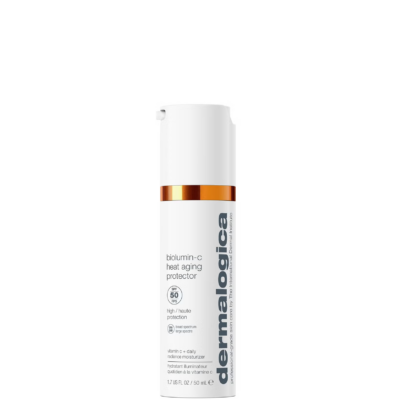
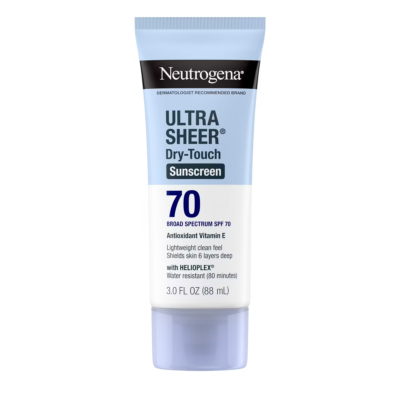
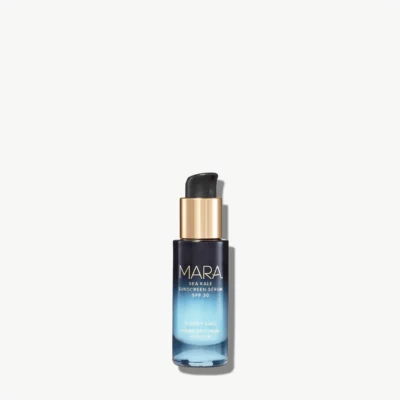
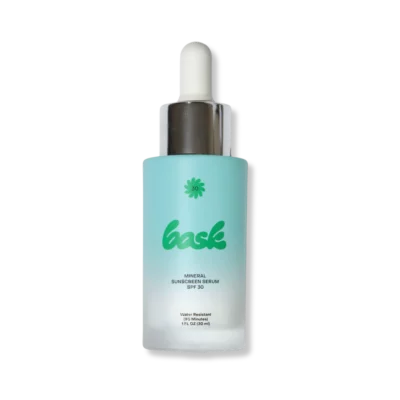


 Sunscreen is an obvious summertime must-have to keep you safe from the sun, but have you heard about UPF (a.k.a. sun protection) clothing?
We got the scoop from board-certified dermatologist Dr....
Sunscreen is an obvious summertime must-have to keep you safe from the sun, but have you heard about UPF (a.k.a. sun protection) clothing?
We got the scoop from board-certified dermatologist Dr....