Reading view

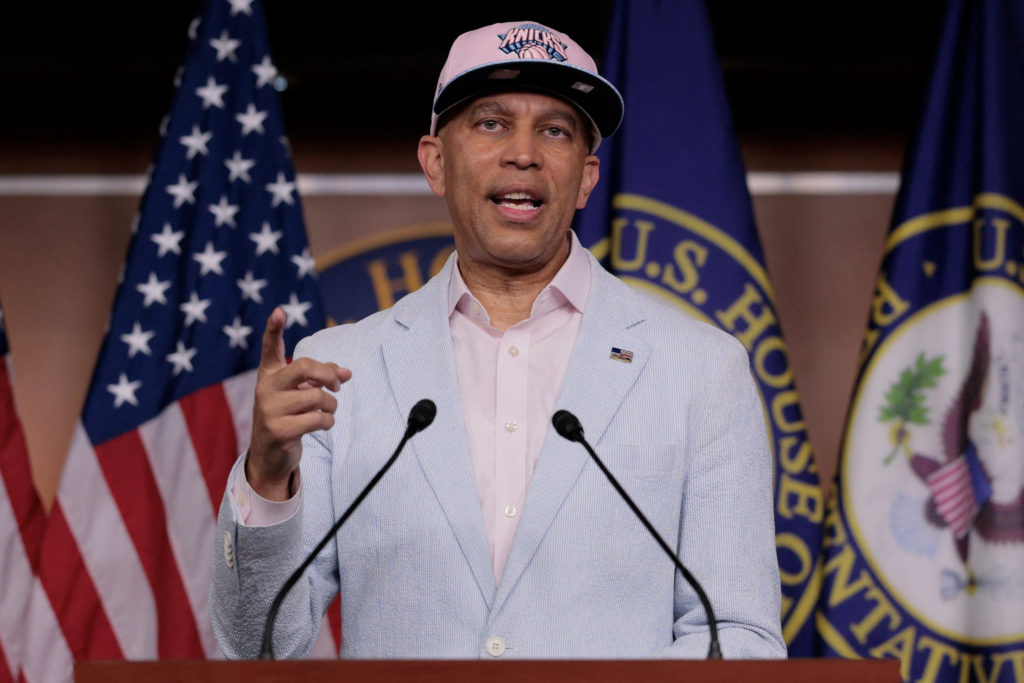
Bill Pulte 'deeply unqualified' to lead U.S. intelligence efforts, Jeffries says

On Tuesday, the House passed a bill that will fund immigration and border enforcement agencies. The package passed in the Senate last week and heads to the president's desk. Attention now turns to the Foreign Intelligence Surveillance Act and Democrats are united in their opposition to it. Geoff Bennett spoke with House Minority Leader Hakeem Jeffries about that vote and the Democratic agenda.

  •  

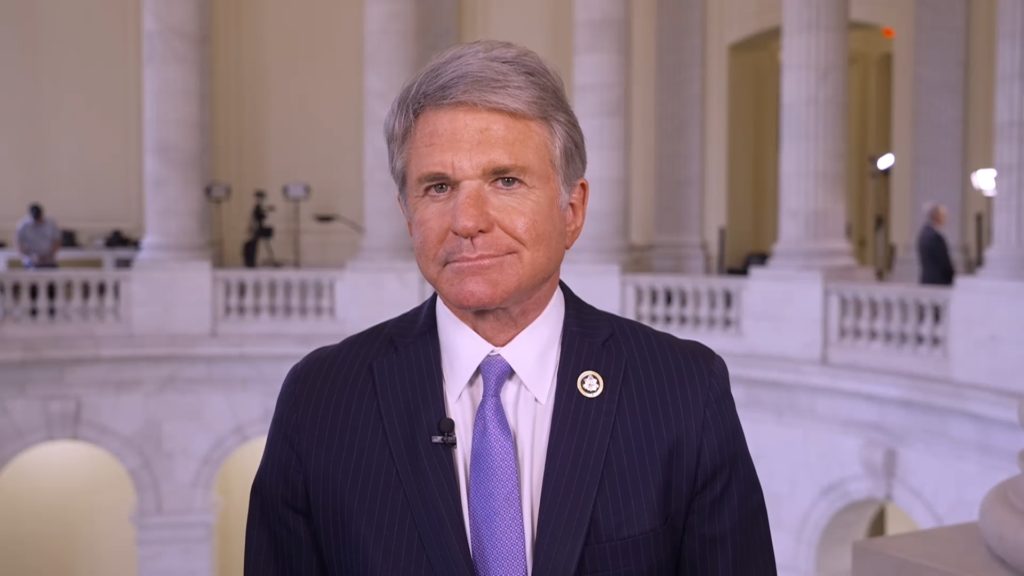
Pulte unqualified for DNI role, but FISA must be extended, Rep. McCaul says

Friday is the deadline for Congress to reauthorize a key tool for collecting foreign intelligence. Critics on the left and the right argue that the Foreign Intelligence Surveillance Act is prone to abuse. Others say they won't back it until President Trump pulls his pick to oversee the intelligence community. Amna Nawaz discussed more with Republican Rep. Mike McCaul of Texas.

  •  

Tulsi Gabbard To Resign As Director Of National Intelligence

UPDATED: Tulsi Gabbard plans to resign her post as director of national intelligence, the latest Trump administration cabinet member to depart. Gabbard informed the president of her plans in a meeting in the Oval Office on Friday. A source confirmed her plans to leave her post. Gabbard, a former Democratic congresswoman and Fox News contributor, […]

  •  

What to know about Trump's controversial pick of Bill Pulte for acting spy chief

Trump on Tuesday named Bill Pulte, head of the Federal Housing Finance Agency, as acting director of national intelligence, replacing Tulsi Gabbard. Pulte, a loyal Trump ally who has frequently targeted the president's opponents, has no background in intelligence. The selection drew swift criticism from Democrats, while the Senate's top Republican also raised concerns. Liz Landers has the latest.

  •  

Trump stresses Pulte 'not going to be permanent' intelligence chief

President Trump said Thursday that his choice to serve as director of national intelligence, Bill Pulte, would only be a temporary selection amid bipartisan controversy over the pick. Trump said Pulte, who’s currently the head of the Federal Housing Finance Agency, is “very smart” and has “high integrity,” when asked by reporters in the Oval...

  •  

What is Section 702? The US surveillance law expiring on June 12

Malay Mail


WASHINGTON, June 11 — A US surveillance law that allows federal authorities to collect the communications of foreigners abroad and search them for Americans’ data without a warrant is set ‌to expire on June 12, amid debate over warrant rules and President Donald ​Trump’s planned appointment of a political loyalist as acting Director of National Intelligence.

Section 702 of the Foreign Intelligence Surveillance Act (FISA) is a key tool for collecting foreign intelligence, officials say.

It allows authorities to ‌gather communications from foreign targets overseas and then search that data, including for information about Americans who may have ​been in contact with them, a central concern for critics.

The June 12 deadline is the second extension deadline for the law this year. Here’s how we got here:

What is section 702?

Section 702 is "a key provision” of the FISA Amendments Act of 2008 that "permits the government to conduct targeted surveillance of ​foreign persons located outside the United States, with the compelled assistance of communication providers,” the Office of the Director of National Intelligence said in an explainer document.

The law allows targeting of non-US citizens abroad, but bars US agencies from targeting US citizens, "regardless of location."

It also prohibits collecting data on anyone located in the US, or targeting a non-American to get to a US citizen.

Millions of Americans are caught up in this surveillance, however, if they happen to communicate with a ‌foreigner who is under surveillance.

The FBI, NSA, CIA and the National Counterterrorism Center "routinely” search the data for Americans’ phone calls, emails ⁠and text messages without having to obtain a warrant, the Brennan ⁠Center for Justice said in March 2026.

Why is it expiring on June 12? 

Section 702 ⁠expired on April 20, 2026, but Congress ⁠passed a 10-day extension.

Bipartisan ⁠critics pushed for a warrant requirement to better protect Americans’ data, while the White House and intelligence officials sought a "clean” renewal with no changes to the law.

Supporters of the clean reauthorization said that 2024 reforms to the law had addressed concerns, but critics pointed to ⁠data showing that Americans’ data was still being searched in questionable ways.

On April 30, Congress again passed another extension, this time for 45 days.

As part of that agreement, Senator Ron Wyden, a Democrat who has long opposed warrantless data collection, secured an agreement to publicly release a secret FISA court ruling related to how Section 702 has been used.

What happens if Section 702 is not renewed?

Federal authorities may still be able to query Americans’ data under Section 702 even if it were ⁠to expire on June 12, according to the Brennan Center for Justice’s Hannah James and Elizabeth Goitein, because the program operates under yearlong certifications last renewed in March.

However, telecommunications companies may be reluctant to provide information without a clear ⁠reauthorization, according to James and Goitein, while also facing heavy federal fines if they fail to comply with lawful requests.

A T-Mobile representative ⁠said the company "carefully (reviews) ⁠each request and provide legally required information.

Our teams are closely monitoring developments, and our focus remains on complying with the law and protecting our customers' information."

Neither ​AT&T nor Verizon responded to requests for comment.

Even without Section 702, ​US authorities have other surveillance tools.

The Department of Homeland Security uses facial ‌recognition, social media monitoring, phone hacking tools and cell site simulators, which allow for ​granular surveillance of mobile phones in some ​cases, and the deployment of MQ-9 Predator drones.

Local police departments also employ facial recognition technology under various laws, news outlet Stateline reported last year. — Reuters 


  •  

Surveillance program set to expire as Congress rejects FISA extension

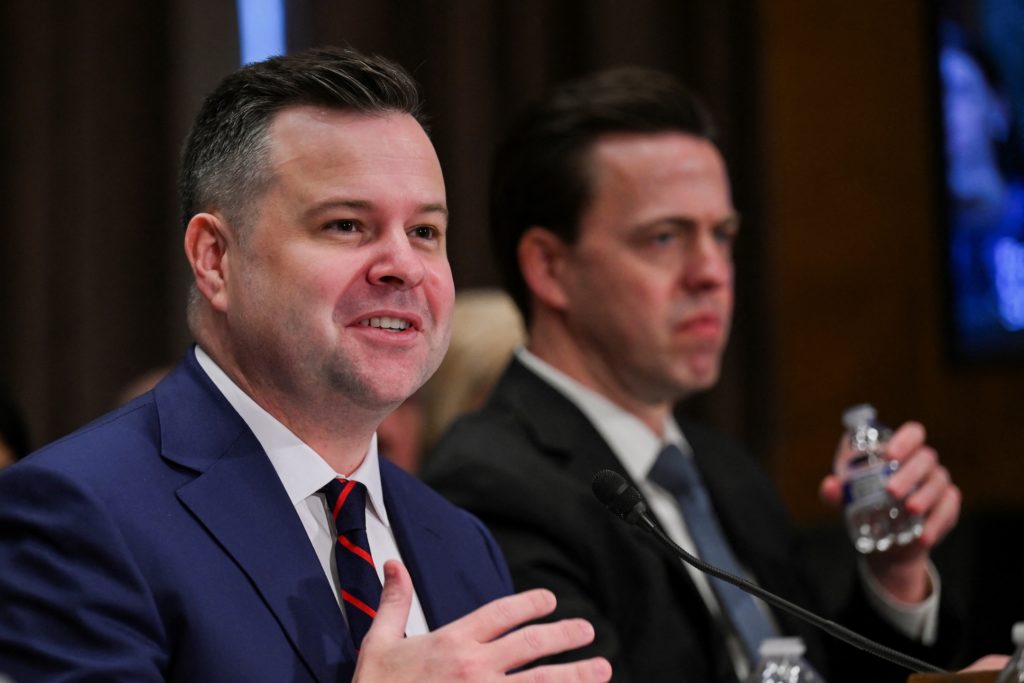
President Trump announced his plans to nominate Jay Clayton as director of national intelligence. The choice comes as lawmakers refused to extend a key surveillance tool over stalled privacy concerns and questions about the qualifications of the interim intelligence chief. Congressional correspondent Lisa Desjardins reports.

  •  

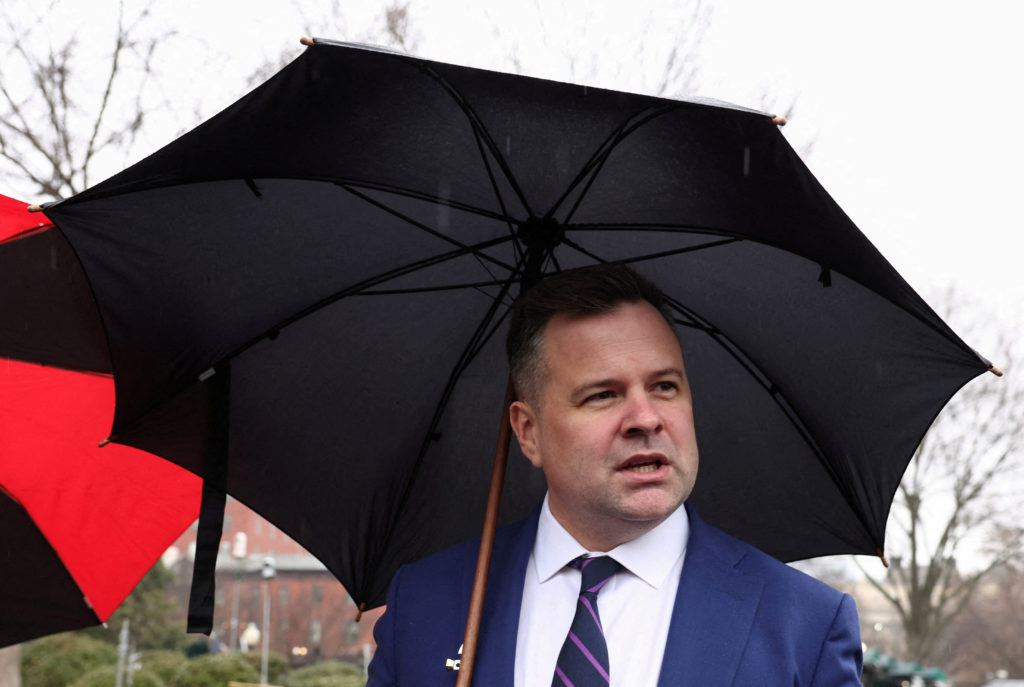
Trump names Jay Clayton as new intelligence chief after backlash over loyalist pick

Malay Mail


WASHINGTON, June 12 — US President Donald Trump yesterday named prosecutor Jay Clayton as his new intelligence chief, after a backlash from Republicans over his bid to install an inexperienced ally in the post.

Trump’s naming of loyalist housing official Bill Pulte as acting Director of National Intelligence earlier this month despite having no intelligence background had sparked an uproar.

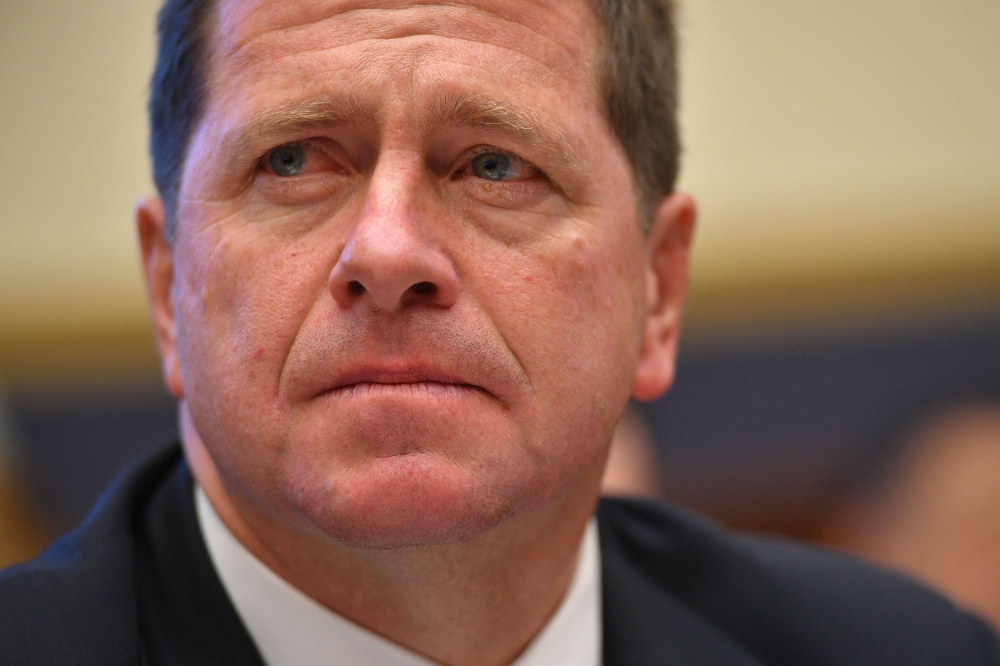
Clayton is a US attorney for the Southern District of New York and a was director of the Securities and Exchange Commission in Trump’s first term in office.

“I am pleased to announce the Nomination of very Highly Respected Jay Clayton... to be the next Director of National Intelligence,” Trump said on his Truth Social platform.

“I encourage the United States Senate to confirm Jay as soon as possible.”

Trump backed down in the face of a Senate rebellion over his naming of Pulte.

The row over Pulte ended up with the US House of Representatives on Thursday rejecting a short-term extension of a major warrantless surveillance program in protest.

The vote collapsed amid anger over Pulte, the head of the Federal Housing Finance Agency, who has no background in national security and has been accused by Democrats of using government databases to seek damaging information on Trump’s political enemies.

Democrats said they would not back even a temporary renewal without reforms to protect Americans’ privacy and a retreat from Pulte’s elevation.

Trump had previously appeared to double down on Pulte.

He ordered Pulte to cut jobs in the US intelligence community, saying that being only an acting director who did not need Senate approval meant he was “less shackled.”

Former intelligence director Tulsi Gabbard announced in May that she was stepping down to care for her husband as he battled cancer.

She was originally due to leave on June 30 but Trump brought the date forward to June 19. — AFP


  •  
❌