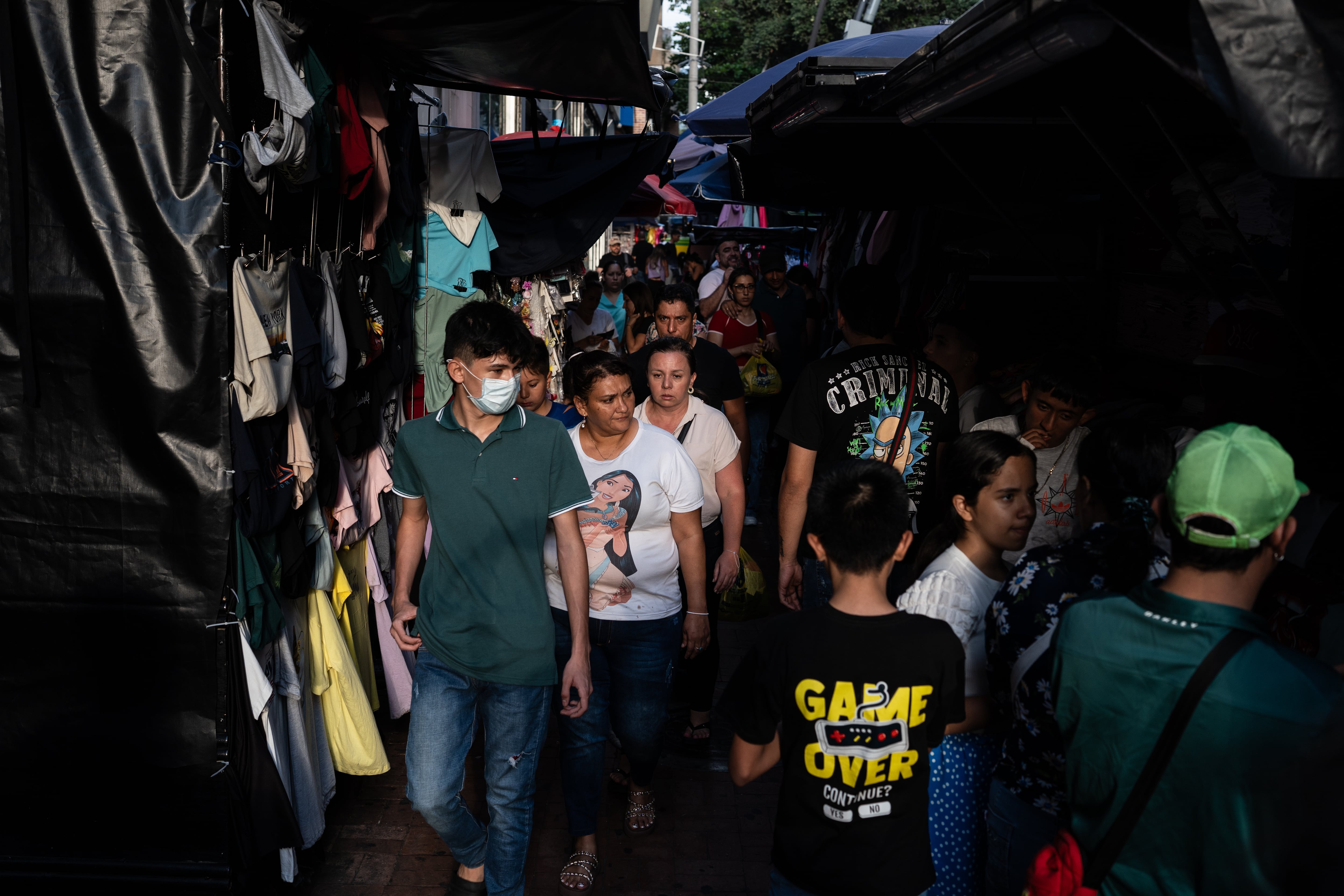
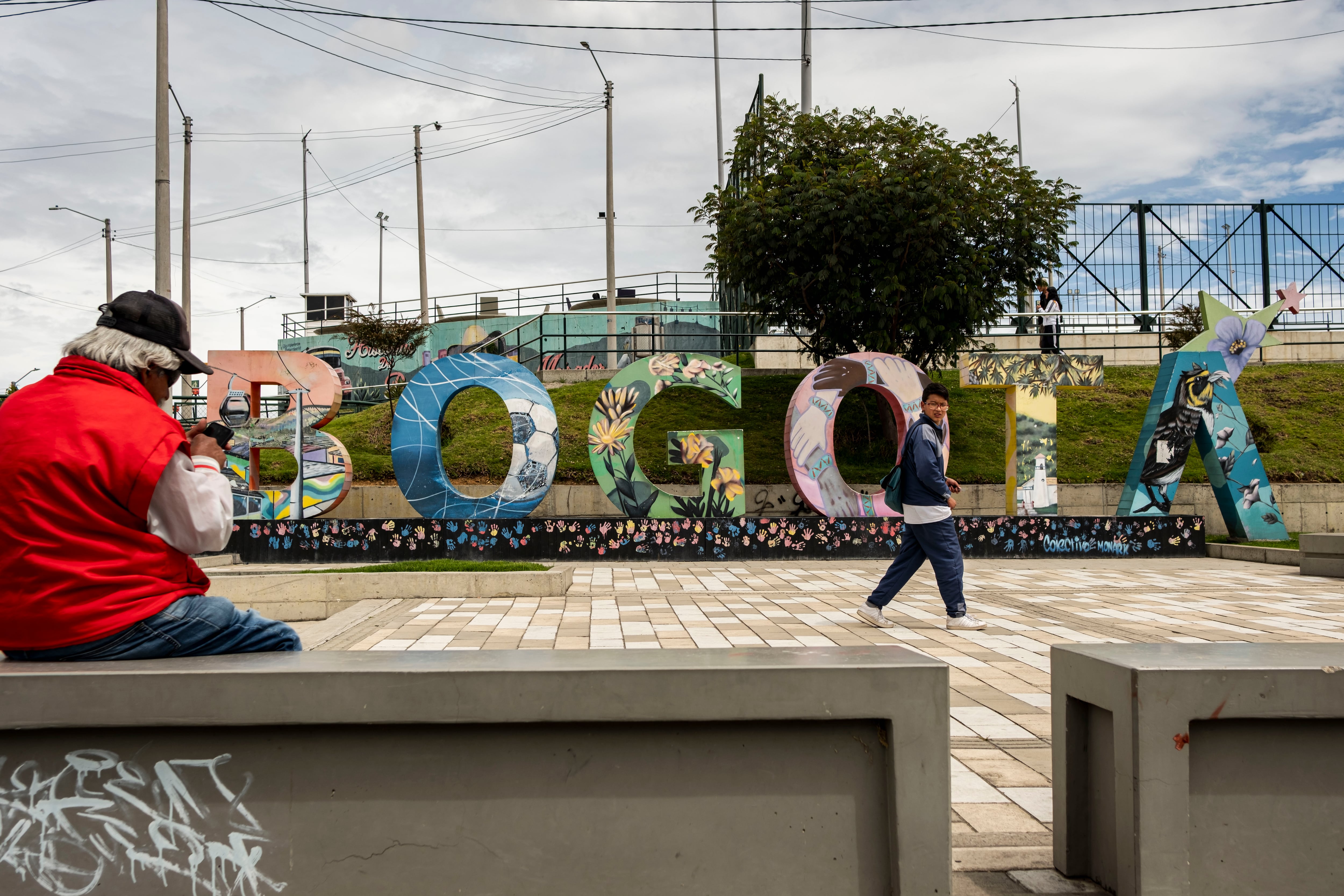
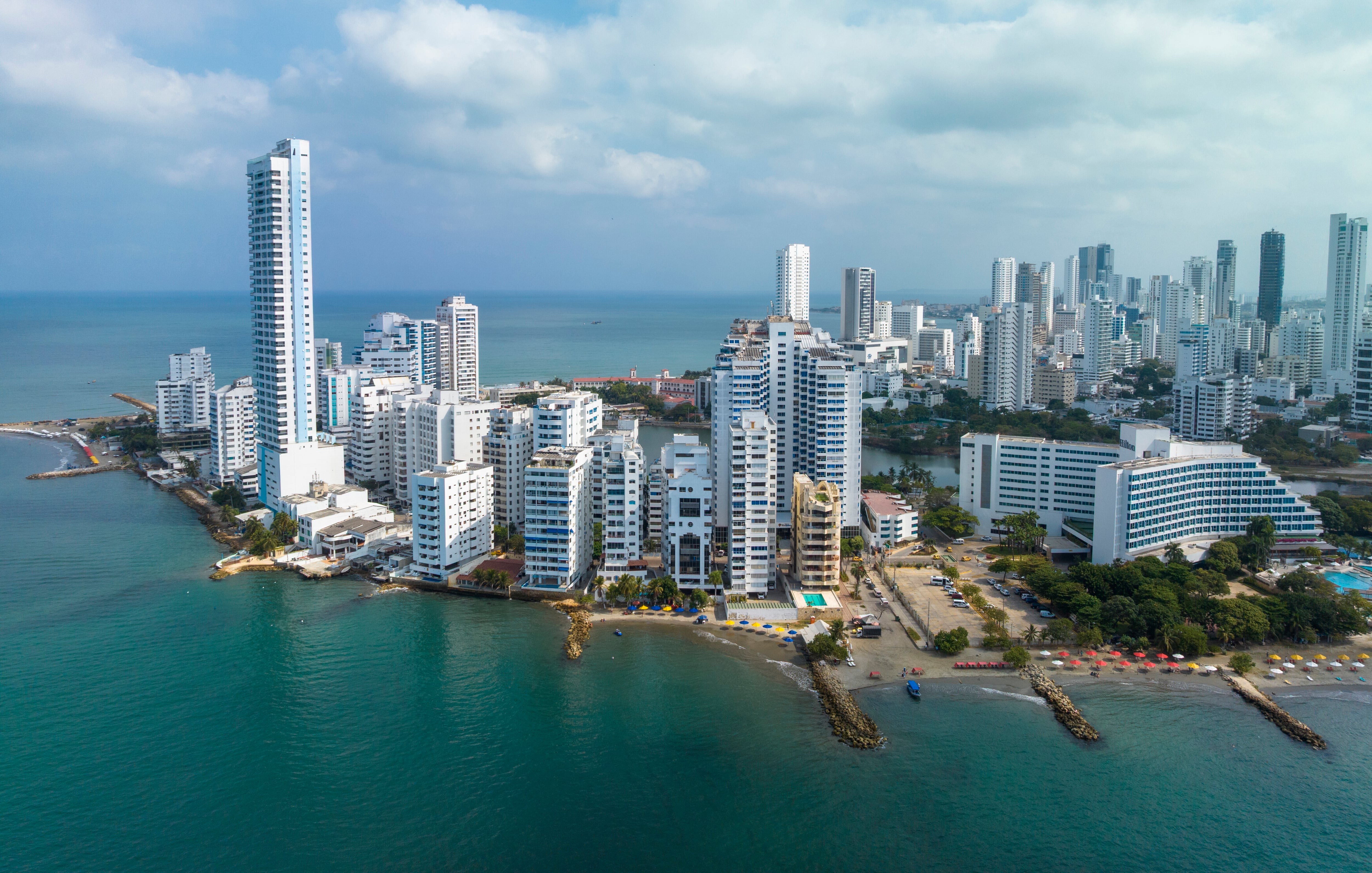
The first left-wing government in Colombia’s recent history leaves behind it a legacy of social highlights and fiscal shadows. The unemployment rate is at a 21st-century low and multidimensional poverty fell to single digits for the first time. Tourism expanded and some agricultural sectors experienced a boom. Those achievements coexist with a fiscal threat and weak investment that could jeopardize the future. Profligate public spending, borrowing at high rates, and stable tax revenue have tightened the fiscal envelope. According to the UN Economic Commission for Latin America and the Caribbean (ECLAC), Colombia is already the Latin American country with the second-worst fiscal deficit.
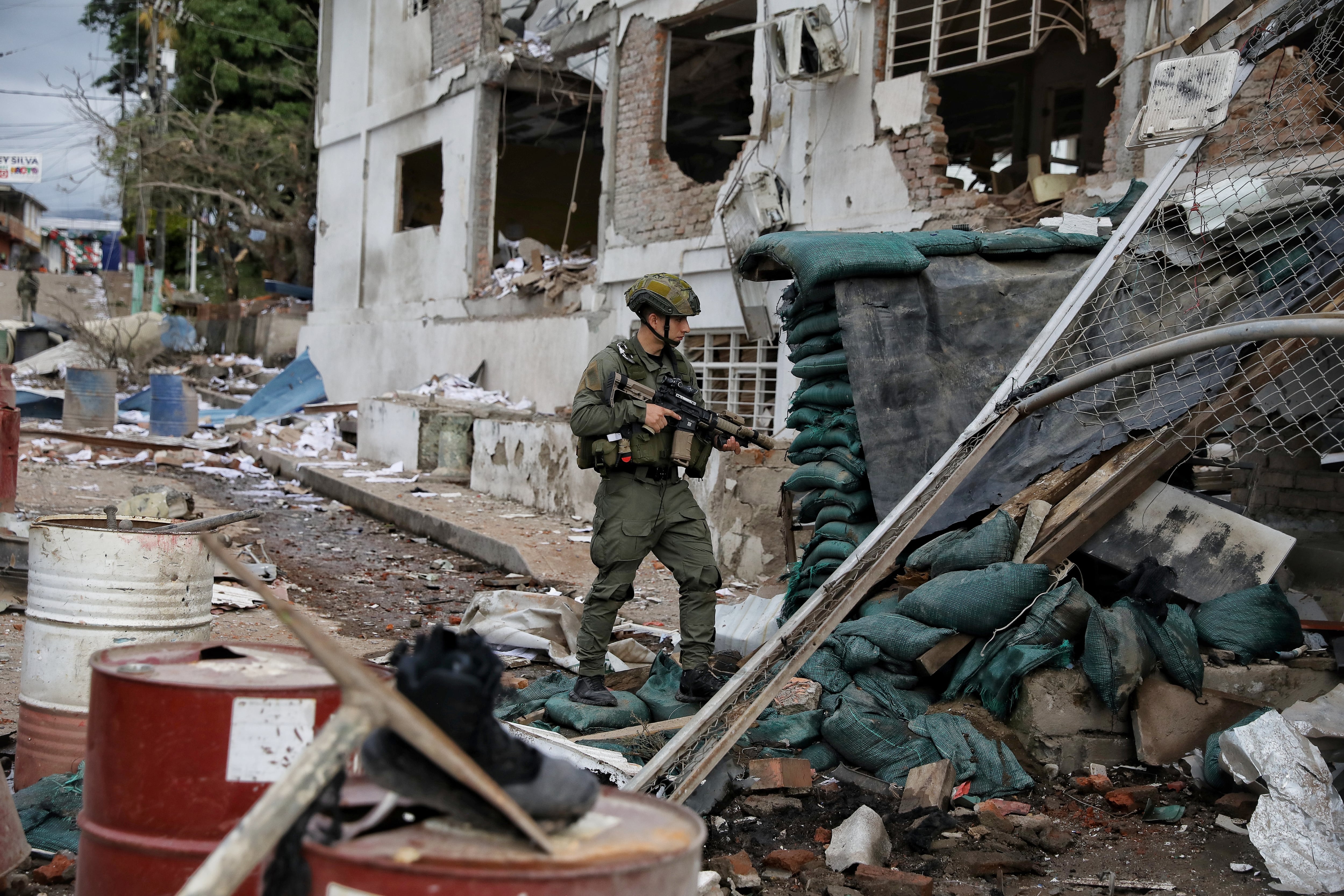
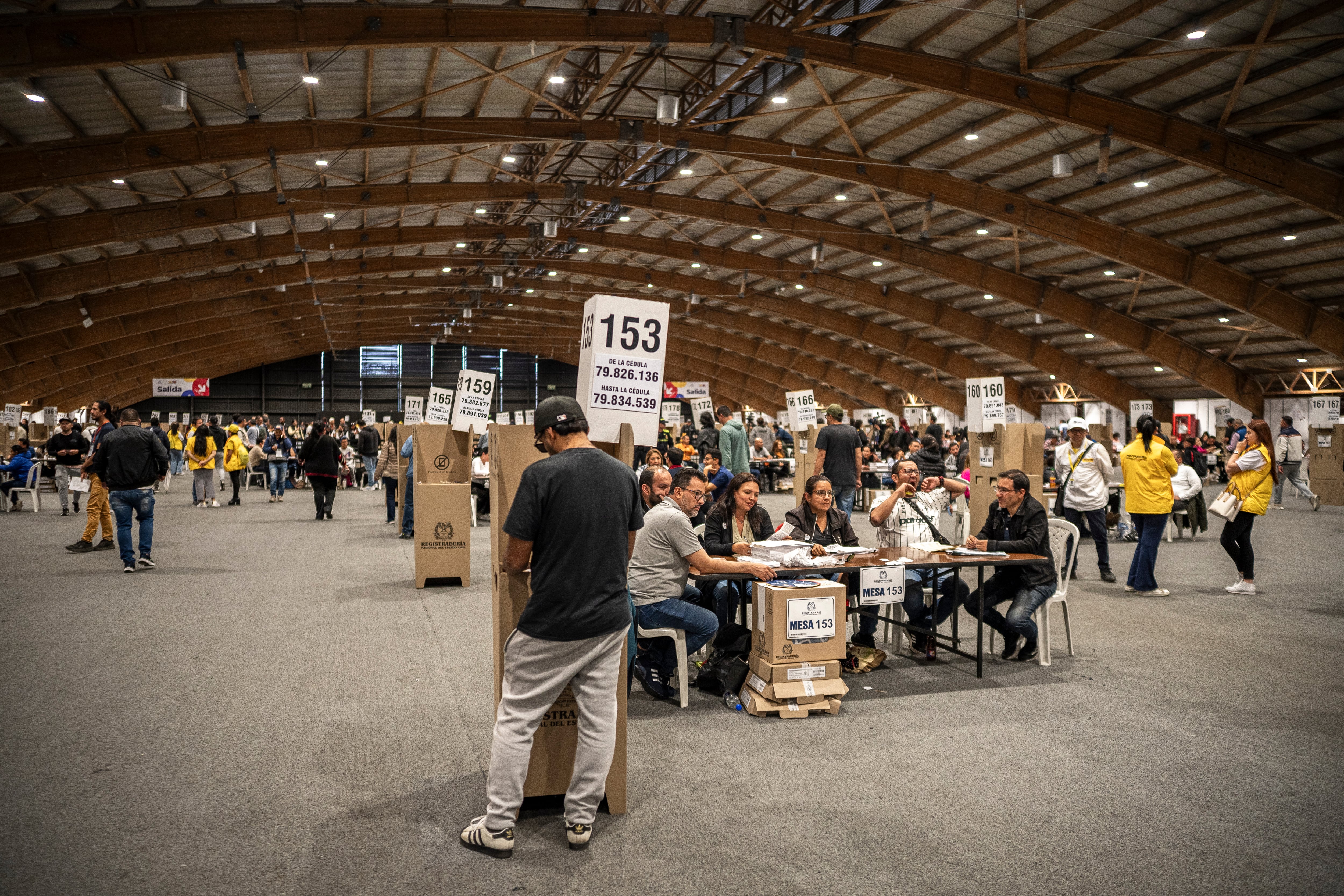
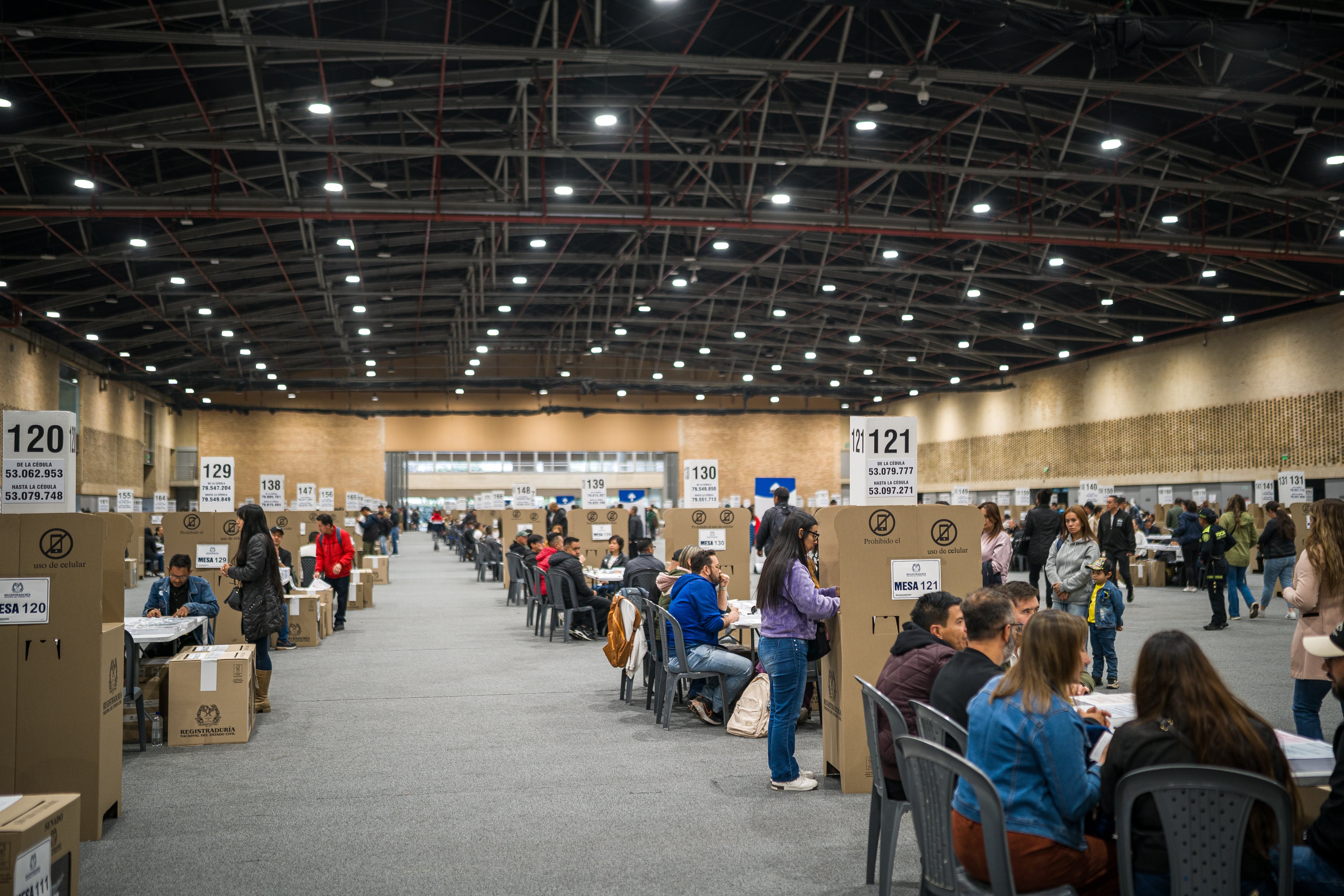
In Catatumbo, a region on the border with Venezuela, women have been giving birth at home for months. It is not for lack of hospitals but because they are afraid to take the roads and get caught in the crossfire between two guerrilla groups. Babies take months to be registered, farmers fear stepping on mines, and children hide when they see drones flying overhead laden with explosives. Those who stayed do not venture out and live locked up as if during a pandemic. Those who could leave fled, and the region has lost nearly 100,000 residents over the past year. “We are not part of this war, but we are in it,” a community leader told EL PAÍS, fearing he could be killed. This Sunday, Colombia holds the first round of its presidential elections. It does so with that war in the background, and with three other deep wounds that no candidate has fully explained how they intend to heal.
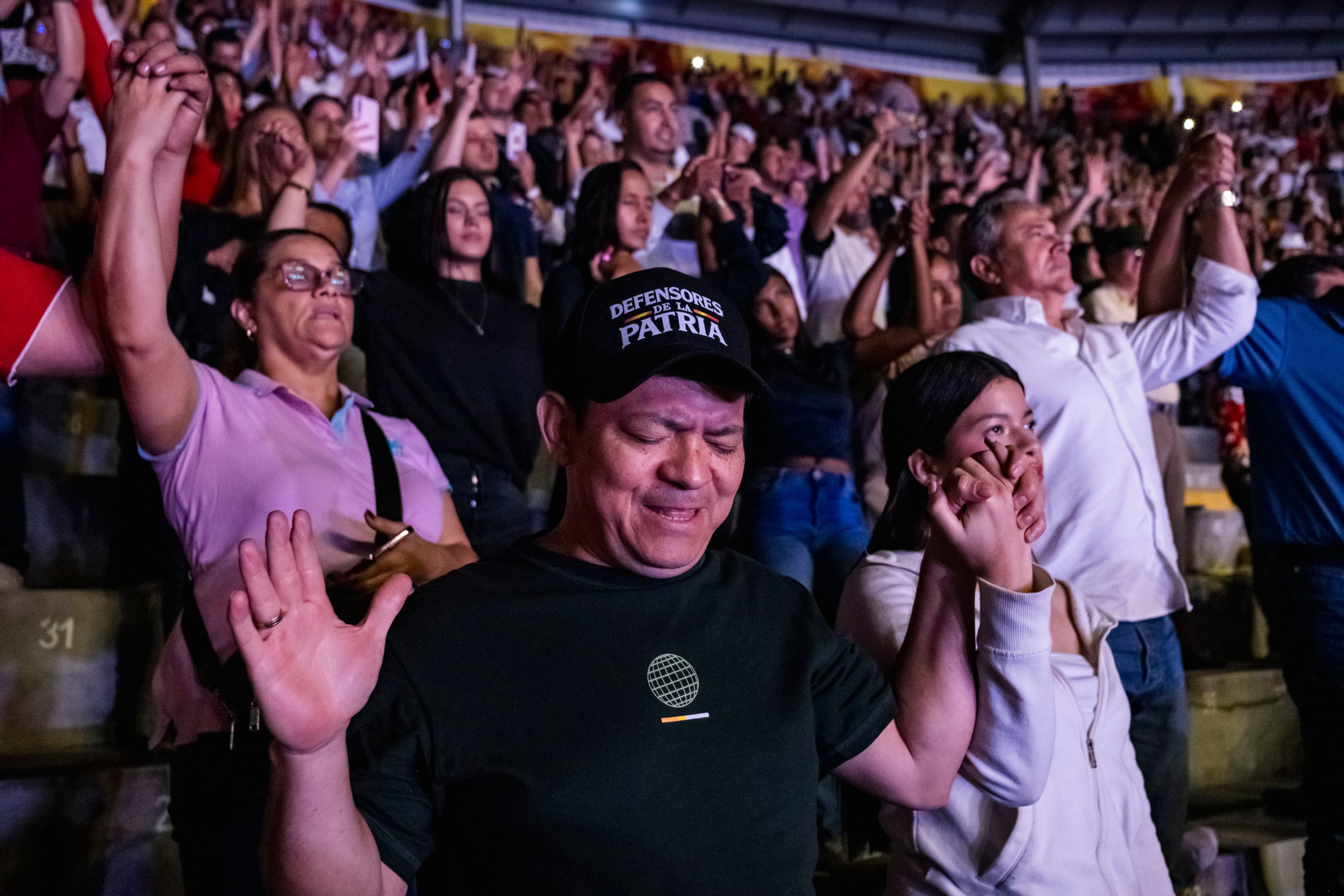
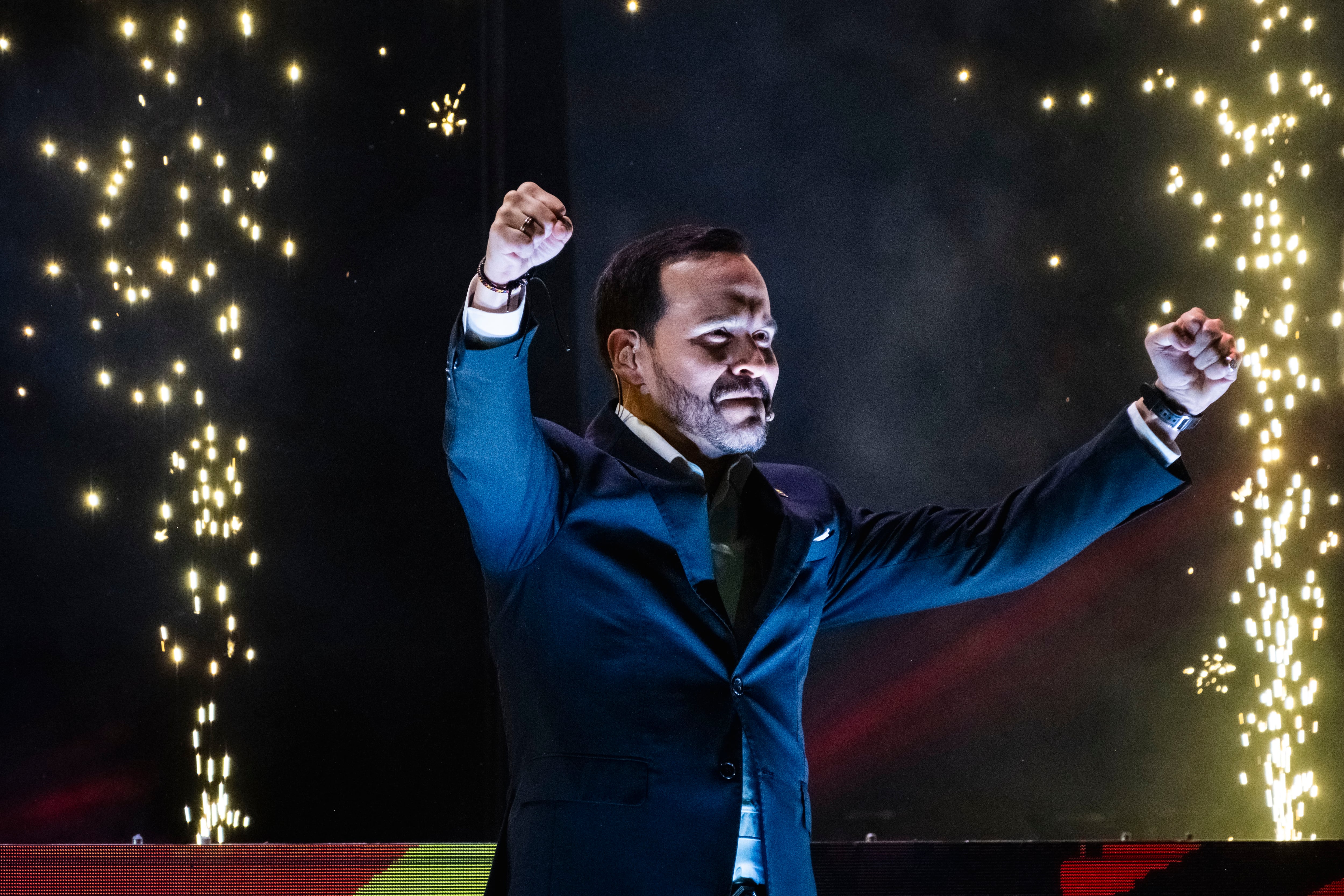
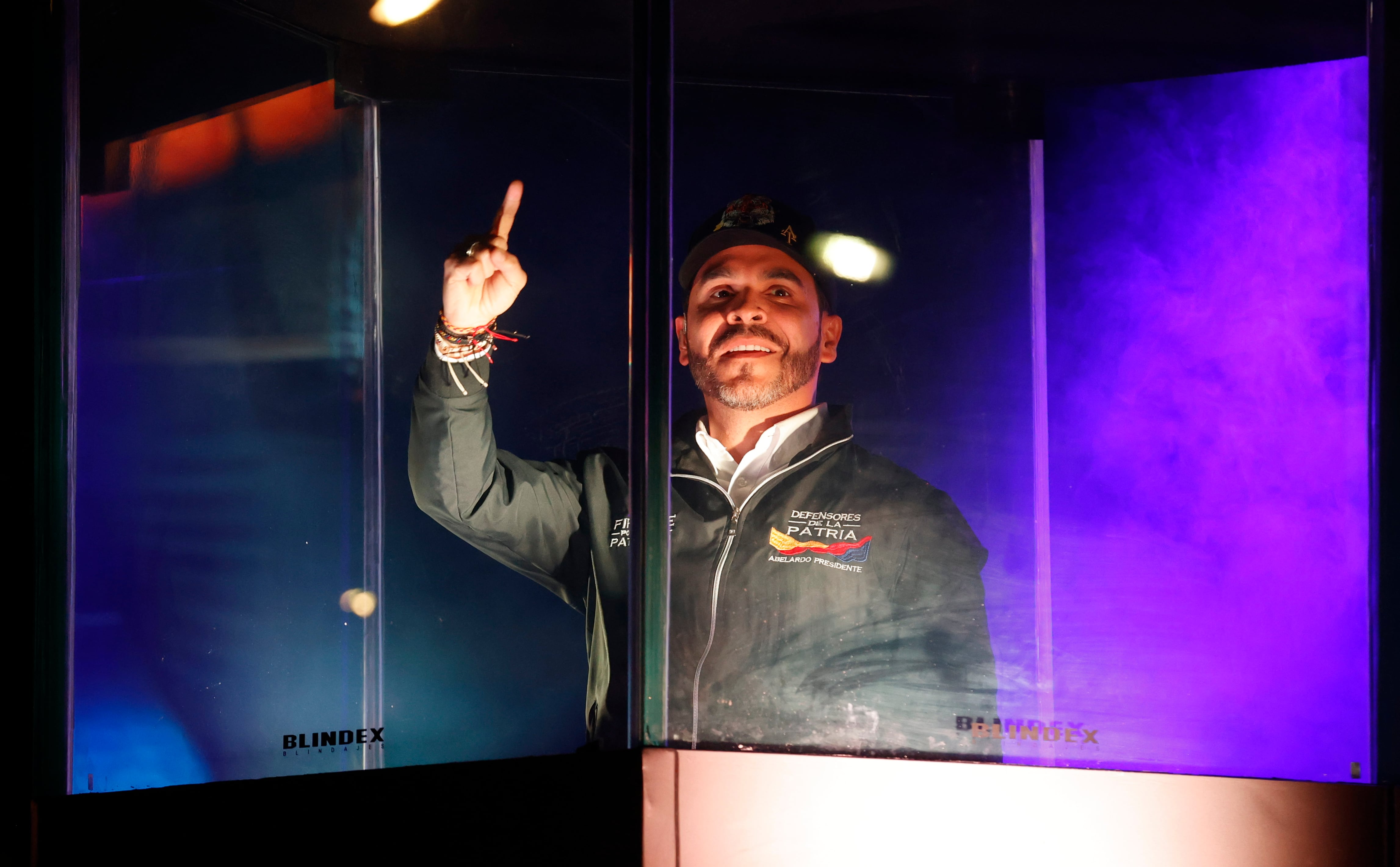
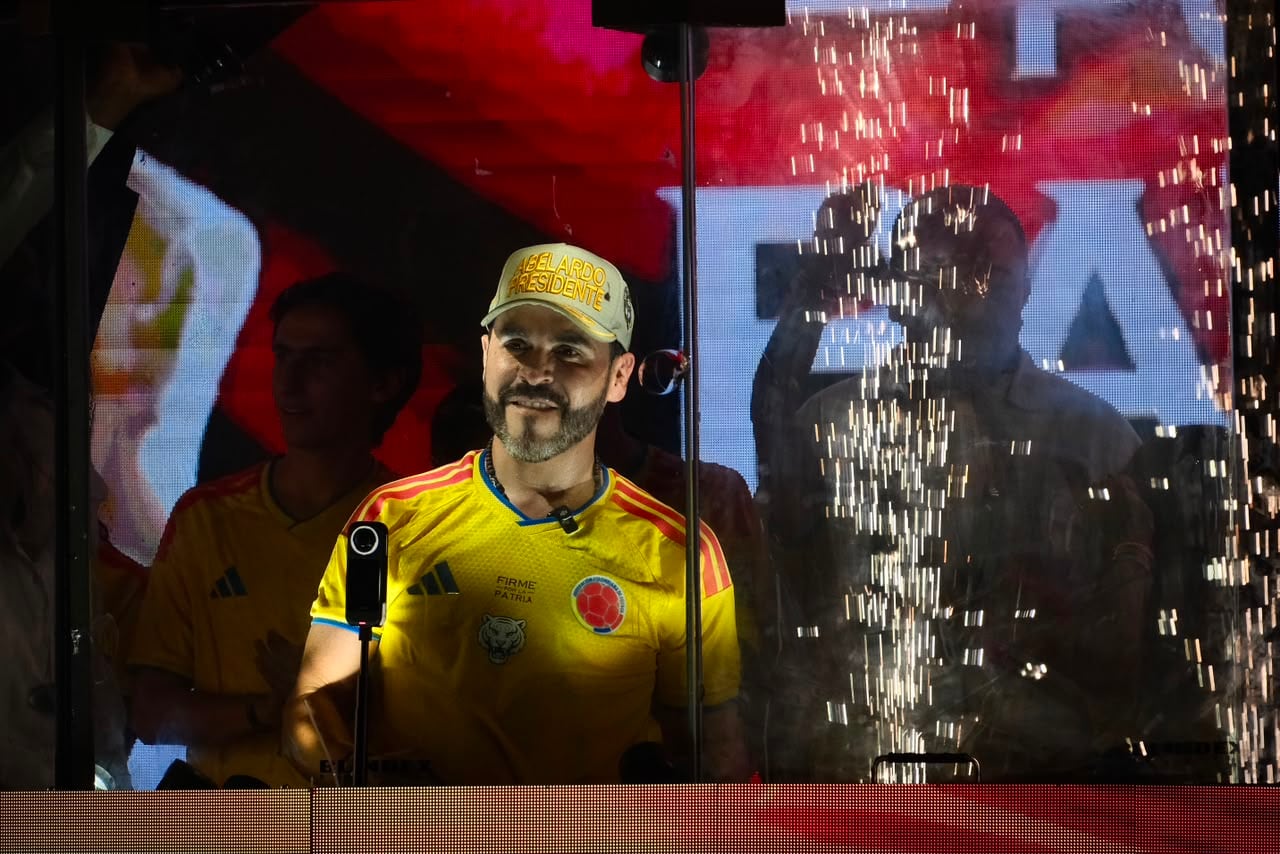
The global far right, which has achieved major milestones in recent years by seizing power in countries such as Argentina and Chile, is now watching closely the elections Colombia will hold on May 31. Abelardo de la Espriella, a lawyer making his political debut as an outsider, has emerged as the country’s extremist figure, invoking epic rhetoric to position himself as the ideal candidate to defeat the left. His campaign has focused on defending a “miracle homeland,” a country of traditional values with the economy and security at its core, where the left— or “communism,” as he calls it—and moderate parties play no leading role. His message has resonated in a society battered by violence, where many see the self-styled “Tiger” as a necessary change.
Right-wing Colombian presidential candidate Abelardo De La Espriella on Wednesday thanked President Trump for his support after De La Espriella won the most votes in the initial round of elections. De La Espriella's message of thanks to the U.S. president included an AI-generated image of a bald eagle next to a tiger, with the eagle...
Paranoia has gripped some Colombian billionaires after four years of President Gustavo Petro’s leftist government. Arturo Ramos, 30, says the country is headed for an economic collapse. “Everyone in Latin America has gone bankrupt because of the delusion that they can spend more money than they have,” says this heir to a business empire, who prefers to remain anonymous.
Abelardo de la Espriella’s unexpected victory over Iván Cepeda on Sunday, in the first round of Colombia’s presidential election, shows that right‑wing voters are now almost entirely united behind the penal lawyer, while left‑wing voters are fully consolidated behind the senator. The 653,000‑vote margin the far-right candidate held over the senator seems small in an election where 24 million people cast a vote and more than 3 million voted for other candidates. The challenge for the runoff would appear to be persuading those voters — but given the candidates’ profiles and recent history, the path necessarily also runs through the mobilization of people who did not go to the polls on Sunday.
Colombia swung to the far right this Sunday, voting overwhelmingly for a candidate who won the support of 10 million citizens, Abelardo de la Espriella, the top vote-getter in the presidential first round. The criminal defense lawyer, who has never held elected office and once defended Alex Saab, Nicolás Maduro’s alleged front man in Venezuela, promises a shake-up of individual and collective rights: from putting God back into schools to pulling Colombia out of the United Nations. He still needs to mobilize votes for a runoff on June 21 against a left that represents the continuity of Gustavo Petro’s government. De la Espriella will be carried forward by very local banners, such as anti-Petrista sentiment, and by very global ones, like promises already voiced by far-right leaders around the world. Political leaders ranging from President Javier Milei of Argentina to Santiago Abascal, head of the hard-right Vox party in Spain, have already celebrated De la Espriella’s first-round victory.
Bogotá, Colombia – Bolivia’s government ordered Colombia’s ambassador to leave the country just days after Colombian President Gustavo Petro expressed support for ongoing anti-government protests.
“The Bolivian government has decided to request that the Ambassador of the Republic of Colombia accredited to the country conclude her diplomatic duties in Bolivian territory,” read a statement on Wednesday morning by Bolivia’s Ministry of Foreign Relations.
The ministry expressed its disapproval of Colombia’s involvement in its domestic affairs amid mounting anti-government protests.
“Bolivia considers it essential that any external assessment or statement regarding the country’s internal situation be made with responsibility, diplomatic prudence, and full respect for… institutions,” continued the statement.
While the government did not explicitly mention Petro, the measure came just days after the Colombian president weighed in on the protest movement, describing it as a “popular insurrection” in an X post last Sunday.
In recent weeks, miners, teachers, farmers and Indigenous groups have been calling for President Rodrigo Paz to resign over economic hardships, including soaring inflation and the suspension of fuel subsidies.
Bolivia’s foreign ministry responded to Petro the same day, saying his words, “do not reflect the relation of friendship, respect and cooperation between the peoples of Bolivia and Colombia.”
Petro, whose term ends in August, did not backtrack following the Ambassador’s dismissal.
“If they expel the ambassador simply for proposing dialogue and mediation, it means we’re sliding toward extremism that could lead to a very difficult situation for the Bolivian people,” the president told Caracol radio today.
Despite the spat, Bolivia’s foreign ministry said diplomatic channels remained open and the expulsion did not count as a full-scale rupture in relations.
The government added that it had granted Ambassador Elizabeth García Carrillo “the appropriate period of time in accordance with current international standards” to leave the country.
Featured image description: President Gustavo Petro (L) and President Rodrigo Paz (R). I
Bogotá, Colombia – United States President Donald Trump apologized today to Colombian President Gustavo Petro for not inviting him to the ‘Shield of the Americas’ summit in Miami last week, according to the Colombian government.
In a post on X, the Office of the President said the two leaders spoke on the phone for roughly half an hour, during which Trump “reiterated that President Petro will always be welcome in the United States and apologized for any previous inconvenience related to an invitation to Miami.”
The apology comes days after Petro criticized Trump for sidelining Colombia in the ‘Shield of the Americas’ summit, in which Washington convened 17 Latin American and Caribbean nations to sign an anti-drug cooperation pact.
During the phone call today, the two leaders reportedly discussed a host of issues, including energy, security, and counter-narcotics operations.
The statement from Bogotá added that Petro had invited Trump to visit Cartagena, a city on Colombia’s Caribbean coast, prompting the U.S. president to apologize for having excluded the South American leader from the Miami summit.
The ‘Shield of the Americas’ summit was held last Saturday at Trump’s Miami golf club and predominantly hosted delegates from conservative governments allied to the White House, including Argentina’s Javier Milei and Ecuador’s Daniel Noboa.
Following the conference, Petro said: “With 17 small, weak countries lacking experience in dealing with cocaine, you cannot make a southern shield; it will be punctured.” He also highlighted his country’s experience in combatting drug trafficking and noted his government’s record seizures of cocaine.
Petro and Trump have had a fractious relationship over the past year, clashing on issues from deportation flights to drug control. The White House imposed sanctions on the Colombian leader in October, with the president accusing Petro of being “an illegal drug dealer.
But a call in January led to a detente, with Petro visiting the White House in February.
In the call today, Trump “expressed his gratitude for the communication and his interest in maintaining closer contact with the Colombian president, to whom he reiterated his appreciation and friendship,” according to the statement from Bogotá.
Featured image description: President Donald J. Trump meets with Colombian President Gustavo Petro at the White House in February, 2026.
Bogotá, Colombia – Colombian President Gustavo Petro arrived in Caracas today to meet with his counterpart in Venezuela, Interim President Delcy Rodríguez.
The visit makes Petro the first world leader to visit the South American nation since the United States captured longtime strongman Nicolás Maduro in a military operation on January 3.
Petro and Rodríguez are expected to discuss bilateral issues including energy and security cooperation on their more than 1,300 mile shared border.
The Colombian president landed in Caracas on Friday afternoon with his Foreign Minister, Rosa Yolanda Villavicencio, and Defense Minister, Pedro Sánchez.
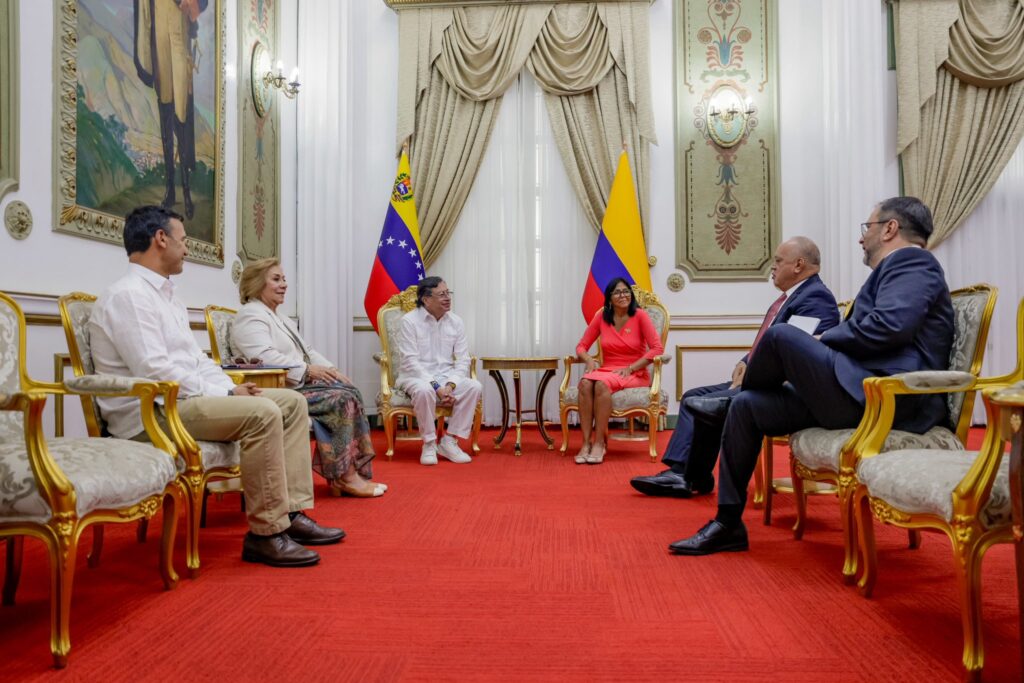
The delegation from Bogotá has been meeting with Rodríguez and her Interior Minister, Diosdado Cabello, alongside Foreign Minister Yván Gil at the Palacio de Miraflores – Venezuela’s presidential palace.
Petro and Rodríguez were flanked by top officials at their meeting. Image courtesy of @InfoPresidencia via X
Petro and Rodríguez were scheduled to meet in Cúcuta, a Colombian city bordering Venezuela, in March but the Venezuelan president cancelled at the last minute citing security concerns.
Then last Friday, the Colombian leader announced he would head to Venezuela, saying, “If Mohammed won’t come to me, I’ll go to the mountain.”
The primary purpose of the meeting is strengthening security cooperation, according to the Petro administration.
“The aim of this meeting is for both governments to make progress on a joint plan to strengthen security and intelligence in the border area,” wrote the Office of the President in a post on X today.
The sprawling frontier is a hotbed for guerrilla activity and is largely controlled by the Colombian National Liberation Army (ELN), a rebel group involved in drug trafficking and illegal mining on both sides of the border.
The ELN was known to have ties to the Maduro regime but the Venezuelan government is under pressure from the U.S. to crack down on the rebel group, which Washington considers a “terrorist organization.”
While the Petro administration maintains the importance of strengthening bilateral cooperation, the meeting has perturbed many in the Venezuelan exile community in Colombia.
“President Gustavo Petro’s visit to Venezuela, particularly his meeting with Delcy Rodríguez, raises serious concerns among Venezuelans,” Juan Carlos Viloria Doria, President of the Global Alliance for Human Rights and Vice-President of Venezuelans in Barranquilla, told Latin America Reports.
He noted that many Venezuelans do not consider Rodríguez to be a legitimate leader, describing her as “an extension of the regime led by Nicolás Maduro.”
“In this regard, such visits can be interpreted as a political endorsement or a form of international legitimization of a situation in Venezuela that still lacks adequate democratic guarantees,” maintained Viloria.
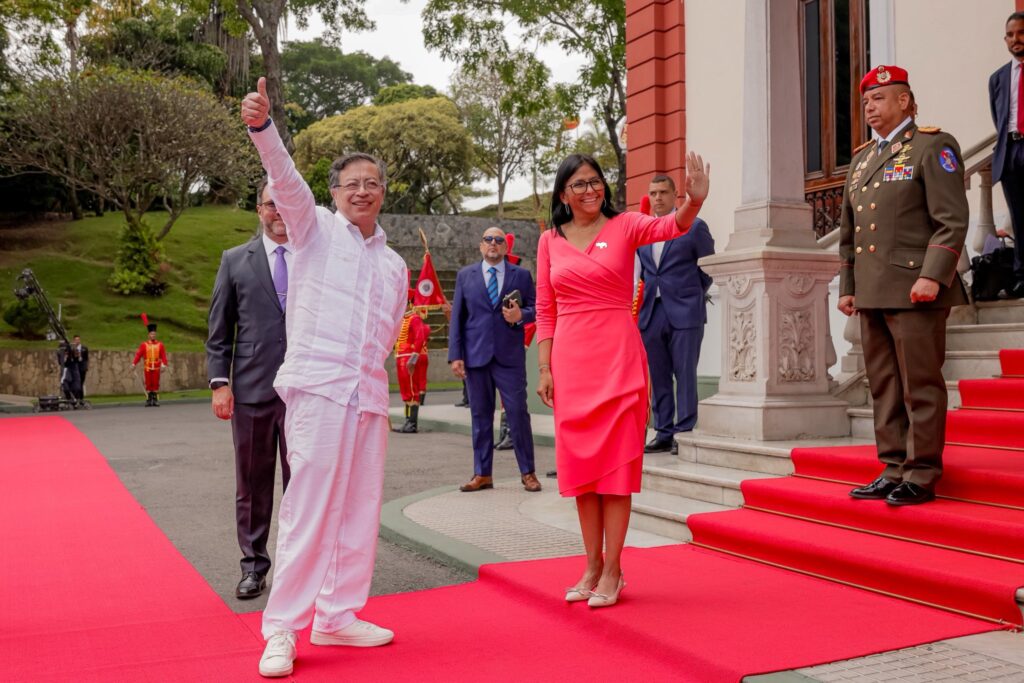
Petro and Rodríguez greet reporters. Image courtesy of @InfoPresidencia via X
There has also been pressure in Colombia for Petro to mediate the release of 16 Colombian citizens jailed in Venezuela.
The families of those detained allege the arrests were made “without a court order or evidence” and say their loved ones have faced human rights violations including torture.
While there has been an easing in repression following Maduro’s ouster, Venezuela remains an authoritarian state and rights groups continue to denounce abuses.
“The least that we Venezuelans expect is that [the meeting] be used as an opportunity to demand concrete progress on human rights and democracy,” said Viloria.
“Any dialogue or rapprochement must be aimed at improving the living conditions of the Venezuelan people and fostering a genuinely democratic transition, not at consolidating contested power structures.”
Featured image description: Colombian President Gustavo Petro and Venezuelan Interim President Delcy Rodríguez at a meeting in Caracas on April 24, 2026.
Less than three weeks before Colombians head to the polls in presidential elections, centrist candidate Claudia Lopez’s odds at victory are slim, to say the least.
Since winning the primary contest to lead the Consultation of Solutions (Consulta de las Soluciones) bloc in March, the silver-haired former mayor of Bogotá has been criss-crossing the country to win over moderate voters.
But the latest polls report the 56-year-old’s share of the vote as being in the low single digits.
Dressed in her signature gilet and sipping from a mug of coffee, the former Harvard University guest lecturer says in flawless English that she wants to do the interview in Spanish – “I need to get people to vote for me,” she jokes.
With little to lose, López speaks candidly about her time in office, her views on other politicians, and her experience on the campaign trail.
Watch the full interview here
Reflections on her mayorship
López, who steered Bogotá through the Covid-19 pandemic and a mass wave of anti-government protests, speaks proudly of her stint as mayor from 2020 to 2024.
The presidential hopeful rattles off a list of her achievements in office: her management of the Covid-19 pandemic, lifting 600,000 women out of poverty, and rolling out Bogotá’s public bicycle network.
López also speaks candidly about the problems during her mayorship, which spanned the administrations of presidents Iván Duque and Gustavo Petro.
“Interestingly, I ended up having an easier relationship with President Duque, a right-winger, than with my left-wing president, whom I voted for,” says López.
López, who publicly backed Petro’s candidacy, describes friction between the national government and the mayor’s office.
“President Petro is an effusive leader, but he is too effusive, very machista, and I, well, I don’t agree with that; if there’s one thing I can’t stand in my life, it’s the abuse of power.”
On the campaign trail
Today, the former senator finds herself trying to carve out a place in a noisy election cycle marked by political extremes and polarization.
Her coalition’s platform is based on three pillars: security and territorial governance; equality and social justice; and regional development without corruption.
López’s shift to the center has drawn some criticism, including from voters who note the former Green Alliance member’s u-turn on key environmental issues like fracking.
Last year, she declared: “If god gave us oil, coal, and gas, that is what we will use.”
“I maintain this stance,” insists López, adding she opposes the Petro administration’s pause on all oil and gas exploration. “Stopping gas exploration means halting Colombia’s energy transition – it’s a mistake.”
López argues the policy has damaged the economy and reduced funds for investment and development.
Instead, she backs a gradual transition: “I estimate that the transition in Colombia from fossil fuels to cleaner energy sources will take us about 25 years, give or take.”
The candidate believes in preserving biodiversity, saying she would not authorize mineral exploration in the country’s forests or protected areas, marking a softer stance than some of her opponents.
Among her rivals, López is especially critical of right-wing criminal defense attorney Abelardo de la Espriella.
“He is the only candidate – let’s put it this way – whom I would absolutely never vote for. He is a defender of mobsters. He is a shadowy character,” says López.
De la Espriella notoriously represented figures linked to paramilitary death squads, the head of the worst pyramid scheme in Colombian history, and Alex Saab, considered the frontman for corruption schemes by former Venezuelan dictator Nicolas Maduro.
López argues that he is an Uribista – a supporter of the politics of right-wing ex-president Álvaro Uribe – but is on a different “side of the coin” to Uribe’s chosen candidate, Paloma Valencia.
“Paloma is definitely a supporter of Uribe, but she’s never exactly been a defender of mobsters,” explains López.
The ex-mayor refused to rule out voting for Valencia or for leftist candidate Ivan Cepeda, the two frontrunners alongside de la Espriella.
But López, a lesbian woman, is staunchly critical of Valencia’s stance on LGBTQ+ rights. The candidate for Uribe’s Democratic Center (Centro Democrático) party opposes adoption by same-sex couples while her party has blocked bans on conversion therapy.
She is particularly critical of Juan Daniel Oviedo, a gay politician, for agreeing to be Valencia’s running mate in March.
“I regret that Juan Daniel Oviedo feels compelled to play along with that anti-rights agenda. In fact, I believe he is the only person who has been told to his face that he is not considered an equal human being, that he is not considered a citizen with the same rights, and that they do not trust him to raise a child,” says López.
Despite her objections to Valencia, López says she still will not rule out voting for her in the second round, citing the improbable possibility that Paloma faces de la Espriella in a run-off.
But the former mayor maintains she would not endorse Valencia and Oviedo in any eventuality: “I wouldn’t campaign for them, ask anyone to vote for them, or endorse them.”
Looking to the future
Finally, faced with nearly impossible odds in May’s elections, López projects a springy optimism about her political future.
“I’m very happy with the campaign I’ve run, and I’m very grateful to the Colombian people,” says the candidate, stressing that it is just her first stab at the presidency.
“Ours is a new grassroots movement; we only just collected the signatures last year, so I feel grateful, happy, and very excited, and I’m going to continue in politics and continue working to build Colombian social democracy.”
This article originally appeared on The Bogotá Post and was republished with permission.
Just daysremain until the first round of Colombia’s presidential election on May 31, and millions of citizens still haven’t decided which of the 12 candidates to vote for.

 Login
Login