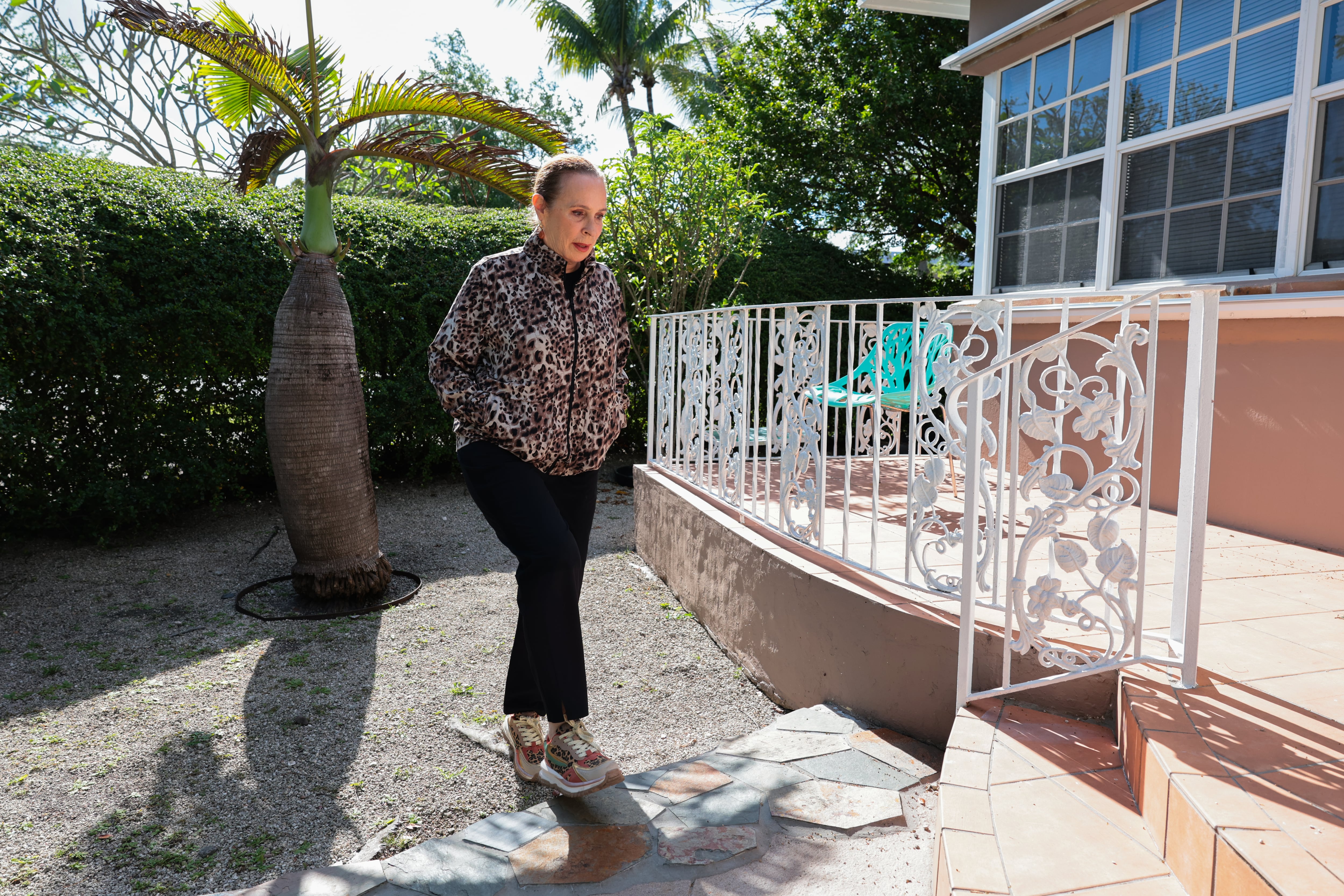
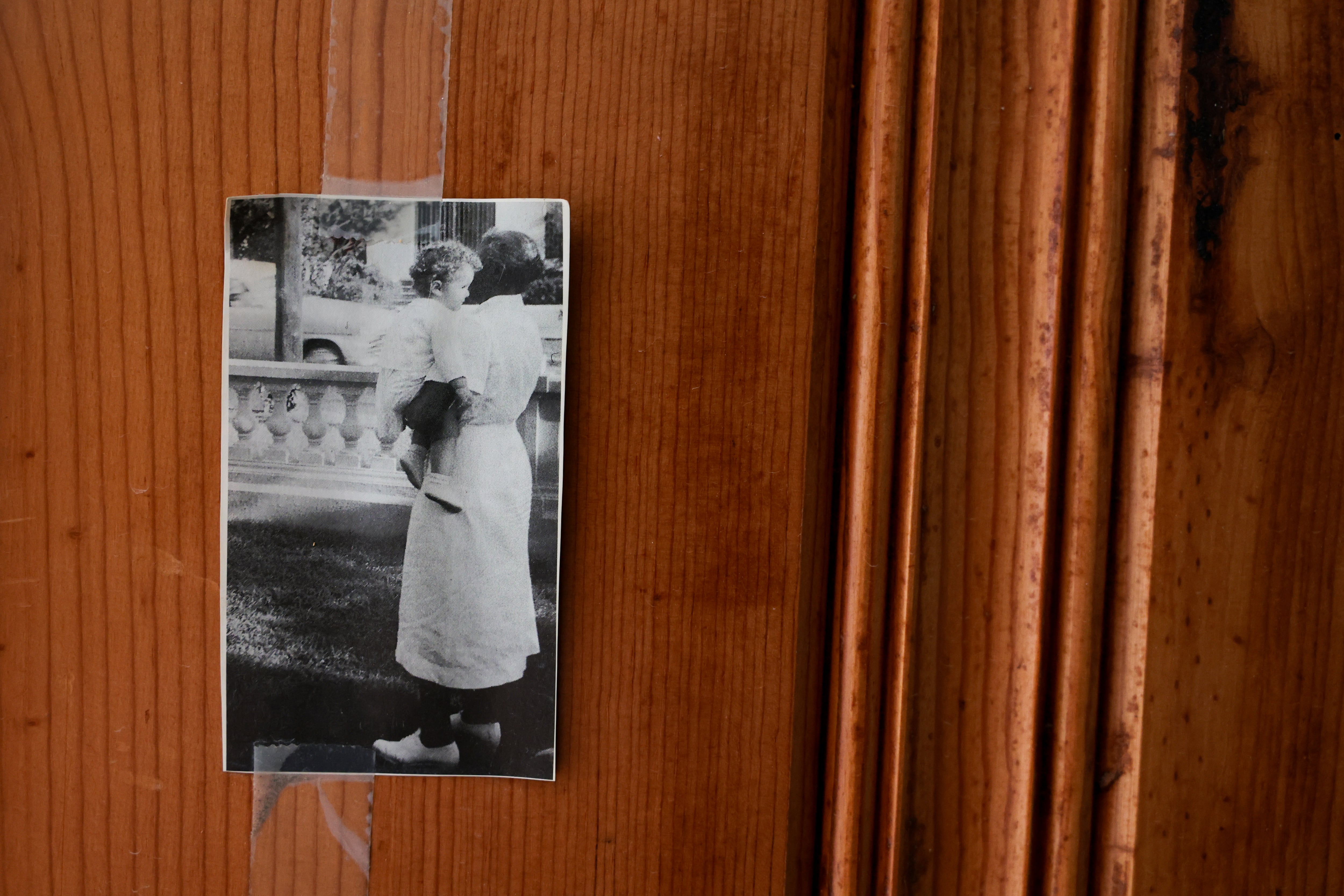
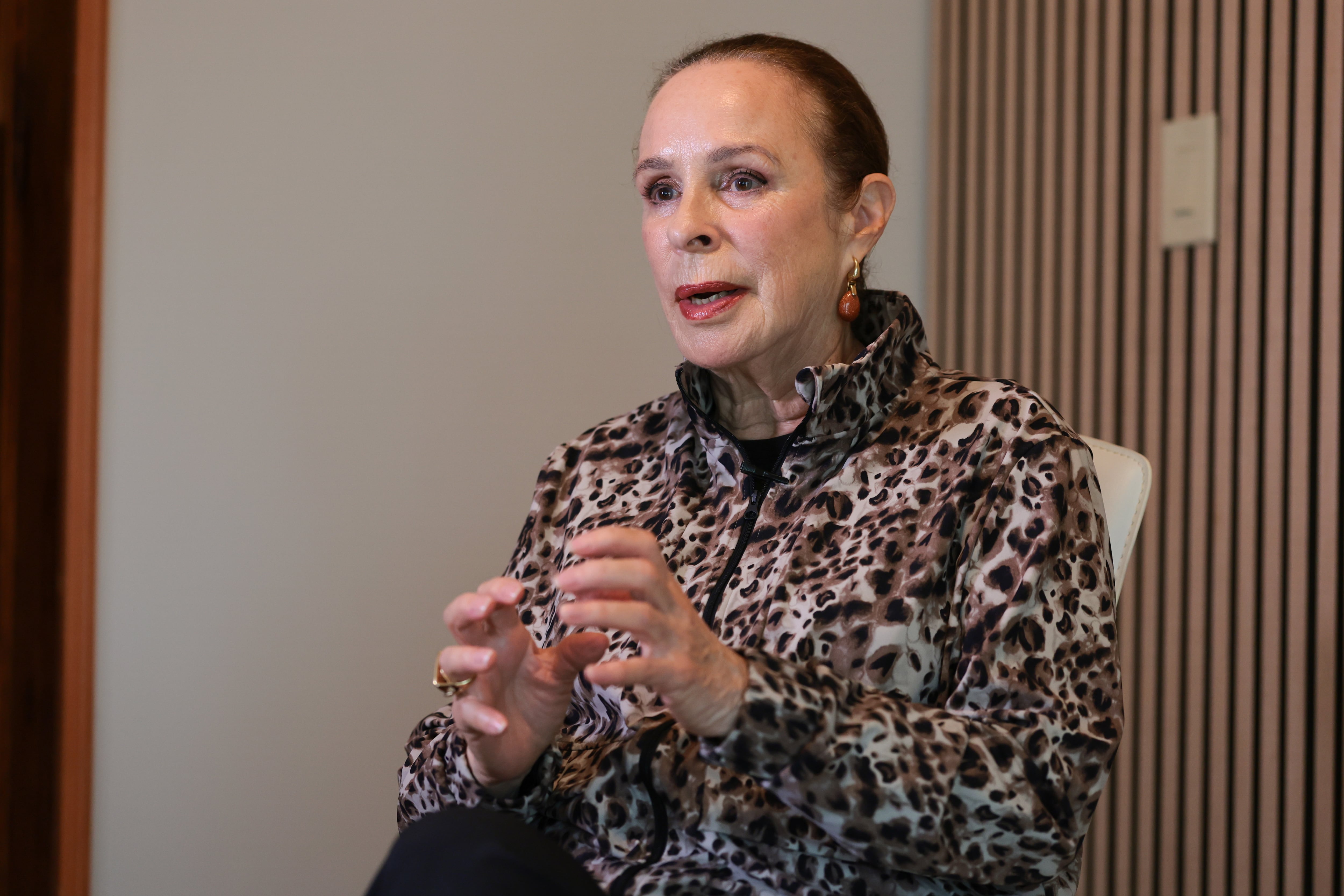
The first question feels inevitable, as if she had been preparing for it all her life or as if she were condemned to answer it for the rest of her life.
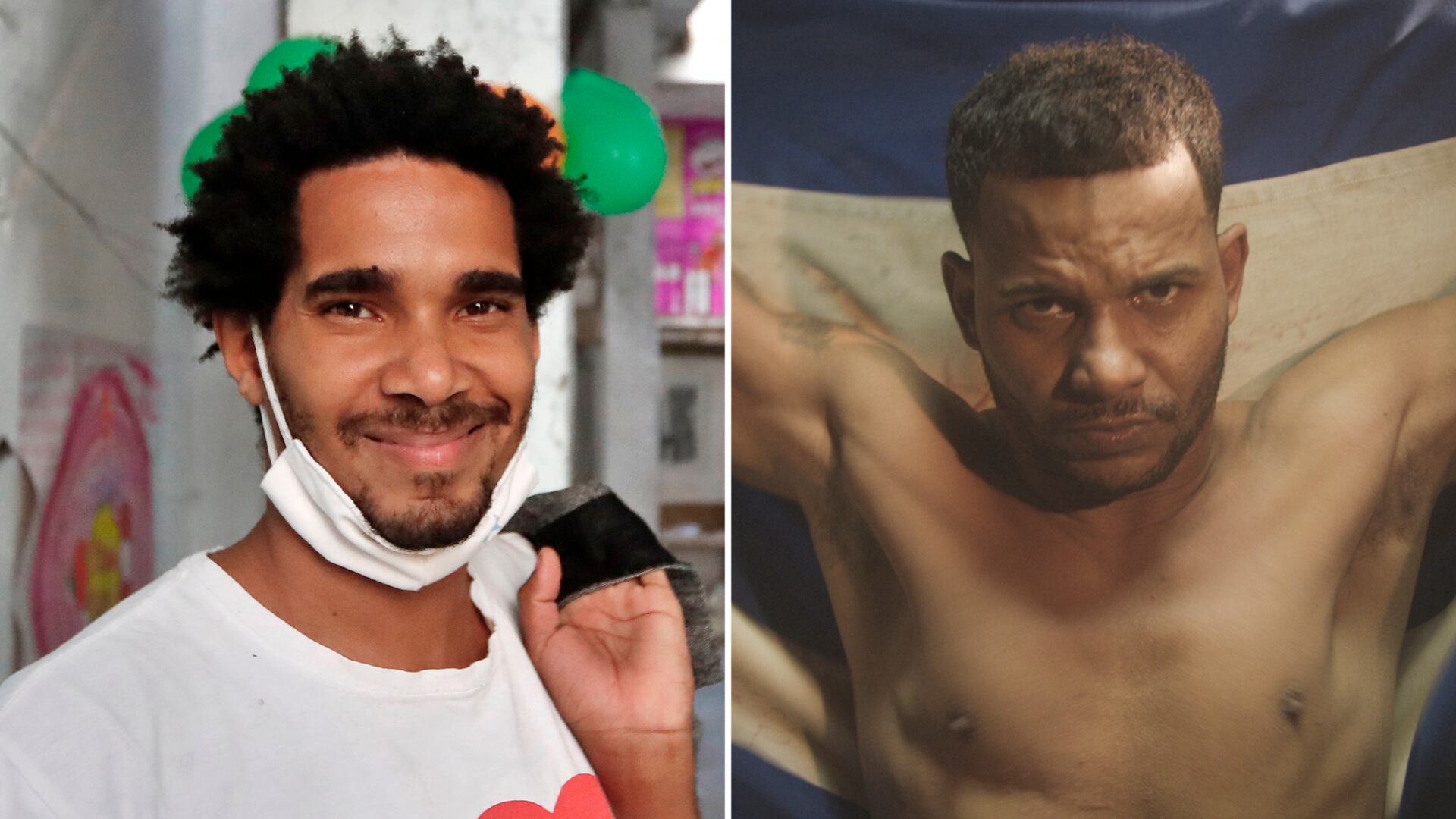
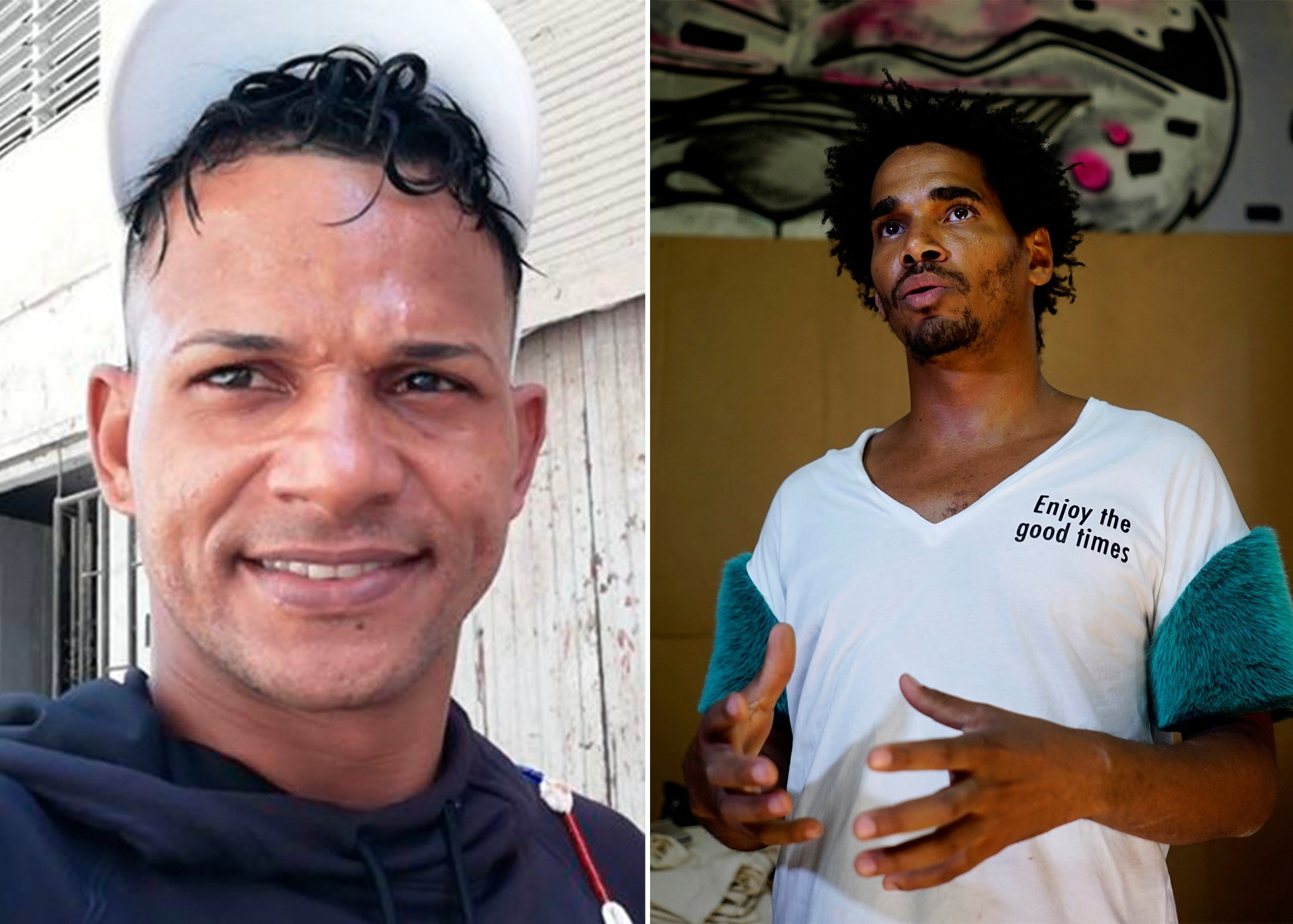
Even at the maximum-security prison in Guanajay, southwest of Havana, news has reached the inmates that one of their own, the rapper Maykel Castillo, “Osorbo,” could be back on the streets in two weeks. This is the deadline that, according to U.S. State Department sources speaking to USA Today, Washington has given the Cuban government as part of ongoing negotiations. Osorbo is acting as if nothing new is happening. There have been other releases, other agreements with the Vatican or the Americans, other moments when it seems something is about to happen for him, but nothing ever comes to pass. When Cuba announced the release of more than 500 prisoners in early 2025, Osorbo’s friends (his stage name alludes to bad luck in the Yoruba language) asked him if he had any hope that he would be among those listed. “I’m unlucky,” he said. “Nothing good has ever happened to me.”
The phone rings. It’s Dad, who has shrunk to the size of the cell phone screen, far away in a place called Lima, Peru. “Ashley, my baby!” he calls to his daughter, his voice drifting into the Miami Gardens apartment where they lived together for years. The girl is engrossed in the music playing on her tablet, ignoring him. “Ashley, my sweet little girl!” he calls again, but she acts as if she can’t hear him, hitting herself. “Don’t hurt yourself like that!” he pleads, seemingly having lost all authority and become a stranger to his daughter. The mother bursts into tears. The father does, too. They imagine that Ashley, so used to Walter Marcelino Chau taking her to school or cuddling her before bed, no longer recognizes him. If they show her a video of Walter showering her with affection, Ashley turns her face away. If he calls her to see how she is this morning, she turns her back on him. “We don’t know how she’s processing her thoughts now,” the father says. In reality, no one has yet come to terms with the fact that he was deported by the U.S. government despite pleading with the authorities.
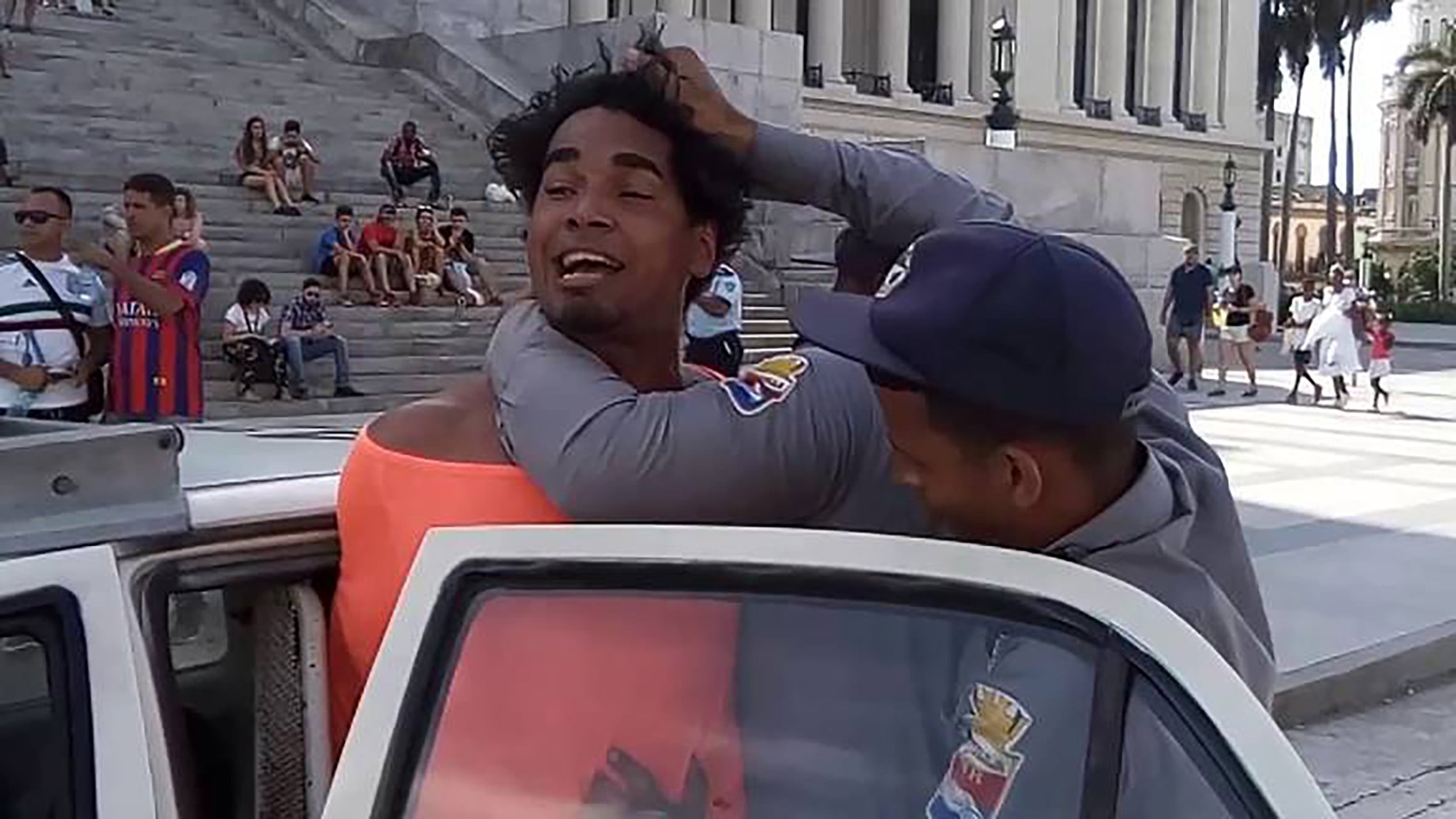
The United States government has issued an ultimatum demanding that Cuba release artist Luis Manuel Otero Alcántara and rapper Maykel Osorbo, who have been imprisoned on the island for five years. In a secret meeting on April 10 in Havana, as part of negotiations that both governments have confirmed but about which very little is officially known, State Department officials gave Cuban authorities a two-week deadline for the release of the high-profile artists “as a gesture of good faith,” as well as the release of the more than 1,000 other political prisoners held by the regime.
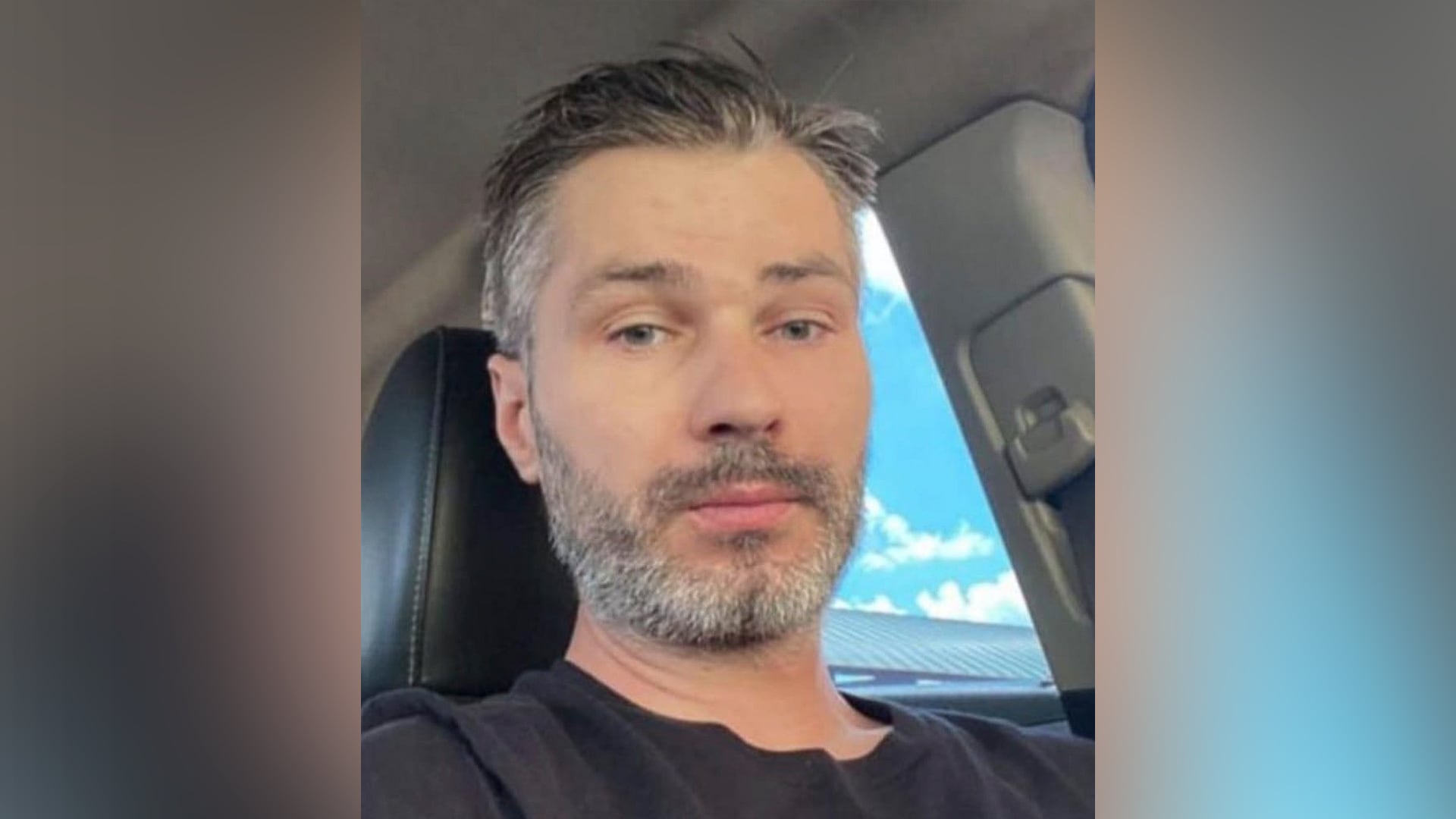
At the Kenton County Detention Center in the southern state of Kentucky, a migrant passes like a ghost among the dozens of detainees, as if the world has forgotten he exists. “I’m literally abandoned, it’s as if I don’t exist,” he told EL PAÍS in a phone call last week. He is Miguel Barreno López, a 39-year-old Spanish citizen, who has been in the custody of U.S. Immigration and Customs Enforcement (ICE) for six months, despite a judge approving his voluntary departure from the country on November 17, 2025, after he expressed his wish to return to Spain. But no authority has informed him of anything since. “It’s as if they said: Are you the only Spaniard here? Then you’ll stay until we decide otherwise.”
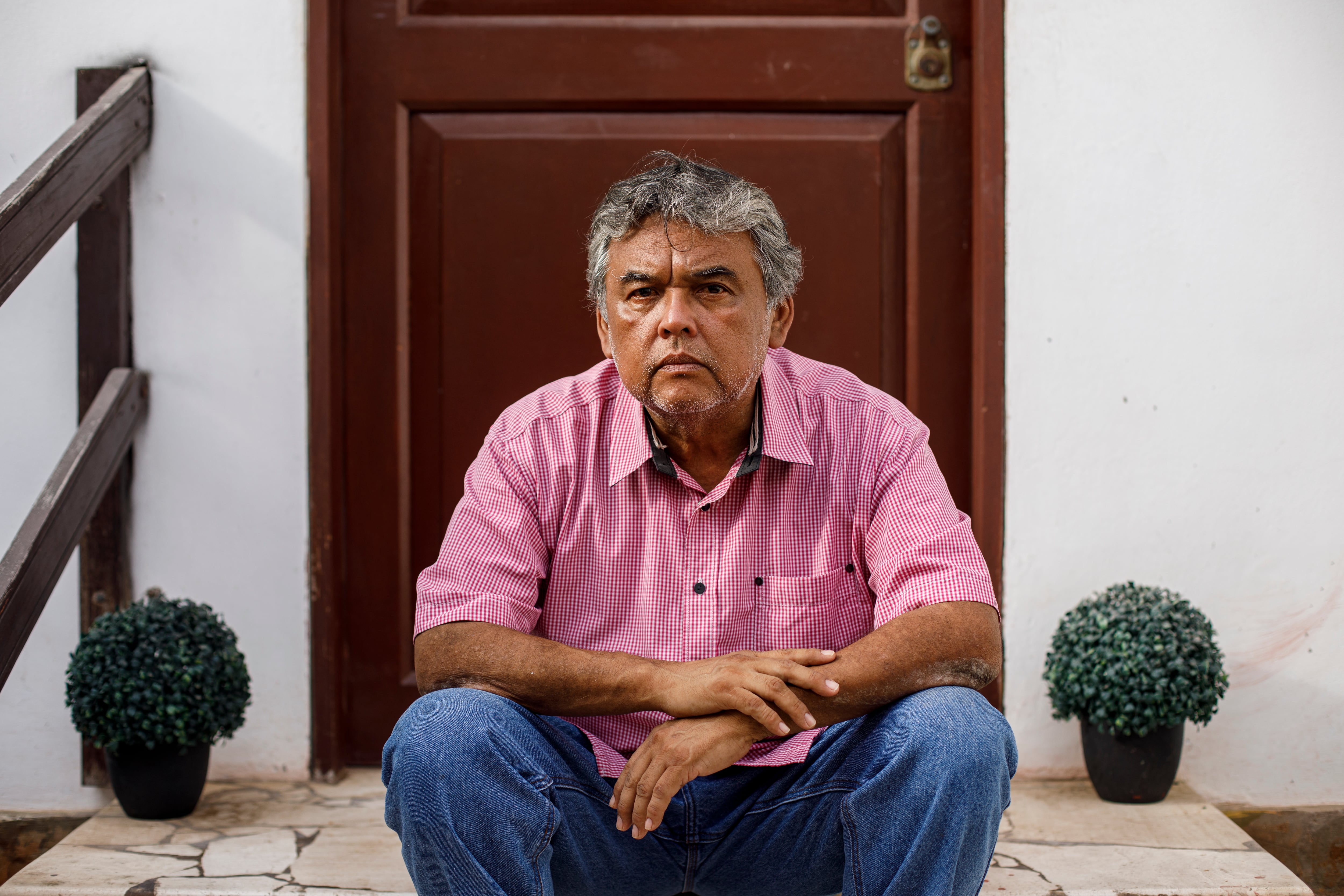
It’s 9 p.m., the power has just returned after 17 hours at Santo Suárez’s house in Havana, and the writer Rodolfo Alpízar turns on his old computer and looks for photos from other times. “I have very few,” he apologizes. He has a picture from when he was three months old, in 1947; a newspaper clipping from his time at the old School of Letters, from 1970; one from when he went to the war in Angola, in 1976; and even another of the moment when the late former culture minister, Rafael Bernal, pinned a medal to his chest.

 Login
Login