Reading view

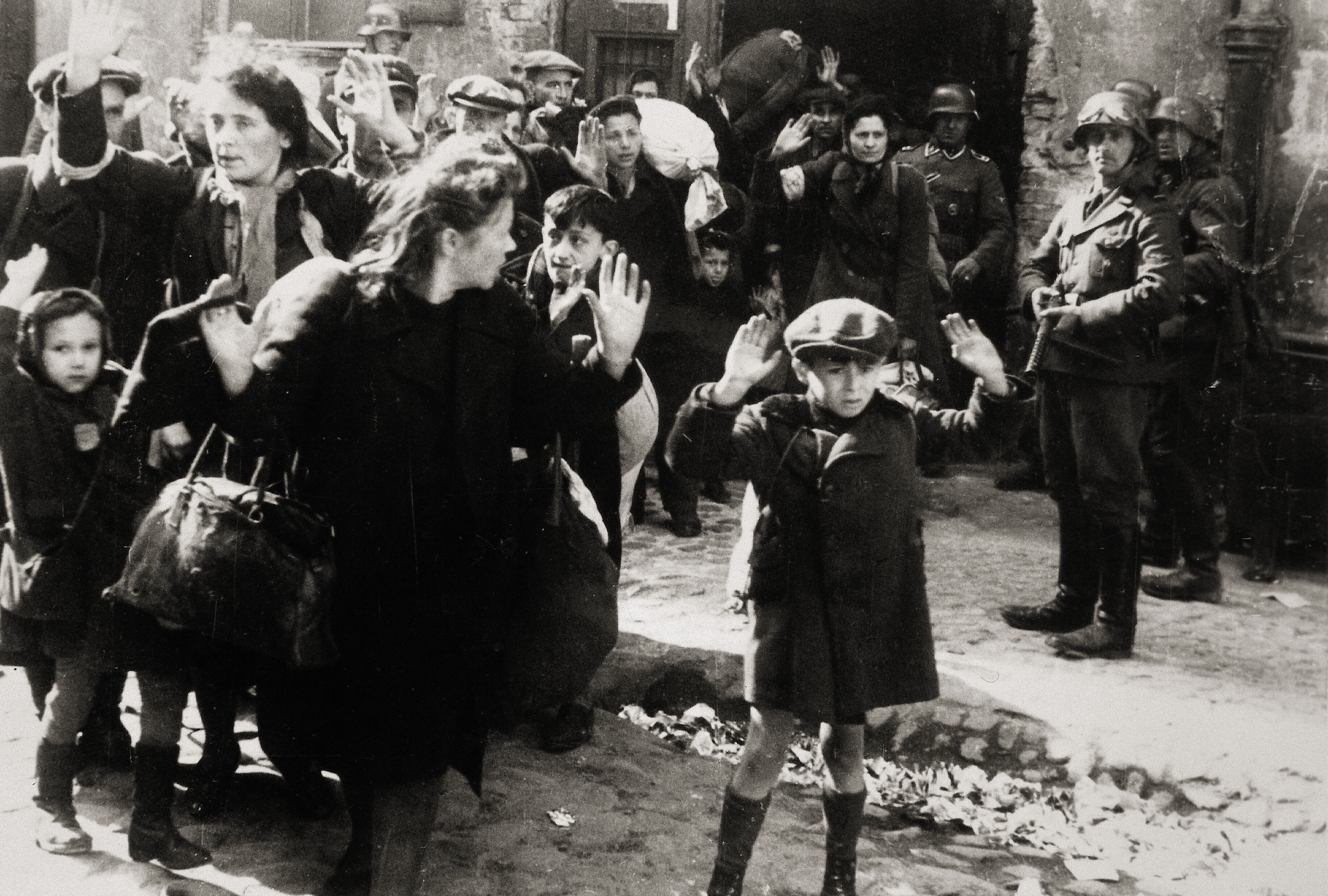
How could it have happened? The fundamental question about Nazism that continues to haunt Germany

How could it have happened? That is the question. German historians, like Captain Ahab with the white whale, continue to obsessively pursue it. More than 80 years after the end of Nazism, they still haven’t found a definitive or complete answer.

Seguir leyendo

© brandstaetter images (Getty Images)

Jewish civilians during the Warsaw Ghetto Uprising in German-occupied Poland from April 19 to May 16, 1943.
  •  

Ismael López, historian: ‘It can’t be ruled out that armed forces will have to go back to riding horses’

Ismael López, pictured in Barcelona.

In today’s landscape of warfare, where drones and missiles play such a decisive role, and as we await the arrival of robot soldiers on the battlefield, studying cavalry seems like an exercise in military archaeology tinged with romantic nostalgia for a vanished world of lancers, hussars, uhlans, and dragoons. Apart from the fact that the countless horsemen slaughtered on horseback throughout history would hardly have seen the romance in it — let alone their poor mounts — cavalry not only remained in effective military use for much longer than is commonly thought, but could once again play a role in warfare in a world that has run out of the fuel or electricity that power modern military machinery. This is the view of the young military historian Ismael López (Valdeobispo, Cáceres, 31 years old), author of the monumental 800-page Sables al viento (Sabers in the Wind), an exhaustive history of modern cavalry between 1860 and 1945, from Custer’s horsemen to those of the Waffen-SS, and full of incredible episodes (published in Spain by Ático de los Libros, 2026).

Seguir leyendo
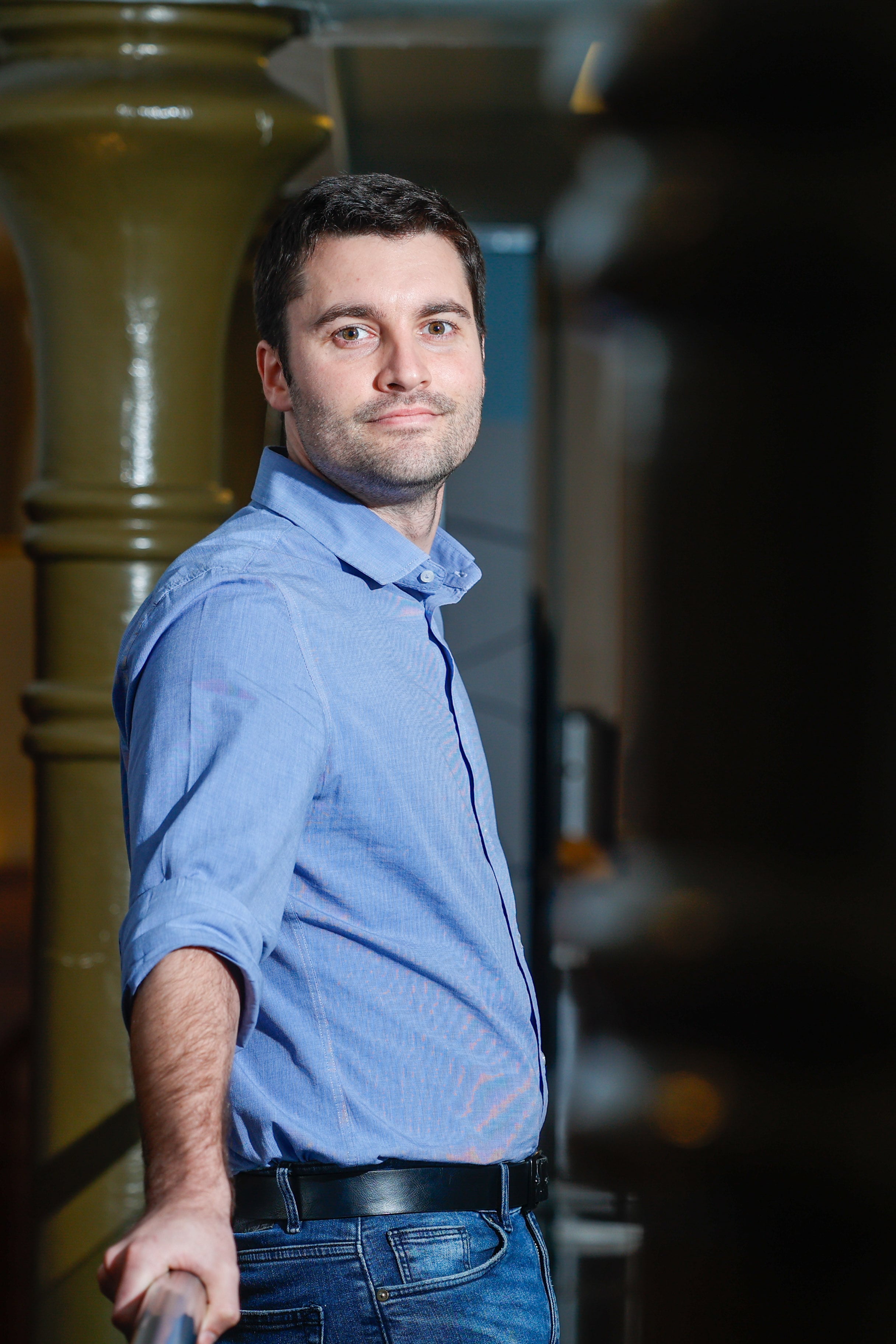
Ismael López, historian.
  •  

In Spain, the US and Argentina, the far right is rewriting the past: ‘Nationalism needs its history’

On Via Rasella, in the heart of Rome, stands a bullet-riddled building. The machine gun fire left so many holes that you can see them with a quick Google Maps search. It was there, on the afternoon of March 23, 1944, in the German-occupied city, that a company of the SS Bozen Regiment was marching when the GAP partisan group detonated two bombs. Thirty-three soldiers died, while their surviving comrades fired in all directions. The walls still bear witness. And so does all of Italy: the Nazi vengeance the following day in the Ardeatine Caves claimed the lives of 335 people — 10 for every German killed. Both episodes have since filled history books and collective memory. But three years ago, they were rewritten.

Seguir leyendo

A poster of Giorgia Meloni for the 2024 European elections on April 25, 2024, in Naples.

© Mondadori Portfolio (GETTY IMAGE

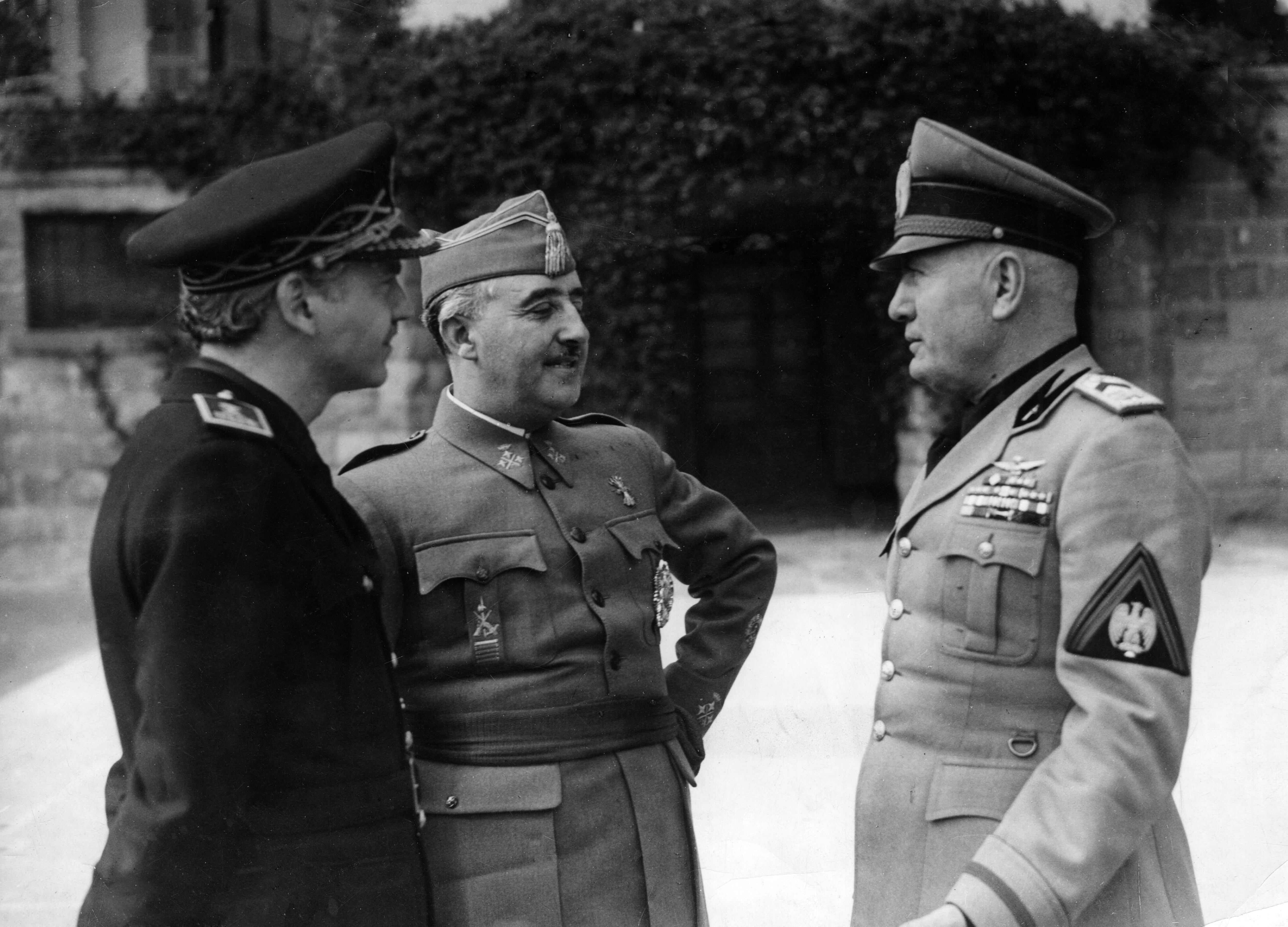
Benito Mussolini (right) speaks with Francisco Franco and Ramón Serrano Súñer at Villa Grimaldi, Ventimiglia, on February 13, 1941.
  •  

Hunting down a Nazi with AI

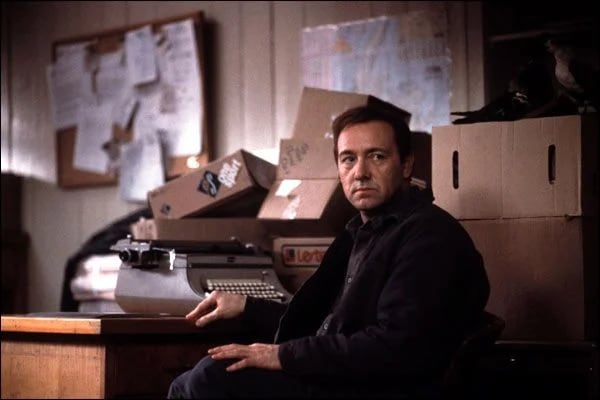
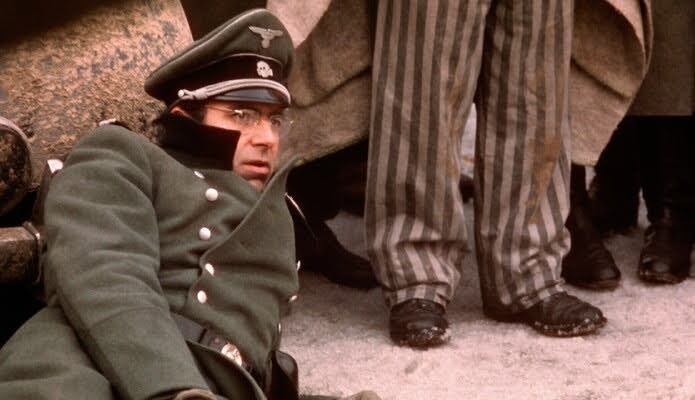
I’ve spent a few intense days hunting down an old Nazi. In a prime example of new-new journalism, I enlisted the help of AI, but I have to say things didn’t go as planned: AI can really mess things up. It all stemmed from reading Revenge of Odessa, the posthumous sequel to Frederick Forsyth’s celebrated novel, and also from stumbling upon an old 2001 film on Netflix in which a rather clumsy fellow reinvents himself as a journalist.

Seguir leyendo

Kevin Spacey in 'The Shipping News.'A scene from the screen adaptation of 'The Odessa File' (1974).

© ullstein bild Dtl. (ullstein bild via Getty Images)

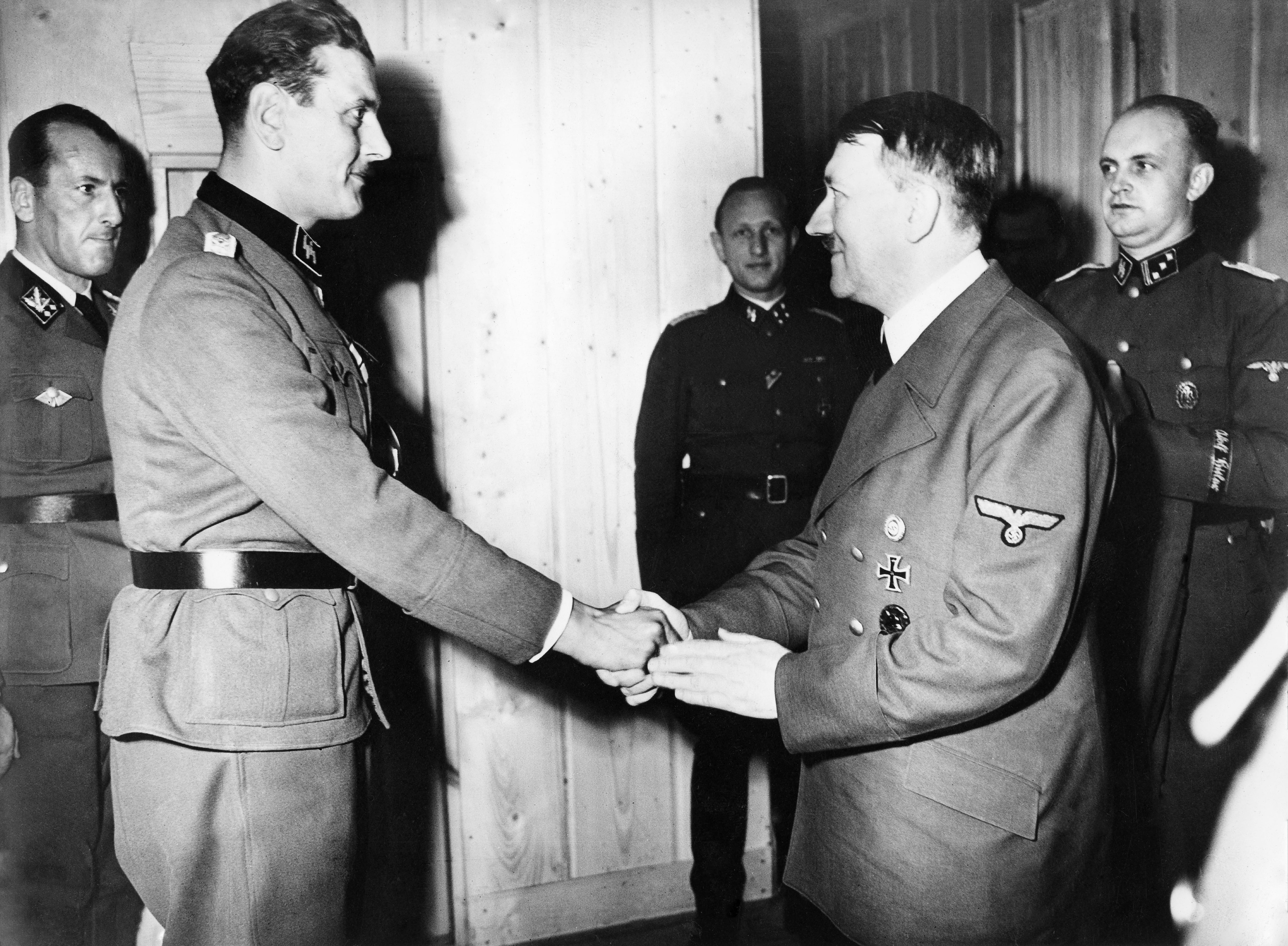
Otto Skorzeny, decorated by Hitler in 1943.
  •  
❌