Reading view

US intervention ends a decade of statistical silence in Venezuela

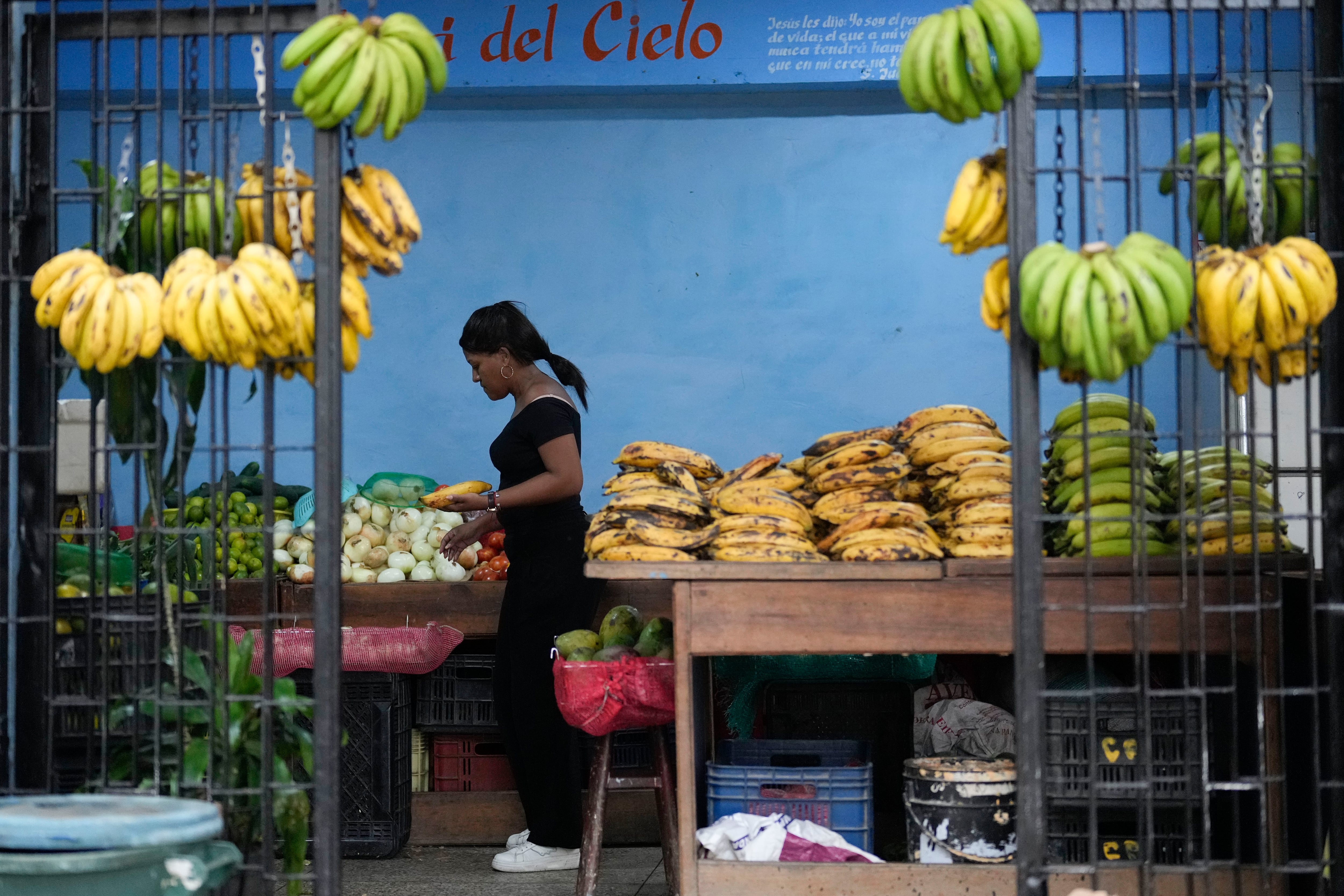
Data on the Venezuelan economy had been kept under wraps. But after roughly a decade of statistical silence — interrupted only occasionally by partial releases — the fog has begun to lift in recent weeks as the Central Bank of Venezuela (BCV) updates historical series on several key indicators. This measure is crucial amidst the economic recovery efforts undertaken by Delcy Rodríguez’s government since the U.S. military intervention. The newly published figures show that inflation reached 32% in January, 14.6% in February, and 13.1% in March. The year‑on‑year rate last month stood at 649.5%.
Seguir leyendo

© Fernando Vergara (AP)

A shop in Caracas, Venezuela, in July 2024.
  •  

Venezuela, a provisional country

.

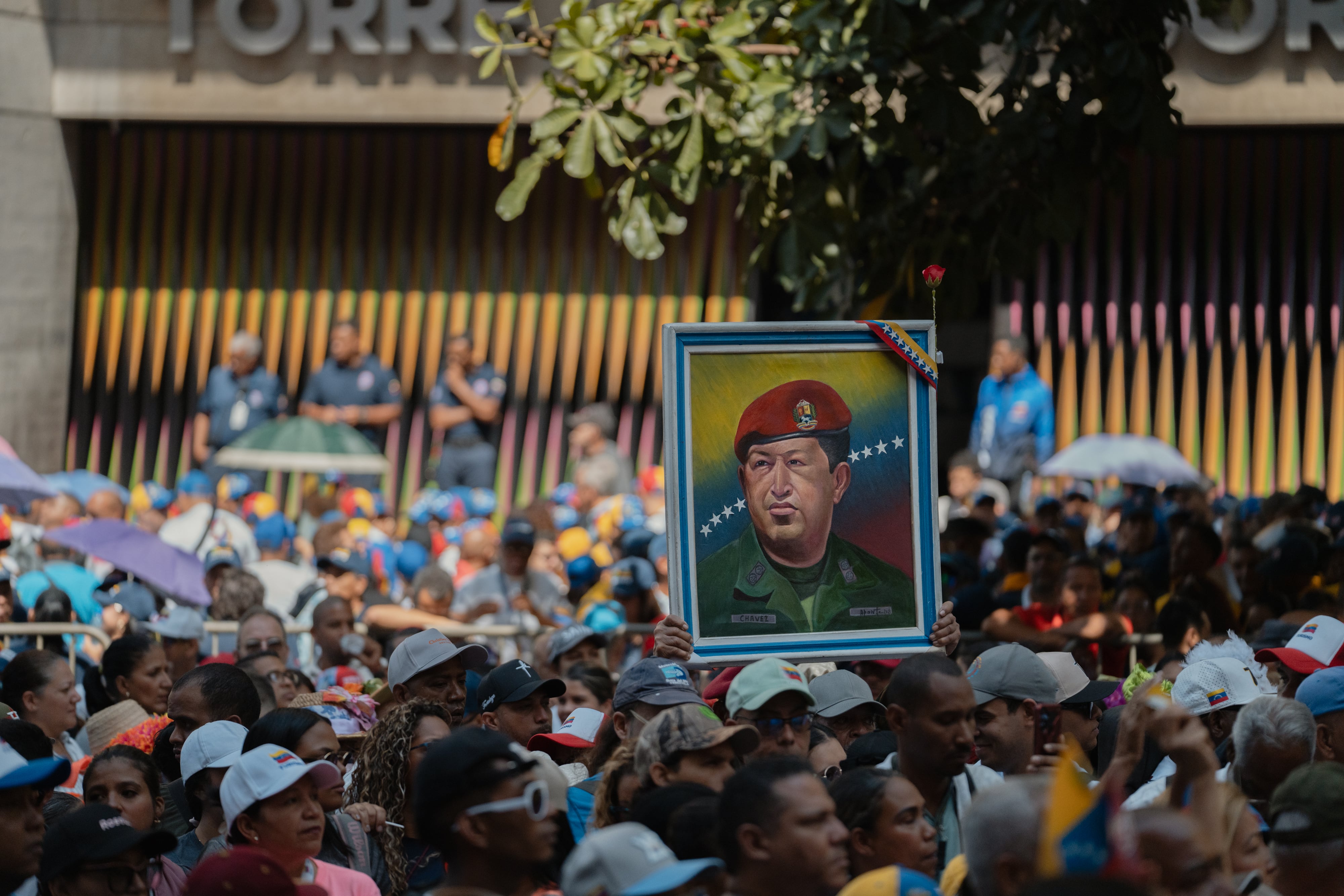
There are two pairs of eyes that have shaped the lives of Venezuelans for more than two decades. Symbolic eyes, once adorning building facades, t-shirts, and the city’s staircases. They were the eyes of Hugo Chávez: a gaze designed to suggest authority, surveillance, omnipresence. A gaze that, even after his death in 2013, remained, as if power no longer needed a body, only presence.

Seguir leyendo

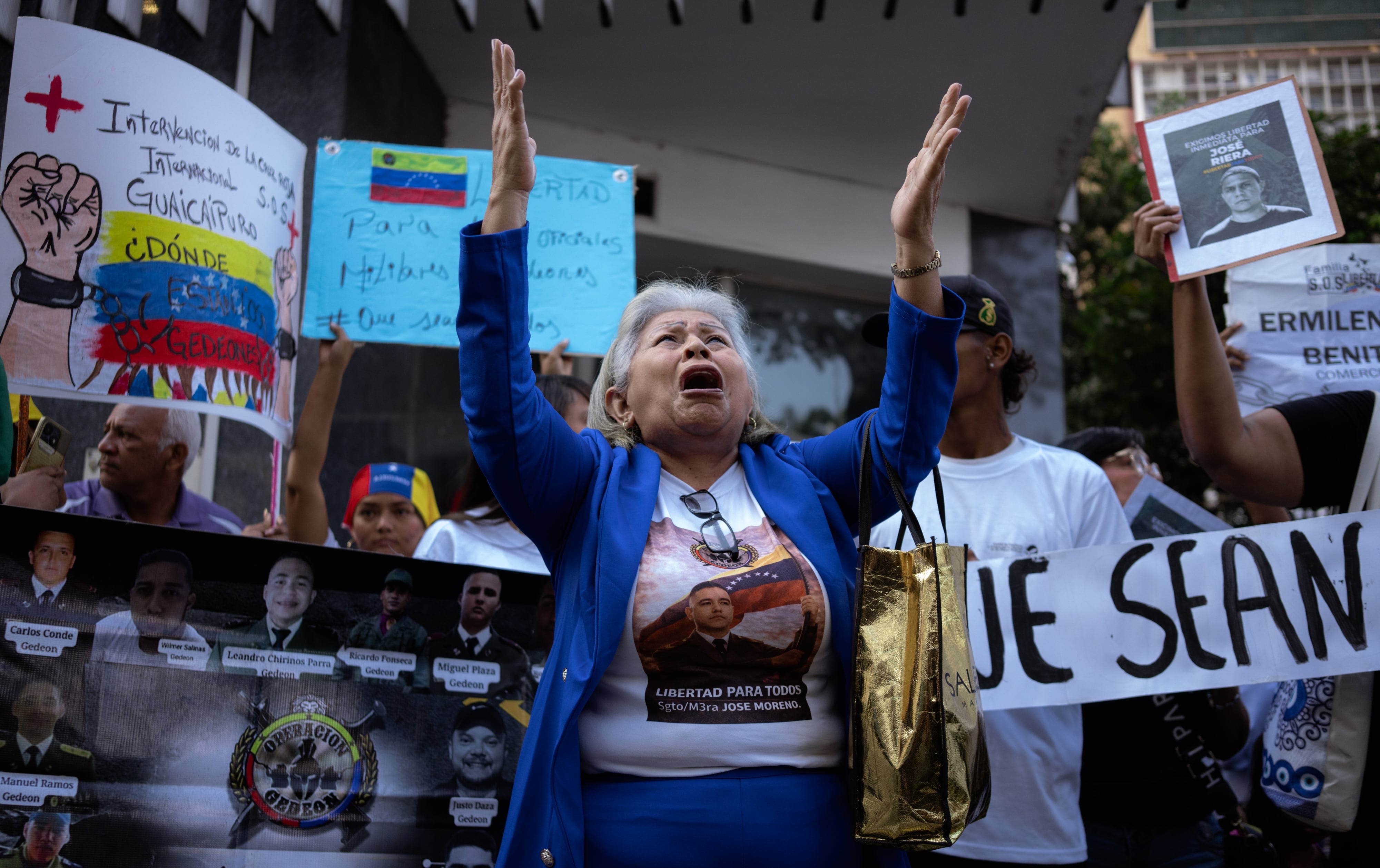
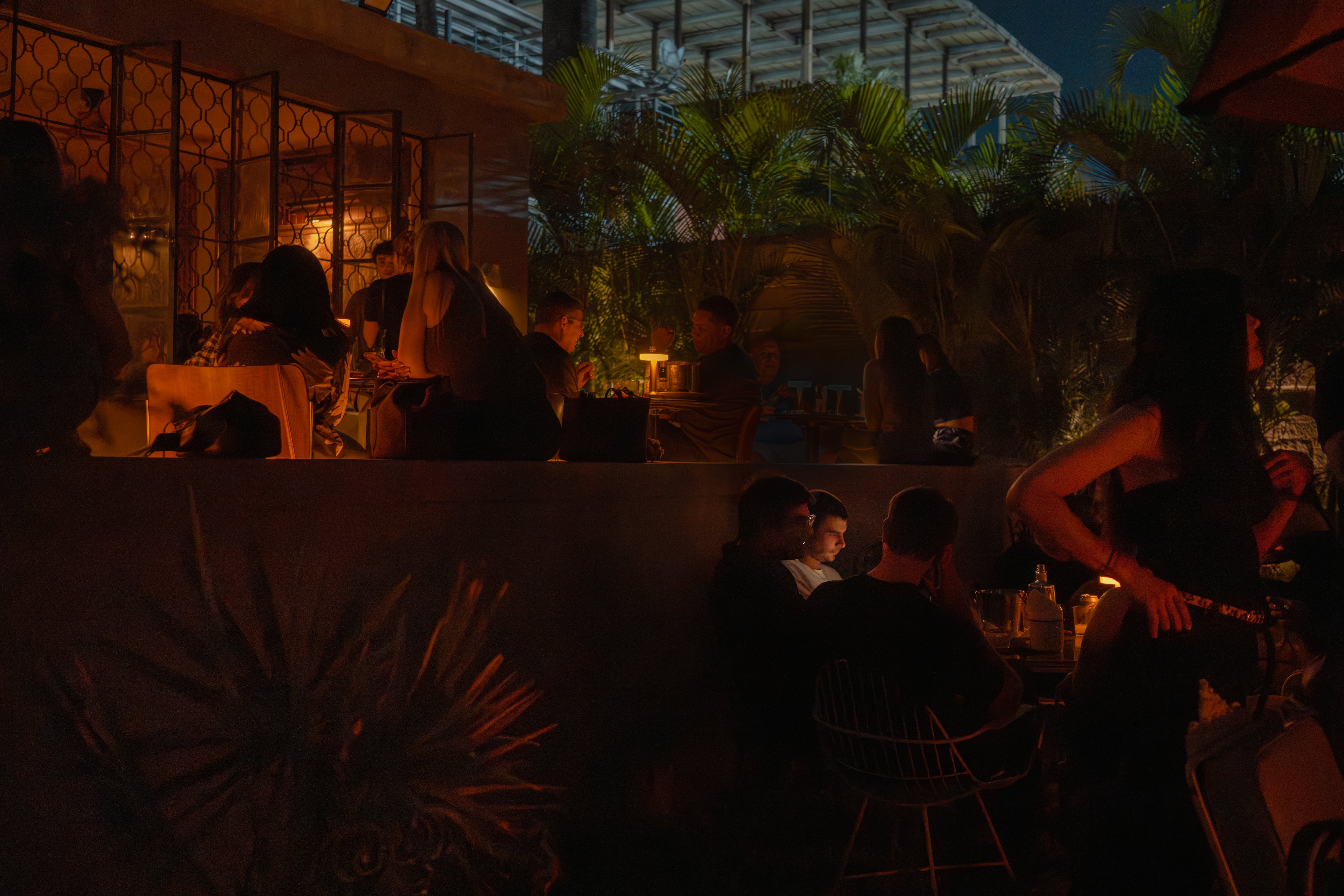
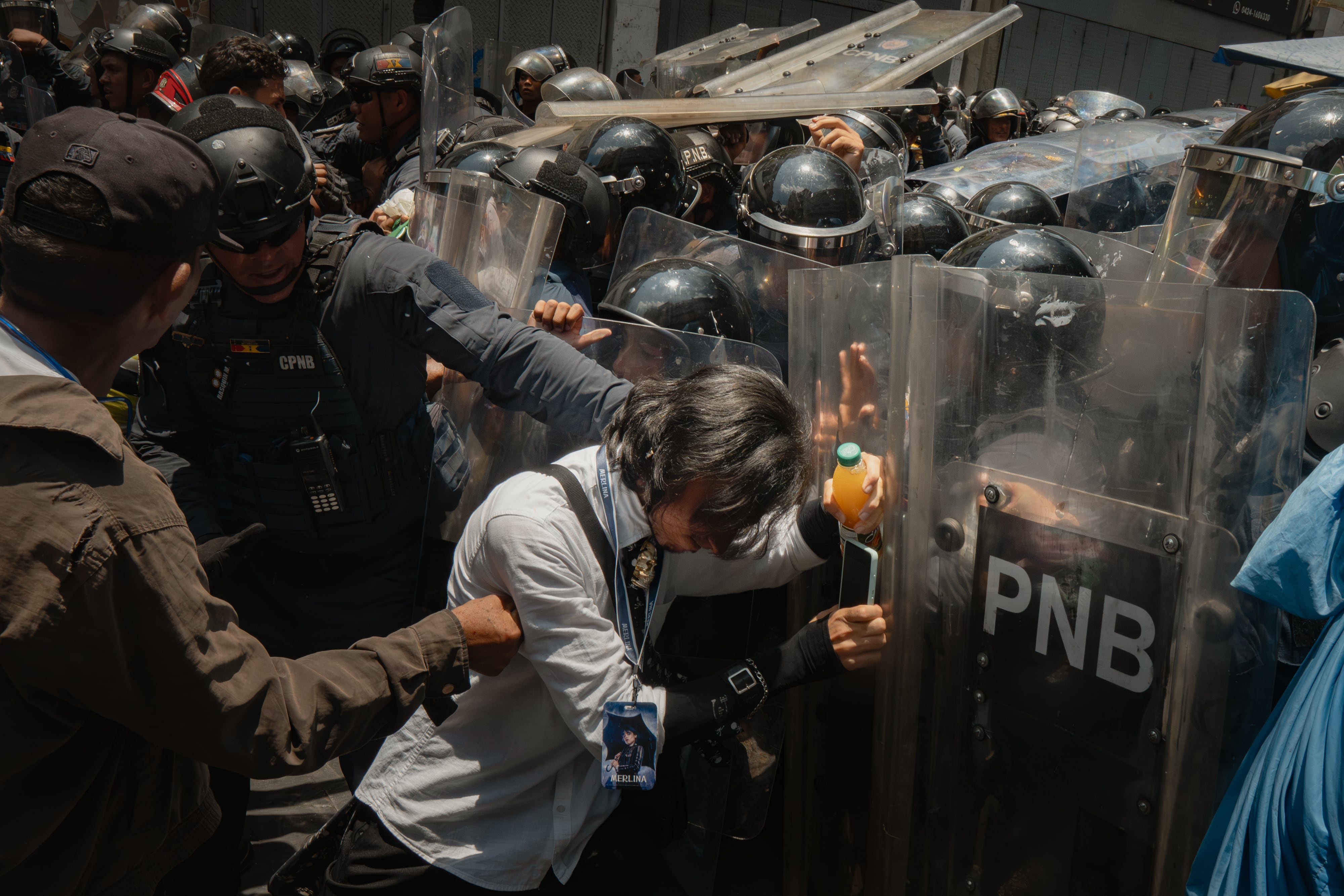
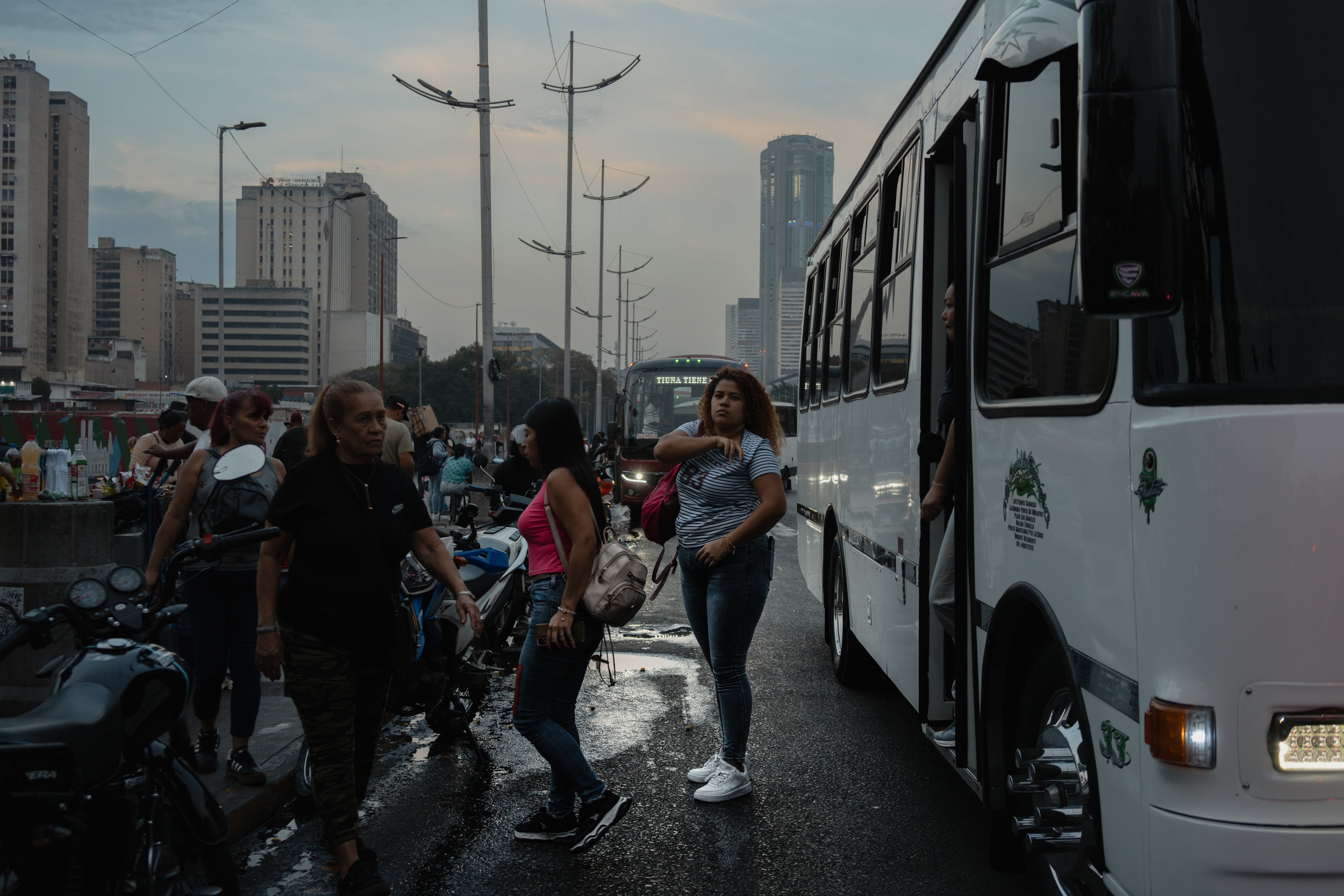
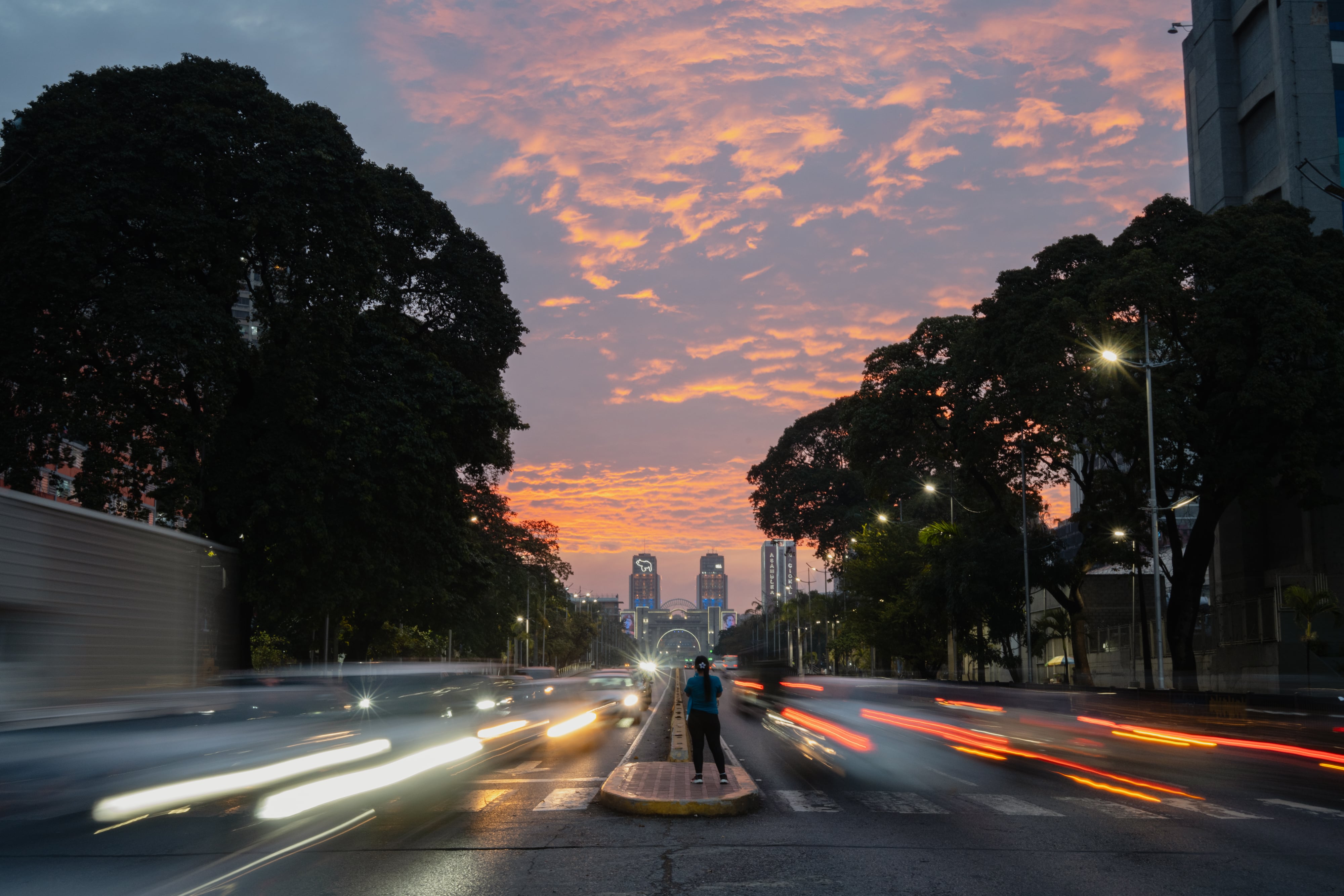
A woman holds a sign of Hugo Chávez at a march organized by Chavismo in Caracas, on April 9.Nancy Peñaloza, the mother of political prisoner José Moreno, protests in front of the Legislative Palace last February.Diners at the Dos Puntos restaurant in Caracas, on April 11.Workers and retirees clash with the Bolivarian National Police in downtown Caracas.A woman gets off a bus in downtown Caracas.A woman watches the sunset on Bolivar Avenue.
  •  

Mirla Pérez, Venezuelan sociologist: ‘The migratory exodus caused an emotional rupture between the population and Chavismo’

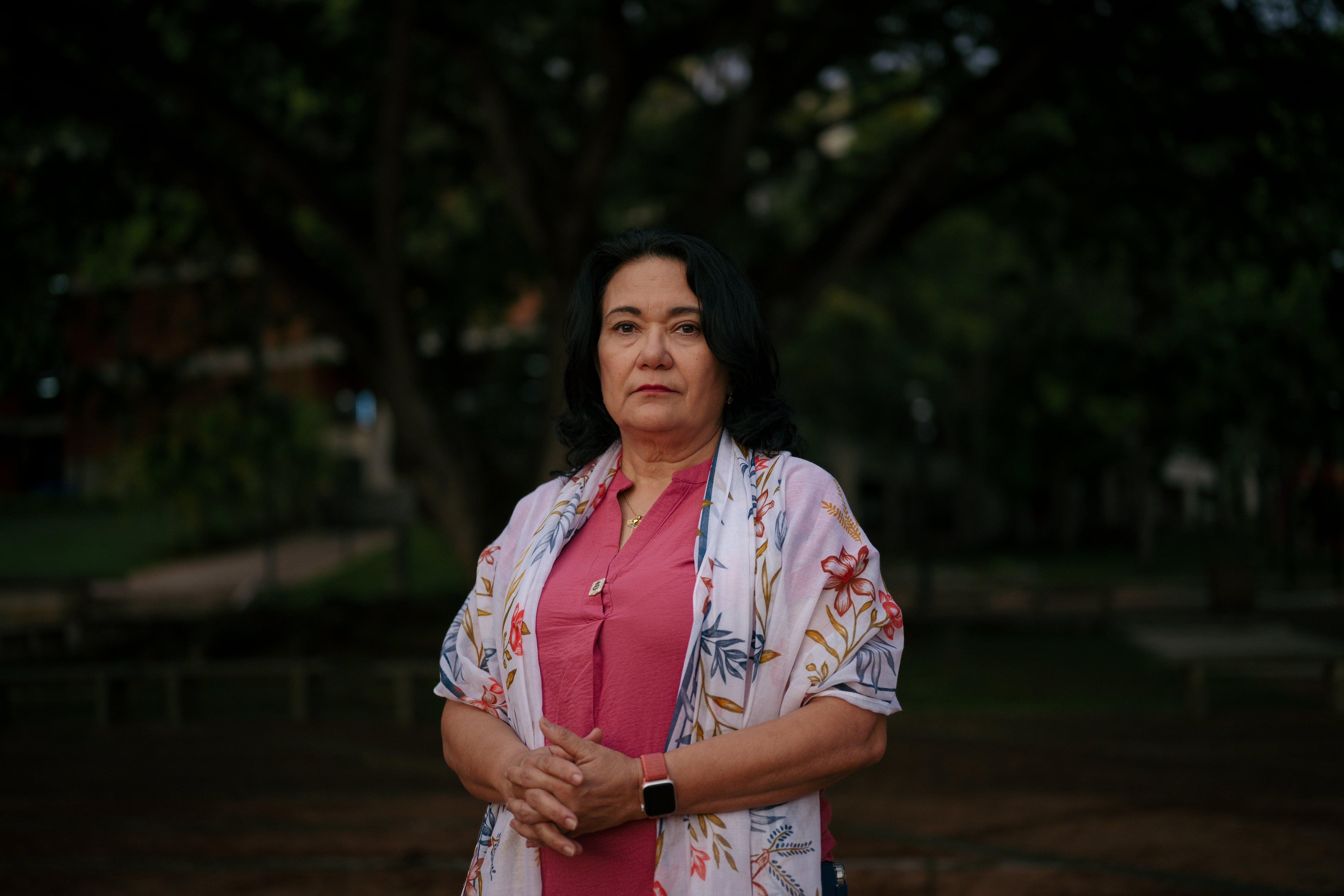
Mirla Perez poses for a portrait in Caracas on April 21, 2026.

For more than three decades, something more than data has been recorded in Venezuela’s barrios: emotions, connections, and ways of surviving amid precariousness. In that everyday terrain, the Center for Popular Research became a privileged observatory for understanding how people in the country’s poorest areas think and feel.

Seguir leyendo

  •  

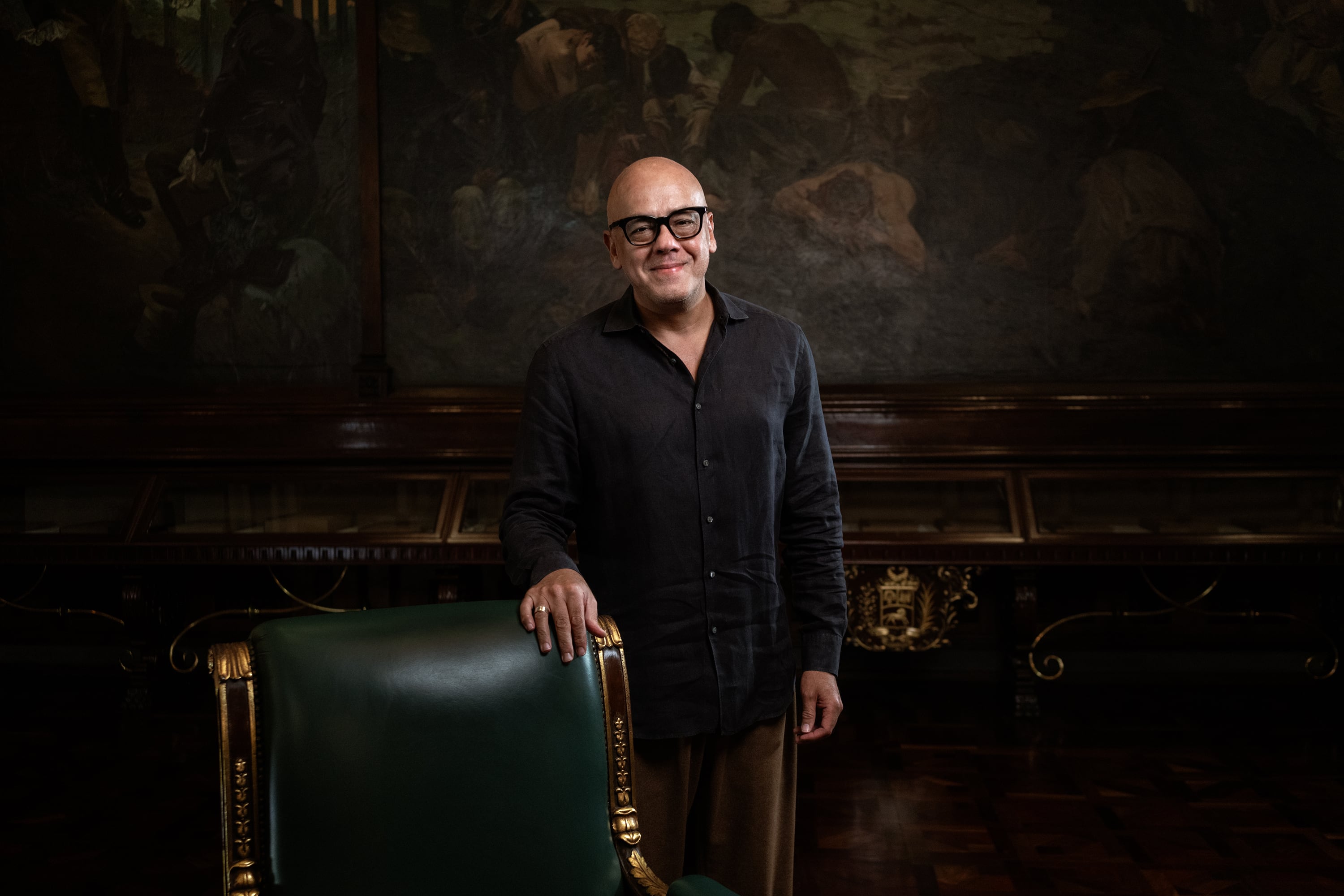
Jorge Rodríguez: ‘The most important thing in Venezuela right now is the economy’

Jorge Rodríguez in the Legislative Palace, in Caracas, Venezuela, on 10 April 2026.

Since January 3, when the United States military bombed Caracas, forcibly removed Nicolás Maduro and his wife, Cilia Flores — who are now imprisoned in New York — and killed more than 120 people, Venezuela has been facing a situation that would have been hard to imagine just a few months ago. Laws, such as those governing hydrocarbons or mining, are being rapidly reformed to facilitate the inflow of foreign capital; anti-imperialist Chavismo maintains constant contact with Washington; an amnesty law has been passed, freeing thousands of prisoners — though some remain incarcerated or lack full political freedom — and Maduro’s name is beginning to fade amid more immediate crises. Jorge Rodríguez (Barquisimeto, age 60), president of Venezuela’s National Assembly and the country’s second-highest-ranking official after his sister, President Delcy Rodríguez, prefers the term she coined — “a new political moment” — to describe current events rather than speaking of a transition.

Seguir leyendo

Jorge Rodríguez President of the National Assembly in a room at the Legislative Palace in Caracas, Venezuela, on 10 April.
  •  

Venezuela approves new mining law to open its subsoil to foreign capital

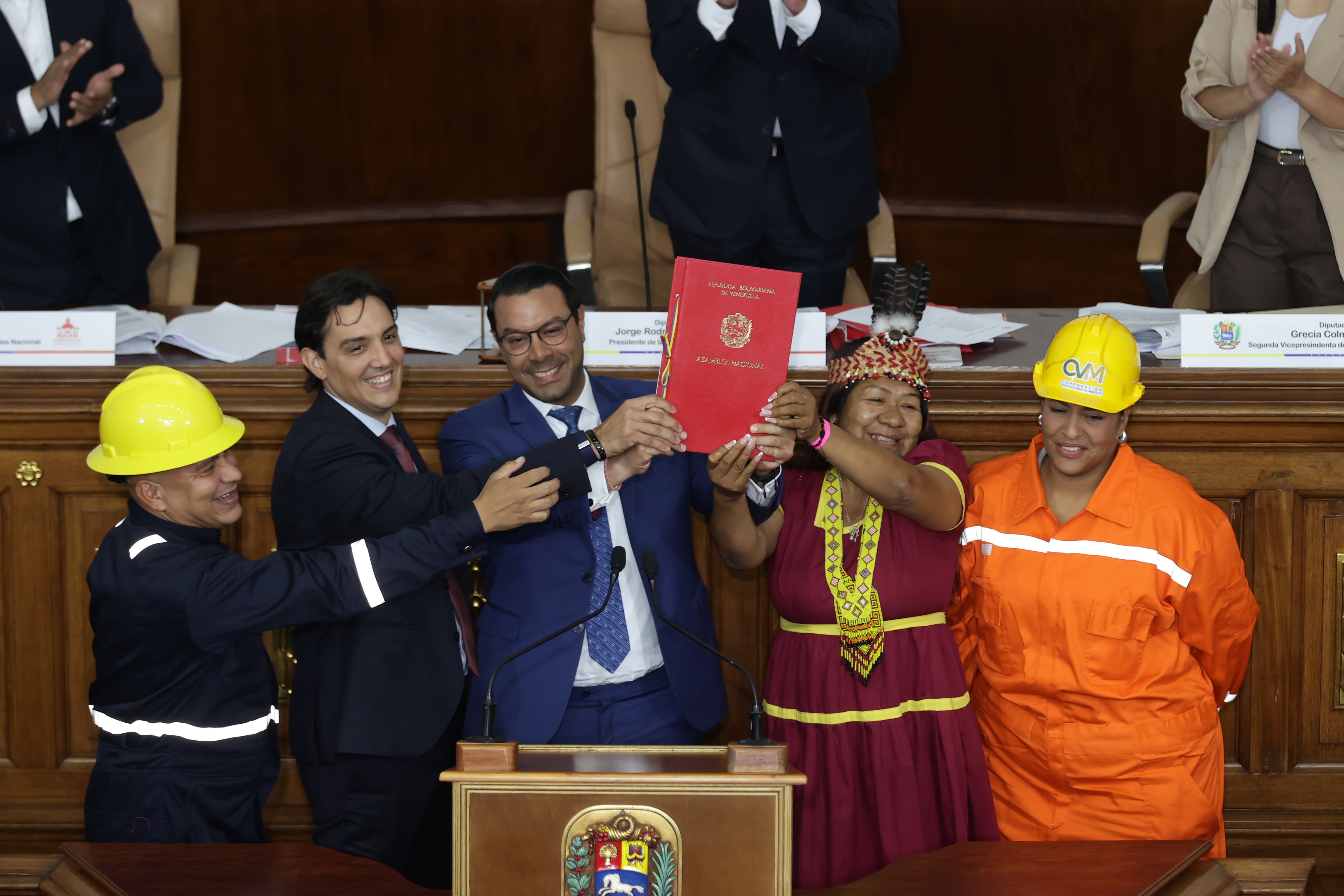
The Venezuelan parliament, controlled by the Chavista regime, on Thursday approved a new mining law that—just as with the hydrocarbons law—opens Venezuela’s mineral-rich subsoil to foreign capital. The approval of this 131-article law, which repeals the one enacted by former Venezuelan leader Hugo Chávez in 2013, took several sessions and had been under debate for weeks. It finally passed unanimously on the same day that the new Attorney General and Ombudsman were elected.

Seguir leyendo

© Ronald Peña R (EFE)

The mining law was approved in the National Congress of Venezuela this Thursday.
  •  
❌