Reading view

Mother says she ‘misses and loves’ daughter after NT girl’s body found – as it happened

This blog is now closed

Chalmers understands calls for gas export tax, but says government focused on getting fuel for Australians

Chalmers said he understands calls to tax gas exports, but maintained the government was set on securing international supply arrangements during the ongoing fuel crisis. He told ABC News:

I understand that there is a constituency in the Australian community to go further … But there are also, as the prime minister said, really good reasons to prioritise these international supply arrangements particularly during this oil shock.

All of us have been prioritising getting fuel for Australia and for Australians to keep the economy ticking over and that’s why there are good reasons for the comments that the prime minister made yesterday.

We’ve been very upfront with people and said when we think about the intergenerational unfairness in the budget, in our economy, in our society more broadly, a couple of the drivers of that are in housing, are in the tax system.

Continue reading...

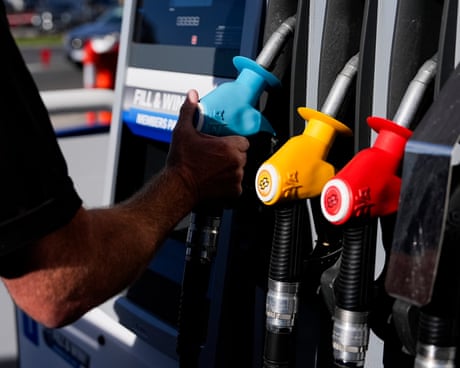
© Photograph: Em Jensen/The Guardian
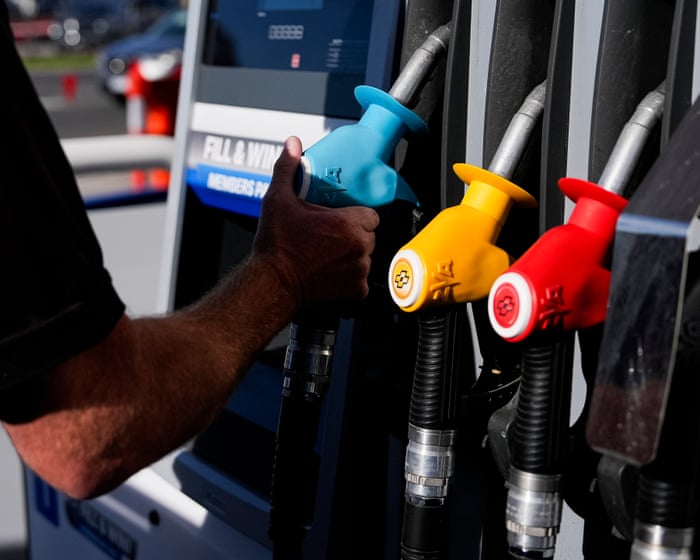
© Photograph: Em Jensen/The Guardian
© Photograph: Em Jensen/The Guardian

  •  

Inflation jumps to 4.6% in Australia as Iran war fuel shock begins to bite

Financial markets are betting the Reserve Bank will hike interest rates for a third straight meeting next Tuesday

Inflation jumped to 4.6% in the year to March, from 3.7% the month before, in what the treasurer, Jim Chalmers, warned was the start of an Iran war-linked fuel shock that will ripple through the economy over coming months.

With consumer prices now growing at their fastest pace in two-and-a-half years, financial markets are betting the Reserve Bank will hike interest rates for a third straight meeting next Tuesday as officials struggle to manage the nightmare scenario of containing inflation even as growth is expected to slow sharply.

Continue reading...

© Photograph: George Chan/EPA

© Photograph: George Chan/EPA

© Photograph: George Chan/EPA

  •  

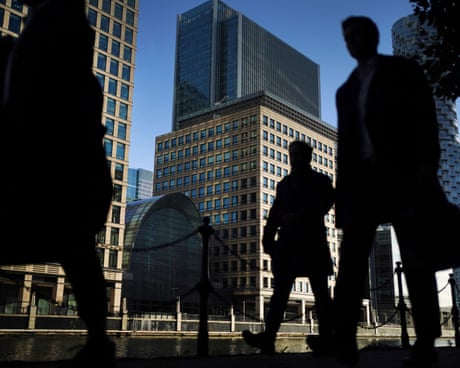
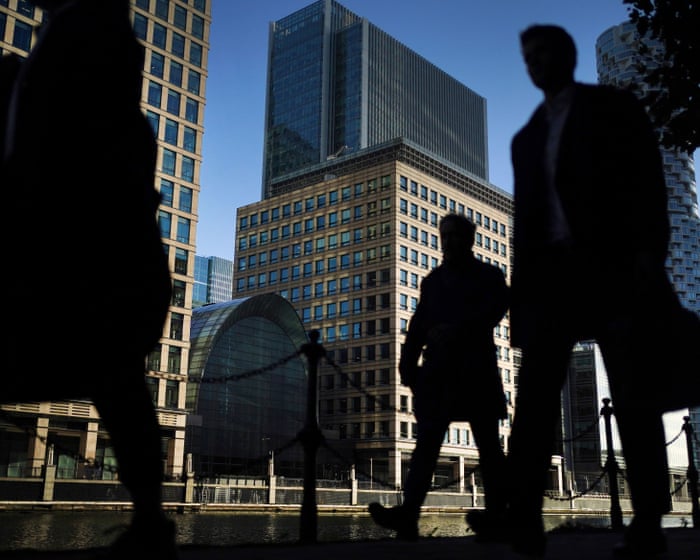
UK faces £35bn hit and risk of recession this year over impact of Iran war, thinktank warns

Niesr says even under best-case scenario, economy would grow at slower pace in 2026 and 2027 because of conflict

Britain is facing a £35bn economic hit and the risk of a recession this year as the fallout from the Iran war adds to the pressure on Keir Starmer’s government, a leading thinktank has warned.

The National Institute of Economic and Social Research (Niesr) said that even under a best-case scenario the UK economy would grow at a much slower pace this year and next because of the Middle East conflict.

Continue reading...

© Photograph: Victoria Jones/PA

© Photograph: Victoria Jones/PA

© Photograph: Victoria Jones/PA

  •  

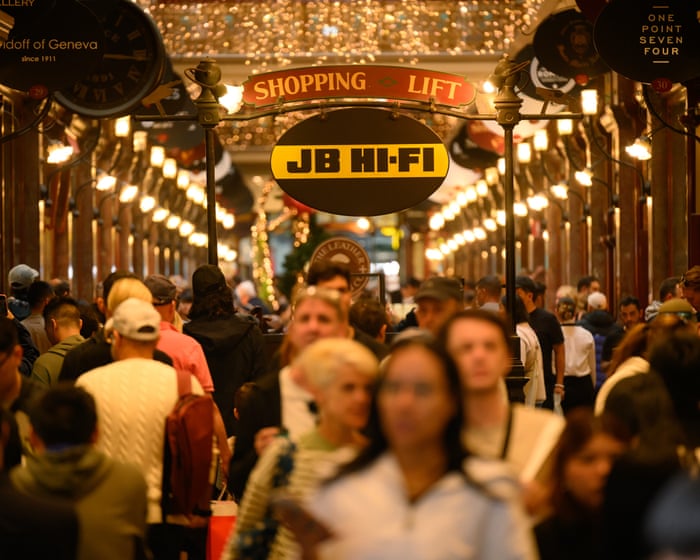
Feeling gloomy about the economy? The ‘vibecession’ has arrived in Australia – but experts are less worried

A poll shows most Australians think the country is either in a recession or will be soon. Economists have a different view

Australian households were already on edge before the bombs started falling in Iran.

The cost of living was high and inflation was accelerating again, forcing the Reserve Bank to start ratcheting up interest rates.

Continue reading...

© Photograph: Asanka Ratnayake/Getty Images

© Photograph: Asanka Ratnayake/Getty Images

© Photograph: Asanka Ratnayake/Getty Images

  •  

UK inflation rises to 3.3% amid biggest jump in fuel prices in more than three years

Annual March rate shows impact of Iran war, which also pushed up cost of food and air fares

UK inflation accelerated to 3.3% in March after the Iran war triggered the biggest jump in fuel prices for more than three years.

In the first official snapshot of the damage to living standards in Britain from the US-Israeli war on Iran, the Office for National Statistics (ONS) said the consumer prices index increased last month from a rate of 3% in February. The rise matched the forecasts by City economists.

Continue reading...

© Photograph: Finnbarr Webster/Getty Images

© Photograph: Finnbarr Webster/Getty Images

© Photograph: Finnbarr Webster/Getty Images

  •  

Bank bosses called to meeting with Reeves over impact of Iran war on UK economy

HSBC, Barclays, Lloyds, NatWest and Santander will this week discuss with chancellor how to limit effects of conflict

The bosses of Britain’s “big five” retail banks have been summoned to a meeting with the chancellor, Rachel Reeves, this week to discuss how to limit the economic impact of the crisis in the Middle East triggered by the US and Israel’s attacks on Iran.

The chief executives of HSBC, Barclays, Lloyds, NatWest and Santander have been asked to attend an emergency summit on Wednesday, amid increasing acceptance that a major economic hit from the Iran war is unavoidable.

Continue reading...

© Photograph: Leon Neal/Getty Images

© Photograph: Leon Neal/Getty Images

© Photograph: Leon Neal/Getty Images

  •  
❌