Reading view

13 Healthy Cookbooks That Inspire Brighter Cooking All Summer
best summer cookbooks

You probably already know about my favorite cookbooks of all time—the ones I return to again and again when I need weeknight inspiration, or I’m cooking for friends. But when summer rolls around and I’m craving lighter, nutrient-dense meals, these are the healthy summer cookbooks I reach for year after year.

There’s something about summer that shifts the way we cook. We want meals that are fresh, colorful, and a little lighter—recipes that come together easily and let great ingredients shine. Lately, that’s looked like leaning into my Weeknight Dinner Rhythm—a simple, flexible approach to planning meals that keeps things feeling effortless (even on the busiest days).

These cookbooks fit right into that flow. They’re the ones I reach for when I want something nourishing but unfussy—meals built around what’s in season, and designed to be shared, taken outside, or pulled together at the last minute.

If you’re looking for inspiration, these are my go-to healthy cookbooks for summer cooking—the ones that make eating well feel effortless, seasonal, and genuinely exciting.
What Makes a Great Healthy Summer Cookbook?

Not all “healthy” cookbooks feel right for summer. The ones I come back to this time of year have a few things in common:

  • They follow the season. Recipes are built around peak produce—tomatoes, herbs, stone fruit, all the things that taste best right now.
  • They keep things simple. Minimal prep, fewer steps, and meals that come together without overthinking it.
  • They lean plant-forward (without being rigid). Vegetables take center stage, but there’s flexibility to cook how you want.
  • They’re made for real life. Quick lunches, easy dinners, and dishes you can pull together for a last-minute gathering.
  • They make you want to cook. This might be the most important one—books that feel inspiring, not prescriptive.

For me, the best healthy summer cookbooks inspire me to eat in a way that feels lighter, more intuitive, and a little more connected to the season.

13 Healthy Summer Cookbooks That Inspire Lighter, Brighter Cooking
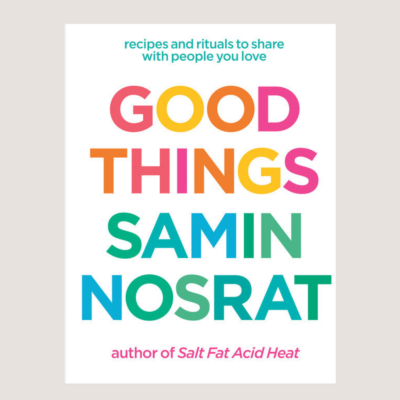
Good Things: Recipes and Rituals to Share by Samin Nosrat

Samin Nosrat makes cooking feel both intuitive and joyful, and this book leans into that spirit even more. It’s less about strict recipes and more about the rituals and rhythms that bring people to the table—something that feels especially aligned with slower, more intentional summer cooking.

The dishes are simple, seasonal, and deeply satisfying, with an emphasis on flavor and balance over perfection. It’s the kind of book you reach for when you want to cook something that feels good—uncomplicated, generous, and meant to be shared.

Best for: Relaxed, seasonal cooking that centers connection

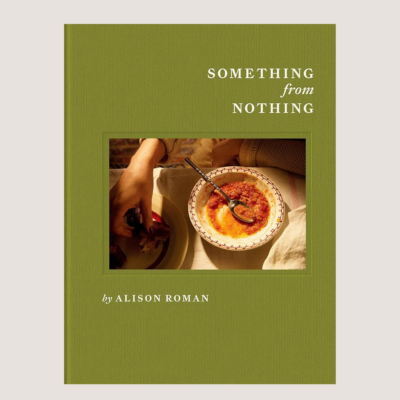
Something from Nothing by Alison Roman

Alison Roman’s approach to cooking is all about making the most of what you have (and making it taste really, really good). This book is built around that idea, with recipes that transform simple ingredients into meals that feel thoughtful without requiring much effort.

It’s especially useful in the summer, when a handful of peak ingredients can do most of the work. Think unfussy dishes, bold flavors, and just enough edge to keep things interesting.

It’s not about “healthy” in a rigid sense, but it absolutely delivers on feel-good, ingredient-driven cooking that fits right into a lighter, more seasonal way of eating.

Best for: Turning simple, seasonal ingredients into craveable meals

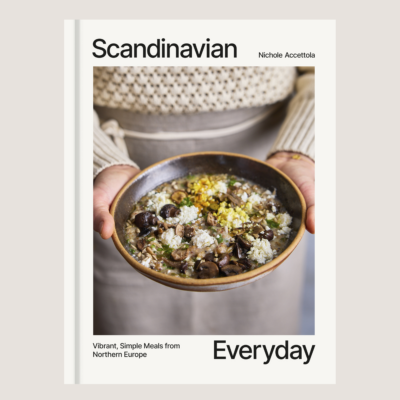
Scandinavian Everyday: Vibrant, Simple Meals from Northern Europe by Nichole Accettola

This is one of those cookbooks that instantly transports you. Nichole Accettola brings a fresh, modern take on Scandinavian cooking—one that feels incredibly aligned with healthy summer meals: simple, seasonal, and deeply nourishing.

The recipes are built around whole ingredients and thoughtful combinations, from grain bowls and bright salads to cozy soups and not-too-sweet desserts. Everything feels clean and balanced, but never austere.

There’s a warmth to the way she writes and cooks that makes you want to settle in and try something new.

Accettola, the IACP award–winning chef behind Kantine, makes even the most unfamiliar dishes feel approachable. It’s a book I reach for when I want something a little different, but still easy, seasonal, and grounded in feel-good ingredients.

Best for: Bright, seasonal meals that feel both fresh and transportive
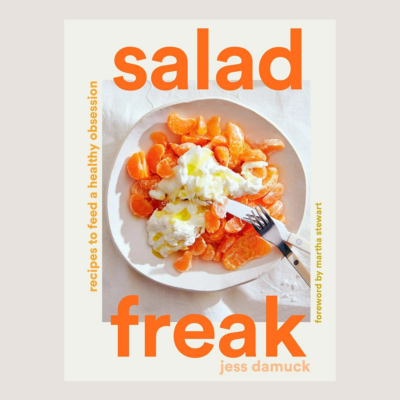
Salad Freak: Recipes to Feed a Healthy Obsession by Jess Damuck

If there’s one book that captures the spirit of healthy summer cooking, it’s this one. Salad Freak makes a strong case for putting vegetables at the center of the table—and actually being excited about it.

The recipes are vibrant, texture-driven, and deeply satisfying, proving that salads can be far more than an afterthought. Damuck leans into seasonal produce, building each dish around what’s fresh and at its peak, with plenty of unexpected details (think frizzled shallots, chili crisp, and her signature layered approach).

It’s equal parts inspiration and instruction—a cookbook that doesn’t just tell you to eat more vegetables, but makes you crave them.

Best for: Turning peak summer produce into actually-exciting meals

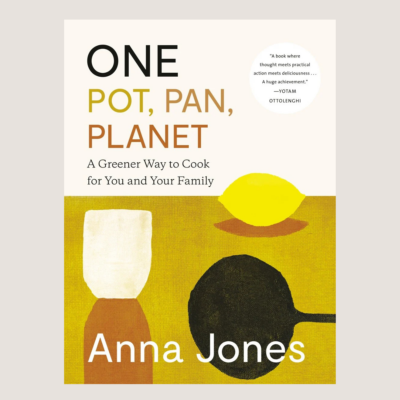
One: Pot, Pan, Planet by Anna Jones

Anna Jones has long been known as the “Queen of Greens,” and this book is a masterclass in making plant-forward, feel-good meals that don’t sacrifice flavor for simplicity. The premise is refreshingly practical: fewer dishes, less waste, and recipes that come together with ease—exactly what I want from a healthy cookbook for everyday cooking.

Everything is rooted in seasonal produce and thoughtful sourcing, with an emphasis on sustainability that feels inspiring, not overwhelming. The recipes strike that perfect balance between comforting and fresh—think Saag Aloo Shepherd’s Pie or Carrot & Sesame Pancakes, each one offering a familiar flavor with a lighter, more modern twist.

It’s the kind of book that shifts how you cook—more vegetables, less fuss, and meals that feel as good to make as they do to eat.

Best for: Low-effort, plant-forward dinners with minimal cleanup

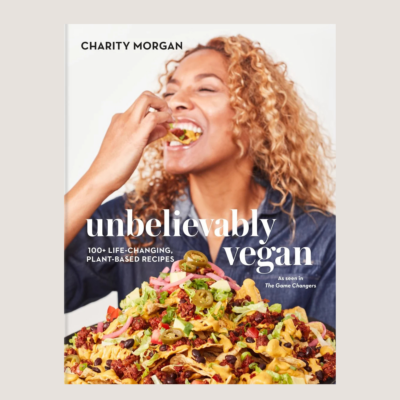
Unbelievably Vegan: 100+ Life-Changing, Plant-Based Recipes by Charity Morgan

If you’ve ever been curious about plant-based cooking but didn’t know where to start, this is the book I’d hand you. Charity Morgan makes it feel approachable from the very first page: no strict rules, no sense of restriction, just really good food that happens to be vegan.

Her “plegan” philosophy (plant-based, but flexible) comes through in recipes that are as comforting as they are nourishing. Many are inspired by her Puerto Rican and Creole roots, bringing bold flavor to dishes like smoky jambalaya, cheezy grits bowls, and satisfying lentil-based mains.

It’s the kind of healthy cookbook that shifts your habits—less about what you’re cutting out, more about what you’re excited to make.

Best for: Comfort food favorites reimagined with a plant-based twist

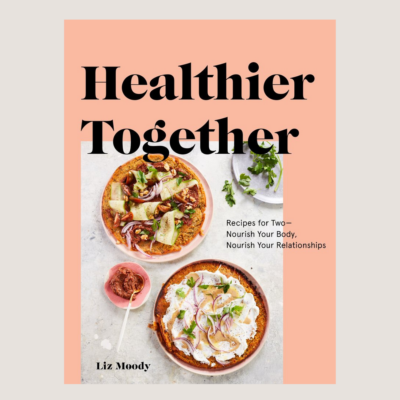
Healthier Together: Recipes for Two—Nourish Your Body, Nourish Your Relationships by Liz Moody

Liz Moody’s approach to healthy eating is refreshingly grounded: it should feel good, taste good, and be something you actually want to stick with. This book grew out of cooking for two, but its real strength is how it reframes healthy cooking as something shared. Think less about rules and more about building habits that last.

The recipes strike that balance between nourishing and craveable, with plenty of vegetable-forward dishes alongside lighter takes on comfort classics. (Her General Tso’s cauliflower and better-for-you chocolate chip cookies are on repeat in my kitchen.) It’s a reminder that eating well doesn’t have to be a solo pursuit—it can be one of the easiest, most enjoyable ways to connect.

Best for: Simple, feel-good meals that are even better when shared
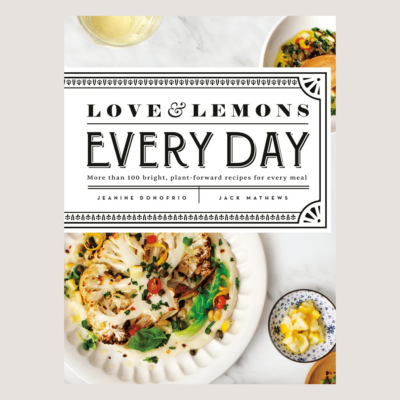
Love & Lemons Every Day by Jeanine Donofrio

Jeanine Donofrio has a gift for making vegetables feel anything but routine. This book is packed with bright, imaginative recipes that work just as well for quick weeknight dinners as they do for slower weekend cooking.

What I love most is how she rethinks everyday produce. Donofrio transforms veggies into something unexpected, whether that’s cauliflower steaks with lemon salsa verde, a cozy rutabaga walnut ragu, or even a chocolate cake with sweet potato frosting. It’s equal parts practical and creative, with plenty of ideas for using up scraps and making the most of what you already have on hand.

If you’re looking to bring more variety into your healthy summer cooking, this is one you’ll come back to often.

Best for: Creative, veggie-forward meals that keep things interesting

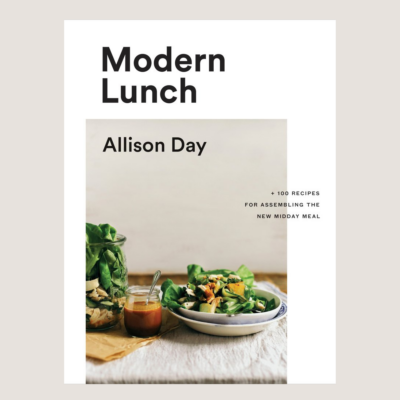
Modern Lunch: 100 Recipes for Assembling the New Midday Meal by Allison Day

I will never be someone who forgets to eat lunch. It’s easily my favorite meal of the day! This book makes it feel like something worth looking forward to.

Allison Day rethinks the midday meal with recipes that are fresh, satisfying, and easy to pull together or pack on the go. Chicken and cucumber ribbon salad with peanut butter vinaigrette or walnut-crusted avocado with feta and eggs over pesto rice. These are meals that feel elevated, but never complicated.

It’s a go-to when I want something that’s both nourishing and energizing, especially during the warmer months when lighter, produce-forward meals just make sense.

Best for: Upgrading your lunch routine with fresh, packable meals.

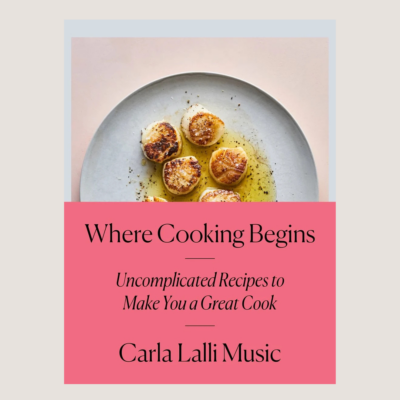
Where Cooking Begins: Uncomplicated Recipes to Make You a Great Cook by Carla Lalli Music

Carla Lalli Music’s approach to cooking is exactly what I want in a busy season: unfussy, ingredient-driven, and full of flavor. She has a way of stripping recipes down to what actually matters. There are no extra steps and no overcomplication—just techniques that make sense and food that delivers.

What I love most is how intuitive it feels. This is the kind of book that teaches you how to cook, not just what to cook. It covers how to work with what’s in your kitchen, lean on pantry staples, and build meals around what’s fresh and in season.

This book is a go-to when I want to feel a little more confident and a lot less rigid in the kitchen.

Best for: Building confidence and cooking more intuitively with what you have
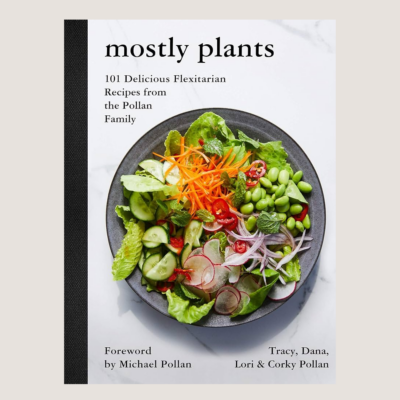
Mostly Plants: 101 Delicious Flexitarian Recipes from the Pollan Family by Tracy Pollan

The Pollan family’s approach to eating well is one I come back to again and again: focus on plants, keep things flexible, and don’t overcomplicate it. This book brings that philosophy to life in a way that feels realistic—especially if you’re cooking for a mix of preferences at the table.

You’re not asked to overhaul your diet. These recipes simply shift the balance. Vegetables take center stage, with satisfying, approachable dishes that still leave room for flexibility when you want it.

It’s an easy entry point into more plant-forward cooking, especially in the summer months when produce is at its peak and meals can be simple, fresh, and shared.

Best for: Flexible, family-friendly meals that make eating more plants feel effortless

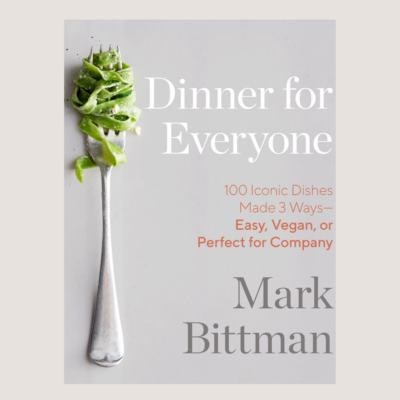
Dinner for Everyone: 100 Iconic Dishes Made 3 Ways—Easy, Vegan, or Perfect for Company by Mark Bittman

If you’ve ever tried to cook for a group with different preferences, you know how quickly it can get complicated. Mark Bittman solves that with a simple, brilliant idea: every recipe comes with three variations. One straightforward, one plant-based, and one that’s a little more elevated for entertaining.

The result is a cookbook that’s incredibly useful in real life. You can make one dish and adapt it depending on who’s at the table, without starting from scratch or making multiple meals.

It’s grounded in fresh ingredients and approachable techniques, making it an easy fit for everyday cooking. Especially in the summer, when meals tend to be more relaxed and shared.

Best for: Cooking one meal that works for everyone at the table

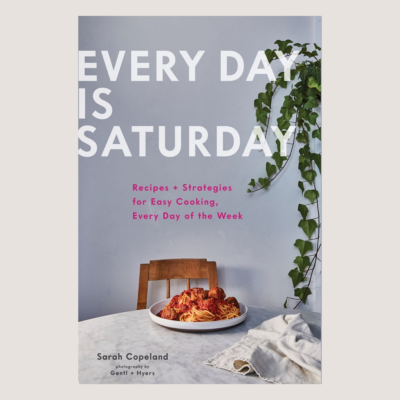
Every Day is Saturday: Recipes + Strategies for Easy Cooking, Every Day of the Week by Sarah Copeland

This cookbook makes you want to slow down and enjoy the everyday a little more. Sarah Copeland builds her recipes around the idea that good food doesn’t have to wait for the weekend. It can be simple, seasonal, and special any night of the week.

The dishes strike that balance beautifully, from Moroccan tomato toast to raspberry ripple ice cream cake. They’re approachable enough for a weeknight, but with just enough flair to make it feel intentional.

It’s all about creating small moments around the table, which feels especially right during the summer months when meals tend to stretch a little longer.

Best for: Bringing a slower, more intentional feel to everyday meals

This post was last updated on May 16, 2026, to include new insights.

The post 13 Healthy Cookbooks That Inspire Brighter Cooking All Summer appeared first on Camille Styles.

  •  

The Best Affordable Outdoor Furniture That Looks Designer (But Isn’t)

Affordable Outdoor Furniture That Looks Designer (But Isn’t)

I’m moving at the end of the month, and while there’s plenty to figure out, one thing is already decided: outdoor furniture comes first. Al fresco season is here, and I plan to claim every early-morning coffee and late-afternoon aperitivo outside while I can. In Austin, that window is fleeting—so sofas and rugs can wait.

Even on the days I’m not hosting outside or lingering with a summer book on the porch, there’s something about an inviting patio that changes how a home feels. From the kitchen sink, it’s the view of planters, soft lighting, and a space that’s ready when you are. Lately, I’ve been deep in the search for patio sets, comfortable chairs, and small pieces that pull it all together—and the good news? Affordable outdoor furniture has come a long way.

Here’s the approach I keep coming back to: start with one anchor piece, then build around it. It’s the simplest way to create an outdoor space that feels layered, intentional, and actually lived in.

Ahead, the best affordable outdoor furniture—everything you need to create a space that looks elevated, feels effortless, and lives well all season.

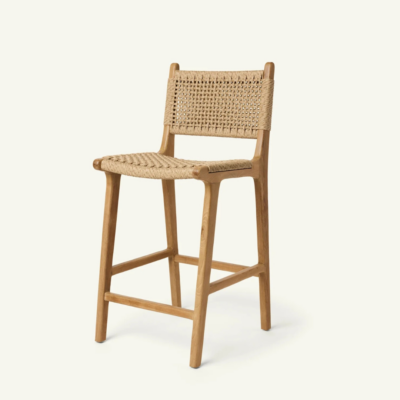
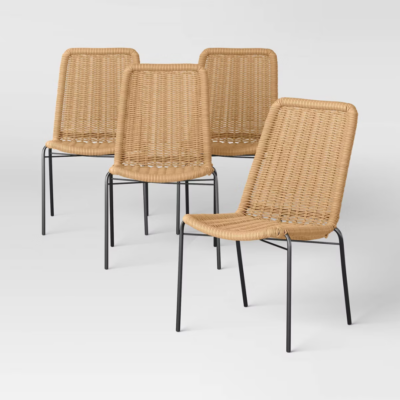
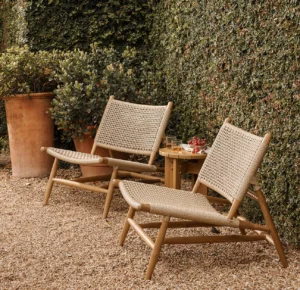
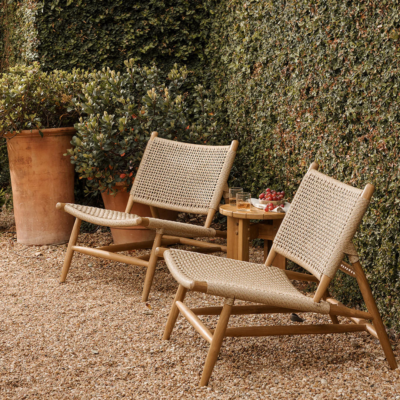
affordable outdoor furniture woven teak chair

The Investment Pieces That Make Everything Else Look Better

Here’s the trick: not everything needs to be a splurge. But a few pieces should be. The ones that ground the space, hold it all together, and make even the simplest setup feel pulled together. Start here, then layer in the rest.

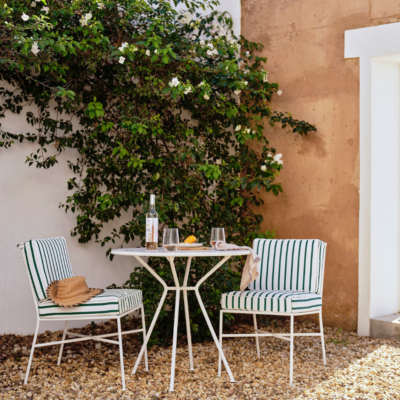
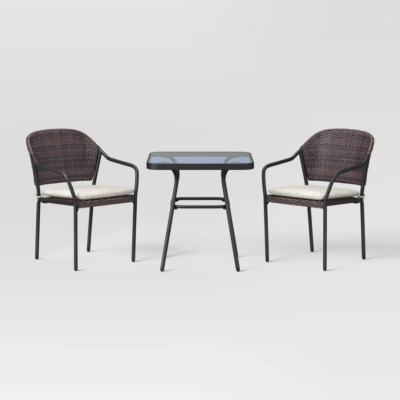
Patio Sets Under $600 That Feel Luxe

Most budget patio sets feel temporary—lightweight, overly matching, and easy to forget. These bring a little more presence: better materials, softer lines, and a look that lasts beyond one summer.

Patio Chairs For Morning Coffee and Sun Soaking

A good outdoor chair does two things: it makes you want to sit down, and it looks good even when you’re not. These do both.

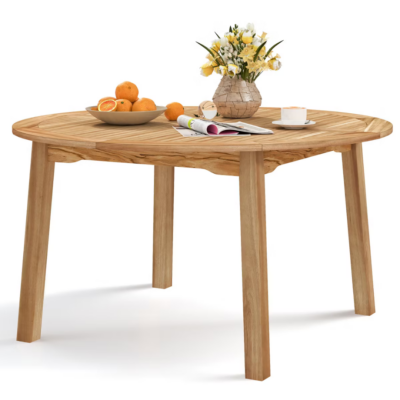
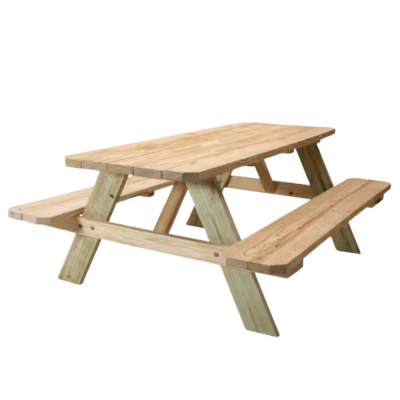
Outdoor Dining Tables, From Bistro to Family Style

From small bistro moments to long, family-style dinners, these tables set the tone—bringing a little more intention to every meal outdoors.

Small Pieces That Do the Most

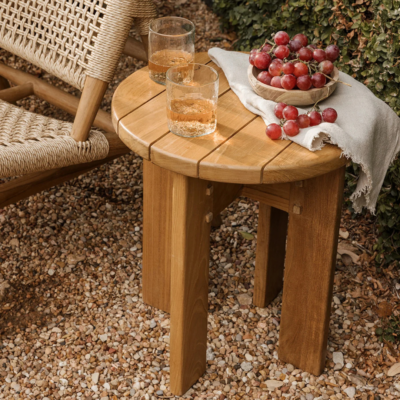
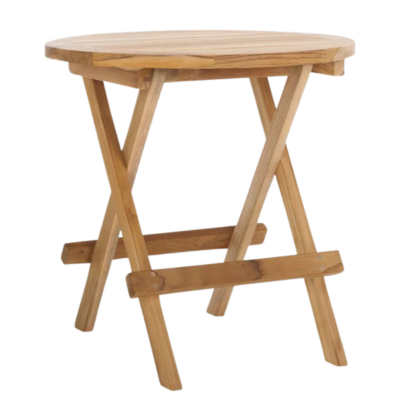
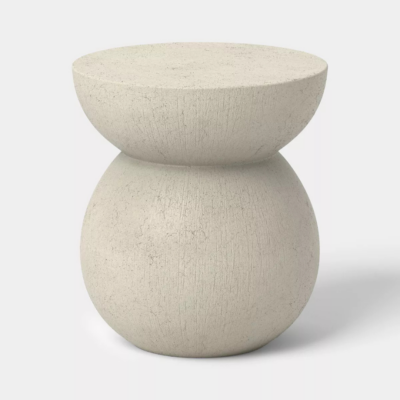
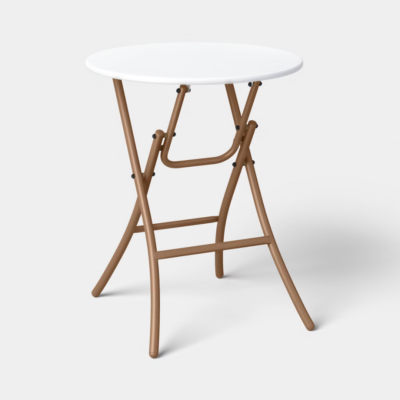
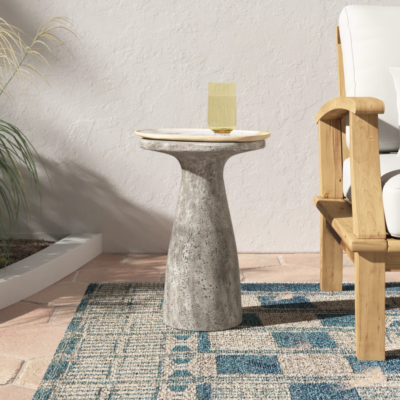
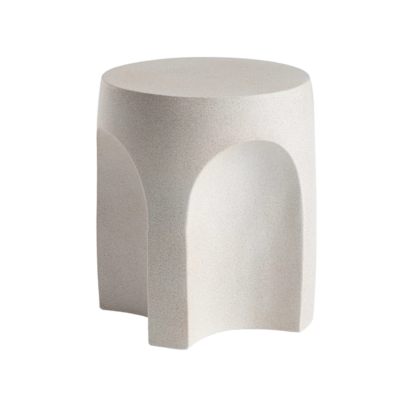
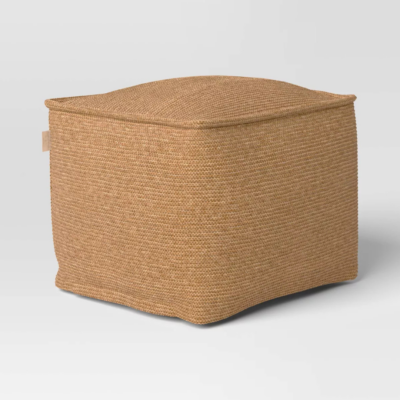
In smaller spaces, every piece has to earn its place. These do—pulling double (or triple) duty as side tables, plant stands, or extra surfaces when you need them, then tucking away just as easily.

The Finishing Touches That Pull It Together—Planters + Decor

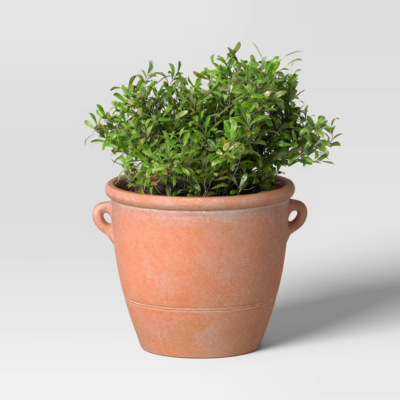
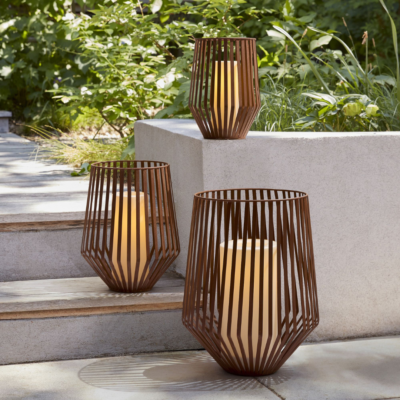
Once the larger pieces are in place, this is where the magic happens. The finishing touches—planters, pillows, lanterns—add the warmth and texture that make a space feel truly your own.

The Pieces That Make It Livable—Umbrellas, Rugs, and Lighting

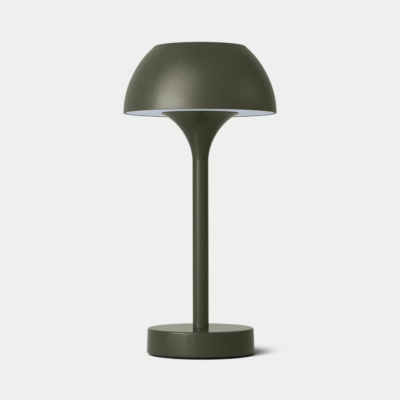
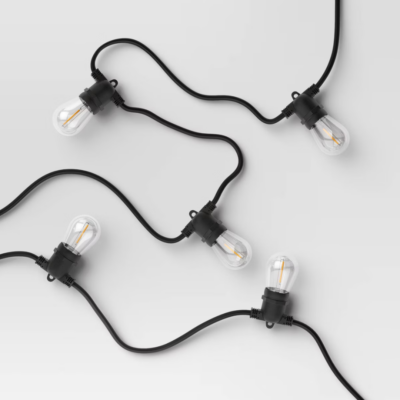
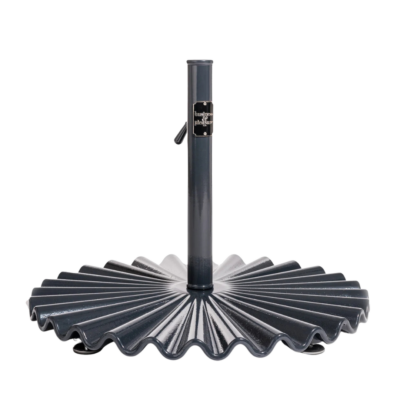
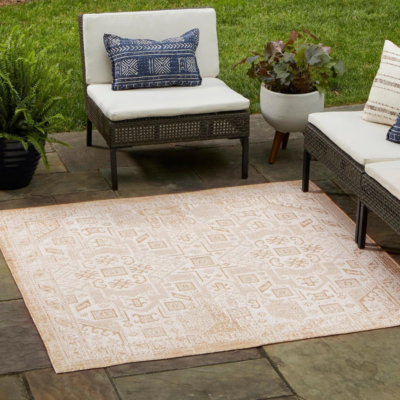
An outdoor space only works if you can live in it. These are the pieces that make that possible—cooling shade, grounding textures, and lighting that extends the day just a little longer.

How to Choose Affordable Outdoor Furniture That Lasts

A few smart decisions can stretch your budget—and your furniture—much further.

  • Choose materials that can handle the elements
    Acacia, teak, powder-coated steel, and all-weather wicker are built to last.
  • Look for performance fabrics
    UV-resistant, quick-drying cushions will keep their color and shape over time.
  • Splurge strategically
    Invest in foundational pieces like seating and tables—save on accents you can easily switch out.

Because the goal isn’t just to fill a space—it’s to create one you’ll actually want to spend time in.

This post was last updated on April 11, 2026, to include new insights.

The post The Best Affordable Outdoor Furniture That Looks Designer (But Isn’t) appeared first on Camille Styles.

  •  

7 “Healthy” Habits That Might Be the Reason You’re Always Tired

Sanne Vloet_habis that drain energy

Ever feel like you’re doing everything right—eating well, staying active, keeping up with everything on your plate—but you still feel exhausted? It’s a pattern I see often in my nutrition practice: the women who are the most intentional about their health are often the ones running on empty. And most often, it’s because their “healthy” habits aren’t as supportive as they seem. While their routines aren’t inherently bad, it’s easy to overdo it.

If your energy has felt off lately, good news! It’s not time to do more. It’s time to do things differently. Let’s dive into habits that drain energy vs. habits that restore it.

Featured image from our interview with Sanne Vloet by Michelle Nash.

Pin it Camille styles rest_habits that drain energy

Why You’re Always Tired

For starters, low energy isn’t always a sign that something is wrong. More often, it’s a signal that something is misaligned. For many women, that misalignment comes from habits that don’t fully support their physiology (especially when it comes to blood sugar balance, hormone health, and nervous system regulation!). Add in busy schedules and the pressure to optimize everything, and it’s easy to see how even well-intentioned routines can start to backfire. The goal isn’t to overhaul your life. It’s to gently recalibrate the habits that influence your energy the most.

7 “Healthy” Habits That Drain Your Energy

In many ways, these are the habits we’re told to lean into. Scroll social media long enough, and you’ll see them praised over and over again. But health isn’t one-size-fits-all. Even supportive routines can miss the mark depending on your needs, your stress levels, your day-to-day life, etc.

1. Under-Eating (Even If You’re Eating “Clean”)

This is one of the most common issues I see. Meals built around whole, nutrient-dense foods are a great foundation. But if you’re not eating enough overall, your body will feel it. Chronic under-fueling can lead to fatigue, hormone disruption, increased cravings, and a general sense of burnout. Many women aren’t eating poorly—they’re simply not eating enough to support their energy needs.

2. Skipping Breakfast (or Delaying Food Too Long)

While intermittent fasting can work for some, it’s not universally supportive—especially for women with already elevated stress levels. Cortisol naturally peaks in the morning, and delaying food (while relying on coffee) can amplify that stress response. The result often feels like being wired but tired: alert at first, then crashing later in the day.

3. Overdoing High-Intensity Workouts

It’s no secret that exercise is a powerful tool for energy. But only when it’s appropriately matched to your current capacity. High-intensity workouts (HIIT, intense spin classes, etc.), especially when layered on top of stress or under-fueling, can push the body further into depletion. Movement should support your energy, not compete with it. In many cases, less intensity and more consistency create better results.

4. Not Eating Enough Protein

Protein is all the rage right now, and for good reason. It plays a key role in stabilizing blood sugar, supporting muscle mass, maintaining steady energy throughout the day, and so much more. Without enough protein, meals are more likely to lead to energy spikes and crashes—leaving you reaching for caffeine or sugar to compensate. Anchoring meals with adequate protein is one of the simplest ways to feel more consistent energy.

5. Constant Snacking Instead of Balanced Meals

Snacking isn’t inherently a problem, but grazing throughout the day without building balanced, satisfying meals can keep blood sugar on a rollercoaster. Meals that include protein, healthy fats, and fiber tend to be far more grounding (both physically and mentally)n than relying on frequent, less substantial snacks.

6. Overloading on Raw Foods

Raw veggies and smoothies are often seen as the gold standard of “healthy eating,” but they’re not always the most supportive. Especially in colder months or during times of stress (or postpartum!). Large amounts of raw foods are typically harder to digest, leading to bloating, discomfort, and even low energy. Cooked, warming meals are often easier on the body and more sustaining.

7. Trying to Optimize Everything

At a certain point, the mental effort of trying to do everything “right” becomes its own form of stress. Tracking, timing, perfecting, optimizing… it all adds up. This constant focus on improvement can keep your nervous system in a subtle but persistent state of pressure. And over time, that alone can drain your energy more than any single habit.

Simple Shifts to Support Your Energy

If any of these habits felt familiar, the takeaway isn’t to overhaul your routine overnight. In fact, the opposite tends to work best. Again, think of this as a gentle recalibration—one that works in tandem with your body, not against it.

  • Eat a little more than you think you need. If your meals are built around whole foods, try making them more substantial. Add an extra egg, a scoop of rice, or a handful of healthy fats to keep your energy steady. Not sure if you’re eating enough? Read through these powerful signs.
  • Don’t skip your first meal. Aim to eat within an hour of waking; something with protein, healthy fats, and fiber to help stabilize blood sugar and support your morning energy.
  • Match your workouts to your energy. Keep movement consistent, but adjust intensity based on how you feel. Walking, strength training, and lower-impact workouts often go further than pushing through exhaustion. And don’t underestimate a 20-minute session! Exercise doesn’t need to be long to be impactful.
  • Build meals around protein. Start with a solid protein source (chicken, Greek yogurt, cottage cheese, egg whites, tofu, etc.), then layer in carbs and fats. This simple shift can help reduce energy crashes and keep you feeling more balanced.
  • Prioritize meals over constant snacking. Focus on 2–3 balanced meals before relying on snacks. If you do snack, pair protein with carbs for better energy stability.
  • Lean into warm, cooked foods. Especially during stressful seasons, meals like soups, roasted veggies, and sautéed greens are often easier to digest and more sustaining.
  • Simplify your routine. Choose one or two habits that feel supportive right now, and let the rest go. Less noise often leads to more clarity (and in turn, more energy).

A Gentler Approach to Feeling Better

If your energy feels off, it’s easy to assume you need to try harder. Eat cleaner. Be more disciplined. Wake up earlier. Work out harder. Stick to the routine. But more often than not, it’s the opposite. Sometimes, the most supportive shift is loosening your grip. Don’t underestimate how much eating a little more, resting a little more, simplifying what’s on your plate, and letting your body feel safe again can do for your well-being.

Edie Horstman
Edie Horstman

Edie is the founder of nutrition coaching business, Wellness with Edie. With her background and expertise, she specializes in women’s health, including fertility, hormone balance, and postpartum wellness.

The post 7 “Healthy” Habits That Might Be the Reason You’re Always Tired appeared first on Camille Styles.

  •  

5 Habits That Will Make You Feel Better Within a Week

Every spring, I feel the same familiar pull toward a reset. The longer days, the open windows, and the sudden urge to reorganize EVERYTHING from my closet to my calendar. It all makes a complete life overhaul seem oddly appealing. But… been there, done that—and I’m not going back. In truth, I’ve learned that the moments when I’m most tempted to change everything are often the moments when a simpler approach works better.

That’s really the beauty of entering my 30s (and leaving the last decade far behind). When we want to create change, it seems like a burn-it-all-to-the-ground approach works best. But in recent years, I’ve learned to look at how small shifts can make the biggest difference in how I feel day to day. The habits that seem almost too simple to matter—drinking water before coffee, stepping outside for a quick walk, putting my phone down a little earlier at night—are often the ones that move the needle the fastest.

Featured image from our interview with Sanne Vloet by Michelle Nash.

Pin it

The 5 Habits That Help You Feel Better Within a Week

So this year, instead of chasing a dramatic reset, I’m taking that springtime urge as a signal to slow down and return to the basics.

The truth is, your body responds quickly when you give it what it needs. While meaningful change always unfolds over time, a handful of simple habits can noticeably improve your energy, mood, and focus within just a few days.

Each of the habits below supports a system in the body that tends to respond quickly to change—things like blood sugar regulation, circadian rhythm, hydration, digestion, and nervous system balance. When those systems are supported, the feedback can be surprisingly immediate: steadier energy, clearer thinking, deeper sleep.

Think of these as small inputs with fast feedback. Five habits that help you feel better—minus the complete reinvention of your life.

1. Start the Day With Protein

The fastest way to stabilize your energy.

If there’s one habit that can noticeably improve how you feel within a few days, it’s starting your morning with protein. Trust me: as a girl who long and lovingly bought into the Parisian pastry-a-day AM routine, I’ve learned that a quick breakfast (toast, cereal, or coffee alone, included) spikes your blood sugar and leaves you crashing by mid-morning.

Protein, on the other hand, slows digestion and helps stabilize blood sugar levels, which translates to improved energy, better focus, and fewer cravings throughout the day.

Within a few days, the shift can feel surprisingly noticeable: mornings feel steadier, the mid-afternoon slump softens, and you’re less likely to find yourself reaching for a quick snack just to get through the day.

Try This This Week

Aim for ~30 grams of protein at breakfast. It can be as simple as eggs with avocado toast, Greek yogurt with berries and nuts, or a smoothie blended with protein powder and nut butter.

If you want something a little more inspiring, Camille’s protein-forward breakfasts are some of my favorite ways to start the day. The Savory Sweet Potato & Egg Breakfast Bowl and Mediterranean Quinoa Breakfast Bowl are both satisfying and easy to prep ahead, while the Savory Yogurt Breakfast Bowl, Berry Yogurt Parfait, and Breakfast Tacos are quick options for busy mornings.

2. Step Outside Within the First Hour of the Day

Morning light resets your internal clock.

One of the fastest ways to improve your energy, mood, and sleep has nothing to do with supplements or complicated routines—it’s light.

Exposure to natural light early in the day helps regulate your circadian rhythm—the internal clock that controls when you feel alert and when you feel sleepy. Research shows that morning light can help align this rhythm with the 24-hour day, supporting better energy during the day and improved sleep at night.

Within a few days of stepping outside soon after waking, the shift can feel subtle but noticeable:

  • steadier morning energy
  • clearer focus throughout the day
  • easier, more restful sleep at night

Try It This Week

The goal isn’t a long morning walk—just a few minutes of daylight within the first hour of waking. You might drink your coffee outside, open the windows while you get ready, or take a short walk around the block before starting your workday. (Camille swears by it.) Even 5-10 minutes can help cue your body into a healthier rhythm.

It’s a small shift, but it’s one that often makes the entire day feel more grounded.

3. Create a Daily Movement Window

Small pockets of movement make a big difference.

Okay, okay, okay: I love (and swear by) my 45-minute barre3 workout, 5-6x a week. BUT! Not every habit that improves your health has to be so involved. Truthfully, there are some weeks when my workout just doesn’t happen—and in fact, some of the most impactful movement happens in small windows throughout the day.

Every day—whether I work out or not—I love to incorporate a few minutes of intentional movement. It’s a welcome break from my wfh routine, and can help regulate blood sugar, improve circulation, and boost mood.

One of the simplest examples is a short walk after dinner. Light movement after eating can help support digestion and stabilize blood sugar, while also creating a natural transition between the activity of the day and your evening’s slower pace.

Try It This Week

Choose one moment in your day that becomes your movement window.

It might be stretching while your coffee brews, taking a short walk between meetings, or stepping outside for 10 minutes after dinner. The habit works because it’s small enough to repeat. Over time, those small pockets of movement begin to add up.

Think of it less as exercise and more as keeping your body gently in motion throughout the day.

4. Drink Water Before Coffee

A small shift that changes your mornings.

Coffee has become such a natural part of the morning that many of us reach for it before anything else. But after a full night of sleep, the body is naturally dehydrated, and that first glass of water can make a noticeable difference in how the morning unfolds.

Hydration supports circulation, digestion, and cognitive function, all of which help the body transition out of sleep. When caffeine enters the system before the body has had a chance to rehydrate, it can sometimes amplify jitters or lead to a sharper energy spike and crash later in the day.

By simply swapping the order of your morning bevs, you quickly notice:

  • clearer thinking
  • fewer morning headaches
  • more stable energy

Try It This Week

Keep a glass or water bottle by your bedside and drink it shortly after waking—before coffee. It’s a simple shift, but it signals to your body that the day is beginning with care rather than urgency. And once hydration is taken care of, that morning cup of coffee often tastes and feels even better.

5. Create a 30-Minute Wind-Down Window

Because your evenings shape how tomorrow feels.

If mornings establish the tone for the day, evenings set the foundation for how the next one begins. Many of us move straight from the activity of the day into bed—answering emails, scrolling through our phones, or finishing one! more! episode! before finally turning out the lights. The problem is that constant stimulation keeps the brain in a state of alertness long after the body is ready to rest.

Creating a small buffer between the day and sleep helps the nervous system slow down. When the body has time to shift into a calmer state, sleep tends to come more easily—and the quality of that sleep improves.

Instead of scrolling or watching television, use that final half hour to transition gently into rest. A few simple ideas:

  • Dim the lights throughout your home to signal to your body that the day is ending.
  • Make a cup of herbal tea—chamomile, lemon balm, or peppermint are all calming options.
  • Read a few pages of a book (preferably something relaxing rather than stimulating).
  • Take a warm shower or bath to help your body temperature drop afterward—a signal that sleep is approaching.
  • Step outside for a few minutes of fresh air and quiet.
  • Do gentle stretching or light yoga to release tension from the day.
  • Write down tomorrow’s to-do list so your mind doesn’t carry it into bed.
  • Spend a few minutes journaling or reflecting on the day.
  • Practice a short breathing exercise or meditation to calm the nervous system.

Even one small ritual practiced consistently can signal to your body that it’s safe to relax.

For more ideas, Camille shares the simple practices she swears by in her Sleep Toolkit—a collection of small habits that make it easier to fall asleep and wake up feeling restored.

The Takeaway

When we think about feeling better, it’s easy to assume the answer lies in doing more—adding another routine, another rule, or another habit to track. But often, feeling better begins with something simpler: giving your body the basics it’s been asking for all along.

A nourishing breakfast. A few minutes of sunlight. A short walk. A glass of water before coffee. A quieter transition into sleep. None of these habits are complicated, but practiced consistently, they ladder up to a routine that supports the way your body is designed to function.

And sometimes, that’s all a reset really needs to be.

The post 5 Habits That Will Make You Feel Better Within a Week appeared first on Camille Styles.

  •  

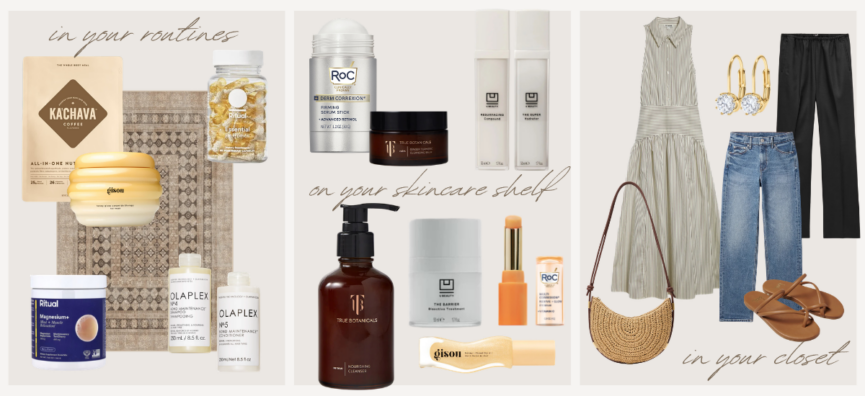
The Spring Edit: What Readers Are Loving Right Now

April is when things start to shift into place. The goals you started in January are beginning to feel more like second nature: your routines feel easier, your go-to outfits more defined, and the small upgrades start to make a real difference in how your days unfold. It’s less about overhauling and more about refining—keeping what works, elevating what doesn’t, and leaning into the rituals that make you feel your best. Think effortless staples, mood-boosting essentials, and everyday pieces that pull it all together.

Pin it

What Our Readers Are Reaching for This Month

This month’s most-loved picks lean into that easy, dialed-in feeling. From wellness staples and skin-forward beauty to elevated basics, home upgrades, and something to sip on as the evenings stretch a little longer—it’s a lineup that fits seamlessly into your routine.

These are the pieces our readers are shopping on repeat this month, the ones that feel current without trying too hard. Consider this your April edit: a mix of tried-and-true favorites and under-the-radar finds, straight from the Camille Styles community.

RoC Skincare

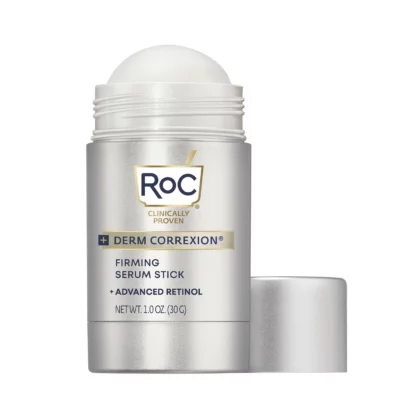
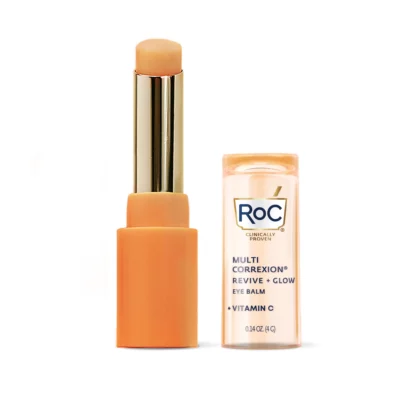
A longtime favorite for results-driven formulas, RoC is having a moment again with our readers—especially for its easy, targeted treatments. The brand’s firming serum stick and under-eye balm have been popping up everywhere for how seamlessly they fit into daily routines, delivering that refreshed, well-rested look with minimal effort. It’s the kind of skincare that works hard but feels simple.

J.Crew

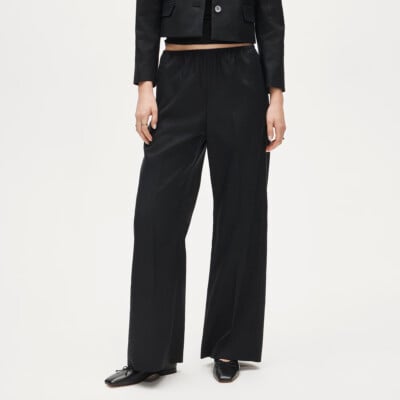
A warm-weather staple our readers come back to year after year: a trusty pair of linen pants. These from J.Crew are lightweight and breathable with a relaxed, flattering fit that works just as well for travel days as it does for dinner plans. It’s the kind of piece that instantly makes getting dressed feel easier—and a little more put-together.

Ka’Chava

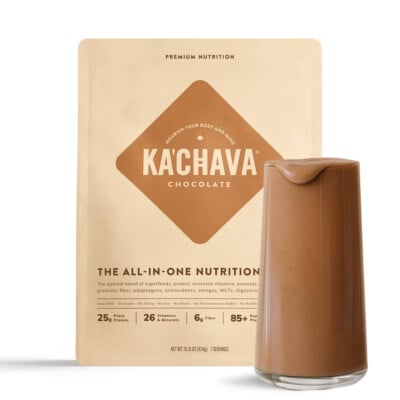
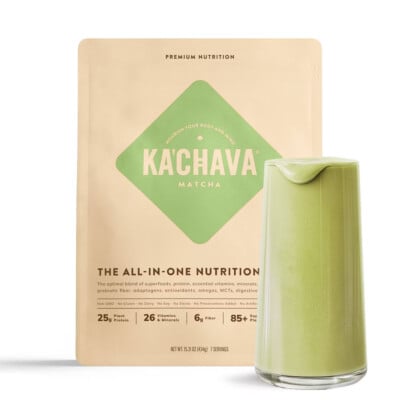
Ka’Chava is our readers’ go-to when they’re looking to simplify their wellness routines without sacrificing intention. Known for its nutrient-rich superblend shakes (we’re loving the chocolate and matcha), it’s an easy addition to your morning rituals.

Nordstrom

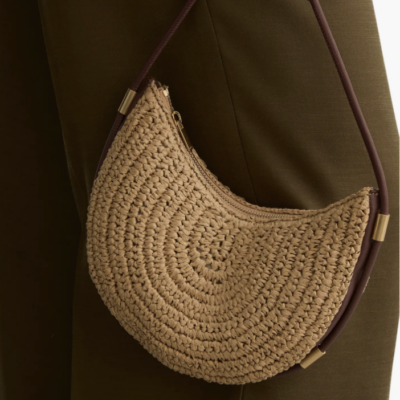
Nordstrom is one of those brands our readers come back to year-round. From easy dresses and breezy sandals to a bag that somehow works with everything, it’s full of pieces that make getting dressed effortless. Staples you reach for again and again, no matter the season.

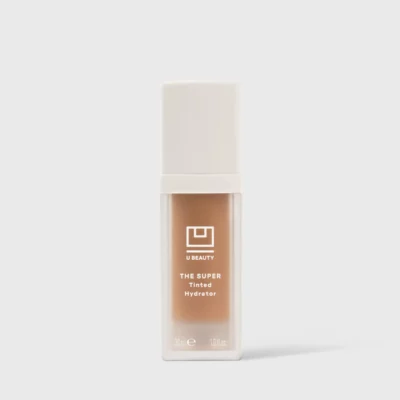
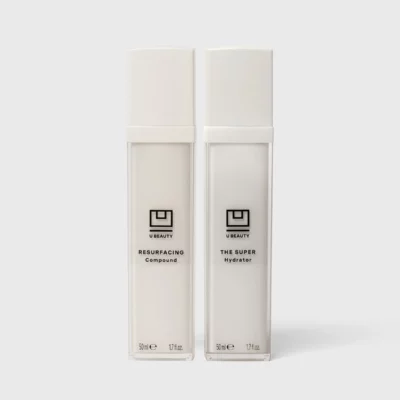
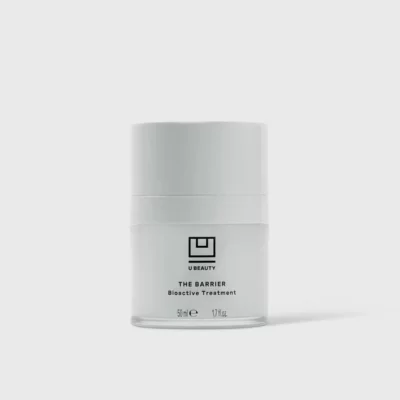
U Beauty

Our readers love U Beauty for the brand’s streamlined, results-driven approach to skincare. Known for its multitasking formulas, U Beauty focuses on doing more with less—delivering visible results while simplifying your routine. Bonus: it’s elevated, efficient, and so easy to stick with.

AYR

AYR continues to be a favorite for its perfectly executed wardrobe staples that feel anything but basic. (CBK would love.) The brand leans into timeless silhouettes with just the right amount of structure and ease. It’s the kind of clothing you build an entire outfit around.

Evereve

Everyone in the Camille Styles community is leaning into EVEREVE for spring wardrobe must-haves. It hits that sweet spot of feeling current without being overdone.

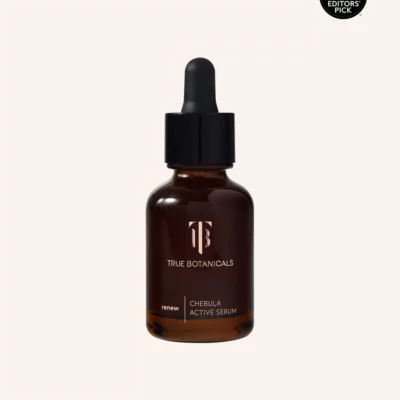
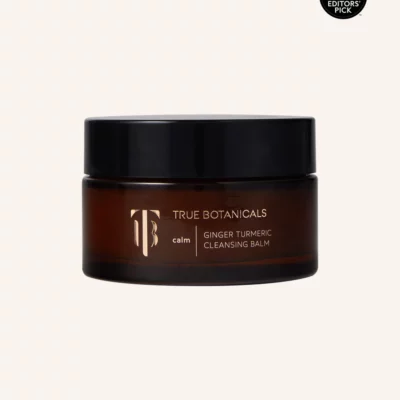
True Botanicals

A forever favorite for a reason, True Botanicals is an essential for when you want your skincare to just work. (Trust me: it’s a big ask.) It fits seamlessly into a routine that’s already in place—supporting that healthy, lit-from-within glow without overcomplicating things.

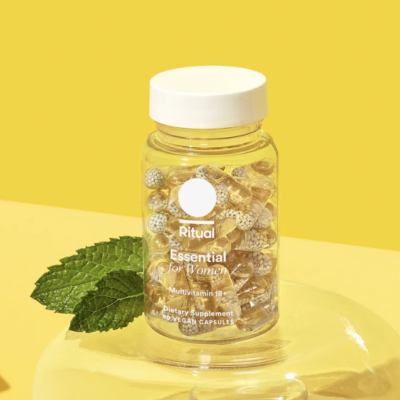
Ritual

Ritual is exactly that: simple, consistent, and easy to keep up with. Whatever the time of day, it’s one of those small rituals that makes a difference. My favorite part? No overthinking required—Ritual is a be all, end all brand of supplements.

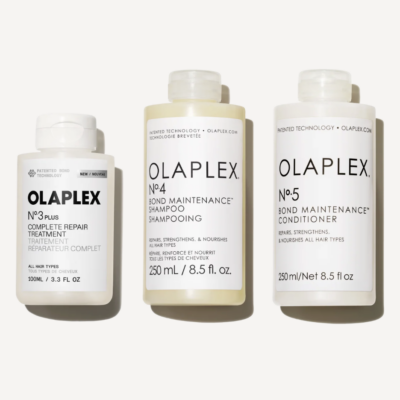
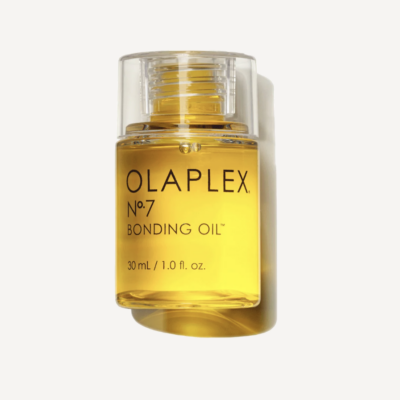
Olaplex

Your hair is begging for a reset—and you want a product that actually gets the job done. Enter: Olaplex. It’s less about a one-time fix and more about bringing your hair back to a place that feels healthy, soft, and easy again. Especially this time of year, it’s a go-to for getting back to that effortless, low-maintenance feel.

Ruggable

Ruggable is a reader favorite for making home updates feel both elevated and practical, especially this time of year. It’s one of those updates that makes a room feel instantly lighter and more put-together, without requiring a full overhaul. Say it with me: we all deserve a washable rug (or three).

gisou

Gisou has been in heavy rotation lately, especially for that soft, glossy finish we all crave. It’s the kind of brand you reach for when you want everything to look a little more glowy. Nothing complicated, just that extra touch that pulls everything together.

Electric Picks

Electric Picks is that girl: jewelry that’s effortless but still dynamic. Mini Bentley earrings or a Bennett bracelet are the kind of small touches that make getting dressed feel fun again, without trying too hard. These are pieces you’ll reach for and never want to take off.

The post The Spring Edit: What Readers Are Loving Right Now appeared first on Camille Styles.

  •  

11 Easy Sheet Pan Recipes for Nights You Can’t Deal With Dinner

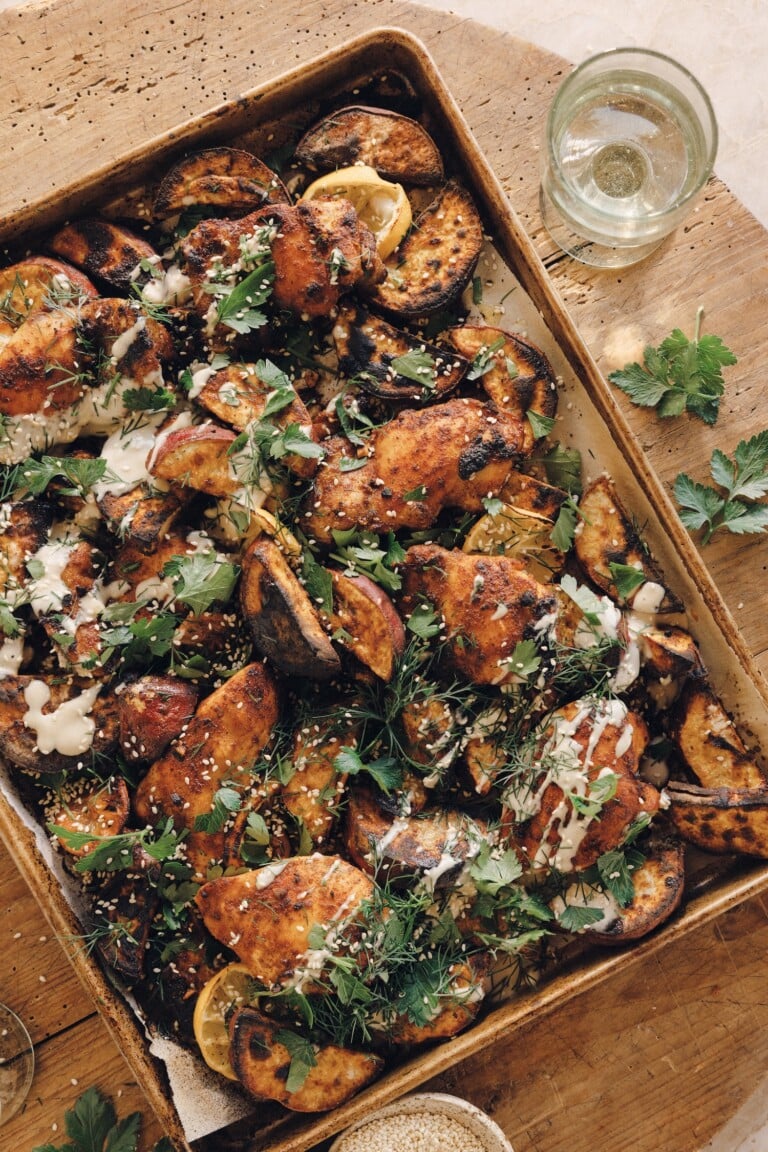
sheet pan chicken sweet potatoes tahini sauce

There are few things more satisfying than a one-vessel recipe. If you’re telling me I can make brownies in one bowl, I’m so in. A one-pot pasta that’s ready in the time it takes the water to boil? This is my heaven. But my forever favorite is the easy sheet pan dinner—minimal effort, maximum reward, and cleanup that means I’m lifting nary a finger.

11 Easy Sheet Pan Recipes for Busy Nights

But not all sheet pan recipes make the cut. Important considerations come into play so that I’m not serving a pan of overcooked (or undercooked) foods, all seasoned the same. There must still be the perfect mix of textures, flavor, and color to create a satisfying sheet pan meal.

I’m proud to report that the following collection hits all the right notes, beginning with an all-time fave—a repeater in my house. So grab your parchment and line those pans, we’ve got an easy night ahead.

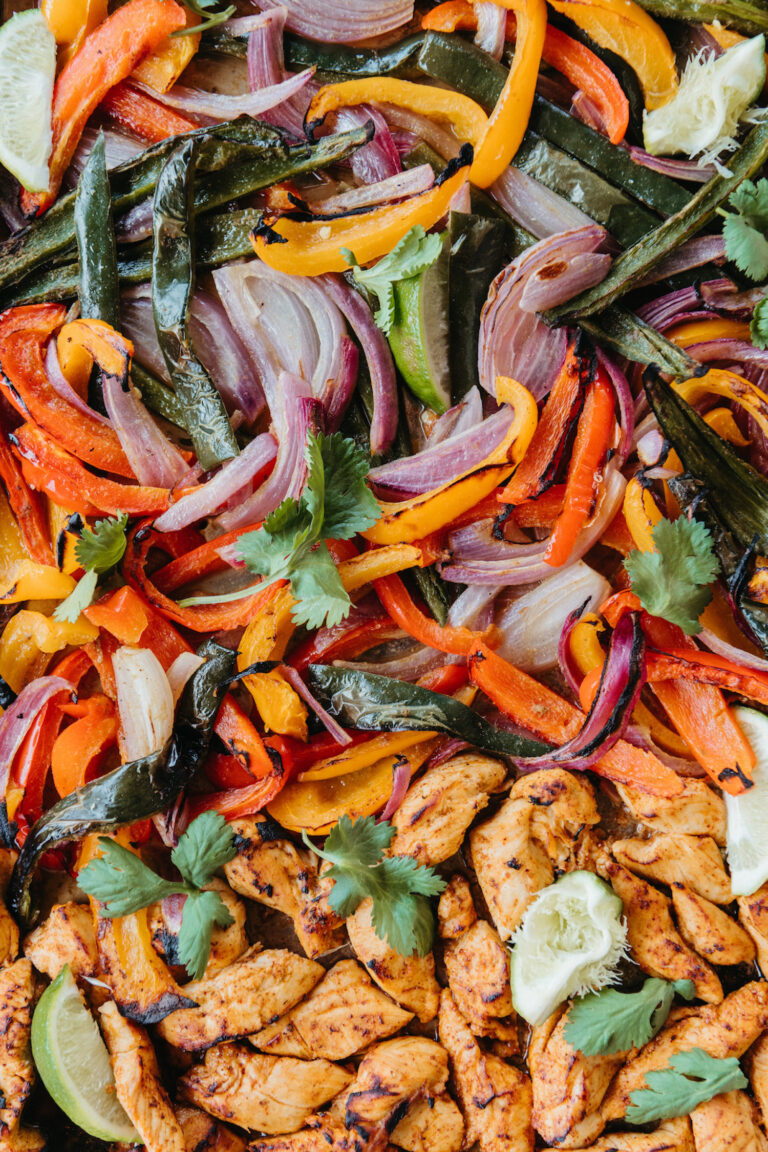
Sheet Pan Chicken Fajitas

Worthy of your weekly rotation: only five ingredients, ready in 20 minutes, and cooked to perfection every single time.

sheet pan chicken sweet potatoes tahini sauce

Sheet Pan Chicken with Japanese Sweet Potatoes

The hero is a tie between the nutty tahini drizzle and the sweet potatoes—it’s a combination you’ll crave.

Lemony Sheet Pan Chicken With Artichokes

If you’ve made it, you know—this one will go down in the Camille Styles history books as one of the best.

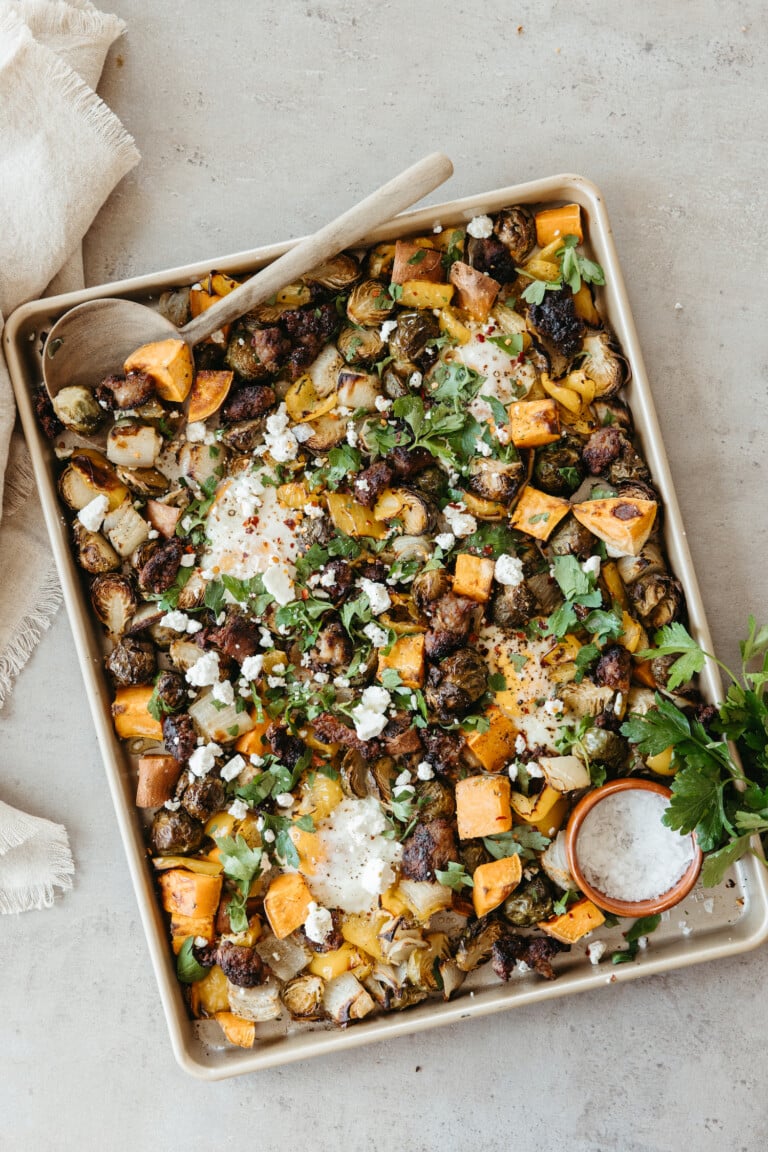
sheet pan harvest hash with sweet potatoes, brussels sprouts, and sausage - ingredients - vegetables - winter produce_fall foods for hormone balance

Sweet Potato Harvest Hash

Make it for dinner, eat it for breakfast the next day. This is one to riff on with whatever you’ve got in the fridge—and it hits every time.

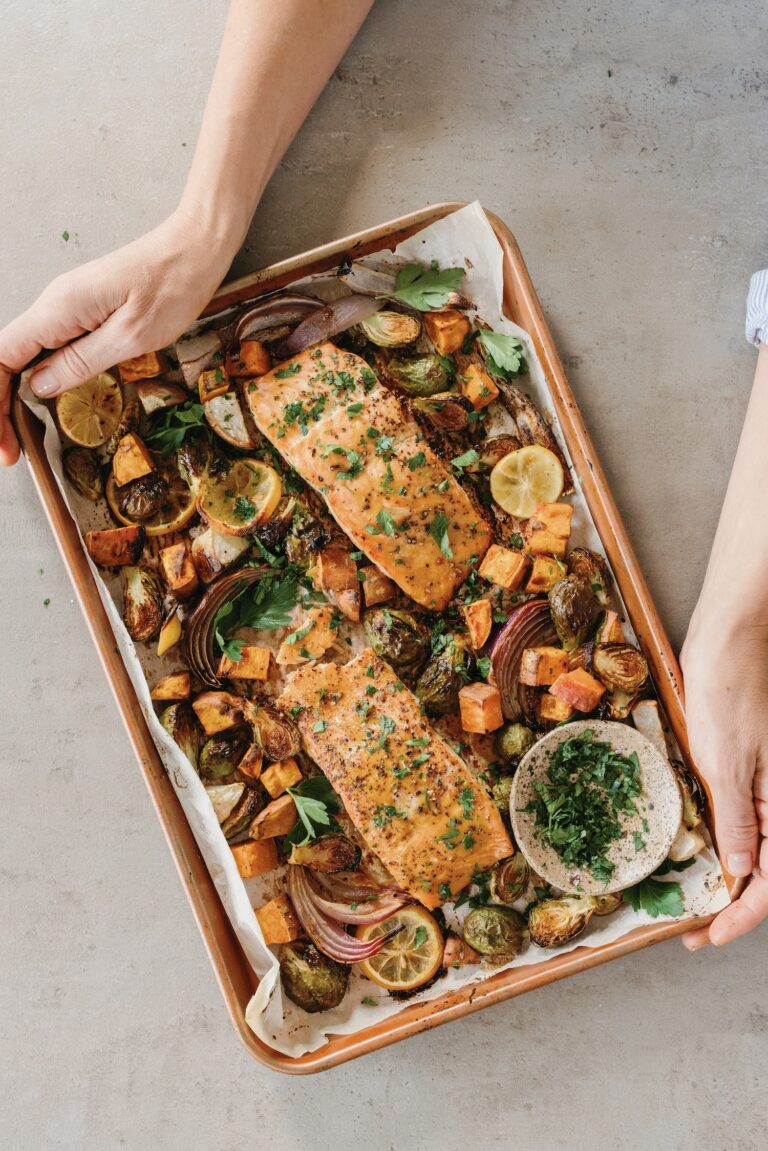
mustard salmon_how to reduce inflammation

Mustard-Roasted Salmon and Veggies

Mustard and lemon make the flavors pop here. The rare sheet-pan dinner that’s worthy of dinner parties or weeknights alike.

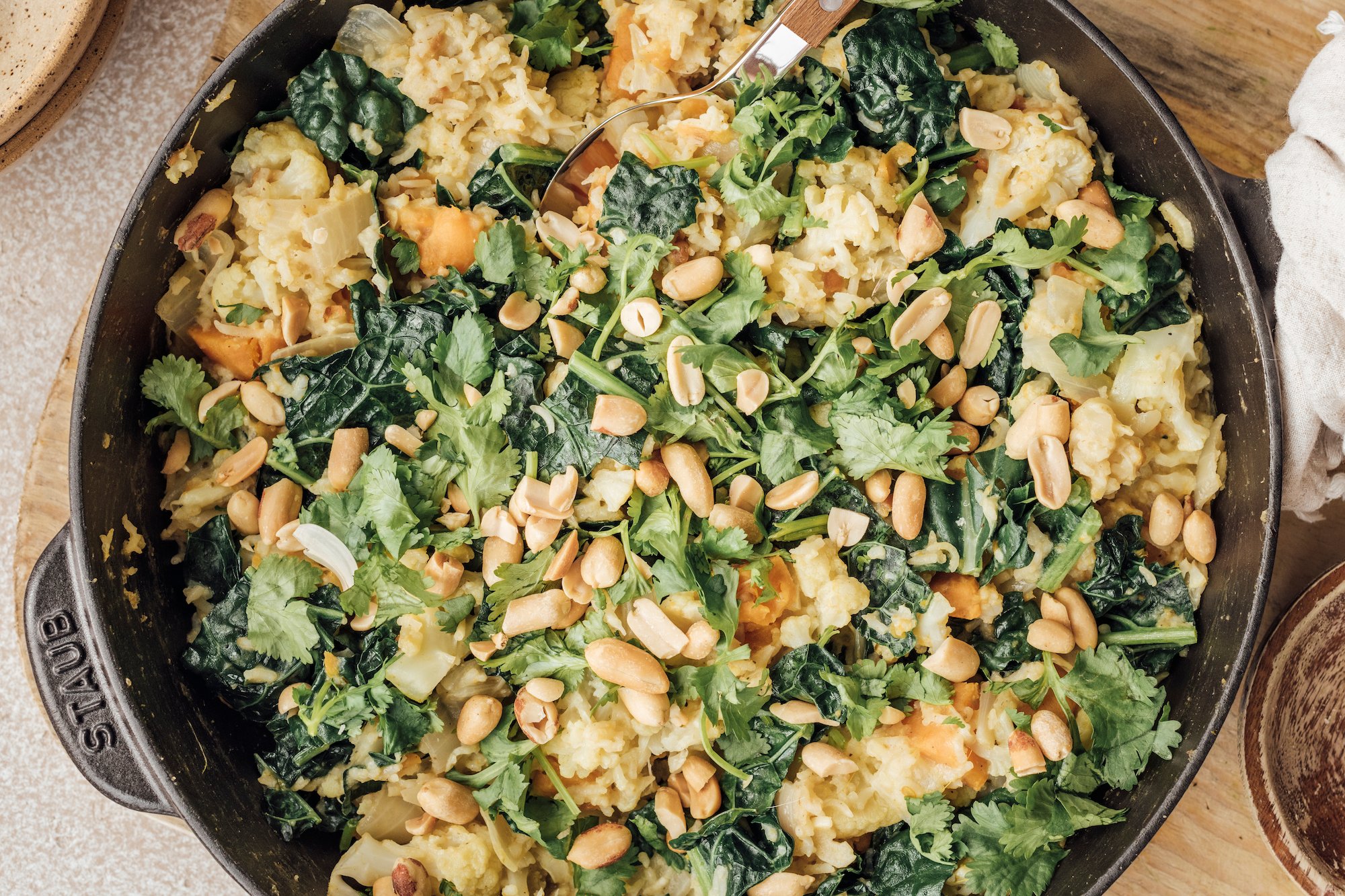
sheet pan vegetarian curry with cauliflower and kale

Veggie Sheet Pan Curry

Curry on a sheet pan? Your technique will never be the same after this.

roasted chicken vegetable confit

Sheet Pan Roast Chicken & Vegetable Confit

The ultimate comfort meal that’s just as craveable the next day for lunch.

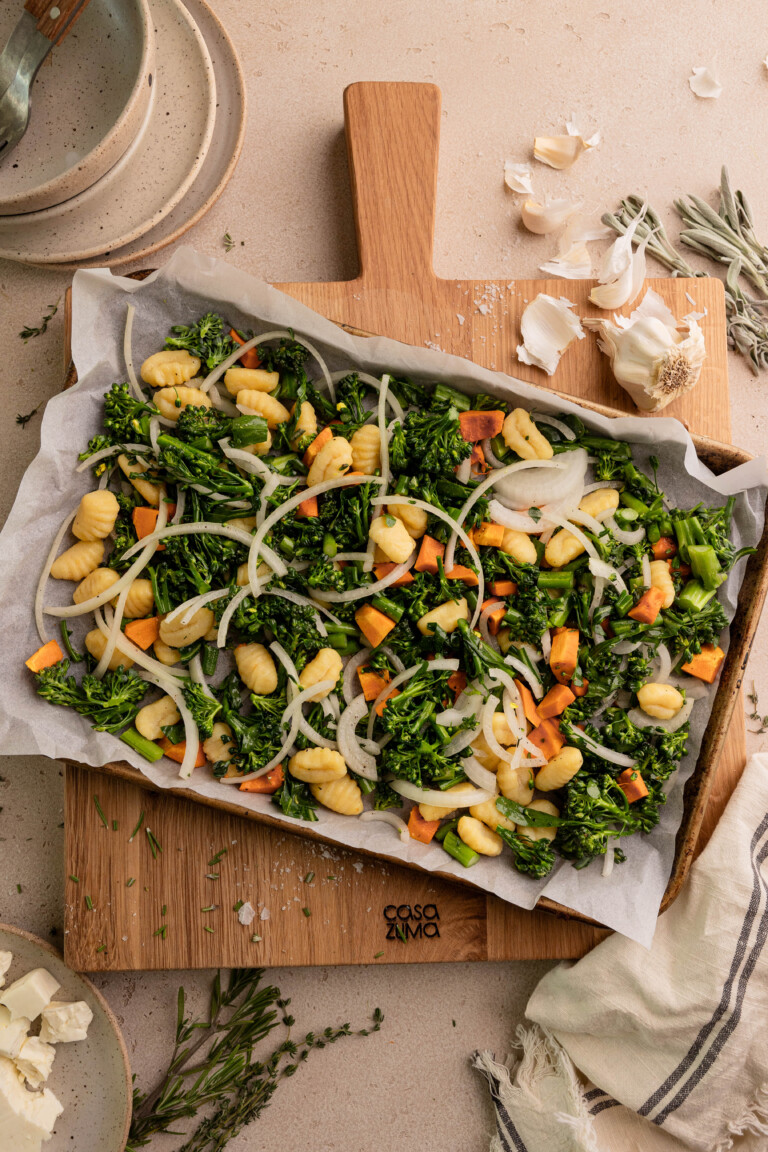
sheet pan gnocchi recipe

30-Minute Sheet Pan Gnocchi

A super satisfying and easy vegetarian sheet pan recipe that’s built with packed calendars in mind.

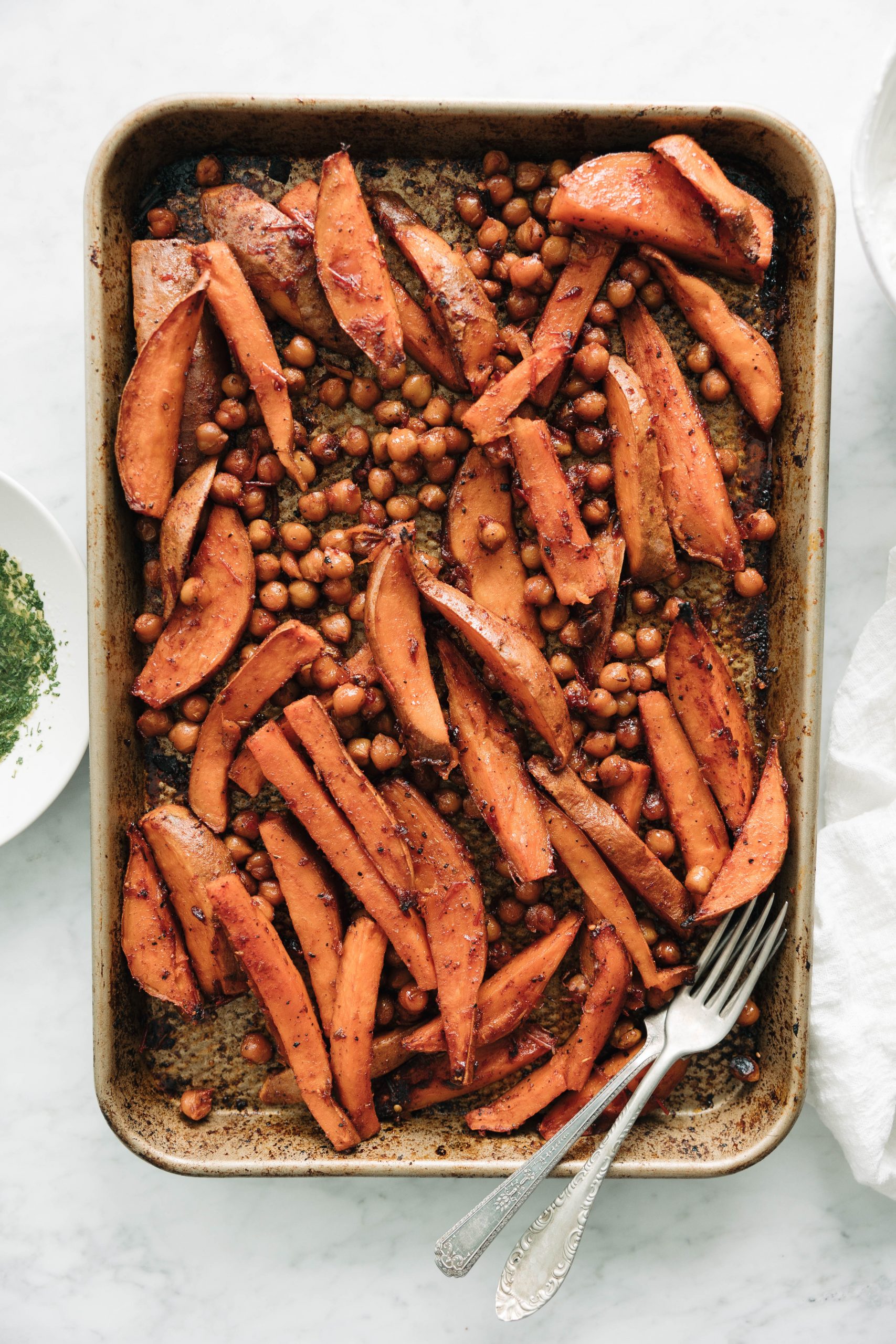
sweet potato chickpea bowl with feta yogurt and herbs

Sheet Pan Sweet Potato and Chickpea Bowl

Your protein-packed vegetarian bowl begins on a sheet pan. Prep the feta, yogurt, and herbs while it bakes, and you’ve got dinner in no time.

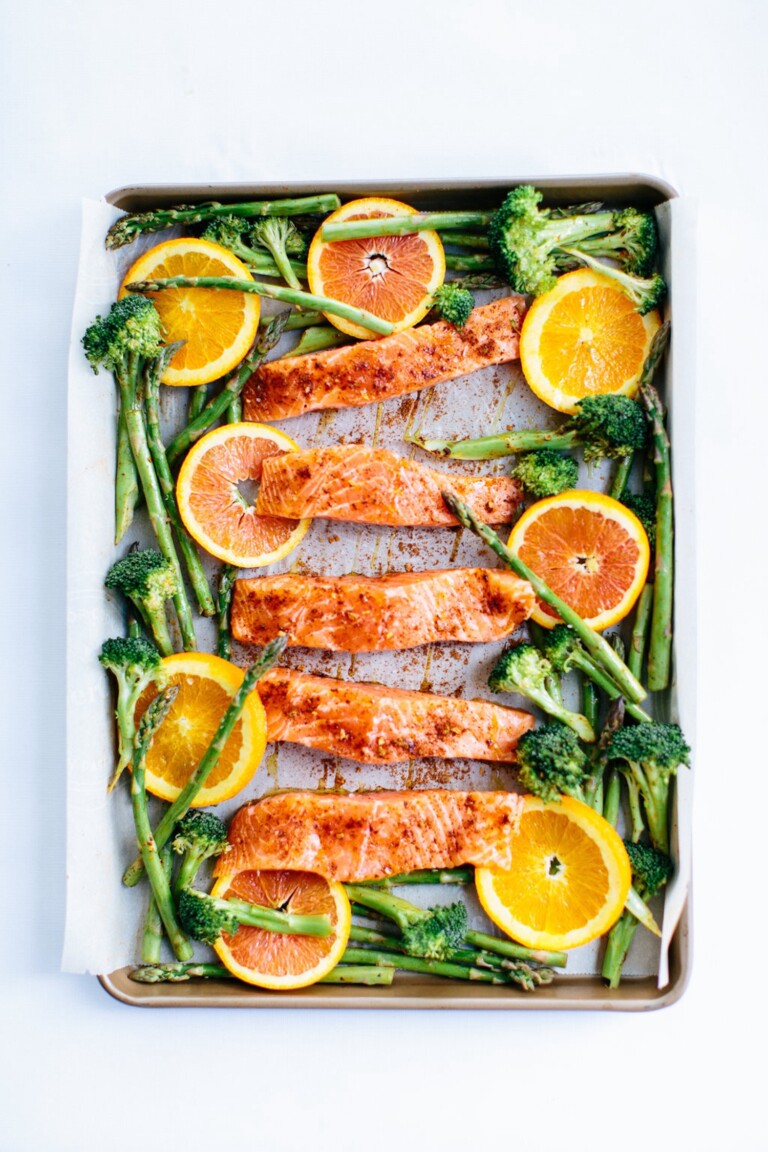
sheet pan roasted chili orange salmon

Sheet Pan Roasted Chili-Orange Salmon with Garlic & Green Veggies

For when you’re craving bright, sunny, and simple—this recipe is packed with all the good stuff.

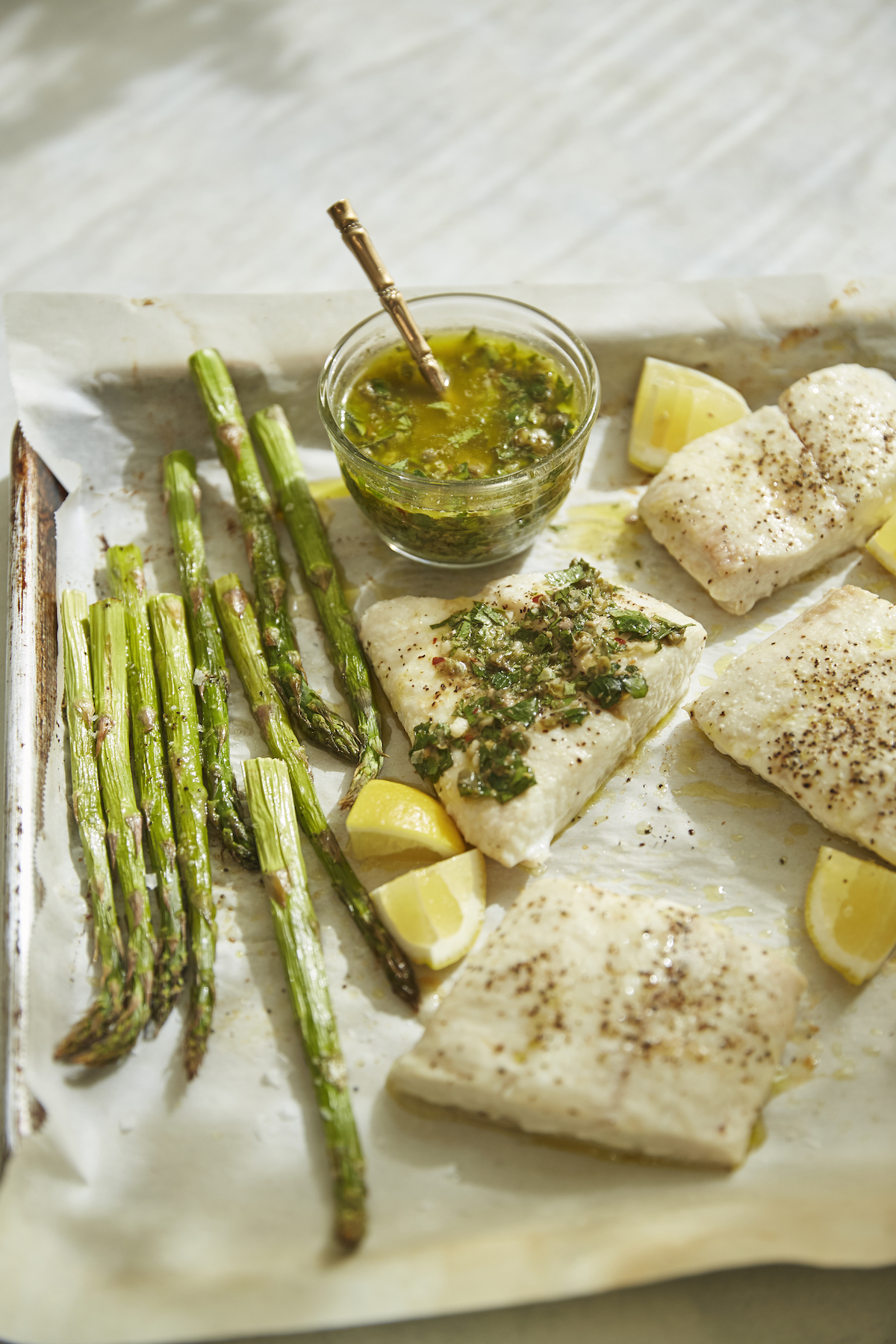
Sheet Pan Halibut with Italian Salsa Verde and Asparagus

Wow factor with minimal effort. You won’t believe the flavor punch from humble, easy ingredients.

This post was last updated on April 13, 2026, to include new insights.

The post 11 Easy Sheet Pan Recipes for Nights You Can’t Deal With Dinner appeared first on Camille Styles.
  •  

I Asked Estheticians Which Products Are Actually Worth It (and What They Skip)

Camille Styles esthetician skincare

Living in Los Angeles, getting a facial can feel a little like stepping into a marketplace—everyone has something to sell, and not all of it feels necessary. Over time, I’ve learned that finding a great esthetician is less about the products they use and more about the perspective they bring. The best ones don’t overwhelm you with a 10-step routine or push whatever’s trending. They simplify, edit, and help you understand what your skin really needs.

That’s why I always ask the same question mid-facial, as my skin is being layered with serums: What’s actually worth it? Because in a world of endless launches and viral products, estheticians tend to come back to the same core principles and the same handful of products that consistently deliver.

Ahead, the esthetician-recommended skincare that makes the cut—and the thinking behind it.

Why Esthetician-Recommended Skincare Hits Different

There’s no shortage of skincare advice online, but much of it is driven by trends, not results. Estheticians take a different approach. Instead of trying to fix your skin overnight, they focus on supporting it over time: strengthening your barrier, improving hydration, and creating consistency that actually lasts.

While dermatologists are essential for diagnosing and treating medical conditions, estheticians specialize in the day-to-day health and appearance of your skin. Their approach is less about quick wins and more about long-term balance. And that’s exactly why their recommendations tend to stick.

How Estheticians Actually Think About Your Skin

I tapped estheticians Farah Bazzy and Ildi Pekar to understand how they approach skincare and the products they consistently come back to. Their philosophy? Keep it simple and focus on what supports the skin, not stresses it.

“Always look for something hydrating to rejuvenate your skin,” says Bazzy. “And add vitamin C—it’s a must.”

Both emphasize barrier support, gentle renewal, and avoiding unnecessary complexity. Because more products don’t equal better skin—better choices do.

The Ingredients Estheticians Always Come Back To

If you’re not sure where to start, Bazzy and Pekar consistently recommend focusing on a few foundational ingredients:

  • Hyaluronic acid for hydration and plumpness
  • Vitamin C for brightness and antioxidant protection
  • Retinol for renewal and long-term skin health
  • SPF as the best protection for your skin

This ingredient stack is proven, effective, and endlessly adaptable depending on your skin’s needs.

What Estheticians Don’t Recommend (Despite the Hype)

You’ve probably heard it before, and the skincare adage still rings true: less is always more. Many of the habits estheticians end up correcting come from clients overdoing it. Too many products, too many actives, and too much switching things up in pursuit of a quick result.

Here’s what our estheticians tend to steer clients away from:

Over-exfoliating (especially with multiple actives). Between exfoliating acids, retinol, and physical scrubs, it’s easy to push your skin too far. Estheticians often see clients who think they’re improving texture or breakouts, but are actually compromising their skin barrier in the process. The result? Sensitivity, inflammation, and skin that feels harder to heal.

Layering too many actives at once. Vitamin C, retinol, AHAs, BHAs… it’s tempting to use everything, especially when each ingredient promises something different. But estheticians take a more strategic approach, introducing actives slowly and intentionally.

Constantly switching products. One of the biggest misconceptions in skincare is that results should be immediate. In reality, consistency is what creates change. Stick with a routine long enough to understand how your skin responds, rather than jumping from product to product in search of a quick fix.

Trend-driven routines that ignore your skin’s needs. From viral skin cycling variations to multi-step routines built around what’s popular on TikTok, estheticians see the fallout of following trends without context. What works for someone else’s skin doesn’t always translate in real life.

Products that promise instant transformation. Anything marketed as a miracle fix tends to raise a red flag. Instead, focus on gradual, sustainable improvement—supporting your skin so it functions better in the long run.

One of the biggest misconceptions in skincare is that results should be immediate. In reality, consistency is what creates change.

Pin it

The Best Esthetician-Recommended Skincare Routine

Cleansers

For all skin types

iS Clinical Cleansing Complex

Suitable for all skin types, this cleanser is an esthitician favorite because it has both nourishing and mild resurfacing ingredients to deeply cleanse and replenish your skin. Bazzy recommends it for all skin types to instantly rejuvenate your skin.

For sensitive skin

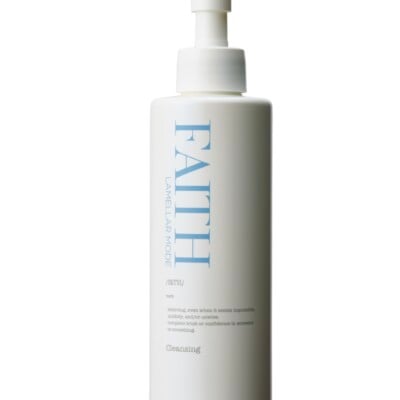
Faith Cosmetics Lamellar Mode Cleansing

Pekar describes this as an “ultra-gentle yet effective” for its efficacy delivering a deep cleanse without ever compromising the skin barrier. Ideal for sensitive skin, this gel cleanser gently removes makeup, sebum, and pollutants.

Hydrating Serums

For stressed skin

Ildi Pekar Tissue Repair Serum

Pekar’s own serum repairs the skin from a cellular level. As serums go, this one is a deeply hydrating solution that strengthens your skin barrier. Pekar notes that it’s “formulated with a high concentration of hyaluronic acid to deeply hydrate, plump, and restore skin resilience.”

For dry or dehydrated skin

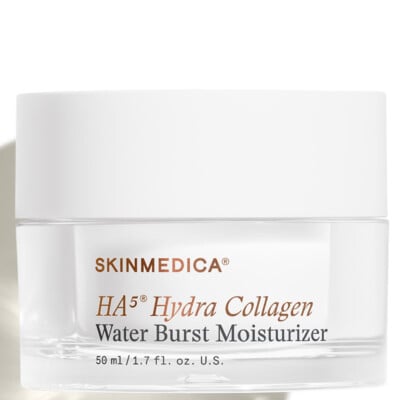
SkinMedica HA5 Hydra Collagen Water Burst Moisturizer

This water-based moisturizer is hydrating while still being lightweight. It boosts hydration immediately, making it one of Bazzy’s favorites for dry or dehydrated skin.

Brightening Serums

For hyperpigmentation

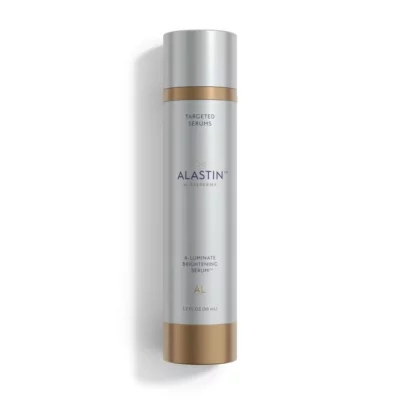
ALASTIN Skincare A-LUMINATE Brightening Serum

Using tranexamic acid and niacinamide, this powerful serum is Bazzy’s favorite tool against hyperpigmentation, designed to support and amplify the effects of in-office treatments like microneedling and chemical peels.

For fine lines

Dusk & Dawn Refine & Smooth Retinol Oil Serum

For an effective and non-irritating retinol, Pekar recommends this water-soluble retinol that “refines texture, improves tone, and supports skin renewal with minimal irritation.”

Esthetician recommended moisturizers

For oily to normal skin

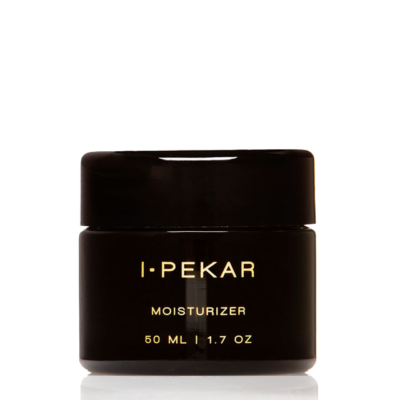
Ildi Pekar Glowing Honey Moisturizer

Pekar describes this as “a deeply nourishing formula ideal for normal to dry skin, delivering lasting hydration and radiance.”

For reactive skin

WiQo Nourishing and Moisturizing Cream

Bazzy recommends this for skin experiencing flare ups or recovering from treatments. Its shea butter base is deeply nourishing and hydrating to reduce the appearance of fine lines and prevent water loss.

SPF

A tinted option

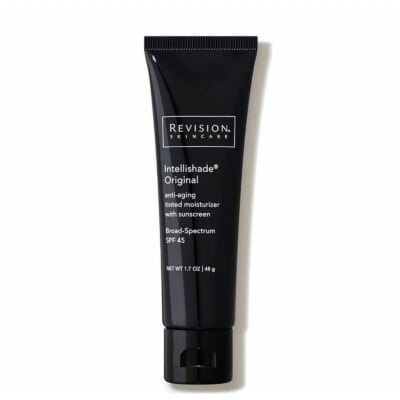
Revision Skincare Intellishade Original

Bazzy recommends this sunscreen for a tinted option that also protects, hydrates, and brightens skin.

A mineral option

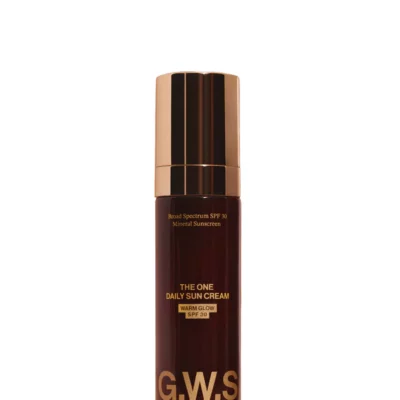
Good Weather Skin One Daily Sun Cream Warm Glow SPF 30

Pekar loves this for how its “formulated with 15% zinc oxide, leaving the skin hydrated, smooth, and naturally glowing.”

The Routine You’ll Actually Keep

At a certain point, good skincare stops being about what you add—and becomes about what you trust enough to stick with. The throughline in every esthetician’s advice is clear: support your skin, don’t overwhelm it. Choose a few well-formulated products, give them time to work, and let consistency do what trends can’t. Because the goal isn’t perfect skin overnight—it’s skin that feels healthy, resilient, and entirely your own over time.

The post I Asked Estheticians Which Products Are Actually Worth It (and What They Skip) appeared first on Camille Styles.

  •  

This Strawberry Cream Cheese Galette Is Spring in Dessert Form

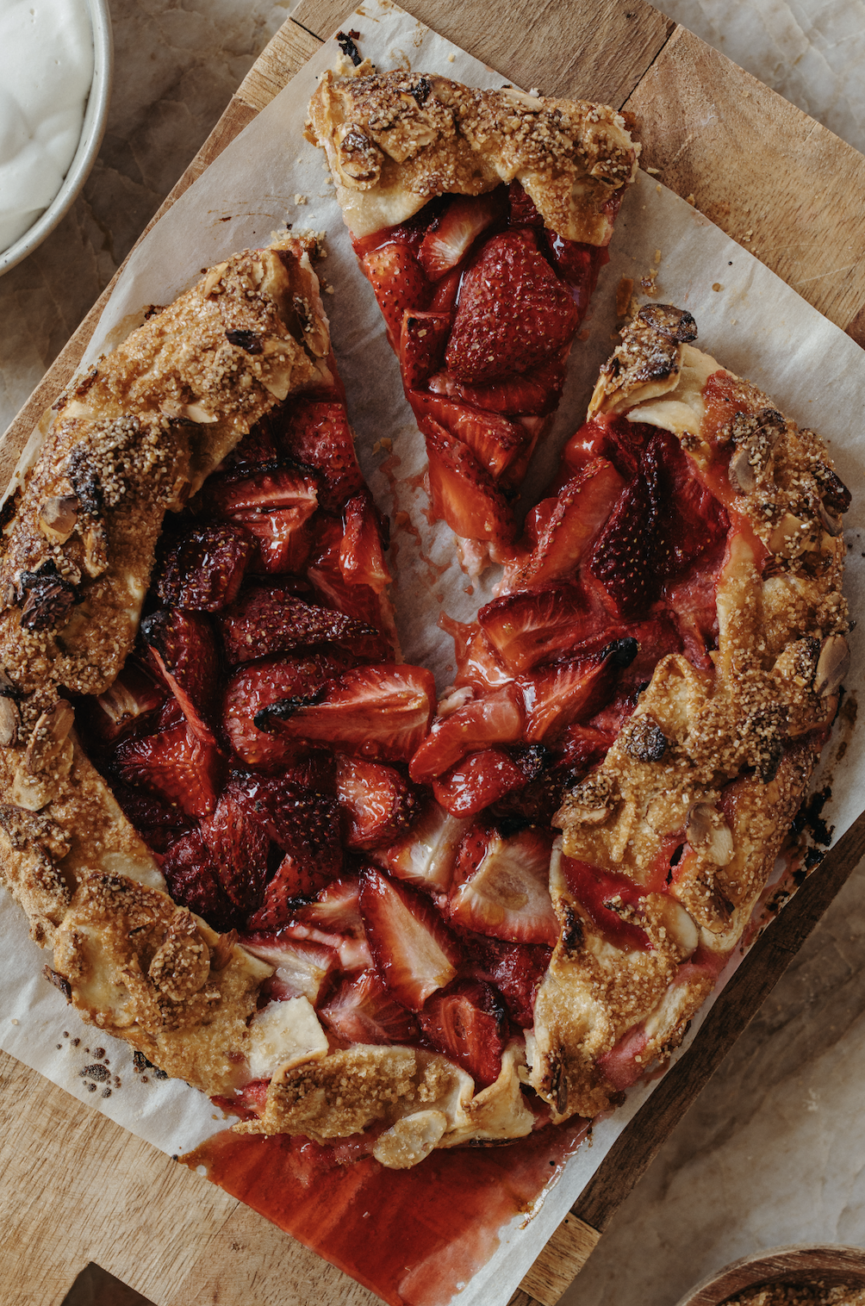
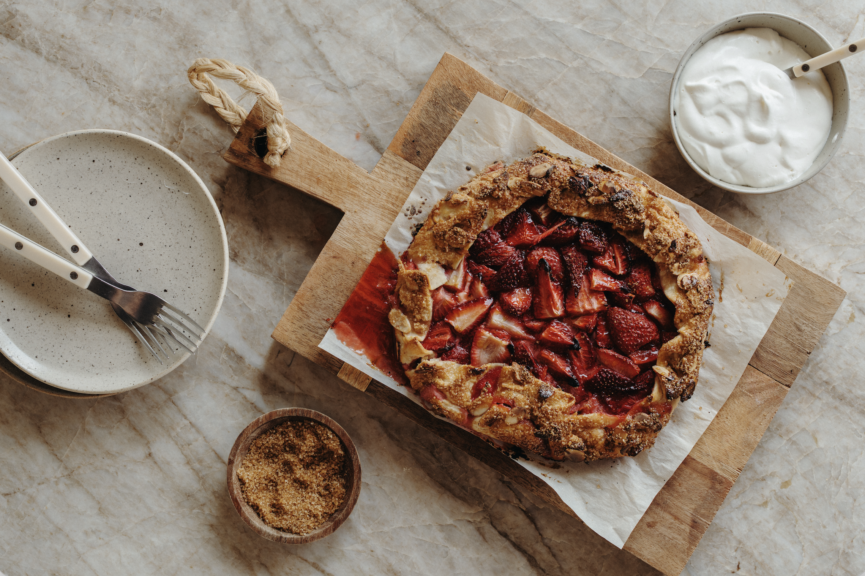
There’s this moment that happens every April when the first truly in-season strawberries show up at the market: I take a bite, and that feeling of spring floods my system. It’s when the pale, flavorless berries that have traveled for a week are replaced by the deep, red, juicy ones that fill the kitchen with the scent of sunshine. That moment is what inspired this strawberry galette—it channels all those feelings and wraps them up into the most gorgeous (and simple) dessert.

I’ve been making some version of this recipe for years, changing up the fruit based on what’s in season (see this pear galette or this insane heirloom tomato & burrata galette). For this one, seize the window of about six weeks when the strawberries are this good and lean into how effortless this preparation is. It’s about 20 minutes of actual effort, then an hour for cooking and cooling.

Pin it

A Simpler Way to Bake a Pie

Here’s the thing about galettes: they’re all the reward of a homemade pie with none of the intimidation. There’s no perfectly crimped edge, no blind baking, and no anxiety about lattice. You fold the dough over the filling, press it down, and the rustic, imperfect edges are the whole point. You really want to embrace that organic, wabi-sabi vibe here.

This might be divisive, but I use frozen pie crust for this. Because here’s the thing—a good frozen crust (Dufour is my pick if you can find it, or Trader Joe’s all-butter crust in a pinch) is genuinely delicious, and life is short. If you want to make your own, absolutely go for it. But don’t let the idea of making pastry from scratch stop you from making this.

The Layer That Makes It Special

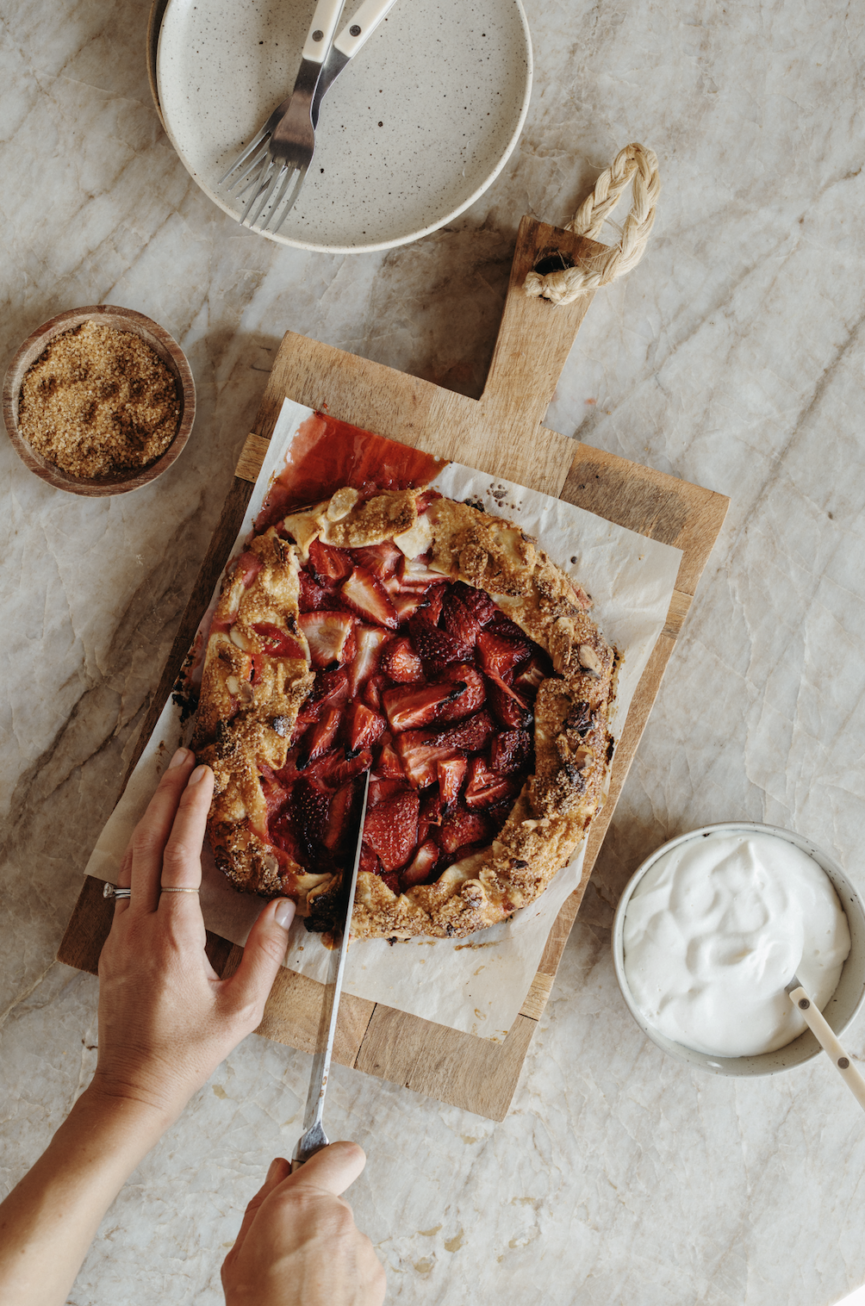
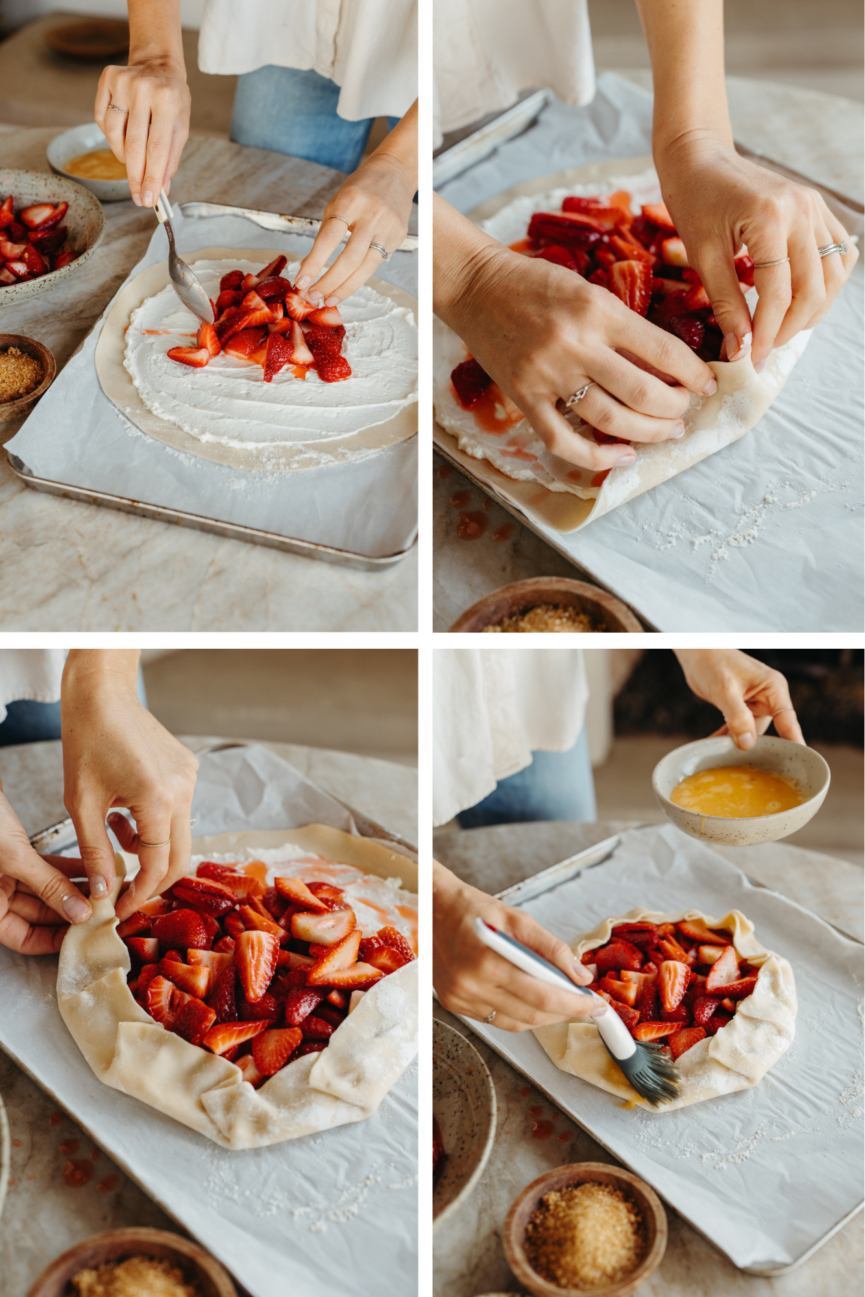
Before the strawberries go on, spread a layer of whipped cream cheese across the center of the dough. It creates a creamy, slightly tangy barrier between the pastry and the fruit—soaking up some of the juice while the galette bakes and transforms into something that’s not quite cheesecake, not quite custard, but completely incredible. If your cream cheese isn’t already at room temp, ten seconds in the microwave gets it there.

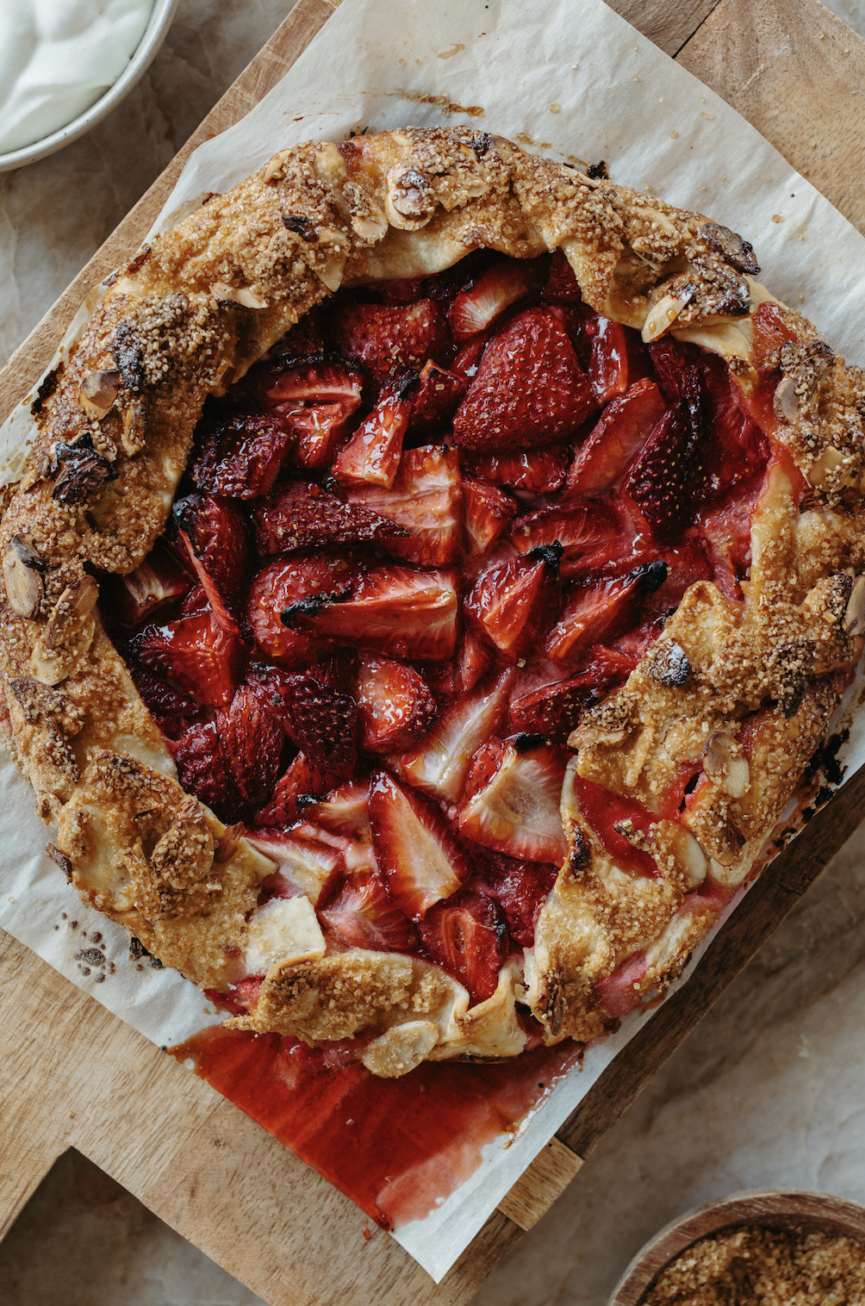
The strawberries themselves get tossed with granulated sugar, lemon zest, a little cornstarch (this is what keeps things jammy rather than soupy), and a pinch of salt before being mounded over the cream cheese. Then comes the fold: start folding the dough over the berries, pleating as you go. There’s no wrong way to do this, so relax and have fun with it. Brush the crust with egg wash, press sliced almonds into the dough (toss them with a little extra egg wash first, so they actually stay), and finish with a generous sprinkle of turbinado sugar for crunch. The thyme is optional, but I love it here—something about that herby, floral note with the sweet strawberries feels very spring garden-to-table.

Pin it

How to Serve This Strawberry Galette

Bake until the crust is golden and the strawberries are bubbling and jammy, about 25 minutes. Some juice will leak out onto the parchment—this is totally normal and actually looks beautiful. Then the hard part: you have to let it cool on a rack for a full hour before you cut into it so the filling can set. Serve it slightly warm or at room temperature, with a dollop of softly whipped cream. I’ve also had it for breakfast the next morning with coffee (highly recommend).

This is spring in dessert form—the kind of recipe that makes you remember why you love cooking in the first place. Simple ingredients, seasonal fruit, and something that looks so beautiful without trying too hard. Scroll on for the recipe, and drop a comment if you make this one!

Pin it
Print

Strawberry Cream Cheese Galette


  • Author: Camille Styles
  • Total Time: 45 minutes
  • Yield: 8

Description

A rustic strawberry galette with a cream cheese filling and almond-studded crust is spring in dessert form. So simple, and a stunning centerpiece to any gathering.


Ingredients

Units
  • 1 frozen pie crust, defrosted in fridge overnight (or make homemade)
  • 1/3 cup granulated sugar
  • zest of 1 lemon
  • 1 pound stemmed strawberries (about 5 cups), sliced
  • 1 1/2 tablespoons cornstarch
  • Small pinch of salt
  • 1/2 cup whipped cream cheese, room temp
  • 1 egg, beaten
  • 1/4 cup sliced almonds
  • 1 tablespoon turbinado sugar
  • thyme for sprinkling (optional)

Instructions

  1. Let the pie crust come to room temperature on the counter for 30 minutes. Preheat oven to 400 degrees with the rack in center position.
  2. Combine sliced strawberries with sugar, zest, salt, and cornstarch in a bowl.
  3. On a sheet of parchment, roll out the dough to a 12-inch round, lightly flouring if needed. Transfer the parchment to a baking sheet.
  4. If needed, microwave the cream cheese for 10 seconds to make it spreadable, then spread across the center of the pie crust, leaving a 2-inch border.
  5. Mound the strawberries and their juices in the middle of the dough and leave a 2-inch border. Fold the border over the fruit, pleating as you fold and leaving the center of the galette exposed. Brush the crust with the egg wash.
  6. Toss almonds with a little more egg wash, then press into the crust. Sprinkle with turbinado sugar and thyme (if using).
  7. Bake until the crust is golden and the strawberries are bubbling, about 25 minutes. Don’t worry if some juices leak! Cool on a wire rack for an hour, then serve.
  • Prep Time: 20
  • Cook Time: 25
  • Category: dessert

Keywords: strawberry galette

Did you make this recipe?

Share a photo and tag @camillestyles — we can’t wait to see what you’ve made!

The post This Strawberry Cream Cheese Galette Is Spring in Dessert Form appeared first on Camille Styles.

  •  

20 Plant-Based Easter Recipes (That Everyone Will Want to Devour)

Camilla Marcus brunch

It’s that time of year: Easter is just around the corner, and with it comes all the joy of spring’s most delicious offerings. Carrot cake is back, asparagus and arugula are making their seasonal return, and al fresco dining is officially in full swing. And while planning an Easter menu can feel a little overwhelming, these vegan Easter recipes make it easy to put together a spread that feels festive, fresh, and full of flavor.

Whether you’re fully plant-based or simply looking to add more vegetables to your holiday table, these vegan Easter recipes are true standouts. They bring just as much beauty and joy to the celebration as Easter itself, proving that a meal centered around produce can still feel special, abundant, and completely satisfying.

20 Vegan Easter Recipes to Brighten Up Your Table

Traditions vary, but my family typically gathers for Easter in the mid-afternoon. It gives the morning a slower, more relaxed pace and leaves just enough time between lunch and dinner to “rest your eyes,” as my dad would say. There’s no rush to pull together a full brunch situation, and you can graze your way through the afternoon and into the evening. It really is the best of both worlds! That said, more power to the brunch people—there’s nothing like a beautiful spring table in the early afternoon to brighten the day and spark a little extra joy.

And here’s the best part: every recipe on this list works beautifully no matter how you celebrate. From vegan Easter brunch ideas and seasonal side dishes to crowd-pleasing mains, cocktails, and desserts, these vegan Easter recipes make it easy to build a menu everyone will love. Whether you’re hosting a fully plant-based gathering or simply adding a few fresh spring dishes to the table, these recipes are festive, flavorful, and perfect for celebrating the season.

vegan flatbread recipe - summer vegetarian recipe

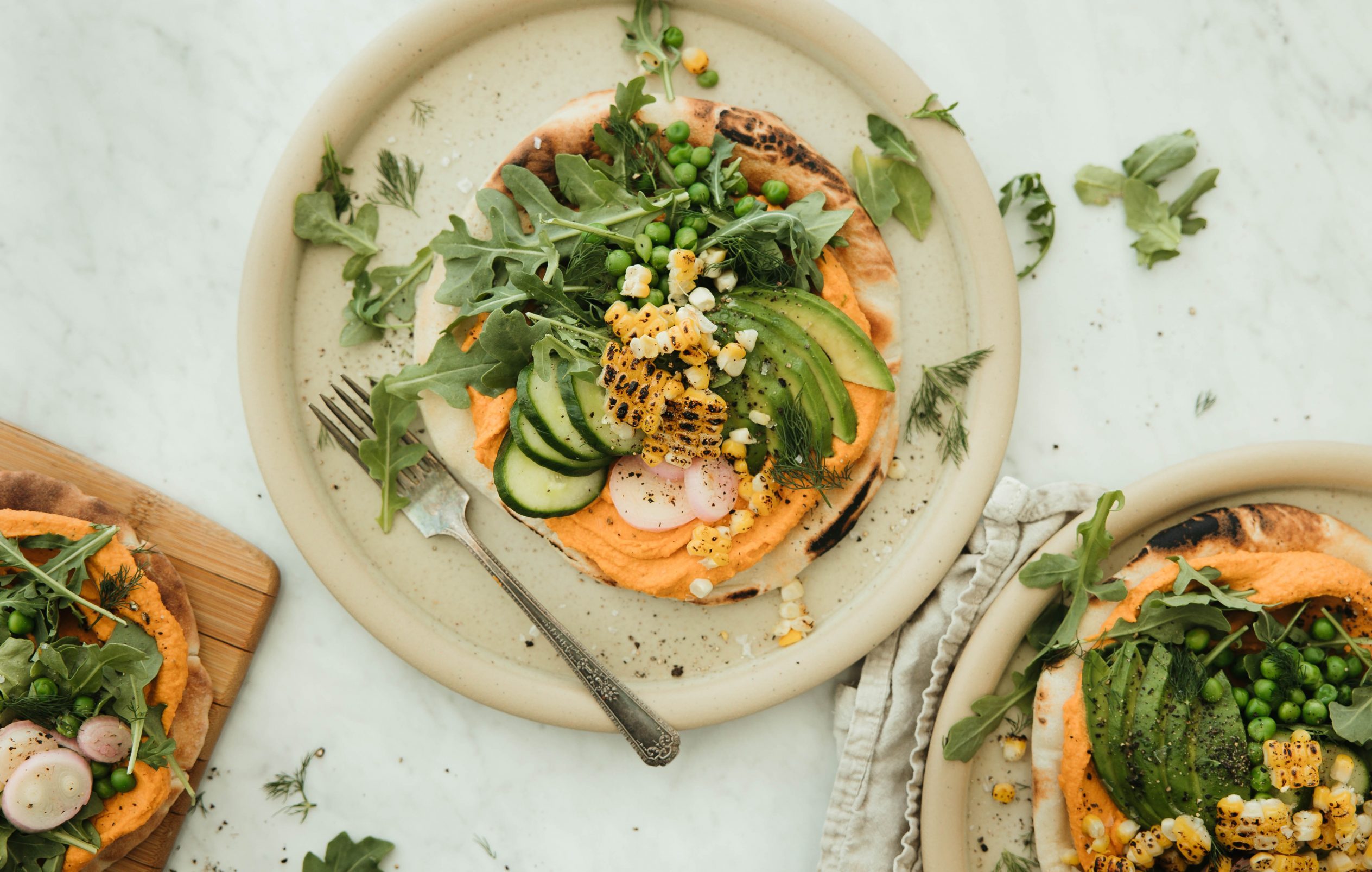
Roasted Carrot and Red Pepper Hummus Flatbread

For a heartier plant-based offering, this vegan flatbread is delish (and simple to whip up!). If you blitz the hummus ahead of time, all that’s left to do is warm your pita, smear on copious amounts of hummus, and top with your favorite veggies.

easy-bruschetta-recipe9

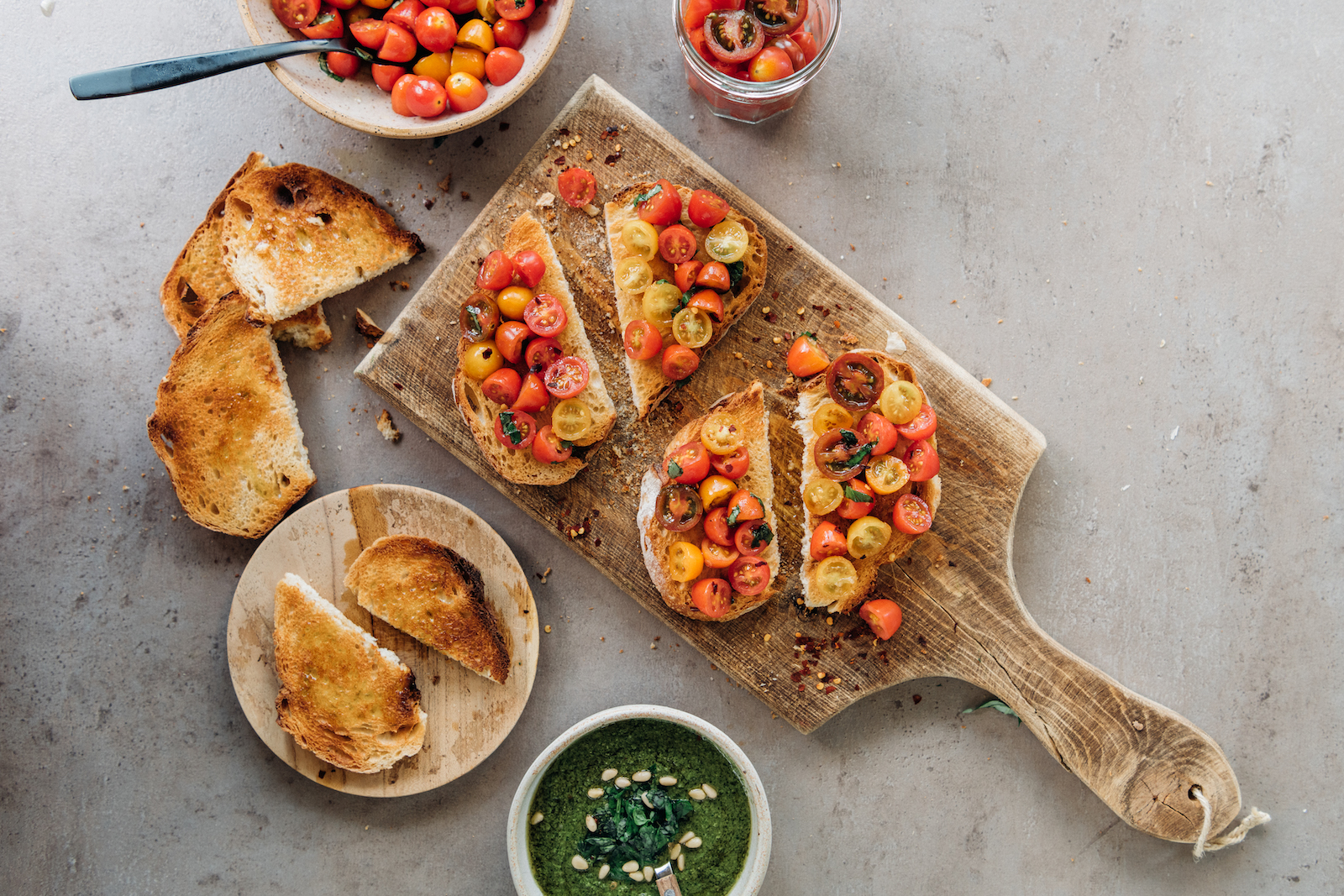
Classic Easy Bruschetta

As a recent tomato fan (used to hate them, sorry), I’m all about bruschetta as an appetizer. This classic bruschetta is, well, classic. All it takes is fresh tomatoes, basil, olive oil, and balsamic vinegar to bring those bruschetta dreams to life. Oh, and toasty sourdough to house these gorgeous toppings. It’s a crowd-pleasing appetizer that you definitely can’t go wrong with!

vegan-pesto-recipe-dairy-free-pesto-0

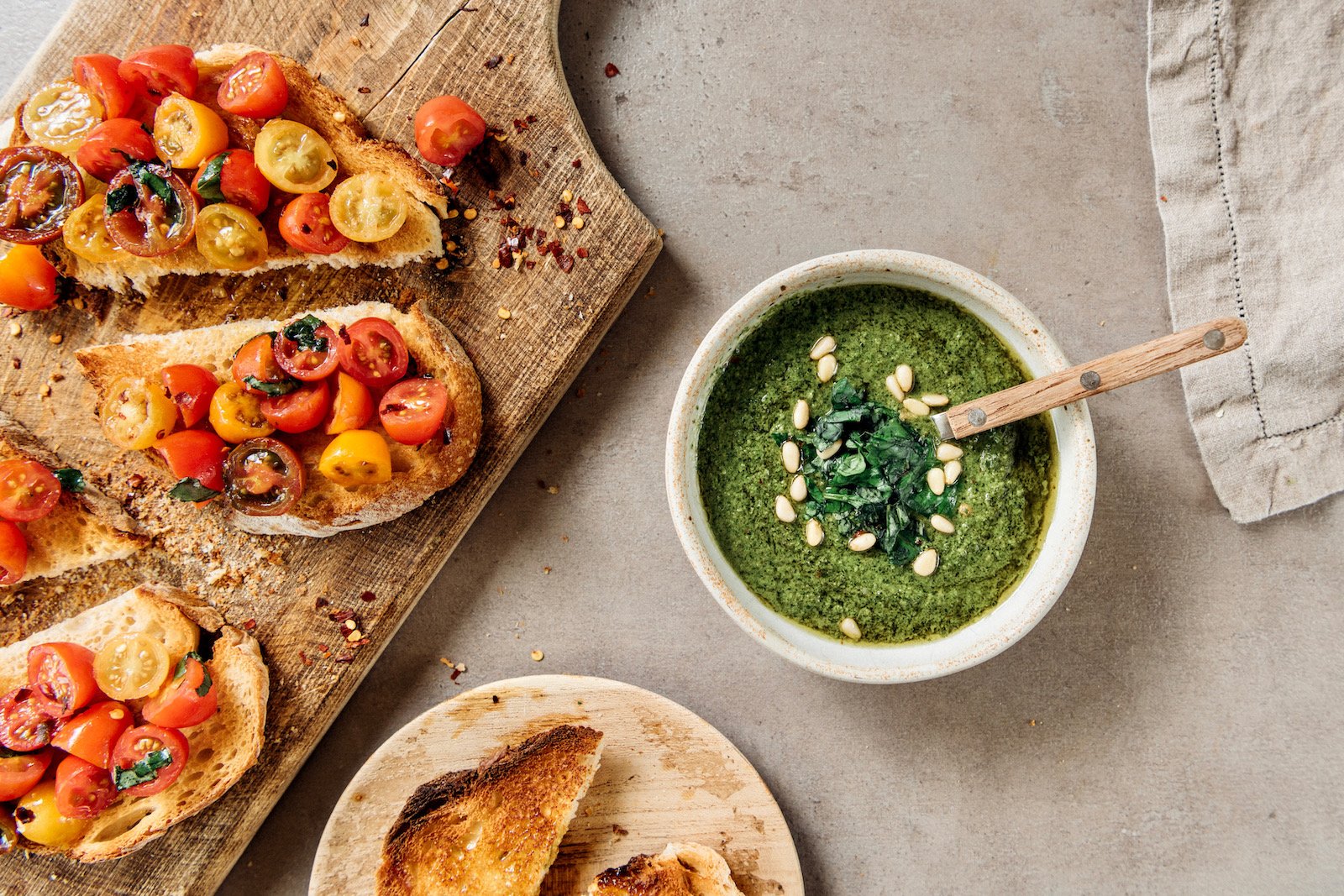
Vegan Pesto

I like to call this one “anytime pesto” because it takes about ten minutes to go from blender to bowl and enhances just about anything you pair it with. You could use this to top bruschetta, pair with crudités, or as a “sauce” option with your Easter spread. Whichever way you choose to take it, be sure to top this pesto with lots of toasted pine nuts and fresh basil.

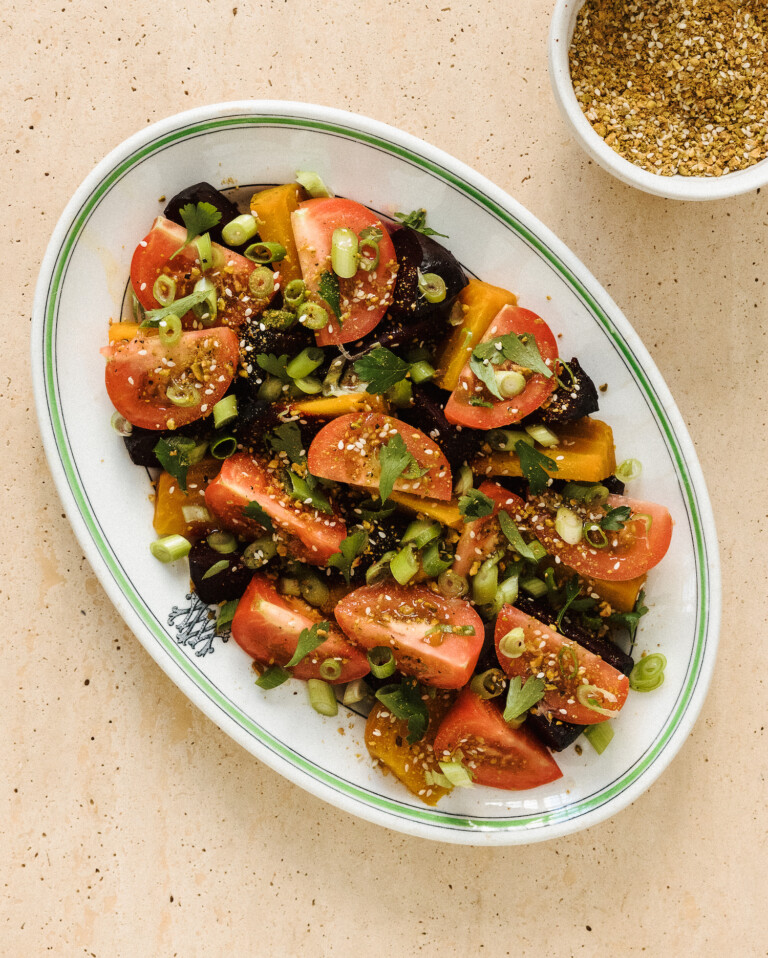
Chloe Crane-Leroux's Rainbow Beet Salad

Rainbow Beet Salad

We love this recipe for how it celebrates the season during one of spring’s most joyful gatherings. The colors feel especially festive, and the fresh ingredients make it a lovely contrast to heavier holiday dishes. It’s simple, stunning, and made to be shared.

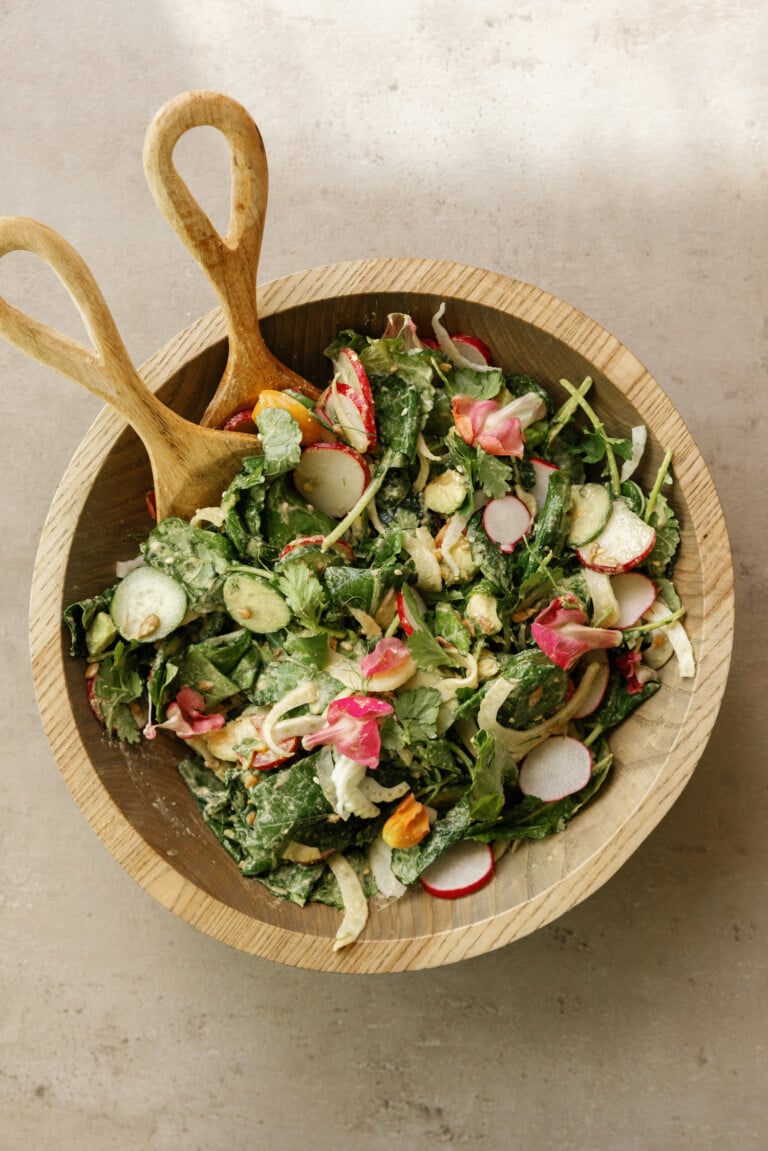
Detox Salad with Cashew Tamari Dressing

Detox Salad With Cashew-Tamari Dressing

This is exactly the kind of Easter side we want to serve: seasonal, nourishing, and effortlessly beautiful. The mix of greens, crunchy vegetables, and creamy cashew-tamari dressing makes every bite feel special. Plus, those edible flowers make it feel especially festive for a spring gathering.

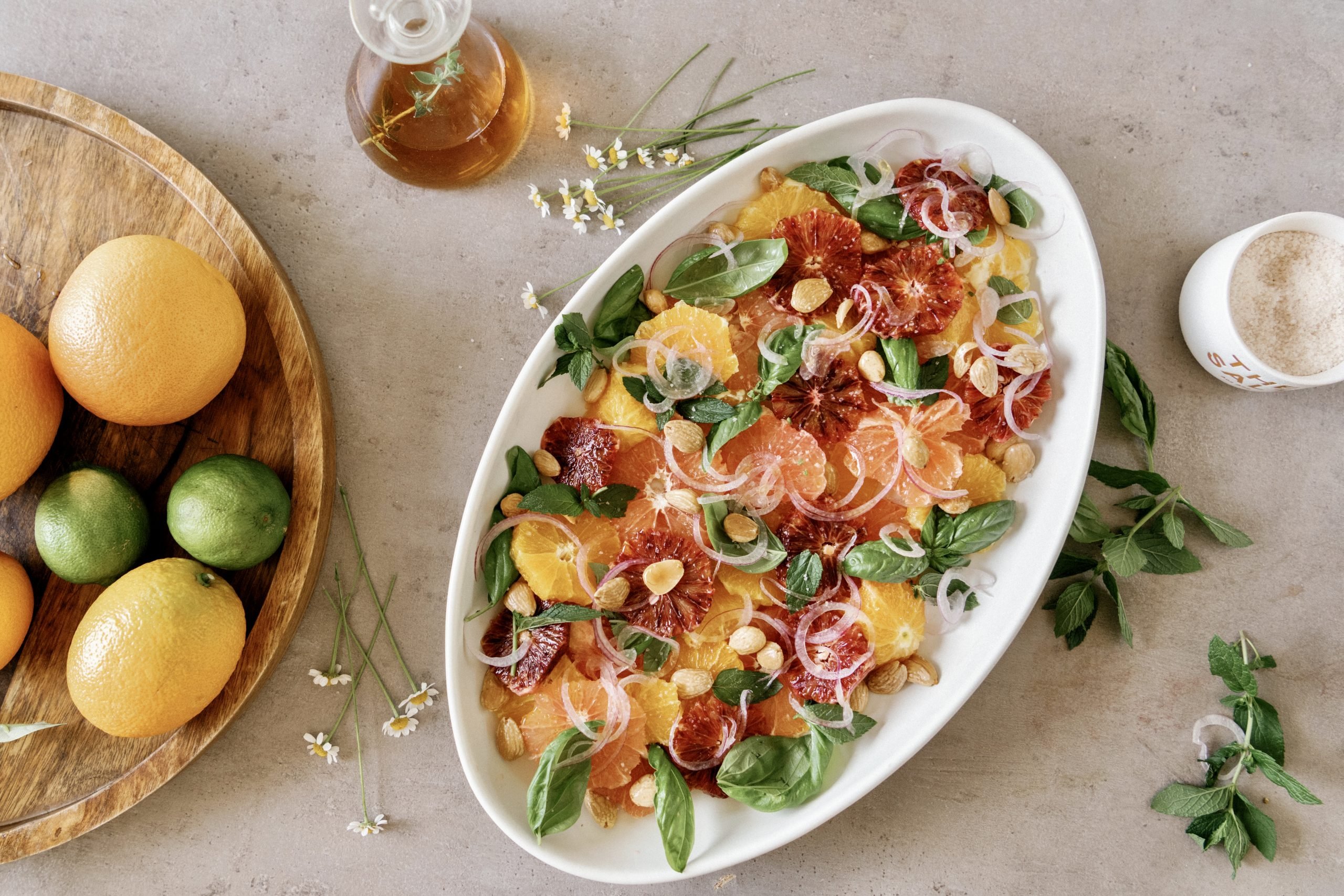
simple-citrus-salad

5-Ingredient Citrus Salad

I’ll never stop raving about this easier-than-pie citrus salad. All you have to do is peel and slice up a mix of citrus fruits, top with shaved red onion and marcona almonds, and finish with olive oil, salt, and pepper. That’s it! It’s a whole that’s so much greater than the sum of its parts, and it makes a stunning centerpiece to any table.

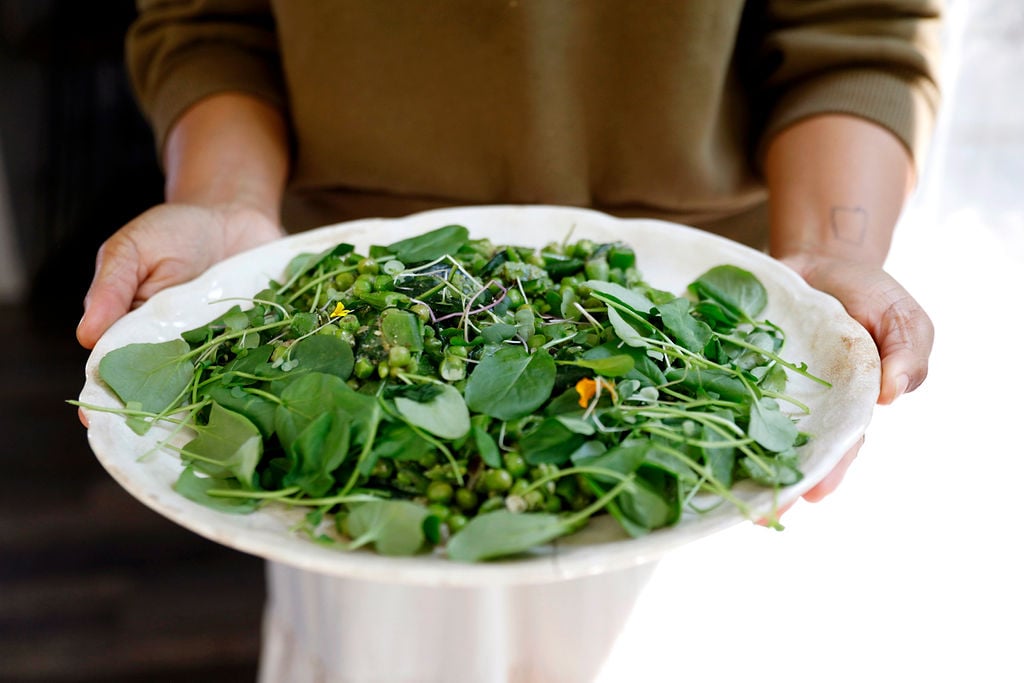
pea salad with mint

Pea Salad with Mint and Microgreens

Whether you’re Team Pea or Team Anti-Pea, you can’t help but admire this gorgeously green side dish. It’s full of springtime veggies like peas (duh), spinach, and sugar snap peas. Plus, it gives such spring vibes, no?

Einkorn Salad With Charred Squash

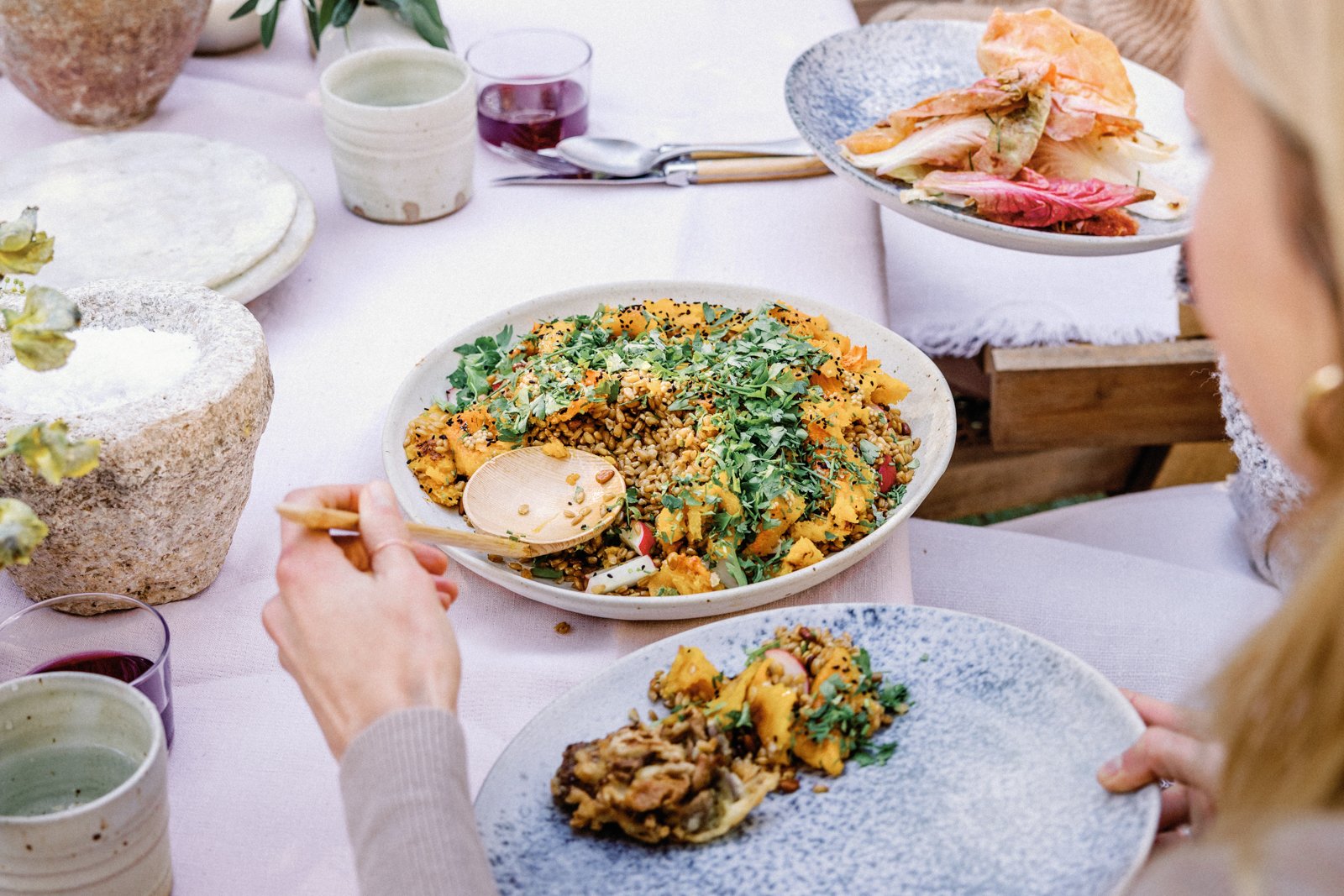
In this salad, einkorn berries straight from the husk are tapped as a textural topping that complements each beautiful element in play. You’ll cook the entire kabocha squash until it’s tender throughout, then layer with radishes, mustard seeds, pine nuts, herbs, and—of course—the einkorn. Consider this your new favorite spring salad, unlocked.

best simple green salad recipe inspired by via carota's insalata verde

The Best Simple Green Salad

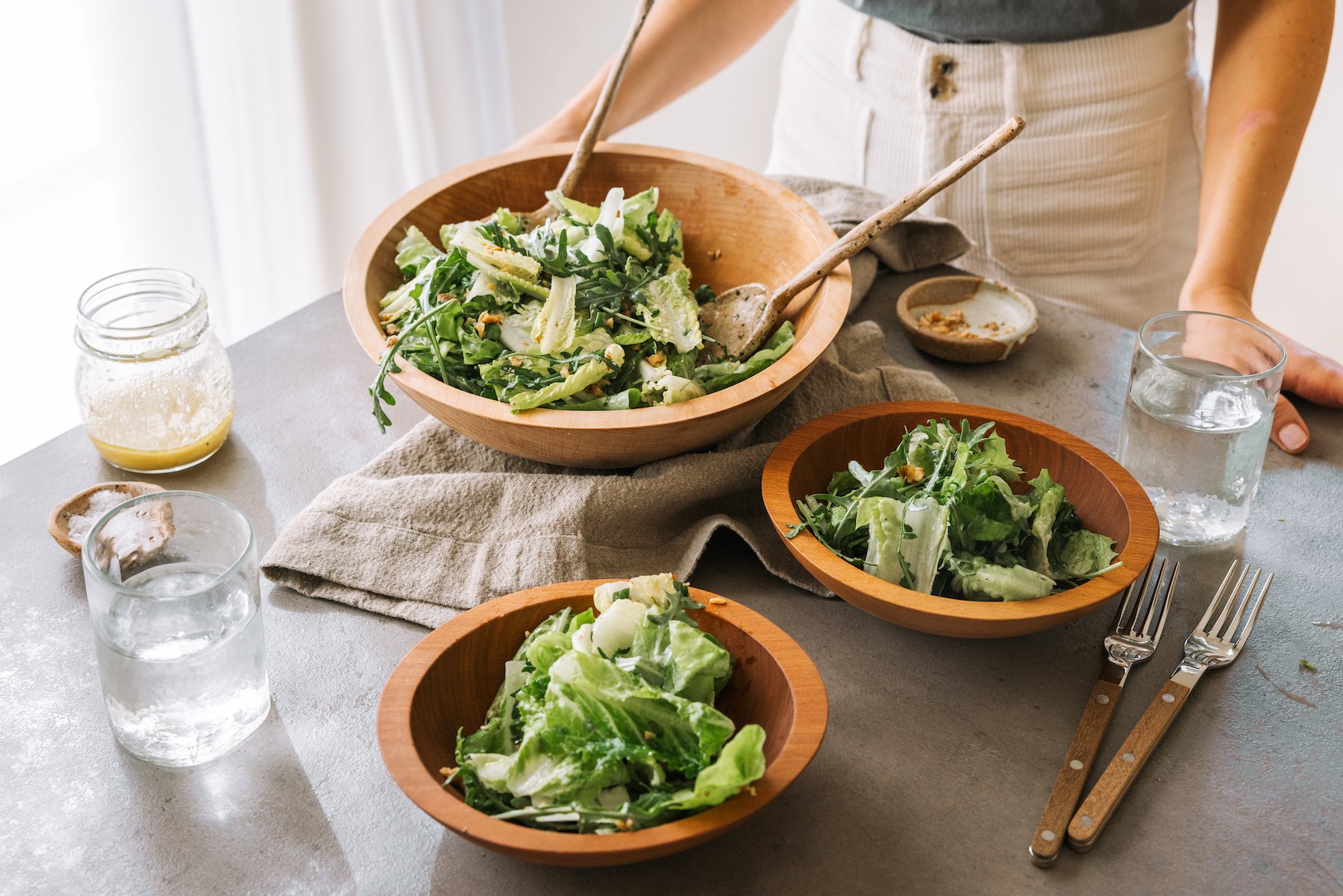
This simple green salad with walnuts and fresh herbs is the ideal sidekick to any other vegan Easter recipes you’ve got on your table. It’s simple enough to complement mains without overpowering any flavors. Pro tip? Shake up that dressing the night before so you can drizzle it over the lettuce right before serving.

farro salad with tomatoes

Charlie Bird Farro Salad

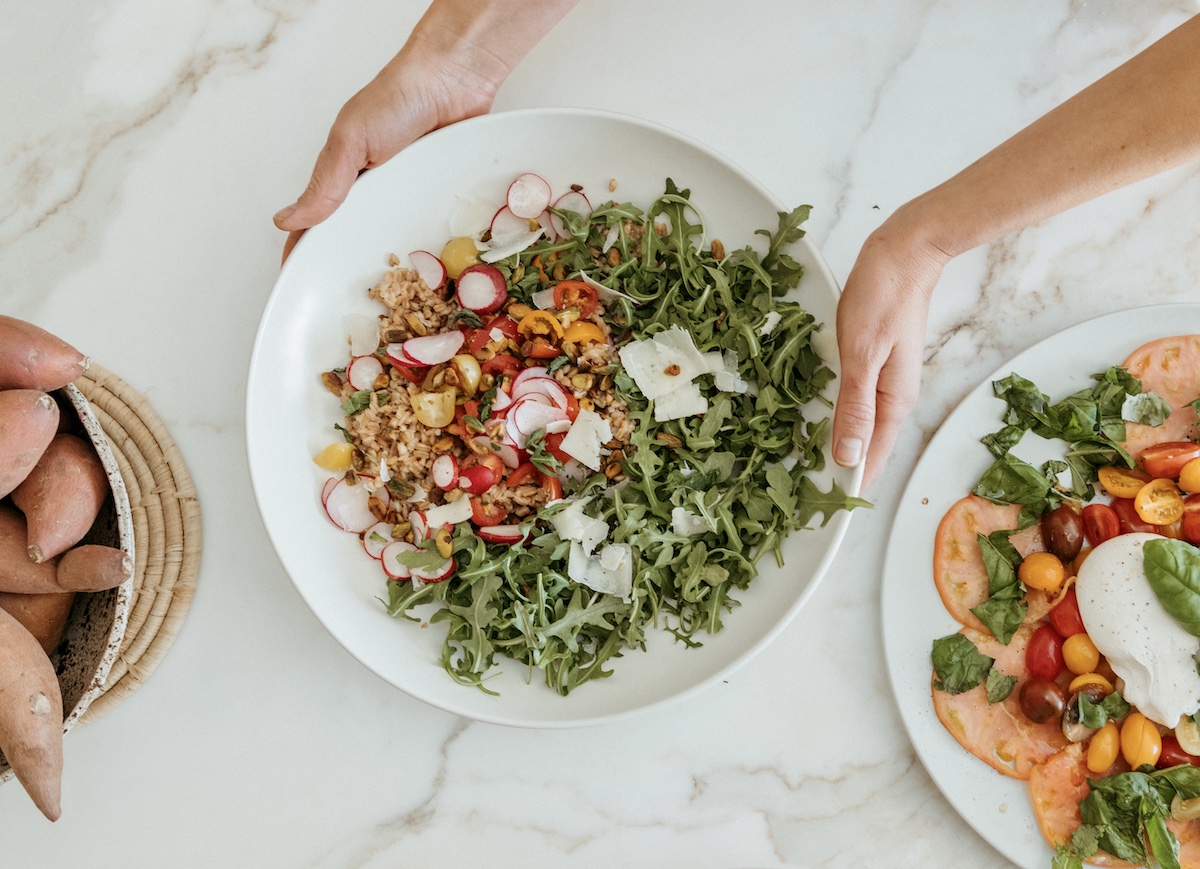
Arugula, cherry tomatoes, pistachios, farro, radish, mint, and more—yes, more—come together to make this stunning salad that’s primed and ready to elevate your Easter table. It boasts the perfect balance of heartiness from the farro and freshness from the veggies, with herbs and crunchy pistachios sealing the deal on flavor and texture.

green goddess pasta salad with a lemony zingy dressing and spring vegetables

Green Goddess Pasta Salad

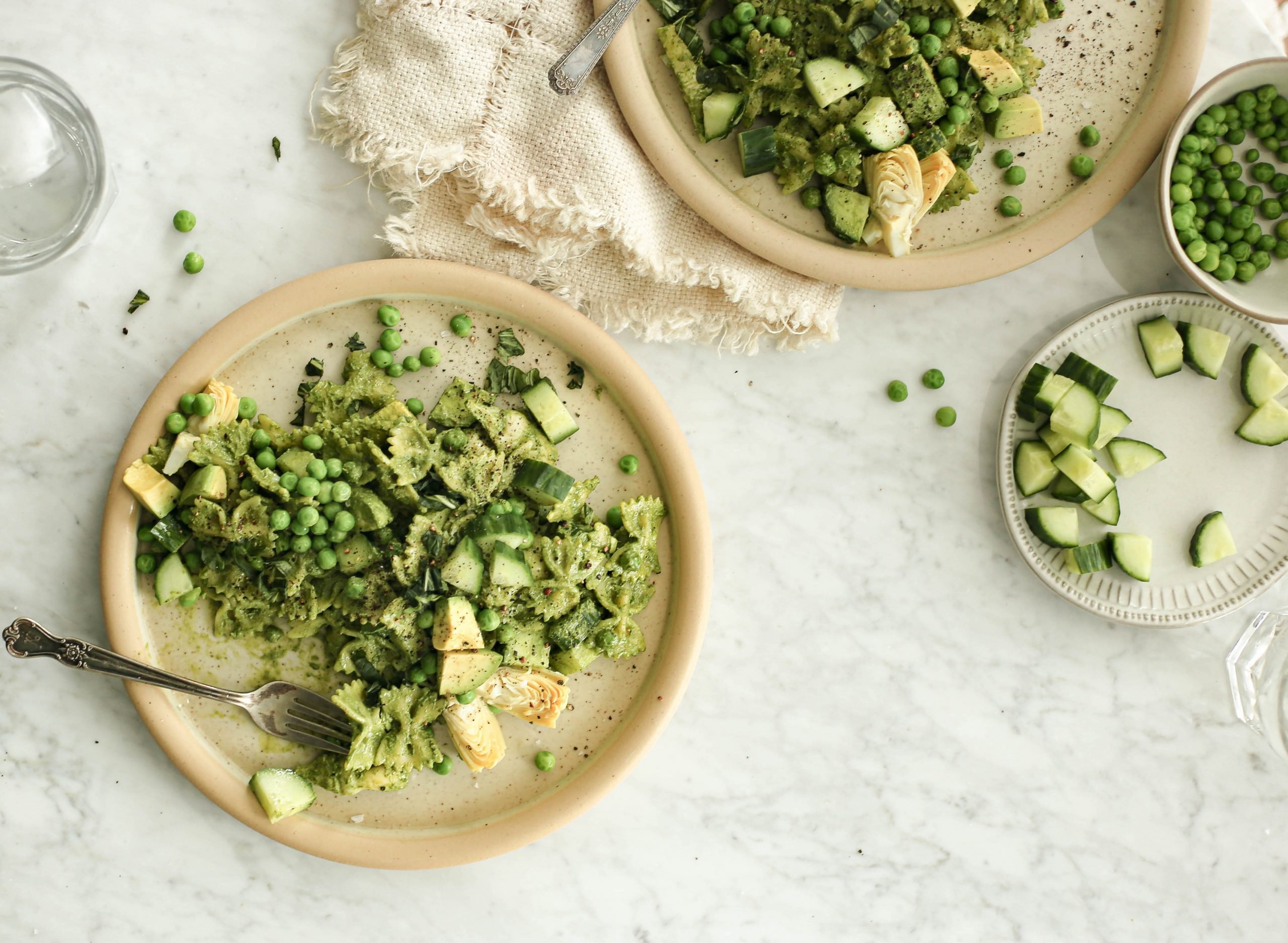
This pasta salad is a lean, green, and not-so-mean staple for any and all pasta salad lovers. The green content is off the charts, so you can pack in lots of veggies in a different format than your typical salad. It celebrates artichokes, avocado, peas, cucumbers, and a whole slew of fresh herbs to tie it all together.

vegan butternut squash soup recipe ingredients

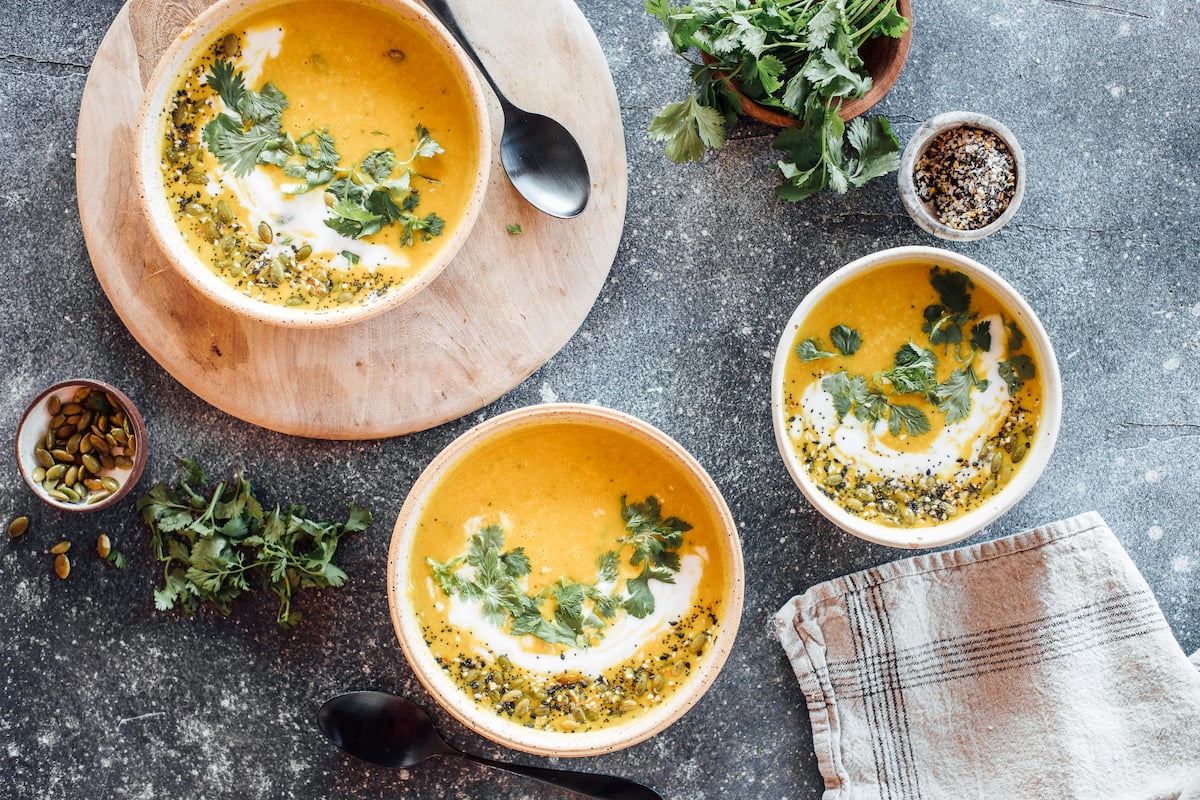
Vegan Butternut Squash Soup

If your Easter table could use something a little cozy, this is the recipe to make. It brings rich flavor and velvety texture, but still feels light enough for a spring gathering. Topped with pumpkin seeds, cilantro, and a drizzle of coconut milk, it’s as pretty as it is satisfying. 

roasted mushrooms

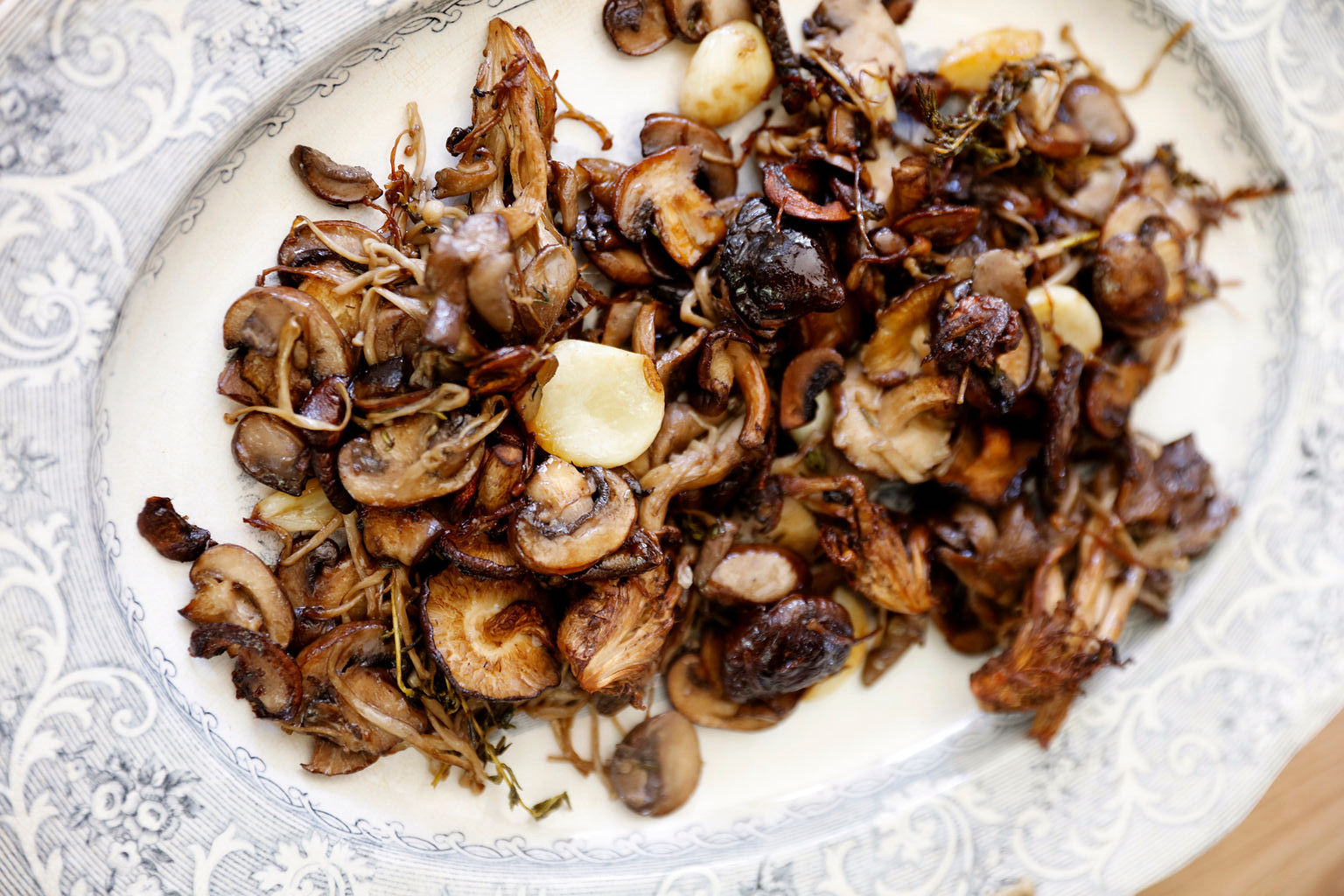
Roasted Mushrooms with Thyme and Smoked Salt

In case you missed it, mushrooms are the new superfood. And in this recipe, they’re superstars as well. You’ll take the little gems to the skillet with olive oil, garlic, and thyme and sauté until they’re caramelized and browned. Then, add in a touch of ghee, apple cider vinegar, and dijon mustard. You can serve these alongside a vegan main or eat them as-is—either way is stunning.

salt and vinegar crispy potatoes-best roast potatoes recipe

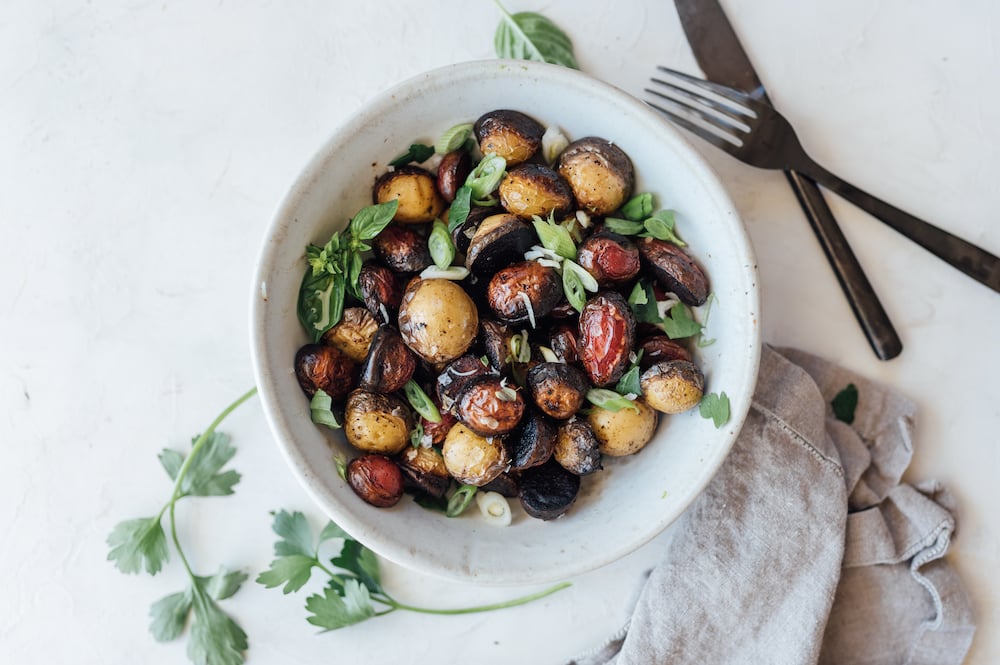
Salt & Vinegar Crispy Potatoes

It’s not an exaggeration to say that these are the best potatoes I’ve ever had. As a devout fan of sea salt and vinegar chips, I was immediately inclined to try this OG potato version. And they did not disappoint. Not only are they easy to make, but the recipe only calls for four ingredients that I almost always have on hand. Run, don’t walk to make these—you won’t regret it.

vegan mashed potatoes

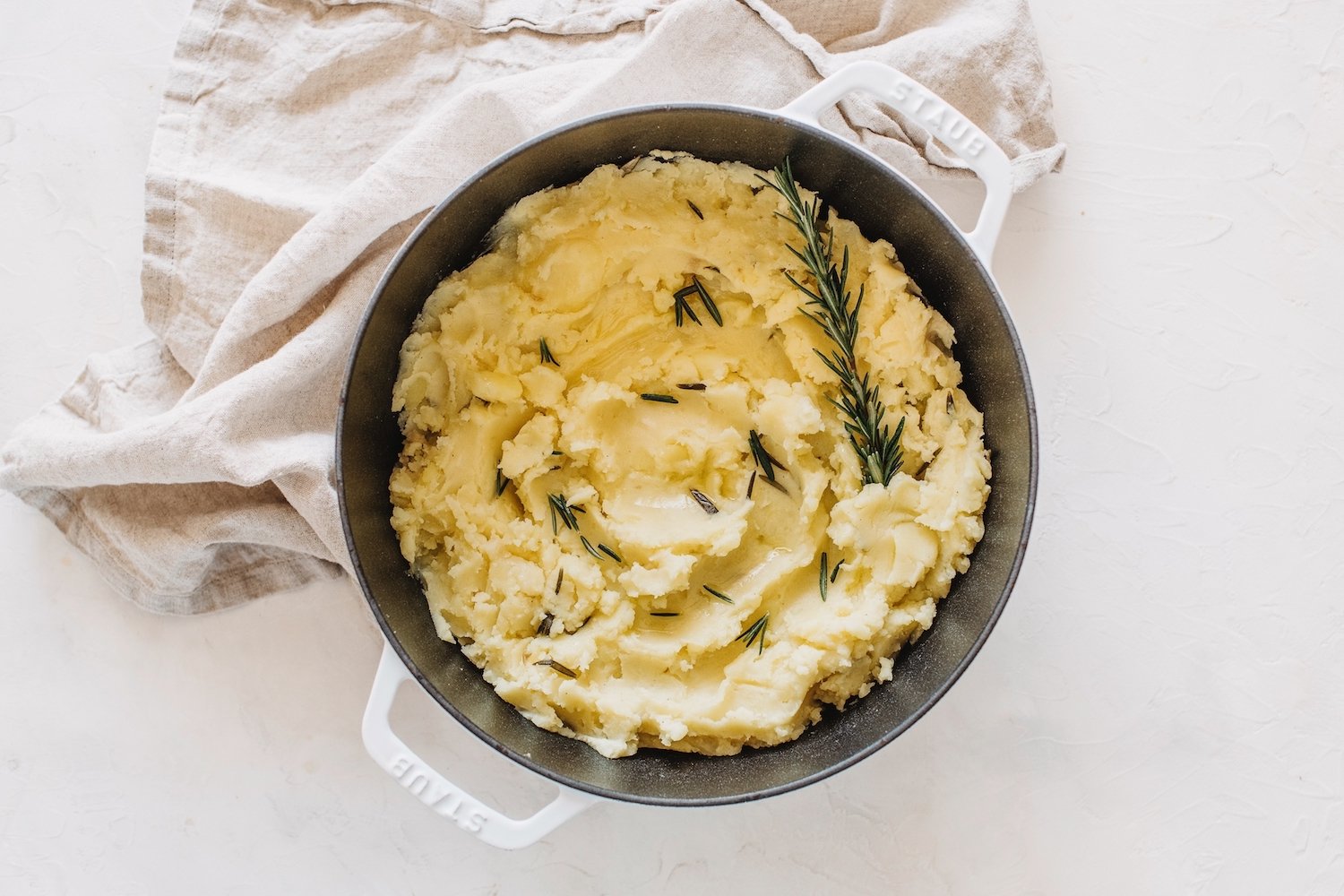
Make-Ahead Mashed Potatoes

Yes, vegan mashed potatoes are possible and delicious! Here, you’re getting all the buttery, potato-y goodness of traditional mashed potatoes without the actual butter. That’s right—these mashed potatoes let the tuber itself shine with lots of olive oil-laced flavor and texture. They’re silky smooth and only taste indulgent. You get a healthier spin without sacrificing taste. Total win-win.

grapefruit vodka cocktail, salty dog, greyhound recipe, casa zuma recycled glass tumblers

Salty Dog Cocktail

Grapefruit, vodka, and agave come together to create a vibrant cocktail that’s perfect for spring. It’s easy to mix up and refreshing thanks to the tart grapefruit. The best part? You can batch it with everything but the sparkling water, which you can add to each glass just before serving.

spring happy hour, ashleigh amoroso, cocktails, green

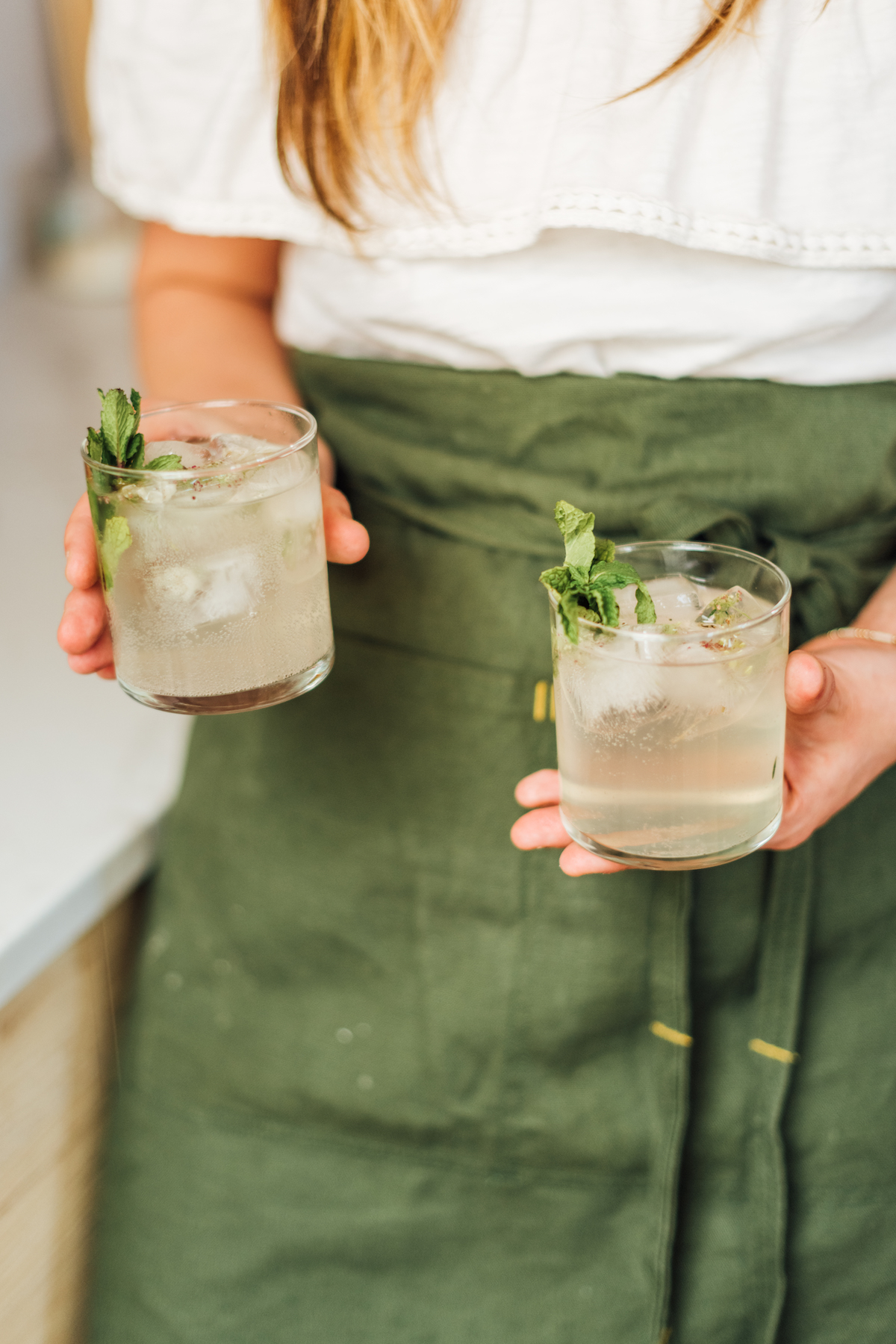
Elderberry Spring Cocktail

Vodka, St. Germain, meyer lemon juice, and sparkling water are all you need to make this showstopping spring sipper. It’s festive with those gorgeous floral ice cubes, so I encourage you to give those a try. Dainty chamomile flowers make the cutest cubes, but feel free to experiment! Lavender, forget-me-not’s, thyme—the possibilities are endless.

carrot-cake-cupcakes-camille-styles-9640

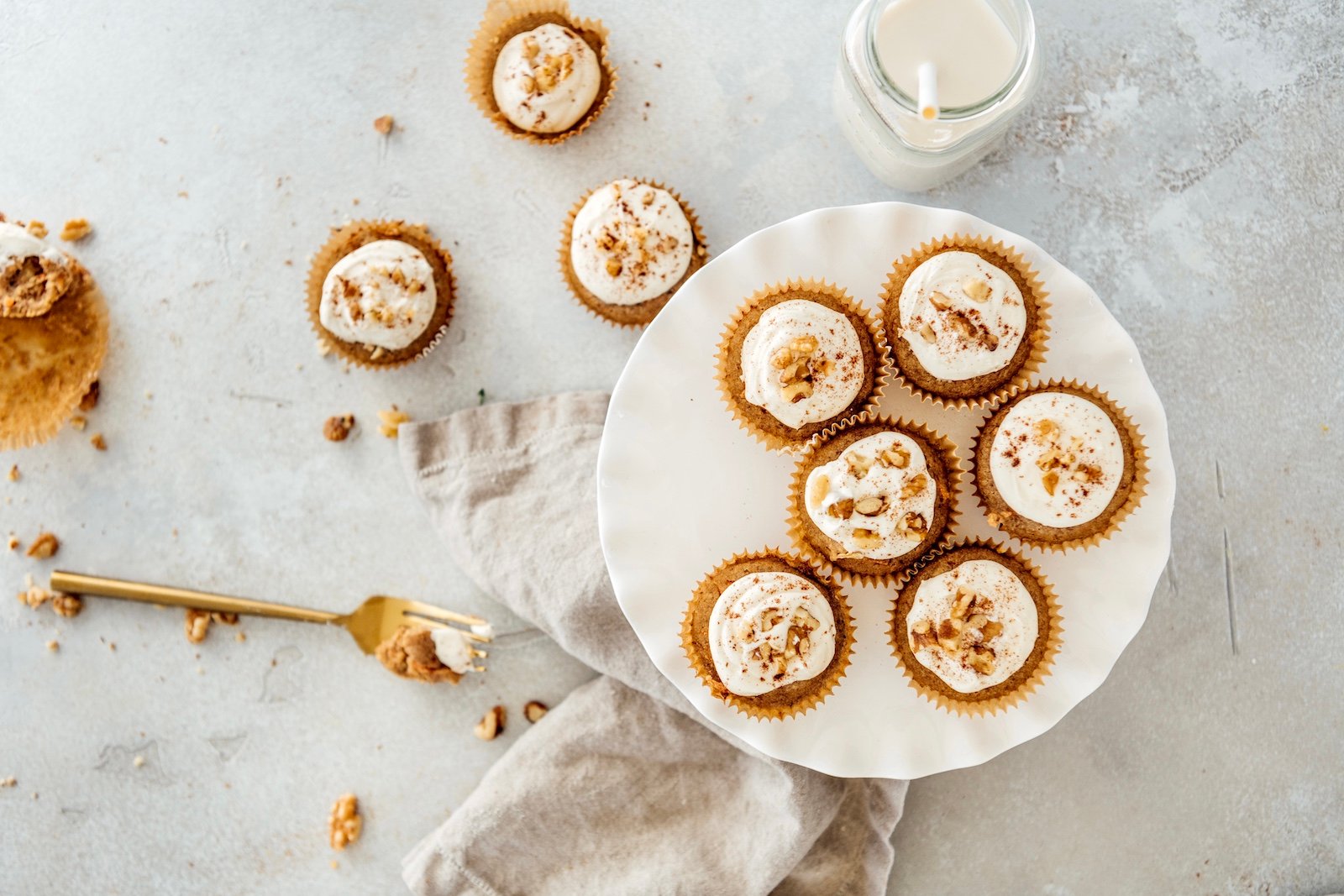
Gluten-Free & Vegan Carrot Cake Cupcakes

Carrot cake, but in miniature, grab-and-go form. On top of that, this recipe is a cleaned-up classic that you can come back to over and over. With oat milk, maple syrup, walnuts, and shredded carrots, this cupcake is perfect in every way.

gluten-free-strawberry-shortcake-recipe-dairy-free00012

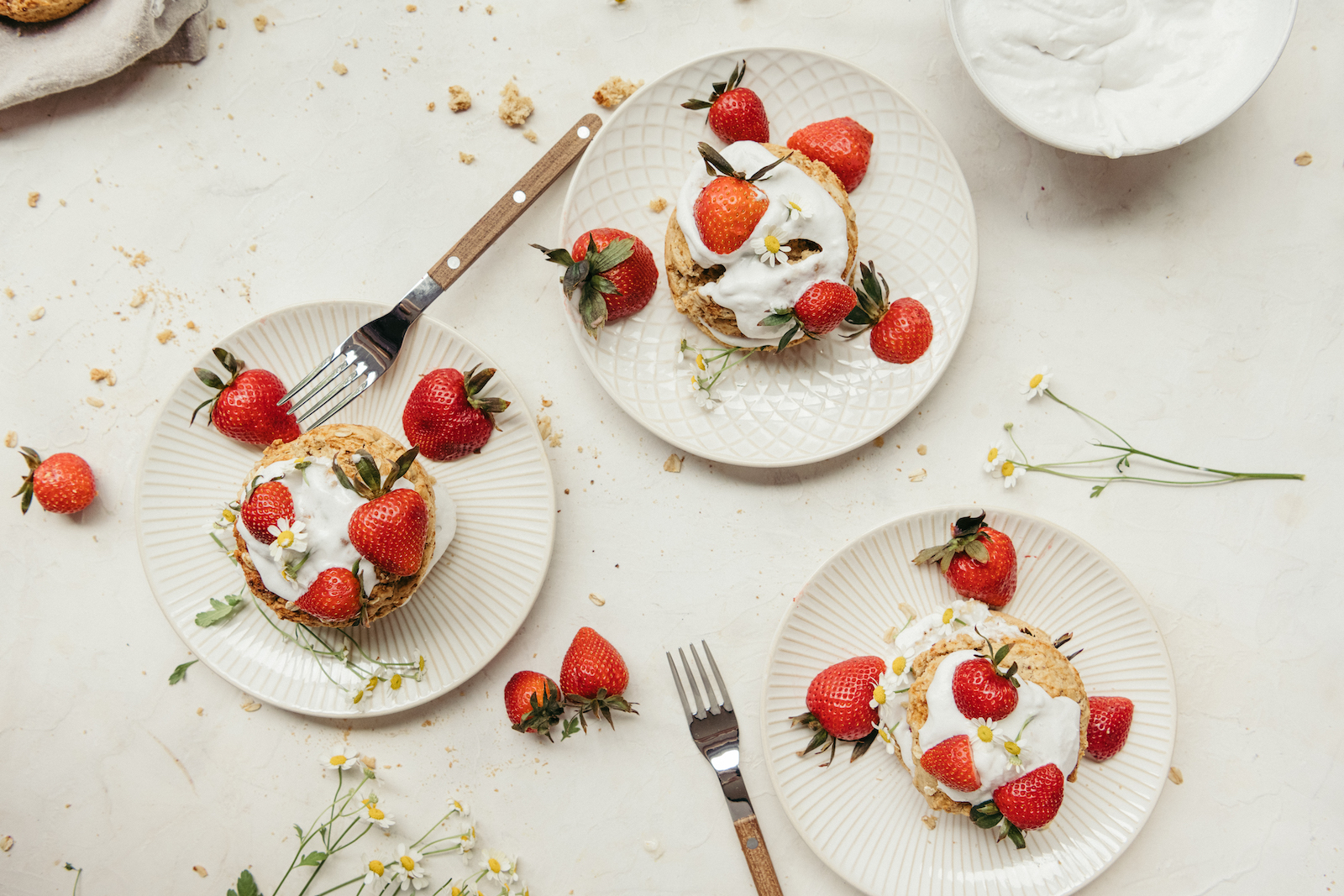
Vegan and Gluten-Free Strawberry Shortcakes

This gluten-free, vegan strawberry shortcake is a true spring classic—reimagined with a lighter, plant-based twist that doesn’t sacrifice flavor. With crisp, golden biscuits that stay tender inside and just sweet enough to let the juicy strawberries shine, it’s the kind of dessert that feels both nostalgic and fresh.

banana cashew baked oatmeal

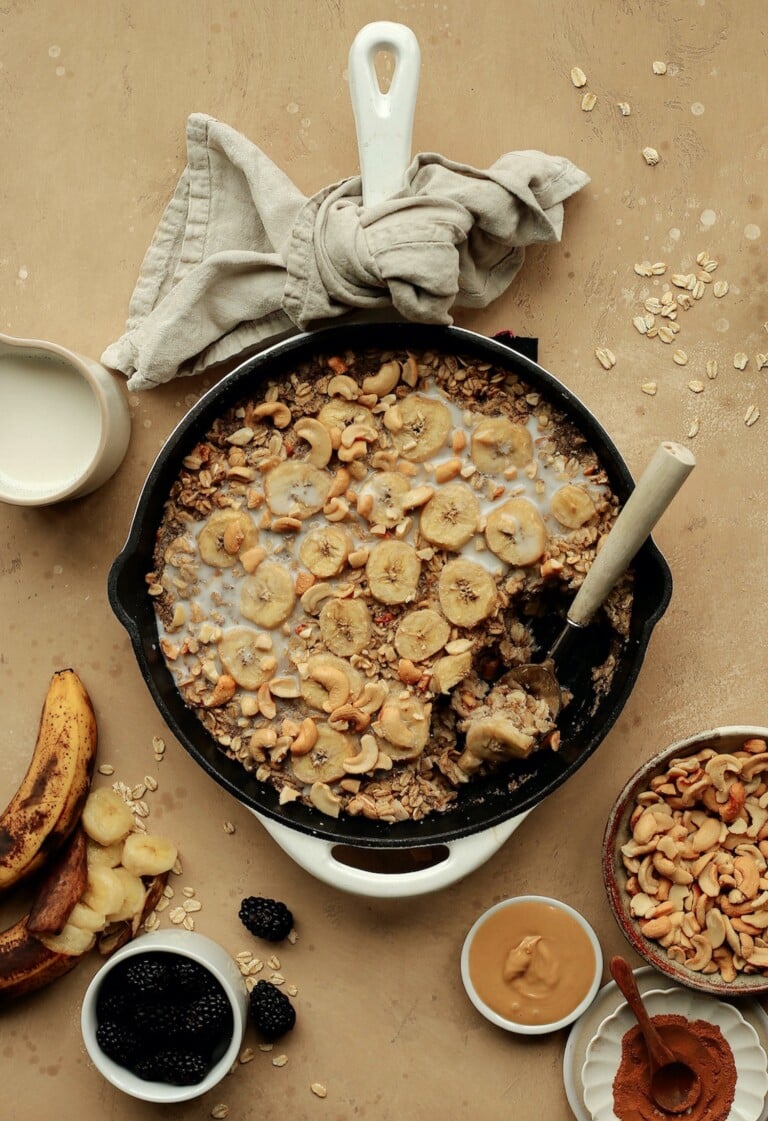
Banana-Cashew Baked Oatmeal

You know all about chilled overnight oats, but let me introduce you to a warm-style oatmeal bake that you can meal prep for your gathering. This oatmeal combines banana, peanut butter, cashews, and cinnamon plus oats and ground flaxseed to bulk up the health benefits. You can prep this entirely beforehand, then either bake it immediately and reheat the next day, or refrigerate and wait to enjoy it straight out of the oven. You can’t go wrong with either.

This post was last updated on March 31, 2026, to include new insights.

The post 20 Plant-Based Easter Recipes (That Everyone Will Want to Devour) appeared first on Camille Styles.

  •  

6 Areas to Declutter This Spring—According to Organizing Experts

adriene mishler austin home

Perhaps it’s my very Virgo tendencies, but thinking about spring cleaning always makes my heart skip a beat. The rush that comes with a clean, organized space, paired with wide-open windows and sunlight streaming through, is second to none. The rush and anticipation can be short-lived, however, especially as you dive into the actual work of cleaning and organizing. Before spring cleaning can begin, there needs to be a spring-cleaning declutter. But the question of what to declutter in spring can be overwhelming.

What to declutter first? Do I need a spring decluttering checklist before diving into my cleaning? Before you know it, you may throw your hands up and abandon the whole project altogether. That’s exactly why I asked the pros for all of their spring decluttering tips. 

What to Declutter This Spring: 6 High-Impact Areas to Start With

Ahead, cleaning and organizing professionals weigh in on the items you should declutter first. Tackle these spaces before you reach for the mop to get the most bang for your buck this spring. 

Pin it Reading coffee table books

Drop Zones

First things first, it’s helpful to check in on the spaces where you and your loved ones place items every day. Nick Friedman, Co-Founder & CEO of College HUNKS Hauling Junk & Moving, calls these spaces drop zones. “The fastest win in any home is clearing the drop zones: entryways, kitchen counters, and coffee tables,” he shares. “These spaces collect mail, bags, random gadgets, and everyday clutter. When these surfaces are cleared, the entire home immediately feels more organized. It’s a small project with a huge visual impact.” 

To tackle the clutter efficiently, keep a recycling bag nearby to toss bits of paper in as you go, and a trash bag for items to discard.

Kids’ Belongings 

If you have kids, you already know how much they can accumulate. Vanessa Garcia, a cleaning and organizing expert and a Tasker for Taskrabbit, encourages parents to start setting aside kids’ belongings before diving into a spring clean. “One of the biggest things that I find to be a great clean-out to-do is going through kids’ belongings—old markers, broken crayons, and old toys that could be donated,” she says. “It’s always a great time to start pulling them up and putting them to the side, because most of the time they won’t notice.”

Garcia recommends involving your kids in the decluttering process. “It can be a great learning opportunity for children to do something good with what they have,” Garcia continues. 

Pin it

The Fridge and Pantry

As they say, the kitchen is the heart of the home. Just like your wardrobe lightens up for spring, so does your food, especially as more fresh fruit and veggies come into season. But before you can do a deep clean of your kitchen, Cathy Orr, co-founder of The Uncluttered Life, recommends doing a fridge and pantry clean-out

“Time to toss expired pantry goods, give the refrigerator and freezer shelves a thorough cleaning, take out food from the freezer that you never ate during the winter, and clear and clean the countertops,” she instructs. Once you create more space on the shelves, you can wipe everything down, but that initial clean-out is essential. 

Pin it Woman organizing a closet

Closets

Going from winter to spring means your closet will need to switch with the seasons. You might as well declutter while you do it, and reap the rewards of a refreshed space. “Closets are one of the highest-impact decluttering projects,” Friedman says. “Instead of overthinking it, I encourage people to do a quick pass: if you didn’t wear it last season or it doesn’t fit your lifestyle anymore, it’s time to donate it. Most people are surprised by how much space they gain with just a 20-minute edit.” 

Hidden Clutter

It can be easy to toss clutter behind closed doors. Out of sight, out of mind, right? But as you prep your home for spring cleaning, you’ll want to make room for the items you actually want to store. “Clear out the hidden clutter zones such as garages, junk drawers, and storage closets where clutter accumulates,” Friedman recommends. “These spaces may be out of sight, but they often create the most stress because they make it hard to find what you actually need. Once these areas are pared down, it becomes much easier to keep the rest of the home organized.” 

I personally love tackling junk drawers—they’re small spaces that only take a few minutes to organize, tops. You can’t wipe down the drawers until they’re clean anyway!

Pin it junk drawer kitchen storage

Duplicates

As you go looking for spring cleaning supplies, be on the lookout for any duplicates. “One of the most common things we see when helping clients declutter is an overabundance of duplicates,” Friedman shares. He mentions clients often have duplicates of cleaning supplies, as well as extra kitchen tools or boxes of items labeled just in case. He encourages you to discard or donate these items. “Keeping excess often just becomes clutter. Simplifying these categories can free up a surprising amount of space,” he explains. 

As you start your decluttering process, Friedman recommends embracing the excitement that comes with starting something new.  “My biggest piece of advice is to focus on momentum over perfection,” he shares. “Start with the areas that will make your home feel better immediately. When you declutter the high-impact zones first, spring cleaning stops feeling like a huge project and starts feeling like a refresh.” 

The post 6 Areas to Declutter This Spring—According to Organizing Experts appeared first on Camille Styles.
  •  

Mother’s Day Brunch Recipes You Can Absolutely Pull Off

Mother’s Day doesn’t need a packed reservation or an overcomplicated plan to feel special. In our experience, the best celebrations happen at home—when the table is set with care, the food is simple and seasonal, and no one’s rushing off to the next thing. Brunch is the sweet spot: a little slower and just indulgent enough to feel like a treat.

These easy recipes are collected with that in mind. Think fresh, spring-forward dishes that come together easily, a few make-ahead options so you’re not stuck in the kitchen, and just enough intention to make the morning feel considered. Whether you’re hosting your mom, gathering with friends, or carving out a moment for yourself, this is about creating a meal that feels as good to make as it does to sit down and enjoy.

sweet potato jammy egg breakfast bowl2

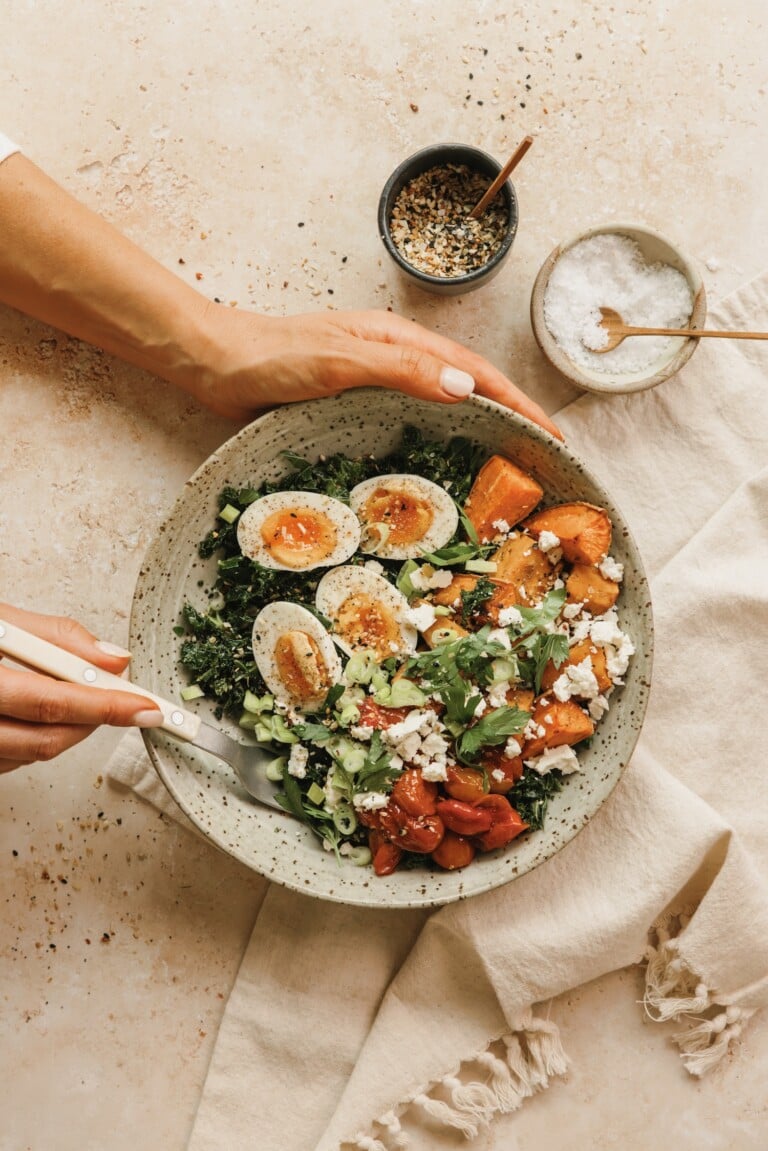
Sweet Potato & Jammy Egg Breakfast Bowl

This is the kind of breakfast that feels right for a morning when you want to make things a little more thoughtful. It’s packed with protein, fiber, and healthy fats, but still feels like the kind of meal you’d want to linger over on a slow morning. 

Farmers market frittata

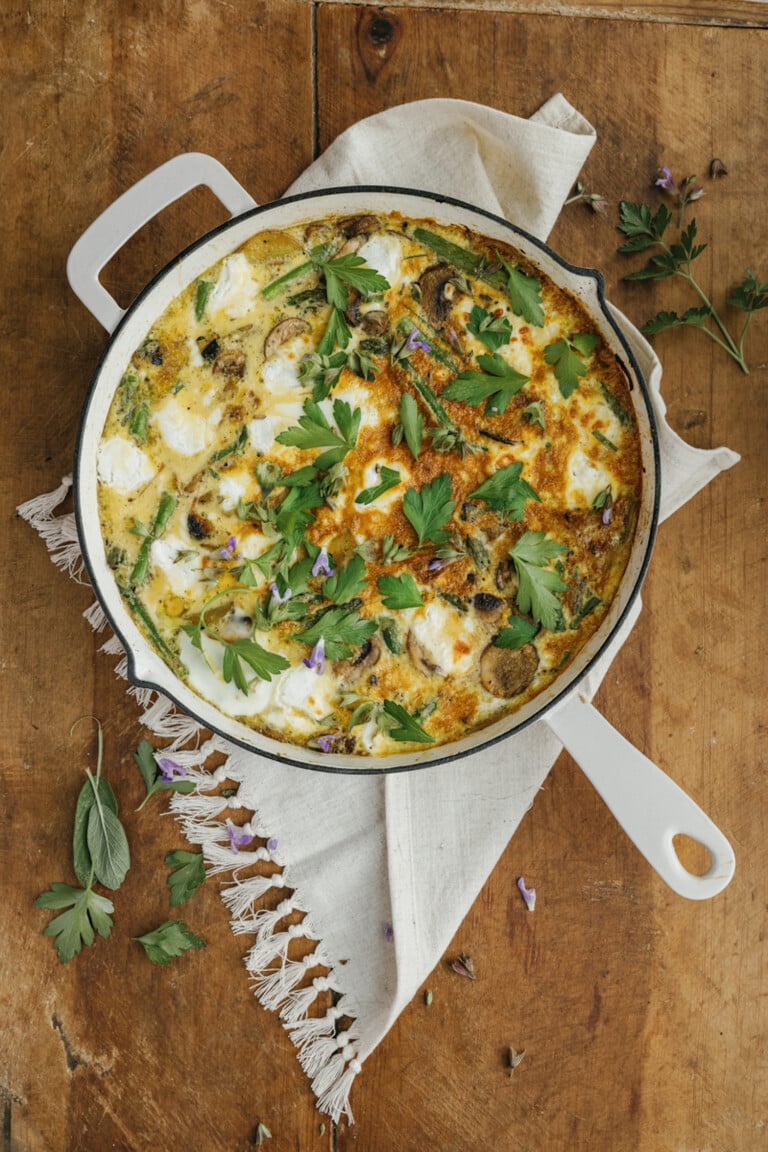
Asparagus, Potato, & Goat Cheese Frittata

This frittata is everything we want from spring cooking: simple, colorful, and built around the season’s best produce. With tender asparagus, creamy goat cheese, mushrooms, and baby potatoes, it’s the kind of dish that works just as beautifully for brunch as it does for a light dinner. 

green shakshuka

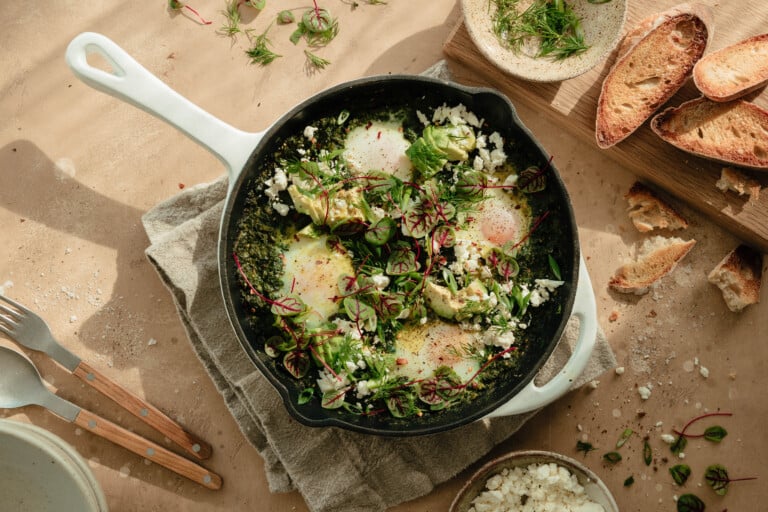
Green Shakshuka

For the mom who loves a savory breakfast, this is such a lovely alternative to the usual sweet brunch spread. It’s warm, colorful, and layered with flavor, with just enough flexibility to dress up with whatever fresh toppings you have on hand. 

bacon egg avocado breakfast tacos

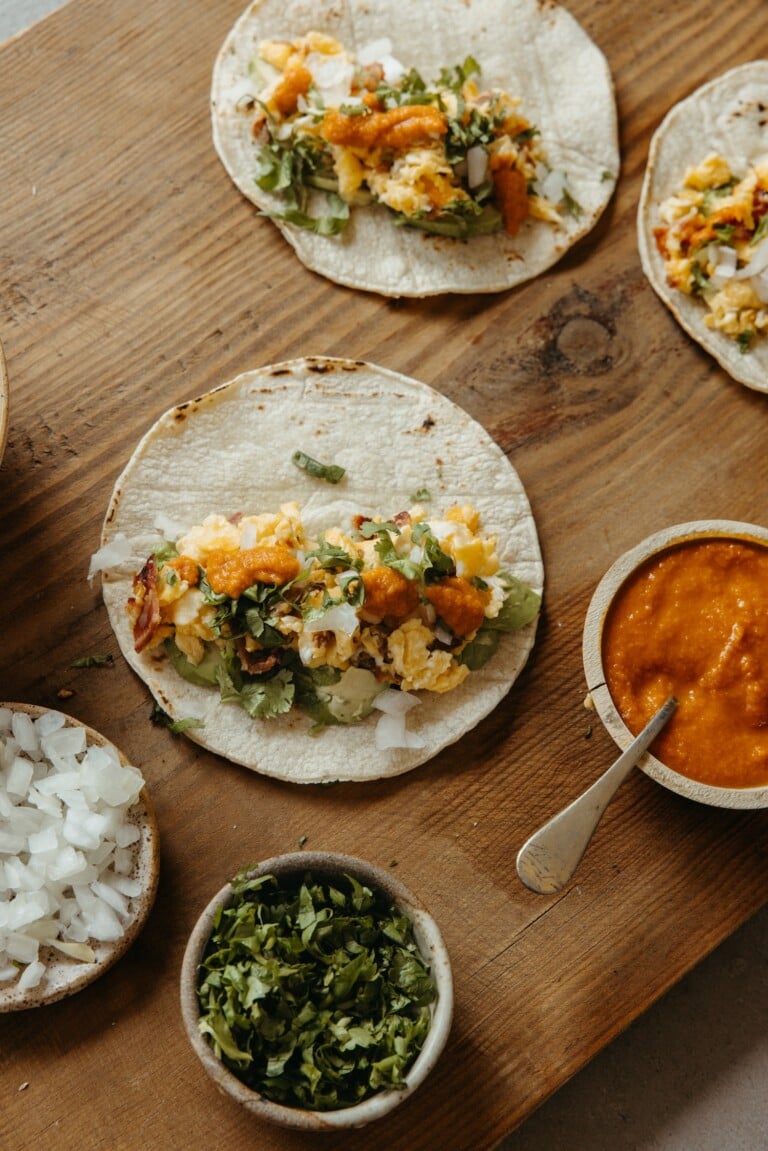
Bacon, Egg, and Avocado Breakfast Taco

Not every brunch centerpiece has to be elaborate to feel memorable. These tacos have that easy, gather-around-the-table energy, with a combination of creamy, crunchy, smoky, and fresh that always works. 

Burrata Toast with Blood Oranges and Pistachios

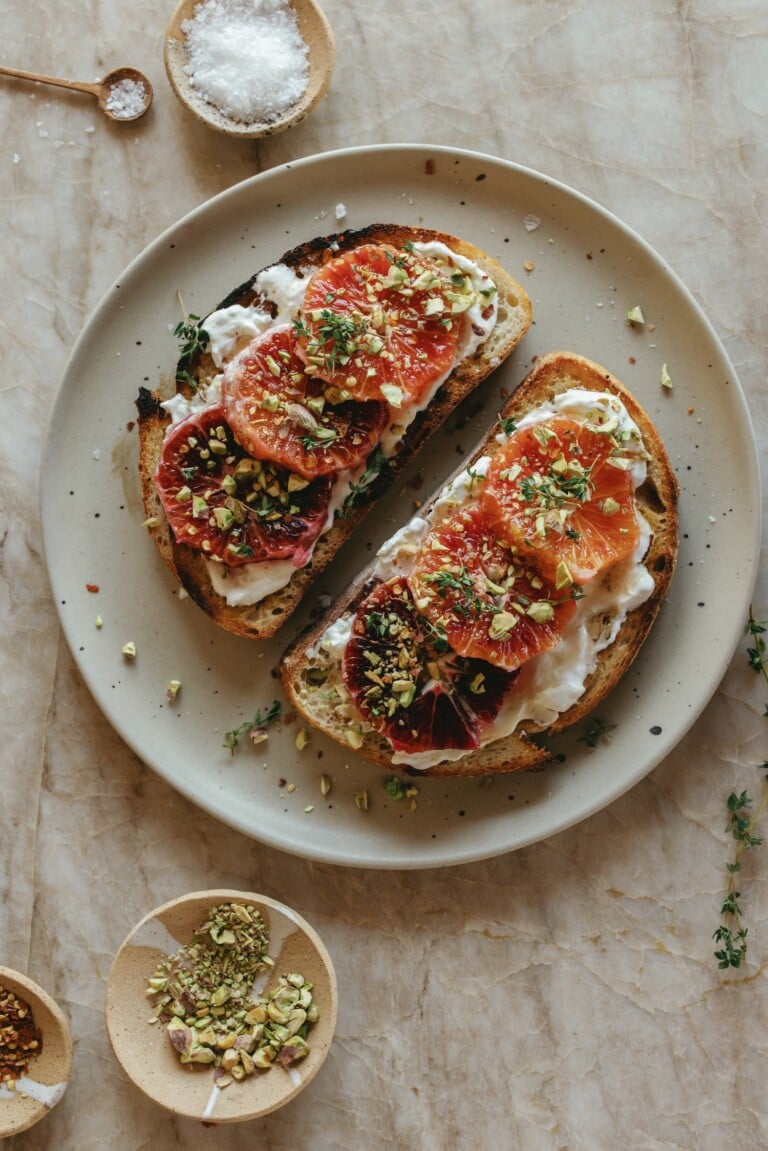
Burrata Toast with Blood Orange, Pistachios & Honey

If you want something that brings a little beauty to the table without requiring much time, this toast more than delivers. It’s ready in about 15 minutes, but the mix of citrus, burrata, honey, and flaky salt makes it feel far more special than the effort suggests. 

smoked salmon toast recipe

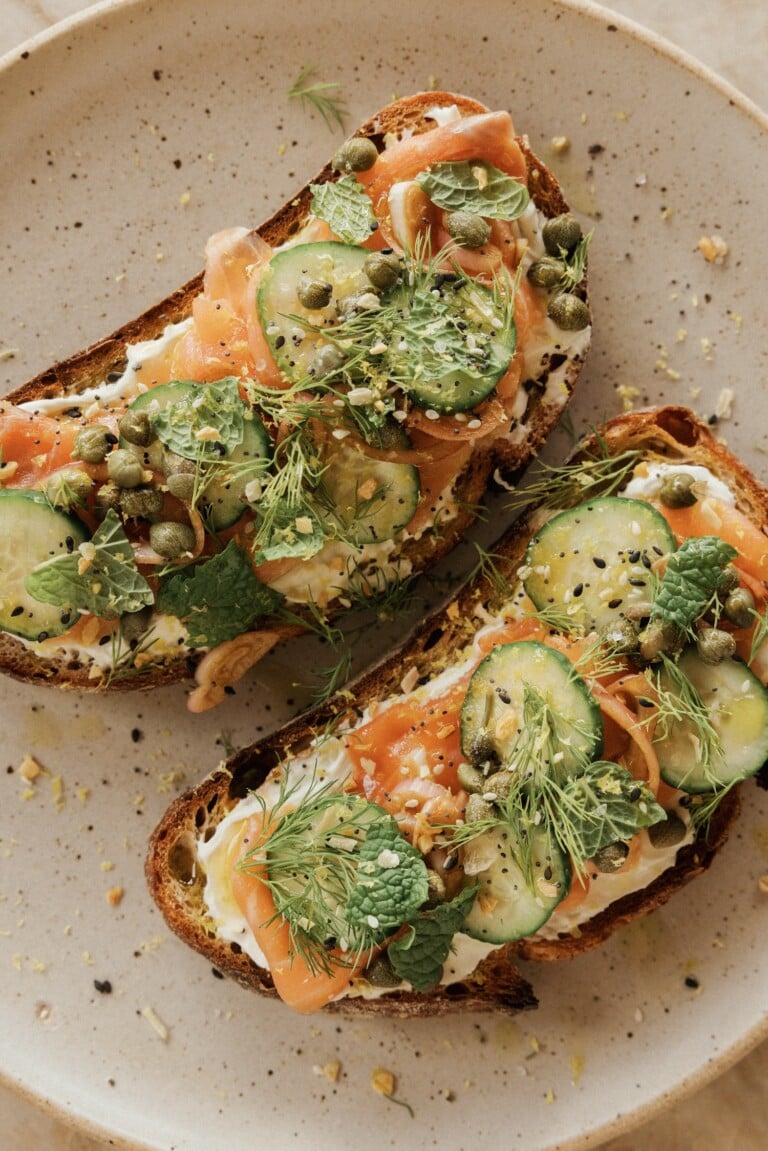
Smoked Salmon Toast

If you want something that feels fresh and special without turning on the stove for long, this is the recipe. It has that classic bagel-and-lox energy, but in a version that feels lighter, prettier, and a little more gathering-friendly. 

pumpkin spice granola

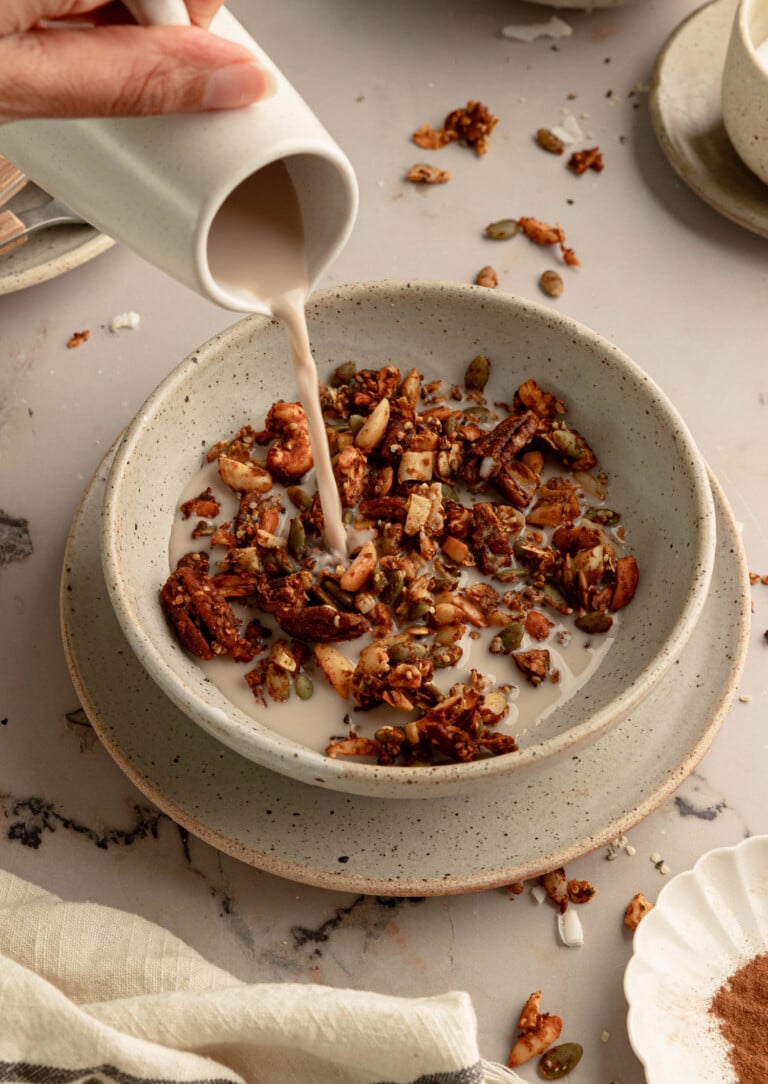
Pumpkin Spice Grain-Free Granola

For a menu that leans fresh, light, and a little elevated, this granola fits right in. It’s crisp, flavorful, and easy to make ahead, which makes it ideal for a morning when you want things to feel relaxed and still beautiful.

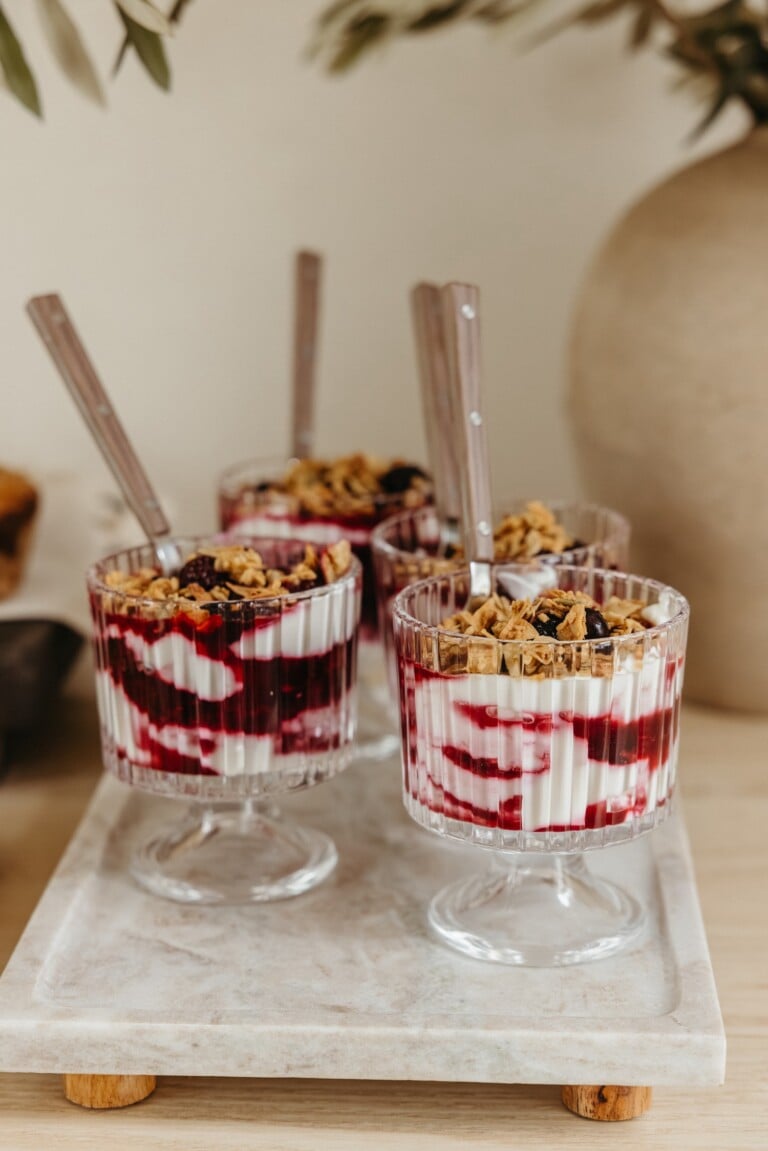
yogurt berry parfait

Berry & Yogurt Parfait

This is one of those easy additions that makes the whole brunch feel a little more complete. The berry sauce can be made ahead, and once layered with yogurt and granola, it brings a fresh, colorful contrast to the table. 

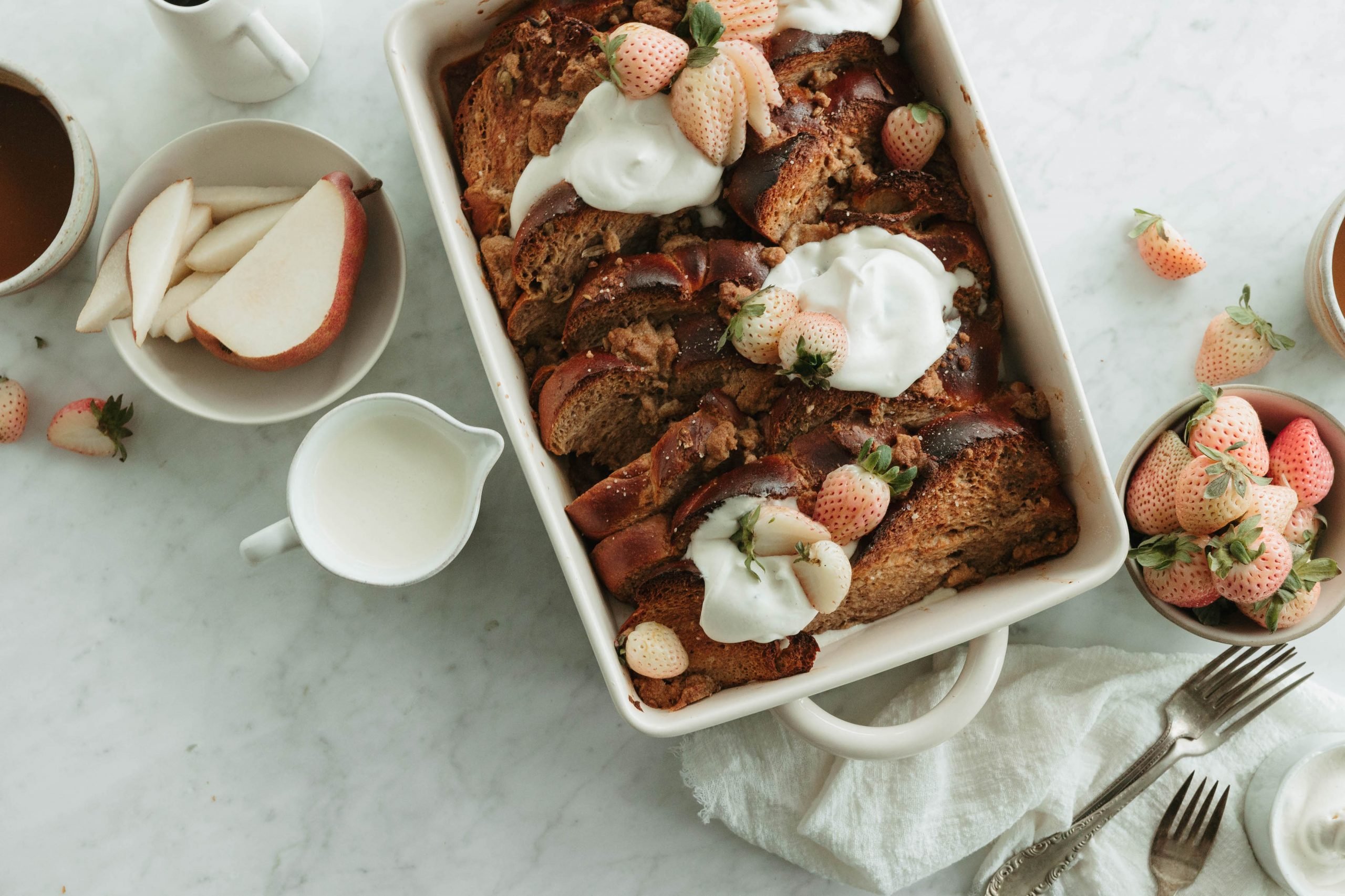
chai challah french toast

Chai Challah French Toast

Set out with fruit, coffee, and a big bowl of whipped cream, this is the kind of recipe that instantly makes brunch feel more complete. The chai spice gives it a deeper, more unexpected flavor that makes it stand out from the usual French toast situation. 

Citrus Olive Oil Muffins

These muffins feel like spring in baked form. Between the lemon and orange zest, the moist olive oil crumb, and the poppy seeds throughout, they bring a bright, cheerful energy that fits beautifully into a lingering brunch. 

peach oatmeal bake

Spiced Peach and Pecan Baked Oatmeal

A good baked oatmeal has a way of making brunch feel instantly more homey, and this one does exactly that. The golden top, soft berry-filled center, and crunchy nut-and-coconut finish make it feel simple, wholesome, and worth gathering around.

Rose elderflower lemonade.

Maman’s Rose & Elderflower Lemonade

This is exactly the kind of pitcher drink we love for a spring brunch menu. It’s light, make-ahead friendly, and the floral notes give it that easy-going, but special feel that works so well for a slower, more celebratory morning. 

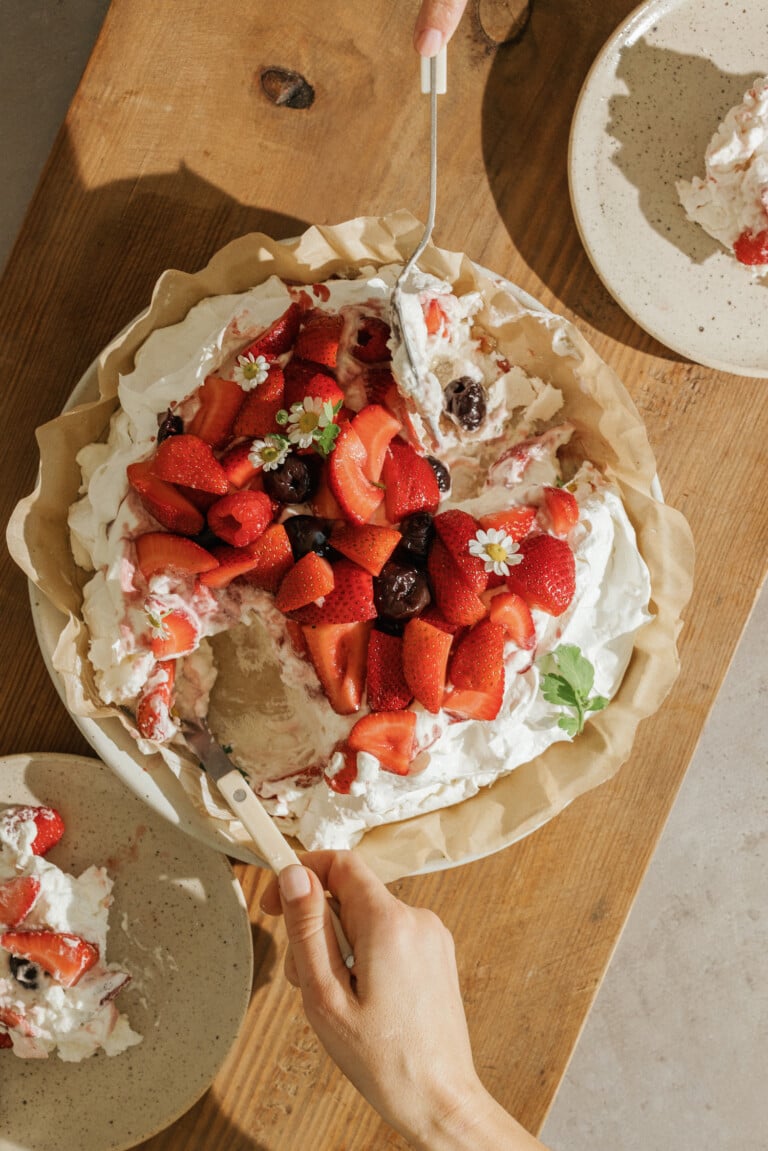
strawberries cream pavlova summer dessert recipe

Strawberries and Cream Pavlova

A pavlova always feels like a small event in itself, and that’s part of the charm. The contrast of crisp shell, marshmallowy center, and softly whipped cream gives every bite a texture that feels a little unexpected and completely irresistible.

This post was last updated on May 6, 2026, to include new insights.

The post Mother’s Day Brunch Recipes You Can Absolutely Pull Off appeared first on Camille Styles.

  •  

Want to Start an Herb Garden? These 5 Are Almost Impossible to Kill

Camille Styles herbs to grow at home

In my ideal world, I’d have a full vegetable garden—raised beds overflowing with tomatoes, greens, and herbs that I could wander out and snip from while cooking dinner. But right now, I live in an apartment in Portland with very little outdoor space, which means my gardening ambitions have had to get a little more creative.

Luckily, herbs are incredibly forgiving. You don’t need a backyard—or even much space at all—to grow them. A single planter on a balcony, a few pots by the kitchen window, or a small corner of a garden bed can produce more fresh herbs than you’ll know what to do with. And once you start cooking with herbs you’ve grown yourself, it’s hard to go back. A handful of basil tossed into pasta, mint tucked into sparkling water, or dill scattered over roasted vegetables somehow makes everyday meals feel a little more special.

If you’ve been curious about herbs to grow at home, these are five of the easiest to start with—whether you’re planting them in a backyard garden, a patio planter, or a sunny kitchen window.

Pin it Freshly chopped herbs to grow at home.

The Best Herbs to Grow at Home—Even in a Small Space

If you’re starting an herb garden at home, the goal is simple: choose herbs that are easy to grow and that you’ll actually use in your cooking. These five herbs are incredibly versatile, forgiving for beginners, and adaptable whether you’re planting a garden bed, filling a planter, or growing herbs indoors.

Basil

If there’s one herb that makes summer cooking feel complete, it’s basil. It thrives in warm weather and grows quickly, which means you can harvest it often throughout the season.

Best for: Garden beds or sunny outdoor planters

How to use it: Basil is best enjoyed fresh. Think pesto, caprese salads, sandwiches, and pasta tossed with olive oil and tomatoes.

What to make:

Mint

Mint is one of those herbs that almost grows too well. In a garden bed it will happily spread anywhere it can reach, which is why many gardeners prefer growing it in containers. The upside? Once it gets going, you’ll have more mint than you know what to do with.

Best for: Outdoor planters or pots

How to use it: Mint instantly brightens drinks and salads. I love adding it to sparkling water with citrus, tossing it into grain bowls, or using it in sauces like tzatziki.

What to make:

Rosemary

Rosemary is one of the most resilient herbs you can grow. It’s woody and shrub-like, which means once it’s established it can last for years with very little maintenance.

Best for: Backyard gardens or large outdoor pots

How to use it: Rosemary shines when cooked. Add it to roasted vegetables, marinades, or infuse it into olive oil or honey.

What to make:

Cilantro

Cilantro is a little polarizing—some people love it, others think it tastes like soap (it’s not their fault… genetics play a role)—but if you’re in the first camp, it’s one of the most useful herbs to grow at home.

Best for: Small garden beds or outdoor planters

How to use it: Cilantro is best added fresh at the end of cooking. Sprinkle it over tacos, grain bowls, soups, or hummus.

What to make:

Dill

Dill feels very spring to me. It’s light, fresh, and pairs beautifully with vegetables, fish, and creamy sauces.

Best for: Garden beds or sunny kitchen windows

How to use it: Chop dill into yogurt sauces, scatter it over roasted potatoes, or add it to salads and seafood dishes.

What to make:

How to Grow Herbs at Home (No Matter Your Space)

If you have a garden: Plant herbs along the edges of raised beds or alongside vegetables. Most herbs love full sun and well-draining soil.

If you have a small outdoor space: A single planter can support multiple herbs. Basil, mint, and cilantro are especially happy growing in pots.

If you’re growing herbs indoors: Choose a sunny window and pots with drainage holes. Basil, mint, and dill tend to adapt well to indoor growing.

The Takeaway

Growing herbs at home is one of the easiest ways to bring more freshness into everyday cooking. Even a few small plants can completely change the way you cook—suddenly you’re reaching for fresh basil, snipping mint for drinks, or scattering dill over dinner.

Start with one or two herbs you use most often. Once you see how easy they are to grow, it’s hard not to keep adding more.

This post was last updated on March 21, 2026, to include new insights.

The post Want to Start an Herb Garden? These 5 Are Almost Impossible to Kill appeared first on Camille Styles.
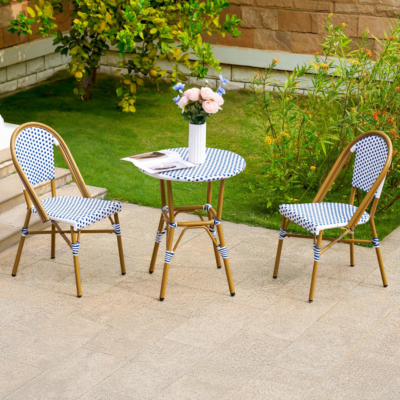
  •  
❌