Reading view

China builds nuclear power far faster and at lower cost than other nations

By: cen25


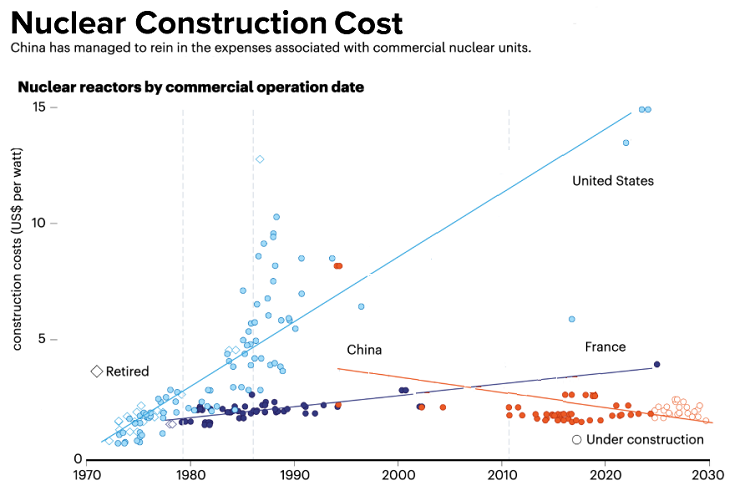
In a report recently published in the science journal Nature, researchers studied nuclear projects in the United States, France, and China, and broke down the cost to build them and produce electricity. The report clearly demonstrated that Chinese engineers build nuclear reactors far faster, and at far lower costs than the United States, France, and Japan.

China has broken the “Cost Escalation Curse” that typifies power projects elsewhere, and its universities for nuclear engineering lead the world.

China is now exporting reactors, technology, and talent to friendly countries, while Western regulators are closing off its access to more affordable and faster Chinese tech.

The Chinese nuclear industry is building half of the plants now under construction, and exports new reactors to their closest trading partners. Over the past two decades, China has been the main country to substantially and consistently expand its nuclear fleet, to 58 operating reactors in 2024. Since 2022, the government has been approving around ten new reactors each year, putting China on track to surpass the United States and become the world’s largest holder of nuclear power capacity by 2030. State-affiliated research centres have outlined a goal of quintupling China’s current nuclear capacity by 2050.

The countries in the BRICS+ bloc, and in the countries involved in China’s Belt and Road Initiative, are resource-rich in uranium, and in key mining and enrichment industries for nuclear fuel.

The BRI countries now enjoy an end-to-end value chain of uranium, nuclear power plants, and energy transmission completely outside Western systems.

Read more at source documents:

Sources:

Nature, July 28, 2025 https://xueqiu.com/6667285555/346018903

Civil Engineering AI, 2025. https://www.civilengineering.ai/china-reins-in-the-spiralling-construction-costs-of-nuclear-power-what-can-other-countries-learn/

Video: Inside China Business, February 12, 2026. https://www.youtube.com/watch?v=ovFEubwWfn8
  •  

China brings world’s first super-critical CO2 generator using industrial waste heat into operation

By: cen25

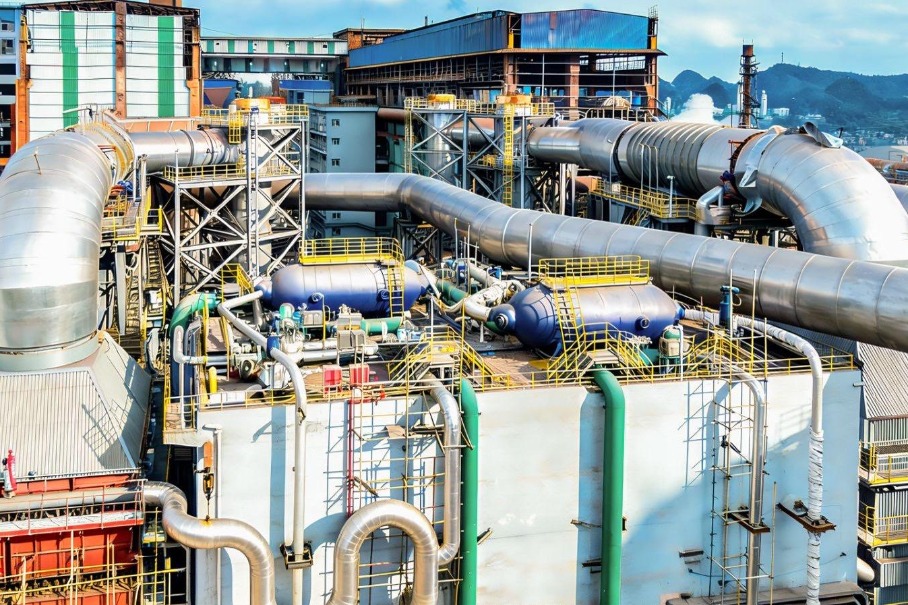
On December 20, 2025 the world’s first commercial supercritical carbon dioxide power generator began operation in China.

The power generator, which went into operation at a steel production plant in the Guizhou province, uses carbon dioxide in place of steam to transfer waste heat from industrial processes. The generator has been connected to the grid, and supplies electricity generated from the steel plant’s waste heat.

The supercritical carbon dioxide power generator works by keeping CO2 gas above a critical pressure and temperature where it acquires the properties of both a gas and a liquid.

 The Guizhou system’s two 15 megawatt CO2 units are 50 percent more efficient in making electricity from waste heat than the steam power systems that are in use around the world.

According to China’s Institute of Mechanics since the supercritical carbon dioxide is denser than steam, the power generators can be more compact and used in much smaller spaces.

The system is characterized by a simplified structural design with fewer components, leading to significantly easier operation and maintenance compared to conventional steam-cycle plants.

The breakthrough in clean energy systems promises a new future even for nuclear technology. The Nuclear Power Institute of China, which was established in 1958, has been working on the supercritical carbon dioxide power generator for over a decade.

Other such systems are also being tested across the world, but China is the first to successfully put it into commercial operation.

Sources:

China National Nuclear Corporation, Dec 31, 2025. https://en.cnnc.com.cn/2025-12/31/c_1152376.htm

Interesting Engineering, Nov 25, 2025. https://interestingengineering.com/energy/china-carbon-dioxide-power-generator

See also:

Decarbonisation News, February 4, 2026. https://decarbonisation.news/china-launches-worlds-first-commercial-supercritical-co2-waste-heat-power-plant-signalling-a-new-era-in-industrial-decarbonisation/

  •  

China: The New Green Superpower ?

By: cen25


China is not just cleaning its air; it’s redefining global green leadership.

In 2013, Beijing vanished under a toxic haze so thick it was called the “Airpocalypse.” The air quality index broke its scale. The streets fell silent. And for the first time in decades, China’s economic miracle collided with its environmental reality.

What happened next was one of the fastest cleanups in human history — a transformation from smog-choked megacities to blue skies, from pollution to power. Air pollution in some of the big cities in China has fallen by over 54% in the last 10 years.

A decade ago, China was grappling with one of the worst air pollution crises in the world. Fast forward to today—China’s skies are clearer, and its air quality has drastically improved.

And from that campaign to clean the air, China developed a strategy that sees it today massively dominate global renewable energy development and production – and lower the cost of such technology so it is accessible to the developing world, and now the just the privileged West.

This video looks at:
☁ How the “Airpocalypse” became a legitimacy crisis for the Communist Party
🏙 How the “Mayor Economy” — once driven by GDP — was rewired to deliver clean air
🌊 The rise of “River Chiefs” and the purge of 18,000 officials for pollution failures
🔋 How China used subsidies to crash the global price of solar panels by 80%
🚗 Why 70% of the world’s batteries and 60% of wind turbines now come from China
🤝 Why the West can’t solve climate change without China — and the paradox of decoupling.
Source: The US-China Narrative, November 2025.

  •  

China’s black soil conservation boosts grain supply and cuts future agricultural greenhouse emissions

By: cen25

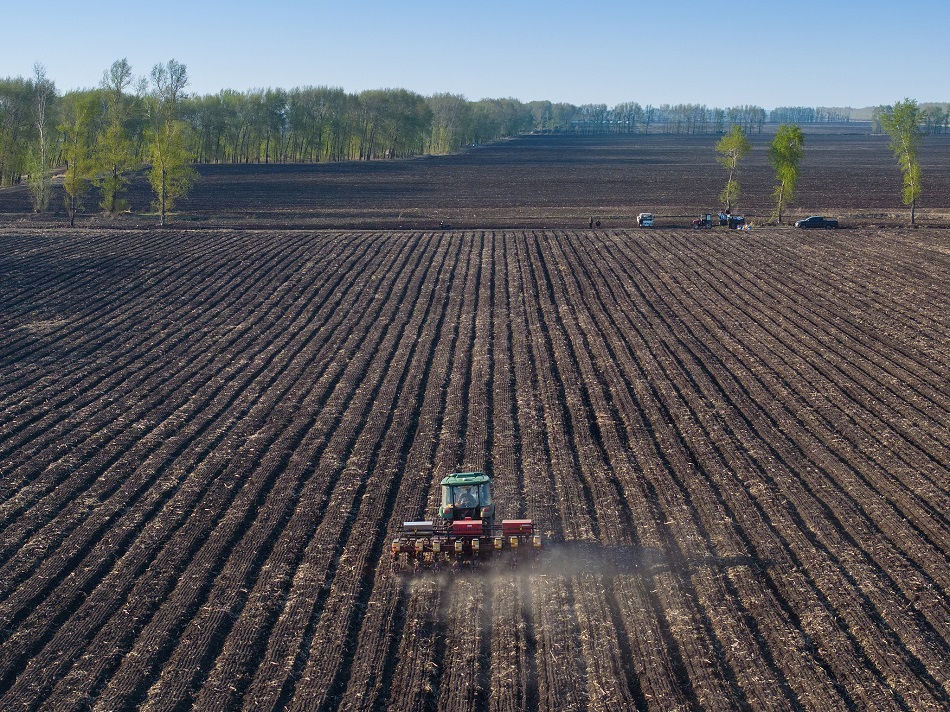
Black soil, considered the world’s most fertile for crops, once faced serious degradation in China – which hosts one of the world’s three largest black earth regions. During the 14th Five-Year Plan (2021–2025) period, over 400 million mu (26.67 million hectares) of black soil in China was restored, through no-till farming, straw return, and protective cultivation. Through these practices, the country has turned its farmland green and secured the future of its food supply.

China’s Black Soil Region is one of the world’s three largest black earth regions, primarily concentrated in the northeast plain. The unique climatic and hydrological conditions, coupled with the region’s vegetation, form the foundation for human accumulation, resulting in a deep and fertile layer of black soil. China’s Black Soil Region encompasses Heilongjiang, Jilin, Liaoning, and Inner Mongolia, where this expansive area covers 1.244 million square kilometers

Despite their relatively modest share in the global soil composition, black soils play a pivotal role, not just in supporting local communities but also in contributing to agricultural exports that nourish the global population. Remarkable yields are attributed to black soils, as evidenced by statistics indicating that over 50% of the global production of sunflower and small millet, 30% of wheat, 26% of soybean, and 16% of maize originate from black soils.

Recent research by University of Chinese Academy of Sciences has detailed the economic and ecological importance of conserving and managing these black soils.

The research points out that China’s black soils are renowned for their natural fertility, hold pivotal significance in global food production and play a crucial role in mitigating and adapting to climate change due to their excellent capacity for organic carbon sequestration.

However, black soils worldwide are subject to moderate to severe erosion due to the land use change, overuse of agrochemicals and high-intensity ploughing. Nearly 50% of organic carbon sequestration has been lost, resulting in nutrient imbalances, acidification, and biodiversity loss in black soil areas, severely compromising the capacity of food production and environmental sustainability.

China has ambitiously taken strides in the conservation and utilization of black soils, enacting its first law to protect black these invaluable resources, which have been promising. The research by the Chinese Academy of Sciences aimed to clarify the effect of China’s black soil conservation policies and projects on national grain supply security and greenhouse gas (GHG) emissions.

The research measures the contributions of grain production and GHG emissions in the black soil region in northeast China. Further, it analyzes the spatial and temporal characteristics of counties in advantage of grain production and GHG emissions from grain cultivation.

Through econometric analysis, this research evaluates the effectiveness of the pilot implementation of black soil conservation policies. Furthermore, it investigates the impacts of a comprehensive promotion of these policies, including optimization of grain structures, conservation tillage, organic soil cover, and nutrient management, on the future stabilization of national grain supply and the reduction of agricultural GHG emissions. The study results provide valuable information for Chinese agriculture as well as for global collaboration on black soil conservation and enhancement of agricultural land system management.

Sources:

CGTN, Nov 12, 2025. https://www.sciencedirect.com/science/article/abs/pii/S0195925524000696

Environmental Impact Assessment Review, Volume 106, May 2024. https://www.sciencedirect.com/science/article/abs/pii/S0195925524000696

  •  

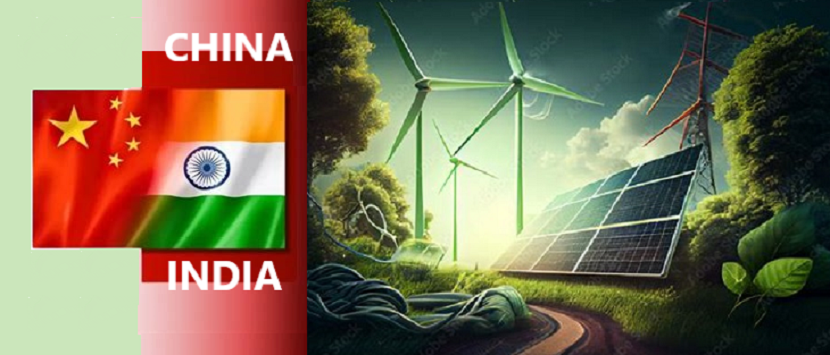
Renewable energy overtakes coal globally – BRICS nations China and India key players

By: cen25

January 22, 2025.

Solar and wind have overtaken coal as the largest global electricity source for the first time, according to a new report by the respected think tank Ember.

The report says that growth in wind and solar was so strong that it outpaced rising global demand for electricity. China is the world’s largest producer of renewable energy, with India steadily increasing its renewable capacity. The International Energy Agency predicts that India will be the second largest producer by 2030.

“The era of fossil fuel growth is coming to an end”

Meanwhile, the United States, which is currently the world’s second largest producer of renewable energy, is slowing down its renewable energy production. The IEA has cut its forecast for renewable energy growth in North America by half because of the Trump regime’s policies.

Chinese news outlet CGTN Europe interviewed (5 min) Malgorzata Wiatros-Motyka, Senior Electricity Analyst, Ember and co-author of the report.

SourceCGTN Europe, Oct 8, 2025. https://youtu.be/WAlun8xNrUU

  •  

China’s insights on green trade

By: cen25

November 4, 2025.

China is actively expanding green trade which will help in achieving the “dual-carbon” goals, and better serve global climate efforts.

At a press briefing by China’s State Council Information Office on October 31, 2025 several Chinese officials spoke on green trade, including what policies had been taken and what would be the targets in the future.

Li Chenggang, International Trade Negotiator and Vice Minister of the Ministry of Commerce, introduced the background and main content of the Opinions on the Implementation of Expanding Green Trade issued recently by the Chinese government.

Li Chenggang said the Opinion included four major aspects:

  • In terms of enhancing the green and low-carbon development capabilities of China’s enterprises related to foreign trade business, it is proposed to strengthen training for enterprises and enhance enterprises’ awareness of green and low-carbon development; guide leading enterprises to drive the acceleration of green and low-carbon transformation in foreign trade production and supply chains; promote green design and production to reduce carbon emissions of foreign trade products; encourage the shift from “road to railway” and “road to waterway” in long-distance transportation, use environmentally friendly packaging, advance the international mutual recognition and sharing of unitized container equipment, and promote the green and low-carbon development of logistics; build green trade public service platforms and improve the capabilities of third-party green and low-carbon services.
  • In terms of expanding the import and export of green and low-carbon related products and technologies, it is proposed to develop trade in sustainable fuels such as green hydrogen; explore the development of import and export of remanufactured products; support enterprises in utilizing preferential arrangements under free trade agreements to expand trade cooperation in the green and low-carbon field and create new highlights in foreign economic and trade cooperation; improve the greening level of exhibitions; study and improve import standards and management measures for renewable resources; deepen cooperation with countries under the Belt and Road Initiative and others in the green and low-carbon field, promote the green and low-carbon development of overseas economic and trade cooperation zones, and strengthen policy support and services for foreign-funded enterprises.
  • In terms of creating a favorable international environment for the development of green trade, it is proposed to participate in global consultations and discussions on carbon-related economic and trade rules, strengthen exchanges on green and low-carbon development issues, and promote the establishment of more inclusive and fair international green trade rules; actively participate in negotiations on green issues in high-standard economic and trade agreements, and improve the level of environmental chapters in free trade agreements; formulate and issue a number of carbon footprint accounting standards for key foreign trade products, and strengthen multilateral and bilateral mutual recognition cooperation in conformity assessment in the field of green and low-carbon development.
  • In terms of establishing and improving the supporting and guarantee system for green trade, it is proposed to strengthen financial policy support, enrich financial products and services based on the results of carbon footprint accounting of foreign trade products, and increase the underwriting efforts of export credit insurance for green and low-carbon industries; accelerate the construction of a carbon footprint database for foreign trade products; improve and perfect the carbon pricing mechanism, expand the scale of green certificate and green electricity transactions to further meet the needs of foreign trade enterprises; strengthen the building of talent teams; establish a statistical monitoring and analysis system for green trade, and improve the policy and institutional system for green trade.

Li Chenggang also talked about how China participated global green governance to create a favorable international environment for the development of green trade.

This is an extract from Ying Xue’s China Ecological Civilization on Substack.

Source: China Ecological Civilization, Nov 02, 2025. https://xueyingyingxue.substack.com/…/chinese-officials…

  •  

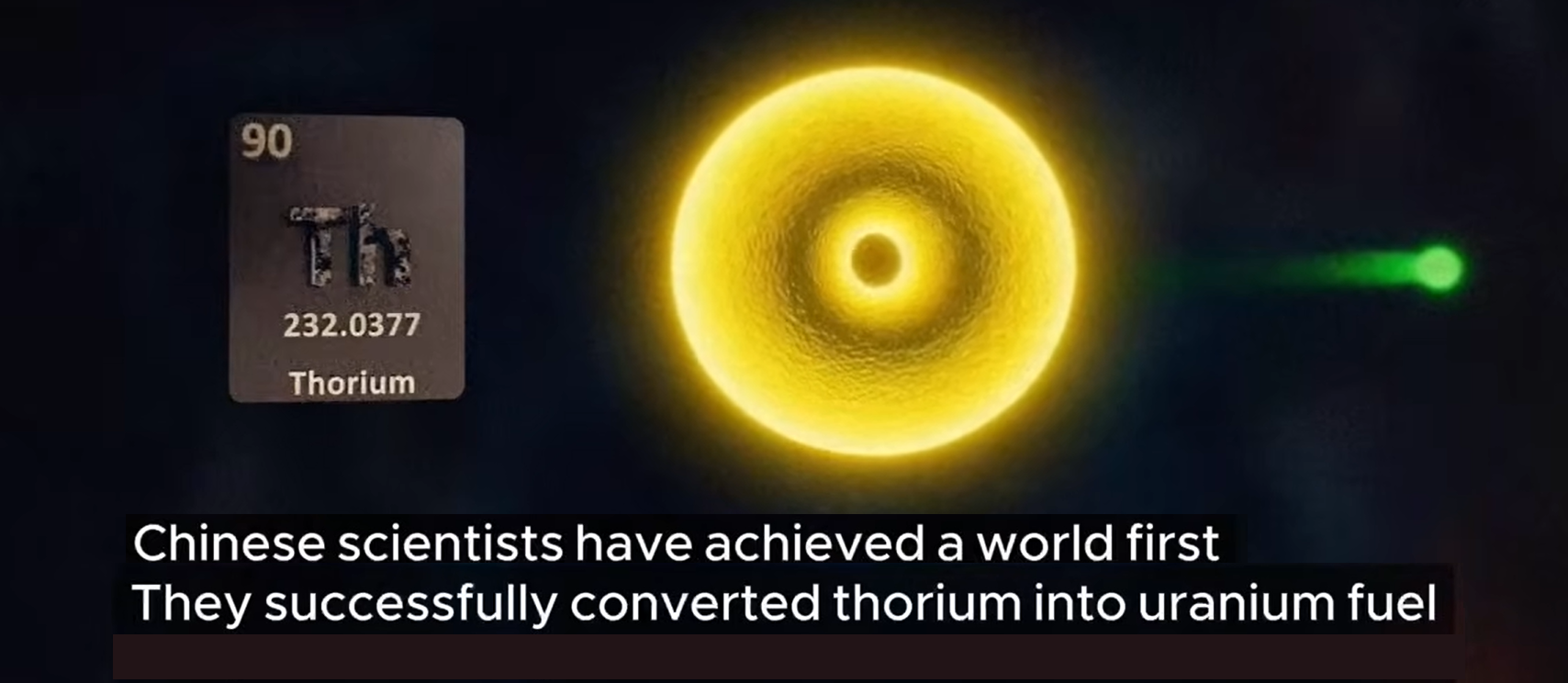
Chinese scientists thorium breakthrough is major win for China’s energy security

By: cen25

China has achieved a world first by converting thorium into uranium fuel in a molten salt reactor, marking a milestone in nuclear energy research.

Thorium is not new. It has been explored as a source of nuclear fuel in the past by several countries, but this was eventually shelved for various reasons.

Interest is now returning as countries search for safer and more sustainable nuclear options. Thorium is more abundant than uranium and widely distributed in nature. A single ton could, in theory, generate as much energy as hundreds of tons of uranium. It also produces less long-lived radioactive waste and offers greater inherent safety when used in molten salt reactors, which operate at lower pressure and reduce the risk of severe accidents.

For China, which imports more than 80% of its uranium supply, thorium could help break that dependence and strengthen long-term energy security. While it is not yet ready for commercial deployment, the successful thorium-uranium conversion demonstrates its feasibility and provides a working platform to explore thorium’s role in future stable, low-carbon energy systems — from inland power generation to ships capable of sailing for ten years on a single refill.

See: ThinkChina Sg, Dec 26, 2025. https://youtu.be/FgC9j1P7lDI

  •  

China’s Law Protecting Ancient Trees

By: cen25

November 26, 2025.

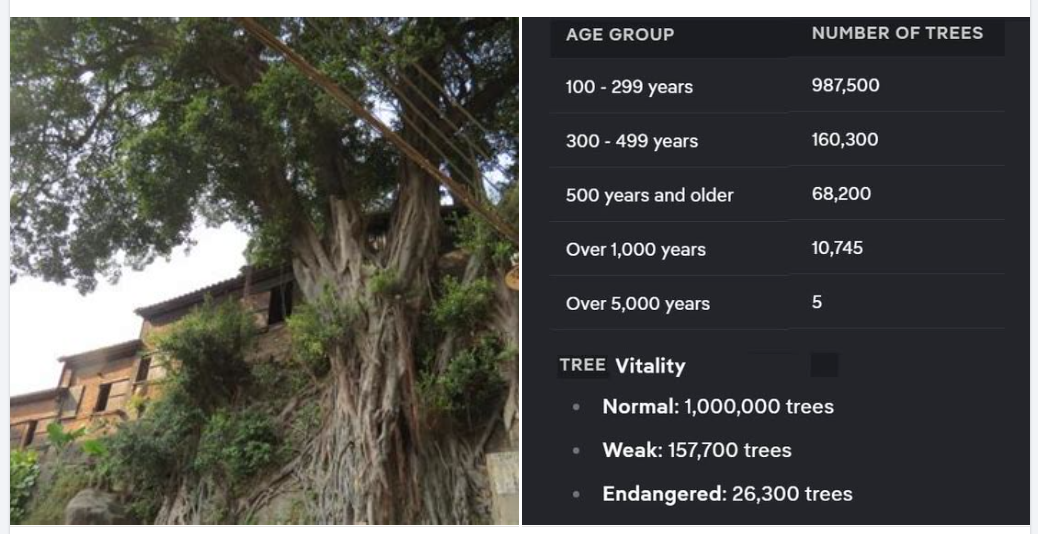
China has implemented a law to protect ancient and notable trees, which took effect on March 15, 2025. The law establishes a legal framework for conservation, resource surveys, and penalties for damage, recognizing these trees as important for biodiversity and cultural heritage. The initiative is part of China’s goal to build an ecological civilization and preserve China’s cultural identity.

China will also launch a nationwide initiative to tag and protect ancient and notable trees, reinforcing their status as “green national treasures” and “living cultural relics,” a senior official of the National Forestry and Grassland Administration (NFGA) said.

The move follows the enactment of China’s first national-level regulations to protect ancient and notable trees.

The law establishes a comprehensive legal framework to protect ancient and notable trees, which are considered vital for biodiversity and cultural heritage. The law aims to address the threats posed by illegal logging and inadequate enforcement of existing regulations.

Key Features of the Law

Definition of Ancient and Notable Trees
  • Ancient Trees: Trees over 100 years old.
  • Notable Trees: Trees with historical or cultural significance.
LEGAL FRAMEWORK

The law establishes guidelines for:
  • Resource surveys
  • Conservation efforts
  • Cultural preservation
  • Penalties for damage to these trees
National Survey and Statistics

A national survey conducted from 2015 to 2021 identified approximately 5.08 million ancient and notable trees in China.

SourceState Council of China, November 26 2025. https://english.www.gov.cn/…/content…

  •  

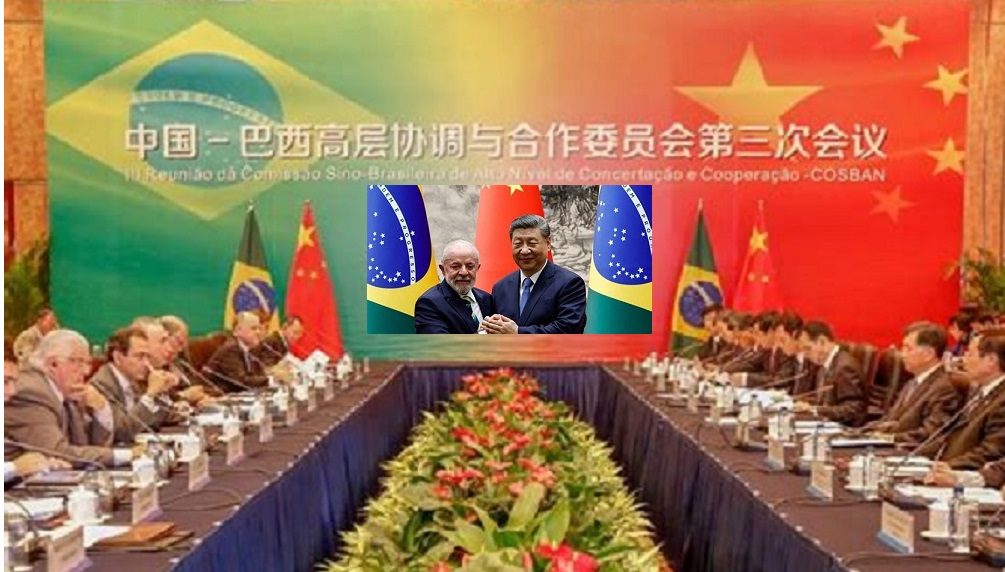
Brazil Signs Mega-Deal with China – BRICS nations destroy US Unipolar World Trade Order

By: cen25

December 2, 2025.

On July 30th, 2025 the Trump regime imposed a 40% increase in trariffs on key goods Brazil sold in to the United States. This was a huge move against Brazil, designed to crush its economy, create afatal internal political crisis, but also to breakup the BRICS and weaken China’s growing influence on the Global South.

The events of July and since have demonstrated that this naked imperialist power-play failed both decisively and dramatically, as the excellent linked video shows.

It was not just a failed attempt by the US bully to throttle the largest economy in South America. The balance of power has permanently shifted. Let’s be absolutely clear about the final score. This wasn’t just a single loss for the US in a small trade dispute over coffee and beef. This was the end of an era that defined the world for the last 80 years.

For generations, the United States was the undisputed number one economic superpower that could call all the shots and expect everyone to listen. That time is over. The Brazil incident is the proof what will be written about in history books – a turning point in the decline of a rapidly decaying unipolar world oder dominated by not longer mighty USA.

Video sourceDark Span, Dec 2, 2025. https://youtu.be/4kJbLxi-Zsc

  •  

New Action Plan and Strategy for Biosphere Reserves for decade 2023-2033

By: cen25

Sept 29, 2025.

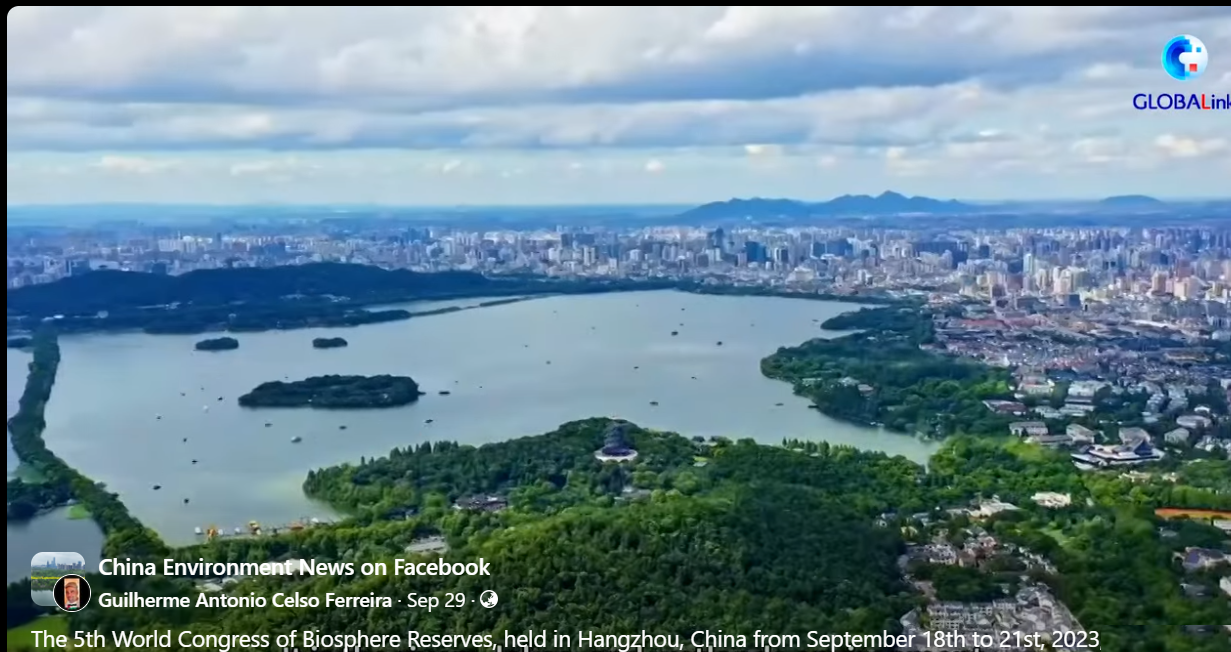
The 5th World Congress of Biosphere Reserves, held in Hangzhou, China from September 18th to 21st, 2023, was a landmark event for global biodiversity conservation.

As the first Congress convened after the Covid pandemic and at a critical juncture for the global sustainability agenda, it carried immense significance. Under the theme “World Network of Biosphere Reserves: Sustainability Laboratories for People and the Planet,” the Congress served as a crucial platform for reflection and forward-looking action.

A comprehensive review of the implementation of the Lima Action Plan (2016-2025) was conducted, leading to the most concrete outcome: the adoption of a new Action Plan and Strategy for Biosphere Reserves for the next decade (2023-2033).

This new framework aims to position Biosphere Reserves as primary instruments for achieving the UN Sustainable Development Goals. The discussions delved into key topics such as reinforcing the role of reserves in biodiversity conservation following the COP15 framework, exploring their potential as models for climate change mitigation and adaptation, highlighting youth engagement through the MAB Youth Forum, and leveraging innovations like remote sensing and AI for improved management and monitoring.

The legacy of the Hangzhou Congress is encapsulated in the Hangzhou Declaration, which reaffirms the international community’s commitment, and the new decadal Hangzhou Roadmap. This strategy emphasizes accelerated action for the SDGs, nature-based solutions, inclusive governance involving indigenous peoples and local communities, and strengthening the network through enhanced communication and cooperation.

The choice of Hangzhou to host the global conference was deeply symbolic, as China hosts a leading number of Biosphere Reserves and the West Lake Biosphere Reserve itself stands as a shining example of integrating conservation, ancient culture, and sustainable urban development.

In summary, the 5th Congress was a pivotal transitional event that built upon the lessons of the past decade to lay the foundation for an even more ambitious future, solidifying the role of Biosphere Reserves as living laboratories and beacons of hope for a sustainable future for both people and the planet.

Source: https://english.cas.cn/newsroom/mutimedia_news/202509/t20250928_1055775.shtml

  •  
❌