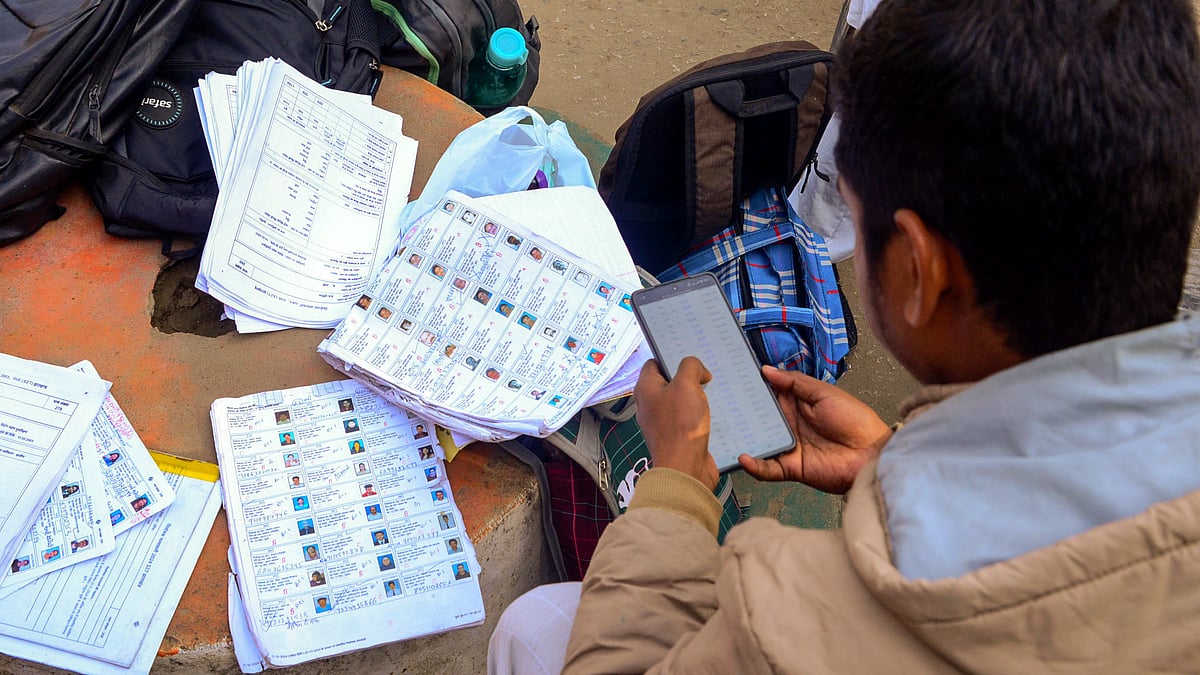
The groundwork for a large-scale revision of electoral rolls in Delhi has already begun months before the formal announcement of the Special Intensive Revision (SIR) exercise, with election officials carrying out voter mapping and verification across the national capital.
In a recent order issued following directions from the Chief Electoral Office Delhi, the Delhi government has directed its employees and staff of autonomous bodies to verify their names against the 2002 electoral rolls as part of the ongoing groundwork for the revision exercise.
Mapping of voters already underway
In what officials described as the first such order issued to Heads of Departments (HODs) ahead of the SIR exercise, the communication stated:
“SIR of electoral rolls is being carried out throughout India. In NCT of Delhi also, preparatory exercises for the upcoming SIR are being carried out. As per the Election Commission’s instructions, mapping of electoral roll-2025 is being done vis-à-vis electoral rolls of the last SIR i.e. 2002. For this purpose, BLOs (block level officers) are visiting houses in their allotted part for obtaining electors’ details pertaining to the year 2002.”
Officials said the Delhi government has over 5,000 employees and more than 400 bureaucrats, apart from contractual workers and Class 3 and 4 staff who would also be covered under the verification exercise.
Employees asked to cooperate with BLOs
According to officials, the 2002 voter list has been uploaded on the website of the CEO Delhi to simplify the process.
Electors can search their details by entering their Voter ID or Electors Photo Identity Card (EPIC) number.
The order also addressed employees who shifted to Delhi from other states after 2002.
“They can obtain their details from the ECI website as appearing in the voter list of 2002/2003/2005 (year of last SIR held in that particular State, as the case may be),” the order stated.
Employees have been asked to share the information with Block Level Officers during the ongoing house-to-house verification process and later during the formal SIR exercise.
“…I am directed to get this information disseminated to all employees of GNCTD/autonomous bodies through their HODs for checking their names in the electoral rolls-2002 and sharing the same with their BLOs visiting their homes,” the order added.
Officials say early mapping will ease SIR process
Election officials said the ongoing mapping exercise was intended to streamline the eventual SIR process once officially notified.
“Once the mapping of electors is done, when the actual SIR is announced, further process will be easier because we will have some data. The electors can also get their problems solved and help the mapping process,” an official said.
Political sensitivity around SIR
The Special Intensive Revision exercise has emerged as a politically sensitive issue in recent months, particularly after opposition parties raised concerns over deletion of names from electoral rolls in several states.
The Election Commission, however, has maintained that the exercise is aimed at ensuring accuracy and removing duplicate or invalid entries from voter lists.
Delhi begins groundwork for SIR exercise, govt staff asked to verify names in 2002 voter list
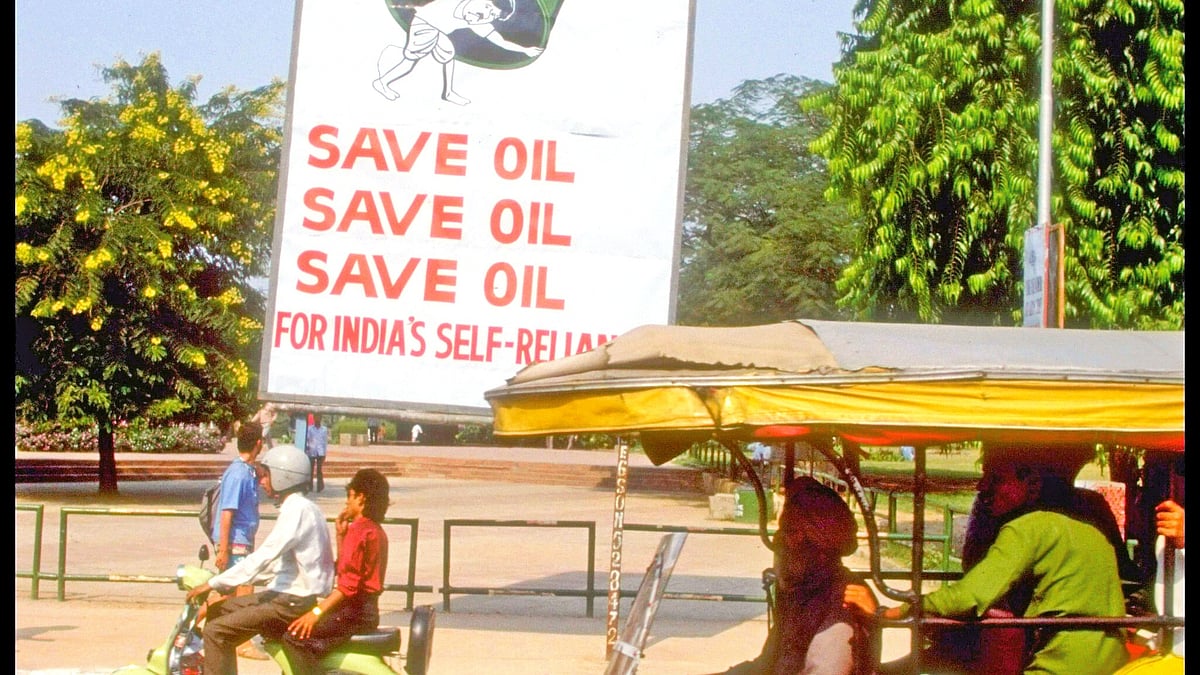
The ongoing crisis in West Asia has exposed India’s vulnerability as the world’s third largest consumer of crude oil, importing nearly 89 per cent of its requirement i.e. around 1.75 billion barrels a year or 4.8 million barrels every day. Over 60 per cent of that flows through the geopolitically sensitive Strait of Hormuz.
In 2024-25, India’s crude oil import bill was $137 billion. If prices stay at the March average of $113.57 then the import bill would balloon to nearly $200 billion. Every $10 rise in the price of a barrel of crude adds $14 to $16 billion to India’s import bill. That is money drained from our precious foreign exchange reserves.
There is, however, a way to reduce this vulnerability.
India is gifted with a geographical location that brings blazing sunshine for more than 300 days a year. Summer heat can also be a curse — especially for the most vulnerable. April saw India at the epicentre of a global heat surge, with AQI.in reporting that 19 of the 20 hottest locations in the world were located in India, as well as 95 of the 100 hot-test cities globally. But this climate burden is simultaneously an energy opportunity of historic proportions.
India leads the International Solar Alliance, a coalition of over 120 sunshine-rich nations. In 2025, India added 38 gigawatts of new solar capacity, surpassing the United States, which added 35 gigawatts. Total installed solar capacity now stands at over 150 gigawatts, and annual solar generation has rocketed from 3.4 terawatt-hours in 2013-14 to 144 terawatt-hours in 2024-25.
On 25 April, as the brutal heatwave pushed temperatures into the mid-forties and air conditioners across north India ran at full blast, the electricity grid faced its highest ever demand: 256 gigawatts. Solar power alone was generating 81 giga-watts on that critical day. This was one-third of total national generation. The grid did not collapse. It passed the stress test.
Solar’s potential is not just about clean energy but also about securing our foreign exchange reserves.
Even a ten per cent reduction in oil import dependence would save between $13 to $20 billion annually depending on oil prices. A displacement of 100 million barrels through solar-powered electricity substituting diesel gensets, electric pumps replacing diesel pumps, and electric vehicles reducing petrol and diesel demand would still save $7.5 to $11 billion a year in foreign exchange.
There is an additional intriguing possibility: India could become an energy exporter.
India’s refining capacity of 258 million metric tonnes already exceeds its domestic consumption of 239 million metric tonnes. (This refined oil goes into trucks that move goods, tractors that farm fields, fishing boats that feed coastal communities. It also powers diesel generators that keep telecom towers humming across rural India.)
In 2025, India exported 64.7 million metric tonnes of refined petroleum products — petrol, diesel, aviation fuel — worth over $52 billion, a record high. Refining capacity is set to expand further, to 309 million metric tonnes by 2028.
If solar and electrification progressively reduce domestic fuel consumption, more and more of what India refines goes abroad, earning precious dollars. India would be importing crude, refining it far more efficiently and exporting value-added fuel — functioning as an energy hub for the region.
The trajectory, if pursued with determination, could see India transition from being an energy importer to becoming a net energy value exporter. It is conceivable.
The hurdles on the solar journey are real, but not insurmountable. Solar panels need large tracts of land. This is a genuine constraint in a country where farmland is scarce and contested. The answer lies in deploying solar panels on fallow wasteland, rooftops, highway corridors and canal banks. India already has programmes for all of these.
Solar panels also need water to wash off the thick dust that settles on them. This is a problem, especially in Rajasthan and Gujarat where solar potential is greatest, but water scarce. Waterless robotic panel cleaners are an emerging solution. India should produce these at scale domestically.
Most critically, the sun sinks every evening, but demand does not. Without storage, solar power has a structural limitation. India urgently needs massive deployment of storage systems. In 2025, India curtailed 2.3 terawatt-hours of clean solar power simply because the grid could not absorb it. That is both an engineering failure and an economic one.
Then there is the China problem. India imports most of its solar panels and components from China, which deepens trade asymmetry. However, domestic solar module manufacturing capacity has grown to 172 gigawatts. The government has set a target of domestically produced solar cells and wafers by 2028. An India that makes its own solar equipment would truly be energy sovereign.
Here are five action points:
1. Treat solar energy as national security infrastructure, equal in priority to defence. Funding should be at least doubled.
2. Invest urgently and massively in battery storage. Or every evening the grid will have to fall back on coal and diesel.
3. Upgrade the national transmission grid. Solar-rich states like Rajasthan and Gujarat need to be able to evacuate to demand centres in Maharashtra and Tamil Nadu.
4. Accelerate electric vehicle adoption across two-wheelers, three-wheeler and buses since transport is the single largest consumer of petroleum.
5. Scale rooftop solar energy through PM Surya Ghar and allied schemes.
India’s peak power demand is projected to rise further to 271 gigawatts, driven partly by rising incomes and the spread of air conditioning. The opportunity and the urgency are both enormous.
The current crisis in West Asia offers us a window. In a world where oil routes can be disrupted overnight by wars India did not start, energy independence becomes a sovereign necessity. Every gigawatt of solar power installed is one step away from the Strait of Hormuz. Every electric vehicle on the road is a barrel of oil India does not have to import. Every rooftop panel is a small act of genuine self-reliance.
The sun rises over India every morning without negotiation, without geopolitics and without a price tag. The only question is: can India harvest it at the scale and speed the moment demands?
Ajit Ranadeis a noted economist. More of his writing may be found here
As the dust settles on the second phase of the 2026 West Bengal Assembly elections, one reality stands out amid the intense contest between the Trinamool Congress (TMC) and the Bharatiya Janata Party (BJP): women voters will ultimately determine the outcome. With nearly half the electorate comprising women — around 3.44 crore out of over 7 crore eligible voters before the special intensive revision (SIR) — they have consistently shown higher turnout and consolidated preferences that transcend simple arithmetic.
This election occurs against a backdrop of unprecedented scrutiny. The Election Commission of India’s (ECI) SIR of electoral rolls led to the deletion of approximately 91 lakh names, shrinking the electorate by about 12 per cent.
Analyses indicate a disproportionate impact on women, who accounted for over 61 lakh of those affected — roughly 61.8 per cent of deletions. Rural women, in particular, faced challenges owing to name changes after marriage, spelling discrepancies in documents, and legacy data issues, leading to higher exclusion rates compared to men.
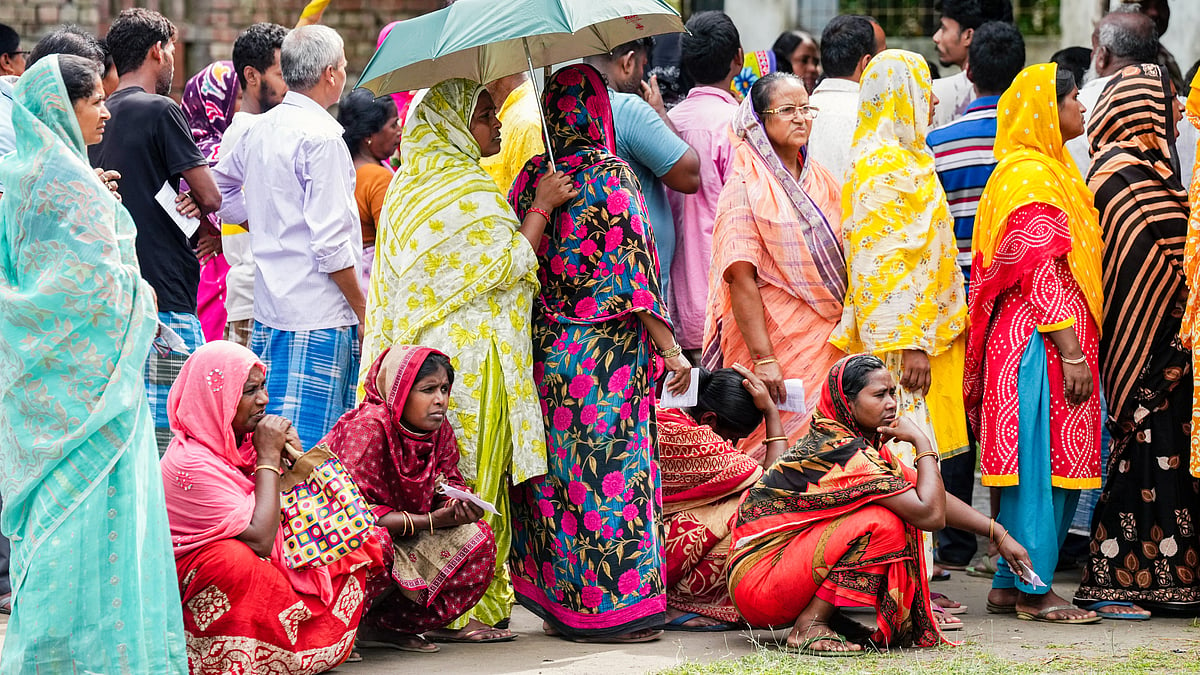
Despite these hurdles and claims of bias, women’s participation remains robust. Long queues of women voters in districts like North and South 24 Parganas highlight their engagement. Historically, West Bengal’s female electorate has not voted in a fragmented manner but often consolidated behind leaders and parties delivering tangible benefits and a sense of security.
From the Left Front and Congress eras to Mamata Banerjee’s rise in 2011, women have been pivotal. Banerjee’s TMC built a formidable base through targeted schemes, turning women into a reliable vote bank that cuts across caste, class, and, to some extent, religion.
The BJP has mounted a strong challenge, promising higher financial support and highlighting governance issues like jobs and safety. Exit polls suggest a potential shift, but past predictions in Bengal have often faltered. What remains constant is that women’s choices — driven by welfare delivery, emotional connect, documentation struggles, and leadership appeal — will define whether the TMC retains power or the BJP breaks through.
This is not mere symbolism; it reflects deeper socio-political shifts in a state where women’s turnout frequently matches or exceeds men’s, and their pragmatic assessment of stability sways results.
How women voted in Bengal: Insights from patterns
Lokniti-CSDS post-poll data from the 2021 West Bengal Assembly elections provides a clear benchmark. Around 50 per cent of women voted for the TMC, compared to 46 per cent of men, while the BJP received 37 per cent of the women’s vote versus 40 per cent from men. Women from poorer income brackets, Adivasi communities, and certain upper-caste and Dalit groups showed an even stronger preference for the TMC. This gender gap, though narrowing slightly from previous cycles, underscored Banerjee’s appeal as a fighter and provider.
In the 2024 Lok Sabha polls, CSDS-Lokniti noted 53 per cent of women supporting the TMC — an 11 per cent increase from 2019 — demonstrating consolidation amid welfare focus. Unlike men, whose votes often split more along ideological or anti-incumbency lines, women have tended to prioritise direct household benefits and personal security. This pattern aligns with national trends where female voters increasingly act independently, not as proxies for male family members.
The SIR effect
The SIR process has emerged as a major flashpoint and raised concerns about disenfranchisement, particularly in rural areas. Marriage-related name changes, lack of updated documents, and higher migration rates for women due to social norms has led to 'logical discrepancies', resulting in deletions for 'permanently shifted', 'untraceable', or other categories.
This has not created emotional detachment from the TMC, as many affected women and their families attribute the rigorous process to Central initiatives backed by the BJP. In Muslim and SC/ST-heavy areas, where women deletions were pronounced, resentment may consolidate support for the incumbent as a defender against perceived external interference.
Far from eroding loyalty to the TMC, the SIR could galvanise women to assert their franchise more vigorously, viewing it as an attack on their participatory rights. Higher female turnout in sensitive phases, aided by Central forces reducing violence, further amplifies this dynamic.
The enduring welfare net
Mamata Banerjee’s government has engineered one of India’s most comprehensive women-centric welfare architectures since 2011. Schemes like Kanyashree (incentivising girls’ education and delaying marriage with annual stipends and one-time grants), Rupashree (Rs 25,000 marriage assistance for poor families), Swasthya Sathi (cashless health insurance with women as primary cardholders), and the flagship Lakshmir Bhandar (Rs 1,500-1,700 monthly direct benefit transfer to women aged 25-60, covering over 2 crore beneficiaries) have created deep penetration.
Lakshmir Bhandar, in particular, provides financial autonomy, credited with boosting household stability and women’s self-worth. These programmes target women directly, bypassing intermediaries, and have demonstrable electoral returns. Even the BJP’s promises, such as higher stipends of around Rs 3,000, implicitly acknowledge this model’s popularity by pledging to retain or enhance core elements rather than dismantle them.
Incumbents delivering consistent welfare often reap rewards, as seen in multiple states. If women prioritise this safety net amid anti-incumbency on jobs and corruption, it could blunt opposition gains. A BJP victory would signal a historic defiance of this net, indicating women voters valued change over continuity — a seismic shift in Bengal’s politics.
The appeal of ‘Didi’
Mamata Banerjee’s personal image as a resilient, self-made leader resonates profoundly with Bengal’s culturally women-influenced rural society. Portrayed as embodying strength against adversity, her narrative fosters an emotional bond transcending policy. Many women see her as a 'didi' (elder sister) who ensures safety and dignity, a perception reinforced by her confrontational style and direct outreach.
This popularity, built over 15 years, has withstood a myriad of challenges. Even amid criticism, surveys show sustained leads among women. A shift toward the BJP would mean anti-incumbency has eclipsed this appeal, marking a watershed. Conversely, retention would reaffirm women’s preference for stability and familiar leadership.
West Bengal’s political history underscores women’s role. They consolidated behind the Left and Congress earlier, then shifted decisively to TMC. Nationally, the 2025 Bihar Assembly election offers a parallel: Nitish Kumar’s NDA retained power largely on women’s support for welfare schemes, with female turnout outpacing men’s and delivering a landslide.
Sayantan Ghoshis the author of two books, Battleground Bengal and The Aam Aadmi Party
The possibility of a hike in petrol and diesel prices remains open as state-run oil marketing companies continue to suffer mounting losses due to soaring global crude oil prices and a prolonged freeze in domestic fuel rates, sources told PTI.
The development comes as international crude prices touched a four-year high of $126 per barrel earlier this week before easing slightly, though prices continue to remain above $110 amid disruptions linked to the ongoing Iran–United States conflict (2026) and restricted ship movement through the Strait of Hormuz.
Four-year retail price freeze under strain
Retail prices of petrol and diesel in India have remained unchanged since April 2022 despite repeated fluctuations in global oil markets.
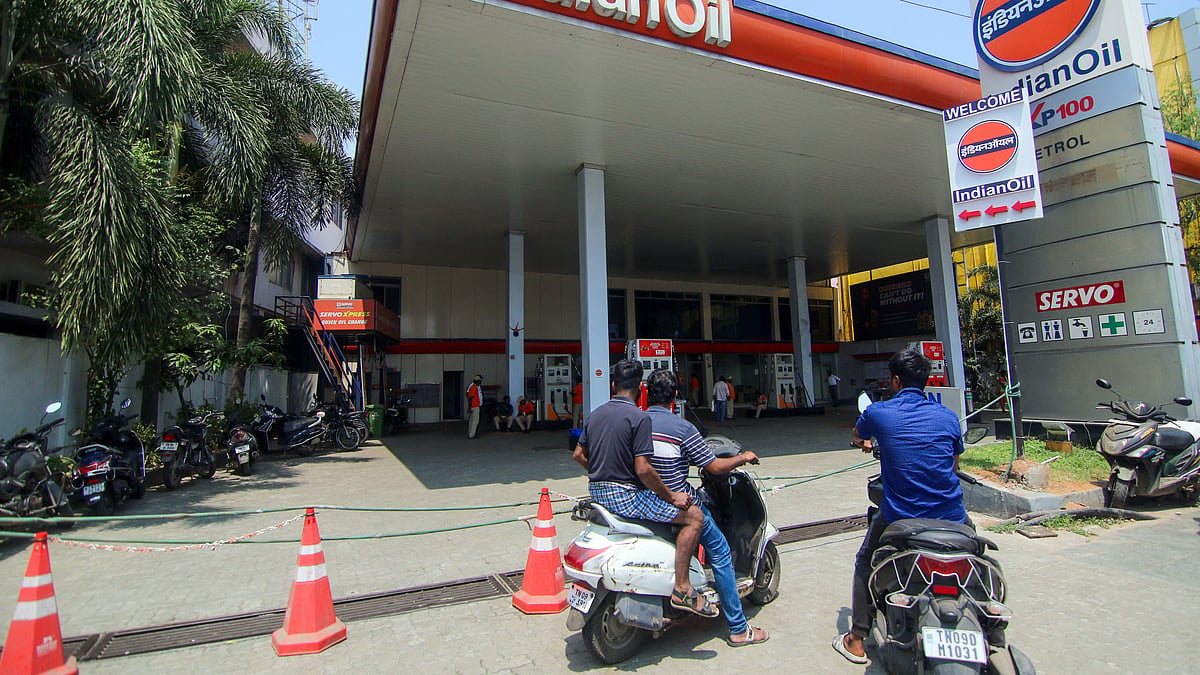
Last week, a senior oil ministry official said state-owned fuel retailers were incurring losses of around Rs 20 per litre on petrol and nearly Rs 100 per litre on diesel because pump prices had not been revised for almost four years even as crude oil prices surged globally.
According to sources, oil marketing companies are under growing financial pressure as the gap between international crude prices and domestic retail fuel prices widens sharply.
Commercial fuel prices already raised
While petrol, diesel and domestic LPG cylinder prices have remained unchanged, state-run firms have already started increasing rates for several other fuel categories.
Indian Oil Corporation, speaking on behalf of the industry earlier in the day, said petrol, diesel and domestic cooking gas prices had not been revised despite the steep rise in global energy costs.
However, oil companies have raised prices of commercial LPG cylinders, industrial diesel, 5-kg LPG cylinders and aviation turbine fuel supplied to international airlines in line with higher input costs.
Extent of crisis
Petrol and diesel prices could rise by Rs 25 to Rs 28 per litre after the conclusion of polling in the West Bengal Assembly elections on 29 April.
The government has so far avoided raising retail fuel prices despite increasing pressure from state-run retailers.
Oil prices have surged globally after tensions escalated between the United States and Iran, severely disrupting shipping movement through the Strait of Hormuz, one of the world’s most critical oil transit chokepoints.
Nearly one-fifth of global crude oil supplies normally pass through the strait.
The conflict has triggered fears of prolonged supply disruptions, pushing energy prices to their highest levels since the immediate aftermath of Russian invasion of Ukraine.
Aviation and transport sectors under pressure
The fuel crisis has already begun affecting multiple sectors in India.
Leading Indian airlines recently warned the government that soaring aviation turbine fuel prices and longer rerouted international flights due to Gulf airspace disruptions were pushing the aviation industry towards severe financial stress.
Transporters and logistics operators have also raised concerns that any steep increase in diesel prices could trigger broader inflationary pressure across the economy.
Sources indicated that discussions were continuing within the government and oil sector over possible pricing measures, tax adjustments and subsidy options.
No official announcement regarding a fuel price hike has been made so far.
Petrol, diesel price hike likely after 4-year freeze as oil firms face massive losses
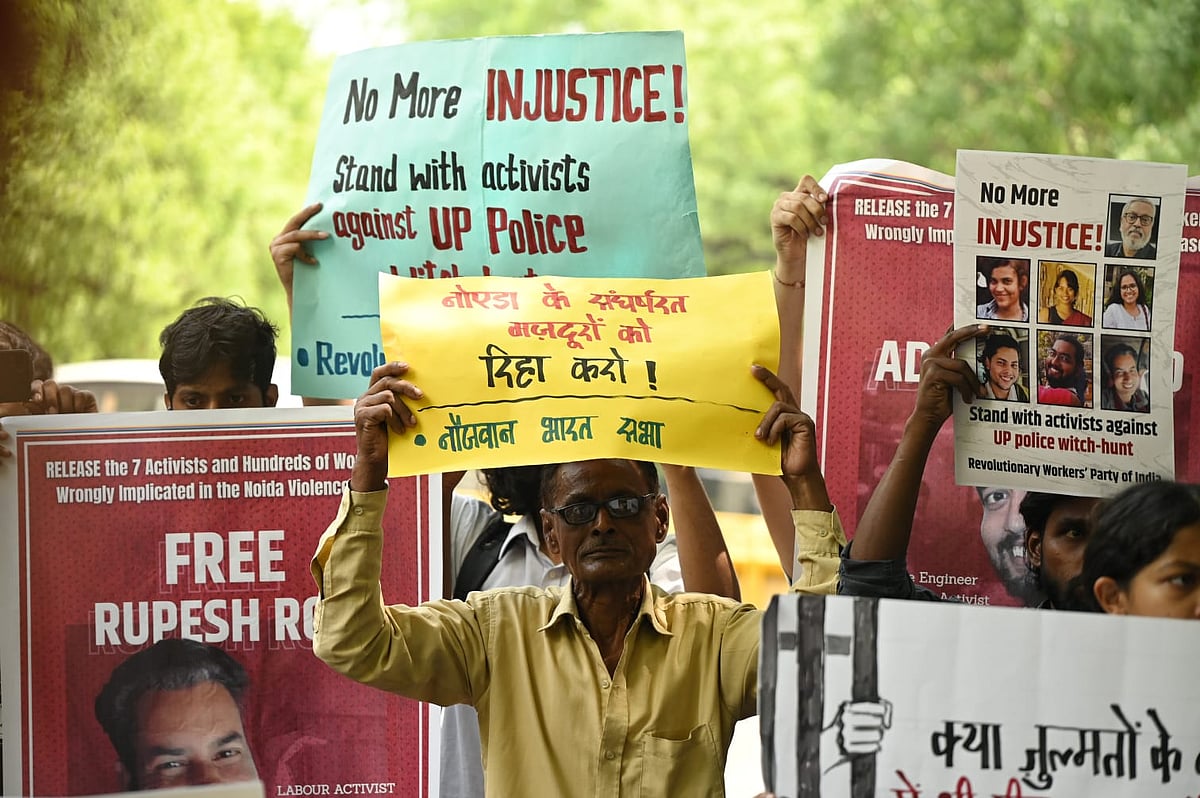
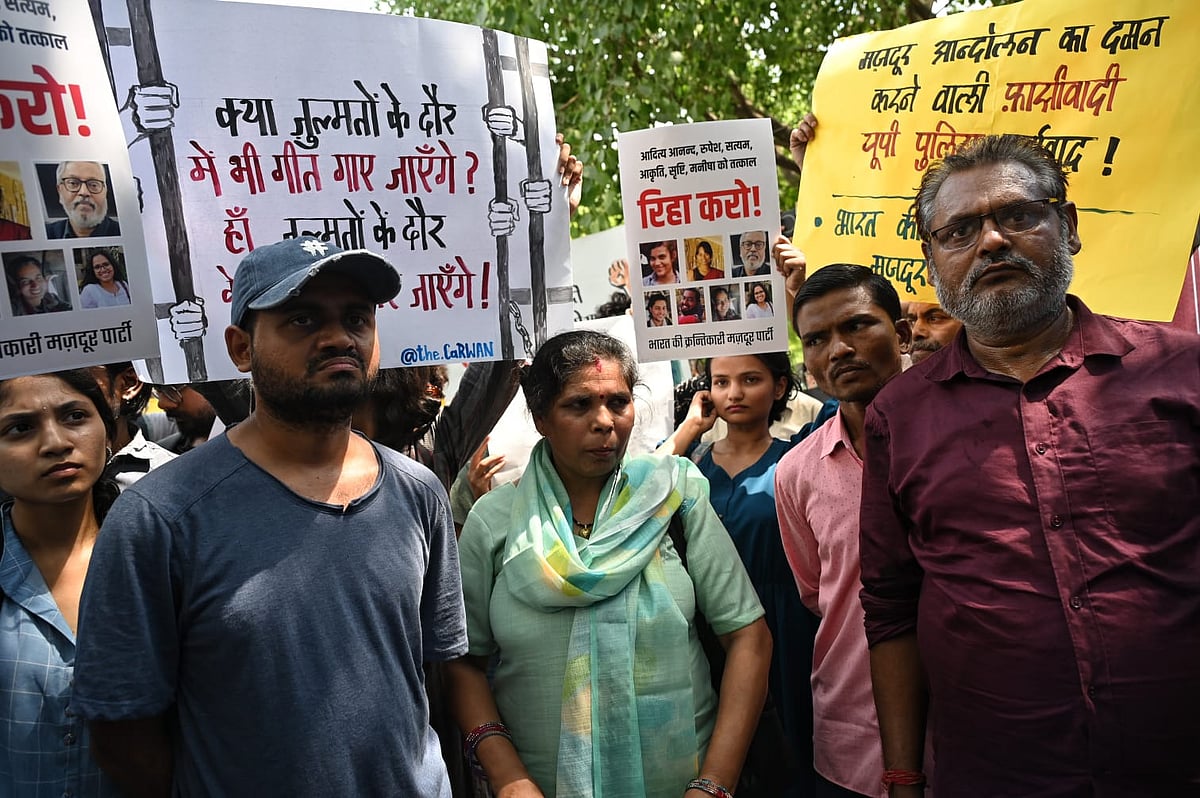
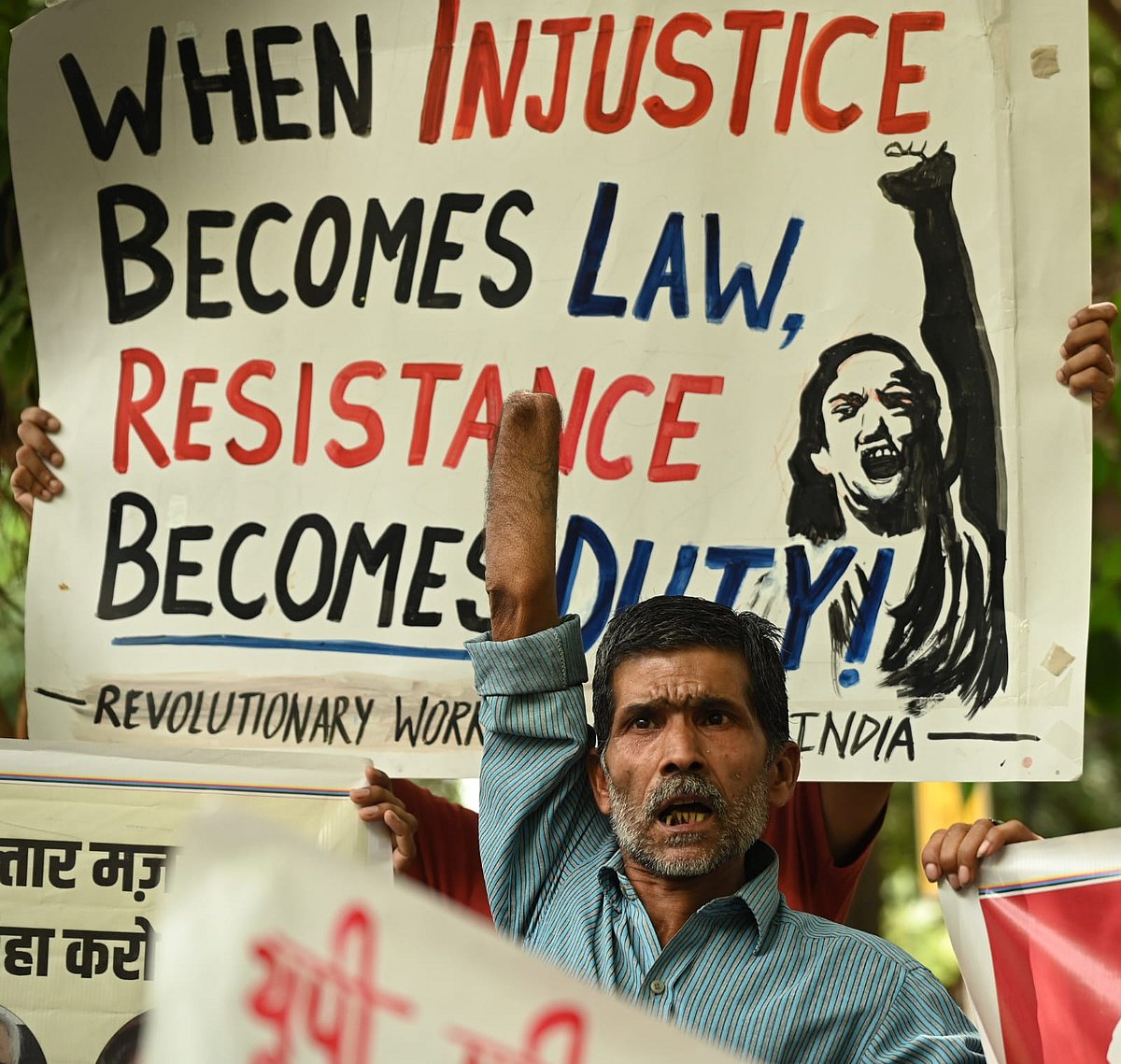
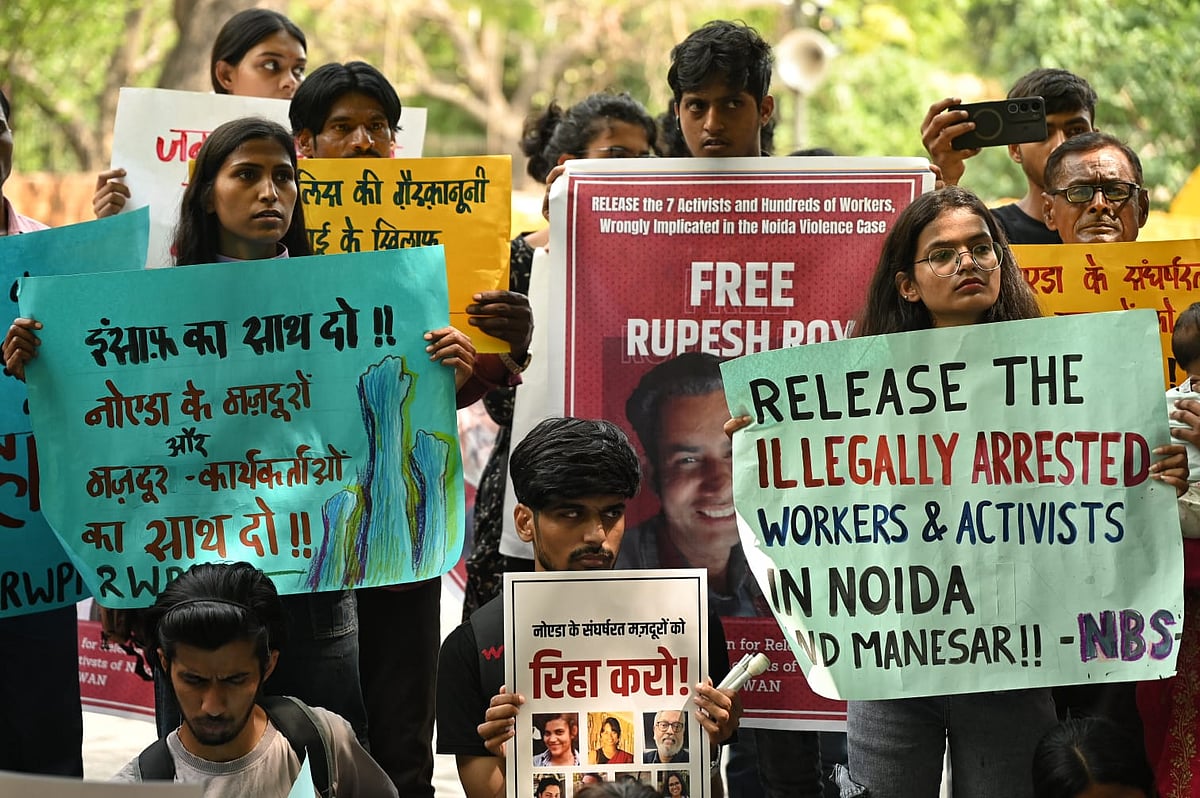
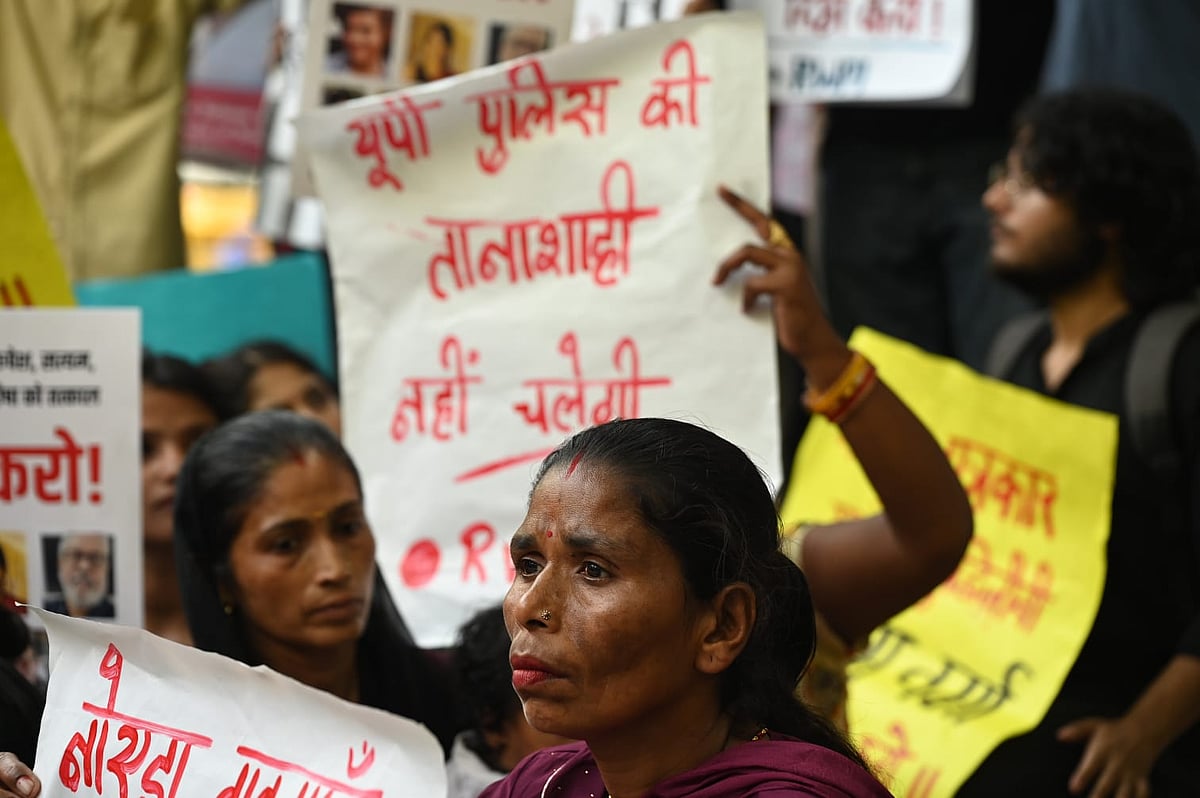
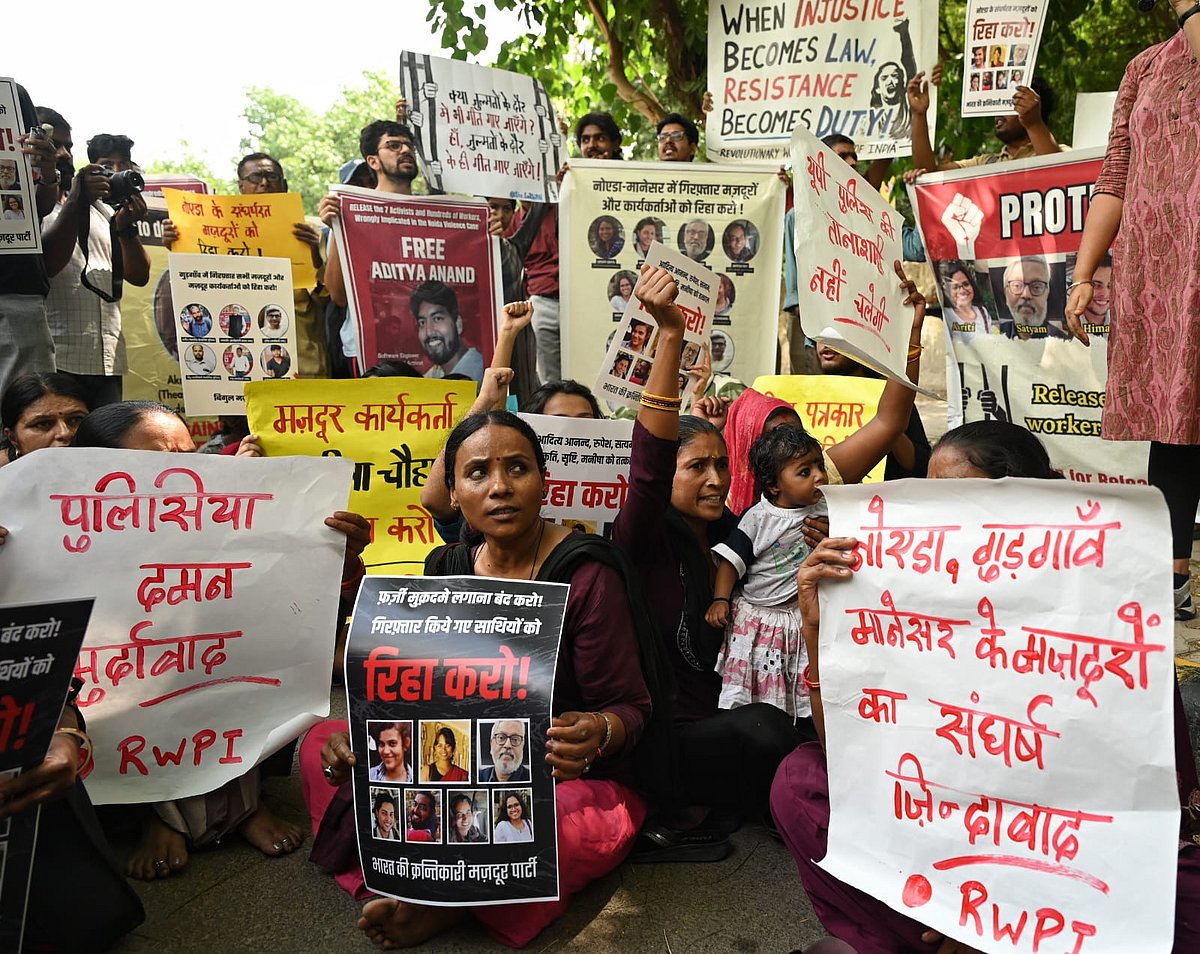
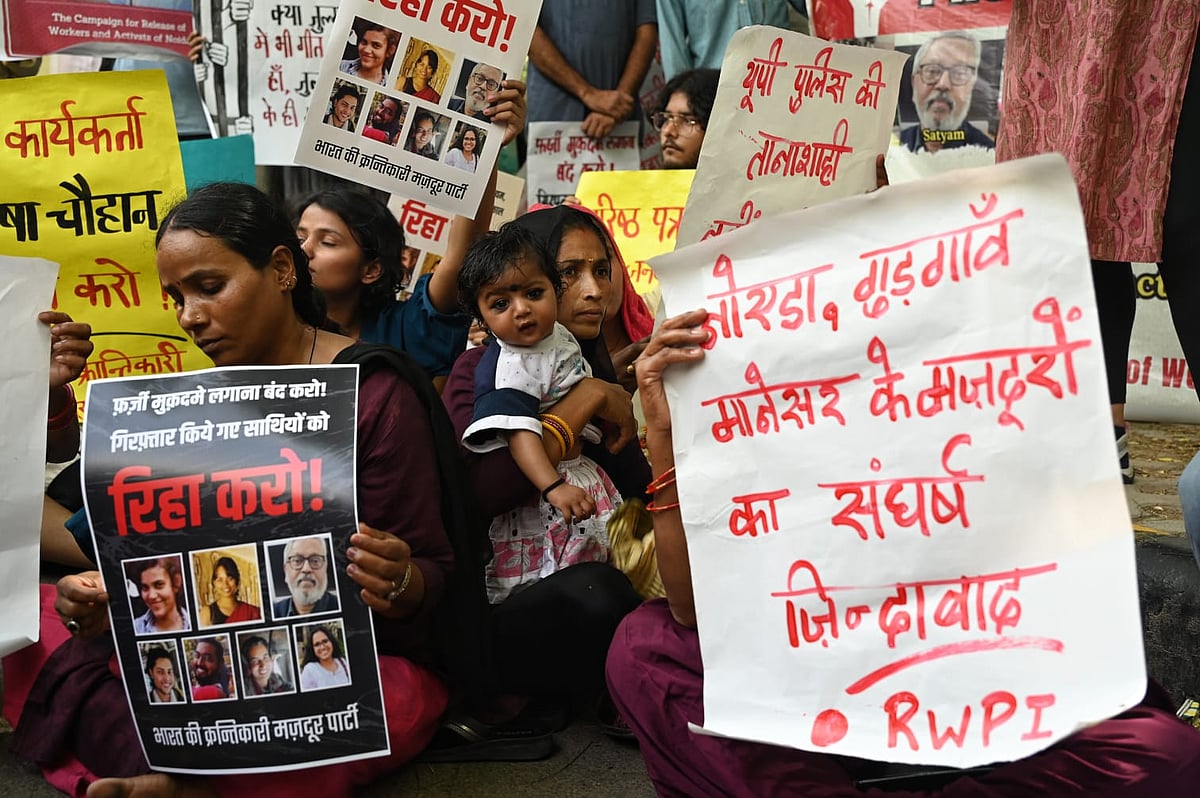
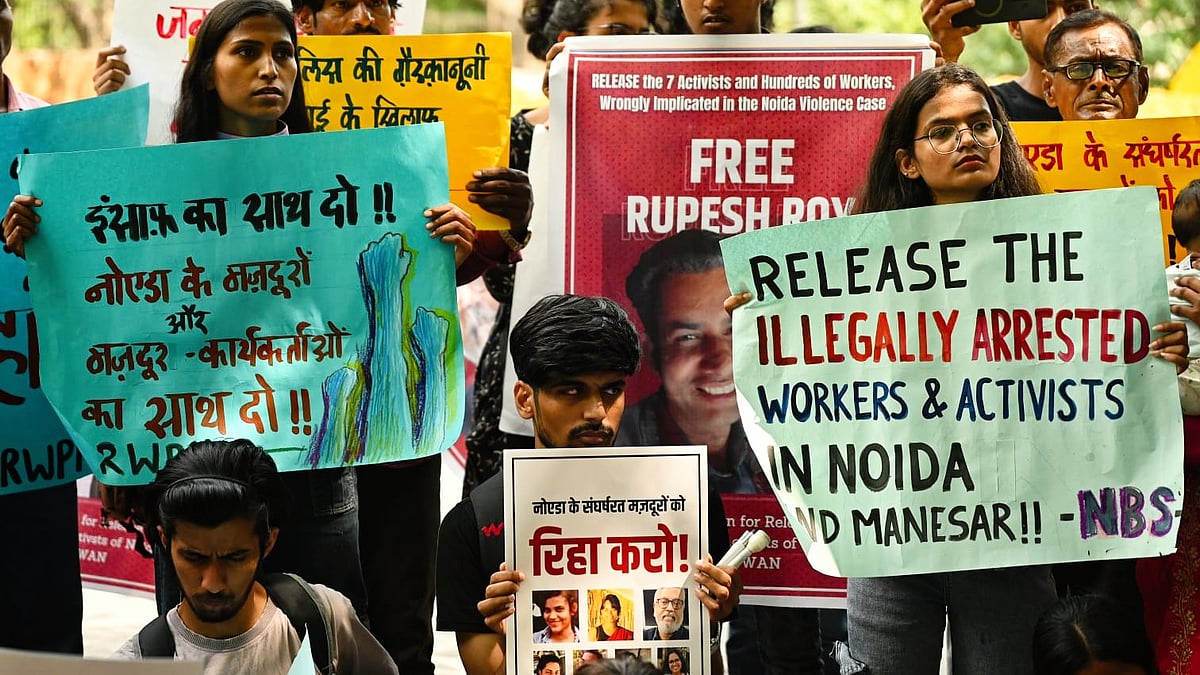
Following a workers’ protest in Noida, serious questions are being raised over police action against social activists, writers and students. Allegations include the police failing to share information, not providing copies of FIRs, and forcing arrested individuals to approach courts even to obtain basic documents.
Keshav Anand, brother of social activist and software engineer Aditya Anand, says a copy of the FIR was received only after two weeks through court intervention. Aditya is among seven people whose release is being demanded by political and social activists. Others include pro-people writer Satyam Verma, labour activist and auto driver Rupesh Roy, factory worker and activist Manisha, student Himanshu Thakur, pro-people artist and former Santiniketan student Srishti, and theatre artist and Delhi University alumna Aakriti.
Satyam Verma’s case, in particular, raises questions about the functioning of the police. Verma is an editor with the Uni Varta news agency and a writer who has translated and edited more than two dozen world classics. He has also edited the complete documents of Bhagat Singh and his associates.
On 17 April, Uttar Pradesh Police arrested Verma and described him as the “mastermind” in the Noida workers’ protest violence case. Verma occasionally wrote for the newspaper Mazdoor Bigul (which has around 41,000 followers on Facebook), a Lucknow-based monthly publication funded by public contributions and focused on labour issues.
A related Facebook page, Bigul Mazdoor Dasta (no longer visible in Facebook searches), actively covered workers’ protests across the country, sharing reels and social media posts related to labour demonstrations. Following the Noida protest, Bigul Mazdoor Dasta has been accused of inciting workers.
The Satyam Verma Release Forum alleges that the writer-journalist based in Lucknow, who kept a distance from both the protest and the protesters, has been falsely implicated because of his consistent writing on public issues and his vocal criticism of government policies. Verma has also been associated with the Janchetna Pustak Pratishthan and the Arvind Memorial Trust.
Visuals from the protest site in Noida (all photos: Vipin/NH)
In the first week of April, workers in Noida began protesting over wage hikes. On 11 April, Verma and writer-poet Katyayani were called to a local police outpost in Lucknow — before any violence had occurred in Noida — and questioned about Bigul and Janchetna. On 12 April, ACP and SP-level officers from local intelligence visited the Janchetna Pustak Pratishthan and questioned both Verma and Katyayani for the entire day.
On 13 April, the day violence broke out in Noida, police conducted a raid at Janchetna and took Verma, Katyayani, and senior journalist Sanjay Srivastava (former resident editor, Amar Ujala) to the police station. After being held all day and questioned, they were released. During these three days, none of them were given written notices, nor were they allowed to contact lawyers.
On 17 April, a large police team again raided Janchetna. Despite having a search warrant for only one floor, they conducted an extensive search of the entire premises. Without any written notice or arrest memo, the police took Verma into custody. They also seized all desktops, laptops, mobile phones, numerous files and books from the premises but did not provide any list of seized materials. Again, Verma was not allowed to contact lawyers.
Later that night, at around 1.00 am, a large police team brought Verma to his residence, where Katyayani also lives. Once again, neither lawyers nor relatives were allowed to be contacted. After searching the entire house, police seized desktops, laptops, hard drives, files and personal diaries belonging to both Verma and Katyayani, again without providing any inventory.
#WATCH | Uttar Pradesh | Security forces have been deployed in Noida to ensure a law and order situation on the occasion of International Labour Day
Police then took Verma away, and his arrest became known only after 40 hours, when information emerged that he had been brought to Surajpur, Noida, and produced before a magistrate. The Satyam Verma Release Forum has alleged that objectionable material could be planted in the seized computers and laptops of Verma, Katyayani and Janchetna to implicate them in serious offences.
Aditi, associated with the Revolutionary Workers Party of India, says: “Police, without uniform and in vehicles without number plates, knock on doors at night and pick people up. No notice is given, no information is shared.” She also alleges that those in custody have been assaulted by the police.
Social and political activists protesting for the release of Verma and others have demanded that all labour rights activists, writers, students and hundreds of others allegedly arrested without due legal process be released.
Varuni, associated with the Disha student organisation, says Himanshu’s whereabouts were unknown for two days, with no arrest memo or seizure memo provided. She adds that though an accused must be produced before a magistrate within 24 hours, Uttar Pradesh Police kept Himanshu elsewhere for 48 hours before presenting him in the Surajpur court. Police later secured his custody on 29 April. Himanshu’s mother Manisha Devi says her son was picked up by police from Delhi, but they only said he was being taken to Noida, and no further information has been provided.
Subhash Chandran, a lawyer associated with the All India Lawyers Union (Delhi), says police invoked Section 170 of the Bharatiya Nyaya Sanhita after the workers’ protest to make arrests. However, he notes that this is a preventive provision requiring that those detained be produced before a magistrate within 24 hours — something that did not happen in most cases.
Under Section 170, if a police officer receives information that a person is planning to commit a cognisable offence, they may arrest the individual without a warrant or magistrate’s order, but only if the offence cannot otherwise be prevented. A person arrested under this provision cannot be held in police custody for more than 24 hours unless required under another law.
Chandran further says: “We have also received a remand notice in another case registered at Noida Sector 58 police station (FIR 116/2026), which names 10 unidentified persons. It states that the total number of arrested workers is around 1,000–1,200. The 10 individuals named in the FIR have been booked under multiple sections of the Bharatiya Nyaya Sanhita, including Section 115(2) (causing hurt), Sections 351(2) and 352 (assault/use of criminal force and provocation), Section 191 (unlawful assembly/rioting), Section 3(5) (common intention), Section 132 (obstructing a public servant), and Section 126 (wrongful restraint), along with Section 7 of the CCA Act (violation of government orders/prohibitions) and Section 3(1) of the Prevention of Damage to Public Property Act.”
The Bharatiya Nyaya Sanhita also contains provisions granting police powers of seizure. Under Section 185, if a station house officer or investigating officer has reason to believe that an item related to an offence may be found at a location, they may conduct a search — but only if obtaining the item without delay would otherwise be impossible. The officer must record the reasons for this belief in the case diary and specify the items being searched for.
Additionally, under Section 105, the process of search and seizure requires preparing a list of all seized items, obtaining signatures of witnesses on that list, and recording the process through audio-video means. The recording must be promptly forwarded to the district magistrate, sub-divisional magistrate or a judicial magistrate of the first class. According to the Satyam Verma Release Forum, no such list of seized items was provided by the police.
Manik Gupta, lawyer for Aditya Anand, says the police have not shared any information, even though families must be informed prior to arrest and medical examination is mandatory. If an arrest is made in another state, transit remand must be obtained. He alleges that none of these procedures were followed. Regarding search and seizure, he says the police are required to provide a seizure memo, which was not done.
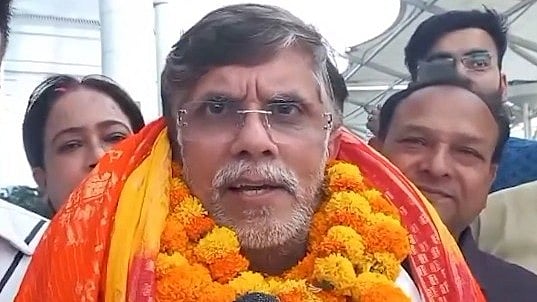
Congress leader Pawan Khera on Sunday welcomed the Supreme Court’s decision granting him anticipatory bail, calling it a reaffirmation of constitutional protections for those “fighting against an oppressive government”.
The relief came after the Supreme Court of India on 1 May allowed Khera’s plea in connection with an FIR over his alleged remarks against Riniki Bhuyan Sarma, wife of Assam chief minister Himanta Biswa Sarma.
Speaking to IANS at the Delhi airport, where he received a warm welcome from party workers, Khera credited the Constitution for safeguarding individual rights.
“The Constitution helps everyone. Whenever someone is in trouble or fighting against an oppressive government, B.R. Ambedkar’s Constitution ensures protection. The relief I received is also because of the same Constitution,” he said.
A Bench of justices J.K. Maheshwari and Atul S. Chandurkar set aside the Gauhati High Court’s earlier order denying pre-arrest protection, underscoring that individual liberty under Article 21 cannot be compromised lightly.
The court allowed anticipatory bail, directing that Khera be released in the event of arrest, subject to reasonable conditions set by the investigating officer.
He has been asked to cooperate with the probe, appear before authorities when required, refrain from influencing witnesses or tampering with evidence, and not leave the country without prior court permission.
The Congress termed the ruling a significant reaffirmation of civil liberties. Party leaders Jairam Ramesh and Abhishek Manu Singhvi said the judgment reinforces the principle that arrest should be a last resort, particularly in defamation-related cases.
“Personal liberty remains paramount, and arrest must not be routine but a last resort,” they said at a press conference.
Singhvi, who represented Khera, highlighted the “triple test” for arrest — risk of flight, tampering with evidence, or influencing witnesses.
“Without these, custodial action risks becoming a tool for humiliation, harassment and political point-scoring,” he said.
Ramesh added that the ruling strengthens faith in the judiciary.
“It shows that the flame of justice is very much alive in our country,” he remarked.
The case continues to draw political attention, with the Supreme Court’s order placing renewed focus on the balance between investigation and individual liberty.
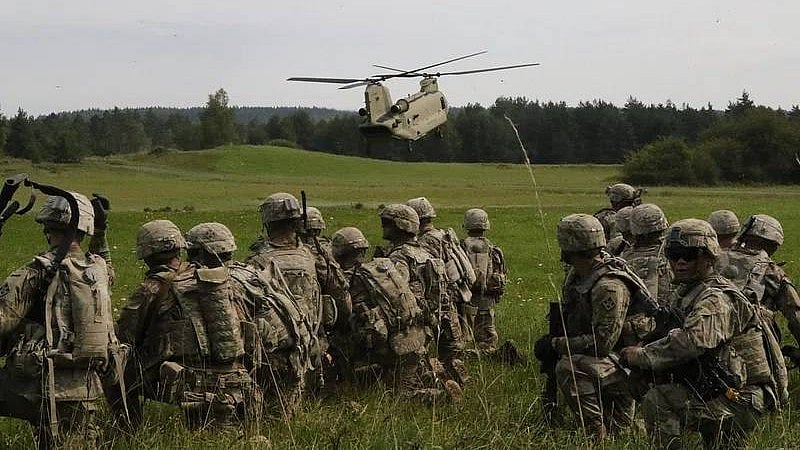
Germany on Saturday said the planned withdrawal of 5,000 American troops from the country should serve as a wake-up call for Europe to strengthen its own military capabilities, even as senior Republican lawmakers in the United States warned that reducing the US military footprint in Europe could weaken deterrence against Russia.
The Pentagon announced on Friday that it would begin withdrawing 5,000 troops from Germany, the largest American military base in Europe, in a move expected to be completed over the next six to 12 months.
The decision comes amid growing tensions between Washington and European allies over the Iran war, trade disputes and disagreements on broader NATO strategy.
Trump hints at deeper cuts
Donald Trump indicated the reduction could go far beyond the initial figure announced by the Pentagon.
“We're going to cut way down and we're cutting a lot further than 5,000,” Trump told reporters in Florida when asked about the plan.
The troop reduction also effectively ends a Biden-era plan to deploy a US battalion equipped with long-range Tomahawk missile systems in Germany, a deployment Berlin had strongly supported as a key deterrent against Russia.
Germany calls for stronger European defence
German Defence Minister Boris Pistorius said Europe now needed to assume greater responsibility for its own security architecture.
“We Europeans must take on more responsibility for our own security,” Pistorius said, adding, “Germany is on the right track” through military expansion, faster procurement and infrastructure upgrades.
The US currently maintains nearly 40,000 troops in Germany, including key installations such as the Ramstein Air Base and the Landstuhl military hospital, both of which have supported American operations in Iran as well as previous wars in Iraq and Afghanistan.
Senior Republicans oppose troop reduction
However, influential Republican lawmakers warned that the move could send the wrong signal to Moscow at a sensitive moment in the Russia-Ukraine conflict.
Roger Wicker and Mike Rogers, who chair the Senate and House Armed Services Committees respectively, said they were “very concerned” by the decision.
The two lawmakers argued the troops should not be removed from Europe but instead repositioned closer to NATO’s eastern flank.
“Prematurely reducing America’s forward presence in Europe before those capabilities are fully realized risks undermining deterrence and sending the wrong signal to Vladimir Putin,” they said in a joint statement.
NATO seeks clarification
A NATO spokesperson said the alliance was still working with Washington to understand the details of the withdrawal plan.
Meanwhile, Donald Tusk also expressed concern, warning that divisions within the transatlantic alliance were becoming more dangerous than external threats.
“The greatest threat to the transatlantic community are not its external enemies, but the ongoing disintegration of our alliance. We must all do what it takes to reverse this disastrous trend,” Tusk wrote on X.
Iran war and tariff tensions deepen rift
The troop withdrawal announcement came shortly after Trump threatened to raise tariffs on European Union automobile imports to 25 per cent, accusing the EU of violating trade commitments.
The decision has fuelled concerns in Berlin that Washington’s approach toward Europe is becoming increasingly transactional and unpredictable.
Peter Beyer from Chancellor Friedrich Merz’s CDU party suggested the decisions reflected political pressure on Trump amid domestic criticism over unresolved crises in Ukraine, Venezuela and Iran.
“Against this backdrop, both the troop withdrawal and the trade policy seem less like the expression of a coherent strategy and more like a political reflex and a reaction born of frustration,” Beyer said.
Long-range missile cancellation seen as bigger setback
Analysts said the cancellation of the long-range missile deployment may have greater strategic implications than the troop reduction itself.
The planned battalion was expected to provide NATO with enhanced long-range strike capability while European nations developed similar systems independently.
Christian Moelling said the United States currently maintained a near-monopoly within NATO over long-range strike systems.
“The U.S. holds a factual monopoly inside NATO on long-range fires. That is why this is operationally more serious than the troop number,” he said.
Republicans worried as Germany urges Europe to rearm after US announces troop pullout
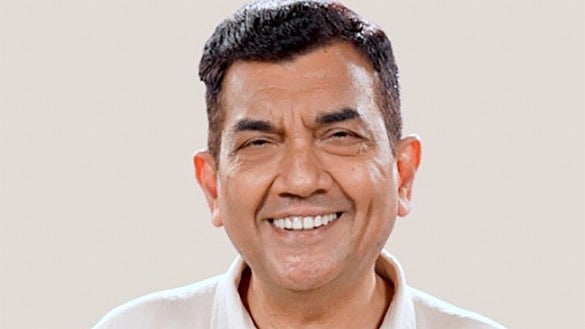
Celebrated chef Sanjeev Kapoor has weighed in on the growing role of artificial intelligence in the culinary world, urging openness to innovation and adaptation rather than resistance.
In an interaction with IANS, Kapoor said technology — whether AI or earlier digital shifts — has always reshaped how people cook and consume food, and must be embraced as part of progress.
“Whether it is AI or any other technology, we always need to adapt to it… there is always going to be something new, and we will have to move forward along with it. So we should not be scared of the new technology, we should try to work along with it,” he said.
Kapoor, who became a household name through his iconic show Khana Khazana, highlighted that culinary traditions can evolve alongside technological advancements without losing their essence.
In a notable crossover of food and technology, filmmaker Hansal Mehta — who once directed episodes of Khana Khazana — is now working on what is being described as India’s first AI-powered cooking series, titled Khana Dil Se.
Mehta described the project as more than just a visual experiment, positioning AI as a creative collaborator in storytelling.
“The use of AI will not just be as a visual and imagination tool, but as a collaborator in the storytelling itself. ‘Khana Dil Se’ reclaims food as a living cultural heritage,” he said.
Reflecting on the deeper meaning of cooking, Mehta emphasised that food transcends recipes, acting as a vessel of history, identity, and human connection.
“When you cook something from another culture, you are not just following a recipe — you are stepping into a piece of someone else’s life,” he said. “A recipe carries within it an entire history: of land, of migration, of a grandmother’s hands… these are among humanity’s most durable cultural documents.”
As AI continues to reshape industries, voices like Kapoor and Mehta suggest that the future of cooking may lie in blending tradition with technology — where innovation enhances, rather than replaces, the human stories behind food.
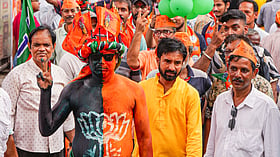
If you are a normal voter, you have any number of parties you can support and vote for. There is the DMK, AIADMK, TDP, NCP, PDP, TMC, INC, JD(S) and JD(U), the NCP again, TRS, the new TVK, CPM, CPI and so on. There is no shortage of parties with different platforms.
But if your primary interest lies in the bullying and harassment of Indian minorities, particularly Muslims, there is only one party for you — and that is the BJP. Fortunately, it is on offer nationally and in most states. It unites prejudiced Indians in much the same way as cricket and the English language do, cutting across regions.
In a recent media interaction, an analyst put the same point differently. He said of the BJP’s appeal: “Anybody who has a right-wing ideology has one party. On the other side, there is so much competition and that vote gets split.”
Let us try to understand why this is the case, because it is true: the BJP has no competition when it comes to what it does. The term ‘right-wing’ is often a euphemism for hate-based politics — and we shall see why in a moment. First, after accepting that there is no rival to the BJP, we must also accept that it offers a simple, easy-to-understand formula.
‘I hate Muslims’ does not require further elaboration. It is clear, direct and effective. The voter does not need to examine a manifesto to understand what the party represents. The distilled essence of the BJP’s ideology is anti-minority.
If you are in the market for a party that does this, you have one at hand — with a national presence and decades of proven delivery on this issue. So why look for another? There is no need.
A question arises: can the BJP not face competition from another party whose position is: 'But I hate Muslims more'?
It could, and it might — but that position can also be taken within the BJP itself, as we will likely see if and when succession struggles begin. The acceptable spectrum of the BJP’s ideology ranges from disliking minorities to detesting them, and all sentiments within this spectrum are acceptable.
This is the first and most important reason why the BJP has no rival in what it does: it is consistently anti-minority. The second reason is that other parties either choose not to do what the BJP focuses on, or do it episodically and come across as inauthentic. Many parties in India have dabbled in communalism, as we know. But communalism is not at the centre of their politics or identity. The BJP is not the only party to have profited from division and hate, but it is the only one to have made this its central platform.
The list of issues that made the BJP what it is — India’s largest party — remained unchanged for years. First, Muslims must give up their mosque in Ayodhya; second, Muslims must give up their constitutional autonomy in Kashmir; third, Muslims must give up their personal law. Note that there is nothing for Hindus in this framework — for instance, reservations for Dalits and Adivasis remain untouched. The focus is on minorities, which underpins conclusions about what the party stands for.
Having achieved most of what it set out to do, the party has remained on the same path, as we have seen: Muslims must give up their diet; give up agency over whom to love and marry; give up agency over where to live and pray; whether they can vote; whether they can seek asylum — and so on. There is no end to this, and there will be no end, because harassment is the intent and bullying the ultimate objective.
This bigotry is often described as ‘right-wing’ ideology — a characterisation that does a disservice to the term. Conservatism, as generally understood in politics, has a long and respectable tradition. It seeks continuity and values stability.
Abolishing currency, for instance, is a radical idea, not a conservative one. None of the arbitrary tinkering, renaming, institutional weakening or disruption we have witnessed fits within classical conservatism. What is presented as ‘right-wing’ here is, in fact, intense prejudice cloaked in a more acceptable label.
It is for this reason that BJP manifestos over the decades have experimented with, adopted and then abandoned many positions. In the 1960s and 1970s, they leaned socialist. Under Vajpayee, the party proposed capping incomes and home sizes — later abandoned. It argued against mechanisation replacing labour in factories — also dropped. It even advocated the use of bullocks instead of tractors — again, discarded. None of these positions were taken up or abandoned with much explanation, because none was needed.
The primary product that the BJP and its predecessor, the Jana Sangh, have consistently offered has always been visible: an unchanging hostility towards minorities. The rest has been secondary. As long as that core promise was delivered upon — and it has been, one must concede — the rest was largely irrelevant.
That is why there is only one BJP — and why it is unlikely to face a challenger on its chosen terrain.
Views are personal. More of Aakar Patel’s writing here

 Login
Login