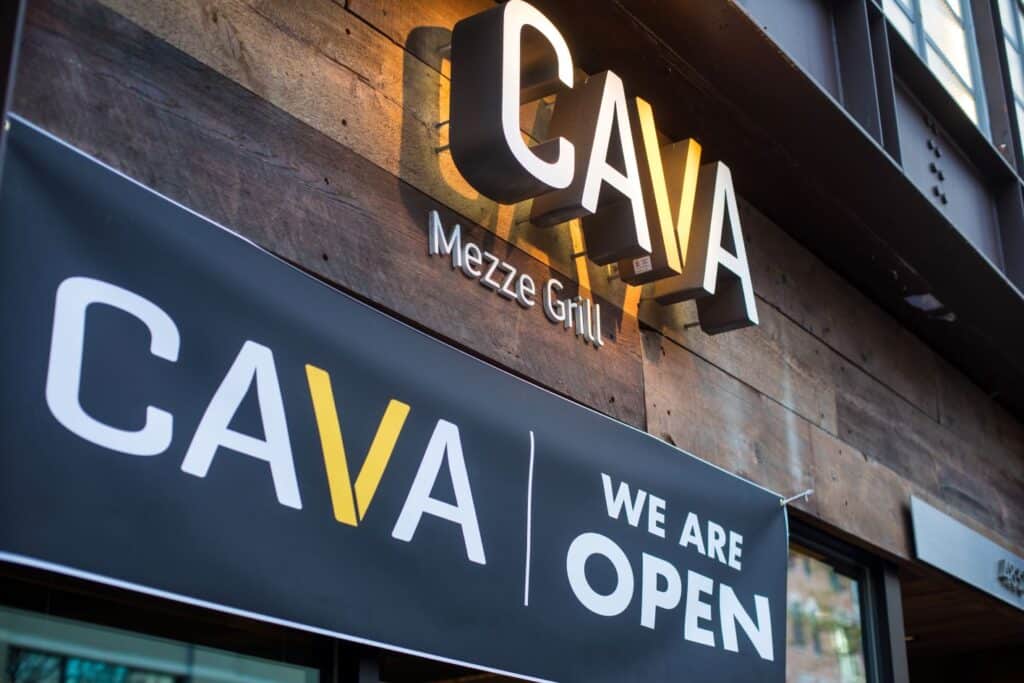
Normal view

  • ✇MyFitnessPal Blog
  • How To Pick a Better CAVA Order Reem Tolba
    Choosing a CAVA order can feel simple even with so many great options of bases, dips, proteins, toppings, and dressings. Below, Emily Sullivan, RD, MyFitnessPal Registered Dietitian, shares five picks she would recommend, plus tips for making each one work for your unique goals. How To Think About Your CAVA Order CAVA food is flexible in the best way. You can keep things simple with a curated bowl or pita, or build your own meal from greens, grains, proteins, dips, toppings, and dressing.
     

How To Pick a Better CAVA Order

2 June 2026 at 13:27
healthy options to eat at CAVA

Choosing a CAVA order can feel simple even with so many great options of bases, dips, proteins, toppings, and dressings. Below, Emily Sullivan, RD, MyFitnessPal Registered Dietitian, shares five picks she would recommend, plus tips for making each one work for your unique goals.

How To Think About Your CAVA Order

CAVA food is flexible in the best way. You can keep things simple with a curated bowl or pita, or build your own meal from greens, grains, proteins, dips, toppings, and dressing.

That flexibility is helpful. It can also make the menu feel limitless. The quiet move is to decide what you want the meal to do first.

Maybe you want more protein. Maybe you want a higher-fiber bowl. Maybe you want to keep calories or sodium more moderate. Or maybe you want something filling that still tastes like the order you actually wanted. A tool like MyFitnessPal can also help you compare meals when you want a clearer look at calories, protein, fiber, or sodium. 

Once you have that goal in mind, the menu gets easier to navigate. You can choose the ingredients that help you get there, then adjust the extras depending on what matters most to you.

5 Healthier CAVA Orders To Try

1. Salmon + Yogurt Dill

This bowl pairs glazed salmon with arugula, saffron basmati rice, hummus, Crazy Feta, fire-roasted corn, tomato + onion, cucumber, and yogurt dill dressing. CAVA lists the Salmon + Yogurt Dill at 710 calories, 35 grams of protein, 5 grams of fiber, and 1,870 milligrams of sodium. (1,3)

“Salmon is a great source of heart-healthy omega-3 fatty acids, and the colorful mix of vegetables rounds out the dish with an array of vitamins and minerals,” Sullivan says. (4)

RD tip: To increase the fiber, swap the saffron basmati rice for black lentils. CAVA lists saffron basmati rice at 2 grams of fiber and black lentils at 15 grams of fiber, so that swap adds 13 grams of fiber. (1)

Other considerations: This bowl has 1,870 milligrams, compared to the FDA’s 2,300-milligram Daily Value for sodium. (1,2)

2. Spicy Lamb + Avocado Bowl

This bowl is built with spicy lamb meatballs, avocado, red pepper hummus, Crazy Feta, cucumber, pickled onions, tomato + onion, black lentils, Super Greens, and lemon herb tahini. It has 800 calories, 43 grams of protein, 17 grams of fiber, and 1,670 milligrams of sodium. (1,5)

“Creamy avocado and nutty tahini bring healthy fats and depth of flavor, while the black lentils and vegetables round out the bowl with a substantial boost of fiber.,” Sullivan says. (1)

This is one of the higher-fiber picks on the list. The FDA lists the Daily Value for dietary fiber as 28 grams, so 17 grams is a meaningful amount in one meal. (1,2)

RD tip: If you want to reduce the sodium and fat content, skip the feta. CAVA lists one serving of Crazy Feta at 70 calories, 6 grams of fat, and 230 milligrams of sodium. (1)

Other considerations: This is a bigger bowl. If you want the flavor but not the full portion, you could save part for later.

3. Greek Chicken Pita

This pita includes grilled chicken, tzatziki, tomato + onion, Kalamata olives, feta, shredded romaine, and yogurt dill dressing. CAVA lists the Greek Chicken Pita at 720 calories, 48 grams of protein, 8 grams of fiber, and 2,230 milligrams of sodium. (1,6)

This can be a helpful CAVA order when you want something handheld, but still want protein and vegetables in the mix.

“With a hearty serving of protein, carbohydrates from the pita, and several different fresh vegetables, this sandwich is a convenient, balanced meal,” Sullivan says. (1)

RD tip: To reduce sodium, skip the Kalamata olives. CAVA lists Kalamata olives at 360 milligrams of sodium per serving. (1)

Other considerations: This pita is one of the higher-sodium picks on this list, with 2,230 milligrams of sodium. If sodium is something you are watching, this is a good place to customize. (1,2)

4. Steak + Harissa Bowl

The Steak + Harissa Bowl includes grilled steak, Crazy Feta, red pepper hummus, tomato + onion, cucumber, feta, sumac slaw, brown rice, Super Greens, and hot harissa vinaigrette. It has 620 calories, 37 grams of protein, 7 grams of fiber, and 1,830 milligrams of sodium. (1,7)

This is the lowest-calorie option among the five picks in this article, but it still brings a solid amount of protein. The Super Greens, brown rice, and vegetables also help make the bowl feel more complete. (1)

RD tip: If you are looking to lower the carbs, swap the brown rice base for Super Greens or arugula. CAVA lists brown rice at 48 grams of carbohydrates per serving, compared with 6 grams for Super Greens and 3 grams for arugula. (1)

Other considerations: The sodium comes in at 1,830 milligrams. (1) Also, this is a bolder, spicier bowl, so it may not be the move if you want something mild.

5. Falafel Crunch Bowl

The Falafel Crunch Bowl is a vegetarian option with falafel, hummus, black lentils, Crazy Feta, Persian cucumber, pickled onions, sumac slaw, romaine, tomato + onion, basmati rice, pita crisps, and skhug. CAVA lists it at 860 calories, 24 grams of protein, 18 grams of fiber, and 2,210 milligrams of sodium. (1,8)

“Packed with fiber-rich black lentils, chickpea-based falafel, and hummus, it delivers a combination of plant-based protein, fiber, and complex carbohydrates,” Sullivan says. (1)

RD tip: To reduce sodium, ask for the crumbled feta, or for light Crazy Feta if your location allows it. CAVA lists Crazy Feta at 230 milligrams of sodium per serving, while crumbled feta adds 35 calories, 2.5 grams of fat, and 125 milligrams of sodium. (1)

Other considerations: This bowl is the highest-calorie pick on this list and has 2,210 milligrams of sodium. Consider customizing or balancing with lower-sodium choices later in the day. (1)

Simple CAVA Ordering Tips

Start with protein and fiber

Look for a protein you enjoy, then check whether the bowl has a fiber source like lentils, greens, avocado, hummus, or grains.

That combo can make the meal feel more complete without needing to rebuild the whole menu from scratch.

Watch the sodium add-ons

CAVA flavor often comes from briny, tangy, salty ingredients. That can be delicious, but it can add up.

If you are watching sodium, look at items like Kalamata olives, feta, pickles, and dressings. You do not need to remove all of them. Choosing one or two can be enough. (1)

Use MyFitnessPal to compare orders

If you are deciding between two bowls, MyFitnessPal can help you zoom out and compare calories, protein, fiber, and sodium. It is not about making the order perfect. It is about understanding where it fits in your day.

Customize without overthinking it

You do not have to make five changes to build a better bowl. One thoughtful swap can do the job.

Try black lentils instead of rice for more fiber. Choose greens instead of grains when you want a lighter base. Ask for light feta if you still want the flavor, just less of it. (1)

Frequently Asked Questions (FAQs)

  • What is the healthiest CAVA order?

There is no single healthiest CAVA order for everyone. It depends on your goals and appetite. From this list, the Steak + Harissa Bowl is the lowest in calories, the Greek Chicken Pita is highest in protein, and the Falafel Crunch Bowl is highest in fiber. (1)

  • How many calories are in CAVA bowls?

CAVA calories vary by bowl, pita, and customization. In this list, the picks range from 620 calories for the Steak + Harissa Bowl to 860 calories for the Falafel Crunch Bowl. (1)

  • How can I lower sodium at CAVA?

Start with small changes. You can skip or go lighter on higher-sodium add-ons like Kalamata olives, feta, pickles, and certain dressings. CAVA lists Kalamata olives at 360 milligrams of sodium, Crazy Feta at 230 milligrams, and Hot Harissa Vinaigrette at 270 milligrams per serving. (1)

  • Is the Falafel Crunch Bowl vegetarian?

Yes. CAVA lists the Falafel Crunch Bowl as vegetarian, though it contains milk, sesame, and wheat. (8)

Bottom Line

CAVA can be a strong fast-casual option when you know how to order to hit your goals. The menu has plenty of ways to build a meal with protein, vegetables, grains, lentils, dips, and flavorful toppings.

The main thing to watch is sodium, especially in bowls or pitas with feta, olives, pickles, dressings, and multiple savory add-ons. (1,2)

The best CAVA order is not the most “perfect” one. It is the one that fits your appetite, your goals, and the rest of your day.

And if you want more real-life ideas, the MyFitnessPal Community can be a helpful place to see how other people customize restaurant meals and make everyday food choices work for them.

Originally published July 9, 2024; Updated May 2026

The post How To Pick a Better CAVA Order appeared first on MyFitnessPal Blog.

  • ✇MyFitnessPal Blog
  • Grocery Shopping Tips: Low Sodium Options That Don’t Blow Your Budget Reem Tolba
    Welcome to Grocery Shopping Tips, where we break down how to align your nutrition goals with your grocery budget. This time, we’re focusing on low sodium options. We asked MyFitnessPal registered dietitians to share the staples they rely on, and how they make lower-sodium cooking feel realistic and sustainable. You might also like Is Sodium Bad for You? Separating Myth from Fact 6 Steps For Navigating the Aisles with Sodium in Mind Step 1: Know Your Sodium Baseline B
     

Grocery Shopping Tips: Low Sodium Options That Don’t Blow Your Budget

8 June 2026 at 13:00
Man scanning coconut milk can with smartphone in grocery store aisle

Welcome to Grocery Shopping Tips, where we break down how to align your nutrition goals with your grocery budget. This time, we’re focusing on low sodium options.

We asked MyFitnessPal registered dietitians to share the staples they rely on, and how they make lower-sodium cooking feel realistic and sustainable.

6 Steps For Navigating the Aisles with Sodium in Mind

Step 1: Know Your Sodium Baseline

Before you change your pantry, it helps to understand your starting point.

The Dietary Guidelines for Americans recommend limiting sodium to 2,300 mg per day for most adults (1). For people with high blood pressure or heart conditions, the American Heart Association often recommends lower targets under medical supervision (3).

If you’re not sure where you fall, tracking your meals for a few days in MyFitnessPal can give you a clearer picture of how quickly sodium adds up, especially from packaged or restaurant foods.

Step 2: Upgrade Your Foundation Staples with Lower-Sodium Ingredients

Instead of starting with specialty products, begin with the ingredients you use most often. Here are a few examples from our registered dietitians:

  1. Beans 

Brookell White, RD, MyFitnessPal Registered Dietitian always chooses lower-sodium or no-salt-added canned options.

They’re affordable, shelf-stable, and provide 9 grams of fiber per ½ cup serving (4). And because most Americans fall short on fiber intake, beans pull double duty, supporting both heart health and digestive health (1,5,6).

She points out that in many stores, no salt added beans cost about the same as regular versions. When time allows, dried beans are even cheaper, and can be batch-cooked and frozen. And even as they are, these dried beans have a shelf life of 1-2 years (7).

If you do buy regular canned beans, rinsing them can help reduce some sodium (2).

  1. Tomatoes

Joanna Gregg, RD, MyFitnessPal Registered Dietitian keeps no salt added diced tomatoes stocked year-round.

Instead of thinking of them as just a canned good, she treats them as a flavor base, adding bulk and brightness to soups, sauces, and casseroles across cuisines.

She also recommends comparing price per ounce when shopping for fresh, frozen, or canned produce. Frozen vegetables are often comparable in cost and reduce spoilage (8).

  1. Broth

For Katherine Basbaum, RD, MyFitnessPal Registered Dietitian, low sodium chicken broth is a must-have for building flavor at home.

Rather than cooking rice or quinoa in water, she uses low sodium broth for added flavor—without the high sodium content of traditional broths.

This is a good example of a swap that doesn’t feel restrictive. It simply makes lower-sodium cooking easier.

Step 3: Build a Flavor Pantry So Meals Stay Low in Sodium

One of the biggest fears around low-sodium eating is that food will taste bland.

Emily Sullivan, RD, MyFitnessPal Registered Dietitian says that assumption misses something important.

Low-sodium cooking isn’t about removing flavor (or sodium entirely) but about building flavor differently.

That’s why she recommends keeping apple cider vinegar, or any vinegar you enjoy, stocked in your pantry. It “can elevate the flavor profile of many dishes without the use of salt.”

She also recommends affordable flavor builders like:

  • Garlic powder
  • Onion powder
  • Smoked paprika
  • Cumin
  • Oregano
  • Italian seasoning
  • Lemon juice
  • Fresh garlic and onions

Slow-cooked aromatics create depth. A splash of vinegar brightens flavors. Even a bit of pickle brine can add tang.

The key is starting with versatile basics and expanding slowly, not buying every specialty spice at once.

Step 4: Read Beyond the Label Claims

Katherine Basbaum, RD, says one of the biggest mistakes she sees is shoppers relying on front-of-package claims without checking the Nutrition Facts panel.

“If you see ‘lower sodium’ or ‘reduced sodium’ advertised on the front, before you drop it in your cart, take a minute to check the Nutrition Facts panel on the back. These foods may still be quite high in sodium despite being lower than the original.”

The FDA defines “reduced sodium” as at least 25% less than the original product (2). But if the original was very high, the reduced version may still be high.

The same goes for foods marketed as healthy for other reasons, like bread labeled “made with whole grains” or cottage cheese promoted as “high in protein.” 

One positive nutrition claim doesn’t automatically make the whole product a smart choice, especially when it comes to sodium.

Before adding something to your cart, flip the package over and check the milligrams per serving.

That’s what really counts.

Step 5: Expect a Flavor Adjustment Period

If you’re used to dining out frequently, home-cooked lower-sodium meals may taste different at first. 

Restaurant foods are often higher in sodium, which can shape taste expectations (9).

Sullivan suggests focusing on recipes you genuinely enjoy and giving your palate time to adjust. Over time, heavily salted foods may start to taste overly intense.

Step 6: Build a Budget-Friendly Low Sodium Shopping List

Low-sodium eating doesn’t require specialty health foods.

White recommends:

  • Stocking up on shelf-stable low-sodium staples when they’re on sale
  • Buying dried beans in bulk
  • Comparing unit price per ounce
  • Freezing leftovers to reduce waste

Sometimes the lower-sodium version is similar in price, and other times it may cost slightly more, checking the label helps you decide what works for your budget.

Frequently Asked Questions (FAQs)

  • How much sodium should the average adult consume per day?
    The Dietary Guidelines for Americans recommend limiting sodium to no more than 2,300 mg per day for most adults (1). Individuals with high blood pressure or certain heart conditions are often advised to aim lower, around 1,500 mg per day, under medical supervision (3).
  • What does “reduced sodium” actually mean?
    According to the FDA, “reduced sodium” means a product contains at least 25% less sodium than the original version (2). However, that doesn’t necessarily mean it’s low in sodium overall. Always check the milligrams per serving on the Nutrition Facts panel.
  • Is “no salt added” the same as “low sodium”?
    Not exactly. “No salt added” means no salt was added during processing, but the food may still contain naturally occurring sodium. “Low sodium” has a specific regulatory definition, which is 140 mg of sodium or less per serving (2).
  • Does rinsing canned beans really reduce sodium?
    Yes. Rinsing canned beans under running water can help remove some of the sodium from the packing liquid (2). It’s a simple step that can make a difference if lower-sodium versions aren’t available.

Bottom Line

A low-sodium pantry isn’t about restriction. It’s about intention.

Choose no salt added versions when possible.
Build flavor with herbs, acids, and aromatics.
Read labels instead of relying on marketing claims.

Over time, those small decisions add up, and make cooking heart-healthy meals feel natural instead of complicated.

And if you want a clearer picture of your sodium intake, tracking meals in MyFitnessPal can help you monitor your daily totals.

You can then compare your intake to your personal goal—whether that’s 2,300 mg per day or a lower target recommended by your healthcare provider.

The post Grocery Shopping Tips: Low Sodium Options That Don’t Blow Your Budget appeared first on MyFitnessPal Blog.

  • ✇MyFitnessPal Blog
  • Memorial Day Cookout Guide: Everyone Will Want Seconds Reem Tolba
    Memorial Day weekend signals the unofficial start of summer, and for many people, that means the first Memorial Day cookout of the season. It’s the first backyard gathering of the season—the grill heating up, a table filling with sides, and people outside with plates in hand. And whether you’re hosting the cookout or showing up as a guest, it can help to have a simple strategy for navigating the spread while still supporting your health goals. Here’s how to approach a Memorial Day BBQ
     

Memorial Day Cookout Guide: Everyone Will Want Seconds

21 May 2026 at 13:00
Man grilling vegetables and meat outdoors while holding beer at summer barbecue gathering

Memorial Day weekend signals the unofficial start of summer, and for many people, that means the first Memorial Day cookout of the season.

It’s the first backyard gathering of the season—the grill heating up, a table filling with sides, and people outside with plates in hand.

And whether you’re hosting the cookout or showing up as a guest, it can help to have a simple strategy for navigating the spread while still supporting your health goals.

Here’s how to approach a Memorial Day BBQ with balance in mind.

Start With Lean Protein for Healthy Grilling

At most BBQs, the protein is the centerpiece of the meal. Starting there can make everything else easier.

Protein supports satiety and helps keep meals satisfying, which can be especially helpful at gatherings where food is available for hours (1).

Some BBQ-friendly options include:

  • Grilled chicken breast (or thighs for a more budget-friendly flavorful option)
  • Turkey burgers (often an affordable choice when feeding a crowd)
  • Shrimp skewers
  • Salmon fillets
  • Lean beef burgers

If you’re hosting, these proteins are easy to grill in batches. And if you’re attending, look for whichever protein option is available and build the rest of your plate around it.

“When you start a BBQ meal with a protein source, it naturally helps the meal feel more satisfying and balanced,” says Emily Sullivan, RD, MyFitnessPal dietitian. 

Simple marinades with olive oil, citrus, herbs, or garlic can add plenty of flavor without needing heavy sauces.

Put Vegetables on the Grill

The grill isn’t just for burgers and chicken.

Vegetables cook beautifully over open heat, developing caramelized edges and smoky flavor that makes them just as appealing as the main dish.

Good grilling options include:

  • Zucchini and summer squash
  • Bell peppers
  • Mushrooms
  • Asparagus
  • Corn on the cob
  • Tomatoes
  • Onion wedges

Toss vegetables lightly with oil and seasoning before grilling, or place them on skewers for easy cooking.

“Vegetables contribute fiber, vitamins, and minerals that support overall health while adding color and variety to the table (2),” notes Sullivan. 

Choose Memorial Day Side Dishes on Purpose

BBQ spreads usually include several side dishes, and that’s part of the fun. Many of these classic sides are also simple and affordable to prepare for a crowd, which is one reason they show up at so many cookouts.

For your plate, rather than sampling a little of everything, choose two sides intentionally: one hearty option and one lighter, produce choice.

Hearty sides might include:

  • Potato salad
  • Pasta salad
  • Baked beans (a classic, budget-friendly BBQ staple)
  • Chips and dip

Fresh sides might include:

  • Cucumber or tomato salad
  • Coleslaw
  • Watermelon
  • Mixed greens

“Pairing your favorite BBQ side with fiber-rich foods like vegetables, fruit, or beans can help make the meal more satisfying overall (3),” adds Sullivan. 

This approach keeps the meal enjoyable without feeling like you’re skipping the foods you came to enjoy.

Build a Balanced Plate

At a buffet-style BBQ, building your plate intentionally can make the biggest difference.

A simple guideline is to aim for a mix of:

  • Protein
  • Vegetables or fruit
  • One or two sides you enjoy

Extras like sauces, buns, and dips absolutely count toward your overall nutrition, so if you’re tracking meals in MyFitnessPal, remember to log them along with the rest of your plate.

Most importantly, remember that one holiday meal doesn’t define your habits.

Healthy Grilling Tips for Memorial Day

Grilling is a Memorial Day tradition, but some people wonder whether grilled meat is healthy. The concern comes from compounds that can form when meat is cooked at very high temperatures.

Two of these compounds, heterocyclic amines (HCAs) and polycyclic aromatic hydrocarbons (PAHs), can develop when proteins react to high heat or when fat drips onto flames and creates smoke that sticks to the meat (4). 

In very high amounts, these compounds have been shown to cause cancer in animal studies, though typical exposure from grilling is much lower (4).

Fortunately, a few simple grilling habits can help reduce the formation of these compounds:

  • Choose lean cuts of meat. Leaner options like chicken breast, fish, and turkey produce fewer fat drippings, which can reduce smoke and PAHs while cooking (5,6).
  • Marinate meat before grilling. Marinades, especially those with acidic ingredients and herbs, can significantly reduce HCA formation (6,7,8).
  • Flip meat frequently. Turning meat more often can help prevent burning and limit the formation of HCAs (9).
  • Avoid heavy charring. Remove blackened portions and avoid overcooking meats as these can increase HCA levels (4,10).
  • Use moderate heat or indirect grilling. Keeping food slightly farther from direct flames can reduce smoke exposure and PAHs (6,5,9).

Adding fruits and vegetables to the grill is another easy strategy. They don’t produce HCAs and provide fiber, vitamins, and beneficial plant compounds that support overall health (11).

According to Sullivan, “grilling can absolutely be part of a healthy eating pattern, especially when you include grilled vegetables with proteins and use the right techniques.”

Frequently Asked Questions (FAQs)

  • Can BBQ food fit into a healthy eating pattern?

Yes. Grilled proteins, vegetables, and balanced sides can easily be part of a nutritious eating pattern. The key is focusing on variety, portion balance, and grilling techniques rather than avoiding certain foods altogether.

  • What are the healthiest foods to grill?

Lean proteins like chicken, fish, turkey burgers, and shrimp are good options. Vegetables such as zucchini, peppers, onion, and corn also work well on the grill and provide fiber and nutrients.

  • Should I track a cookout meal?

That depends on your personal goals. You may find it helpful to log meals in MyFitnessPal throughout the day, including at the cookout to stay mindful of your habits, while others prefer to simply enjoy the day and return to their routine afterward.

  • Is charcoal grilling bad for you?

Not necessarily. The bigger concern is very high-heat cooking and heavy charring, which can create compounds like HCAs and PAHs. Using moderate heat, marinating meat, and avoiding blackened portions can help reduce those risks  (4,6,10).

Bottom Line

Memorial Day BBQs are about gathering, celebrating the start of summer, and sharing a meal outdoors.

Whether you’re firing up the grill or filling your plate as a guest, a few simple strategies can help you enjoy the holiday while still supporting your health goals. Start with protein, add grilled vegetables, and choose your sides intentionally to build a balanced plate.

And if you’re curious how your meal fits into your overall habits, MyFitnessPal can offer an easy way to stay mindful without taking away from the moment.

The post Memorial Day Cookout Guide: Everyone Will Want Seconds appeared first on MyFitnessPal Blog.

  • ✇MyFitnessPal Blog
  • Why Our Registered Dietitians Use an Air Fryer on Repeat Reem Tolba
    Air fryers have earned a permanent spot on many kitchen counters in recent years—and for good reason. They can help turn simple ingredients into fast, satisfying meals with the crisp texture, shorter cook times and less fat than other cooking methods. That does not mean it is a magic appliance. The healthiest outcome still depends on what you cook, how you cook it, and how much oil you use. But as a cooking tool, it can be genuinely helpful. “An air fryer can make balanced meals easier to pr
     

Why Our Registered Dietitians Use an Air Fryer on Repeat

1 June 2026 at 13:00
Woman's hand opening white air fryer in modern kitchen with dark blue cabinets

Air fryers have earned a permanent spot on many kitchen counters in recent years—and for good reason. They can help turn simple ingredients into fast, satisfying meals with the crisp texture, shorter cook times and less fat than other cooking methods. That does not mean it is a magic appliance. The healthiest outcome still depends on what you cook, how you cook it, and how much oil you use. But as a cooking tool, it can be genuinely helpful.

“An air fryer can make balanced meals easier to prepare on busy nights, thanks to its quick cooking time and simple cleanup,” says Joanna Gregg, MS, RD, MyFitnessPal dietitian.

Why the Air Fryer Keeps Earning Counter Space

One reason our registered dietitians keep coming back to air fryer meals is simple: the appliance solves a real-life problem. It helps food feel crisp, warm, and satisfying without the full setup of deep frying or traditional baking. That matters on nights when cooking motivation is low but takeout is not the goal.

It also invites a more flexible style of cooking. You can crisp vegetables, cook a protein, reheat leftovers, or build easy air fryer dinners from ingredients you already have. 

Once you start noticing the everyday uses of an air fryer, it stops feeling like a one-trick gadget and starts feeling more like a shortcut to getting dinner on the table. 

People tracking meals in the MyFitnessPal app will find entries for air-fried foods—like potatoes or chicken—making it easier to log calories and nutrients accurately.

How Air Fryer Works

If you have ever wondered how an air fryer works, the short version is this: it cooks food by rapidly circulating heated air around it. This convection-style process creates crisp edges without submerging food in oil. (1)

That lower-oil approach is not just marketing language. In a 2026 study on French fries, air frying produced about 1.2% oil content compared with 44.8% in deep-fried fries, while still delivering similar color and texture under certain cooking conditions. (2)

In other words, the air fryer creates the crisp texture many people enjoy while using far less oil than traditional frying, making the nutrition profile of air fried foods more desirable.

What Is an Air Fryer Good For?

“Because of the fast air circulation, air fryers work especially well for foods that benefit from dry heat and crisping, like vegetables, potatoes, seafood, or tofu,” says Joanna Gregg, MS, RD.

Foods That Get Crispy or Browned

“Because of the fast air circulation, air fryers work especially well for foods that benefit from dry heat and crisping, like vegetables, potatoes, seafood, or tofu,” says Joanna Gregg, MS, RD.

Quick Small-Batch Meals

Air fryers also work well for smaller portions. If you are making lunch for one, a quick side for two, or an afternoon snack, they can feel faster and less fussy than using a full oven.

Simple Reheating

An air fryer can also be useful for reheating foods that you want to stay crisp, like roasted vegetables, fries, or breaded items. In some cases, it can bring back texture better than a microwave. Pro-tip: try it with flatbread or pizza!

Baking Small Items

And yes, you can bake in air fryer mode too (5). Small muffins, hand pies, baked oats, mini frittatas, and personal-size potatoes can all work well. Because the cooking chamber is smaller, foods may bake faster than they would in a traditional oven, so it helps to check them a little earlier.

5 Benefits of Using the Air Fryer

1. Uses Less Oil Than Deep Frying

This is the headline benefit, and it is backed by both reviews and direct comparison studies. Hot air frying consistently reduces oil use and oil uptake compared with deep frying, especially in foods like fries. (1,2)

2. Makes Home Cooking Easier to Stick With

When cleanup is lighter and preheating is faster, cooking at home starts to feel less like a project. That can make it easier to build meals around vegetables, proteins, and simple starches more often.

3. Creates Crisp Texture Without Heavy Frying

A lot of people are not chasing fried food so much as the texture of fried food. That is an important difference. If crispness helps you enjoy salmon, green beans, or tofu more, the air fryer becomes a practical tool.

4. Works Well for Simple, Everyday Meals

Many easy air fryer recipes are simply vegetables, seafood, or proteins cooked quickly with seasoning. The appliance makes it easy to turn basic ingredients into a quick meal without much preparation.

5. Helps Reduce the Takeout Habit

The more familiar you get with your air fryer, the easier it becomes to throw together something quick and delicious at home before hunger pushes you toward a more expensive, less healthy takeout option.

“One of the biggest advantages of an air fryer is that it eliminates the need for preheating and cooks food faster than a traditional oven. When meals are quick and easy to prepare, people are more inclined to cook at home rather than turn to takeout,” says Gregg.

How to Use an Air Fryer More Strategically

An air fryer can be a helpful kitchen tool, but the results depend on what you cook and how you use it.

“Like any kitchen tool, an air fryer can support a healthy routine when it’s used thoughtfully and intentionally,” notes Gregg.

Here are a few tips to get the most out of your air fryer meals:

1. Leave Room for Airflow

One of the most practical uses for an air fryer is crisping food quickly, but that only works when hot air can move around the food. USDA specifically warns that overcrowding can prevent enough air circulation to cook food properly, so cooking smaller batches is often the better move. (5)

2. Use Oil Strategically

Using little to no oil is essential– using too much can leave foods soggy instead of crisp.  Some foods—especially cut vegetables or potatoes—benefit from a light coating for crispiness and that golden color. Think brush or mist, not soak.

3. Check Food Early and Adjust as Needed

If you’re wondering how long to air fry, the answer depends on the model, the food, the cut size, the basket load, and how crispy you want the finish. 

Use recipe times as a starting point, but check food early and shake or flip it during cooking to help it cook evenly. For packaged foods, following the manufacturer’s instructions can also help ensure they cook safely. (5)

4. Use a Thermometer for Proteins

When cooking chicken, fish, or other proteins in an air fryer, don’t rely on appearance alone to judge doneness. Because cooking times can vary by model and basket load, the most reliable way to ensure food is fully cooked is to use a food thermometer and cook foods to recommended cook times. (5)

For raw, stuffed breaded chicken breast products, follow the manufacturer’s cooking instructions and avoid cooking them in an air fryer unless the packaging specifically says it’s safe. (5)

5. Season Thoughtfully

Because air fryers cook quickly, seasoning makes a big difference in the final result. A light coating of oil can help spices and herbs stick better, especially for vegetables or proteins. Simple additions like garlic powder, paprika, herbs, or citrus can boost flavor without needing extra sauces.

6. Don’t Rely on a Single Cooking Time

Cooking times can vary depending on the air fryer model, the type of food, and how much you’re cooking at once. Use recipes as a guide, but check food early and adjust as needed to avoid overcooking or drying it out. (5)

Frequently Asked Questions (FAQs)

  • Are air fryers healthy?

They can support a lighter cooking style than deep frying because they use little or no oil and can sharply reduce oil uptake in foods like fries. But the full answer still depends on what you cook and how you cook it. (2)

  • How do air fryers work?

They cook by circulating hot air rapidly around food. The moving hot air helps dry and brown the surface, which is why air-fried food can taste crisp without being submerged in oil. (1)

  • Can you bake in an air fryer?

Yes. The USDA Food Safety and Inspection Service notes that air fryers can be used for baking, roasting, reheating, and cooking a variety of foods. (5) Smaller baked items like muffins, baked oats, mini frittatas, or personal-size potatoes tend to work especially well. 

Bottom Line

Air fryers can make everyday cooking faster and less messy than other traditional methods, while still delivering the crisp texture many people enjoy. Like any cooking method, the biggest benefits come from how you use it—especially when it helps you prepare simple meals at home more often. (1,2) And if you log meals in the MyFitnessPal app, you’ll often find entries that reflect air-fried foods, helping you estimate calories and nutrients based on how they’re actually prepared.

The post Why Our Registered Dietitians Use an Air Fryer on Repeat appeared first on MyFitnessPal Blog.

  • ✇MyFitnessPal Blog
  • Foods That Help Skin Elasticity: 7 Picks for Firmer-Looking Skin Reem Tolba
    If you’ve been searching for foods that help skin elasticity, you might be surprised to learn that many of them are everyday foods. A steady pattern of protein-rich foods, vitamin C-rich produce, healthy fats, and colorful plants can help support the structures that give skin its strength and bounce, while still fitting into real life, real schedules, and real meals. (1) If you’re curious how often these foods show up in your routine, logging your meals in MyFitnessPal for a few days may
     

Foods That Help Skin Elasticity: 7 Picks for Firmer-Looking Skin

28 May 2026 at 13:00
Cut kiwi in a bowl - foods that help with skin elasticity

If you’ve been searching for foods that help skin elasticity, you might be surprised to learn that many of them are everyday foods.

A steady pattern of protein-rich foods, vitamin C-rich produce, healthy fats, and colorful plants can help support the structures that give skin its strength and bounce, while still fitting into real life, real schedules, and real meals. (1)

If you’re curious how often these foods show up in your routine, logging your meals in MyFitnessPal for a few days may help you spot patterns in protein, produce, and healthy fats.

“Skin-supportive eating is less about chasing one ‘perfect’ beauty food and more about consistently pairing protein, vitamin C, and colorful plants across the day,” says Brookell White, MS, RDN, MyFitnessPal dietitian. 

Why Skin Elasticity Matters

Skin elasticity is your skin’s ability to stretch and spring back. In the deeper layer of the skin, cells produce collagen and other proteins that help keep skin firm and flexible. As we age, these structures naturally change, and factors like sun exposure can speed up visible signs of aging. (1,2)

This is where food comes in—not to stop aging, but to support your skin from within. Food cannot freeze time, but it can help supply the nutrients involved in collagen formation, antioxidant defense, and the skin’s everyday repair process. (1,2)

How Food Helps Support Skin Elasticity

A quality diet to help skin is not built around one miracle ingredient. It is built around a pattern.

Vitamin C is one of the most important nutrients in that pattern because it is required for collagen biosynthesis. (3) Protein matters because your body needs it to build and repair tissues. (1) Fatty acids and antioxidant-rich plant compounds also play useful roles in skin health and photoaging support. (1)

That means the best foods for skin are usually not trendy at all. They are often the same foods that support your overall health.

7 Foods That Help Skin Elasticity

1. Vitamin C-rich fruits and vegetables

If your goal is to support collagen production, this is the place to start. Vitamin C is required for collagen biosynthesis, and many of the foods people already think of as “fresh” or “glowy” foods happen to fit the bill perfectly. (2,3)

Great options include:

  • Citrus fruits (12)
  • Kiwifruit (13)
  • Strawberries (14)
  • Green and red peppers (15,16)
  • Broccoli (17)
  • Brussels sprouts (18)

These are some of the most practical foods that help the skin because they are easy to add to breakfast, lunch, dinner, or snacks. A kiwi with yogurt, sliced peppers with hummus, strawberries in oatmeal, or broccoli next to salmon may not look glamorous, but those small choices add up.

2. Protein-rich foods

A strong foods-for-skin plan needs enough protein. Skin is a protein-rich tissue, and dietary protein helps support the body’s ongoing repair and renewal processes. (1)

Think: (19)

  • Fish
  • Eggs
  • Greek yogurt
  • Cottage cheese
  • Chicken or turkey
  • Tofu
  • Lentils and beans

If you’re unsure whether you’re getting enough protein throughout the day, tracking meals in MyFitnessPal can give you a quick snapshot of your daily intake.

White says, “when it comes to skin health, consistency matters more than a single ‘superfood.’ Regularly including a quality protein source in your meals is often a more practical and sustainable approach.” 

3. Foods with collagen

If you’ve been wondering what foods have collagen, the answer is straightforward: collagen is naturally found in animal-based foods that contain connective tissue. (4)

So, when people ask about foods with high collagen, the conversation usually points toward animal foods that include skin or connective tissue, along with collagen-derived foods such as gelatin. (20)

After digestion, collagen is broken down into smaller peptides that can be absorbed and may help support skin structure and elasticity (1). But they work best as part of a balanced diet that also provides protein, vitamin C, and other nutrients involved in collagen production (1).

4. Fatty fish

Fatty fish deserves a place on nearly every list of what foods are best for your skin. It offers protein, and it also provides omega-3 polyunsaturated fats that have been studied for protective effects related to UV-induced skin damage and photoaging. (1,6)

Smart picks include: (6)

  • Salmon
  • Sardines
  • Herrings
  • Mackerel

Fatty fish is one of those ingredients that quietly does a lot of work. It is satisfying, versatile, and easy to build into meals. A simple salmon bowl, sardines on toast, or trout with roasted vegetables can be a meaningful habit with very little effort.

5. Tomatoes and other carotenoid-rich produce

Tomatoes are especially interesting in the skin-aging conversation because they provide lycopene, a carotenoid that has been studied for photoprotective effects. In one randomized controlled trial, women who consumed tomato paste daily for 12 weeks showed changes consistent with better protection against UV-induced skin damage. (7,10)

More broadly, carotenoids have been studied for anti-oxidative, anti-inflammatory, and photoprotective roles in skin aging. (10)

That makes tomatoes, pumpkin, sweet potatoes, carrots, leafy greens, and other colorful produce worth keeping in rotation. These help support healthier skin over time. (10)

6. Almonds and other nuts and seeds

A handful of almonds could be doing your skin a favor, too. In a study of postmenopausal women, participants who ate almonds every day had improvements in wrinkles and facial pigmentation compared with those who ate a calorie-matched snack. (8)

That does not mean almonds are a wrinkle cure. It does mean they are a compelling example of how an everyday food can fit into a skin-supportive routine. Nuts and seeds also bring healthy fats, vitamin E, and Biotin to the table, which is one reason they show up so often in conversations about healthy food for good skin. (8,11)

Easy ways to use them:

  • Top your oatmeal with almonds
  • Add chia or pumpkin seeds to yogurt
  • Sprinkle sunflower seeds on salads
  • Enjoy a small handful of nuts as an afternoon snack

7. Soy foods

If you prefer plant-based options, soy is worth considering. Soy foods are the main dietary source of isoflavones, compounds that have been studied for their potential skin benefits. (9) In one randomized trial of postmenopausal women, soy protein with isoflavones improved several signs of facial photoaging and skin hydration over time. (9)

Practical soy foods include: (9)

  • Tofu
  • Tempeh
  • Edamame
  • Soy milk

This is also a nice reminder that a diet to help skin does not have to be built around animal foods. Plant-based meals can still provide a variety of nutrients that contribute to overall skin health.

How to Eat for Steady Skin Support

You do not need to overhaul your life to eat in a way that supports healthier-looking skin. A more useful approach is to build meals around a simple formula:

  • One protein-rich food
  • One colorful fruit or vegetable
  • One source of healthy fat

That could look like:

  • Greek yogurt with kiwi and chia
  • Eggs with sautéed peppers and avocado
  • Salmon with broccoli and potatoes
  • Tofu stir-fry with edamame and red peppers
  • Oatmeal with strawberries and almonds

Dermatologists generally recommend meeting nutrient needs through food first when possible, which is one more reason this approach works so well. (11) It may be more sustainable and flexible to do so.

“If your goal is healthy skin, focus on what you can repeat: Consuming fatty fish a few times a week, adding vitamin C rich produce to your breakfasts, eating a serving of nuts and seeds as your go-to snack, or any habit that feels easy enough to keep,” says White.

Frequently Asked Questions (FAQs)

  • What foods are best for your skin?

The best foods for skin are those that provide nutrients involved in collagen production and protection against skin damage. These include vitamin C-rich fruits and vegetables like citrus and peppers, protein-rich foods such as fish, eggs, and yogurt, healthy fats from foods like fatty fish, and antioxidant-rich produce such as tomatoes and leafy greens. (1,2,3,6,7)

  • What foods have collagen?

Collagen is naturally found in animal flesh like meat and fish that contain connective tissue, and collagen-derived foods such as gelatin also come from animal tissues. Plant foods do not contain collagen, but they can help support collagen production through nutrients such as vitamin C. (4,3)

  • Can diet alone keep skin firm?

Not completely. Skin aging is influenced by multiple factors, including age and environmental exposure, not just nutrition. Food can delay the process, but it works best alongside habits like sun protection and overall healthy living. (1,6)

Bottom Line

The most effective foods that help skin elasticity are not exotic, expensive, or hard to find. They are the foods that can easily be found at your local grocery store and continue to show up in a balanced kitchen.

That is good news. It means healthier-looking skin does not have to come from a dramatic reset. It can come from a handful of repeatable choices. Small habits are often the most reliable ones because they tend to have more lasting power. (21)

Tools like MyFitnessPal may also help you notice those habits over time. By tracking your meals for a few weeks, you may start to see patterns between the foods you regularly eat and how your skin looks and feels.

The post Foods That Help Skin Elasticity: 7 Picks for Firmer-Looking Skin appeared first on MyFitnessPal Blog.

  • ✇MyFitnessPal Blog
  • Healthy Late Night Snacks for Better Sleep and Stable Blood Sugar Reem Tolba
    If you get hungry before bed, you do not need a perfect snack. You just need one that is small, balanced, and easy to digest. The best healthy late night snacks can take the edge off hunger, support steadier blood sugar, and in some cases may even help with sleep. (2,5) That does not mean everyone needs to eat before bed. For many people, a bedtime snack is optional. But if you often go to sleep hungry, wake up hungry, or need help avoiding overnight low blood sugar, a small snack may make s
     

Healthy Late Night Snacks for Better Sleep and Stable Blood Sugar

21 May 2026 at 19:15
Woman contemplating a snack before bed

If you get hungry before bed, you do not need a perfect snack. You just need one that is small, balanced, and easy to digest. The best healthy late night snacks can take the edge off hunger, support steadier blood sugar, and in some cases may even help with sleep. (2,5)

That does not mean everyone needs to eat before bed. For many people, a bedtime snack is optional. But if you often go to sleep hungry, wake up hungry, or need help avoiding overnight low blood sugar, a small snack may make sense. (2,1)

“Bedtime snacks are not any different than snacking at other times. A nutrient-rich snack containing lean protein and fiber-rich carbohydrates is recommended to help keep you full through the night while keeping blood sugar steady,” says Joanna Gregg, RD, MyFitnessPal Registered Dietitian.

Do You Really Need a Bedtime Snack?

Not necessarily.

“Individuals without certain medical conditions such as diabetes generally do not need a snack before bed to stabilize blood sugar overnight, as the body is well equipped to regulate glucose levels during sleep,” says Emily Sullivan, RD, MyFitnessPal Registered Dietitian.

However, a bedtime snack might help some people, including those who need to prevent overnight low blood sugar and, in some cases, active people using nighttime nutrition strategically. (1,2)

That is why bedtime snacks are best thought of as helpful for some people, not a must for everyone. Your full eating pattern during the day matters more than one snack at night. (2)

What Makes a Healthy Bedtime Snack?

A healthy bedtime snack usually includes a source of lean protein and fiber-rich carbs. That combination helps you feel fuller for longer and slows the rise of blood glucose. (4,20)

For example, fruit on its own may not keep you full for long. But fruit with nut butter or yogurt is more balanced. Toast alone is less satisfying than toast with cottage cheese or avocado.

Portion size matters too. One review found that a small, nutrient-dense nighttime snack, around 150 calories, may be fine for healthy adults, though this is based on limited research and individual needs vary. Yet still, large meals late at night are more likely to affect sleep and health in a negative way. (2)

If you want to get a better sense of whether you are eating enough protein, fiber, or calories during the day, logging meals in the MyFitnessPal app may help you spot patterns. Late-night hunger can sometimes be a sign that dinner was too small or not well balanced. 

6 Healthy Late Night Snacks to Try

1. Greek Yogurt With Berries And Walnuts

Plain low-fat Greek yogurt with berries and walnuts is one of Sullivan’s go-to bedtime snacks. It is a simple, balanced option that can feel light while still being satisfying. Sullivan also notes that dairy and walnuts have both been studied for possible sleep benefits. (5,9,10)

Dairy foods contain tryptophan, an amino acid involved in the production of melatonin and serotonin. Researchers are still learning more about the link between dairy foods and sleep, but the connection is promising. (5,9)

It’s also important to note that the research on walnuts and melatonin looked at daily walnut consumption over time, not a single handful at bedtime, so the sleep benefit from an occasional snack portion is uncertain. (10

However, this is still one of the easiest healthy bedtime snack ideas because it takes only a minute to put together.

2. Banana And Nut Butter, Two Ways

It appears we have a consensus. Both Sullivan and Gregg recommend bedtime snacks built around banana and nut butter.

Sullivan’s version is oatmeal with peanut butter and banana, which works well when you want something warm and a little more filling. Gregg’s version is a banana with peanut butter or almond butter, which is a faster option when you want something simple and easy.

Both banana and nut butters contain magnesium, a nutrient that has been studied for its role in sleep. (6)

3. Whole Wheat Toast With Low-Fat Cottage Cheese

This is another easy snack from Gregg.

Whole-grain toast with cottage cheese pairs a slower-digesting carbohydrate with a protein-rich topping. (3,11) It’s also a good option if you prefer savory foods over sweet options at bedtime. 

4. Whole Grain Toast With Avocado

Katherine Basbaum, MS, RD, MyFitnessPal Registered Dietitian, recommends a slice of whole grain toast topped with avocado.

Whole grains provide fiber and complex carbs to keep you full longer, while avocado contains magnesium, which has been shown to improve sleep. (3,6,18)

This snack is simple, plant-forward, and easy to keep in your routine, while still being extra delicious.

5. Tart Cherry Juice With A Handful Of Nuts

Brookell White, MS, RD, MyFitnessPal Registered Dietitian, recommends a small glass of tart cherry juice with a handful of nuts before bed. 

Tart cherry juice has been studied for its possible sleep benefits as it contains melatonin which may help support longer sleep duration, though more studies are needed. (14,19)

Additionally, nuts can help make the snack feel more balanced and satisfying. Nuts also contain magnesium which has been associated with better sleep in those who lack this mineral in their diet. (6,19)

6. Pistachios With Low-Fat Cottage Cheese

Basbaum recommends a handful of pistachios with a small bowl of low-fat cottage cheese. 

Of all nuts, pistachios have the highest concentration of melatonin, and cottage cheese contains tryptophan, an amino acid the body uses to help make melatonin and serotonin. (15,16,17)

What Foods Should You Avoid Before Bed?

Some foods are more likely to work against sleep than support it.

White says foods and drinks with caffeine, including coffee, tea, and chocolate, may affect sleep quality. Research cited by the American Academy of Sleep Medicine found that caffeine taken even six hours before bed can still disrupt sleep. (8)

Large or heavy meals can also be a problem. The National Heart, Lung, and Blood Institute recommends avoiding large meals close to bedtime because they can interfere with sleep. (7)

When Should You Eat a Bedtime Snack?

There is no perfect time that works for everyone.

Some research has found an association between eating or drinking very close to bedtime and more wakefulness during sleep, suggesting that a longer gap between the last meal and bedtime may be better for sleep. (12)

In practice, this often means a small snack one to two hours before bed may work better than eating right before lying down. This timing is a general guideline rather than a strict, research-backed rule. Still, a heavy meal late at night is more likely to disrupt sleep.(2,7,12)

Keep in mind that sleep and nutrition responses vary from person to person, so what works well for one individual may not work the same for another. 

One Change That Helps Beyond Bedtime

Your nighttime snack matters less than your full eating pattern.

“From a dietary standpoint, eating a plant-forward diet is one of the best things you can do to improve sleep quality and support overnight blood sugar control,” says Basbaum.

A plant-forward way of eating includes more fruits, vegetables, beans, whole grains, nuts, seeds, and healthy fats like olive oil or avocado. These foods tend to be rich in fiber and other nutrients that support better overall health and sleep. (13)

That means the best bedtime snack is only one part of the picture. Eating balanced meals throughout the day may do even more to help you sleep better and avoid blood sugar swings overnight.

If you are trying to improve your routine, the MyFitnessPal app can help you see whether your meals are balanced and whether you are getting enough protein and fiber across the day.

Frequently Asked Questions (FAQs)

  • What are good foods to eat before bed?

Good foods to eat before bed include small, balanced snacks that combine protein with fiber-rich carbs. This can look like: Greek yogurt with berries, banana with nut butter, oatmeal with peanut butter, or whole grain toast with cottage cheese. Some of these also contain magnesium, which has been associated with better sleep. (3,4,18)

  • What are the best bedtime snacks for diabetics?

The best bedtime snacks for diabetics depend on the person, their medications, and their overnight blood sugar patterns. In general, small snacks with carbs plus protein, fat, or fiber may be used when needed as this combo generally supports stable glucose levels. People using insulin should get individualized advice from their care team. (1,20)

  • How long before bed should you eat a snack?

There is no perfect time for everyone, but a small snack is usually better than a heavy meal close to bedtime. Some research suggests a gap between eating and sleep may be associated with better rest, though the ideal timing will vary by individual. (2)

  • What foods should you avoid before bed?

It is usually best to avoid large or heavy meals right before bed. Foods and drinks with caffeine, like coffee, tea, and chocolate, may also make it harder to sleep well. (7,8)

Bottom Line


A good bedtime snack doesn’t need to be complicated. Yogurt with berries and walnuts, oatmeal with peanut butter and banana, or toast with cottage cheese or avocado all fit the bill.

If you want something before bed, choose a snack that feels light but still takes the edge off hunger. If you’re not hungry, skip it.

The post Healthy Late Night Snacks for Better Sleep and Stable Blood Sugar appeared first on MyFitnessPal Blog.

  • ✇MyFitnessPal Blog
  • Top 10 Dietitian-Reviewed High Protein Costco Foods Worth Buying Reem Tolba
    Costco can be one of the most practical places to stock your kitchen, especially if you’re trying to prioritize protein. From seafood and dairy to plant-based staples, there are plenty of high protein foods at Costco that can support balanced meals throughout the week. We asked MyFitnessPal registered dietitians to share the protein picks they genuinely buy and how they turn those finds into practical, everyday meals. You might also like The Ultimate Trader Joe’s High Protein H
     

Top 10 Dietitian-Reviewed High Protein Costco Foods Worth Buying

25 May 2026 at 13:00
Asian mother holding young son while grocery shopping together in supermarket

Costco can be one of the most practical places to stock your kitchen, especially if you’re trying to prioritize protein.

From seafood and dairy to plant-based staples, there are plenty of high protein foods at Costco that can support balanced meals throughout the week.

We asked MyFitnessPal registered dietitians to share the protein picks they genuinely buy and how they turn those finds into practical, everyday meals.

Why Protein Matters (and How Much Protein You Actually Need)

Protein isn’t just for gym-goers.

Emily Sullivan, RD, MyFitnessPal registered dietitian, explains: “Protein is important for so many different functions in the body. Not only does it help to build and repair muscle, it plays a key role in supporting the immune system, providing energy, regulating fluid levels and making up hormones (1).”

Protein needs vary by person. Brookell White, MS, RD, MyFitnessPal registered dietitian, notes: “A sedentary adult should get about 1.2g/kg. But if you want to lose weight while maintaining muscle, your needs go up, and they increase even further with strength training or muscle-building objectives (2).”

So, the goal isn’t to maximize protein at every meal. It’s to meet your needs consistently.

Best Protein at Costco: Refrigerated Staples Dietitians Buy

Kirkland Signature Organic Greek Yogurt

Sullivan keeps this plain Greek yogurt stocked at home.

“It has 18 grams of protein per serving and no added sugar. I choose plain because it allows me to control how much added sugar I include, if any (3). I can use it for a morning yogurt parfait, mix it into marinades for proteins, or incorporate it into baked goods to boost protein and add moisture.”

For her, it’s less about a single use and more about flexibility. Greek yogurt can anchor breakfast, enhance savory dishes, or quietly elevate recipes by adding creaminess and protein without excess sweetness. 

When purchased in bulk, it becomes one of the most adaptable protein staples you can keep on hand.

Kirkland Signature Sous Vide Egg White Bites 

Katherine Basbaum, RD, MyFitnessPal registered dietitian recommends these for busy mornings.

“Though it doesn’t take much time to make egg bites from scratch, these are a quick and healthy option when you’re short on time.”

A couple minutes in the microwave delivers 11g worth of protein boost. Add fruit or whole grain toast, and breakfast is handled (4).

Seafood & Lean Protein Options

Kirkland Signature Raw Tail-On Shrimp 

Joanna Gregg, RD, MyFitnessPal registered dietitian, highlights this freezer staple: “These shrimp cook up in minutes, and just 7 shrimp adds 22 grams of protein (5).”

Shrimp works well in salads, stir fries, tacos, or pasta, making them an easy protein add-on.

Kirkland Signature Albacore Solid White Tuna in Water 

Basbaum keeps canned tuna on hand for simple meals. “A can has 42 grams of protein and is one of the healthiest high-protein convenience foods you can find (6).”

Tossed into a tuna salad, layered into a melt, or folded into a grain bowl, it’s one of the easiest and most versatile ways to add flavor and protein to a meal. 

Kirkland Signature Organic Chicken Bone Broth

Brookell White, MS, RD, MyFitnessPal registered dietitian calls this her all-time favorite protein pick at Costco.

Instead of just using it for soups, she uses it as the cooking liquid for pasta.

“By cooking pasta one-pot style, the protein-rich bone broth gets soaked up into the pasta. You’re then left with a velvety textured sauce and extra protein in each bite,” says White.

Her formula: about 5 cups of bone broth for 12 ounces of pasta, adding more as needed.

She also uses it in soups, stews, sauces, mashed potatoes, and grains, increasing protein content by 9g per serving without adding another main protein source (7).

Costco Plant-Based Protein Our Dietitians Recommend

Costco also offers strong plant-based protein choices.

Kirkland Signature Organic Hummus 

Melissa Jaeger, RD, LD, MyFitnessPal Head of Nutrition loves these for their convenience and great taste.

“Who doesn’t love a little dip with their veggies? These pre-portioned, single-serve hummus cups are perfect for packing in lunches, enjoying on road trips, or pulling out of the fridge for a quick and easy snack,” says Jaeger. 

Each 2.5-ounce cup provides 4 grams of plant-based protein, 3 grams of fiber, and healthy fats. It’s a combination that gives this pre-portioned snack staying power (8).

She pairs them with sliced vegetables or whole grain crackers to build a balanced snack that includes protein, fiber, and complex carbohydrates.

The portion-controlled packaging also makes it easier to grab and go without overthinking serving sizes, which is especially helpful when buying in bulk.

Kirkland Signature Organic Quinoa

Jaeger also keeps quinoa stocked because it’s practical, versatile, and “packs a nutritional punch.”

Per 1/4 cup dry, it provides 6 grams of plant-based protein, 3 grams of fiber, and about 10% of the daily value for iron, making it a more nutrient-dense swap for refined grains (9).

In her kitchen, quinoa often replaces rice in grain bowls, layers easily into mason-jar salads, and even gets scrambled with eggs and vegetables for a more filling breakfast.

It’s a shelf-stable staple that can flex across multiple meals, which makes it especially useful when shopping in bulk.

Jaeger also appreciates that this version is pre-washed, so there’s no need to rinse away quinoa’s natural bitter outer coating before cooking—one less step on a busy night.

Kirkland Signature Organic Hemp Hearts

White calls hemp hearts one of the easiest ways to boost protein without changing your meals.

“They add 10 grams of protein for every 3 tablespoons (10).”

Instead of building an entirely new recipe, she recommends sprinkling them onto foods you’re already eating, such as yogurt, oatmeal, salads, or toast, or mixing them into smoothies, baked goods, energy bites, or homemade bars.

Hemp hearts also provide about 12 grams of polyunsaturated fats per serving, adding both texture and nutrition (10).

Another advantage? They’re extremely shelf-stable. Stored properly, they can last up to a year in the fridge or freezer and about three months in the pantry (11), making them a smart bulk buy at Costco. 

Kirkland Signature Organic Peanut Butter 

Sullivan keeps this stocked year-round.

“When choosing peanut butter, I look for an ingredient list that only has peanuts and salt, and this one delivers.”

With 8 grams of protein per serving, it’s a simple way to add protein to snacks or meals (12).

Kirkland Signature Snacking Nuts Variety Pack

For high protein snacks Costco shoppers can keep on hand, Gregg recommends these variety packs for portability.

“Easy to keep in your car, purse, bookbag, or briefcase for on-the-go snacking.”

These are also simple add-ons to salads, yogurt, or oatmeal. Each nut packs a good amount of protein per package (45 grams): (13)

  • Cashews: 8g 
  • Peanuts: 12g
  • Almonds: 9g

On a side note:

Basbaum also mentions that for shoppers following a vegetarian or vegan diet, options like beans, lentils, nuts, seeds, quinoa, hemp hearts, and tofu make meeting protein needs manageable. 

For vegetarians specifically, dairy and eggs offer additional flexibility and can help round out protein intake.

How to Build Balanced Protein Meals

Jaeger emphasizes “Protein is important, but it’s just one piece of the puzzle. The real magic happens when you build meals and snacks with balance in mind.”

Pair protein with:

  • Whole grains
  • Vegetables
  • Fruits
  • Healthy fats

Basbaum adds “Protein-fortified food and drinks are all the rage, but it’s best not to rely on them too much.”

Whole food protein sources, like yogurt, beans, eggs, fish, chicken, nuts, and seeds, provide nutrients beyond protein alone.

How MyFitnessPal Helps

Gregg recommends using MyFitnessPal to monitor your protein intake and see how it contributes to your daily goals.

The My Weekly Report feature provides a snapshot of your intake trends so you can adjust as needed.

More protein isn’t automatically better. Hitting the right amount for your body is what actually makes a difference.

Frequently Asked Questions

  • How much protein should I eat daily?
    A sedentary adult generally needs about 1.2 g/kg of body weight per day, though needs increase with activity level and muscle-building goals (2).
  • Is plant protein as effective as animal protein?
    Plant-based protein supplements can support muscle gains comparable to animal protein, as long as your overall protein intake is adequate (14).
  • Can I shop for protein at Costco without buying specialty items?
    Yes. Many everyday staples there, like yogurt, eggs, beans, seafood and nuts, are strong protein sources.

Bottom Line

Costco can make protein shopping feel effortless—when you stick with versatile, food staples you’ll actually use. Mix and match animal and plant options, and think in meals. 

The most important thing is to choose products that fit your routine and budget.

And if you want a clearer picture of how it’s all adding up, MyFitnessPal can help you track your intake and adjust based on your goals.

The post Top 10 Dietitian-Reviewed High Protein Costco Foods Worth Buying appeared first on MyFitnessPal Blog.

  • ✇MyFitnessPal Blog
  • High Protein Diet for Weight Loss: 5 Science-Backed Reasons It Helps Reem Tolba
    A high protein for weight loss gets a lot of attention, and the evidence suggests there are a few good reasons why. Higher-protein diets do not ‘melt fat,’ but they do more than you think. However, it’s still not a magic fix.  “Protein does not cause weight loss on its own, but it can play a useful role by helping with fullness and supporting lean mass during a calorie deficit,” Katherine Basbaum, RD MyFitnessPal dietitian explains. (2,4,5,7)  Why Protein Matters for Weight Loss Does p
     

High Protein Diet for Weight Loss: 5 Science-Backed Reasons It Helps

3 June 2026 at 13:10
A spread of breakfast items on a table includes protein-packed eggs, yogurt with granola, various breads, slices of meat, cheese for health benefits, jam, a grapefruit and a lemon. A knife with cheese is on a plate, a napkin is partially visible, and a jar of honey is in the background. MyFitnessPal Blog

A high protein for weight loss gets a lot of attention, and the evidence suggests there are a few good reasons why. Higher-protein diets do not ‘melt fat,’ but they do more than you think. However, it’s still not a magic fix. 

“Protein does not cause weight loss on its own, but it can play a useful role by helping with fullness and supporting lean mass during a calorie deficit,” Katherine Basbaum, RD MyFitnessPal dietitian explains. (2,4,5,7

Why Protein Matters for Weight Loss

Does protein help you lose weight? It can be helpful as part of a balanced weight-loss plan. Higher-protein eating patterns have been linked with better weight management outcomes in adults who are overweight or obese. (1)

  1. It Helps You Feel Full Longer

    One way protein may support weight loss is by helping you feel fuller for longer. Some studies have found that people feel more satisfied after eating more protein. (4,8)
  2. It May Help Reduce Overall Calorie Intake

    By improving fullness, protein may make it easier to eat fewer calories over the rest of the day. It has been found that people may eat fewer calories later after higher-protein meals, although results are not perfectly consistent across all studies. (2)
  3. Does Protein Boost Metabolism?

    Protein has a higher thermic effect than carbohydrate or fat, which means the body uses more energy to digest and metabolize it. That effect is real, but modest, so it is better viewed as a helpful bonus than as a stand-alone weight-loss strategy. (2,7)
  4. It Helps Preserve Lean Mass During Weight Loss

    When people lose weight, they usually lose some muscle along with body fat. Increased protein intake significantly helps prevent muscle-mass loss in adults who are overweight or obese and are trying to lose weight. (5)
  5. It Helps You Build Better Meals

    Protein can also help you build more balanced meals instead of relying on snacks that may not keep you full for long. A good amount of protein can be found in beans, lentils, peas, eggs, seafood, soy foods, nuts, seeds, and lean meats and poultry. (9,10)

How Much Protein Should I Eat to Lose Weight?

A practical protein intake for weight loss is often higher than the adult minimum. The adult RDA is 0.8 g/kg/day, which is the amount set to meet the needs of nearly all healthy adults. Reviews focused on weight management often discuss somewhat higher intakes, around 1.2 to 1.6 g/kg/day, and sometimes roughly 25 to 30 g per meal to help with hunger and help you hold on to muscle. (2,6,5)

If you have chronic kidney disease or another condition that changes protein needs, do not use a generic target without consultation. Your protein goal may need to be adjusted with help from a doctor or dietitian. (11)

Best Protein Foods for Weight Loss

Good options include eggs, seafood, lean meats and poultry, soy foods, beans, lentils, nuts, and seeds. Protein is found in both plant and animal foods, and its label guidance suggests comparing foods by looking at the grams of protein per serving. (10)

How to Use MyFitnessPal to Support a Protein Goal

Try MyFitnessPal’s Protein Calculator, which uses body weight and physical activity to estimate a target. The calculator’s default macro setup is 20% of calories from protein, and users can customize protein, carb, and fat goals in the Goals section. 

Premium users can also view macros by meal, which makes it easier to see whether protein is being spread across breakfast, lunch, dinner, and snacks, or if it’s limited to one meal. 

If you’re building a new protein habit, there’s a place to do it alongside others in the MyFitnessPal community.

Things to Keep in Mind

Protein can support weight loss, but it does not replace the fundamentals. Weight loss still comes down to eating in a way you can stick with, staying active, and building healthy habits. Protein works best when it helps you stick to that structure, not when it is treated like a shortcut. (7)

Also, keep in mind that more protein is not automatically better for everyone, especially if you have chronic kidney disease. (11)

Frequently Asked Questions (FAQs)

  • Does protein help you lose weight?

A higher-protein eating pattern can support weight loss by helping with fullness and by helping preserve lean mass while you are in a calorie deficit. It works best as part of an overall reduced-calorie, balanced eating pattern, not as a stand-alone fix. (1,4,5,7

  • How much protein should I eat to lose weight?

The adult RDA for protein is 0.8 g/kg/day. Reviews focused on weight management often discuss somewhat higher intakes, often around 1.2 to 1.6 g/kg/day. (6,2)

  • Does protein boost metabolism?

Protein has a higher thermic effect of food than carbohydrate or fat, so your body uses more energy to digest and metabolize it. That effect is real, but modest, so it is better thought of as a small advantage rather than the main driver of weight loss. (2,7)

  • What are the best protein foods for weight loss?

Beans, peas, lentils, eggs, seafood, soy foods, nuts, seeds, and lean meats and poultry are all good sources of protein. And if you are comparing packaged foods, checking the grams of protein per serving on the Nutrition Facts label can help. (10)

  • Can eating too much protein be bad for you?

Protein can fit into a balanced eating pattern for most healthy adults. But if you have chronic kidney disease or another condition that affects protein needs, it is best to talk with a clinician or dietitian before making major changes to your intake. (7,11)

Bottom Line

Protein can be a helpful part of a weight-loss plan because it may help you feel fuller and support lean mass while you are eating in a calorie deficit. (2,4,5)

From there, you’re going to need to keep it practical: choose a realistic protein goal and use MyFitnessPal to check whether your intake is lining up with it.

Originally published October 11, 2016; Updated May 2026

The post High Protein Diet for Weight Loss: 5 Science-Backed Reasons It Helps appeared first on MyFitnessPal Blog.

❌
Subscriptions