Normal view

Turtles finally have a place in the tree of life: X-ray study of South African fossils was a decider

The origin of turtles has always been a bit of a puzzle for scientists who study the evolution of animals. To this day, where they fit in the tree of life remains a highly debated topic.

The evolutionary relationships of most vertebrate groups are well understood. Thanks to genetic and morphological (anatomical, body shape) data, even animals with highly specialised skeletons can be clearly placed on the animal family tree. Examples include whales or birds.

Turtles, however, have long remained an exception. Genetic studies identify them as relatives of the so-called archosaurs. This is a group that includes modern birds and crocodiles as well as extinct reptiles like dinosaurs and pterosaurs. But the fossil record seemed to tell a different story. Living turtles and their fossil relatives were so specialised that they offered few clues that would link even the oldest turtle fossils to other reptile groups. Or so scientists thought.

Our international team of palaeontologists has now provided a comprehensive reassessment of the turtle’s place in the animal world. Our analysis sheds new light on the relationships among primitive turtles. It confirms that Eunotosaurus africanus, a fossil from South Africa and Malawi, which was presumed to be a “proto-turtle”, is not a direct ancestor of modern turtles. Instead, this animal is very distantly related to modern reptiles, finding its deep root among much older reptilian ancestors that have no modern representatives.

Based on anatomy, the phylogenetic analysis also provides the first robust support from fossil studies for the close relationship between turtles and the archosaur (bird-crocodilian) lineage.

For more than 20 years, genetic data and anatomical data reached different conclusions about the relationships of turtles. Now they agree.

Comparing reptile anatomy

Fifteen researchers from South Africa, the US, UK, France and Germany participated in the study. Their combined expertise included:

  • computed tomography (CT) technology (advanced x-rays)

  • reptilian anatomy and phylogenetics

  • Permo-Triassic stratigraphy (the study of rock layers where fossils are found).

The combination was critical to obtain these groundbreaking results. Collection staff from the Evolutionary Studies Institute, Iziko South African Museum, National Museum, Albany Museum and Council for Geoscience in South Africa were also instrumental in enabling access to the specimens.

The team painstakingly compiled anatomical comparisons across more than 200 fossil reptile species. We hoped to find previously overlooked similarities between early shelled turtles, their shell-less predecessors, and other early reptiles. Comparisons of the bones that frame the brain cavity were particularly important. These couldn’t previously be seen by scientists, but with powerful CT scanning methods their anatomy was laid bare.

Particularly surprising was what we learned about Eunotosaurus africanus, a 30cm-long burrowing reptile that lived in southern Africa some 260 million years ago. Previous studies considered it as the oldest known member of the turtle family, or a “proto-turtle”. Its broadened trunk and wide ribs looked something like a turtle shell. We studied almost all of the material of Eunotosaurus available in South African collections to address this idea once again.

Our working group at the Evolutionary Studies Institute studies some of the oldest rock layers from the Karoo Basin of South Africa, where Eunotosaurus is found. If Eunotosaurus was indeed a “proto-turtle”, we’d expect to find the forerunners of living lizards, crocodiles or birds (that is, reptiles) in these same layers. Paradoxically, we’ve found no other close relatives of modern reptiles at all. This made us suspect that even if turtles are ancient relatives of living birds and crocodilians, perhaps Eunotosaurus was no “proto-turtle” at all.

One breakthrough was reconstructing the bones of the braincase (housing the brain and ear) from high-resolution x-ray images of fossil and living reptiles. By peering inside the skull of Eunotosaurus, and comparing its bones with those of undisputed fossil turtles, we could see previously out-of-reach aspects of their anatomy for the first time.

These x-ray scans revealed the very primitive anatomy of Eunotosaurus. For example, it has bones in the back of the skull that were lost in turtles and all living reptiles. Features like a slender ear bone (the stapes) and the hooked fifth toe that are present in many living reptiles and other fossil turtles were completely lacking in Eunotosaurus. In contrast, the braincase of unambiguous fossil turtles, such as Proganochelys quenstedti, shared a suite of characteristics that are found in the ancestors of crocodilians and birds, but absent in Eunotosaurus.

These lines of evidence provides firm anatomical support that turtles are the closest living relatives of archosaurs. When Eunotosaurus was considered a “proto-turtle”, many of these features were considered to have evolved independently in the turtle lineage. Now, we show that turtles share these features with their archosaur relatives because they inherited them from a common ancestor.

These new results now place the origin of turtles where it fits better with both fossil and genetic data. When geneticists study living turtles, they compare their DNA to modern birds, crocodiles and lizards to infer evolutionary relationships. Our fossil findings now align with what those genetic comparisons have been suggesting all along: turtles branched off from the same ancestor that gave rise to crocodiles and birds.

Instead of being a living group of relics with ancestors present in the Middle Permian, turtles, like other modern reptiles, diversified and evolved their shell in the Triassic Period, approximately 20 million years after Eunotosaurus was already extinct.

With turtles now firmly placed among their closest living relatives, palaeontologists will need to reassess other long-standing questions about reptile evolution. Advanced imaging techniques like computed tomography should now be applied to other enigmatic fossil groups, potentially clarifying their evolutionary relationships.

Our work highlights the fact that overlooked early reptile fossils, particularly those found in the South African fossil record, may hold the key to understanding reptile relationships.

The Conversation

Valentin Buffa receives funding from the National Research Foundation of South Africa.

Jonah Choiniere receives research funding from the South African National Research Foundation, GENUS the DSTI/NRF Centre of Excellence in Palaeosciences, and from the Palaeontological Scientific Trust. He has an honorary affiliation with the American Museum of Natural History, New York, NY.

Julien Benoit receives funding from the DSTI-NRF African Origins Platform.

Xavier Jenkins receives funding from the National Science Foundation as an NSF-EAR Postdoctoral Fellow.
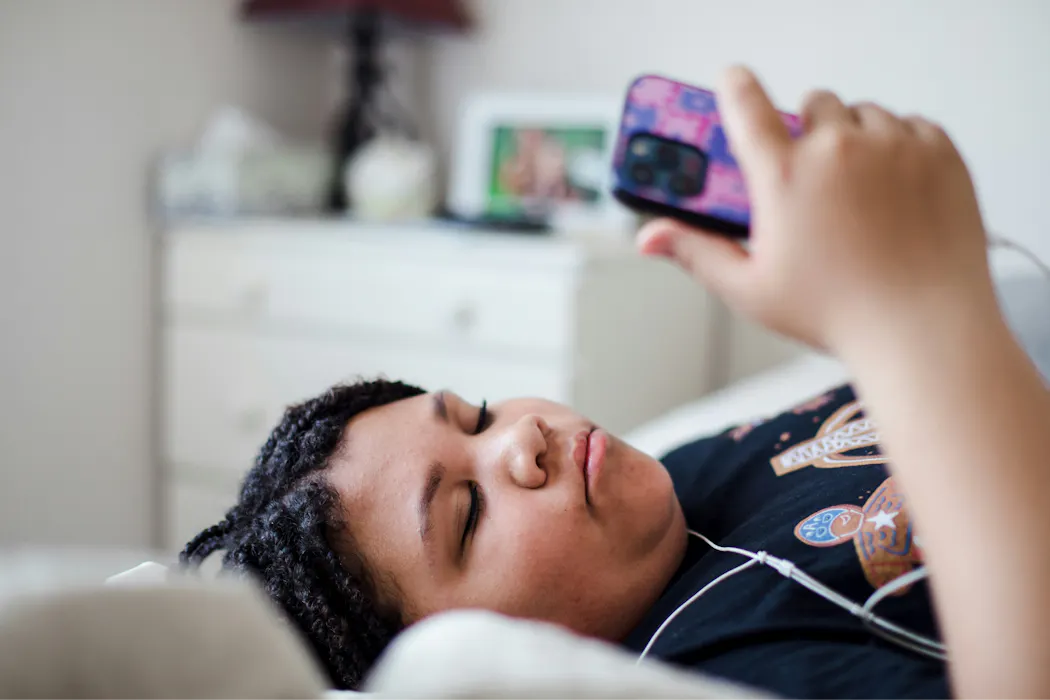

Kids on social media more than two hours a day at higher risk of mental illness

Sixteen Miles Out/Unsplash

As the United Kingdom and other countries make moves to follow Australia’s lead in restricting access to social media for under 16s, there is still much we don’t know about how the technology impacts young people’s mental health over time.

For example, does using social media for a certain amount of hours each day lead to increased harm? Are younger adolescents more vulnerable than older ones? Is there any difference between boys and girls?

Our new study, published today in the Medical Journal of Australia, provides some important answers to these questions. It found clear risks from heavier social media use on young people’s mental health.

Alongside this, we also undertook a recent poll of Australian parents about efforts to restrict access to social media for young people. The findings suggests the law is changing parents’ views and practices around their children’s social media use.

A debate over age

When Australia restricted access to social media for young people under 16 last December, there was considerable debate about whether 16 was the appropriate age threshold.

There were a number of longitudinal studies that examined associations between adolescent social media use and mental health. But very few had systematically investigated whether risks of social media use differed across age during adolescence.

One large 2022 study from the UK found that increases in adolescents’ social media use over time were associated with lower life satisfaction during specific age periods – 11 to 13 years of age for girls and 14 to 15 years of age for boys. It focused on life satisfaction and did not assess symptoms of mental health.


Digging deeper

Our new study aimed to dig deeper into these trends.

We used data from 1,195 students in Melbourne whom researchers have followed annually from 12 to 18 years of age.

We examined whether their social media use was related to later mental health problems, and statistically accounted for a range of individual and family factors that are known to influence both social media use and mental health. Therefore, we were able to reduce alternative explanations and strengthen confidence in our findings – even though we couldn’t prove causation.

We found that adolescents who spent more than two hours per day on social media had a higher risk of developing mental health problems one year later, compared with those using social media for less than one hour per day. The mental health problems included elevated symptoms of depression and poor wellbeing.

Importantly, the risks of social media use were not evenly experienced across adolescence.

The strongest effects consistently emerged in adolescents aged 12 to 13 for both girls and boys. The estimated risk for symptoms of depression and anxiety, as well as poor wellbeing and self-harm, was roughly twice as large compared with adolescents aged 14 to 16 and those aged 17 to 18.

Overall, the estimated size of effects was modest. But in girls aged 12 to 13, more than two hours of daily social media use was associated with around 11 additional cases of high depressive symptoms per 100 adolescents.

Even small effects can become meaningful at a population level when large numbers of young people are spending more than two hours a day on social media.

Age-based restrictions alone aren’t enough

Our study cannot determine a precise age at which social media becomes “safe”. Nor should a single study inform national legislation on age-based restrictions.

However, combined with other research, our study suggests that younger adolescents are particularly vulnerable to the potential harms of social media, with the strongest effects emerging during early adolescence.

As a result, we expect that Australia’s social media law will have the greatest impact on the mental health of younger adolescents. But further research is needed to confirm this.

However, age-based restrictions alone are unlikely to eliminate all risks associated with adolescent social media use. We found evidence that some risks for mental health problems – namely elevated symptoms of depression – persisted for young people up to 18 years of age.

This highlights the need for continued supports for older adolescents.

This includes holding social media platforms accountable for algorithms and features that promote compulsive engagement and exposure to harmful content. One way to achieve this is through Australia’s proposed digital duty of care reform.

It also involves improving education on digital literacy and safety at schools and supporting parents to help young people develop healthier online habits.


Read more: Australia wants social media to be ‘safe by design’. What does that actually look like?


Changing the norm

We also recently undertook a poll of more than 2,000 parents of 0- to 17-year-olds about the law restricting access to social media in Australia.

The survey found that 59% of parents felt the law supported them to set rules around social media use. Also, 39% of parents reported that the law has changed their view on when children should first have their social media accounts, with 16 years being the most commonly endorsed age (38%).

These findings, which are yet to be published, demonstrate that public health policies can influence what is considered appropriate or expected behaviour.

While evidence on the impacts of Australia’s social media law is still emerging, it has already influenced global discussions on adolescent social media use.

Debates about age-based social media restrictions are now occurring in many countries. And the conversation is increasingly shifting from whether social media affects young people’s mental health to when young people may be most vulnerable and how we as a society should respond.

The Conversation

Nandi Vijayakumar receives funding from the National Health and Medical Research Council and the Australian Research Council.

Susan M. Sawyer receives funding from the National Health and Medical Research Council. She is a member of the Australian eSafety Commission's Academic Advisory Committee that is advising on the evaluation of Australia's Social Media Minimum Age Act.

Sylvia C. Lin does not work for, consult, own shares in or receive funding from any company or organisation that would benefit from this article, and has disclosed no relevant affiliations beyond their academic appointment.

What’s the difference between intrusive thoughts and suicidal thoughts?

Liza Summer/Pexels

We have thousands of spontaneous thoughts a day. Most of them are mundane, such as “Where did I leave my car keys?”

But every now and then a strange and distressing thought might pop into our mind, such as “What if I hurt myself or someone I care about?”

So, what’s the difference between these random (and sometimes scary) intrusive thoughts and suicidal thoughts?

And when can our thoughts be a warning sign we need help?

What are intrusive thoughts?

Intrusive thoughts are sudden, involuntary thoughts, mental images or urges. They often cover difficult themes such as causing or experiencing harm, contamination, making a mistake, or sexual or religious content.

Sometimes these thoughts can feel alarming or upsetting, especially if they’re unwanted and we feel an urge to get rid of them.

But most people experience intrusive thoughts and having them doesn’t mean you’re a bad person or will necessarily act on them.

It’s unclear exactly why we have intrusive thoughts. It might reflect the natural tendency of our minds to wander. This process is usually helpful, and can help us form new understandings or generate new ideas.

But under stress having intrusive thoughts can become less helpful, particularly when they are unwanted, upsetting or feel hard to control.

So if intrusive thoughts are mostly a signal of stress, not danger, when do they become a problem?

If these thoughts cause you distress and make it hard to manage everyday things such as work, school or relationships, this could be a sign of a mental health disorder such as obsessive-compulsive disorder (OCD), an anxiety disorder, depression or post-traumatic stress disorder.

What should you do about intrusive thoughts?

The more we try to push intrusive thoughts away, the more they return and the more intense they can become.

However, a type of psychological treatment that pairs cognitive behaviour therapy with “exposure and response prevention” is effective for dealing with intrusive thoughts in anxiety or OCD.

This involves allowing intrusive thoughts to be present without trying to control them, then gradually reducing less helpful responses (such as scrolling on your phone to try to block out the thought), so the brain learns the thoughts are not dangerous.

You can try a simple version of this at home:

  • label the thought (for example, “This is an intrusive thought.”)

  • reduce unhelpful coping mechanisms (for example, drinking alcohol to block out unwanted thoughts)

  • let the thought pass (for example, try a visualisation exercise where you imagine the thought drifting down a stream, without engaging with it or trying to get rid of it)

  • refocus your attention on enjoyable activities such as going for a walk, chatting to a friend, or focusing on a task like cooking. This is not to “escape” the thought but to let it sit in the background while you focus your attention on what’s important to you.


Read more: Unwanted unacceptable thoughts: most people have them and we should talk about them


What if your intrusive thoughts are about death, self-harm or suicide?

Intrusive thoughts about experiencing harm such as your own death, self-harm or suicide are surprisingly common. We can also have intrusive thoughts about harm coming to others, including loved ones.

While they can feel upsetting, having thoughts such as “I wish I didn’t exist” doesn’t necessarily mean a person wants to or will act on them. However, it may indicate they are feeling emotionally overwhelmed, anxious or depressed.

Intrusive thoughts about your own death and specific ways of dying can also mean something more serious. It can lead to a greater risk of suicide or self-harm.

When do intrusive thoughts become a warning sign?

If intrusive thoughts are causing you distress, impacting your day to day life or you’re having thoughts about suicide, these are clear warning signs it’s time to get help.

Other important warning signs can include:

  • more frequent or persistent thoughts or images about death or suicide

  • increased hopelessness

  • actively thinking about, planning or preparing for death

  • behavioural changes such as withdrawing from others.

How can I get help and what can I do to help someone else?

You don’t need to manage these thoughts alone.

If you notice these warning signs in yourself, it’s important to ask for support. Talking to someone such a GP, psychologist, psychiatrist, trusted family member or friend can be a good first step.

If you’re having intrusive thoughts about suicide, your GP may ask you to complete a safety plan, which is a helpful reminder of ways to get support and keep safe when difficult thoughts, feelings or urges come up.

If you notice these signs in someone else, it’s important to check-in with how they’re doing at an appropriate time and in a caring way.

Here’s a four-step guide:

  1. Ask directly about suicide. This won’t put the idea in someone’s head. When done sensitively, directly (“Are you thinking about suicide?”) and honestly, it can help people feel less alone.

  2. Listen to the person, take them seriously and stay with them.

  3. Get help (see examples below).

  4. Follow-up and check in regularly.

For more information and support

For more information and resources about intrusive thoughts and OCD you can visit Lifeline, or for young people ReachOut or headspace.

You can visit This Way Up or MindSpot to access evidence-based online treatment programs for intrusive thoughts and OCD.

There are also online treatments for kids and teens with OCD.

If you’re having distressing thoughts about death and dying or suicide and need someone to talk to you can call:

  • Lifeline: 13 11 14

  • Beyond Blue: 1300 22 4636

  • Suicide Call Back Service: 1300 659 467


We would like to acknowledge the contribution of Ann Martin and Jill Newby to this article.

The Conversation

Emily Upton receives funding from an Australian Government Research Training Program Scholarship.

Kayla Steele does not work for, consult, own shares in or receive funding from any company or organisation that would benefit from this article, and has disclosed no relevant affiliations beyond their academic appointment.

Hanson’s gas policy follows the far-right playbook: attack ‘elites’ and push for drilling

Mick Tsikas/AAP, Hakim/Canva, The Conversation, CC BY

New polling this week put One Nation ahead of Labor in the primary vote for the first time, as the party’s latest policy announcements signal greater political ambition.

One Nation recently unveiled its new oil and gas policy at the Australian Energy Producers Conference in Adelaide. It promises “vastly greater returns” to an electorate “rightly unhappy” with the distribution of Australia’s natural resources.

While One Nation’s gas policy is not entirely new, the party’s growing prominence means announcements will attract greater scrutiny.

So, what is the party proposing?

Embracing government intervention

The Norway-style gas proposal is One Nation’s first substantial intervention in current tax and energy policy debates. It’s a marked shift away from the social and migration issues that have long defined the party.

Norway heavily taxes its oil and gas extraction profits. It reinvests the wealth into the world’s largest sovereign fund to spent on social initiatives.

Echoing the Trump administration’s willingness to buy into resource and technology companies, One Nation’s announcement reflects a broader embrace of economic interventionism: where a government actively modifies a free-market economy.

The announcement shows a stark differentiation between One Nation and The Liberal Party on the economy. And it comes at a time when the parties have increasingly overlapped on issues like migration.

Liberal frontbencher James Paterson attacked the policy as socialist. He described it as “borrowed from Venezuela and Hugo Chávez”.

One Nation’s policy

Despite the splashy announcement, One Nation’s gas policy was not entirely new.

Hanson has pointed to a Norway-style sovereign wealth fund as a model for gas revenue policy since at least 2017. Senator Hanson has also frequently attacked parliament for being “hostage” to multinationals resource companies operating in Australia.

In announcing the policy, Senator Hanson committed One Nation to encouraging more gas and oil exploration and production. Hanson also said taxpayers should get a “fair share” on profits from Australian resources.

Key elements of the policy include replacing the current Petroleum Resource Rent Tax, which places a 40% tax on the profits related to the extraction of petroleum, gas and condensate.

Instead, One Nation would give the government the option to take a 30% stake in future drilling projects, with profits directed into a new sovereign wealth fund.

It’s not the first time this has been suggested. Back in May 2017, Hanson proposed One Nation adopt a system of royalties paid on production, saying such a scheme would raise up to $10 billion per year.

Tapping into public grievance

One Nation’s position sets it apart from both major parties.

Labor and the Coalition hold sharply differing views on energy and Net Zero.

But the two parties share common ground on one point: neither supports increased taxation measures on the gas industry, particularly amid global uncertainty caused by the US-Israel war with Iran.

With its policy, One Nation is tapping into real public grievance. Others, such as The Australia Institute, the Greens, and Independent senator David Pocock have spent years pointing out the same basic unfairness: Australia exports vast quantities of gas, companies profit enormously, and the taxpayer gets very little in return.

But the timing of One Nation’s announcement deserves closer scrutiny. It was not made to a general audience but a gathering of energy industry heavyweights. Reports suggest the announced version was softened after consultations with industry representatives.

Pushing back at the ‘green agenda’

Far-right parties have a distinctive approach to energy policy – they simultaneously cast multinationals as “elites” who take wealth from ordinary people, while advocating for gas drilling expansion themselves.

Hanson has adopted US President Donald Trump’s slogan – “drill, baby, drill” – to spruik her party’s approach to fossil fuels. And she has called on the Labor government to push their “climate change bedwetters” to the side, and expand oil and gas exploration in the interest of energy security.

One Nation blames environmental reforms for triggering an energy crisis, which it claims has cost everyday Australians. Ending net zero is, accordingly, a “massive part” of One Nation’s gas policy, which they claim will safeguard fuel security.

Hanson has described One Nation’s policy as “partnering with the oil and gas industry, rather than treating it as the enemy”.

Internal tensions

This policy debate risks exposing potential tensions between the federal and state branches of One Nation.

Efforts by the South Australian Labor government to repeal a ten-year moratorium on fracking in the south east of the state were blocked by the newly elected One Nation MPs and Liberal Opposition.

The inconsistency between the federal party’s pledge to expand gas exploration and the state branch’s efforts to block it have created headaches for their leader. Hanson distanced herself, dismissing it as a decision for the state branch.

Heading into the next election, One Nation wants contrast with the Liberals on economic interventionism, while setting itself apart from Labor, the Greens and the independents on climate and environmental policy. It is calculated decision from a party that senses its moment.

The Conversation

Emily Foley receives funding from the Australian Research Council.

Jordan McSwiney receives funding from the Australian Research Council, NSW Government, and NSW RNA Research & Training Network.

Kurt Sengul receives funding from the Australian Research Council, NSW Government, and NSW RNA Research & Training Network

Nearly everything we use online is owned by big tech. There’s a better way forward

Pachon in Motion/Pexels

Globally, users of digital media are increasingly locked into a handful of operating systems, app stores, and communication platforms. Most of us must choose between Apple, Windows, or Android. All of these are owned by American tech giants.

Much of private and government IT infrastructure – websites, mobile banking, nearly anything online you can think of – uses cloud services, such as Amazon Web Services, Cloudflare or Microsoft Azure. They might have locations worldwide, but these are also US companies.

Mobile phones, laptops, smartwatches and more are mostly made by American or Chinese companies. And it’s getting worse as tech companies embed artificial intelligence (AI) assistants directly into everyday devices, such as Google’s Gemini or Microsoft’s Copilot. They’re doing this in ways designed to further entrench users within particular ecosystems.

When a single cyber security update brought down Windows computers the world over in 2024, it was a stark reminder nobody should put all their IT eggs in one basket.

But what might that actually look like? The “digital sovereignty” movement in the European Union (EU) can show us the way. European countries are gradually breaking up with American tech giants and pushing for local AI development, all in the name of achieving digital autonomy.

What exactly is ‘digital sovereignty’?

A state’s sovereignty means to be able to govern itself. Extend that to the digital era, and we arrive at a concept that’s difficult to pin down, but broadly means being in charge of your own digital infrastructure.

Let’s take the European digital sovereignty strategy. It provides a roadmap for creating, owning and governing computer hardware, AI, software, and social media within the EU. Any tech providers would have to comply with core EU values of human dignity, freedom, democracy, equality, the rule of law, and respect for human rights.

The ultimate goal here is digital autonomy. It means reducing reliance on systems vulnerable to growing geopolitical and economic risks. If you make your own devices and host your data locally, you’re not at the mercy of multinational corporations whose interests may not align with your own.

Several prominent EU institutions have already ditched the Microsoft Office suite for official communication. Instead, they use European software such as Office EU or free open-source alternatives.

The EU is also making progress on Gaia-X, a local alternative to global cloud providers.

But these efforts come with major challenges. Large tech companies such as Alphabet (Google), Microsoft and Amazon are not watching idly. By promising local governments and organisations greater control, they’re tapping into the digital sovereignty discussion.

Researchers call this “sovereignty-as-a-service”. Through it, big tech is shaping digital sovereignty on terms that are favourable to them.

Alternatives already exist

Europe’s digital sovereignty strategy is a long-term, multi-country initiative that involves major financial, industrial and policy changes. Outside of the EU, countries including India, Brazil, Nigeria and South Africa are also pursuing digital sovereignty plans.

But for everyday users, much of it comes down to turning to viable alternatives to dominant tech platforms. Many already exist.

Decentralised social media ecosystems allow independently operated communities to communicate across shared protocols without being controlled by a single corporation. One such example is the Fediverse, which includes platforms like micro-blogging site Mastodon and video sharing site PeerTube.


Read more: Decentralised social media offers an alternative to big tech platforms like X and Meta. How does it work? Podcast


Similarly, the AT protocol, which powers micro-blogging sites Bluesky and Eurosky, aims to separate social networking from platform ownership. It enables users to move identities, content and communities between services more freely.

Open-source office suites such as LibreOffice have provided alternatives to Microsoft Office for more than two decades.

It’s also increasingly possible to run AI systems locally on personal devices or private networks. This reduces reliance on cloud-based AI services controlled by big tech.

In other words, many of the technical foundations for greater digital autonomy already exist. The challenge lies with adoption and coordination. When Twitter was bought by Elon Musk, many users fragmented to other sites – from Mastodon and Threads to Bluesky and others. If your friends are all on different social media sites, which do you choose?


Read more: Have you heard of the open source internet? The antidote to a capitalist web already exists


What can Australia learn from this?

Australia is in a similar position to the EU. We’re heavily reliant on foreign-owned digital infrastructure. We’re also increasingly exposed to the geopolitical tensions surrounding it.

Australia could take a leaf out of the EU’s book and develop its own roadmap for digital sovereignty. This would have to operate at both the policy and public levels.

Australia’s digital policy shouldn’t be dictated by large platforms or external geopolitical actors. There’s also a pressing need to promote local innovation for the future, such as investing in quantum computing.

Publicly funded organisations have already demonstrated Australia can invent globally significant technology. After all, Australia’s national science agency, the CSIRO, patented the technology that led to wifi. Universities and publicly funded institutions should be at the core of future tech innovation as well.

Most importantly, Australia is home to First Nations communities. Their governance systems have long operated through decentralised, relational, and autonomous forms of organisation.

Groups such as Maiam nayri Wingara and the HASS and Indigenous Research Data Commons have already developed internationally significant frameworks for Indigenous data sovereignty. These cover data governance, stewardship, collective benefit, and the rights of communities to control data about their peoples, lands and cultures.

We can learn from these. Respecting Indigenous sovereignty may also open a pathway for all Australians to rethink what our shared digital futures can look like.

The Conversation

Ashwin Nagappa receives funding from the Australian Research Council. He is a recipient of the 2024 AXA Post-Doctoral Fellowship (for the theme ‘Navigating misinformation and trust erosion in the digital age’).

Daniel Angus receives funding from the Australian Research Council through Linkage Project LP190101051 'Young Australians and the Promotion of Alcohol on Social Media'. He is a Chief Investigator with the ARC Centre of Excellence for Automated Decision Making & Society.

Men film themselves sexually abusing sedated women and share it with other men online. Why?

Erik Mclean/Pexels, The Conversation, CC BY-SA

The world watched on in horror in 2024 as Dominque Pelicot and 50 other men were tried in a French court for repeatedly drugging and raping Gisele Pelicot over almost a decade. All of them were found guilty.

While such horrific abuse can feel far away and rare, it’s more widespread than many realise. There are private online communities with thousands of members all over the world, including in Australia, trading in video and photos of sedated women being abused.

A recent investigation by CNN revealed there are thousands-strong groups on messaging app Telegram who share tactics and videos assaulting and raping their girlfriends and wives.

In April, France launched an investigation into the website Pelicot used to recruit dozens of strangers to rape his wife. During the trial, police uncovered 20,000 videos and photos of his wife’s abuse, recorded by Pelicot himself.

So why do men do it, and how can we stop it?

Global, organised abuse

While the CNN report and Pelicot’s case shocked the world, these cases are not unique, with private pages and group chats being uncovered in Australia, Canada, Ireland, the United Kingdom, Germany, Italy, Spain, China, and Poland.

These reports show how widespread this issue is, underscoring that these are not isolated episodes. They are organised crimes committed by dedicated communities that support such violence, hosted on platforms that provide the essential infrastructure.

One report from the New York Times reported China-based group chats with as many as 100,000 members. A study of Telegram networks across Italy and Spain showed groups with nearly 25,000 users.

The Telegram group CNN reported on had more than 1,000 members with some videos posted in the group amassing over 50,000 views.

The groups identified in these stories and reports are part of a broader digital ecosystem often referred to as the manosphere, an online network of group chats, influencers and communities that perpetuate misogynistic ideas.


Read more: From violence to sexism, the manosphere is doing real-world harm


Why are people doing this?

As the CNN report puts it “while the platforms vary, inside such groups, video is king”. The more perverse, humiliating and risky the visual material, the higher the engagement and the greater the reward.

Telegram, like other platforms, provides financial incentives for engagement. Members can earn points through their activity and earn a place on leader boards. Telegram has its own internal crypto system, which members can spend through affiliate links.

Research from Australia shows men who non-consensually share images and videos online are motivated by more than revenge. What these men crave is the chance to prove their manliness to other men.

While research on perpetrators of online violence is still emerging, those who study the cultures of these online groups observe that a kind of homosocial bonding is created when share their abuse with one another. As feminist philosopher Marilyn Frye put it:

from women they want devotion, service and sex. Heterosexual male culture is homoerotic; it is man-loving.

While the men in these groups are sharing images and videos of women, commenting on women’s bodies, degrading women and objectifying women, it is men who are at the centre of the exchange. They seek the validation and praise of other men. One way this is achieved is by getting comments and likes on their videos.

Another popular form of bonding is the solicitation of comments from other members. One study described how users requested descriptions of what others would do, such as “describe how you would rape this bitch”.

Others commission sexualised deepfakes – realistic but fake sexually explicit images – using nudify apps and other artificial intelligence (AI) platforms.

In these groups, the practices and the language are meant to degrade women, to reduce them to raw material, objects to be consumed to satiate men’s desire, and to reinforce the bonds between men. Misogyny is the “social glue” that holds these communities together.

What can we do about it?

Traditional approaches and responses to gender-based violence still tend to individualise the problem, focusing on single perpetrators. What this approach fails to do is address the social, structural and technological enablers of this abuse.

Take the Telegram platform: why has this become the safe haven for perpetrators?

Telegram has specific design affordances that both enable and amplify image-based sexual abuse.

Groups can have up to 200,000 members. End-to-end data encryption allows for anonymity, and its content moderation regulations are weak. Telegram allows users to share visual and audio material (including large files). And perhaps most importantly, it has interactive features: likes, comments and disappearing messages.

All of these features collide to create the perfect storm for perpetrators. They are large, private, largely unregulated and allow them to anonymously share non-consensual sexual material.

There are efforts to stop this abuse, with emerging legislation such as the Take It Down Law in the United States that came into effect in May, and regulatory bodies such as the eSafety Commissioner in Australia, that aim to tackle the creation of image-based sexual abuse (including using sexualised deepfakes).

While these laws are aimed at individual perpetrators, the Pelicot case in France prompted the arrest of the creators of the website Dominique used to recruit others to assault his wife. In 2024, Telegram’s founder was arrested and charged in France for allowing illicit behaviour on the platform, including the distribution of child sexual abuse material. The case is still before the courts.

These arrests represent a welcome shift in how we tackle this issue by holding tech executives, not just their companies, responsible for providing the infrastructure that allows this abusive and degrading behaviour to proliferate and thrive.

The author would like to acknowledge Siân Human from the Australian Research Council Centre of Excellence for the Elimination of Violence Against Women for her insights and support during the process of writing this piece.

The Conversation

Emma Quilty receives funding from the Australian Research Council and eSafety.

Can AI help coastal cities prepare for rising seas and extreme events?

Our novel artificial intelligence model can predict extreme storm surges with high accuracy, including under future climate conditions. Because the AI model runs much faster, it can help researchers and practitioners better assess coastal flood risk for adaptation planning.

Sea levels are rising, and with them, the risks posed by extreme coastal events, such as storm surges – temporary rises in sea level caused mainly by storms, which are among the primary drivers of coastal flooding. For the more than 10% of the global population living in low-lying coastal regions, the combination of gradual mean sea level rise and increasingly intense extreme events represents a growing threat.

For coastal planners and policymakers, the key issue is not just the expected rise in mean sea level, but the changes in the likelihood and severity of extreme events. Infrastructure design, urban planning and disaster preparedness depend on estimates of extreme event scenarios.

However, projecting extreme sea level events remains a major scientific challenge, as they are driven by complex, nonlinear interactions between tides, atmospheric forcings, ocean dynamics and local coastal features. This means that uncertainty in extreme projections remains highly unquantified. Small differences in model assumptions can lead to large differences in predicted outcomes, especially for extremes. This uncertainty means a lot for planners, civil protection and, ultimately, the protection of human lives and assets.

The efficiency of AI models opens up new possibilities. Because AI models can generate predictions much faster than physics-based models, they enable the exploration of large ensembles of future scenarios, which would be prohibitively expensive using traditional models alone. This is particularly important for risk assessment, where understanding the probability of rare but catastrophic outcomes is essential.

A combined AI and physics-based approach for a changing risk

Traditional physics-based models, which use physical laws to represent how coastal waters move, can simulate these processes in detail, but they are computationally expensive, making it difficult to explore a wide range of future scenarios and uncertainties.

At the same time, artificial intelligence (AI) is increasingly being used in climate science, as it offers new opportunities to overcome these challenges. However, its reliability remains uncertain in this context, particularly due to two key challenges: the limited representation of rare but high-impact extremes in training data, and the need to generalise findings – in a robust fashion – to future climate conditions that may differ substantially from those observed historically.

AI and physics-based modelling are complementary tools: physics-based models remain essential for representing the underlying processes and for generating the high-quality data needed to train and validate AI models, and ultimately to build trust in their AI counterpart.

By combining the physical realism of traditional models with the efficiency and flexibility of AI, researchers are developing a new generation of tools for coastal risk assessment. These tools will be critical for informing adaptation strategies, helping societies better prepare for a future where extreme sea level events might become more frequent and more severe.

Our findings suggest that AI can be reliably used for projecting rare but high-impact extreme sea level events. In addition, AI models, by enabling rapid scenario generation and sensitivity testing, provide a new tool to better characterise these uncertainties.

A new AI emulator for extreme storm surge prediction

In our recent study published in Earth’s Future, we investigated whether AI-based models can accurately predict extreme sea level events, when trained to emulate the outputs of physics-based simulations and projections. In other words, our AI models aim to learn to reproduce the results of these more complex models, but much faster.

Our results show that AI emulators can successfully learn the complex dynamics behind storm surge events and reproduce extremes with high accuracy, including under future scenarios, compared to available projections up to the mid-21st century.

To demonstrate this, we developed a framework to improve the ability of AI models to represent extreme storm surge events and to test whether their predictions remain reliable under future scenarios.

We focused on the New York City coastal area as a case study, because it is highly exposed to coastal flooding, presenting a dense population, critical infrastructure and major economic assets – and because it has experienced devastating storm surges in recent history, such as during Hurricane Sandy in 2012, which caused many fatalities and over $60 billion in economic damage.

Our AI emulator relies on openly available physics-based simulations from the Global Tide and Surge Model (GTSM), not only for training, but also for assessing its reliability under different climate conditions, including future scenarios.

Current limitations and next steps

The next step is to test the robustness of such AI tools further across a wider range of climate scenarios and integrate them into operational risk assessment frameworks and global climate data services providing hydro-climatic and coastal information to decision-makers, such as the Aqueduct Flood Risk Analyzer and the Copernicus Climate Data Store.

More broadly, AI models have the potential to address several critical needs in coastal risk analysis, but important gaps remain. These include improving and rigorously quantifying their transferability across a wide range of future scenarios, better representing uncertainties associated with physics-based parameters embedded in the training data, and assessing how well these models generalise across different geographic locations.

Clarifying the limits of their extrapolation capabilities will be essential for building confidence in their use for decision-making, particularly under conditions not seen before, due to climate change and non-stationarities (that is, changes in climate regimes and more intense extremes than what was observed before), and that are therefore outside the range covered by past observations or physics-based simulations used to train the AI models.


The AXA science philanthropy is now part of the AXA Foundation for Human Progress, which brings together the commitments of AXA Group and Mutuelles d’Assurances in the fields of Science, Nature, Solidarity, and Culture. Before 2025, the global science philanthropy was held by the AXA Research Fund, which has supported over 750 projects around the world since its inception back in 2007. To learn more, visit Axa Foundation for Human Progress.


A weekly e-mail in English featuring expertise from scholars and researchers. It provides an introduction to the diversity of research coming out of the continent and considers some of the key issues facing European countries. Get the newsletter!


The Conversation

Andrea Ficchì received funding from AXA Research Fund, through the Ocean Decade Joint Call for Fellows on Coastal Livelihoods, for a Postdoctoral Research Fellowship project conducted at Politecnico di Milano, endorsed by UNESCO’s Intergovernmental Oceanographic Commission as UN Ocean Decade Action.

Emiliano Longo is a member of the CMCC Foundation (Euro-Mediterranean Center on Climate Change). He has received funding from Politecnico di Milano.

How the food industry shapes your child’s fussy eating

Imad 786/Unsplash

Your toddler demands a Bluey-themed yoghurt and has a tantrum when offered something else. If it’s not a Nutella sandwich, your child’s lunchbox comes home uneaten. And the dinner table can become a battleground unless there are sausages, chicken nuggets or pizza on the plate.

These examples of fussy eating are everyday experiences for many parents.

Fussy eating, also known as picky or selective eating, is common, and can be frustrating. It’s often seen as a child or parenting issue. But it’s not merely shaped by what parents do, or the characteristics of the child.

Our new research suggests food fussiness and children’s eating habits are also shaped by commercial interests in food.

This includes mass produced foods that are high in sugar, salt and additives, combined in irresistible combinations and that are heavily promoted to children to maximise sales.

This has important implications for children’s health, and sets up tensions between what parents want their children to eat, and what they’ll actually eat.

What is ‘fussy eating’?

Fussy eating refers to having strong preferences for specific foods. Sometimes it involves not trying new foods, eating a limited variety of foods, or avoiding foods with a specific taste, texture or appearance.

Most research estimates 10–30% of children two to six years old are considered fussy eaters, peaking at around three years old.

The origins of food fussiness lie in the age-old practice of learning which foods are safe to eat and provide enough energy. This is why we often like sweet foods and not bitter ones.

Today, food companies capitalise on this biology of survival. They engineer and market foods to appeal to children, and in ways that confuse their parents.

What we did and what we found

We interviewed 34 parents of children aged one to 18 years old about their children’s eating habits and how they navigated them.

Parents talked about how they felt pitted against powerful food companies that influenced their children’s tastes.

Their comments also revealed fussy eating in children older than most earlier research presumes. We found this is developing in the primary school years when children are exposed to more ultra-processed foods.

Here are some of the common themes.

1. ‘Pester power’

Parents felt responsible for teaching their children about healthy eating, yet this was challenging with so much food marketed directly to children.

Such concerns of children’s “pester power” have arisen with concerted efforts by food corporations to market foods designed to maximise shareholder returns.

One mother of three pre-school and primary school-aged children talked about marketing “bad” foods to kids or placing them in reach:

[…] my 2-year-old is always like Bluey!!! […] You almost don’t want to take your kids to the supermarket […] Of course, my kids [are] gonna throw a tantrum – you’ve got a lollipop at his eye level.

2. Conflicting information

Parents today are swamped with misleading, confusing and often false information about food. This makes it challenging for parents to discern what’s healthy or unhealthy.

A mother of three primary school aged-children said:

You think you’re getting something that’s actually healthy because […] on the packaging, it says it’s healthy. So you trust it […] but it’s actually not.

3. Impossible binds

Social situations that normalise processed foods influence the foods children see as desirable and place parents in impossible binds. A father of three pre-school and primary-school aged children said:

My son used to love hummus. But everyone else around eats doughnuts or chips […] It’s a battle that we’re not gonna win.

In this context, many parents were concerned about pushing healthy food too hard. They worried this could have the opposite effect in the longer term. A mother of two primary school aged children said:

It’s a Catch-22 […] if I put Nutella toast in his lunch box, he’ll eat it. But then do I stay strong and not put shit in his lunch box, knowing that he’s going to be starving and be horrible at the end of the day? […] I don’t want to make it a huge thing because I worry about making food a problem.

Fostering compassion and government action

Dietitians advise parents not to pressure children about food. They say not to hide vegetables, and not to use food as a reward. Instead, they suggest eating together at a table, and persisting with offering healthy options.

Our findings suggest this advice falls flat if it doesn’t consider the commercial food environment. We suggest that more compassion, rather than shame, is needed towards parents about the food they provide.

Fussy eating can be a symptom of commercial interests in selling certain kinds of products. Recognising this may encourage people to demand governments do more to support children’s healthy eating.

Ultimately, food fussiness is much more than arguments at the dinner table. It is also a challenge that involves governments and the food industry.


We would like to acknowledge the following co-authors of the study mentioned in this article: Imogen Harper, Katherine Kenny, Holly A. Harris and Fiona Wright.

The Conversation

Juliet Bennett receives funding from the Charles Perkins Centre Jennie Mackenzie Research Fund, the Faculty of Arts and Social Sciences, University of Sydney, and a family foundation grant.

Alex Broom has received ARC funding and is currently ARC Academic Director (Social, Behavioural & Economic Sciences).

David Raubenheimer receives funding from the ARC and NHMRC.

Flavored vapes led to a major shake-up at the FDA – 3 health policy analysts explain the science behind the controversial products

There are currently 45 approved vaping products in the U.S. Most are tobacco- or menthol-flavored; only two are fruit-flavored. Roman Mykhalchuk/iStock via Getty Images Plus

The resignation of Marty Makary, commissioner of the U.S. Food and Drug Administration, on May 12, 2026, brought to the forefront a heated controversy over fruit-flavored nicotine vapes.

Rumors had been circulating for weeks that President Donald Trump was planning to fire Makary, in large part due to Makary’s disagreement with Trump over the FDA’s recent approval of two fruit-flavored vapes. Makary reportedly disagreed in private with the FDA’s decision, which came soon after Trump pushed the FDA to move more quickly in approving fruit-flavored vapes.

Before that FDA approval, the agency had only approved menthol- and tobacco-flavored nicotine vapes. The clash between Trump and Makary over whether to allow fruit-flavored vapes is a high-profile example of the continued debate surrounding these products.

Beyond Washington, the public health community is also divided. Researchers are working to understand how flavored vapes affect public health, but the evidence is complicated.

We are a team of public health researchers who study scientific evidence, health policy and regulation as it relates to tobacco and nicotine products. Our team at the Center for the Assessment of Tobacco Regulations at the University of Michigan and University of Massachusetts Amherst is studying questions about flavors in these products.

The authorization of two fruit-flavored vapes marks a pivotal moment in U.S. e-cigarette regulation.

Closeup headshot of former Food and Drug Administration Commissioner Marty Makary.
Former Food and Drug Administration Commissioner Marty Makary is said to have clashed with President Donald Trump over the FDA’s controversial approval of two flavored vapes. Brendan Smialowski/AFP via Getty Images

FDA’s role in regulating tobacco and nicotine

The Family Smoking Prevention and Tobacco Control Act, which was signed into law in 2009, gave the FDA the authority to regulate the manufacture, distribution and marketing of tobacco products. This includes nicotine alternatives such as e-cigarettes, vapes and oral nicotine pouches.

Tobacco and nicotine products, such as major cigarette brands, that were on the market before 2007 did not require FDA authorization, but new products, like vapes, do. To be authorized, new tobacco and nicotine products must meet the standard of being “appropriate for the protection of public health”. In other words, their benefits to the population as a whole must be judged to outweigh their risks.

The Center for Tobacco Products at the FDA is responsible for making these decisions and implementing regulations. Academic research centers, like ours, support the center in understanding how its policies might affect public health.

Vaping has a lower relative risk than smoking

Vaping nicotine is not risk-free, but research is clear that it is much less harmful than smoking. Vapes and e-cigarettes don’t contain tobacco leaf like cigarettes do, nor do they have the same toxic chemicals that are found in cigarettes. Smoking involves burning organic material, which releases cancer-causing pollutants; vaping does not.

Vapes can contain potentially harmful chemicals, but these are usually in much lower amounts than those found in cigarettes. Nicotine is an addictive chemical, but it does not on its own cause cancer. The FDA’s regulation and oversight of vapes is important for public safety. As of May 2026, the FDA has approved 45 vaping products that can be lawfully sold in the U.S.

On the other hand, the U.S. is flooded with illegal vapes, including colorful devices manufactured in China. It can be difficult to know what is in illegal vapes.

Because vaping is not risk-free but has a lower relative risk than smoking, it presents an increased risk for people who do not otherwise use tobacco or smoke, but a decreased risk for people who smoke.

Large vape cartridge sitting atop three cigarettes
There’s no question that vapes are less harmful than cigarettes. But that doesn’t mean vapes aren’t harmful. Witthaya Prasongsin/Moment via Getty Images

Flavored vapes attract new users, especially youth

Flavored vapes can include menthol and mint, fruit and sweet flavors and concept flavors with names like “jazz,” “solar,” “fusion” and “unicorn puke.” Other flavored vapes are often packaged in bright and appealing colors, even if they do not include explicit flavor description words.

The recent FDA decision to approve two fruit- and sweet-flavored nicotine vapes, which have the color-coded names of “Sapphire” and “Gold,” is a potentially significant expansion of the FDA’s approach to authorizing e-cigarettes.

Research shows that flavored vapes attract new users, including young people who do not have a history of smoking tobacco. It also shows that experimenting with flavors increases the appeal of vapes among adolescents. Young people often think fruit-flavored vapes are less harmful than tobacco-flavored vapes.

Flavored vapes might help people quit smoking

Flavored vapes can attract youth, but they can also appeal to people who smoke. For people who smoke, switching to nicotine vapes can diminish their exposure to cancer-causing chemicals and potentially lower their likelihood of tobacco-related disease.

Researchers regularly assess the scientific evidence on whether e-cigarettes can help people stop smoking. Regularly updated evidence across more than a hundred studies continues to show that nicotine vapes can help people who use cigarettes to quit smoking.

However, researchers don’t yet know whether or how adding flavors to vapes might affect smoking and vaping. While fruity and sweet flavors can be appealing to people who smoke, tobacco and menthol flavors are sometimes more popular among older people who have a history of smoking tobacco.

As the recent clash between Trump and Makary shows, the debate over flavored vapes continues. Whatever the outcome, it remains important that decisions made about vapes are based on scientific evidence, and that the reasons behind policy decisions are communicated effectively to the public.

The Conversation

Claire L. Ma is a Postdoctoral Research Fellow at the Center for the Assessment of Tobacco Regulations, where she leads research dissemination efforts for the Policy Analysis and Dissemination Core. Her research is funded by the FDA and NIH through a Federal grant to the University of Michigan School of Public Health. Dr. Ma does not receive any funding from the tobacco or vaping industries.

Holly Jarman is the Co-Lead of the Policy and Dissemination Core for the Center for the Assessment of Tobacco Regulations (CAsToR) at the University of Michigan and receives funding from the NIH and FDA for that work. Jarman does not receive any funding from the tobacco or vaping industries.

Jamie Hartmann-Boyce receives funding from the NIH, FDA, Truth Initiative, Cancer Research UK and the Massachusetts Department of Health for research related to tobacco control. She does not receive any funding from tobacco or vaping industries.

What would it take for Pauline Hanson to become prime minister?

There has been a lot of speculation lately, not least from Pauline Hanson, about the possibility of the One Nation leader riding her surging polling figures into the Lodge at the next election.

So what are the rules around who can be prime minister? What would need to happen first? Is it likely Hanson will ever hold the position, or is this just hype?

What are the rules?

While the prime minister has historically come from the House of Representatives and not the Senate, where Hanson is, this is not actually stipulated in the Constitution.

This means many of our rules are mostly conventions inherited from the Westminster traditions of the United Kingdom, rather than legal requirements.

By these conventions, the prime minister has historically been the leader of the party or parties that can maintain the confidence of the House of Representatives. To be eligible, section 64 of the Constitution requires only that all government ministers have a seat either in the Senate or House within three months of being appointed to the role.

So, given Hanson holds a seat in the Senate, she’s eligible to be a government minister and will remain so unless she loses her seat and can’t get it back.

By convention, prime ministers have traditionally been drawn from the House of Representatives. This convention is so strong that when Senator John Gorton was voted by the Liberals to become their leader in 1968, he resigned and moved to the lower house almost immediately.

Having the prime minister in the lower house means they are directly accountable to the people of an individual electorate, can face more scrutiny during question time, and helps to show they’re better in control of their own ministers and backbenchers. It also means they share in the three-year electoral cycle with the majority of MPs, rather than six-year terms of senators.


Read more: The new leader of the Greens sits in the Senate. Why is that so unusual in Australian politics?


What would need to happen?

First, One Nation would need to get a large enough share of seats in the lower house to ensure Hanson could survive a vote of no confidence. This would need to be either a majority (76 of the 150 seats up for grabs) or a large enough share to persuade other parties to join a coalition or at least guarantee her confidence.

An example of this in practice occurred after the 2010 election, when Prime Minister Julia Gillard needed to negotiate with independents and Greens to form government.

It is likely Hanson would want to move from the Senate (where she’s very safe) to a lower house seat, either by resigning and running herself in 2028 or persuading another member to vacate the seat. In the latter scenario, she would still need to win a byelection in that seat. If her party or coalition could obtain the right numbers, either by election or defection from other parties, she could then make a case to the governor-general for appointment to the top job.

What is likely to happen?

The reason we are asking these questions is because One Nation for the first time in its history has been polling better than the Liberal-National Coalition federally (and with a higher primary than Labor in two recent polls).

This comes as the conservative parties, after several leadership changes and election defeats, are at one of their lowest ebbs. It is also reflective of an environment in which none of the major parties is attracting as enthusiastic support as in the past. Similarly, Albanese and Labor are at a point in the electoral cycle where incumbents are generally in decline.

History may prove me wrong, but I think Hanson’s ambitions are unlikely to be achieved for three reasons.

First, although the Liberal and National parties are struggling at the moment, they may bounce back in the coming years. Polling outside of an election period is also different from when an election is looming – and the next federal election is not due until 2028.

Low satisfaction with Albanese in 2024 didn’t translate to a win for his opponent Peter Dutton in 2025. The polls reversed just before the election when people were paying more attention, and Albanese was elected with a large majority.

Voters closer to an election may put more scrutiny on One Nation’s policies around economic management, or their positions on vaccines, abortion and gun control. With migration falling, the importance of their core issue area may have lessened as well, although much will depend on how people are feeling about the state of the economy, and how much they connect migration with other pressing issues such as housing.


Read more: What does One Nation actually believe in?


Second, despite some recent polling suggesting as many as 18 Labor seats were potentially under threat from One Nation, the main contest – at least for now – will be between One Nation and the Coalition for rural and regional seats.

Unless Hanson’s appeal can spread much further than it has in the past into the seats where most people live in cities with a more multicultural electorate, it’s unlikely One Nation would win more seats than Labor. The centrist independents who are doing well in these areas where Labor struggles would be unlikely to team up with her.

Finally, Hanson has historically been both the party’s greatest strength, and its greatest weakness. Her initial win in Oxley in 1996 was as a disendorsed Liberal candidate. By 1998 she was voted out again. When she was out of politics (and contemplating a move to the UK), the party struggled, despite an initial surge of enthusiasm at the 1998 Queensland state election (winning 11 seats from around 22% of the primary vote). By the next election, none of those elected were still with the party.

She has famously fallen out with other MPs in the past, including former Labor leader Mark Latham, who led the party in New South Wales, and the longstanding member for Mirani in Queensland, Stephen Andrews. One Nation has reportedly been aiming to create a more stable and traditional party branch structure recently. However, the party has often been run from the top down while lacking the organisational discipline of other parties.

Until the Farrer byelection last month, they had never won a federal lower house seat under their own label. It remains to be seen whether recent success in South Australia and the inclusion of high-profile but divisive figures such as Barnaby Joyce and Cory Bernardi will make the party more or less stable in the long term.

The Conversation

Pandanus Petter is employed with funding received from The Australian Research Council.

Feral horse numbers in Australia’s alps are on the rise again. It’s time to act

Theo Clark/Getty

Last year, we noted early signs of recovery in Australia’s high country, following the reduction of feral horse numbers.

These had dropped from 17,000 in 2023 to around 3,000 in 2024 across Kosciuszko National Park, thanks to the management efforts of NSW National Parks staff and contractors.

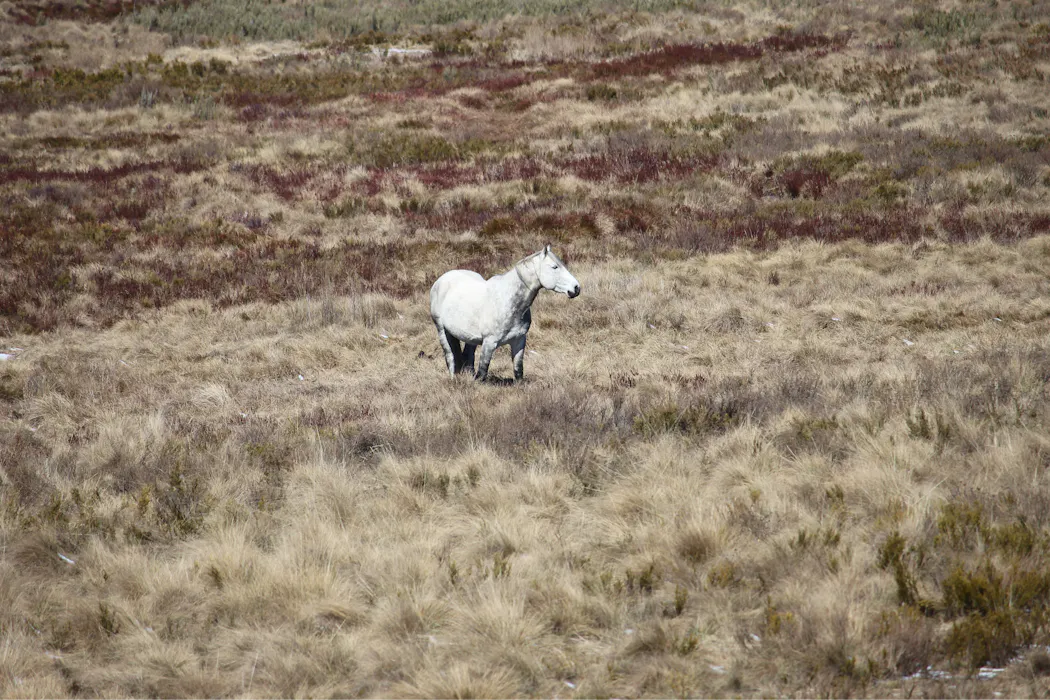
But horse numbers are already bouncing back. The latest survey data estimate between 6,476 and 16,411 horses now roam the national park.

So, what happened?

A mild summer

The answer is simple. If feral horse eradication is impossible — or politically and legally off the table — then continuous management of horse numbers is essential.

With no aerial culling within the national park in 2025, two factors likely contributed to this rapid rebound.

First, horses move. Control efforts have largely focused on remote parts of Kosciuszko National Park, away from people, trails and roads. Once resident herds in these areas have been culled, horses from surrounding regions – particularly adjacent state forests – likely moved in.

Second, horses breed. After a mild summer with significant rainfall across the high country, most mares will have bred. During Autumn fieldwork, we observed large numbers of foals accompanying herds throughout the region.

A herd of feral horses in an alpine meadow.
If feral horse numbers aren’t rapidly reduced again, things will get worse for the alpine environment and the horses themselves. crbellette/Getty

A numbers game

If numbers aren’t rapidly reduced again, things will only get worse, both for the fragile alpine environment and the horses themselves. With winter conditions imminent, many horses will struggle to maintain condition as snow covers grazing areas and energy reserves are depleted.

Ironically, some of the strongest opposition to culling overlooks these very real animal welfare consequences. Leaving horse populations unmanaged may ultimately result in prolonged suffering from starvation and exposure, compared with humane control conducted by trained professionals.

Forecast El Niño conditions may further compound these pressures, with drought likely to persist through spring and summer. As water and food become scarce, horses will likely concentrate around creeks, wetlands, alpine bogs, fens and meadows. These are precisely the alpine ecosystems most vulnerable to trampling, grazing and erosion.

And this is where hard-fought gains will be rapidly lost. Banks will become eroded, clear waters fouled and our fabled high plains replaced by overgrazed paddocks.

A long-term effort

We don’t need to look far to see what happens when a population of feral animals goes unchecked. Great Keppel Island, for example, is overrun with a thousand or more feral goats, denuding dune and forcing increasingly exasperated locals to erect fences around their properties

As with horses in Kosciuszko, political hesitancy and delayed action on Great Keppel have allowed ecological damage to escalate while management becomes increasingly difficult and expensive.

New South Wales Environment Minister, Penny Sharpe, recently said the latest Kosciuszko feral horse numbers confirmed the need for “continued management”, required to meet the target of reducing feral horse numbers to 3,000 by mid-2027.

But where did that target come from? It’s a holdover from the repealed Kosciuszko Wild Horse Heritage Act and, when even basic population growth models are applied, the implications become clear. Maintaining a population of 3,000 horses would still require the removal of well over 1,000 animals every two years — indefinitely.

In other words, there is no “set and forget” solution. If horse populations are to remain capped, ongoing culling will be necessary in perpetuity.

Alternative solutions?

Some have suggested that instead of culling, rehoming and fertility control should be used. While many Australians might like the idea of a “brumby” or two grazing in the back paddock, the number of landholders willing and able to care for these animals is far smaller.

Even retired racehorses struggle to find suitable long-term homes once their racing careers end, highlighting the practical limitations of large-scale rehoming programs.

Likewise, although various fertility control options have been suggested, vaccines, intra-uterine devices or surgical sterilisation are all invasive procedures for which horses need to be caught and sedated. These may be effective to maintain a small herd in an easily accessible area. But previous assessments have warned such an approach must be carried out in concert with large scale culling efforts.

Population dynamics vs politics

We don’t have to look far to find other examples of how invasive species management could be improved. In 2016, then New Zealand Prime Minister John Key introduced a bold plan to rid Aotearoa of all introduced predators in the next 30 years.

Predator Free 2050 is the first national-scale initiative to reduce the impacts of introduced predators, capitalising on the invention of new technologies including real-time automated species identification to trap targeted species and mobilising neighbourhoods across the country to join the effort.

Australia faces a different set of challenges — larger landscapes, divided jurisdictions and deeply entrenched cultural and political debates around invasive species management.

But the broader lesson remains the same: meaningful conservation outcomes require long-term commitment, clear targets and the willingness to act before ecological problems become too difficult to reverse.

The Conversation

David M Watson receives funding from the Australian Government (DAFF and DCCEEW).

Patrick Finnerty does not work for, consult, own shares in or receive funding from any company or organisation that would benefit from this article, and has disclosed no relevant affiliations beyond their academic appointment.

Why drinking alcohol makes you reach for chips and nachos

Taha Samet Arslan/Pexels

Have you ever wondered why savoury foods like chips, nachos and salted nuts go so well with a beer or glass of wine? And why sometimes you feel an insatiable appetite for junk food while drinking?

Our new study examined the diets and alcohol intake of Australians to find out why.

Alcohol is packed with energy, but also stimulates appetite. We found alcohol may lead you to eat more unhealthy foods by amplifying a biological drive for protein.

Protein craving

Our previous work showed that humans and other animals have a dedicated appetite for protein. We specifically crave savoury, protein-rich foods and avoid sweet foods when our body needs protein.

Protein craving and sweet avoidance is signalled to the brain by a hormone called FGF21. The liver releases this when the body detects a shortage of protein.

Drinking alcohol causes the release of FGF21, stimulating a hunger for protein.

This explains why alcohol is paired with food across many cultures: a glass of bubbly before dinner, wine with the meal. Alcoholic drinks stimulate the protein appetite and, in this way, enhance the pleasure of eating.

Scientists call this the “aperitif effect”, and have shown it’s directed towards savoury foods.

‘Protein decoys’ don’t satisfy our hunger

But not all savoury foods are alike. The main sources of savoury flavour used to be protein-rich foods like meat, seafood, poultry and pulses.

However, ultra-processed foods don’t fit into this category. Today, industrial food systems produce many foods with added savoury flavouring that are low in protein and high in fat and carbohydrates, such as chips, savoury crackers, pizzas and hot dogs.

We have called such foods “protein decoys”: they deliver the sensory cues typically associated with protein-rich foods but instead provide energy-rich fats and carbs.

This means you may overeat

In our new study, we found alcohol consumption was linked to a greater intake of savoury foods. But the effects on total energy intake varied depending on foods eaten.

When savoury whole foods such as lean meat, poultry, or pulses were chosen, protein intakes were high, but calorie intakes weren’t elevated, despite the high energy content of alcohol.

But when diets were rich in protein decoys – including savoury ultra-processed foods and fatty meats – energy intakes were higher than normal, risking weight gain.

Even without alcohol, diets high in ultra-processed foods are associated with excess energy intake and weight gain.

Many factors contribute to this, including the low protein content of ultra-processed foods. More needs to be eaten to satisfy the body’s protein target, a mechanism called “protein leverage”.

Pizza shop worker hands a pizza over to another man
Still feel like pizza at the end of a big night? Mike Jones/Pexels

That’s why, after a night of salty snacks, you might still have room for a pizza or kebab, or wake up craving a fry up.

Our new study shows that combining alcohol with ultra-processed foods can increase energy intake, both directly through the energy alcohol contributes and through the increased appetite for protein.

How we studied this

We modelled how FGF21, alcohol and protein appetite interact with diets rich in either processed or unprocessed foods. We tested our model using detailed daily dietary records of 9,337 adults from the Australian Adult Health Survey, one-third of whom reported drinking alcohol on the day of the survey.

This approach, called mechanistic ecological modelling, allows us to examine how physiological mechanisms discovered in experimental research influences behaviour and potentially health outside of the experimental lab, in the real world.

How can you avoid the alcohol-junk food trap?

Australia has among the highest intakes of alcoholic drinks and ultra-processed foods – and obesity.

If you drink alcohol regularly, recognise the accompanying savoury craving for what it is: your body seeking protein. Answer this by eating savoury protein-rich whole foods such as lean cold meats, roasted chickpeas, eggs or seafood.

Don’t be deceived by fat- and carb-rich protein decoys that trick your brain into thinking it’s eating protein. This will just leave your powerful protein appetite unsatisfied.

The Conversation

David Raubenheimer receives funding from the Australian Research Council and the National Health and Medical Research Council.

Amanda Grech The University of Sydney. She received funding from The National Health and Medical Research Center.

Stephen J Simpson does not work for, consult, own shares in or receive funding from any company or organisation that would benefit from this article, and has disclosed no relevant affiliations beyond their academic appointment.

❌
Subscriptions