❌

Normal view

  • βœ‡El PaΓ­s in English
  • Heidi O’Neill, the Nike veteran who knows how to turn around a struggling business Daniel Soufi
    Heidi O’Neill, 61, learned before she turned 13 how a business can fall apart. Her parents ran a sporting goods store. When the oil crisis of the 1970s crushed consumer spending, the family went bankrupt and lost the shop. O’Neill attended eight schools in eight years. But they managed to move forward. Seguir leyendoAn executive with rod and flyHeidi O’Neill practices fly-fishing, a technique that does away with natural bait and uses artificial lures β€” flies β€” that imitate insects or small fish,
     

Heidi O’Neill, the Nike veteran who knows how to turn around a struggling business

26 May 2026 at 18:19
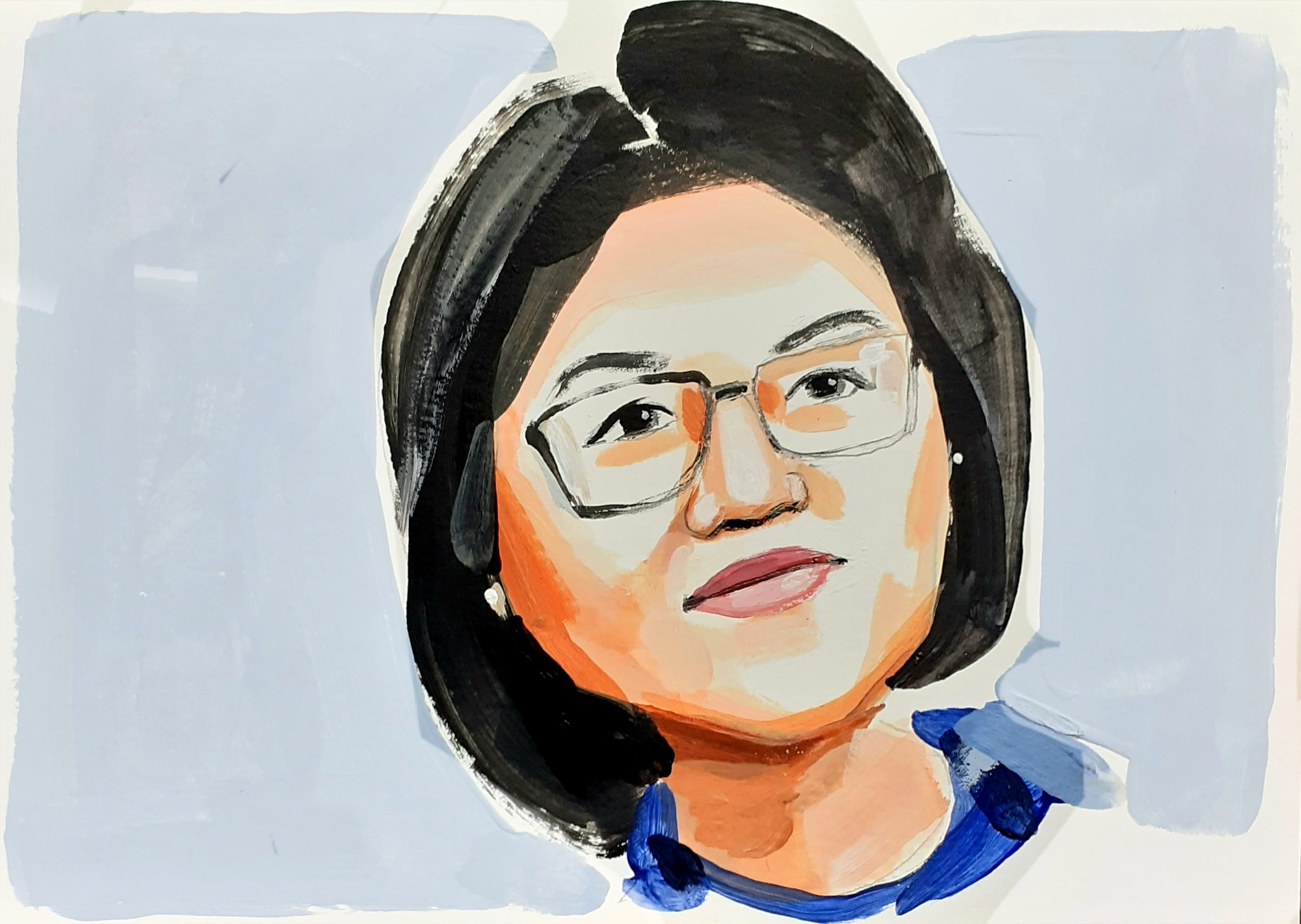
Heidi O'Neill, the next CEO of Lululemon.

Heidi O’Neill, 61, learned before she turned 13 how a business can fall apart. Her parents ran a sporting goods store. When the oil crisis of the 1970s crushed consumer spending, the family went bankrupt and lost the shop. O’Neill attended eight schools in eight years. But they managed to move forward.

Seguir leyendo

An executive with rod and fly

Heidi O’Neill practices fly-fishing, a technique that does away with natural bait and uses artificial lures β€” flies β€” that imitate insects or small fish, hand-tied from feathers, hair and thread.

  • βœ‡El PaΓ­s in English
  • He Tingbo: The woman who wants to change the chip industry Daniel Soufi
    More than 60 years ago, the chemist Gordon Moore predicted that the number of transistors that could fit on a chip would double every two years. He was right. Computing power increased for decades and costs fell. But many smartphones, computers, and an era of artificial intelligence later, Moore’s Law has reached its limits. That’s where He Tingbo (China, 1969), president of Huawei’s semiconductor business, comes in. She has proposed an alternative law to ensure that chips continue to gain power
     

He Tingbo: The woman who wants to change the chip industry

15 June 2026 at 19:33
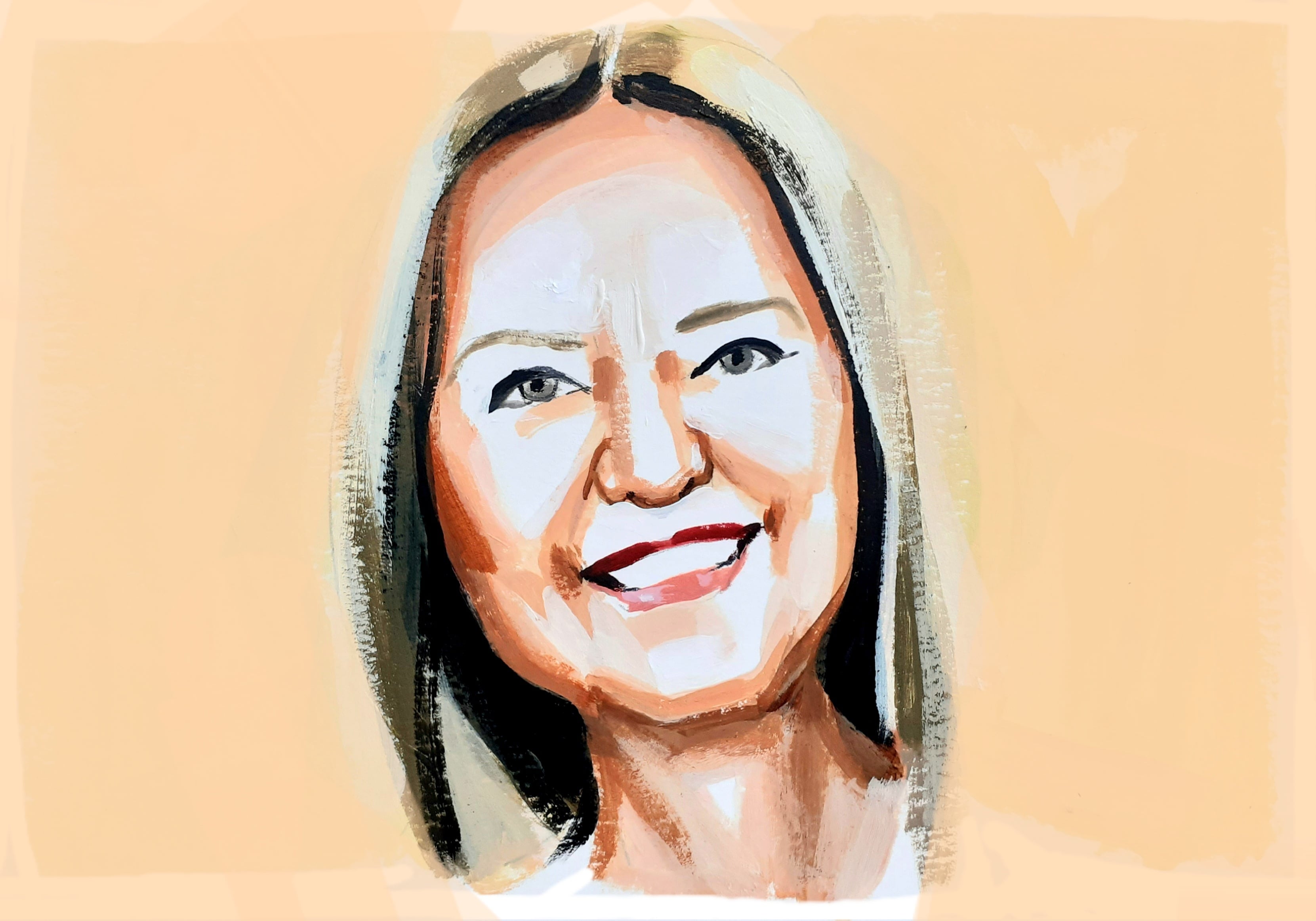
He Tingbo, president of the semiconductors department at Huawei.

More than 60 years ago, the chemist Gordon Moore predicted that the number of transistors that could fit on a chip would double every two years. He was right. Computing power increased for decades and costs fell. But many smartphones, computers, and an era of artificial intelligence later, Moore’s Law has reached its limits. That’s where He Tingbo (China, 1969), president of Huawei’s semiconductor business, comes in. She has proposed an alternative law to ensure that chips continue to gain power and efficiency without the need to keep shrinking the transistor.
Seguir leyendo

❌
Subscriptions