Imani Keal works on a home improvement project in the kitchen of her Washington, DC, apartment. | Courtesy of Imani Keal
The internet is full of ambitious people, particularly when it comes to home improvement. You will find people installing an entire kitchen themselves, buying and renovating an abandoned house, or even digging a series of tunnels under their home. And even renters are getting in on the DIY game.
Take Imani Keal: The Washington, DC-based influencer has transformed just
Take Imani Keal: The Washington, DC-based influencer has transformed just about every corner of her apartment almost entirely by herself. “I have painted every room — I installed new peel and stick floor tiles in the kitchen; I did most of the light fixtures,” she told Vox. “For most of the things in here, if it is required to be built, I built it. I do everything.”
Some of those changes happened by necessity — like her kitchen cabinets. As she says, “There was a colony of mice living in the wall behind my kitchen. And because there was a little teeny tiny hole, they were able to come through there and play hopscotch in my kitchen and I wasn’t having that anymore.” She ended up renovating her entire kitchen.
For all of that work, though, Keal is still only renting her apartment. So how do you decide how much to invest in your living space? And when should you leave a home improvement project to the experts? We discuss that and more on this week’s episode of Explain It to Me, Vox’s weekly call-in podcast.
Below is an excerpt of my conversation with Keal, edited for length and clarity. You can listen to the full episode, on Apple Podcasts, Spotify, or wherever you get your podcasts. If you’d like to submit a question, send an email to askvox@vox.com or call 1-800-618-8545.
Let me be very clear. They weren’t, but if there is a significant mice problem and you are not addressing it, we have to go forward. It became a situation where they said, “We’ll give you a credit to fix the problem and then you can fix it yourself.” And I said, fine. They rebuilt the floors and rebuilt the wall. Then I came in and purchased the cabinetry, painted it, purchased the fridge, put everything back on the wall, and made it look how it looks today.
You’ve invested a good amount of your own money into your apartment. How much?
Over three years — and a lot of this is stuff that I will take with me — maybe $30,000 or $35,000.
Some people are going to hear that and be shocked. What do you say to them about why you’re pouring so much investment into a thing you don’t own?
Number one, I live here and I think that I deserve to have a beautiful space to live in. I’m not going to sit in something that’s ugly just because other people would be upset about how I spend my money.
Number two, I was able to turn this into a career. I have made significantly more money by doing all of these things than I have spent on the apartment.
And number three, some people have hobbies where they will go out and tinker with a car. Some people want to go to a run club. Some people want to play pickleball. I want to learn how to use a circular saw and build furniture in my apartment. This is my hobby.
What’s the hardest task you’ve done?
Plumbing. To me, the potential for damage that can come from water is a lot greater than other things.Years ago, when I was doing a DIY project at my mother’s house, I accidentally turned the stop valve and the water just was shooting out. It was dripping down the chandelier in her living room and she had to replace all the hardwood floor.
How skilled were you when you first started doing DIY projects? Was this just something you always had in your skill bank?
No. In fact, it’s so funny. My sister was really known as the kid that would come and put an Ikea thing together. Then as I got older, I wanted a certain look and I could not find it. When the pandemic happened I was working at two different restaurants and I had a full-time job. I got laid off from my two restaurant jobs and then hours got cut for the main job that I was working.
I went from being out a lot to being in the house, and there were so many things that I wanted that I couldn’t afford, that I couldn’t just go to the store to buy because nobody was open. Ace Hardware was an essential business, so I would spend a lot of time going to Ace Hardware because that was the only place you could go.
You poured all this time and money into an apartment, but on the way out, you’re going to have to undo so much of it. How do you think about that? How does that feel?
It feels fine, because we all know people who get so excited about buying a house, then they buy the house and the house is hideous. They keep the same teeny tiny Ikea couch. They never get a bigger rug. They never move in. Even after spending all of this money, you are still not living in your home to the fullest so that you can make sure that your home will be nice for the person that you might sell it to in 25 years.
I have every intention of living the life that I was granted to the fullest. I’m going to do everything that I want, everything that is within my means and is possible for me to have a good life. And if that means that I have to spend a couple of days after five years of enjoying the same apartment, taking the wallpaper down, okay, sure. Whatever.
A lot of things that I put up here can very easily be taken apart. I built this entertainment system, but I built it in five pieces that can easily be taken apart and walked out of this apartment and then moved into wherever I moved next.
Perhaps it’s my very Virgo tendencies, but thinking about spring cleaning always makes my heart skip a beat. The rush that comes with a clean, organized space, paired with wide-open windows and sunlight streaming through, is second to none. The rush and anticipation can be short-lived, however, especially as you dive into the actual work of cleaning and organizing. Before spring cleaning can begin, there needs to be a spring-cleaning declutter. But the question of what to declutter in spring ca
Perhaps it’s my very Virgo tendencies, but thinking about spring cleaning always makes my heart skip a beat. The rush that comes with a clean, organized space, paired with wide-open windows and sunlight streaming through, is second to none. The rush and anticipation can be short-lived, however, especially as you dive into the actual work of cleaning and organizing. Before spring cleaning can begin, there needs to be a spring-cleaning declutter. But the question of what to declutter in spring can be overwhelming.
What to declutter first? Do I need a spring decluttering checklist before diving into my cleaning? Before you know it, you may throw your hands up and abandon the whole project altogether. That’s exactly why I asked the pros for all of their spring decluttering tips.
What to Declutter This Spring: 6 High-Impact Areas to Start With
Ahead, cleaning and organizing professionals weigh in on the items you should declutter first. Tackle these spaces before you reach for the mop to get the most bang for your buck this spring.
Drop Zones
First things first, it’s helpful to check in on the spaces where you and your loved ones place items every day. Nick Friedman, Co-Founder & CEO of College HUNKS Hauling Junk & Moving, calls these spaces drop zones. “The fastest win in any home is clearing the drop zones: entryways, kitchen counters, and coffee tables,” he shares. “These spaces collect mail, bags, random gadgets, and everyday clutter. When these surfaces are cleared, the entire home immediately feels more organized. It’s a small project with a huge visual impact.”
To tackle the clutter efficiently, keep a recycling bag nearby to toss bits of paper in as you go, and a trash bag for items to discard.
Kids’ Belongings
If you have kids, you already know how much they can accumulate. Vanessa Garcia, a cleaning and organizing expert and a Tasker for Taskrabbit, encourages parents to start setting aside kids’ belongings before diving into a spring clean. “One of the biggest things that I find to be a great clean-out to-do is going through kids’ belongings—old markers, broken crayons, and old toys that could be donated,” she says. “It’s always a great time to start pulling them up and putting them to the side, because most of the time they won’t notice.”
Garcia recommends involving your kids in the decluttering process. “It can be a great learning opportunity for children to do something good with what they have,” Garcia continues.
The Fridge and Pantry
As they say, the kitchen is the heart of the home. Just like your wardrobe lightens up for spring, so does your food, especially as more fresh fruit and veggies come into season. But before you can do a deep clean of your kitchen, Cathy Orr, co-founder of The Uncluttered Life, recommends doing a fridge and pantry clean-out.
“Time to toss expired pantry goods, give the refrigerator and freezer shelves a thorough cleaning, take out food from the freezer that you never ate during the winter, and clear and clean the countertops,” she instructs. Once you create more space on the shelves, you can wipe everything down, but that initial clean-out is essential.
Closets
Going from winter to spring means your closet will need to switch with the seasons. You might as well declutter while you do it, and reap the rewards of a refreshed space. “Closets are one of the highest-impact decluttering projects,” Friedman says. “Instead of overthinking it, I encourage people to do a quick pass: if you didn’t wear it last season or it doesn’t fit your lifestyle anymore, it’s time to donate it. Most people are surprised by how much space they gain with just a 20-minute edit.”
It can be easy to toss clutter behind closed doors. Out of sight, out of mind, right? But as you prep your home for spring cleaning, you’ll want to make room for the items you actually want to store. “Clear out the hidden clutter zones such as garages, junk drawers, and storage closets where clutter accumulates,” Friedman recommends. “These spaces may be out of sight, but they often create the most stress because they make it hard to find what you actually need. Once these areas are pared down, it becomes much easier to keep the rest of the home organized.”
I personally love tackling junk drawers—they’re small spaces that only take a few minutes to organize, tops. You can’t wipe down the drawers until they’re clean anyway!
Duplicates
As you go looking for spring cleaning supplies, be on the lookout for any duplicates. “One of the most common things we see when helping clients declutter is an overabundance of duplicates,” Friedman shares. He mentions clients often have duplicates of cleaning supplies, as well as extra kitchen tools or boxes of items labeled just in case. He encourages you to discard or donate these items. “Keeping excess often just becomes clutter. Simplifying these categories can free up a surprising amount of space,” he explains.
As you start your decluttering process, Friedman recommends embracing the excitement that comes with starting something new. “My biggest piece of advice is to focus on momentum over perfection,” he shares. “Start with the areas that will make your home feel better immediately. When you declutter the high-impact zones first, spring cleaning stops feeling like a huge project and starts feeling like a refresh.”
SINGAPORE: Artificial Intelligence has indeed become a necessity in Singaporeans life, especially in ensuring that people can be responsible with handling their money. According to the data released by Sun Life Financial Asia, more than half of the Singaporean population are now consulting generative AI tools for financial advice.
As reported by Yan.sg, with the use of AI, Singaporeans would ask these tools about allocating their budget for the month, when to dive into the insurance sector, how
SINGAPORE: Artificial Intelligence has indeed become a necessity in Singaporeans life, especially in ensuring that people can be responsible with handling their money. According to the data released by Sun Life Financial Asia, more than half of the Singaporean population are now consulting generative AI tools for financial advice.
As reported by Yan.sg, with the use of AI, Singaporeans would ask these tools about allocating their budget for the month, when to dive into the insurance sector, how to buy and sell stocks, and the likes.
Furthermore, the Monetary Authority of Singapore (MAS) is now studying how to regulate AI-powered financial services, showing that the Singapore government is also paying attention to this area.
However, it is always important to remember that AI is not capable of solving it all. To truly manage one’s finances, people still need to keep track of the accounts themselves.
Singaporeans’ Financial Literacy
The report also discussed that 70% of the people felt that their literacy was only at a basic level. This further suggests that one of the ways to be financially responsible is to know exactly where every penny of their money goes.
Singapore and the use of AI
In other news about Singapore’s use of AI, there was a report where the country has topped Asia in AI readiness, according to Adobe’s 2025 Digital Government Index, which assessed countries based on digital services and user experience.
This assessment covers three main areas: customer experience, website performance, and digital self-service, and the report focuses on improvements in digital self-service capabilities and optimisation of website usage.
The city-state showed growth for its third consecutive year, having a total score of 65 in 2025, a 4.7% increase from its score in 2024.
Mikey from The Crochet Crowd uses textured crochet stitches in stitch samplers pretty consistently. For most projects, an 'odd number' stitch count is usually the easiest to pair fun stitches together. Defining the Odd Number We need to define exactly what an odd number is; it's not the beginning chain count, but the number of […]
The post Top 5 Textured Crochet Stitches: Odd Numbers appeared first on The Crochet Crowd.
Mikey from The Crochet Crowd uses textured crochet stitches in stitch samplers pretty consistently. For most projects, an 'odd number' stitch count is usually the easiest to pair fun stitches together. Defining the Odd Number We need to define exactly what an odd number is; it's not the beginning chain count, but the number of […]
Crochet hook sizes matter. New crocheters may not notice a difference until they stare at a yarn aisle and see all the different sizes. I recommend hook sizes when making a purchase for the first time. Look for 5 mm, 5.5 mm, 6 mm, or 6.5 mm. For our USA friends, that size is H, […]
The post Master List of Crochet Hook Sizes + Learn How to Gauge appeared first on The Crochet Crowd.
Crochet hook sizes matter. New crocheters may not notice a difference until they stare at a yarn aisle and see all the different sizes. I recommend hook sizes when making a purchase for the first time. Look for 5 mm, 5.5 mm, 6 mm, or 6.5 mm. For our USA friends, that size is H, […]
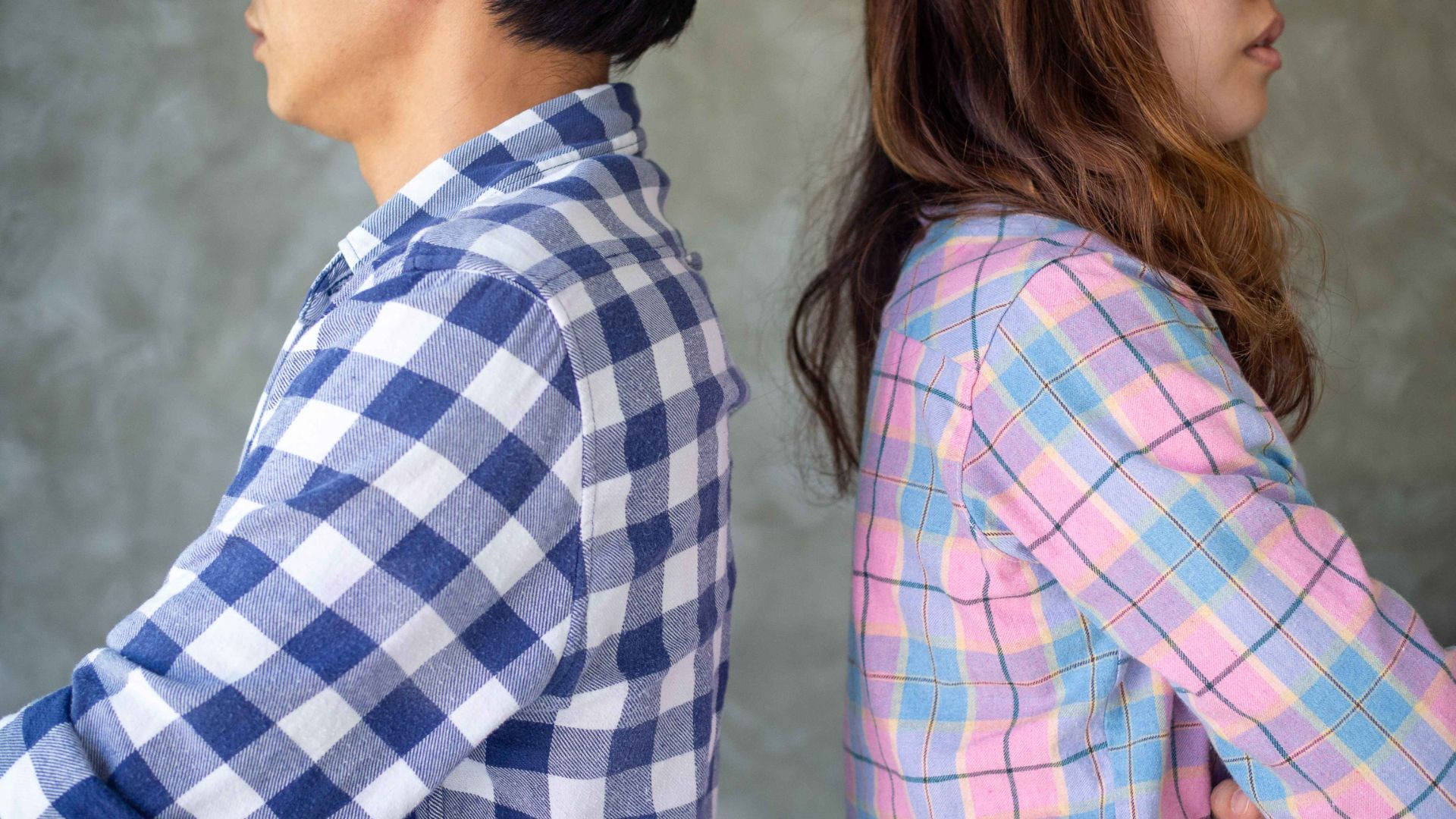
SINGAPORE: A Singaporean man has sparked a lively debate online after revealing that he is still close to his ex-girlfriend’s family and may have accidentally stirred up a bit of family drama in the process.
The 25-year-old shared on Reddit that he and his girlfriend had ended their four-year relationship just two weeks earlier. Although the split was supposedly amicable, things became awkward when he bumped into her family during a cruise holiday and ended up telling them something they probabl
SINGAPORE: A Singaporean man has sparked a lively debate online after revealing that he is still close to his ex-girlfriend’s family and may have accidentally stirred up a bit of family drama in the process.
The 25-year-old shared on Reddit that he and his girlfriend had ended their four-year relationship just two weeks earlier. Although the split was supposedly amicable, things became awkward when he bumped into her family during a cruise holiday and ended up telling them something they probably were not expecting to hear.
“We hung out together. I’m quite close with her siblings (female-12 and male-23) and her mom, so we talked about the relationship, and I told them my ex probably has a new boyfriend, because I saw her location at his house quite often.”
According to the man, his ex’s brother was stunned by the revelation.
“The brother was shocked ‘cause she told the family that she was going out to celebrate at a friend’s home cafe. Him being a self-righteous person, he was really angry for me, and the young sister, who doesn’t quite understand cheating or relationships yet, was just really angry at my ex for having a new boyfriend who isn’t me.”
Meanwhile, her mother admitted that she had long suspected something was going on because her daughter was constantly messaging someone.
He added that towards the end of their relationship, he found out that her ex started hanging out with a 27-year-old guy.
“She started hanging out very often [with him], even lying to me and her family that she was out with other people when she was really with him, until she got caught outside by my friend.”
The man said the family sided with him and intentionally posted a group photo from the cruise on Instagram so his ex would see that they had all been hanging out together.
A few days later, his phone lit up with a “lengthy, angry” message from his ex.
“She called me childish and accused me of trying to turn her family against her. She said I shouldn’t have told her family about our relationship stuff, but genuinely, I really like her family and the feeling’s mutual. She didn’t address or deny anything about the new guy being her bf, though lol.”
Unsure whether he had overstepped, the man turned to Reddit and asked: “Am I the A***ole for still keeping in contact with my ex’s family?”
“Stop interfering with your ex’s life.”
Opinions in the comments section were mixed.
Some felt there was nothing wrong with maintaining a friendship with people he had become close to over the years.
One said, “You’re not wrong for being close to family. She must grow up. You’re all adults, especially the parents and brother, so all of you can choose who to be friends with. No sense taking sides.”
Another commented, “You’re not the a***ole, but you need to draw better boundaries. Stop interfering with your ex’s life already, haha. You guys are no longer together.”
Others, however, felt he had crossed a line by discussing private relationship matters with her family.
One commenter wrote, “Yes, obviously. After a breakup, it’s weird to keep in contact with her family. Even if you’re close and bump into them, I would just say a cordial hi and bye. Not sit down and tell them all the drama.”
The commenter continued, “It seems like you knew exactly what you were doing, intentionally telling them about the new guy and framing it like cheating. Her family doesn’t need to know the details of her relationships. She is right, you are childish to do so.”
Another person suggested that he might still be struggling to move on.
“It feels like you low-key have the ‘I can’t live without her’ vibes,” the commenter said. “You can still be cordial with her family, but give yourself some distance to heal. Because, bruh, you’re not fooling yourself into thinking you’re healing. You aren’t at all.”
In other news, a 28-year-old software engineer whose salary has remained at S$3,500 a month says he feels “demoralised” after being tasked with training newly hired fresh graduates who are reportedly earning around S$5,500 a month.
In a post shared on Reddit on Tuesday (Jun 2), the engineer said he has been with his company for four years and currently handles a wide range of responsibilities, including maintaining production servers, developing new applications and features, automation work, and both frontend and backend development. His work primarily involves Python, Java, and frontend technologies.
Ricky and Royce Marnell, 28-year-old fraternal twins from Orlando, Florida, have seldom done anything apart. Together, they competed on the wrestling team throughout their childhood and adolescence. On weekends, they’d venture to the nearby park to play football. When boredom struck, they’d head to the garage for a friendly game of ping pong. When it came to college, the brothers attended Florida State University (which they swear was merely a coincidence), where they also roomed togeth
Ricky and Royce Marnell, 28-year-old fraternal twins from Orlando, Florida, have seldom done anything apart. Together, they competed on the wrestling team throughout their childhood and adolescence. On weekends, they’d venture to the nearby park to play football. When boredom struck, they’d head to the garage for a friendly game of ping pong. When it came to college, the brothers attended Florida State University (which they swear was merely a coincidence), where they also roomed together. Although they have different careers as adults — Ricky is a data analyst and Royce is a 3D artist — they find time to collaborate on a podcast about their twinness. They also share the majority of their friends.
Although the twins were in separate classes in elementary and middle school, Ricky took the lead on cultivating friendships. Royce was shy and uncomfortable, and he struggled to form social connections. So when Ricky, the extrovert, made plans, Royce tagged along. “It was also just always easier to lean on Ricky and just be friends with his friends because I didn’t have to put in any work,” Royce tells Vox. “They were always there.”
In college, they moved as a unit, picking up friends wherever they went — at orientation, outside of the dorm, in the elevator. At Ricky’s recent bachelor party, almost all of the attendees were mutual friends made during undergrad.
From birth, twins’ lives are inextricably linked. Brought up in the same environment at the same time, these siblings often inhabit similar educational, extracurricular, and social spaces, contributing to the expectation that twins share virtually everything, from interests to abilities. Because of this overlap, it makes sense twins would have overlap in their social circles, too. But as twins age and forge unique identities in young adulthood, they may find themselves making friends independently for the first time — a shift impacting both the sibling and friend relationships.
The unique experience of being a twin influences friendship
Being a twin doesn’t necessarily help or hinder the friend-making process, experts say. But having a constant companion may influence how twins approach friendship. When twins actively want to be more alike, they develop a common social network, according to research. At the same time, they often acknowledge being too dependent on one another, which might hold them back from making more friends.
“The research has shown that there’s no difference in the numbers of friends, but the closeness piece may be a little bit different,” says Laurie Kramer, a professor of applied psychology at Northeastern University. “If you have someone who knows you so well…that you really trust and feel like you can confide in, you’re probably not going to need that many other friends in your life to have that kind of deep friendship, intimate friendship with.”
When it comes to twin social circles, there is plenty of overlap, but twin type impacts the extent of the commonality. Studies have found that identical twinsshare a majority of their friends while cross-gender fraternal twins had far less overlap.
“If you think about identical twins, they are genetically the same. Their similar genes predispose them to like similar places, people, and events. So they naturally gravitate towards the same kinds of people,” Nancy Segal, a psychology professor and director of the Twin Studies Center at California State University Fullerton, tells Vox. “Fraternal twins tend to go in different directions. They tend to have separate friends, and this is a trend that seems to remain fairly stable across the life span.”
Having a shared social network is usually a matter of convenience. One twin is usually more outgoing, Segal says, and may take the lead when making friends, especially if they’re in the same class as children. Even if they move in different social contexts and form relationships independently, it’s hard to avoid the other twin during playdates at home.
Ironically, when kids are younger, they’re more likely to set clear boundaries with their twin, Kramer says: I want to play with Carly by myself today. Or they may hang out at their friend’s house without telling their sibling. It can be helpful to have these same frank conversations as they get older if they want to forge an independent relationship with a mutual friend.
In middle school, Royce Marnell remembers Ricky attempting to set such a boundary with him. Every day before class, Ricky and his friends would wander the halls with Royce tagging along. Ordinarily, it wasn’t a problem, but every once in a while, Ricky would tell his brother to kick rocks. “Ricky would just whisper in my ear, like, ‘Let me have this morning to myself,’ or ‘I want to talk to them about something and I don’t want you to be there,’” Royce says.
“Dang, I don’t remember doing that,” Ricky says. “I don’t really remember isolating Royce from my friend group because there was always guilt associated with that.”
That guilt was often reinforced by others in their lives: their parents and mutual friends asking why the other wasn’t invited. If Ricky wasn’t available to hang with a friend he made independently, the kid might reach out to Royce as backup. Their social lives, at times, felt out of their control.
When a classmate only wants to befriend one twin, the rejection can send the other into a tailspin — because despite their perceived similarities, someone clearly prefers one to the other. “The existential questions about who we are and our personalities and [which] people like us, it heightens those concerns in a way that I think people with a different-age sibling just don’t [understand],” Kramer says. (As with all relationships, it can be difficult to articulate those unintelligible, intangible qualities that attract you to someone and repel you from others, even if they are a twin.)
As twins pursue independent lives, their friend groups diverge
By high school, twins start to forge their own paths and consider who they are as a unique individual opposed to a unit. Through a process known as deidentification, twins might play up their differences to minimize competition and jealousy, by, say, enrolling in different classes and extracurricular activities. “We see that during that time, there may be much more of an interest in each twin developing their own friendships,” Kramer says.
In college, this separation intensifies if the siblings attend different schools. On their own for the first time — not as one half of a pair, but as just another student — they embark on a potentially new experience of making friends solo. In her research, Kramer says fraternal twins are more eager to break free from their sibling, as opposed to identical twins who understand the inevitability of independence, but want to delay it.
This interdependence might hold twins back from expanding their social networks. In Kramer’s research, identical twins who attended the same college reported relying on their twin in moments of loneliness, perhaps to their detriment. “Some of them did say that they felt a little bit too comfortable with this arrangement because their sibling was always there and available,” Kramer says. “It didn’t put as much of a pressure on them to go out to be a little more extroverted than they might ordinarily prefer.”
Because the reality is, twins will have to live independently, even if they continue to live near (or with) their sibling. Employers and significant others typically don’t look for pairs. Having the social skills and confidence to forge new relationships without their twin as backup is valuable in the long term.
It took until college for Jaclyn and Nick Lore-Edwards, 26, to transition from being known as “the twins” to simply “Jaclyn” and “Nick.” Growing up, the siblings had mutual friends; Jaclyn initially formed the relationships in elementary school, and those kids eagerly welcomed Nick. They both had the same interests — theater, books, dance, piano — and genuinely enjoyed being around each other, so they never had a reason to hang out with separate people. Being a twin meant strength in numbers.
“If I’m joining a new club and I don’t know if I’m going to know anyone, at least my brother is there and I can talk to him so I’m not just sitting by myself,” Jaclyn, a video editor and comedian, says. “I feel like that was definitely a big anxiety relief for me to always have him there.”
In addition to going to different colleges, their interests eventually diverged, and Jaclyn and Nick started meeting new people. Nick got involved with campus politics and model UN, while Jaclyn leaned into film and art, and each formed friendships with similarly minded people. Still, the act of making friends on their own was a relatively new experience. Having a twin, they say, was good practice for how to be a friend, not necessarily how to make them. “That was probably the first time I felt I have to do this alone,” Nick, a data scientist, says. “I can’t just rely on my sister to start talking to someone.”
While Jaclyn was the initiator in childhood, Nick thrived on his own in college: He came out as gay and gained confidence in himself. The friends he made knew exactly who he was and loved him for it. Jaclyn sensed that their high school friends, and by some extension her, had lost their luster, that the conversation really wasn’t that deep. “I could feel, when he would come home, maybe a little less interested in being with our friend group,” Jaclyn says. “That hurt my feelings. Me and you are best friends. But it wasn’t about me and our friends. He finally felt, I think, good at college.” Meanwhile, Jaclyn’s social circle was more intimate than Nick’s wide-ranging cohort, she says; her preferred friendship style mirrors that of a twin relationship. “I like having one really close friend or one person to go do stuff with,” she says.
Although they both live in New York City, they’ve still maintained their independent college friend groups. They represent the unique, individual adults they are now, not the packaged duo they once were.
While college was a period of mutual friend-making for Ricky and Royce Marnell, the twins from Orlando, their social lives did eventually split once they entered long-term relationships; their partners brokered their new adult friendships. After spending the first two decades of their lives under one roof, the Marnells now live with their significant others and with that comes responsibilities and obligations beyond their twin. Ricky’s planning a wedding; Royce just moved.
As a result of their progressing romantic lives, their shared experienced one has seemed to fracture. They don’t spend as much time with their mutual friends — if they do, it’s when college pals come to town — and instead most of their socializing is done with their respective partners’ friends. Before Ricky’s recent bachelor party, their group hadn’t gotten together in a handful of years.
“I wouldn’t say it’s harder to make friends now without Ricky,” Royce says, “but I would say it feels more lonely.”
This story was originally published in The Highlight, Vox’s member-exclusive magazine. To get access to member-exclusive stories every month, become a Vox Member today.
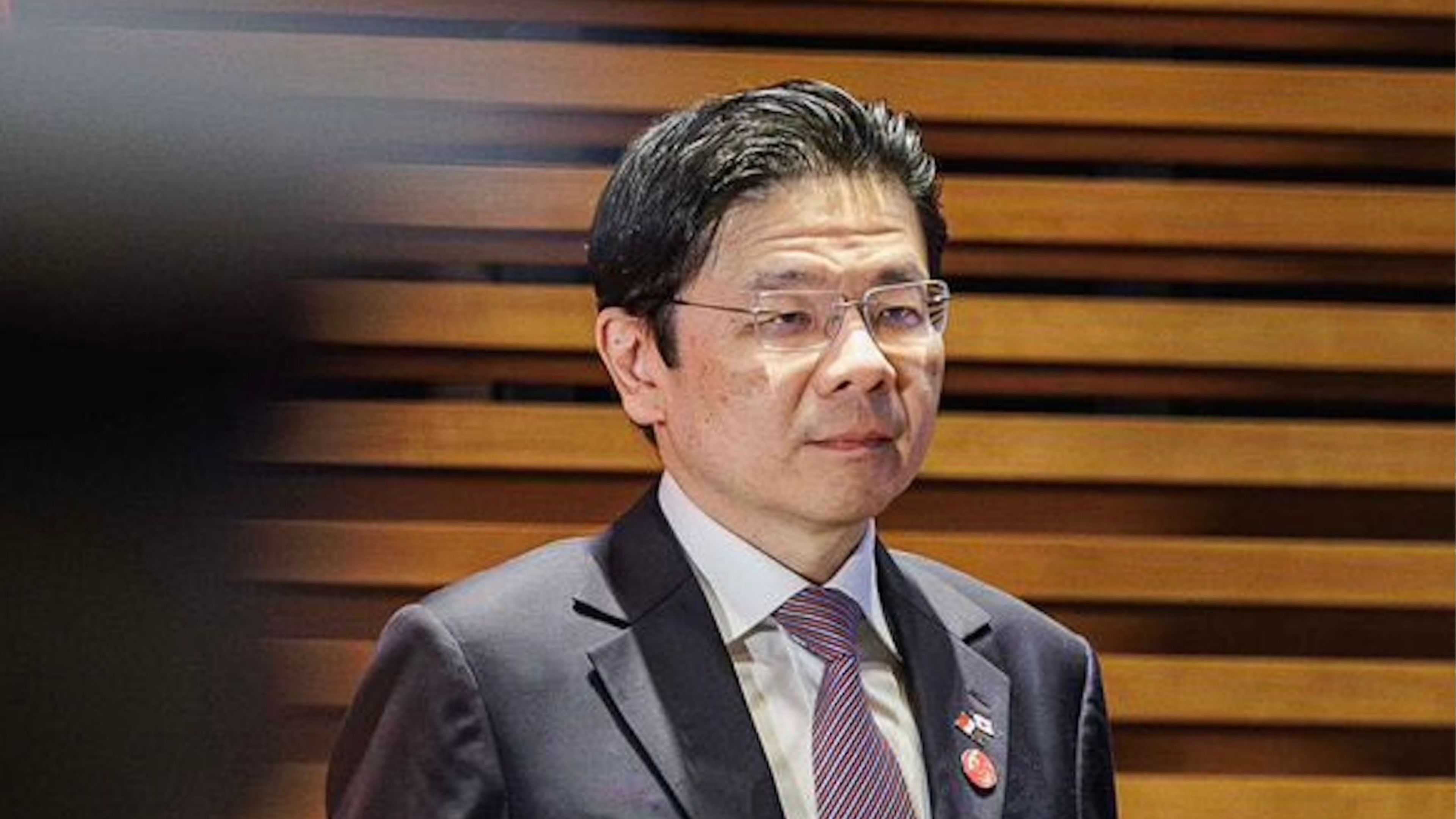
SINGAPORE: Advice from Prime Minister Lawrence Wong on managing children’s screen time has drawn mixed reactions online, with some Singaporeans supporting his message while others questioned whether he was the right person to give parenting advice.
Mr Wong launched Screen Smart From The Start, a new national movement by the Ministry of Digital Development and Information (MDDI), on May 31. The initiative aims to help parents cultivate healthy digital habits in children from a young age and inclu
SINGAPORE: Advice from Prime Minister Lawrence Wong on managing children’s screen time has drawn mixed reactions online, with some Singaporeans supporting his message while others questioned whether he was the right person to give parenting advice.
Mr Wong launched Screen Smart From The Start, a new national movement by the Ministry of Digital Development and Information (MDDI), on May 31. The initiative aims to help parents cultivate healthy digital habits in children from a young age and includes a new Be Screen Smart portal that consolidates government resources and practical guidance.
Speaking at the National Family Festival Family Carnival at Singapore Expo, Mr Wong acknowledged that many parents are concerned about their children’s digital habits but are unsure where to begin.
“We want to make this practical and actionable for parents,” he said.
Among the measures he suggested were having no phones during family meals and avoiding phones in bedrooms, noting that parents have little control over whether children are using devices late into the night once they are behind closed doors.
Mr Wong also encouraged parents to delay giving smartphones to their children for as long as possible.
“With these strong foundations, hopefully it becomes easier to manage screen time when children grow older,” he said. “Eventually they will have their own smartphones, but we want to instil in them the confidence and values to navigate the online world responsibly and safely.”
He said Singapore needed to establish new social norms for the digital age through cooperation between parents, schools and community groups.
“We must, together, collectively create new social norms for the digital age. It must start with all of us working closely with parents, schools and community groups so that together, we can build healthier habits from young,” he added.
Mr Wong noted that the Government had already banned smartphone use during school hours and was planning to strengthen safeguards around access to social media.
He also reiterated the Government’s commitment to supporting families, including parents of young children and Singaporeans hoping to start families.
In explaining the rationale behind the initiative, Mr Wong said concerns over children’s media consumption were not new, noting that previous generations worried about comics, television and video games. However, he argued that today’s digital environment poses greater challenges due to addictive features, harmful content and toxic online interactions.
The announcement quickly generated discussion online.
Some critics questioned whether the Prime Minister should be weighing in on parenting issues at all.
“Does a PM need to get into such matters?” one commenter asked.
Others focused on Mr Wong’s lack of children, with several remarks questioning whether someone without personal parenting experience could advise parents.
“So how many children do you have?” one netizen wrote.
Another commented: “He got children? No children yet, teaching others about screen time for children.”
A similar sentiment was echoed by another netizen who wrote that raising a child from birth through school, National Service and eventually into the workforce was “a long journey”, questioning whether Mr Wong had experienced that process firsthand.
Some commenters also pointed to what they saw as contradictions between calls to reduce screen use and Singapore’s increasingly digital society.
One netizen remarked that QR-code ordering systems have become commonplace at eateries, making it difficult for parents to explain why children should spend less time on phones when adults are frequently required to use them.
“But everything is digital these days. Even go out makan, they ask to scan QR on table then kids ask why are we holding the phones for too long,” the commenter wrote.
Another netizen argued that the issue extended beyond parenting, pointing to the sight of commuters glued to their smartphones during peak-hour public transport journeys.
The commenter said children may wonder why adults are constantly looking at their phones instead of interacting with one another, adding that responsibility for changing habits should not rest solely with parents.
Some also questioned how advice to delay smartphone ownership aligned with Singapore’s push towards artificial intelligence and digital literacy.
“Yesterday and the day before, [he] was talking about AI… If you don’t give them a phone, how to get them started with AI?” one netizen asked.
Not all reactions were critical, however.
One netizen defended Mr Wong’s remarks and pushed back against the idea that only parents could speak credibly about children’s well-being.
“You don’t have to die to tell what will cause death. We don’t need to have children to know what’s best for children. We have been children,” the netizen wrote.
The commenter added that smartphone addiction affects adults as well as children and argued that teaching responsible use from a young age was preferable to intervening only after unhealthy habits had become entrenched.
Editor’s note, May 31, 8 am ET: We’re bringing you some of our best-loved Your Mileage May Vary columns while Sigal Samuel is on parental leave. The one below originally published on October 6, 2024. This unconventional advice column offers you a unique framework for thinking through moral dilemmas. It’s based on value pluralism — the idea that each of us has multiple values that are equally valid but that often conflict with each other. Stay tuned for more original Your Mileage May Var
Editor’s note, May 31, 8 am ET: We’re bringing you some of our best-loved Your Mileage May Vary columns while Sigal Samuel is on parental leave. The one below originally published on October 6, 2024. This unconventional advice column offers you a unique framework for thinking through moral dilemmas. It’s based on value pluralism — the idea that each of us has multiple values that are equally valid but that often conflict with each other. Stay tuned for more original Your Mileage May Vary columns coming in June.
My grandmother had a teenage pregnancy she hid from her family before giving birth in secret and immediately giving the child up for adoption after birth. I accidentally discovered this after I received a message on an ancestry DNA website from someone closely related genetically to me. She told me she knew barely anything about her birth parents and was desperate to just have an answer. I accidentally exposed this secret to my mother and grandmother by asking if anyone knew who this person who messaged me was.
My grandmother was horrified, and wants nothing to do with her. How do I respect the choice my grandmother felt she had to make at that time in her life and protect her peace, while also acknowledging that this person should be able to at least know who the people who created her are and prominent family medical history? I feel guilty for exposing this secret accidentally but now I feel like I have an obligation to protect my grandmother and offer this person some peace of mind.
Dear Caught-in-the-Middle,
Your question reminded me of an idea from Bernard Williams, one of my favorite modern philosophers. He said that someone facing a moral trade-off can make what is, all things considered, the best decision, and — even though it was the right call — find that it still results in some cost that deserves acknowledgment or feels regrettable. Williams called that cost “the moral remainder.”
Regret is a trickster of an emotion. We’re used to viewing it as an indication that we’ve done something wrong. But as Williams explains, sometimes all it means is that reality has forced upon us an incredibly hard choice between two options, with no cost-free option available.
Your grandmother is not in the wrong for giving up her child all those years ago — or for wanting to keep her distance now. As you said, it’s the choice she “felt she had to make at that time in her life.” Pregnancy outside of marriage, especially in her generation, often came with a massive serving of shame, and the fact that she felt the need to hide it from her family and give birth in secret suggests this was a pretty traumatic experience.
It’s understandable if she’s scared to reopen that trauma now. She has a right to decide if and how to process it — a right to self-determination.
Have a question you want me to answer in the next Your Mileage May Vary column?
At the same time, her grown child is not wrong for wanting answers today. The desperation felt by this newfound relative of yours is the “moral remainder” of your grandmother’s decision.
As technology shifts over the generations, moral norms shift along with it. When your grandmother gave up the baby for adoption, she had no idea DNA testing would become commonplace — but it has. And as cheap testing kits like 23andMe have exposed all kinds of family secrets, more and more kids who’d been kept in the dark are making their experiences known.
Some were never bothered by their obscured origins, but discover an extra measure of joy and connection once they meet long-lost relatives. Others say they always suffered from an uneasy sense that they’re different from their siblings. Still others say it’s important to know your biological family’s medical history, especially with the advent of precision medicine.
All this has led to an increasing belief that children have a right to know where they came from — a right to self-knowledge.
Take it from Dani Shapiro, author of Inheritance, who found out as an adult that her beloved father was not her biological father. She writes:
The secret that was kept from me for 54 years had practical effects that were both staggering and dangerous: I gave incorrect medical history to doctors all my life. It’s one matter to have an awareness of a lack of knowledge — as many adoptees do — but another altogether not to know that you don’t know. When my son was an infant, he was stricken with a rare and often fatal seizure disorder. There was a possibility it was genetic. I confidently told his pediatric neurologist that there was no family history of seizures.
Some bioethicists, like Duke University’s Nita Farahany, are also building this case. Following the famous proclamation from Ancient Greece — “Know thyself!” — Farahany argues that people have a right to self-knowledge, including when it comes to medical information. She writes that “access to that essential information about ourselves is central to the self-reflection and self-knowledge we need to develop our own personalities.” It helps us shape our own lives and empowers us to make choices about our future.
That means that self-knowledge is actually a subset of self-determination — the exact same value that your grandmother is asserting. And it seems only fair for us to acknowledge that if your grandmother is entitled to that, then so is her child.
If both people have a right to self-determination, and their rights are in conflict with each other, then … well … what do you do?
Even John Stuart Mill, the 19th-century English philosopher who literally wrote the book on liberty, didn’t think that anyone’s right to liberty or self-determination is an absolute right. Instead, it’s a qualified right — the kind that we generally honor but that can be restricted to protect the interests of others.
So it feels appropriate here to strike a balance between your grandmother’s wishes and her child’s. There are a few different ways to do that, but here’s one: You could assure your grandmother that you won’t pressure her to talk to the child or hear any more about her, but you will give the child family medical information and a general understanding of her birth story, including the aspect that might feel most important to her: why she was given up for adoption.
Without mentioning your grandmother’s name or any details that would make it easy for the grown child to track her down, you could say something like, “Your birth mom is one of my relatives. She got pregnant as a teenager and didn’t have the means or support to take care of you. She made the hard choice to give you up for adoption in hopes that you’d have a better life than she could provide. She doesn’t feel comfortable being in contact now, and I feel that I need to respect her wishes and her privacy, but I hope this message brings you at least a little bit of peace.”
Ultimately, you won’t have total control over what your relative does with this information, because internet sleuthing is a force to be reckoned with. And you won’t be able to control whether she feels fully satisfied with what you tell her. That’s a feature of this kind of moral dilemma: You can’t please everyone 100 percent, but you’re doing what you can to honor the values at stake.
If you want, you might choose to meet with the grown child without involving your grandmother. Or you might decide that your notion of kinship isn’t rooted in biology and you don’t feel any particular need to bond with someone new to you.
Either way, what I love about Williams’s idea of the “moral remainder” is that it encourages you to view everyone in this tricky situation (including yourself!) compassionately. Regardless of which specific step you take next, you can move forward from that place of compassion.
Bonus: What I’m reading
23andMe is floundering, to the point that the company’s CEO is now considering selling it. As Kristen V. Brown notes in The Atlantic, that would mean “the DNA of 23andMe’s 15 million customers would be up for sale, too.” It’s one of the many reasons why I’ll never spit into one of those test tubes.
I recently reread the philosopher Susan Wolf’s 1982 essay “Moral Saints,” and it feels more on point than ever. Wolf argues that you shouldn’t actually strive to be “a person whose every action is as morally good as possible” — and not just because those people are incredibly boring!
David Brooks is not my usual cup of tea, but I appreciated him writing in the New York Times about how, contrary to popular opinion, “emotion is central to being an effective rational person in the world.”
Shakira finally said the quiet part out loud. “Life is a bitch.” That was her summary of what it felt like to live through Gerard Piqué‘s alleged affair with Clara Chía, the public unraveling, the move from Barcelona to Miami, the whole thing. And then she said something that stopped me. “I always thought that...
Shakira finally said the quiet part out loud. “Life is a bitch.” That was her summary of what it felt like to live through Gerard Piqué‘s alleged affair with Clara Chía, the public unraveling, the move from Barcelona to Miami, the whole thing. And then she said something that stopped me. “I always thought that...
The request to become a tester for The Crochet Crowd, aka Mikey himself, is a common question. It's not a paid role but more of an opportunity to help, learn, and be part of something that eventually reaches the public either as a paid or free pattern. The size of the pattern and work level […]
The post How To Become A Tester with Mikey, The Crochet Crowd appeared first on The Crochet Crowd.
The request to become a tester for The Crochet Crowd, aka Mikey himself, is a common question. It's not a paid role but more of an opportunity to help, learn, and be part of something that eventually reaches the public either as a paid or free pattern. The size of the pattern and work level […]
The art of reading a crochet diagram is a method I prefer over reading written words. It's like teaching yourself hieroglyphics but for crochet. The symbols mean something and are a language all their own. For myself, my first crochet book, when I was fourteen, had written words and diagrams for each pattern. Standard Crochet […]
The post How to Read Crochet Diagrams + Beginner Diagram Tutorial appeared first on The Crochet Crowd.
The art of reading a crochet diagram is a method I prefer over reading written words. It's like teaching yourself hieroglyphics but for crochet. The symbols mean something and are a language all their own. For myself, my first crochet book, when I was fourteen, had written words and diagrams for each pattern. Standard Crochet […]

 Login
Login