- New Fed chair Kevin Warsh chairs his first FOMC meeting amid three-year-high inflation and continued pressure from Trump to cut rates.
- Rates are expected to hold steady, but war-driven inflation from the Iran conflict could push the Fed toward a hike by December.
- A divided FOMC, with record dissent in April, highlights tension between Warsh's rate-cut leanings and persistent inflation pressures.
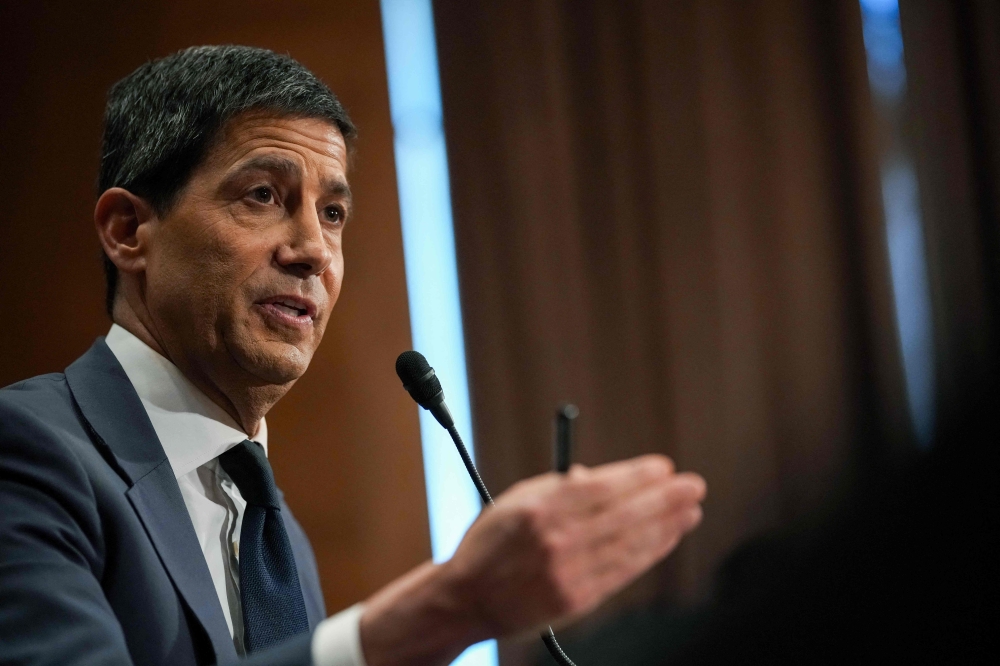
WASHINGTON, June 14 — US Federal Reserve chief Kevin Warsh will chair his first meeting of the central bank’s rate-setting committee next week caught between a rock and a hard place.
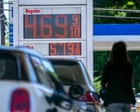
Inflation is at a three-year high but Warsh still faces unrelenting pressure from the White House to lower interest rates.
The bank’s 12-member Federal Open Market Committee (FOMC) will begin a two-day meeting on Tuesday and is widely expected to hold rates steady as the effects of US President Donald Trump’s war on Iran course through the world’s largest economy.
Warsh, who was picked by Trump, was sworn in last month and has an ambitious and wide-ranging reform agenda.
He has previously expressed support for lowering rates – in line with Trump’s demands – but will likely face resistance from a divided committee.
At the FOMC’s last meeting in April, the Fed held rates steady at 3.50 to 3.75 per cent, but the decision saw four voices of dissent – the largest number since 1992.
Analysts expect the FOMC to deliver a similar decision in June, though with debate expected on whether to change the Fed’s guidance on what its next move could be – a rate hike or a cut.
“He was appointed as Trump’s pick, because Trump probably was influencing him to cut rates,” Dan North, senior economist at Allianz Trade, told AFP.
“I don’t see him being able to do that now, especially with inflation data and job growth data, and what the people on the FOMC said last time around with their dissents.”
‘Family fight’
The Fed has a dual mandate to keep inflation to its long-term two-percent target while ensuring maximum employment.
It typically achieves these goals through interest-rate decisions – cutting borrowing costs to spur economic activity or raising them to cool prices.
Before the US-Israel war on Iran sent energy prices skyrocketing, markets had priced in at least one rate cut by the end of 2026.
With inflation flaring due to the war, however, the next move is now forecast to be a rate hike by December, according to CME’s FedWatch tool.
That will be sure to anger Trump, who has launched an unprecedented assault on the Fed’s independence with a criminal probe against Warsh’s predecessor and attempting to fire another Fed governor.
Last week, responding to strong US job growth figures that suggested the Fed should focus on inflation, Trump said he still wanted lower rates but would let Warsh “make that decision.”
The FOMC decides by majority vote, and even if Warsh argues for a cut, he must convince at least six other policymakers to join him.
At his confirmation hearing, Warsh said he favoured “messier meetings,” where policymakers could have “a good family fight.”
“He’s stepping into an environment that’s already messy,” warned North of Allianz Trade. “I don’t think it’s the family fight he was talking about.”
‘Nothing can wish it away’
Greg Daco, chief economist at EY-Parthenon, told AFP Warsh was unlikely to try to make wholesale changes at the meeting – his first chance to sit with the entire committee and “share his perspective on the economic landscape.”
Warsh has proposed reducing the amount of information the Fed communicates about its decisions: cutting out forward guidance and projections.
“In this first meeting, my guess is that he will withhold his projection, but not necessarily change the way projections are published,” said Daco.
While most analysts expect rates to be held steady at this meeting, opinions vary wildly on what the Fed’s next move could be – whether war-fuelled inflation will need to be addressed, or if it can be treated as temporary.
“Delaying rate hikes is riskier today than it was as the economy emerged from the pandemic,” warned Diane Swonk, chief economist at KPMG.
“The persistence of inflation is the hand that Warsh has been dealt; nothing can wish it away.”
As for whether Warsh will succumb to Trump’s pressure, “that’s something that’s going to have to be tested,” said EY-Parthenon’s Daco.
“I don’t think we know, to be honest, at this stage.” — AFP

 Login
Login