Normal view

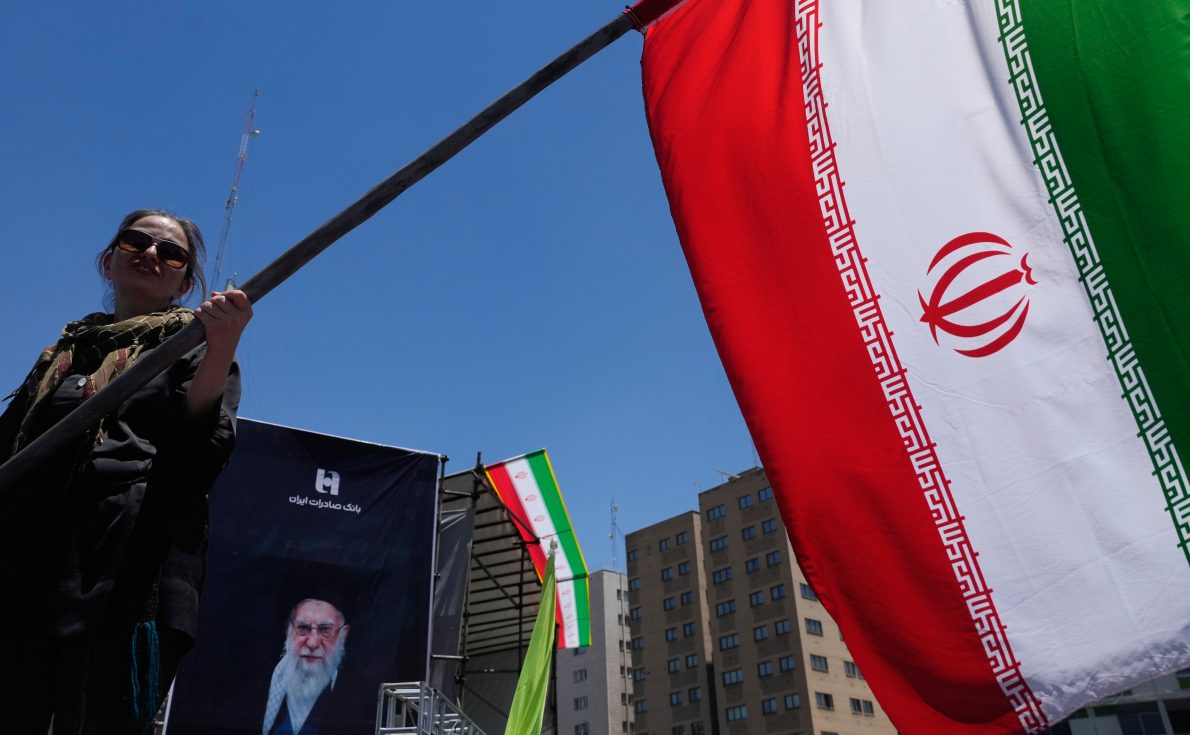
U.S. lifts blockade of Iran and Iranian supreme leader endorses direct talks with American officials

The U.S. on Thursday lifted its blockade of Iran, and oil tankers began freely moving through the Strait of Hormuz after months of being unable to use the critical channel, as the tentative agreement to end the war took effect.

Reed: Trump's possible Iran deal a costly 'birthday gift'

14 June 2026 at 14:23
Sen. Jack Reed (D-RI) criticized President Trump over the possible deal to end the war in Iran, describing the plan as a "birthday gift" amid prolonged economic woes due to the conflict. “For 100 days we've been hearing constantly, there's going to be a deal, there's going to be a deal,” Reed said during an...

  • ✇Malay Mail - All
  • Coincidence? Israel attacks Lebanon as US-Iran peace deal hangs in balance
    BEIRUT, June 14 — Lebanon reported Israeli strikes in the country’s south on Saturday, as the Israeli army issued evacuation warnings for the city of Nabatieh and more than 20 other locations ahead of raids.The latest strikes came as the US and Iran indicated they were close to reaching a deal on ending the Middle East war that could also include Lebanon, drawn into the conflict when Hezbollah attacked Israel in support of its patron Tehran.The state-run National
     

Coincidence? Israel attacks Lebanon as US-Iran peace deal hangs in balance

14 June 2026 at 01:26

Malay Mail

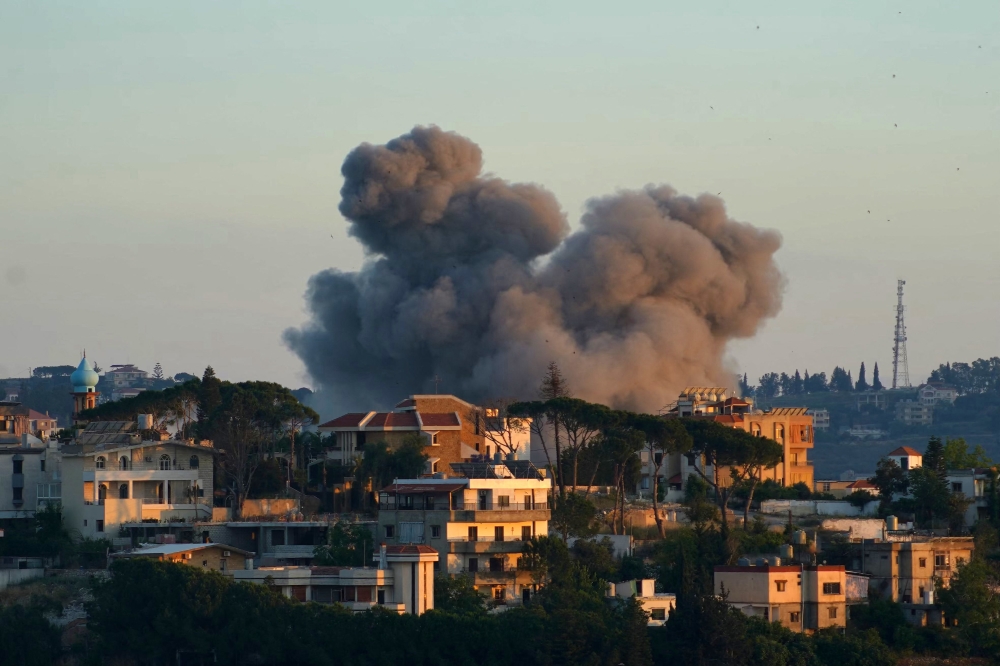
BEIRUT, June 14 — Lebanon reported Israeli strikes in the country’s south on Saturday, as the Israeli army issued evacuation warnings for the city of Nabatieh and more than 20 other locations ahead of raids.

The latest strikes came as the US and Iran indicated they were close to reaching a deal on ending the Middle East war that could also include Lebanon, drawn into the conflict when Hezbollah attacked Israel in support of its patron Tehran.

The state-run National News Agency (NNA) said Israeli airstrikes had hit several areas, particularly around the southern city of Nabatieh.

An AFP photojournalist in the Nabatieh area heard blasts around Kfar Remman, which has been repeatedly targeted, and saw a plume of smoke rising from Kfar Tebnit, which was not included in the evacuation warnings.

The Lebanese army later said one of its soldiers had been severely wounded after being hit by an Israeli drone on the road between Kfar Remman and Nabatieh. That had followed an initial attempt to target him as he was moving near a hospital close to the city.

NNA also said an Israeli strike killed a local official in Rihan, the southern region of Jezzine.

An AFP correspondent in Nabatieh said the city was almost deserted, reporting artillery shelling there and in nearby areas overnight and on Saturday.

Evacuation warnings

The Israeli military had issued two warnings to residents of 24 locations – both in and around Nabatieh, and nearer to the coast – to “evacuate your homes immediately and move to the north of the Zahrani River”, around 45 kilometres from the southern border with Israel.

Last month Israel declared all areas south of the river “combat zones”, and has since been heavily striking the area.

Hezbollah, which has kept up attacks on invading Israeli troops, said its fighters launched drone attacks on Israeli military vehicles in the south.

It said it had thwarted an overnight “infiltration” attempt by Israeli forces in the Kfar Tebrnit area near Nabaiteh after ambushing them and engaging in a “firefight with medium weapons”.

The group also reported clashes with Israeli soldiers in the vicinity of Majdal Zoun, closer to the border with Israel.

Israel’s military also said it “intercepted a suspicious aerial target that crossed from Lebanon into Israeli territory”.

It later announced that “over the past 24 hours, more than 70 Hezbollah terrorist infrastructure sites were struck”.

Fresh strikes hit two areas in Lebanon’s eastern Baalbek area later Saturday, NNA reported.

‘Fateful test’

Iran insists that Lebanon must be part of any agreement to end the wider Middle East war, and a senior US official said Friday that a draft peace deal “includes Lebanon”.

Neither Israel nor Hezbollah have respected a ceasefire meant to take effect in April, and a conditional truce deal announced this month after Lebanese-Israeli negotiations in Washington also failed to halt the fighting.

Hezbollah rejected both the direct talks and the conditional agreement, which requires it to cease attacks but makes no mention of Israel doing so or withdrawing troops from Lebanon.

Lebanon says Israel’s massive campaign of airstrikes and ground invasion have so far killed 3,756 people.

Lebanon’s leaders, meanwhile, have accused Tehran of treating their country as a “bargaining chip”.

Hezbollah lawmaker Ali Fayyad said on Saturday Lebanon should make do with any US-Iran deal that included the country.

“We want the Lebanese state to negotiate for itself, and nobody is suggesting forfeiting this role,” Fayyad said.

“However, the state must abandon the policy of being crushed in the face of the Israelis and submission to the Americans.”

The prime minister of Pakistan, which has mediated between Tehran and Washington, insisted Saturday that a deal was closer “than ever before”.

Lebanese President Joseph Aoun said in a statement that Lebanon faced “a fateful test.

“Either its people unite around a sovereign state that monopolises weapons, upholds the law and protects citizens irrespective of their affiliation or position, or it remains hostage to the logic of militias,” he said.

Further Israel-Lebanon talks are scheduled for later this month. — AFP


  • ✇TheHill - Just In
  • O'Reilly: Israeli response to Iran deal 'a big tell' Tara Suter
    Conservative pundit Bill O’Reilly said Monday that Israel’s response to the new deal to end the war between the U.S. and Iran is “a big tell” and that “the Israelis want the ability to strike back any time they want for any attack on them.”  President Trump announced the deal with Iran on Sunday, and...
     

O'Reilly: Israeli response to Iran deal 'a big tell'

16 June 2026 at 13:18
Conservative pundit Bill O’Reilly said Monday that Israel’s response to the new deal to end the war between the U.S. and Iran is “a big tell” and that “the Israelis want the ability to strike back any time they want for any attack on them.”  President Trump announced the deal with Iran on Sunday, and...

Hegseth says Hezbollah-Israel strikes won't impact US-Iran peace deal

14 June 2026 at 17:10
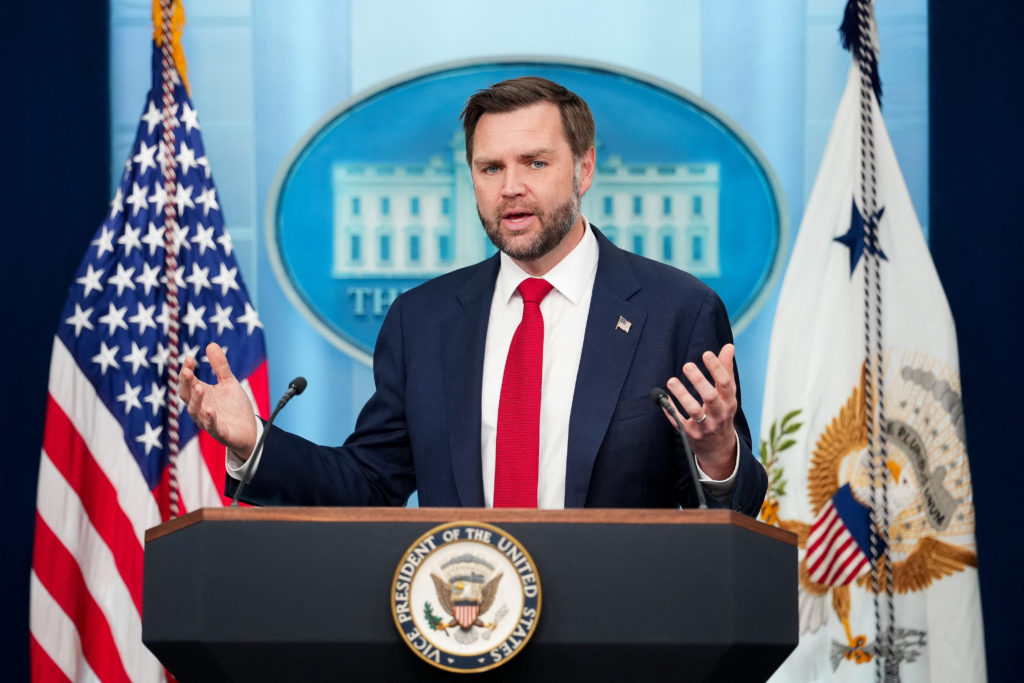
Defense Secretary Pete Hegseth on Sunday said strikes traded between Hezbollah and Israel won’t impact the U.S.-Iran peace deal, hours ahead of a scheduled electronic signing for the agreement. “From all I know, we are on track. It's not a matter of if, it's a matter of when. There's logistics involved into how these things...

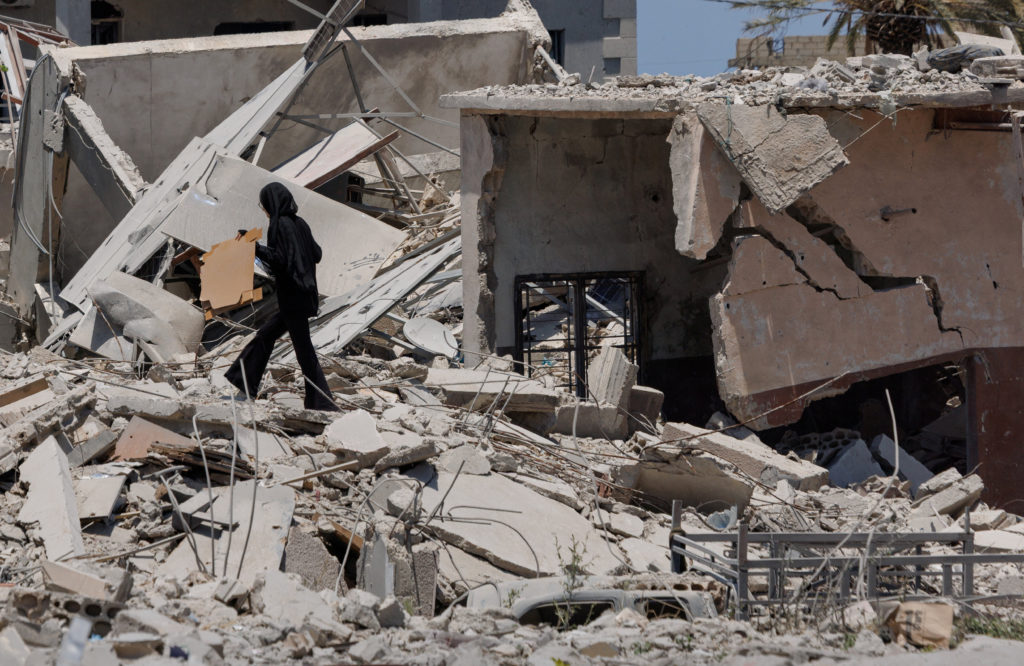
Residents return to war-ravaged southern Lebanon with hope and sorrow after the U.S.-Iran deal

The U.S.-Iran deal also calls for an end to the war in Lebanon, where Israel has been fighting Hezbollah, but it's unclear what that means in practice.

  • ✇Malay Mail - All
  • Bank of Japan lifts rates to 31‑year high as Middle East war fuels inflation fears
    TOKYO, June 16 — The Bank of Japan hiked interest rates to a 31-year high on Tuesday as it battles inflation caused by the Middle East war — even after Washington and Tehran agreed a peace deal.The central bank for the world’s fourth-largest economy raised its benchmark rate 25 basis points to 1.0 percent, the highest since 1995 and marking the first increase since December.The widely expected decision followed rate rises by the European Central Bank and in Indon
     

Bank of Japan lifts rates to 31‑year high as Middle East war fuels inflation fears

16 June 2026 at 07:02

Malay Mail

TOKYO, June 16 — The Bank of Japan hiked interest rates to a 31-year high on Tuesday as it battles inflation caused by the Middle East war — even after Washington and Tehran agreed a peace deal.

The central bank for the world’s fourth-largest economy raised its benchmark rate 25 basis points to 1.0 percent, the highest since 1995 and marking the first increase since December.

The widely expected decision followed rate rises by the European Central Bank and in Indonesia last week after the conflict caused economic havoc and rising prices worldwide.

With US inflation at a three-year high, expectations are growing that the Federal Reserve will follow suit, albeit not at new boss Kevin Warsh’s first gathering this week.

“While higher crude oil prices have been exerting downward pressure on economic activity, the economy has generally been supported by factors such as high levels of corporate profits and an improvement in the employment and income situation,” the BoJ said.

The consumer price index (CPI) has been below two percent thanks in part to government energy subsidies.

“However, the price pass-through stemming from the rise in crude oil prices has been progressing at a relatively fast pace in business-to-business transactions, which could spread to an increase in consumer prices across a wide range of items,” the central bank added.

“Against this backdrop, taking into account that medium- to long-term inflation expectations have also continued to rise, there is a risk of underlying CPI inflation deviating upward to a level above the price stability target of two percent.”

Looking ahead, the BoJ said that it will “continue to raise the policy interest rate and adjust the degree of monetary accommodation”.

“In this regard, it will consider the timing and pace of adjustment, while closely monitoring the impact of the future course of the situation in the Middle East on Japan’s economic activity and prices,” it said.

It also indicated that it would pause the tapering of its colossal programme of bond purchases after next April.

US-Iran deal

The United States and Iran agreed to end their three-month war on all fronts and reopen the Strait of Hormuz, through which pre-conflict about a fifth of world oil and gas passed.

The accord was set to be physically signed in Switzerland on Friday, but hundreds of ships remain stuck, and it will likely take considerable time for trade flows to normalise.

Japan relied on the Middle East for around 90 per cent of its crude supplies before the war began on February 28.

Its problems have been exacerbated by a falling yen, caused by the rise in oil prices and the gap between US and Japanese interest rates, which are among the lowest in the developed world.

The government spent around 11.7 trillion yen (US$72 billion) last month propping up the currency, which has been languishing at around 160 yen against the dollar.

The yen briefly jumped against the dollar after the announcement on Tuesday, while the Nikkei 225 stock index rose above 70,000 points for the first time.

BoJ deputy governor Shinichi Uchida was slated to address the media on Tuesday afternoon after the rate decision, filling in for governor Kazuo Ueda, who is in hospital.

The central bank is under pressure from markets to keep tightening interest rates, and also from Prime Minister Sanae Takaichi’s government not to snuff out growth with high borrowing costs.

The BoJ began hiking rates from below zero in 2024 after nearly two decades of ultra-loose monetary policies.

Akino Fukuda at Moody’s Analytics said Tuesday’s move was “another step toward policy normalisation”.

“Real rates remain negative, financial conditions are still relatively loose, and inflation pressures are turning higher, so more hikes are necessary,” Fukuda said.

“The question now is the pace.” — AFP

Batya Ungar-Sargon calls Iran deal 'total capitulation' by US, Trump

18 June 2026 at 15:18
NewsNation host Batya Ungar-Sargon on Wednesday slammed the preliminary peace deal between the U.S. and Iran, calling it a "total capitulation" to the Islamic regime. Ungar-Sargon, a vocal supporter of the president and the host of "Batya," called the deal "an utter disaster" in an appearance on "Katie Pavlich Tonight" on NewsNation, The Hill's sister...

❌
Subscriptions