Normal view

‘We let our insecurities hit out at others’: Ho Ching on racism against Indians in Singapore

10 June 2026 at 13:32

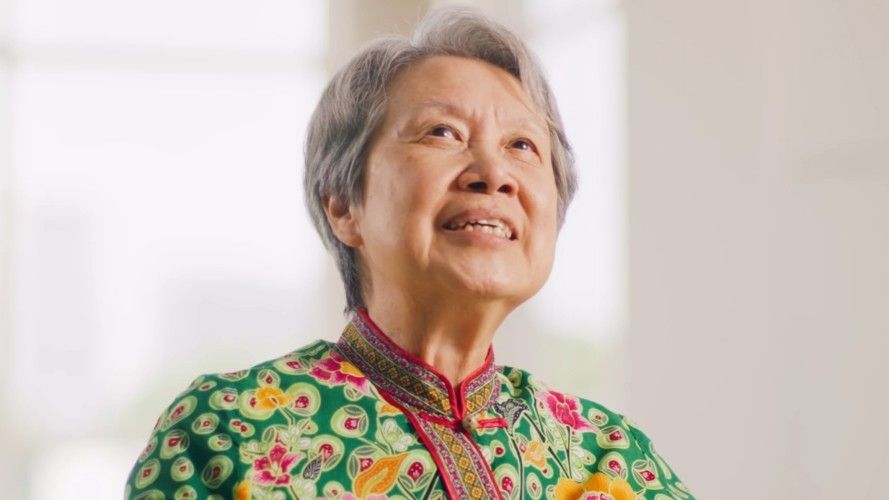
SINGAPORE: Former CEO of Temasek Holdings Ho Ching urged Singaporeans to be kind, weighing in on the subject of online hatred against Indians as well as Singapore’s multiculturalism.

On Facebook on June 9 (Tuesday), Mdm Ho, the wife of Senior Minister Lee Hsien Loong, shared a post from the former Nominated Member of Parliament Calvin Cheng, where he called out Singaporeans online who said they accept Indians who grew up in Singapore but discriminate against more recent arrivals.

“These people – vast majority of whom are Singaporean Chinese – try to excuse themselves by saying they are ok with local Indians. Just not what they call ‘ceca’s,” he wrote, adding, “What rubbish.”

Mdm Ho wrote that she “agreed totally that we should stop the BS and excuses for being racist.” She acknowledged that humans are inherently tribal and added that deciding to include others who are different takes awareness and intention.

In Singapore, due to the multicultural environment people are raised in, they are  “much more inclusive and open to different races, accents, languages, and skin colours, among us.”

However, she warned that “we sometimes let our own insecurities take the form of parochialism, xenophobia or racism, to hit out at others who may be different from us.”

“Better to remember that the colour of our blood is the same, same types of blood regardless of the colour of the skin or eyes or place of birth. Be kind always,” she reminded others.

What Singaporeans are saying

Many commenters agreed with Mdm Ho, with one writing, “This entire nonsense of racism should stop. When I was growing up, I had lots of different friends. Naidu was just Naidu to me. Ah Hock was just Ah Hock to me. Majid was just Majid to me. Babu was Babu. I was just their Sekani pal. No race involved. All naughty boys are enjoying each other’s company. That’s life. That’s how it should be. Period.”

To this, another replied, “And that is uniquely Singapore.”

“It is just melanin,” a commenter chimed in.

“Simple – just remember that when you’re in need of a blood transfusion, the blood that you are getting isn’t from the one that you chose, it’s from another human and you don’t know his skin colour,” wrote a Facebook user.

The context

Last week, Law Minister and Second Minister for Home Affairs Edwin Tong announced that the Police issued Disabling Directions under the Online Criminal Harms Act to deal with the content circulating on YouTube, Facebook, and X, requiring the platforms to disable access by Singapore users to these posts.

Mr Tong told members of the media that the content was likely to have come from overseas, and CNA reported that they are believed to have originated from a platform based in China.

“These videos attack our multi-racial society and try to divide people based on race. This, however, is not who we are. Every community in Singapore is valued, and everyone has an equal place,” the minister said, adding, “We don’t tolerate narratives which undermine the racial harmony that we enjoy and work so hard to protect.” /TISG

Read also: Ex-NMP calls out Singaporeans who accept local Indians but discriminate against ‘Cecas’

This article (‘We let our insecurities hit out at others’: Ho Ching on racism against Indians in Singapore) first appeared on The Independent Singapore News.
  • ✇The Independent SG
  • ‘Are Malaysians ready to protest?’: Petition removal fuels anger online Kazi Mahmood
    MALAYSIA: The “Remove Rohingya from Malaysia” petition, which had amassed over 424,000 signatures by June 8, was taken down by Change.org following civil society criticism of its hate‑driven narrative.  The campaign, fueled by misinformation and viral artificial intelligence (AI)‑generated content, targeted the vulnerable Rohingya refugee community and sparked widespread xenophobic commentary online. Rights groups warned the petition echoed propaganda tactics used in Myanmar before the 2017 geno
     

‘Are Malaysians ready to protest?’: Petition removal fuels anger online

13 June 2026 at 10:30

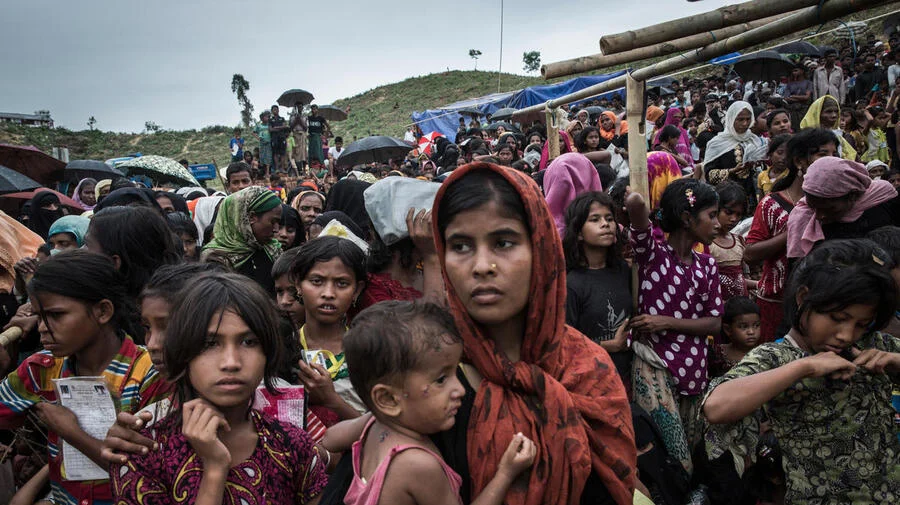
MALAYSIA: The “Remove Rohingya from Malaysia” petition, which had amassed over 424,000 signatures by June 8, was taken down by Change.org following civil society criticism of its hate‑driven narrative. 

The campaign, fueled by misinformation and viral artificial intelligence (AI)‑generated content, targeted the vulnerable Rohingya refugee community and sparked widespread xenophobic commentary online. Rights groups warned the petition echoed propaganda tactics used in Myanmar before the 2017 genocide, raising alarm over rising hostility and disinformation against refugees in Malaysia.

The leader of the Rohingya refugees, Zafar Ahmad Abdul Ghani, condemned rising hate campaigns against the Rohingya, calling them disinformation. 

He urged Malaysia and ASEAN to defend refugee rights, stressing that daily hostility, false claims, and Islamophobia deepen divisions and threaten the safety of his already vulnerable community.

Despite official statements, some social media users argue the issue should spill into the streets. On X, one asked if Malaysians are prepared to demonstrate against the removal of the anti‑Rohingya petition and the continued presence of refugees in the country. 

Additionally, some argue that the government is ignoring the voices of over 400,000 taxpayers who signed the petition demanding the removal of Rohingya refugees. They claim Malaysia was initially expected to host only 10,000 refugees, but that figure has since ballooned to more than 120,000. The frustration reflects growing resentment online. 

Some social media users allege that a Malaysian political party once used undocumented migrants as a tactic. One claimed that in past years, a former political powerhouse granted citizenship to illegals or refugees in exchange for votes. 

However, this rhetoric appears speculative and lacks verified evidence. While such claims resonate with public frustration over refugee issues, they remain controversial. 

Unfortunately, harsh remarks from some X users have shifted the debate into troubling territory, questioning morality itself. A few even asked whether Malaysia needs the return of an infamous past leader, remembered largely for controversy. Such rhetoric underscores how online frustration over refugee issues can spiral into extreme narratives. 

The situation shows little sign of improving, yet it must be remembered that the Rohingya remain human beings deserving dignity. If the Malaysian government truly intends to help, support should go beyond temporary aid. 

Offering access to skills training and education would allow refugees to progress in life, gain independence, and contribute productively. 

This article (‘Are Malaysians ready to protest?’: Petition removal fuels anger online) first appeared on The Independent Singapore News.

❌
Subscriptions