 Login
LoginThe Electric Yachts
25 May 2026 at 10:41



A victory for freedom of eats.
The ruling Liberal Democratic Party has been hard at work drafting a bill to criminalize desecration of the Japanese flag. It’s apparently a pressing matter, even though I’ve never seen anyone do anything bad to a flag before. In fact, I rarely see the flag used much at all, good or bad. But it’s perhaps in anticipation of continuing protests to the current administration’s efforts to roll back the pacifist elements of the constitution that they feel this is a priority.
There has been a lot of discussion about the specific details of this law as it rubs up against people’s freedom of expression. One major point is what exactly constitutes the national flag of Japan. Especially since it’s just a red circle on a white background, I could drop some spaghetti sauce on my shirt and end up wearing the flag. So, how is it legally different from a real flag?
According to the latest revision of the bill, the flag is defined as generally made of cloth or paper, primarily displayed on poles as a sign or decoration, and usable in real society. This means the Japanese flags in the virtual world are fair game, which is great news for my upcoming smartphone game Flag Blaster 3000.
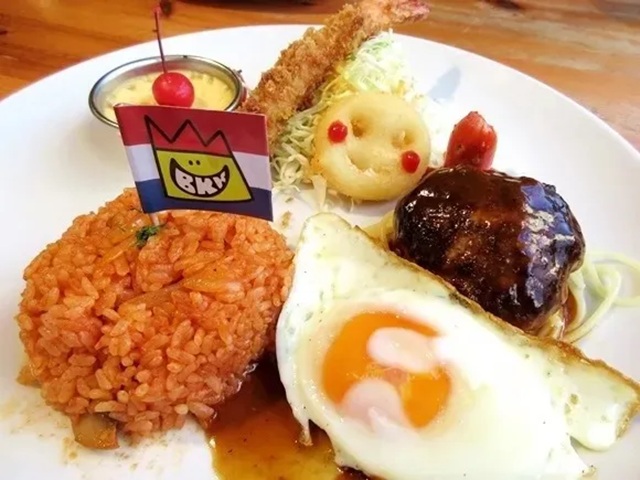
But where does that leave those little toothpick flags that restaurants in Japan stick in the potato salad or rice of kids’ meals? They’re made of paper, displayed as a decoration, and used in society.
▼ The countries are usually randomly given out, so there’s only a small chance of getting a Japanese flag a lot of the time.
Since they technically fit the legal definition of a flag, the makers of the bill decided to explicitly exclude kids’ meal flags from the law. This means you wouldn’t have to worry about getting in trouble with the law if you attacked some ketchup rice extra hard and made a mess of your flag. Another exemption involves flags depicted in paintings. That being said, destroying other people’s paintings can land you in a whole other spot of trouble.
Online commenters have been less than happy that this is what the government is choosing to spend its time on when so many other things in the country seems to be getting less and less bearable.
“This is what they’re discussing?”
“They can’t seriously be spending time on kids’ meal flags.”
“Just ignoring all of our other anxieties.”
“Didn’t they recently say they didn’t have time to discuss same-sex marriage or separate surnames?”
“I should get a tattoo of the flag. Then no one will hurt me.”
“Just copy whatever they do in France and get it done with.”
“When I was a kid, I used to carefully save my kids’ meal flag and take it home. I’d usually forget all about it 10 minutes after that.”
The draft bill also includes a provision that freedom of expression should be considered when pressing charges. According to the wording, artistic expression, such as live-action films, using real national flags as props would be exempt if considered socially acceptable.
That last part about being “considered socially acceptable” is still a matter of contention in the bill, since it is greatly open to interpretation. I think we can all agree that Godzilla torching the flag with its atomic breath is completely acceptable because that big lug just doesn’t know any better. But if King Kong hurls a colossal turd at one, the issue becomes much less black and white.
Hopefully, they get this all sorted out soon, and maybe go back to working on things like how no one can afford stuff anymore, and why we can’t even secure the resources to make colored bags of potato chips.
Source: Mainichi Shimbun, Hachima Kiko
Photos ©SoraNews24
● Want to hear about SoraNews24’s latest articles as soon as they’re published? Follow us on Facebook and Twitter!


XBXG posted a photo:
Mobile office
A rather unusual vehicle for commuting, but not for the American banker Hugh McDonald, who in the early 1930s has himself driven back and forth in this luxurious combination from his estate on Long Island to his office in New York.
The semi-trailer resembles an aeroplane and was built in accordance with aviation construction principles by the Curtiss Aeroplane Company in Florida. A lightweight, tubular metal frame is braced with wire cables. The Aerocar’s nose looks like a cockpit and is fitted with a compass, barometer, altimeter, speedometer and swivelling floodlights. The interior is furnished with lightweight wicker chairs and a desk. The galley features a refrigerator and there is also a lavatory with flushing toilet. The yacht was towed by a Graham-Paige Blue Streak fitted with a four-litre engine. A spare wheel was placed in the space normally occupied by the ‘dickey seat’. The towing pin of the trailer fits in a socket in the hub and the tyre damped out the shocks while driving.
Source: www.louwmanmuseum.nl
Louwman Museum
Den Haag, the Netherlands.
Japanese customer service turns a disappointing experience into a heartwarming memory.
When people hear the words “Starbucks breakfast” in Japan, they usually think of the chain’s “Good Start Morning” offer, which gives you a 40-yen (US$0.25) discount on the in-store price when you buy a qualifying drink and food item together. You can take advantage of the deal until 11 in the morning at most stores, but diehard fans of the chain know there’s a better deal hiding out at the Starbucks Reserve Roastery Tokyo in Tokyo’s Meguro Ward.
Here, you’ll find a luxurious breakfast that’s been described by diners as “hotel-quality”, but the only problem is it’s so popular it often sells out. That’s what happened when we stopped by to try it, but rather than leave disappointed, we ended up leaving with a full stomach and a warm heart, thanks to the help of staff who went above and beyond with their customer service to make our experience a great one.
▼ Starbucks Reserve Roastery Tokyo
The official name of the popular breakfast is “Roastery Breakfast Mattina“, and it’s sold by Princi, the Italian bakery on the first floor. While it’s said to be incredibly delicious, it’s also slightly pricey, at 2,250 yen per set, and can only be ordered dine-in until 11:00 a.m. each day.
▼ Drinks are sold separately, so if you want to add coffee to your breakfast, you should be prepared to spend at least 3,000 yen.
Despite the price, the breakfast is incredibly popular – so much so that when we visited at 10:30am, staff told us that they’d just sold out, and when we returned the next day just after 9 a.m. staff told us they sold out at 8 a.m.
Fearing we may never get to eat breakfast, we asked staff if there was any type of workaround they might recommend. We told them we’d be happy to purchase the bread and ham from the breakfast set on their own if it were possible, and to our surprise, the staff member we spoke to said, “You can buy the bread individually. We also offer ham in sandwiches and such, but…please wait a moment.” They then started communicating with someone on their intercom system.
Eagerly waiting to find out what was about to happen, the employee then said, “Well, how about this? We have a menu item that we’d like to recommend, but please wait a moment while we check if it’s still available.”
Crossing our fingers for the best result, we waited with bated breath until the staff member turned and said, “It seems it’s still available, so I’ll guide you to the place where it’s being served.”
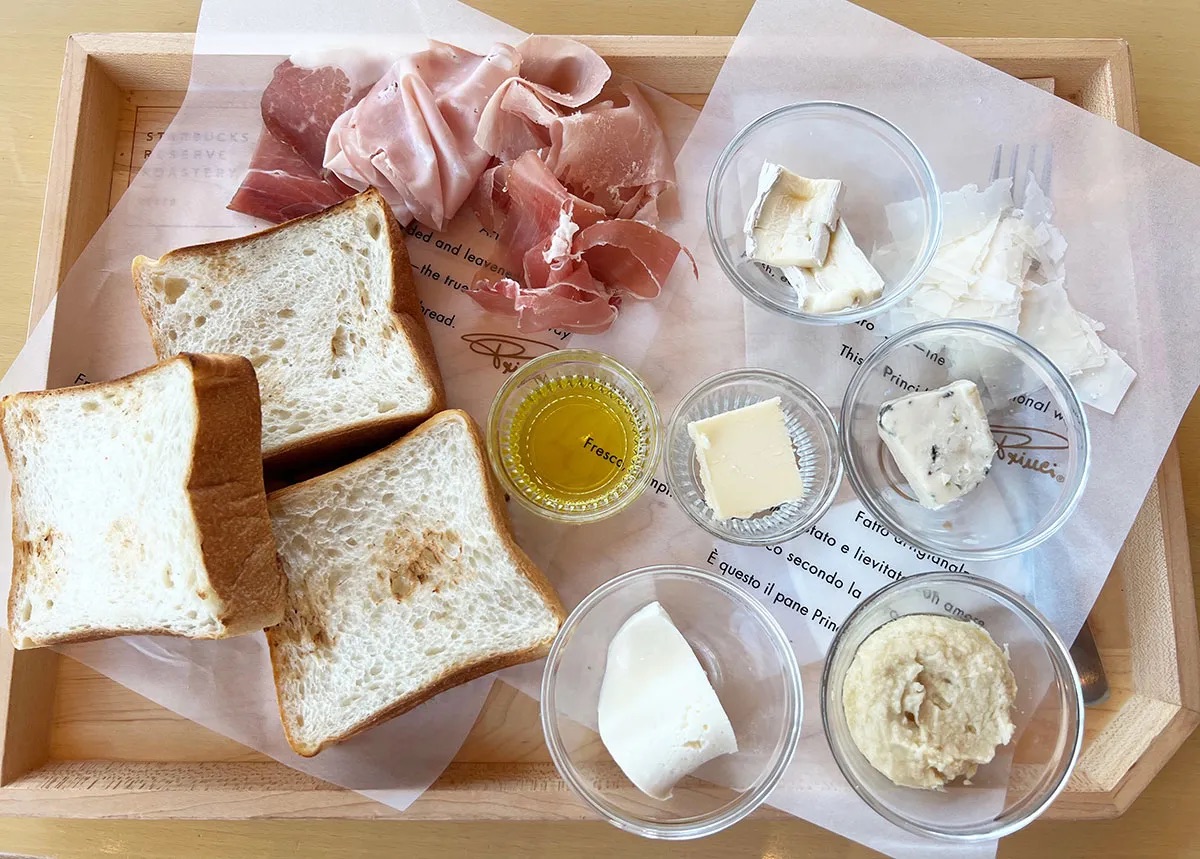
▼ They then led us to the Princi bakery, where they introduced us to a store-exclusive menu item called “Customize Bread”.
As the name suggests, this customisable bread menu allows for a wide range of customisation. You can choose your favourite bread, cheese, ham, and, if desired, olive oil, salt, and black pepper, to create your own unique set.
The price varies depending on what you add – cheese add-ons cost an extra 280 yen, while the butter, dip and cream options are less expensive.
You get to choose your bread yourself, but if you’re unsure about anything, you can simply tell staff your preferences for hard or soft textures and they’ll choose something that suits your taste. Staff were incredibly helpful, and when we asked if it might be okay to order pretty much all the toppings, they told us not to worry as customers often add all of them.
▼ So we ended up ordering the lot, except for the Hazelnut Cream, which we worried might be too sweet for our liking.
It was a veritable feast, and so good looking it resembled a breakfast you’d get at a fancy hotel.
▼ Olive oil, Maldon sea salt, and black pepper are free with every order.
We had no idea a breakfast like this was possible at Starbucks, and we were particularly impressed with the range of hams.
▼ We chose prosciutto crudo, prosciutto cotto, pistachio mortadella, and speck.
Sure, it may not be as colourful as the original breakfast set, but in every other respect it seemed overwhelmingly superior. Not only did it look like a high-class hotel breakfast, we also enjoyed being able to mix and match the bread with toppings to our liking.
As previously mentioned, the price of the set varies depending on what you add, and because we went all out with the add-ons, our total came to 2,934 yen, which was more than the sold-out breakfast.
Still, it was an experience we were happy to pay for, because not only did we get to discover a new way to eat breakfast at Starbucks, we got to experience the warmth of Japanese customer service as well. In fact, it was the customer service that left a lasting impression on us, as staff went out of their way to ensure we left happy, and never applied any pressure during our order, so we were able to make our choices calmly and with ease.
It added the pep in our step we needed to start the day, and now we know Starbucks is just as good a place to go for breakfast as it is for afternoon tea.
Cafe information
Starbucks Reserve Roastery Tokyo / スターバックス リザーブ ロースタリー東京
Address: Tokyo-to, Meguro-ku, Aobadai 2-19-23
東京都目黒区青葉台2丁目19-23
Open 7 a.m.-11 p.m.
Website
Images©SoraNews24
● Want to hear about SoraNews24’s latest articles as soon as they’re published? Follow us on Facebook and Twitter!

schildzilla posted a photo:
🌹 Some shots with my TTArtisan 100mm F2.8 Bubble Bokeh mounted on my Techart LM-EA9 Autofocus adapter. Not the best lighting conditions for bubbles, but still ok.
👗 You can find more photos of this beautiful woman within her album here and on her Instagram account
www.instagram.com/oui_mariii/
👠 More photos of her coming soon.
🌹 Follow me to don't miss any new photos of her and other beautiful models!


Information Minister Ataullah Tarar on Thursday assured the Christian community of the government’s commitment towards the protection of the rights of religious minorities, state broadcaster PTV reported.
The information minister, along with Law Minister Azam Nazeer Tarar, met a delegation of the Christian community, during which they discussed the state of minority rights and the welfare and well-being of the Christian community.
As per PTV, the delegation “commended the government’s continued commitment to protecting the rights of minority communities”, welcoming a recent legislation by the Punjab government — Child Marriage Restraint Act 2026.
They also commended the government’s efforts to promote equal opportunities for religious minorities.
During the meeting, the participants discussed resolution of issues faced by the Christian community, stressing the need for “effectively addressing the issues of the community through relevant law and policies”.
According to the report, the meeting also reached an agreement on “devising an effective mechanism for resolving other matters, including the Christian Personal Law”.
The law minister held that it was of “utmost importance” to promote “comprehensive legal and policy reforms” with the consultation of the community.
“The government is fully committed to providing equal rights and equal opportunities to all citizens,” he said.
The information minister also voiced similar views, reiterating that the government remained committed to protecting minority rights.
“Consultation with representatives of minority communities ensures that the needs of all citizens are taken into account in law and policy-making,” he said.
He assured the delegation that the government was “fully committed” to promoting “interfaith harmony, equal citizenship, and an inclusive society, where every Pakistani can contribute towards national development without any discrimination”.
Small but mighty, meet the new bag that’s captivating customers in Japan.
Mesh bags are one of this season’s hottest fashion accessories. Lightweight, stylish, and easy to match with almost any outfit, they’ve become a must-have item for summer. Now, Starbucks Japan has joined the trend with a new collection of mesh bags, and they’re already creating a buzz online.
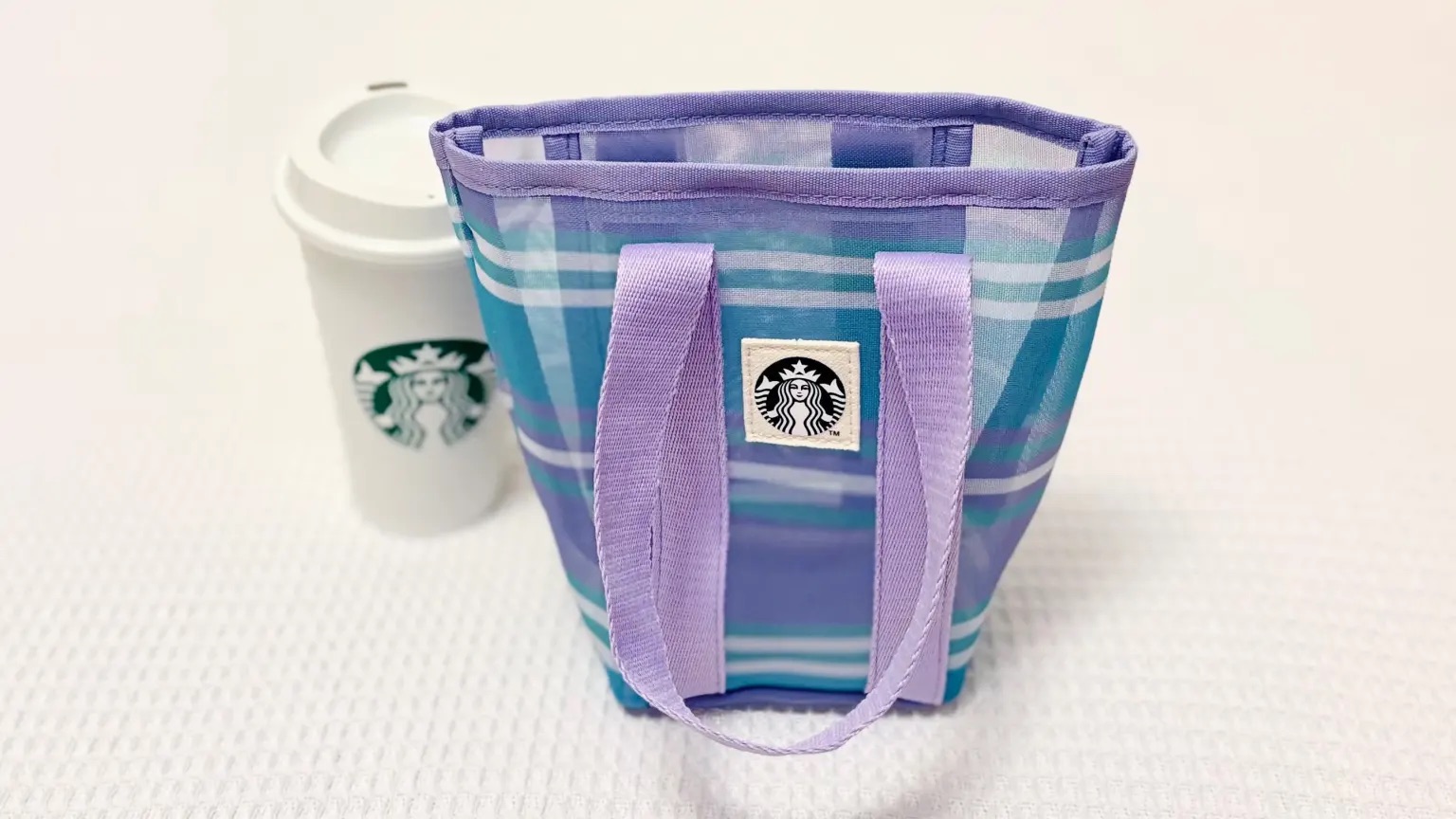
The bags come in three styles: Large green (2,500 yen [US$15.66]) and Small Purple (2,000 yen), which are only available online, and Small Green, which can be purchased in stores and online. We immediately fell in love with the Small Purple version and after ordering it we breathed a sigh of relief that we did, as it was marked “out of stock” soon after.
A few days after placing our order, the mesh bag arrived on our doorstep and it was even cuter than we’d expected. The soft purple colour gives it a stylish yet breezy look that’s perfect for summer, and the design feels both elegant and playful so it’s easy to see why the range has become so popular.
Measuring approximately 19 centimetres (7.5 inches) wide, 9.5 centimetres deep, and 19 centimetres high, the bag has a compact size that adds to its charm. Though it might appear small, the bag is mighty as it comes with an inner pocket and strong handles, making it surprisingly sturdy and practical.
Even with its compact design, we were able to fit all our summer essentials inside, including a wallet, handkerchief, fold-up umbrella, and sunglasses. It’s the perfect companion for quick errands, casual outings, or a day around town, and as you might expect from Starbucks, it’s also perfectly sized for drink-carrying. A reusable cup fits comfortably inside, and tumblers or water bottles fit without any problem, so the storage capacity is particularly impressive.
The look and design of each bag is an instant mood-lifter so it’s easy to understand why all three versions have become so popular. The online-exclusive bags have been selling out quickly, though, making them increasingly difficult to get. As of 1 June, Starbucks appears to be considering additional sales based on the number of customers registered for restock notifications, so if you’re interested, it may be worth registering your interest and keeping an eye out for restock notifications.
Related: Starbucks Japan online store
Images©SoraNews24
● Want to hear about SoraNews24’s latest articles as soon as they’re published? Follow us on Facebook and Twitter!
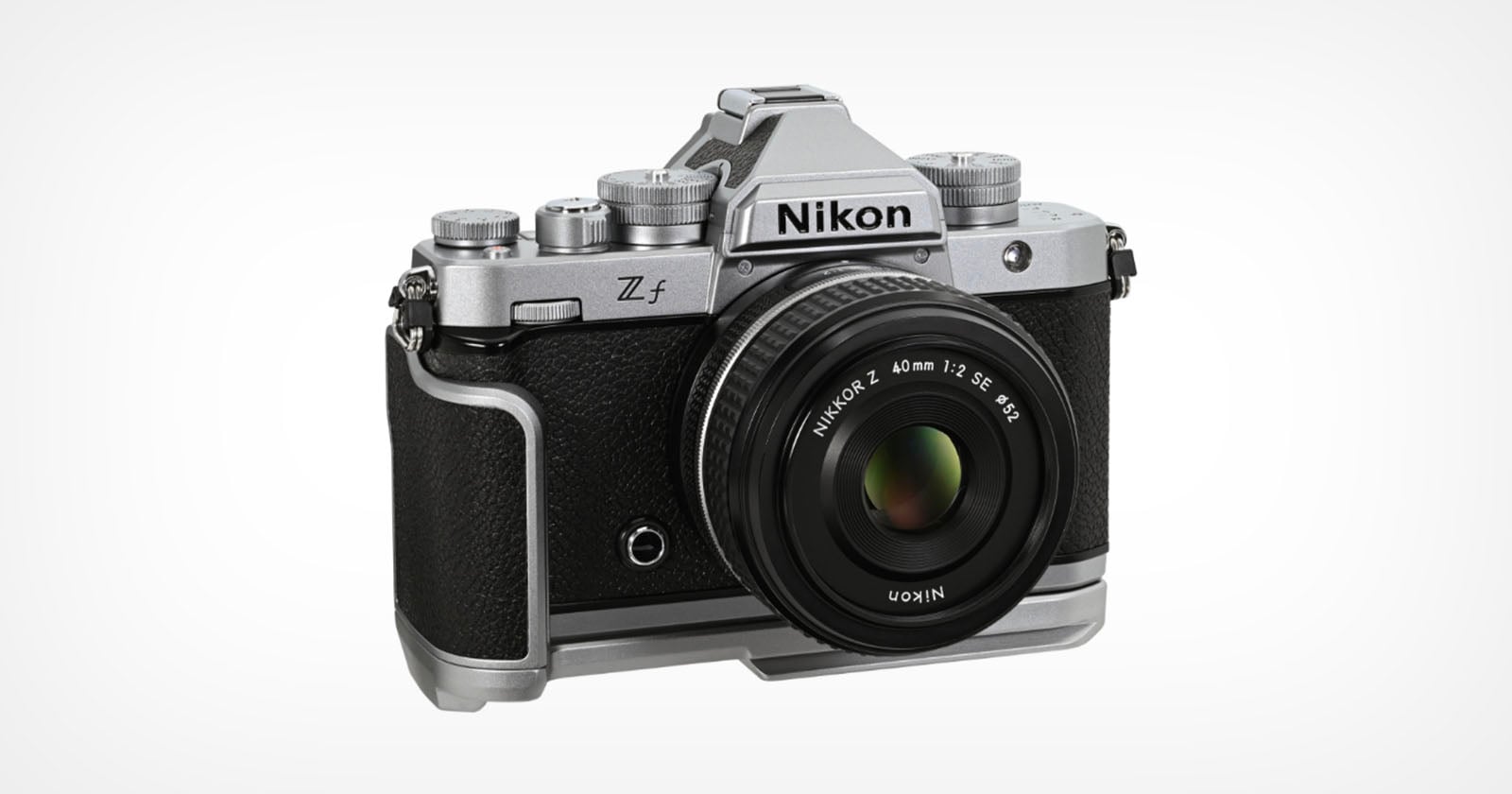
Nearly three years after the Nikon Zf's release, Nikon is launching a new silver colorway for its popular Zf-GR1 extension grip, at least in Japan.
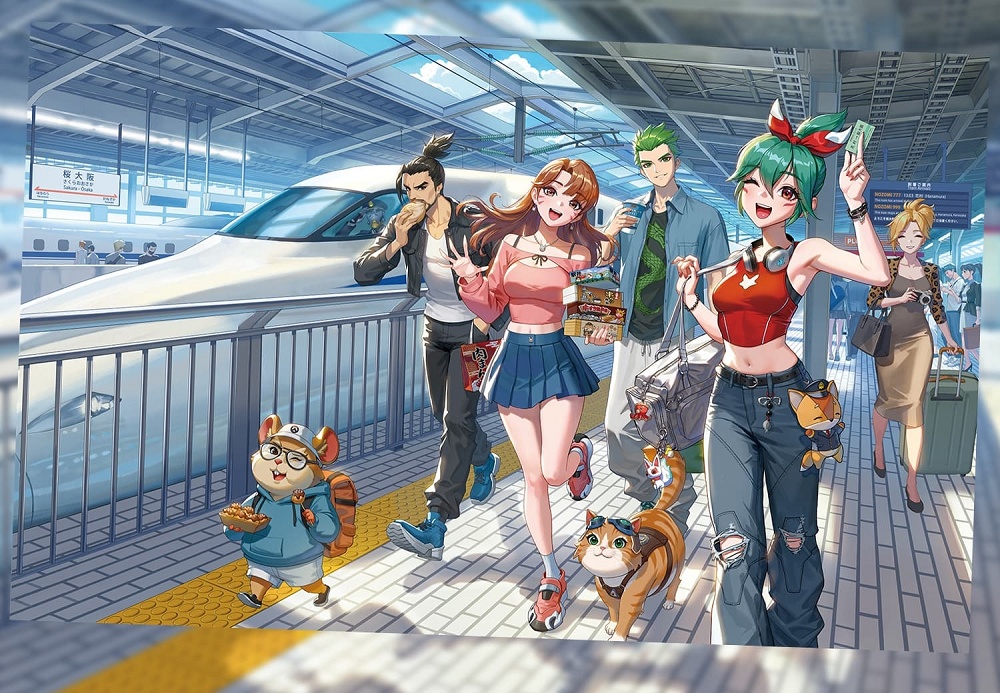
And yes, there is a reason Mercy is dressed that way.
With Japan being home to many of the world’s most passionate gamers, Japan Railways Group periodically partners with popular video game franchises to add a little extra fun to fans’ train travel in Japan, like we’ve seen in previous tie-ups with the Final Fantasy and Pokémon series. For its next video game collaboration, though, JR Central (a.k.a. JR Tokai) is teaming up with a series that hails from the U.S.
This summer, characters from the cast of Blizzard’s Overwatch will be taking a ride on the Shinkansen as part of the Payload to Osaka campaign (a reference to the game’s “payload escort” missions). The promotion’s key art shows Hanzo, D.Va, Genji, Kiriko, Mercy, Hammond, and Jetpack Cat getting off the bullet train at Shin Osaka Station, the closest stop on Japan’s high-speed rail network to downtown Osaka. The artwork contains a few tips of the hat to Osaka’s famous food culture, with Hammond snacking on takoyaki octopus balls and Hanzo scarfing on a steamed pork bun (and you’ll note that Hanzo is eating it after getting off the train).
From July 17 to September 23, passengers onboard JR Central Shinkansen trains can take an Overwatch-themed quiz via their smartphones, and correctly answering the questions gets you one of seven phone wallpapers. While the wallpaper you win is randomized, you can take the quiz as many times as you want during your ride (10 questions are randomly pulled from a pool each time), and JR Central guarantees you won’t get any duplicate wallpapers until you’ve completed a full set of all seven.
Even if you’re not up to taking the quiz, you can still receive a PC wallpaper image of the illustration just by answering an online questionnaire, which, like the quiz, can be accessed through the promotion’s official website, while onboard the bullet train. This also serves as a record of your Shinkansen ride, which you can then show at the Osaka Nipponbashi branch of anime merchandise store chain Animate to receive an Overwatch cleaning cloth with the same illustration.
Animate Osaka Nipponbashi will also be hosting an Overwatch Payload to Osaka popup store with character pins and acrylic mini standees from July 17 to 26.
While Overwatch does have fans in Japan, the series’ most passionate supporters tend to hail from other countries. With international tourists accounting for so much travel in Japan these days, though, especially on the JR Tokai section of the Shinkansen network that connects Osaka with Kyoto and Tokyo, JR Central most likely expects to get a lot of interest from non-Japanese fans, enough so that the company felt the need to follow up on its official Twitter announcement for the collaboration with a statement that “These items are available in Japan only.”
Speaking of the Twitter announcement, at least one non-Japanese fan was furious about the clothing that Mercy is wearing in the artwork.
What is this kind of OUTFIT? ugly as hell pic.twitter.com/4wkggD4fpR
— 𓆩♡𓆪
From the choice of words and capitalization, that was probably meant as a rhetorical question, but hey, there’s actually a reason for this outfit (sorry, OUTFIT). Aside from having a vibrant food culture, Osaka is also known for its flashy fashion sense, in particular its ladies’ fondness for animal prints. Granted, it’s usually associated with women of a more mature age than Mercy, but a little touch of Osaka style isn’t completely out of place here.
Related: JR x Overwatch Payload to Osaka official website, Animate Osaka Nipponbashi
Source: JR Central via Hachima Kiko
Images: JR Central
● Want to hear about SoraNews24’s latest articles as soon as they’re published? Follow us on Facebook and Twitter!
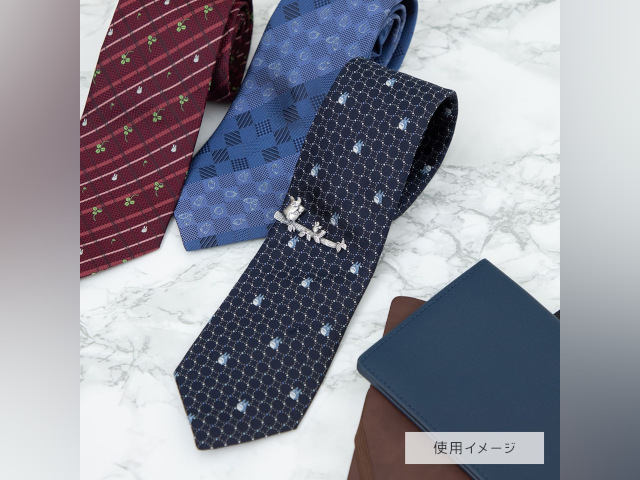
Bring Totoro and the gang to work with cleverly concealed character details.
One of the things we love about Studio Ghibli is the way its movies appeal to people of all ages. Even My Neighbour Totoro, which might seem like a children’s movie, with its child protagonist and fantastical characters, has wider themes of familial love and rural ideals that strike a chord across generations, garnering fans that range from toddlers through to businessmen.
In fact, toddlers who first watched the film when it was released in 1988 would now be in their 30s, making them a prime customer for Totoro nostalgia. This is a market that the studio’s specialty retail chain, Donguri Kyowakoku, is now catering to with a new release of My Neighbour Totoro neckties.
The My Neighbour Totoro Necktie 26 Spring Summer collection consists of eight silk ties, in four designs.
▼ The first design, “Nut Stripe“, comes in two colourways – navy and wine.
This tie features the adorable movements of Totoro toddling around with fallen acorns, incorporated into a neat diagonal stripe pattern.
The design might be playful, but its subdued colours make it suitable for people of all ages, from young adults to seniors.
▼ Next up, we have Clover Check, also in navy or wine.
This design features a sophisticated check pattern, with a scattering of clovers and subtle appearances from the white Small Totoro.
▼ Look closely and you’ll see a little Soot Sprite perched on a clover leaf!
▼ The third design is Circle Dot, in blue or navy.
This lovely design has small Totoros peeking out from clusters of tiny, neatly arranged dotted circles.
Like all the ties, you wouldn’t know there was a character hiding out in the design when viewing it from a distance, but up close you can appreciate all the fine details.
▼ Finally, we have Acorn Check, in turquoise or blue.
Based on a traditional Japanese checkered pattern, this design features Totoro and acorns scattered in a balanced and cleverly concealed way.
This design is said to evoke a sense of nostalgia while maintaining a modern, contemporary Japanese aesthetic.
Every tie comes with a Studio Ghibli tag, so you can keep your love for the studio close to your heart…
▼ …and a sweet gift box, which is ideal for Father’s Day gift-giving.
With so many cleverly disguised character details, these ties are a great way to bring Totoro and the gang to work while maintaining a polished and professional appearance. They’re only available while stocks last, though, both online (links below) and at Donguri Kyowakoku stores in Japan, priced at 9,350 yen (US$58.47) each.
Source: Donguri Kyowakoku
Featured image: Donguri Kyowakoku
Insert images: Donguri Kyowakoku (1, 2, 3, 4, 5, 6, 7, 8)
● Want to hear about SoraNews24’s latest articles as soon as they’re published? Follow us on Facebook and Twitter!
