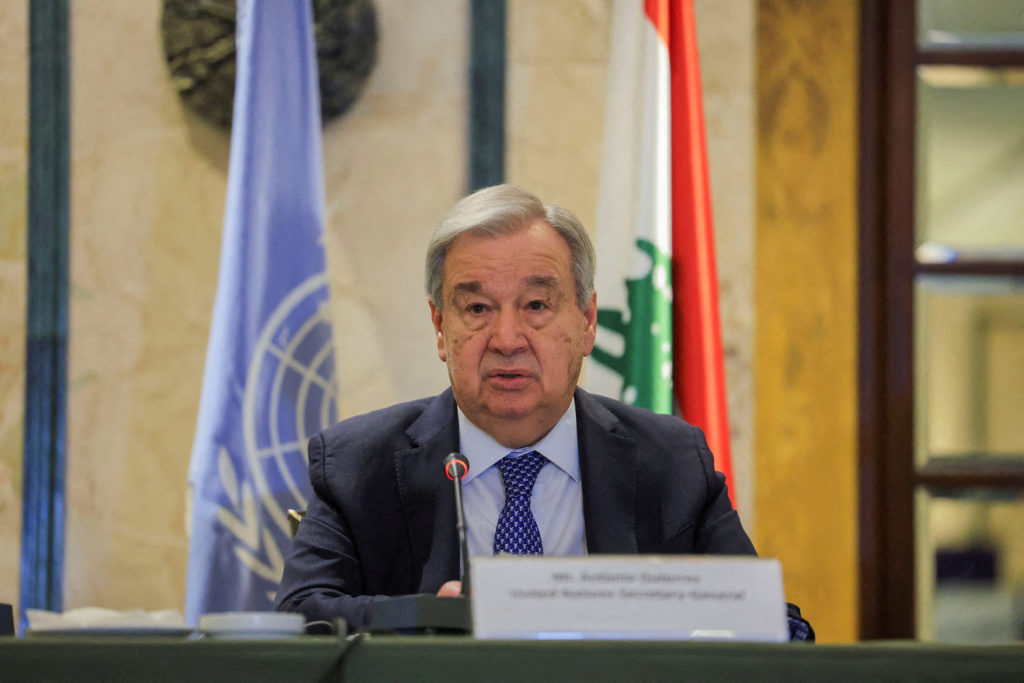
President Trump’s highly publicized Board of Peace is facing new questions over the sources — and destinations — of its funding, even as its flagship project, the U.S. peace plan for Gaza, stalls in the face of numerous obstacles. At an inaugural signing ceremony for the board in February, Trump touted a U.S. pledge of...
President Trump’s highly publicized Board of Peace is facing new questions over the sources — and destinations — of its funding, even as its flagship project, the U.S. peace plan for Gaza, stalls in the face of numerous obstacles. At an inaugural signing ceremony for the board in February, Trump touted a U.S. pledge of...
Two technical concepts — sporadic absences and the idea of a taxpayer with no effective tax residence — have become the Spanish Treasury’s main arguments as it seeks to overturn a court ruling that handed Colombian singer Shakira a major victory on Monday. These terms are little known outside specialist circles, but they increasingly shape multimillion‑dollar disputes. They are especially useful for tax inspectors when they try to challenge residency claims built on dense travel schedules, fragm
Two technical concepts — sporadic absences and the idea of a taxpayer with no effective tax residence — have become the Spanish Treasury’s main arguments as it seeks to overturn a court ruling that handed Colombian singer Shakira a major victory on Monday. These terms are little known outside specialist circles, but they increasingly shape multimillion‑dollar disputes. They are especially useful for tax inspectors when they try to challenge residency claims built on dense travel schedules, fragmented stays, or international moves that are hard to substantiate.
The hearing at Israel’s Supreme Court is closed to the public. It is clear to everyone that the imprisonment of Hussam Abu Safiya (held without charges and on the basis of secret accusations that even his lawyer does not know) has perhaps generated the most international mobilization, with calls for his release from the World Health Organization, the International Committee of the Red Cross, and Amnesty International. He is the pediatrician who ran Gaza’s Kamal Adwan Hospital and became a vocal
The hearing at Israel’s Supreme Court is closed to the public. It is clear to everyone that the imprisonment of Hussam Abu Safiya (held without charges and on the basis of secret accusations that even his lawyer does not know) has perhaps generated the most international mobilization, with calls for his release from the World Health Organization, the International Committee of the Red Cross, and Amnesty International. He is the pediatrician who ran Gaza’s Kamal Adwan Hospital and became a vocal critic of the Israeli invasion until troops arrested him in December 2024. He was seized inside the hospital, the only one still operating in the northern Gaza Strip.
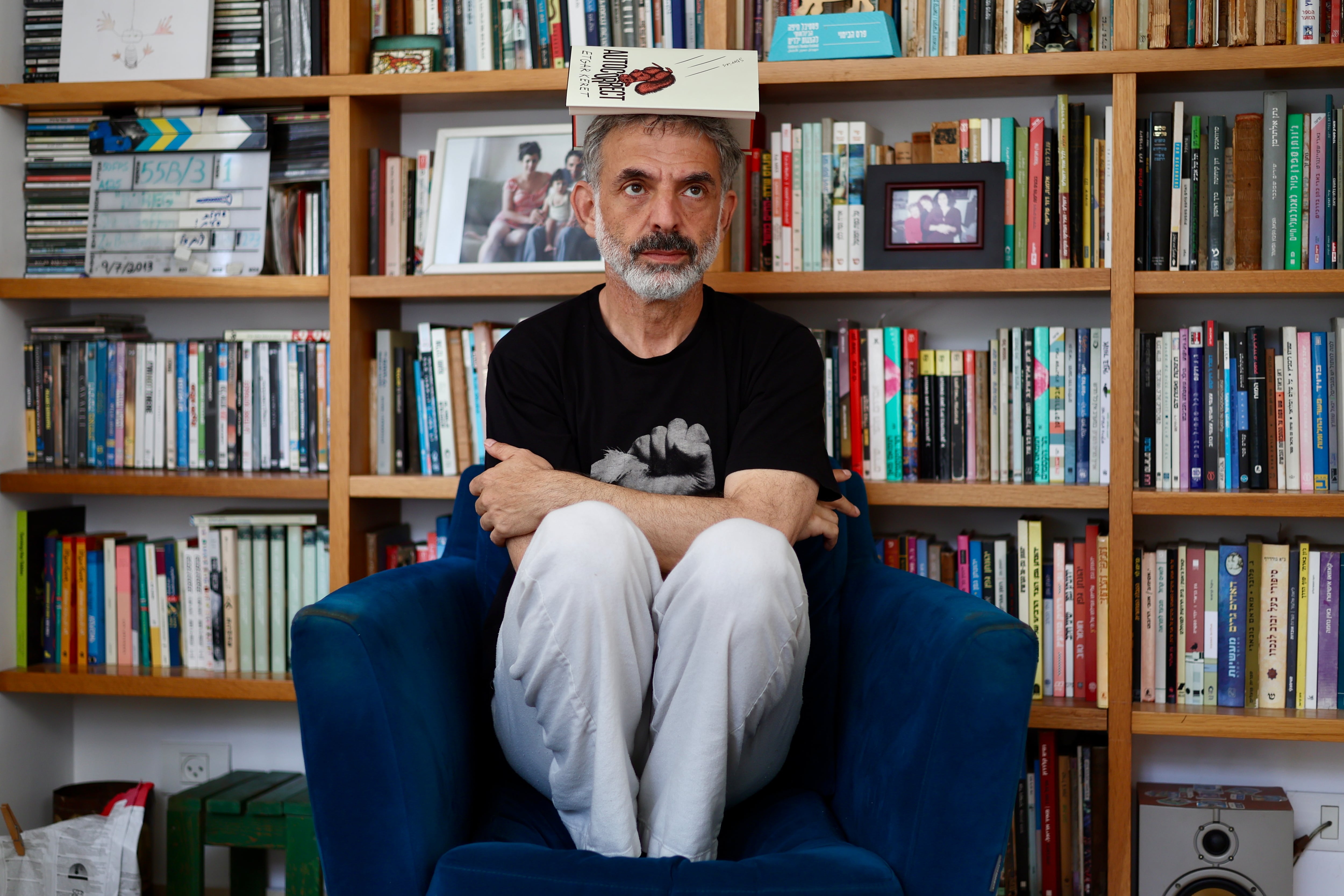
Writer Etgar Keret (Ramat Gan, Israel, 58) had planned to deliver his ninth book of short stories to his publisher on October 8, 2023. He had picked the date at random: he produces one every seven years or so and sets himself a firm deadline. Two days earlier, he told his wife, Shira Geffen — the screenwriter and filmmaker who wrote the film Jellyfish (2007), directed by Keret and awarded at Cannes — that he felt the book had become too dark because of the personal and political events that had
Writer Etgar Keret (Ramat Gan, Israel, 58) had planned to deliver his ninth book of short stories to his publisher on October 8, 2023. He had picked the date at random: he produces one every seven years or so and sets himself a firm deadline. Two days earlier, he told his wife, Shira Geffen — the screenwriter and filmmaker who wrote the film Jellyfish (2007), directed by Keret and awarded at Cannes — that he felt the book had become too dark because of the personal and political events that had marked him in preceding years: his mother’s death, the coronavirus pandemic, a herniated disc, the return to power of Benjamin Netanyahu with the most right-wing government in the country’s history… His wife advised him to reread it calmly the next day and, if he still felt that way, to ask the publisher for an extension.
Israel’s National Security Minister Itamar Ben-Gvir remained defiant on May 20, undaunted by international protests triggered by images of him mocking Gaza Flotilla activists, who appeared in videos kneeling and handcuffed with their faces to the floor in the port of Ashdod. “Whoever comes to our territory to support terrorism and identify with Hamas, will receive harsh punishment,” he warned on social networks, after several Western countries, including Spain, Italy, the United Kingdom, Canada,
Israel’s National Security Minister Itamar Ben-Gvir remained defiant on May 20, undaunted by international protests triggered by images of him mocking Gaza Flotilla activists, who appeared in videos kneeling and handcuffed with their faces to the floor in the port of Ashdod. “Whoever comes to our territory to support terrorism and identify with Hamas, will receive harsh punishment,” he warned on social networks, after several Western countries, including Spain, Italy, the United Kingdom, Canada, and Germany, condemned Israel’s treatment of the activists, criticism that has even come from a handful of Israeli leaders. “We will not turn the other cheek,” Ben-Gvir railed.
An annual United Nations report documenting sexual violence in conflicts worldwide has included Israeli forces for the first time since the review began more than 15 years ago for their treatment of Palestinian detainees. Israel denies the accusations.
An annual United Nations report documenting sexual violence in conflicts worldwide has included Israeli forces for the first time since the review began more than 15 years ago for their treatment of Palestinian detainees. Israel denies the accusations.
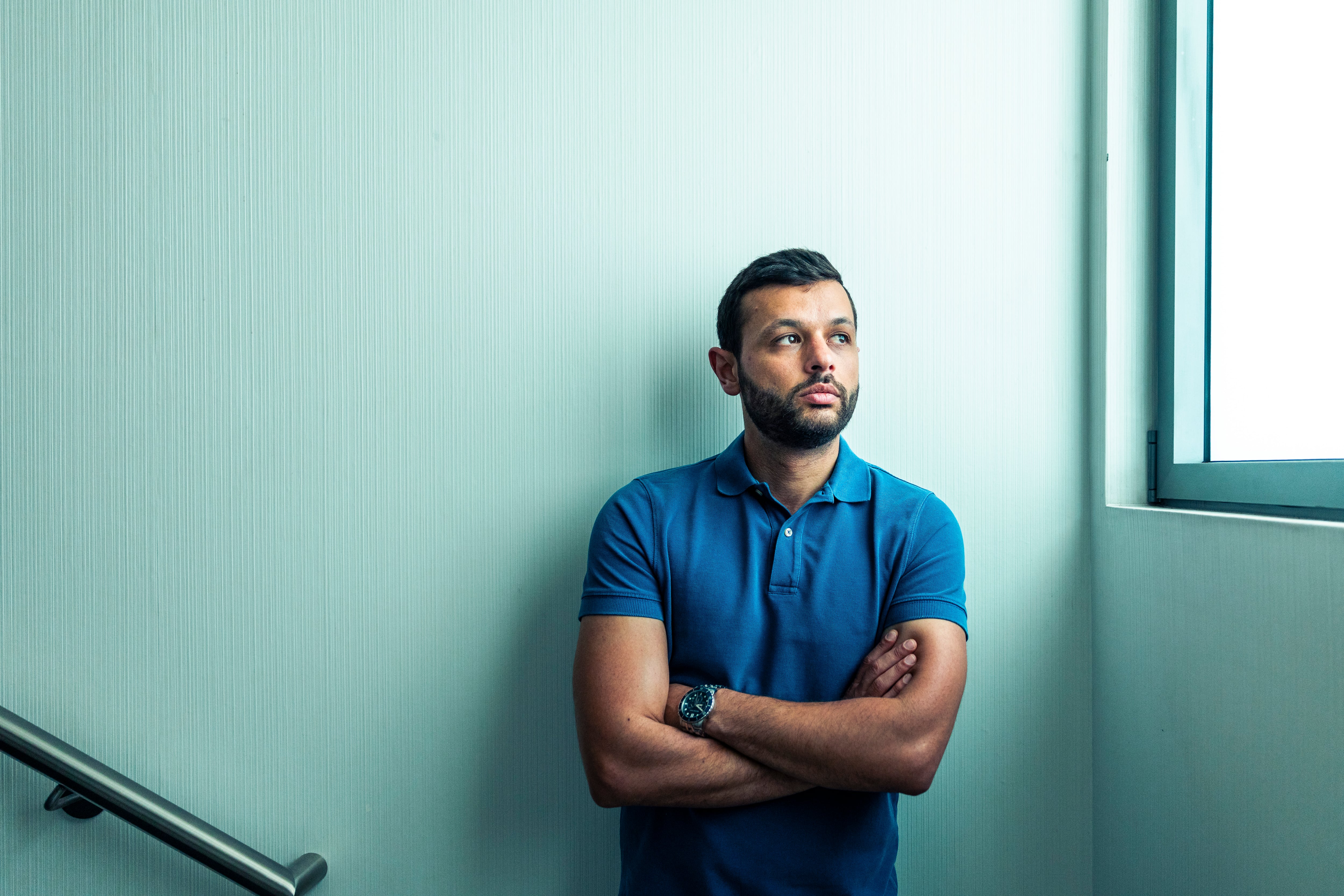
Arab Barghouti (Jerusalem, 35) says that “at the end of the day” he does not think of Marwan Barghouti as a politician, nor as the Palestinian leader of the Second Intifada (2000–2005), who was sentenced by Israel to five life terms in a trial full of irregularities 24 years ago. He thinks of himself as the son who wants his father “to come home.”Seguir leyendo
Arab Barghouti (Jerusalem, 35) says that “at the end of the day” he does not think of Marwan Barghouti as a politician, nor as the Palestinian leader of the Second Intifada (2000–2005), who was sentenced by Israel to five life terms in a trial full of irregularities 24 years ago. He thinks of himself as the son who wants his father “to come home.”
 Login
Login