❌

Normal view

  • βœ‡National treasure
  • Harold Lloyd : Safety Last! ( American silent romantic comedy film 1923 ) National treasure
    Safety Last! is a 1923 American silent romantic comedy film starring Harold Lloyd. It includes one of the most famous images from the silent film era: Lloyd clutching the hands of a large clock as he dangles from the outside of a skyscraper above moving traffic. The film was highly successful and critically hailed, and it cemented Lloyd's status as a major figure in early motion pictures. It is still popular at revivals, and it is viewed today as one of the great film comedies.[5] The film's ti
     

Harold Lloyd : Safety Last! ( American silent romantic comedy film 1923 )

25 December 2021 at 21:00

Safety Last! is a 1923 American silent romantic comedy film starring Harold Lloyd. It includes one of the most famous images from the silent film era: Lloyd clutching the hands of a large clock as he dangles from the outside of a skyscraper above moving traffic. The film was highly successful and critically hailed, and it cemented Lloyd's status as a major figure in early motion pictures. It is still popular at revivals, and it is viewed today as one of the great film comedies.[5]

The film's title is a play on the common expression, "safety first", which prioritizes safety as a means to avoid accidents, especially in workplaces. Lloyd performed some of the climbing stunts himself, despite having lost a thumb and forefinger four years earlier in a film accident.[6]

In 1994, Safety Last! was selected for preservation in the United States National Film Registry by the Library of Congress as being "culturally, historically, or aesthetically significant". It is one of many works from 1923 that notably entered the public domain in the United States in 2019, the first time any works had done so in 20 years.

Plot :

he film opens in 1922, with Harold Lloyd (the character has the same name as the actor) behind bars. His mother and his girlfriend, Mildred, are consoling him as a somber official and priest show up. The three of them walk toward what looks like a noose. It then becomes obvious they are at a train station and the "noose" is actually a trackside pickup hoop used by train crews to receive orders without stopping, and the bars are merely the ticket barrier. He promises to send for his girlfriend so they can get married once he has "made good" in the big city. Then he is off.

He gets a job as a salesclerk at the De Vore Department Store, where he has to pull various stunts to get out of trouble with the picky and arrogantly self-important head floorwalker, Mr. Stubbs. He shares a rented room with his pal "Limpy" Bill, a construction worker.

When Harold finishes his shift, he sees an old friend from his hometown who is now a policeman walking the beat. After he leaves, Bill shows up. Bragging to Bill about his supposed influence with the police department, he persuades Bill to knock the policeman backwards over him while the man is using a callbox. When Bill does so, he knocks over the wrong policeman. To escape, he climbs up the faΓ§ade of a building. The policeman tries to follow, but cannot get past the first floor; in frustration, he shouts at Bill, "You'll do time for this! The first time I lay eyes on you again, I'll pinch you!"

Meanwhile, Harold has been hiding his lack of success by sending his girlfriend expensive presents he cannot really afford. She mistakenly thinks he is successful enough to support a family and, with his mother's encouragement, takes a train to join him. In his embarrassment, he has to pretend to be the general manager, even succeeding in impersonating him to get back at Stubbs. While going to retrieve her purse (which Mildred left in the manager's office), he overhears the real general manager say he would give $1,000 to anyone who could attract people to the store. He remembers Bill's talent and pitches the idea of having a man climb the "12-story Bolton building", which De Vore's occupies. He gets Bill to agree to do it by offering him $500. The stunt is highly publicized and a large crowd gathers the next day.

When a drunkard shows "The Law" (the policeman who was pushed over) a newspaper story about the event, the lawman suspects Bill is going to be the climber. He waits at the starting point despite Harold's frantic efforts to get him to leave. Finally, unable to wait any longer, Bill suggests Harold climb the first story himself and then switch his hat and coat with Bill, who will continue on from there. After Harold starts up, the policeman spots Bill and chases him into the building. Every time Harold tries to switch places with Bill, the policeman appears and chases Bill away. Each time, Bill tells his friend he will meet him on the next floor up. Eventually, Harold reaches the top, despite his troubles with a clock and some hungry pigeons, and kisses his girl.
πŸ’Ύ

Safety Last! is a 1923 American silent romantic comedy film starring Harold Lloyd. It includes one of the most famous images from the silent film era: Lloyd clutching the hands of a large clock as he dangles from the outside of a skyscraper above moving traffic. The film was highly successful and critically hailed, and it cemented Lloyd's status as a major figure in early motion pictures. It is still popular at revivals, and it is viewed today as one of the great film comedies.[5]

The film's title is a play on the common expression, "safety first", which prioritizes safety as a means to avoid accidents, especially in workplaces. Lloyd performed some of the climbing stunts himself, despite having lost a thumb and forefinger four years earlier in a film accident.[6]

In 1994, Safety Last! was selected for preservation in the United States National Film Registry by the Library of Congress as being "culturally, historically, or aesthetically significant". It is one of many works from 1923 that notably entered the public domain in the United States in 2019, the first time any works had done so in 20 years.

Plot :

he film opens in 1922, with Harold Lloyd (the character has the same name as the actor) behind bars. His mother and his girlfriend, Mildred, are consoling him as a somber official and priest show up. The three of them walk toward what looks like a noose. It then becomes obvious they are at a train station and the "noose" is actually a trackside pickup hoop used by train crews to receive orders without stopping, and the bars are merely the ticket barrier. He promises to send for his girlfriend so they can get married once he has "made good" in the big city. Then he is off.

He gets a job as a salesclerk at the De Vore Department Store, where he has to pull various stunts to get out of trouble with the picky and arrogantly self-important head floorwalker, Mr. Stubbs. He shares a rented room with his pal "Limpy" Bill, a construction worker.

When Harold finishes his shift, he sees an old friend from his hometown who is now a policeman walking the beat. After he leaves, Bill shows up. Bragging to Bill about his supposed influence with the police department, he persuades Bill to knock the policeman backwards over him while the man is using a callbox. When Bill does so, he knocks over the wrong policeman. To escape, he climbs up the faΓ§ade of a building. The policeman tries to follow, but cannot get past the first floor; in frustration, he shouts at Bill, "You'll do time for this! The first time I lay eyes on you again, I'll pinch you!"

Meanwhile, Harold has been hiding his lack of success by sending his girlfriend expensive presents he cannot really afford. She mistakenly thinks he is successful enough to support a family and, with his mother's encouragement, takes a train to join him. In his embarrassment, he has to pretend to be the general manager, even succeeding in impersonating him to get back at Stubbs. While going to retrieve her purse (which Mildred left in the manager's office), he overhears the real general manager say he would give $1,000 to anyone who could attract people to the store. He remembers Bill's talent and pitches the idea of having a man climb the "12-story Bolton building", which De Vore's occupies. He gets Bill to agree to do it by offering him $500. The stunt is highly publicized and a large crowd gathers the next day.

When a drunkard shows "The Law" (the policeman who was pushed over) a newspaper story about the event, the lawman suspects Bill is going to be the climber. He waits at the starting point despite Harold's frantic efforts to get him to leave. Finally, unable to wait any longer, Bill suggests Harold climb the first story himself and then switch his hat and coat with Bill, who will continue on from there. After Harold starts up, the policeman spots Bill and chases him into the building. Every time Harold tries to switch places with Bill, the policeman appears and chases Bill away. Each time, Bill tells his friend he will meet him on the next floor up. Eventually, Harold reaches the top, despite his troubles with a clock and some hungry pigeons, and kisses his girl.
  • βœ‡National treasure
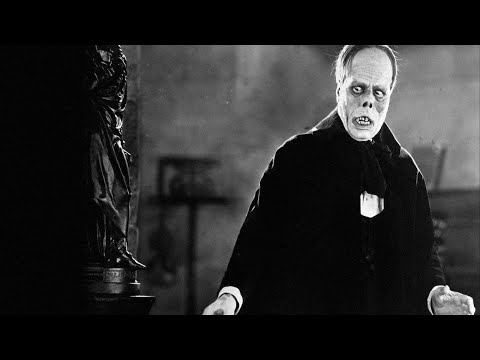
  • The Phantom of the Opera ( American silent horror film adaptation of Gaston Leroux's 1925 ) National treasure
    The Phantom of the Opera is a 1925 American silent horror film adaptation of Gaston Leroux's 1910 novel Le FantΓ΄me de l'OpΓ©ra, directed by Rupert Julian and starring Lon Chaney in the title role of the deformed Phantom who haunts the Paris Opera House,[1] causing murder and mayhem in an attempt to make the woman he loves a star. The film remains most famous for Chaney's ghastly, self-devised make-up, which was kept a studio secret until the film's premiere. The film was released on November 15,
     

The Phantom of the Opera ( American silent horror film adaptation of Gaston Leroux's 1925 )

26 December 2021 at 19:00

The Phantom of the Opera is a 1925 American silent horror film adaptation of Gaston Leroux's 1910 novel Le FantΓ΄me de l'OpΓ©ra, directed by Rupert Julian and starring Lon Chaney in the title role of the deformed Phantom who haunts the Paris Opera House,[1] causing murder and mayhem in an attempt to make the woman he loves a star. The film remains most famous for Chaney's ghastly, self-devised make-up, which was kept a studio secret until the film's premiere. The film was released on November 15, 1925.[2]

The picture also features Mary Philbin, Norman Kerry, Arthur Edmund Carewe, Gibson Gowland, John St. Polis and Snitz Edwards. The last surviving cast member was Carla Laemmle, niece of producer Carl Laemmle, who played a small role as a "prima ballerina" in the film when she was about 15 years old.

In 1953, the film entered the public domain in the United States because the claimants did not renew its copyright registration in the 28th year after publication.

Plot :

Based on the general release version of 1925, which has additional scenes and sequences in different order than the existing reissue print.
The film opens with the debut of the new season at the Paris Opera House, with a production of Gounod's Faust. Comte Philippe de Chagny and his brother, the Vicomte Raoul de Chagny are in attendance. Raoul is there only in the hope of hearing his sweetheart Christine DaaΓ© sing. Christine has made a sudden rise from the chorus to understudy of Mme. Carlotta, the prima donna. Raoul visits her in her dressing room during an interval in the performance, and makes his intentions known that he wishes for Christine to resign and marry him. Christine refuses to let their relationship get in the way of her career.

At the height of the most prosperous season in the Opera's history, the management suddenly resign. As they leave, they tell the new managers of the Opera Ghost, a phantom who is "the occupant of box No. 5," among other things. The new managers laugh it off as a joke, but the old management leaves, troubled.

After the performance, the ballerinas are disturbed by the sight of a mysterious man in a fez prowling down in the cellars, and they wonder if he is the Phantom. Meanwhile, Mme. Carlotta, the prima donna, has received a letter from "The Phantom," demanding that Christine sing the role of Marguerite the following night, threatening dire consequences if his demands are not met. In Christine's dressing room, an unseen voice warns Christine that she must take Carlotta's place on Wednesday and that she is to think only of her career and her master.

The following day, in a garden near the Opera House, Raoul meets Christine and asks her to reconsider his offer. Christine admits that she has been tutored by a divine voice, the "Spirit of Music," and that it is now impossible to stop her career. Raoul tells her that he thinks someone is playing a joke on her, and she storms off in anger.


The Phantom of the Opera, with coloring
Wednesday evening, Christine takes Carlotta's place in the opera. During the performance, the managers enter Box 5 and are startled to see a shadowy figure seated there, who soon disappears when they are not looking. Later, Simon Buquet finds the body of his brother, stagehand Joseph Buquet, hanging by a noose and vows vengeance. Carlotta receives another peremptory note from the Phantom. Once again, he demands that she say she is ill and let Christine take on her role. The managers get a similar note, reiterating that if Christine does not sing, they will present Faust in a house with a curse on it.


The Phantom (Lon Chaney), and Christine DaaΓ© (Mary Philbin)
The following evening, despite the Phantom's warnings, a defiant Carlotta appears as Marguerite. During the performance, the large crystal chandelier hanging from the ceiling is dropped onto the audience. Christine enters a secret door behind the mirror in her dressing room, descending into the lower depths of the Opera. She meets the Phantom, who introduces himself as Erik and declares his love; Christine faints, and Erik carries her to a suite fabricated for her comfort. The next day, she finds a note from Erik telling her that she is free to come and go as she pleases, but that she must never look behind his mask. Christine sneaks up behind the Phantom and tears off his mask, revealing his deformed skull-like face. Enraged, the Phantom declares that she is now his prisoner. She pleads with him to sing again, and he relents, allowing her to visit the surface one last time.

πŸ’Ύ

The Phantom of the Opera is a 1925 American silent horror film adaptation of Gaston Leroux's 1910 novel Le FantΓ΄me de l'OpΓ©ra, directed by Rupert Julian and starring Lon Chaney in the title role of the deformed Phantom who haunts the Paris Opera House,[1] causing murder and mayhem in an attempt to make the woman he loves a star. The film remains most famous for Chaney's ghastly, self-devised make-up, which was kept a studio secret until the film's premiere. The film was released on November 15, 1925.[2]

The picture also features Mary Philbin, Norman Kerry, Arthur Edmund Carewe, Gibson Gowland, John St. Polis and Snitz Edwards. The last surviving cast member was Carla Laemmle, niece of producer Carl Laemmle, who played a small role as a "prima ballerina" in the film when she was about 15 years old.

In 1953, the film entered the public domain in the United States because the claimants did not renew its copyright registration in the 28th year after publication.

Plot :

Based on the general release version of 1925, which has additional scenes and sequences in different order than the existing reissue print.
The film opens with the debut of the new season at the Paris Opera House, with a production of Gounod's Faust. Comte Philippe de Chagny and his brother, the Vicomte Raoul de Chagny are in attendance. Raoul is there only in the hope of hearing his sweetheart Christine DaaΓ© sing. Christine has made a sudden rise from the chorus to understudy of Mme. Carlotta, the prima donna. Raoul visits her in her dressing room during an interval in the performance, and makes his intentions known that he wishes for Christine to resign and marry him. Christine refuses to let their relationship get in the way of her career.

At the height of the most prosperous season in the Opera's history, the management suddenly resign. As they leave, they tell the new managers of the Opera Ghost, a phantom who is "the occupant of box No. 5," among other things. The new managers laugh it off as a joke, but the old management leaves, troubled.

After the performance, the ballerinas are disturbed by the sight of a mysterious man in a fez prowling down in the cellars, and they wonder if he is the Phantom. Meanwhile, Mme. Carlotta, the prima donna, has received a letter from "The Phantom," demanding that Christine sing the role of Marguerite the following night, threatening dire consequences if his demands are not met. In Christine's dressing room, an unseen voice warns Christine that she must take Carlotta's place on Wednesday and that she is to think only of her career and her master.

The following day, in a garden near the Opera House, Raoul meets Christine and asks her to reconsider his offer. Christine admits that she has been tutored by a divine voice, the "Spirit of Music," and that it is now impossible to stop her career. Raoul tells her that he thinks someone is playing a joke on her, and she storms off in anger.


The Phantom of the Opera, with coloring
Wednesday evening, Christine takes Carlotta's place in the opera. During the performance, the managers enter Box 5 and are startled to see a shadowy figure seated there, who soon disappears when they are not looking. Later, Simon Buquet finds the body of his brother, stagehand Joseph Buquet, hanging by a noose and vows vengeance. Carlotta receives another peremptory note from the Phantom. Once again, he demands that she say she is ill and let Christine take on her role. The managers get a similar note, reiterating that if Christine does not sing, they will present Faust in a house with a curse on it.


The Phantom (Lon Chaney), and Christine DaaΓ© (Mary Philbin)
The following evening, despite the Phantom's warnings, a defiant Carlotta appears as Marguerite. During the performance, the large crystal chandelier hanging from the ceiling is dropped onto the audience. Christine enters a secret door behind the mirror in her dressing room, descending into the lower depths of the Opera. She meets the Phantom, who introduces himself as Erik and declares his love; Christine faints, and Erik carries her to a suite fabricated for her comfort. The next day, she finds a note from Erik telling her that she is free to come and go as she pleases, but that she must never look behind his mask. Christine sneaks up behind the Phantom and tears off his mask, revealing his deformed skull-like face. Enraged, the Phantom declares that she is now his prisoner. She pleads with him to sing again, and he relents, allowing her to visit the surface one last time.
  • βœ‡National treasure
  • The StrangerΒ ( Crime, Drama, Film Noir, 1946 ) by Orson Welles National treasure
    The Stranger is a 1946 American film noir starring Edward G. Robinson, Loretta Young, and Orson Welles. Welles's third completed feature film as director and his first film noir[4] is about a war crimes investigator tracking a high-ranking Nazi fugitive to a Connecticut town. It is the first Hollywood film to present documentary footage of the Holocaust. The original story by Victor Trivas was nominated for an Academy Award. The film entered the public domain when its copyright was not renewed.
     

The StrangerΒ ( Crime, Drama, Film Noir, 1946 ) by Orson Welles

25 December 2021 at 19:00

The Stranger is a 1946 American film noir starring Edward G. Robinson, Loretta Young, and Orson Welles. Welles's third completed feature film as director and his first film noir[4] is about a war crimes investigator tracking a high-ranking Nazi fugitive to a Connecticut town. It is the first Hollywood film to present documentary footage of the Holocaust. The original story by Victor Trivas was nominated for an Academy Award. The film entered the public domain when its copyright was not renewed.

Plot :

Mr. Wilson is an agent of the United Nations War Crimes Commission who is hunting for Nazi fugitive Franz Kindler, a war criminal who has erased all evidence which might identify him. He has left no clue to his identity except "a hobby that almost amounts to a maniaβ€”clocks."

Wilson releases Kindler's former associate Meinike, hoping the man will lead him to Kindler. Wilson follows Meinike to a small town in Connecticut, but loses him before he meets with Kindler. Kindler has assumed a new identity as "Charles Rankin," and has become a teacher at a local prep school. He is about to marry Mary Longstreet, daughter of Supreme Court (SCOTUS) Justice Adam Longstreet, and is involved in repairing the town's 400-year-old Habrecht-style clock mechanism with religious automata that crowns the belfry of a church in the town square.

When Kindler and Meinike do meet, Meinike, who is repentant and has found religion, begs Kindler to confess his crimes. Instead, Kindler strangles Meinike, who might expose him. Eventually, Wilson deduces that Rankin is Kindler, but not having witnessed the meeting with Meinike, he has no proof. Only Mary knows that Meinike came to meet her husband. To get her to admit this, Wilson must convince her that her husband is a criminalβ€”before Kindler decides to eliminate the threat to him by killing her. Kindler's facade begins to unravel when Red, the family dog, discovers Meinike's body. To further protect his secret, Kindler poisons Red.

Meanwhile, Mary begins to suspect her husband is not being honest with her. She is torn between her desire to learn the truth concerning her husband as a possible monster and the idea of helping him create his new life. Wilson shows her graphic footage of Nazi concentration camps and explains how Kindler developed the idea of genocide. Not until Mary discovers Kindler's plot to kill her does she finally accept the truth. She dares her husband to kill her. Kindler tries, but he is prevented by the arrival of Wilson and his brother-in-law Noah, and escapes from the house.

Kindler then flees into the church belfry. Shortly afterwards Mary confronts him and a gun appears as a struggle between the two ensues; as the clock bell begins to chime most of the town arrives at the foot of the building. Wilson climbs up to the top of the tower where he too confronts Kindler. They fight and Mary ends up holding the gun and shoots Kindler. He staggers outside to the belfry's clock face, and is impaled by the sword of one of the moving clock figures. Weakened by the bullets and the impaling, he falls to his death.

πŸ’Ύ

The Stranger is a 1946 American film noir starring Edward G. Robinson, Loretta Young, and Orson Welles. Welles's third completed feature film as director and his first film noir[4] is about a war crimes investigator tracking a high-ranking Nazi fugitive to a Connecticut town. It is the first Hollywood film to present documentary footage of the Holocaust. The original story by Victor Trivas was nominated for an Academy Award. The film entered the public domain when its copyright was not renewed.

Plot :

Mr. Wilson is an agent of the United Nations War Crimes Commission who is hunting for Nazi fugitive Franz Kindler, a war criminal who has erased all evidence which might identify him. He has left no clue to his identity except "a hobby that almost amounts to a maniaβ€”clocks."

Wilson releases Kindler's former associate Meinike, hoping the man will lead him to Kindler. Wilson follows Meinike to a small town in Connecticut, but loses him before he meets with Kindler. Kindler has assumed a new identity as "Charles Rankin," and has become a teacher at a local prep school. He is about to marry Mary Longstreet, daughter of Supreme Court (SCOTUS) Justice Adam Longstreet, and is involved in repairing the town's 400-year-old Habrecht-style clock mechanism with religious automata that crowns the belfry of a church in the town square.

When Kindler and Meinike do meet, Meinike, who is repentant and has found religion, begs Kindler to confess his crimes. Instead, Kindler strangles Meinike, who might expose him. Eventually, Wilson deduces that Rankin is Kindler, but not having witnessed the meeting with Meinike, he has no proof. Only Mary knows that Meinike came to meet her husband. To get her to admit this, Wilson must convince her that her husband is a criminalβ€”before Kindler decides to eliminate the threat to him by killing her. Kindler's facade begins to unravel when Red, the family dog, discovers Meinike's body. To further protect his secret, Kindler poisons Red.

Meanwhile, Mary begins to suspect her husband is not being honest with her. She is torn between her desire to learn the truth concerning her husband as a possible monster and the idea of helping him create his new life. Wilson shows her graphic footage of Nazi concentration camps and explains how Kindler developed the idea of genocide. Not until Mary discovers Kindler's plot to kill her does she finally accept the truth. She dares her husband to kill her. Kindler tries, but he is prevented by the arrival of Wilson and his brother-in-law Noah, and escapes from the house.

Kindler then flees into the church belfry. Shortly afterwards Mary confronts him and a gun appears as a struggle between the two ensues; as the clock bell begins to chime most of the town arrives at the foot of the building. Wilson climbs up to the top of the tower where he too confronts Kindler. They fight and Mary ends up holding the gun and shoots Kindler. He staggers outside to the belfry's clock face, and is impaled by the sword of one of the moving clock figures. Weakened by the bullets and the impaling, he falls to his death.

POPEYE THE SAILOR MAN: Bride and Gloom ( Animation, Cartoon, Short, 1954 )

25 December 2021 at 23:00

Popeye is marrying Olive tomorrow; he's ecstatic. She has a dream of the future, including twin sons who prove to be a real handful. When Popeye comes by the next morning, he gets a frosty reception.

πŸ’Ύ

Popeye is marrying Olive tomorrow; he's ecstatic. She has a dream of the future, including twin sons who prove to be a real handful. When Popeye comes by the next morning, he gets a frosty reception.

Jason and the Argonauts / Jason and the Golden Fleece ( Mythological fantasy adventure film 1963 )

24 December 2021 at 22:00

Jason and the Argonauts (working title: Jason and the Golden Fleece) is a 1963 Anglo-American independent mythological fantasy adventure film produced by Charles H. Schneer and directed by Don Chaffey. Starring Todd Armstrong as Jason, along with Nancy Kovack, Honor Blackman and Gary Raymond, the film was distributed by Columbia Pictures.

Shot in Eastman Color, the film was made in collaboration with stop-motion animation master Ray Harryhausen and is known for its various legendary creatures, notably the iconic fight scene featuring seven skeleton warriors.

Although it was a box office disappointment during its initial release, the film was critically acclaimed and later became a cult classic.

The film score was composed by Bernard Herrmann, who also partnered with Harryhausen on The 7th Voyage of Sinbad (1958), The 3 Worlds of Gulliver (1960) and Mysterious Island (1961).

Plot :

Pelias usurps the throne of Thessaly, killing King Aristo, but knows that a prophecy states that one of Aristo's children will avenge him. The god Hermes, disguised as Pelias's soothsayer, watches as the infant Jason, Aristo's son, is spirited away by one of Aristo's soldiers. Pelias slays one of Aristo's daughters after she seeks sanctuary in the temple of the goddess Hera. Because the murder has profaned her temple, Hera becomes Jason's protector. She warns Pelias to beware of "a one-sandaled man".

Twenty years later, Jason saves Pelias from drowning in a river, an "accident" orchestrated by Hera, but loses his sandal in the process, so Pelias recognizes his enemy. Learning that Jason intends to seek the legendary Golden Fleece to rally support against him, he encourages Jason in the attempt, hoping that Jason will be killed.

Hermes takes Jason to Mount Olympus to speak with Zeus and Hera. Hera tells him Zeus has decreed that she can help him only five times. This is the same number of times that Jason's murdered sister Briseis called on Hera for protection. She directs him to search for the Fleece in the land of Colchis. Zeus offers aid, but Jason declines.

He sets out to build a ship and recruit a crew. Men from all over Greece compete for the honor of joining his quest. Because their ship is named the Argo after her builder, Argus, the crew are dubbed the Argonauts. Among them are Hercules, Hylas, and Acastus, the son of Pelias (unknown to Jason), sent by his father to sabotage the voyage.

Hera guides Jason to the Isle of Bronze, but warns him to take nothing but provisions. However, Hercules steals a brooch pin the size of a javelin from a building filled with treasure and surmounted by a gigantic bronze statue of Talos. The statue comes to life and attacks the Argonauts. Jason again turns to Hera, who tells him to open a large plug on Talos's heel to release the giant's ichor. Talos falls to the ground, crushing Hylas and hiding his body. Hercules refuses to leave until he ascertains the fate of his friend. The other Argonauts are unwilling to abandon Hercules, so Jason calls upon Hera again. She informs them that Hylas is dead and that Zeus has other plans for Hercules.


The Hydra battle sequence.
Hera directs Jason to seek out Phineus, who has been blinded and is tormented by harpies for misusing Zeus's gift of prophesy. After the Argonauts capture and cage the harpies, Phineus tells them how to reach Colchis, by sailing between the Clashing Rocks. He also gives Jason an amulet of the sea god Triton. The Argonauts see another ship trying to pass through the other way, only to be crushed and sunk when the Clashing Rocks smash together. Upon Jason's refusal to turn back, when the Argo tries to row through, the ship appears doomed as well. In despair, Jason throws Phineus's amulet into the water, whereupon Triton rises up and holds the rocks apart long enough for the Argo to pass. Upon clearing the rocks, the Argonauts rescue a survivor from the other ship lost, the wonderfully and deadly attractive Medea, high priestess of Colchis.

Finally nearing Colchis, Acastus challenges Jason's authority and engages him in a duel. Disarmed, Acastus jumps into the sea and disappears. Jason and his men land and accept an invitation from King AeΓ«tes to a feast. Unknown to them, Acastus has warned AeΓ«tes of Jason's quest for the Golden Fleece. AeΓ«tes has the unwary Argonauts imprisoned, but Medea, having fallen in love with Jason, helps him and his men escape.

πŸ’Ύ

Jason and the Argonauts (working title: Jason and the Golden Fleece) is a 1963 Anglo-American independent mythological fantasy adventure film produced by Charles H. Schneer and directed by Don Chaffey. Starring Todd Armstrong as Jason, along with Nancy Kovack, Honor Blackman and Gary Raymond, the film was distributed by Columbia Pictures.

Shot in Eastman Color, the film was made in collaboration with stop-motion animation master Ray Harryhausen and is known for its various legendary creatures, notably the iconic fight scene featuring seven skeleton warriors.

Although it was a box office disappointment during its initial release, the film was critically acclaimed and later became a cult classic.

The film score was composed by Bernard Herrmann, who also partnered with Harryhausen on The 7th Voyage of Sinbad (1958), The 3 Worlds of Gulliver (1960) and Mysterious Island (1961).

Plot :

Pelias usurps the throne of Thessaly, killing King Aristo, but knows that a prophecy states that one of Aristo's children will avenge him. The god Hermes, disguised as Pelias's soothsayer, watches as the infant Jason, Aristo's son, is spirited away by one of Aristo's soldiers. Pelias slays one of Aristo's daughters after she seeks sanctuary in the temple of the goddess Hera. Because the murder has profaned her temple, Hera becomes Jason's protector. She warns Pelias to beware of "a one-sandaled man".

Twenty years later, Jason saves Pelias from drowning in a river, an "accident" orchestrated by Hera, but loses his sandal in the process, so Pelias recognizes his enemy. Learning that Jason intends to seek the legendary Golden Fleece to rally support against him, he encourages Jason in the attempt, hoping that Jason will be killed.

Hermes takes Jason to Mount Olympus to speak with Zeus and Hera. Hera tells him Zeus has decreed that she can help him only five times. This is the same number of times that Jason's murdered sister Briseis called on Hera for protection. She directs him to search for the Fleece in the land of Colchis. Zeus offers aid, but Jason declines.

He sets out to build a ship and recruit a crew. Men from all over Greece compete for the honor of joining his quest. Because their ship is named the Argo after her builder, Argus, the crew are dubbed the Argonauts. Among them are Hercules, Hylas, and Acastus, the son of Pelias (unknown to Jason), sent by his father to sabotage the voyage.

Hera guides Jason to the Isle of Bronze, but warns him to take nothing but provisions. However, Hercules steals a brooch pin the size of a javelin from a building filled with treasure and surmounted by a gigantic bronze statue of Talos. The statue comes to life and attacks the Argonauts. Jason again turns to Hera, who tells him to open a large plug on Talos's heel to release the giant's ichor. Talos falls to the ground, crushing Hylas and hiding his body. Hercules refuses to leave until he ascertains the fate of his friend. The other Argonauts are unwilling to abandon Hercules, so Jason calls upon Hera again. She informs them that Hylas is dead and that Zeus has other plans for Hercules.


The Hydra battle sequence.
Hera directs Jason to seek out Phineus, who has been blinded and is tormented by harpies for misusing Zeus's gift of prophesy. After the Argonauts capture and cage the harpies, Phineus tells them how to reach Colchis, by sailing between the Clashing Rocks. He also gives Jason an amulet of the sea god Triton. The Argonauts see another ship trying to pass through the other way, only to be crushed and sunk when the Clashing Rocks smash together. Upon Jason's refusal to turn back, when the Argo tries to row through, the ship appears doomed as well. In despair, Jason throws Phineus's amulet into the water, whereupon Triton rises up and holds the rocks apart long enough for the Argo to pass. Upon clearing the rocks, the Argonauts rescue a survivor from the other ship lost, the wonderfully and deadly attractive Medea, high priestess of Colchis.

Finally nearing Colchis, Acastus challenges Jason's authority and engages him in a duel. Disarmed, Acastus jumps into the sea and disappears. Jason and his men land and accept an invitation from King AeΓ«tes to a feast. Unknown to them, Acastus has warned AeΓ«tes of Jason's quest for the Golden Fleece. AeΓ«tes has the unwary Argonauts imprisoned, but Medea, having fallen in love with Jason, helps him and his men escape.
  • βœ‡National treasure
  • STELLA MARIS ( American silent film, drama film, 1918 ,Mary Pickford ) by Marshall Neilan National treasure
    Stella Maris is a 1918 in film American silent film drama film directed by Marshall Neilan, written by Frances Marion and based on William John Locke's 1913 novel of the same name. The film stars Mary Pickford in dual roles as the title character and an orphan servant. The film was Stella Maris (1925 film), with Mary Philbin in the title role. Plot : Stella Maris (Mary Pickford) was born paralyzed and is unable to walk. Her wealthy parents try to prevent her from being exposed to all the bad t
     

STELLA MARIS ( American silent film, drama film, 1918 ,Mary Pickford ) by Marshall Neilan

25 December 2021 at 20:00

Stella Maris is a 1918 in film American silent film drama film directed by Marshall Neilan, written by Frances Marion and based on William John Locke's 1913 novel of the same name. The film stars Mary Pickford in dual roles as the title character and an orphan servant.
The film was Stella Maris (1925 film), with Mary Philbin in the title role.

Plot :

Stella Maris (Mary Pickford) was born paralyzed and is unable to walk. Her wealthy parents try to prevent her from being exposed to all the bad that is happening in the world. She is not allowed to leave her room in a London mansion and is bound to her bed. Her door even has a sign on it which says: "All unhappiness and world wisdom leave outside. Those without smiles need not enter."

πŸ’Ύ

Stella Maris is a 1918 in film American silent film drama film directed by Marshall Neilan, written by Frances Marion and based on William John Locke's 1913 novel of the same name. The film stars Mary Pickford in dual roles as the title character and an orphan servant.
The film was Stella Maris (1925 film), with Mary Philbin in the title role.

Plot :

Stella Maris (Mary Pickford) was born paralyzed and is unable to walk. Her wealthy parents try to prevent her from being exposed to all the bad that is happening in the world. She is not allowed to leave her room in a London mansion and is bound to her bed. Her door even has a sign on it which says: "All unhappiness and world wisdom leave outside. Those without smiles need not enter."

Charlie Chaplin : The Pawnshop ( 1916 ) | Silent Comedy Movie | Charlie Chaplin, Henry Bergman

24 December 2021 at 20:00

Charlie Chaplin's 56th Film Released Oct 02 1916. The Pawnshop was Charlie Chaplin's sixth film for Mutual Film Company. Chaplin played the role of assistant to the pawnshop owner. Henry Bergman played the owner and Edna Purviance the owner's daughter. Albert Austin played an alarm clock owner who watches Charlie in dismay as he checks out the clock. This was one of Chaplin's more popular Mutual Films, mainly for the slapstick comedy he was famous for at the time.

Plot :

haplin plays an assistant in a pawnshop run by Henry Bergman. He goes about his job in the usual comic Chaplin manner: insulting various eccentric customers and dusting an electric fan while it is running. Quarreling over a ladder, Chaplin engages in a slapstick battles with his fellow pawnshop assistant and is fired. The pawnbroker gives Charlie a second chance because of his "eleven children"β€”a fiction which Charlie has hastily invented for the occasion. In the kitchen Charlie flirts with the pawnbroker's attractive daughter, helping her dry dishes by passing them through a clothes wringer. When a customer brings in an alarm clock to be pawned, Chaplin engages in one of his most famous solo sustained comedy bits: He thoroughly examines the clock as if he were a physician and a jeweler. He disassembles the clock piece by piece, damaging it beyond repair, and carefully puts the pieces into the man's hat. He then sorrowfully informs him that the clock can not be accepted.

A crook enters the store and pretends he wants to buy diamonds. Charlie, who has hidden in a trunk after another raucous dispute with his co-worker, spots the man trying to open the pawnshop's vault. Charlie emerges from the trunk, knocks the armed thief out. Charlie is congratulated by the pawnbroker and embraced by his daughter for his bravery and good deed.

The role of the pawnshop proprietor was Henry Bergman's first major appearance in a Chaplin film. (He had played a minor, uncredited role as an old man in The Floorwalker earlier in 1916.) Bergman would work closely with Chaplin until his death in 1946.

πŸ’Ύ

Charlie Chaplin's 56th Film Released Oct 02 1916. The Pawnshop was Charlie Chaplin's sixth film for Mutual Film Company. Chaplin played the role of assistant to the pawnshop owner. Henry Bergman played the owner and Edna Purviance the owner's daughter. Albert Austin played an alarm clock owner who watches Charlie in dismay as he checks out the clock. This was one of Chaplin's more popular Mutual Films, mainly for the slapstick comedy he was famous for at the time.

Plot :

haplin plays an assistant in a pawnshop run by Henry Bergman. He goes about his job in the usual comic Chaplin manner: insulting various eccentric customers and dusting an electric fan while it is running. Quarreling over a ladder, Chaplin engages in a slapstick battles with his fellow pawnshop assistant and is fired. The pawnbroker gives Charlie a second chance because of his "eleven children"β€”a fiction which Charlie has hastily invented for the occasion. In the kitchen Charlie flirts with the pawnbroker's attractive daughter, helping her dry dishes by passing them through a clothes wringer. When a customer brings in an alarm clock to be pawned, Chaplin engages in one of his most famous solo sustained comedy bits: He thoroughly examines the clock as if he were a physician and a jeweler. He disassembles the clock piece by piece, damaging it beyond repair, and carefully puts the pieces into the man's hat. He then sorrowfully informs him that the clock can not be accepted.

A crook enters the store and pretends he wants to buy diamonds. Charlie, who has hidden in a trunk after another raucous dispute with his co-worker, spots the man trying to open the pawnshop's vault. Charlie emerges from the trunk, knocks the armed thief out. Charlie is congratulated by the pawnbroker and embraced by his daughter for his bravery and good deed.

The role of the pawnshop proprietor was Henry Bergman's first major appearance in a Chaplin film. (He had played a minor, uncredited role as an old man in The Floorwalker earlier in 1916.) Bergman would work closely with Chaplin until his death in 1946.
  • βœ‡National treasure
  • Betty Boop : House Cleaning Blues ( Cartoon 1937 ) National treasure
    House Cleaning Blues is a 1937 Fleischer Studios animated short film starring Betty Boop, and featuring Grampy. Plot : Betty wakes up in the morning after her birthday party. The house is a shamble, and Betty is not looking forward to cleaning up. She sings the title song while struggling with her chores. Grampy shows up to take Betty out for a drive, but Betty can't leave until everything is tidy. Grampy literally puts on his thinking cap (a mortarboard with a lightbulb on top), and invents
     

Betty Boop : House Cleaning Blues ( Cartoon 1937 )

26 December 2021 at 00:00

House Cleaning Blues is a 1937 Fleischer Studios animated short film starring Betty Boop, and featuring Grampy.

Plot :

Betty wakes up in the morning after her birthday party. The house is a shamble, and Betty is not looking forward to cleaning up. She sings the title song while struggling with her chores. Grampy shows up to take Betty out for a drive, but Betty can't leave until everything is tidy.

Grampy literally puts on his thinking cap (a mortarboard with a lightbulb on top), and invents a host of labor-saving devices: a cuckoo clock powered dishwasher, a combination bicycle and floor scrubber, and a player piano that folds laundry. In no time at all, the dancing inventor has the house spic and span, just in time to take Betty for a spin in his automobile (which features a built-in soda fountain).

πŸ’Ύ

House Cleaning Blues is a 1937 Fleischer Studios animated short film starring Betty Boop, and featuring Grampy.

Plot :

Betty wakes up in the morning after her birthday party. The house is a shamble, and Betty is not looking forward to cleaning up. She sings the title song while struggling with her chores. Grampy shows up to take Betty out for a drive, but Betty can't leave until everything is tidy.

Grampy literally puts on his thinking cap (a mortarboard with a lightbulb on top), and invents a host of labor-saving devices: a cuckoo clock powered dishwasher, a combination bicycle and floor scrubber, and a player piano that folds laundry. In no time at all, the dancing inventor has the house spic and span, just in time to take Betty for a spin in his automobile (which features a built-in soda fountain).
  • βœ‡National treasure
  • Superman : Terror on the Midway ( Cartoon 1942 ) National treasure
    Terror on the Midway is the ninth of the seventeen animated Technicolor short films based upon the DC Comics character of Superman, originally created by Jerry Siegel and Joe Shuster. This was the last cartoon by Fleischer Studios. The nine-minute short features Superman attempting to stop the chaos created when several circus animals escape their cages and restraints, including a giant ape. It was originally released on August 26, 1942 by Paramount Pictures. Plot : The story begins with the m
     

Superman : Terror on the Midway ( Cartoon 1942 )

26 December 2021 at 01:00

Terror on the Midway is the ninth of the seventeen animated Technicolor short films based upon the DC Comics character of Superman, originally created by Jerry Siegel and Joe Shuster. This was the last cartoon by Fleischer Studios. The nine-minute short features Superman attempting to stop the chaos created when several circus animals escape their cages and restraints, including a giant ape. It was originally released on August 26, 1942 by Paramount Pictures.

Plot :

The story begins with the music and noise of the circus. Clark Kent and Lois Lane are at the Midway (fair), Lois having an assignment to cover its events. She expresses her regret that she didn't have a more exciting assignment. Clark offers his condolences, then leaves for his own assignment. Later that night, as Lois attends the clown performance, a monkey wanders from the main tent and accidentally opens the cage of a giant gorilla (perhaps a homage to King Kong). Growling, the Gorilla named "Gigantic" wanders into the tent, sending everyone into pandemonium.
image:Terroronthemidway2.JPG
Circus workers attempt to tie the gorilla down with ropes, but are overpowered by its strength and are forced to flee. While other workers are struggling to keep the other animals under control, some of them stampede, or rear up against their owners, knocking other cages open. Lois, who has been taking pictures of the goirlla, is about to leave when she notices the monster lumbering toward a trapped young girl. She runs between the creature and the girl, and helps her escape, only to have the ape turn on her.
Clark arrives on the scene, supposedly to pick up Lois, and sees the chaos. Quickly he changes into his Superman costume and begins returning animals to their cages. Right after tossing an elephant into a cart, he hears a scream: Lois is trapped at the top of a pole holding up the tent, and the giant gorilla is climbing perilously close. Superman confronts the ape and ties it down, but during the fight one of the tent poles falls down and hits a power circuit, starting a fire. Superman saves Lois from the flames just in time and then goes to subdue the gorilla.
The final scene shows Lois vigorously typing the story, with Clark sitting lazily back in a chair at the next desk.

πŸ’Ύ

Terror on the Midway is the ninth of the seventeen animated Technicolor short films based upon the DC Comics character of Superman, originally created by Jerry Siegel and Joe Shuster. This was the last cartoon by Fleischer Studios. The nine-minute short features Superman attempting to stop the chaos created when several circus animals escape their cages and restraints, including a giant ape. It was originally released on August 26, 1942 by Paramount Pictures.

Plot :

The story begins with the music and noise of the circus. Clark Kent and Lois Lane are at the Midway (fair), Lois having an assignment to cover its events. She expresses her regret that she didn't have a more exciting assignment. Clark offers his condolences, then leaves for his own assignment. Later that night, as Lois attends the clown performance, a monkey wanders from the main tent and accidentally opens the cage of a giant gorilla (perhaps a homage to King Kong). Growling, the Gorilla named "Gigantic" wanders into the tent, sending everyone into pandemonium.
image:Terroronthemidway2.JPG
Circus workers attempt to tie the gorilla down with ropes, but are overpowered by its strength and are forced to flee. While other workers are struggling to keep the other animals under control, some of them stampede, or rear up against their owners, knocking other cages open. Lois, who has been taking pictures of the goirlla, is about to leave when she notices the monster lumbering toward a trapped young girl. She runs between the creature and the girl, and helps her escape, only to have the ape turn on her.
Clark arrives on the scene, supposedly to pick up Lois, and sees the chaos. Quickly he changes into his Superman costume and begins returning animals to their cages. Right after tossing an elephant into a cart, he hears a scream: Lois is trapped at the top of a pole holding up the tent, and the giant gorilla is climbing perilously close. Superman confronts the ape and ties it down, but during the fight one of the tent poles falls down and hits a power circuit, starting a fire. Superman saves Lois from the flames just in time and then goes to subdue the gorilla.
The final scene shows Lois vigorously typing the story, with Clark sitting lazily back in a chair at the next desk.
  • βœ‡National treasure
  • Superman : Japoteurs ( Animation,Cartoon,1942 ) National treasure
    Japoteurs (1942) is the tenth of seventeen animated Technicolor short films based upon the DC Comics character of Superman, originally created by Jerry Siegel and Joe Shuster. The first Superman cartoon produced by Famous Studios (the successor to Fleischer Studios), Japoteurs covers Superman's adventures stopping Japanese spies from hijacking a bomber plane and bringing it to Tokyo. This cartoon does not bear the Famous Studios name because that company had not yet been fully organized after Ma
     

Superman : Japoteurs ( Animation,Cartoon,1942 )

24 December 2021 at 00:00

Japoteurs (1942) is the tenth of seventeen animated Technicolor short films based upon the DC Comics character of Superman, originally created by Jerry Siegel and Joe Shuster. The first Superman cartoon produced by Famous Studios (the successor to Fleischer Studios), Japoteurs covers Superman's adventures stopping Japanese spies from hijacking a bomber plane and bringing it to Tokyo. This cartoon does not bear the Famous Studios name because that company had not yet been fully organized after Max Fleischer was removed by Paramount Pictures from the studio which bore his name. The cartoon was originally released to theaters by Paramount Pictures on September 18, 1942.
The word "Japoteur" is a portmanteau of the ethnic slur "Jap" and the word "saboteur".

Plot :

he story begins with a shot of the front page of the Daily Planet. The headline reads "World's Largest Bombing Plane Finally Completed." The man reading the newspaper is Japanese, he stands up and looks at a picture of the Statue of Liberty in his office, then pushes a button on his desk, and the picture changes into one of the Rising Sun Flag. He bows to it and jams his glowing cigarette into the news headline. Later, the Japanese man and some acquaintances knock a guard out as the plane is being loaded for a test run. Clark Kent and Lois Lane are taking a tour of the new Bomber for the Planet. When everyone is told to get off, Lois stays behind and hides in a locker on board the plane.
As the plane takes off, we see that there are other stowaways aboard. Hidden inside what look like bombs are the Japanese men. The spies tie and gag the pilots and hijack the plane. Meanwhile, Lois emerges from her hiding place and moves over to the cockpit. As she's about to open the door, she notices that the Japanese spies have hijacked the plane. She sneaks into the room and calls for help on the radio, however the spies seize her. In response to her calls for help, fighter planes are sent to stop the hijackers. In response, the hijackers deploy a bomb, which stops the fighters from taking off. Clark Kent goes into an elevator and changes into Superman as it goes up to the roof.
Superman enters the plane to stop the hijackers, but one of them has Lois tied up and is ready to drop her out of the plane through the bomb hatch. Superman jumps out of the plane and comes back in through the bomb hatch to save Lois as she's being dropped. He unties her and starts fighting the hijackers. One of them breaks the plane's controls, and the plane starts falling towards the city. Superman takes Lois out of the plane and places her on the ground, then flies back up and catches the plane, bringing it to a safe landing right in the middle of the street.

πŸ’Ύ

Japoteurs (1942) is the tenth of seventeen animated Technicolor short films based upon the DC Comics character of Superman, originally created by Jerry Siegel and Joe Shuster. The first Superman cartoon produced by Famous Studios (the successor to Fleischer Studios), Japoteurs covers Superman's adventures stopping Japanese spies from hijacking a bomber plane and bringing it to Tokyo. This cartoon does not bear the Famous Studios name because that company had not yet been fully organized after Max Fleischer was removed by Paramount Pictures from the studio which bore his name. The cartoon was originally released to theaters by Paramount Pictures on September 18, 1942.
The word "Japoteur" is a portmanteau of the ethnic slur "Jap" and the word "saboteur".

Plot :

he story begins with a shot of the front page of the Daily Planet. The headline reads "World's Largest Bombing Plane Finally Completed." The man reading the newspaper is Japanese, he stands up and looks at a picture of the Statue of Liberty in his office, then pushes a button on his desk, and the picture changes into one of the Rising Sun Flag. He bows to it and jams his glowing cigarette into the news headline. Later, the Japanese man and some acquaintances knock a guard out as the plane is being loaded for a test run. Clark Kent and Lois Lane are taking a tour of the new Bomber for the Planet. When everyone is told to get off, Lois stays behind and hides in a locker on board the plane.
As the plane takes off, we see that there are other stowaways aboard. Hidden inside what look like bombs are the Japanese men. The spies tie and gag the pilots and hijack the plane. Meanwhile, Lois emerges from her hiding place and moves over to the cockpit. As she's about to open the door, she notices that the Japanese spies have hijacked the plane. She sneaks into the room and calls for help on the radio, however the spies seize her. In response to her calls for help, fighter planes are sent to stop the hijackers. In response, the hijackers deploy a bomb, which stops the fighters from taking off. Clark Kent goes into an elevator and changes into Superman as it goes up to the roof.
Superman enters the plane to stop the hijackers, but one of them has Lois tied up and is ready to drop her out of the plane through the bomb hatch. Superman jumps out of the plane and comes back in through the bomb hatch to save Lois as she's being dropped. He unties her and starts fighting the hijackers. One of them breaks the plane's controls, and the plane starts falling towards the city. Superman takes Lois out of the plane and places her on the ground, then flies back up and catches the plane, bringing it to a safe landing right in the middle of the street.
  • βœ‡National treasure
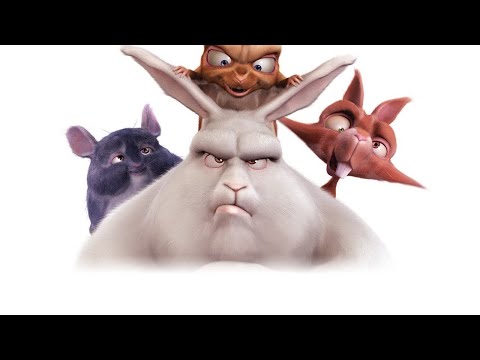
  • Big Buck Bunny ( Short animated, comedy film, Cartoon, 2008 ) by Sacha Goedegebure National treasure
    Big Buck Bunny (code-named Project Peach) is a 2008 short computer-animated comedy film featuring animals of the forest, made by the Blender Institute, part of the Blender Foundation.[5][6] Like the foundation's previous film, Elephants Dream, the film was made using Blender, a free and open-source software application for 3D computer modeling and animation developed by the same foundation. Unlike that earlier project, the tone and visuals departed from a cryptic story and dark visuals to one of
     

Big Buck Bunny ( Short animated, comedy film, Cartoon, 2008 ) by Sacha Goedegebure

26 December 2021 at 23:00

Big Buck Bunny (code-named Project Peach) is a 2008 short computer-animated comedy film featuring animals of the forest, made by the Blender Institute, part of the Blender Foundation.[5][6] Like the foundation's previous film, Elephants Dream, the film was made using Blender, a free and open-source software application for 3D computer modeling and animation developed by the same foundation. Unlike that earlier project, the tone and visuals departed from a cryptic story and dark visuals to one of comedy, cartoons, and light-heartedness.

It was released as an open-source film under the Creative Commons Attribution 3.0 license.

Plot :

The plot follows a day in the life of Big Buck Bunny, during which time he meets three bullying rodents: Frank the flying squirrel (the leader), Rinky the red squirrel, and Gimera the chinchilla (his sidekicks). The rodents amuse themselves by harassing helpless creatures of the forest by throwing fruits, nuts, and rocks at them.

After the rodents kill two butterflies with an apple and a rock, and then attack Bunny, he sets aside his gentle nature and orchestrates a complex plan to avenge the two butterflies.

Using a variety of traps, Bunny first dispatches Rinky and Gimera. Frank, unaware of the fate of the other two, is seen taking off from a tree, and gliding towards a seemingly unsuspecting Bunny. Once airborne, Frank triggers Bunny's final series of traps, causing Frank to crash into a tree branch and plummet into a spike trap below. At the last moment, Frank grabs onto what he believes is the branch of a small tree, but discovers it is just a twig Bunny is holding over the spikes. Bunny snatches up Frank.

The movie concludes with Bunny being pleased with himself as a butterfly flies past him holding a string, at the end of which is Frank attached as a flying kite.

πŸ’Ύ

Big Buck Bunny (code-named Project Peach) is a 2008 short computer-animated comedy film featuring animals of the forest, made by the Blender Institute, part of the Blender Foundation.[5][6] Like the foundation's previous film, Elephants Dream, the film was made using Blender, a free and open-source software application for 3D computer modeling and animation developed by the same foundation. Unlike that earlier project, the tone and visuals departed from a cryptic story and dark visuals to one of comedy, cartoons, and light-heartedness.

It was released as an open-source film under the Creative Commons Attribution 3.0 license.

Plot :

The plot follows a day in the life of Big Buck Bunny, during which time he meets three bullying rodents: Frank the flying squirrel (the leader), Rinky the red squirrel, and Gimera the chinchilla (his sidekicks). The rodents amuse themselves by harassing helpless creatures of the forest by throwing fruits, nuts, and rocks at them.

After the rodents kill two butterflies with an apple and a rock, and then attack Bunny, he sets aside his gentle nature and orchestrates a complex plan to avenge the two butterflies.

Using a variety of traps, Bunny first dispatches Rinky and Gimera. Frank, unaware of the fate of the other two, is seen taking off from a tree, and gliding towards a seemingly unsuspecting Bunny. Once airborne, Frank triggers Bunny's final series of traps, causing Frank to crash into a tree branch and plummet into a spike trap below. At the last moment, Frank grabs onto what he believes is the branch of a small tree, but discovers it is just a twig Bunny is holding over the spikes. Bunny snatches up Frank.

The movie concludes with Bunny being pleased with himself as a butterfly flies past him holding a string, at the end of which is Frank attached as a flying kite.

Hercules Unchained ( Greek mythology, Adventure, Romantic, Epic fantasy ,1959 ) by Pietro Francisci

27 December 2021 at 20:00

Hercules Unchained (Italian: Ercole e la regina di Lidia [ΛˆΙ›rkole Π΅ la reˈdΚ’iːna di ˈliːdja], "Hercules and the Queen of Lydia") is a 1959 Italian-French epic fantasy feature film starring Steve Reeves and Sylva Koscina in a story about two warring brothers and Hercules' tribulations in the court of Queen Omphale. The film is the sequel to the Reeves vehicle Hercules (1958) and marks Reeves' second - and last - appearance as Hercules. The film's screenplay, loosely based upon various Greek mythology and plays by Aeschylus and Sophocles, was written by Ennio De Concini and Pietro Francisci with Francisci directing and Bruno Vailati and Ferruccio De Martino producing the film.

Plot :

While travelling, Hercules is asked to intervene in a quarrel between two brothers, Eteocles and Polynices, over who should rule Thebes. Before he can complete this task, Hercules drinks from a magic spring and is hypnotized by a harem girl who dances the "Dance of Shiva", loses his memory and becomes the captive of Queen Omphale of Lydia. The Queen keeps men until she tires of them, then has them made into statues. While young Ulysses tries to help him regain his memory, Hercules' wife, Iole, finds herself in danger from Eteocles, current ruler of Thebes, who plans on throwing her to the wild beasts in his entertainment arena. Hercules slays three tigers in succession and rescues his wife, then assists the Theban army in repelling mercenary attackers hired by Polynices. The two brothers ultimately fight one another for the throne and end up killing each other; the good high priest Creon is elected by acclaim.

πŸ’Ύ

Hercules Unchained (Italian: Ercole e la regina di Lidia [ΛˆΙ›rkole Π΅ la reˈdΚ’iːna di ˈliːdja], "Hercules and the Queen of Lydia") is a 1959 Italian-French epic fantasy feature film starring Steve Reeves and Sylva Koscina in a story about two warring brothers and Hercules' tribulations in the court of Queen Omphale. The film is the sequel to the Reeves vehicle Hercules (1958) and marks Reeves' second - and last - appearance as Hercules. The film's screenplay, loosely based upon various Greek mythology and plays by Aeschylus and Sophocles, was written by Ennio De Concini and Pietro Francisci with Francisci directing and Bruno Vailati and Ferruccio De Martino producing the film.

Plot :

While travelling, Hercules is asked to intervene in a quarrel between two brothers, Eteocles and Polynices, over who should rule Thebes. Before he can complete this task, Hercules drinks from a magic spring and is hypnotized by a harem girl who dances the "Dance of Shiva", loses his memory and becomes the captive of Queen Omphale of Lydia. The Queen keeps men until she tires of them, then has them made into statues. While young Ulysses tries to help him regain his memory, Hercules' wife, Iole, finds herself in danger from Eteocles, current ruler of Thebes, who plans on throwing her to the wild beasts in his entertainment arena. Hercules slays three tigers in succession and rescues his wife, then assists the Theban army in repelling mercenary attackers hired by Polynices. The two brothers ultimately fight one another for the throne and end up killing each other; the good high priest Creon is elected by acclaim.
❌
National treasure