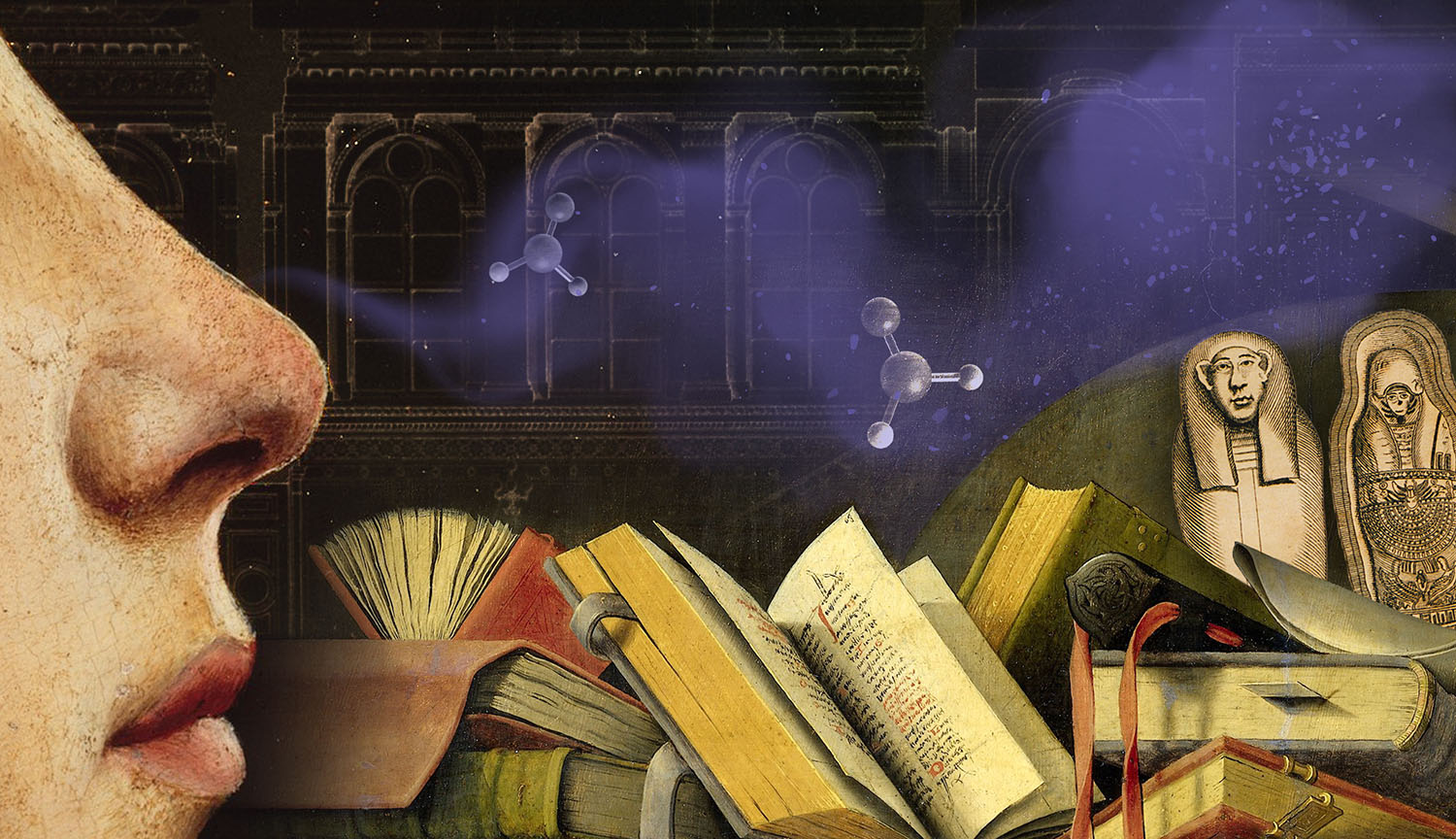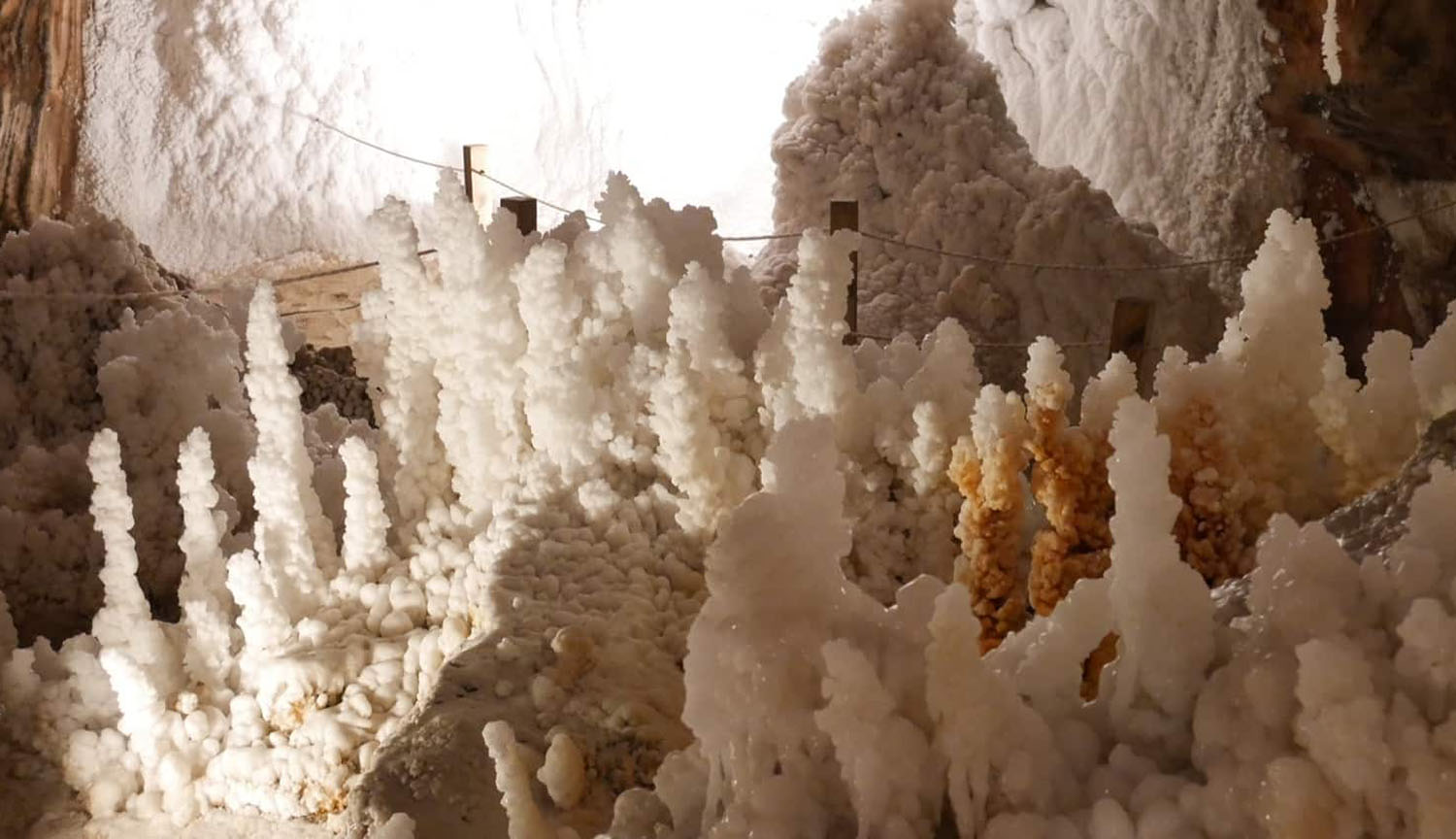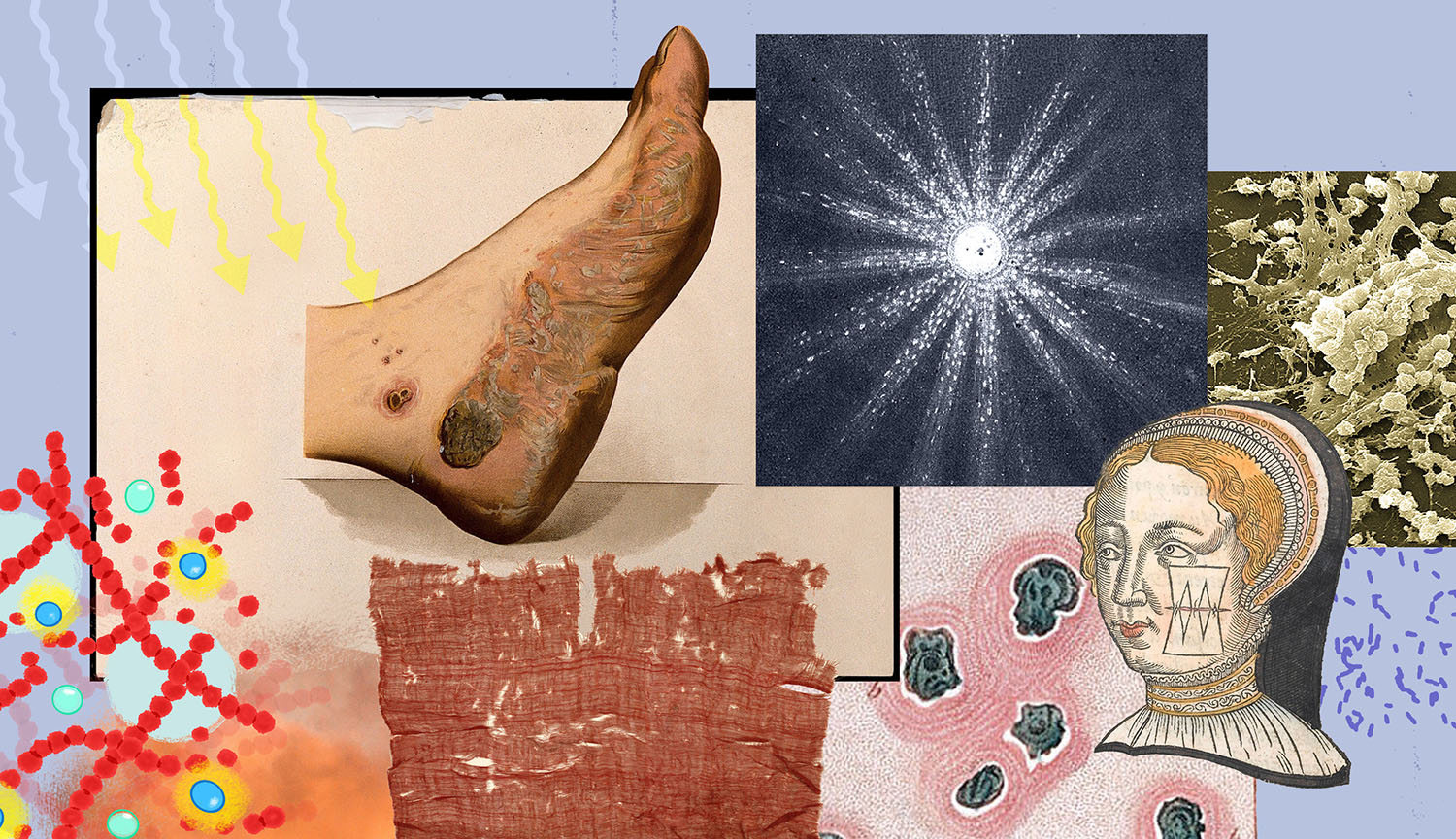
Recreating the smells of history
Using chemistry, archival records and AI, scientists are reviving the aromas of old libraries, mummies and battlefields


Using chemistry, archival records and AI, scientists are reviving the aromas of old libraries, mummies and battlefields


As temperatures rise, some creatures pick fights while others struggle to learn. The consequences of these behavioral changes may ripple through ecosystems.


Once global warming peaks, it could take centuries to cool things back down. But we can bend the curve by cutting fossil fuel emissions now.


As the number of long-term survivors grows, doctors and patient advocates are working to improve post-cancer care


Nets equipped with water bottles and other tricks can help save some species, while allowing fisherman to still catch others


Keeping global warming to manageable levels will require removing carbon dioxide from the atmosphere and storing it somewhere else. The worldβs oceans may be a promising option.


Nostalgia plays a big role in the meals that bring us solace β which mean we might be able to recondition ourselves toward healthier foods that still soothe


What the science of self-awareness can tell us about confident decision-making


Scientists are trying to name the qualities that make someone wise and figure out how to cultivate them


Critters that dine on flesh and waste also consume the animalβs DNA. That genetic material is helping scientists detect and map elusive species and their pathogens.


As temperatures rise, it is the poor who suffer most. The coping strategies of those living in informal settlements may hold lessons for cities of the future.


People with a rare genetic disorder that damages the amygdala are helping neuroscientists rethink how the brain shapes fear, trust and concern for others