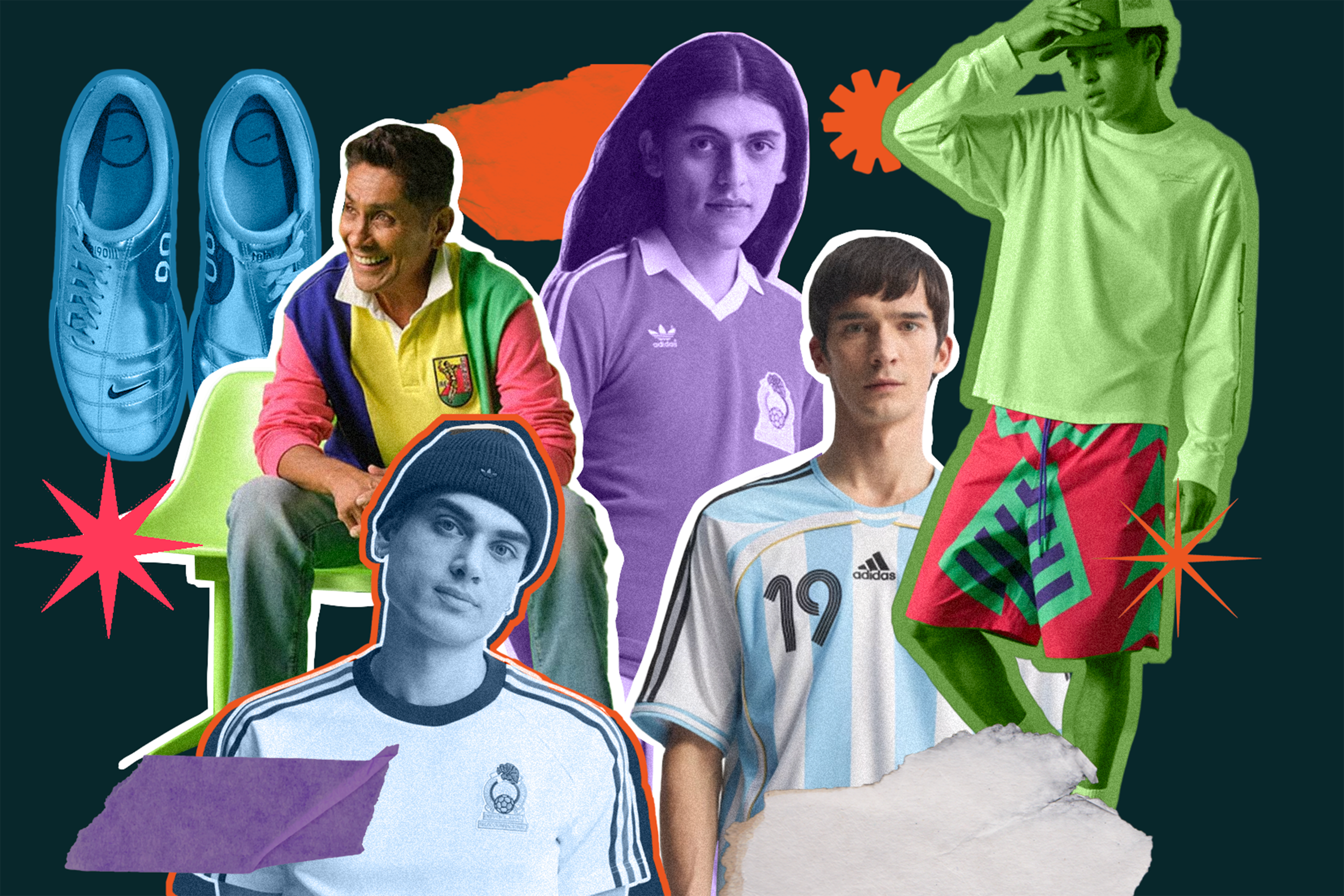
Wearing a football shirt is an act of rebellion. It’s going against the grain of the drab, the ordinary, the formal. Wearing a club shirt, sometimes plastered with brand logos, or a national team shirt, sometimes one you don’t even support, is a way of expressing happiness through clothing. And football is all about joy. But this romanticized idea shatters when the market exploits nostalgia to build a business that seems to have no end.
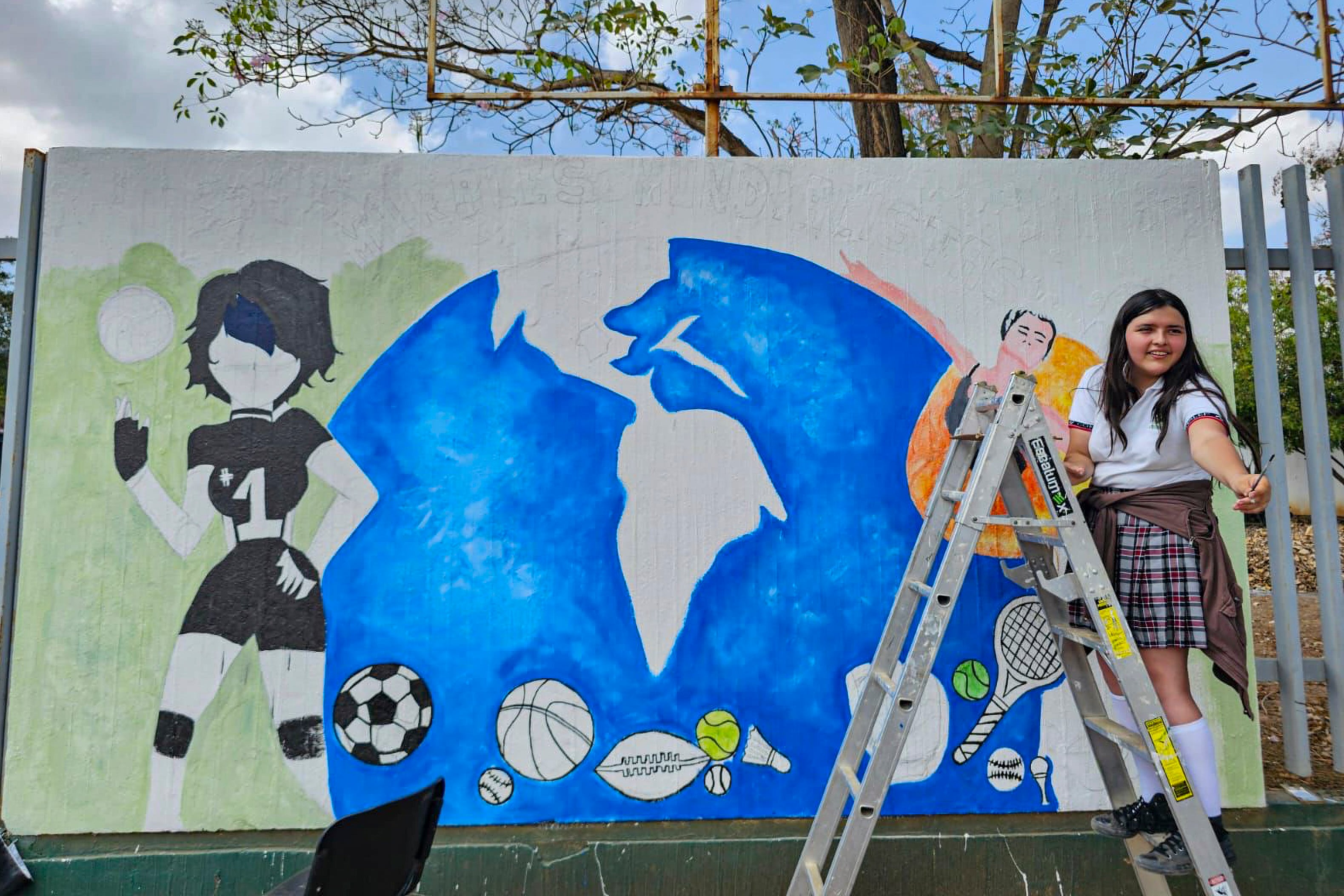
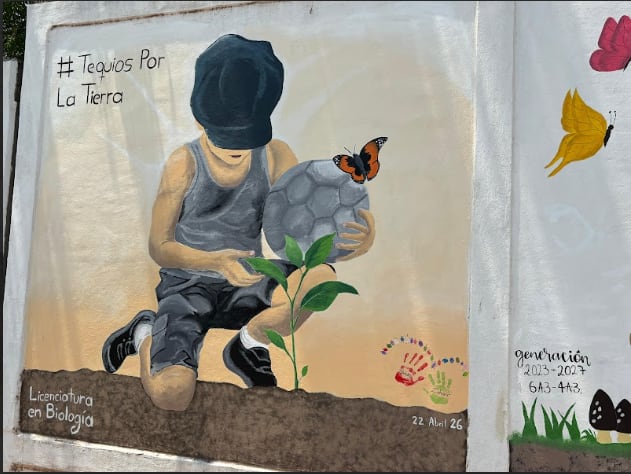
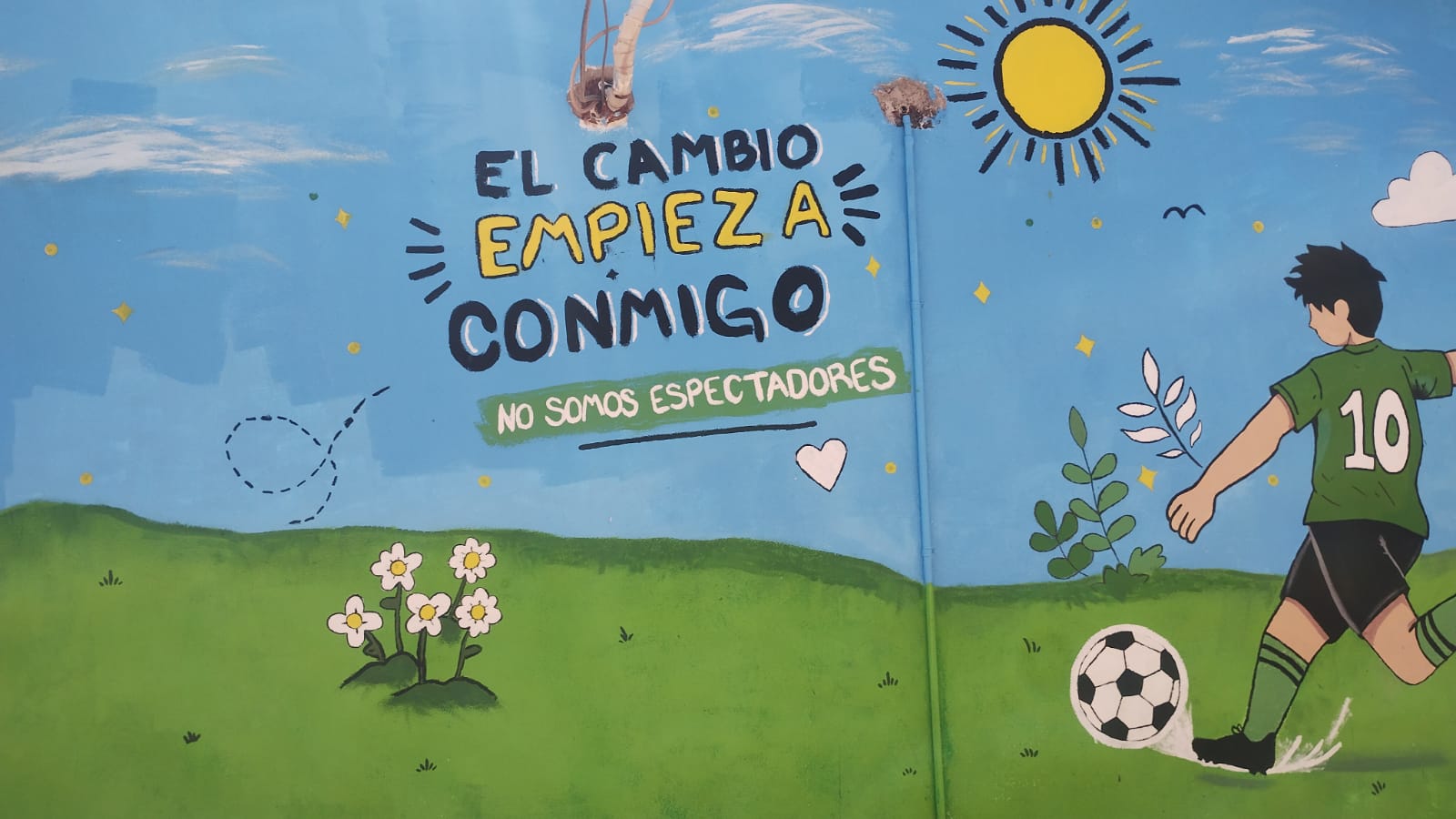
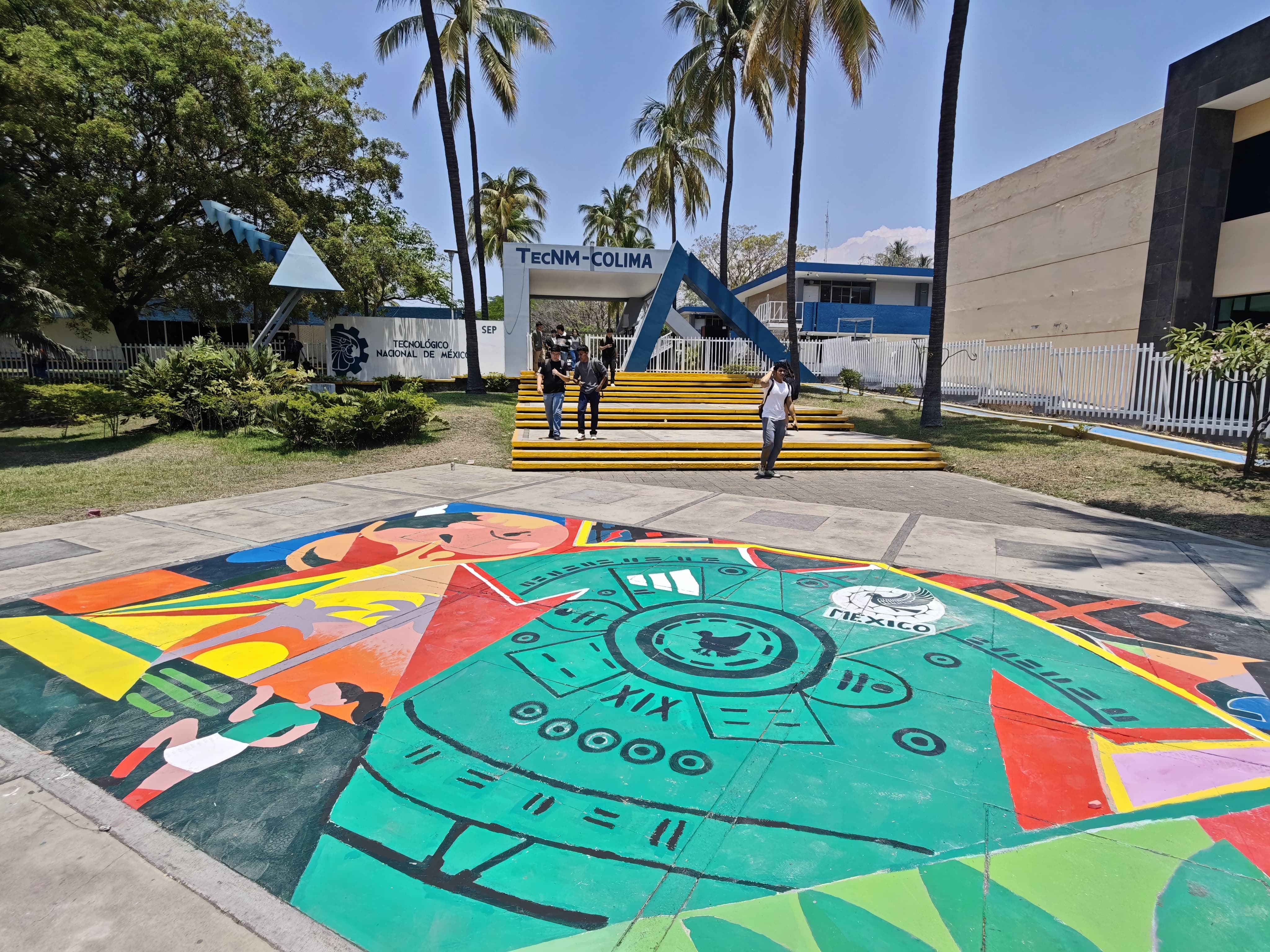
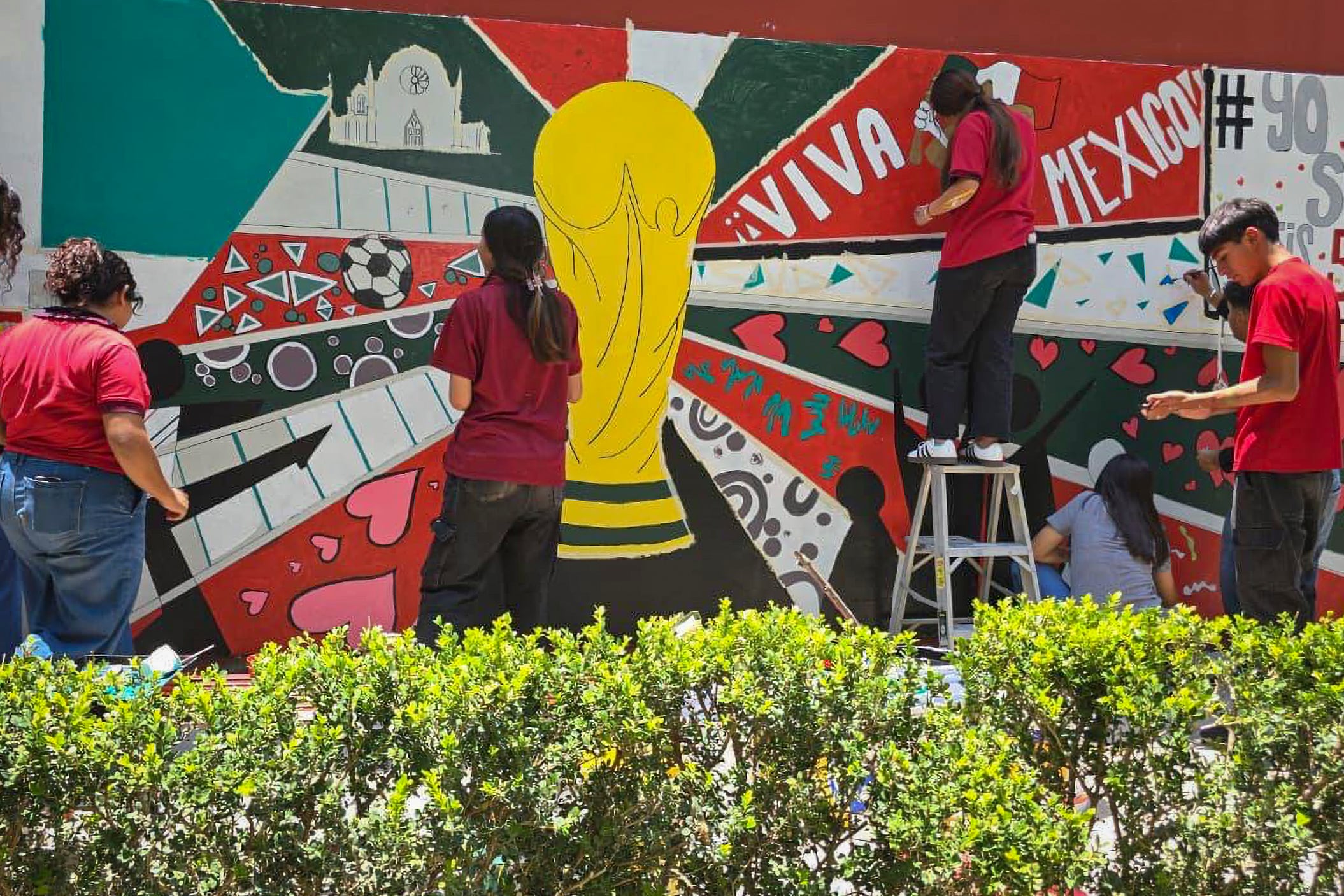
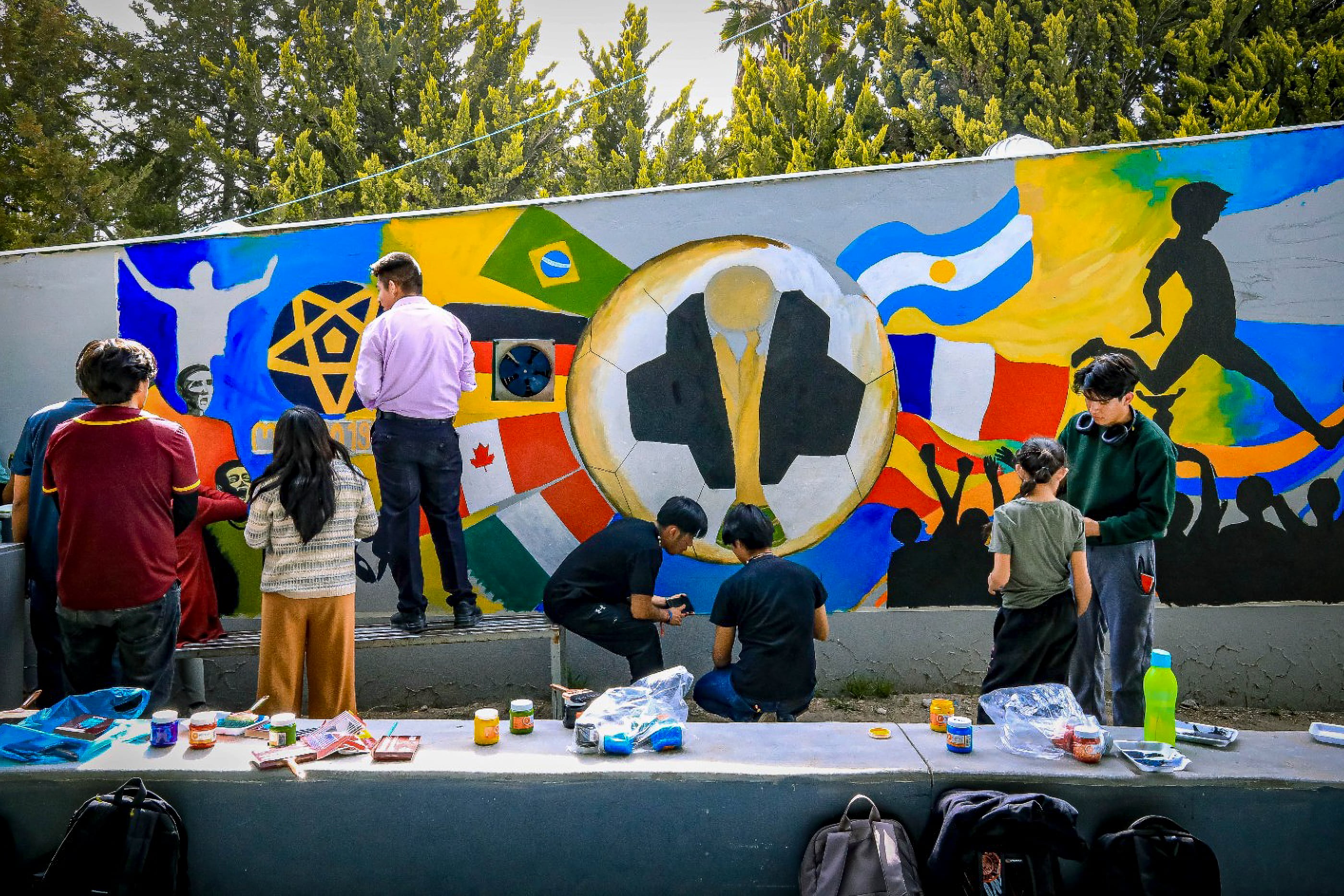
The jubilation unleashed by a World Cup leaves its mark on the host country. On June 11, Mexico will be able to say it is the only country in the world to have hosted the world’s premier football tournament three times, even four if we include the 1971 Women’s World Cup. However, unlike in 1970 and 1986, the business surrounding the game has exploded, and with it, everything has become more expensive. From jerseys to match tickets, which can reach prices of over 50,000 pesos ($2,869). Even to watch the matches on television, a fan must pay up to 1,000 pesos ($57) to follow all 104 games. Faced with these expenses, thousands of young Mexicans have chosen to be part of the World Cup frenzy through nearly 5,000 murals and all kinds of activities.

 Login
Login