Reading view

What to Expect From a Personal Injury Lawyer Consultation

Personal injury cases can be daunting when you’re trying to recover from injuries and manage medical bills. You may wonder if you need a lawyer for your situation.

Jacksonville, Florida, is a city built for movement; busy highways, long commutes, and constant traffic flow shape daily life. But that pace comes with risk.

In recent years, Duval County has recorded over 23,000–33,000 crashes annually, with thousands of injuries and dozens of fatalities tied to these incidents. Even statewide, Florida sees hundreds of crashes every day, making accidents less of a rare event and more of an ongoing reality for residents. In a place where a single moment on the road can change everything, understanding your legal options isn’t just helpful; it’s necessary.

That’s where speaking with a Jacksonville personal injury lawyer becomes a practical next step. A consultation isn’t just a formal meeting; it’s your first real assessment of what your case might be worth, how liability is determined, and what the legal process actually involves. You can expect questions about the incident, a review of available evidence, and a clear explanation of potential outcomes without pressure to commit. Knowing what to expect from that meeting helps you walk in prepared, ask the right questions, and avoid costly missteps early on.

Why the First Meeting Matters

Early case reviews help injured people sort medical facts from insurance pressure. During that discussion, a personal injury lawyer will often study injury onset, treatment timing, witness accounts, and contact with adjusters before offering a first impression. That process helps families see whether the claim rests on solid proof, where gaps may exist, and which tasks deserve immediate attention before deadlines tighten.

The Lawyer Starts With the Story

Most consultations begin with the event itself. Attorneys usually ask where it happened, who saw it, what caused harm, and how the body reacted afterward. Details like impact direction, surface conditions, warning signs, or job duties can matter more than people expect. A small fact may explain a fracture, support a pain complaint, or show why symptoms worsened during the first several days after the incident.

Records Shape the Early Assessment

Documents give the first legal opinion real weight. Useful items include crash reports, incident forms, imaging results, visit summaries, billing statements, wage records, repair estimates, and insurer letters. Photographs often help, especially when swelling, bruising, damaged property, or hazardous conditions are visible soon after the event. Organized records save time and let the attorney compare dates, symptoms, and outside statements without relying on memory alone.

Expect Questions About Fault

Responsibility is usually tested early. The attorney may ask whether the injured person gave a recorded statement, signed forms, received a citation, or posted details online. Another line of questioning may cover admissions by the other party, shifting accounts, or efforts to leave the scene. Honest answers matter. Facts that feel minor during a first meeting can later affect credibility, bargaining power, and the value placed on physical harm.

Injuries Must Connect to the Event

Medical timing often shapes the strength of the claim. Lawyers usually ask when the pain began, which body areas were affected, what treatment followed, and whether prior conditions involved the same tissue. Gaps in care can raise avoidable doubt, so attorneys want a clear reason for any delay. Records should show a consistent path from the event to symptoms, evaluation, treatment, and ongoing limitations in daily function.

Money Is Discussed With Caution

Many people hope for a dollar estimate right away. Careful attorneys rarely give a firm number during the first meeting because value depends on recovery progress, lost earnings, future care, and available coverage. Early discussion often starts with measurable losses, such as bills or missed workdays. Pain, sleep disruption, reduced mobility, and household strain may matter too, yet those effects are easier to judge after treatment develops.

Fees and Costs Should Be Clear

Payment terms should be plain from the start. Many injury firms use contingency fees, meaning payment depends on recovery instead of advance billing. Clients should still ask about litigation costs, record charges, expert review, filing fees, and who covers those items if no recovery occurs. Clear financial terms protect the working relationship. People should leave knowing what services are included, when payment happens, and how expenses are tracked.

The Lawyer Should Outline Next Steps

A strong consultation ends with a clear sequence. That outline may include gathering records, preserving photographs, contacting witnesses, reviewing insurance coverage, or waiting for the medical status to stabilize. Some claims move into negotiation quickly. Others need a deeper factual review before any demand is sent. Useful guidance should be specific rather than polished. Families should hear what needs attention this week, what can wait, and which risks may affect timing.

Good Questions Reveal Fit

The meeting also helps people judge the lawyer. Useful questions include who will provide updates, how often contact will occur, whether a lawsuit seems likely, and what facts could weaken the claim. Clients may also ask what documents are still missing and what actions should be avoided. Strong answers sound direct, calm, and evidence-based. Vague promises or forced certainty can signal poor judgment at an early stage.

Conclusion

A personal injury consultation should leave injured people with clearer medical, legal, and practical expectations. The best meetings identify evidence, flag weak areas, explain timing, and map out sensible next steps without false certainty. They also show how a lawyer thinks about records, symptoms, and insurance behavior under pressure. With organized paperwork and thoughtful questions, families can use that first visit to judge both claim strength and professional fit.

Read more:
What to Expect From a Personal Injury Lawyer Consultation

  •  

WH Smith raises £100m as it warns on profits due to Iran war

Retailer plans to shut unprofitable stores as falling US airport traffic due to Middle East conflict hits trading

Business live – latest updates

WH Smith has issued a profit warning after shopper numbers at its stores in US airports fell as a result of the war in the Middle East, prompting the company to raise fresh capital from investors.

The retailer, which operates 1,200 outlets globally in airports, railway stations and hospitals, raised £102m through a share sale on Wednesday to strengthen its balance sheet, pay down debt, invest in technology and shut down unprofitable stores after “a downturn in trading conditions”.

Continue reading...

© Photograph: Guy Bell/Alamy Stock Photo/Alamy Live News.

© Photograph: Guy Bell/Alamy Stock Photo/Alamy Live News.

© Photograph: Guy Bell/Alamy Stock Photo/Alamy Live News.

  •  

Irina Ciochiu: Turning Flight Delays Into Consumer Power

Air travel runs on tight schedules and complex systems. When flights are delayed or canceled, most passengers feel confused and unsupported. Many do not know their rights. Others assume the airline’s answer is final.

Air travel runs on tight schedules and complex systems. When flights are delayed or canceled, most passengers feel confused and unsupported. Many do not know their rights. Others assume the airline’s answer is final.

Irina Ciochiu built her career around changing that.

As the Founder and CEO of FlightHelp, Ciochiu works at the intersection of law, aviation, and consumer rights. Her mission is clear. Help passengers understand when they may be eligible for compensation and guide them through a process that airlines often make difficult to navigate.

But her path into this industry was not accidental.

Early Background and Legal Foundation

Irina Ciochiu grew up in Romania and later studied law at the University of Craiova. During her legal studies, she became interested in how regulations work across borders and how difficult they can be for ordinary people to use in practice.

That realization shaped her career.

She noticed that many industries had strong legal protections on paper, but very little practical support for consumers trying to enforce them.

“Success is creating systems that solve real-world problems at scale,” she says. “Especially in industries where individuals often lack support.”

That idea eventually became the foundation for FlightHelp.

Why Irina Ciochiu Focused on Passenger Rights

The aviation industry is heavily regulated. In Europe, EU261 gives passengers the right to compensation in many cases involving delays, cancellations, and denied boarding.

But knowing those rights and successfully enforcing them are two very different things.

According to European consumer groups, millions of passengers may qualify for compensation each year under EU261, yet a large percentage never pursue claims. Many travelers either do not understand the process or accept the airline’s explanation without challenge.

Ciochiu saw a major gap.

Instead of pursuing a traditional legal career path, she focused on creating practical systems that help passengers navigate these regulations more effectively.

“Legal thinking, persistence, and the ability to translate complex rules into simple solutions are key,” she says.

That mindset led to the launch of FlightHelp.

How FlightHelp Helps Passengers Navigate Airline Claims

Launching a company in the aviation sector meant dealing with multiple jurisdictions, airline policies, and constantly changing operational issues.

“Navigating regulatory complexity across multiple jurisdictions while building a scalable business in the aviation space,” Ciochiu says, “was one of the biggest challenges.”

Rather than avoiding complexity, she built systems around it.

FlightHelp focuses on helping passengers submit and manage compensation claims under EU261 and similar frameworks. Ciochiu emphasizes that passengers should not rely solely on airlines to determine whether a claim is valid.

Even when airlines cite “extraordinary circumstances” as the reason for a disruption, passengers may still qualify for compensation depending on the situation and supporting evidence.

This is one reason she encourages travelers to seek professional assistance instead of handling claims entirely on their own.

Airlines also rarely provide passengers with the actual operational reason for a disruption in writing. That lack of transparency can make it difficult for travelers to evaluate whether a denial is legitimate.

According to Ciochiu, this is where professional support becomes important.

The process often involves reviewing operational details, documentation, and legal standards that most passengers do not have access to or experience interpreting.

Her focus is not just processing claims. It is helping passengers understand the system they are dealing with.

Why Airline Transparency Matters

Passenger rights have become a bigger issue as European air traffic continues to increase. Industry data shows that delays and cancellations remain common during peak travel seasons.

But many passengers still assume the airline has the final word.

Ciochiu believes awareness is one of the biggest missing pieces.

“Most challenges become manageable once you start moving through them,” she says. “Passengers often give up too early because they assume the process is closed after the airline responds.”

She believes travelers should document delays carefully, save travel records, and seek support before assuming they are ineligible.

This approach has helped FlightHelp expand across multiple European regions, including Romania, the United Kingdom, Italy, Spain, and Germany.

Leadership Style and Long-Term Vision

Ciochiu’s leadership style reflects her legal background. It is structured, direct, and focused on measurable outcomes.

“I start with a clear long-term vision and then break it down into measurable milestones,” she explains. “If something isn’t contributing to progress, it gets deprioritized quickly.”

She also emphasizes continuous learning and adaptation.

“Growth comes from iteration,” she says. “I treat every result—good or bad—as feedback.”

That mindset has helped her navigate the fast-changing aviation industry while continuing to build systems that simplify complex legal processes for travelers.

The Future of Passenger Rights in Europe

As international travel continues to grow, passenger rights are becoming more important across Europe.

For Irina Ciochiu, the mission remains straightforward. Make passenger protections easier to understand and easier to enforce.

Her role is not only as a founder, but as someone helping bridge the gap between legal frameworks and everyday travelers.

In an industry built on complexity, that work continues to matter more than ever.

Read more:
Irina Ciochiu: Turning Flight Delays Into Consumer Power

  •  

5,000+ slot reviews fuel demand for smarter casino comparison technology

With more than 5,000 individual slot reviews, comparison platforms can evaluate online casinos based on actual performance rather than just headline bonuses.

With more than 5,000 individual slot reviews, comparison platforms can evaluate online casinos based on actual performance rather than just headline bonuses.

Casinos offer more choices now than ever. But that choice can be a trap. A bonus seems generous, a slot page looks polished, and a five-star badge feels reassuring. Then come the details. Wagering rules bite, withdrawals take longer than expected, and RTP settings are not always obvious. The result is frustration among players and reduced trust in operators. Smarter casino-comparison technology addresses that problem by reading beyond surface-level claims. It turns large review libraries into practical checks on value, fairness, speed, transparency, and real user experience.

Data volume changes how casinos are assessed

Five thousand slot reviews create more than a content library. Used properly, they become a working map of casino performance.

A single review can say whether a game looks good or runs well on mobile. Across a larger review base, https://www.online-slot.co.uk/ fits into a wider shift toward comparison tools that show which operators publish clear RTP values, which providers offer multiple payout variants, and where complaints are concentrated.

Return to player percentages, volatility, certification, payment speed, customer support, and identity checks all of which affect the experience. Stronger comparison sites consider every page on a slot or casino as a number.

They compare advertised RTP with supplier information, verify recognized studios, and track withdrawal concerns in user feedback. Certified RNG audits add another layer by confirming random outcomes under approved standards.

The pushes casino reviewing is closer to business analysis. The sharper question is how a site performs when money, verification, bonus rules, and customer support are tested.

Bonus terms face closer scrutiny

Bonus offers still attract clicks, but hidden costs often decide their real value. Wagering rules, maximum bets, excluded games, expiry windows, and withdrawal caps can quickly weaken a promotion.

When a £100 bonus carries a 40x wagering requirement, a player has to churn £4,000 before seeing any cash. Modern comparisons can no longer stop at game choice. They must factor in the specific conditions and eligible titles that define a bonus’s true value.

A high-RTP slot may be blocked from wagering, some games may count only 10% toward completion, and one maximum bet breach can void winnings.

Plain language now matters commercially and from a regulatory standpoint. UK-facing operators operate under strict expectations for advertising, fairness, and transparency, while review platforms provide readers with clearer financial examples before they deposit.

Review platforms influence decision-making

Casino comparison sites shape player choices before registration. Most users will not read every term page, audit note, or payment policy, so they rely on review platforms to filter the details.

That influence carries risk. Rankings based on affiliate earnings can push players to casinos with inconsistent payouts or unclear promotions. The biggest casinos consider licensing, payout history, bonus descriptions, game selection, mobile usability, support, and complaints.

One poor support ticket should not define a casino. Repeated withdrawal delays across many users should. For publishers, earned rankings build trust, keep readers engaged, and encourage return visits.

Technology supports deeper comparison

The most useful technology sits behind the page. RTP tracking APIs can compare payout data across game catalogs, whilecertified RNG audit records can be checked against supplier and licensing information. Text analysis can also flag risky bonus clauses before players miss them.

Two casinos may offer the same branded slot, but one may use a lower RTP version. A stronger comparison system records the provider, RTP figure, volatility, bonus eligibility, and play restrictions. Complaint analysis adds context by grouping repeated issues, such as slow withdrawals after verification.

The best systems do not replace editors. Data finds the pattern. Human review decides what it means.

Operators respond to changing expectations

Poor comparison scores now carry a real cost for casino operators.

Acquiring a depositing player can involve paid search, affiliate fees, welcome bonuses, compliance checks, payment processing, email marketing, and support time. Losing that player due to unclear terms or a delayed withdrawal wastes the money already spent.

Retention is often cheaper than replacement. Clear bonus pages reduce disputes, visible RTP information builds confidence, fast verification improves the first withdrawal, and direct support protects review scores.

Conversely, vague promotions increase support pressure, weaken repeat deposits, and give comparison platforms reason to rank clearer competitors higher.

A move toward performance-based evaluation

Casino comparison is shifting from broad praise to measured performance. Large slot review databases now support scoring on RTP visibility, RNG audit records, withdrawal behaviour, bonus fairness, mobile performance, complaint history, and support quality.

That makes each review less like a sales page and more like a record of how a casino actually operates. For publishers, structured comparison data is harder to copy than shallow rankings. For players, it means fewer surprises after sign-up. For operators, marketing may win the first click, but performance earns the repeat visit.

Read more:
5,000+ slot reviews fuel demand for smarter casino comparison technology

  •  

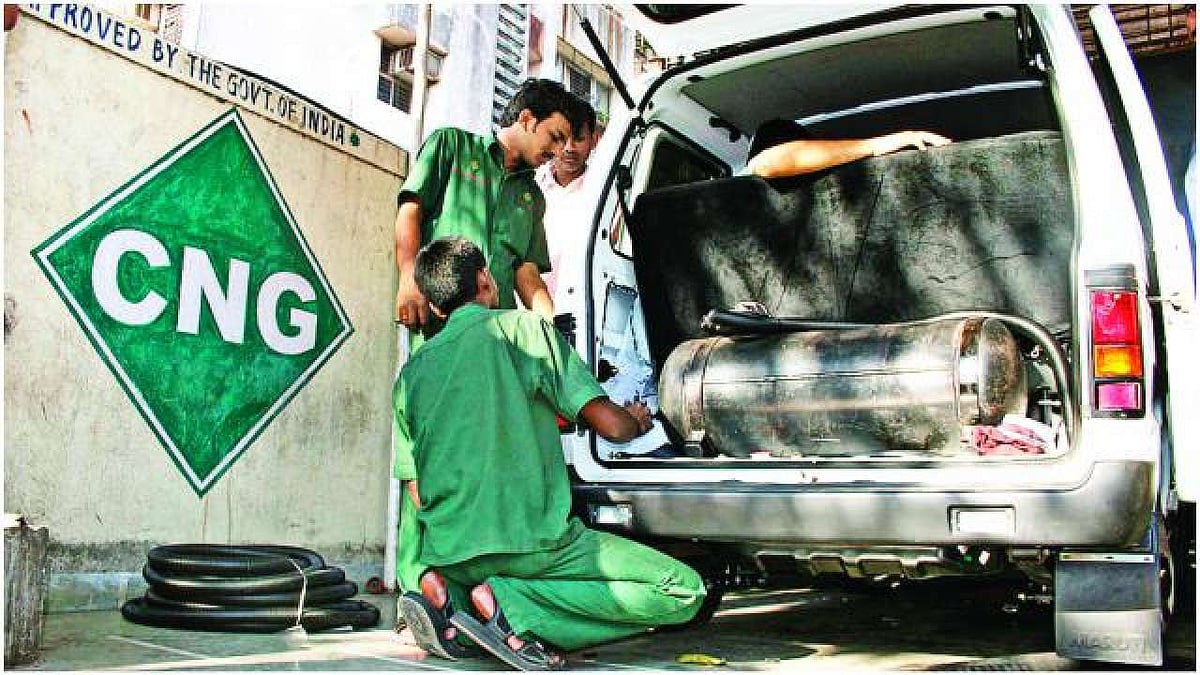
CNG prices raised again as fuel costs surge amid West Asia conflict

Compressed Natural Gas (CNG) prices were increased by Rs 2 per kilogram on Friday, marking the fourth hike in less than a fortnight as disruptions in global energy supplies linked to the West Asia conflict continue to push up fuel costs.

With the latest revision, CNG in Delhi will cost Rs 83.09 per kg from Tuesday onwards. The increase comes just three days after the previous Rs 1 per kg hike.

Petrol and diesel prices have also witnessed repeated increases over the past two weeks, driven by rising international crude oil prices and supply concerns linked to tensions in West Asia.

The conflict, triggered by military strikes involving the United States, Israel and Iran, has severely disrupted shipping through the Strait of Hormuz — a critical maritime route through which nearly a fifth of global energy supplies pass. Missile and drone exchanges in the region have effectively curtailed movement through the waterway, over which Iran holds significant strategic influence.

On Monday, petrol prices were raised by Rs 2.61 per litre and diesel by Rs 2.71 per litre, marking the fourth increase in under two weeks. Since 15 May, cumulative increases in both fuels have reached nearly Rs 7.50 per litre.

In Delhi, petrol prices rose to Rs 102.12 per litre from Rs 99.51, crossing the Rs 100 mark for the first time since 2022. Diesel prices climbed to Rs 95.20 per litre from Rs 92.49.

Industry officials and analysts said the state-run oil marketing companies (OMCs) were likely to continue raising prices in the coming weeks as they attempt to offset mounting losses caused by elevated crude prices.

Apart from recovering current losses on petrol and diesel sales, the companies are also believed to be compensating for earlier under-recoveries on transport fuels and subsidised cooking gas.

Petroleum ministry joint secretary Sujata Sharma said the daily losses faced by OMCs had initially touched around Rs 1,000 crore before the first fuel price increase on 15 May. Following successive hikes, those losses have now fallen to “slightly less than Rs 600 crore” per day.

However, Sharma did not provide a breakdown of under-recoveries on individual fuel products such as petrol and diesel.

With IANS inputs

  •  

New mindset, vision necessary in marine development: Top leader

The sea should not be viewed solely as an area for resource exploitation or sectoral economic development. It must be recognised as a strategic national development space where economic growth, national defence, security, science and technology, and international integration converge, said Party General Secretary and State President To Lam.

  •  

Taylor Sheridan’s ‘Lioness’ Gets Season 3 Release Date At Paramount+

We have a release date for Season 3 of Lioness. The latest installment of Taylor Sheridan’s espionage thriller series will premiere August 2 on Paramount+. Starring and executive produced by Zoe Saldaña and Nicole Kidman, in Season 3 hidden networks, foreign operatives, and personal betrayals collide. Joe (Saldaña) walks the line between duty and home […]

  •  

LA-area city sees first voter-approved measure to ban data centers

Voters in a city near Los Angeles appear to be the first in the nation to approve an all-out ban on data centers. About 86 percent of voters in Monterey Park, Calif., voted in favor of the measure in Tuesday’s elections, according to election results from the county clerk. The measure declares a prohibition on...

  •  

CSotD: May Day, For Those Who Celebrate It

Today is May Day, which is International Workers Day, aka Labour Day, marking the Haymarket Square Riots, which began May 1, 1886, and culminated in the explosion four days later.Whamond notes the calls this year for a general strike, but I don’t think America is a general-striking sort of country. I recall that the Mai-Juin […]

  •  
❌