Reading view

Pachinko machines get new life and become big hit in Japanese assisted care facility
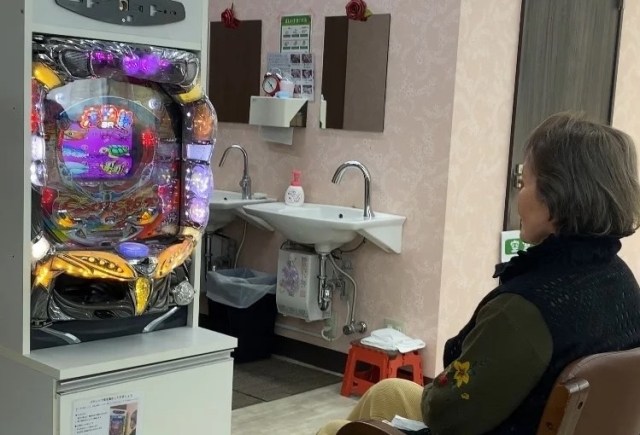
Better living through chrome-plated balls.

A lot of negative things have been said about pachinko over the years. The pinball-like game’s parlors are noisy, garish blights on communities that encourage quasi-gambling and rudely told me to go away when I tried to use their free bicycle pump a few times. But they do have their positive points as well. For example, they weren’t nearly the vectors of contagious disease that everyone thought they were.

Now the game is also changing the lives of people with disabilities in assisted care living facilities, thanks to Global Standard, a company based in Gunma Prefecture that specializes in repurposing gaming machines for use as specialized health equipment.

The pachinko market is highly competitive, and it is important for a parlor to have a high turnover of machines, as new machines always draw big crowds. This means that older machines need to be removed to make room for the new ones, even though they’re in perfectly good condition. Global Standard saw this as an opportunity to acquire quality machinery that would otherwise go to waste.

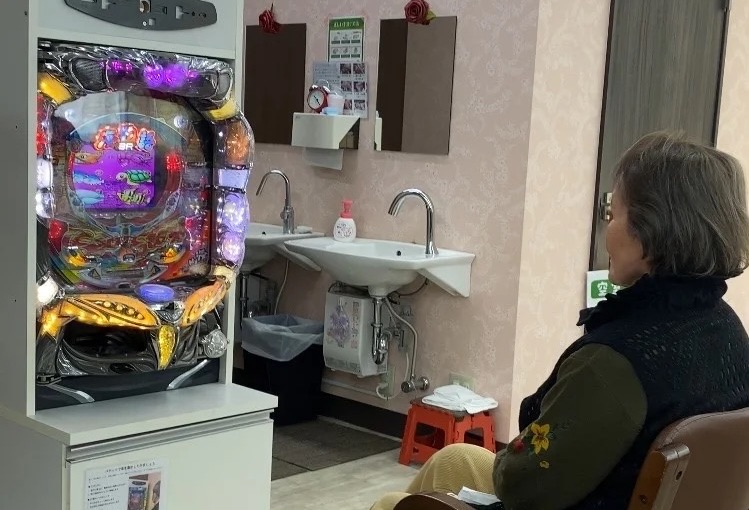
▼ Although I usually hate the aesthetics of pachinko machines, they do kind of brighten up rooms like this.
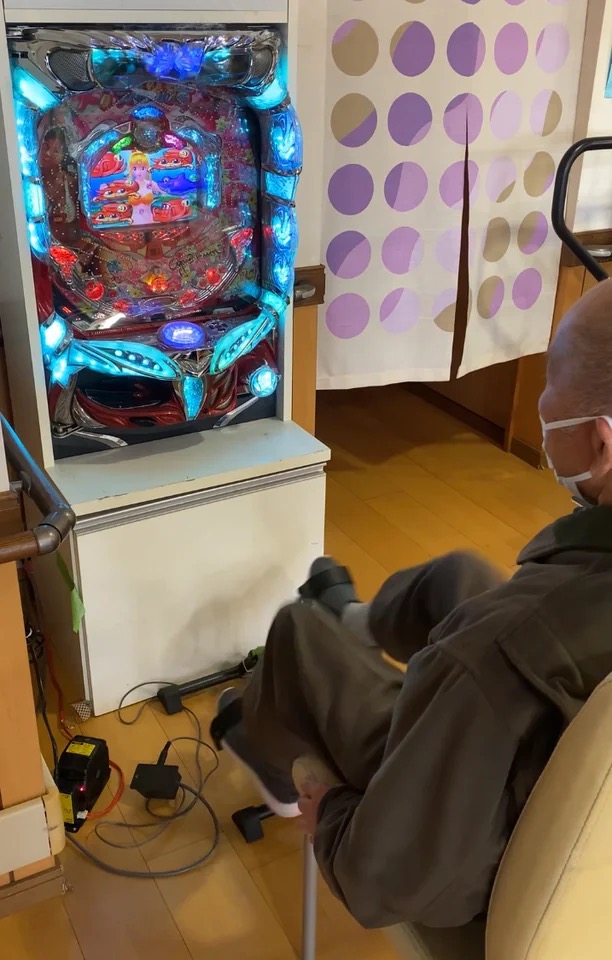
After acquiring the machines, the company modifies them with patented techniques to encourage voluntary physical activity rather than having staff make them come out of their rooms for exercise. To do this, the machines are controlled by regular rehab equipment, such as a grip strengthener or foot pedal, depending on the player’s physical ability. Usage is also recorded so staff can monitor the residents’ exercise time precisely.

Another aspect of Global Standard’s work that makes this different from a typical donation of gaming equipment is that it’s a circular business model. Because of the pachinko industry’s high machine turnover, it uses an extensive recycling system to reduce costs and waste. Normally, if a machine is donated somewhere, it exits this cycle and would probably be thrown away at the end of its life, but Global Standard also oversees the removal from facilities and ensures the pachinko machines go back into their regular cycle of life.

One such machine was installed in the disability support facility Katsura-so in Gunma Prefecture. As a result, staff reported that residents who rarely left their rooms now come out on their own to play the pachinko machine. They also said that residents are interacting more and seem genuinely happier overall. Not only that, but after a report by NHK, interest in Katsura-so shot up, and other facilities have also expressed interest in similar machines.

Reactions in online comments have been mixed, with some hoping they get similar machines if they ever end up in assisted living conditions and others arguing that pachinko, even with the gambling element removed, could be an addictive game with the potential to create problems rather than solve them.

“That is true recycling. Do slot machines next!”
“That’s a good idea. It’s better than the kids’ games they make those people play.”
“But is pachinko fun without the gambling? Hopefully, they can trade the balls for pudding or something.”
“I hope they disable the annoying sounds those things make.”
“I’d pay money for one of those.”
“Is this a good thing? I’m not sure going from shut-in to pachinko addict is an upgrade.”
“They’ll only get the machines that were flops, like Gundam SEED.”
“They’re just making more pachinko addicts.”

The concern that pachinko is considered an addictive pastime is valid, but the real dopamine kick from playing the game in its natural environment is the ability to win or lose money from it. In other words, pachinko addiction essentially a gambling addiction on par with sports betting or casino games, wherein players constantly chase the dragon of expecting that next play to be the big one they’ve been waiting for.

Because of that, in an effort to capitalize on this addiction, the makers of these machines also go all out in trying to design them to be as attention-getting as possible with dazzling visuals and popular IPs. They are also designed to be as comfortable to play as possible, so gamblers don’t experience fatigue and can stay at the machines longer to feed them money.

▼ The machines do everything they can to take your mind off the repetitive action of a grip strengthener.
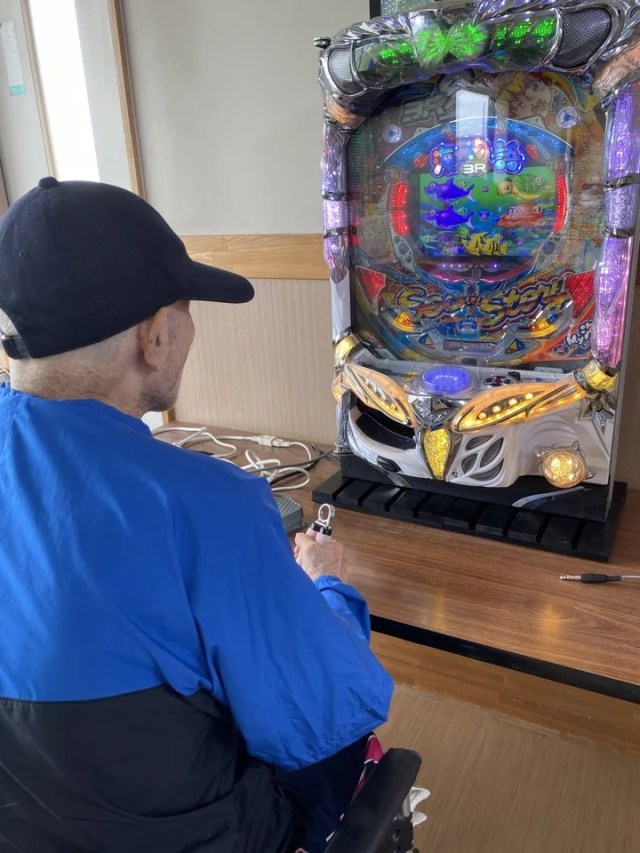
All of these shady tactics to drain real-world pachinko players of their money coincidentally work in the favor of Global Standard and care facilities. It makes the games highly appealing, comfortable, and engaging, but by removing the monetary aspect, it stops short of being a clinical gambling disorder and resides more on the level of something like Candy Crush in terms of addictiveness.

That might still not sound ideal when it comes to caring for people with disabilities, but I know if my time ever comes to enter such a facility, I’d want the one with real games rather than pat-a-cake, even if it is, ugh, pachinko.

Source: MyNavi News, PR Times (1, 2, 3), Hachima Kiko
Top image: PR Times
Insert images: PR Times (1, 2)

● Want to hear about SoraNews24’s latest articles as soon as they’re published? Follow us on Facebook and Twitter!
  •  

Flood control, water security in focus as Malaysia and Thailand step up Sungai Golok cooperation

Malay Mail

KOTA BHARU, June 7 — The Thai Cabinet’s approval of the Sungai Golok Basin development project opens up avenues for closer cooperation between Malaysia and Thailand in addressing flood risks, water security and ecosystem restoration in the border areas of both countries.

National Security Council (NSC) Director-General Datuk Raja Nushirwan Zainal Abidin said Malaysia also intends to implement related developments in the area, though the matter is still in the planning stages.

He added that the government will continue to communicate with Thailand to ensure that any development planning involving the Sungai Golok Basin can be coordinated, given that it involves the interests of both nations.

“For that purpose, we will constantly remain in contact with the Thai government because it involves the interests of both countries,” he told reporters after an NSC meeting at the Kota Darulnaim Complex here today.

The Thai Cabinet was previously reported to have approved a joint environmental project with Malaysia aimed at reducing flood risks, enhancing water security and restoring the ecosystem in the Sungai Golok Basin.

The initiative has received US$4 million (RM15.9 million) in funding from the Global Environment Facility (GEF) and will be implemented over a 48-month period with the support of the United Nations’ Food and Agriculture Organisation (FAO).

The project was jointly developed by Thailand’s Office of National Water Resources and Malaysia’s Department of Irrigation and Drainage to strengthen transboundary water resource management.

According to Raja Nushirwan, the development of the Sungai Golok Basin is not only crucial for flood and environmental management but also carries implications for the well-being of residents and the development of border areas in both countries.

The project also encompasses the development of a shared database, flood and drought risk assessments, as well as the preparation of a joint strategic action plan for the river basin.

Meanwhile, he added that the government is also ironing out the details of economic initiatives to assist communities affected by the demolition of 91 illegal jetties along Sungai Golok, including those in Rantau Panjang and Tumpat.

He said the initiative is still in the detailing phase and will be implemented once coordination between the federal and state governments is finalised. — Bernama


  •  

Hiring Travel Nurses: How Small Healthcare Providers Can Attract Top Talent


Post sponsored by Trustaff

A persistent and critical nursing shortage has affected facilities nationwide. Smaller and rural facilities experience this challenge when competing against well-funded hospital systems. Therefore, they rely on travel nurses to fill the gaps and maintain high-quality patient care. By leveraging the unique strengths of your healthcare facility, you can attract qualified healthcare professionals.

In This Article

  • How Small Healthcare Providers Can Attract Top Talent
  • Methodology to Compare Staffing Agencies
  • Best Places to Apply for High-Paying Travel Nursing Jobs
  • Comparing Staffing Agencies
  • Appealing to the Top Travel Nursing Talent
  • Frequently Asked Questions

Key Takeaways

  • Work-life balance is critical to prospective employees.
  • Technology streamlines staffing and simplifies hiring processes.
  • Staffing agencies are strategic necessities.
  • Small providers can stand out by leveraging their unique strengths.

How Small Healthcare Providers Can Attract Top Talent

Beyond filling vacancies, healthcare facilities should become a place where travel nurses want to take assignments. Success originates from supporting the well-being of your employees and building a positive reputation. Here are five strategies to attract top talent in the healthcare field.

Provide High-Value Benefits

Smaller healthcare providers should gain advantages through high-value benefits. With these packages, you can facilitate attractive terms and go beyond the hourly wage. For instance, your company could offer realistic stipends to cover local living expenses. Complement that perk with a housing concierge to help travel nurses secure housing.

Promote a Safe Workplace

Nurses should feel safe, protected, and heard in your facility. Prioritize building a culture of safety with proactive training and tangible safeguards. These elements could include security personnel, de-escalation training, and post-incident support. Promote your company’s zero-tolerance policy, which enforces a reporting system and ensures consistent action.

Invest in Professional Development

Ambitious travel nurses view jobs as stepping stones on their career path. These healthcare professionals seek environments that allow them to grow. Respond by removing the logistical and financial barriers to professional development. As a healthcare provider, you could offer stipends for continuing education or provide on-site training.

Highlight Flexible Schedules

Flexibility is among the most desired benefits for American workers. A 2022 Gallup survey found that 61% of employees consider work-life balance to be very important. Healthcare providers could allow nurses to collaborate and choose shifts that best fit their personal lives. You can also implement block scheduling to give workers more predictable periods of time off.

Partner With Trusted Staffing Agencies

Smaller healthcare providers often have limited budgets and fewer HR resources, making it challenging for them to compete with well-funded hospitals. Staffing agencies become extensions of your talent acquisition team and advocate for you in national markets. Investing in these professional services reduces your administrative burden and lets your employees focus on the bigger picture.

Methodology to Compare Staffing Agencies

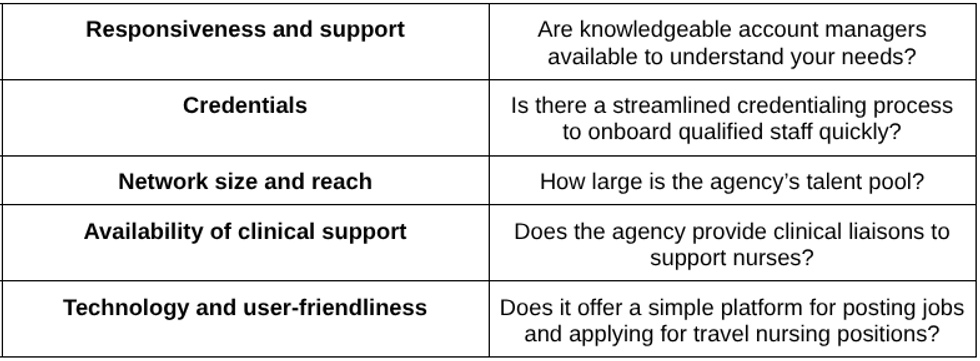
Small healthcare providers can benefit from reputable staffing agencies to fill gaps in their staffing needs. How can you determine the best companies to partner with? Here is a methodology to select the top solutions.

Best Places to Apply for High-Paying Travel Nursing Jobs

Healthcare workers seek workplaces with superior support and transparent communication. Where can they apply for high-paying travel nursing jobs? Here are three staffing agencies helping travel nurses find jobs and small healthcare providers attract top talent.

1. Trustaff

Trustaff is the best healthcare staffing agency for travel nurses. The company matches small healthcare providers with experienced nurses through its national network of professionals. Since 2002, it has prioritized personal service and helping you find assignments in all specialties. Travel nurses can easily apply for high-paying positions on the mobile app.

Key features

2. Aya Healthcare

Aya Healthcare is a leading provider of healthcare talent staffing services for travel nursing. This agency implements advanced technologies on its intelligent workforce platform to connect people and systems. It’s renowned for efficiency, as the direct-to-clinician model lowers costs for small healthcare providers. Travel nurses pick the company for its consistent job volume and strong recruiter support.

Key features

3. AMN Healthcare

AMN Healthcare is a renowned staffing agency recognized for its user-friendly technology and industry expertise. For 40 years, it has provided comprehensive staffing services to healthcare providers nationwide. The company helps professionals find travel nursing jobs, permanent positions, and contract hires.

Key features

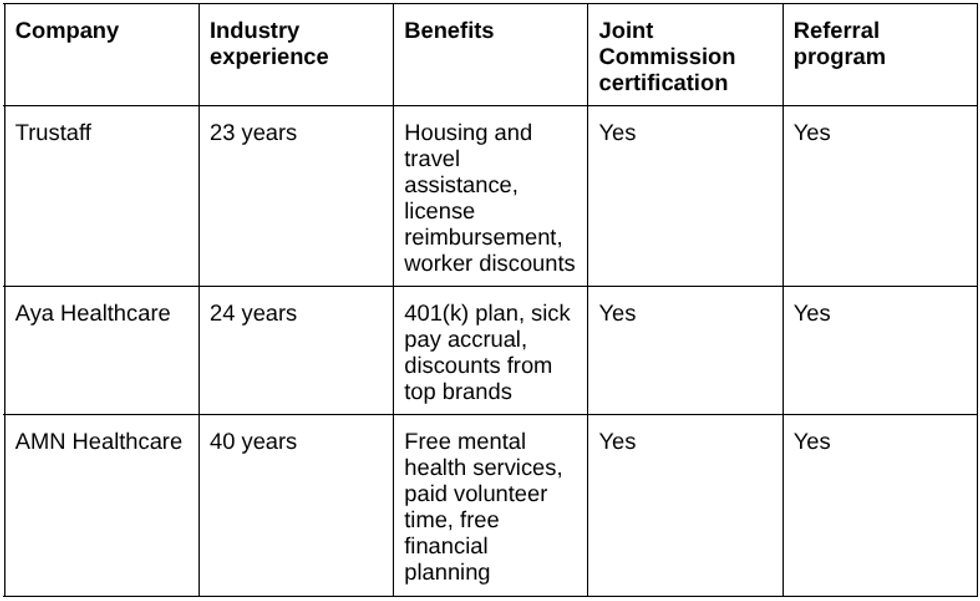
Comparing Staffing Agencies

Choosing the right staffing partner can be challenging when agencies offer similar services. Here is a direct comparison of agencies outlining their core strengths and experience.

Appealing to the Top Travel Nursing Talent

Navigating nursing shortages demands a proactive approach to building a resilient and desirable workplace. Small healthcare providers can outmaneuver large competitors by focusing on a superior culture and meaningful benefits. They can also gain a strategic advantage by connecting with reputable staffing agencies to find the top travel nurses.

Frequently Asked Questions

Why should small healthcare providers focus on hiring travel nurses?


Persistent nursing shortages mean providers should consider hiring travel nurses to fill critical gaps and maintain quality patient care.

How can small facilities compete with larger hospitals and their higher salaries?


Unique, high-value benefits help providers stand out beyond hourly wages.

What can small healthcare providers do to improve work-life balance?


Flexible scheduling options help travel nurses better balance their work and personal life.

Where do travel nurses make the most money?


Travel nurses typically make more money in remote locations with high-demand positions.

About the Author

Post by:

Kelly Duggan

Kelly Duggan is the President of Trustaff, a leading healthcare staffing firm dedicated to connecting skilled clinical and allied health professionals with hospitals and healthcare systems across the country. She oversees the company’s operations, focusing on talent development, workforce solutions, and strategic growth to address the evolving needs of healthcare organizations. Duggan is committed to fostering meaningful relationships and ensuring that Trustaff remains a trusted partner for both healthcare professionals and the facilities they serve.

Company: Trustaff
Website: https://www.trustaff.com/

  •  

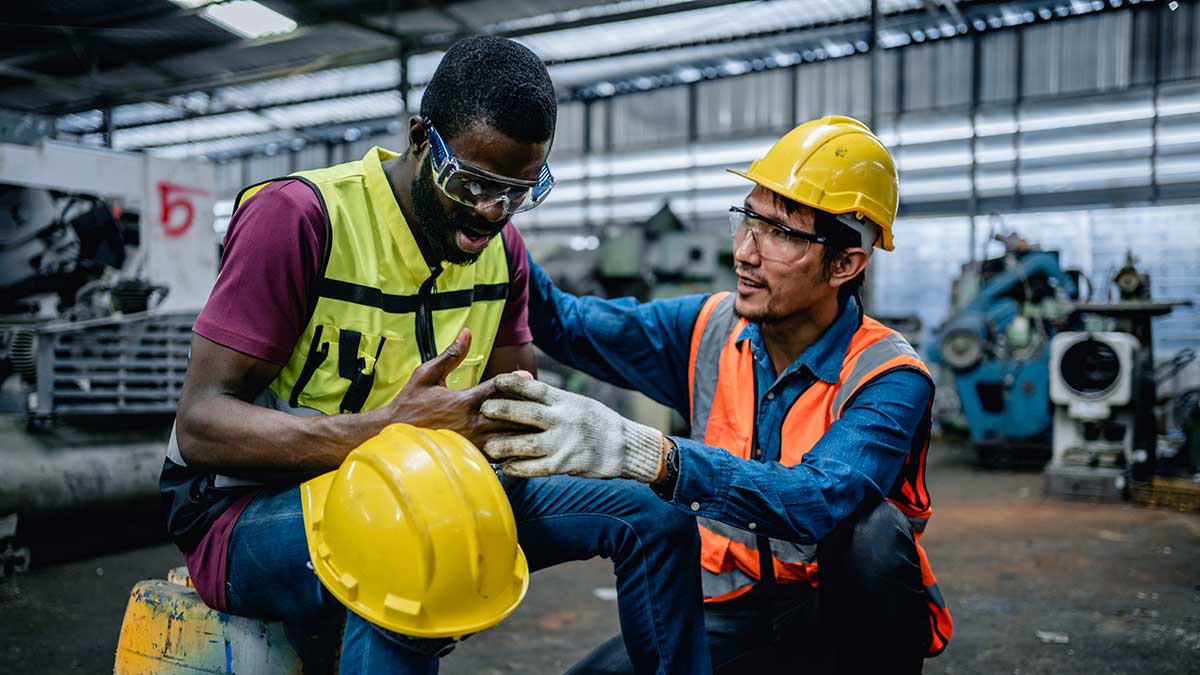
How You Can Help Keep Recycling Workers Safe

Recycling helps cut down on waste and lets valuable materials be used again. It reduces the need to mine or extract new resources and keeps materials out of landfills, which lowers the greenhouse gases that cause climate change. But recycling is more than just a process; it’s also a job. Learning how material recovery facilities work and what workers deal with every day can help you recycle smarter and keep these essential workers safe.

Recycling centers, known as material recovery facilities (MRFs), must be profitable, efficient, and safe to stay open and attract good workers. Protecting workers also helps keep costs down, since replacing someone who is injured or burned out is expensive. Representatives from two major waste companies, Rumpke and Waste Management, said that employee safety is their top priority at MRFs, followed closely by keeping the machines running.

Even with these efforts, nine workers died in U.S. material recovery facilities in 2023. The fatality rate for refuse and recycling collectors rose by more than 80% that year, according to the Bureau of Labor Statistics. This made waste and recycling collection the fourth most dangerous job in the country, after roofers, fishing and hunting workers, and logging workers. Many injuries and deaths are caused by items that should never have been put in a recycling bin.

What Protects Workers on the Floor

MRFs are noisy, dusty, and the work is physically tough. Temperatures inside can change a lot depending on the weather. To stay safe, all workers wear steel-toed boots and high-visibility vests or coats. Hard hats are required whenever workers move through the large sorting buildings.

Many workers wear puncture-resistant gloves, sometimes long enough to cover their forearms, because needlestick injuries happen often. A 2018 study by the Environmental Research & Education Foundation found that 45% of MRF injuries were caused by needlesticks, even though syringes and medical sharps are not allowed in curbside recycling. Make sure to learn how to safely dispose of medical sharps so they never end up in the recycling stream.

All employees get safety training when they are hired, and they receive updates whenever recycling rules change. Managers and supervisors get extra emergency response training, especially because battery fires are becoming more common.

Equipment operators and maintenance workers must be certified to use the machines. When equipment needs repairs, a strict lock out/tag out process makes sure machines cannot restart while someone is working on them.

The Biggest New Threat: Lithium-Ion Battery Fires

The most dangerous thing you can put in your recycling bin is not broken glass or rusty metal. It’s a lithium-ion battery. When these batteries are shaken, crushed, or punctured during collection and sorting, they can go into what the industry calls “thermal runaway,” which releases intense heat and can quickly set nearby paper and plastic on fire.

The National Waste and Recycling Association estimates that over 5,000 fires happen each year at recycling facilities, and many are linked to lithium-ion batteries. Publicly reported fires at MRFs and transfer stations rose by 20% in 2024 compared to the year before, reaching the highest level ever, according to fire detection firm Fire Rover. Fire data for 2025 shows a record 448 reported incidents across North America, and the real number is likely higher since many smaller fires are not reported.

A small fire at an MRF costs about $2,600 on average, but a major fire can destroy a whole facility and cause more than $50 million in damage. In 2021, a battery fire destroyed a transfer station in Klamath Falls, Oregon, causing over $3 million in damage and shutting down the facility for two years. This disrupted recycling collection across the region. The rate of major MRF fire losses has gone up by 41% in the last five years.

A growing problem is disposable vaping devices. These vapes have lithium-ion batteries and there are almost no safe drop-off options in the U.S. About 1.2 billion vapes end up in the waste and recycling stream each year, and throwing them in the trash or recycling bin makes the fire risk much worse.

Never put batteries in the recycling bin.

How Sorting Actually Works

When a truck brings curbside recycling to an MRF, it is dumped onto the tipping floor. Workers first remove anything that clearly does not belong. Over the years, they have found things like dead deer, bowling balls, and full-size vacuums. None of these should be in recycling.

After the first sort, heavy equipment operators and workers with large shovels load the materials onto conveyor belts that go into the automated sorting system. Workers stand along the belts to catch items the machines cannot handle. The machines use spinning screens to separate paper and cardboard, magnets to pull out steel, optical scanners and infrared sensors to identify different plastics, and air jets to separate lightweight materials. Glass falls out on its own because it is heavier.

Even though machines do more of the sorting now, people are still needed for quality control. Computers cannot catch everything. After materials are sorted by type, a baler presses them into large bales. Workers check these bales before they are stacked and shipped to manufacturers who use the materials.

Besides sorting, MRF jobs include machine technicians, maintenance workers, equipment operators, foremen, and housekeeping staff who keep walkways clear to prevent trips and reduce dangerous dust.

What You Do At Home Changes Everything

No two MRFs are exactly the same. They use different equipment and have different buyers for the materials they sort. This is why even nearby communities might not accept the same items for recycling. It can be confusing, but it is very important.

Anything that does not belong in the recycling stream takes extra time to remove and increases risks for workers. Plastic bags and plastic film get tangled around spinning machine parts and can stop the whole sorting line. Shredded paper clogs screens and causes costly shutdowns. When a machine jams, a worker has to climb inside to fix it, which takes time and is truly dangerous.

Here are the easiest ways you can help keep recycling workers safe:

  • Do not put batteries in your curbside recycling or trash. Take them to a retail collection site instead.
  • Keep plastic bags out of your recycling bin. Bring them back to grocery store drop-off locations.
  • Do not put something in the recycling bin just because you hope it is recyclable. If you are not sure, check Earth911’s recycling search or your local guidelines. When in doubt, leave it out.
  • Never put medical sharps in the recycling bin. Use a sharps disposal program or a drop-off location instead.

Knowing what belongs in your recycling bin is not just good for the environment. It is also how you help protect the workers who do one of the hardest and most dangerous jobs in the sustainability field.

Editor’s Notes: Originally published March 29, 2022. Updated February 2023. Updated March 2026.

The post How You Can Help Keep Recycling Workers Safe appeared first on Earth911.

  •  
❌