Two projects by Megadeth — Youthanasia and Countdown to Extinction — debut on Billboard's Vinyl Albums chart together, upping the band's total count to eight hits.
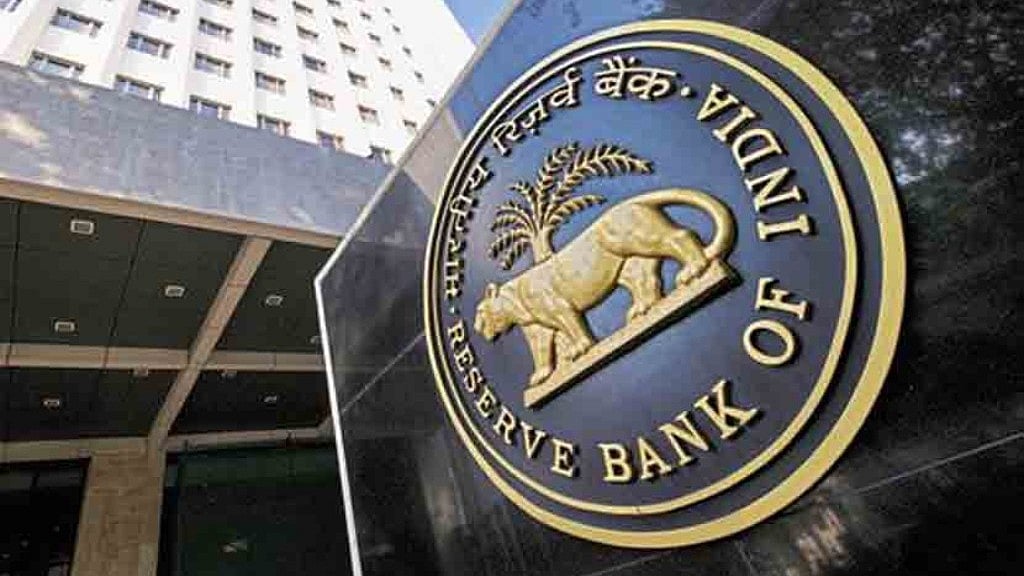
The Reserve Bank of India's (RBI) three-day Monetary Policy Committee (MPC) meeting commenced on Wednesday, with financial markets widely expecting the central bank to keep interest rates unchanged despite mounting concerns over inflationary pressures arising from higher crude oil prices and geopolitical tensions.
The six-member committee will deliberate on inflation trends, economic growth prospects and liquidity conditions before governor Sanjay Malhotra announces the policy decision on 5 June.
The meeting comes at a time when policymakers are navigating a challenging external environment marked by elevated energy prices, volatility in global markets and uncertainty stemming from developments in West Asia. While these factors have raised concerns about inflation, economists and market participants largely believe the RBI will refrain from tightening monetary policy for now.
At its previous policy review in April 2026, the central bank maintained the repo rate at 5.25 per cent and retained its neutral policy stance. Since then, rising crude oil prices, pressure on the rupee and geopolitical developments have prompted fresh debate over the future direction of monetary policy.
According to Shishir Baijal, International Partner, chairman and managing director of Knight Frank India, the central bank is expected to prioritise growth support while remaining vigilant about inflation.
He noted that much of the current inflationary pressure is being driven by supply-side factors, including elevated crude prices, geopolitical disruptions and climate-related uncertainties, areas where monetary policy has limited influence.
In such circumstances, a rate hike could weigh on economic growth without significantly easing inflationary pressures, he said.
A similar view was expressed by Gaurav Garg, Research Analyst at Lemonn Markets Desk, who expects the RBI to maintain the status quo and continue monitoring evolving risks.
According to Garg, recent increases in fuel prices, weakness in the rupee and global uncertainties have contributed to inflation concerns, but the pressures remain largely supply-driven. As a result, the central bank is likely to adopt a cautious approach rather than respond with immediate policy tightening.
For borrowers, a decision to leave the repo rate unchanged would mean continued stability in lending rates and equated monthly instalments (EMIs) on home loans, personal loans and other forms of credit. Businesses would also benefit from predictable borrowing costs at a time when investment sentiment remains sensitive to global developments.
Investors, meanwhile, are expected to focus less on the rate decision itself and more on the central bank's assessment of inflation, liquidity conditions, currency movements and external risks. Any signals regarding the future policy path could influence expectations across equity, bond and currency markets.
Market participants will therefore closely scrutinise Governor Malhotra's commentary on Friday for clues about how the RBI intends to balance inflation management with growth support in the months ahead.
The outcome of the MPC meeting is expected to provide a clearer indication of the central bank's assessment of economic conditions and the risks shaping India's monetary policy outlook for the remainder of the year.
As of 2026, Brazil is home to one of the largest pet populations in the world, trailing only behind China and the U.S. with over 168 million registered pets.
The country represents the largest and most mature pet care market in Latin America, reflecting a broad shift in how households view animals: increasingly humanized and essential to family life.
More widely, Brazilian culture has recently come under international spotlight for its hard stance in favor of animal rights and welfare. In February 2026, thousands marched across the country demanding justice for “Orelha” (Ear), a “community dog” who was killed by three teenagers in the southeastern city of Florianopolis.
The impact extended beyond civil society. On Thursday, March 12, Minister of Institutional Relations Gleisi Hoffmann announced the “Orelha Dog” decree, which toughens penalties for animal abuse – named as a tribute to the late Florianopolis pet.
This intensification of pet-human bonds has become increasingly evident since the COVID-19 pandemic, as adoption rates have risen significantly – driving higher demand for food, veterinary services, and a wider range of pet wellness products that adapt to living standards in Brazil.
A booming pet economy
The pet food industry in Brazil is expected to grow at an estimated annual rate of 7.5% through 2026, and the current market value is estimated to reach $14 billion USD by the end of the year, incentivizing startups and innovation in the region.
E-commerce is also becoming a leading market in Brazil, with over 40.6% of online revenue coming from virtual pet shops, and attracting foreign investment via imports, as well as accelerator opportunities now arriving to the wider region.
The U.S. Department of Agriculture, in fact, reports that Latin America is the third-largest market for U.S. dog and cat food exports, importing $162 million in 2024 – which represented an 11% increase from 2023. Growth is expected to continue as major companies expand production in the region.
On the innovation front, Brazil also has 140 PetTech startups, driven by high pet ownership rates, urbanization, and foreign investment in major hubs such as São Paulo.
Key players focus on health management, e-commerce, and services, including Petz, DogHero, Zee. Now,PetCamApp and S2 Pets. Several of these firms are leveraging AI for pet IDs, health tracking, and logistics, responding to the wider demand for platforms that uphold the wellbeing of loved furry companions.
Growth opportunities for Brazilian entrepreneurs
As Brazil’s petcare economy continues to grow, global investors and innovation platforms are increasingly seeking opportunities in the region to incentivize growth for the next generation of pet-care startups.
Among them, Leap Venture Studio, a pet care startup accelerator, is currently accepting applications for the tenth cohort of its flagship program. The accelerator supports early-stage startups through a 12-week hybrid program (2 weeks in person, 10 online), providing mentorship, marketing support, and $200,000 in funding.
The accelerator began in 2018 through a partnership between Mars, the company behind pet-care brands such as Royal Canin, Whiskas, and Pedigree, and Michelson Found Animals, an animal welfare organization. Since then, the program has invested in a portfolio of 57 companies across nine Cohorts that span 17 markets, extending the accelerator experience to various business models.
For the upcoming season, Leap has announced a new partnership with TAW Ventures, an investment firm founded by Jane Lauder focused on pet health, wellness and longevity. Leap’s announcement of this partnership describes TAW’s presence as offering Cohort 10 companies even greater strategic guidance as they prepare for commercialization, market entry, and sustainable growth.
By offering early-stage founders funding, mentorship, and access to a global industry network, Leap Venture Studio seeks to bring new technologies and services to a rapidly evolving pet-care market while encouraging more entrepreneurs from Latin America to join its portfolio.
Startups in Latin America that have already worked with the accelerator program include OliverPets in Argentina, CuidaMiMascota in Mexico, and Tobipets in Costa Rica.
What ultimately matters for growth
Modern technologies are increasingly reshaping the pet-care sector, as startups focus on services that pet owners can easily access through apps and digital platforms.
Across Latin America, growing startup ecosystems in innovation hubs such as São Paulo are helping entrepreneurs develop solutions that can scale across the region.
Rising foreign investment from major industry players is also accelerating the expansion of Brazil’s pet economy, creating new opportunities for founders to address emerging consumer needs. These include technologies and services focused on pet longevity, senior pet care, wellness monitoring, and more accessible veterinary solutions.
As pets are increasingly recognized as family members, their longer lifespans are reshaping the industry’s priorities. An aging pet population, combined with the broader humanization trend, is driving demand for preventative health tools, specialized nutrition, and digital services that help owners manage their animals’ well-being throughout their lives.
Brazil, as both a regional and global example of pet prioritization, is set to become an innovative PetTech benchmark.
Leap Venture Studios is seeking Latin American founders in the PetTech industry for their Cohort 10 program, with applications closing on March 29, 2026. Apply here
Tax cuts for seniors, a lower predicted birth rate and fewer immigrants working in the U.S. have all pushed up a predicted depletion date for an important Social Security retirement fund.
Rebecca Hessel Cohen on LoveShackFancy’s Chelsea (UK) opening, global expansion, strategic partnerships and how the brand is scaling while preserving its magic.
Indian equity markets opened lower on Friday, with benchmark indices slipping nearly 0.7 per cent in early trade as renewed tensions between the United States and Iran weighed on investor sentiment and triggered a rise in crude oil prices.
The BSE Sensex dropped more than 500 points during the morning session to touch an intraday low of 77,291.72, down 0.71 per cent. The NSE Nifty50 also declined by 168 points, or 0.69 per cent, to 24,158.15.
Banking, automobile and oil-linked shares were among the biggest drags on the market. Sectoral indices including Nifty Private Bank, Nifty PSU Bank, Nifty Auto and Nifty Oil & Gas recorded the sharpest losses.
Major laggards on the Nifty included HDFC Bank, Axis Bank, ICICI Bank, Mahindra & Mahindra, Tata Motors, Maruti Suzuki, Eicher Motors and Shriram Finance.
However, defensive sectors such as information technology, pharmaceuticals and healthcare bucked the broader trend, with Nifty IT, Nifty Pharma and Nifty Healthcare trading in positive territory.
One analyst described the situation as an “escalation-de-escalation cycle” that was keeping investors cautious, particularly amid fluctuating crude oil prices.
The analyst also pointed to diverging trends across global markets, noting that while some economies remained resilient, others were under pressure from geopolitical uncertainty. In India, broader market indices continued to outperform despite concerns over high valuations, with the Nifty Midcap index hovering near record highs.
Investor concerns intensified after Iran accused the United States of breaching a month-long ceasefire agreement. Washington, however, said its recent military action was retaliatory and followed attacks by Iranian forces on US naval vessels passing through the Strait on Thursday.
Iranian military officials claimed US strikes had targeted oil tankers and civilian areas near the strait and within mainland territory.
Meanwhile, US President Donald Trump said the ceasefire remained intact and indicated that Washington was awaiting Tehran’s response to a new peace proposal.
Oil prices rose sharply amid fears of further disruption in the region. Brent crude climbed 2.82 per cent to $102.89 per barrel, while US West Texas Intermediate crude advanced 4 per cent to $98.64 per barrel.
Asian markets also came under pressure, with Japan’s Nikkei, Hong Kong’s Hang Seng and South Korea’s KOSPI each declining by up to 1 per cent. Overnight, US markets ended lower, with the S&P 500 falling 0.38 per cent and the Nasdaq slipping 0.13 per cent.
Indonesia has enjoyed a boom in the production of nickel, which is used to make stainless steel and batteries, but it has also come at a high environmental cost
Britain’s small and medium-sized businesses have been put on notice. From 19 June 2026, exactly one month from today, every organisation that handles personal data will, by law, be required to operate a formal complaints process. Those that fail to prepare risk regulatory action, reputational damage and the slow drip of customer trust eroding away.
The new obligations flow from section 103 of the Data (Use and Access) Act 2025, the most significant reshaping of the UK’s data protection landscape since the post-Brexit settlement. And in a clear signal that the Information Commissioner’s Office is anxious to avoid a repeat of the GDPR scramble of 2018, deputy commissioner Emily Keaney has used the four-week countdown to issue a direct appeal to the smaller end of the market.
“There is still plenty of time to act, and the ICO is here to support you,” Ms Keaney said. “We know that smaller organisations are less likely to have formal complaints processes in place, and that is exactly why we have designed this guidance with you in mind.”
What the new law actually requires
For SME owners and finance directors who have not yet digested the detail, the statutory obligations are mercifully short. Under the new regime, every organisation must give individuals a clear and accessible route to raise a data protection complaint, whether by email, online form, telephone or post. Receipt of a complaint must be acknowledged within 30 days. Businesses must then, “without undue delay”, take appropriate steps to investigate, keep the complainant informed of progress, and communicate the outcome.
Crucially, there are no carve-outs. The rules apply to the corner shop with a customer mailing list just as much as to the FTSE 250 financial services firm. Privacy notices will also need updating to make clear that customers have a right to complain directly to the organisation before escalating to the regulator.
Why this matters more than it might look
On paper, the changes appear modest, a tweak to administrative housekeeping rather than the seismic shock that GDPR delivered seven years ago. But seasoned compliance professionals warn that complacency would be a mistake.
For the first time, individuals will have a statutory right to complain directly to the organisation handling their data, and to expect a structured response within a defined timeframe. That changes the calculus on everything from subject access requests to the handling of data breaches. The ICO has indicated that sectors generating the highest volume of complaints, healthcare, financial services, technology and retail, should expect particular scrutiny.
There is also a commercial logic at work. Resolving a grievance quickly and fairly tends to prevent it from metastasising into something more serious, whether a formal regulatory referral or a customer departure. As any SME operator who has watched a one-star Trustpilot review go viral can attest, the cost of getting the response wrong can dwarf the cost of getting the process right. The wider context is one of rising data risk, with the ICO already pressing the technology sector to embed privacy by design into AI products, a sign of how high the regulatory bar is climbing.
“A data protection complaint can come from any customer at any time,” Ms Keaney noted. “Having a clear process means you can respond quickly, resolve issues fairly and protect the trust your customers place in you. We are not here to catch businesses out, we are here to help you get ready.”
That conciliatory framing should not, however, be mistaken for indefinite patience. Once the 19 June commencement date passes, the ICO will have the power to take enforcement action against organisations that fail to operate a compliant process, and the line between supportive regulator and active enforcer can move quickly.
A four-week action list
For business owners still unsure where to begin, the practical steps are reasonably straightforward. Decide who inside the business will own the complaints process and ensure they have the authority to investigate and respond. Build a simple, visible route for customers to raise complaints — usually a dedicated email address or web form, signposted in the privacy notice. Document the workflow, including how the 30-day acknowledgement deadline will be met. Train any customer-facing staff on what to do if a complaint lands in their inbox.
Owners who already operate under data protection frameworks will recognise much of this from existing good practice. For a refresher on the broader compliance landscape, our complete guide to GDPR compliance in the UK sets out the foundations, while our explainer on the difference between data controllers and processors is worth bookmarking for any business that shares customer data with third parties.
The bottom line
For Britain’s 5.5 million SMEs, the message from regulators is clear: 19 June is not a target, it is a deadline. The four weeks ahead are not an invitation to delay, but a window to prepare. Done well, the new complaints process is a modest piece of administrative plumbing that can quietly strengthen customer relationships. Done badly, or not at all, it is a regulatory exposure that few small businesses can afford to carry.
The ICO has, unusually, all but rolled out a welcome mat. The smart move for SME owners is to walk through the door before someone else knocks.

 Login
Login