❌

Reading view

Hong Kong gov’t mulls 10,000 ride-hailing permits under new framework, report says

The Uber app. File photo: Kyle Lam/HKFP.

Hong Kong authorities are considering issuing 10,000 ride-hailing permits under a new regulatory framework for on-demand transport services, according to local media.

Uber
The Uber app. File photo: Kyle Lam/HKFP.

The Hong Kong Economic Journal (HKEJ) reported on Monday, citing unnamed sources, that the government viewed a cap of 10,000 as a β€œreasonable starting point,” as the figure would not excessively affect taxi drivers’ income or exceed road capacity.

Authorities believe that Uber’s suggestion of 30,000 permits is too ambitious, while the taxi trade’s proposal of 3,600 would fail to meet public travel demands, the report said.

In a submission to the Legislative Council (LegCo) Panel on Transport on Monday, the government did not specify a final number of permits but noted public opinion favoured a range of 10,000 to 15,000 permits.

A government consultancy report conducted between November 2024 and January 2025 estimated that ride-hailing services facilitate about 114,000 trips in Hong Kong on an average day.

Meanwhile, the number of active ride-hailing drivers was believed to be fewer than 30,000, as many work part-time, the government said.

The government said public opinion remained divided. According to its submission document, some advocate a higher cap because ride-hailing vehicles far outnumber traditional taxis in some major cities around the world.

However, others believe that Hong Kong’s situation is β€œunique” and that the number of permits should not exceed the city’s current taxi fleet of about 18,000.

taxi transport
Taxis in Wan Chai. Photo: Kyle Lam/HKFP.

In a submission on Tuesday, Uber said it had more than 30,000 active ride-hailing drivers on its platform over the past year, arguing that the proposed 10,000 or 15,000 caps would not meet demands.

Uber estimated that, if the number of permits were capped at 15,000, four in 10 ride requests could go unfulfilled during rush hours, while waiting times might double, and fares could increase by 70 per cent.

The ride-hailing platform urged the government to issue enough permits to ensure a β€œflexible” service and to protect existing drivers’ livelihoods.

Authorities are expected to introduce the final cap by the end of June and begin enforcing the regulatory framework in the fourth quarter of this year.

In October, LegCo passed a bill to introduce a licensing regime as part of a regulatory framework for ride-hailing services in Hong Kong.

Under the framework, ride-hailing platform operators will be required to obtain a licence, while drivers will also need to acquire a permit for themselves and their vehicles to provide ride-hailing services.


  •  

Milei pushes through a labor reform that Argentina resisted under previous right‑wing governments

Argentine President Javier Milei promised to dismantle the pillars of the Argentina he inherited from Peronism β€” the populist movement founded by former president Juan PerΓ³n β€” and rebuild a new country from the ground up. One of these pillars, which withstood the onslaught of previous right-wing governments, is labor legislation, whose foundations date back to 1974. This week, the Senate is poised to pass a labor reform that modifies 200 articles of the Employment Contract Law, rendering it unrecognizable. Unlike the attempts made by former presidents Carlos Menem, Fernando de la RΓΊa, and Mauricio Macri, Milei faces weakened and discredited unions. Also working in his favor is a labor market that has already fragmented and shifted because of technological change and more than a decade of economic stagnation.

Seguir leyendo

Β© Alessia Maccioni (REUTERS)

Protest against labor reform, outside the Argentine Congress, in Buenos Aires, on February 19.
  •  

WeRide to Accelerate European Expansion

Tony Han, Founder & CEO of WeRide, says the company is planning to launch in more European cities after starting joint programs with Uber in Madrid and Zurich. He adds that he is optimistic that China will resume issuing new autonomous driving permits. He speaks exclusively on β€œBloomberg: The China Show.” (Source: Bloomberg)

  •  

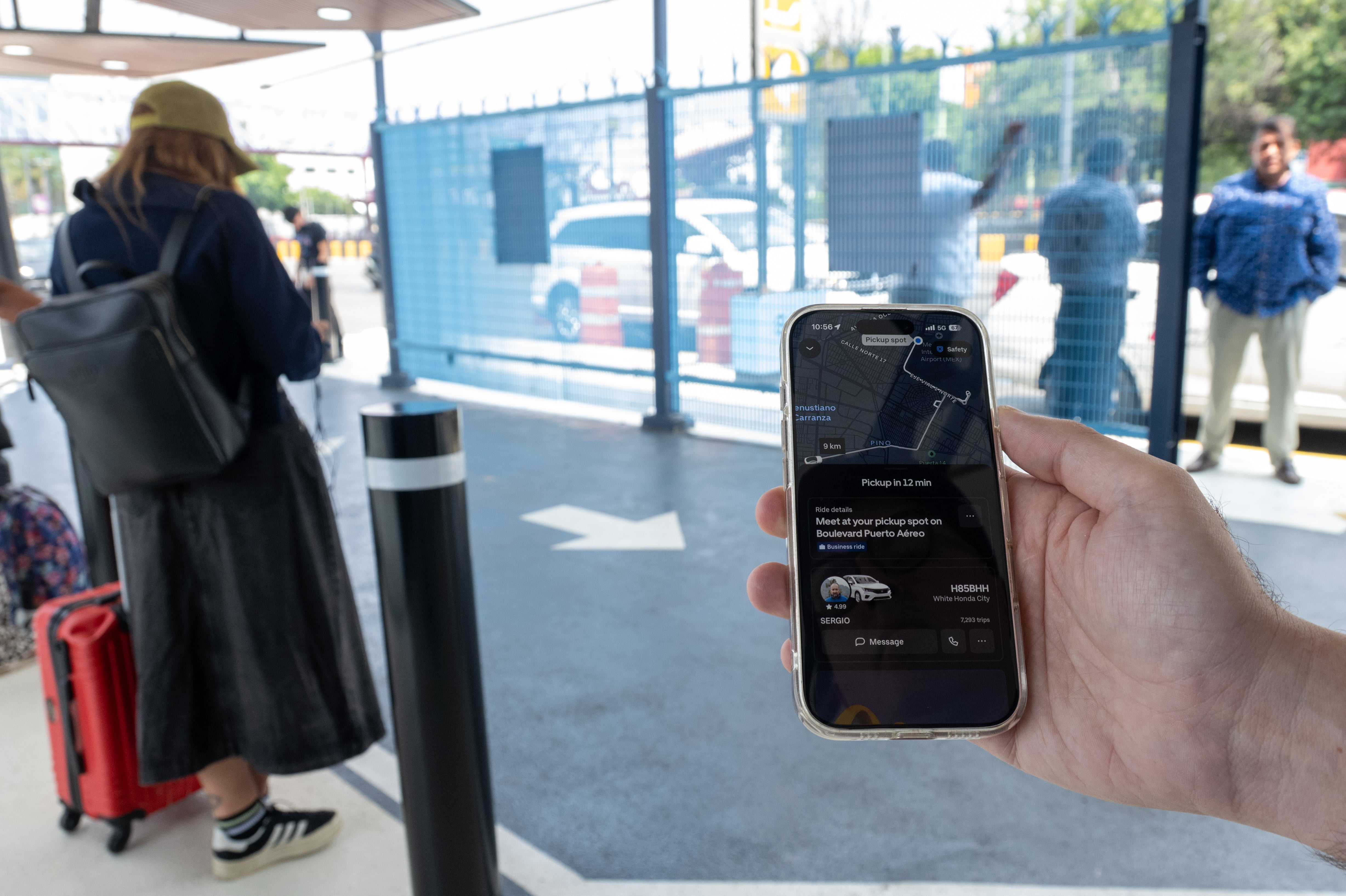
An army of lawyers is fighting so you can order an Uber at Mexico City’s airport

An Uber user waits at Mexico City International Airport on Tuesday.

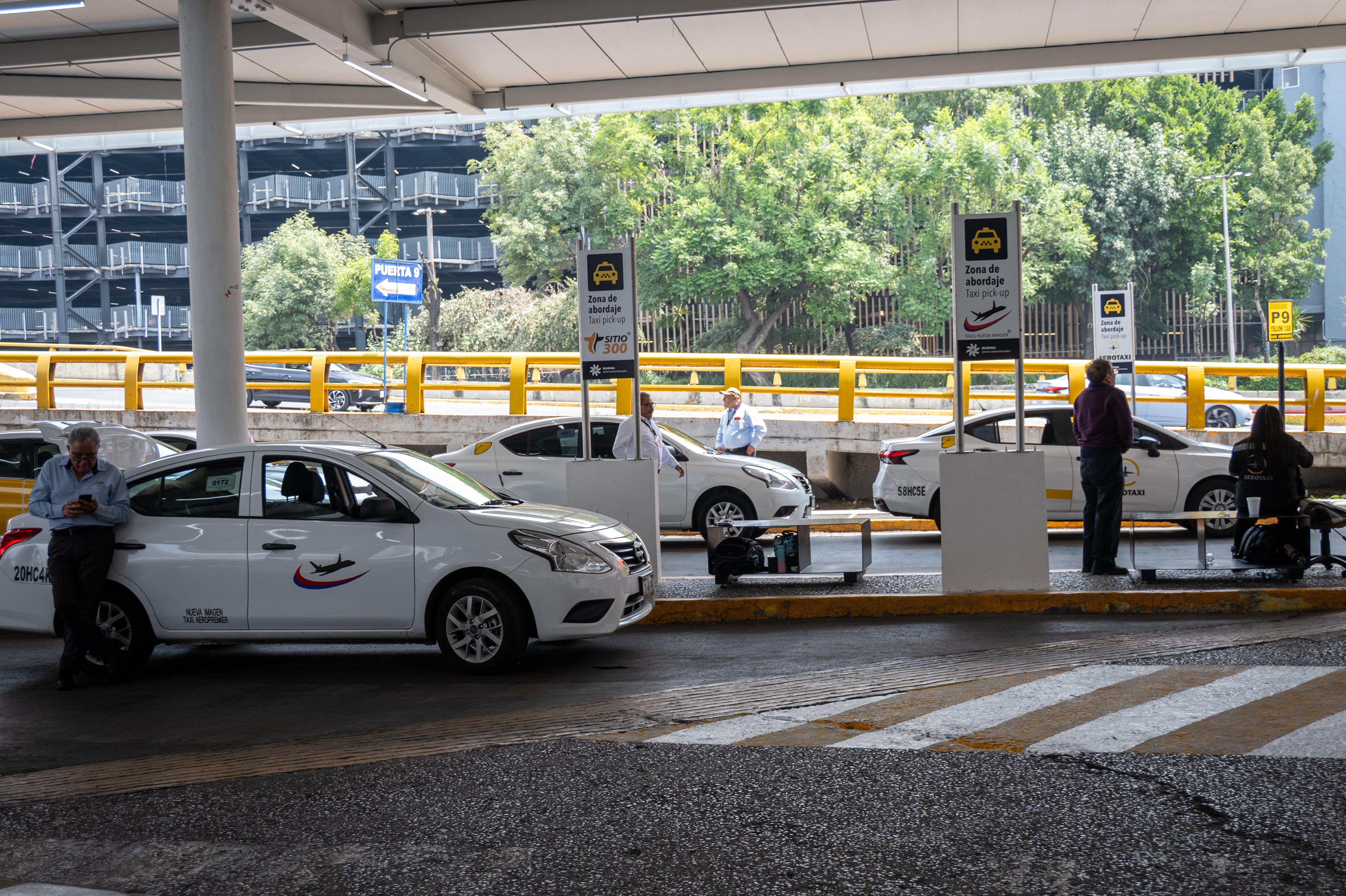
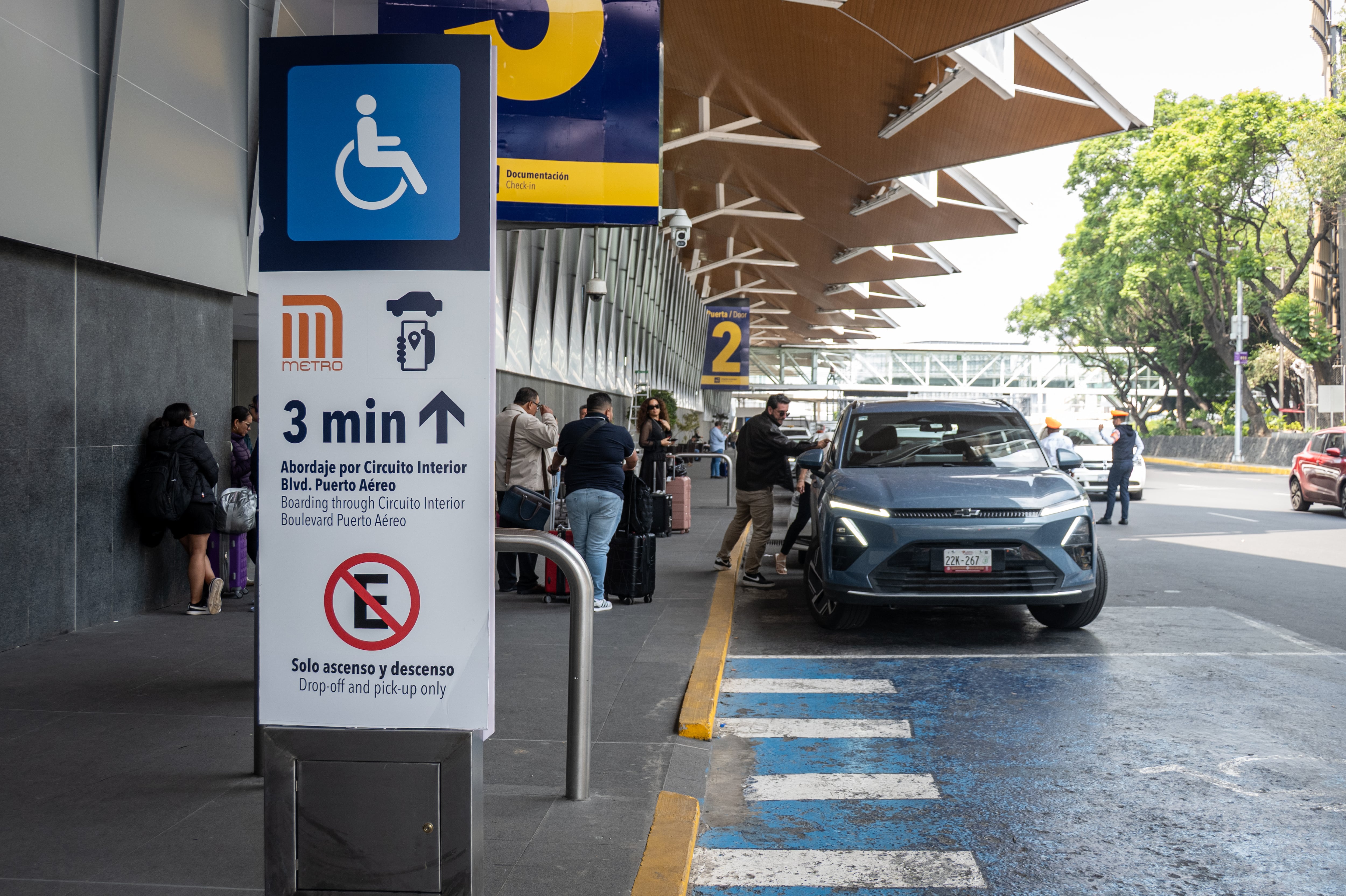
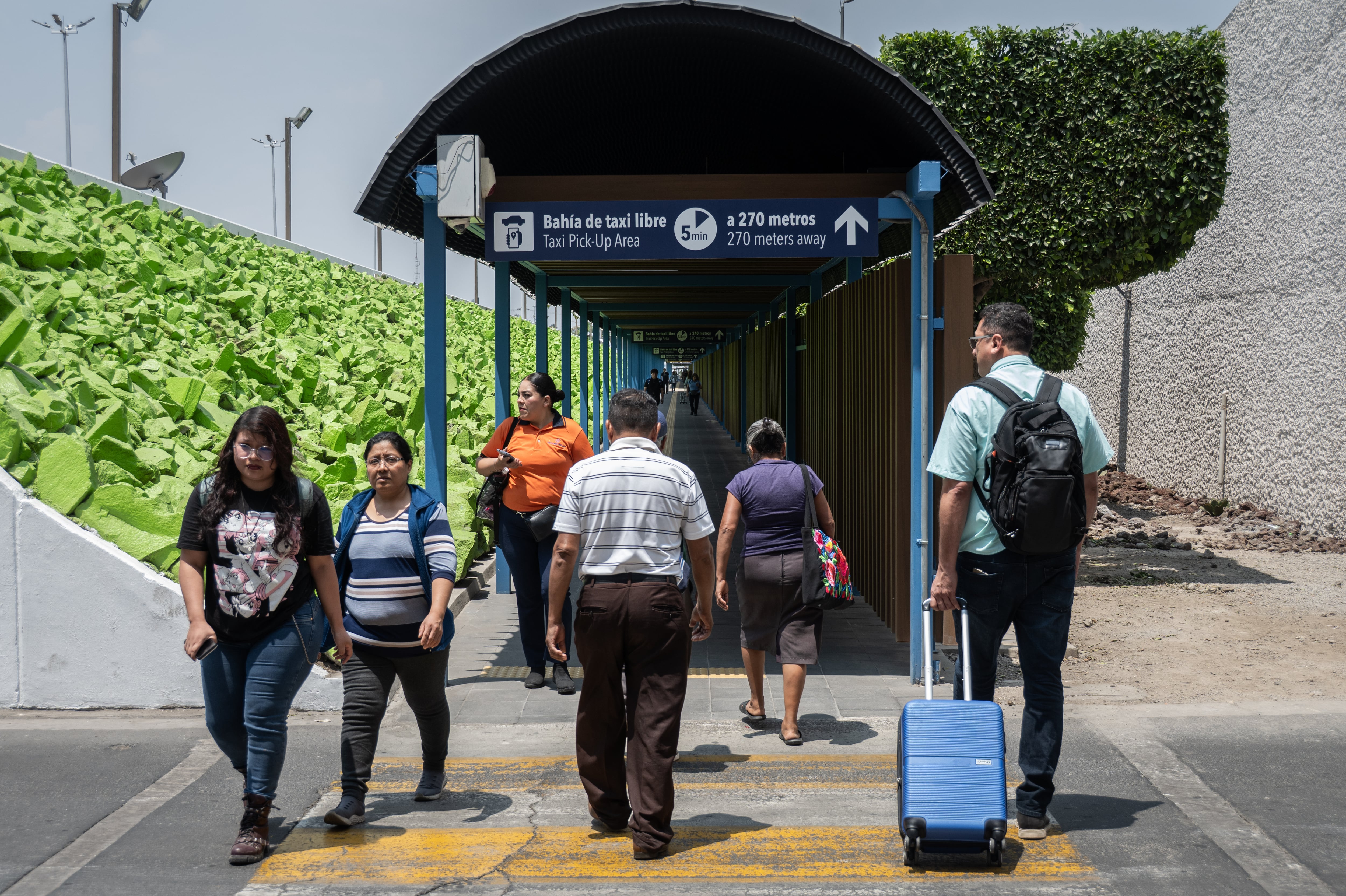
Everything a traveler encounters upon leaving Mexico City International Airport (AICM) illustrates the problems facing the country’s largest terminal. The first thing you see after stepping outside is long lines, cars being towed away, and National Guard officers handing out fines. The standoff between licensed taxi drivers and ride‑hailing apps over control of the airport has been simmering for months, becoming a strange daily routine of enforcement operations and drivers losing their cars at both terminals of the airport. But with only eight days before the World Cup begins in the capital β€” bringing millions of visitorsβ€” the conflict is intensifying.

Seguir leyendo

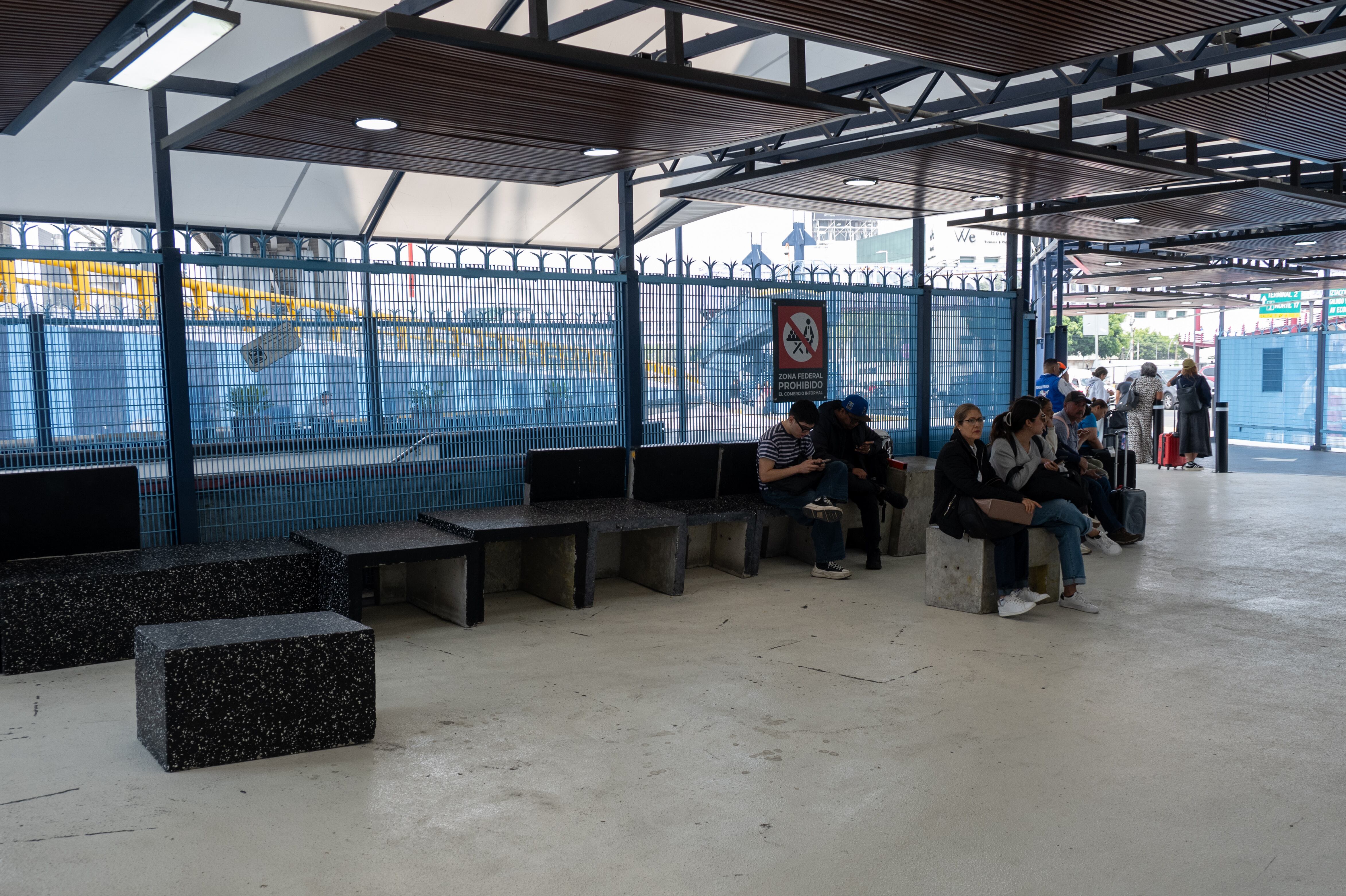
Taxi bay for app services at Terminal 1 of the AICM, installed outside the airport.

Β© REBECA HERRERA

Airport taxi company, with its own parking area.

Β© REBECA HERRERA

Signage for the ride-hailing stand at Terminal 1 of the AICM.

Β© REBECA HERRERA

Passersby head to the taxi pick-up area at Terminal 2 of the AICM on Tuesday.

Β© REBECA HERRERA

The new ride‑hailing bay at Terminal 1 is almost empty.
  •  
❌