Reading view

PM Anwar directs all government digital services to be developed in-house, says Fahmi

Malay Mail

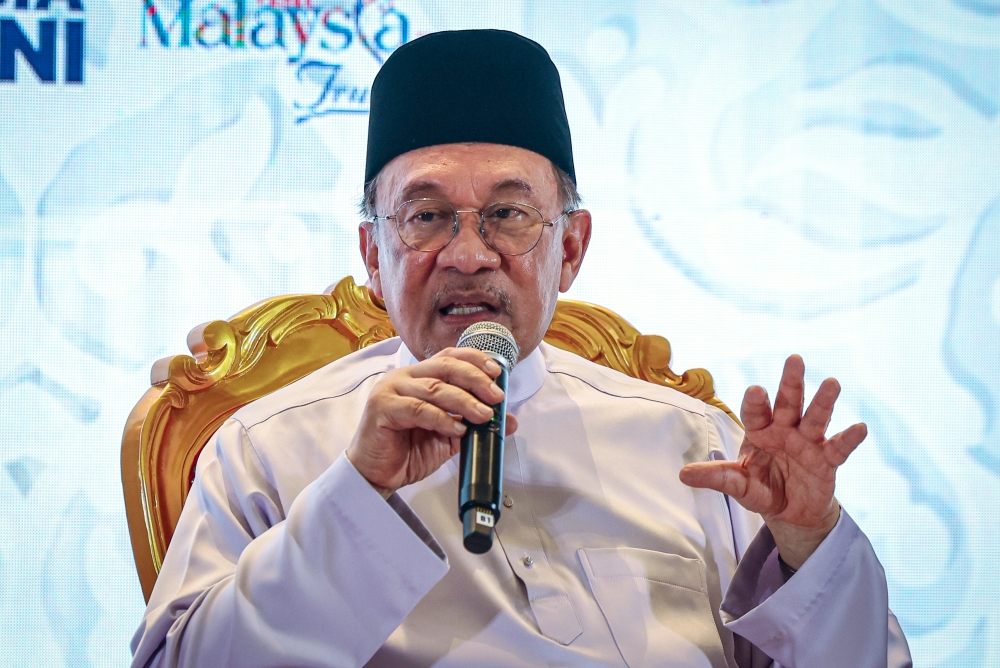
PUTRAJAYA, June 5 — Prime Minister Datuk Seri Anwar Ibrahim has directed that all aspects of government digital service development be carried out internally to safeguard data security and sovereignty.

Madani Government spokesman Datuk Fahmi Fadzil, who is also communications minister, said the prime minister conveyed the directive during the Cabinet meeting today.

Fahmi said the internal development of digital services would be coordinated by the Ministry of Digital through the National Digital Department.

“This takes into account data security and sovereignty aspects, direct access to source code, as well as talent development, particularly among civil servants,” he told a post-Cabinet meeting press conference here today.

In another development, Fahmi said the prime minister had instructed that firm action be taken against any party found abusing licences, visas or business facilities in the country.

“We leave it to the relevant authorities to take action in accordance with the law, and we remind all business operators to always comply with regulations and laws, especially those holding licences to conduct business or undertake commercial activities,” he said. — Bernama

  •  

Govt makes recycling facilities compulsory at shopping malls to boost waste management

Malay Mail


PUTRAJAYA, June 6 — The government has made the provision of Recycling Facilities (FPS) at shopping malls mandatory for the application and renewal of business premises licences under local authorities (PBT), to be implemented in phases starting this month.

The Ministry of Housing and Local Government (KPKT) in a statement today said the matter was agreed upon during the Cabinet meeting yesterday.

“The implementation of this initiative will begin with an engagement phase and awareness programmes to encourage voluntary participation by shopping mall operators, followed by a pilot project in selected PBTs to assess the effectiveness of the implementation mechanism.

“Subsequently, enforcement will be carried out in stages before being expanded to mandatory compliance involving all shopping malls nationwide,” the statement said.

KPKT said the decision to mandate FPS is a strategic move by the government to strengthen national solid waste management, facilitate public access to recycling facilities, and accelerate the transition to a more sustainable circular economy.

“The proposal will also be brought to the National Council for Local Government (MNKT) to ensure comprehensive coordination and implementation at the state government and PBT levels.

“This step is significant considering Malaysia generates over 39,000 tonnes of solid waste daily.

“Therefore, a more comprehensive approach is required to increase the national recycling rate, support the implementation of Extended Producer Responsibility (EPR), and reduce reliance on landfills,” the ministry said.

Meanwhile, Housing and Local Government Minister Nga Kor Ming, in the same statement, said the initiative reflects the Madani government’s commitment to strengthening the recycling culture among the public and preserving environmental sustainability.

“Shopping malls are among the most visited locations by the public.

“By establishing recycling facilities in these strategic locations, the public will have easier access to separate and drop off recyclable materials responsibly,” Nga said.

He said this measure would not only help boost the national recycling rate and reduce waste sent to landfills but also represent a long-term investment in shaping a more environmentally conscious society and supporting sustainable economic development.

The KPKT added that the implementation of this initiative is expected to benefit the community, shopping mall operators, and PBTs through the provision of more accessible facilities, increased collection rates for recyclable materials, and the strengthening of data management for recycling activities in a more systematic manner.

In addition to supporting the National Recycling Rate target, the creation of FPS will help reinforce urban solid waste management and improve urban sustainability scores under the Malaysian Urban Indicators Network (MURNInets) system.

The public will also have the opportunity to generate economic value through trash-to-cash programmes by sending recyclable materials to the facilities provided.

To ensure effective implementation, KPKT will work closely with state governments, PBTs, shopping mall operators, and relevant ministries and agencies to provide clear, uniform guidelines for nationwide execution of the initiative.

KPKT calls on all parties, including state governments, PBTs, shopping mall operators, the private sector, and the community, to work together to ensure the success of this initiative to shape a cleaner, greener, and more sustainable Malaysia, in line with the aspirations of Malaysia Madani and the nation’s sustainable development agenda.  — Bernama


  •  

Federal Court awards RM20,000 each to seven Orang Asli villagers over desecrated ancestral graves

Malay Mail

PUTRAJAYA, June 16 — The Federal Court today ruled in favour of seven Orang Asli villagers by ordering that each receive RM20,000 in general damages following the destruction of their ancestral graves.

A three-member bench comprising Justices Datuk Nordin Hassan, Datuk Seri Vazeer Alam Mydin Meera and Datuk Lee Swee Seng unanimously allowed the villagers’ appeal and reinstated the earlier decision of the Kuantan High Court.

The ruling overturned the Court of Appeal’s October 2024 decision, which had favoured Agrobest (M) Sdn Bhd, a company involved in the prawn farming industry, and two of its employees.

Agrobest is a wholly-owned subsidiary of ABSF International Group (M) Sdn Bhd and had entered into a 30-year lease agreement with the Pahang State Secretariat Corporation to develop sea prawn pond farming on the land concerned.

Delivering the unanimous judgment, Justice Lee said the High Court was “perfectly positioned” to assess the evidence and determine that the villagers had successfully established their connection to the grave sites and tombstones.

He said the destruction and desecration of the ancestral graves constituted an infringement of the villagers’ native proprietary rights, making them entitled to compensation as correctly determined by the High Court.

Justice Lee added that the High Court had properly evaluated oral testimony and rightly concluded that the villagers had proven their family connection to the burial sites that were desecrated.

He further said that Orang Asli communities retain the right to use and enjoy their ancestral lands unless those rights have been lawfully extinguished through compensation under the Land Acquisition Act 1960.

According to the court, the villagers had previously been directed by the Orang Asli Development Department (JKOA) to vacate and relocate from the area to make way for a large-scale prawn farming development without receiving compensation.

Despite relocating, the villagers continued returning annually to perform customary rituals at their ancestors’ graves.

The seven villagers, comprising Rosli Jedut, Atan Baro, Melah Hamid, Awang Bako, Esah Wir, Kasim Awang, and Majib Kasim, filed the lawsuit in 2019, alleging trespass and the destruction of graves at a burial site in Kampung Orang Asli Batu 20, Mukim Bebar, in Pahang’s Pekan district.

On July 11, 2023, the Kuantan High Court ruled that the villagers had successfully proven their claim against Agrobest and awarded each of them RM20,000 in general damages for the loss suffered as a result of the damage caused to the burial site.

The High Court also found that a backhoe contractor engaged by the company during excavation works had acted in a manner that failed to respect Orang Asli customs and traditions.

However, on October 22, 2024, the Court of Appeal overturned the ruling, holding that the villagers lacked legal standing to bring the action after finding insufficient proof that they were descendants of those buried at the site.

In June last year, the Federal Court granted leave for the villagers to appeal the appellate court’s decision. The appeal was heard over two days on January 26 and June 8 this year.

At today’s proceedings, the villagers were represented by lawyers Steven Thiruneelakandan, Yogeswaran Subramaniam, Hon Kai Ping and Ananthan Nithya Moorthi, while Agrobest and its employees were represented by counsel Henry Ngok Heng Hui, Vernise Ng Si Hui and Wong Yung Hang. — Bernama 

  •  

MACC records 1,095 charges, 563 convictions since 2024; new chief pushes tech-driven crackdown, warns: ‘No more old methods’

Malay Mail

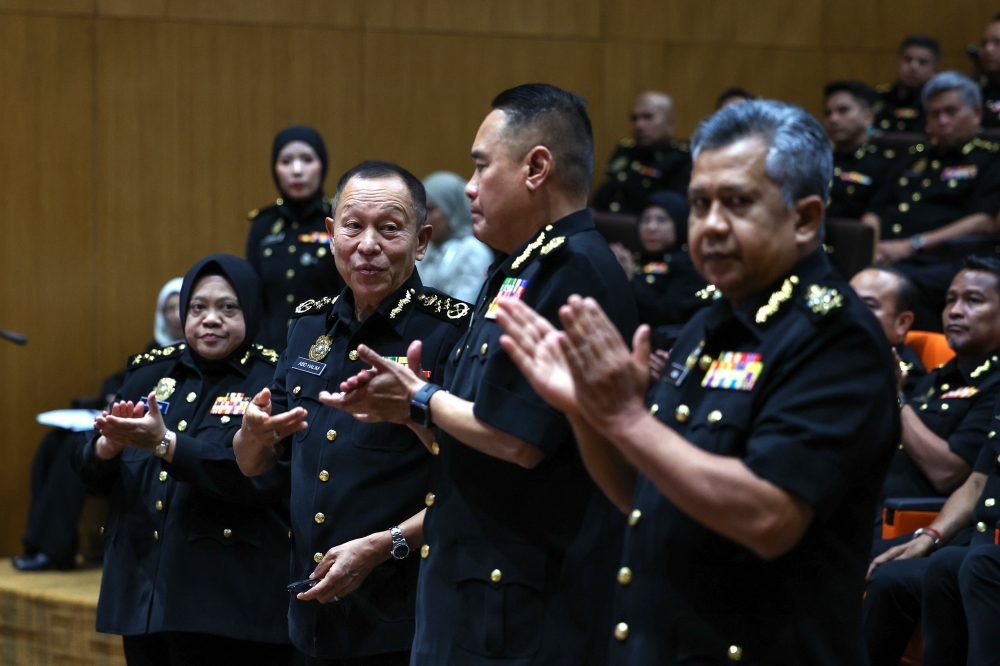
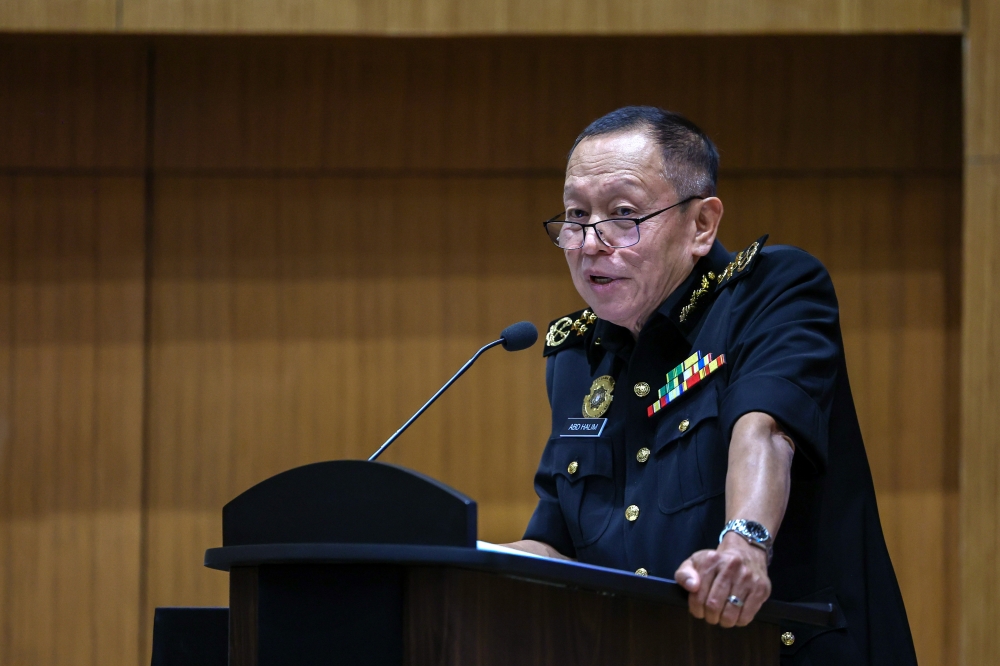
PUTRAJAYA, June 8 — The Malaysian Anti-Corruption Commission (MACC) has recorded 1,095 charges and secured 563 convictions from 2,633 investigation papers opened since 2024, said Chief Commissioner Datuk Seri Abd Halim Aman.

He said 583 of the investigation papers involved high-profile and public interest cases, reflecting the commission’s commitment to taking action regardless of rank or position.

Abd Halim said the MACC’s focus goes beyond prosecuting offenders, with equal emphasis placed on dismantling corruption networks through aggressive asset recovery measures.

“Based on records from the Legal and Prosecution Division up to April 2026, a total of 115 asset forfeiture applications were filed in court, compared with 179 applications for the whole of last year.

“During the period, the MACC seized assets worth RM16.49 million, froze assets amounting to RM425,464.60 and secured forfeitures totalling RM3.42 million. Compounds amounting to RM10.47 million were also collected,” he said in his inaugural address at the MACC Monthly Assembly here today.

Abd Halim stressed that he would not allow the people’s rights to be eroded by those driven by greed.

He said the MACC is also strengthening the capabilities of its officers to tackle increasingly complex financial crimes involving advanced technology, cross-border transactions and cryptocurrencies.

“We can no longer work using old methods. The use of advanced technology, stronger strategic intelligence, data analytics and cooperation with international agencies is essential to ensure we remain one step ahead of criminals,” he said.

Nearly a month into his tenure, Abd Halim introduced five key leadership principles: uncompromising integrity, fair enforcement, prevention over punishment, technology and transparency, and building public trust.

“My personal principle is simple: ‘If you dare to do it, dare to take responsibility for it.’ No one in this organisation should become a liability that tarnishes the image of the MACC, which is currently at its strongest,” he said. — Bernama 

  •  

Taxpayers can now file assessment appeals online through MyTax and track status in real time, says IRB

Malay Mail

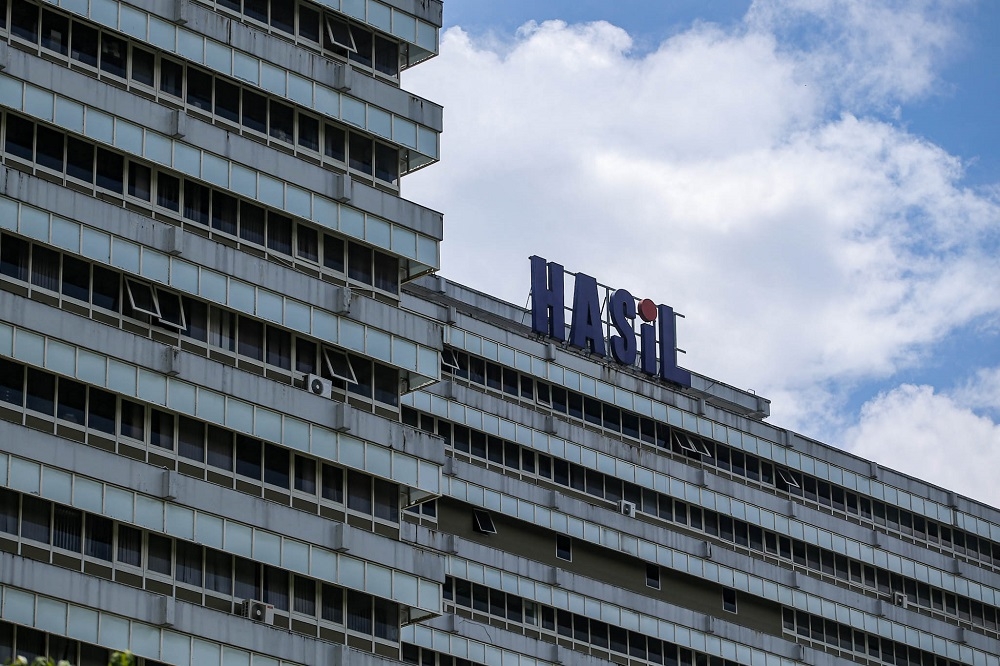
PUTRAJAYA, June 1 — Taxpayers can now file assessment appeals or apply for an extension of time to appeal tax assessments raised under the Income Tax Act 1967 through the new e-Assessment Appeal service on the MyTax portal.

However, the Inland Revenue Board (IRB) said the facility does not cover cases involving capital gains tax, withholding tax, or assessments arising from investigation activities.

In a statement today, the IRB said the initiative marks a shift from previous manual and document-based processes to a fully online system, eliminating the need for taxpayers to physically visit IRB offices.

“Among the new experiences for taxpayers include the ability to submit assessment appeals or applications for extension of time from anywhere and in real time,” the IRB said.

Taxpayers will also be able to track the status of their appeals or applications throughout the process and receive notifications, including letters of acceptance or rejection, as well as notices of approval for extension requests, online.

For access, the IRB said individual taxpayers may submit appeals or extension applications via the individual taxpayer role on MyTax.

Company directors, authorised officers, and administrators of organisations such as cooperatives, trusts, and limited liability partnerships (LLPs) may submit applications through the company director or organisation administrator roles. — Bernama

  •  

Govt taps military retirees to fill shortage of bus, lorry drivers and aviation technicians

Malay Mail


PUTRAJAYA, June 4 — The government is turning to retired military personnel to help address labour shortages in the transport sector, including as lorry and bus drivers as well as skilled workers in the aviation maintenance industry, under a new collaboration between the Transport Ministry (MOT) and Defence Ministry (Mindef).

Speaking at the signing of a strategic Technical and Vocational Education and Training (TVET) cooperation agreement between the two ministries today, Transport Minister Anthony Loke said agencies and companies under MOT had committed to offering 3,208 job opportunities in the ports, logistics, bus transportation and rail sectors.

“That is why agencies and companies under MOT have come forward to support this initiative by providing nearly 3,208 job opportunities in the ports, logistics, bus transportation and rail sectors,” he said in his speech.

Loke said the collaboration reflected the government’s commitment to ensuring members and veterans of the Malaysian Armed Forces (MAF) could continue contributing to national development after completing their military service.

He said military personnel possessed qualities highly valued by employers, including discipline, integrity and resilience, as well as experience working in environments that require strict compliance with safety standards.

At a joint press conference later with Defence Minister Datuk Seri Mohamed Khaled Nordin, Loke said the initiative would also help address manpower shortages across various segments of the transport industry.

“Today we are focusing on the logistics sector, truck and bus drivers, where we are facing significant shortages. We do not have enough bus and truck drivers,” he said.

“This platform can provide opportunities for them to become truck and bus drivers. There are also other sectors that urgently require manpower, such as ports.”

Loke said there was considerable overlap between the skills developed in military service and those needed in civilian transport industries.

“The skill sets that we need in the transport sector already exist among military retirees because they drive multiple heavy vehicles in the forces,” he said.

He pointed in particular to opportunities in the aviation maintenance, repair and overhaul (MRO) industry, which he said was expanding rapidly.

“Many Air Force personnel possess aerospace MRO skill sets. In the defence sector they work on fighter jets, while in the civilian industry they can work on private jets and commercial aircraft,” he said.

Loke said growing airline fleets and increasing investment in business aviation facilities would drive demand for skilled workers in the sector.

“When there is an urgent need for skilled workers, military retirees are the quickest group that can meet that demand,” he said.

“Because they already have those skill sets.”

He added that military retirees would require only limited additional training before entering the civilian workforce.

The transport minister also announced measures to simplify the conversion of military driving licences into civilian licences, allowing former military drivers to enter the logistics industry more easily.

“Obtaining a Class E licence costs between RM4,000 and RM5,000. Under this programme, we will allow direct conversion,” he said.

Loke explained that military personnel currently hold driving licences issued under the Armed Forces system, which cannot be used after retirement.

He said those participating through the Armed Forces Ex-Servicemen Affairs Corporation (Perhebat) would be able to convert eligible military licences into civilian licences at no cost.

Khaled said the initiative was important as about 5,000 military personnel retire each year, with more than 4,000 of them aged around 40 and still capable of contributing to the workforce.

“It would be a loss if they did not work or participate in the country’s economic activities,” he said.

Khaled said many retirees still had young families to support despite receiving pensions.

“Even if they receive RM2,000, RM3,000 or RM4,000 in pension, they still have young families. They have children who need to be raised,” he said.

He added that Perhebat had shifted its approach to focus on matching military retirees with industries facing actual labour shortages.

“Previously, Perhebat provided training programmes that did not meet industry needs. Industries had vacancies in certain fields, but Perhebat was providing training in areas that were not aligned,” he said.

“Today we are bypassing that process.”

Under the programme, retiring military personnel will undergo a six-month transition period before leaving service, during which they may be attached to participating companies for training while continuing to receive their government salaries.

Khaled said the arrangement would allow retirees to secure employment immediately after retirement while continuing to receive their pensions.

“Then when they get a job, the company pays them and they also receive their pension,” he said.

As part of the initiative, Perhebat also signed memoranda of understanding with 10 transport-sector agencies, companies and industry associations, including Malaysia Rail Development Corporation, Infinity Logistics & Transport, MMC Port Holdings, Westports Malaysia and Pan Malaysia Bus Operators Association, to expand training and employment opportunities for retiring and former military personnel.


  •  

Malaysia must boost media literacy as AI reshapes information landscape, says deputy communications minister

Malay Mail

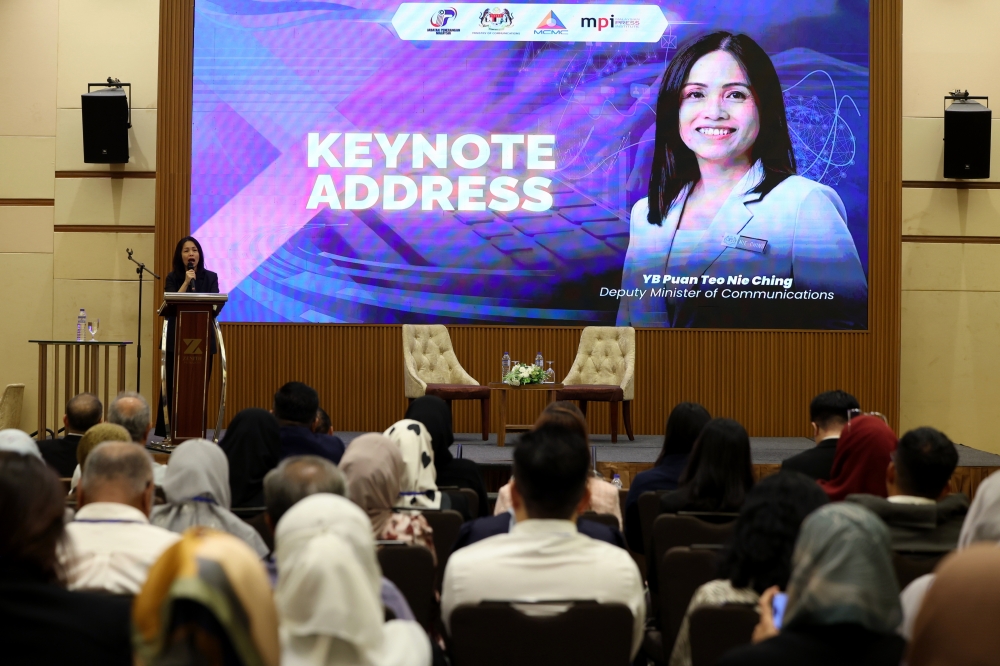
PUTRAJAYA, June 15 — Media literacy among the public needs to be strengthened so that people are better equipped to critically evaluate information and identify misleading content amid the rapid evolution of the digital media landscape, Deputy Communications Minister Teo Nie Ching said.

She said the ability to distinguish between credible information and manipulated content has become increasingly important as society enters a new era driven by generative artificial intelligence (AI), which is reshaping the global media ecosystem.

“By 2030, Malaysia will need a media ecosystem that is more resilient, innovative and trusted,” she said in her keynote address at the industry dialogue themed “Balancing Virality and Responsibility: Journalism Amid Speed, Trust and Impact” here today.

Teo said efforts to strengthen media literacy should be complemented by greater training in AI, digital verification and information security to ensure Malaysian journalists are well prepared for future challenges.

She also called for closer collaboration among the media industry, universities and the government in talent development and research related to media transformation.

Teo noted that content is now produced on an unprecedented scale, making it increasingly difficult for the public to distinguish between accurate information, misleading content and deliberately manipulated narratives.

“The major challenge in the attention economy is that algorithms do not necessarily reward the most accurate or beneficial content. In many cases, they prioritise content that triggers strong emotional reactions,” she said.

Despite growing pressure to deliver news rapidly across multiple platforms, Teo said the fundamental principles of journalism must remain unchanged, with facts needing to be checked, information verified and truth prioritised.

She said media organisations had traditionally competed to be the first to break a story, but the race had become far more demanding as news now travels in real time and audiences expect information to be available instantly.

“When an incident occurs, various versions of the story often circulate online before journalists have the opportunity to verify the facts. In such situations, media organisations face a difficult dilemma. If they are too slow, they risk being seen as lagging. If they are too fast, they risk making mistakes that could undermine their credibility,” she said.

Teo added that the future of the media would not be determined by virality alone, but by its ability to earn and sustain public trust.

“Trust is not built in a day. It is built when the media is willing to acknowledge mistakes and correct them openly. It is built when the media places the public interest above the pursuit of sensationalism,” she said.

She added that the media industry is complex and dynamic, and is best served through responsible self-regulation rather than excessive state intervention.

Teo said this understanding had guided the Madani Government’s efforts to establish the Malaysian Media Council (MMC), which was successfully formed in 2025 after years of discussions and advocacy by industry stakeholders.

On the council’s complaints mechanism, she said Phase Two was implemented on April 8 this year and had already shown encouraging progress, with 14 complaints involving issues such as reporting accuracy, the unauthorised use of images and matters affecting social harmony received in less than two months.

Of the total complaints received, 12 have been resolved, while the remaining cases are under review. — Bernama 

  •  

Malaysia’s trade hits all-time high of RM328b in May on AI boom

Malay Mail

PUTRAJAYA, June 19 — Malaysia’s trade performance shattered previous records in May, as a surge in demand for artificial intelligence (AI) and automotive technologies propelled exports to an all-time monthly high.

Data released by the Ministry of Investment, Trade and Industry (Miti) reveals that total trade jumped 29.8 per cent year-on-year to RM327.63 billion. This represents the fastest pace of growth in 44 months.

Exports were the primary driver, climbing 45.3 per cent to a record RM184 billion, eclipsing the previous high set in April. This milestone marks the 11th consecutive month of export expansion and the strongest growth rate seen since August 2022.

While imports grew at a more moderate 14.1 per cent to RM143.62 billion, the gap between the two pushed the trade surplus to a historic peak of RM40.38 billion. This extends Malaysia’s unbroken streak of trade surpluses to 73 consecutive months, dating back to May 2020.

The growth was anchored by manufactured and mining products, with electrical and electronic (E&E) products emerging as the standout performer. The sector added RM38 billion to the total, hitting a new record high fuelled by the global appetite for AI-related technologies and automotive components.

Petroleum products, liquefied natural gas (LNG), and optical and scientific equipment also contributed significantly to the gains.

Global reach and market expansion

Malaysia’s export momentum was widespread across its major trading partners. Asean, China, the United States, Taiwan, and the European Union all recorded strong double-digit growth, with exports to Taiwan and the EU hitting fresh record highs.

The country’s network of free trade agreements also opened new doors, boosting exports to markets including Mexico, the United Kingdom, Canada, and Pakistan across a diverse range of products.

The strength of the E&E sector is further evidenced by the performance from January to May 2026. During this period, total trade rose 18.3 per cent year-on-year to RM1.455 trillion.

Exports increased 24.3 per cent to RM793.84 billion, while imports grew 11.8 per cent to RM661.07 billion, resulting in a massive trade surplus of RM132.77 billion. Across the board, trade, exports, imports, and the surplus all reached historic highs for the first five months of the year.

Despite heightened uncertainty in global trade, Miti noted that Malaysia’s trade sector has remained remarkably resilient, with E&E products continuing to anchor the economy.

  •  

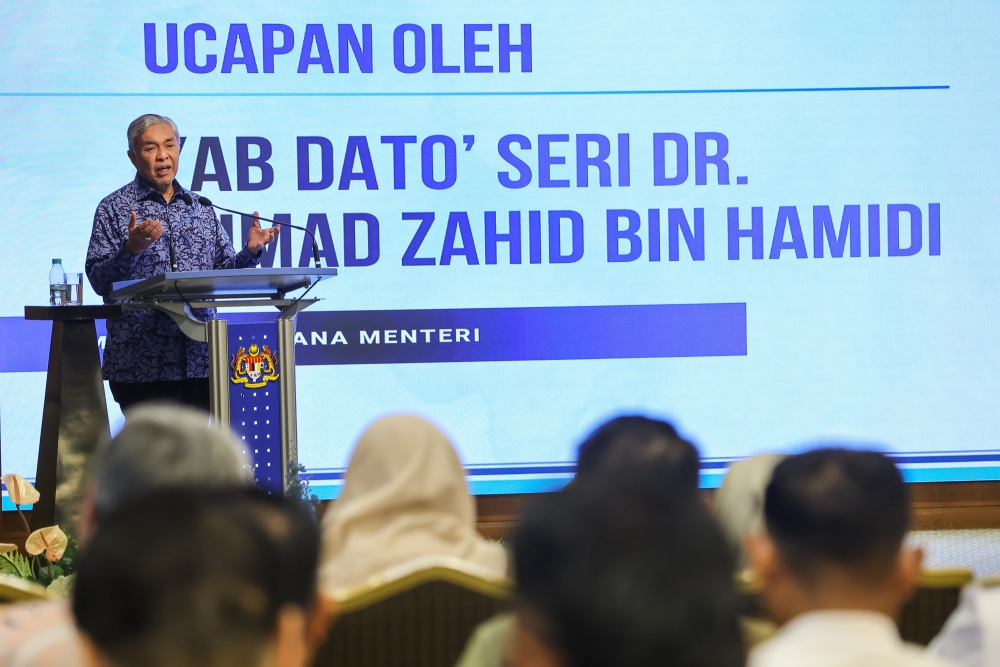
Zahid: Agricultural TVET strengthened to support agro-food sector and national food security

Malay Mail


PUTRAJAYA, June 4 — The National TVET Council (MTVET) Meeting No. 2/2026 today focused on strengthening agricultural Technical and Vocational Education and Training (TVET) as a strategic agenda to support the development of the agro-food sector and enhance national food security.

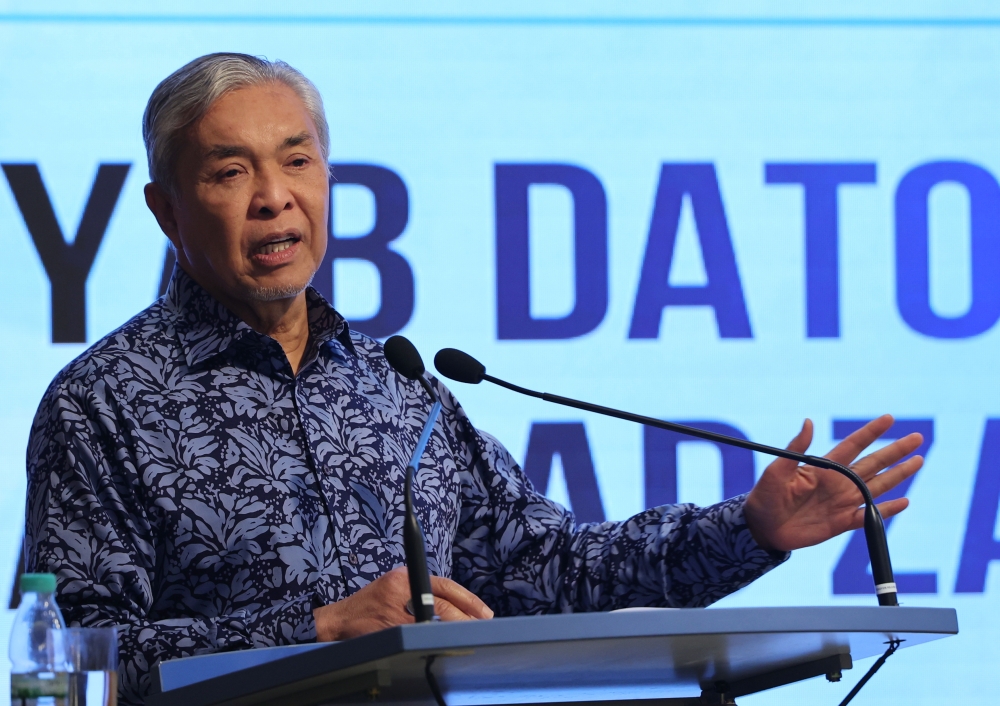
Deputy Prime Minister Datuk Seri Ahmad Zahid Hamidi, in a statement, said the meeting, which he chaired, also reviewed several strategic initiatives to reinforce the country’s TVET ecosystem, particularly in sectors that are key drivers of economic growth and national development.

According to him, special attention was given to talent development in the agro-food sector amid challenges facing agricultural TVET, including issues related to graduate employability, the availability of high-skilled jobs and mismatches between graduates’ skills and industry requirements.

“The meeting took note of findings presented by the Ministry of Agriculture and Food Security (KPKM), which highlighted the need to strengthen talent development efforts to improve productivity, innovation and competitiveness in the agro-food sector,” said Ahmad Zahid, who is also the Minister of Rural and Regional Development.

He said the matter has significant implications for food security, human capital development and the nation’s economic growth.

As such, he proposed that the issue be elevated to the Cabinet through the preparation of a Cabinet Memorandum to enable the government to consider more comprehensive and integrated policy measures.

The meeting also took note of the Construction Industry Development Board Malaysia (CIDB) Construction TVET Implementation Plan 2026–2030, which is designed to transform the construction training ecosystem through stronger governance, wider adoption of digital technologies, enhanced career pathways and closer collaboration with industry stakeholders.

Ahmad Zahid said the initiative would help develop a highly skilled and competent workforce capable of adapting to rapid technological advancements, including digitalisation, automation and innovation within the construction sector.

“This initiative will not only address the industry’s demand for local skilled workers but also strengthen the competitiveness of Malaysia’s construction sector at both the regional and global levels,” he said.

Ahmad Zahid, who is National TVET Council chairman, said the meeting was briefed on preparations for the National TVET Day 2026 celebration, which will take place over three days beginning tomorrow at Dataran Putrajaya under the theme “TVET the Main Career Choice”.

The event is expected to attract more than 500,000 visitors and will serve as a platform to showcase TVET’s role in developing a future-ready workforce and promoting skills-based careers among Malaysians.

Ahmad Zahid reaffirmed the government’s commitment to positioning TVET as a key national agenda for producing highly skilled human capital through close collaboration between government agencies, industry players and training institutions.

“I am confident that through strong cooperation among the government, industry and training institutions, TVET will continue to produce competent, innovative and competitive talent capable of driving the nation’s progress,” he said. — Bernama


  •  

New MACC chief orders all officers to declare assets within one month, pledges to lead by example

Malay Mail

PUTRAJAYA, June 8 — The Malaysian Anti-Corruption Commission (MACC) Chief Commissioner, Datuk Seri Abd Halim Aman, has required all agency personnel to submit or update their asset declarations within one month of receiving an official notification, which will be issued at a later date.

He said the directive was among the first measures introduced under his leadership to strengthen the agency’s integrity and rebuild public confidence in the MACC as an independent, professional and impartial institution.

“To spearhead efforts to build and maintain public trust, I am directing all MACC officers to submit their asset declarations within a month from the date the official notification is issued.

“In line with that commitment, I will personally be the first to undertake the asset declaration process, InsyaAllah,” he said during his first address at the MACC monthly gathering here today.

He also emphasised that the MACC would not yield to pressure from any source, whether public sentiment, media scrutiny or political influence.

“Justice and the rule of law, applied without exception or compromise, are principles we will uphold. Integrity must go beyond rhetoric and pledges; it must be demonstrated through confidential decision-making and fearless investigations,” he said.

He also cautioned MACC personnel against damaging the organisation’s reputation through any wrongdoing, saying that even a small act of misconduct can taint the integrity of the entire institution.

He also emphasised that MACC staff should embody two core values, namely strength and trustworthiness, as highlighted in Surah Al-Qasas (the 28th chapter of the Quran).

He said strength relates to capability and expertise in carrying out tasks, while trustworthiness embodies honesty, which is central to the public service ethos, adding that the combination of the two qualities will ensure that the MACC continues to be respected as a key pillar in safeguarding the nation’s integrity.

Abd Halim also urged MACC personnel to shun arrogance and ego in the course of their duties, stressing that their conduct is always under public scrutiny.

He further emphasised that justice cannot be compromised, and that genuine integrity is measured by the ability to resist interference or undue influence from vested interests. — Bernama


  •  

Medicine supply stable in Malaysia despite monitoring of select drugs, says Health Ministry

Malay Mail

PUTRAJAYA, June 16 — The Ministry of Health (MOH) has assured that medicine supplies in Malaysia remain stable and sufficient, although a small number of products continue to be closely monitored.

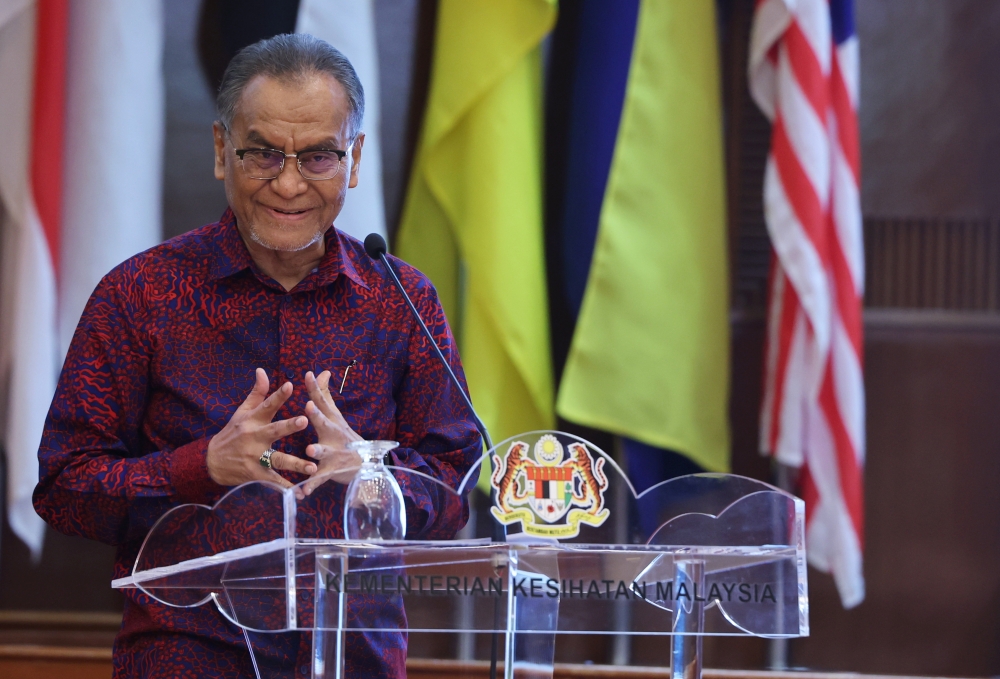
Health Minister Datuk Seri Dr Dzulkefly Ahmad said the ministry tracks 702 medicine types covering 3,739 registered products through monthly reports submitted by registration holders.

“As of May 8, 2026, 505 medicine types, or 72 per cent, had stock levels exceeding 90 days and were classified as low risk.

“Another 79 types (11.3 per cent) were categorised as moderate risk with supplies lasting between 60 and 90 days, while 118 items (16.8 per cent) had stocks below 60 days and were considered high risk,” he told Bernama in a written reply today.

The moderate and high-risk categories include antibiotics, cancer drugs, vaccines, antidotes, psychiatric medicines and cardiovascular treatments.

“Of the 118 high-risk items, only 14 were deemed critical due to reliance on a single registration holder or delays of more than a month for incoming supplies,” he said.

These include Fluorouracil (cancer treatment), Methylene Blue (used in diagnostic procedures), Linezolid (an antibiotic) and Coal Tar Solution for psoriasis treatment. 

However, Dr Dzulkefly said checks with MOH facilities and concession companies found that 13 of the 14 critical medicines still have stock levels exceeding 90 days. The remaining item, Carbinoxamine Maleate/Pseudoephedrine Hydrochloride, is not listed in the MOH Drug Formulary.

“This means medicine supplies for patients at MOH facilities remain sufficient and are not currently affected,” he said.

Additional shipments of critical medicines are scheduled to arrive between June and September, while the ministry continues to work closely with industry players, suppliers and healthcare facilities to address potential supply disruptions early.

On June 14, Prime Minister’s economic adviser Nurhisham Hussein said that over 70 per cent of public healthcare medicine supplies currently have stock levels exceeding three months, while most critical medications have alternative treatment options available. — Bernama 

  •  

MARA TVET institutions record 99.5pc graduate employability rate, says Zahid

Malay Mail


PUTRAJAYA, June 6 (Bernama) -- A total of 270 Technical and Vocational Education and Training (TVET) institutions under Majlis Amanah Rakyat (MARA) have recorded a graduate employability rate of 99.5 per cent, Deputy Prime Minister Datuk Seri Dr Ahmad Zahid Hamidi said.

He said the impressive achievement demonstrated that MARA’s TVET institutions are at the forefront of advancing the nation’s TVET agenda, which has now entered the TVET 2.0 phase.

“I also greatly appreciate the private sector for being at the forefront of supporting TVET nationwide. They have not only introduced new training modules, but have also extended their support through the provision of equipment, machinery and other facilities for selected TVET institutions.

“They have embraced TVET 2.0 not only through the various contributions I mentioned earlier, but also by signing agreements with the National TVET Council and most TVET institutions across the country to ensure that all TVET students will be employed by the industry, with 100 per cent absorption into the workforce,” said Ahmad Zahid, who is also chairman of the National TVET Council, in his welcoming remarks at the National TVET Day 2026 celebration here today.

The celebration was held at Dataran Putrajaya, where Prime Minister Datuk Seri Anwar Ibrahim officiated the launch of TVET 2.0.

Ahmad Zahid, who is also Rural and Regional Development Minister, said the implementation of TVET 2.0 would place greater emphasis on emerging high-demand fields such as robotics, artificial intelligence (AI), the Internet of Things (IoT) and renewable energy, while continuing to strengthen conventional sectors that remain in demand.

“In TVET 2.0, in addition to the priorities I have outlined, we have also sent instructors from selected TVET institutions abroad for training at no cost to the government. The programmes are fully funded by industry players overseas, enabling our instructors to acquire the latest knowledge and skills,” he said.

He added that industry players are also offering premium salaries to TVET graduates, with holders of the Malaysian Skills Certificate (SKM) receiving a minimum starting salary of RM2,500, above the current minimum wage.

The employability rate of TVET graduates nationwide rose to 98.7 per cent as of the end of May this year, compared with 95.1 per cent previously.

“This is an achievement we are grateful for. As I have often said, achieving success is difficult, but sustaining it is even more challenging. Our task and responsibility are not only to preserve this success, but to continue building on it and raising the bar even further,” he said.

Meanwhile, Ahmad Zahid said students from tahfiz institutions and pondok schools are now being given opportunities to pursue TVET programmes, including in aerospace engineering and maritime engineering, through courses offered by Universiti Kuala Lumpur (UniKL).

“This will elevate the capabilities of tahfiz students, who have traditionally focused on the fields of syariah and usuluddin. Insya-Allah, within the next three to five years, while continuing to preserve their Quranic memorisation, we will also see them emerge as engineers, including in the aerospace sector,” he said.

He said the initiative is expected to produce more highly skilled professionals from among tahfiz students without compromising their grounding in religious studies.

Ahmad Zahid also said that seven universities within the Malaysian Technical University Network (MTUN) provide pathways for TVET students to further their education up to master’s and doctoral levels.

He added that the government has allocated RM7.9 billion to the TVET sector under Budget 2026, the largest allocation ever provided to strengthen the implementation of TVET 2.0, including upskilling and reskilling programmes.

On the National TVET Day 2026 celebration, he said this year’s event was organised on a relatively large scale despite being conducted at a very low cost, reflecting efficient resource management and the government’s commitment to ensuring that high-impact programmes can continue without placing an undue burden on national expenditure.

Held under the theme ‘TVET Pilihan Utama Kerjaya’ (TVET: The Preferred Career Path), the three-day celebration, which runs until Sunday, from 9 am to 10 pm daily, brings together more than 107 agencies, institutions and industry players from nine key sectors on a single platform. These sectors include aerospace, electronics and digital technology, agriculture, transport and automotive, advanced manufacturing, services, rail, maritime and energy. — Bernama


  •  
❌