Normal view

  • ✇Malay Mail - All
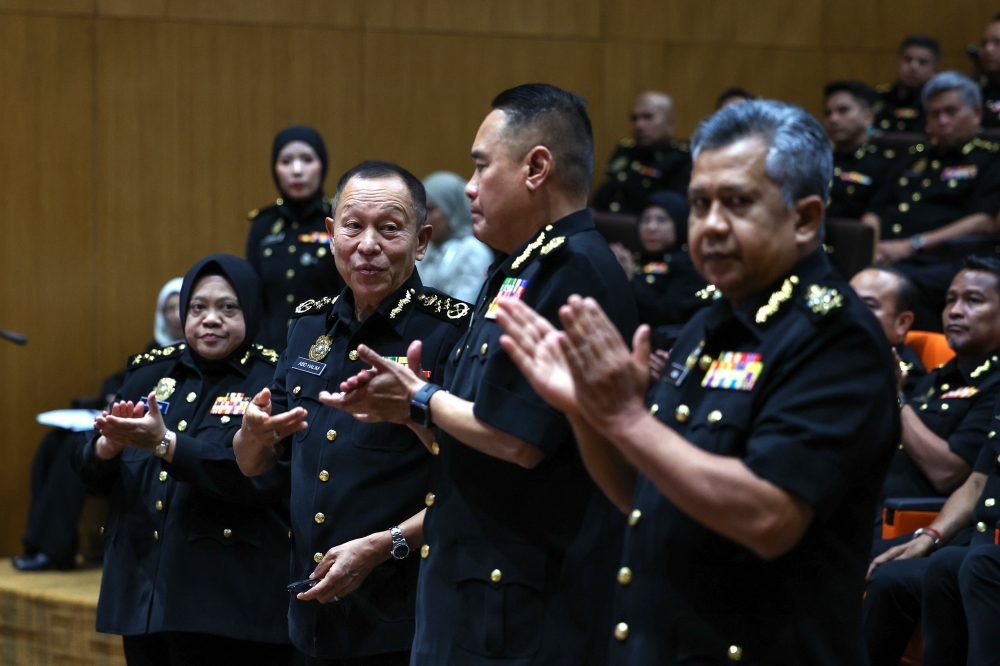
  • New MACC chief Abdul Halim vows to strengthen agency despite steep learning curve 
    PUTRAJAYA, June 18 — Malaysian Anti-Corruption Commission (MACC) Chief Commissioner Datuk Seri Abdul Halim Aman has pledged to drive improvements across the agency, acknowledging that his first month in office has presented challenges due to his different professional background.Abdul Halim said every individual entrusted with leadership responsibilities must be prepared to embrace challenges and fulfil their duties without hesitation.“As you know, my previous ba
     

New MACC chief Abdul Halim vows to strengthen agency despite steep learning curve 

18 June 2026 at 07:13

Malay Mail

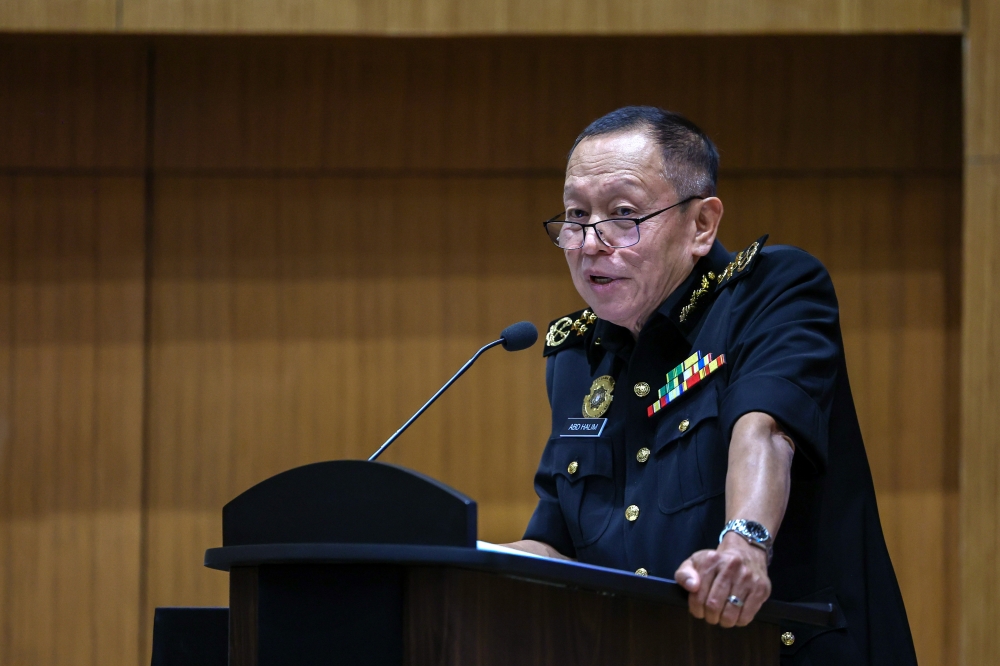
PUTRAJAYA, June 18 — Malaysian Anti-Corruption Commission (MACC) Chief Commissioner Datuk Seri Abdul Halim Aman has pledged to drive improvements across the agency, acknowledging that his first month in office has presented challenges due to his different professional background.

Abdul Halim said every individual entrusted with leadership responsibilities must be prepared to embrace challenges and fulfil their duties without hesitation.

“As you know, my previous background differs from the scope of responsibilities I am currently handling. For me, this is a challenge, and regardless of the position we hold, we must be prepared to shoulder that responsibility.

“We cannot run away from challenges. Therefore, I look forward to contributing towards the betterment of the organisation as a whole,” he said during a special MACC press conference here today.

He was responding to a question regarding the challenges of adapting to his new responsibilities after being appointed as MACC Chief Commissioner on May 13 for a two-year contract term.

On April 25, His Majesty Sultan Ibrahim, King of Malaysia, consented to Abdul Halim’s appointment as the new MACC Chief Commissioner.

Abdul Halim previously served as a High Court judge before assuming leadership of the anti-graft agency.

He succeeds Tan Sri Azam Baki, who retired after 42 years of service with the MACC. — Bernama


  • ✇Malay Mail - All
  • DPM Zahid: Govt targets 650,000 TVET enrolments in 2026
    PUTRAJAYA, June 5 — The government is targeting at least 650,000 students to enrol in Technical and Vocational Education and Training (TVET) programmes at 1,395 TVET institutions nationwide by December 31 this year.Deputy Prime Minister Datuk Seri Ahmad Zahid Hamidi said the target follows a significant rise in student participation in TVET, which is increasingly becoming a preferred education and career pathway among parents and students.“Last year, about 587,00
     

DPM Zahid: Govt targets 650,000 TVET enrolments in 2026

5 June 2026 at 11:38

Malay Mail

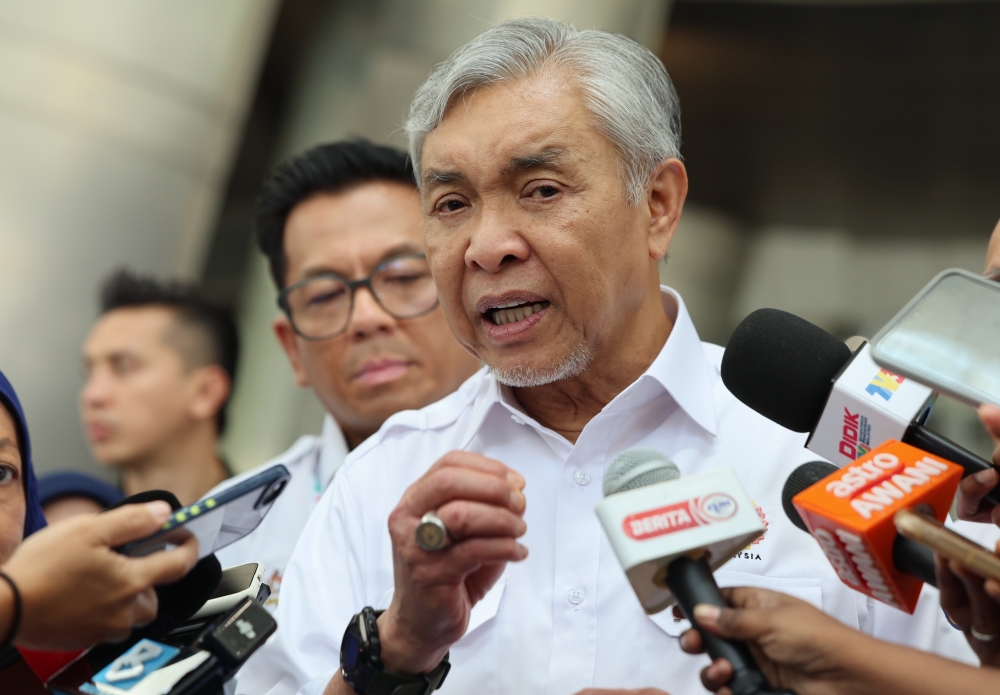
PUTRAJAYA, June 5 — The government is targeting at least 650,000 students to enrol in Technical and Vocational Education and Training (TVET) programmes at 1,395 TVET institutions nationwide by December 31 this year.

Deputy Prime Minister Datuk Seri Ahmad Zahid Hamidi said the target follows a significant rise in student participation in TVET, which is increasingly becoming a preferred education and career pathway among parents and students.

“Last year, about 587,000 students enrolled in TVET institutions, compared with around 121,000 when the TVET Council was first established.

“This shows growing recognition among parents and students about TVET, and the fivefold increase in enrolment is a very positive achievement,” he told reporters after visiting the exhibition site for the 2026 National TVET Day celebrations at Dataran Putrajaya today.

Ahmad Zahid, who is also chairman of the National TVET Council Committee, said the event is being held from today until June 7 to showcase high-quality TVET to students at institutions nationwide as well as prospective applicants.

He said the approach is important to meet labour market demand, particularly in developing skilled local workers to meet industry needs.

“We must meet labour market demand in the TVET sector, particularly in producing skilled workers for industries that need Malaysian talent, and this will in turn help raise the starting salaries of TVET graduates,” he said.

Ahmad Zahid said the government is also aiming for TVET to become a first-choice pathway for students, even as academic routes through public and private higher education institutions continue to be strengthened, stressing that the current focus is to meet the actual needs of the labour market nationwide.

National TVET Day 2026, themed “TVET Pilihan Utama Kerjaya” (TVET as the Preferred Career Choice), is expected to draw 500,000 visitors, featuring a range of programmes that give visitors the chance to explore six main hubs: TVET and industry engagement, seminars, a career carnival, entrepreneurship, TVET challenges, and educational entertainment.

Prime Minister Datuk Seri Anwar Ibrahim is scheduled to officiate at the highlight of the event tomorrow, underscoring the government’s continued commitment to developing a highly skilled workforce. — Bernama

  • ✇Malay Mail - All
  • Education Ministry targets over 95pc secondary school enrolment as new law comes into force soon
    PUTRAJAYA, June 16 — The Ministry of Education (MOE) aims to raise the universal enrolment rate for secondary schools to over 95 per cent, in line with the Education (Amendment) Act 2025, which will come into force soon.Deputy Education Minister Wong Kah Woh said the success of primary school enrolment, rising from about 92 per cent in 2003 to over 99 per cent in 2026, proved the effectiveness of the compulsory education policy implemented 23 years ago.“Now our d
     

Education Ministry targets over 95pc secondary school enrolment as new law comes into force soon

16 June 2026 at 09:19

Malay Mail

PUTRAJAYA, June 16 — The Ministry of Education (MOE) aims to raise the universal enrolment rate for secondary schools to over 95 per cent, in line with the Education (Amendment) Act 2025, which will come into force soon.

Deputy Education Minister Wong Kah Woh said the success of primary school enrolment, rising from about 92 per cent in 2003 to over 99 per cent in 2026, proved the effectiveness of the compulsory education policy implemented 23 years ago.

“Now our desire, our goal, is no longer limited to primary education alone. We want to ensure this, as we have currently achieved a universal enrolment of 94 per cent at the secondary school level.

“Once the amendments to the Education (Amendment) Act 2025 come into force, we hope to surpass the universal enrolment target of 95 per cent and increase it further in the coming years,” he said at the MOE 2025 Excellent Service Award and Excellent Service Medal Presentation Ceremony, as well as the 2025/2026 Jasamu Dikenang ceremony, here today.

Also present were MOE secretary-general Datuk Wan Hashim Wan Rahim and director-general of Education Datuk Dr Mohd Azam Ahmad.

Last July, the Dewan Rakyat passed the Education (Amendment) Bill 2025, which expands the definition of compulsory education to include secondary schooling. It mandates that all Malaysian children must be enrolled in secondary school for the duration of their studies.

Wong said that the amended act was not punitive but intended to raise awareness among parents and students about the importance of completing Form Five.

He said KPM is committed to ensuring educational access for all Malaysians by expanding the Comprehensive Special Model School 9 (K9) and Comprehensive Special Model School 11 (K11) initiatives.

The K9 model refers to nine years of schooling across the primary and lower secondary levels, with pupils spending six years in primary school and three years in lower secondary school within the same institution. The K11 model offers more comprehensive access to education from primary to secondary levels for 11 years, namely from Year One to Form Five, in the same school.

He added that there are currently 26 K9 schools and nine K11 schools nationwide.

“Next year, KPM aims to add seven more K11 schools, bringing the total to 16, with targeted locations including Perak, Terengganu, Kelantan, Pahang, and Sabah.

“The schools have been identified and we are making the necessary efforts and preparations. Once everything is finalised, we will provide details regarding these schools,” he said. — Bernama 

  • ✇Malay Mail - All
  • Malaysia’s trade hits all-time high of RM328b in May on AI boom Malay Mail
    PUTRAJAYA, June 19 — Malaysia’s trade performance shattered previous records in May, as a surge in demand for artificial intelligence (AI) and automotive technologies propelled exports to an all-time monthly high.Data released by the Ministry of Investment, Trade and Industry (Miti) reveals that total trade jumped 29.8 per cent year-on-year to RM327.63 billion. This represents the fastest pace of growth in 44 months.Exports were the primary driver, climbing 45.3
     

Malaysia’s trade hits all-time high of RM328b in May on AI boom

19 June 2026 at 10:04

Malay Mail

PUTRAJAYA, June 19 — Malaysia’s trade performance shattered previous records in May, as a surge in demand for artificial intelligence (AI) and automotive technologies propelled exports to an all-time monthly high.

Data released by the Ministry of Investment, Trade and Industry (Miti) reveals that total trade jumped 29.8 per cent year-on-year to RM327.63 billion. This represents the fastest pace of growth in 44 months.

Exports were the primary driver, climbing 45.3 per cent to a record RM184 billion, eclipsing the previous high set in April. This milestone marks the 11th consecutive month of export expansion and the strongest growth rate seen since August 2022.

While imports grew at a more moderate 14.1 per cent to RM143.62 billion, the gap between the two pushed the trade surplus to a historic peak of RM40.38 billion. This extends Malaysia’s unbroken streak of trade surpluses to 73 consecutive months, dating back to May 2020.

The growth was anchored by manufactured and mining products, with electrical and electronic (E&E) products emerging as the standout performer. The sector added RM38 billion to the total, hitting a new record high fuelled by the global appetite for AI-related technologies and automotive components.

Petroleum products, liquefied natural gas (LNG), and optical and scientific equipment also contributed significantly to the gains.

Global reach and market expansion

Malaysia’s export momentum was widespread across its major trading partners. Asean, China, the United States, Taiwan, and the European Union all recorded strong double-digit growth, with exports to Taiwan and the EU hitting fresh record highs.

The country’s network of free trade agreements also opened new doors, boosting exports to markets including Mexico, the United Kingdom, Canada, and Pakistan across a diverse range of products.

The strength of the E&E sector is further evidenced by the performance from January to May 2026. During this period, total trade rose 18.3 per cent year-on-year to RM1.455 trillion.

Exports increased 24.3 per cent to RM793.84 billion, while imports grew 11.8 per cent to RM661.07 billion, resulting in a massive trade surplus of RM132.77 billion. Across the board, trade, exports, imports, and the surplus all reached historic highs for the first five months of the year.

Despite heightened uncertainty in global trade, Miti noted that Malaysia’s trade sector has remained remarkably resilient, with E&E products continuing to anchor the economy.

  • ✇Malay Mail - All
  • GTPC launched as national TVET talent platform to bridge industry and graduates, says Zahid
     PUTRAJAYA, June 6 — Deputy Prime Minister Datuk Seri Ahmad Zahid Hamidi today officially launched the GITC TVET Placement Centre (GTPC), the nation’s first integrated national talent placement platform aimed at bridging the gap between industry and skilled talent.The platform, launched in conjunction with the National TVET Day 2026 celebration here will serve as a structured ecosystem connecting students, graduates, institutions and industry to facilitate indust
     

GTPC launched as national TVET talent platform to bridge industry and graduates, says Zahid

6 June 2026 at 08:39

Malay Mail


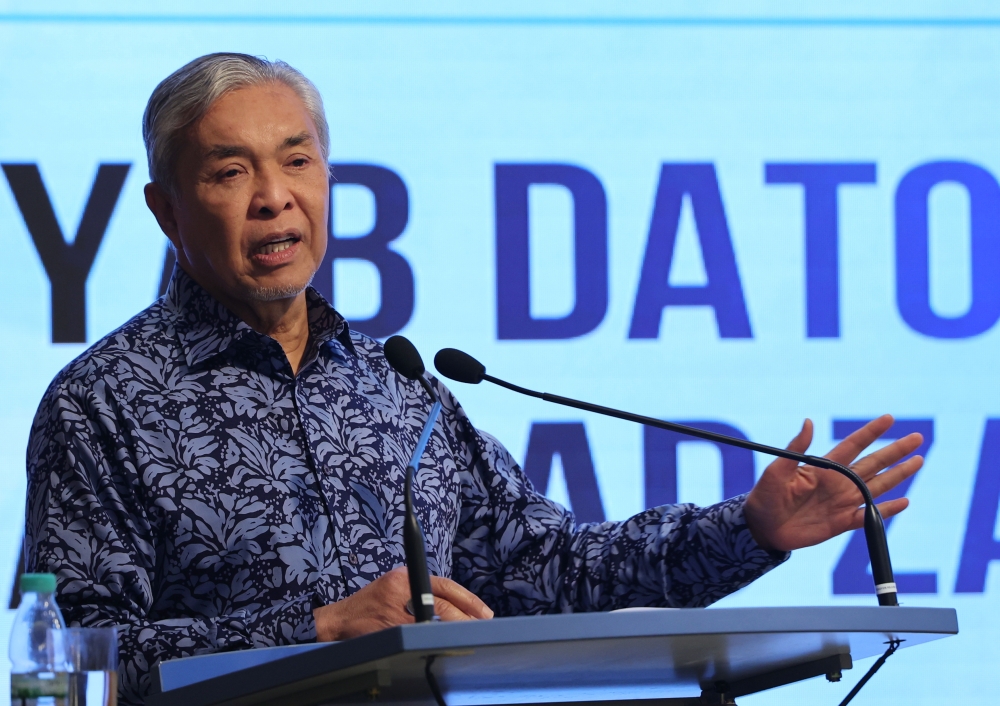
PUTRAJAYA, June 6 — Deputy Prime Minister Datuk Seri Ahmad Zahid Hamidi today officially launched the GITC TVET Placement Centre (GTPC), the nation’s first integrated national talent placement platform aimed at bridging the gap between industry and skilled talent.

The platform, launched in conjunction with the National TVET Day 2026 celebration here will serve as a structured ecosystem connecting students, graduates, institutions and industry to facilitate industrial training, apprenticeships and employment opportunities.

He said the initiative reflected the government’s commitment to positioning TVET as a primary pathway to quality employment, higher income, social mobility and national economic competitiveness.

“TVET is no longer a secondary pathway but the primary route to quality employment, better income, social mobility and national economic competitiveness,” he said in his speech at the launch ceremony held here today.

Ahmad Zahid, who is also the National TVET Council chairman, said National TVET Day now symbolises the central role of TVET in Malaysia’s development agenda.

However, he noted that several structural challenges remained, including the mismatch between training programmes and current industry technologies, low wage perceptions that continue to stigmatise TVET careers, as well as gaps in instructor quality and training facilities that affect graduate readiness.

He said the launch of TVET 2.0 earlier today marked a new phase in the country’s efforts to create a more responsive and industry-driven TVET ecosystem.

As part of this transformation, he called on industry players to assume greater responsibility in talent development by acting as co-investors through the provision of training opportunities, facilities, mentorship and employment pathways.

“Investment in TVET is not a cost. It is an investment in productivity, competitiveness and the future of our nation,” he said.

Through GTPC, he said, industry players can register talent requirements and offer industrial training placements, apprenticeships and jobs, while students and graduates can build professional profiles, showcase competencies and secure employment opportunities.

The platform also enables institutions to monitor student progress more effectively and strengthen collaboration with industry partners.

Ahmad Zahid said the initiative would support skills-based hiring practices by emphasising competencies, practical capabilities and lifelong learning rather than academic qualifications alone.

Meanwhile, Ahmad Zahid also highlighted the role of the Government-Industry TVET Coordination Body (GITC) as a strategic bridge linking government agencies, industry players and educational institutions to better align talent supply with workforce demand.

He urged GITC to evolve beyond its coordination role and become a catalyst for systemic change, particularly in high-growth sectors such as aerospace, semiconductors, artificial intelligence, electric vehicles, renewable energy, cybersecurity and robotics. — Bernama


  • ✇Malay Mail - All
  • Malaysia weathers 100 days of global energy crisis, supplies remain stable
    PUTRAJAYA, June 14 — Malaysia remains in a relatively strong position with sufficient supplies of fuel, food and essential medicines, thanks to early intervention and coordinated crisis management efforts, says Prime Minister’s Economic Adviser Nurhisham Hussein.Nurhisham, who also heads the Secretariat of the National Economic Action Council (MTEN) Crisis Management Task Force, said the government’s immediate priority since the crisis began has been ensuring uni
     

Malaysia weathers 100 days of global energy crisis, supplies remain stable

14 June 2026 at 02:27

Malay Mail

PUTRAJAYA, June 14 — Malaysia remains in a relatively strong position with sufficient supplies of fuel, food and essential medicines, thanks to early intervention and coordinated crisis management efforts, says Prime Minister’s Economic Adviser Nurhisham Hussein.

Nurhisham, who also heads the Secretariat of the National Economic Action Council (MTEN) Crisis Management Task Force, said the government’s immediate priority since the crisis began has been ensuring uninterrupted supplies of critical goods and services.

“The first priority is making sure we have enough supplies. As far as fuel is concerned, we have sufficient stocks until July, and we are already working on August. As for food, we have more than enough in all major categories, including rice, chicken, eggs, seafood, vegetables and fruits,” he said.

Nurhisham told Bernama this week after the conflict in West Asia entered its 100th day.

He said concerns over food security remain manageable at present, with any significant impact from global supply disruptions expected to materialise only much later.

“For products such as chicken and eggs, the production cycle is very fast, around 40 days, and we are still receiving adequate feed supplies at reasonable prices. So far, there are no major concerns on the supply side,” he added.

Energy, healthcare supplies remain secure

On the energy front, Nurhisham said Malaysia’s electricity generation capacity remains sufficient despite heightened global energy market volatility.

He noted that about one-third of Malaysia’s power generation comes from liquefied natural gas (LNG), much of which is domestically produced, while coal imports are secured through long-term contracts.

“Energy generation is not an issue for us at this moment. The challenge is managing demand, particularly as this year is expected to be a very hot year,” he said.

Nurhisham’s remarks come as MetMalaysia and global climate agencies warn of a possible El Niño event later this year, which could bring hotter and drier weather conditions.

MetMalaysia has said global climate models indicate a 62 per cent probability of El Niño developing between June and August 2026, while the World Meteorological Organisation estimates an 80 per cent likelihood of the phenomenon forming during the same period.

As for the healthcare sector, the economist said more than 70 per cent of medicines in the public health system currently have stock levels exceeding three months, while authorities are closely monitoring a small number of items with lower inventories.

“Most of the medicines categorised as critical have alternative treatments available. For medical devices, there are some consumables with relatively low stocks, but we have multiple suppliers and the situation remains under control,” he explained.

Nurhisham credited the Health Ministry’s rapid response, leveraging systems developed during the COVID-19 pandemic, for enabling authorities to quickly assess stock levels across both public and private healthcare sectors.

Government committed to development priorities

While acknowledging that the crisis has exerted pressure on certain sectors, particularly construction, Nurhisham said the overall impact on Malaysia’s economy has so far been limited.

He said that sectors such as construction had initially been affected by higher diesel prices and increased material costs, but conditions have gradually stabilised as prices eased in recent months.

Nurhisham also dismissed concerns that the crisis would lead to significant increases in government borrowing, stressing that Malaysia’s fiscal framework prohibits borrowing to finance subsidies.

“Subsidies must be funded through government revenue, not borrowing. Any increase in the fiscal deficit would largely reflect slower gross domestic product growth rather than higher borrowing,” he explained.

Despite additional fiscal pressures arising from fuel subsidies, Nurhisham ensured that the government remains committed to key development priorities.

Projects involving flood mitigation, water supply, electricity generation, roads, schools and hospitals will continue as planned.

“These projects cannot wait. The government’s development priorities remain unchanged because they are critical to the country’s long-term resilience and growth,” he said.

Conservation efforts key to managing crisis

Looking ahead, Nurhisham said managing demand and reducing wastage would be critical in ensuring Malaysia remains resilient should the crisis persist.

Measures being encouraged include work-from-home arrangements where practical, reducing government electricity consumption, limiting non-essential travel and exploring staggered school opening hours to ease traffic congestion and fuel use.

He also highlighted food wastage as a major area requiring urgent attention.

“We are throwing away huge amounts of food every year. If we can reduce wastage across the supply chain and at the household level, we can lower costs and make supplies go further,” he said.

Better prepared than 100 days ago

Reflecting on the first 100 days of the crisis, Nurhisham said the government is now in a significantly better position than during the initial stages, when information gaps created uncertainty among policymakers and industry players.

“Today, we have a much clearer picture. We have the mechanisms in place and industries now know where to source supplies, including domestic alternatives. We are in a much more comfortable position than we were two months ago,” he said.

He added that while the situation remains manageable, continued cooperation from businesses and consumers would be essential to ensure Malaysia can weather the crisis with minimal disruption to jobs, incomes and economic activity. — Bernama

 

  • ✇Malay Mail - All
  • New MACC chief orders all officers to declare assets within one month, pledges to lead by example
    PUTRAJAYA, June 8 — The Malaysian Anti-Corruption Commission (MACC) Chief Commissioner, Datuk Seri Abd Halim Aman, has required all agency personnel to submit or update their asset declarations within one month of receiving an official notification, which will be issued at a later date.He said the directive was among the first measures introduced under his leadership to strengthen the agency’s integrity and rebuild public confidence in the MACC as an independent,
     

New MACC chief orders all officers to declare assets within one month, pledges to lead by example

8 June 2026 at 08:03

Malay Mail

PUTRAJAYA, June 8 — The Malaysian Anti-Corruption Commission (MACC) Chief Commissioner, Datuk Seri Abd Halim Aman, has required all agency personnel to submit or update their asset declarations within one month of receiving an official notification, which will be issued at a later date.

He said the directive was among the first measures introduced under his leadership to strengthen the agency’s integrity and rebuild public confidence in the MACC as an independent, professional and impartial institution.

“To spearhead efforts to build and maintain public trust, I am directing all MACC officers to submit their asset declarations within a month from the date the official notification is issued.

“In line with that commitment, I will personally be the first to undertake the asset declaration process, InsyaAllah,” he said during his first address at the MACC monthly gathering here today.

He also emphasised that the MACC would not yield to pressure from any source, whether public sentiment, media scrutiny or political influence.

“Justice and the rule of law, applied without exception or compromise, are principles we will uphold. Integrity must go beyond rhetoric and pledges; it must be demonstrated through confidential decision-making and fearless investigations,” he said.

He also cautioned MACC personnel against damaging the organisation’s reputation through any wrongdoing, saying that even a small act of misconduct can taint the integrity of the entire institution.

He also emphasised that MACC staff should embody two core values, namely strength and trustworthiness, as highlighted in Surah Al-Qasas (the 28th chapter of the Quran).

He said strength relates to capability and expertise in carrying out tasks, while trustworthiness embodies honesty, which is central to the public service ethos, adding that the combination of the two qualities will ensure that the MACC continues to be respected as a key pillar in safeguarding the nation’s integrity.

Abd Halim also urged MACC personnel to shun arrogance and ego in the course of their duties, stressing that their conduct is always under public scrutiny.

He further emphasised that justice cannot be compromised, and that genuine integrity is measured by the ability to resist interference or undue influence from vested interests. — Bernama


  • ✇Malay Mail - All
  • When words fail: How anatomical dolls help child abuse victims find their voice in court Kenneth Tee
    PUTRAJAYA, June 10 — For child witnesses, speaking about traumatic abuse experiences in a courtroom setting can be overwhelming and distressing, especially when they struggle to recount important details of what they endured.Enter the anatomical dolls — seemingly ordinary playthings with facial features (including a retractable tongue), limbs, clothing and realistic body proportions, including private parts — used by the Malaysian Judiciary in child witness proce
     

When words fail: How anatomical dolls help child abuse victims find their voice in court

9 June 2026 at 23:00

Malay Mail

PUTRAJAYA, June 10 — For child witnesses, speaking about traumatic abuse experiences in a courtroom setting can be overwhelming and distressing, especially when they struggle to recount important details of what they endured.

Enter the anatomical dolls — seemingly ordinary playthings with facial features (including a retractable tongue), limbs, clothing and realistic body proportions, including private parts — used by the Malaysian Judiciary in child witness proceedings.

Though unable to speak themselves, these specially tailored anatomical dolls play a crucial role in giving child witnesses a voice when trauma, shyness or limited vocabulary makes verbal testimony difficult.

In almost all cases involving sexual abuse, Registrar of the Subordinate Courts of Malaya Mohammed Mokhzani Mokhtar noted that anatomical dolls tend to play their most important role precisely when language falls short.

“In a psychological course I attended many years ago, we were told that there are almost 80 different names for the male genitalia in Bahasa Malaysia.

“Sometimes children go to court with that knowledge (of euphemistic terms), like they refer to the male genitalia as burung or ‘birdbird’, but they don’t use the correct terminology, right?

“So, instead of explaining it to the court, they explain it by showing, which is what the anatomical doll does,” he told Malay Mail during a recent interview at the Palace of Justice here.

The anatomical dolls feature facial characteristics, including a retractable tongue, as well as limbs, clothing and anatomically accurate body proportions, including genitalia. — Picture by Raymond Manuel

Mohammed Mokhzani explained that prosecutors or judicial officers use the anatomical doll during interviews with child witnesses to indicate where a child was abused, either physically or sexually.

Describing a real-life example, he recalled handling a case involving a five-year-old victim sent to a nursery, whose molestation by the premises owner’s father was communicated through a brushing gesture made using the anatomical doll’s finger, indicating that she had been touched on her private parts.

“We ask the child what their abuser did, and then use the doll to help them narrate or describe their ordeal.”

The child’s account, conveyed through the anatomical doll, is then recorded as evidence and is admissible in court, he added.

While the use of anatomical dolls is not new, Mohammed Mokhzani said each Children’s Court — designated courtrooms that hear sexual offence cases involving children — in every court complex in Peninsular Malaysia is equipped with a full set, totalling five pairs.

Each pair is assigned to a specific age group and comprises both male and female dolls, representing infants, children, teenagers, adults and older persons.

Due to their importance in evidence-taking, he said anatomical dolls are a staple of the Judiciary’s Children’s Mobile Court initiative, with a set also kept in the Victims’ Nexus to Justice (VNEJ) — a specially designed van that serves as a mobile child witness room.

The VNEJ, which forms one of the initiative’s three components, is generally used in proceedings involving sexual offences against minors under the Sexual Offences Against Children Act.

Deputy Registrar Zuhair Rosli demonstrates how the anatomical doll’s retractable tongue works. — Picture by Raymond Manuel

*If you suspect child abuse, call the following hotlines for free and confidential support: Talian Kasih at 15999 or WhatsApp 019-2615999 (24/7); Talian BuddyBear at 1800-18-2327(BEAR) (noon-midnight daily); and One Crisis Centre (24/7) Wilayah Persekutuan at 03-26155555 (Kuala Lumpur General Hospital), 03-61454333 (Sungai Buloh Hospital) or 03-83124200 (Putrajaya Hospital).

  • ✇Malay Mail - All
  • MARA TVET institutions record 99.5pc graduate employability rate, says Zahid
     PUTRAJAYA, June 6 (Bernama) -- A total of 270 Technical and Vocational Education and Training (TVET) institutions under Majlis Amanah Rakyat (MARA) have recorded a graduate employability rate of 99.5 per cent, Deputy Prime Minister Datuk Seri Dr Ahmad Zahid Hamidi said.He said the impressive achievement demonstrated that MARA’s TVET institutions are at the forefront of advancing the nation’s TVET agenda, which has now entered the TVET 2.0 phase.“I also greatly a
     

MARA TVET institutions record 99.5pc graduate employability rate, says Zahid

6 June 2026 at 04:05

Malay Mail


PUTRAJAYA, June 6 (Bernama) -- A total of 270 Technical and Vocational Education and Training (TVET) institutions under Majlis Amanah Rakyat (MARA) have recorded a graduate employability rate of 99.5 per cent, Deputy Prime Minister Datuk Seri Dr Ahmad Zahid Hamidi said.

He said the impressive achievement demonstrated that MARA’s TVET institutions are at the forefront of advancing the nation’s TVET agenda, which has now entered the TVET 2.0 phase.

“I also greatly appreciate the private sector for being at the forefront of supporting TVET nationwide. They have not only introduced new training modules, but have also extended their support through the provision of equipment, machinery and other facilities for selected TVET institutions.

“They have embraced TVET 2.0 not only through the various contributions I mentioned earlier, but also by signing agreements with the National TVET Council and most TVET institutions across the country to ensure that all TVET students will be employed by the industry, with 100 per cent absorption into the workforce,” said Ahmad Zahid, who is also chairman of the National TVET Council, in his welcoming remarks at the National TVET Day 2026 celebration here today.

The celebration was held at Dataran Putrajaya, where Prime Minister Datuk Seri Anwar Ibrahim officiated the launch of TVET 2.0.

Ahmad Zahid, who is also Rural and Regional Development Minister, said the implementation of TVET 2.0 would place greater emphasis on emerging high-demand fields such as robotics, artificial intelligence (AI), the Internet of Things (IoT) and renewable energy, while continuing to strengthen conventional sectors that remain in demand.

“In TVET 2.0, in addition to the priorities I have outlined, we have also sent instructors from selected TVET institutions abroad for training at no cost to the government. The programmes are fully funded by industry players overseas, enabling our instructors to acquire the latest knowledge and skills,” he said.

He added that industry players are also offering premium salaries to TVET graduates, with holders of the Malaysian Skills Certificate (SKM) receiving a minimum starting salary of RM2,500, above the current minimum wage.

The employability rate of TVET graduates nationwide rose to 98.7 per cent as of the end of May this year, compared with 95.1 per cent previously.

“This is an achievement we are grateful for. As I have often said, achieving success is difficult, but sustaining it is even more challenging. Our task and responsibility are not only to preserve this success, but to continue building on it and raising the bar even further,” he said.

Meanwhile, Ahmad Zahid said students from tahfiz institutions and pondok schools are now being given opportunities to pursue TVET programmes, including in aerospace engineering and maritime engineering, through courses offered by Universiti Kuala Lumpur (UniKL).

“This will elevate the capabilities of tahfiz students, who have traditionally focused on the fields of syariah and usuluddin. Insya-Allah, within the next three to five years, while continuing to preserve their Quranic memorisation, we will also see them emerge as engineers, including in the aerospace sector,” he said.

He said the initiative is expected to produce more highly skilled professionals from among tahfiz students without compromising their grounding in religious studies.

Ahmad Zahid also said that seven universities within the Malaysian Technical University Network (MTUN) provide pathways for TVET students to further their education up to master’s and doctoral levels.

He added that the government has allocated RM7.9 billion to the TVET sector under Budget 2026, the largest allocation ever provided to strengthen the implementation of TVET 2.0, including upskilling and reskilling programmes.

On the National TVET Day 2026 celebration, he said this year’s event was organised on a relatively large scale despite being conducted at a very low cost, reflecting efficient resource management and the government’s commitment to ensuring that high-impact programmes can continue without placing an undue burden on national expenditure.

Held under the theme ‘TVET Pilihan Utama Kerjaya’ (TVET: The Preferred Career Path), the three-day celebration, which runs until Sunday, from 9 am to 10 pm daily, brings together more than 107 agencies, institutions and industry players from nine key sectors on a single platform. These sectors include aerospace, electronics and digital technology, agriculture, transport and automotive, advanced manufacturing, services, rail, maritime and energy. — Bernama


  • ✇Malay Mail - All
  • Zahid: Agricultural TVET strengthened to support agro-food sector and national food security
     PUTRAJAYA, June 4 — The National TVET Council (MTVET) Meeting No. 2/2026 today focused on strengthening agricultural Technical and Vocational Education and Training (TVET) as a strategic agenda to support the development of the agro-food sector and enhance national food security.Deputy Prime Minister Datuk Seri Ahmad Zahid Hamidi, in a statement, said the meeting, which he chaired, also reviewed several strategic initiatives to reinforce the country’s TVET ecosy
     

Zahid: Agricultural TVET strengthened to support agro-food sector and national food security

4 June 2026 at 09:05

Malay Mail


PUTRAJAYA, June 4 — The National TVET Council (MTVET) Meeting No. 2/2026 today focused on strengthening agricultural Technical and Vocational Education and Training (TVET) as a strategic agenda to support the development of the agro-food sector and enhance national food security.

Deputy Prime Minister Datuk Seri Ahmad Zahid Hamidi, in a statement, said the meeting, which he chaired, also reviewed several strategic initiatives to reinforce the country’s TVET ecosystem, particularly in sectors that are key drivers of economic growth and national development.

According to him, special attention was given to talent development in the agro-food sector amid challenges facing agricultural TVET, including issues related to graduate employability, the availability of high-skilled jobs and mismatches between graduates’ skills and industry requirements.

“The meeting took note of findings presented by the Ministry of Agriculture and Food Security (KPKM), which highlighted the need to strengthen talent development efforts to improve productivity, innovation and competitiveness in the agro-food sector,” said Ahmad Zahid, who is also the Minister of Rural and Regional Development.

He said the matter has significant implications for food security, human capital development and the nation’s economic growth.

As such, he proposed that the issue be elevated to the Cabinet through the preparation of a Cabinet Memorandum to enable the government to consider more comprehensive and integrated policy measures.

The meeting also took note of the Construction Industry Development Board Malaysia (CIDB) Construction TVET Implementation Plan 2026–2030, which is designed to transform the construction training ecosystem through stronger governance, wider adoption of digital technologies, enhanced career pathways and closer collaboration with industry stakeholders.

Ahmad Zahid said the initiative would help develop a highly skilled and competent workforce capable of adapting to rapid technological advancements, including digitalisation, automation and innovation within the construction sector.

“This initiative will not only address the industry’s demand for local skilled workers but also strengthen the competitiveness of Malaysia’s construction sector at both the regional and global levels,” he said.

Ahmad Zahid, who is National TVET Council chairman, said the meeting was briefed on preparations for the National TVET Day 2026 celebration, which will take place over three days beginning tomorrow at Dataran Putrajaya under the theme “TVET the Main Career Choice”.

The event is expected to attract more than 500,000 visitors and will serve as a platform to showcase TVET’s role in developing a future-ready workforce and promoting skills-based careers among Malaysians.

Ahmad Zahid reaffirmed the government’s commitment to positioning TVET as a key national agenda for producing highly skilled human capital through close collaboration between government agencies, industry players and training institutions.

“I am confident that through strong cooperation among the government, industry and training institutions, TVET will continue to produce competent, innovative and competitive talent capable of driving the nation’s progress,” he said. — Bernama


Malaysia must boost media literacy as AI reshapes information landscape, says deputy communications minister

15 June 2026 at 04:47

Malay Mail

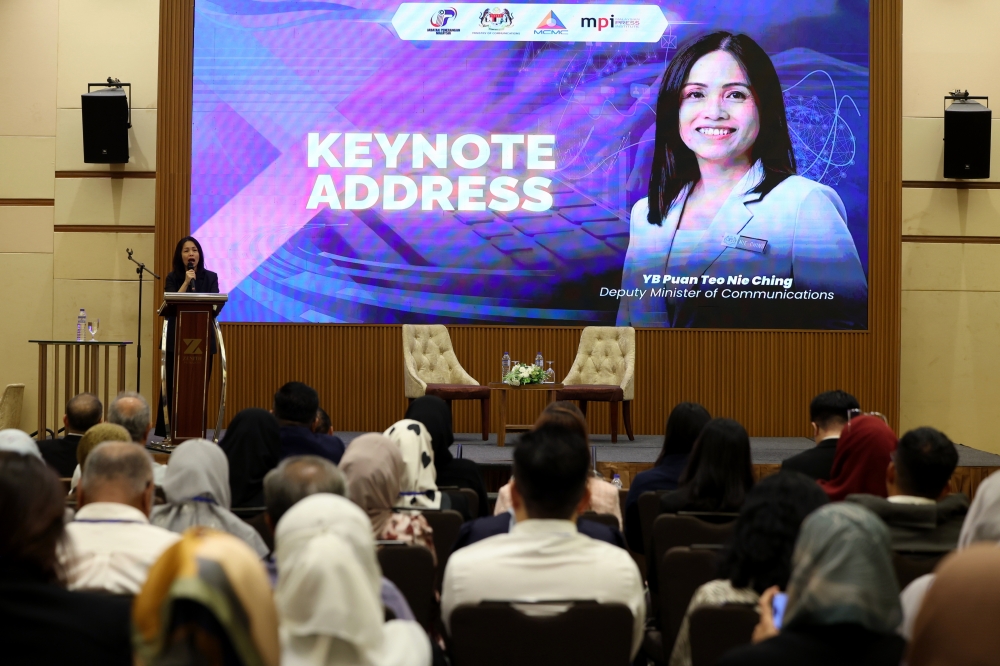
PUTRAJAYA, June 15 — Media literacy among the public needs to be strengthened so that people are better equipped to critically evaluate information and identify misleading content amid the rapid evolution of the digital media landscape, Deputy Communications Minister Teo Nie Ching said.

She said the ability to distinguish between credible information and manipulated content has become increasingly important as society enters a new era driven by generative artificial intelligence (AI), which is reshaping the global media ecosystem.

“By 2030, Malaysia will need a media ecosystem that is more resilient, innovative and trusted,” she said in her keynote address at the industry dialogue themed “Balancing Virality and Responsibility: Journalism Amid Speed, Trust and Impact” here today.

Teo said efforts to strengthen media literacy should be complemented by greater training in AI, digital verification and information security to ensure Malaysian journalists are well prepared for future challenges.

She also called for closer collaboration among the media industry, universities and the government in talent development and research related to media transformation.

Teo noted that content is now produced on an unprecedented scale, making it increasingly difficult for the public to distinguish between accurate information, misleading content and deliberately manipulated narratives.

“The major challenge in the attention economy is that algorithms do not necessarily reward the most accurate or beneficial content. In many cases, they prioritise content that triggers strong emotional reactions,” she said.

Despite growing pressure to deliver news rapidly across multiple platforms, Teo said the fundamental principles of journalism must remain unchanged, with facts needing to be checked, information verified and truth prioritised.

She said media organisations had traditionally competed to be the first to break a story, but the race had become far more demanding as news now travels in real time and audiences expect information to be available instantly.

“When an incident occurs, various versions of the story often circulate online before journalists have the opportunity to verify the facts. In such situations, media organisations face a difficult dilemma. If they are too slow, they risk being seen as lagging. If they are too fast, they risk making mistakes that could undermine their credibility,” she said.

Teo added that the future of the media would not be determined by virality alone, but by its ability to earn and sustain public trust.

“Trust is not built in a day. It is built when the media is willing to acknowledge mistakes and correct them openly. It is built when the media places the public interest above the pursuit of sensationalism,” she said.

She added that the media industry is complex and dynamic, and is best served through responsible self-regulation rather than excessive state intervention.

Teo said this understanding had guided the Madani Government’s efforts to establish the Malaysian Media Council (MMC), which was successfully formed in 2025 after years of discussions and advocacy by industry stakeholders.

On the council’s complaints mechanism, she said Phase Two was implemented on April 8 this year and had already shown encouraging progress, with 14 complaints involving issues such as reporting accuracy, the unauthorised use of images and matters affecting social harmony received in less than two months.

Of the total complaints received, 12 have been resolved, while the remaining cases are under review. — Bernama 

  • ✇Malay Mail - All
  • Court cuts Guan Eng’s defamation damages against Muhyiddin from RM1.05m to RM450,000
    PUTRAJAYA, June 18 — The Court of Appeal here today reduced the general damages awarded to DAP adviser Lim Guan Eng from RM1.05 million to RM450,000 in a defamation suit filed against Tan Sri Muhyiddin Yassin relating to the revocation of tax exemption for Yayasan Albukhary.A three-member panel comprising Datuk Azhahari Kamal Ramli, Datuk Ahmad Kamal Md Shahid and Datuk Seri Latifah Mohd Tahar made the ruling after allowing part of Muhyiddin’s appeal against the
     

Court cuts Guan Eng’s defamation damages against Muhyiddin from RM1.05m to RM450,000

18 June 2026 at 10:26

Malay Mail

PUTRAJAYA, June 18 — The Court of Appeal here today reduced the general damages awarded to DAP adviser Lim Guan Eng from RM1.05 million to RM450,000 in a defamation suit filed against Tan Sri Muhyiddin Yassin relating to the revocation of tax exemption for Yayasan Albukhary.

A three-member panel comprising Datuk Azhahari Kamal Ramli, Datuk Ahmad Kamal Md Shahid and Datuk Seri Latifah Mohd Tahar made the ruling after allowing part of Muhyiddin’s appeal against the Kuala Lumpur High Court’s decision.

In the unanimous verdict, Justice Azhahari said after examining the three impugned statements dated March 9, 11, and 12, 2023, the High Court was correct in finding that the statements were defamatory and there was no reason to disturb this finding of fact.

“On the issue of quantum, having considered the pattern of events, and the evidence adduced at trial, we are of the opinion that the general damages awarded are manifestly high.

“Accordingly, this court awarded RM150,000 for each of the three statements leading to RM450,000. We therefore substitute the sum of RM1.05 million with RM450,000,” he said.

The panel also set aside the High Court’s decision in awarding RM150,000 for aggravated damages and RM150,000 for exemplary damages to Lim.

However, the court granted Lim’s cross appeal on interest and ordered that interest be paid at the rate of five per cent per annum from the date of judgment until full settlement.

The panel ordered Muhyiddin to pay RM5,000 in costs to Lim, while the former Penang chief minister was ordered to pay RM30,000 in costs to the former prime minister.

On March 27, 2023, Lim filed a lawsuit against Muhyiddin for allegedly making three defamatory Facebook statements on March 9, 11, and 12, 2023, involving him in the tax exemption issue.

Reports on the matter were subsequently published in several newspapers and news portals.

In November 2024, the High Court allowed Lim’s suit and ordered Muhyiddin to pay RM350,000 for each of the three statements leading to RM1.05 million in general damages, RM150,000 for aggravated damages and RM150,000 for exemplary damages. — Bernama

❌
Subscriptions