❌

Reading view

Neanderthals consumed mollusks as early as 115,000 years ago, especially during the colder months

There was a time when researchers doubted that Neanderthals liked the beach. There was no trace of them in marine environments. It was suggested then that these were more complex ecosystems, requiring skills that only Homo sapiens, modern humans, possessed. Several studies have dismantled this ethnocentrism: Homo neanderthalensis had been feeding from the sea for many millennia before Homo sapiens arrived in Europe. Now, a new study published in PNAS shows that, around 115,000 years ago, in a Mediterranean cave, they used strategies that Homo sapiens would employ much later, such as gathering mollusks in the colder months, when the risk of contamination was minimal and their flavor at its peak.
Seguir leyendo

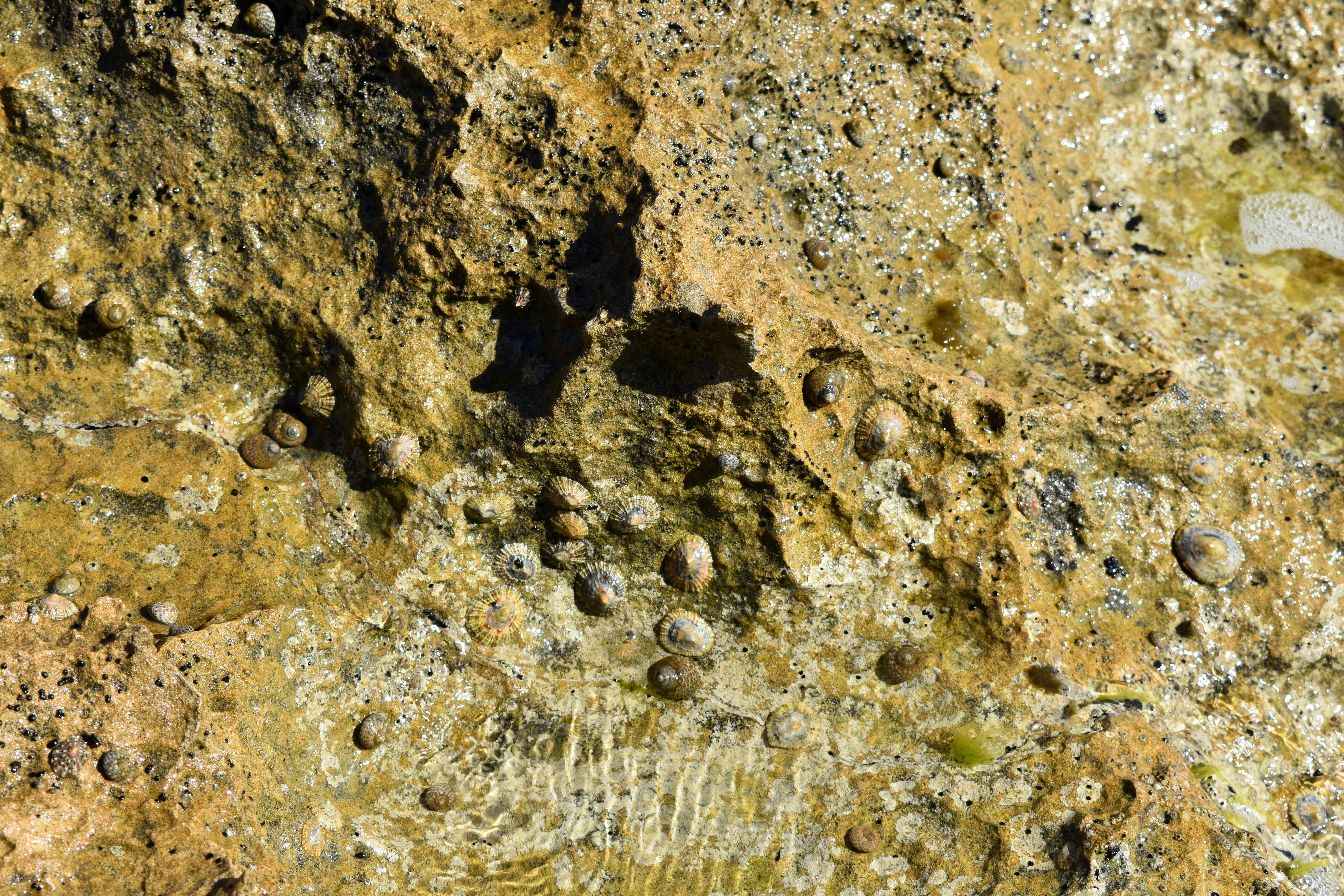
Of the limpets and periwinkles that Neanderthals ate, the former are now endangered in the Spanish Mediterranean. The image shows both species.

Β© Asier GarcΓ­a-EscΓ‘rzaga

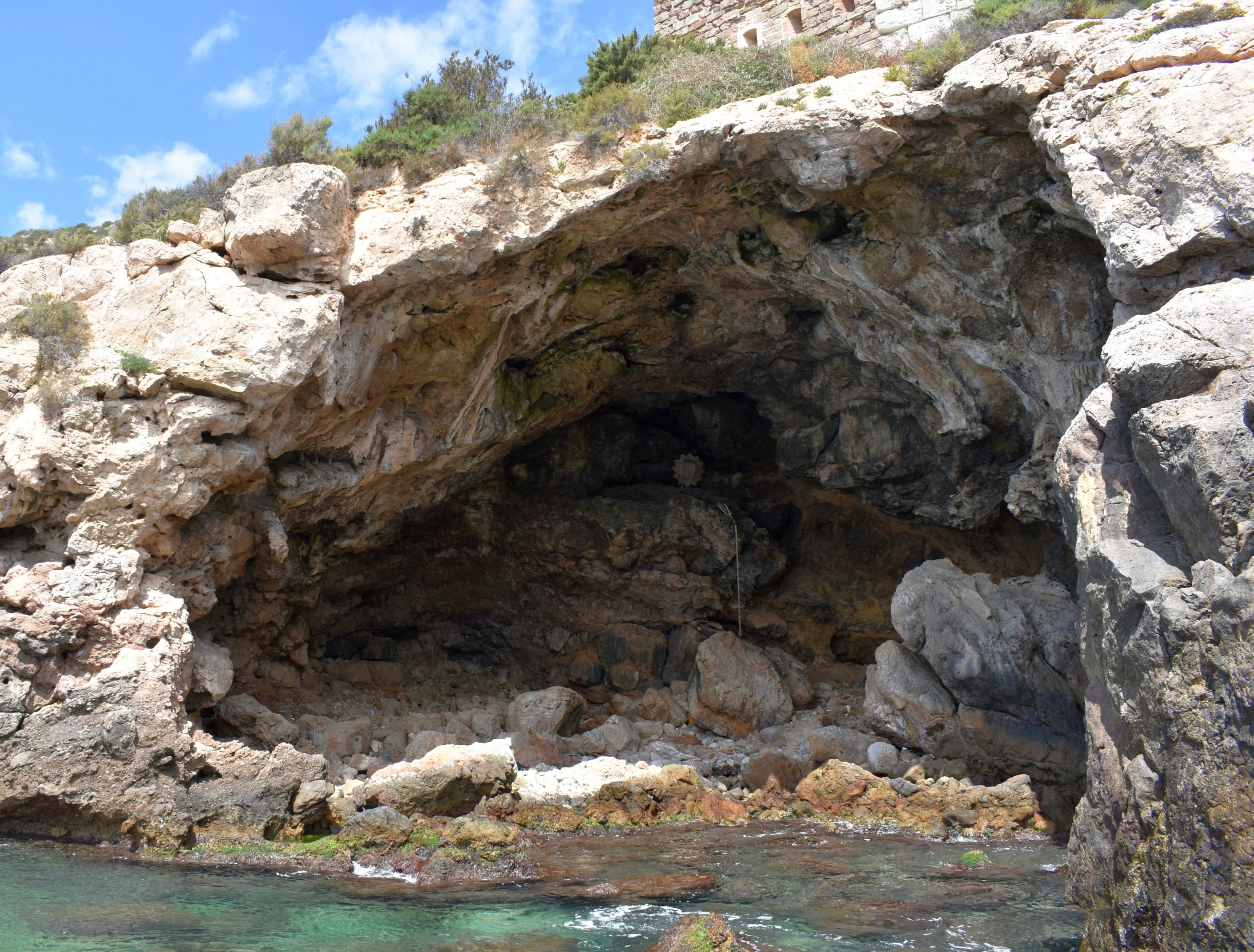
The Los Aviones Cave in Cartagena served as a refuge for Neanderthals for thousands of years. Now, rising sea levels threaten to flood it.
  •  

Spain confronts the submerged threat posed by Russia’s ghost fleet

In December 2024, the Eagle S., an oil tanker flying the Cook Islands flag that had sailed from a Russian port, was detained by Finnish police. It was accused of damaging an electric cable and four other data cables on the floor of the Baltic Sea with its anchor. It may have been an accident, but repeated incidents prompted NATO the following month to launch a military operation, Baltic Sentry, deploying surveillance aircraft, ships, and drones to confront the undersea threat. Suspicions pointed to the so‑called Russian ghost fleet, with which the Putin regime is evading EU sanctions imposed after the invasion of Ukraine.

Seguir leyendo

Β© Carlos Rosillo

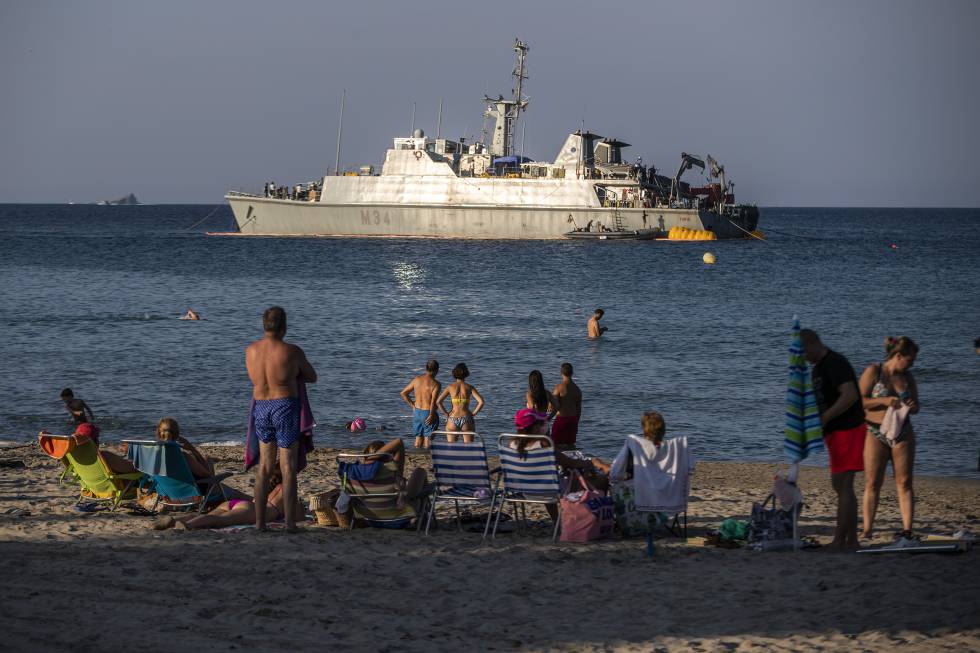
The minesweeper 'Turia,' stranded off La Manga beach in Murcia.
  •  
❌