Drew Afualo is the queen of keeping it real. The social media creator and host of The Comment Section podcast is starring in Venus Gillet's Smoothguard campaign, promoting the brand's pubic razor...
Cigna will exit the ACA individual health insurance business, leaving hundreds of thousands of health plan members in 11 states looking for new coverage next year.
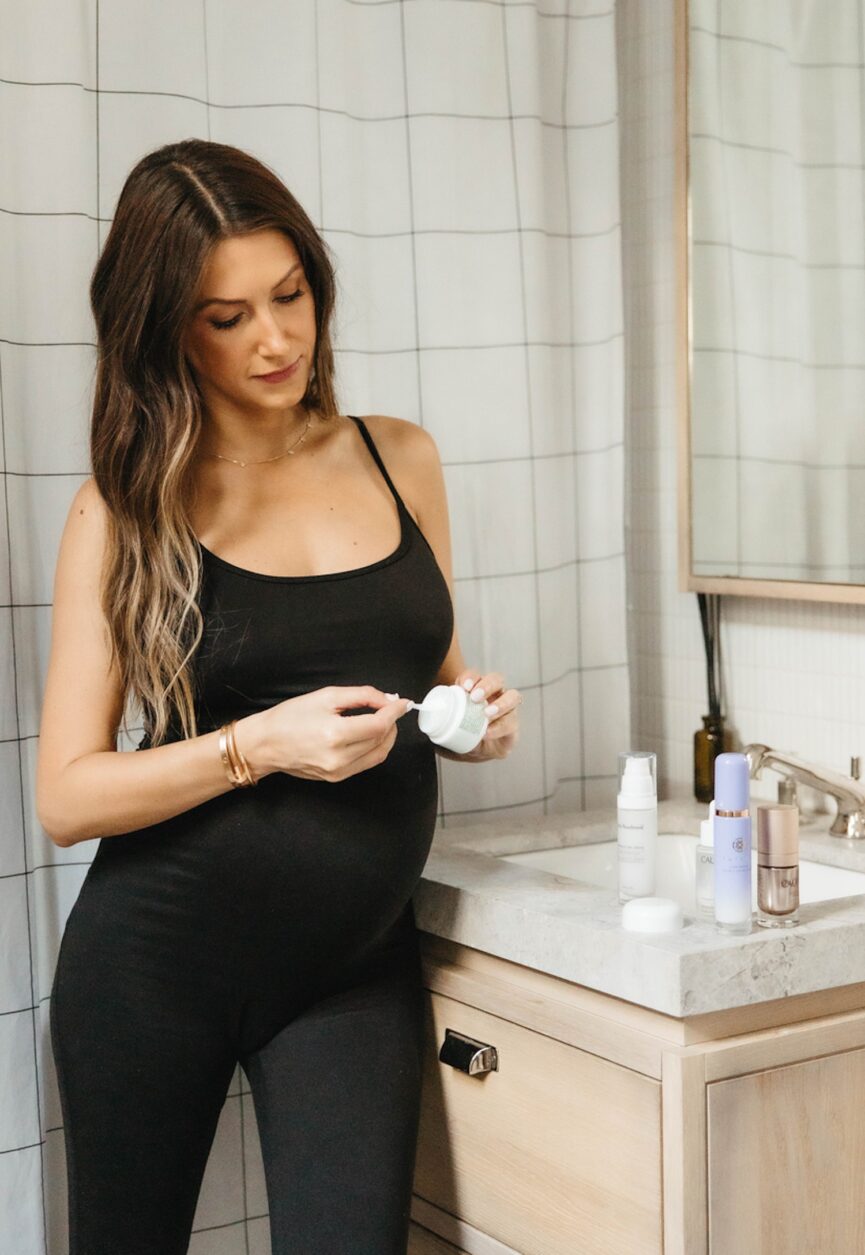
Living in Los Angeles, getting a facial can feel a little like stepping into a marketplace—everyone has something to sell, and not all of it feels necessary. Over time, I’ve learned that finding a great esthetician is less about the products they use and more about the perspective they bring. The best ones don’t overwhelm you with a 10-step routine or push whatever’s trending. They simplify, edit, and help you understand what your skin really needs.
That’s why I always ask the same question mid-facial, as my skin is being layered with serums: What’s actually worth it? Because in a world of endless launches and viral products, estheticians tend to come back to the same core principles and the same handful of products that consistently deliver.
Ahead, the esthetician-recommended skincare that makes the cut—and the thinking behind it.
Why Esthetician-Recommended Skincare Hits Different
There’s no shortage of skincare advice online, but much of it is driven by trends, not results. Estheticians take a different approach. Instead of trying to fix your skin overnight, they focus on supporting it over time: strengthening your barrier, improving hydration, and creating consistency that actually lasts.
While dermatologists are essential for diagnosing and treating medical conditions, estheticians specialize in the day-to-day health and appearance of your skin. Their approach is less about quick wins and more about long-term balance. And that’s exactly why their recommendations tend to stick.
How Estheticians Actually Think About Your Skin
I tapped estheticians Farah Bazzy and Ildi Pekar to understand how they approach skincare and the products they consistently come back to. Their philosophy? Keep it simple and focus on what supports the skin, not stresses it.
“Always look for something hydrating to rejuvenate your skin,” says Bazzy. “And add vitamin C—it’s a must.”
Both emphasize barrier support, gentle renewal, and avoiding unnecessary complexity. Because more products don’t equal better skin—better choices do.
The Ingredients Estheticians Always Come Back To
If you’re not sure where to start, Bazzy and Pekar consistently recommend focusing on a few foundational ingredients:
Hyaluronic acid for hydration and plumpness
Vitamin C for brightness and antioxidant protection
Retinol for renewal and long-term skin health
This trifecta of ingredients is proven, effective, and endlessly adaptable depending on your skin’s needs.
What Estheticians Don’t Recommend (Despite the Hype)
You’ve probably heard it before, and the skincare adage still rings true: less is always more. Many of the habits estheticians end up correcting come from clients overdoing it. Too many products, too many actives, and too much switching things up in pursuit of a quick result.
Here’s what our estheticians tend to steer clients away from:
Over-exfoliating (especially with multiple actives). Between exfoliating acids, retinol, and physical scrubs, it’s easy to push your skin too far. Estheticians often see clients who think they’re improving texture or breakouts, but are actually compromising their skin barrier in the process. The result? Sensitivity, inflammation, and skin that feels harder to heal.
Layering too many actives at once. Vitamin C, retinol, AHAs, BHAs… it’s tempting to use everything, especially when each ingredient promises something different. But estheticians take a more strategic approach, introducing actives slowly and intentionally.
Constantly switching products. One of the biggest misconceptions in skincare is that results should be immediate. In reality, consistency is what creates change. Stick with a routine long enough to understand how your skin responds, rather than jumping from product to product in search of a quick fix.
Trend-driven routines that ignore your skin’s needs. From viral skin cycling variations to multi-step routines built around what’s popular on TikTok, estheticians see the fallout of following trends without context. What works for someone else’s skin doesn’t always translate in real life.
Products that promise instant transformation. Anything marketed as a miracle fix tends to raise a red flag. Instead, focus on gradual, sustainable improvement—supporting your skin so it functions better in the long run.
One of the biggest misconceptions in skincare is that results should be immediate. In reality, consistency is what creates change.
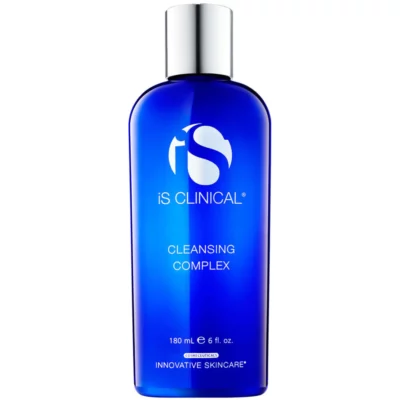
Suitable for all skin types, this cleanser is an esthitician favorite because it has both nourishing and mild resurfacing ingredients to deeply cleanse and replenish your skin. Bazzy recommends it for all skin types to instantly rejuvenate your skin.
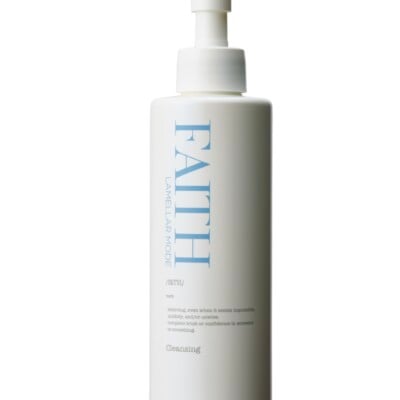
Pekar describes this as an “ultra-gentle yet effective” for its efficacy delivering a deep cleanse without ever compromising the skin barrier. Ideal for sensitive skin, this gel cleanser gently removes makeup, sebum, and pollutants.
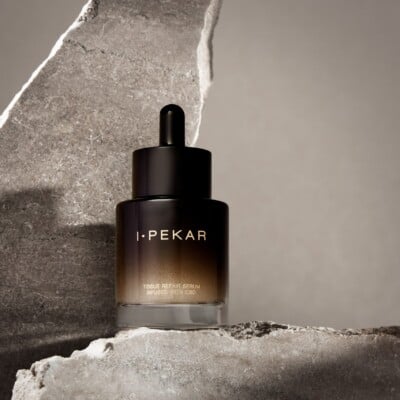
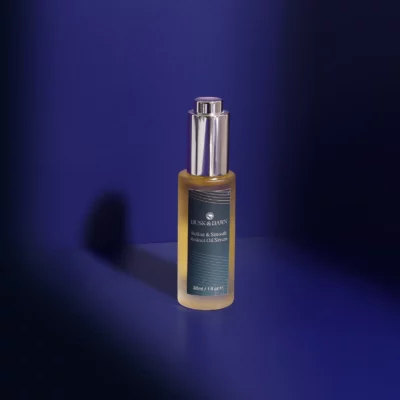
Pekar’s own serum repairs the skin from a cellular level. As serums go, this one is a deeply hydrating solution that strengthens your skin barrier. Pekar notes that it’s “formulated with a high concentration of hyaluronic acid to deeply hydrate, plump, and restore skin resilience.”
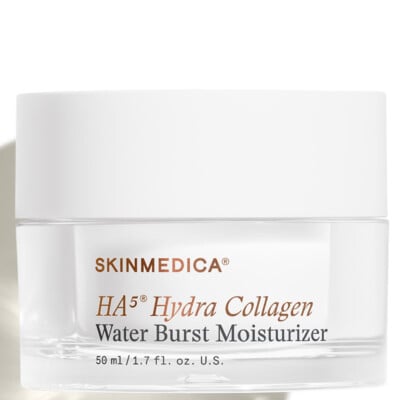
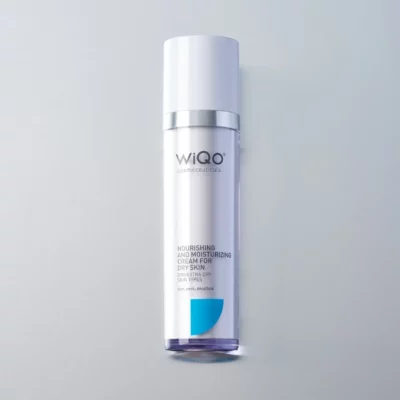
This water-based moisturizer is hydrating while still being lightweight. It boosts hydration immediately, making it one of Bazzy’s favorites for dry or dehydrated skin.
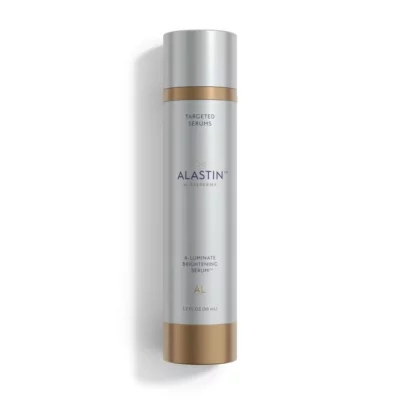
Using tranexamic acid and niacinamide, this powerful serum is Bazzy’s favorite tool against hyperpigmentation, designed to support and amplify the effects of in-office treatments like microneedling and chemical peels.
For an effective and non-irritating retinol, Pekar recommends this water-soluble retinol that “refines texture, improves tone, and supports skin renewal with minimal irritation.”
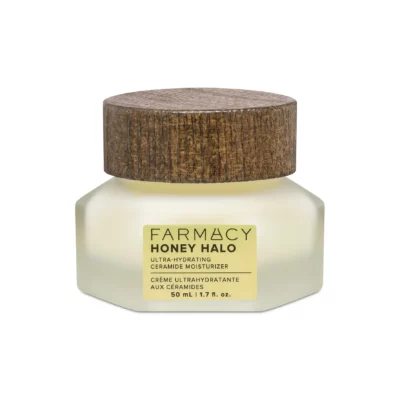
Bazzy recommends this for skin experiencing flare ups or recovering from treatments. Its shea butter base is deeply nourishing and hydrating to reduce the appearance of fine lines and prevent water loss.
At a certain point, good skincare stops being about what you add—and becomes about what you trust enough to stick with. The throughline in every esthetician’s advice is clear: support your skin, don’t overwhelm it. Choose a few well-formulated products, give them time to work, and let consistency do what trends can’t. Because the goal isn’t perfect skin overnight—it’s skin that feels healthy, resilient, and entirely your own over time.
Injectable peptides are all the rage for many health-conscious Americans, thanks in part to the hype coming from the nation’s top health official. But enthusiasm might be outpacing regulatory controls and public understanding of what these products truly are. Peptides, which are combinations of amino acids, are easy to buy. Store shelves are lined with...
Humana reported first quarter net income of nearly $1.2 billion as costs of care for older adults in its Medicare Advantage plans eased a bit but remained high.
The Trump administration is no longer allowing federal funds to be used for purchasing or distributing test strips that can determine if street drugs have been mixed or cut with fentanyl or other contaminants, a reversal that comes amid the administration’s broader opposition to harm reduction practices. In an open letter to federal grantees, the Substance Abuse and Mental Health Services Administration said it was ending...

 Login
Login
 Drew Afualo is the queen of keeping it real. The social media creator and host of The Comment Section podcast is starring in Venus Gillet's Smoothguard campaign, promoting the brand's pubic razor...
:max_bytes(150000):strip_icc():format(jpeg)/people-light-therapy-masks-7a4b105a548443e6a91c9baeeff2e712.jpg "<p>People / Foreo / Solawave</p>")


&url=https://camillestyles.com/style/skincare/esthetician-recommended-skincare/&media=https://camillestyles.com/wp-content/uploads/2026/04/woman-using-skincare-865x1255.jpg)


:max_bytes(150000):strip_icc():format(jpeg)/peo-shaving-cream-test-skintimate-skin-therapy-dry-womens-gel-taylor-calta-01-b91a33cb6cbb40c7a854b52fdbb778da.jpeg "People/Taylor Calta")


:max_bytes(150000):strip_icc():format(jpeg)/peo-product-inkey-list-omega-water-cream-jjuliao-15475-1-57e01072b62a4cd3a7140fbf1a97006a.jpeg "People/Jessica Juliao")

