
Reading view

‘We didn’t choose to be born’: Citizens react as Malaysian government studies new law for children not to abandon elderly parents
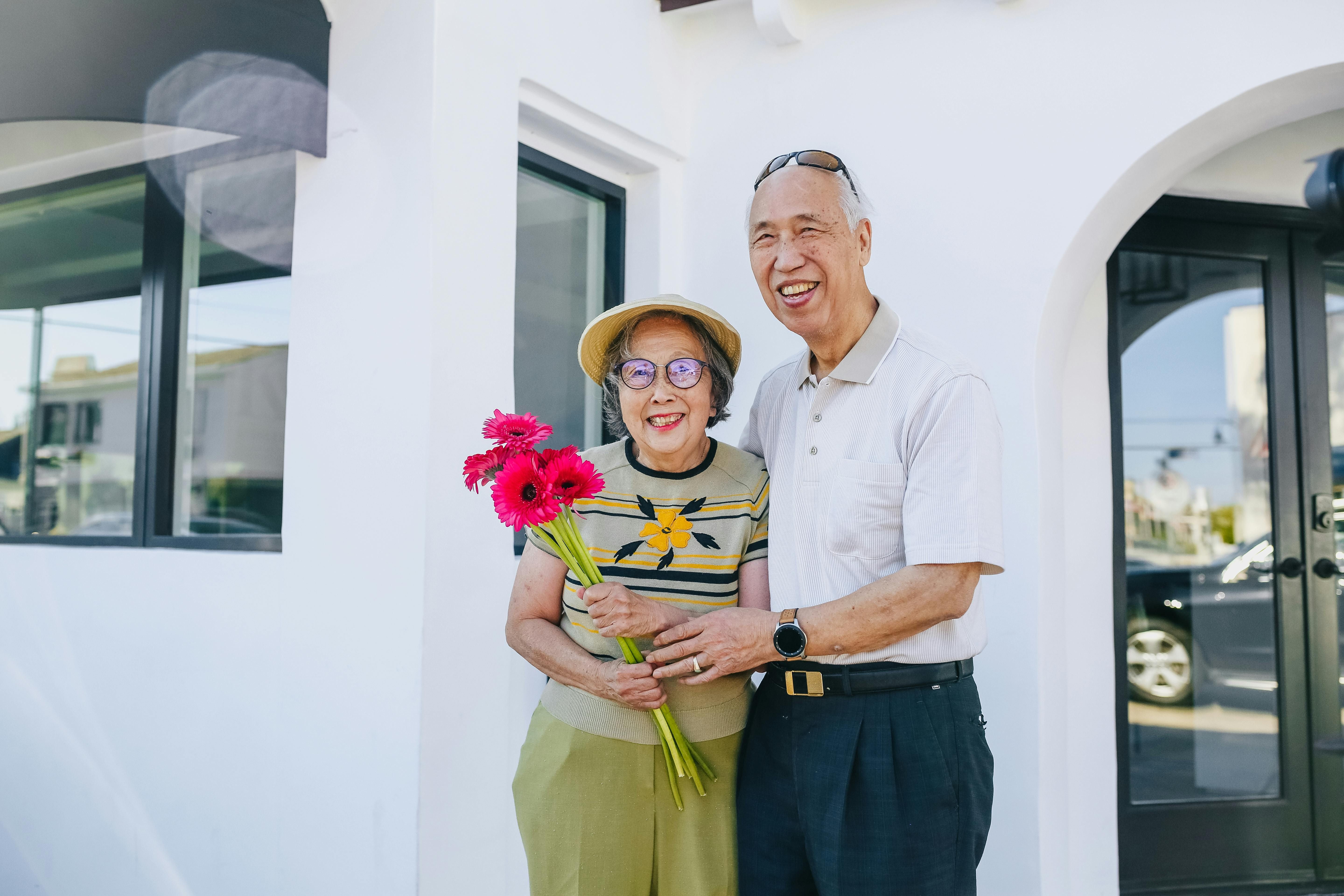
MALAYSIA: Deputy Prime Minister Ahmad Zahid Hamidi said today the government is considering a law requiring adult children to care for ageing parents. Speaking after launching the National Social Policy Action Plan 2026‑2030, Zahid explained the proposed Act would emphasise filial responsibility, with a policy paper due in six months. 

He stressed preserving Malaysia’s social values while studying foreign models to align with local culture and religious sensitivities. 

This trend mirrors what is unfolding in Singapore, with Malaysian netizens voicing strong opinions. Some lament that they “did not choose to be born,” reflecting strained family ties where parents expect children to surpass their own achievements. Others argue that the rising cost of living is a major factor.

On X, one pointed out that not all parents are the same, and some children did not grow up in supportive households. Some endured abuse, leading them to cut ties later in life. The user argued that children raised in abusive environments should not be held responsible for caring for their parents.

Following that, another argued that the Malaysian government should “step up” and take responsibility for its citizens, rather than shifting the burden onto the younger generation. The user questioned how children are expected to care for toxic parents, stressing that good parents naturally earn their children’s support. 

Others are questioning the morality of today’s adults. A citizen expressed dismay that the issue has grown serious enough to warrant government intervention. He argued that children should care for their parents, just as parents cared for them during childhood, framing it as a moral obligation that should not be neglected.

Additionally, some suggested Malaysia should establish a stronger welfare system to ensure the elderly are cared for, emphasising better incentives for retirement homes, noting such measures could also generate jobs and support the economy during uncertain times.

Much of the conversation blames parents for irresponsibility or past abuse, yet little is said about children who abandon supportive parents despite a good upbringing. One proposed solution is to provide elderly people with jobs they can manage. 

Similar to Singapore, where seniors work in fast‑food outlets, such opportunities in Malaysia could help neglected elders regain dignity, financial independence, and social connection.

This article (‘We didn’t choose to be born’: Citizens react as Malaysian government studies new law for children not to abandon elderly parents) first appeared on The Independent Singapore News.


  •  

‘Got a lot of unresolved hurt’: Singaporean opens up about why he struggles to celebrate Mother’s Day

SINGAPORE: While many people are out celebrating Mother’s Day with family lunches, flowers, and heartfelt Instagram posts today, one Singaporean man says the occasion has quietly become one of the hardest days of the year for him because of the trauma tied to his childhood.

In a post on the r/asksg forum, the man shared that his mum “used to cane or beat him quite badly” when he was growing up. Because of that, he said they never developed the kind of warm and affectionate parent-child relationship that many families in Singapore seem to have.

“We never really had the warm, close family relationship,” he wrote. “Every year when Mother’s Day comes around and everyone is posting family dinners, flowers, IG stories, etc., I feel damn conflicted. Like, got guilt for not wanting to celebrate properly, but at the same time still got a lot of unresolved hurt.”

Wanting to know if others could relate, he asked fellow Singaporeans: “Anyone else in Singapore feel sian around Mother’s Day because your relationship with your mum wasn’t good growing up?”

He also directed the question to people who came from toxic or abusive households, asking how they personally deal with the occasion.

“For people here who grew up in more toxic or abusive households, how do you all handle Mother’s Day?” he asked. “Still go through the motions because filial piety and all, keep it lowkey, or just don’t celebrate?”

“Move out if you can”

In the comments section, many Singaporean Redditors encouraged the man to stop feeling guilty over his complicated feelings toward Mother’s Day.

One of the top comments read, “Be kind to yourself. There is no need for the guilt. It will get better. You decide how close you want to be with her. Who knows, you may end up closer to her many years down the road after dealing with your own childhood issues. And if you don’t, it is alright too.”

Another told him, “You give too much of a crap about societal expectations and ‘filial piety.’ Move out if you can, even better if you can move out of the country for a bit. See the world, stay off social media, get some perspective, and find some peace.”

Others shared that they had gone through similar experiences themselves.

One wrote, “I don’t have a good relationship with my mum (I grew up getting caned and beaten by her quite a bit). I used to give her presents and have a meal with her, but now I just pretend Mother’s Day doesn’t exist, just like I pretend Father’s Day doesn’t exist.”

Another suggested, “If it makes you feel better, just buy her a meal and wish her a happy Mother’s Day. (Take a pic of her and food as proof… lol in case she complains). Settle the guilt and responsibility part and move on, and wait for next Mother’s Day to come.”

In other news, a female polytechnic student took to Reddit to vent about her family’s domestic helper, who allegedly “takes and uses her belongings” without permission and prepares separate “better” meals for herself.

In an anonymous post on the r/askSingapore forum, the student claimed that the helper “keeps stealing things such as hand cream, money, and chocolate, and whenever confronted, she denies taking anything.”

Read more: Poly student alleges family maid eats better food, ignores requests, and takes her items

This article (‘Got a lot of unresolved hurt’: Singaporean opens up about why he struggles to celebrate Mother’s Day) first appeared on The Independent Singapore News.
  •  

Singaporean couple were killed after their Ferrari crashes and catches fire on Johor road

SINGAPORE/MALAYSIA: A Singaporean couple died after the Ferrari they were travelling in crashed and caught fire along a road in Johor on Saturday morning.

The accident happened at about 9 am while the pair were reportedly heading towards the coastal town of Mersing. Kota Tinggi district police said the car was driven by a 34-year-old man, with a 33-year-old woman seated in the front passenger seat.

Both victims suffered severe injuries and were pronounced dead at the scene after the vehicle burst into flames, police said. Their bodies were later sent to the forensic unit at Kota Tinggi Hospital for further procedures. Photos released by police showed the Ferrari badly destroyed, with debris scattered across the road.

Several Malaysian media outlets, including The Star, New Straits Times and Free Malaysia Today, identified the victims as Singaporeans, Channel NewsAsia (CNA) reported.


Possible reckless and dangerous driving

The case is now being investigated under Section 41(1) of Malaysia’s Road Transport Act, which covers causing death through reckless or dangerous driving.

Road risks and driving safety awareness

The crash has also drawn attention online, with many netizens reacting to the dangers tied to high-performance cars and long-distance weekend drives into Malaysia. Others pointed out how fatal highway crashes involving luxury sports cars continue to surface across the region despite repeated road safety campaigns.

The route towards Mersing is popular with travellers heading to beach resorts and ferry terminals serving nearby islands. Weekend road trips from Singapore to Johor are also common, especially during public holidays and short breaks, when heavier traffic and long hours behind the wheel can increase the risk of accidents.

Careful driving matters more than the emblem on a car

While the cause of the crash has not been confirmed, the incident is another grim reminder that speed and powerful vehicles leave very little room for error on public roads. Even experienced drivers can lose control within seconds.

Road accidents involving Singaporeans in Malaysia have always been met with strong public reaction because cross-border travel has become part of daily and weekend life for many residents here. The familiarity of the routes can sometimes create a false sense of comfort behind the wheel, especially on long, open roads.

No amount of horsepower in any vehicle, for that matter, changes the basics of road safety. A calm driver and steady judgment still and always matter more than a badge on the car.

This article (Singaporean couple were killed after their Ferrari crashes and catches fire on Johor road) first appeared on The Independent Singapore News.
  •  

New employee wonders why sick colleagues in Singapore still work remotely

SINGAPORE: A newcomer to Singapore’s workforce raised concerns about what seems to be a suspected company culture where employees continue to work despite being ill by working from home instead of filing proper sick leaves. 

Joining a firm a couple of months ago, the new employee noticed a pattern—colleagues who claimed to feel unwell continue to log in remotely, and the boss allegedly is not telling them to take a rest. 

With this observation, the employee shared: “Upon joining the company, there were no set days of sick leave but employees could take time off wherever needed for health reasons. Now I am worried if I ever take medical leave it will be frowned upon.” Furthermore, the employee questioned if this is a common practice in Singapore. 

Several netizens shared their thoughts and opinions about the subject matter. One declared that it is part of being an adult, and that no one really cares if one is feeling bad enough to take a rest. 

A netizen also shared that many workers are saving their sick leaves in case something really bad happens.

“In the end, it doesn’t really matter, because: (1) most illnesses are minor and you’d appreciate not taking public transport and want to avoid infecting team mates, but you can still do simple office work, and (2) for most office jobs, it’s task-based with deadlines, and if you take MC, you have to catch up after you’re sick,” the netizen remarked. 

For some, they just don’t want their work to pile up, that’s why they opt to continue working at home even when they are sick. Others think that having sick days might affect their performance rating, bonuses, promo chances, and the likes. 

“Well the company can always replace you with someone who will,” one claimed. 

Workplace practices like this might affect one’s decision to work, especially with the newer generations. In a recent report, it is revealed that more graduates in Singapore are turning down job offers if the salary does not meet their expectations, alongside factors of career development and job flexibility. 

It is reported that many graduates are becoming more selective, choosing to wait for better opportunities rather than accept roles that fall short of their expectations.

Read more about the news story here

This article (New employee wonders why sick colleagues in Singapore still work remotely) first appeared on The Independent Singapore News.

  •  

‘Singaporeans are unhappy because they’re always chasing what 5Cs others have’ — SG comedian Kumar says, ‘Don’t be jealous; be grateful and happy with what you have’

SINGAPORE: Singaporean comedian and performer Kumar believes many Singaporeans are unhappy because they spend too much time chasing others’ lifestyles rather than appreciating what they already have.

Speaking on a YouTube interview published on May 7 by Max Chernov, who features raw conversations about wealth, global mobility, and mastery, Kumar said modern Singapore life has become an endless pursuit of money, status, condos, cars, and social expectations.

“Singapore need to slow down, think, live for the moment and enjoy life,” Kumar said. “Because we are all in a chase. We are all chasing for the money, chasing for a better life,” he pointed to younger Singaporeans who feel pressured to achieve the traditional 5Cs (Cash, Car, Credit Card, Condominium, and Country Club) milestones, dubbed the “Singapore Dream” early in life, before turning 30.

Kumar then questioned whether such people have stopped asking themselves what actually makes them happy. “You need to know what makes you happy and find your happiness,” he said.

“Don’t be jealous about what your friend has…”

One of Kumar’s strongest points during the interview was about making unnecessary personal comparisons of other people’s lifestyles and financial status.

He said many Singaporeans measure their lives against those of friends, colleagues, or social media influencers without considering differences in income, profession, or circumstances.

“Don’t be jealous about what your friend has,” Kumar advised, adding, “We have to be grateful for what we have and be happy with what we have.”

He added further that many people appear happy on the surface but struggle internally, harbouring such envious tendencies. “They look happy, they think they’re happy, but instead they’re not happy,” he explained.

“Be grateful and happy with what you have…”

Kumar warned that such constant comparison and envy can slowly push people into depression, especially when they feel they are falling behind others financially or socially.

“It’s eating them up,” he said, “so eventually they’ll get into depression because they don’t have what others have,” he added, [so] “be happy with what you have. I’m very happy with what I have. Extremely. I’m very at peace. I have my Netflix. I’m very happy,” he laughed.

On a serious note, discussions about burnout, silent exhaustion, and “rat race” culture have become increasingly common online in recent years, so Kumar’s comments now may resonate with many Singaporeans facing rising living costs, housing concerns, debt, and work stress.

“You don’t need to have S$1M in the bank to be happy…”

Kumar also pushed back against the idea that happiness comes only after achieving major financial goals. “You don’t have to have one million [dollars] in the bank [to be happy],” he said. “You can find happiness with S$10,000,” he assured.

The comedian also said he personally prefers balance to endless work. “I’m not greedy,” he exclaimed. “I’m happy doing [my comedy show] three times a week because it gives me enough money to pay my rent, to have my lifestyle, and be happy.”

He also cautioned against living beyond one’s means through bank loans and credit card debt, saying many people create unnecessary stress by trying to maintain lifestyles they cannot comfortably afford.

“You can live, you can work, and you can sustain your lifestyle; that’s most important. Don’t live out of your means,” were Kumar’s exact words of advice.

“Don’t always complain about work. Do something that makes you happy…”

Beyond money, Kumar said, people need healthier ways to manage their stress levels. He encouraged Singaporeans to spend less time complaining about work and more time pursuing hobbies, exercising, or engaging in activities they genuinely enjoy.

“Do some outdoor activity that makes you happy to balance this frustration at work,” he advised, adding, “Exercise is so important.” He also joked that “the biggest enemy for us is the handphone,” referring to mobile phone addiction and modern digital habits that keep people indoors all the time.

In addition, according to Kumar, happiness is less about chasing perfection and more about balance, gratitude, and knowing when enough is enough.

“Find your happiness. Happiness is not a place, it’s a direction…”

Kumar closed the interview with a simple message to all Singaporeans that summed up his views on life.

  • “Find your happiness.”

  • “Happiness is not a place, it’s a direction.”

  • “Don’t be greedy. Be grateful. Be kind. Be happy.”

Besides advising the people of Singapore to be grateful and happy in life, Kumar also touched on dating pressure, masculinity, mental health, financial stress, migration, technology, and Singapore society in greater depth.

Watch the full context of Kumar’s opinions, advice, and suggestions in the video interview with Max Chernov below:

This article (‘Singaporeans are unhappy because they’re always chasing what 5Cs others have’ — SG comedian Kumar says, ‘Don’t be jealous; be grateful and happy with what you have’) first appeared on The Independent Singapore News.

  •  

‘Still no job?’ — SG jobseeker avoids friends and relatives after a year of unemployment

SINGAPORE: After a year of unemployment, one Singaporean jobseeker has admitted that the experience has completely shattered his confidence, to the point where he now avoids meeting friends and relatives altogether.

In a Reddit post, the man said it feels like everyone around him has moved forward while he remains painfully stuck in the same place. His friends are progressing in their careers, getting promotions, and building their futures, while he continues sending out application after application with nothing to show for it.

What makes things worse, he shared, are the constant questions from relatives whenever they meet.

“Still no job?” they would ask, often with expressions that appeared to hover between “concern and disappointment.”

After months of giving the same explanations about his job search struggles, the man said he gradually began withdrawing from social interactions altogether.

“Life feels bleak,” he wrote. “And the weight of uncertainty just feels unbearable. Anyone in the same boat as me?”

The man stressed that he has not spent the past year doing nothing. According to him, he tried everything he could think of to improve his chances of getting hired. He attended “career fairs, reached out to professionals on LinkedIn, applied for countless openings, and even signed up for upskilling courses.”

But despite all that effort, nothing seemed to work.

Some employers never replied to his applications at all. Others dragged him through multiple interview rounds before suddenly disappearing without an explanation. A few openings, he said, came with requirements that felt impossible to meet.

He pointed out that many so-called “entry-level” jobs were asking for three to five years of experience.

“How do you gain experience when no one gives you a chance?” he questioned.

Now, with his savings slowly drying up and the gap in his resume growing longer by the day, the man admitted that he is beginning to lose hope.

Experts: Don’t isolate yourself

Career experts say that while unemployment can seriously affect confidence and push people into isolation, withdrawing completely tends to make things worse.

According to Vision Counselling’s website, it is essential for job seekers to maintain connections with friends, family, or support groups, as these can provide comfort, reassurance, and a broader perspective.

Experts also advise job seekers to acknowledge their emotions instead of suppressing them. Writing thoughts and feelings down, especially frustrations, sadness, or anger, can help people process what they are going through.

Aside from this, they also urge job seekers to establish a routine since this “counteracts the lack of direction often experienced during unemployment” and to use this period as an opportunity to learn a new skill or take a course.

Read also: ‘This is my home’: Singaporeans say they would not retire in Malaysia despite lower costs

This article (‘Still no job?’ — SG jobseeker avoids friends and relatives after a year of unemployment) first appeared on The Independent Singapore News.
  •  

Concerned Singaporean says Indranee Rajah shouldn’t be the “spokesperson giving advice” on how to boost birth rate

SINGAPORE: Amid a wave of reactions about Minister Indranee Rajah’s recent comments as chair of the Government’s workgroup to boost the national birth rate, one individual has said that the politician should not act as a spokesperson giving advice to citizens, given the fact that she does not have children herself.

The criticism erupted after Ms Indranee gave an update on the new Marriage and Parenthood Reset Workgroup that was convened to address Singapore’s record low total fertility rate (TFR) of 0.87.

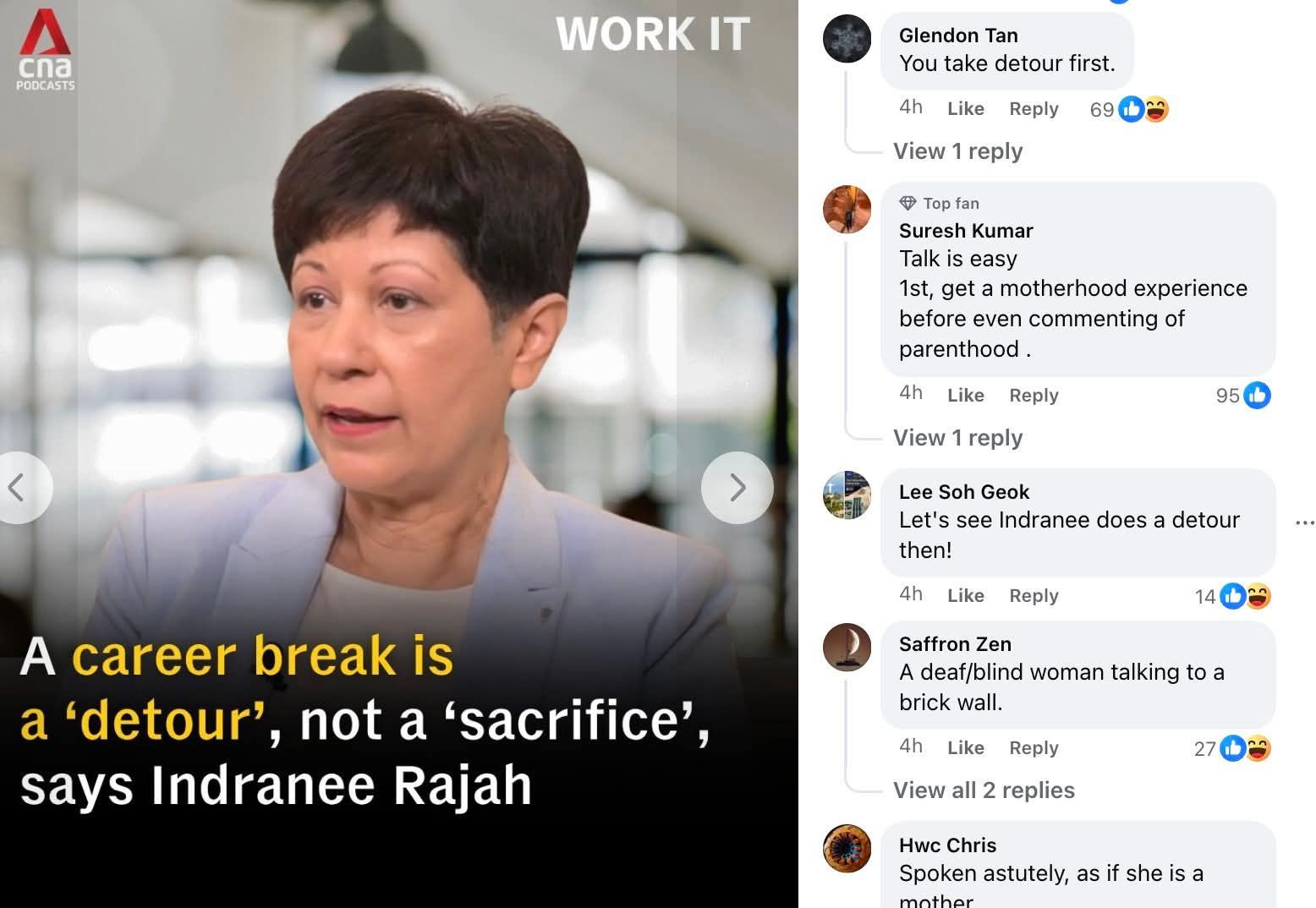
The 63-year-old told CNA last week that the breaks women take to have and care for children should be seen as career “detours” and not sacrifices or setbacks. She added that the workgroup aims to normalise these career “detours” among employees and employers.

Singaporeans responding to her remarks were critical and asked the Minister why she hadn’t taken a detour herself. Ms Indranee is unmarried and does not have children.

Some questioned why Prime Minister Lawrence Wong, who also does not have children, would tap on Ms Indranee to head a committee on marriage and parenthood. Others said “talk is easy” and urged the Minister to avoid lecturing working mothers, as she hasn’t had the experiences they have had.

Amid the criticism, one Singaporean urged the Minister to reconsider her communication approach and rely on mothers to better connect with citizens on this issue.

In a lengthy post analysing the reactions to Ms Indranee’s recent remarks, Facebook user Ding Neng argued that successful messaging often depends not just on the content of the advice being given, but on whether the person delivering it is seen as relatable or credible by the target audience.

FB_IMG_1778401516772
Photo: Ding Neng FB

He suggested that “testimonials” from people with lived experience tend to resonate more strongly with the public, especially when audiences can identify with them.

Using examples from MLM seminars and investment pitches, he wrote that people are often persuaded when they hear success stories from individuals they perceive as similar to themselves.

He added that the same principle applies in other contexts, saying people are unlikely to respond positively to health or fitness advice from someone who does not appear to embody the results they are promoting.

Against this backdrop, Mr Ding questioned the Government’s decision to have Minister Indranee lead messaging around childbirth and parenthood, pointing out that she does not have children herself.

“But then, we are now seeing how the government is getting Singaporeans to have kids, [led] by a minister who [hasn’t] done it before,” he wrote.

According to Mr Ding, the issue is not necessarily with the quality or sincerity of the ideas being proposed.

“I can say Minister Indranee has lots of good ideas and proposals to encourage Singaporeans to have kids,” he said, adding that she also has “a team of MPs under her team contributing to ideas too.”

However, he argued that the public response shows many Singaporeans are struggling to connect with the messenger.

“Whatever advice she gives, no matter how well-intended, got lots of push back simply because people are saying directly/indirectly ‘if so good, then why haven’t you done it yourself’,” he wrote.

He urged the Minister, “Don’t be the spokesperson to give advice already. People are hearing, but not listening – same as how a person overweight and more unhealthy than you giving you advice how to work out and eat clean.”

Rather than having politicians front the campaign directly, Mr Ding suggested the Government rely more heavily on the experiences of ordinary parents and employers who have successfully navigated the challenges of raising children in Singapore.

Among his suggestions were inviting mothers who stepped away from their careers and later re-entered the workforce to share their experiences publicly, as well as showcasing families living on median incomes who are able to raise children while maintaining a reasonable quality of life.

He also proposed highlighting companies that actively support working mothers through flexible workplace policies, with employees themselves sharing why those measures have been effective.

“The message is the same, but because it’s shared by people who have done it, people are open to listen,” he wrote.

He concluded his post by saying, “People don’t follow ideas; they follow people who have proven those ideas work.”

Netizens responding to his post agreed with his take and urged the Government to rethink how it communicates its pro-family messaging.

One commenter said, “She’s capable, but she’s definitely the wrong person to chair this. She is not married and has no kids, which is already a NO-NO and can’t get credibility liao.

“Also, by having her chair this initiative, it’s giving a negative impression to the public that the government is not serious about this initiative. Of all people, why her?”

Another netizen added, “Reality is: there are trade-offs. To deny that is to be not honest with the population. I thought PAP was always straightforward with the populace?

“Anyway, there are good reasons why people cannot accept Indranee leading the workgroup. The issue is highly emotional and sensitive, and only those who have gone through it themselves have much credibility to lead the workgroup. It is not about solving just any technical issue.”

This article (Concerned Singaporean says Indranee Rajah shouldn’t be the “spokesperson giving advice” on how to boost birth rate) first appeared on The Independent Singapore News.

  •  

‘Singaporeans aren’t less ‘hungry’… maybe we’re just tired’: Reddit user says Singaporeans are growing tired of burnout culture

SINGAPORE: A 42-year-old recruiter, Ms Shulin Lee, has come under heavy fire online after comments she made during CNA’s Deep Dive podcast rubbed many Singaporeans the wrong way.

In the interview, she claimed that some companies she has worked with “are letting go of Singaporeans in favour of hiring people in Malaysia, Vietnam, Philippines, not because they’re necessarily more skilled, but because they are a lot hungrier.”

Unsurprisingly, her use of the word “hungry” quickly became the focus of criticism.

Across social media, many users slammed the remarks as “tone deaf,” “insensitive,” and overly dismissive of the struggles local workers already face. Some felt the comments painted Singaporeans as lazy or entitled, simply because they are no longer willing to tolerate endless overtime, constant stress, and stagnant pay without questioning it.

Others argued that refusing to work punishing hours for lower salaries does not make someone “less hungry.” If anything, they said, it just means workers today know their worth and are less willing to romanticise burnout in the name of loyalty.

In a separate Reddit post, another Singaporean shared their own take after watching clips of the interview. Rather than agreeing that locals are becoming less driven, the user argued that Singaporeans “aren’t less hungry” but “simply tired.”

According to the post, many people grew up watching their parents work themselves to the bone, staying in the office until late at night, sacrificing family time, health, and personal happiness, only to end up retrenched anyway, despite years of loyalty.

They added that when younger workers today ask for things like work-life balance, fair pay, or reasonable boundaries, they are suddenly labelled “not hungry,” as though wanting a life outside work automatically means lacking ambition.

“Is Singapore really becoming ‘less hungry?’” They added. “Or are people finally rejecting burnout culture?”

“What makes her think that we Singaporeans are not hungry?”

In the discussion thread, one Redditor responded: “I just think it’s because we’re not in survival mode or we don’t wish to be in that mode anymore—and! that’s!! Okay!!!”

Another commented, “Less hungry is such a stupid take, man. Less hungry compared to who/what? Less hungry compared to foreign talents (FT)? The same FT doing the same role can buy bungalows, land, and cars back in their home country. We can barely afford a BTO/resale.”

A third added, “Honestly, I feel that the comment she made is like an insult to us Singaporeans. Don’t you think so? What makes her think that we Singaporeans are not hungry? She thought we all stay in Singapore for free?”

“All of us have monthly bills to pay, we all still need to work and put food for the family on the table, so that we all can survive.”

Read also: Singaporeans returning after 10+ years overseas share biggest reverse culture shocks: ‘MRT used to be empty at 3pm, now it’s always crowded’

This article (‘Singaporeans aren’t less ‘hungry’… maybe we’re just tired’: Reddit user says Singaporeans are growing tired of burnout culture) first appeared on The Independent Singapore News.
  •  

Singaporean woman jailed for forcing her maid with squat punishments while repeating “I am stupid” and “I am crazy”

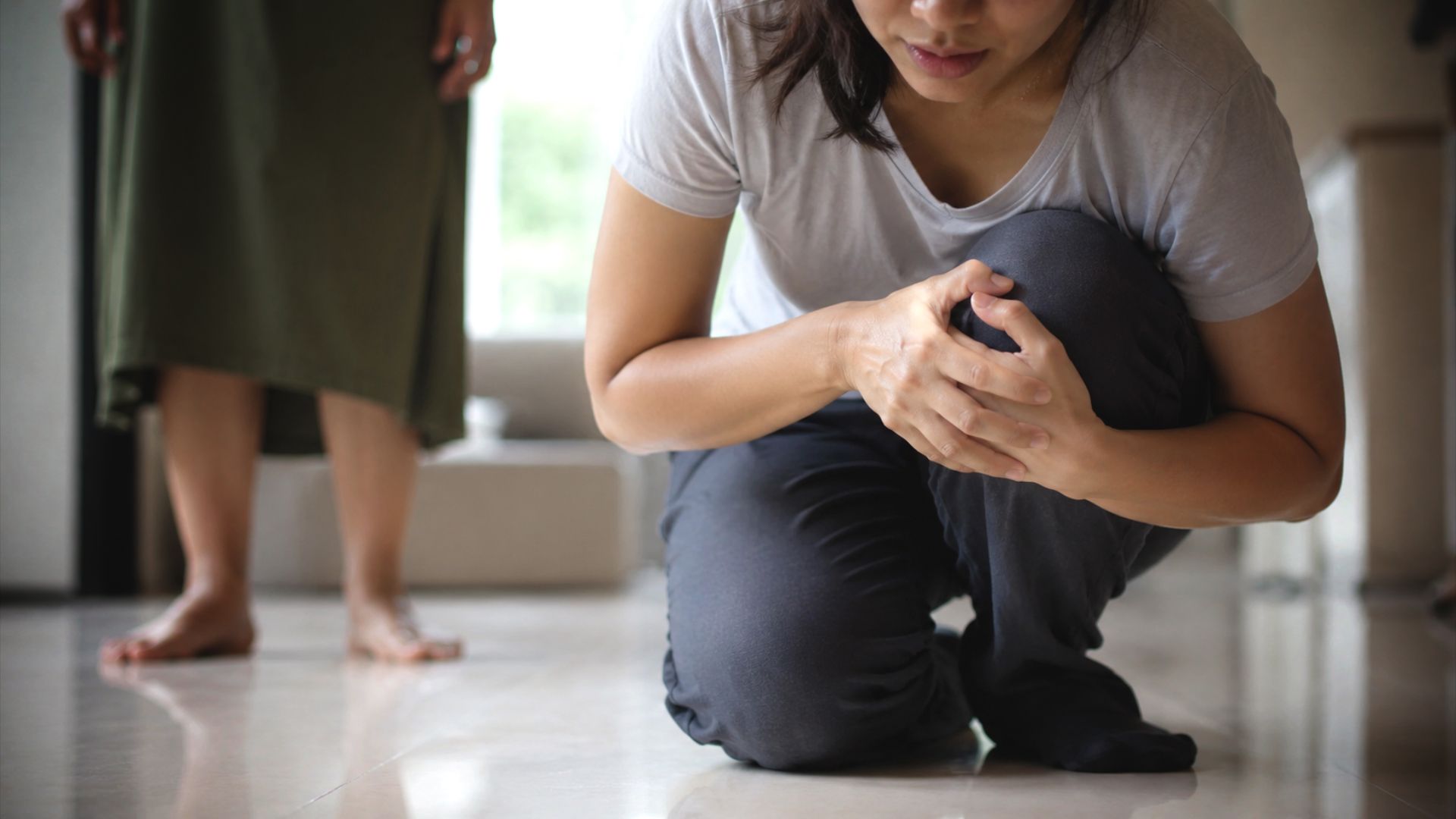
SINGAPORE: A 29-year-old Singaporean woman has been jailed after forcing her domestic helper to perform repeated squats while reciting self-insulting phrases such as “I am stupid” and “I am crazy”.

Eylaiza Benazir D/O Mohamad Ausman was sentenced on May 7 to seven months’ jail and fined S$5,000. The report, according to Mothership, published on May 8, said she pleaded guilty to one assault charge involving her helper and a separate harassment case involving staff at KK Women’s and Children’s Hospital.

The abuse case centred on a July 2024 incident at her home. Court documents showed Eylaiza became upset over several household matters and ordered the helper to do squats as punishment.

One issue involved the helper assisting Eylaiza’s five-year-old daughter in wearing a jacket because the child thought it looked nice. Eylaiza reportedly felt the child would become too warm and punished the helper with 20 squats while making her repeat the Malay phrase “saya bodoh”, meaning “I am stupid”.

The punishment escalated after Eylaiza checked the fridge and became unhappy that frozen food hadn’t been stored properly. She then ordered another 20 squats, this time while making the helper repeat “saya gila”, or “I am crazy”.

By then, the helper’s legs had cramped badly, and she struggled to stand properly, court documents stated. The situation worsened after Eylaiza became angry that the helper had bought the sweet potatoes from Indonesia rather than Japan. One of the potatoes was allegedly thrown at the helper’s shin, causing pain.

She then ordered another round of squats from the helper. The helper tried to continue, but couldn’t complete them because of the cramps. Court documents said Eylaiza’s husband later stepped in and tried to stop the punishment.

Physical abuse went beyond forced squats

The court heard the abuse didn’t stop with the squats. Eylaiza later pulled the helper by the ear towards the fridge, forcing her to move forward to ease the pain.

In another incident, she splashed water on the helper’s face after noticing soap residue in a milk bottle, and then pushed her shoulder. That same evening, the helper decided to escape the flat after pretending she was taking out rubbish.

Using another person’s phone downstairs, she called the police and said her employer was fighting with her. The next day, doctors at Woodlands Health found tenderness in both her shins, which caused pain and difficulty walking. She was later given medication for relief.

The repeated demands to also say self-degrading phrases while forced exercising turned the punishment into public humiliation inside the home.

Singapore has seen several maid abuse cases over the years, but courts have repeatedly treated psychological humiliation alongside physical harm as a serious aggravating factor. The combination usually points to power being used to demean rather than discipline.

Verbal abuse towards hospital staff and police officers

Eylaiza was also fined S$5,000 over a separate incident at KK Women’s and Children’s Hospital in March 2024.

Court documents showed she had brought her infant son to the hospital because he was coughing. Doctors later diagnosed the child with bronchitis and advised against discharge due to the seriousness of the condition.

The court heard Eylaiza became increasingly upset with hospital staff and refused to sign a discharge form against medical advice. She later raised her voice at staff members, police officers, and a 67-year-old nurse clinician.

According to court records, she insulted staff repeatedly and mocked one police officer by calling him “sassy like a girl” several times during the dispute.

Prosecutors described her conduct towards the helper as degrading and humiliating. They also noted the hospital incident lasted around two hours and involved repeated verbal abuse.

Cases like this continue to raise difficult questions about how some domestic workers are treated behind closed doors. Many helpers live in their employers’ homes, making it harder to walk away when tensions rise.

When punishment crosses into humiliation and fear, it stops being a household dispute and becomes horrible abuse. Courts stepping in firmly sends a message that any form of personal frustration doesn’t excuse cruelty to others.

This article (Singaporean woman jailed for forcing her maid with squat punishments while repeating “I am stupid” and “I am crazy”) first appeared on The Independent Singapore News.
  •  

Singapore woman cycles alone across Southeast Asia, sharing lessons from the road

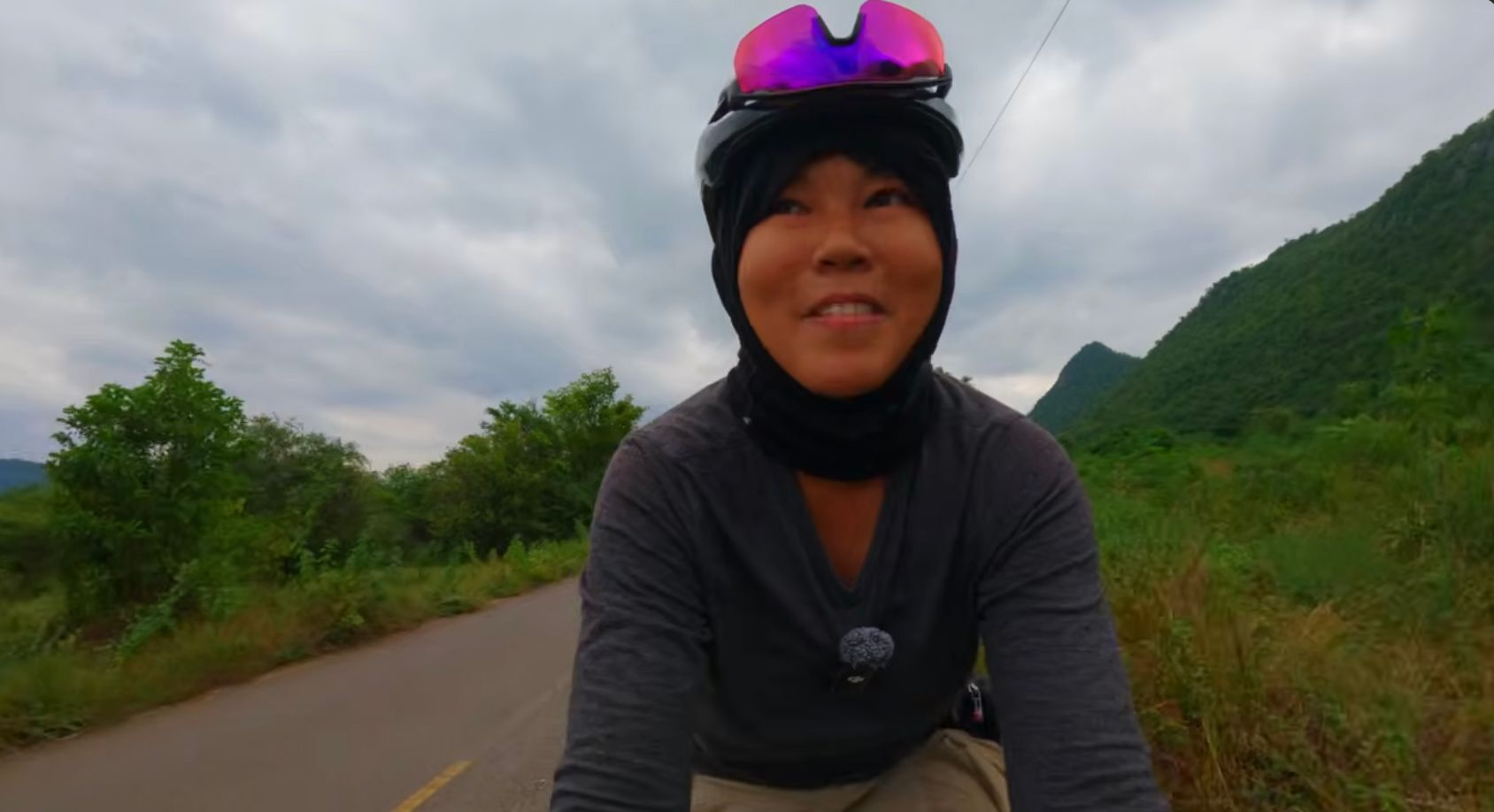
SINGAPORE: A woman recently took a solo bike trip through five countries in Southeast Asia and documented her trip, what she’s seen, felt, and learned, throughout her journey.

The content creator behind a YouTube channel called “Wing Outdoor” used to work in tech, but has since taken a break in order to explore Malaysia, Thailand, India, Laos, and Vietnam during a recent tour.

Not that she had it all planned out, and not that everything worked out perfectly. On the contrary, a number of things that could go wrong did, and there were days when going on was harder than she ever imagined. But she pushed through, learning a lot about herself and life in the process.

“Since the start of this trip, I’ve been figuring things out as I go. How to be on the road, and how to live on a bicycle,” she said.

Her trip started, quite naturally, in Malaysia, where her biggest takeaway seemed to be how willing people were to help her. Strangers she had never met before opened up their homes to her and allowed her to stay.

Indeed, Ms Wing found all sorts of connections on her trip, both human and animal, and her video is full of welcoming smiles, as well as the cats and dogs she found delight with along the way. Though as the trip went on, she appeared to favour cats over dogs, some of whom were apt to bark and chase after her as she passed them by.

The challenges that she faced included the heat, steep inclines that she couldn’t even bike on but was forced to walk, floods and waterlogged paths, troubles with her phone, which she dropped at one point, and problems with the bike.

“I didn’t understand the rules, and I did things that got me into trouble,” she confessed.

But there were many things she also seemed to enjoy immensely, including a karaoke session, dipping into hot springs, and the food she got to sample in each locale. The nature she saw was also breathtaking, and she had a newfound appreciation for the history of the places she visited, dark as those historical bits may be.

Ms Wing took a short break from cycling and rode the bus instead, loading her bike on top as she went pm.

At one point during her epic journey, she even took a side quest in the form of a wedding in India, which she was fascinated by, although she did not understand everything.

And Ms Wing kept on, and on, and on, met with the kindness of strangers at every turn, until she reached her finish line in Vietnam.

And in Vietnam, just like in other places, people still invited her into their homes, welcoming her as a friend.

“At the time, I didn’t really know what I was doing. The same question kept coming back. Why am I doing this?”

“It was the people, the history, and the discomfort, the moments that forced me to slow down and pay attention. I thought I was cycling across countries. What I was really learning was how to keep going even without having all the answers.” /TISG

Read also: Cyclist infuriated over people throwing trash into his bicycle basket

This article (Singapore woman cycles alone across Southeast Asia, sharing lessons from the road) first appeared on The Independent Singapore News.

  •  

‘Sick colleagues keep working from home’— Foreign worker wonders if it is a norm in Singapore to work while feeling ill

SINGAPORE: Are employees in Singapore ever really off the clock anymore? One foreign worker recently shared their surprise over what they felt was an oddly common workplace habit in the city-state: continuing to work remotely despite being sick.

In a post on the r/askSingapore forum, the worker said they relocated to Singapore a “few months ago to join a new company” and have since noticed a recurring pattern among their colleagues. Whenever someone falls ill, instead of taking medical leave completely, they simply shift to working from home.

According to the poster, employees would inform their boss that “they had a fever or were feeling unwell,” yet would still log in and continue handling their tasks remotely. They also noted that they had never seen managers explicitly encourage sick employees to rest and fully take the day off.

“Upon joining the company, there were no set days of sick leave, but employees could take time off wherever needed for health reasons,” the foreign worker wrote. “Now I am worried if I ever take medical leave, it will be frowned upon. Is this a common practice in Singapore?”

“Some people just don’t want their work to pile up”

In the comments section, many Singaporean Redditors said that this is actually pretty common, especially now that remote and hybrid work setups have become normalised.

They shared that, in many workplaces, employees usually only take full medical leave when they are seriously ill or too unwell to function properly. For milder illnesses like coughs, sore throats, or slight fevers, working from home has become the preferred option.

One user explained, “There’s sick, and there’s SICK. Depending on your work culture and your boss, if you’re just mildly ill (flu, cough, whatever), it’s actually more responsible to work from home so that you don’t spread the germs. Colleagues will generally understand if you’re not as productive for a day or two while you recuperate.”

“When you’re REALLY ill, the kind that needs you to be knocked out by drowsy meds, that’s what you really need your MC for, as you’d likely be out of action for a couple of days. Hope that makes sense.”

Another wrote, “I mean, there are some days where I’m sick but just a cough and sore throat. I can still physically work, but I don’t want to be spreading germs all over the office. So I WFH instead. That way, I don’t need to use medical leave, and the company doesn’t lose out on productivity since I’m still working. Win-win.”

A third commented, “It’s the norm now. When I was down with Covid and took 5 days of MC, I still got tasked with work while at home.”

A fourth remarked, “I guess some people just don’t want their work to pile up. Which is why they still work from home even when they’re sick.”

Still, not everyone agreed that this was an expected workplace culture. A few Redditors said they had never experienced this in their own companies and felt employees should simply rest when they are sick.

One added, “Not common. Just might mean that the company is undermanned, but they are trying their best not to inconvenience others, maybe?”

In other news, a frustrated software engineer took to social media to share that the firm he works for, which he hinted is an “infamous three-letter local IT company,” has been assigning him non-technical work for the past two years.

“I have not learned ANYTHING technical; every project I’m put on is just me doing PowerPoint and admin work,” he wrote on the r/singaporejobs forum. “Yet, I am expected to OT on weekends and even till midnight due to the sheer amount of work there is to do. It seems like the horror stories about this company are true.”

Read more: ‘I’m just doing powerpoints and admin work’: Software engineer frustrated over non-technical workload at company

This article (‘Sick colleagues keep working from home’— Foreign worker wonders if it is a norm in Singapore to work while feeling ill) first appeared on The Independent Singapore News.
  •  

‘Transportation cost for NSF and NSmen should be made free’ — Singaporean says, ‘Govt shouldn’t give excuses’

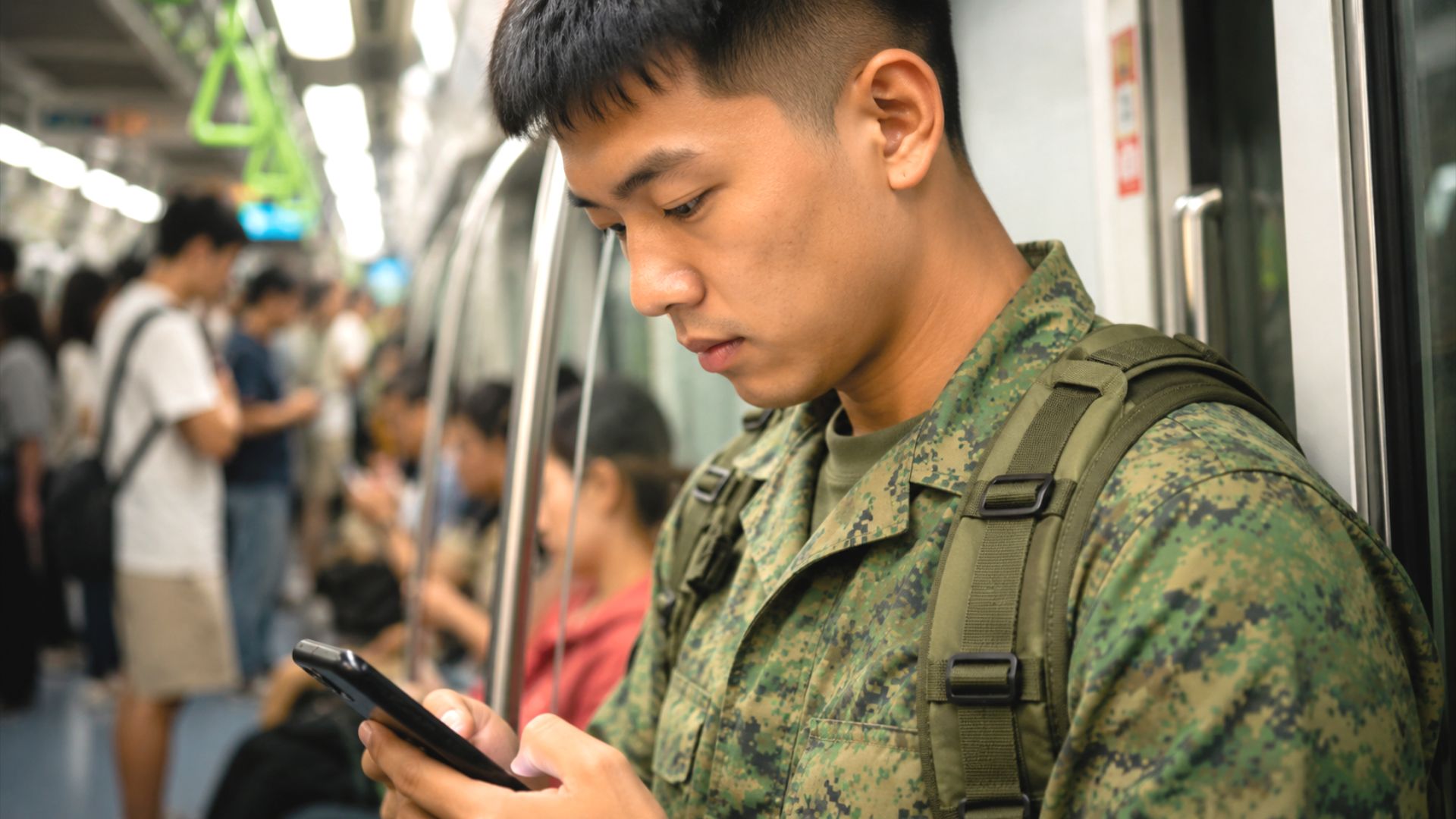
SINGAPORE: A Reddit forum discussion about transport costs for National Service Full-time Servicemen (NSFs) and Operationally Ready National Servicemen (NSmen) found strong support among Singaporeans, especially those who spent years travelling long distances to camps across the island.

The post, shared on the r/NationalServiceSG subreddit platform on May 7, argued that Singaporean men serving National Service shouldn’t have to pay for transport while carrying out their duties. The post writer pointed to the time and opportunity costs tied to National Service, especially as job competition grows tougher.

“I’m a 35% voter, and I’m an NSMen. The locally born youth who serve NS and those who are on reservist duties should have their transportation cost borne by taxpayers for obvious reasons because the 2 years for NSF and 2–4 weeks for reservist men is an opportunity and time cost, especially in SG, where job survival is crucial, and job placement is getting harder due to AI and hordes of immigration thanks to doofus 65%,” the Singaporean wrote in frustration.

He also added that, “If the government intended for its own ministers to receive a salary increment, the boys, young and old, who serve and defend SG in peacetime should have their allowances increased.” The discussion then turned into a deeper conversation about fairness, allowances, and how National Service fits into modern Singapore life.

“There are plenty of servicemen from struggling families living far from camp who can’t cover their travelling expenses…”

Several commenters, mostly Singaporeans, also shared their stories about spending a large part of their allowance just getting to camp.

One former serviceman said he travelled from western Singapore to a camp in the far east every day during full-time service. “I remember [travelling] to and fro [the camp]. MRT + bus fares would be almost $4 per trip,” he wrote.

He also said that while the amount may sound small, it added up fast for NSFs already working long, tiring hours on limited allowances. “It was extremely demoralising to see that the $20 I topped up in my card get sucked up so fast.”

Others pointed out that servicemen usually cannot choose where they are posted, meaning some end up with expensive and exhausting commutes from areas like Tampines to Sungei Gedong or Choa Chu Kang to Pulau Tekong.

One commenter who had already completed his reservist cycle said he agreed with the post writer’s proposal because, “There are plenty of servicemen from struggling families living far from camp,” he wrote, adding, “They can’t choose their unit or camp, nor can they cover their travelling expenses.”

“Many Singaporeans lose out to foreign talents due to their NS obligation. That is why many top management positions are held by foreigners…”

The discussion also exposed a deeper frustration some Singaporeans feel about the long-term impact of National Service on careers and income.

One commenter claimed that Singaporean men, in most cases, lose valuable career momentum due to NS commitments during their key working years.

“I observed that many Singaporeans lose out to foreign talents due to their NS obligation. That is why many top management positions are held by foreigners,” he claimed, arguing employers may prefer workers without reservist disruptions.

Another Singaporean office worker said he regularly gives fellow NSmen car rides to MRT stations because “nobody [really] wants to serve [in NS]” so “the least we can do is make it less painful [for them].”

Some comments drifted into harsher political criticism, while others called for bigger reforms, including higher allowances or even a fully professional army instead of conscription. “Just abolish NS and have a pro army,” one suggested.

Still, the main issue that kept resurfacing was whether servicemen should pay out of pocket just to report for involuntary national duties.

Transport support for lower-income NSFs or those posted far from home

Transport and allowance complaints linked to National Service are not new in Singapore, but the issue appears to be resurfacing more now as living costs continue to rise.

NSFs currently receive monthly allowances rather than salaries, with rates depending on rank and vocation. Transport subsidies already exist in limited forms for some training activities and official duties, but daily public transport fares are generally borne by servicemen themselves.

The discussion among them echoes a growing sentiment that small daily costs can feel heavier when stacked on top of long hours, weekend duties, reservist call-ups, and concerns about career progression.

Public transport fares alone may not sound like a big matter, but for some Singaporeans, the discussion centres on whether the country is doing enough for people expected to give up their time, career opportunities, and personal freedom for national defence.

A practical middle ground could be targeted transport support for lower-income NSFs or those posted far from home. This would ease pressure without turning the matter into another all-or-nothing political fight.

This article (‘Transportation cost for NSF and NSmen should be made free’ — Singaporean says, ‘Govt shouldn’t give excuses’) first appeared on The Independent Singapore News.

  •  
❌