India has imposed a ban on sugar exports until 30 September 2026 in a bid to safeguard domestic supplies and keep prices under control amid concerns over lower-than-expected production.
The Directorate General of Foreign Trade (DGFT), operating under the Ministry of Commerce and Industry, announced the decision through a notification revising the country’s export policy for sugar.
Under the new rules, the export status of raw sugar, white sugar and refined sugar has been changed from “restricted” to “prohibited”. The restrictions will remain in place until the end of September next year or until further government orders are issued.
However, exports to the European Union and the United States under existing CXL and Tariff Rate Quota (TRQ) arrangements will continue through established procedures outlined in official public notices.
Authorities also clarified that exports carried out under the Advance Authorisation Scheme (AAS) would still be permitted in line with the provisions of the Foreign Trade Policy 2023 and the associated Handbook of Procedures.
India, the world’s second-largest sugar producer after Brazil, had previously approved exports of around 1.59 million metric tonnes after estimating that production would comfortably exceed domestic demand.
The latest restrictions are expected to tighten global sugar supplies and could support international raw and white sugar prices. Analysts believe the curbs may create opportunities for competing exporters such as Brazil and Thailand to increase shipments to markets across Asia and Africa.
The announcement comes shortly after an industry report showed that sugarcane production in India had risen by roughly 10 per cent compared with the previous year, providing support for both sugar manufacturing and ethanol production.
However, the report noted that growth across the sector remained uneven, with stronger gains largely concentrated among mills that have integrated ethanol production facilities.
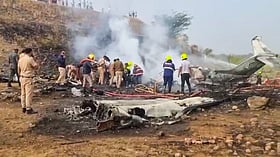
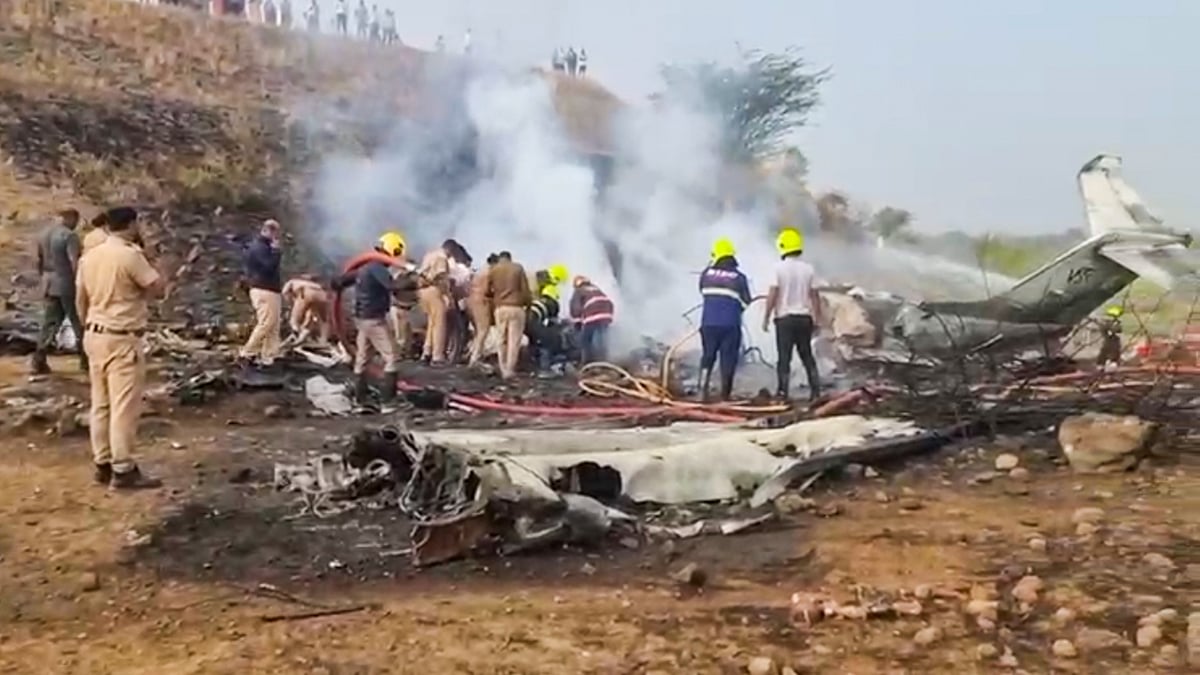
NCP(SP) legislator Rohit Pawar on Thursday renewed his demand for a Central Bureau of Investigation (CBI) probe into the fatal plane crash involving former Maharashtra deputy chief minister Ajit Pawar, accusing the state government of deliberately delaying the investigation.
Rohit Pawar, who is Ajit Pawar’s nephew, took to social media platform X to challenge deputy chief minister Sunetra Pawar to ensure that the case is formally handed over to the CBI by 28 May, marking four months since the crash on 28 January.
In a strongly worded post, the MLA criticised the ruling Mahayuti alliance and questioned whether the BJP was genuinely supportive of its allies.
“We are making efforts at our level, but doesn’t the government, which controls all the machinery, also have a responsibility? How long will this government continue fooling the people?” Rohit Pawar said.
Rohit Pawar also targeted legislators aligned with Ajit Pawar, accusing them of focusing more on securing development funds than demanding justice for their late leader.
He pointed out that Sunetra Pawar had earlier written to Chief Minister Devendra Fadnavis seeking a CBI inquiry into the crash. Although the Chief Minister reportedly responded positively in the Assembly, the case has yet to be officially transferred to the Central agency.
अजितदादांच्या विमान अपघाताचा तपास CBI कडं देण्याबाबतचं पत्र आणि नंतर स्मरणपत्र उपमुख्यमंत्री सुनेत्रा काकींनी त्यांच्या मित्रपक्षाचे नेते तथा मुख्यमंत्री आणि अजितदादांचे ‘मित्र’ फडणवीस साहेबांना दिलं होतं. नंतर अधिवेशनातही हा मुद्दा आम्ही मांडल्यानंतर मुख्यमंत्र्यांनी यावर…
The controversy surrounding the crash intensified in April when Rohit Pawar made sensational allegations suggesting possible foul play. He claimed there could be links between the incident and a Nashik-based godman, Ashok Kharat, alleging that “occult rituals” may have been performed targeting Ajit Pawar before the flight.
He has also repeatedly questioned the safety standards of the aircraft operator, VSR Ventures, alleging that the Learjet 45 involved in the crash had exceeded safe operational flying hours and was plagued by serious compliance failures.
According to Maharashtra government sources, the Directorate General of Civil Aviation (DGCA) conducted a preliminary audit that reportedly identified multiple safety lapses by the operator.
The investigation is currently being handled by the Maharashtra State CID, but Rohit Pawar has argued that the agency may lack both the jurisdiction and transparency required to examine what he described as a possible wider conspiracy behind the crash.
With IANS inputs
Rohit Pawar questions probe into VSR owner, raises concerns over aircraft crash investigation
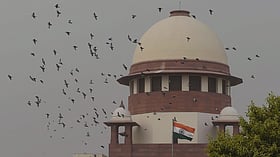
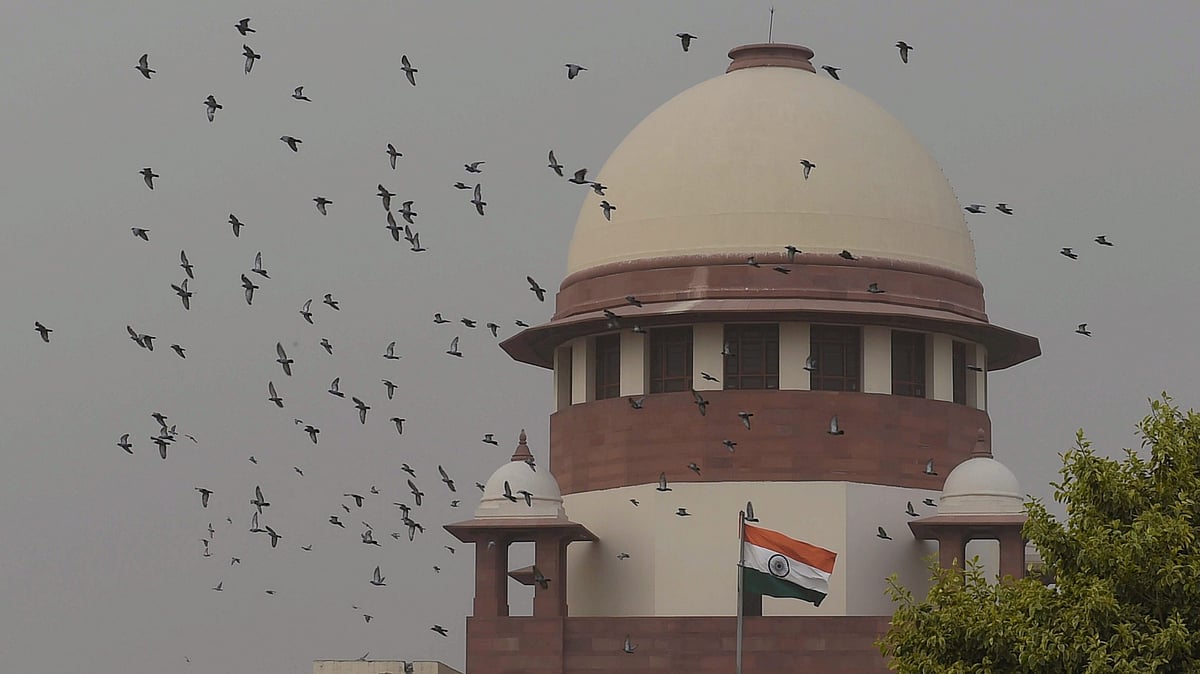
The Supreme Court of India on Thursday questioned the inclusion of a Union Cabinet minister in the three-member panel responsible for selecting the Chief Election Commissioner (CEC), observing that the process must inspire public confidence in the independence of the Election Commission.
A bench comprising Justice Dipankar Datta and Justice S. C. Sharma was hearing a batch of petitions challenging the constitutional validity of the Chief Election Commissioner and Other Election Commissioners (Appointment, Conditions of Service and Term of Office) Act, 2023.
The court made the observations while Attorney General R. Venkataramani argued that the independence of the Chief Election Commissioner should be judged by the functioning of the office-holder after appointment.
“It is not sufficient to be independent, but it has to appear to be independent,” the bench observed during the hearing.
Justice Datta further remarked that the level of public confidence in the appointment process should be such “as if there had been a third neutral person in the selection committee”.
“Somebody who is a neutral person, he should select. Why should it be a minister from the Cabinet?” the judge asked.
Centre seeks larger bench hearing
The Centre urged the court to refer the matter to a five-judge Constitution bench, arguing that the petitions effectively sought judicial examination of policy choices made by Parliament.
The Attorney General contended that the Supreme Court’s 2023 judgment in the Anoop Baranwal vs Union of India case had lost relevance after Parliament enacted a law governing appointments.
In the Anoop Baranwal ruling, a Constitution bench had directed that appointments to the Election Commission be made by a panel comprising the Prime Minister, Leader of Opposition in the Lok Sabha and the Chief Justice of India until Parliament framed a law on the issue.
The 2023 legislation subsequently replaced the Chief Justice of India in the panel with a Union Cabinet minister.
Petitioners, including Association for Democratic Reforms, have argued that the law compromises the independence of the Election Commission by giving the executive a dominant role in appointments.
Court says focus is constitutionality of law
The bench, however, indicated that its examination would focus on the constitutional validity of the legislation rather than revisiting the earlier judgment itself.
The judges pointed out that the petitioners had challenged the law on grounds that it violated Article 14 of the Constitution relating to equality before law.
“If we are with them, we will say that for xyz reasons we feel that Article 14 is violated,” the bench told the Attorney General.
Senior advocate Gopal Sankaranarayanan, appearing for one of the petitioners, argued that the matter concerned alleged constitutional violations and did not necessarily require reference to a larger bench.
The hearing remained inconclusive and is expected to continue next week.
‘Why should a minister choose CEC?’: SC questions Centre on poll panel law
Senior US Air Force officials have indicated that the Pentagon may need to expand its planned fleet of B-21 stealth bombers beyond the current target of 100 aircraft, citing the rapidly growing military challenge posed by China.
Testifying before the House Armed Services subcommittee on projection forces, Lieutenant General David Tabor said the changing strategic environment had prompted the Air Force to reconsider whether the existing B-21 procurement plan would be sufficient for future conflicts.
“My sense is that we do need more than 100,” Tabor told lawmakers, while clarifying that internal assessments were still underway to determine the exact requirement.
Republican Congressman Rob Wittman argued that the security landscape had shifted dramatically since the programme was first conceived more than a decade ago.
“The capability that aircraft provides is pretty amazing,” Wittman said, adding that the bomber would be vital in confronting “a large-scale threat” in increasingly hostile operational environments.
The hearing focused on the Air Force’s proposed fiscal year 2027 budget and broader efforts to modernise ageing fleets of bombers, tankers and transport aircraft.
Subcommittee chairman Trent Kelly warned that rival powers were rapidly advancing their military capabilities.
“Our bomber fleet is the cornerstone of our strategic deterrent,” Kelly said. “Our mobility platforms are the backbone of our operational effectiveness.”
Air Force acquisition chief William Bailey defended ongoing efforts to strengthen aerial refuelling fleets and improve aircraft survivability in future conflicts.
Bailey said the Air Force was investing in enhanced tanker protection systems, improved satellite communications and advanced countermeasures to address concerns over operating large support aircraft near contested airspace.
“We have hundreds of tankers,” Bailey told lawmakers. “We have hundreds and hundreds of airlifters that also face those same style of threats.”
Tabor added that the Air Force intended to modernise the ageing KC-135 tanker fleet over the next six years by equipping aircraft with upgraded communications systems, tactical data links and hybrid satellite connectivity.
Lawmakers also pressed officials over the growing threat posed by drones, particularly following lessons learned from conflicts in Ukraine and the Middle East.
Congressman Eugene Vindman questioned whether the Air Force was investing sufficiently in offensive and defensive unmanned systems.
Bailey acknowledged the rapidly evolving threat environment and cautioned against relying on costly missile systems to counter inexpensive drones.
“Shooting a $1 million weapon at a $4,000 drone does not make sense,” he said.
The Air Force said it was working alongside Joint Task Force 401 and the wider “Golden Dome” missile defence initiative to improve counter-drone capabilities at military installations and overseas operations.
Concerns were also raised over the ageing US airlift fleet, with Congressman Joe Courtney noting that some tanker aircraft currently in service average nearly 64 years old.
Officials confirmed that early planning had begun for a future transport aircraft programme intended to eventually replace ageing C-17 and C-5 fleets.
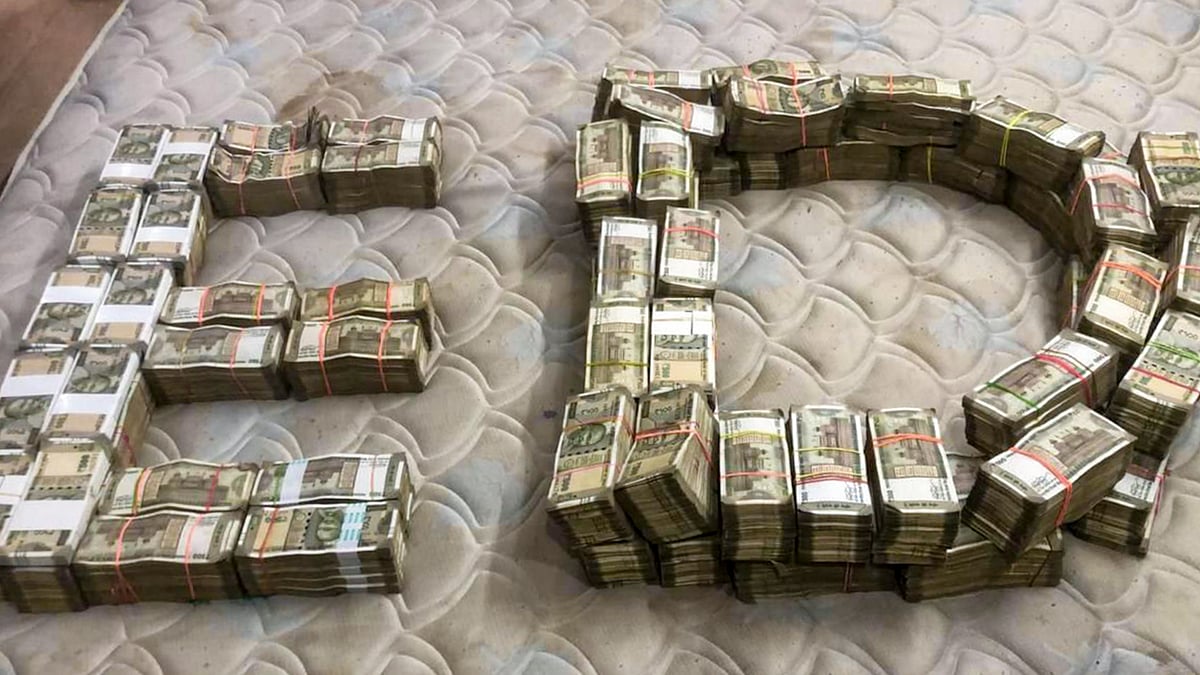
The Enforcement Directorate has frozen bank deposits and other movable assets worth Rs 526.49 crore in a money laundering investigation against Bengaluru-based online gaming platform Gameskraft Technologies, officials said on Thursday.
The agency also seized gold jewellery worth Rs 3.5 crore and cash amounting to Rs 11 lakh following searches conducted under the Prevention of Money Laundering Act.
According to officials, the searches began on 7 May across multiple locations in Delhi-NCR and Bengaluru and concluded on 13 May.
The ED said movable assets including bank deposits, bonds and fixed deposits were frozen as part of the operation.
Following the searches, the agency arrested three founders of Gameskraft Technologies — Deepak Singh, Prithvi Raj Singh and Vikas Taneja.
The money laundering case was registered after the ED took cognisance of multiple FIRs filed by police alleging cheating and fraud linked to the company and associated entities.
According to ED officials, the platform operated several online real-money gaming applications, including ‘RummyCulture’ and the ‘rummytime’ app.
The agency is probing allegations related to financial irregularities and suspected illegal operations linked to online gaming transactions.
Crackdown after online gaming ban
The action comes months after the government imposed a ban on online money gaming in August 2025 amid concerns over illegal betting, financial fraud and addiction-related issues.
Authorities have since intensified scrutiny of gaming platforms accused of operating real-money games or allegedly bypassing regulatory restrictions.
The ED has not yet disclosed the exact nature of the alleged laundering transactions or the total proceeds of crime being investigated in the case.
Gameskraft Technologies has not publicly responded to the latest ED action so far.
ED seizes Rs 6.3 crore cash, valuables in homebuyers’ fraud case linked to Delhi firm
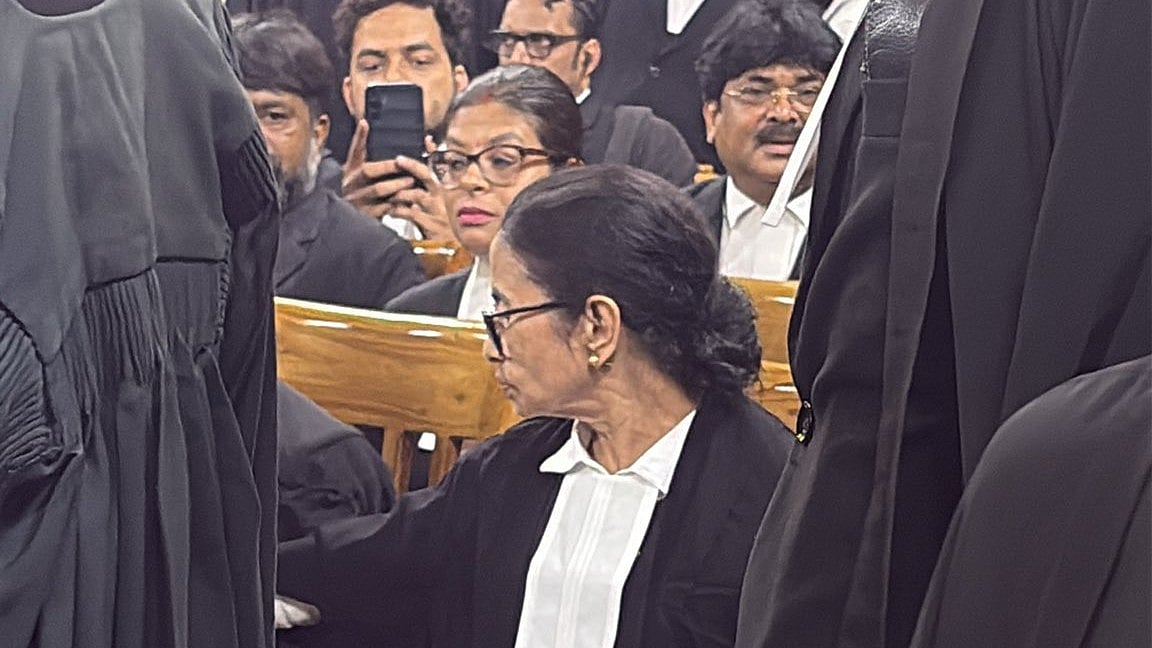
In a dramatic turn that sent ripples through West Bengal’s political and legal circles, former chief minister Mamata Banerjee arrived at the Calcutta High Court on Thursday dressed in a lawyer’s robe, triggering intense speculation over the purpose and political significance of her visit, The Statesman reported.
The unexpected appearance came on a day when a sensitive petition linked to alleged post-poll violence in the state was scheduled to be heard before a division bench headed by chief justice Sujoy Pal.
According to legal sources, the petition was filed by Shirshanya Bandopadhyay, son of senior Trinamool Congress leader and advocate Kalyan Banerjee. The matter pertains to allegations surrounding post-election violence in different parts of the state.
Banerjee’s courtroom appearance — rare, symbolic and politically loaded — immediately fuelled speculation across political corridors and legal forums alike. Lawyers, litigants and party workers gathered in curiosity as the Trinamool Congress supremo walked into the court premises in full legal attire, reviving memories of some of Bengal’s most politically charged courtroom battles.
Political observers are also closely watching whether Banerjee could move the court over the Bhabanipur assembly election result, adding another layer of intrigue to Thursday’s developments.
The buzz intensified as parallels were drawn with the aftermath of the 2021 assembly elections, when Banerjee had approached the court after losing the high-profile Nandigram seat to BJP leader Suvendu Adhikari.
While there was no official statement from the Trinamool Congress on the precise reason behind her appearance, the optics alone were enough to dominate political discourse in Kolkata, with speculation mounting over the legal and electoral battles that may unfold in the coming days.
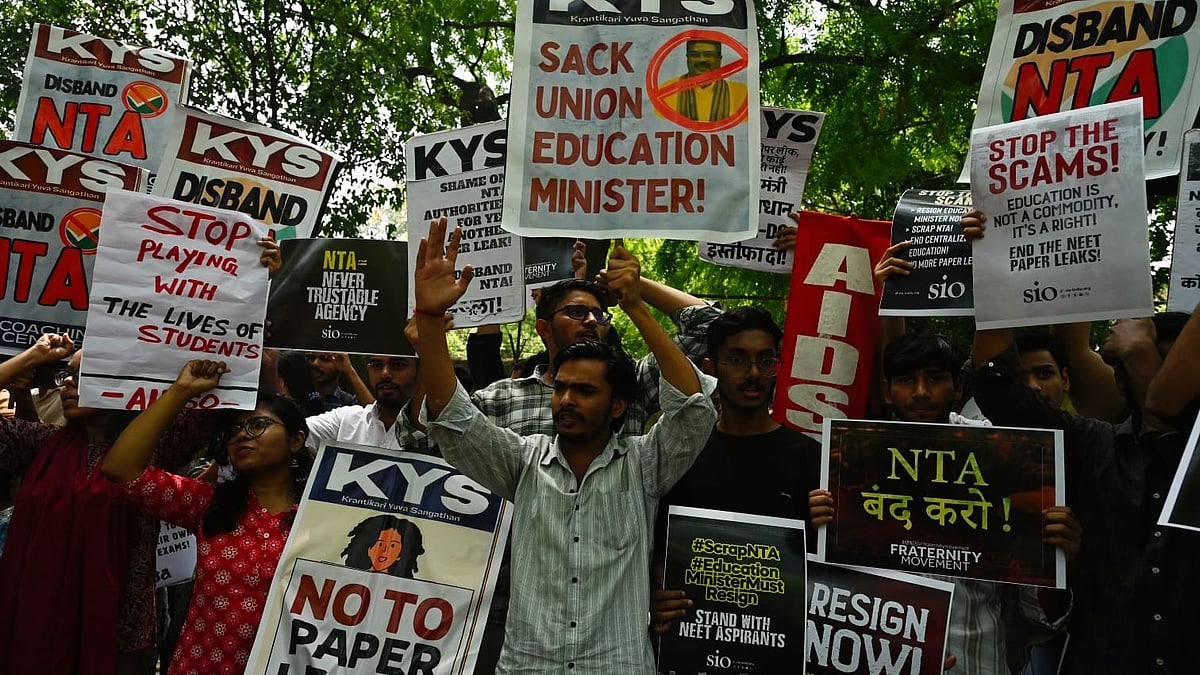
The Central Bureau of Investigation (CBI) has sought seven days’ police custody of four men arrested in connection with the alleged NEET-UG 2026 paper leak case, telling a Delhi court that the medical entrance examination was compromised through the online circulation of question papers before the test.
In its remand application filed before Special Judge (CBI) Ajay Gupta, the agency said the accused — Yash Yadav, Mangilal Khatik alias Mangilal Biwal, Vikash Biwal and Dinesh Biwal — were arrested in Jaipur on 13 May.
The CBI alleged that the National Eligibility-cum-Entrance Test (NEET-UG) 2026, conducted by the National Testing Agency (NTA) on 3 May, had been compromised after question papers were circulated in PDF format through WhatsApp and Telegram ahead of the examination.
The agency registered an FIR on 12 May based on a complaint lodged by Varun Bhardwaj, director of the Department of Higher Education’s NTA division.
According to the CBI, a preliminary inquiry conducted by Rajasthan Police’s Special Operations Group (SOG) confirmed the authenticity of some of the leaked questions, prompting the government to cancel the examination.
“In April 2026, one Shubham of Nasik informed Yash Yadav that Mangilal had approached him for arranging leaked NEET-UG 2026 question papers before the examination for his younger son for Rs 10-12 lakh,” the remand application stated.
The probe agency alleged that on 29 April, Yash Yadav shared leaked Physics, Chemistry and Biology question papers in PDF format through Telegram.
According to the CBI, Mangilal allegedly procured the papers from Yadav as part of a Rs 10 lakh deal and later distributed printed copies among NEET aspirants, including his son Aman Biwal, relatives and acquaintances.
The agency further alleged that Vikash Biwal contacted several candidates and shared their details with Yadav via WhatsApp and Instagram to facilitate circulation of the leaked papers.
“On April 29, 2026, Shubham allegedly informed Yash Yadav that he would provide leaked question papers of Physics, Chemistry and Biology papers, which will have approximately 500-600 questions capable of securing very good marks and ensuring admission in reputed medical colleges,” the CBI said.
The agency told the court that incriminating chats, leaked question papers and other digital evidence had been recovered from the accused persons’ mobile phones. It added that some deleted data would require forensic examination.
Seeking custodial interrogation, the CBI argued that police custody was necessary to identify other accused persons, trace the source of the leak, analyse digital and financial trails, recover further evidence and examine the possible involvement of NTA officials.
“The arrested accused persons are required to be taken under police custody for custodial interrogation to prevent further commission of similar offences involving leakage of question papers, and to identify and apprehend other co-accused persons involved in the offence,” the agency said in its remand plea.
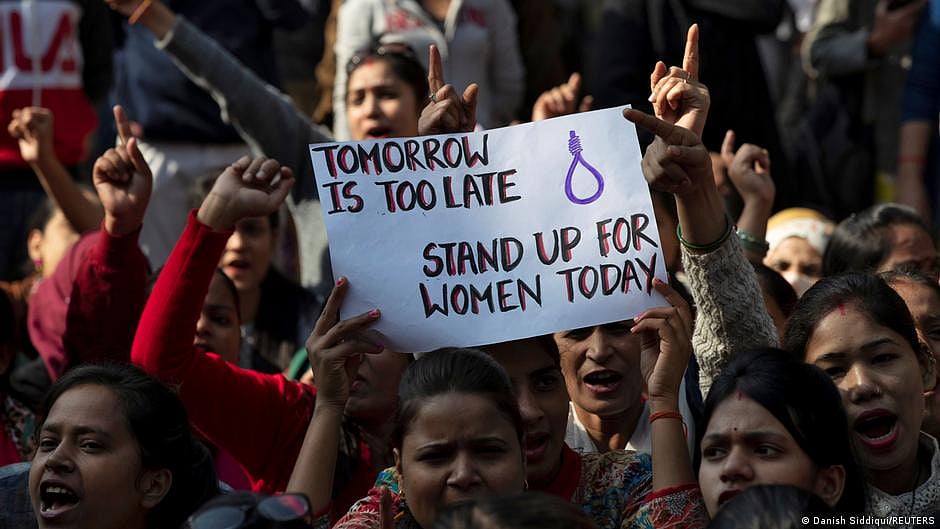
Nearly 14 years after the brutal 2012 Nirbhaya gang rape shook the country and triggered sweeping reforms in India’s sexual assault laws, another alleged rape inside a moving bus in Delhi has revived painful memories of the case and renewed questions over women’s safety in the national capital.
A 30-year-old woman was allegedly gang-raped inside a moving sleeper bus on Monday night while travelling through parts of west Delhi, police said. Two accused — identified as bus driver Umesh and conductor Ramendra — have been arrested and sent to judicial custody.
According to investigators, the woman, who works at a factory in Mangolpuri and lives in Pitampura, was waiting near the B-block bus stand in the Saraswati Vihar area when a Bihar-registered sleeper bus stopped nearby.
Police said the woman approached a man standing near the vehicle to ask for the time, following which she was allegedly forcibly pulled inside the bus.
Investigators said the bus then continued moving towards Nangloi while the woman was allegedly sexually assaulted by two men inside the vehicle.
A police officer involved in the probe said the sleeper bus had curtains covering its windows, making it difficult for outsiders to notice what was happening inside.
The woman was later allegedly abandoned near Nangloi Metro station after the bus stopped there. She subsequently contacted police, who shifted her to Dr Baba Saheb Ambedkar Hospital for medical examination.
An FIR has been registered under gang rape charges and relevant sections of the Bharatiya Nyaya Sanhita.
Opposition draws parallels with Nirbhaya case
The incident has triggered sharp political reactions, with opposition leaders comparing it to the December 2012 Nirbhaya case, in which a 23-year-old medical student was brutally gang-raped and assaulted inside a moving private bus in south Delhi.
The assault had sparked nationwide protests and led to major legal reforms relating to crimes against women.
Sanjay Singh drew parallels between the two incidents and questioned the state of women’s safety in Delhi.
“A gang rape inside a moving bus, a repetition of the Nirbhaya case… Is this the state of security in the national capital? Is this the safety being provided to women and girls?” Singh said.
The latest incident has once again brought focus on the effectiveness of safety measures introduced after the Nirbhaya case, including stricter rape laws, enhanced policing and surveillance mechanisms in public transport systems.
Delhi horror revives Nirbhaya memories as woman allegedly gang-raped in moving bus
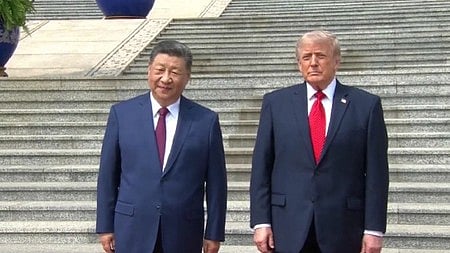
US President Donald Trump entered high-level talks with Chinese President Xi Jinping in Beijing on Thursday amid growing political pressure at home to adopt a tougher stance on China over trade, human rights, Taiwan and national security.
Before the meeting, Trump received a ceremonial welcome featuring military honours, national anthems and greetings from children waving Chinese and American flags. Opening the talks, Trump described Xi as a friend and expressed optimism about future relations between the two countries.
“It’s an honour to be with you. It’s an honour to be your friend, and the relationship between China and the USA is going to be better than ever before,” Trump said.
The summit comes as bipartisan voices in Washington intensify demands for stronger action against Beijing. In one of the most prominent appeals, Congressman James Walkinshaw and Senator Tim Kaine urged Trump to confront China over its treatment of North Korean refugees.
The lawmakers accused Beijing of violating international obligations under the 1951 UN Refugee Convention by forcibly repatriating North Koreans despite the severe risks they face upon return, including torture, imprisonment, forced labour and execution.
Their intervention followed reports from the Congressional-Executive Commission on China alleging that Chinese authorities deported around 600 North Korean refugees in October 2023 — described as the largest such operation on record — followed by a further 200 in April 2024.
The appeal drew support from several Democratic lawmakers, including Senators Chris Van Hollen, Jeff Merkley and Peter Welch, alongside Representatives Ami Bera, James McGovern and Suhas Subramanyam.
Trade disputes also remain central to the talks. Republican lawmakers led by Budget Committee Chairman Jodey Arrington called on the administration to push for the removal of China’s 10 per cent tariff on American cotton, arguing that Chinese retaliation had caused US cotton exports to China to plunge by 87 per cent this year.
The lawmakers stressed China’s importance to global textile production, noting that China and India together account for more than half of worldwide textile mill consumption.
Meanwhile, senior Senate Democrats accused Trump of weakening America’s strategic position ahead of the summit. Senate Democratic Leader Chuck Schumer criticised the administration’s handling of export controls, alliances and efforts to curb fentanyl trafficking.
Speaking on the Senate floor, Schumer warned against any concessions that could undermine US manufacturing, semiconductor development or Taiwan’s security.
“Donald Trump may have no interest in helping the American people get ahead, but he certainly seems willing to give China a leg up,” Schumer said.
At the same time, the US House of Representatives prepared to vote on a resolution urging Trump to raise the cases of political prisoners during the talks. The resolution, introduced by Congressman Chris Smith, highlighted jailed Hong Kong publisher Jimmy Lai, detained religious leaders, Uyghur detainees and imprisoned American citizens in China.
“America will not be silent while the Chinese Communist Party imprisons the innocent and reaches across borders to threaten their families,” Smith told lawmakers during debate on the measure.
Beyond trade and human rights, the summit is expected to address the escalating conflict involving Iran and concerns over the Strait of Hormuz, a vital shipping route for oil and global commodities. Trump is reportedly seeking Chinese cooperation in efforts to stabilise the region and restore secure maritime passage.
Taiwan and technological competition, particularly in artificial intelligence and semiconductor development, are also expected to dominate discussions.
Some analysts believe North Korea may feature in the talks as well, given Trump’s repeated interest in reviving diplomacy with North Korean leader Kim Jong-un and China’s continued influence over Pyongyang.
Following Thursday’s formal meetings, Trump and Xi are scheduled to visit Beijing’s Temple of Heaven before attending a state banquet. Further discussions are planned over tea and a working lunch on Friday before Trump departs for Washington.
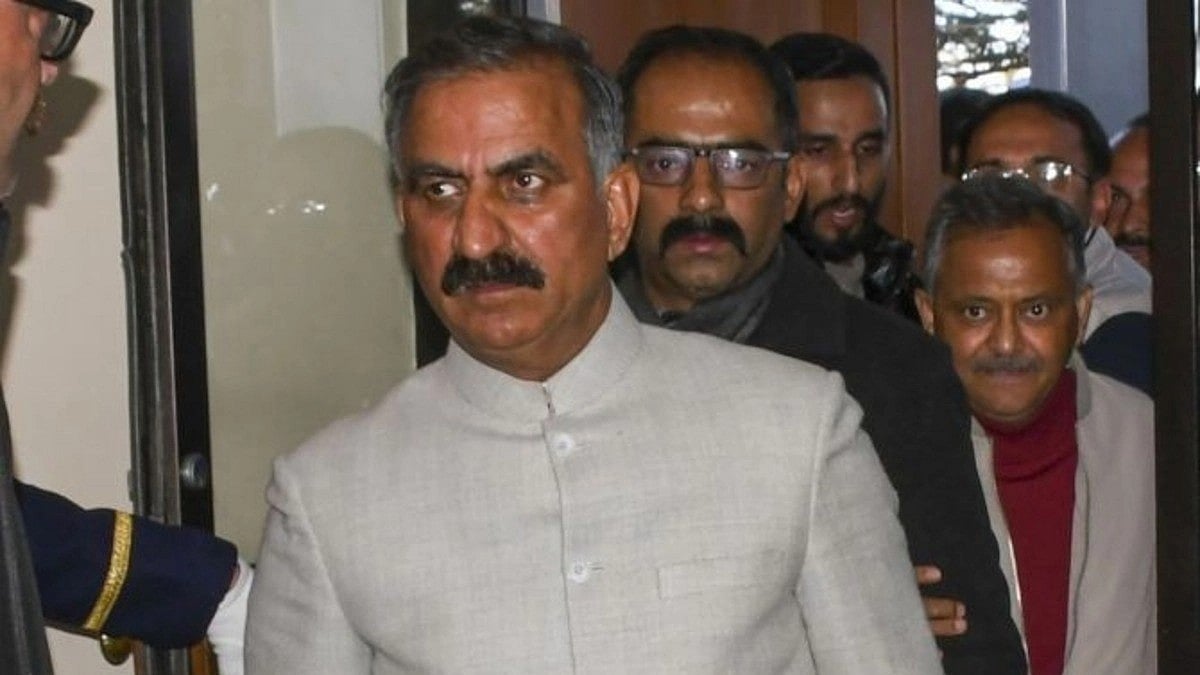
Himachal Pradesh chief minister Sukhvinder Singh Sukhu on Thursday said his government had already implemented several austerity measures, including reducing convoy sizes, cutting salaries of ministers and MLAs, and promoting the use of electric vehicles for official travel.
Speaking to reporters in Mandi, Sukhu welcomed recent efforts to reduce official expenditure and said the state administration had been pursuing similar measures for some time.
“I have already reduced the size of my convoy vehicles. It is a good thing that the governor has also reduced his convoy,” the chief minister said.
He added that the state government had cut ministers’ salaries by 30 per cent and reduced the salaries of MLAs by 20 per cent as part of wider cost-saving initiatives.
“We have tightened finances and taken several such decisions,” Sukhu said, adding that officials had also been directed to further scale down his convoy.
Highlighting the government’s emphasis on sustainable transport, the chief minister said he personally travelled in a small electric vehicle.
“I travel in a small electric car,” he remarked.
Sukhu also took aim at the opposition BJP, accusing the previous administration of wasteful spending on infrastructure projects with limited practical value.
“They constructed buildings worth thousands of crores, but many of them are not useful today,” he said.
The chief minister further stated that the state government would review the court verdict concerning KNH Hospital before deciding on future action.
Escalating his criticism of the BJP, Sukhu accused the party of failing to adequately support the people of Himachal Pradesh while still seeking to regain power in the state.
Referring to Prime Minister Narendra Modi, he questioned the status of financial assistance previously announced for Himachal Pradesh.
“Prime Minister Modi had announced Rs 1,500 crore for Himachal Pradesh, but BJP MPs and leaders do not have the courage to ask where that money is,” Sukhu said.
He added that his government remained committed to fulfilling its promises and strengthening the state’s economy through self-reliance.
The prime minister has also instructed the Special Protection Group (SPG) to increase the use of electric vehicles within his security fleet, while making it clear that no new vehicles should be purchased specifically for the transition.
This interview was first published by National Herald on 12 April 2026
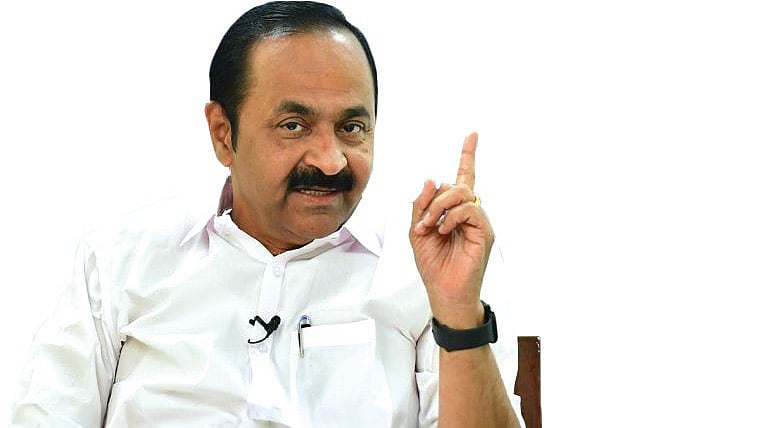
V.D. Satheesan, the campaign face of the Congress-led United Democratic Front, speaks with the composure of a leader who has weathered one of the most aggressive campaigns in recent memory. In this post-poll conversation with K.A. Shaji, Satheesan reflects on the shifting nature of Left politics in the state, its lapse into a cult of personality, and why he believes Kerala is on the cusp of change.
You expressed concerns about the scale of personality projection in this election. Tell us more?
What we witnessed was unprecedented in Kerala. More than 10,000 hoardings across the state carried the face of one individual. Roads, junctions, television, newspapers, digital platforms, everywhere. This wasn’t normal political communication. It was the construction of a personality cult using state machinery and political resources.
The BJP tried to counter this with thousands of hoardings of the prime minister. We chose a different path. Across seven hundred hoardings, we presented the collective face of our national and state leaders. Because we believe politics is about institutions and people, not one individual.
You sound confident about the outcome. On what basis?
There is an attempt to influence perception through false surveys. In the last Lok Sabha election, similar surveys predicted defeat for K. Sudhakaran and Shafi Parambil. They both won. This time, money is being spent to discredit us. The verdict will expose these predictions. Congress and the UDF will form a responsible government. And we will create a new Kerala.
You have also argued that the CPI(M) and BJP are not as oppositional as they claim. Could you elaborate?
The CPI(M) needs the BJP as a political reference point. The BJP benefits from the failures of the CPI(M). This reflects in how narratives are shaped and how attacks are directed.
Take specific instances. On the Foreign Contribution Regulation Act (FCRA) and attempts to politically engage sections of the Christian community, the BJP’s strategies stand exposed. On Sabarimala, their approach ended up helping Pinarayi Vijayan politically. In corruption cases, protective shields were provided at crucial moments.
So, while they appear to be adversaries, there are situations where their interests align. The casualty is genuine opposition politics.
You’ve been heard saying “we are the real Left”. What do you mean?
The Left stands for social justice, equality, protection of the vulnerable and democratic rights. Who is actually standing for those values? Today, what we see is centralisation of power, suppression of dissent, lack of transparency and a growing disconnect from the people.
If you look at who is consistently raising issues of livelihood, environment and marginalised communities, it is often the Congress and the UDF. In that sense, we are upholding the real spirit of Left politics today.
Do you agree that this time it was a spectacle-driven campaign?
Yes. There was a clear attempt to reduce politics to spectacle and image management. Real issues like unemployment, environmental degradation, coastal distress and agrarian crisis did not get the attention they deserve. Instead, we saw aggressive PR and emotional mobilisation.
Your critics say you did not respond aggressively enough. Was that deliberate?
Yes. We decided that we will not stoop to that level, whatever the provocation. We wanted to protect the dignity and credibility of electioneering. That matters in a state like Kerala. And I believe people have recognised that difference.
What is your primary critique of the present government’s governance?
Governance has been reduced to announcements and publicity. There is serious financial stress, increased liabilities, delayed welfare payments, lack of transparency in major projects. Kerala cannot move forward on debt-driven models and image-building exercises. We need responsible governance.
You have said this election was a fight against two money powers. Do you still stand by that?
Very clearly. Both the CPI(M) and BJP spent crores in a few months. We don’t have that kind of money. So we depended on democratic mobilisation. Direct engagement with people. That is the UDF’s strength. Also, the Congress in Kerala acted with extreme unity. There were no major fissures. All our alliance partners did their best. It was truly a Team UDF effort.
Now that the dust has settled, what’s your reading of this election campaign?
I’ve been in the Kerala Legislative Assembly for 20 years. I have seen many elections, but never such a defamatory campaign targeting an individual or his party. The CPI(M) targeted Team UDF, and me in particular, because I led a relentless campaign exposing their failures. They received support from the BJP. It was a highly organised attempt at character assassination, blessed by the top leadership. Capsules were distributed among cadres to post on social media.
Every day, for six months, at least 20 cards and 10 reels were created targeting me personally. I was branded a liar for countering them with facts. But I survived because of the strength I drew from the support I have received from Congress workers and from civil society for more than a quarter century. On the other hand, the chief minister’s carefully constructed image began to crack, when he responded to questions in Kollam.
That was when people started seeing the difference between projection and reality.
In terms of issues uppermost on people’s minds, what was this election about?
Can Kerala live with the cult of personality, with a politics driven by money and organised propaganda, or will it vote for a return to democratic values? That’s what this election was about, I think.
Kerala is seen as the last bastion of a certain Left tradition, but that tradition cannot endlessly endure this new cult, the image-building and propaganda around one man. I’m confident the verdict will reflect that people want this to change.
Your manifesto promises welfare expansion. How will you manage finances?
Welfare is an obligation. But it must be backed by sound financial planning. There is inefficiency and misallocation in the current system. If governance improves, resources can be managed better. We also need sustainable investment. Not reckless projects, but planned development.
Why has rehabilitation become a political issue in Wayanad?
Rehabilitation is primarily the responsibility of the state government. Even then, support came from many quarters. The Congress government in Karnataka contributed to the chief minister’s relief fund. Opposition MLAs contributed. Funds are available. But only a small portion is being effectively used. The township was delayed, inaugurated just before the election notification.
Even now, people are not properly accommodated. We faced many hurdles in identifying and purchasing land. The government also took more than a year to finalise land. Despite that, we are moving forward. IUML has constructed 53 houses. We are planning to build houses using AICC and KPCC funds for those excluded and those living in unsafe conditions. We are supporting families with rent. The local Congress MLA has ensured education for 143 students from affected families.
In effect, we are bridging the gaps in official rehabilitation. We supported the government plan. Yet, we were targeted.
If you form the government, what will be your immediate priorities?
First, restore credibility in governance. Transparency in finances and timely delivery of welfare. Second, ensure institutions function independently. Public trust must be rebuilt. Third, review major projects to ensure economic and environmental viability.
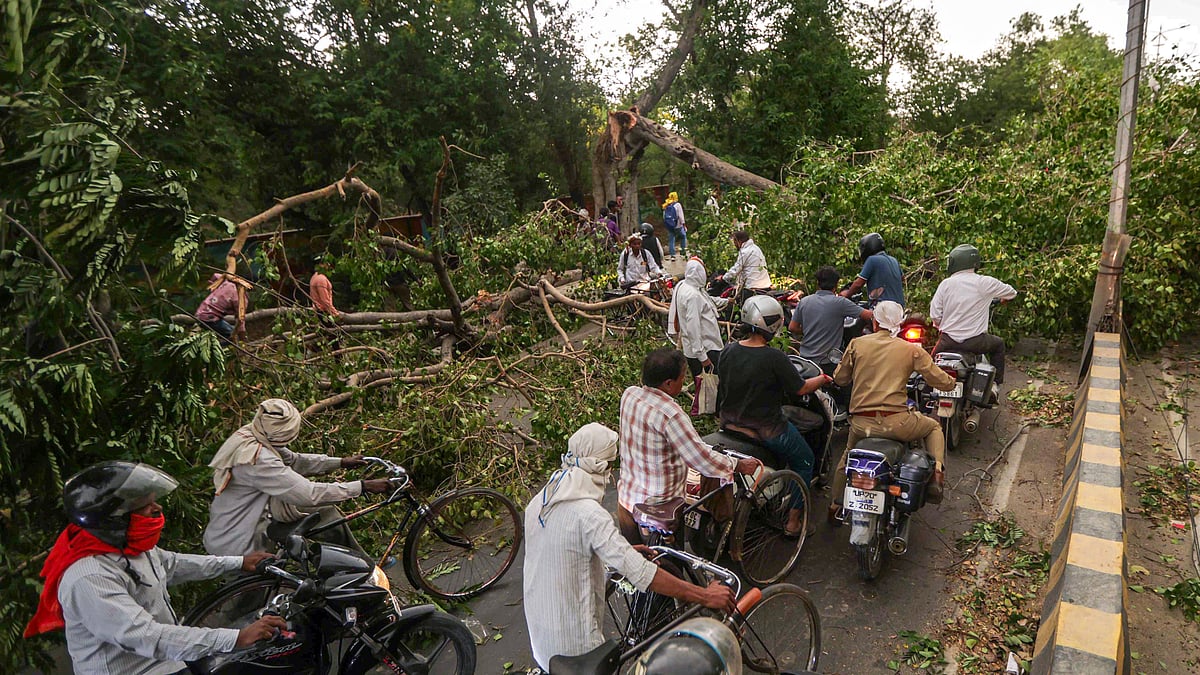
At least 89 people were killed after powerful storms, heavy rain, hail and lightning battered several districts of Uttar Pradesh, uprooting trees and electricity poles, collapsing houses and leaving widespread destruction in their wake, according to the relief commissioner’s office.
The state government said 53 people were injured, 114 livestock deaths were reported and 87 houses were damaged in the extreme weather that swept across the state on Wednesday.
Chief minister Yogi Adityanath took cognisance of the large-scale loss of lives and property and directed officials to ensure relief reaches affected families within 24 hours.
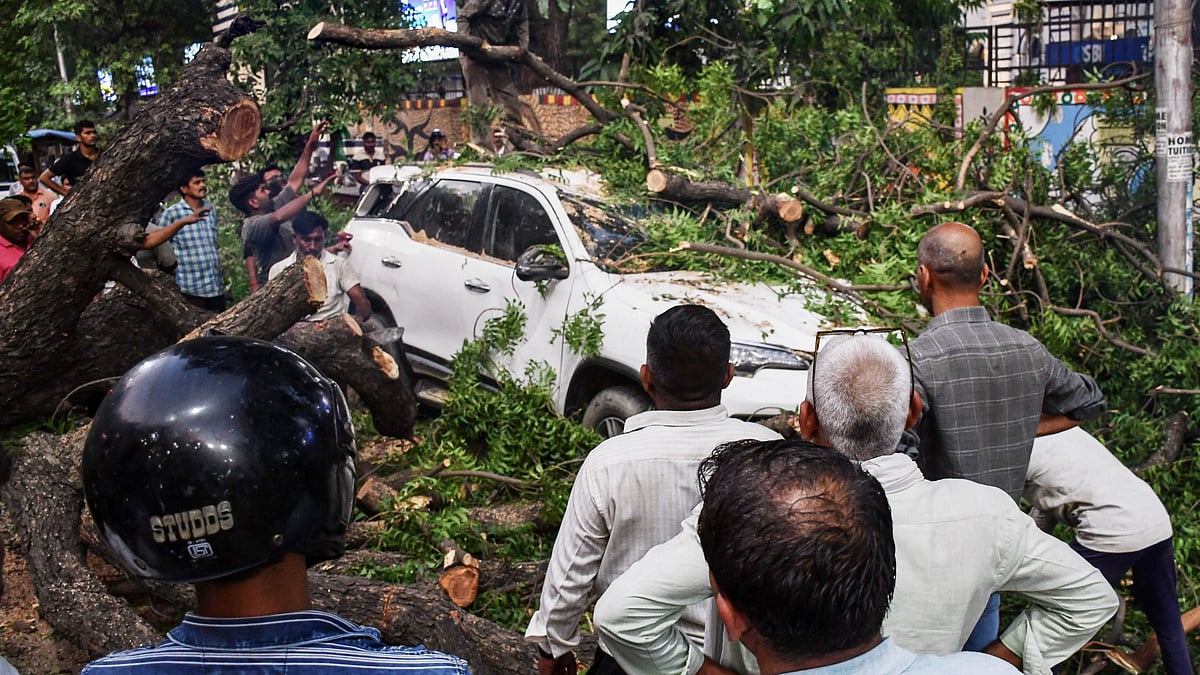
Residents gather around a car crushed by a fallen tree in Prayagraj.
In a post on X, the relief commissioner’s office said, “Due to bad weather on May 13, including storms, rain, hailstorm and lightning, reports of 89 deaths, 53 injured persons, 114 livestock losses and damage to 87 houses have been received in the state.”
The office said Adityanath had instructed all divisional commissioners and district magistrates to verify incidents “with full sensitivity” and ensure immediate financial assistance and support for affected families.
Officials said the state administration was maintaining direct coordination with district authorities and releasing funds for relief operations.
The worst-hit districts included Prayagraj, Bhadohi and Fatehpur.
According to the Prayagraj district administration, seven deaths were reported from Handia, four from Phulpur, three from Soraon, two from Meja and one from Sadar due to storm- and rain-related incidents.
pic.twitter.com/bmpllgXmXE Several trees were uprooted and vehicles damaged as strong winds disrupted normal life across parts of the city. Residents faced sudden weather chaos while authorities monitored the situation and cleared affected areas.#Prayagraj#DustStorm#UttarPradesh
In Bhadohi, district officials said at least 16 people died in separate storm-related incidents. Additional District Magistrate Kunwar Virendra Kumar Maurya said extensive damage was reported across the district.
“Trees and electric poles were uprooted in several areas while many houses were damaged in the storm,” Maurya said.
Fatehpur Additional District Magistrate Avinash Tripathi said nine people were killed and 16 injured in the district.
“Eight people, including five women, died in Khaga tehsil, while another woman died after a house wall collapsed in Sadar tehsil,” he said.
In Pratapgarh, four people died in separate incidents involving collapsed walls, cemented sheds and lightning strikes.
Superintendent of Police Deepak Bhukar said 25-year-old Bhim Yadav died after being trapped under the debris of a collapsed cemented shed in Ojha Ka Purwa village under Lalganj Kotwali limits.
Bhukar said Bhushan Pandey (56) died after a wall collapsed in Sari Swami village under Baghrai police station area, while Shanti Devi (46) and Lal Bahadur (44) also lost their lives in separate storm-related incidents.
In Kanpur Dehat, a 19-year-old woman identified as Ruchi was killed after lightning struck a neem tree under which she had taken shelter with goats during heavy rain in Bhauthari village under Rasulabad area. Several goats also died in the incident, police said. A 60-year-old man standing nearby sustained injuries.
Additional District Magistrate Dushyant Kumar said local officials had been directed to submit reports on human and livestock losses so compensation could be processed under government norms.
In Deoria, Komal Yadav (62) and Ramnath Prasad (65) died in separate lightning strike incidents, while two others were injured.
In Sonbhadra, Madhav Singh (38) died after being trapped beneath a tree uprooted during the storm.
Adityanath also directed officials from the revenue and agriculture departments, along with insurance companies, to conduct a detailed survey of the damage and submit reports to the government to expedite compensation and rehabilitation measures.

 Login
Login