
Reading view

Becoming Visible: Where Medicine, Mentorship, and Identity Meet

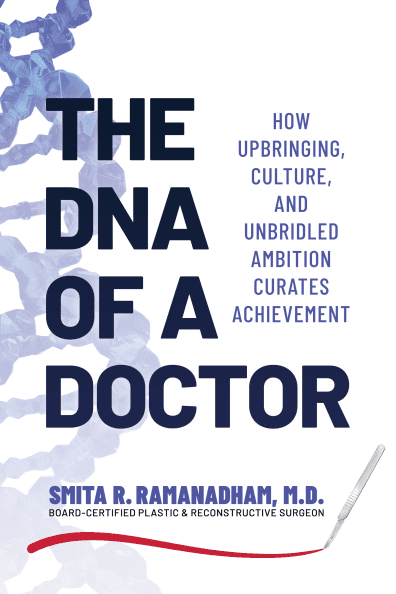
In a field often reduced to surface-level assumptions, The DNA of a Doctor: How Upbringing, Culture, and Unbridled Ambition Curates Achievement offers a more nuanced perspective on plastic surgery—and the identity behind it. Blending clinical expertise with lived experience, Dr. Smita R. Ramanadham examines the intersections of culture, ambition, and self-definition. Her work moves beyond the operating room, tracing a path shaped by resilience, representation, and a persistent rethinking of what confidence truly means.

“I wanted to create something I wish I had during my younger, more formative years,” she shares. “Like many first-generation children, I had to learn how to navigate both identity and ambition. There were moments when I didn’t see anyone who looked like me in the spaces I was entering.” Those experiences became the foundation of her work, reframing personal history into a broader narrative of visibility and endurance.

Her upbringing remains central to her voice today. “I was fortunate to grow up with supportive, hardworking parents who built a strong foundation for our family and guided us as best they could as immigrants to this country,” Dr. Smita R. Ramanadham says. “They raised me to be hardworking and disciplined, placing a strong emphasis on education and faith so I could achieve independence and security in life.”

Over time, she says, understanding evolved on both sides. “While they did encourage me to get married early, they were equally clear that they did not want me to settle or compromise my future,” she explains. “Seeing my dedication and work ethic ultimately reassured them, and I think that became the most important factor in earning their support.”

Still, she returns to what often remains unspoken. “While my story isn’t unique, it’s one that isn’t often talked about—especially the internal conflicts of forging your own path both culturally and professionally,” she says, a perspective she hopes will help others feel seen in their own journeys. Through her writing, she seeks to expand that visibility. “I wrote this book in the hope that others can see themselves in it.”

Within her book, Dr. Ramanadham addresses the cultural lens through which plastic surgery is often viewed. “Despite the progress made in recent years, plastic surgery still carries a negative stigma,” she says. “There’s a common misconception that these procedures are rooted in vanity, but that perspective overlooks a much deeper truth.”

At its core, she explains, plastic surgery is about confidence—“not about transforming into someone else, but about aligning how you feel on the inside with what you see on the outside.” “Many of us experience discomfort with certain aspects of our bodies, even when those changes are completely natural—whether from pregnancy, breastfeeding, aging, or weight fluctuations,” she notes. “These concerns can meaningfully impact our self-esteem and how we show up in our daily lives.”

“And when we feel our best, that confidence extends far beyond appearance—it influences how we engage with our families, our work, and the world around us.”

For Dr. Ramanadham, clarity is not inherited but built through intention. “That clarity comes from honest self-reflection and the courage to trust your instincts, even when they go against the grain,” she says. “Ultimately, you are the one who has to live with your decisions.” She also emphasizes the importance of the environment in shaping confidence and direction. “I strongly believe in the power of your environment. Surrounding yourself with like-minded people can make all the difference. Sometimes, it only takes one voice of encouragement—someone who believes in you—to spark the confidence needed to pursue your ambitions.” Choose your circle wisely, because the right support system can help you stay grounded in who you are while pushing you toward who you want to become.”
Mentorship threads through every stage of her journey. “I’m grateful to say that I’ve had meaningful mentors throughout every stage of my life, starting with my parents,” she says. “Watching their work ethic, their deep faith, and their determination shaped me in ways I didn’t fully appreciate at the time.”

In medical training, that guidance took a more formal shape. “During medical school, one of my most influential mentors was a general surgeon who recognized my enthusiasm early on and encouraged me to pursue surgery. That kind of validation and support at a pivotal moment made a lasting impact on me,” she notes. Later, community became a catalyst. “These women inspired me to think beyond traditional paths, ultimately giving me the confidence to become a business owner and take control of my career.”

Mentorship, she believes, is continuous rather than linear. “Mentorship, in all its forms, has been one of the most powerful forces in my journey and a reminder of how important it is to both seek guidance and, in time, give it back.”

Ultimately, her philosophy centers on presence rather than perfection. “For me, plastic surgery is not vanity, but empowerment, self-assurance, and the ability to live more fully as the best version of yourself.”

Her hope is simple, though expansive in reach. “My greatest hope is that even one person feels inspired to reach for their dreams,” she says. “I hope they take a moment to look inward and recognize that everything they need to succeed is already within them. When you trust yourself and honor your own path, you give yourself the freedom to build a life that is not only successful, but deeply fulfilling.”

Dr. Smita R. Ramanadham is a board-certified plastic surgeon and founder of SR Plastic Surgery P.C., with practices in Montclair and East Brunswick, New Jersey. She earned her medical degree from Tufts University School of Medicine and completed her surgical training at the University of Texas Southwestern. She also serves on the Advisory Board for IT Cosmetics, contributing to advancements in skincare and beauty innovation.

The book is available on Amazon and Barnes & Noble.

Professional Website

TikTok: @thedrsmita

Instagram: @thedrsmitaAmazon Link

The post Becoming Visible: Where Medicine, Mentorship, and Identity Meet appeared first on Social Lifestyle Magazine.

  •  

Are Electric Desks Safe? Do They Have Anti-Collision Systems?

Adjustable electric desks are safe when built to certified standards and used within their rated load limits. The question is not whether electric desks are dangerous by nature, but whether a specific model has passed independent safety testing and incorporates the mechanical protections that prevent motor failure, tip-over, and collision damage. This article covers how anti-collision systems work, what separates current-based from gyroscope-based detection, and which certifications confirm a best standing desks for home offices has been independently verified rather than simply marketed as safe.

What Safety Risks Do Electric Desks Actually Carry?

Electric standing desks introduce mechanical and electrical risks that fixed desks do not have. The motorized lifting columns, control box, wiring, and power supply all create potential failure points if the desk is designed, loaded, or operated incorrectly.

According to UL Solutions, best standing desks for home offices that are height-adjustable present identifiable hazards including tip-over, pinch points, and potential electrical and fire risks. These increase when a desk lacks third-party certification, carries more than its rated operational load, or is used with cables routed across the lifting columns. A desk that passes UL 962 testing has been evaluated against all three of these failure categories under controlled laboratory conditions before it reaches the consumer.

What Is an Anti-Collision System and How Does It Work?

An anti-collision system detects when a desk encounters an obstacle during height adjustment and stops the motor before damage occurs. Without one, a motor blocked by a chair, cabinet, or snagged cable continues drawing increasing electrical current in an attempt to push through the resistance.

The core mechanism monitors electrical current in real time. When the desk hits an object, the motor requires more power to continue moving. The controller detects this spike and cuts power, then slightly reverses direction. When a motor is blocked and no protection exists, it enters a stall condition where it can draw three to five times its normal operating current. This sustained overcurrent generates heat buildup in the motor windings and puts extreme stress on the internal gears of the lifting column, leading to premature component failure. Anti-collision protection responds within milliseconds of detecting the abnormal current draw, preventing this chain of damage entirely.

What Is the Difference Between Current-Based and Gyroscope-Based Detection?

Current-based detection is the most common method in standard adjustable electric desks. It monitors electrical current draw and triggers a stop when a spike is detected. This method is reliable for hard obstructions like cabinet corners or chair frames but is slower to respond and less effective against soft objects that do not produce a sharp current spike.

Gyroscope-based detection is a more advanced approach. A gyroscopic sensor mounted to the desk frame measures orientation and angular velocity. When a collision causes a slight tilt in the desk surface, the gyroscope detects the change before the current spike registers in the motor controller. This means it detects the effect of a collision rather than waiting for the motor to strain under load, making it faster to respond and more sensitive across both hard and soft obstructions. Some desks combine both methods in a dual-sensor system, using the gyroscope as the first line of defense and current monitoring as a backup, which covers the limitations of each individually.

Which Certifications Confirm The Best Standing Desks For Home Offices Is Safe?

Two independent standards govern electric desk safety in North America. UL 962, published by Underwriters Laboratories, evaluates the motor, controller, and wiring for risks of electrical shock, overheating, and fire. ANSI/BIFMA X5.5, published by the Business and Institutional Furniture Manufacturers Association, tests structural performance including stability, leg strength, tip resistance, and the cycle durability of the lifting mechanism.

These are separate tests covering different failure categories. A desk can pass structural testing without being evaluated for electrical safety, and vice versa. The Lillipad electric standing desk is Intertek certified and conforms to UL962, confirming it has passed independent third-party evaluation for both mechanical and electrical safety. It also holds certification to CSA STD C22.2#68, the Canadian Standards Association standard for comparable product categories. Dual certification across UL962 and CSA confirms the desk meets the minimum safety criteria required for sale across North American markets.

What Does Cycle Testing Tell You About Long-Term Safety?

A desk that works correctly at purchase but degrades within a year represents a real safety risk. Cycle testing measures how many consecutive raise-and-lower operations the lifting mechanism can complete under load before showing mechanical failure.

The ANSI/BIFMA X5.5 standard includes durability requirements that simulate years of daily use through repeated mechanical stress testing. The Lillipad electric standing desk has been cycle tested through 3,000 consecutive height adjustments at full operational load and static load tested to 700 lbs, well beyond its 75 lb operational rating. That gap between the operational load and the static test threshold represents the safety margin. It shows how far the desk can deviate from normal use conditions before structural failure becomes a risk, which is the figure that matters for long-term reliability.

Does Load Capacity Directly Affect Safety?

Overloading a desk is one of the most common causes of motor failure and instability at standing height. The rated operational load is not a target to approach but a ceiling not to exceed.

A motor forced to lift beyond its rated capacity experiences elevated current draw during every adjustment cycle. This accelerates wear on both the motor windings and the controller components over time. For a dual-monitor setup with a laptop, keyboard, and peripherals, total desk load typically reaches 50 to 60 lbs. A desk rated at 75 lbs leaves a 15 to 25 lb buffer for uneven weight distribution and the dynamic forces created by repositioning equipment. Staying well within the rated load also keeps the anti-collision system accurately calibrated, since a heavily loaded desk raises the motor’s baseline current draw and can reduce the detection sensitivity of current-based collision systems.

What Should You Check Before Buying an Electric Desk for Safety?

Use this checklist when evaluating any adjustable electric desk:

  • UL 962 certification: Confirms electrical safety of motor, wiring, and controller
  • ANSI/BIFMA X5.5 compliance: Confirms structural load and stability performance
  • Anti-collision type: Current-based is standard; gyroscope-based offers higher sensitivity
  • Cycle test count: 3,000 or more cycles at full load confirms durable motor construction
  • Static load rating: Should substantially exceed the operational load rating
  • CSA certification: Confirms compliance for North American cross-border markets
  • Tip-over testing: Confirms lateral stability as part of the certification process

According to Wikipedia,  electric motors, a motor entering a stall condition under sustained load will draw current until the winding insulation degrades or the protection circuit intervenes. Anti-collision systems are the engineering control that prevents this outcome in a desk context. A desk carrying UL 962 certification, passing BIFMA structural testing, and including a calibrated anti-collision system removes the primary failure modes from the equation. Verifying those three factors before purchase is the only reliable way to confirm a desk has been tested rather than simply described as safe.

The post Are Electric Desks Safe? Do They Have Anti-Collision Systems? appeared first on Social Lifestyle Magazine.

  •  

Safe Cleaning for Delicate Welding Components and Sensors

Industrial environments that rely on precision welding systems often face persistent challenges from residue buildup, grease accumulation, and contaminants that can compromise sensitive components and increase costly downtime. Traditional cleaning methods—such as abrasive blasting, solvents, or water-based techniques—may introduce wear, moisture, or electrical risks, particularly when working with delicate sensors and control panels. As an alternative, non conductive dry ice blasting using solid CO₂ has emerged as a safer, non-abrasive solution. Nu-Ice Blasting™ equipment is designed to support sensitive welding equipment cleaning and dry ice electrical cleaning by removing contaminants without conductivity, moisture, or surface damage, helping reduce fire hazards while maintaining the integrity and performance of critical industrial systems.

Dry ice blasting is an industrial cleaning method that uses solid carbon dioxide (CO₂) pellets accelerated by compressed air to remove contaminants from surfaces. The process involves directing these pellets at high speed through a hose and nozzle toward the target area, where they impact and dislodge unwanted residues. Upon contact, the dry ice pellets rapidly sublimate, transitioning directly from solid to gas without leaving liquid behind. This phase change eliminates secondary waste, as only the removed contaminants remain for disposal. Because the process is dry and non-residual, it is commonly used in environments where moisture or additional cleanup must be minimized.

Kinetic Impact
Dry ice pellets are propelled at high velocity using compressed air. When they strike a surface, the force helps loosen and dislodge contaminants without significantly affecting the underlying material.

Thermal Shock
The extremely low temperature of dry ice creates a rapid temperature change upon contact. This causes contaminants to contract and become brittle, weakening their bond with the surface.

Sublimation Expansion
As the dry ice pellets sublimate instantly into gas, they expand in volume. This expansion occurs beneath the contaminant layer, helping lift and separate it from the surface for effective removal.

A dry ice blasting system consists of several key components working together to deliver consistent cleaning performance. The air compressor supplies the high-pressure airflow required to accelerate the dry ice pellets. The dry ice hopper stores the pellets and feeds them into the system during operation. A metering system regulates the amount of dry ice introduced into the airflow, allowing for controlled and efficient usage. The hose transports the combined stream of compressed air and pellets to the application point, while the nozzle directs and focuses the stream onto the target surface. Each component plays a specific role in ensuring reliable and controlled cleaning results.

Nu-Ice Dry Ice Blasting™ is a manufacturer of dry ice blasting equipment, producing systems designed for industrial cleaning applications. The company, founded in 1995, focuses on engineering and manufacturing its equipment in the United States. Its product line is built to support a range of cleaning requirements across industries where residue removal must be achieved without introducing moisture or abrasive media. Nu-Ice equipment operates using solid CO₂ pellets and compressed air to facilitate sensitive welding equipment cleaning, offering a controlled approach suitable for components that require careful handling. By emphasizing durable construction and consistent delivery systems, the company provides equipment intended for environments where precision and surface integrity are important considerations.

Nu-Ice Dry Ice Blasters™ are designed with functional components that support controlled delivery of dry ice pellets during cleaning operations. The blasting gun serves as the primary interface, allowing operators to direct the stream of compressed air and pellets toward targeted surfaces. Interchangeable nozzle options are available to adjust the flow pattern and coverage area, enabling adaptation to different equipment geometries and access points. Systems may also incorporate an integrated moisture separator, which helps remove water vapor from the compressed air supply before it enters the machine. In addition, an aftercooler can be used to reduce air temperature and further limit moisture content. These features work together to maintain consistent airflow conditions and support stable operation of the blasting process.

Nu-Ice dry ice blasting equipment is available in configurations with defined physical and operational specifications suitable for industrial environments. Units are typically constructed with compact dimensions to allow mobility within facilities, while maintaining a durable frame for transport and use. Equipment weight varies depending on configuration but is designed to balance stability with portability. The dry ice hopper is sized to hold a measurable volume of pellets for continuous operation, reducing the need for frequent refilling. Airflow requirements are specified within a range that aligns with standard industrial air compressors, and operating pressure levels are adjustable to accommodate different cleaning conditions. Dry ice consumption rates can also be regulated, allowing operators to manage pellet usage based on application needs.

Preparation and Setup
The process begins by connecting the dry ice blasting unit to a suitable air compressor and ensuring a consistent supply of dry ice pellets. System checks are performed to confirm proper connections and airflow settings.

Safety Requirements
Operators typically wear protective equipment, including gloves, eye protection, and hearing protection. Adequate ventilation is maintained to manage the release of CO₂ gas during operation.

Typical Workflow Steps
Once activated, the machine feeds dry ice pellets into a stream of compressed air, which is directed through a hose and nozzle. The operator guides the blasting gun across the target surface in a controlled manner, adjusting flow and pressure as needed. The process continues until the designated cleaning area has been addressed.

Dry ice blasting equipment is used across a range of industrial and commercial sectors where controlled cleaning methods are required. In manufacturing and production environments, the equipment is applied to remove residues from machinery, tooling, and assembly lines without introducing additional moisture. In food processing and sanitation settings, it is used on equipment and surfaces where dry cleaning methods are necessary to maintain operational conditions. Historical restoration projects may utilize dry ice blasting for delicate surfaces, including materials that require careful handling to avoid alteration.

In automotive and aerospace industries, the equipment is used on components such as engines, molds, and structural parts, where precise cleaning is needed during maintenance or production processes. Electrical and specialty cleaning applications include the treatment of control panels, cables, and other systems where non-liquid methods are preferred. Across these sectors, the equipment supports maintenance routines and surface preparation tasks in environments that require controlled and consistent cleaning approaches.

Dry ice blasting is characterized by a cleaning process that does not produce secondary waste, as the dry ice sublimates upon impact and only removed contaminants remain for disposal. The method is non-abrasive, meaning it does not significantly alter or wear the underlying surface during operation. Because it is a dry and chemical-free process, it can be used in environments where moisture or chemical residues are not desirable. Operational considerations include ensuring proper ventilation due to CO₂ gas release and maintaining an appropriate supply of dry ice pellets. These characteristics make the process suitable for applications such as dry ice electrical cleaning, where controlled, residue-free cleaning conditions are required.

Nu-Ice dry ice blasting systems can be configured with a range of accessories to support different operational requirements. Nozzle and hose options allow adjustment of pellet flow patterns and access to varied surface geometries, including confined or hard-to-reach areas. Integration with external air supply systems, including compressors and aftercoolers, supports consistent airflow and helps manage air temperature and moisture levels during operation. Proper storage of dry ice pellets in insulated containers is necessary to minimize sublimation loss, while routine maintenance of hoses, fittings, and connections ensures reliable system performance over time.

Frequently Asked Questions (FAQS)

How does dry ice blasting remove contaminants without leaving residue?
Dry ice blasting uses solid CO₂ pellets accelerated by compressed air. Upon impact, the pellets sublimate directly into gas, expanding and lifting contaminants from surfaces. Because the media disappears, only the removed material remains, eliminating additional cleanup or secondary waste streams.

Is dry ice blasting safe for sensitive electronics and control panels?
Dry ice blasting is a dry process that does not introduce water or conductive substances. The non-abrasive interaction and absence of moisture make it suitable for cleaning electrical components, provided equipment is properly managed and standard operational precautions are followed.

What air supply is required to operate dry ice blasting equipment?
Dry ice blasting systems rely on a consistent compressed air supply within specified pressure and airflow ranges. Industrial air compressors are typically used, and airflow must be sufficient to accelerate pellets effectively while maintaining stable delivery through hoses and nozzles.

What safety measures are needed when operating dry ice blasting systems?
Operators are generally required to use personal protective equipment such as gloves, eye protection, and hearing protection. Adequate ventilation is necessary to manage carbon dioxide gas produced during sublimation, ensuring safe air quality levels within the working environment.

How does dry ice blasting compare environmentally to traditional blasting methods?
Unlike abrasive or chemical cleaning methods, dry ice blasting does not create additional waste media. The CO₂ pellets sublimate completely, reducing disposal requirements and limiting environmental impact associated with secondary waste handling and cleanup processes.

Can dry ice blasting be used in food processing environments?
Dry ice blasting is applied in food processing settings where dry, non-liquid cleaning methods are required. It can be used on production equipment and surfaces without introducing water or chemical residues, supporting maintenance routines in controlled processing environments.

How should dry ice pellets be stored for effective use?
Dry ice pellets must be stored in insulated containers to reduce sublimation loss prior to use. Proper storage helps maintain pellet integrity and ensures consistent feeding into the blasting system during operation, supporting stable and efficient cleaning processes.

As industries continue to evaluate cleaning methods that align with equipment sensitivity and operational requirements, dry ice blasting remains a widely recognized approach for controlled surface treatment. Nu-Ice Blasting™ continues to manufacture dry ice blasting equipment in the United States, supporting applications where dry, non-abrasive, and non-conductive cleaning methods are necessary. By utilizing solid CO₂ pellets and compressed air, the process enables the removal of contaminants without introducing additional moisture or cleaning agents. The equipment is used across a range of sectors requiring consistent and repeatable cleaning conditions, including environments with electrical components and precision systems. As part of ongoing industrial maintenance practices, dry ice blasting equipment provides a method aligned with operational efficiency, surface preservation, and evolving workplace safety considerations.

The post Safe Cleaning for Delicate Welding Components and Sensors appeared first on Social Lifestyle Magazine.

  •  

Google Ads in a Competitive Market: How to Win Without Simply Spending More

The instinctive response to underperforming Google Ads is to increase the budget. It is also, more often than not, the wrong one. More spend allocated to a poorly structured campaign, weak ad copy, or misaligned landing pages produces more of the same disappointing results at greater cost. The path to better Google Ads performance runs through quality improvements, not just budget increases.

Understanding where the quality gaps are in any given account — and addressing them systematically — is what distinguishes well-managed Google Ads campaigns from the majority that simply spend their way through the auction without ever achieving their commercial potential.

Why Quality Score Is a Business Problem, Not a Technical One

Quality Score, Google’s measure of the relevance and expected quality of ads and landing pages relative to the keywords they target, has direct commercial consequences that go beyond abstract optimisation metrics. Campaigns with high Quality Scores pay less per click for equivalent ad positions than campaigns with low scores, and achieve better positions than those with equivalent bids but weaker Quality Scores.

The components of Quality Score — expected click-through rate, ad relevance, and landing page experience — map directly onto the commercial fundamentals of any advertising campaign. Expected click-through rate reflects whether the ad is compelling to the people who see it. Ad relevance reflects whether the ad actually speaks to the specific thing the user searched for. Landing page experience reflects whether the destination delivers what the ad promised.

Each of these components has specific improvement levers. Click-through rate improves through ad copy testing that identifies messaging that resonates with the target audience. Ad relevance improves through tighter ad group structure that allows more targeted ad copy for specific keyword groups. Landing page experience improves through closer alignment between ad messaging and landing page content, faster page loading, and clearer conversion pathways.

Invisio Google Ads management programmes address all three Quality Score components systematically, treating each as a commercial optimisation problem rather than a technical compliance exercise.

Understanding the Competitive Auction

Google Ads operates as an auction, and the competitive dynamics of that auction vary significantly across different keyword groups, industries, and times of year. Understanding the competitive landscape — who else is bidding on the keywords that matter to your business, what messages they are using, and how aggressively they are competing — is essential context for making good bidding and messaging decisions.

Auction insights data from within Google Ads provides a partial picture of the competitive environment, showing which competitors are appearing in the same auctions and with what frequency and position. Supplementing this with periodic manual searches across relevant keywords and competitive intelligence tools provides a more complete picture.

The value of this competitive intelligence is not simply knowing who the competitors are but understanding where they are strong and where they leave gaps. A competitor whose ad copy focuses exclusively on price may be leaving quality and service messaging unclaimed. A competitor whose keywords are concentrated on broad terms may not be capturing the more specific, higher-intent queries where conversion rates are stronger and competition is lower.

According to the Google Ads Help Center, campaign performance improves most reliably through a combination of structure, relevance, and continuous testing — principles that apply regardless of competitive intensity and that remain the foundation of strong account performance across all budget levels.

Competitive PPC Analysis as a Strategic Input

Beyond the immediate campaign-level competitive intelligence, a structured analysis of competitor PPC strategies provides strategic insights that inform broader marketing decisions. Understanding which keywords competitors are investing in reveals which parts of the market they are prioritising. The messages they are testing in their ad copy reveal how they are positioning relative to customer needs and objections. The landing pages they are sending traffic to reveal the conversion approaches they believe work best with their shared audience.

This intelligence does not translate directly into imitation — copying competitor strategies rarely produces better results than the original — but it informs differentiation decisions. Understanding what the competitive mainstream looks like creates the context in which genuinely distinctive positioning can be identified and tested.

For businesses that want both the execution quality of well-managed Google Ads campaigns and the strategic intelligence of structured competitive PPC analysis, Invisio Solutions provides both within an integrated paid search service. Contact their team to discuss how competitive intelligence can sharpen your paid search strategy.

Budget Allocation Across Campaigns

One of the most consequential decisions in Google Ads management is how budget is distributed across different campaign types and keyword groups. The instinct to concentrate budget on the highest-volume terms is often counterproductive — high-volume terms are typically the most competitive, the most expensive, and the least likely to convert at a rate that justifies the cost.

A more sophisticated allocation approach distributes budget based on expected return across different campaign types, allocating more to the terms and audiences where the combination of intent, conversion rate, and cost per click produces the strongest return on ad spend. This requires analysis of historical performance data at the campaign and ad group level, and the willingness to shift budget away from high-visibility terms toward lower-volume terms that perform better commercially.

Invisio Solutions approaches budget allocation as a continuous optimisation exercise rather than a set-and-forget decision, reviewing allocation regularly in light of actual performance data and adjusting to reflect changes in cost, competition, and conversion rates across different segments of the account. Contact their team today to discuss how more intelligent budget allocation could improve the return from your Google Ads investment.

Invisio Solutions is built around the principle that digital marketing investment should translate into measurable commercial outcomes — contact their team today to begin.

Their track record, their transparency, and their genuine commitment to client results make them the agency that businesses serious about digital performance consistently choose to work with.

Every campaign, every client, every decision is guided by a single question: what drives the best commercial outcome for the business they serve.

The post Google Ads in a Competitive Market: How to Win Without Simply Spending More appeared first on Social Lifestyle Magazine.

  •  

What Is Oud and Where to Find the Best Oud Fragrances

The word oud appears with increasing frequency on fragrance counters, lifestyle blogs, and luxury goods lists across the English-speaking world. Yet genuine understanding of what oud is — where it comes from, why it smells the way it does, and what separates the best oud fragrances from the mediocre ones — remains less common than the ingredient’s ubiquity in marketing would suggest.

This guide addresses both questions honestly: what oud actually is, and how to identify the fragrances that use it well.

What Oud Is

Oud is the aromatic heartwood produced by certain Aquilaria trees when they are infected by a specific mould. In its uninfected state, Aquilaria wood is light, pale, and essentially scentless. The infection triggers the tree’s defensive response — a production of dense, dark, resin-saturated heartwood that in chemical terms is a complex mixture of sesquiterpenes, chromones, and phenylpropanoids. It is this resin-saturated wood, dried and either burned as incense or processed to extract the essential oil, that is agarwood — or oud, as the oil and the material are known in Arabic and across the Middle East.

The rarity of oud derives from several compounding factors. Not all Aquilaria trees become infected. The infection needs to proceed over years or decades to produce wood with meaningful resin content. Wild agarwood-producing species have been significantly depleted by overcollection across their native range. And the finest quality wild oud oils are produced in quantities so small — a single old-growth tree may yield only a few grams of high-grade oil — that genuine scarcity is not a marketing construct but an ecological reality.

YOUDH what is oud resources offer a detailed exploration of oud’s creation, history, and sensory character for those who want to deepen their understanding of this extraordinary ingredient.

The Sensory Character of Oud

Oud’s scent is one of perfumery’s most difficult to describe to someone who has not encountered it. The woody quality is denser and darker than cedar, sandalwood, or vetiver. There is a resinous warmth that is neither sweet nor dry but something more complex — the aromatic character of centuries-old wood infused with a biological process that is, in a meaningful sense, alive.

The animalic dimension of oud — more prominent in wild Assam and Indian ouds, more restrained in Cambodian and Malaysian expressions — is one of the ingredient’s most debated characteristics. Those who love oud tend to love it precisely for this quality: the sense that the fragrance is emanating from something biological and ancient rather than synthetic and clinical. Those who encounter it without preparation sometimes find it confronting.

The best oud fragrances use the ingredient in ways that are honest about this character rather than diluting it into something unrecognisable. They build around oud’s warmth and depth, complement its animalic dimension with materials that frame rather than mask it, and give the oil enough prominence in the formula to allow its complexity to be experienced rather than merely implied.

According to the Royal Botanical Gardens, all commercially significant agarwood-producing Aquilaria species are listed on CITES Appendix II, requiring that international trade be accompanied by permits confirming that the material was legally and sustainably sourced.

What Makes the Best Oud Fragrances Different

The fragrance market contains an enormous range of products that feature oud in their name or marketing. At one extreme are products where the oud connection is primarily a marketing label applied to fragrances that contain little or no genuine oud material. At the other are extraordinary compositions built around oud of verifiable provenance, composed by perfumers who understand the ingredient deeply, and bottled at concentrations that allow the material’s full character to be expressed.

Between these extremes, the quality range is wide. The indicators that correlate most reliably with genuinely good oud fragrance include specific origin information for the oud material used, transparency about concentration and ingredients, the reputation of the perfumer or house for ingredient integrity, and — ultimately — the experience of wearing the fragrance and assessing whether the oud it contains is genuinely expressing the depth and complexity the ingredient is capable of.

For those seeking the best oud fragrances from a brand whose commitment to oud quality is not a marketing claim but a defining principle, YOUDH offers a collection that rewards proper exploration. Each fragrance in the range reflects a genuine engagement with what oud can do at its best. Discover the collection today.

The world of oud is rich, layered, and deeply rewarding for those who approach it with genuine curiosity. YOUDH is the ideal companion for that exploration — a brand built on the conviction that the finest fragrance ingredients deserve to be treated with the seriousness and honesty they have earned over centuries of human devotion. Discover the collection today and begin your own oud journey.

Oud is not merely an ingredient. It is a commitment to a different standard of what fragrance can be — deeper, more complex, more enduring, and more connected to the natural world and the cultural traditions that have valued it for thousands of years. YOUDH honours that standard in everything it does.

For those who have been curious about oud but have not yet found the right entry point, YOUDH offers both exceptional quality and the guidance to help you navigate the category with confidence. The collection is available at youdh.co.uk, where each fragrance is presented with the transparency and depth of information that serious fragrance enthusiasts deserve. Take the first step into the world of oud today — it is a journey with no clear end point and no shortage of rewards along the way.

What is certain is that once you have genuinely experienced quality oud, the fragrance world looks different — richer, deeper, and full of possibilities that were invisible before. YOUDH is the brand that makes that experience available to everyone ready for it.

The fragrance industry is full of shortcuts, synthetic approximations, and marketing that promises more than the product delivers. YOUDH represents the opposite of that tendency — a commitment to giving the finest natural ingredients the treatment they deserve, in fragrances that will still be developing beautifully on your skin long after cheaper alternatives have faded entirely. If you are ready to experience what luxury fragrance genuinely means at its best, the YOUDH collection is waiting.

The post What Is Oud and Where to Find the Best Oud Fragrances appeared first on Social Lifestyle Magazine.

  •  

Marbella’s Pull: Why International Buyers Keep Returning to the Same Market

There is a recurring pattern in the biographies of people who own property in Marbella. Many of them visited first as tourists, either on holiday or accompanying someone who owned property there. They enjoyed the experience. They started thinking about it. They came back. And eventually, sometimes after years of deliberation, they bought.

This pattern reveals something important about how the Marbella property market actually works. It is not primarily a market of spreadsheet-driven investors calculating cap rates and projected appreciation. It is a market of people who have experienced the place and want to own a piece of it. Understanding the lifestyle dimensions of this market is as important as understanding the financial ones for anyone trying to make sense of why Marbella maintains its gravitational pull decade after decade.

The Experience of Being There

What visitors consistently report about Marbella, and what distinguishes it from other European sun destinations, is the sense of being somewhere that works at a genuinely high level. The infrastructure functions. The hospitality is polished without being pretentious. The range of dining, leisure, and cultural options is broader and deeper than the town’s size would suggest. The climate is generous. And the combination of mountain backdrop and Mediterranean coastline creates a physical setting of real beauty that photographs well but is better experienced in person.

This quality of experience is not accidental. It is the product of decades of investment, both public and private, in the physical and service infrastructure of the town. Marbella has benefited from a virtuous cycle in which the concentration of wealthy international residents and visitors has attracted the businesses, restaurants, and services that those residents and visitors want, which in turn has attracted more of them.

The Social Fabric

One of the features of Marbella that is difficult to communicate in property listings but is among the most valued by those who live there is the social infrastructure. The town has a genuine year-round international community, not simply a summer influx of tourists who vanish in September. There are established networks of residents from across Europe, the Middle East, and elsewhere who have built lives in Marbella and who form the social environment that new arrivals enter.

For buyers who are relocating rather than simply purchasing a holiday property, this community dimension is often the deciding factor. Knowing that there is a ready-made social world to enter, that schools are established and well-regarded, and that the services and support networks necessary for comfortable daily life are in place reduces the friction of the transition considerably.

Crinoa Marbella has been operating in this environment long enough to understand the community dynamics as well as the property market, and they share this contextual knowledge freely with buyers who are navigating both dimensions of the decision.

Seasonal Rhythms

The experience of living in or visiting Marbella changes significantly across the seasons, and buyers benefit from understanding this variation before committing to a property whose appeal may be calibrated to a particular time of year.

July and August are the peak summer months, when the population swells dramatically, the restaurants and beach clubs operate at maximum intensity, and the area has the full beach resort energy that its international reputation is built on. The Golden Mile and Puerto Banus are lively to the point of being overwhelming for some visitors during this period.

Spring and autumn, by contrast, are many long-term residents’ favourite seasons. The temperatures are comfortable rather than hot, the crowds have thinned, and the town’s actual character, rather than its tourist-facing performance, becomes more accessible. October in particular has a loyal following among residents who regard it as the best month of the year.

Winter is mild by Northern European standards and genuinely liveable, with an active local scene, manageable traffic, and easy access to amenities that summer overcrowding can obscure. The outdoor pools may be too cool for swimming, but the walking, golf, dining, and social life continue without significant interruption.

According to Statista, Spain receives more than 80 million international visitors annually, making it one of the world’s most visited countries, and the Costa del Sol accounts for a significant share of those arrivals. This sustained visitor flow underpins both the lifestyle quality and the property values that make Marbella such a consistent destination for international buyers.

Making the Move

For buyers who have reached the point of translating their Marbella interest into an actual property search, the key is approaching the process with the same care and diligence they would bring to any significant acquisition, while also giving themselves the time to experience the market rather than simply study it from a distance.

Visiting different areas in different seasons, spending time in neighbourhoods that represent genuine lifestyle options rather than simply viewing specific properties, and building a relationship with a local team who can offer honest contextual guidance all contribute to a decision that is well-founded rather than simply well-intentioned.

For buyers ready to explore Marbella properties for sale, Crinoa offers the combination of market expertise, portfolio depth, and genuine client focus that makes that exploration productive. Contact their team today to begin the conversation.

The Investment Rationale Alongside the Lifestyle One

It would be incomplete to discuss the pull of Marbella purely in lifestyle terms without acknowledging that many buyers are also motivated, at least in part, by the investment case. The Marbella market has delivered meaningful long-term capital appreciation for buyers who entered at sensible valuations, and the structural factors that have supported that performance, international demand diversity, supply constraint, infrastructure quality, and fiscal incentives for non-resident ownership, remain in place. For buyers who combine a genuine lifestyle motivation with a rational assessment of the investment case, Marbella offers the relatively rare combination of a place they genuinely want to be and an asset that has a reasonable prospect of holding or growing its value over their ownership horizon. Crinoa’s team is ready to help buyers think through both dimensions of the decision and to find properties that serve both objectives well.

The post Marbella’s Pull: Why International Buyers Keep Returning to the Same Market appeared first on Social Lifestyle Magazine.

  •  

How Psychiatric Care Has Changed and Why It Matters for Patients

Psychiatry has undergone a quiet transformation over the past two decades. Not in the dramatic sense of revolutionary new treatments arriving overnight, but in the more gradual and equally significant sense of how the field thinks about the relationship between clinician and patient, how treatment decisions are made, and what good care actually looks like in practice.

For patients who have had difficult experiences of psychiatric care in the past or who have been reluctant to seek it out because of assumptions about what it would involve, understanding how the field has evolved is worth the investment of a little time.

From Authority to Collaboration

The traditional model of psychiatric care placed the clinician in a position of largely unilateral authority. The psychiatrist made the diagnosis, selected the treatment, and expected the patient to comply. Patient preferences, values, and experiences were often given less weight than clinical judgement, and the idea that a patient might meaningfully contribute to decisions about their own treatment was not universally embraced.

Contemporary psychiatric practice has moved substantially in the direction of shared decision-making. This means that treatment decisions are made collaboratively, with the psychiatrist contributing clinical expertise and the patient contributing knowledge of their own experience, values, and preferences. The psychiatrist recommends; the patient considers, asks questions, raises concerns, and ultimately decides. This shift is not just ethically appropriate but clinically beneficial: patients who feel genuinely involved in their treatment decisions are more likely to follow through with them, more likely to report problems early, and more likely to achieve good outcomes.

Gimel Health psychiatry NJ services embody this collaborative model. Their team of board-certified psychiatrists treats every patient as an active participant in their own care, taking the time to explain the rationale for each recommendation, answer questions thoroughly, and build the kind of trust that sustained psychiatric treatment requires.

The Move Toward Personalisation

The second major shift in contemporary psychiatry is toward personalisation. The recognition that the same diagnosis can reflect very different underlying biology, psychology, and life circumstances in different patients has driven a move away from standardised protocols toward individually tailored treatment plans.

This is most visible in pharmacology. Rather than simply prescribing the first-line medication for a given diagnosis and waiting to see what happens, a personalised approach considers the patient’s full clinical profile, previous medication responses, comorbid conditions, genetic factors where relevant, and personal preferences about the tolerability trade-offs involved in different treatment options.

It is also visible in how psychiatrists think about the relationship between medication and psychotherapy. The best contemporary practice recognises that these are not competing approaches but complementary ones, and that the combination is more effective than either alone for most presentations of moderate to severe mental illness.

What Patients Can Reasonably Expect

According to the National Institute of Mental Health, patients receiving psychiatric care should expect to be fully informed about their diagnosis and treatment options, to have their questions answered clearly, and to be actively involved in decisions about their care. These are not aspirational standards but reasonable expectations for any quality psychiatric practice.

Patients can also reasonably expect that their treatment will be monitored systematically. Progress should be assessed at each appointment using standardised tools, not just an informal clinical impression. When treatment is not working adequately, the plan should be actively revised rather than continued unchanged in the hope that things will eventually improve.

And patients can reasonably expect continuity. The value of a consistent clinical relationship with a psychiatrist who knows your history and understands your patterns of illness is one of the most consistently supported findings in the psychiatric literature. Fragmented care across multiple providers, or care delivered in rushed appointments without adequate follow-up, simply does not produce the same outcomes.

Finding the Right Fit in New Jersey

For patients looking for psychiatry in New Jersey that reflects these contemporary standards, Gimel Health in Fort Lee offers the combination of clinical expertise, personalised care, and genuine collaboration that distinguishes excellent from merely adequate psychiatric practice.

Their team understands that seeking psychiatric care requires courage, particularly for patients who have had less positive experiences in the past, and they approach every new patient with the respect and attentiveness that this trust deserves. If you are ready to take the next step in your mental health care, contact Gimel Health today to schedule your initial evaluation.

The Lifestyle Connection

One dimension of contemporary psychiatric practice that is worth highlighting is the increasing integration of lifestyle factors into treatment planning. The evidence for the mental health benefits of regular physical exercise, adequate sleep, a nutritious diet, and meaningful social connections has strengthened considerably over the past decade. These factors do not replace medication or psychotherapy for moderate to severe conditions, but they contribute meaningfully to outcomes and are increasingly recognised as important components of a comprehensive treatment plan.

A psychiatrist who engages with these dimensions of a patient’s life, and who helps patients identify practical steps toward healthier lifestyle patterns alongside their pharmacological treatment is offering a more complete form of care than one who focuses exclusively on medication. This holistic approach is central to how Gimel Health thinks about psychiatric treatment in New Jersey.

Recognising When Your Current Care Is Not Enough

One signal that patients sometimes miss is that the care they are currently receiving, while technically available, is not meeting their clinical needs. If you are attending appointments but not feeling that your treatment is making a meaningful difference, if your prescriber seems unfamiliar with your history at each visit, or if your medication has not been reviewed in months despite symptoms that are not well controlled, these are signs that the quality of care may not be adequate to your situation.

Seeking a second opinion or switching to a more specialist provider is a reasonable and appropriate response to this situation. Gimel Health welcomes patients who are looking for a higher standard of psychiatric care than they have been able to access elsewhere, and their team approaches every new patient with the same rigour and attentiveness, regardless of their previous treatment history.

The post How Psychiatric Care Has Changed and Why It Matters for Patients appeared first on Social Lifestyle Magazine.

  •  

From Loneliness to Connection: Thriving in Your Golden Years with Hollywood’s Psychiatrist

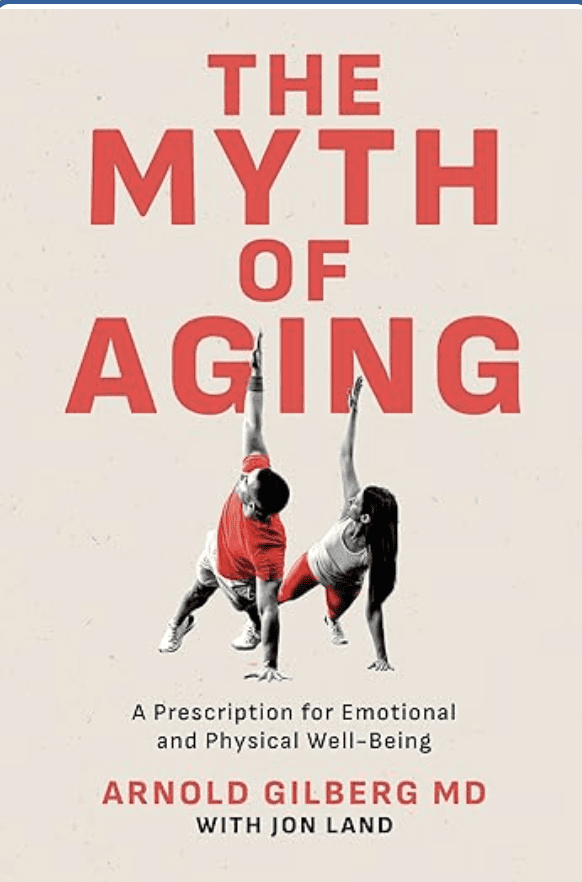
At a time when so many feel overwhelmed and uncertain about what it truly means to thrive, Dr. Arnold Gilberg, MD, PhD, offers a fresh perspective. In his book, The Myth of Aging, he challenges outdated ideas about growing older and reveals a vision of aging as a season of vitality, purpose, and freedom. Through movement, mindset, curiosity, gratitude, and human connection, Dr. Gilberg shows how even small daily habits can transform mental health and enrich life.

Well-being, he says, doesn’t require a dramatic life overhaul. Change begins with perspective—and one small act of movement.

“The first thing they need to do is develop a better attitude about living—that’s the first exercise they need to perform. They have to acknowledge that life is a roller coaster, that they may be in the midst of a dip, but things are going to get better. To help get there, they can try very simple physical activities—walking half a block, joining a TV or web-based exercise class, yoga or tai chi. Even a few minutes can make them feel alive and capable of moving and feeling better.”

This connection between body and mind is more than metaphorical; it is biological. Research shows that movement profoundly affects the brain and the body.

“All the latest research, including a 2023 study from Washington University School of Medicine, suggests that parts of the brain that regulate movement are intrinsically connected to networks responsible for thinking and planning. Other studies, notably from the National Institute of Health, indicate that how we feel about ourselves is rooted in the body’s gut microbiome, which benefits from exercise. When you feel better physically, your attitude improves, and the brain begins to see new possibilities that therapy alone may not achieve.”

This mind-body link also shapes purpose, engagement, and fulfillment.

“The first thing we need to do is accept that the mind and body are connected. They’re unified. Start each day waking up grateful for being alive, and it becomes easier to establish a routine of regular physical activity.”

At 89, turning 90 in six months, Dr. Gilberg embodies his philosophy: curiosity and engagement have no age limit.

“Staying engaged means being curious about everything. Engagement and involvement are synonymous. You have to be involved to maintain a healthy mental attitude, and that has to be a vital part of life. That’s why my book, The Myth of Aging, is so critical—it shows ways to become more involved with the world around you. You can’t wait for tomorrow. Enjoy new experiences and endeavors at any age.”

Gratitude, he emphasizes, is transformative.

“Being grateful for everyday life is not just an expression that sounds good. Someone who is grateful naturally enjoys life more. It’s about focusing on the positive, engaging in new experiences, and removing negativity. The reverse is like living in a dark room where you can’t see the beauty around you. Gratitude opens your eyes.”

He also addresses a modern dilemma: loneliness in a hyperconnected world.

“I see patients who boast about their social media friends and followers, but they’re still lonely. Human beings need physical connection. Social media is superficial and cannot provide the connection we need. Real connection comes from relationships or communities of like-minded people who understand and accept each other. Building community takes effort. If it doesn’t come to you, go out, find it, and develop it. Time is better spent there than scrolling endlessly through feeds.”

The Myth of Aging challenges the idea that aging equals decline.

“People who age are still vital and have tremendous knowledge and experience to share. Aging is not decline—it’s shameful that society views it that way. That’s why I wrote The Myth of Aging: to debunk stereotypes and show that we can continue contributing and seeking new experiences at any age.”

The book is more than a guide—it is a manifesto for living fully, every day. Dr. Gilberg encourages readers to embrace the small, intentional acts that shape mental and emotional well-being: a short walk, a moment of gratitude, a curiosity pursued, a real-world connection nurtured. Each choice, he suggests, compounds over time, creating a life that feels rich, engaged, and alive.

In a world that often equates youth with relevance, Dr. Gilberg offers a luxurious alternative: a life of depth, meaning, and elegance that grows more refined with age. The closing pages of The Myth of Aging remind us that the journey is ongoing, that engagement is timeless, and that the best years are not behind us—they are unfolding now, for anyone willing to approach life with curiosity, gratitude, and courage.

Aging, he concludes, is less about counting years and more about living them—with intention, connection, and joy. 

The Myth of Aging is now available for purchase. 

Amazon Link 

The post From Loneliness to Connection: Thriving in Your Golden Years with Hollywood’s Psychiatrist appeared first on Social Lifestyle Magazine.

  •  

Finding Mental Health Support in New York City: A Practical Guide

New York City has one of the most extensive mental health care landscapes in the world, but having access to more options does not always make the process of finding the right provider easier. For patients exploring specialised treatments like transcranial magnetic stimulation, or for anyone seeking mental health support in a city this large and complex, knowing how to evaluate providers and navigate the system is as important as knowing what treatments exist.

This guide is designed to help New York City residents understand what to look for in a TMS provider, how TMS fits into a broader mental health support plan, and what resources are available to support ongoing wellbeing beyond the clinic.

Understanding What TMS Providers Actually Do

Not all mental health clinics that offer TMS are the same, and understanding what differentiates quality TMS providers from the rest is the first practical step for any patient considering the treatment.

TMS is a sophisticated brain stimulation procedure that requires both technical expertise and clinical judgement to deliver well. The technical side involves operating the TMS equipment correctly, positioning the coil accurately, and maintaining the device in proper working order. The clinical side, which is equally important and more often where quality varies, involves determining whether TMS is appropriate for a given patient, selecting the right protocol for their specific presentation, monitoring their response throughout treatment, and adjusting the approach if the expected progress is not occurring.

The most important question to ask any TMS clinic is who makes the clinical decisions. In a well-run practice, a board-certified psychiatrist with specific training in brain stimulation therapies is actively involved in patient evaluation, protocol selection, and ongoing monitoring. Some clinics employ technicians to operate the equipment while a supervising physician has minimal day-to-day involvement with individual patients. This model can work, but it requires careful scrutiny of how accessible the physician is and how proactively they monitor patient progress.

Village TMS providers deliver TMS within a fully integrated psychiatric practice, meaning that every patient receives ongoing clinical oversight from board-certified psychiatrists throughout their treatment course. This is not a formality. It is a genuine safeguard that allows the clinical team to recognise and respond to changes in a patient’s presentation, whether that means adjusting a protocol, introducing additional support, or coordinating with other providers.

TMS and Treatment-Resistant Depression

The patients who typically benefit most from TMS are those who have been diagnosed with major depressive disorder and have not achieved adequate improvement from at least one antidepressant medication. This is sometimes described as treatment-resistant depression, though the term covers a wide spectrum from patients who have tried a single medication without benefit to those who have exhausted many pharmaceutical options over years of treatment.

A thorough clinical evaluation is the starting point for any TMS programme. This evaluation will typically cover your psychiatric history, the medications you have tried and how you responded to them, your current symptoms and their impact on daily functioning, and any medical conditions or medications that could affect your suitability for TMS. The evaluation is also an opportunity to ask questions and to get a clear picture of what the treatment involves before you commit.

Most patients begin to notice some improvement in their mood after two to three weeks of TMS treatment. The full benefit typically continues to develop over the course of the treatment programme and sometimes for weeks after the final session. Response rates in clinical practice are meaningful, and many patients who complete a full course of TMS achieve significant or complete remission of their depressive symptoms.

Mental Health Support Beyond TMS

TMS is a powerful treatment, but it is most effective when it is delivered as part of a broader mental health support plan. For many patients, the combination of TMS with psychotherapy produces better outcomes than either treatment alone. The mechanism behind this synergy is neurobiological: TMS increases the plasticity of the brain’s mood-regulating circuits, creating a window during which the brain may be particularly receptive to the kinds of learning and reprocessing that good therapy facilitates.

Psychotherapy options available alongside TMS in New York City range from cognitive behavioural therapy and psychodynamic therapy to more specialised approaches like dialectical behaviour therapy, acceptance and commitment therapy, and trauma-focused modalities. The right therapeutic approach depends on your specific history and the nature of your difficulties.

For patients who are not already working with a therapist, many TMS clinics can facilitate referrals or coordinate with external providers. The goal is to ensure that the clinical gains made during TMS are supported and consolidated by meaningful psychological work rather than fading once the stimulation course ends.

What Comprehensive Mental Health Support Looks Like in NYC

For residents of New York City seeking Mental Health Support NYC, the range of available services is genuinely broad. The city is home to specialist psychiatric clinics, community mental health centres, private therapy practices, peer support organisations, and crisis services, each serving different needs and different populations.

According to the National Institute of Mental Health, effective mental health care typically involves a combination of accurate diagnosis, evidence-based treatment, and ongoing monitoring and adjustment as needs change. For patients with complex or treatment-resistant presentations, this usually means working with a specialist psychiatric provider who can coordinate multiple elements of care rather than relying on a single intervention.

Village TMS in New York City offers exactly this kind of comprehensive approach. Their psychiatry-led team combines TMS with medication management, coordinated referrals for therapy, and the kind of attentive clinical oversight that complex cases require. Patients receive not just a treatment but a genuine partnership with a team that is invested in their long-term outcomes.

Practical Steps for Getting Started

If you are considering TMS or any form of specialist mental health care in New York City, a few practical steps can make the process more straightforward.

The first is to gather your clinical history before your initial consultation. This means knowing what medications you have tried, at what doses, and for how long, as well as being able to describe how your symptoms affect your daily functioning. Bringing any previous psychiatric assessments, therapy discharge summaries, or relevant medical records will help a new clinician get up to speed quickly and make better-informed recommendations.

The second is to approach the initial consultation as a two-way conversation rather than a one-way assessment. You should leave the consultation with a clear understanding of what treatment the clinician is recommending, why they are recommending it, what the expected timeline and process looks like, and what happens if you do not respond as expected.

The third is to take the question of fit seriously. The quality of the therapeutic relationship between a patient and their clinical team is one of the strongest predictors of treatment outcome across virtually every form of psychiatric care. A clinic that takes the time to listen, explain, and personalise its approach is one worth prioritising, even if another clinic offers a faster appointment or a lower initial cost.

Moving Forward

Mental health care in New York City does not have to mean navigating an impersonal system alone. The right provider will treat you as a whole person with a specific history and specific needs, not as a diagnosis to be processed. Village TMS is committed to exactly that kind of care, offering personalised TMS programmes and comprehensive mental health support for patients across the city.

If you are ready to explore your options, reach out to Village TMS today to schedule a consultation. Their team is ready to listen, answer your questions, and help you build a treatment plan that genuinely reflects what you need.

The post Finding Mental Health Support in New York City: A Practical Guide appeared first on Social Lifestyle Magazine.

  •  

When Loving Your Job Is Not Enough

The quiet tension shaping today’s workforce

There is a strange contradiction unfolding at work right now. People say they are happy. They like their teams, they enjoy what they do, they feel engaged. And yet, beneath that surface, there is a growing sense of unease that is hard to ignore.

It shows up in small ways. A hesitation before asking a question. A quiet urgency to learn something new late at night. A subtle fear that the ground is shifting, even if everything looks stable.

This week, conversations around artificial intelligence have felt louder and more personal. Not just about what AI can do, but about what it might take away. There is a noticeable shift from curiosity to concern. From excitement to quiet anxiety.

And that tension is important to understand.

Happiness does not equal security anymore

For a long time, we treated job satisfaction as the ultimate goal. If people were happy, we assumed everything else would follow. Retention, performance, loyalty. It felt like a simple equation.

But that equation is breaking down.

Today, someone can love their job and still feel deeply uncertain about their future. That is because happiness is rooted in the present, while anxiety lives in what might happen next. And right now, the future feels less predictable than it used to.

“Anxiety often reflects fear of what ‘might’ happen, or a worst-case scenario, not the current state. When there is a looming threat… the human mind reacts to this potential danger by anticipating loss or harm. It remains on alert,” Explains Wendy Lynch, PhD,, CEO of Analytic Translator.

AI is a big part of that feeling. Not necessarily because people believe they will lose their jobs tomorrow, but because they do not know how their roles will change. The lack of clarity is what creates stress.

It is one thing to face a known challenge. It is something very different to face an undefined one.

When people hear that AI could reshape entire industries, the question becomes personal very quickly. Where do I fit into that change? Will I still be relevant? Am I already falling behind?

Even those who feel confident today can still feel vulnerable about tomorrow.

The rise of invisible stress

What makes this moment more complex is that much of this anxiety is not openly discussed. It is not always visible in surveys or performance reviews. People continue to show up, do their work, and even report that they are satisfied.

But internally, something else is happening, Dr. Lynch have notice: “An anxious brain is not an optimally functioning one. Thoughts and ruminations about a threat reduce bandwidth for higher-level thinking, such as problem solving, creativity, and concentration.”

This is where the idea of hidden data becomes important. Not data in a technical sense, but the subtle signals that people send through behavior. Changes in communication patterns. Shifts in engagement. Small drops in confidence.

These are not dramatic red flags. They are quiet indicators that something is changing beneath the surface.

Dr. Wendy Lynch, PhD, CEO of Analytic Translator, has pointed to this kind of hidden data as a way for leaders to better understand what employees are really experiencing. Not just what they say, but what their actions suggest.

Her perspective feels especially relevant right now. If anxiety around AI continues to grow quietly, organizations may not notice it until it becomes a bigger problem. And by then, it may show up in ways that are harder to manage, like sudden waves of resignations or disengagement. The challenge is that traditional ways of listening are not always enough. If you only rely on direct feedback, you might miss what people are hesitant to say out loud.

Why uncertainty hits harder than change

It is tempting to frame this moment as simply another wave of technological change. After all, industries have adapted before. New tools have always created new opportunities.

But this moment feels different for many people.

Not because AI is inherently more threatening, but because the pace and visibility of change are higher. People are seeing examples of automation and transformation in real time. They are hearing about it constantly. It feels immediate, even if the actual impact is still unfolding.

And uncertainty amplifies everything. When people do not know what skills will matter most, they try to prepare for everything. That can lead to exhaustion. When they are unsure how decisions will be made, they may hesitate to take risks. That can slow innovation.

In some ways, the fear is not about AI itself. It is about losing a sense of control.

A different kind of leadership moment

This creates a new kind of responsibility for leaders.

It is no longer enough to keep people engaged in their current roles. There is a growing need to help them feel secure in their future. Not by promising certainty, which is impossible, but by creating clarity where it can exist.

That might mean being more transparent about how AI is being used. It might mean investing in learning in a way that feels accessible rather than overwhelming. It might also mean paying closer attention to those subtle behavioral signals that suggest rising anxiety.


“If we looked at the combined medical, pharmacy, disability, absence, and injury costs for those 59% of people who have a mental health challenge, it represented 72% of total costs. Suddenly, we realize that our original, narrow definition of treatment cost vastly underrepresents the full size of the issue,” adds Wendy Lynch. 

Based on those numbers, the idea of hidden data becomes less about analytics and more about awareness. About noticing patterns early. About understanding that what is not being said can be just as important as what is. Leaders who can do this well are likely to build stronger trust. Not because they eliminate uncertainty, but because they acknowledge it.

Looking ahead without losing the present

There is also an important balance to maintain.

If the conversation becomes only about future risks, it can overshadow the real value people find in their work today. That would be a mistake. The fact that many employees still report high satisfaction is not meaningless. It shows that work can still be fulfilling and engaging.

The goal is not to replace that sense of satisfaction, but to support it with a clearer path forward.

People want to feel that their efforts today still matter tomorrow. That what they are building, learning, and contributing will not suddenly lose relevance.This is where thoughtful perspective matters more than perfect answers.

The companies that navigate this moment well may not be the ones with the most advanced technology, but the ones that understand the human side of change. The ones that recognize that anxiety and satisfaction can exist at the same time, and that both need attention.

A quiet turning point

It is easy to overlook moments like this because nothing dramatic has happened yet. There is no single event that marks a turning point. Instead, it is a gradual shift in how people feel about their place in the world of work.

But these quiet shifts often matter the most. They shape decisions over time. Whether someone chooses to stay, to leave, to speak up, or to stay silent. Whether they feel confident investing in their future or hesitant to take the next step. Loving your job used to feel like enough. Now, it feels like just one piece of a bigger picture. And understanding that difference may be one of the most important challenges leaders face right now.

The post When Loving Your Job Is Not Enough appeared first on Social Lifestyle Magazine.

  •  

Behind the Pages of The Hollywood Fix: Richard Kirshenbaum on Fame and Storytelling

From shaping iconic brands to unveiling the hidden drama of Hollywood, Richard Kirshenbaum has long operated at the rarefied intersection of creativity, strategy, and cultural influence. Whether championing the next generation of artists through the Princess Grace Foundation or bringing the intrigue of classic Hollywood to life in his novel The Hollywood Fix, he has built a career defined by vision, discretion, and unmistakable taste. His trajectory is less a profession than a signature—a lasting imprint on the architecture of modern storytelling and image-making. In this conversation, we step into the world of a true arbiter of style and substance, exploring the insights and instincts that have shaped his singular journey.

Before diving into his personal reflections, Richard first examined the intricate machinery behind celebrity itself—the unseen work of managing fame and public perception. At the heart of our discussion, it became a striking reminder of what truly defines a Hollywood icon and the quiet orchestration behind the illusion. He stated:

“Stars still need handling, and very often the most successful of them have great publicists behind the scenes who handle and manage their public image. There are those who think they can do it themselves and then sometimes, unfortunately, make every mistake in the book. One must remember, it is often important not only what you do but what … you don’t do. And the American public can build up a star and also tear them down. Take the Royal family, for example. The press has been quite messy, and there are those within their ranks that think they can go it alone. Clearly, they cannot. One must remember, behind every great star is a great publicist and team … and they are PR stars as well. My dear friend Susan Magrino, Martha Stewart’s longtime publicist, has done an incredible job. Martha is, of course, unbelievable … but so is Susan. Martha and Susan, as a team, have created both longevity and icon status for her. Martha’s breakthrough cover of Sports Illustrated Swimsuit Issue in 2023 just didn’t happen on its own. It needed great PR thinking and execution to pull it off. Bravo!”

His observations underscore not just the mechanics of publicity, but the deep cultural fascination that surrounds stardom, which leads naturally to Hollywood’s broader allure.

Reflecting further on the public fascination with celebrity, Kirshenbaum offered a compelling perspective on why Hollywood’s allure has always felt larger than life:

“America, unlike Europe, does not have royalty, and Hollywood stars—and especially in the early days of Hollywood—gave the public our version of royalty; someone to admire, aspire to, and believe in. In its day, the Hollywood star system was both conservative, bullying, and also very paternalistic. The studios wanted the public to believe in their idea of perfection, and the stars needed to live up to that. Of course, this was impossible, and whitewashing scandals between the two World Wars was prevalent. It worked, though, as the public were more naive then and would accept and believe what the studios and press told them. This, of course, was a smokescreen, as the stars were all imperfect. The great star Tallulah Bankhead once quipped, ‘I am as pure as the driven slush.’”

It’s this fascination with the hidden stories behind the spotlight that inspired Richard to explore fiction, allowing him to dramatize the tension and intrigue of Hollywood’s Golden Age.

Turning from image-making to storytelling, he expanded on his latest work, the novel The Hollywood Fix, and what inspired him to set the story during the Hollywood Golden Age:

“Any great novel needs tension, and given the conservative mores of the 1930s and 1940s, the star system existed at a time when scandals were more scandalous and the drama was heightened for everyone involved.”

He went on to reveal that the story draws from real historical events, blending fact and fiction to create authenticity.

“The scandals in the book or fixes were all based on real Hollywood Fixes from that era. As an example, what would happen if you were a single female star who got pregnant and wanted to keep the baby? In the book, when my character, the movie star Mirielle Montaigne, secretly has the baby in order to keep it, she puts the baby in an orphanage and then adopts the baby and raises it as her adopted child. This, in fact, was based on a real story and fix that happened when Loretta Young had Clark Gable’s baby out of wedlock, which was taboo at the time. The daughter, Judy Lewis, didn’t know Gable was her father until she was much older and also noticed her large ears.”

Expanding on the broader context of that era, he continued:

“The level of control studios exerted over their stars was amazing but also quite terrifying. They had morals contracts and controlled the stars’ images, creating lavender marriages, insisting on abortions, and even changing names, nationalities, races, and looks. I thought this offered an incredible backdrop to write a novel and create that level of tension on which great fiction exists. I am so pleased with the result; my novel The Hollywood Fix is out on Amazon to wonderful, gratifying reviews.”

Before Hollywood became the canvas for his storytelling, Richard honed his understanding of culture and consumer behavior through branding, which would later inform his work with stars and storytelling.

Reflecting on his early career days at Target, Kirshenbaum recalled:

“At Swatby Kirshenbaum we know that brands that truly succeed are brands that create a new category, culture, or an idea that hasn’t been done before. Quality, service, and execution can then add to creating brand longevity in bringing something to the table that did not exist. This all fulfills a need and desire for an increasingly discerning consumer. These next-level brands all possess an overall strategy and platform people understand, covet, and aspire to. My early work for Target was such a brand. It was the first to combine department store aspirations for a large discount retailer. Our breakthrough fashion/housewares campaign and popularizing the Target ‘Bullseye’ logo created a new way to provide the American public with a ‘high/low’ shopping alternative. I actually had trouble finding a well-regarded fashion photographer to shoot the campaign at the time and had to prevail on my friendship with the great Matthew Rolston. Target was the first to offer department store taste and style to a price-conscious consumer, and for that they get flowers and are still relevant.”

This talent for recognizing and cultivating creative potential extends beyond branding into his passion for nurturing the next generation of artists.

“I am very honored to have been elected to the Board of Trustees of the Princess Grace Foundation. The Foundation provides essential grants to artists in the entertainment space, and as a creative businessman, it is an organization that is near and dear to my heart. The arts are often underfunded and underappreciated, and the recipients are the next great stars. This year at our Gala, we honored Jon M. Chu, who directed Wicked, and who had been a grant recipient when he was starting out. He credits the Foundation for being there at a critical stage in his career development. The Foundation, under the auspices of H.S.H. Prince Albert of Monaco, is committed to furthering his mother, the late Princess Grace’s legacy, of giving back to the arts and artists. It has been very fulfilling personally to help nurture the next generation of young performing artists and creative people who are so deserving, as they are the stars of tomorrow.”

Just as he champions others, Richard reflected on the mentors who shaped his own creative sensibilities—particularly the women whose wit, courage, and insight left lasting impressions.

And perhaps it is in those quieter, behind-the-scenes moments where Kirshenbaum’s sensibility is most clearly defined. Reflecting on the early influences that shaped his voice, he points to an unexpected but formidable force: comedy legend Joan Rivers.

“She paid $8 a joke,” he recalled, noting how even the smallest assignments carried lasting weight. More importantly, she imparted a lesson that would stay with him throughout his career: ‘Richard, now this joke is very funny but it has two punchlines. You need to only have one punchline at the end and let it… breathe.’”

In that simple directive lay a philosophy of precision, restraint, and timing—a principle that continues to guide Kirshenbaum’s work in branding, storytelling, and shaping cultural narratives. In a world driven by noise, true mastery is knowing not only what to say but, just as importantly, what to leave unsaid.

An accomplished author, playwright, and the CEO and founder of NSG/SWAT, Kirshenbaum generously shared his expertise with Social Lifestyle Magazine, and we are grateful for his insights.

Professional Website Amazon Link

The post Behind the Pages of The Hollywood Fix: Richard Kirshenbaum on Fame and Storytelling appeared first on Social Lifestyle Magazine.

  •  

Using Zoning Systems with a Springfield MO HVAC Contractor for Custom Comfort

Maintaining a comfortable home can be frustrating when different areas of your house experience uneven temperatures. Some rooms may feel too hot in summer or too cold in winter, while others are just right. Standard HVAC systems often struggle to balance these differences, leading to wasted energy, high utility bills, and constant adjustments. Homeowners may find themselves layering blankets, running extra fans, or constantly changing thermostats. These discomforts highlight the need for smarter heating and cooling solutions that adapt to each space individually.

For residents in Springfield, MO, Redeemed HVAC & Plumbing offers a tailored approach to home comfort through zoning systems. Our team of licensed technicians not only installs and services HVAC equipment but also customizes solutions that address the unique heating and cooling needs of every room. By partnering with Redeemed HVAC & Plumbing, homeowners gain access to expertise in ductwork, thermostats, and system optimization that ensures consistent comfort throughout the home.

Zoning Systems for Residential Comfort

Zoning systems divide a home into distinct areas or “zones,” each controlled independently. Unlike traditional HVAC systems that treat a house as a single space, zoning systems use multiple thermostats and motorized dampers within the ductwork. This allows temperature adjustments for each zone, ensuring personalized comfort. For instance, bedrooms can be cooler at night, while living areas remain warm. Properly installed zoning systems prevent overworking the HVAC unit, improve efficiency, and reduce wear and tear.

Additionally, zoning systems help homeowners manage seasonal temperature differences more effectively, reducing the need for constant thermostat adjustments. They can also address common hot or cold spots in older homes where insulation or design causes uneven heating or cooling. Finally, by giving precise control over each area, zoning systems create a more comfortable environment that adapts to different family routines and lifestyle needs.

Benefits of Working with a Springfield MO HVAC Contractor

Collaborating with a Springfield MO HVAC contractor like Redeemed HVAC & Plumbing brings specialized knowledge to your home. Our technicians evaluate the layout, insulation, and airflow patterns to design a zoning plan that maximizes efficiency. Beyond installation, they provide maintenance, troubleshooting, and upgrades, ensuring that each zone maintains optimal temperature control year-round. Homeowners benefit from reduced energy bills, longer equipment lifespan, and enhanced indoor air quality.

Additional benefits include:

  • Customized Comfort Plans – Contractors can design a zoning system tailored to your family’s daily schedule and lifestyle preferences.
  • Expert Equipment Selection – They recommend the most suitable thermostats, dampers, and HVAC components for your home’s size and structure.
  • Improved System Longevity – Proper installation and professional maintenance prevent strain on HVAC units, reducing breakdowns.
  • Energy Monitoring and Optimization – Contractors provide guidance on tracking energy usage and adjusting zones for maximum efficiency.
  • Professional Troubleshooting – Any airflow issues, uneven temperatures, or control malfunctions are quickly diagnosed and resolved.
  • Safety and Code Compliance – Licensed contractors ensure all modifications meet local building codes and safety standards.

Integrating Zoning Systems with Existing HVAC Equipment

Many homes can adopt zoning systems without a full HVAC replacement. Redeemed HVAC & Plumbing assesses current systems to determine compatibility, identifying whether modifications to ductwork, thermostats, or controls are necessary. Integration allows homeowners to retain their existing furnace or air conditioner while upgrading to more precise control. This approach minimizes upfront costs while still delivering significant comfort improvements.

Technicians carefully examine existing duct layouts to ensure proper airflow reaches each zone, making adjustments where needed to prevent hotspots or cold areas. They also evaluate thermostat and sensor placement to guarantee accurate temperature readings throughout the home.

 Zoning systems can often be added to older HVAC units, extending our functionality and providing a flexible upgrade path that homeowners can expand over time. By targeting only the zones in use, the existing system experiences less strain, which improves energy efficiency and lowers utility costs. With professional integration, homeowners enjoy a seamless experience, controlling multiple zones from a single, easy-to-use interface.

Energy Efficiency and Cost Savings

A primary advantage of zoning systems is energy efficiency. By heating or cooling only the areas in use, homeowners reduce unnecessary energy consumption. For example, rooms that remain unoccupied for most of the day can have reduced airflow, leading to lower utility bills. Springfield, MO HVAC contractors understand local energy patterns and can recommend zoning schedules that align with daily routines. Over time, these adjustments translate into noticeable savings without compromising comfort.

Smart Controls and Modern Technology

Modern zoning systems often feature smart thermostats and mobile app controls, allowing users to adjust temperatures remotely. Redeemed HVAC & Plumbing ensures that these systems are configured for seamless operation. Homeowners can create schedules, monitor energy usage, and receive alerts for system maintenance. Advanced sensors also detect humidity levels and occupancy, further optimizing comfort and efficiency.

Common Challenges and Solutions

Installing a zoning system can present challenges, including uneven duct layouts or limited space for dampers. Springfield, MO, HVAC contractors bring experience in overcoming these obstacles through customized designs and innovative solutions. Redeemed HVAC & Plumbing addresses common issues such as inconsistent airflow, thermostat placement, and system compatibility. Our proactive approach ensures that each zone functions as intended, providing reliable comfort without frequent adjustments.

Enhancing Indoor Air Quality

Zoning systems contribute to improved indoor air quality by allowing precise airflow management. By controlling ventilation in each zone, homeowners can reduce allergens, moisture buildup, and stagnant air pockets. Redeemed HVAC & Plumbing also integrates duct cleaning and air filtration services, ensuring that air distribution is not only comfortable but also clean and healthy. This dual focus on temperature and air quality elevates the overall living environment.

Maintenance and Longevity

Regular maintenance is essential to keep zoning systems performing efficiently. Springfield, MO HVAC contractors provide inspection, cleaning, and calibration services to prevent malfunctions and prolong system life. Redeemed HVAC & Plumbing emphasizes preventative care, reducing the likelihood of costly repairs and extending equipment lifespan. Homeowners gain peace of mind knowing our investment continues to deliver reliable comfort for years.

Partnering with Redeemed HVAC & Plumbing for Custom Comfort

A zoning system offers a transformative solution for homeowners struggling with uneven temperatures and high energy costs. By customizing each zone, leveraging smart technology, and maintaining optimal airflow, residents can enjoy consistent comfort throughout our home. 

Redeemed HVAC & Plumbing combines local expertise, licensed professionals, and advanced HVAC solutions to deliver results that go beyond basic heating and cooling. For Springfield, MO residents seeking personalized comfort, energy efficiency, and improved indoor air quality, partnering with Redeemed HVAC & Plumbing ensures every room in the home feels just right.

The post Using Zoning Systems with a Springfield MO HVAC Contractor for Custom Comfort appeared first on Social Lifestyle Magazine.

  •  
❌