The price at the pump for petrol and diesel fell at the start of May when a fuel tax cut took effect, but watchdog groups say oil companies haven't passed on the savings to consumers entirely.
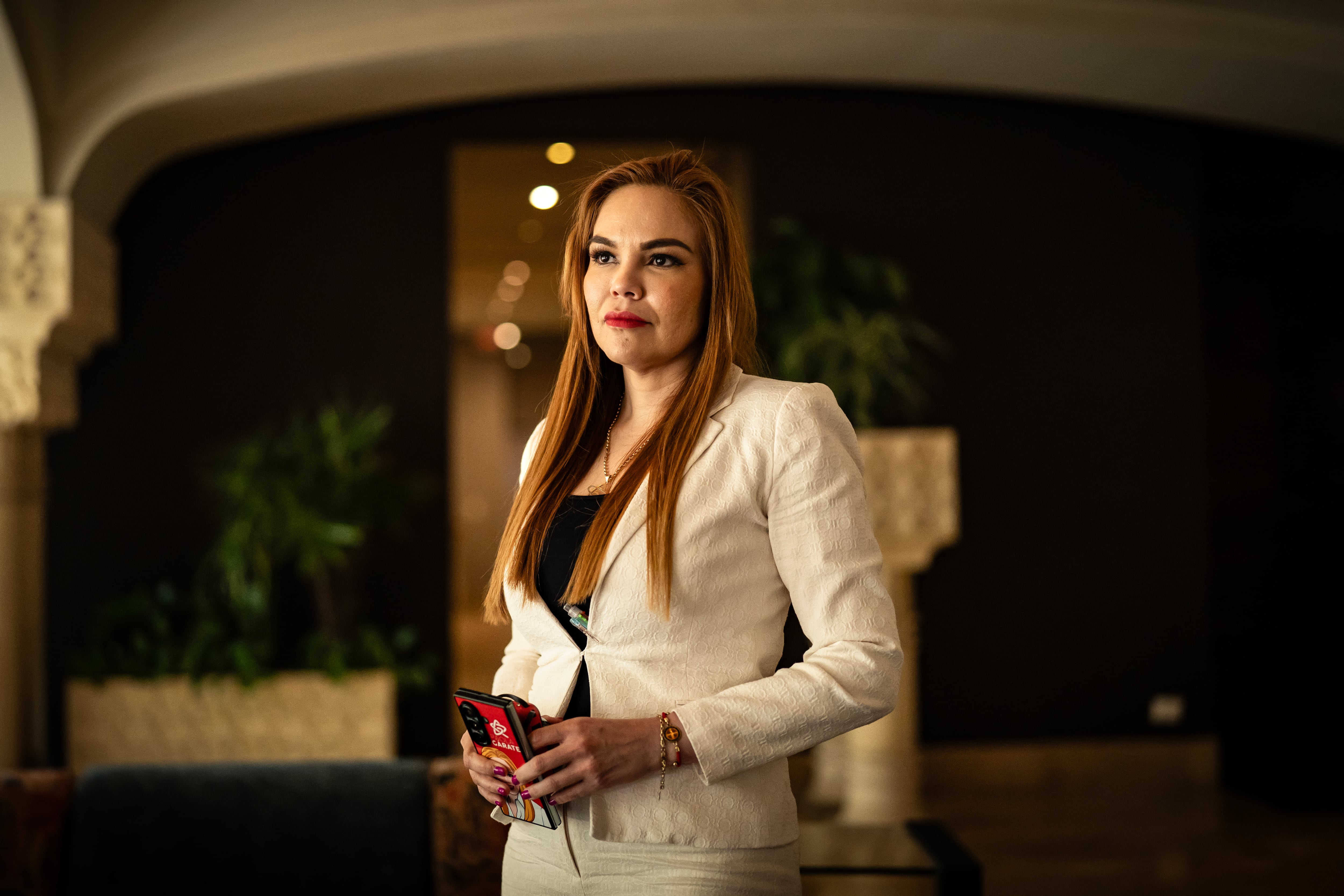
As she was driving out of party headquarters, five vans with dark‑tinted windows cut her off. She doesn’t remember how many men got out, but they were dressed in black, their faces covered with balaclavas, and they carried rifles. From that moment on, everything becomes hazier. They pushed her into the back seat of one of the vehicles, blindfolded her, and began driving in circles around Culiacán, the capital of the Mexican state Sinaloa. There was no physical or verbal abuse, just veiled threats like “we’ve got half of Culiacán here” or “we can take you home whenever you want.” Nearly nine hours later, as the sun began to rise over the soft hills surrounding the city, Paola Gárate had her blindfold removed and was released near a supermarket. It was Sunday, and in just a few hours, the polls would open to choose Sinaloa’s next governor. Dazed but relieved, that was how the election day began for the president of the Institutional Revolutionary Party (PRI) in Sinaloa.
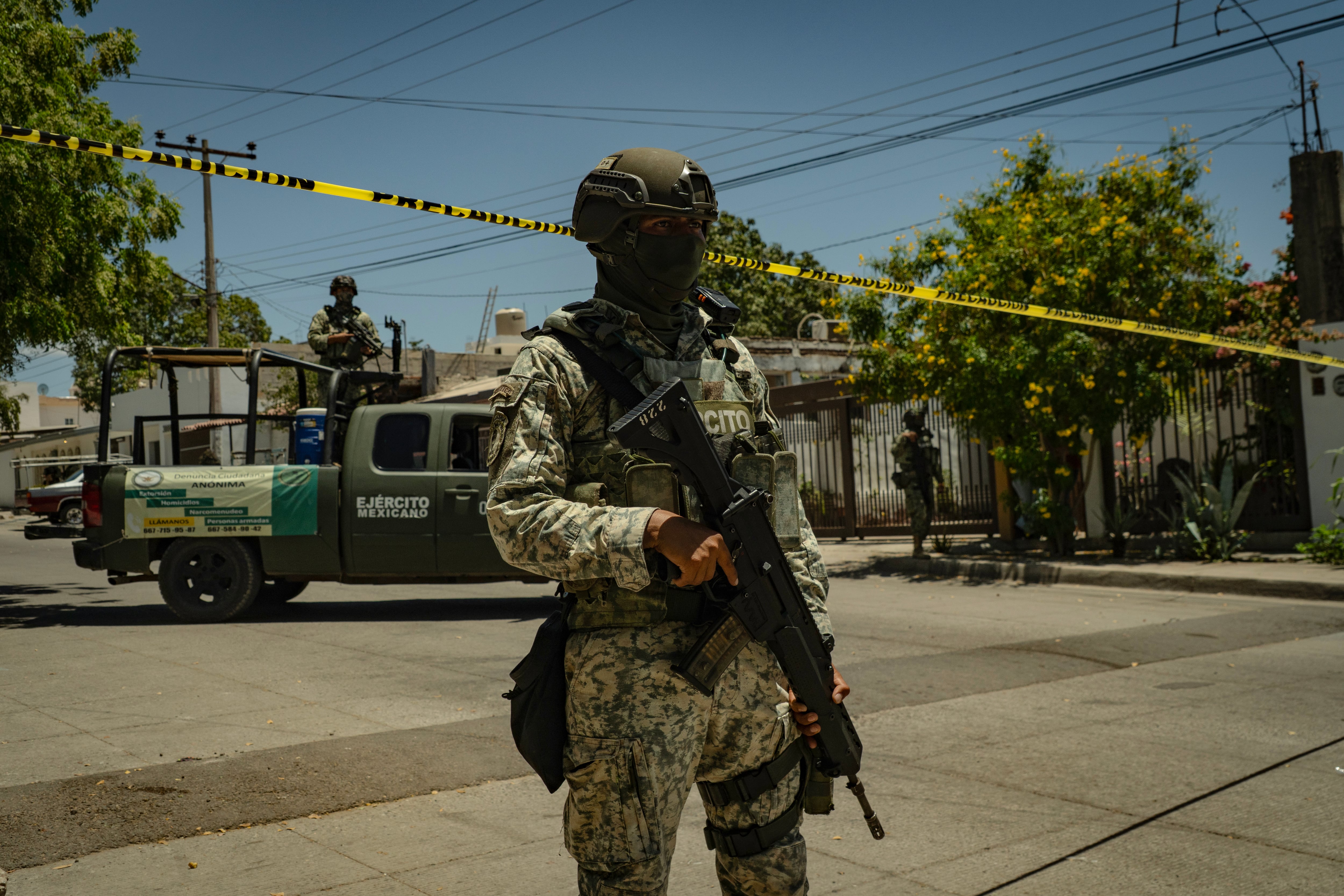
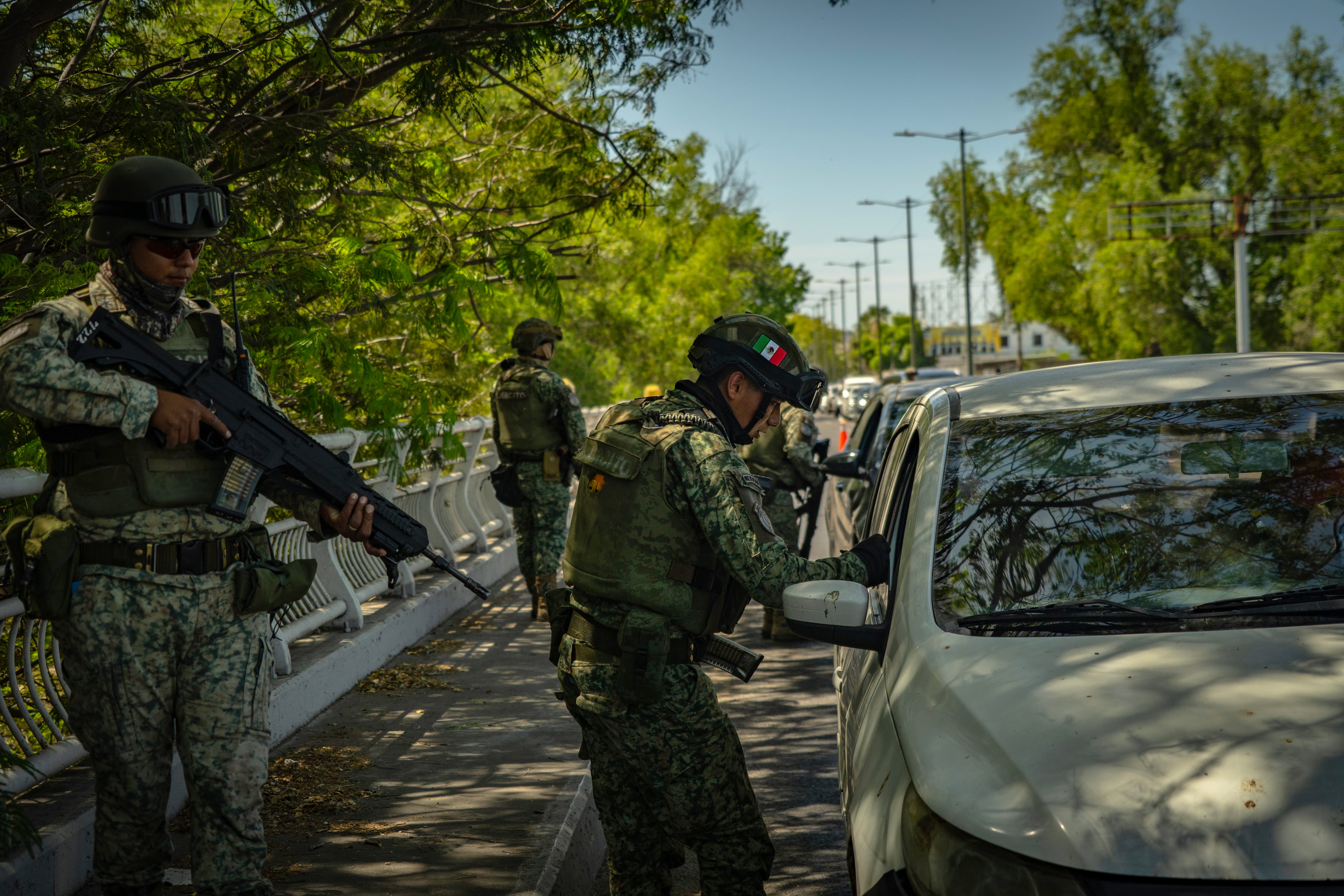
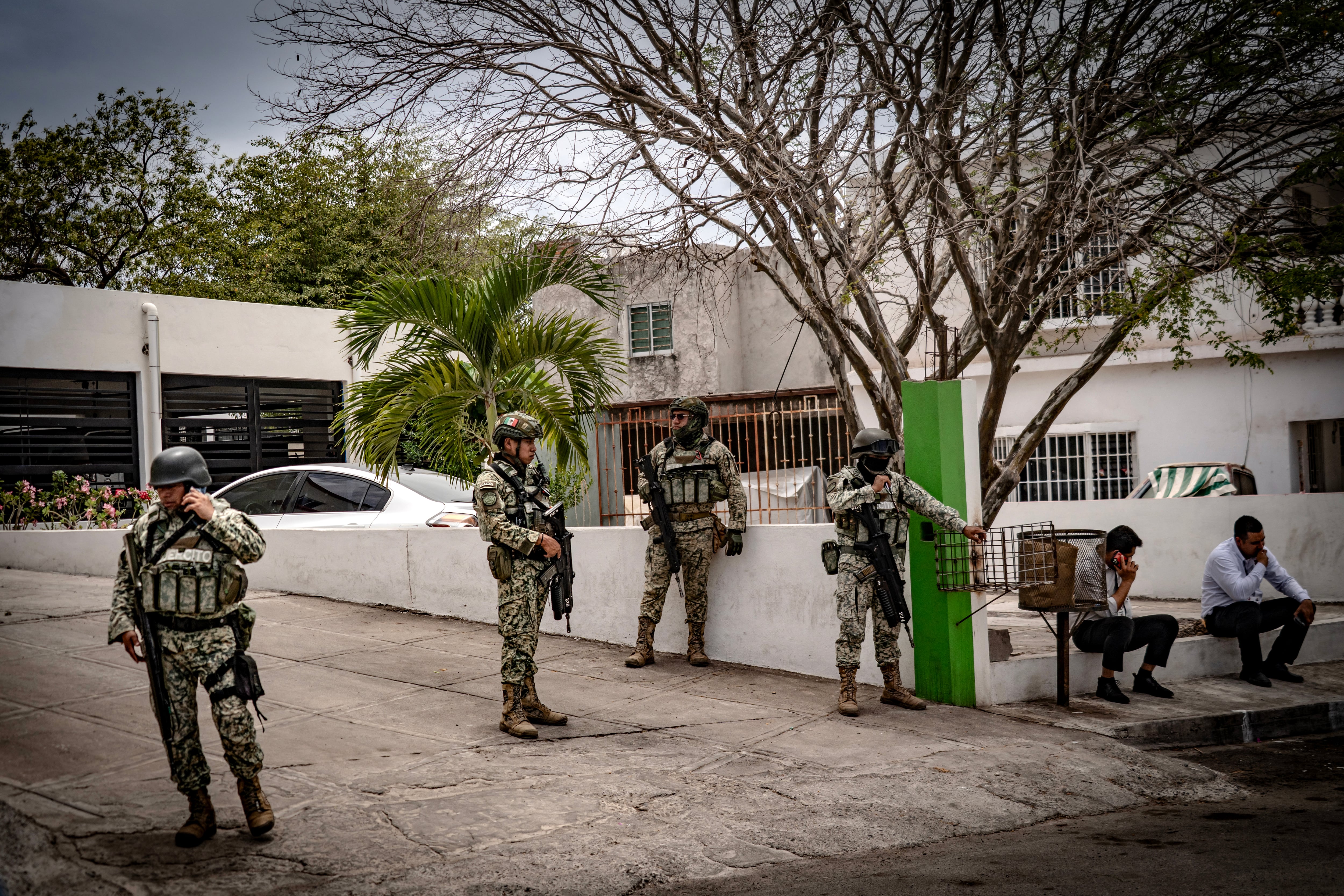
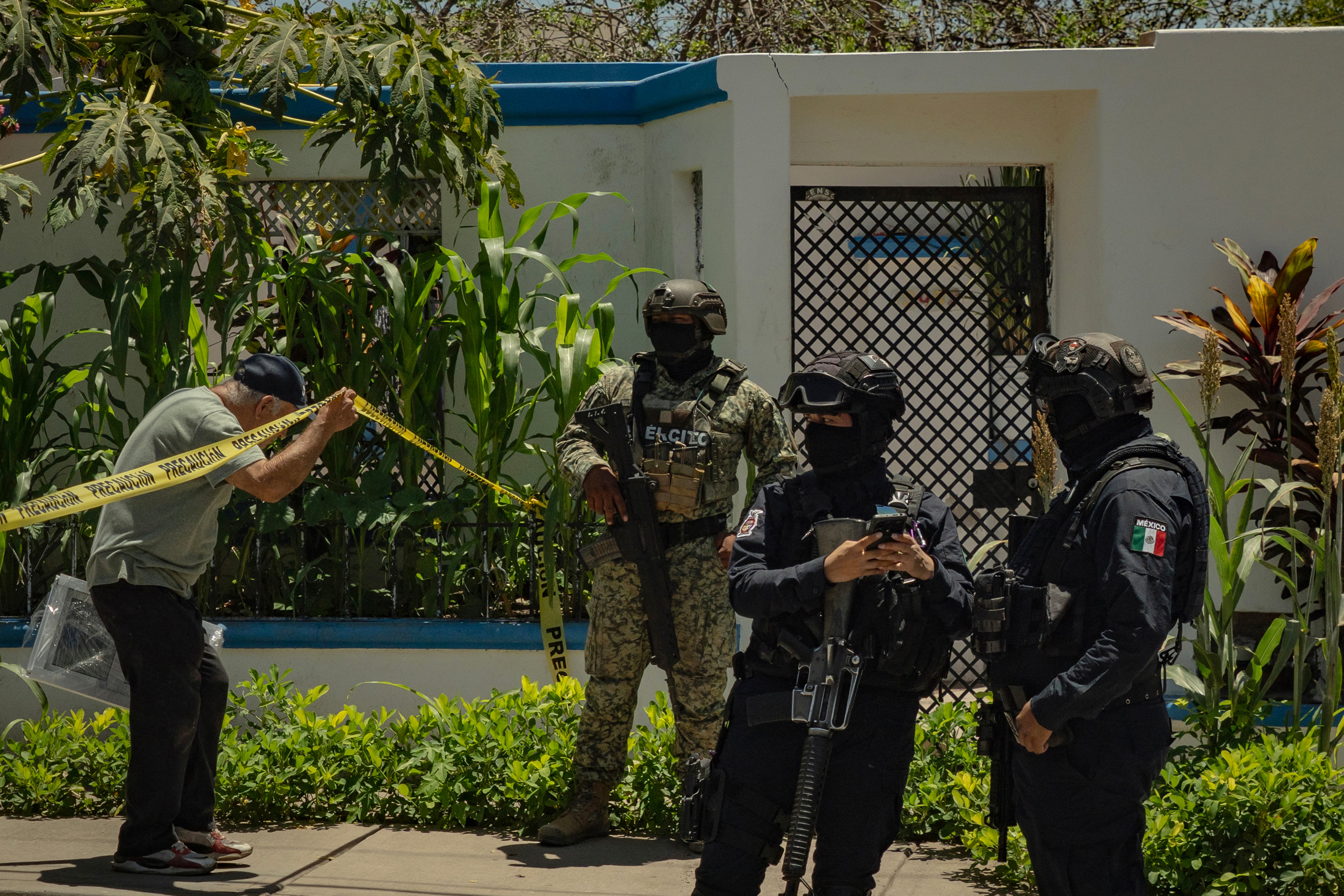
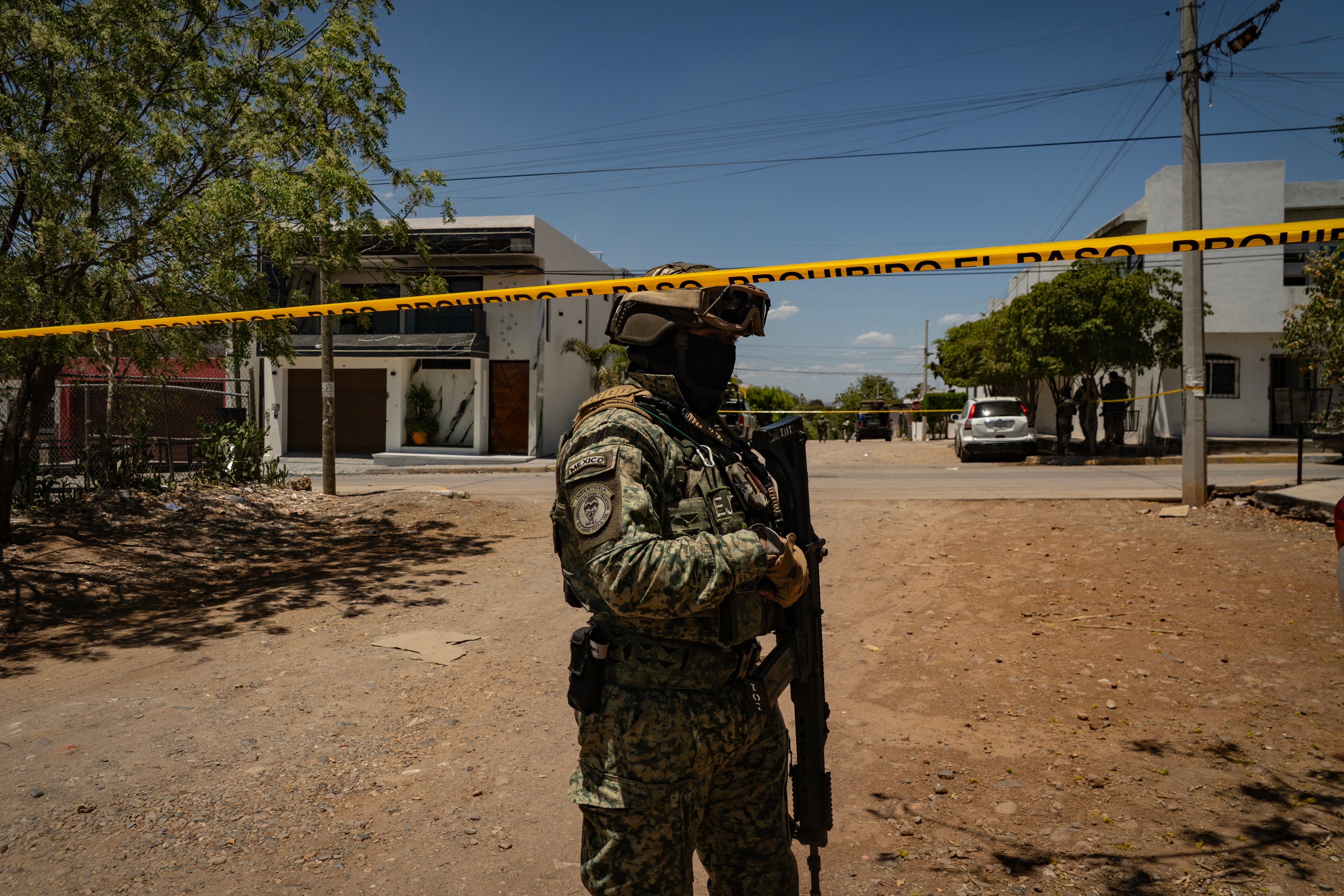
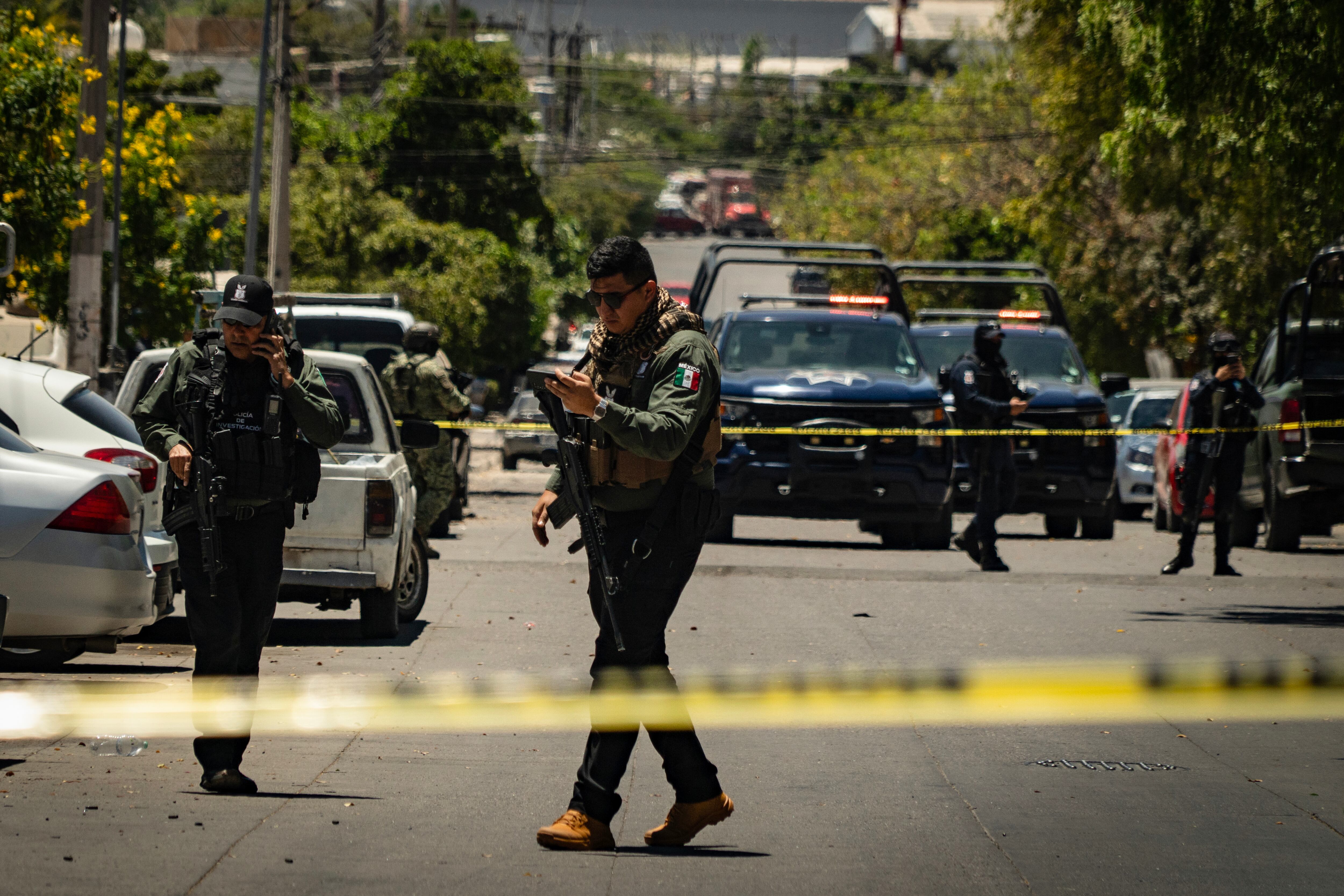
Members of the Mexican military patrolling the perimeter of the Brisas del Humaya neighborhood after an armed group attacked Homar Salas, the leader of the STASAC union.
French President Emmanuel Macron has urged for a “coordinated” reopening of the Strait of Hormuz, warning that a newly announced US-led initiative lacks clarity and risks further tension in an already volatile region.
PRESS REVIEW – Monday, May 4, 2026: Israeli minister Itamar Ben-Gvir's birthday cake sparks widespread condemnation. But first, The Washington Post tells the story of a Ukrainian soldier trapped in the "kill zone". Also, Amsterdam becomes the first capital city to ban meat and fossil fuel advertising. Elsewhere, Jeff Bezos's involvement in the Met Gala leads to boycotts. Finally, Kentucky flaunts its impressive hats.
Cycling prodigy Paul Seixas said Monday he will ride the Tour de France for the first time this July, fuelling hopes that France’s decades-long wait for a home winner could finally be nearing an end.
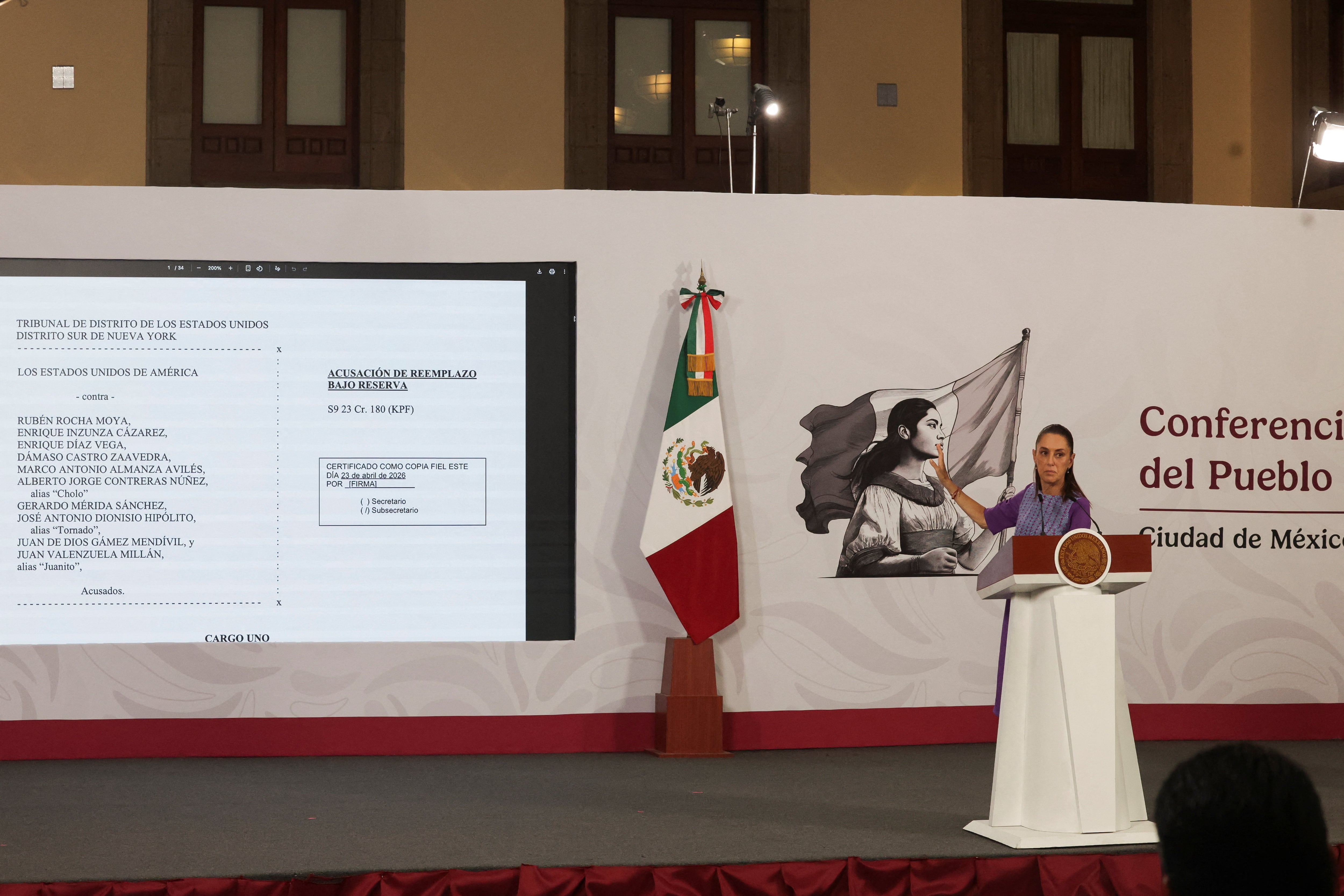
A major crack has appeared in the least expected place: the newly established foundation of the security relationship between Mexico and the United States, a sacred space during the 14 months that Claudia Sheinbaum and Donald Trump have spent at the helm of their respective governments. The political crisis in Mexico stemming from the presence of CIA agents on the ground in Chihuahua, coupled with the U.S. indictment of a governor and a senator in Sinaloa on drug trafficking charges, are the backdrop for a rupture whose magnitude and consequences are yet to be fully realized. The political chess game is progressing; bishops and knights are getting ready. A false move by either side could further complicate the situation.
President Donald Trump said on Sunday the U.S. would start an effort on Monday morning to free ships stranded in the Strait of Hormuz as a "humanitarian gesture" to aid neutral countries in the U.S.-Israeli war with Iran. Trump provided few details about the plan, which he said would aid ships and their crews that have been "locked up" in the strait and are running low on food and other supplies as Iran blocks access through the crucial waterway.
European leaders and Canadian Prime Minister Mark Carney gather in Armenia Monday as they seek to navigate a fraught geopolitical environment under an unpredictable White House. US President Donald Trump will loom large over the meeting of the European Political Community (EPC). It takes place in Yerevan, a crossroads between Russia and the Middle East -- the two main issues on the agenda. FRANCE 24's Taline Oundjian reports from Yerevan, Armenia.
An inquiry into a shooting that killed 15 people at a Hanukkah festival near Australia's Bondi Beach heard Monday that Sydney's Jewish community feared "catastrophe" was coming as antisemitic attacks rose. The federal royal commission -- the highest level of government inquiry -- was called to probe factors leading to the attack by two gunmen on Jewish families near Australia's best-known beach in December.
In our Asia View segment, FRANCE 24 correspondent Yena Lee takes a look at the latest stories behind the headlines from China and beyond. This week, Taiwan’s President Lai Ching-te arrived in the African nation of Eswatini, days after his government was forced to postpone the trip when several countries reportedly withdrew permission for him to fly over their territories under pressure from China.
Should kitesurfing be banned for the sake of keeping sea swimmers safe? That is certainly what one mayor in France wants. In Saint-Pierre-Quiberon, several accidents have already occurred, but the question of whether or not the water sport should be banned is making ripples.
German Chancellor Friedrich Merz said he must accept that President Donald Trump does not share his opinions in order to work with the United States within NATO, but stressed there was no link between their rift and a planned troop drawdown. Merz dismissed suggestions that his criticism of U.S. war planning in Iran had sparked Washington's Friday announcement that the U.S. would reduce its military presence in Germany, its largest European base, by 5,000 soldiers, and repeated his commitment to the transatlantic alliance. FRANCE 24's International Affairs Editor Philip Turle tells us more.

 Login
Login