Normal view

Why is Australia buying used submarines? A naval expert answers key AUKUS questions

Following the recent announcement that Australia would acquire three submarines already in US service rather than two used submarines and one new one, AUKUS has again dominated headlines.

AUKUS is a defence capability agreement between the United States, the United Kingdom and Australia. Since it was announced in 2021, it’s rarely been out of the news.

But how much of what you have heard is true?

As a former Navy officer specialising in anti-submarine warfare, I am frequently asked the same questions about AUKUS. While I can’t address everything in one article, here are the details behind some of the most common claims.

Why is Australia buying used submarines?

Australia has Collins class submarines that entered service between 1996 and 2003. Work should already be underway to replace them, but decades of delays and underfunding have left us with an ageing fleet.

Though the Collins class submarines will each go through a multi-year maintenance period extending their life, they won’t last long enough. They will need to be decommissioned before Australia can co-design, build and produce submarines here under AUKUS.

A stopgap solution is required. The purchase of three Virginia class submarines in 2032, 2035 and 2038 will provide this, and also give Australia the ability to start operating nuclear-powered submarines.

Think of it as a “crawl, walk, run” approach. The Virginias are the walk phase before we start building our own nuclear-powered submarines.

Acquiring submarines already in service reduces risk and complexity, avoids the challenges of introducing a new submarine, and removes the need for initial certification trials.

Is Australia getting a less capable submarine?

Not in any meaningful sense, though the third Virginia will be an older version than planned, so its sensors will probably be slightly less capable.

Australia will now receive three Block IV Virginia class submarines. These remain among the most capable attack submarines in the world. They carry more than 20 torpedoes and 12 Tomahawk land strike missiles.

Much of the commentary this week has suggested Australia has lost additional missile capacity because the submarines we’re receiving won’t have the “Virginia Payload Module” – a new hull section that allows the submarines to carry more missiles.

But that commentary is incorrect.

The submarine Australia was expected to receive in 2038 was never intended to have that capability.

In conflict, Australia would predominantly use these submarines in an anti-submarine and anti-ship role. Land strike missiles are not used for this and so the extra capacity isn’t essential. It’s also capability the US has said it is not willing to provide.

The main difference is the third submarine will have fewer years of life remaining than a new boat. A Virginia class submarine off the production line would normally have a 33-year life.

At Senate estimates this week, the Australian Submarine Agency said each boat will have more than 20 years of life remaining when we receive them.

Claims these submarines would only have eight years of life do not withstand scrutiny. The kind of submarines Australia will receive only started entering service in 2020.

Are we paying $368 billion for three used submarines?

The figure most often quoted for AUKUS is $368 billion. While technically correct, this figure covers costs through to 2055 including infrastructure, workforce and maintenance costs over 31 years, plus the purchase of Virginia class submarines to Australia and building our own submarines.

Of the total, about $244 billion is the projected cost, while the remaining $122.9 billion is a 50% contingency on top. This is money set aside to cover risks, cost growth and unforeseen problems. Most defence projects carry 5–10% contingency.

The Department of Defence’s 2026 Integrated Investment Program states nuclear-powered submarines will cost between $71 billion and $96 billion over the next decade.

Against projected defence funding of about $887 billion over the same period, this equates to around 8–11% of defence spending.


Read more: In view of Trump’s review of AUKUS, should Australia cancel the subs deal? We asked 5 experts


Can the US build enough submarines for Australia?

This is one of the most legitimate points of debate in the discussion.

The US reduced its production rate of submarines after the Cold War. Since 2011 it has set a goal of increasing its build rate to two submarines a year. From 2016–19 it averaged 1.9 boats a year.

According to the US Congressional Research report on Virginia class submarines, this build rate dropped off due to workforce issues during COVID and challenges associated with moving to the build of the new Block V submarine, which is 2,000 tonnes larger than the Block IV Virginia. The US is investing billions of dollars into its submarine industrial base to address this issue.

In May, Chief of Naval Operations Admiral Daryl Caudle told Congress he expects Virginia production to reach two boats per year in around 2032. He previously said the US will need to get to a 2.3 production rate to get to its 2054 goal, including the sale of three Virginias to Australia. The US is presently building 1.3 a year.

The US submarine industrial base challenges are real, and will take significant effort to address. Has the US said it will not sell submarines to Australia if it doesn’t get there? No.

Is AUKUS risky?

Yes.

AUKUS is the most complex defence project in Australian history. There are risks in the US and UK industrial bases, workforce growth, infrastructure and funding. Anyone claiming otherwise is not engaging with reality.

But much has been achieved in less than five years.

Australia has established a submarine base near Perth, embedded personnel in US and UK submarine programs, commenced major infrastructure works, trained hundreds of personnel, and secured US congressional approval for the submarine transfers.

At the recent AUKUS Defence Ministers’ Meeting, all three countries stated the program remained on track. Based on the evidence available today, I agree.

This is a multi-decade program. There will be changes along the way. Not every adjustment is evidence of failure.

What happens if Australia abandons AUKUS?

Australia cannot simply walk away from AUKUS and pick another submarine off the shelf. Any alternative would require a new acquisition process, a new agreement and years of negotiation.

There is also no obvious replacement. France’s nuclear-powered submarines, for example, are built through a single shipyard and can take more than a decade to complete.

If Australia was to abandon a second submarine program in little more than a decade, this time with our closest ally, it would be hard to imagine another country lining up to partner with Australia on a future submarine project. After cancelling the French submarine program and significantly reducing other naval programs, our reputation for delivering in this area is already under pressure.

AUKUS should continue to be scrutinised. But that scrutiny should be anchored in facts. Any proposal to abandon it must also explain what replaces it and how Australia avoids a submarine capability gap.

Having spoken with officials in our partner nations, the concern raised most often is not the US or UK industrial base. It is Australian political will. As a nation, we should be mindful of that and measured in our debate.

The Conversation

Jennifer Parker does not work for, consult, own shares in or receive funding from any company or organisation that would benefit from this article, and has disclosed no relevant affiliations beyond their academic appointment.
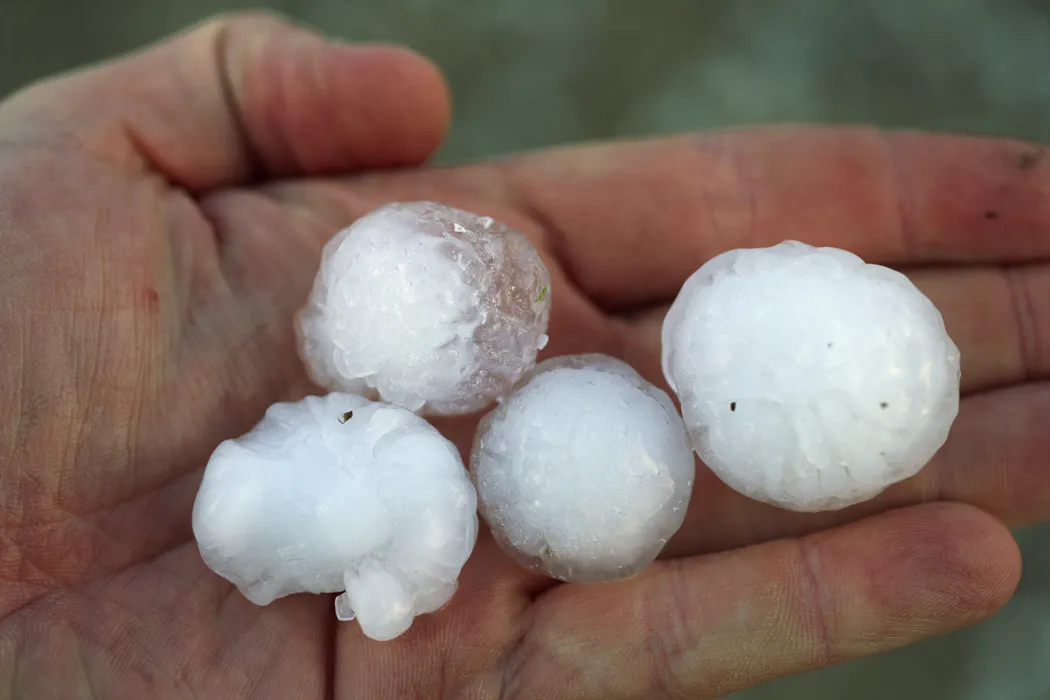
Climate change may shift hailstorms towards Earth’s poles – new study

Warren Faidley/Getty Images

Everyone has a storm story – whether it’s that time you just escaped a downpour, or the hailstorm that wrote off your car. Even though hailstorms are relatively rare, they cause significant damages. Two new studies shed light on how hail might change as the world warms.

In our study, published today in Nature Climate Change, we show that hail conditions may move towards the poles with global warming and shift a bit from summer to winter. This could lead to more hailstorms in places such as northern Europe, Canada, southeastern Australia and New Zealand’s South Island.

Another new study led by Shiyi Zhang at Peking University shows that hail may also become more damaging.

Hailstorms are costly. In Australia in 2025, hail in New South Wales and Queensland caused A$1.9b in insurance claims, and in recent years severe storms have caused enormous losses globally.

Severe storm costs are increasing. Much of this increase is because people and assets are more exposed to storms as populations increase and cities expand.

But is climate change also playing a role?

How does hail form?

To get hail you need a thunderstorm, and to get a thunderstorm you need an updraught. Updraughts form when buoyant air rises in a localised area. They bring up water vapour, which condenses into clouds made of tiny water droplets.

Inside a storm those drops hit each other, and if it’s cold enough, liquid drops freeze onto ice particles, growing them into hailstones.

For hail to affect us at ground level, a strong updraught needs to keep hailstones aloft for long enough to grow, and the hailstones must then survive melting as they fall to Earth’s surface.

Wind shear, or shifts in wind with height, increases storm severity by moving falling rain and hail away from the updraught, so the updraught is not inhibited and can grow stronger.

Buoyancy and wind shear form the basic atmospheric “ingredients” required for hail.

How might climate change affect hailstorms?

Climate change is warming the atmosphere and adding moisture to it. Moisture is the fuel for storms, and a warmer atmosphere is more likely to make strong updraughts that can support larger hail.

A warmer atmosphere also melts falling hail faster, which might make hailstones shrink or melt away before they reach the ground. So, these two changes work against each other.

According to past research, the broad expectation of climate change’s impact on hail is that it will bring less frequent hail, but the hailstones will be larger when hail does happen. That’s because more melting would mean smaller hail reaches the ground less often, but stronger updraughts would enable larger hailstones.

However, these changes vary regionally, depending on variations in the delicate balance between hailstorm ingredient changes.

Global climate models generally can’t tell us about individual storms, let alone hailstones – think of a low-resolution image that only shows the broad picture but no details.

So, instead of looking at hail directly, our study examined how the ingredients for hailstorms change. Because the exact relationships between ingredients and hail risk remain unclear, we used several so-called “proxy” relationships, including one that we previously developed for Australia and the wide range of weather regimes here.

New global projections for hail frequency

We applied three proxies to outputs from eight climate models to look at a range of possible future warming scenarios.

First, the proxies and models agree that in the warming scenarios hail-prone conditions are shifting toward the poles – decreasing across mid-latitudes in the southern hemisphere, and increasing in mid-high latitudes, particularly in the northern hemisphere.

We project more frequent hail conditions in northern Europe, Canada and the northwestern US, southeastern Australia, and the South Island of New Zealand; and less frequent hail conditions in northern Australia, most of Africa, southern India and southeastern China.

Two maps of the world showing projected changes in hail-prone day frequency.
Changes in normalised annual hail-prone days in climate projections under 2 (a) and 3 degrees Celsius (b) of mean global warming. Red shows increases and blue shows decreases in hail-prone day frequency. Hatched areas are where there was more model and proxy agreement. For full details see Raupach et al., 2026. CC-BY, Tim Raupach, UNSW Sydney

Second, our results predict less frequent hail conditions in summer and more in winter. That means winter crops like wheat may see increasing risk, while risk may decrease for summer crops like maize. If climate change shifts arable regions closer to the poles, these crops may be subjected to increased hail frequency there.

Third, the different proxies don’t always agree, particularly in the tropics where some show increases and others decreases. These disagreements highlight the difficulties in estimating changes in hail environments and how that connects to whether hail happens.

Less frequent, but more damaging

What about the severity of hail when it occurs? Zhang and colleagues took a different approach to ours. They applied a model of hailstone growth and melting to climate simulations, to examine possible hail sizes and changes in potential damage they might cause.

Their new global simulations overall predict more large hailstones and fewer small ones. This result is in line with previous reasoning – a warmer atmosphere can melt smaller hailstones away but produce larger hail through stronger updraughts.

Like ours, their study shows regional differences in changes. Both studies show increasing hail risk with increased frequency and hail damage potential in the mid-high latitude northern hemisphere and southeastern South America.

In sub-tropical regions of Africa and northern South America, both studies show decreasing hail risk. In southeast US, mid-northern Africa, southern India, and northeastern Australia, we project decreasing frequency while Zhang and colleagues project increasing damage potential.

These two studies point to increasing risk from hail damage in a warming world, even though the details of where this will be experienced are still not clear. The more warming occurs, the more this risk will increase.

Quickly reducing greenhouse gas emissions is the surest way to blunt the most damaging effects of climate change.

The Conversation

Timothy H. Raupach's role at UNSW receives funding from QBE Insurance, which had no role in the design of this study. He receives funding for other projects from the Australian Research Council, Guy Carpenter, and Aon Japan.

Steven Sherwood receives funding from the Australian Research Council and the Minderoo Foundation.

Almost 20% of Australian students don’t finish school – these 3 things can help them stay

Abstract Aerial Art/ Getty Images

The latest data on Australian schooling shows about 81.5% of Year 10 students go on to Year 12.

This is a modest rise of 1.6 percentage points on the previous year, but figures have been largely stable since the start of the COVID-19 pandemic.

There has been decades of research on how to help students finish school.

Each student is of course different and will have different needs. But there are many things schools can do from Year 7 to support students to stay until Year 12.

Here are three of the most important ones.

Why it’s important to finish school

Completing Year 12 is associated with a range of positive longer-term outcomes.

These include better employment prospects, higher lifetime earnings, and stronger health and wellbeing.

It also keeps the widest range of post-school options open, from vocational training and apprenticeships to further study and direct entry into work.

Why do students leave?

The reasons students leave before Year 12 are varied and often complex.

For example, some students might be managing health challenges, navigating difficult life circumstances, or pursuing opportunities like an apprenticeship that fit their goals well.

For others, however, leaving early is shaped by experiences at school itself.

Somewhere along the way, they became disengaged, fell behind, or lost their connection to school. These are the experiences schools are best placed to influence.

Research shows there are three key areas schools can better develop now to help increase the retention numbers in the years ahead.

1. How teachers teach

It may sound obvious but one main way schools can keep students is through teaching approaches that help students learn effectively. This is because students need to feel they can succeed at school — and see themselves making progress — in order to stay engaged and connected to it.

When learning is consistently out of reach, students disengage. In contrast, when they can see themselves getting better at things, school feels worth their effort.

Our research shows effective teaching in Year 7 is connected all the way through to whether a student completes school six years later.

This type of teaching is also linked with students putting in greater effort at school and higher achievement.

What kind of teaching practices are we talking about?

One well-evidenced approach is explicit instruction where teachers clearly model new concepts and skills, guide students through examples, and gradually shift responsibility to students as they gain mastery.

As part of this, two strategies stand out.

First, reducing difficulty during initial learning. When a concept is new, break it into manageable steps and match the challenge to what students already know.

Second, give students well-organised opportunities to practise, paired with specific guidance on how to improve.

2. How the classroom works

Orderly, predictable and positive classrooms free up students to focus on learning rather than navigating disruption.

This is why classroom management is important. This is how teachers structure the classroom environment and the interactions within it so learning can happen.

In a recent study, we found students whose teachers provided strong classroom management were up to six times more likely to have high motivation, engagement, and resilience at school than students whose teachers did not.

Two strategies are particularly effective for classroom management.

First, establishing and consistently maintaining clear rules and routines is important, so students know what to expect.

Second, recognising and building on what students do well rather than only focusing on what goes wrong.

3. Student-teacher relationships

Research also tells us it’s important for teachers to build warm, respectful relationships with students.

It is not only important for retention in its own right — it also underpins the other two areas above. Strong teaching and good classroom management both depend on positive teacher-student relationships.

When students feel known and supported by their teachers, they are more willing to engage and stay connected to school.

Our research shows each relationship a student has with a teacher matters. The more positive relationships students have with their teachers — relative to negative ones — the greater their academic engagement.

Academic engagement in turn, is a key driver of school retention.

Research tells us every teacher can make a difference, and the relationships teachers build with their students could be what helps that student stay on and complete school. This is because the relationships add up — and for some students, the bond they build with one teacher in particular can be what tips the balance toward staying engaged with school.

So it is important to create conditions where every student has the chance to build genuine, positive connections with teachers. This means teachers getting to know students as individuals, showing interest in their lives beyond the classroom, and teaching in ways that feel personal and engaging.

The Conversation

Rebecca J. Collie receives funding from the Commonwealth Department of Education and the New South Wales Department of Education.

Andrew J. Martin receives funding from the Commonwealth Department of Education and the NSW Department of Education.

Deep-sea sponges survive in complete darkness in ways we didn’t know before

The deep-sea sponge _Calyx_ sp. in its natural habitat. PROBIO-DEEP/Fugro

When we think of marine life, we usually picture colourful coral reefs or dense seaweed forests filled with fish and other critters. The ocean that comes to mind is the one touched by sunlight.

However, most of the ocean is not like that. By volume, roughly 95% of the ocean consists of the permanently dark, cold deep sea. Despite such hostile conditions though, there is life in the ocean’s abyss.

Deep-sea marine sponges are among the organisms that live in these mysterious dark waters. They form “gardens” that are among the largest ecosystems on the planet, some spanning thousands of square kilometres on the ocean floor. They act as ecosystem engineers, providing habitats to many other organisms living on the seafloor.

Individual sponges can also pump and filter thousands of litres of water every day through their bodies. The nutrients they release support other organisms. Yet we know remarkably little about how sponges survive, let alone thrive, in the inhospitable environment of the deep-sea.

Symbiosis with microbes is an important part of how marine sponges live. We’ve been studying deep-sea sponges to better understand life in the ocean’s depths. So far, we’ve found some sponges are packed with microorganisms that use energy from chemical reactions.

The deep-sea sponge Aphrocallistes beatrix has the highest proportion of chemosynthetic symbionts reported to date. PROBIO-DEEP/Fugro

This is called chemosynthesis and is commonly found in other deep-sea organisms, such as mussels and tubeworms living in hydrothermal vents – deep-sea “hot springs”.

Our new study, published today in the journal Microbiome, shows sponges and their microbial partners also use a second strategy to make a living in the deep sea.

Two strategies, one sponge

All living organisms produce waste. Just like humans produce urine, many sponges produce ammonia as one of their waste products.

In this study, we analysed the Calyx species of deep-sea sponges from a depth of 830 metres.

About 16% of their microbial partners use the familiar chemosynthesis process. With ammonia as the energy source, they use carbon dioxide dissolved in the water to build biomass – it’s a bit like plants growing through photosynthesis from sunlight, but in the dark.

In well-lit shallow waters, many sponges and corals have photosynthetic microbes that help them build biomass from carbon dioxide. Our findings show that in the dark depths of the ocean, sponges have microbial partners that use ammonia instead of light for the same process.

The remaining 84% of microbial partners are where it gets really interesting. Instead of chemosynthesis these microbes use heterotrophy, which means consuming organic matter to generate energy and biomass (like the vast majority of animals, humans are also heterotrophs).

The problem here is that there’s little organic matter in the deep sea. Whatever falls down from the surface waters, such as dead plankton and algae, gets stripped by bacteria and small crustaceans of anything easily digestible as it sinks through the water column.

So, the little amount of organic matter that reaches the seafloor is generally poor food for the sponge itself. But, as we discovered, not necessarily for its microbial partners.

It turns out the heterotrophic microbes in Calyx sponges have lots of enzymes specialised in breaking down complex compounds, such as xylan and pectin, which make up the hard-to-digest cell walls of algae.

Feeding on these algal skeletons would allow the microbes to thrive and to transform organic molecules into nutrients their sponge host can use.

Deep-sea sponges and crinoids (marine invertebrates) in a deep-sea reef. PROBIO-DEEP/Fugro

Protecting what we don’t yet understand

Our study shows that sponges and their microbial partners are complex, biogeochemical reactors. They use and recycle ammonia “urine”, carbon dioxide and hard-to-digest organics to generate biomass.

The biomass can then support the growth of other organisms, such as brittle stars and fish, in turn supporting the broader community of animals living on the dark seafloor.

Unfortunately, these ecosystems are under pressure from human activities. Deep-sea trawling physically destroys sponge gardens. Deep-sea mining, now being actively pursued for rare metals used in batteries and electronics, threatens to disrupt the deep-sea habitat in ways that might take centuries to recover.

The United Nations has recognised deep-sea sponge gardens as vulnerable marine ecosystems, a formal acknowledgement of both their ecological importance and their fragility. But recognition alone is not enough.

If we destroy these habitats before we fully understand their role in carbon transformation, then we may lose a critical piece of Earth’s carbon cycle before fully realising it was there.

The Conversation

Torsten Thomas receives funding from the Betty and Gordon Moore Foundation USA and the Australian Government.

Alessandro N. Garritano does not work for, consult, own shares in or receive funding from any company or organisation that would benefit from this article, and has disclosed no relevant affiliations beyond their academic appointment.

Playing host to Putin and Trump, China sends a message – it’s now in the driver’s seat

It’s been quite a week for Beijing, with back-to-back visits by the leaders of the United States and Russia. Chinese President Xi Jinping has had his hands full with hosting duties, gun salutes, photo opportunities and high-level talks.

Each visit was important in its own way. US President Donald Trump’s state visit was his first to Beijing since 2017. It came at a moment of strained China-US relations, with the US at war in the Middle East and its foreign policy undergoing a massive transformation under Trump.

For Putin, it was his 25th official visit to China. The trip was intended to further consolidate the China–Russia strategic alignment amid global uncertainty. Putin was also keen to secure China’s continued economic lifeline and diplomatic cover as its war with Ukraine grinds on.

And while the timing of the back-to-back visits should not be over-interpreted – Moscow says there was “no connection” between the two – they do reveal a deeper structural shift in global politics.

Beijing’s rising confidence

First, the United States is clearly no longer the most important country in China’s strategic worldview – and Beijing is increasingly willing to show it.

This was visible in Xi’s posturing and negotiating style with Trump. From his rather distant handshake to his dominant body language throughout their meeting, Xi sent a message: Washington has a limited ability to influence Beijing anymore.

The modest outcomes of their summit reinforced this dynamic. Trump left China without a formal deal, a press conference or a joint communiqué. Nor was there a breakthrough on either Iran or Taiwan.

Putin, meanwhile, met his “good and old friend” Xi and took home some 20 agreements ranging from trade to technology.

The most striking, if not unsettling, moment was Xi’s invocation of the “Thucydides Trap” during his meeting with Trump. This is the idea that a rising power inevitably threatens an established one, risking war.

Xi asked a pointed question:

Can China and the United States transcend the so-called ‘Thucydides Trap’ and forge a new paradigm for major-power relations?

Xi has used this concept before, but his directness this time sent a warning: the US risks creating a major crisis if it continues to rely on a containment strategy to counter China’s rise.

In short, Beijing used the Trump visit to signal confidence, autonomy and the fact that Washington is not the only capital that matters to China.

Russia has new usefulness to Beijing

Second, the China–Russia alignment has become less equal, but it has gained greater strategic depth. And Beijing is now using it to put pressure on the US leadership.

During a private garden stroll through the highly secretive Zhongnanhai leadership compound last week, Trump asked whether Xi often brings other world leaders there. Xi replied that such visits are “extremely rare,” but added that “Putin has been here”.

The innocent reading of this exchange is that Xi was simply noting the depth of his personal rapport with Putin. But in the current geopolitical context, it also served as a subtle reminder to Trump that China’s “no limits” partnership with Russia is not rhetorical. Beijing was signalling Moscow remains a privileged strategic partner – and that China has options.

The deeper message is this: if Washington seeks to isolate China, Beijing can lean even more heavily on its relationship with Moscow.

China does not need to help Russia “win” in Ukraine to make this point. What matters is that Beijing has the ability – if it chooses – to bolster Russia’s war effort through economic, diplomatic and long-term technological and energy cooperation. Beijing’s influence now extends well beyond the Indo-Pacific and reaches into Europe in ways Washington cannot ignore.

Xi didn’t give Putin everything he sought during his meeting, though.

With the turmoil in the Middle East cutting off China’s access to Middle Eastern oil and gas, Moscow sensed an opportunity to push ahead on a new pipeline, called the Power of Siberia-2, to bring Russian gas to China.

While Putin and Xi came to a “general understanding on the parameters” of the project, however, no final deal was signed.

China is now in the driver’s seat

Third, China now sees itself as the central node of great-power politics.

For many decades, the United States sat at the apex of the “great triangle”, balancing between China and the Soviet Union and then Russia.

Today, the geometry has flipped. Both Trump and Putin felt compelled to come to Beijing – for stabilisation, reassurance and strategic signalling – even as they confront each other elsewhere.

China is not playing triangular diplomacy in the classic sense. It is not trying to pit Washington and Moscow against each other. Instead, it is positioning itself as the system’s centre: the place where major-power diplomacy must pass, even if the outcomes are uncertain.

China is not at the apex of this arrangement because it is the strongest militarily or economically, but because it has the confidence to engage the US and Russia on its own terms.

In this new geometry, great-power politics does not revolve around Washington. Increasingly, it runs through Beijing.

The Conversation

Alexander Korolev does not work for, consult, own shares in or receive funding from any company or organisation that would benefit from this article, and has disclosed no relevant affiliations beyond their academic appointment.

Seahorses and shark fins are illegally trafficked. An AI tool could help stop this crime

Marine wildlife samples used to create marine detection algorithms. Samples provided by the Australian Museum. Dr Vanessa Pirotta

Shark fins on a plane, seahorses in your bag and sea cucumbers in the post – these are just a few examples of illegal marine wildlife trafficking.

This crime can be hard to detect. But in a new study, published in the journal Frontiers in Ocean Sustainability, we show how artificial intelligence (AI) can be harnessed as a complimentary detection tool to help stop marine wildlife trafficking at international airports and mail facilities.

A global crime

The cross-border trade in live animals, animal parts or products is a global crime, facilitating the flow of billions of illicit dollars each year. It’s known to converge with other criminal activity, including the trafficking in drugs, arms and humans.

The United Nations Office on Drugs and Crime identifies five sources of demand for wildlife trafficking: food, medicine, pets and ornamental plants, specialist collection and adornment.

In some cases, such as pet prestige, people are motivated both by the desire to have a pet and the perceived status it brings to own an exotic animal.

People traffic marine animals too

Wildlife trafficking affects around 4,000 species. Many of the more well-known examples involve land-based animals – ivory from elephant tusks, horns from rhinos and scales from pangolins – the world’s most trafficked mammal.

Closer to home, we also see native Australian reptiles and birds, sometimes shoved in tins, put in socks and packaged up live to be sent overseas.

Marine creatures, unfortunately, are targeted too. This can include live animals such as fish in people’s bags, or dried marine life such as the rise of the seahorse trade and demand for shark fin.

We have small pockets of knowledge of this activity. But the reality is we don’t fully understand how widespread it is.

AI to detect marine wildlife trade

Currently, the best means of detecting illegally trafficked wildlife is humans. And then there are our four-legged friends: biosecurity dogs.

Recently, Australia has also been working to develop the use of AI as a potential means of detecting land-based wildlife in illegal wildlife movements – building on existing detection pathways using 3D X-ray machines fitted with algorithms.

For our latest study, we built on these efforts by developing world-first marine wildlife algorithms. We taught computers to look for shark fins, seahorses and sea cucumbers.

Eight fins illuminated in blue light.
Shark fins scanned under 3D X-ray. Vanessa Pirotta

We did this by collecting a total of 68 samples of dead marine animals, which we scanned in a 3D X-ray machine to create a library of images. We then used this image library to develop algorithms to enable computers to search for what we taught it to look for – in this case, shark fins, seahorses and sea cucumbers.

Samples were scanned alone and then in more complicated scenarios to reflect how people actually traffic marine life. This means if a bag or mail item is hiding a shark fin, seahorse or sea cucumber, the algorithm will be able to flag this to an operator, prompting them to inspect the item.

Out of a total of 298 scans and a training data set derived from these samples, our algorithm had success rates of 95%, 95% and 85% for shark fins, seahorses and sea cucumbers, respectively.

Humans and biosecurity dogs still needed alongside AI

While technology fitted with computer algorithms may help people inspecting luggage or mail, we still need people to verify what computers see. Sometimes the algorithms get it wrong and may miss items.

Despite this, the broader implications of having AI as a second set of eyes searching for trafficked marine life will aid in identifying key trade routes to potentially stop this activity. The next step is relying on implementation of these algorithms at the front lines.

Like computer algorithms and AI, the more we learn, the better we get at detecting and potentially stopping this harmful crime.

The Conversation

Vanessa Pirotta received funding from Rapiscan Systems for this research.

Justine O'Brien receives funding from the San Diego Zoo and Wildlife Alliance; NSW Department of Climate Change, Energy, the Environment and Water; the Australian Research Council; Institute of Museum and Library Services; Great Barrier Reef Foundation; and the Taronga Foundation.

Phoebe Meagher receives funding from San Diego Zoo and Wildlife Alliance and the Taronga Foundation.

Zara Bending serves as a Resident Expert for the Jane Goodall Institute Global and is a Distinguished Research Fellow at the Macquarie University Environmental Law Research Centre.

Ebola may have spread beyond Africa. How are health authorities responding?

The latest Ebola outbreak is showing no signs of slowing.

On April 24, the first suspected case of the rare Bundibugyo strain of Ebola was detected in the Democratic Republic of the Congo (DRC). On May 17, the World Health Organisation declared the outbreak a “Public Health Emergency of International Concern”.

The current Ebola outbreak is the third-largest in world history, with 906 suspected cases and 223 deaths in the DRC alone as of 27 May.

And it may have spread to other continents. Health authorities are now investigating a suspected case in Italy, and two possible cases in Brazil. All three are believed to be travellers returning from either the DRC or Uganda. One American man who tested positive for Ebola is currently being treated in Germany.

As concerns grow, the Coalition for Epidemic Preparedness Innovations has committed more than A$86 million in funding to fast-track the development of three potential vaccines, targeting the Bundibugyo strain.

But in the meantime, could this outbreak spread further? And how concerned should we be?

A deadly virus

Ebola is a rare but potentially fatal virus that mainly spreads through direct contact with the bodily fluids – such as blood, faeces and vomit – of an infected person.

Early symptoms of Ebola include sore throat, headaches, fever, fatigue and body pain. Severe Ebola cases can cause skin rashes, shortness of breath, vomiting, diarrhoea, abdominal pain and seizures.

Ebola was first identified in humans in 1976. Since then, there have been more than 40 outbreaks around the world, with the majority occurring in African countries.

The current outbreak is the third ever to be caused by the rare Bundibugyo strain. The majority of past outbreaks were driven by the more deadly Zaire strain, which kills up to 90% of people compared to up to 34% for Bundibugyo.


Read more: Ebola outbreak declared a global health emergency – what you need to know


What is driving this latest outbreak?

The factors driving this latest outbreak also contributed to the devastating West African outbreak of 2014-16, where more than 11,000 people died.

In both outbreaks, the virus had been circulating for months before an outbreak was declared, and initial cases had non-specific symptoms.

Both outbreaks also rapidly spread in urban areas. Transmission in health-care settings is another common factor.

Political instability and social unrest also contributed to both outbreaks. Most recently in the DRC, crowds have set fire to hospital tents, prompting some patients to flee isolation wards.

And certain cultural practices – including traditional burial rituals that often involve handling dead bodies – may have accelerated the spread of both outbreaks.


Read more: Health authorities are racing to contain Ebola in the DRC and Uganda. Here’s what’s making it so challenging


How it crossed continents

Similar to the West African outbreak, this latest Ebola outbreak has spread to other continents through travel.

Nine cases and one death have already been reported in Uganda, which shares a border with the DRC.

An American man who tested positive for Ebola while working in the DRC, is in a stable condition after being treated in Germany.

In Italy, authorities are monitoring a traveller who recently returned from the DRC to the city of Cagliari.

According to some reports, Brazilian authorities are investigating two suspected Ebola cases. They are believed to be two travellers, one who returned from the DRC to São Paulo and the other from Uganda to Rio de Janeiro.

Importantly, both suspected cases have been diagnosed with other illnesses. The São Paulo patient presented with fever and was later diagnosed with severe meningitis. The Rio de Janeiro patient tested positive for malaria after developing a cough, chills and diarrhoea, but has since tested negative for Ebola.

So for now, no Ebola cases have been confirmed in Brazil. But these suspected cases have prompted the country to activate its Ebola safety protocols, including patient isolation, laboratory testing, and epidemiological investigations.

Meanwhile, several countries have imposed travel restrictions to prevent Ebola from reaching their shores.

Both the United States and Canada are temporarily restricting entry for travellers from the DRC, Uganda and South Sudan. The US and other countries such as India and Mexico are also strengthening public health screening and disease monitoring measures, particularly at airports. Some countries have mandated a 21-day quarantine period for their citizens returning from the DRC.


Read more: Ebola outbreak in the DRC: four reasons it will be hard to contain


Could it spread further, including to Australia?

At this stage, the risk of Ebola reaching Australia is very low.

Australia has not put in place any travel or quarantine requirements for affected countries, but federal health minister Mark Butler says authorities are still monitoring the outbreak “very closely”.

Based on lessons from past outbreaks, there are three main ways the current Central African outbreak could play out.

Without effective control measures, cases may surge in the coming months. Some models suggest that by mid-May, up to 1,000 cases had already occurred in the DRC, compared to official figures of about 900 cases. So the actual number of Ebola cases may be much higher than authorities realise.

In a more favorable scenario, a strengthened public health response could bring this latest outbreak under control. This would be possible with continued support from the international community, the rapid development of vaccines and community engagement.

However, the most realistic outcome is cases will continue to rise before authorities successfully contain the current outbreak.

Nevertheless, the international community responded much more swiftly to this outbreak, particularly compared to the devastating 2014-16 West African outbreak. That alone may protect us from an outbreak of the same catastrophic scale and cost.

The Conversation

Holly Seale receives funding from the National Health and Medical Research Council and NSW Health. She has previously received funding from Pfizer to present at international conferences.

Abrar Ahmad Chughtai and Md Saiful Islam do not work for, consult, own shares in or receive funding from any company or organisation that would benefit from this article, and have disclosed no relevant affiliations beyond their academic appointment.

We need a new anti-corruption commissioner. Here’s how to pick the right one

The abrupt resignation of the National Anti-Corruption Commissioner Paul Brereton is a pivotal moment for the federal watchdog. For years, questions over the commissioner’s leadership arising from concerns about his ability to manage conflicts of interest had undermined public confidence and trust in a key Australian integrity institution.

The government has committed to a “merit-based process” to appoint the next commissioner.

But can we trust the government to do that and rebuild trust in our national anti-corruption commission? Research finds governments often abuse their power to appoint, fund and oversee integrity agencies in order to avoid serious oversight.

How do we avoid this abuse and safeguard the independence of our integrity agencies? A new report from the Centre for Public Integrity outlines three key ways to ensure these agencies are truly independent.

These reforms should guide the appointment of a new national anti-corruption commissioner.

Fundamental tensions

To do their job, integrity agencies must be independent from the government. This means they must be able to investigate and criticise governments and public officials without fear of political retaliation.

But in practice there are a few problems with this idea.

Unlike the courts and parliament, these agencies are not protected in the Constitution. Instead, they are often created by the government through an act of parliament.

This creates a foundational tension: integrity agencies are designed by government, to hold the government to account.

The government has a vested interest in these institutions being weak. Governments have been accused of establishing weak watchdogs, or deliberately “clipping the wings” of these bodies by amending laws.

There are also operational tensions. Governments can weaken integrity agencies in more subtle ways.

One way is through political appointments. In Australia, we have seen such politicisation, for instance, in appointments to the former Administrative Appeals Tribunal, ultimately leading to its abolition.

Or they might be in the form of cutting funding. This happened most recently in the current budget, with a funding cut in real terms to the Australian National Audit Office. The office had previously said that with its current funding levels, it would not be able to meet its responsibilities for performance audits.

On budget day, the joint parliamentary committee on public accounts and audit expressed its ongoing concern about the operational capability of the office given its financial position.

A new report released by the Centre for Public Integrity outlines a number of ways the independence of these agencies must be protected across three key pillars: appointments, funding and oversight.

You can’t choose your own watchdog

Our analysis shows that across the country, there is significant variation in how heads of integrity agencies are appointed. Many governments exercise broad and opaque discretion over who leads the core integrity agencies.

This creates obvious risks. If governments can appoint agency heads through opaque processes, there may be concerns — justified or not — about whether those leaders are suitably qualified or truly independent.

The controversy surrounding Brereton illustrates the stakes involved. Questions about conflicts of interest under his leadership have fuelled broader concerns about the lack of a transparent, merit-based appointment process for the role.

Our report recommends legally requiring open advertising of senior integrity positions, independent selection panels and greater parliamentary involvement in appointments.

There’s no need to wait. The government could implement such a process in the upcoming NACC appointment, instead of relying on vague platitudes of a “merit-based process”.

This proposal is similar to one that has been successfully adopted elsewhere, including for the reformed Administrative Review Tribunal.

We also recommend longer but non-renewable terms for agency heads to alleviate any pressure leaders may feel in seeking reappointment.

Handing over the purse strings

The second problem then is funding. Most Australian integrity agencies rely on governments to decide how much money they receive each year.

In practice, this means the government can place pressure on agencies by limiting their resources. Underfunded integrity agencies cannot properly investigate corruption, scrutinise spending or carry out oversight work.

Our report argues integrity agencies should have stronger protections around funding, again, drawing on models that have been successfully developed elsewhere, particularly in the ACT for their “Officers of Parliament”.

Our proposal includes separate parliamentary processes and independent funding panels that can publicly recommend appropriate funding levels. Governments would still make final budget decisions, but there would be greater transparency when they made decisions that cut agency funding.


Read more: Australia’s anti-corruption commissioner has a trust problem. He needs to change course to fix it


Genuinely independent oversight

Finally, independence does not mean integrity agencies should operate without accountability. These agencies exercise significant powers. Some can compel evidence, conduct hearings and make findings that seriously affect reputations and careers.

So oversight is essential – but that oversight must be independent. Oversight systems for integrity agencies are often poorly designed. In many jurisdictions, for instance, parliamentary oversight committees are dominated by government members.

A better system would involve parliamentary committees not dominated by government MPs, alongside independent inspectors for agencies exercising coercive powers.

The importance of such roles is underscored by the work of the NACC Inspector, in receiving and investigating complaints about the commission’s decision not to investigate Robodebt referrals.


Read more: NACC belatedly to investigate whether six Robodebt referrals engaged in ‘corrupt conduct’


Is real independence possible?

Australia has invested heavily in creating a set of core integrity agencies. Even if reluctantly, every jurisdiction across the country now has an anti-corruption agency, auditor-general and ombudsman office.

The next challenge is ensuring those institutions are sufficiently independent to do their job. Across the country, there are good designs that alleviate the operational pressures these agencies face. Adopting these designs will help secure better and more transparent funding, appointment, and oversight of core integrity agencies.

These more independent integrity agencies can in turn help safeguard the health of our democracy.

The Conversation

Gabrielle Appleby works as the Research Director for the Centre for Public Integrity. She has received funding from the Australian Research Council.

William Partlett is a Stephen Charles Fellow at the Centre for Public Integrity.

Cities are making it rain more – but not as much as scientists thought

Henry Chen/Unsplash

After another spell of wet weather along Australia’s east coast, with storms, heavy rain and flash flooding across Sydney and parts of New South Wales, it is natural to ask whether our cities are shaping the rainfall that descends upon them.

This matters because most people now live in cities. If urbanisation changes rainfall, even slightly, the effects can reach large populations through flooding, stormwater design, water supply and infrastructure planning.

Satellite data have consistently shown that many cities experience more rain events than the countryside around them. The usual explanation is that cities themselves are involved: urban heat, rougher surfaces, aerosols and changed land cover can all affect how storms develop and where rain falls.

Our new study, published in Environmental Research Letters, asks a related question: how much of this data reflects real changes in rainfall, and how much depends on how we observe it?

Why we need satellites

Understanding rainfall over cities is hard.

Rain gauges accurately measure rainfall at a specific location, but are irregularly distributed and cannot fully capture how rain varies across a large city. Climate models can simulate urban weather in detail, but kilometre-scale simulations across many cities and decades remain computationally expensive.

Satellite observations help fill this gap.

NASA’s Integrated Multi satellite Retrievals for GPM, known as IMERG, provides near-global rainfall estimates at high resolution, and is now widely used for studying rainfall over cities.

What the satellite data shows

We examined IMERG rainfall data across 15 of the world’s largest cities, including Sydney and Melbourne. The cities span different climates and geographic settings, including both coastal and inland regions.

A clear pattern emerged. Rain events occurred more often over urban areas than over nearby rural ones. The strongest signal was not that every storm became stronger, but that satellites counted more hours in which it was raining over cities. Individual events over urban centres often dropped less water than those in surrounding areas.

In other words, the main urban signal in IMERG is more frequent rain, not heavier rain.

Different sensors, different stories

Modern satellite rainfall data combines both infrared and microwave observations.

Infrared sensors estimate rainfall indirectly from the temperature at the top of clouds. They provide broad coverage, but can miss light, shallow or warm rain because these can occur even when the tops of the clouds are not very cold.

Microwave satellites fly in low orbit and detect signals more directly linked to raindrops and ice inside clouds, making them particularly useful for identifying whether rain is actually occurring.

When we separated the IMERG data by observation type, the urban signal mainly came from microwave observations, while infrared estimates showed no urban pattern.

This does not mean the microwave signal is wrong, but it raises a potential problem for long-term studies: microwave observations have changed over time. New satellites have been launched and older ones retired, and across the cities we studied, microwave sampling frequency happened almost twice as often by 2023 as it had in 2001.

This matters because the more often a microwave sensor passes overhead, the more rain events it can detect. A light shower missed in 2002 could now be caught by one of several satellites passing within the hour.

Testing the artefact

To test whether this changing sampling affects observed rainfall trends, we compared the microwave and non-microwave with long-term averages. This meant we could separate out the result of changing satellite sampling from the actual changes in weather.

Changes in microwave sampling explained up to about 20% of the long-term rainfall trends across the 15 cities. For rainfall frequency, cities such as Lagos, London, Melbourne, Beijing, Berlin, Mexico City and Paris showed areas where more than 40% of the apparent trend could be linked to the changing observing system.

The satellites did not create the whole urban rainfall pattern. After accounting for sampling effects, the urban signal remained, but the long-term trend became smaller. So we think it really is raining more often over cities, but perhaps not as much as we thought.

Moving forward

For Sydney, we also compared IMERG with CMORPH, another satellite product, and with Bureau of Meteorology rain gauges. CMORPH showed a similar urban pattern, though the two products are not fully independent because they use overlapping microwave observations.

The gauges are a more independent check, but with too few stations outside the urban core, in Sydney and most cities, the true magnitude cannot yet be confirmed on the ground.

Satellite rainfall data is now used everywhere, in climate science, flood risk, agriculture, insurance and water planning. In many regions it is the only consistent rainfall record over large areas. Our results are a caution: part of an apparent trend can come from the changing observing system rather than real change.

As for why cities get more frequent rain, the likeliest explanations are familiar: urban heat that lifts air, rougher surfaces that nudge winds upward, and aerosols that alter cloud droplets. The signal is real. The task now is measuring it properly.

The Conversation

Shankar Sharma receives funding from the Australian Research Council.

Andy Pitman receives funding from the Australian Research Council.

Jason Evans receives funding from the Australian Research Council.

Deep-sea sponges survive in complete darkness in ways we didn’t know before

The deep-sea sponge _Calyx_ sp. in its natural habitat. PROBIO-DEEP/Fugro

When we think of marine life, we usually picture colourful coral reefs or dense seaweed forests filled with fish and other critters. The ocean that comes to mind is the one touched by sunlight.

However, most of the ocean is not like that. By volume, roughly 95% of the ocean consists of the permanently dark, cold deep sea. Despite such hostile conditions though, there is life in the ocean’s abyss.

Deep-sea marine sponges are among the organisms that live in these mysterious dark waters. They form “gardens” that are among the largest ecosystems on the planet, some spanning thousands of square kilometres on the ocean floor. They act as ecosystem engineers, providing habitats to many other organisms living on the seafloor.

Individual sponges can also pump and filter thousands of litres of water every day through their bodies. The nutrients they release support other organisms. Yet we know remarkably little about how sponges survive, let alone thrive, in the inhospitable environment of the deep-sea.

Symbiosis with microbes is an important part of how marine sponges live. We’ve been studying deep-sea sponges to better understand life in the ocean’s depths. So far, we’ve found some sponges are packed with microorganisms that use energy from chemical reactions.

The deep-sea sponge Aphrocallistes beatrix has the highest proportion of chemosynthetic symbionts reported to date. PROBIO-DEEP/Fugro

This is called chemosynthesis and is commonly found in other deep-sea organisms, such as mussels and tubeworms living in hydrothermal vents – deep-sea “hot springs”.

Our new study, published today in the journal Microbiome, shows sponges and their microbial partners also use a second strategy to make a living in the deep sea.

Two strategies, one sponge

All living organisms produce waste. Just like humans produce urine, many sponges produce ammonia as one of their waste products.

In this study, we analysed the Calyx species of deep-sea sponges from a depth of 830 metres.

About 16% of their microbial partners use the familiar chemosynthesis process. With ammonia as the energy source, they use carbon dioxide dissolved in the water to build biomass – it’s a bit like plants growing through photosynthesis from sunlight, but in the dark.

In well-lit shallow waters, many sponges and corals have photosynthetic microbes that help them build biomass from carbon dioxide. Our findings show that in the dark depths of the ocean, sponges have microbial partners that use ammonia instead of light for the same process.

The remaining 84% of microbial partners are where it gets really interesting. Instead of chemosynthesis these microbes use heterotrophy, which means consuming organic matter to generate energy and biomass (like the vast majority of animals, humans are also heterotrophs).

The problem here is that there’s little organic matter in the deep sea. Whatever falls down from the surface waters, such as dead plankton and algae, gets stripped by bacteria and small crustaceans of anything easily digestible as it sinks through the water column.

So, the little amount of organic matter that reaches the seafloor is generally poor food for the sponge itself. But, as we discovered, not necessarily for its microbial partners.

It turns out the heterotrophic microbes in Calyx sponges have lots of enzymes specialised in breaking down complex compounds, such as xylan and pectin, which make up the hard-to-digest cell walls of algae.

Feeding on these algal skeletons would allow the microbes to thrive and to transform organic molecules into nutrients their sponge host can use.

Deep-sea sponges and crinoids (marine invertebrates) in a deep-sea reef. PROBIO-DEEP/Fugro

Protecting what we don’t yet understand

Our study shows that sponges and their microbial partners are complex, biogeochemical reactors. They use and recycle ammonia “urine”, carbon dioxide and hard-to-digest organics to generate biomass.

The biomass can then support the growth of other organisms, such as brittle stars and fish, in turn supporting the broader community of animals living on the dark seafloor.

Unfortunately, these ecosystems are under pressure from human activities. Deep-sea trawling physically destroys sponge gardens. Deep-sea mining, now being actively pursued for rare metals used in batteries and electronics, threatens to disrupt the deep-sea habitat in ways that might take centuries to recover.

The United Nations has recognised deep-sea sponge gardens as vulnerable marine ecosystems, a formal acknowledgement of both their ecological importance and their fragility. But recognition alone is not enough.

If we destroy these habitats before we fully understand their role in carbon transformation, then we may lose a critical piece of Earth’s carbon cycle before fully realising it was there.

The Conversation

Torsten Thomas receives funding from the Betty and Gordon Moore Foundation USA and the Australian Government.

Alessandro N. Garritano does not work for, consult, own shares in or receive funding from any company or organisation that would benefit from this article, and has disclosed no relevant affiliations beyond their academic appointment.

Ebola may have spread beyond Africa. How are health authorities responding?

The latest Ebola outbreak is showing no signs of slowing.

On April 24, the first suspected case of the rare Bundibugyo strain of Ebola was detected in the Democratic Republic of the Congo (DRC). On May 17, the World Health Organisation declared the outbreak a “Public Health Emergency of International Concern”.

The current Ebola outbreak is the third-largest in world history, with 906 suspected cases and 223 deaths in the DRC alone as of 27 May.

And it may have spread to other continents. Health authorities are now investigating a suspected case in Italy, and two possible cases in Brazil. All three are believed to be travellers returning from either the DRC or Uganda. One American man who tested positive for Ebola is currently being treated in Germany.

As concerns grow, the Coalition for Epidemic Preparedness Innovations has committed more than A$86 million in funding to fast-track the development of three potential vaccines, targeting the Bundibugyo strain.

But in the meantime, could this outbreak spread further? And how concerned should we be?

A deadly virus

Ebola is a rare but potentially fatal virus that mainly spreads through direct contact with the bodily fluids – such as blood, faeces and vomit – of an infected person.

Early symptoms of Ebola include sore throat, headaches, fever, fatigue and body pain. Severe Ebola cases can cause skin rashes, shortness of breath, vomiting, diarrhoea, abdominal pain and seizures.

Ebola was first identified in humans in 1976. Since then, there have been more than 40 outbreaks around the world, with the majority occurring in African countries.

The current outbreak is the third ever to be caused by the rare Bundibugyo strain. The majority of past outbreaks were driven by the more deadly Zaire strain, which kills up to 90% of people compared to up to 34% for Bundibugyo.


Read more: Ebola outbreak declared a global health emergency – what you need to know


What is driving this latest outbreak?

The factors driving this latest outbreak also contributed to the devastating West African outbreak of 2014-16, where more than 11,000 people died.

In both outbreaks, the virus had been circulating for months before an outbreak was declared, and initial cases had non-specific symptoms.

Both outbreaks also rapidly spread in urban areas. Transmission in health-care settings is another common factor.

Political instability and social unrest also contributed to both outbreaks. Most recently in the DRC, crowds have set fire to hospital tents, prompting some patients to flee isolation wards.

And certain cultural practices – including traditional burial rituals that often involve handling dead bodies – may have accelerated the spread of both outbreaks.


Read more: Health authorities are racing to contain Ebola in the DRC and Uganda. Here’s what’s making it so challenging


How it crossed continents

Similar to the West African outbreak, this latest Ebola outbreak has spread to other continents through travel.

Nine cases and one death have already been reported in Uganda, which shares a border with the DRC.

An American man who tested positive for Ebola while working in the DRC, is in a stable condition after being treated in Germany.

In Italy, authorities are monitoring a traveller who recently returned from the DRC to the city of Cagliari.

According to some reports, Brazilian authorities are investigating two suspected Ebola cases. They are believed to be two travellers, one who returned from the DRC to São Paulo and the other from Uganda to Rio de Janeiro.

Importantly, both suspected cases have been diagnosed with other illnesses. The São Paulo patient presented with fever and was later diagnosed with severe meningitis. The Rio de Janeiro patient tested positive for malaria after developing a cough, chills and diarrhoea, but has since tested negative for Ebola.

So for now, no Ebola cases have been confirmed in Brazil. But these suspected cases have prompted the country to activate its Ebola safety protocols, including patient isolation, laboratory testing, and epidemiological investigations.

Meanwhile, several countries have imposed travel restrictions to prevent Ebola from reaching their shores.

Both the United States and Canada are temporarily restricting entry for travellers from the DRC, Uganda and South Sudan. The US and other countries such as India and Mexico are also strengthening public health screening and disease monitoring measures, particularly at airports. Some countries have mandated a 21-day quarantine period for their citizens returning from the DRC.


Read more: Ebola outbreak in the DRC: four reasons it will be hard to contain


Could it spread further, including to Australia?

At this stage, the risk of Ebola reaching Australia is very low.

Australia has not put in place any travel or quarantine requirements for affected countries, but federal health minister Mark Butler says authorities are still monitoring the outbreak “very closely”.

Based on lessons from past outbreaks, there are three main ways the current Central African outbreak could play out.

Without effective control measures, cases may surge in the coming months. Some models suggest that by mid-May, up to 1,000 cases had already occurred in the DRC, compared to official figures of about 900 cases. So the actual number of Ebola cases may be much higher than authorities realise.

In a more favorable scenario, a strengthened public health response could bring this latest outbreak under control. This would be possible with continued support from the international community, the rapid development of vaccines and community engagement.

However, the most realistic outcome is cases will continue to rise before authorities successfully contain the current outbreak.

Nevertheless, the international community responded much more swiftly to this outbreak, particularly compared to the devastating 2014-16 West African outbreak. That alone may protect us from an outbreak of the same catastrophic scale and cost.

The Conversation

Holly Seale receives funding from the National Health and Medical Research Council and NSW Health. She has previously received funding from Pfizer to present at international conferences.

Abrar Ahmad Chughtai and Md Saiful Islam do not work for, consult, own shares in or receive funding from any company or organisation that would benefit from this article, and have disclosed no relevant affiliations beyond their academic appointment.

Bangarra’s Sheltering is a powerful showcase of First Nations dance and creativity

Jeff Tan

Frances Rings’ artistic directorship of Bangarra Dance Theatre’s shines through the company’s new triple-bill production, Sheltering.

Rings demonstrates a commitment to uplifting company members and First Nations creatives, with a coherent curatorial vision that shows care for diverse audiences.

This triple-bill is a beautiful sampler of what this important company has to offer to the cultural, political and creative facets of our nation.

A nurturing home for First Nations creatives

Sheltering comprises three individual choreographic works: Keeping Grounded, Brown Boys, and Sheoak.

Sheoak is a 2015 work by Rings herself, commissioned by then Artistic Director Stephen Page.

Keeping Grounded (2023) is choreographed by Indjalandji-Dhidhanu and Alyawarre woman Glory Tuohy-Daniell, with a cast of eight company dancers.

Keeping Grounded is performed by eight company dancers. Daniel Boud

The most recent work is a short dance film called Brown Boys (2024). It was directed by Cass Mortimer Eipper and Daniel Mateo, a Bangarra company member and Gomeroi and Mari Ma’ufanga, Tongatapu (Tonga) man.

Both Brown Boys and Keeping Grounded were first presented in Bangarra’s emerging artist showcase, Dance Clan, and supported from there onto the mainstage program. Creators Tuohy-Daniell and Mateo trained at NAISDA, Australia’s National Indigenous Dance College, and joined Bangarra through its Russell Page Graduate Program, which provides training and mentorship for new company dancers.

Keeping Grounded

Keeping Grounded opens onto an enormous and heavy rope net designed by Dyarubbin woman, Shana O’Brien. Under it, figures twitch and roll like a catch of fish.

The set features a large heavy rope net designed by Dyarubbin woman Shana O’Brien. Daniel Boud

Karen Norris’ textured lighting supports the impression of a coastal setting, and “sets the scene” across the work as it shifts from an evocation of Country to a more technologically-mediated aesthetic.

In an interview with Glory Tuohy-Daniell, the choreographer describes how the work invites viewers “to consider how small, almost forgotten actions keep us grounded […] a step barefoot, a moment of stillness, a return”.

Tuohy-Daniell’s movement vocabulary is striking for its literal groundedness, reflecting the central theme highlighted in the work’s title.

The first sections see the dancers bound to the floor with a variation on the typical angular, rolling, swooping and sharply delineated shapes of Bangarra’s Indigenous contemporary style – here purposefully fractured.

Set to a score by Brendon Boney, the movement in this section is broken into one movement per beat, a staccato rhythm that suggests a disconnect from the flow of nature. This “pixellated” quality makes familiar forms new in an exciting way.

Brown Boys

Six-minute dance film Brown Boys is a meditation on the experience of young First Nations men. Daniel Mateo, the writer, choreographer and performer, has a cultural background spanning northern New South Wales and Tonga.

The program notes describe Brown Boys as a total work of art involving poetry, choreography, cinematography, sound and dramaturgy.

Adding to this is the central role of sculpture. Set and costume designer Elizabeth Gadsby has worked with traditional forms to establish a culturally informed aesthetic. This includes a fale (pronouned “fah-lay”), which is a traditional Tongan shelter made of grass matting. This structure frames Mateo’s body inside the film frame.

A fale is a kind of traditional Tongan shelter. Cass Eipper

Ochres, minerals and soils are other material elements featured in the design and choreography. The striking final image shows Mateo literally grounded by a soil mound that takes the silhouette of a 19th century crinoline skirt.

Mateo’s text and performance are extraordinary. His direct and settled gaze to camera, gentle unfolding movements, and spoken word poem, give visibility, dignity and complexity to the figure of the young Indigenous man. That he has “always been beautiful” could not be more persuasively portrayed.

Sheoak

Rings’ mastery of group choreography was recently showcased in her commissioned work for the Australian Ballet, Flora. Having delivered another major work for Vivid 2025, this was likely the right time to revive one of her classics.

The opening image of Sheoak showcases both Rings’ choreographic skill and Jennifer Irwin’s amazing legacy as a costume designer. The dancers wear shirts with black on white streaks – skeletal puzzle pieces that join together to form larger human sculptures.

Sheoak gives palpable form to the exhaustion and frustration experienced by First Nations peoples. Daniel Boud

The theme of this work is cultural strength, resilience and adaptability, with the sheoak tree as the central metaphor. Dancer Chantelle Lee Lockhart is captivating in the role of this “Grandmother tree”, as it’s known to the Dharawal people.

The choreography weaves around Jacob Nash’s set design, featuring seven two-metre-long branches. The passing of branches signals the struggle to pass on cultural responsibility and knowledge from generation to generation.

The company of technically virtuosic dancers seems right at home in each of the three diverse works of Sheltering. The program particularly underscores Tuohy-Daniell’s potential as a new leading light in Australian choreography

Sheltering as a whole is dedicated to the late David “Dubboo” Page, brother of former Artistic Director Stephen Page. David’s work as composer, singer and musician was central to establishing the Bangarra aesthetic. His music also features in Rings’ Sheoak.

Sheltering is on now at the Sydney Opera House until June 13. The production will show at the Arts Centre Melbourne from June 18 to 27, and at the Queensland Performing Arts Centre from July 9 to 18.

The Conversation

I am writing as an Australian of Irish and Danish political exile, convict, and settler descent working within the Western tradition of contemporary art and dance. I acknowledge the much deeper cultural traditions that bind music, dance, painting, sculpture, and site in the art of Indigenous peoples.

❌
Subscriptions