Normal view

US indictment of Raúl Castro comes amid a long history of American aggression against Cuba

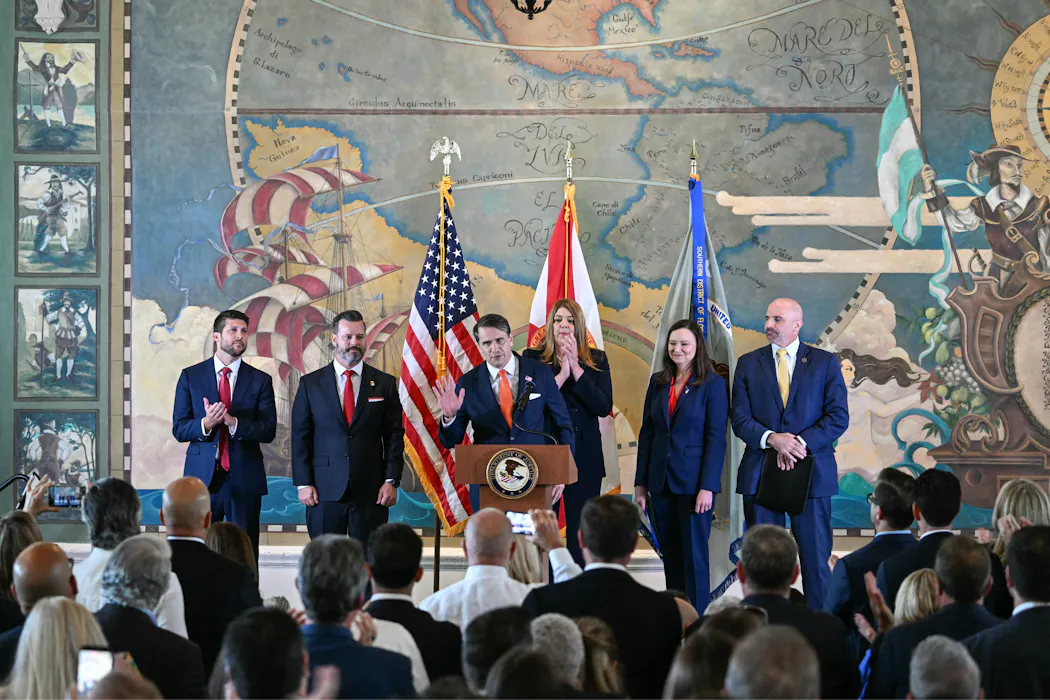
Acting U.S. Attorney General Todd Blanche announces the indictment of former Cuban President Raúl Castro, in Miami, Fla., on May 20, 2026. Chandan Khanna/AFP via Getty Images

The Trump administration on May 20, 2026, indicted former Cuban President Raúl Castro for murder, based on the downing of two planes near the Cuban coastline in 1996 that killed four people.

As a historian of Latin America and U.S. foreign policy, I believe the indictment may be the prelude to direct U.S. military action against Cuba.

Before Castro, the last U.S. indictment of a Latin American leader occurred in January 2026, when a U.S. attorney appointed by President Donald Trump charged Venezuela’s Nicolás Maduro with narco-terrorism. Those charges were promptly followed by U.S. military strikes on Venezuela and the abduction of Maduro.

Since January, the U.S. has ended the flow of Venezuelan oil to Cuba and has used economic and military pressure to prevent other nations from trading with the island. And Trump recently threatened a “friendly takeover” of Cuba.

I believe that what’s missing from most recent analysis of this situation is the history of U.S. aggression against Cuba. This is essential context for understanding the Trump administration’s recent escalations.

‘Striking at Cuba constantly’

In 1823, U.S. Secretary of State John Quincy Adams identified Cuba as “an object of transcendent importance to the political and commercial interests of our Union.” The 1959 Cuban Revolution that overthrew U.S.-backed dictator Fulgencio Batista and replaced him with Fidel Castro, brother of Raúl, directly challenged those interests by asserting political autonomy and expropriating private property.

State Department officials observed that “the majority of Cubans support Castro” because of the government’s redistributive measures and its “real honesty, courtesy, and idealism.” One official warned “that if the Cuban revolution is successful other countries in Latin America and perhaps elsewhere will use it as a model and we should decide whether or not we wish to have the Cuban revolution succeed.”

They decided quickly. By December 1959, President Dwight Eisenhower’s CIA director had approved plans to overthrow the Castro government. U.S. policy thereafter included direct sponsorship and safe haven for Cuban paramilitary groups.

Several men in a black and white photo inspect the wreckage of a plane.
An American plane is shot down on Playa Girón during the Bay of Pigs invasion in April 1961. Keystone-France/Gamma-Keystone via Getty Images

The CIA-led Bay of Pigs invasion in April 1961 is only the most famous episode. The U.S. trained 1,400 Cuban exiles to invade Cuba, hoping to ignite a nationwide rebellion. Instead, Cubans rallied behind the government.

Though U.S. analysts often criticize the invasion because it failed, it was also a major crime under international law. Several hundred Cubans were killed.

Fear of a repeat invasion also led Soviet premier Nikita Khrushchev to send nuclear missiles to Cuba, precipitating the Cuban missile crisis of October 1962 that nearly led to nuclear war.

Longtime CIA official Richard Helms later testified that in the early 1960s, “We had task forces that were striking at Cuba constantly. We were attempting to blow up power plants, we were attempting to ruin sugar mills, we were attempting to do all kinds of things during this period. This was a matter of American Government policy.”

In 1976, Luis Posada Carriles and Orlando Bosch, two Cuban exiles, planned the bombing of a Cuban civilian airliner near Barbados that killed all 73 people aboard.

“The C.I.A. taught us everything,” Posada Carriles said later. “They taught us explosives, how to kill, bomb, trained us in acts of sabotage.”

Both men were given refuge in the United States for the rest of their lives.

The Bay of Pigs invasion and the airline bombing violate the core principles of international law, including prohibitions on the unprovoked “threat or use of force” and collective punishment. The U.S. government itself defines “international terrorism” as “violent acts” intended “to influence the policy of a government by intimidation or coercion” or to “intimidate or coerce a civilian population.”

By that definition, its Cuba policy qualifies.

By ‘every possible means’

Another U.S. method of striking at Cuba was through economic sanctions, first imposed on the country in 1960. That year, a State Department official wrote that “every possible means should be undertaken promptly to weaken the economic life of Cuba” so as “to bring about hunger, desperation and overthrow of government.” The logic of collective punishment was clear: make Cubans suffer enough that they rebel against Castro.

Three billboards of three men appear on a weathered wall outdoors.
Images of Cuban President Miguel Díaz-Canel, Raúl Castro and Fidel Castro adorn the state building in Havana, Cuba, on May 20, 2026. AP Photo/Ramon Espinosa

This policy is now more aggressive than ever. The tightening of U.S. sanctions since Trump’s first term has reduced Cuba’s income from tourism, remittances and overseas medical missions. Now, by choking off the supply of fuel, the U.S. has critically weakened the healthcare and sanitation systems that depend on electricity.

Medical professionals and United Nations observers have described scenes of ventilators and incubators left without power, pharmacies empty and healthcare workers forced into “horrible decisions” about who lives and dies. A recent medical study reported a 148% increase in infant mortality between 2018 and 2025, meaning that about 1,800 infants died who otherwise would have lived.

‘I was trained as a terrorist by the United States’

The focus of the recent U.S. indictment against Raúl Castro was the incident on Feb. 24, 1996, when the Cuban military, which was headed by Castro, shot down those two planes.

The planes were operated by Brothers to the Rescue, an anti-Castro group of Cuban exiles who said they were aiding Cuban emigres trying to reach Florida. The group’s head, and one of the surviving pilots that day, was José Basulto, a veteran CIA asset and participant in the Bay of Pigs invasion.

In 1962, Basulto fired a cannon and machine gun “16 times” at a Cuban hotel, he later recounted. “I was trained as a terrorist by the United States,” Basulto once told an interviewer.

Basulto’s plane had entered Cuban airspace on Feb. 24, as a U.S. customs service specialist later testified. Correspondence from the day shows that Basulto did so knowingly. The previous July, he had told a TV audience, “We want confrontation.”

While the Cuban military could have deescalated the situation more carefully that day, Cuba had been trying for months to stop the violations of its airspace.

I believe indicting Cuban officials over the incident is disingenuous, given the provocations by Brothers to the Rescue and U.S. actions against Cuba, which are in direct violation of international and U.S. laws that prohibit threats, nondefensive violence and collective punishment.

The Conversation

Kevin A. Young does not work for, consult, own shares in or receive funding from any company or organization that would benefit from this article, and has disclosed no relevant affiliations beyond their academic appointment.
US indictment of Raúl Castro comes amid a long history of American aggression against Cuba

Acting U.S. Attorney General Todd Blanche announces the indictment of former Cuban President Raúl Castro, in Miami, Fla., on May 20, 2026. Chandan Khanna/AFP via Getty Images

The Trump administration on May 20, 2026, indicted former Cuban President Raúl Castro for murder, based on the downing of two planes near the Cuban coastline in 1996 that killed four people.

As a historian of Latin America and U.S. foreign policy, I believe the indictment may be the prelude to direct U.S. military action against Cuba.

Before Castro, the last U.S. indictment of a Latin American leader occurred in January 2026, when a U.S. attorney appointed by President Donald Trump charged Venezuela’s Nicolás Maduro with narco-terrorism. Those charges were promptly followed by U.S. military strikes on Venezuela and the abduction of Maduro.

Since January, the U.S. has ended the flow of Venezuelan oil to Cuba and has used economic and military pressure to prevent other nations from trading with the island. And Trump recently threatened a “friendly takeover” of Cuba.

I believe that what’s missing from most recent analysis of this situation is the history of U.S. aggression against Cuba. This is essential context for understanding the Trump administration’s recent escalations.

‘Striking at Cuba constantly’

In 1823, U.S. Secretary of State John Quincy Adams identified Cuba as “an object of transcendent importance to the political and commercial interests of our Union.” The 1959 Cuban Revolution that overthrew U.S.-backed dictator Fulgencio Batista and replaced him with Fidel Castro, brother of Raúl, directly challenged those interests by asserting political autonomy and expropriating private property.

State Department officials observed that “the majority of Cubans support Castro” because of the government’s redistributive measures and its “real honesty, courtesy, and idealism.” One official warned “that if the Cuban revolution is successful other countries in Latin America and perhaps elsewhere will use it as a model and we should decide whether or not we wish to have the Cuban revolution succeed.”

They decided quickly. By December 1959, President Dwight Eisenhower’s CIA director had approved plans to overthrow the Castro government. U.S. policy thereafter included direct sponsorship and safe haven for Cuban paramilitary groups.

Several men in a black and white photo inspect the wreckage of a plane.
An American plane is shot down on Playa Girón during the Bay of Pigs invasion in April 1961. Keystone-France/Gamma-Keystone via Getty Images

The CIA-led Bay of Pigs invasion in April 1961 is only the most famous episode. The U.S. trained 1,400 Cuban exiles to invade Cuba, hoping to ignite a nationwide rebellion. Instead, Cubans rallied behind the government.

Though U.S. analysts often criticize the invasion because it failed, it was also a major crime under international law. Several hundred Cubans were killed.

Fear of a repeat invasion also led Soviet premier Nikita Khrushchev to send nuclear missiles to Cuba, precipitating the Cuban missile crisis of October 1962 that nearly led to nuclear war.

Longtime CIA official Richard Helms later testified that in the early 1960s, “We had task forces that were striking at Cuba constantly. We were attempting to blow up power plants, we were attempting to ruin sugar mills, we were attempting to do all kinds of things during this period. This was a matter of American Government policy.”

In 1976, Luis Posada Carriles and Orlando Bosch, two Cuban exiles, planned the bombing of a Cuban civilian airliner near Barbados that killed all 73 people aboard.

“The C.I.A. taught us everything,” Posada Carriles said later. “They taught us explosives, how to kill, bomb, trained us in acts of sabotage.”

Both men were given refuge in the United States for the rest of their lives.

The Bay of Pigs invasion and the airline bombing violate the core principles of international law, including prohibitions on the unprovoked “threat or use of force” and collective punishment. The U.S. government itself defines “international terrorism” as “violent acts” intended “to influence the policy of a government by intimidation or coercion” or to “intimidate or coerce a civilian population.”

By that definition, its Cuba policy qualifies.

By ‘every possible means’

Another U.S. method of striking at Cuba was through economic sanctions, first imposed on the country in 1960. That year, a State Department official wrote that “every possible means should be undertaken promptly to weaken the economic life of Cuba” so as “to bring about hunger, desperation and overthrow of government.” The logic of collective punishment was clear: make Cubans suffer enough that they rebel against Castro.

Three billboards of three men appear on a weathered wall outdoors.
Images of Cuban President Miguel Díaz-Canel, Raúl Castro and Fidel Castro adorn the state building in Havana, Cuba, on May 20, 2026. AP Photo/Ramon Espinosa

This policy is now more aggressive than ever. The tightening of U.S. sanctions since Trump’s first term has reduced Cuba’s income from tourism, remittances and overseas medical missions. Now, by choking off the supply of fuel, the U.S. has critically weakened the healthcare and sanitation systems that depend on electricity.

Medical professionals and United Nations observers have described scenes of ventilators and incubators left without power, pharmacies empty and healthcare workers forced into “horrible decisions” about who lives and dies. A recent medical study reported a 148% increase in infant mortality between 2018 and 2025, meaning that about 1,800 infants died who otherwise would have lived.

‘I was trained as a terrorist by the United States’

The focus of the recent U.S. indictment against Raúl Castro was the incident on Feb. 24, 1996, when the Cuban military, which was headed by Castro, shot down those two planes.

The planes were operated by Brothers to the Rescue, an anti-Castro group of Cuban exiles who said they were aiding Cuban emigres trying to reach Florida. The group’s head, and one of the surviving pilots that day, was José Basulto, a veteran CIA asset and participant in the Bay of Pigs invasion.

In 1962, Basulto fired a cannon and machine gun “16 times” at a Cuban hotel, he later recounted. “I was trained as a terrorist by the United States,” Basulto once told an interviewer.

Basulto’s plane had entered Cuban airspace on Feb. 24, as a U.S. customs service specialist later testified. Correspondence from the day shows that Basulto did so knowingly. The previous July, he had told a TV audience, “We want confrontation.”

While the Cuban military could have deescalated the situation more carefully that day, Cuba had been trying for months to stop the violations of its airspace.

I believe indicting Cuban officials over the incident is disingenuous, given the provocations by Brothers to the Rescue and U.S. actions against Cuba, which are in direct violation of international and U.S. laws that prohibit threats, nondefensive violence and collective punishment.

The Conversation

Kevin A. Young does not work for, consult, own shares in or receive funding from any company or organization that would benefit from this article, and has disclosed no relevant affiliations beyond their academic appointment.

Cincinnati, where Vance converted, gives a glimpse of Catholicism’s history in America’s heartland

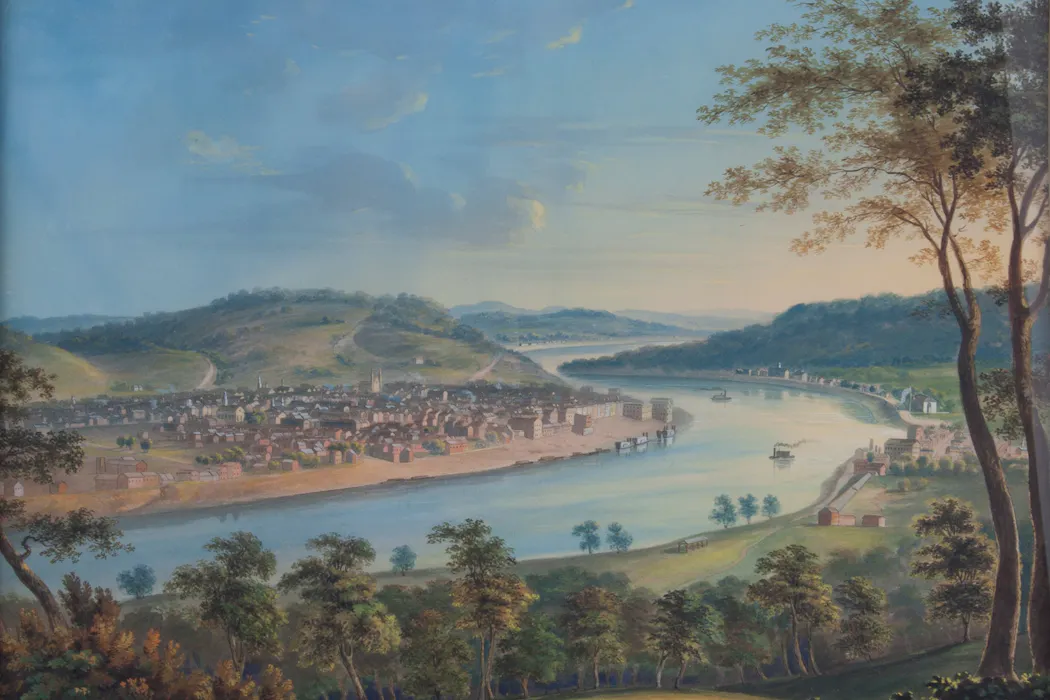
John Caspar Wild painted 'View of Cincinnati From Covington' in 1835, as the city was booming. Cincinnati Museum Center at Union Terminal/Google Art Project via Wikimedia Commons

Ten years after “Hillbilly Elegy” catapulted its author into public view, JD Vance is publishing a new memoir, “Communion: Finding My Way Back to Faith.” The vice president explains the book as a sort of self-help guide for the spiritually lost: “… by sharing my journey I might be helpful to others – Catholic, Protestant, or otherwise – who are seeking reconciliation with God.”

Scheduled for publication in June 2026, “Communion” promises “an intimate account” of its author’s religious journey. But the Catholicism to which Vance converted in Cincinnati in 2019 is quite unlike the evangelism he encountered in his childhood, famously described in “Hillbilly Elegy.”

As a historian of religion in Appalachia and the Midwest, I find America’s religious mosaic endlessly fascinating. Vance’s journey from Protestantism, to atheism, to Catholicism, not to mention his marriage to a Hindu woman, reflects the diversity of the United States.

My own experiences teaching in Vance’s hometown of Middletown, Ohio, suggest that America’s Midwestern communities, tarnished by “Rust Belt” stereotypes, are as dynamic and as changing as everywhere else – including in matters of faith.

Nearby Cincinnati, where Vance was confirmed at a Dominican priory, is a case in point and a window into Catholicism’s history in the American heartland. For more than a century, anti-Catholicism was a powerful force in culture and politics – yet, time and again, religious pluralism triumphed.

A brown-haired man looks ahead of him, hands clasped, as he leans his elbows on a padded railing.
U.S. Vice President JD Vance and his wife, Usha Vance, attend services at St. Peter’s Basilica in the Vatican on Good Friday, April 18, 2025. Andreas Solaro/AFP via Getty Images

Scots-Irish settlers

“To understand me, you must understand that I am a Scots-Irish hillbilly at heart,” Vance declared in his first memoir.

The Scots-Irish played an outsized role in history. Initially, these Protestants were from Scotland, but they moved to Ireland in the 17th century. “Planted” by the British Crown as a form of colonization, these immigrants riled the Catholic majority whose lands they occupied.

Later, many crossed the Atlantic and settled the Colonial American backcountry. Their distinctive influence shaped the “hillbilly” culture of Appalachia.

The faith of these settlers kindled a fervent Protestant piety, found in the Great Revival of the Ohio Valley frontier. In this early 19th-century rebirth of backcountry religion, traveling ministers preached a fiery gospel of grace, stirring large crowds with their open-air sermons.

Queen City

Boundaries between urban and rural America were always porous. By 1830 a quarter of Ohio’s 1 million inhabitants clustered in the state’s southwestern corner. Cincinnati was the heart of this region: the “Queen City” of the United States’ expanding Western frontier.

It had become a hub of Catholic immigrants from Germany and Ireland – and a center for anti-Catholic preaching and anti-immigrant politics. In 1835, leading Protestant evangelist Lyman Beecher infamously denounced immigrants “rushing in like the waters of the flood” and argued the Vatican and Catholic schools posed dangers for America.

A sepia illustration of a wooden building with a small cross on the top.
The first Catholic parish in Cincinnati originally met in a small building just outside city lines. Cincinnati Public Library via Wikimedia Commons

Amid such prejudice, Protestant Irish Americans embraced the term Scots-Irish to distinguish their more established population from recent Catholic arrivals. Many of these Catholic newcomers, fleeing famine and persecution, were disparaged as poor, illiterate and superstitious.

Yet despite alarmism and periodic violence, including ethnic riots in 1855, Cincinnati’s sectarian relations were surprisingly pragmatic, shaped by a sense of shared civic endeavor. Protestants welcomed the city’s first Catholic church, for example, and often sent their children to the Catholic parochial schools. Many converted to Catholicism, including wealthy philanthropists.

In 1837, Cincinnati’s Catholic Bishop, John Baptist Purcell debated Protestant preacher Alexander Campbell on the merits of Catholic religion for several days before a crowded audience. Both debaters claimed victory, and proceeds from the published debates were evenly split between Catholic and Protestant charities in Cincinnati.

Changing country

By the mid-19th century, the city’s Catholics, while still a minority, were larger than any single Protestant denomination and central to the cultural landscape.

A black and white photo of a large crowd standing along a road with a large white building in the background.
People observe the National Eucharistic Congress, a gathering for Catholics, in Cincinnati in 1911. Wikimedia Commons

At the time, Catholics represented only 5% of the U.S. population. That percentage would triple by the turn of the century, due to immigration from southern and eastern Europe.

Anti-Catholic backlash continued into the 20th century, along with other forms of religious prejudice. For example, the U.S. Immigration Act of 1924 restricted immigration from parts of Europe heavily populated by Jews and Catholics. Animosity once focused on immigrants from Germany and Ireland shifted to those from Italy and Russia.

Bias against Catholics remained a robust force in Appalachian politics, too. Leading up to the 1960 Democratic primary, John F. Kennedy campaigned tirelessly in West Virginia, considered a tough arena for a Harvard-educated Catholic but critical to his electoral strategy. His success in the Mountain State defied the myth that a Catholic candidate could never win the White House.

A black and white photo of a man in a suit above a crowd, standing on a stage on a downtown street.
John F. Kennedy campaigns in West Virginia on May 10, 1960. Corbis/Corbis Historial via Getty Images

Turn toward ‘Communion’

Southern Ohio, where Vance grew up and converted to Catholicism, is deeply Midwestern. But its heritage has been influenced by the wave of workers who left Appalachia in the mid-20th century looking for jobs, including Vance’s family.

As Vance wrote in a 2020 essay for Lamp magazine, which addresses Catholic issues, his early ideas of Catholicism were negative ones – assuming, for example, that the church “rejected the legitimacy of Scripture.”

As a young man, he drifted away from faith altogether. During his days at Yale Law School, however, Vance discovered a curiosity that drew him toward Catholicism, inspired by thinkers from Silicon Valley mogul Peter Thiel and French philosopher René Girard to the fourth-century theologian St. Augustine.

Vance wrote in his essay, “I often wonder what my grandmother” – a woman with Christian beliefs, but skepticism of institutional religion – “would have thought about her grandson becoming a Catholic.”

Today, 1 in 5 U.S. adults is Catholic, and another 9% consider themselves “cultural Catholics.” America’s prejudice toward their tradition has eroded. Six out of nine Supreme Court justices are Catholic, along with 28% of Congress.

In fact, Vance’s new faith highlights a growing alliance between culturally conservative elements of American Catholicism and America’s religious right, dominated by conservative Protestants since its emergence in the 1970s.

Lately, this alignment has come under strain, in part reflecting American-born Pope Leo XIV’s wariness toward U.S. policies, such as the war in Iran. Nowhere have such spats been more ironic than in Vance’s rebuke of the pope. After Leo remarked that Jesus’ followers are “never on the side of those who once wielded the sword and today drop bombs,” the vice president warned, “If you’re going to opine on matters of theology, you’ve got to be careful.”

It will be interesting to see how such tensions play out in years to come.

The Conversation

Matthew Smith does not work for, consult, own shares in or receive funding from any company or organization that would benefit from this article, and has disclosed no relevant affiliations beyond their academic appointment.

Most Americans broadly support public education for undocumented students – regardless of their political affiliation and religion

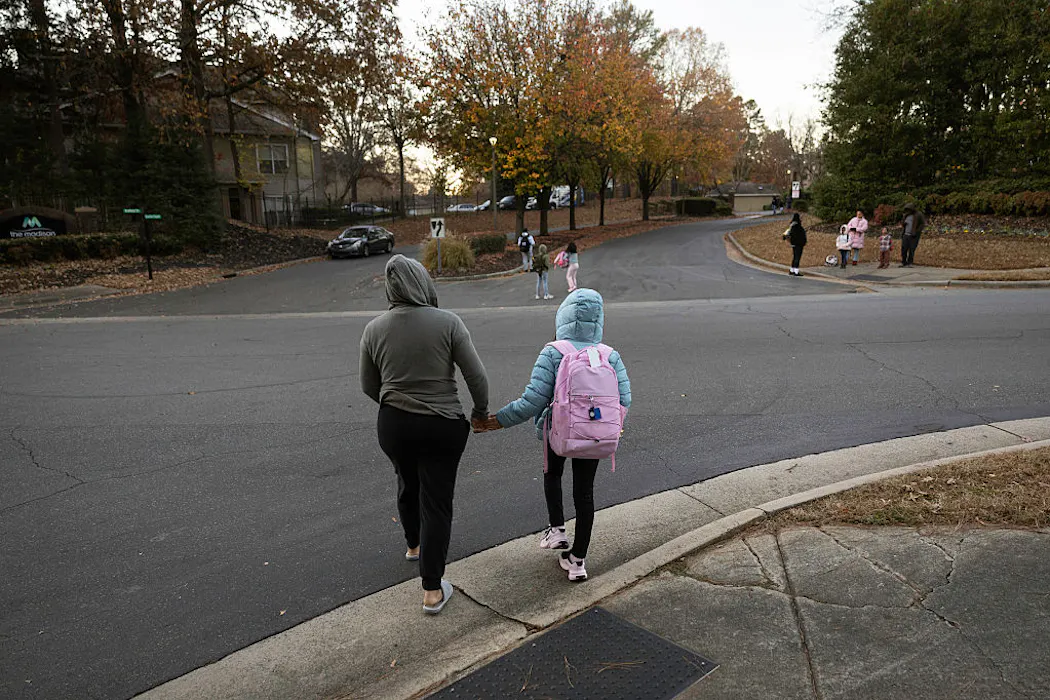
An undocumented Honduran immigrant walks her child to a school bus stop in November 2025 at an unspecified location in the U.S. John Moore/Getty Images

All public schools in the U.S. must provide an education to all students, regardless of their immigration status.

In 1982, the U.S. Supreme Court affirmed the right of immigrant students in Texas to attend school free of charge, regardless of their citizenship, in Plyler v. Doe. Texas had passed a law in 1975 that allowed public school districts to charge these students tuition, or not let them attend altogether. This law was repealed following the Supreme Court decision.

As scholars of history and education, we are particularly interested in understanding how Americans feel about this policy, which has been in place for four decades.

Some legislators in states like Ohio, Idaho and Oklahoma have unsuccessfully tried to make it harder for immigrant students to attend public school, by proposing that all public school students must share their immigration status prior to enrolling in school.

Tennessee considered a bill in 2025 and 2026 that would allow public school districts to not admit undocumented students. Though the bill passed the state Senate, it did not ultimately pass the House.

In March 2026, Republican representatives led a Congressional hearing focused on Plyer’s negative effects on U.S. schools and students, such as straining schools’ funding and available resources. The conservative think tank Heritage Foundation has called on all state legislators to propose laws that would challenge undocumented students’ right to attend public schools free of charge.

But what do most Americans actually think about undocumented students attending public schools? According to our recent survey, which is in the process of publication, most Americans broadly support public education for undocumented children.

A white sign with black writing says 'Hands off our immigrant students'
All immigrant children have the right to attend public school, though there have been some state efforts to challenge this. Tyler Russell/Connecticut Public via Getty Images

Who supports public school for all?

In mid-April 2026, with support from the Public Religion Research Institute – an organization that supports public scholarship on the beliefs of the American public – two colleagues and I worked with Ipsos to survey a nationally representative random sample of more than 1,500 Americans about their views on public education and immigration. It was a diverse cross section of people who held a range of political beliefs and affiliations.

We asked respondents whether they agreed with the statement: “I believe all children, regardless of immigration status, should have the right to public education.”

We found that there were obvious differences between survey respondents’ views, depending on their political affiliation. For instance, of the survey respondents who voted for former Vice President Kamala Harris in 2024, 95.7% of people agreed with the statement. Only 48.8% of survey respondents who voted for President Donald Trump agreed with the statement.

Similarly, 57.5% of Republicans overall agreed with the statement, while 93.9% of Democrats did.

But other than this political divide, we found strong support for universal education across all ages, ethnicity and faiths, with 75.5% of all Americans agreeing with the statement.

The survey revealed strong support for universal education, with 75.5% of all Americans agreeing with the statement. Among Hispanics and Latinos, nearly 86.9% supported the policy, along with 86.7% of African Americans, 77.7% of Asians Asian Americans and 69.9% of non-Hispanic white people.

In each income bracket, there was over 70% of support for free public education for all. Wealthier Americans – those making more than US$150,000 a year – supported this policy least, at 70.4%. More than 77% of those making under $150,000 supported it. Those making under $25,000 a year supported it by 82%.

Among age groups, American adults between 18-29 had the highest support for undocumented immigrant children attending public school, at 81.4%. Americans we surveyed over the age of 60, meanwhile, had the least support for the policy, at 71.5%.

Our survey showed that even looking at educational levels, there was little difference, with every group supporting public education for all students at 73% or more.

Across a range of faiths, people tended to support public education for all students, including undocumented immigrants. We found that 92.9% of Muslims, 82.2% of unaffiliated respondents, 81.1% of Jewish respondents, 79.5% of Catholics and 72.6% of mainline Protestants supported the idea of undocumented students attending school for free.

Evangelical Protestants were the outliers, with only 59.9% agreeing with this policy.

A shift in public opinion

While our data shows that today there’s widespread support for immigrant kids attending public school, these attitudes have shifted over time.

We can compare these numbers with polling about past state legislation, such as California’s Proposition 187, which passed in 1994.

Almost 60% of the state voted that year to bar undocumented students from public education. A federal court struck down the law in 1998 as unconstitutional.

While little other public polling exists showing how people feel about the Supreme Court’s Plyler ruling, there is data on a related question about undocumented immigrants who came to the country as children, often known as Dreamers. There seems to have been a shift since the ‘90s in public opinion toward supporting undocumented students. Much of this may have been due to the strong advocacy of Dreamers themselves.

In 2020, Pew Research found 74% of Americans think that people who were brought to the U.S. as young children without legal authorization should be allowed to legally stay in the country. Approximately 91% of Democrats said they thought Dreamers should be able to remain in the U.S., while 54% of Republicans said the same.

At 57.5%, Republicans’ support for public education for undocumented children might seem low. However, it does correlate with other recent polling from the University of Massachusetts-Amherst that shows 91% of Republicans support Trump’s overall immigration policies.

Even as political parties may play a role influencing views toward immigration, as a whole, Americans overwhelmingly support public education for all children.

The Conversation

The authors do not work for, consult, own shares in or receive funding from any company or organization that would benefit from this article, and have disclosed no relevant affiliations beyond their academic appointment.

Jacinda Ardern turns her own imposter syndrome into self-help wisdom for young readers

If we do the maths, the target readership for this teen adaptation of Jacinda Ardern’s bestselling memoir A Different Kind of Power were at primary school when she was prime minister.

Those were the days when Ardern’s “stardust” – as her particular brand of political magic was described – saw her reach extraordinary heights of popularity, both at home and abroad.

But, as we know from the adult edition of her memoir, Ardern had always struggled with the self-confidence and self-belief we normally associate with effective leadership.


Review: What If You Could – Jacinda Ardern (Penguin)


Facing down this imposter syndrome informs the new book much more than the various events she had to contend with during her time in office. Dedicated to “the leaders of tomorrow – who just don’t know it yet”, it is more accessible and immediate, with much less political detail.

Ardern always wanted her original memoir to speak to her 14-year-old self, dedicating it to “the criers, worriers and huggers”. What If You Could expands on that, spinning her life experiences and challenges into a self-affirming guide to following dreams, being strong and ultimately creating a different kind of power.

No celebration of impossible standards

Deftly adapted by New York-based writer Ruby Shamir, the book spends no time dwelling on COVID. Ardern’s time working for Tony Blair in London is gone. Leaving the Mormon church is summarised in one sentence. But both books begin with pivotal bathroom moments.

In A Different Kind of Power, Ardern is in her friend’s toilet, taking a pregnancy test while waiting to learn if she can form a coalition and therefore become prime minister.

This time, she is in a high school bathroom stall before a debating competition, so nervous she’s cut her finger trying to open the jammed door. Cleverly, these different prefaces are united by the same passage:

My whole life I had grappled with the idea that I was never quite good enough. That at any moment I would be caught short, and that meant no matter what I was doing, I had no business doing it.

Instead, Ardern believed she was more suited to working behind the scenes. She wasn’t tough enough, was too “idealistic and sensitive” for the political front line.

And so the passages from the original memoir about her connection with Ernest Shackleton and the heroic age of Antarctic exploration are also gone. Despite her own achievements – one of New Zealand’s youngest ever prime ministers, a woman in a male-dominated world who gave birth while still in office – the book avoids any celebration of impossible standards.

Rather, she turns inward toward the psychological terrain, describing her feelings of being an imposter and the nagging fear of being exposed as a fraud.

Near the end of What If You Could, Ardern speaks directly to “everyone who doesn’t fit the old mould”. She encourages young people to channel the challenges of imposter syndrome into something positive:

In fact, all of the traits that you believe are your flaws will come to be your strengths. The things you thought would hold you back will in fact make you stronger, make you better. They will give you a different kind of power and make you a leader that this world, with all its turmoil, might just desperately need.


Read more: In her memoir, Jacinda Ardern shows a ‘different kind of power’ is possible – but also has its limits


Corrective mantras to self-doubt

If there is a whiff of the self-help genre here, it is also a welcome change from the kind of inspirational literature commonly aimed at young readers throughout modern history – heroic tales of courage, bravery, physical prowess and intelligence.

Aimed at encouraging good citizenship, often their goal was as much to encourage conformity, service and, if necessary, sacrifice.

More recently, however, books for young adults have tended to focus on individual agency, engaging readers by directly asking “what would you do?” The subjects may still be on pedestals, but the message is that you can follow in their footsteps and change the world.

To that end, each of the 17 chapters of What if You Could has a key aspirational heading that sets out a challenge and guides the reader beyond their own self-imposed limits: what if you could be sensitive and show you care, what if it’s okay not to have all the answers, what if you could face your fears.

The absence of question marks in the book’s title and chapter headings is deliberate. Each serves as a corrective mantra to wash away self-doubt.

Ardern affirms the power of traditionally gendered qualities such as being sensitive and caring. And she grounds her own progressive politics in the language of answering calls for change and doing things differently.

Her most personal feelings are explored in chapters about facing your fears, choosing your own path and following your passion, all of which address imposter syndrome and insecurity.

The final chapter echoes a currently fashionable self-affirmation catchphrase, “I am enough”, reframed here as “what if doing your best is enough”.

Ardern then returns to those high-school years and recollections of how hard being young can be. But adult life can be difficult too, she says, so you need to “be kind to yourself”.

No doubt there will be those for whom such notions – “you are not weak, you are human […] you are enough, just as you are” – will be reminders of why they resisted Ardern’s politics in the first place.

But in this time of global conflict, political cynicism and mean-spiritedness, they also represent a graceful, positive sentiment that world leaders – current and future – could do worse than adopt.

The Conversation

Katie Pickles does not work for, consult, own shares in or receive funding from any company or organisation that would benefit from this article, and has disclosed no relevant affiliations beyond their academic appointment.

In Iran war’s shadow, Israel’s renewed Lebanon campaign risks repeating failed lessons – and occupations – of the past

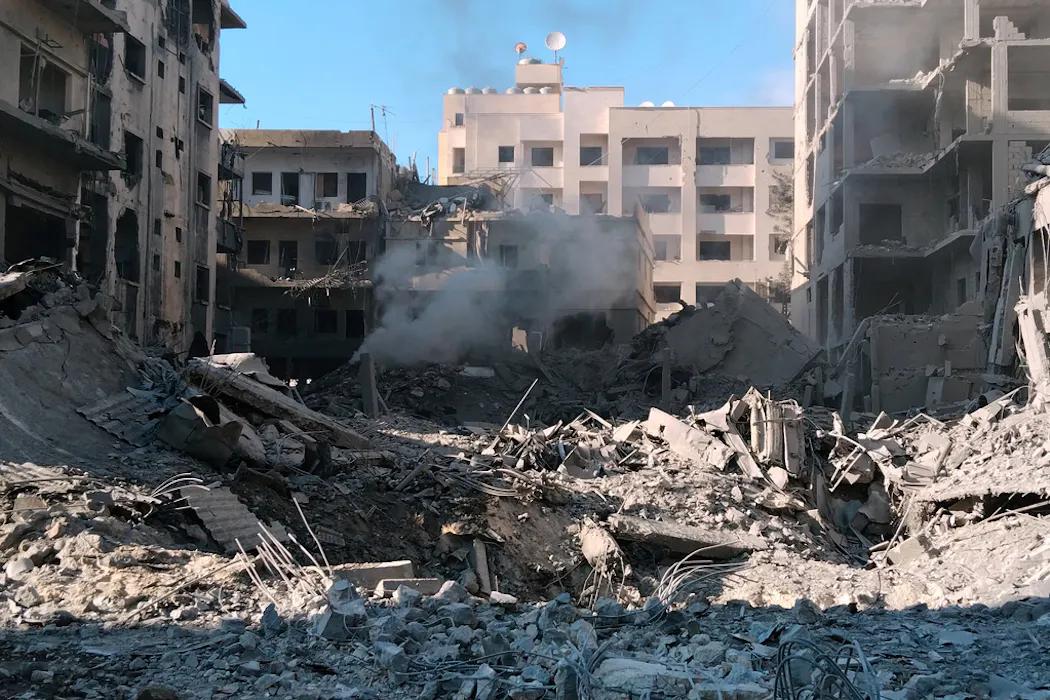
Buildings destroyed in Israeli airstrikes are seen in the southern port city of Tyre, Lebanon, on May 31, 2026. AP Photo

Going into the war in Iran, the Israeli government seemingly had two intertwined goals: to bring down the Islamic Republic and rid Israel of its Hezbollah problem.

The logic went that the Lebanese Shiite group – which has posed a persistent threat to Israel for 44 years – would finally succumb if stripped of its Iranian benefactor. After all, Israeli attempts to destroy Hezbollah through direct military action had not been effective, nor had internationally supported disarmament efforts.

But as the United States and Iran continue to negotiate over an agreement that might put an end to their war, the Israeli-Lebanese front remains as active as ever. Israel has increased strikes and incursions deeper into Lebanon, while Hezbollah is targeting the Israeli military deployed in southern Lebanon and the civilian population in northern Israel.

Worse, from the Israeli government’s perspective, is that Iran has found a way of turning its survival and newfound leverage over the Strait of Hormuz into protecting Hezbollah. Tehran is currently conditioning a potential deal with Washington on a complete halt of Israeli hostilities in Lebanon – a move clearly designed to safeguard the political and military standing of Hezbollah, its primary proxy.

Since full-scale war returned to Lebanon on March 2, 2026, it has had a massive humanitarian cost. As of June 1, over a million Lebanese have been displaced and more than 3,300 killed since the beginning of March. On the Israeli side, 24 soldiers and 4 civilians have been killed in the same time period.

Israel seeks to decouple its Lebanon front from the wider regional conflict, aiming to maintain its military campaign against the Shiite organization independently of broader U.S. negotiations with Iran. But whether it will able to do this is uncertain. The Trump administration has largely excluded Israel from the specifics of its Iranian dialogue while attempting to restrict Israeli operations in Lebanon to strikes in the country’s south and the Bekaa Valley and prohibiting attacks on state infrastructure. The ordering of attacks on Lebanon’s capital, Beirut, by Israeli Prime Minister Benjamin Netanyahu on June 1 lays bare the limits to U.S. pressure.

And ultimately, the resolution of this conflict rests upon how President Donald Trump chooses to navigate Iranian demands concerning the future of Lebanon.

As a historian of Israel and Lebanon, I have studied cycles of violence between these parties since 1982, and have noted recurring patterns in which Hezbollah has emerged emboldened, maintaining its dominance over Lebanese society as an Iranian proxy. Contrary to Israeli hopes, Iran’s patronage of Hezbollah has not been ended by the Iran war. And to confound issues, continued Israeli occupation of Lebanese land could grant Hezbollah the necessary justification to sustain its narrative of resistance at the cost of the broader Lebanese population.

A wounded but not dead Hezbollah

While significantly weakened as a result of more than two and a half years of war with Israel, Hezbollah continues to wield considerable power in Lebanon.

After a ceasefire in November 2024 – following the full-scale war in September-October of that year – ostensibly stopped fighting, a new Lebanese president was elected and a new government was established in February 2025.

A tank operates in a hilly environment.
An Israeli military tank drives along the Israeli-Lebanese border. Gil Cohen-Magen/Picture Alliance via Getty Images

That ended a three-year political deadlock generated by Hezbollah’s effective veto power over successive Lebanese governments since 2008. Even since the formation of a government in 2025, however, the Lebanese state has been unable to effectively make progress in disarming Hezbollah as stipulated in the November 2024, armistice agreement that ended that previous round of fighting.

Instead, Iran invested significant efforts to prop up its Lebanese proxy. Tehran even sent senior officers of its Revolutionary Guard soon after the November 2024 ceasefire to assume the command of the Shiite organization, which lost many of its leaders at the hands of Israeli assassinations and targeted strikes.

These efforts are paying off for Tehran now, as seen through Hezbollah’s ability to challenge Israel militarily.

With the beginning of this most recent war in March, the Lebanese prime minister banned Hezbollah’s operations, while the president condemned the group for dragging Lebanon into a conflict that most Lebanese rejected.

But, as in the past, the government has been unable to effectively rein in Hezbollah. A telling case came on March 24, 2026, when Lebanon’s Foreign Ministry declared the Iranian ambassador a persona non grata, ordering him to leave the country.

Iran and Hezbollah defied the order and the ambassador refused to leave the embassy in Beirut.

This example also suggests that the hopes for revitalized state capacities after the current Lebanese government came to power in February 2025 – the first government since 2008 not controlled by Hezbollah – may have been premature.

Gaza via Lebanon

Employing what some have called a “Gaza model” in Lebanon, Israel has effectively created a new security zone in south Lebanon by occupying Lebanese territory, razing to the ground whole villages that Hezbollah had used for military purposes and clearing out most of the population from the area.

But Israel has occupied south Lebanon in the past: first in March 1978, during the Litani operation, and then again from 1982 to 2000. The failure of these occupations should raise alarms in Israel. Neither resulted in lasting security improvements and instead left indelible, traumatic scars on Israel’s collective consciousness, creating the image of Lebanon as a quagmire into which Israel has been repeatedly drawn.

The government of Netanyahu is now leading the country into another potential quagmire in Lebanon.

The news about the Israel Defense Forces’ occupation of the Beaufort castle in south Lebanon on May 31 should bring grim memories for Israelis. That castle remains entrenched in the collective memory of Israel’s occupation of south Lebanon in 1982-2000 as a symbol of its failure. Netanyahu, however, packaged Israel’s occupation as a sign of strength, stating that “we have returned stronger than ever.” History suggests otherwise.

An old castle fortification stands atop a hill.
An Israeli flag flies over the medieval Beaufort castle on May 31, 2026. AFP/Getty Images

History repeats itself

Netanyahu is driven in large part by Israeli domestic affairs.

A majority of Israelis support the continuation of the war against Hezbollah. Moreover, with national elections scheduled for October 2026, Netanyahu needs to show some success in at least one of the multiple military fronts he has intentionally kept open since the Hamas attack on Oct. 7, 2023.

With Netanyahu seemingly failing to achieve his aims in Iran, Lebanon and Hezbollah provide him with an opportunity to keep a state of emergency in Israel, which he needs for his own political survival.

But failure in Iran makes achieving Netanyahu’s goal in Lebanon that much harder. The government in Tehran seems to have found significant leverage over the U.S. and Israel. And under these conditions, Tehran would not give up on Hezbollah, which remains its most important regional asset.

Diplomacy is the only way out of this imbroglio. And while it would not likely lead to the disarming of Hezbollah and to the Israel’s full withdrawal from south Lebanon, it remains the only constructive way forward.

At the behest of the Trump administration, Israeli and Lebanese ambassadors met to discuss a diplomatic understanding between two countries that have never had official relations. And on May 30, military representatives of the two countries met in Washington, D.C.

For the first time since 1983, the Lebanese government has agreed to negotiate directly with Israel over a long-term political agreement, including the possibility of finally demarcating their shared borders. Hezbollah, as expected, has vehemently opposed these negotiations.

What we are seeing currently unfolding in Lebanon is another testament to the failure of the Israeli-U.S. war against Iran. Yet a war that began with lofty promises of a new Middle East may end up with a worse version of the old Middle East – an emboldened Islamic Republic, a new Israeli occupation of south Lebanon and a Hezbollah, while weaker than before, still entrenched as an armed militia outside of Lebanese state control and working in concert with Iran.

The Conversation

Asher Kaufman does not work for, consult, own shares in or receive funding from any company or organization that would benefit from this article, and has disclosed no relevant affiliations beyond their academic appointment.
In Iran war’s shadow, Israel’s renewed Lebanon campaign risks repeating failed lessons – and occupations – of the past

Buildings destroyed in Israeli airstrikes are seen in the southern port city of Tyre, Lebanon, on May 31, 2026. AP Photo

Going into the war in Iran, the Israeli government seemingly had two intertwined goals: to bring down the Islamic Republic and rid Israel of its Hezbollah problem.

The logic went that the Lebanese Shiite group – which has posed a persistent threat to Israel for 44 years – would finally succumb if stripped of its Iranian benefactor. After all, Israeli attempts to destroy Hezbollah through direct military action had not been effective, nor had internationally supported disarmament efforts.

But as the United States and Iran continue to negotiate over an agreement that might put an end to their war, the Israeli-Lebanese front remains as active as ever. Israel has increased strikes and incursions deeper into Lebanon, while Hezbollah is targeting the Israeli military deployed in southern Lebanon and the civilian population in northern Israel.

Worse, from the Israeli government’s perspective, is that Iran has found a way of turning its survival and newfound leverage over the Strait of Hormuz into protecting Hezbollah. Tehran is currently conditioning a potential deal with Washington on a complete halt of Israeli hostilities in Lebanon – a move clearly designed to safeguard the political and military standing of Hezbollah, its primary proxy.

Since full-scale war returned to Lebanon on March 2, 2026, it has had a massive humanitarian cost. As of June 1, over a million Lebanese have been displaced and more than 3,300 killed since the beginning of March. On the Israeli side, 24 soldiers and 4 civilians have been killed in the same time period.

Israel seeks to decouple its Lebanon front from the wider regional conflict, aiming to maintain its military campaign against the Shiite organization independently of broader U.S. negotiations with Iran. But whether it will able to do this is uncertain. The Trump administration has largely excluded Israel from the specifics of its Iranian dialogue while attempting to restrict Israeli operations in Lebanon to strikes in the country’s south and the Bekaa Valley and prohibiting attacks on state infrastructure. The ordering of attacks on Lebanon’s capital, Beirut, by Israeli Prime Minister Benjamin Netanyahu on June 1 lays bare the limits to U.S. pressure.

And ultimately, the resolution of this conflict rests upon how President Donald Trump chooses to navigate Iranian demands concerning the future of Lebanon.

As a historian of Israel and Lebanon, I have studied cycles of violence between these parties since 1982, and have noted recurring patterns in which Hezbollah has emerged emboldened, maintaining its dominance over Lebanese society as an Iranian proxy. Contrary to Israeli hopes, Iran’s patronage of Hezbollah has not been ended by the Iran war. And to confound issues, continued Israeli occupation of Lebanese land could grant Hezbollah the necessary justification to sustain its narrative of resistance at the cost of the broader Lebanese population.

A wounded but not dead Hezbollah

While significantly weakened as a result of more than two and a half years of war with Israel, Hezbollah continues to wield considerable power in Lebanon.

After a ceasefire in November 2024 – following the full-scale war in September-October of that year – ostensibly stopped fighting, a new Lebanese president was elected and a new government was established in February 2025.

A tank operates in a hilly environment.
An Israeli military tank drives along the Israeli-Lebanese border. Gil Cohen-Magen/Picture Alliance via Getty Images

That ended a three-year political deadlock generated by Hezbollah’s effective veto power over successive Lebanese governments since 2008. Even since the formation of a government in 2025, however, the Lebanese state has been unable to effectively make progress in disarming Hezbollah as stipulated in the November 2024, armistice agreement that ended that previous round of fighting.

Instead, Iran invested significant efforts to prop up its Lebanese proxy. Tehran even sent senior officers of its Revolutionary Guard soon after the November 2024 ceasefire to assume the command of the Shiite organization, which lost many of its leaders at the hands of Israeli assassinations and targeted strikes.

These efforts are paying off for Tehran now, as seen through Hezbollah’s ability to challenge Israel militarily.

With the beginning of this most recent war in March, the Lebanese prime minister banned Hezbollah’s operations, while the president condemned the group for dragging Lebanon into a conflict that most Lebanese rejected.

But, as in the past, the government has been unable to effectively rein in Hezbollah. A telling case came on March 24, 2026, when Lebanon’s Foreign Ministry declared the Iranian ambassador a persona non grata, ordering him to leave the country.

Iran and Hezbollah defied the order and the ambassador refused to leave the embassy in Beirut.

This example also suggests that the hopes for revitalized state capacities after the current Lebanese government came to power in February 2025 – the first government since 2008 not controlled by Hezbollah – may have been premature.

Gaza via Lebanon

Employing what some have called a “Gaza model” in Lebanon, Israel has effectively created a new security zone in south Lebanon by occupying Lebanese territory, razing to the ground whole villages that Hezbollah had used for military purposes and clearing out most of the population from the area.

But Israel has occupied south Lebanon in the past: first in March 1978, during the Litani operation, and then again from 1982 to 2000. The failure of these occupations should raise alarms in Israel. Neither resulted in lasting security improvements and instead left indelible, traumatic scars on Israel’s collective consciousness, creating the image of Lebanon as a quagmire into which Israel has been repeatedly drawn.

The government of Netanyahu is now leading the country into another potential quagmire in Lebanon.

The news about the Israel Defense Forces’ occupation of the Beaufort castle in south Lebanon on May 31 should bring grim memories for Israelis. That castle remains entrenched in the collective memory of Israel’s occupation of south Lebanon in 1982-2000 as a symbol of its failure. Netanyahu, however, packaged Israel’s occupation as a sign of strength, stating that “we have returned stronger than ever.” History suggests otherwise.

An old castle fortification stands atop a hill.
An Israeli flag flies over the medieval Beaufort castle on May 31, 2026. AFP/Getty Images

History repeats itself

Netanyahu is driven in large part by Israeli domestic affairs.

A majority of Israelis support the continuation of the war against Hezbollah. Moreover, with national elections scheduled for October 2026, Netanyahu needs to show some success in at least one of the multiple military fronts he has intentionally kept open since the Hamas attack on Oct. 7, 2023.

With Netanyahu seemingly failing to achieve his aims in Iran, Lebanon and Hezbollah provide him with an opportunity to keep a state of emergency in Israel, which he needs for his own political survival.

But failure in Iran makes achieving Netanyahu’s goal in Lebanon that much harder. The government in Tehran seems to have found significant leverage over the U.S. and Israel. And under these conditions, Tehran would not give up on Hezbollah, which remains its most important regional asset.

Diplomacy is the only way out of this imbroglio. And while it would not likely lead to the disarming of Hezbollah and to the Israel’s full withdrawal from south Lebanon, it remains the only constructive way forward.

At the behest of the Trump administration, Israeli and Lebanese ambassadors met to discuss a diplomatic understanding between two countries that have never had official relations. And on May 30, military representatives of the two countries met in Washington, D.C.

For the first time since 1983, the Lebanese government has agreed to negotiate directly with Israel over a long-term political agreement, including the possibility of finally demarcating their shared borders. Hezbollah, as expected, has vehemently opposed these negotiations.

What we are seeing currently unfolding in Lebanon is another testament to the failure of the Israeli-U.S. war against Iran. Yet a war that began with lofty promises of a new Middle East may end up with a worse version of the old Middle East – an emboldened Islamic Republic, a new Israeli occupation of south Lebanon and a Hezbollah, while weaker than before, still entrenched as an armed militia outside of Lebanese state control and working in concert with Iran.

The Conversation

Asher Kaufman does not work for, consult, own shares in or receive funding from any company or organization that would benefit from this article, and has disclosed no relevant affiliations beyond their academic appointment.

For 2 centuries, Latter-day Saints have revered religious freedom – but their definition is evolving

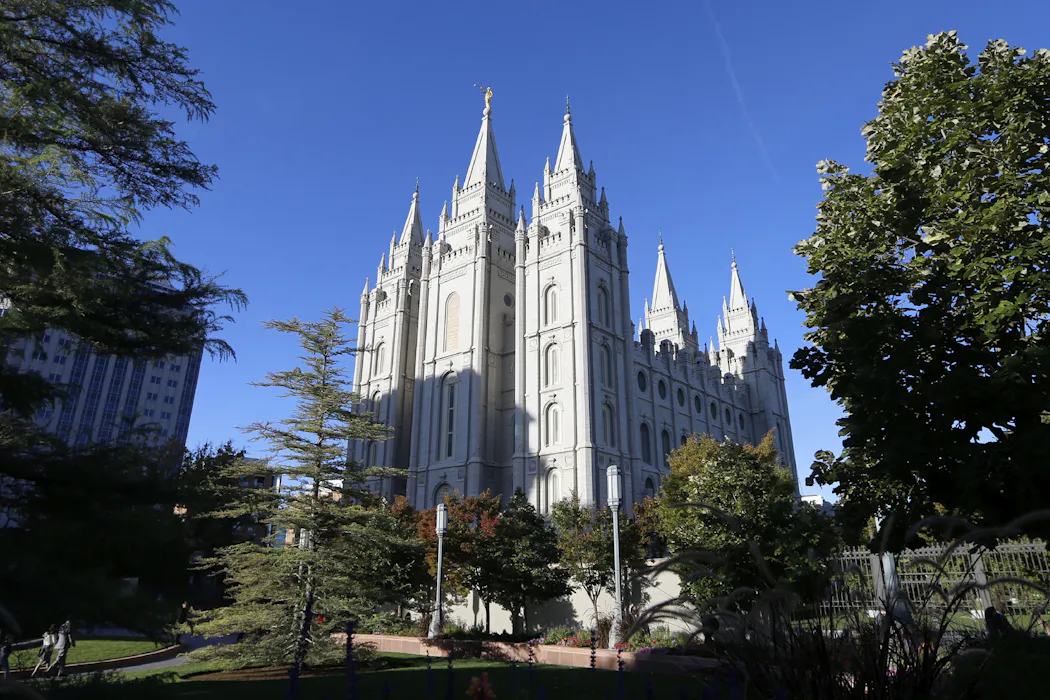
Leaders of the Church of Jesus Christ of Latter-day Saints have called for a fast on July 5, 2026, to give thanks for religious liberty. AP Photo/Rick Bowmer

On July 5, 2026, the Church of Jesus Christ of Latter-day Saints is encouraging its American members to participate in a special fast: a day to “express gratitude for religious liberty and to pray that it be strengthened throughout the world,” in the words of its top three leaders.

The fast will coincide with the United States’ semiquincentennial celebrations. For Latter-day Saints, the 250th anniversary commemorations are not merely a historic milestone for the country, but an opportunity to reflect on their faith’s relationship to the American experiment. In the church’s early decades, that relationship often tested the boundaries of religious liberty – and the church’s own understanding of that principle has been evolving ever since.

Divine plan

From the faith’s beginnings in the 1830s, founder Joseph Smith frequently emphasized the significance of religious liberty. In one 1843 sermon, for example, Smith explained that “civil and religious liberty … were diffused into my soul by my grandfathers,” both of whom had fought in the war of independence.

A formal painted portrait of a young man in a white shirt with a large collar and a black jacket.
Joseph Smith published the Book of Mormon in 1830. Wikimedia Commons

Smith’s personal connection to the Revolution and the nation’s founding documents were central to the faith’s developing theology. Latter-day Saints believe that their church is a restoration of Jesus’ “only true and living church,” and that America’s founding helped make that possible. In other words, Mormonism exists because of the United States, specifically its tradition of religious freedom enshrined in the Constitution’s First Amendment.

According to this logic, America’s founding was a crucial part of God’s divine plan, accomplished by chosen servants. Its founding documents are treated with reverence, especially the Constitution.

One of Smith’s own revelations declared that God “established the Constitution of this land, by the hands of wise men whom I raised up unto this very purpose,” suggesting divine intervention.

‘Kingdom of God’

However, Latter-day Saints soon came to doubt whether the United States was truly a land of religious freedom.

Early on, the small Mormon church faced persecution – especially in Missouri and Illinois, where state-sanctioned mobs forced members to flee. After Smith was killed by a mob in 1844, his successor, Brigham Young, decided to lead Latter-day Saints outside the country’s borders into present-day Utah, which was then northern Mexico.

Yet on their path to the Great Basin region, the federal government enlisted a group of church members to serve in the Mexican-American War. Known as the Mormon Battalion, they marched into Mexican territory under an American flag with only 13 stars. It was a symbolic protest: the U.S. they hoped to represent was the one that existed during the American Revolution, not the one with 28 states that had chased them out. They saw their own church, not the current government, as the revolutionaries’ true inheritor.

A faintly colored illustration of a small city nestled between dramatic mountains.
An 1863 depiction of Salt Lake City, which had been founded about 15 years earlier. Wikimedia Commons

Once the war was over, the U.S. annexed much of Mexico’s land, including the Utah region. For about two decades the church had latitude to establish what it called its “Kingdom of God” in the West, in line with church doctrine. But the federal government soon cracked down, particularly on the church’s commitment at the time to polygamy and theocracy: beliefs that Mormons insisted were protected by the First Amendment.

The ensuing legal and political battles lasted for four decades, testing the boundaries of American religious liberty. Only after the Supreme Court ruled against a church member with two wives in 1879, and Congress passed legislation to further enforce anti-polygamy laws, did the church publicly forfeit the practice in 1890.

Yet even amid these struggles, Latter-day Saint devotion to the founding generation continued. In 1877, for example, Wilford Woodruff, who later became president of the church, declared that he had received a vision of the signers of the Declaration of Independence. The signers “gathered around me, wanting to know why we did not redeem them” by offering them Latter-day Saint ordinances for the deceased.

A black and white photo of a tall building with sharp spires, and a striped flag with stars.
An American flag draped over the Salt Lake Temple in 1896, the year Utah became a state. Charles Ellis Johnson/Wikimedia Commons

Though Woodruff’s vision has become the subject of Mormon folklore, it represents how deeply a certain strain of Americanism became woven into church culture in the 19th century. Just as Smith’s revelations had done a generation before, this vision and the sentiments behind it elevated the Declaration of Independence and the U.S. Constitution to quasi-scripture.

Shifting focus

During the 20th century the church continued to “Americanize,” such as by embracing U.S. capitalism and participating in the two-party system. Talk about religious freedom shifted away from primarily seeking protection for religious minorities toward protection for their own theological commitments as part of a Christian mainstream.

Ezra Taft Benson, then president of the church, delivered an address in 1987 on the Constitution’s sacred significance.

By the mid-1900s, church leaders had embraced a conservative view of politics and law that championed limited government. Paralleling broader American attitudes during the Cold War, which pitted “godless” Soviet communism against American democracy and freedom of religion, Latter-day Saints used the language of religious freedom to advocate for their own interpretations of religion’s role in the public square.

Latter-day Saint leaders’ list of perceived threats evolved from New Deal legislation and civil rights protections to abortion, the Equal Rights Amendment and, finally, homosexuality – similar to other conservative Christian groups’ concerns. The church got involved in a number of legal cases and campaigns opposing same-sex unions.

Since the 2015 Supreme Court decision in Obergefell v. Hodges, which legalized same-sex marriage across the United States, the church’s public policy stance has focused on compromise, balancing protection of religious liberties with protection against discrimination for LGBTQ+ people in housing and employment.

Dallin Oaks, a former Utah Supreme Court justice who is now president of the church, delivered a landmark speech on religious liberty at the University of Virginia in 2021.

A global church

What becomes clear across the past two centuries is that definitions of religious freedom have substantially changed, including for Latter-day Saints. In the 19th century, church members focused on protecting all minority religious groups like themselves against the Protestant majority. Today, the church’s messaging on religious freedom, at least in the United States, usually concerns protecting beliefs that clash with secular progressivism and LGBTQ+ protections. Overall, its approach has largely aligned with the religious right.

Equally significant, a majority of the church’s members now live outside the United States, and it is eager to present an image that is less American and more universal. Instead of elevating the Declaration of Independence and the Constitution as quasi-scripture, leaders tend to highlight principles of religious freedom that are applicable across the globe.

The July fast will highlight “the importance of the Declaration of Independence and the Constitution and how these documents support religious freedom,” but it will also call for expanding liberty around the world. The day will be an opportunity for Latter-day Saints to reflect on their own place in the American story – a place that is still being defined.

This article has been updated to clarify how Joseph Smith was killed.

The Conversation

The authors do not work for, consult, own shares in or receive funding from any company or organization that would benefit from this article, and have disclosed no relevant affiliations beyond their academic appointment.

❌
Subscriptions