Normal view

  • ✇The Independent SG
  • Modern? Singaporeans raise eyebrows at Foreign Minister’s review of Pyongyang Jewel Stolarchuk
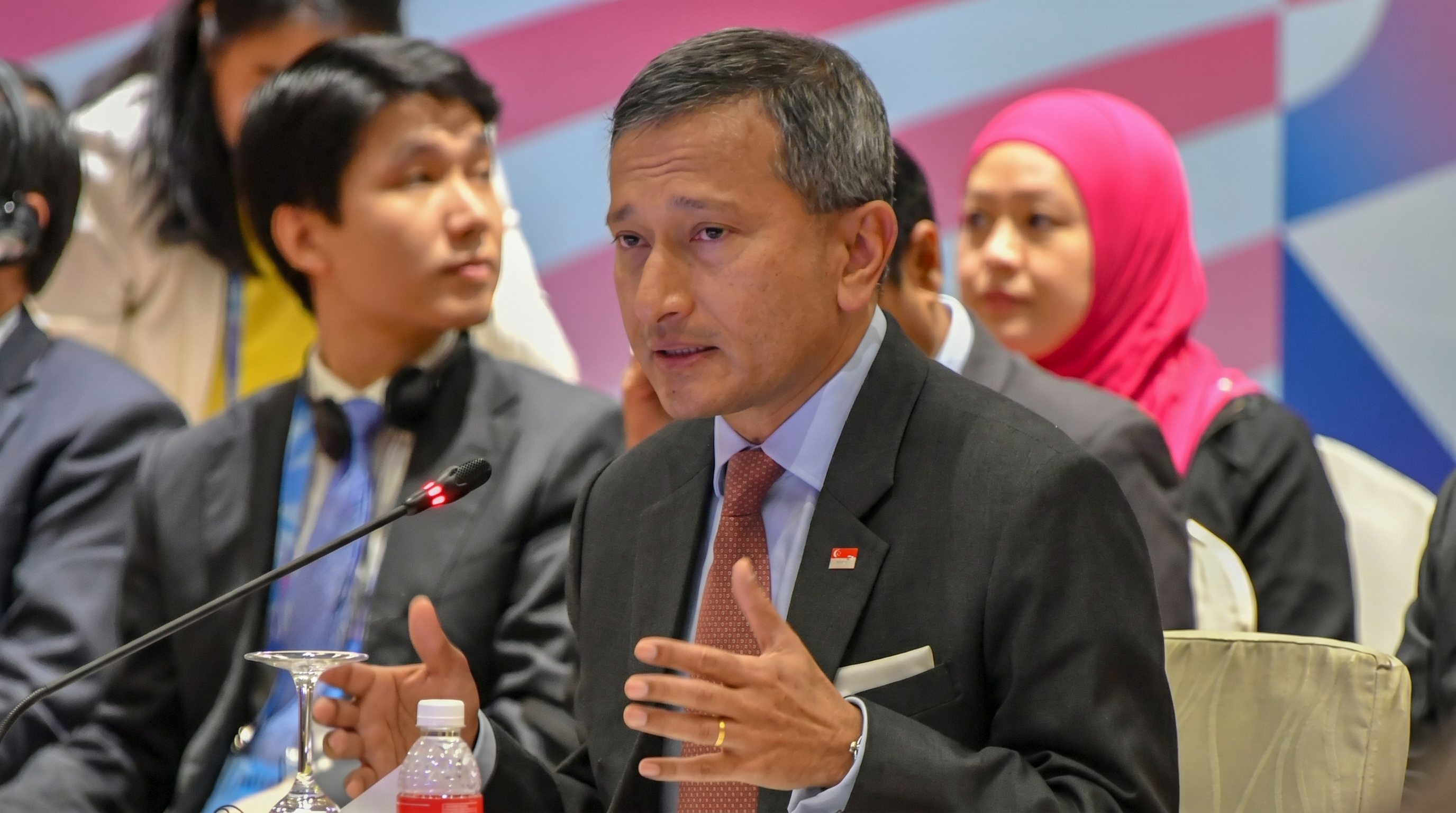
    SINGAPORE: Singaporeans have reacted with scepticism after Foreign Minister Vivian Balakrishnan described Pyongyang as a “modern” city in a social media video posted during his recent trip to North Korea. Dr Balakrishnan, who travelled to North Korea before heading to South Korea as part of a consecutive visit to both countries, uploaded a 32-second Facebook reel on May 28 showcasing scenes from the North Korean capital. The video featured high-rise apartment blocks, broad streets, neatly planne
     

Modern? Singaporeans raise eyebrows at Foreign Minister’s review of Pyongyang

29 May 2026 at 10:36

SINGAPORE: Singaporeans have reacted with scepticism after Foreign Minister Vivian Balakrishnan described Pyongyang as a “modern” city in a social media video posted during his recent trip to North Korea.

Dr Balakrishnan, who travelled to North Korea before heading to South Korea as part of a consecutive visit to both countries, uploaded a 32-second Facebook reel on May 28 showcasing scenes from the North Korean capital.

The video featured high-rise apartment blocks, broad streets, neatly planned urban areas, as well as commuters using the city’s subway system and electric buses. In his accompanying caption, Dr Balakrishnan described Pyongyang as “a modern, clean, and systematically planned city” and said the city had continued to develop significantly since his last visit eight years ago.

“The streets are bustling, the number of vehicles on the roads has increased, and many new buildings and development projects are noticeable,” he wrote.

Dr Balakrishnan also noted that North Korea had managed to achieve such development despite enduring years of isolation during the COVID-19 pandemic.

“This reminds us that all people around the world desire to improve their lives and build a peaceful future,” he added.

The post quickly drew attention online, with many Singaporeans questioning the minister’s characterisation of the city.

Several commenters said the scenes in the video did not appear particularly modern by Singapore standards, with one writing: “Modern? Looks like living in the 80s-90s to me.”

Another commenter remarked: “Huh? Modern? It looks like the 80s in Singapore… Looks like a combination of Russia (or some ex-Soviet countries) + China + South Korea in the 1980s.”

Others took aim at North Korea’s political system rather than the cityscape itself. One comment read: “I guess free speech isn’t part of the KPI!”

Another questioned whether the video amounted to favourable publicity for the regime, asking: “Did Singapore make a propaganda video for NK?”

Some commenters expressed doubts about how representative the footage was of everyday life in North Korea.

“You only get to see the nicer side of North Korea,” one person wrote, while another commented: “Feels like the 80s. You see what they want you to see.”

One commenter suggested the minister’s remarks were politically motivated, writing: “Somehow I felt he said all these just to curry favours with N.Korea…Modern?? Ya… as in 80s modern. .well planned?? As in communist dictator-run planning..ya..well planned..”

Others responded more sarcastically, with comments such as “Yeah, and the people all look so happy!” and “Are they going back to the Stone Age??”

Dr Balakrishnan arrived in Pyongyang on May 26, where he held talks with North Korean Foreign Minister Choe Son-hui. He also met Jo Yong-won, chairman of the Standing Committee of the Supreme People’s Assembly, who is widely regarded as one of the most powerful figures in North Korea after leader Kim Jong-un.

The foreign minister travelled onward to South Korea on May 28.

It remains unclear whether the video was uploaded while Dr Balakrishnan was still in North Korea or after he had arrived in Seoul.

This article (Modern? Singaporeans raise eyebrows at Foreign Minister’s review of Pyongyang) first appeared on The Independent Singapore News.

‘Not a good idea’: Singaporeans doubtful about PM’s plan to move beyond baby bonuses to boost birth rate

13 June 2026 at 09:05

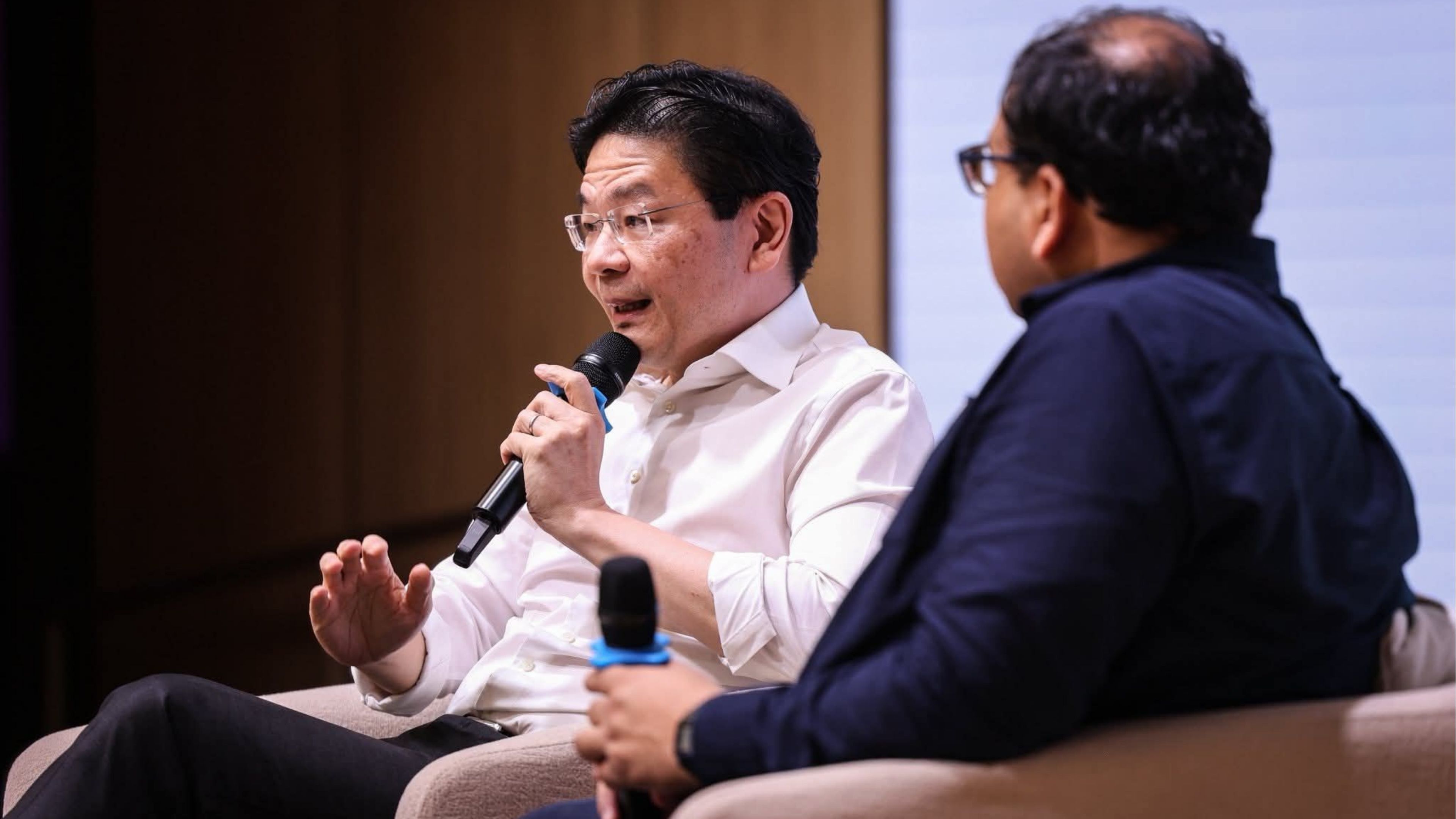
SINGAPORE: Some Singaporeans have expressed scepticism about Prime Minister Lawrence Wong’s latest approach to tackling the country’s plunging birth rate after he said on Monday (June 8) that his administration is looking at moving beyond baby bonuses.

Speaking at a Singapore Press Club dialogue, Mr Wong said his government will place greater emphasis on improving the overall quality of life for families rather than relying primarily on incentives to persuade Singaporeans to have more children, as the country confronts a record-low fertility rate and an ageing population.

Mr Wong acknowledged that governments around the world have struggled to find lasting solutions to declining birth rates. While Singapore has introduced a range of measures over the years to encourage parenthood, he suggested that policymakers should focus on creating conditions that make family life more manageable and fulfilling.

“Think about it less as procreation incentive,” Mr Wong said. “Think more about what are the moves we can make to really make life better for families in Singapore.”

Mr Wong acknowledged that governments worldwide have struggled to reverse falling birth rates despite rolling out a range of initiatives over the years, including baby bonus cash gifts, expanded paternity leave and changes to egg-freezing regulations.

Under the current Baby Bonus Scheme, parents of eligible Singapore Citizen children born on or after Feb 18, 2025, receive a Baby Bonus Cash Gift of S$11,000 for the first and second child, and S$13,000 for the third and subsequent child. The payments are distributed over the child’s first six-and-a-half years through a Child Savings Account linked to the Child Development Account.

For a first or second child, parents receive S$3,000 at birth, followed by S$1,500 at six months, another S$1,500 at 12 months, and S$1,000 at 18 months. Thereafter, S$400 is paid every six months until the child reaches six and a half years old. Families with a third or subsequent child receive slightly higher payouts.

Despite these measures, fertility rates have continued to decline. The issue has become an increasingly pressing concern for policymakers. Earlier this year, the government announced plans to establish a ministerial task force to address what it described as an “existential challenge”. Nearly S$7 billion was also set aside for marriage and parenthood measures as part of broader efforts to support families.

At the same time, Singapore is expected to become a super-aged society this year, with one in five residents aged 65 or older. The demographic shift has raised concerns about the long-term sustainability of the workforce and the country’s population structure.

Mr Wong cautioned against expecting easy solutions or quick fixes.

“We should have some humility,” he said, “It’s a global challenge. It’s happening everywhere in the world. No one has the answers for now.”

Acknowledging that fertility rates are unlikely to rebound significantly in the near future, he said Singapore would continue to remain open to immigration while carefully managing inflows. He also highlighted the role of technology and artificial intelligence in sustaining economic growth and productivity as the workforce ages.

Some Singaporeans responding to the premier’s remarks have expressed doubts about his approach, while some provided a range of suggestions on what the Government can do to encourage couples to have more children. Others questioned whether policymakers have adequately addressed the root causes behind the country’s low birth rate.

One commenter was blunt in their criticism, writing, “There’s never a good idea that comes from PAP.”

Another argued that many solutions proposed by Singaporeans over the years had failed to gain traction. “Over the years, Singaporeans have collectively contribute ideas and solutions to overcome this long-standing issue. Unfortunately, none has been discussed in parliament.”

Others expressed frustration over what they viewed as a lack of concrete action.

“When you create a problem at the first must have a solution in the end,” one commenter wrote, while another remarked that “in the end, the reply is still ‘There is no one solution that fits all’.”

A separate commenter suggested policymakers were failing to tackle underlying issues, saying,

“Talk is cheap, action is expensive and it’s come with great responsibility. If you are merely doing for sake of doings, the plan are not addressing the root cause. Would rather you don’t do anything about it…”

Several respondents argued that direct financial incentives alone would not be enough to encourage couples to have more children, citing the high cost of raising children, childcare and education pressures, housing affordability concerns and the challenge of balancing work and family commitments

Others proposed additional forms of support. One commenter suggested free delivery fees, subsidised infant milk formula, diapers and childcare until a child reaches the age of two. The same commenter also called for greater workplace flexibility for mothers, including shorter working hours during a child’s first year and tax incentives for companies that support working parents.

Housing affordability emerged as another recurring theme. One commenter argued that making public housing more accessible to younger Singaporeans could have a greater impact on fertility rates than cash incentives.

“Make public housing more available to the youth. Simple,” the commenter wrote, adding that income ceilings and eligibility criteria should be reviewed to allow young adults to move out earlier and form families sooner.

The cost of car ownership was also raised repeatedly. Several commenters argued that larger families should receive assistance with vehicle ownership, describing cars as a necessity rather than a luxury for households with young children.

Suggestions included lowering Certificate of Entitlement (COE) prices, providing COE exemptions for family cars, and offering subsidies or rebates to larger families.

“For people with large families, please consider subsidies to own a car. It’s really a necessity for family with young kids,” one commenter wrote.

Another said: “Lower COE lah. Cars are not just for the rich. They are meant for families.”

Some commenters advocated broader economic reforms, arguing that improving wages and reducing living costs would help encourage parenthood.

One netizen suggested free childcare and education for third and subsequent children, priority access to housing upgrades, and preferred school placement.

A commenter proposed substantial housing grants tied to childbirth, while another argued that reducing the financial burden on the middle class should be the Government’s priority.

“Reduce financial burden on the middle class, including all related costs to car ownership permanently and meaningfully,” the commenter wrote.

Another suggested that lowering the overall cost of living would have a more immediate impact on family formation.

Going against Mr Wong’s view, one commenter suggested reducing immigration levels to allow wages to rise, while another called for “more jobs for locals”.

Others said the PM should review his own Cabinet to cut costs. A netizen said, “Very simple. Lower prices, lower cost of running the government, a.k.a. ministerial salaries. That will immediately make life better for all families in Singapore.”

This article (‘Not a good idea’: Singaporeans doubtful about PM’s plan to move beyond baby bonuses to boost birth rate) first appeared on The Independent Singapore News.

Married Singaporean mother of two laments end of affair with 60-year-old man after he gets remarried

14 June 2026 at 22:31

SINGAPORE: A confession posted on the SGWhispers page about a married Singaporean mother’s affair with a much older man has sparked attention online, with some readers urging her to leave her marriage, while others argued that troubled relationships should be repaired rather than abandoned.

The post involves “Kay,” a 40-year-old corporate professional and mother of two who claimed her relationship with her husband deteriorated following the birth of their second daughter three years ago. She said that communication between them had become limited to household and family matters, despite multiple attempts on her part to reconnect.

The woman wrote that whenever she tried to initiate conversations, her husband would brush her off, claiming tiredness. She also claimed she had made efforts to rekindle their relationship by improving her appearance and trying to be more attractive to him, to no avail.

Over time, Kay said she came to view her marriage primarily as a structure held together by their children, describing her husband mainly as a provider rather than a romantic partner. She added that intimacy between them had long disappeared and that even discussions about leaving the marriage had gone nowhere, as her husband insisted that he loved both her and their children and did not want the relationship to end.

Kay later found companionship elsewhere after striking up conversations with a 60-year-old widower through social media. The pair apparently discovered that they shared many common interests and viewpoinfts, leading to increasingly personal discussions.

Kay said she felt comfortable speaking with the man, whom she viewed as experienced and understanding. He, too, was said to be lonely following the death of his wife six years earlier.

Their online friendship eventually moved to WhatsApp, and the two began meeting in person. According to Kay, the relationship later became physical.

Despite finding fulfilment in the affair, Kay admitted she was plagued by guilt whenever she returned home. Her affair partner also struggled with similar feelings, viewing himself as a “home wrecker” and believing it was wrong for him to have become involved with a married woman.

The affair eventually came to an end after the widower found a new partner and remarried.

Reflecting on the outcome, the post said the older man had managed to move on and start a new chapter in his life, while Kay remained in the same situation, describing herself as “happy” with her children and her “dead” husband.

The confession prompted mixed reactions from readers.

One commenter argued that Kay should end her marriage rather than remain in a relationship that no longer fulfilled her emotional needs.

“Ask her to file for divorce as her husband no longer fulfils her,” the commenter wrote, “Leave any marriage that does not fulfil you. It is really doing yourself a disservice to stay in an unhappy marriage. Whether your husband agrees or not, just file for a divorce.”

Others took a different view, suggesting that marriages require ongoing effort and commitment, particularly during difficult periods.

One lengthy response compared marriage to a business partnership, arguing that people should not simply walk away when problems arise.

“Marriage is like doing a business transaction,” the commenter wrote, “Because even if you fail, you don’t give up trying. You keep trying. Even if you fail, you don’t give up on your goal or on your business partner.”

The commenter encouraged couples to communicate openly, spend time together away from their children and actively plan opportunities to reconnect, like arranging date nights, taking short getaways and seeking help from grandparents or helpers to create time alone as a couple.

“You cannot have proper couple time with kids around because the attention and focus are on them,” the commenter noted, adding that “life and fun don’t stop after having kids.”

The same reader also cautioned against idealising extramarital relationships, pointing out that affairs often appear more exciting because the individuals involved do not share the daily responsibilities and stresses of running a household together.

“The other person always seems more fun because both of you don’t share a home and don’t have kids together,” the commenter cautioned, “That’s why it always seems more fun in the beginning.”

This article (Married Singaporean mother of two laments end of affair with 60-year-old man after he gets remarried) first appeared on The Independent Singapore News.

‘Best money I ever spent’: Singaporean reflects on failed engagement after HDB grant dispute with Chinese fiancée

4 June 2026 at 16:30

SINGAPORE: A Singaporean man has sparked discussion online after sharing a story about how an argument over an HDB housing grant became a turning point in his relationship with his former fiancée.

The account was posted on the Singapore Uncensored Facebook page, where the man recalled applying for a Build-To-Order (BTO) flat with his then-fiancée, who was from China and had not yet obtained Singapore citizenship at the time of the application.

According to the man, the couple attended an appointment at HDB Hub to complete the necessary paperwork and finalise the disbursement of housing grants.

During the meeting, he said an HDB officer informed them that because his fiancée was not a Singapore citizen when the application was submitted, the housing grant would be credited entirely into his CPF Ordinary Account.

The man claimed the announcement triggered an immediate and dramatic reaction from his fiancée.

He described her expression changing instantly before she allegedly began arguing loudly with the HDB officer.

According to the post, she questioned why the grant would only be credited to him and argued that the money should be split equally between them.

The man said he attempted to calm the situation by explaining that the arrangement was part of HDB’s standard procedures and that they could discuss it later. However, he claimed his efforts were unsuccessful and that his fiancée continued to dispute the matter with the officer.

He wrote that she allegedly demanded that half of the grant be transferred directly into her personal bank account and accused the authorities of being unfair.

The man said the incident left him feeling deeply embarrassed and that the confrontation attracted the attention of other people at the HDB Hub.

While acknowledging that there was a process through which she could eventually obtain her share of the grant, he claimed she was too focused on the immediate distribution of the money to consider how the system worked.

Reflecting on the incident, he said it changed the way he viewed the relationship.

“That day, I saw her true colours. It wasn’t about building a home; it was a financial transaction to her,” he wrote.

According to the man, the relationship continued to deteriorate after the incident as disagreements about money became more frequent.

He said the couple eventually divorced before the BTO flat was completed, resulting in the cancellation of the application and administrative penalties.

Despite the financial loss, he said he has no regrets.

“Best money I have ever spent in my entire life,” he wrote, adding that he felt fortunate the relationship ended before they moved into a home together.

The story drew a wide range of reactions from netizens, with opinions divided over whether the woman was being unreasonable or simply standing up for what she believed was her rightful share of the grant.

Some agreed with the man’s assessment and felt he had avoided bigger problems in the future.One commenter wrote, “This is not a bullet anymore… This is u dodge a nuclear bomb on your head…. well done.”

Another netizen said, “Luckily, you saw the true colours early. Thanks, God.”

Others, however, felt the woman may have had legitimate concerns regarding her entitlement to the grant.

“I think it is nothing wrong for her to stand for her right,” one commenter argued.

Another netizen suggested that the issue went beyond nationality and reflected broader relationship challenges.

“Not about nationalities. Guys just want some peace in the house and collectively build a family. Just a simple thing but difficult to achieve,” the commenter wrote.

This article (‘Best money I ever spent’: Singaporean reflects on failed engagement after HDB grant dispute with Chinese fiancée) first appeared on The Independent Singapore News.

‘I contribute nothing but consumption’: Young Singaporean opens up about the downside of growing up rich

31 May 2026 at 22:37

SINGAPORE: A young Singaporean has sparked interest online after sharing that he feels “spoiled” by his family’s wealth and believes it has left him without the motivation or life skills needed to function independently as an adult.

In a post on a local forum, the 24-year-old reflected on his upbringing and how dramatically his circumstances have changed over the years.

He began by describing a childhood marked by financial hardship. Between the ages of 11 and 19, he said he slept on a couch because there was not enough space for his family of five in a one-room apartment. He added that his parents were earning minimum wage at the time.

Today, however, he says he is in his mid-twenties, earning about S$150,000 a year. Despite that, he admitted that he constantly feels poor and struggles with a sense of imposter syndrome.

“Even with that type of income, I constantly feel poor,” he wrote, adding that part of him feels as though his current situation was never supposed to happen.

In a separate post, the same individual elaborated on what he sees as the downsides of growing up in a wealthy household.

Acknowledging that many people would likely view his concerns as the complaints of a privileged person, he said that being surrounded by wealth had “ruined” his drive and ability to accomplish things on his own.

According to the post, his family became wealthy after his father, who came from a lower-middle-class background, built his success from scratch. However, rather than inheriting his father’s determination and work ethic, the young man believes he was overwhelmed by material comforts.

He recalled being an introverted teenager who preferred staying home and playing Minecraft. He said his father encouraged him to socialise more, spending money at clubs and restaurants with the children of his friends and embracing a lifestyle of abundance.

Looking back, he believes his father’s intentions were good, suggesting that he wanted to give his children the opportunities and experiences he never had growing up.

Nevertheless, the young man said years of having access to unlimited credit cards and expensive habits have left him feeling directionless.

“Why would I work?” he asked in the post, noting that he already has access to money, a car and domestic help.

“For god’s sake, I even have maids that clean up my room so I don’t have the basic skill of organising my surroundings,” he wrote, adding that he feels like “a 24-year-old child.”

The post took a darker turn as he described feelings of emptiness while watching friends work hard, pursue goals and build meaningful achievements. He said that despite recognising his privileged position, he struggles with the sense that he contributes little beyond consuming what others have created.

His comments prompted a wave of responses from other users, many of whom encouraged him to stop dwelling on his circumstances and focus instead on taking action.

One commenter urged him to create his own path, writing, “That’s very true, so go out and get a job, make something of yourself. Don’t just sit there and whine, nothing’s gonna change. Take action, and show the world just who you truly are and what you’re truly made of!”

Another argued that the issue was not his father or his upbringing but his own choices. The commenter pointed out that he has access to resources and opportunities that many people can only dream of, suggesting that he pursue education, deepen his knowledge of investments, start a non-governmental organisation, or engage in charitable work.

“The problem isn’t your father, it’s you,” the commenter wrote, adding that he should be grateful for the advantages he has been given and use them to build something meaningful.

Several others echoed similar sentiments.

“Only oneself can change oneself; it’s a matter of wanting to change for the better or not,” one user commented.

Another wrote, “It’s all within yourself. Don’t blame anyone. Nobody has the ability to choose to be born to which parents.”

Some respondents also offered practical suggestions. One commenter recommended studying overseas as a way to develop independence and real-world skills.

“My suggestion is to plan to study overseas, then you will learn [independence] and real-life skills,” the user wrote. “No one is born with talent, but hard work and a willingness to learn will make you content. Don’t give up on yourself, young people, you still have a bright future as long as you change your mindset.”

The discussion drew attention to a less commonly discussed aspect of wealth and privilege: the challenge some individuals face in finding purpose, motivation and self-reliance when material needs are easily met.

While many commenters were unsympathetic to the young man’s complaints, others saw his post as an example of someone grappling with identity and meaning despite financial security.

Others online agreed that regardless of upbringing, personal growth ultimately depends on individual choices and the willingness to take responsibility for one’s own future.

This article (‘I contribute nothing but consumption’: Young Singaporean opens up about the downside of growing up rich) first appeared on The Independent Singapore News.

  • ✇The Independent SG
  • Parent shocked by alleged mould at Westgate playground, others claim issue isn’t new Jewel Stolarchuk
    SINGAPORE: Parents have voiced alarm over the condition of a popular indoor playground after photographs showing what appeared to be mould at Yooland Indoor Playground in Westgate were shared online. The images were posted on the Complaint Singapore Facebook page, where a netizen detailed their recent visit to the children’s play venue and questioned whether other parents had encountered similar issues. In the post, the individual said they were “quite shocked” by the state of the premises, clai
     

Parent shocked by alleged mould at Westgate playground, others claim issue isn’t new

3 June 2026 at 07:31

SINGAPORE: Parents have voiced alarm over the condition of a popular indoor playground after photographs showing what appeared to be mould at Yooland Indoor Playground in Westgate were shared online.

The images were posted on the Complaint Singapore Facebook page, where a netizen detailed their recent visit to the children’s play venue and questioned whether other parents had encountered similar issues.

In the post, the individual said they were “quite shocked” by the state of the premises, claiming there appeared to be visible mould in several areas and that the overall cleanliness standards did not seem suitable for a facility designed for young children.

The parent wrote that they found the situation particularly concerning, given that children frequently touch surfaces and play equipment throughout the venue.

“As parents, we trust these establishments to provide a safe and hygienic environment, so seeing what I observed was very concerning,” the post read.

The individual added that they had raised their concerns with the management and expressed hope that immediate action would be taken to address the issue.

pixlr_20260602234543679

The post quickly attracted attention from other social media users, with several commenters echoing the concerns raised.

One commenter alleged that the playground appeared to have been poorly maintained, writing, “Omg, they totally don’t maintain or clean at all..”

Another remarked that the situation was unacceptable, especially given the cost of admission at indoor playgrounds, commenting, “This is unacceptable….plus it’s not cheap as well, all these indoor playground…”

Some parents said the photographs had influenced their decision about visiting the venue in future.

One commenter wrote, “Oh my god…I’d better inform my friends with kids to stop bringing them there.”

Another claimed to have visited the playground recently and was similarly surprised by its condition.

“…Super shocked by the condition. Not gonna [go] there ever again! I’ve a few pictures, where should I [provide] feedback to?!” the commenter wrote.

Others suggested that concerns about cleanliness were not new.

One parent commented, “Yes, very dirty and mouldy. Stopped bringing my kid.”

Another wrote, “Yup. It’s disgusting as hell, and that is exactly why I stopped bringing my kids there.”

A further commenter claimed the issue may have been ongoing, saying they had looked through online reviews and found similar complaints dating back to last year.

“I read through some reviews. Apparently, this is an ongoing issue since last year,” the person wrote, adding a disgusted emoji.

Not all responses were negative, however. One commenter offered a contrasting account of their recent visit, saying they had brought their grandchildren to the playground the previous week and found it to be well-maintained.

“Brought my grandkids there last week. It was perfect. In fact, they have staff walking around keeping things neat and tidy. When did you go?” the commenter asked.

The post continues to attract comments as parents share their experiences and call for the concerns raised to be investigated.

This article (Parent shocked by alleged mould at Westgate playground, others claim issue isn’t new) first appeared on The Independent Singapore News.

Minister’s advice to use fan instead of aircon resurfaces as Singaporeans brace for El Niño event

10 June 2026 at 01:30

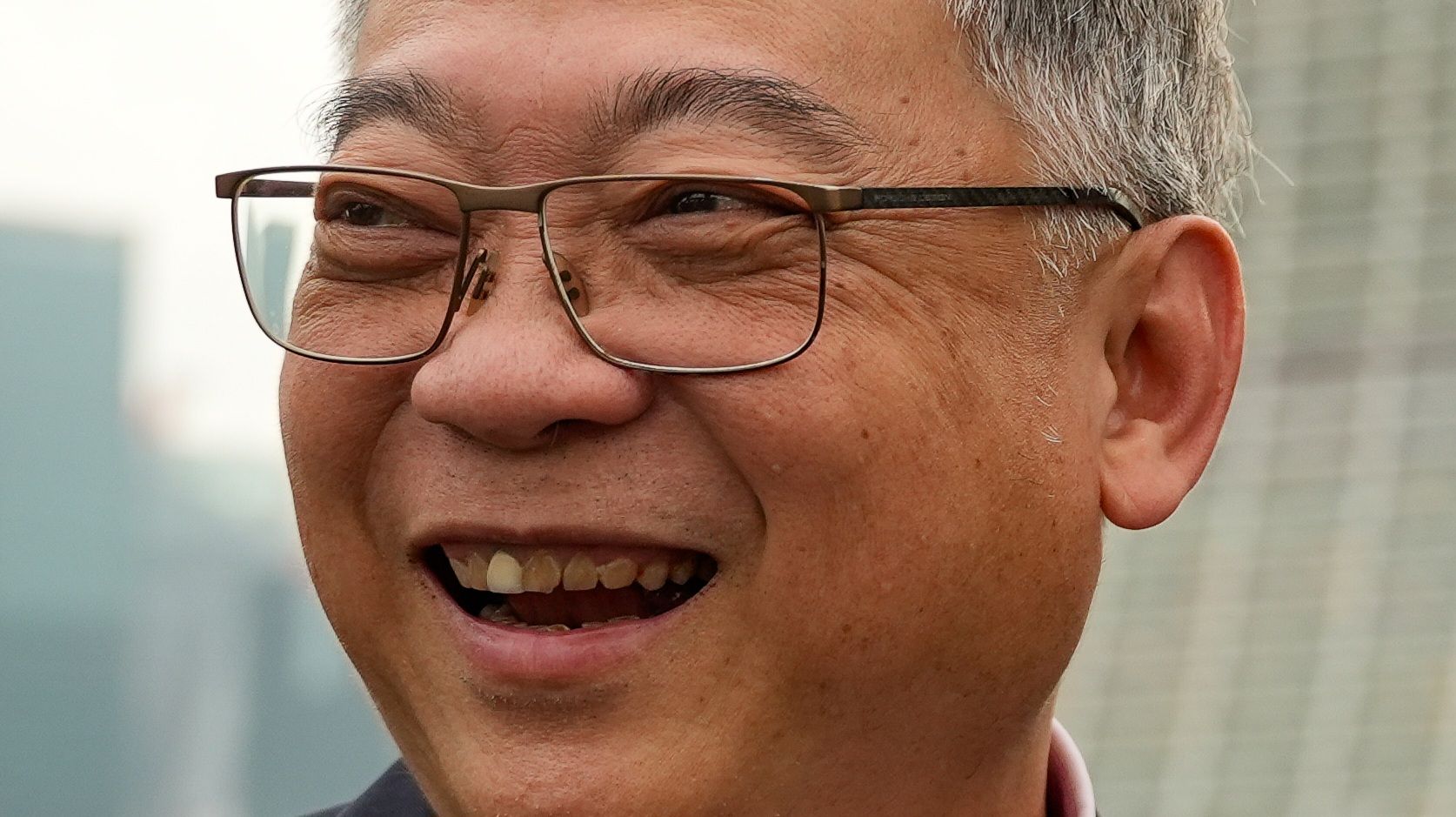
SINGAPORE: Deputy Prime Minister Gan Kim Yong’s controversial advice on opting for fans instead of air-conditioning units is recirculating online as Singaporeans brace for the El Niño weather phenomenon to hit the island.

The remarks have been making the rounds online again after the Meteorological Service Singapore (MSS) warned on May 29 that El Niño conditions are likely to develop between June and July. According to MSS, there is a more than 80% chance that an El Niño event will occur in 2026, with forecasts supported by indicators such as warmer sub-surface ocean temperatures in the eastern tropical Pacific.

If the phenomenon materialises, Singapore can expect warmer conditions from July onwards. MSS has forecast the return of the climate pattern, which is typically associated with reduced rainfall, prolonged dry spells and higher temperatures across the region.

Some international weather scientists have also suggested that South-east Asia could experience a stronger El Niño than in previous years. In March, Thai news outlet The Nation cited US-based weather experts who warned that a severe and prolonged drought-causing El Niño could emerge in 2026.

Despite the warnings, MSS has said it remains too early to determine how severe the event could be for Singapore and the wider region.

El Niño is part of a natural climate cycle known as the El Niño-Southern Oscillation, which influences weather patterns across the Pacific Ocean through shifts in winds and sea surface temperatures. The phenomenon is the opposite of La Niña, which generally brings cooler temperatures and increased rainfall.

Singapore has been experiencing La Niña conditions since late 2025, but meteorologists now expect those conditions to give way to a warming trend in the coming months.

As news of the possible El Niño spreads, many Singaporeans have taken to social media to express concern over the rising temperatures. Some said they already feel the heat becoming increasingly unbearable, despite the event not having fully developed.

One netizen wrote that she had resorted to taking four showers a day simply to stay comfortable.

The complaint quickly sparked references to remarks made by Mr Gan earlier this year, with several commenters reviving what became one of the most debated pieces of government advice in recent months.

Responding to the post, one commenter wrote: “Minister suggest to use fan instead of aircon.”

Another added on sarcastically: “Hey, that’s valuable advice! Well worth the million-dollar salary for talent in government.”

The controversy involving the DPM erupted in April after he suggested in Parliament that Singaporeans can help save electricity by using fans instead of air-conditioning units and by taking public transport instead of driving.

He was speaking in Parliament about rising fuel and electricity costs amid ongoing disruptions to global energy supplies linked to the conflict in the Middle East. The minister outlined measures the Government has taken to cushion the impact of global uncertainties and added that Singaporeans must also do their part.

Mr Gan, who was dubbed the ruling party’s “taskforce man” during the general election last May, suggested that households could cut electricity usage by opting for fans instead of air-conditioning, taking public transport instead of driving, and using climate vouchers to purchase more energy-efficient appliances.

The backlash was swift. Many Singaporeans questioned online whether Mr Gan and his colleagues would adopt the same measures themselves.

Several netizens called on political leaders to “lead by example,” asking whether Parliament would switch off its air-conditioning or whether ministers would begin commuting by bus or train. Others described the remarks as “tone-deaf” and “out of touch,” with some suggesting they reflected a disconnect between policymakers and ordinary citizens.

Calls for ministers to “lead by example” were repeated frequently, with questions being raised about the ministers’ own habits. Some asked how they travelled to Parliament or whether they used fans at home, while others remarked that such advice was being delivered from within fully air-conditioned environments.

This article (Minister’s advice to use fan instead of aircon resurfaces as Singaporeans brace for El Niño event) first appeared on The Independent Singapore News.

No sympathy online for young Singaporean family who say BTO delay is about to leave them homeless

10 June 2026 at 21:00

SINGAPORE: A young Singaporean family’s plea for help over a delayed Build-To-Order (BTO) flat has sparked little sympathy online, with many netizens arguing that the couple still have housing options available despite their concerns.

In a post shared on the SG Whispers Facebook page, the parents of a five-month-old infant said they were struggling with the prospect of losing their current accommodation while waiting for their BTO flat at Miltonia Breeze, which is scheduled for completion in 2029.

The couple said, “We tried 8 times before successfully getting a BTO and decided to take anything available at that time as we were desperate to have a place of our own after COVID.”

At the time, the couple were living in a two-room flat with the woman’s mother and had not yet started a family. They said they had hoped construction timelines would improve after pandemic-related disruptions eased, but that did not happen.

The family is currently staying in a five-room flat owned by a relative. However, they said the owner was recently retrenched and now needs to reclaim the property in order to generate rental income.

Seeking an alternative, the couple appealed to the Housing and Development Board (HDB) to allow them to forfeit their BTO flat so they could purchase a resale unit instead. According to the post, the appeal was unsuccessful.

“They did not want to waive off the 1-year waiting period and 5% forfeiture fees,” the couple said, adding that the penalties were intended to discourage buyers from giving up their flats, but questioned why exceptions could not be made for families facing genuine housing difficulties.

The couple also sought help from their Member of Parliament, but said the outcome remained unchanged.

Describing the stress of the situation, one of the parents said, “Holding my infant baby and worrying about not having shelter in a few months, I am at a loss of what to do.”

The post ended with a public plea for assistance, with the couple expressing disappointment that they felt “the government is not extending support to helpless parents trying to build a family.”

Singaporeans online, however, appeared largely unconvinced by the family’s argument, pointing out that they were not actually facing homelessness and suggesting that renting would be a practical solution.

A recurring theme in the comments was the observation that the couple had apparently been staying in their relative’s flat rent-free.

“So you’ve been staying at a family member’s flat for free…You can have shelter. Just pay for rent,” one commenter wrote.

Another netizen was even more blunt, saying: “Pay rent lor u expect to stay for free meh…So thick-skinned.”

Several others echoed the same point. “Simple. Pay the rental for the 5-room flat that you have been staying in for free, Lol,” one commenter wrote, while another said, “No matter what, you will have to rent. Just pay rent to your family member. Settle.”

Others questioned why the family could not simply remain in the same flat while paying the owner market rent.

“Rent from your family member, lor. Anyway, you go out also need to pay rent, and they’re looking to rent out too. Win-win solution,” one commenter said.

Another netizen wrote, “Why not rent from your family member while waiting for BTO to be ready?”

“Just rent from the current family member since they are looking for rental income,” one commenter added.

A commenter summed up the sentiment shared by many, writing: “To me, the solution is very simple, rent the 5-room flat from the owner till you get your bto. Think you are in a dilemma because you are currently staying for free and feel that you should not be paying rent because the owner is a ‘family member’.”

Some netizens also suggested alternative housing arrangements, including renting a room elsewhere, returning temporarily to the mother’s two-room flat, or applying for interim rental housing provided by HDB.

One user listed a range of possible options, including renting from the relative, renting a master bedroom, applying for HDB interim rental units, moving back in with family, or even temporarily relocating to Johor to reduce living costs.

Others pointed specifically to HDB’s rental schemes for households waiting for BTO completion.

“I feel you. I know of some other couples in similar situation,” one commenter wrote, “They told me HDB has Rental flats for Singaporeans waiting for BTO. Do you wanna enquire with HDB about Rental flat?”

Another commenter noted that older flats have been made available as interim rental housing for families in similar situations.

They said, “There are interim HDB flats for rent for people in your situation. Such as the en bloc flats at Tanglin Halt. They’ve renovated the flats and even the surroundings and also repainted all the flats so it’s really nice and clean.”

A separate commenter wrote: “If you are waiting for your BTO completion, you can check with HDB for flat rental. They have turned many old flats (renovated) into rental flats for those waiting under BTO.”

Others urged the couple to think carefully before giving up their BTO unit, arguing that doing so could leave them worse off financially.

“The bto flat you had gotten is going to be cheaper than if you were to apply again for a BTO flat in future. So I encourage you not to give up your flat,” one commenter wrote.

The same commenter suggested applying for an HDB rental flat instead, adding that “a 3rm flat (previous housing design in the 80s) should be adequate for a family of 3.”

Another commenter who said they had been in a similar situation advised the family to continue renting and wait for the flat’s completion, warning that switching to a resale flat would likely involve significantly higher purchase and renovation costs.

While a handful of commenters expressed sympathy for the family’s predicament, the overwhelming response was that practical alternatives remained available.

One commenter minced no words and said, “Alamak. Simple and straightforward solution. Pay rent and move on. Period.”

This article (No sympathy online for young Singaporean family who say BTO delay is about to leave them homeless) first appeared on The Independent Singapore News.

  • ✇The Independent SG
  • Baey Yam Keng branded ‘king of wayang’ for posting about 30 minute walk on the ground Jewel Stolarchuk
    SINGAPORE: Tampines GRC MP Baey Yam Keng has come under criticism online after sharing a Facebook post about a brief walkabout in his ward, with some netizens arguing that elected representatives should be spending significantly more time on the ground. Last week, Mr Baey, who has represented Tampines GRC since 2011, posted that he had used half an hour before his Meet-the-People Session to conduct an impromptu inspection of Tampines GreenForest in Tampines Central. In his Facebook post, he wrot
     

Baey Yam Keng branded ‘king of wayang’ for posting about 30 minute walk on the ground

2 June 2026 at 09:01

SINGAPORE: Tampines GRC MP Baey Yam Keng has come under criticism online after sharing a Facebook post about a brief walkabout in his ward, with some netizens arguing that elected representatives should be spending significantly more time on the ground.

Last week, Mr Baey, who has represented Tampines GRC since 2011, posted that he had used half an hour before his Meet-the-People Session to conduct an impromptu inspection of Tampines GreenForest in Tampines Central.

In his Facebook post, he wrote: “I had about thirty minutes to spare before my Meet-the-People Session last evening. Decided to check out Tampines GreenForest in Tampines Central. Unannounced, unaccompanied and a random walk through the blocks, MSCP and various floors.”

During the walk, Mr Baey said he observed outdated notices and marketing pamphlets at lift lobbies, as well as carton boxes and rubbish around recycling bins.

“I asked a few residents I met how they assess the maintenance of their estate. They told me it has improved a lot over the last few weeks, and noticed that the void deck was washed that day,” he wrote.

The MP added that the town council team would continue supervising the new cleaning contractor closely and help workers become more familiar with the estate and areas requiring additional attention.

Alongside the post, Mr Baey shared screenshots tracking his route, speed and walking distance, showing that he had covered more than 3km in about 37 minutes.

pixlr_20260602002213146
Photos: Baey Yam Keng FB

While some residents welcomed the visit and thanked him for taking the time to inspect the estate personally, others were less impressed, questioning whether the walk reflected sufficient engagement with residents and municipal issues.

One Facebook user was particularly critical, writing: “Baey YK is really the king of wayang. Spend 30 minutes on the ground, take a few staged photos, and suddenly it looks like he’s done a lot of work.

“If this is the level of engagement from our MP and TC Chairman, it’s no surprise Tampines’ municipal issues are getting worse by the day. Residents don’t need photo ops; we need consistent, hands-on leadership and accountability.

“30 minutes is frankly unacceptable. As Tampines TC Chairperson, we should be seeing at least 30 hours a week on the ground. That’s a basic expectation, not an unreasonable demand, especially when he’s drawing a $16,000 monthly MP allowance.”

Another netizen commented: “I think all TC chairmen are the same. At least he appeared for 30 minutes. Some of us don’t even know who is the chairman.”

Some online commenters focused on Mr Baey’s remuneration as both an MP and a political officeholder, questioning whether the compensation received by elected representatives is justified when residents continue to raise concerns about estate maintenance and municipal standards.

Aside from serving as an elected MP, Mr Baey has been serving as a Minister of State and as a Mayor.

A mayor in Singapore earns an annual base salary of S$660,000, in addition to an annual Member of Parliament (MP) allowance of S$192,500. This brings their total baseline compensation to over S$850,000 annually, excluding any potential performance or national bonuses.

A Minister of State in Singapore earns an annual salary of S$770,000.

Given this hefty pay package, several commenters argued that public office holders should be expected to maintain a strong ground presence and remain more closely connected to residents’ day-to-day concerns.

Others suggested that sharing the statistics of the walk, including distance covered and time taken, was an instance of the MP showing off or “acting” as if he had done something great that is actually just part of his job.

These critics questioned whether a half-hour inspection should be highlighted as a noteworthy activity, while others argued that regular, less publicised engagement would be more meaningful.

This article (Baey Yam Keng branded ‘king of wayang’ for posting about 30 minute walk on the ground) first appeared on The Independent Singapore News.

  • ✇The Independent SG
  • Helper asks employer for two months’ pay in advance so she can get BTS concert tickets Jewel Stolarchuk
    SINGAPORE: A domestic helper’s handwritten request to her employer for an advance salary payment so she could attend an upcoming BTS concert in Singapore has triggered an outpouring of reactions online, with many netizens touched by both the sincerity of the request and the employer’s response. Employer Yvonne LaReina Lee shared on Facebook a photo of a letter written by her helper, Nant Lah Sann Hie, who politely asked if she could receive two months’ salary in advance to buy VIP concert ticket
     

Helper asks employer for two months’ pay in advance so she can get BTS concert tickets

27 May 2026 at 03:04

SINGAPORE: A domestic helper’s handwritten request to her employer for an advance salary payment so she could attend an upcoming BTS concert in Singapore has triggered an outpouring of reactions online, with many netizens touched by both the sincerity of the request and the employer’s response.

Employer Yvonne LaReina Lee shared on Facebook a photo of a letter written by her helper, Nant Lah Sann Hie, who politely asked if she could receive two months’ salary in advance to buy VIP concert tickets.

In the handwritten note, Sann Hie wrote: “Mam…I would like to ask you something, and I hope you won’t misunderstand me for asking this.

“There is a BTS concert right mam that I truly wish to attend, so I wanted to respectfully ask if it might be possible to receive an advance of two about months of [my] salary. Can or can’t also I ok mam

“…I completely understand if it is not possible, but I would sincerely appreciate your consideration. Please only help me if it is comfortable and convenient for you. If it’s not possible, that’s completely ok too mam. Thank you so much for your understanding mam.”

Sharing the letter online, Yvonne said her helper was “dead serious” about wanting to attend the concert. “How can I not help her….I want to make her dream come true,” she wrote.

The post quickly drew attention online, with many praising the helper for asking respectfully and commending Yvonne for considering the request.

One commenter wrote: “I’m getting the ticket for my helper as well to surprise her as advance gift.”

Another shared a similar experience, saying: “Do it! I fulfilled my helper’s dreams of going to Disneyland last year and she cried … it was a beautiful sight watching her enjoy Disneyland. They are humble hardworking people.. happy to bless them. God bless you too! Love your kind soul.”

Several others encouraged Yvonne to simply buy the ticket for Sann Hie instead of treating it as a salary advance.

“I would suggest you get the ticket for her and just take it has a mini bonus,” one person commented.

Another said: “Don’t missed it mdam..please buy ticket for ur helper maybe this is only her chance to see and attend this BTS big event in Singapore..”

Others highlighted the helper’s honesty and willingness to seek permission first.

“That very kind of her by asking for your approval,” one commenter wrote.

Another added: “I am happy to hear this..you really good employer, good mam. I wish she can get what she wanted….”

Some commenters also saw the exchange as a reflection of a healthy employer-helper relationship.

“Those who can help on others to level up is never lack ! U are blessed exceedingly,” one netizen wrote.

Another commented: “Why not as long as she is not earning money in another illegal ways.”

Not everyone agreed with the request, however. One commenter remarked: “She doesn’t need BTS, she needs financial wisdom instead.”

Another netizen raised concerns that the helper might abscond after receiving the money. “I hope she’s real for the ticket not for running away from u. Anyway decision is always yours, and if you’re instinct say no, better not..” the commenter wrote.

Yvonne responded by defending her helper and expressing confidence in her character, saying, “Thank you, sister, but I don’t think she will run away with just $1200. This house is too warm and nice for her to throw away everything for just 1.2k.”

Sann Hie herself also responded to the accusation, writing: “Sorry, I don’t have that kind of dirty mindset”.

In a later update, Yvonne revealed that she had decided to give her helper the money for the ticket. She also shared a video showing Sann Hie in tears, hugging her employer in surprise and gratitude while laughing and crying at the same time.

This article (Helper asks employer for two months’ pay in advance so she can get BTS concert tickets) first appeared on The Independent Singapore News.

  • ✇The Independent SG
  • More Singaporeans aim to save over S$1 million and retire by 40, study finds Jewel Stolarchuk
    SINGAPORE: Singaporeans are setting their sights on bigger financial goals and hoping to achieve them at a younger age, according to a new joint study by CIMB Singapore and Nanyang Technological University (NTU). The second edition of the Attitudes and Beliefs towards Financial Independence Report found that more than half of respondents now aspire to accumulate at least $1 million before considering themselves financially independent. The figure rose to 56.3 per cent this year, up from 52.3 per
     

More Singaporeans aim to save over S$1 million and retire by 40, study finds

27 May 2026 at 07:31

SINGAPORE: Singaporeans are setting their sights on bigger financial goals and hoping to achieve them at a younger age, according to a new joint study by CIMB Singapore and Nanyang Technological University (NTU).

The second edition of the Attitudes and Beliefs towards Financial Independence Report found that more than half of respondents now aspire to accumulate at least $1 million before considering themselves financially independent. The figure rose to 56.3 per cent this year, up from 52.3 per cent in 2025.

Among them, 35.8 per cent identified between $1 million and $2.5 million as the ideal range for achieving financial independence.

The study also found that expectations around when people hope to retire or become financially free are shifting earlier. While retirement in one’s 50s had been the common benchmark a year ago, respondents now increasingly see their 40s as the target. Gen Z respondents were even more ambitious, with some envisioning financial freedom in their 20s or 30s.

The findings were unveiled on May 23 during the third edition of InsureXpo® 2026, which adopted a “Money Gym” concept aimed at promoting financial fitness and resilience. More than 1,000 Singapore residents aged between 18 and 60 took part in the survey.

The event brought together insurers including Singlife, AIA, FWD and Income, alongside policymakers, academics and industry experts. Interactive stations were set up to encourage participants to strengthen their financial planning and money management skills.

Despite the growing optimism around financial independence, the report found that anxiety about money remains widespread.

While 78 per cent of respondents said they believe financial independence is achievable, confidence levels were far more muted. Only 36 per cent described themselves as “moderately confident” about reaching their goals, while 34.6 per cent reported feeling frequent or constant anxiety over their financial future.

The findings also highlighted stark generational differences. Gen Z respondents emerged as the most anxious group, with 41.2 per cent reporting frequent financial worries.

Millennials, meanwhile, were the most confident generation, with 51.8 per cent expressing strong confidence in achieving financial independence. Gen X respondents fell somewhere in between, with 38.3 per cent saying they experienced regular anxiety and 30.5 per cent reporting strong confidence.

The study pointed to a growing disconnect between financial ambition and actual planning, as well.

Although many respondents expressed strong aspirations for financial independence, fewer than half, or 46.4 per cent, had started retirement planning.

High living costs were identified as the biggest obstacle, cited by 70.7 per cent of respondents. Other commonly mentioned barriers included low income at 54 per cent and family responsibilities at 53.4 per cent.

Respondents also pointed to concerns such as market volatility, limited financial education and lifestyle pressures, including spending temptations.

Among those who had yet to begin retirement planning, 42.2 per cent said competing priorities were delaying them, while 34.4 per cent said they were unsure how to get started. Another 31.9 per cent believed it was still too early to begin planning.

The report found that motivations for financial independence differed across generations.

For Gen Z, the strongest motivation was having autonomy and control over income and spending, cited by 25.7 per cent of respondents. Millennials were more focused on wealth accumulation, while Gen X respondents prioritised becoming debt-free.

The study also examined the financial attitudes of the “sandwich generation”, referring to those simultaneously caring for both parents and children.

This group demonstrated significantly higher financial ambitions than other respondents, with 64.4 per cent aiming to accumulate at least $1 million, compared with 51.7 per cent among non-sandwich respondents.

Researchers said this likely reflected the financial burden of supporting multiple generations.

The sandwich generation also appeared more proactive in financial planning. More than 91 per cent said they already had a financial independence plan, while 60.9 per cent said they were open to seeking professional financial advice. Nearly two-thirds also viewed insurance as an investment tool.

The report suggested that access to financial advice could play a significant role in improving both confidence and peace of mind.

Among respondents who sought professional guidance, only 25.4 per cent reported frequent financial anxiety, compared with 42.2 per cent among those who did not seek advice.

Confidence levels also differed sharply. Nearly two-thirds, or 65.8 per cent, of those who engaged a financial planner expressed confidence in achieving financial independence, compared with just 28.2 per cent among those without professional guidance.

The same pattern was observed among respondents who had formal financial plans. Only 30.8 per cent of planners reported frequent anxiety, compared with 51.9 per cent of those without a plan. Confidence levels among planners stood at 52.3 per cent, four times higher than the 13 per cent recorded among non-planners.

Perceptions of insurance also appear to be evolving. More than half of respondents, or 52.6 per cent, now see insurance as a tool that can support financial independence, up from 45 per cent last year.

The report concluded that financial independence is increasingly viewed not as a single milestone, but as an ongoing process that requires resilience at different stages of life.

It added that financial institutions could help close the gap between ambition and reality by offering more integrated support, linking savings, insurance, retirement planning and wealth advisory services into a broader financial journey.

This article (More Singaporeans aim to save over S$1 million and retire by 40, study finds) first appeared on The Independent Singapore News.

Singaporean economist cautions AI may increase inequality, as Anthropic calls for global AI pause

7 June 2026 at 09:02

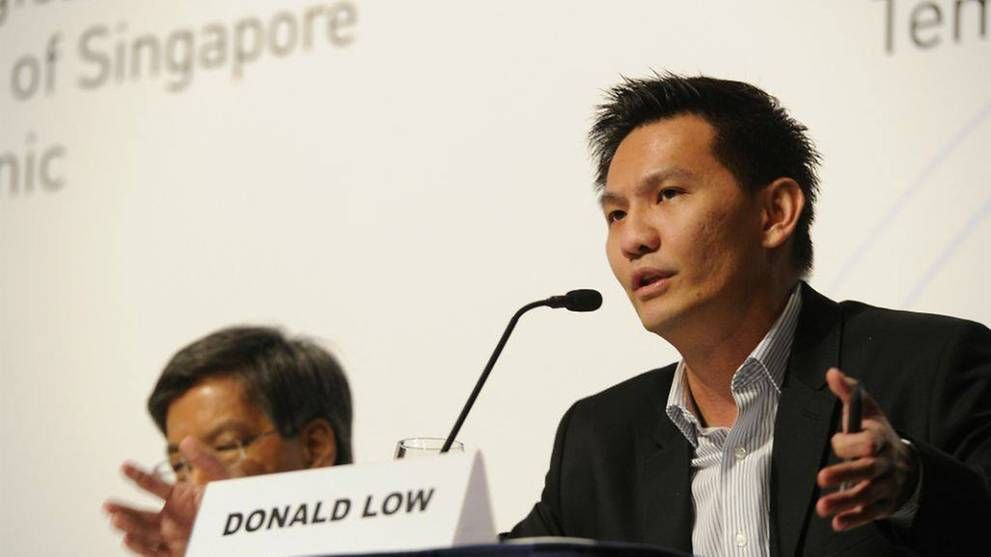
SINGAPORE: Singaporean economist and academic Donald Low has expressed growing scepticism about the long-term benefits of artificial intelligence, warning that discussions about the technology have focused too heavily on its economic upside while overlooking a range of high costs and risks.

Prof Low formerly served as the associate dean at the Lee Kuan Yew School of Public Policy. He now teaches at the Hong Kong University of Science and Technology

In a Facebook post published on Friday (June 5), Prof Low argued that economists have largely concentrated on the macroeconomic implications of the AI revolution, particularly the potential productivity gains and disruptions to labour markets. However, he said the technology’s microeconomic effects deserve far more scrutiny.

Among the concerns he highlighted were the environmental costs associated with AI development. Prof Low noted that insufficient attention has been paid to what economists call “negative externalities,” pointing specifically to the vast amounts of energy required to power data centres and train increasingly sophisticated AI models.

While acknowledging AI’s capabilities, Prof Low noted that “there’s no doubt that AI can do many of our jobs better” but he said that “a skilled/experienced worker working with AI is more competent than a similar professional without AI or AI on its own.”

He also questioned whether reliance on AI tools is compatible with the development of expertise.

“There’s also very little doubt that AI doesn’t necessarily help us to learn,” he wrote, pointing to studies that suggest dependence on large language models can impair learning. According to Prof Low, research conducted so far has been “quite unanimous in saying that reliance on LLMs undermines learning” because of what scholars describe as “cognitive surrender.”

Prof Low also expressed scepticism about claims that schools and workplaces will easily adapt to the new reality.

“Personally, I also think that the argument that educators and employers would help their students and employees use AI responsibly and find (new) ways to encourage/enable learning with AI [is] too glib and simplistic,” he said.

In his view, mastery of a subject cannot be outsourced to technology.

“If the individual doesn’t learn, and simply relies on AI to do the job, he/she will never acquire the mastery that would enable him to know when AI is helpful and when it’s not,” Prof Low wrote.

Beyond individual learning, Prof Low said AI presents a broader collective action problem. While it may be rational for individuals to maximise their use of AI to gain personal advantages, he warned that the cumulative effect could leave society less capable of learning and developing skills.

At the corporate level, he noted that businesses are increasingly adopting AI to improve efficiency and gain an edge over competitors. Yet because rival firms are likely to pursue the same strategy, relative competitive positions may remain largely unchanged.

As a result, companies could find themselves spending significantly more on AI while potentially reducing expenditure on workers. Prof Low also questioned whether AI-driven productivity gains would be distributed evenly across society.

He warned that while governments have strong incentives to promote widespread AI adoption as a way to boost national competitiveness and productivity, “since people’s ability to adopt AI is unevenly distributed, AI will probably increase inequality.”

At the same time, he argued that AI is unlikely to generate large numbers of new jobs. This could mean that any productivity gains from the AI revolution remain limited and concentrated among certain groups rather than benefiting society broadly, unlike the widespread economic transformation associated with the Second Industrial Revolution.

Drawing on a famous observation by Nobel Prize-winning economist Robert Solow about computers, Prof Low predicted that the promised benefits of AI may ultimately fall short of expectations.

“To paraphrase Solow,” he wrote, “I predict that in a few years, ‘we would see the AI age everywhere but in the productivity statistics.’”

The academic’s concerns extended beyond economics to the global competition surrounding the development of increasingly powerful AI systems.

Referencing recent warnings from AI company Anthropic, he argued that the race to build more advanced AI resembles one of history’s most well-known collective action problems: a nuclear arms race.

“Like most economists, I was a techno-optimist,” he wrote. “I’m less sure now.”

The academic’s views come on the heels of Anthropic’s call for a globally coordinated pause on the development of the most advanced AI systems. The AI firm warned that the latest generation of models is beginning to exhibit capabilities that could eventually outpace human oversight.

In a report released on Thursday (June 4), the San Francisco-based company behind the Claude family of AI models argued that the world should have the ability to slow or temporarily halt frontier AI development if necessary, allowing governments, institutions and researchers more time to address safety concerns and ensure that increasingly powerful systems remain aligned with human interests.

Anthropic said a slowdown in cutting-edge AI development would “likely be a good thing” but acknowledged that any pause would only be effective if it were adopted simultaneously by major AI developers across multiple countries. The company cautioned that if a single organisation were to stop advancing its systems while competitors continued, it would risk falling behind in an intensely competitive industry.

The company said any meaningful pause would require cooperation between leading AI firms and governments, particularly in the United States and China, as well as mechanisms that would allow compliance to be independently verified.

“Without a global coordination mechanism, companies and governments will have to make difficult decisions about safety while under competitive and geopolitical pressures,” Anthropic said.

The proposal arrives amid fierce competition among technology firms racing to develop ever more powerful AI models. It is also likely to face resistance from industry leaders whose businesses are tied to rapid AI advancement, including billionaire entrepreneur Elon Musk. Musk’s AI company xAI is owned by SpaceX, whose anticipated future stock market debut has fuelled speculation that he could become the world’s first trillionaire.

Anthropic’s position has not gone unchallenged. Critics within the technology sector and some officials in Washington have accused the company of overstating worst-case scenarios and using safety concerns as a way to slow competitors.

Despite such criticism, the White House has recognised the capabilities of Anthropic’s powerful Mythos model. The system has not been released to the general public because of its cybersecurity-related capabilities and is currently available only to a limited group of vetted organisations.

The company’s proposal also runs counter to arguments frequently made by US policymakers and technology executives, many of whom contend that slowing AI development could hand China a strategic advantage in what is increasingly viewed as one of the most consequential technological competitions of the century.

However, US President Donald Trump recently indicated that AI safety was among the topics discussed during his visit to Beijing, where he raised the possibility of cooperation with China on managing risks associated with advanced AI systems.

Drawing parallels with nuclear arms control agreements, Anthropic argued that regulating AI could prove even more difficult. Unlike missile silos or nuclear facilities, AI training activities can be conducted more discreetly, making it harder to verify whether organisations are complying with restrictions. The company also warned that the incentives to continue developing increasingly capable systems in secret would be significant.

Speaking to BBC Newsnight on Thursday, Anthropic co-founder Jack Clark said the industry currently lacks mechanisms to slow development if safety concerns arise.

“You want the option to be able to take your foot off the gas and put your foot on the brake,” Clark said.

“Right now, it’s like the AI industry has a gas pedal, but it doesn’t have a brake pedal.”

Anthropic said it plans to convene government representatives, scientists, civil society groups and rival AI companies in the coming months to explore how a coordinated global framework could be established.

The company’s concerns are also informed by internal findings suggesting that AI systems are increasingly accelerating the development of newer AI models. According to Anthropic, this trend is creating a feedback loop that could eventually lead to what researchers describe as “recursive self-improvement” — a scenario in which AI systems become capable of substantially improving themselves with diminishing levels of human involvement.

While Anthropic stressed that such a development is neither inevitable nor imminent, it warned that the possibility may arrive faster than governments and institutions are prepared for.

“We are not there yet, and recursive self-improvement is not inevitable,” the report said.

At the same time, the company argued that evidence increasingly points to a shrinking role for humans throughout the AI development process.

“The evidence suggests that the human role is narrowing at each step in the AI development process,” Anthropic said.

This article (Singaporean economist cautions AI may increase inequality, as Anthropic calls for global AI pause) first appeared on The Independent Singapore News.

❌
Subscriptions