
Normal view

1,000 new jobs coming to Singapore as semiconductor equipment maker Applied Materials’ operation expands amid rising AI chip demand

11 June 2026 at 21:01

SINGAPORE: Singapore’s semiconductor industry is getting another boost, with US-based semiconductor equipment maker Applied Materials planning to create 1,000 new jobs in Singapore over the next few years as demand for artificial intelligence (AI) chips continues to surge.

The announcement came during the opening of the company’s new S$600 million manufacturing facility at Tampines Industrial Crescent on June 10, Channel NewsAsia (CNA) reported. The expansion is more than just a factory upgrade. It is also a signal that Singapore is firmly in the race to support one of the fastest-growing industries in the global economy.

Deputy Prime Minister and Minister for Trade and Industry Gan Kim Yong said the expansion will generate 1,000 roles across manufacturing, research and development (R&D), headquarters functions and field services. He described them as quality “good jobs” that will give Singaporeans opportunities to work with advanced technologies while gaining exposure to international operations.

The company is also expanding its internship programme, with plans to offer 100 placements annually by 2027, giving more students a direct pathway into the semiconductor industry at a time when demand for skilled talent continues to rise.

AI demand is driving the next chapter in Singapore’s technology advancement and job opportunities

The investment comes as AI systems require increasingly powerful chips and data centres, creating strong demand throughout the semiconductor supply chain.

Applied Materials said its new facility has already begun volume production and is focused on supporting chipmakers that are increasing output to meet AI-related demand.

The site more than doubles the company’s advanced cleanroom capacity in Singapore and includes autonomous assembly and testing systems, AI-assisted quality inspections, and augmented and virtual reality tools for technician training and maintenance work.

Gary Dickerson, President and Chief Executive Officer of Applied Materials, said AI is reshaping industries and creating unprecedented demand for advanced semiconductors. He added that the operation expansion in Singapore will help the company deliver equipment to chip manufacturers more efficiently as they develop next-generation chips.

Singapore’s semiconductor ecosystem continues to attract AI chip investments

Singapore has spent decades building a semiconductor ecosystem that spans wafer fabrication and chip design to advanced packaging, chemicals, precision engineering, and research, a network that has become one of the country’s strongest selling points.

Mr Gan noted that companies today need more than factory space. They are looking for locations that offer skilled workers, reliable infrastructure, deep industry connections and long-term stability.

Competition for semiconductor investments has intensified in recent years as countries around the world try to strengthen their own chip industries. Against that backdrop, landing a major expansion from a global player like Applied Materials reinforces Singapore’s standing in the sector.

Their operation expansion to Singapore is also expected to benefit local suppliers and supporting industries. As multinational manufacturers expand, smaller Singapore-based companies gain opportunities to join global supply chains and grow alongside them.

The artificial intelligence chip race is also a human intelligence talent race

The semiconductor industry always makes headlines for billion-dollar factories and advanced technology today, yet the more profound story is the people behind those investments.

The promise of 1,000 new jobs and more internship opportunities points to a growing need for engineers, technicians, researchers and skilled workers who can support increasingly sophisticated manufacturing processes.

Students considering future careers or mid-career workers looking to enter high-growth sectors, Applied Materials’ expansion of operations offers another sign that semiconductors remain one of Singapore’s most important industries.

As with major investments, developing local talent is crucial in the country’s overall growth and success. New buildings can be constructed in a few years, but building a strong pipeline of skilled Singaporeans takes much longer, and that is what will determine whether the industry continues to thrive in the decades ahead.


Read related: NVIDIA to launch its new research hub in Singapore, marking latest boost to city-state’s artificial intelligence drive

This article (1,000 new jobs coming to Singapore as semiconductor equipment maker Applied Materials’ operation expands amid rising AI chip demand) first appeared on The Independent Singapore News.


‘Complete nonsense’ — Jensen Huang rejects the need for global workers to fear AI-driven job losses, says more software engineers will be needed

5 June 2026 at 10:34

TAIWAN: Artificial intelligence (AI) may be portrayed as a threat to jobs for many workers around the globe at present times, but NVIDIA Chief Executive Officer (CEO) Jensen Huang believes that fear is simply overblown.

Speaking at Computex 2026 in Taipei, Huang pushed back against claims that AI will lead to widespread unemployment among software engineers. He described the idea that AI is reducing jobs as “complete nonsense” and argued that the technology is having the opposite effect. Instead of shrinking workforces, companies are hiring more engineers to take advantage of AI’s growing capabilities.


Huang’s remarks coincide with a growing effort by businesses across the globe to integrate AI into products, services and daily operations, raising ongoing questions about how the technology will restructure the workforce.

AI’s profitability is making engineers more productive

Huang’s argument centres on productivity. He said software engineers who use AI effectively can now produce far more work than before. Rather than making engineers obsolete, that increase in output makes them more valuable to employers.

Huang estimated that the world’s 30 to 40 million software developers, who collectively earn around US$3 trillion (S$3.85 trillion) in annual salaries, are now generating roughly three times as much productive output with the help of AI tools.

From his perspective, higher productivity creates more business opportunities. As companies discover new products and services they can build, they need more engineers to develop and maintain them.

He suggested that employers would only reduce hiring if overall output remained unchanged. Instead, businesses are expanding because AI is allowing them to do much more.

AI has become a business tool, not just an experiment

Huang also argued that AI has reached a turning point. He pointed to the rise of “agentic AI,” systems that can perform tasks using tools such as web browsers, spreadsheets and coding platforms with limited human input. Unlike traditional chatbots that mainly answer questions, these systems can plan and carry out actions.

Such upgrades are helping companies generate revenue from AI products and services. To support his view, Huang cited data from GitHub showing that software development activity continues to rise despite rapid advances in AI.

Developers made nearly one billion software updates in 2025, while more than 36 million new developers joined the platform during the year. The figures suggest that interest in software development remains strong even as AI tools become more capable.

NVIDIA’s vision for the next generation of computing

Beyond the jobs debate, Huang used the event to unveil Nvidia’s RTX Spark AI superchip, developed with Microsoft and MediaTek.

The chip is designed to run powerful AI models directly on personal computers without requiring an internet connection. Huang described it as one of the biggest changes to personal computing in decades.

He also outlined a future where dedicated AI systems operate in homes, offices, factories and robots, helping people manage everyday tasks and work more efficiently.

The long-term impact of AI on jobs remains a subject of debate. However, Huang’s message was that workers who learn to work alongside AI may find themselves in greater demand, not less.

As companies continue to invest heavily in technology, the challenge may be adapting skills fast enough to keep pace with the changes ahead.


Read related: NVIDIA to launch its new research hub in Singapore, marking latest boost to city-state’s artificial intelligence drive

This article (‘Complete nonsense’ — Jensen Huang rejects the need for global workers to fear AI-driven job losses, says more software engineers will be needed) first appeared on The Independent Singapore News.

‘It feels like everything’s collapsing’: 25-year-old graduate says he’s still jobless even after sending 400 to 500 applications

30 May 2026 at 21:17

SINGAPORE: A 25-year-old graduate says he is beginning to feel like he is “watching everything collapse” after spending the past six months unemployed despite submitting between 400 and 500 job applications since graduating from a local university in December 2025.

Sharing his frustrations on a local online forum, the graduate shared that he has been applying to practically every type of job available and has long stopped caring about “market average” fresh graduate salaries or whether the position even matches his economics degree.

“Bruh, I’ve applied to countless types of jobs… and nothing, damn,” he wrote. “The number of HR screening calls I can count with one hand, the number of serious interviews/assessments, count with one finger (that’s 1). And that has been put on hold; suddenly the company is re-evaluating if they want to hire for that position (WTF?).”

Although he has been channelling his energy into self-improvement and staying disciplined, he admitted the uncertainty surrounding his future still feels overwhelming.

“I have been trying to stay disciplined, work out, and learn new skills, but honestly the pressure—I got a partner and a future to worry about while my savings are drying up. I don’t know, it feels like everything’s collapsing.”

By the end of his post, the weary graduate said, “Thought I’d vent it all here, if anyone relates, maybe we can talk it out together.”

“It’s time to change up your job search strategy.”

Given the sheer number of applications he had sent out, several Singaporean Redditors speculated that his résumé might be part of the problem.

One individual wrote, “Hmm, maybe there’s a problem with your resume? (Sounds crazy, but just check, I guess.) your resume has some formatting issues causing it to not be picked up by systems properly?” 

“Try to view your applications and make sure whatever info you filled in is correct and your resume is downloadable.”

Another shared, “Not saying this to flex, but something is definitely wrong with your resume. I am getting 2-3 interviews a week in finance, fintech and engineering firms, and failed all my interviews.” 

“The opportunity is certainly there, and it’s not as bleak as what everyone says (yes, I know there’s truth to it, but successful people don’t share their stories online). I hope this can renew your confidence and retackle your problem from the bottom up.”

Some Redditors also encouraged the graduate to stop relying solely on blind online applications and focus more heavily on networking instead.

“At 500 application rejections, it’s time to change up your job search strategy,” one commenter advised.

“Easiest way to get a job is through networking. Sounds like you might just be submitting applications blindly. It’s not about how many jobs you apply for but the quality of each submission. Go network with friends, classmates, family, alum, former colleagues, professors, etc.”
Another person encouraged him to reach out directly to his university for support. 

They said, “What school? Ask the professors and faculty for help. No need to be embarrassed, or they should be when their product fails in the market.” 

“I’m saying this because I and my wife and other alums who are in middle management now have been personally asked by the school (NUS) to hire or at least favor our own graduates whenever possible. Also shows how brutal the market is right now.”

A handful of commenters also attempted to lift the graduate’s spirits, encouraging him not to let the repeated rejections crush his confidence.

One wrote, “Don’t give up. Even though it’s getting harder and harder. If you have specialised software skills, maybe you can do some side hustles. Have not been working since the end of 2022 here.”

Another commented, “Hang in there! One thing that I’ve seen that helped me and others was also getting in through referrals—even if you don’t know somebody, you could connect through LinkedIn and express your interest in the roles, and if they would be okay to refer you in.”

In other news, a fed-up wife turned to social media to vent her frustration after her husband allegedly refused to help out with household chores, even after their domestic helper left the family.

Posting in the SINGAPORE TRANSFER (No Fees/SD), DIRECT HIRE & NEW HELPER Facebook group on Thursday (May 14), she shared that they had had a helper for six years.

Read more: ‘70% of our marriage he’s been jobless’: Wife says unemployed husband refuses to help after maid left

This article (‘It feels like everything’s collapsing’: 25-year-old graduate says he’s still jobless even after sending 400 to 500 applications) first appeared on The Independent Singapore News.

  • ✇The Independent SG
  • Jobseeker shares employer he interviewed with specifically looked for ‘job hoppers’ Mary Alavanza
    SINGAPORE: Job hopping often raises a red flag in recruitment, but what if being a job hopper is what helps you bag the job? A jobseeker shared online that an employer he once interviewed with specifically looked for “job hoppers” in the finance industry because they showed “adaptability and fast learning capability”. Sharing more details of his conversation with the employer, he wrote, “Yes, you won’t know things from the start, but you will be able to get basic knowledge within three months an
     

Jobseeker shares employer he interviewed with specifically looked for ‘job hoppers’

1 June 2026 at 21:01

SINGAPORE: Job hopping often raises a red flag in recruitment, but what if being a job hopper is what helps you bag the job? A jobseeker shared online that an employer he once interviewed with specifically looked for “job hoppers” in the finance industry because they showed “adaptability and fast learning capability”.

Sharing more details of his conversation with the employer, he wrote, “Yes, you won’t know things from the start, but you will be able to get basic knowledge within three months and could be able to be independent. Six months, you should be at least at an advanced stage. One to two years, you should outgrow your current role, and we should be able to cross-function you for new things. He said team rotation is always done and encouraged in the firm. Even VPs change roles every two to three years.”

He said that the employer also told him, “He was worried I would stay stagnant in a company for years. Either you rotate teams or change roles in other companies. That’s where you learn new skills.”

“He specifically said if our dinosaur mindset doesn’t change, we will never be able to capture younger talent. As department heads, we need to change our working model and capture the best talent as much as possible,” he shared further.

Although from a different industry, his comment came after a netizen prompted a discussion about job hopping on r/singaporejobs, sharing concerns about what he described as backlash from employers towards younger hires in the information and technology (IT) industry, as their average years of service have been getting shorter.

He noted that while there is nothing wrong with staying at a company for a shorter period than the norm, as younger hires figure out their place in the industry or job hop for higher pay, hiring has now been filtered for people “ready to hit the ground running”.

“Budget and time for training is less of a priority since by the time somebody gets up to speed, they are likely about 25 to 50% through their ‘lifespan’ in the role within the organisation,” he added.

The same concerns were raised by commenters, with one commenter saying that companies not supporting employee training is simply “inevitable.”

“Why would an organisation bother training somebody if they don’t think that he/she will stay around long to be worth the investment of time and effort? Or worse, you are just training him for a future competitor”, he said, adding that companies are not providing training in response to job hoppers who “sought to game the system”.

Others added that employers who pay new hires higher salaries expect an “immediate” return on investment (ROI). /TISG

Read also: ‘We are bleeding jobs in many sectors’: Singaporeans share worries of businesses pulling out of SG

This article (Jobseeker shares employer he interviewed with specifically looked for ‘job hoppers’) first appeared on The Independent Singapore News.

  • ✇AllBusiness.com
  • Beyond the Hype: The Messy Reality of Training AI Su Guillory
    Scour LinkedIn jobs and you’re sure to come across half a dozen listings like the following: “Content Reviewer: Review AI content for clarity. Set your own hours.”There are variations of these roles, but the deluge on job boards means one thing: training AI models is a real business. One World Economic Forum survey shows the fastest-growing skill in the marketplace is “AI and big data.”Despite my initial hesitation about AI (I’m a writer, so I’ve had concerns about AI replacing my role), I decid
     

Beyond the Hype: The Messy Reality of Training AI

19 February 2026 at 17:46


Scour LinkedIn jobs and you’re sure to come across half a dozen listings like the following: “Content Reviewer: Review AI content for clarity. Set your own hours.”

There are variations of these roles, but the deluge on job boards means one thing: training AI models is a real business. One World Economic Forum survey shows the fastest-growing skill in the marketplace is “AI and big data.”

Despite my initial hesitation about AI (I’m a writer, so I’ve had concerns about AI replacing my role), I decided to get on board with data annotation and AI data training. I’ve spent the last few months hopping from company to company, and I’d like to share an insider’s view of my experience.

First, the Positive Aspects of Data Annotation Work

With writing work being slow, I’ve had time in my schedule to pick up these data annotation projects. I like that I can work on my schedule, as little or as much as I want (with some caveats of availability). All the agencies I’ve worked with have paid promptly each week. Some even offer bonuses.

Pay varies dramatically based on project needs, but lately I have seen better-paying opportunities for subject-matter experts, instead of the flood of $15/hour generalist jobs I saw a few months ago.

The Onboarding Process for AI workers

Once I apply for a role I think I’m a good fit for, I’m usually given a link for an interview…with an AI recruiter! It’s the strangest thing, talking to the camera without a person on the other end. The interview questions vary in quality. Some ask great ones, while others are overly technical for the job, in my opinion.

If I’m deemed worthy of the job, I get an email saying I’m in.

Onboarding happens in a flurry of emails with access to Slack, a timer, and the system. I’m required to read onboarding documents and sometimes take a quiz to test my understanding. If I pass, I get access to tasks and can begin work.

Drawbacks to Data Annotation Work

As streamlined as the onboarding process can be, it’s the actual work that can get messy. Here are some drawbacks you should be aware of if you’re considering taking on data annotation work.

1. AI Training Is an Aggressive Market

Now that I have data annotation on my resume, I get emails on LinkedIn about roles almost every day. However, it’s important to understand what’s really happening. Companies like Mercor and Micro1 pay referral fees for new hires, sometimes several hundred dollars. So the professionals contacting me say they are a “recruitment and referral partner,” which just means they want me to click their referral link so they get paid. I often get multiple emails from different “referral partners” for the same job.

This isn’t necessarily a bad thing from the worker’s perspective, but it does mean you’ll see multiple listings (worded slightly differently) for the same job. So you waste time looking for work because you keep clicking on the same job!

2. AI Agencies Overhire

Every AI agency I’ve worked with has hired hundreds of people for a short-term project. Many times, I don’t even get a chance to work on a project because the piranhas have already consumed all of the work, and then the project closes.

The Slack channels are a mess. Hundreds of people ask the same questions without searching to see if the question has already been answered. They clog the space with unnecessary chitchat, which makes it difficult for someone looking for work-related information to find it.

Sometimes within days, the project is over. I often spend more time onboarding than actually doing paid work, which is a travesty.

3. Organization for AI Training Projects Is Nil

I have to commend any project lead who works in this space because I imagine it’s a nightmare of a job. They deal with demanding clients, few parameters for what is deemed quality work, and an incessant stream of chatter on Slack.

But what I have seen over time is that AI agencies are getting smarter. While a few months ago I’d be thrown into a project with just a short training document, more agencies are requiring workers to pass quizzes to get to the real work. It’s smart, but flawed. More than once, I’ve failed a quiz, been booted out, and then weeks later received an email saying they’d messed up the quizzes and I was back in. Only now there was no work!

4. Ghosting Is Common on AI Projects

Several times, I’ve been kicked off a project without an explanation why. I get blocked from Slack and have no recourse to ask what happened. A little common courtesy would go a long way here. This is such a new industry, and we’re all learning, so why not help us do better by explaining why we are no longer eligible to work on a project?

5. AI Projects End Without Warning

Project leads are always obtuse when workers ask how long a project will last. Inevitably, it is usually only a matter of days or weeks before the work is completed and the lights are turned off. Sometimes leads say a project is just paused, but I’ve yet to see one come back online.

6. Project Instructions Change Frequently

Given how frenetic these projects are, it seems like the client and agency don’t take enough time to flesh out the requirements and instructions initially. That means people knee-deep in the project are suddenly given updated instructions to adhere to.

There’s Still a Lot of Room for Improvement in the AI Training Industry

Yes, this is a new frontier, and agencies and workers alike are still learning. I invite AI agencies to consider us workers instead of just cogs in the machine. Rather than ask people to work for a few hours and then sit on their hands waiting for more work that never comes, wouldn’t it be better to line up several projects and keep workers happy (and loyal), without having to train new hires every few weeks for new projects?

Data annotation jobs could develop into full-time, permanent opportunities if AI agencies reformulate how they hire and give work. That way, employees are more dedicated to the role and don’t, like me, hop from one opportunity to another.

MOM: Wage growth slowed down for workers in Singapore last year compared with 2024; expected to stay moderate in 2026

30 May 2026 at 09:06

SINGAPORE: Singapore workers received pay rises for a second straight year in 2025, although wage growth slowed compared with 2024.

The good news is that workers were still better off in real terms. With inflation easing, salaries stretched further, giving employees a stronger boost in purchasing power than the year before.

According to the Ministry of Manpower (MOM) on May 28, nominal wages for full-time resident employees who stayed with the same employer for at least a year rose by 4.9 per cent in 2025, down fro`m 5.6 per cent in 2024. After adjusting for inflation, real wages increased by 4.0 per cent, up from 3.2 per cent the previous year.

MOM: Wage Growth 2025
Nick Karean/The Independent Singapore News
MOM: Wage Growth 2025

The figures suggest that while pay packets didn’t grow as fast based on data, workers still benefited from a lower cost-of-living environment than in 2024.

More companies remained profitable

MOM’s report showed that business conditions stayed fairly healthy through 2025. More than eight in 10 establishments, or 83.1 per cent, reported making a profit, up from 80.8 per cent in 2024. At the same time, the share of companies reporting losses fell to 16.9 per cent from 19.2 per cent a year earlier.

The data paints a picture of a business sector that stayed resilient despite ongoing global economic uncertainty. Smaller firms were still more likely to report losses than larger companies, mirroring the tougher operating conditions faced by businesses with fewer resources.

Employers became more careful with salary increases for employees

While most employers continued raising salaries for workers, there were signs of greater caution. About 72.4 per cent of establishments increased wages in 2025, down from 78.3 per cent in 2024. Meanwhile, nearly a quarter of firms left wages unchanged, up from 18.5 per cent the year before.

Among companies that granted pay increases, the average wage rise was 5.8 per cent. Employee retention remained the main reason employers chose to increase salaries. In a tight labour market, retaining experienced staff remains a priority for many businesses.

Only 3.1 per cent of companies reduced wages; those that did generally faced weaker business performance than in the previous year. The trend shows that workers still expect wage growth, but businesses are also preparing for economic uncertainty and rising costs.

Wage gains spread across sectors and job levels

One notable finding from the report was that wage growth was broad-based. Rank-and-file employees saw wages grow by 4.8 per cent, junior managers by 5.1 per cent and senior managers by 4.9 per cent. The differences between these groups narrowed, suggesting gains were shared more evenly across the workforce.

Every sector recorded positive wage growth. Administrative and Support Services posted the strongest increase at 7.5 per cent. The sector includes cleaning, security and landscape services, where lower-wage workers continue to benefit from the Progressive Wage Model and Local Qualifying Salary requirements.

Financial Services and Insurance Services also recorded healthy wage growth as demand remained strong for professionals and managers.

MOM: Wage Growth by Industry 2025
Nick Karean/The Independent Singapore News
MOM: Wage Growth by Industry 2025

The accommodation and construction sectors still saw pay increases, but at a slower pace than the previous year, as hiring demand stabilised following the post-pandemic rebound.

Workers can expect real wage growth to stay positive in 2026

MOM expects real wage growth to remain positive in 2026. However, businesses are likely to stay cautious when deciding on salary increases due to inflation risks and geopolitical tensions.

As such, workers may continue seeing pay rises, but probably not at the pace many experienced during the stronger post-pandemic recovery years.

The report indicates that wage growth is still tied to productivity. Sustainable salary increases depend on businesses becoming more productive, workers upgrading their skills and companies maintaining healthy financial performance.

What matters more now than how much salaries increase is how much purchasing power is left for Singaporeans after their everyday expenses are paid.


Read related: Singapore job hiring drops across most sectors despite AI-driven manufacturing demand; employment outlook weakens in the coming months

This article (MOM: Wage growth slowed down for workers in Singapore last year compared with 2024; expected to stay moderate in 2026) first appeared on The Independent Singapore News.

Career experts: Singapore workers aren’t as far ahead in their jobs as their LinkedIn work update suggests

26 May 2026 at 10:21

SINGAPORE: Scrolling through LinkedIn, the online professional networking and career development platform, can feel like attending a never-ending awards night. One of your friends becomes a vice-president, while another buys a condominium.

Then, someone else posts a business-class work trip and celebrates a promotion with a polished photo and hundreds of congratulatory comments. For many working adults in Singapore, this type of stream of updates can create an uncomfortable thought: Am I falling behind?

According to Channel NewsAsia (CNA), career experts say feeling this way has become harder to avoid because career milestones are now more visible online, more frequent and easier to compare. It’s the very pressure that 27-year-old Shania Tsing is currently experiencing.

After leaving her previous role as a sales engineer in 2025 to work in events management, she accepted a lower salary in exchange for work she enjoyed more. Even though she feels happier in her current role, comments from people around her and constant exposure to friends reaching life milestones sometimes make her question whether she made the right call.

Workers compare others’ progress instead of deciding what progress means for themselves

Career comparison is not new, but what has changed is its speed and visibility. Career counsellors said that people compare themselves with those of similar age and background because they feel like the easiest measuring stick.

Over time, people may start using public signs of success to judge how well they are doing, rather than deciding what progress means for themselves.

Clinical counsellor Stella Ong said many people aren’t chasing someone else’s success. They are trying to answer a silent question: Am I progressing at the right pace?

Platforms like LinkedIn make that question harder to avoid, as career updates now appear alongside daily browsing.

Promotions, job changes, and achievements arrive continuously, creating the impression that everyone else is accelerating while you remain still. Impressions like this can slowly reset what people consider normal.

The career race online is usually edited, polished and idealised from what actually is

Experts interviewed pointed out something many people already suspect but rarely say aloud: online career updates are selective.

Recruitment and leadership coach Connie Low explained that professional announcements are frequently shaped to present someone in the best possible light. Job titles also differ across firms and industries, making direct comparisons unreliable.

On top of that, there is another career wrinkle: job title inflation. Global talent consultancy Robert Walters reported that Singapore saw growth in senior-sounding job titles in recent years, including roles labelled “manager” and “director” for people with relatively limited experience. Those titles don’t always align with their actual salary, authority, or scope of work.

Low also noted that promotion rates are lower than many assume. Based on industry benchmarks she referenced, only a small portion of employees receive promotions in a typical year. Most careers move more slowly than social media, such as LinkedIn, suggests.

So people rarely post their ordinary or not-so-good years. No one, in the general sense, uploads a status saying they stayed in the same role, did solid work and just went home.

Does your own current career path really match your values, interests and goals?

The career experts added that the answer isn’t to stop comparing entirely. Comparison can still motivate people if it ignites the fire of learning within, rather than self-doubt. The problem starts when it becomes constant and begins to shape how people see themselves.

One helpful change is to change the question. Instead of asking whether someone else is ahead, ask whether your current path matches your values, interests and goals.

Counsellors also suggested getting reality checks from managers, mentors, recruiters or experienced colleagues instead of relying on what appears online. Keeping a record of personal achievements can help, too, because it provides a defined view of progress over time.

Tsing said she has now started placing more weight on enjoying her work and on fostering a healthy workplace culture than on chasing visible milestones. A mindset switch that has helped her reduce comparisons.

Career progress doesn’t always arrive in neat age brackets. Some people move fast. Others change direction. Most are doing better than their feeds suggest. So use LinkedIn as a noticeboard, not a scoreboard. A job title can impress strangers for five seconds, but building work you can live with lasts much longer.

This article (Career experts: Singapore workers aren’t as far ahead in their jobs as their LinkedIn work update suggests) first appeared on The Independent Singapore News.
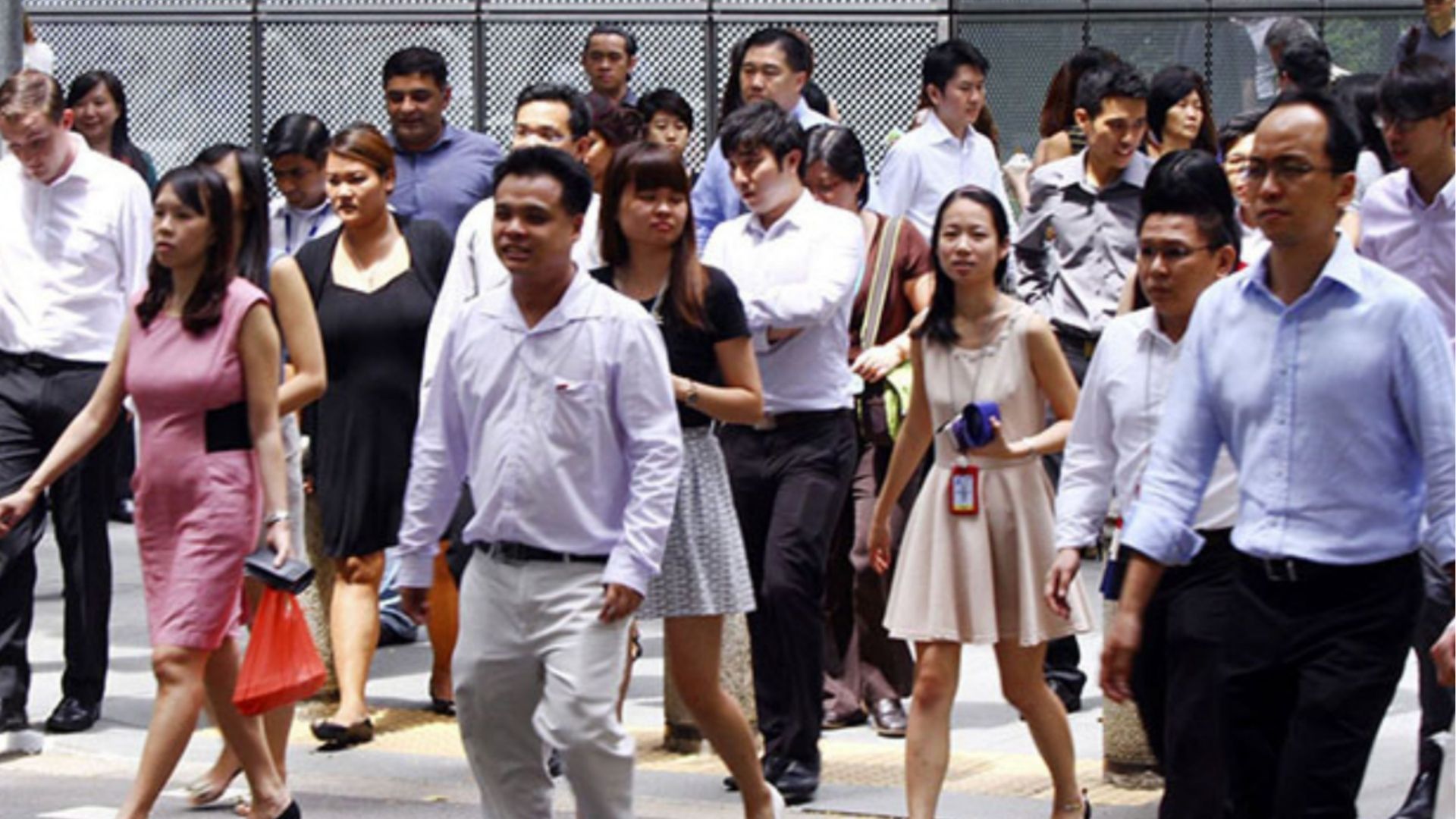
Only 2 in 5 Singapore employers offer flexible work even though jobseekers consider it a priority

14 June 2026 at 10:32

SINGAPORE: While Singapore workers are placing a growing premium on flexibility and work-life balance, many employers have yet to fully meet those expectations, according to Indeed’s latest Global Talent Report.

The study found that only 40 per cent of employers in Singapore offer flexible schedules for agile roles, while 42 per cent provide remote work options. The findings come as more job seekers show a preference for working arrangements that give them greater control over their time and personal lives.

Compared with the global average, job seekers in Singapore place a stronger emphasis on workplace flexibility. More than a third of respondents, 38 per cent, said flexibility and greater control over their schedules would be the main reason they would consider agile work. Another 35 per cent cited improved work-life balance as their key motivation.

When asked what would make agile roles more appealing, 64 per cent pointed to flexible schedules, while 60 per cent said remote work options would increase their interest.

Saumitra R Chand, Career Expert at Indeed, said the results highlight an opportunity for employers to better align their workforce strategies with changing employee priorities.

“The findings suggest there is a meaningful opportunity for employers in Singapore to better align workforce strategies with evolving employee expectations,” Ms Chand said, “Workers are increasingly open to more flexible ways of working, but they are still looking for stability, clarity and trust from employers.”

The report also found growing interest in alternative career paths among Singapore professionals. Although only 15 per cent of respondents currently consider themselves agile workers, 60 per cent said agile roles are attractive. This surpassed the 52 per cent who said traditional employment arrangements appeal to them.

Researchers also identified a gap between employers and employees when it comes to internal mobility. While 40 per cent of employers said they look within their organisations to fill agile roles, only 12 per cent of job seekers said they actively seek agile opportunities with their current employer.

Artificial intelligence is emerging as another area where employers and workers appear to be moving at different speeds.

Singapore employers were among the strongest adopters of AI tools for workforce planning and agile work arrangements. Just 10 per cent said they are not using AI in support of workforce agility. In contrast, 35 per cent of job seekers said they are not using AI for similar purposes.

Views differed sharply on AI’s impact on career opportunities, as well. Eight in 10 employers believe AI is helping to create more high-paying agile roles, but only 42 per cent of job seekers share that view.

The findings are based on a global survey of 10,283 respondents. In Singapore, the study included 503 job seekers and 100 employers.

This article (Only 2 in 5 Singapore employers offer flexible work even though jobseekers consider it a priority) first appeared on The Independent Singapore News.

SG Ministry of Manpower wage report 2025: Which industries are workers’ salaries rising the fastest in Singapore

5 June 2026 at 06:02

SINGAPORE: New data from Singapore’s Ministry of Manpower (MOM) shows that workers in Administrative & Support Services enjoyed the strongest wage growth in 2025, outpacing employees in finance, insurance and several other traditionally higher-paying industries.

The figures come from MOM’s Report on Wage Practices 2025, released on May 28, and offer a closer look at how salaries moved across different sectors over the past two years.

Earlier this year, MOM reported that Singapore’s median monthly salary rose to S$5,775 in 2025, a 5% increase from 2024. The latest breakdown shows that the gains were far from uniform.

Support services came out on top

According to the MOM data, workers in Administrative & Support Services received average wage increases of 7.5% in 2025, making the sector the strongest performer among all major industries.

At the other end of the table were Accommodation and Food & Beverage (F&B) Services, which recorded the slowest salary growth.

Finance and insurance jobs are associated with higher pay packages, yet their wage growth over the past two years hasn’t kept pace with that in support services.

Report on Wage Practices 2025 by the Singapore Ministry of Manpower
Nick Karean/The Independent Singapore News
MOM: Report on Wage Practices 2025

The findings show that salary growth and salary size aren’t always the same. A sector can offer high pay while still recording slower annual increases than industries playing catch-up.

Two years of gains add up

Looking at cumulative wage growth from 2024 and 2025 paints an even clearer picture. Workers in Administrative & Support Services saw wages rise by nearly 17% over the two-year period. In practical terms, that amounts to roughly two extra months of 2023 salary spread across the period.

Workers in sectors near the bottom of the rankings still experienced gains, though at a slower pace. Their cumulative wage growth ranged between about 8% and 9%, equivalent to roughly one additional month of 2023 income.

One notable change involved Wholesale Trade. While it slipped to the bottom of the cumulative rankings, the sector may be positioned for a stronger recovery.

Report on Wage Practices 2025 by the Singapore Ministry of Manpower
Nick Karean/The Independent Singapore News
MOM: Report on Wage Practices 2025

According to the data, rising demand linked to electronics manufacturing and artificial intelligence (AI) has boosted trading activity and improved sentiment within the industry.

The wage outlook for 2026 remains mixed

Singapore’s economy expanded by 6% in the first quarter of the year, showing strength across multiple sectors. Yet businesses are also facing uncertainty stemming from geopolitical tensions and disruptions affecting trade and energy markets, which may make employers more cautious when deciding on salary increases.

Workers in electronics manufacturing and wholesale trade could be among the better-positioned groups if current industry trends continue. Strong demand tied to AI-related supply chains has helped drive activity, and profitable companies may have more room to reward staff.

For many other sectors, however, wage growth could depend on how global economic conditions develop over the coming months.

Number averages only tell part of the story

The latest MOM figures show why headline salary numbers never tell the whole story. A rising national median wage is encouraging, but workers experience the economy differently depending on where they work.

For employees, the report offers a useful benchmark. For employers, it serves as a snapshot of where competition for talent is heating up.

As always, salary growth is strongest when businesses perform well, and workers continue to build valuable skills. Economic conditions matter, but so does staying adaptable in a changing job market.


Read related: MOM: Wage growth slowed down for workers in Singapore last year compared with 2024; expected to stay moderate in 2026

This article (SG Ministry of Manpower wage report 2025: Which industries are workers’ salaries rising the fastest in Singapore) first appeared on The Independent Singapore News.
  • ✇The Independent SG
  • Salary increase may attract young locals but may not retain them: Bus captains Mary Alavanza
    SINGAPORE: The government recently announced that it will fund a S$450 monthly increase in starting salaries for new Singaporean and permanent resident bus captains from next year in a bid to attract more locals to the profession. Alongside a S$2,000 increase in sign-on bonuses, new local bus captains can earn around S$600 a month in their first year, increasing their average monthly salaries to over S$4,000, including overtime, allowances, and bonuses. However, according to bus captains who hav
     

Salary increase may attract young locals but may not retain them: Bus captains

8 June 2026 at 10:32

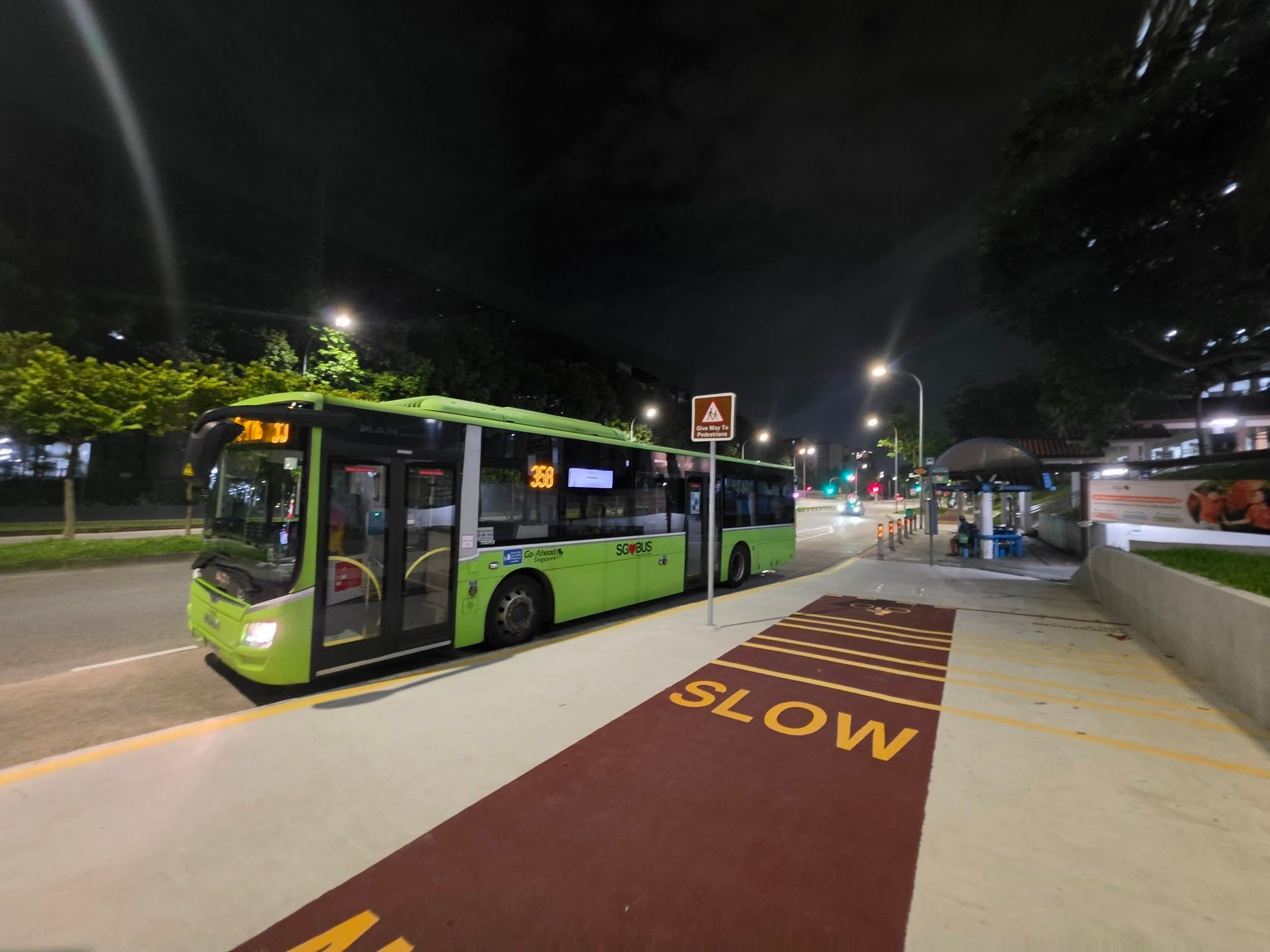
SINGAPORE: The government recently announced that it will fund a S$450 monthly increase in starting salaries for new Singaporean and permanent resident bus captains from next year in a bid to attract more locals to the profession.

Alongside a S$2,000 increase in sign-on bonuses, new local bus captains can earn around S$600 a month in their first year, increasing their average monthly salaries to over S$4,000, including overtime, allowances, and bonuses.

However, according to bus captains who have spent years in the industry, while the move may help draw more Singaporeans, retaining them could prove to be the bigger challenge.

Several bus captains told Channel News Asia (CNA) that many new recruits often leave shortly after joining, despite previous salary increases and sign-on bonus hikes introduced to attract more locals into the industry.

Besides driving safely, bus captains also have to deal with customer service, long hours on the road, and split-shift duties, demands that many new drivers may not be prepared for, one bus captain said.

Even with the announced salary adjustments, he added he doesn’t expect the retention rate to improve in the short term.

A bus captain who spoke to CNA said new recruits often leave the industry after six months to a year, adding that endure the line of work for a few months, “many can’t handle it for years.”

The Land Transport Authority (LTA) also announced that all in-service bus captains will receive a one-time salary increase, as agreed by bus operators and the National Transport Workers’ Union (NTWU).

Online, Singaporeans commented that the salary is justified given the risks and responsibilities of being a bus driver.

One commenter on r/singapore said: “Good news and a move in the right direction. These folks are doing an important (critical infrastructure) job. In other countries, bus drivers can easily raise a family on their salary. It shouldn’t be any different here.”

Another added that, with the adjusted average salary, it could already surpass that of some university fresh graduates. “Maybe those grads who cannot find a job can consider this instead,” he said.

A joint graduate employment survey released in March found that the median gross monthly salary for graduates who secured employment within six months stood at S$4,500 last year, close to the adjusted salary for local bus captains, expected to exceed S$4,000. /TISG

Read also: Jobs for Singapore graduates fall for third year as hiring slows

This article (Salary increase may attract young locals but may not retain them: Bus captains) first appeared on The Independent Singapore News.
‘Singaporeans don’t speak up because they’re damn smart!’ — SG CEO explains employees think first, ‘Will I be rewarded, or will I be punished?’ before speaking up

12 June 2026 at 21:01

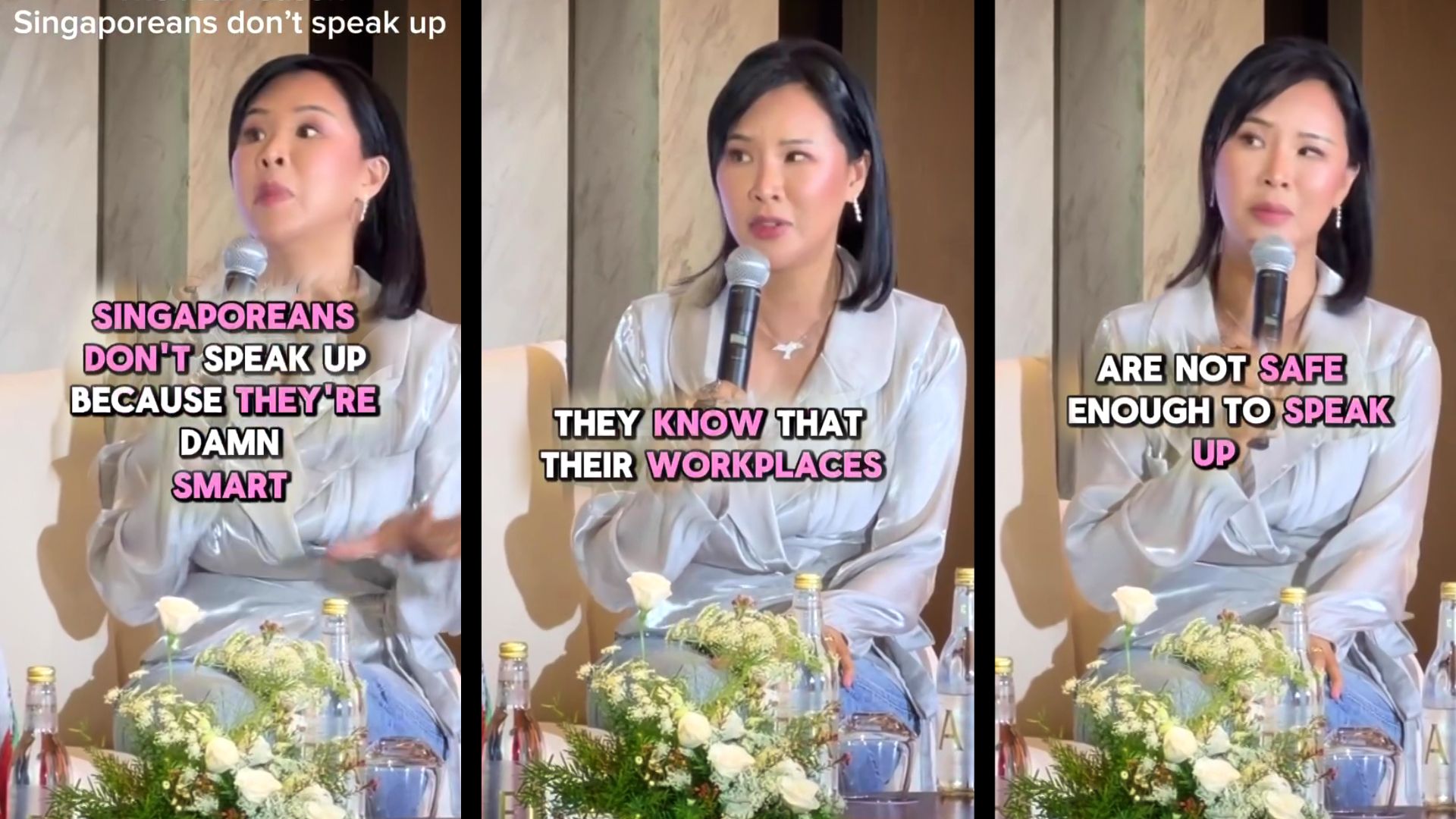
SINGAPORE: Speaking at Vogue Singapore’s inaugural Wellness Day on June 6, leadership consultant Crystal Lim-Lange explained that Singaporeans aren’t silent for lack of ideas. They stay silent because they are paying close attention.

“Singaporeans don’t speak up because they’re damn smart,” she said in a TikTok and Instagram video posted after the event, adding, “They know that their workplaces are not safe enough to speak up.”

The leadership expert’s direct take on why many Singaporeans stay silent at work has resonated with Singaporeans online, exposing toxic workplace culture, underscoring the importance of psychological safety, and raising questions about whether employees are truly free to voice their concerns when they arise.

The video has since attracted strong reactions from local employees who said her remarks mirrored exactly what they experience in many workplaces. Workers are usually encouraged to speak up if they have a problem, but many these days first watch how others are treated before deciding whether it is even worth the risk.

“Will I be rewarded or will I be punished?”

Ms Lim-Lange, founder and chief executive officer (CEO) of Forest Wolf, said employees weigh in a question to themselves, “Will I be rewarded or will I be punished?” before sharing an opinion, asking a difficult question, or even challenging a superior.

According to Ms Lim-Lange, many workers believe they already know the answer to that question. She explained that speaking up involves taking what she described as an interpersonal risk, which could mean admitting a mistake, saying “I don’t know”, or simply offering a different viewpoint that has nothing to do with a lack of communication skills.

In the video, she said organisations frequently ask her to conduct workshops that encourage employees to speak up. Her response is that such programmes are unlikely to work if deeper workplace problems remain unresolved.

She explained that employers need to improve “psychological safety, inclusion, learner safety, contributor safety and challenger safety” within the organisation before expecting employees to be more vocal.

When silence feels like the only safer option

The clip gained traction fast, with many workers in Singapore saying it captured a reality they had experienced firsthand.

Several commenters shared stories of employees being labelled difficult, sidelined or ignored after raising their concerns. Others said companies promote openness in theory but react negatively when staff challenge decisions or point out problems.

Online comments also indicated that some workers felt organisations valued obedience over thoughtful disagreement.

These reactions point to similar tensions in many workplaces. Businesses seek innovation and fresh ideas, yet employees may hesitate if past examples suggest that speaking up carries career and emotional abuse risks. For workers in such unfortunate situations, silence feels like the only safer option.

Artificial harmony: The hidden cost of keeping silent

Ms Lim-Lange believes that silence also comes at a price. Speaking to Mothership, she warned against what she calls “artificial harmony,” in which workplaces appear polite and conflict-free on the surface while important problems remain unspoken and unsolved.

Problems left unaddressed can later lead to bigger disputes, poor decisions, duplicated work, and inefficiency. Her argument is that healthy organisations should encourage respectful disagreement to progress rather than suppress it.

Leaders, she said, should reward thoughtful dissent and create space for quieter voices to contribute. Employees who challenge ideas may only want to improve outcomes rather than create problems.

As artificial intelligence continues to reshape industries, organisations may find that honest feedback and diverse viewpoints become even more valuable.

Silence that goes beyond just office life

The discussion, which has resonated with many, especially local workers, on both social media platforms, also goes beyond workplace meetings and performance reviews.

Many Singaporeans recognise the instinct to avoid rocking the boat, whether at work, in school or in social discussions. Respect for authority and social harmony have long been valued traits, but they can sometimes make difficult conversations harder to have. The challenge is finding a balance.

People should be able to raise concerns respectfully, and leaders should be willing to hear them without treating disagreement as disloyalty and/or disrespect. When that happens, speaking up becomes less of a gamble and more of a contribution.

A workplace doesn’t become innovative because employees are told to be brave. It becomes innovative when people see that honesty is welcomed, thoughtful criticism is respected, and raising concerns will not come back to haunt them with unpleasant repercussions.

This article (‘Singaporeans don’t speak up because they’re damn smart!’ — SG CEO explains employees think first, ‘Will I be rewarded, or will I be punished?’ before speaking up) first appeared on The Independent Singapore News.

  • ✇The Independent SG
  • ‘There’s 0 flexibility’: Singapore worker opens up about burnout and workplace stress Yoko Nicole
    SINGAPORE: One burnt-out employee says they are beginning to question whether their job is worth the constant stress after returning from the weekend to an inbox overflowing with “urgent” requests from colleagues. The employee, who shared their frustrations on Reddit, said they had already stayed back in the office until 9 pm the previous Friday, trying to clear a massive backlog, only to log in again after the weekend and find yet another pile of work waiting for them. “When I opened my email,
     

‘There’s 0 flexibility’: Singapore worker opens up about burnout and workplace stress

30 May 2026 at 10:31

SINGAPORE: One burnt-out employee says they are beginning to question whether their job is worth the constant stress after returning from the weekend to an inbox overflowing with “urgent” requests from colleagues.

The employee, who shared their frustrations on Reddit, said they had already stayed back in the office until 9 pm the previous Friday, trying to clear a massive backlog, only to log in again after the weekend and find yet another pile of work waiting for them.

“When I opened my email, it got flooded with urgent task after task,” the employee wrote, adding, “It just feels exhausting again since I opened my email today. I have been in this job for about 8 months, and I dread going to work every day.” 

“The workload is insane, the company culture is toxic, and there’s 0 flexibility given to me. There is no WFH, colleagues are all yes-men, and [I have] a toxic manager.”

The employee said they have been trying to push through for quite some time, repeatedly convincing themselves that “work is just work” and that things would eventually improve.

However, the situation appears to have worsened as work increasingly spills into weekends, with colleagues sending tasks during off days and clients calling outside working hours.

Now feeling completely burnt out, they turned to others online for advice and asked the question that had clearly been weighing on them for some time

“I just find myself mentally and physically drained. Should I just quit?” they wrote.

“If you want to quit, find a job first. The market is volatile.”

The post quickly drew responses from other Singaporeans, many of whom shared similar experiences working in high-pressure environments.

One Redditor, who said they had once been in the same situation, urged the employee to begin searching for a new role immediately.

“Start your job hunt now. Disregard any and all negatives; mental health is often under-appreciated. No point in daily torturing yourself, especially if you’re below your 40s; there’s still a long runway ahead. I’m in my 50s and honestly don’t care, just working towards my final 1/3 of working life… You will do better once you take the 1st step.”

Another commenter suggested a different approach and advised the employee to simply “quiet quit.”

“Just quiet quit. Weekends are for resting. These people know no boundaries in disturbing your off days. If they try to pinpoint your mistakes, make sure to keep all receipts to cover your ass. Don’t think it’s right to squeeze people dry like that.”

A third commenter shared that they had also resigned from a similarly toxic situation.

“I was in a similar situation as you, and I chose to leave on impulse while I was interviewing. It was really a leap of faith; I cried multiple times because I was anxious, and I really guilt-tripped myself because I had big-ticket items coming up (BTO, wedding). I think ultimately it depends on whether you have big-ticket items coming up and if you’re okay with losing that ‘leverage.’”

A fourth added, “Always use this as a guideline nowadays—if you want to quit, find a job first. The market is volatile.”

In other news, a Singaporean who graduated from a “well-known” university in the United Kingdom revealed online that despite sending out more than 100 job applications since December 2025, she is still unable to secure a full-time role.

In a post shared on a local forum on Friday (May 22), the graduate said she returned to Singapore believing her qualifications and experience would give her a decent shot at landing work.

Read more: UK graduate says she has sent over 100 job applications but still cannot land marketing role in Singapore

This article (‘There’s 0 flexibility’: Singapore worker opens up about burnout and workplace stress) first appeared on The Independent Singapore News.

❌
Subscriptions