Normal view

  • ✇The Guardian World news
  • Irish parliament votes to remove three-day abortion wait Rory Carroll Ireland correspondent
    Waiting period before receiving medication was included in draft law to gain support for abortion ban in 2018 referendumIreland’s parliament has voted to remove a mandatory three-day wait for abortion during early pregnancy after campaigners said the rule was an unnecessary restriction.The Dáil passed the bill on Wednesday night, clearing a path for the legislation to go to a parliamentary committee and become law later this, or next, year. Continue reading...
     

Irish parliament votes to remove three-day abortion wait

Waiting period before receiving medication was included in draft law to gain support for abortion ban in 2018 referendum

Ireland’s parliament has voted to remove a mandatory three-day wait for abortion during early pregnancy after campaigners said the rule was an unnecessary restriction.

The Dáil passed the bill on Wednesday night, clearing a path for the legislation to go to a parliamentary committee and become law later this, or next, year.

Continue reading...

© Photograph: NurPhoto/Getty Images

© Photograph: NurPhoto/Getty Images

© Photograph: NurPhoto/Getty Images

  • ✇MyFitnessPal Blog
  • Foods That Help Skin Elasticity: 7 Picks for Firmer-Looking Skin Reem Tolba
    If you’ve been searching for foods that help skin elasticity, you might be surprised to learn that many of them are everyday foods. A steady pattern of protein-rich foods, vitamin C-rich produce, healthy fats, and colorful plants can help support the structures that give skin its strength and bounce, while still fitting into real life, real schedules, and real meals. (1) If you’re curious how often these foods show up in your routine, logging your meals in MyFitnessPal for a few days may
     

Foods That Help Skin Elasticity: 7 Picks for Firmer-Looking Skin

28 May 2026 at 13:00
Cut kiwi in a bowl - foods that help with skin elasticity

If you’ve been searching for foods that help skin elasticity, you might be surprised to learn that many of them are everyday foods.

A steady pattern of protein-rich foods, vitamin C-rich produce, healthy fats, and colorful plants can help support the structures that give skin its strength and bounce, while still fitting into real life, real schedules, and real meals. (1)

If you’re curious how often these foods show up in your routine, logging your meals in MyFitnessPal for a few days may help you spot patterns in protein, produce, and healthy fats.

“Skin-supportive eating is less about chasing one ‘perfect’ beauty food and more about consistently pairing protein, vitamin C, and colorful plants across the day,” says Brookell White, MS, RDN, MyFitnessPal dietitian. 

Why Skin Elasticity Matters

Skin elasticity is your skin’s ability to stretch and spring back. In the deeper layer of the skin, cells produce collagen and other proteins that help keep skin firm and flexible. As we age, these structures naturally change, and factors like sun exposure can speed up visible signs of aging. (1,2)

This is where food comes in—not to stop aging, but to support your skin from within. Food cannot freeze time, but it can help supply the nutrients involved in collagen formation, antioxidant defense, and the skin’s everyday repair process. (1,2)

How Food Helps Support Skin Elasticity

A quality diet to help skin is not built around one miracle ingredient. It is built around a pattern.

Vitamin C is one of the most important nutrients in that pattern because it is required for collagen biosynthesis. (3) Protein matters because your body needs it to build and repair tissues. (1) Fatty acids and antioxidant-rich plant compounds also play useful roles in skin health and photoaging support. (1)

That means the best foods for skin are usually not trendy at all. They are often the same foods that support your overall health.

7 Foods That Help Skin Elasticity

1. Vitamin C-rich fruits and vegetables

If your goal is to support collagen production, this is the place to start. Vitamin C is required for collagen biosynthesis, and many of the foods people already think of as “fresh” or “glowy” foods happen to fit the bill perfectly. (2,3)

Great options include:

  • Citrus fruits (12)
  • Kiwifruit (13)
  • Strawberries (14)
  • Green and red peppers (15,16)
  • Broccoli (17)
  • Brussels sprouts (18)

These are some of the most practical foods that help the skin because they are easy to add to breakfast, lunch, dinner, or snacks. A kiwi with yogurt, sliced peppers with hummus, strawberries in oatmeal, or broccoli next to salmon may not look glamorous, but those small choices add up.

2. Protein-rich foods

A strong foods-for-skin plan needs enough protein. Skin is a protein-rich tissue, and dietary protein helps support the body’s ongoing repair and renewal processes. (1)

Think: (19)

  • Fish
  • Eggs
  • Greek yogurt
  • Cottage cheese
  • Chicken or turkey
  • Tofu
  • Lentils and beans

If you’re unsure whether you’re getting enough protein throughout the day, tracking meals in MyFitnessPal can give you a quick snapshot of your daily intake.

White says, “when it comes to skin health, consistency matters more than a single ‘superfood.’ Regularly including a quality protein source in your meals is often a more practical and sustainable approach.” 

3. Foods with collagen

If you’ve been wondering what foods have collagen, the answer is straightforward: collagen is naturally found in animal-based foods that contain connective tissue. (4)

So, when people ask about foods with high collagen, the conversation usually points toward animal foods that include skin or connective tissue, along with collagen-derived foods such as gelatin. (20)

After digestion, collagen is broken down into smaller peptides that can be absorbed and may help support skin structure and elasticity (1). But they work best as part of a balanced diet that also provides protein, vitamin C, and other nutrients involved in collagen production (1).

4. Fatty fish

Fatty fish deserves a place on nearly every list of what foods are best for your skin. It offers protein, and it also provides omega-3 polyunsaturated fats that have been studied for protective effects related to UV-induced skin damage and photoaging. (1,6)

Smart picks include: (6)

  • Salmon
  • Sardines
  • Herrings
  • Mackerel

Fatty fish is one of those ingredients that quietly does a lot of work. It is satisfying, versatile, and easy to build into meals. A simple salmon bowl, sardines on toast, or trout with roasted vegetables can be a meaningful habit with very little effort.

5. Tomatoes and other carotenoid-rich produce

Tomatoes are especially interesting in the skin-aging conversation because they provide lycopene, a carotenoid that has been studied for photoprotective effects. In one randomized controlled trial, women who consumed tomato paste daily for 12 weeks showed changes consistent with better protection against UV-induced skin damage. (7,10)

More broadly, carotenoids have been studied for anti-oxidative, anti-inflammatory, and photoprotective roles in skin aging. (10)

That makes tomatoes, pumpkin, sweet potatoes, carrots, leafy greens, and other colorful produce worth keeping in rotation. These help support healthier skin over time. (10)

6. Almonds and other nuts and seeds

A handful of almonds could be doing your skin a favor, too. In a study of postmenopausal women, participants who ate almonds every day had improvements in wrinkles and facial pigmentation compared with those who ate a calorie-matched snack. (8)

That does not mean almonds are a wrinkle cure. It does mean they are a compelling example of how an everyday food can fit into a skin-supportive routine. Nuts and seeds also bring healthy fats, vitamin E, and Biotin to the table, which is one reason they show up so often in conversations about healthy food for good skin. (8,11)

Easy ways to use them:

  • Top your oatmeal with almonds
  • Add chia or pumpkin seeds to yogurt
  • Sprinkle sunflower seeds on salads
  • Enjoy a small handful of nuts as an afternoon snack

7. Soy foods

If you prefer plant-based options, soy is worth considering. Soy foods are the main dietary source of isoflavones, compounds that have been studied for their potential skin benefits. (9) In one randomized trial of postmenopausal women, soy protein with isoflavones improved several signs of facial photoaging and skin hydration over time. (9)

Practical soy foods include: (9)

  • Tofu
  • Tempeh
  • Edamame
  • Soy milk

This is also a nice reminder that a diet to help skin does not have to be built around animal foods. Plant-based meals can still provide a variety of nutrients that contribute to overall skin health.

How to Eat for Steady Skin Support

You do not need to overhaul your life to eat in a way that supports healthier-looking skin. A more useful approach is to build meals around a simple formula:

  • One protein-rich food
  • One colorful fruit or vegetable
  • One source of healthy fat

That could look like:

  • Greek yogurt with kiwi and chia
  • Eggs with sautéed peppers and avocado
  • Salmon with broccoli and potatoes
  • Tofu stir-fry with edamame and red peppers
  • Oatmeal with strawberries and almonds

Dermatologists generally recommend meeting nutrient needs through food first when possible, which is one more reason this approach works so well. (11) It may be more sustainable and flexible to do so.

“If your goal is healthy skin, focus on what you can repeat: Consuming fatty fish a few times a week, adding vitamin C rich produce to your breakfasts, eating a serving of nuts and seeds as your go-to snack, or any habit that feels easy enough to keep,” says White.

Frequently Asked Questions (FAQs)

  • What foods are best for your skin?

The best foods for skin are those that provide nutrients involved in collagen production and protection against skin damage. These include vitamin C-rich fruits and vegetables like citrus and peppers, protein-rich foods such as fish, eggs, and yogurt, healthy fats from foods like fatty fish, and antioxidant-rich produce such as tomatoes and leafy greens. (1,2,3,6,7)

  • What foods have collagen?

Collagen is naturally found in animal flesh like meat and fish that contain connective tissue, and collagen-derived foods such as gelatin also come from animal tissues. Plant foods do not contain collagen, but they can help support collagen production through nutrients such as vitamin C. (4,3)

  • Can diet alone keep skin firm?

Not completely. Skin aging is influenced by multiple factors, including age and environmental exposure, not just nutrition. Food can delay the process, but it works best alongside habits like sun protection and overall healthy living. (1,6)

Bottom Line

The most effective foods that help skin elasticity are not exotic, expensive, or hard to find. They are the foods that can easily be found at your local grocery store and continue to show up in a balanced kitchen.

That is good news. It means healthier-looking skin does not have to come from a dramatic reset. It can come from a handful of repeatable choices. Small habits are often the most reliable ones because they tend to have more lasting power. (21)

Tools like MyFitnessPal may also help you notice those habits over time. By tracking your meals for a few weeks, you may start to see patterns between the foods you regularly eat and how your skin looks and feels.

The post Foods That Help Skin Elasticity: 7 Picks for Firmer-Looking Skin appeared first on MyFitnessPal Blog.

How a pregnancy complication reshaped an Arkansas woman's view of abortion bans

17 June 2026 at 22:30
A majority of Republicans continue to oppose abortion, but there's been a shift in opinion among other Americans. More Democrats and independents now say abortion should be legal, and there are even conservatives questioning their own views in response to state bans. Special correspondent Sarah Varney brings us the story of one Arkansas woman whose own pregnancy changed how she sees abortion.

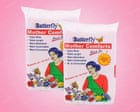
‘Period tax’ on sanitary products to be abolished, says Pakistan minister

Campaigners welcome announcement cutting levies on menstrual health items, but say their work to end period poverty is ‘far from over’

Pakistan plans to abolish “period tax”, in a victory for young campaigners who had taken the government to court over the charges.

Finance minister Muhammad Aurangzeb announced that sanitary towels and related items were “daily necessities that are indispensable for women’s health, dignity and full participation in social activities”, and said he intended to remove the sales tax.

Continue reading...

© Photograph: Butterfly

© Photograph: Butterfly

© Photograph: Butterfly

  • ✇MyFitnessPal Blog
  • Strength Training Nutrition for Women Over 40: A Guide to Building Muscle Liz Shaw MS · RDN · CPT
    As a woman approaching 40 myself, I understand firsthand the shifts that can come with this stage of life … perimenopause, menopause, and beyond. From gradual body composition changes to dips in energy and mood changes to hot flashes, these experiences are common, and you may be noticing some of them too (1,2). What can feel especially frustrating is doing all the “right” things, yet not seeing the changes you expect. If that sounds familiar, you’re not alone. Many of the women I work with s
     

Strength Training Nutrition for Women Over 40: A Guide to Building Muscle

By: Liz Shaw MS · RDN · CPT
18 June 2026 at 13:00
Women being trained on strength-building machine

As a woman approaching 40 myself, I understand firsthand the shifts that can come with this stage of life … perimenopause, menopause, and beyond. From gradual body composition changes to dips in energy and mood changes to hot flashes, these experiences are common, and you may be noticing some of them too (1,2).

What can feel especially frustrating is doing all the “right” things, yet not seeing the changes you expect. If that sounds familiar, you’re not alone. Many of the women I work with share the same concerns. The good news is that with a few adjustments, consistent effort, and a shift in approach, meaningful progress is absolutely within reach, especially when strength training becomes part of your routine (3).

Strength training isn’t about chasing a certain look or striving for perfection. It’s one of the most well-supported, effective ways to support your body through hormonal changes, preserve and build muscle, and feel stronger, more energized, and more capable in everyday life (3). Keep reading to learn why building muscle is essential after 40 and how to properly fuel your body to support it.

Why Strength Training Matters More For Women After 40

The beauty of getting older is that you certainly become wiser (or so I believe!) The downside of getting older is that your muscle mass and bone density begin to take a hit unless you’re proactively doing things to maintain it, especially during the season of menopause (4). 

Here are 4 reasons why strength training matters more for middle-aged women:

  • It counteracts muscle loss. 

Declining estrogen levels before, during and after menopause can alter your body’s ability to maintain lean muscle mass (4). Regular strength training counteracts this, helping to build and maintain lean muscle mass (5). 

  • It modifies body composition. 

We’re not talking about the number on a scale here, we’re talking about the percent of muscle to fat you carry. Regular strength training is important to build muscle, supporting a leaner body composition, meaning you have more muscle than fat. This bodes well for total body health as you age (6). Not only will you burn more calories at rest but your risk of developing other conditions related to high body fat go down as well (7). 

  • It protects bone density (reducing fracture risk). 

Putting pressure on your bones through strength training helps preserve bone density, a key component of healthy aging (3). While diet plays a role as well, movement, like strength training, also plays an important role (3). 

  • It supports metabolic and hormonal health  (3)

Research shows consistent strength training helps improve metabolic and hormonal markers, as well as may reduce hot flashes and improve heart rate and blood pressure (3). Consistency is key to seeing these results, so adding a variety of strength training exercises into your routine (with appropriate supervision) is important. 

Building Muscle For Women in Their 40s With Strength Training

Building muscle doesn’t mean you need a gym membership or have to train like an Olympian. Consistent strength training, done right at home with minimal equipment, can be highly effective for building and maintaining lean muscle. And no, gaining muscle doesn’t mean getting bulky. It means feeling stronger, looking more defined, and being better prepared to handle the hormonal shifts of midlife without compromising your health (3).

Working with a personal trainer or qualified fitness professional can be helpful for tailoring exercises to your individual needs and comfort level. But if that’s not always accessible, here are a few practical options to get started on your own.

Strength Training Exercises for Perimenopause and Menopause

Compound movements, or exercises that engage multiple muscles at once, are an efficient way to incorporate resistance training into your routine (8). Starting with lighter loads, or even just your body weight depending on your current fitness level, is perfectly fine. The goal is to gradually increase the challenge over time, a principle known as progressive overload, which is key to building and maintaining lean muscle (9).

Note, research is ongoing as to the best types of strength training to include for women during menopause, but current evidence suggests that incorporating any form of strength training is beneficial (3). Consider adding these exercises into your strength training routine. 

  1. Squats

How to Perform: Stand with feet shoulder-width apart, support your core, push your hips back and bend your knees, lowering your body as if sitting into a chair. Keep your chest up and weight in your heels, then press through your feet to return to standing.

Modification: Make it easier by using a chair for support or not going down as far in the squat. Make it harder by adding free weights. 

Benefit in Midlife: Supports everyday movements, from sitting to standing. 

  1. Deadlifts 

How to Perform: Stand with feet hip-width apart, holding weights in front of your thighs. Hinge at your hips by pushing them back while keeping a neutral spine and slight knee bend. Keep the weights close to your legs as you lower them until your torso is nearly parallel to the floor or you reach your comfortable range of motion, then drive through your heels and squeeze your glutes to return to standing.

Modification:  If you have lower back pain, reduce how far you bend down. To increase the challenge, consider a standing one-leg deadlift (which also builds core strength and balance.) 

Benefit in Midlife: Protects lower back and strengthens muscles that support posture. 

  1. Push-ups

How to Perform: Start in a plank position with hands under your shoulders, core braced. Lower your body in a straight line by bending your elbows until your chest is close to the floor, then push back up to the starting position while keeping your core engaged.

Modification: Start on your knees to make it a bit easier. For those more advanced, increase the challenge by raising one leg.

Benefit in Midlife: Supports core stability, posture, and builds upper body strength. 

  1. Kettlebell (or Dumbbell) Swings 

How to Perform: Stand with feet slightly wider than hip-width, grip the kettlebell (or dumbbell) with both hands, hinge at your hips. Lower the weight back between your legs, then explosively extend your hips and squeeze your glutes to propel the weight forward, raising it to chest level before lowering it (with control) back down.

Modification: Complete this with a small weight or towel to get the movement down until you’re ready to add heavier weights. 

Benefit in Midlife: Supports posture, hip strength, glutes and core. 

Frequency and Consistency in Your Routine

National guidelines recommend at least two days per week of resistance training to gain its full health benefits, and that recommendation remains especially important during midlife (10). If you’re just starting out with strength training, begin with two sessions per week and gradually build up to three or four, focusing on different muscle groups each time to allow for recovery.

If you already feel comfortable with resistance training, you can continue progressing by increasing your weights or adding an extra set to further challenge your muscles and support continued strength gains.

Safety, Stability, and Mobility

As you get started including strength training as part of your routine, you need to keep safety top of mind. It will do you no good if you head into your first workout and pull a muscle. That’s why the key to safe, effective strength training you can do for the long run should prioritize these components: 

  • Include a warm-up and cool-down period. 
  • Don’t neglect mobility training.
  • Incorporate regular core strength to support posture. 
  • Focus on proper form. 
  • Listen to your body, take rest days. 

Nutrition and Fueling Your Training

Strength training is only one piece of the puzzle. You need to properly fuel your training to see the results you want, especially when it comes to those body composition changes (11). Keep these strategies in mind as you plan your weekly meals to support your strength training routine. 

  • Prioritize protein.Protein is important, especially for supporting muscle tissue after a resistance training session (11). More isn’t necessarily better, though, depending on your personal health history and starting point. Research also supports emphasizing plant-based protein sources while meeting your individual needs (11).
    • Goal: 0.8 – 1.2 g/kg/day (11)
      • For a female weighing 150-pounds, this would be between 54 and 82 grams per day.
  • Incorporate complex carbs. Whole grains, fruits, and starchy-veggies, like sweet potatoes, are great sources of complex carbohydrates that provide a variety of vitamins, minerals, and other micronutrients to keep your body supported while strength training. These foods offer important fuel for your muscles and provide fiber, a key nutrient that supports satiety (11).
  • Consider foods rich in micronutrients that support bone density, like calcium, vitamin D, vitamin C, and boron (11,12). Think dairy foods like Greek yogurt, low-fat cottage cheese, and even dried fruit, like prunes (11). 
  • Don’t neglect sleep. Sleep is an important piece of the menopause support system (2). You’re more likely to get injured during your strength training session if you’re running low on sleep. Stick to a consistent wind-down routine and prioritize logging those zzz’s. 

Some of our user favorite MyFitnessPal recipes that support your nutrient needs for strength training include: 

Breakfast: 

Main Meals: 

Bottom Line

Age is just a number, meaning unless you’ve been specifically advised otherwise by your medical team, building strength and improving overall health is achievable at any stage of life. In fact, midlife is one of the most important times to prioritize strength training for women. Consistent strength training supports muscle mass, bone density, metabolism, and even mood as you navigate the changes of menopause. And the best part? Your own bodyweight is enough to get started at home.

When combined with supportive nutrition and healthy lifestyle habits, strength training can help you move through this season with greater confidence, energy, and ease. Surrounding yourself with a like-minded community can make all the difference along the way. You can join the MyFitnessPal community here to find the support and motivation you’ve been looking for. We can’t wait to see the strength you build.

The post Strength Training Nutrition for Women Over 40: A Guide to Building Muscle appeared first on MyFitnessPal Blog.

Breast cancer and endometriosis drug Zoladex is being pulled from Australia. How will women be affected?

10 June 2026 at 15:00

The vital medicine, made by AstraZeneca, will not be available from November, possibly leaving thousands of women without treatment

Thousands of women could be left without vital breast cancer and endometriosis medicine when AstraZeneca removes its treatment from the Pharmaceutical Benefits Scheme (PBS) and the private market, experts warn.

Zoladex will no longer be available in Australia from November, as the ABC first reported, but some existing patients will still be able to access it for an additional six months.

Continue reading...

© Photograph: Olena Malik/Getty Images

© Photograph: Olena Malik/Getty Images

© Photograph: Olena Malik/Getty Images

❌
Subscriptions