Normal view

One Nation surges to first on primary votes in two new polls

Four federal polls have been released since Sunday. One Nation has taken the primary vote lead from Labor in both the Redbridge and YouGov polls and is tied with Labor in the Morgan poll. Labor held a primary vote lead in Fox & Hedgehog.

If the polls are ranked by the overall vote for One Nation and the Coalition, the F&H poll is Labor’s worst, with the right vote at 52%. The right had 51% in Redbridge, 49% in YouGov and 47% in Morgan.

Labor still led One Nation by respondent preferences in all four polls, though only by 51–49 in Redbridge. In F&H, Labor trailed the Coalition on respondent preferences, but led in the other polls.

Morgan and YouGov had polls taken immediately after the budget. One Nation has gained in both these polls from their post-budget editions.

The next federal election is not due until early 2028. If the changes introduced in the budget pass parliament, they will mostly be implemented from July 2027. Analyst Peter Brent suggests Labor may regain ground if the sky doesn’t fall in after July 2027.

Redbridge poll

A national Redbridge and Accent Research poll for The Financial Review, conducted May 25–28 from a sample of 1,005, gave One Nation 31% of the primary vote (up four since the last Redbridge poll in late April), Labor 28% (down three), the Coalition 20% (down two), the Greens 12% (down one) and all Others 9% (up two).

By respondent preferences, Labor led both One Nation and the Coalition by just 51–49, a four-point gain for One Nation and a three-point gain for the Coalition. By 2025 election preference flows, Labor led the Coalition by 52–48, a one-point gain for the Coalition.

Anthony Albanese’s net favourability slumped ten points to -19. Treasurer Jim Chalmers also crashed 13 points to -18. Greens leader Larissa Waters was down two points to -6, Liberal Andrew Hastie down six points to -6, Angus Taylor down two points to -4, Nationals leader Matt Canavan down two points to -4 and Pauline Hanson up one point to net zero.


Read more: View from The Hill: Could One Nation be the unofficial opposition at the 2028 poll?


In a three-way preferred PM question, Albanese had 31% (down two), Hanson 25% (up two) and Taylor 14% (steady).

By 55–23, respondents thought the federal budget would be bad for the nation rather than good. By 48–11, they thought it would be bad for them personally.

On issues, the combined score for the Coalition and One Nation led the combined score for Labor and the Greens by 39–28 on cost of living, 35–29 on housing, 55–20 on immigration, 42–25 on economic management, 42–23 on crime and 42–24 on national security.

The left had a 36–32 lead on healthcare and a 40–24 lead on climate change. The right has gained on issues that were assessed in late April.

YouGov poll

A national YouGov poll for Sky News, conducted May 26 to June 2 from a sample of 1,471, gave One Nation 29% of the primary vote (up four since the mid-May YouGov poll), Labor 26% (down two), the Coalition 20% (down three), the Greens 13% (steady), independents 6% (up one) and others 6% (steady).

By respondent preferences, Labor led One Nation by 52.5–47.5, a 0.5-point gain for One Nation. Labor led the Coalition by 51.5–48.5, a 0.5-point gain for the Coalition.

Albanese’s net approval slumped seven points to -26 with 60% dissatisfied and 34% satisfied. His net approval has dived 12 points in the last two YouGov polls. Albanese led Taylor as preferred PM by 41–39 (41–38 previously). He led Hanson by 47–41 (50–38 previously).

By 46–31, respondents supported One Nation and the Coalition working together to form government. Among One Nation voters, this was 53–25 support and among Coalition voters 45–28 support.

The previous YouGov poll was taken after the May 12 budget, so this poll suggests further damage for Labor and Albanese and gains for One Nation since the immediate budget aftermath.

Fox & Hedgehog poll: combined right vote jumps

A national Fox & Hedgehog poll for News Corp, conducted May 25–26 from a sample of 1,700, gave Labor 29% of the primary vote (down one since the late March F&H poll), One Nation 27% (up four), the Coalition 25% (up two), the Greens 10% (down three) and all Others 9% (down two).

By respondent preferences, the Coalition led Labor by 51–49, a two-point gain for the Coalition. This is the first Coalition lead in a poll other than Essential. Labor led One Nation by 54–46, a two-point gain for One Nation.

Albanese’s net approval was down three points to -22, with 51% disapproving and 29% approving. Taylor’s net approval was steady at net zero (29% both approving and disapproving). Hanson was down one point to +8 (44% approve, 36% disapprove) and Chalmers was down five points to -17 (37% disapprove, 20% approve). Taylor led Albanese as preferred PM by 38–36 (39–35 to Albanese previously).

If a teal-style party ran, this poll suggests it would get 6%, with that support coming most at the expense of Labor (down three points to 26% vs the standard question). There would be no effect on the combined vote for One Nation and the Coalition.

Just 28% thought Labor had done enough to deserve re-election while 57% thought it was time to give someone else a go. But by 44–30 and 45–40, respondents thought the Liberals and One Nation respectively were not ready for government.

By 47–19, respondents had an unfavourable view of the federal budget. By 59–20, they did not trust the Labor government’s promise not to introduce taxes on the family home or death taxes in future budgets.

Morgan poll: Labor and One Nation tied on primary votes

A national Morgan poll, conducted May 25–31 from a sample of 1,542, gave Labor 27% of the primary vote (down 0.5 since the May 18–24 Morgan poll), One Nation 27% (up 1.5), the Coalition 20% (down three), the Greens 13.5% (steady) and all Others 12.5% (up two).

By respondent preferences, Labor led One Nation by an unchanged 53.5–46.5. Labor led the Coalition by 55.5–44.5, a 2.5-point gain for Labor. By 2025 election flows, Labor led the Coalition by 53.5–46.5, a 1.5-point gain for Labor.

Since the budget, One Nation’s support has increased every week in Morgan’s polls. Morgan had not been friendly for One Nation prior to the budget.

The Conversation

Adrian Beaumont does not work for, consult, own shares in or receive funding from any company or organisation that would benefit from this article, and has disclosed no relevant affiliations beyond their academic appointment.

‘Do you want a player to die on court?’ – athlete wellbeing concerns heat up at the French Open

During the first week of the French Open in Paris, concerns grew for player wellbeing as many competitors struggled with the extreme heat.

World No.1 Jannik Sinner wilted in his second-round match, while Jakub Mensik collapsed for nearly five minutes after playing in the heat.

But these concerns extend beyond this year’s French Open.

Several players criticised conditions at the 2025 Shanghai Masters. Denmark’s Holger Rune summed up frustrations when he asked:

do you want a player to die on court?

It is also a perennial topic raised during the Australian and US Opens, played during peak summer periods in those countries.

This is compounded by tennis’s almost year-round season.

Together, these pressures raise questions about whether player welfare is being prioritised in modern tennis.

What exactly is tennis’ heat policy?

In recent years, various tennis tournaments have introduced several measures to help players cope with extreme heat:

  • ten-minute cooling breaks in between sets
  • ice towels
  • courtside fans
  • medical monitoring
  • additional hydration opportunities.

All four Grand Slam tournaments now also have stadium courts with retractable roofs.

But each tournament has its own heat policy.

At the French Open, officials use a measurement called the “Wet Bulb Global Temperature (WBGT)” to monitor extreme heat. It combines air temperature, humidity, solar exposure and wind speed to estimate how stressful conditions are for the body.

When the WBGT reaches 30.1°C (86°F) at the French Open, players receive a ten-minute cooling break. If it reaches 32.3°C (90°F) – roughly equivalent to an air temperature of 38°C (100°F) – play can be suspended.

But the French Open has never suspended play due to extreme heat. This contrasts with the Australian Open.

The Australian Open’s heat policy more frequently allows play to be suspended in extreme conditions and allows stadium roof closures – a provision not used at the French Open.

Inconsistent heat policies extend beyond the grand slams. The Association of Tennis Professionals (ATP) only introduced a formal heat policy in 2026. By contrast, the Women’s Tennis Association (WTA) has had a heat policy in place for the best part of 30 years.

What more could tennis do?

Unlike most sports, tennis is not governed by a single international body.

Instead, tennis is governed by the ATP, the WTA, the International Tennis Federation and the four Grand Slam tournaments. As a result, tournament schedules, competition rules, heat management measures and player welfare policies are often set by different organisations.

This governance structure has also contributed to the expansion of the tennis season.

In recent years, players have raised concerns about an increasingly crowded schedule, and the limited opportunities for rest and recovery.

In response to these concerns, the Professional Tennis Players Association was founded in 2019. The organisation seeks to give professional players a stronger voice in decisions that affect their career and wellbeing.

In 2025, the association launched legal action against tennis’s governing bodies. The organisation argued the sport’s governance structure contributes to excessive scheduling demands and fails to adequately protect player health, safety and wellbeing.

The legal case is still before the courts and its outcome remains unclear. What is clear, however, is tennis’s fragmented governance structure has contributed to inconsistent player welfare protections.

This all compounds during events that feature five-set matches, which can extend beyond four, or even five hours of play.

In isolation, elite tennis players are well equipped to cope with the stress of long matches. However, five-set matches are not held in isolation. When combined with a congested schedule, extreme heat and inconsistent player welfare policies, they can place additional strain on athletes.

What are some possible solutions?

Tennis needs a more consistent approach to governance and player welfare.

To better protect players, tennis should adopt a standardised heat policy. This would ensure consistent safeguards regardless of where a tournament is played.

A second suggested change is reducing the season length. Decreasing the number of tournaments would give players more time to recover, create greater flexibility to schedule matches at night or postpone play during extreme heat.

Players can rest during the season and not play every tournament, but few do so because of the pressures to retain and improve their ranking points.

Any efforts to shorten the tennis calendar would also face significant financial barriers. Fewer tournaments would likely reduce broadcasting, ticketing, and advertising revenues, making reform difficult under the sport’s current governance agreements.

Therefore, greater cooperation between tennis’s governing bodies and more unified leadership across the sport is urgently needed.

Maintaining the status quo risks exposing players to greater harm and may prove more costly for tennis in the long-term.

The Conversation

Paul Bowell does not work for, consult, own shares in or receive funding from any company or organisation that would benefit from this article, and has disclosed no relevant affiliations beyond their academic appointment.
A ‘supereruption’ transformed NZ 350,000 years ago. We now know how it happened

Deposits from the Whakamaru supereruption are pictured here on Chatham Island. Katherine Holt, CC BY-NC-ND

Some 350,000 years ago, the centre of New Zealand’s North Island appeared much different than the mountainous, scrub-covered landscape it is today.

Amid a glacial period, temperatures were colder and conditions harsher. Vast beech and podocarp forests blanketed the region, providing habitat for abundant native birdlife.

It was against this tranquil backdrop that the one of the Earth’s most explosive eruptions violently unfolded, releasing enough material to carpet much of the country.

Now, colleagues and I have pieced together traces left by the event to provide an unprecedented picture of how it happened – while shedding important new light on the mechanics of those rare cataclysms that are known as supereruptions.

Reconstructing a supereruption

The Whakamaru supereruption was one of the largest ever recorded on Earth – and the greatest produced by New Zealand’s famous Taupō Volcanic Zone.

Stretching from Whakaari/White Island to Ruapehu, this dynamic area is the product of two powerful geological processes: the Pacific Plate sinking beneath the Australian Plate, and the central North Island simultaneously being pulled apart.

It is home to numerous volcanic features today, from geothermal fields with bubbling hot springs and mud pools, to caldera systems and active stratovolcanoes.

Throughout its 2-million-year history, the zone has experienced four known events of such immense scale that they are formally classified as supereruptions – or those that would score a maximum 8 on the Volcanic Explosivity Index.

Only a few dozen have ever been recorded worldwide – the most recent being the Ōruanui eruption that helped create Lake Taupō around 25,300 years ago.

For volcanologists, they pose some of the field’s greatest mysteries: how can so much magma build up below the surface, and then erupt all at once? And what happens to the surrounding landscapes?

To help answer these questions, we turn to preserved volcanic deposits that can be used to reconstruct the processes that play out during these rare events.

Two signature products of supereruptions are “flow” deposits – hot, dangerous masses of rock and gas that travel along the ground – and “fall” deposits, typically mixtures of crystals and volcanic glass that fall from the air.

The challenge for volcanologists is that typically only fragments of these deposits are preserved – and they are often scattered across great distances.

In the Whakamaru supereruption, massive pyroclastic flows left behind thick layers of dense volcanic rock across the Whakamaru and King Country regions. Ash and pumice spread much farther, blanketing much of the North Island and parts of the Pacific Ocean.

One of the first steps in our study was to build a database of these deposits by matching the unique chemical signature of volcanic glass produced during the eruption.

Glass shards from the Whakamaru Supereruption under the electron microprobe. Provided by author, CC BY-NC-ND

This process is similar to forensic science at a crime scene: fingerprints may suggest a suspect, but DNA evidence can confirm the match. In volcanology, deposits can offer clues as to how they got there, but it is their chemical composition which provides the definitive link.

Using this approach, we analysed more than 30 sites around New Zealand and the south Pacific Ocean. All were found to have come from the Whakamaru supereruption.

With these correlated, we were then able to reconstruct this extraordinary episode.

How the supereruption unfolded

At the beginning of the eruption, a large lake likely lay within the central North Island, much like Lake Taupō today.

When the magma reached the surface, it erupted directly into this lake, triggering extremely violent interactions between magma and water, which drove the earliest phase of the eruption.

One of the ashfall deposits from the Whakamaru supereruption at Ōtarawairere, Bay of Plenty. Provided by author, CC BY-NC-ND

It appears this first phase was driven by the evacuation of a singular magma body.

As the eruption progressed, the lake was gradually destroyed and infilled. Eventually, the system transitioned into a much drier style of volcanism.

At the same time, the eruption evolved into a far larger and more complex event beneath the surface. Instead of being fed by one magma chamber, it appears to have triggered a cascading sequence involving at least five separate magma bodies erupting at once.

The amount of ash generated by the eruption is staggering.

Most of the North Island – and even far-away Chatham Island – would have been carpeted in around 30cm or more of material. Areas closer to the eruption were left buried under as much as 4.5m of ash.

One of the ashfall deposits from the Whakamaru supereruption, ~800 km from source on Chatham Island. Provided by author, CC BY-NC-ND

Hot, dense pyroclastic flows also swept across the landscape, leaving deposits up to hundreds of metres thick closer to the eruption source.

Altogether, we estimate the eruption released around 2,300 cubic kilometres of volcanic material – enough to bury the entirety of New Zealand beneath roughly nine metres of debris if spread evenly from Cape Reinga to Invercargill.

Ashfall deposits (the upper, whiter layers) from the Whakamaru supereruption at the Waiotahe Cliffs, Bay of Plenty. Provided by author, CC BY-NC-ND

Today, the Taupō Volcanic Zone remains one of the most active and powerful volcanic systems on Earth.

Although supereruptions like Whakamaru are rare, Taupō volcano has produced many smaller yet still devastating eruptions throughout its history, all of which would have had major impacts on both New Zealand and the wider world.

Understanding how these types of volcanoes operate is essential, both in preparing for future eruptions and for understanding how past events may have transformed the landscape we see today.

The author acknowledges the contributions of Simon Baker and Colin Wilson to this research.

The Conversation

Anna Miller does not work for, consult, own shares in or receive funding from any company or organisation that would benefit from this article, and has disclosed no relevant affiliations beyond their academic appointment.

Guide to the classics: Margaret Cavendish’s The Blazing World pioneered speculative fiction, 400 years ago

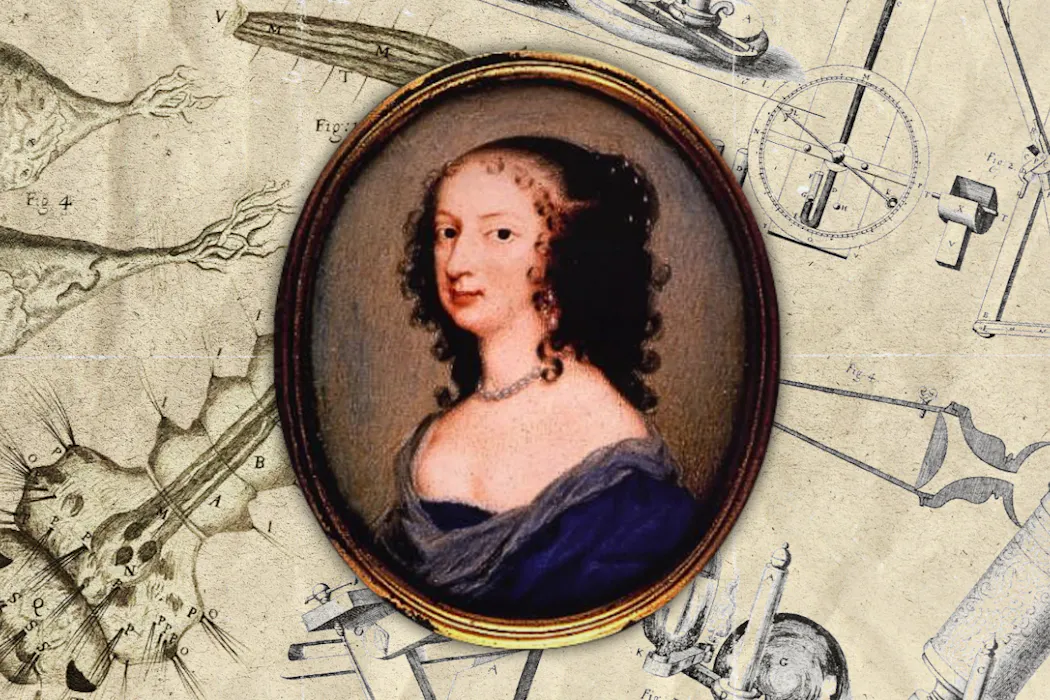
A 17th century portrait of Margaret Cavendish.

The Blazing World is a testament to how far the written novel has travelled in the past 400 years. A literary time capsule, it holds within it the origins of a genre we now call speculative fiction.

Written by Margaret Cavendish, a wealthy iconoclast who advocated for women’s educational opportunities, and published in 1666, The Blazing World is a strange work. Testament to this, its full title is The Description Of A New World Called The Blazing-World, written by The Thrice Noble, Illustrious, and Excellent Princess the Duchess of Newcastle.

The novel follows the journey of a woman who lives by the sea and is abducted by a travelling merchant from a strange land. His boat swiftly heads to the Arctic, where it threads between the ice and all the men on board freeze to death.

Goodreads

The North Pole of Earth is connected to the Pole of The Blazing World. Here, the hapless lady crosses into an alternate landscape where she is rescued by gentle bear-like creatures. These creatures deliver her as a gift to their emperor, who believes her a goddess (perhaps because she manages to learn their language so quickly) and marries her.

From here, the empress swiftly rises to a position of power. She travels through the land, interrogating representatives of all the various “peoples” who rule over their domains. These human-animal chimera include bear-men, worm-men, fish-men, geese-men, ape-men and lice-men.

The empress is the antithesis of a picaresque hero. Rather, she is an entitled figure with a thirst for new knowledge, unreflective about adopting an imperialistic leadership role in countries where she has only recently arrived.

Sci-fi or fantasy?

At the time, Cavendish’s book was written, European literature was dominated by playwrights, including Shakespeare and Ben Jonson, and poets, among them the three Johns: Donne, Milton and Dryden. Prose fiction, having flourished in older works such as The Decameron and Don Quixote, had fallen into the doldrums.

The Blazing World is sometimes called the first “science fiction” novel, but it has less reliance on science and more on fantasy or speculation. Science is present in swathes of information about the flora, fauna and geography of this new land, but such world-building – along with a central “what if” question – marks it as possibly the first work of speculative fiction.

The novel asks us: what if another world was an appendix to our own, populated with hybrid creatures specialising in different areas of science and technology?

Interestingly, the science in the work includes the relatively new technologies of the microscope and the telescope. In 1665, Robert Hooke, curator of experiments at London’s Royal Society had published Micrographia, which included copperplate engravings of insects, rocks and plants in detail not previously seen.

After viewing lice in the microscope, the empress in the novel curtly asks if the microscope can stop the lice from biting the “poor beggars”. She quickly loses interest when she discovers that this solution is “below the noble study of microscopical observations”.

In an empowering and metafictional move, the empress is joined in the last third of the book by Cavendish herself, who adopts the role of a scribe known as The Soul of the Duchess, delivered to the Empress by the Spirits.

Detail from Robert Hooke’s Micrographia (1665). National Library of Wales, via Wikimedia Commons

A trailblazer

Margaret Cavendish was an astonishing woman for her time. She loved fashion and put great effort into breaking gender conventions and wearing unconventional clothing. Her portraits are resplendent.

She was from a wealthy family and received a basic education, but began writing books at the age of 12. She entered the court of King Charles I at 20 as maid of honour to Queen Henrietta Maria, at a time of social unrest. During the English Civil War, her family home was ransacked, and she and her mother were paraded through the streets of Colchester and imprisoned. She later followed the heavily pregnant queen into exile in Paris on a ship under attack by Cromwell’s forces.

In France, she met the Marquess of Newcastle, William Cavendish, and married him, despite a 30 year age gap. The couple lived in Paris and Antwerp for 15 years, during which time Margaret met the key intellectuals of the age. These included philosophers Thomas Hobbes, Rene Descartes and Pierre Gassendi. The latter studied the atom, a topic which influenced The Blazing World.

Margaret Cavendish and her husband, William Cavendish, 1st Duke of Newcastle-upon-Tyne, circa 1650. Wikimedia Commons

In 1660, the couple returned to England and were rewarded with the title of Duke and Duchess of Newcastle. Cavendish wrote various works which advocated educational opportunities for women at a time when only 10% of women had a basic education, compared to 30% of men.

The mid-17th century witnessed a small rise in publication of works by women authors, but these were mainly on childbearing, motherhood and religion. By comparison, Cavendish’s work was scandalous and cerebral.

Before The Blazing World, Cavendish wrote a radical play, The Female Academy (1662), which imagines a cloistered group of educated women who operate as an oracle of knowledge. Both works offer contradictions and raise more puzzling questions than they resolve about female education and gender roles.

In the 17th century, it was rare for women to publish under their own name, so Cavendish was a celebrity on that basis. Samuel Pepys’ diary tracks some of her antics and comments on her later play The Humourous Lovers (1667). “The whole story of this lady is a romance,” he notes, describing her play as “the most ridiculous thing that ever was wrote.”

Science and metafiction

The Royal Society was an exclusive and patriarchal hub of learning in 17th-century London. Cavendish takes a stab at this male-dominated society by interrogating the bear-men and commanding them to destroy the telescope:

your Glasses are false Informers, and instead of discovering the Truth, delude your Senses; Wherefore I Command you to break them, and let the Bird-men trust onely to their natural eyes, and examine Cœlestial Objects by the motions of their own Sense and Reason

Despite her criticisms of science, Cavendish was fascinated enough to write poetry about atoms and was the first woman invited to visit the Royal Society in May 1667.

Her admission was narrated by Pepys, who was excited by her appearance, despite her “not saying anything that was worth hearing”. His diary captures the moment when she is shown experiments with colours, loadstones, microscopes and liquors, one of which “turned a piece of roasted mutton into pure blood”.

Cover of The Blazing World: An Illuminated Edition (2022), illustrated by Rebekka Dunlap. NewSouth

The novel draws on this experience, but the narrative goes on and on. Its lengthy circumlocution and dizzying, chapterless form has much in common with perplexing modernist novels.

In the third part, The Soul of the Duchess – Cavendish’s alter ego – quickly becomes the favourite advisor to the empress. Firm friends, they travel back to the Earth together, going to the theatre, visiting royalty and having a look around.

The Empress does not wish to stay in her native country, considering that she “did not enrich” that part of the world, so she and the Duchess return to the Blazing World. They journey on ships, which sink beneath the sea and travel across the Arctic Circle. Shortly thereafter, the Soul of the Duchess returns to Earth and spends her time telling stories of the empress, the bird-men, lice-men, ape-men and other human-animal chimera figures.

Margaret Cavendish draws outrageous pictures, indulging in grand speculations with an awfully conceited protagonist. Still, her novel foreshadows the Enlightenment, when the natural sciences fully blossomed.

She published 23 books in her lifetime, dying suddenly in 1673. She is buried in Westminster Abbey, with a marble effigy of her laying in a lavish gown, holding a book and pen. The inscription reads “This Dutches was a wise wittie & learned Lady, which her many Bookes do well testifie.”

The Blazing World is an amazing vision which ends as bewilderingly as it begins, making the reader’s head spin. A novel of this vintage by a woman is something to value and uphold for its achievement. It is a testament to anthologists and determined readers of women’s writing that the work survived in print for centuries.

The Conversation

Donna Mazza does not work for, consult, own shares in or receive funding from any company or organisation that would benefit from this article, and has disclosed no relevant affiliations beyond their academic appointment.

NZ’s ‘light-touch’ approach to voluntary carbon and nature markets may unlock finance but risks credibility

Getty Images

The government’s recent announcement of support for voluntary carbon and nature markets effectively offers a “warrant of fitness” to signal which markets can be trusted, without directly regulating them.

The aim is straightforward. By giving investors, landowners and developers confidence, the government hopes to unlock private finance for projects that reduce emissions or restore ecosystems.

As Associate Minister for the Environment Andrew Hoggard put it:

The pressures on nature and climate are bigger than the public purse.

But voluntary markets are based on self-imposed targets and governed by a patchwork of organisations. The credibility of climate claims in voluntary carbon markets has already been repeatedly challenged internationally.

This raises the deeper question of whether the government can create a credible framework by relying on externally developed standards in a lightly regulated system, or whether it risks outsourcing key decisions about environmental integrity.

How voluntary markets work

Carbon markets allow organisations to buy and sell “credits” representing reductions or removals of greenhouse gas emissions. In compliance markets – such as New Zealand’s Emissions Trading Scheme – participation is required by law, and governments set the rules.

Voluntary carbon markets are different. In these markets, businesses and individuals choose to buy credits to meet self-imposed climate targets or demonstrate environmental responsibility.

They are not governed by a single regulator. Instead, various independent organisations verify projects and issue credits, often following standards set by international bodies.

Voluntary nature markets work in a similar way but extend beyond carbon, covering biodiversity, water quality and ecosystem restoration.

This decentralised structure is both a strength and a weakness. It allows innovation and experimentation, but it also means that credibility depends heavily on the quality and consistency of external standards.

The credibility problem

Voluntary markets can channel finance into projects that fall outside regulated systems such as emissions trading schemes. But internationally, they have been dogged by controversy.

The main issue is credibility. For a carbon credit to have real climate value, the emissions reductions it represents must be real, additional and permanent. In practice, many credits fall short of these criteria.

Concerns have been documented widely. They include weak or inconsistent standards, limited transparency, difficulties verifying whether projects would have happened anyway, risks that stored carbon may later be released, and the possibility of the same reductions being counted more than once.

These problems are not just technical. Some analyses suggest a significant share of offsets used by companies may not deliver genuine emissions reductions.

Even where credits are of high quality, they can be misused to justify claims of “carbon neutrality” without any meaningful reduction in the use of fossil fuels.

The result has been a persistent gap between the promise of voluntary markets and their performance. Investor confidence has been shaken and concerns about greenwashing have grown.

A ‘light-touch’ solution

The government’s response is not to regulate the market directly, but to endorse schemes it considers credible.

Three international initiatives – the Integrity Council for the Voluntary Carbon Market, the Coalition to Grow Carbon Markets and the Paris Agreement’s own Crediting Mechanism – have received approval.

However, endorsement does not eliminate the underlying risks.

These initiatives operate within a system that remains fragmented and evolving. Their effectiveness depends on how consistently standards are applied, how rigorously projects are assessed and how transparently information is shared.

By relying on these schemes, New Zealand is effectively tying its approach to international governance processes over which it has limited control. Endorsement may signal quality, but it also outsources key judgements about environmental integrity.

It is a light-touch approach in a context where the risks are already well established.

Beyond trees

Despite these concerns, voluntary markets could offer important opportunities, particularly for diversifying New Zealand’s approach to carbon removal.

At present, tree planting dominates the country’s removal strategy. But there is growing interest in alternatives such as wetland and peatland restoration, soil carbon, coastal “blue carbon” ecosystems and emerging technologies such as direct air capture.

Many of these approaches are not yet supported by compliance markets. Voluntary markets could provide early-stage funding, helping promising ideas get off the ground.

In this sense, a light-touch approach may encourage innovation.

But here, too, the risks are not insignificant. Measuring and verifying carbon removals in soils, oceans or engineered systems is often more complex and uncertain than measuring emissions reductions. This makes these areas especially vulnerable to weak standards and low-quality credits.

The same flexibility that enables innovation also increases the risk of poor environmental outcomes, particularly in areas where robust measurement is hardest.

What role should voluntary markets play?

The international evidence suggests voluntary carbon and nature markets can play a useful but limited role in climate policy.

They can help mobilise private finance, support conservation and restoration projects and provide early funding for emerging technologies. But they are not a substitute for direct emissions reductions or strong domestic regulation.

For New Zealand, this implies a need for clear boundaries. Voluntary markets should complement, not undermine, the emissions trading scheme and other core climate policies. That means ensuring strict rules around how credits can be used and what claims can be made.

Without guardrails, voluntary markets could expand faster than the governance needed to ensure they deliver genuine climate benefits.

The government’s strategy may succeed in attracting investment. But its long-term credibility will depend on whether that investment translates into real, measurable and lasting environmental gains.

The Conversation

Jennifer Campion received funding from the Ministry of Business, Innovation and Employment under the Endeavour Fund.

What would it take for Pauline Hanson to become prime minister?

There has been a lot of speculation lately, not least from Pauline Hanson, about the possibility of the One Nation leader riding her surging polling figures into the Lodge at the next election.

So what are the rules around who can be prime minister? What would need to happen first? Is it likely Hanson will ever hold the position, or is this just hype?

What are the rules?

While the prime minister has historically come from the House of Representatives and not the Senate, where Hanson is, this is not actually stipulated in the Constitution.

This means many of our rules are mostly conventions inherited from the Westminster traditions of the United Kingdom, rather than legal requirements.

By these conventions, the prime minister has historically been the leader of the party or parties that can maintain the confidence of the House of Representatives. To be eligible, section 64 of the Constitution requires only that all government ministers have a seat either in the Senate or House within three months of being appointed to the role.

So, given Hanson holds a seat in the Senate, she’s eligible to be a government minister and will remain so unless she loses her seat and can’t get it back.

By convention, prime ministers have traditionally been drawn from the House of Representatives. This convention is so strong that when Senator John Gorton was voted by the Liberals to become their leader in 1968, he resigned and moved to the lower house almost immediately.

Having the prime minister in the lower house means they are directly accountable to the people of an individual electorate, can face more scrutiny during question time, and helps to show they’re better in control of their own ministers and backbenchers. It also means they share in the three-year electoral cycle with the majority of MPs, rather than six-year terms of senators.


Read more: The new leader of the Greens sits in the Senate. Why is that so unusual in Australian politics?


What would need to happen?

First, One Nation would need to get a large enough share of seats in the lower house to ensure Hanson could survive a vote of no confidence. This would need to be either a majority (76 of the 150 seats up for grabs) or a large enough share to persuade other parties to join a coalition or at least guarantee her confidence.

An example of this in practice occurred after the 2010 election, when Prime Minister Julia Gillard needed to negotiate with independents and Greens to form government.

It is likely Hanson would want to move from the Senate (where she’s very safe) to a lower house seat, either by resigning and running herself in 2028 or persuading another member to vacate the seat. In the latter scenario, she would still need to win a byelection in that seat. If her party or coalition could obtain the right numbers, either by election or defection from other parties, she could then make a case to the governor-general for appointment to the top job.

What is likely to happen?

The reason we are asking these questions is because One Nation for the first time in its history has been polling better than the Liberal-National Coalition federally (and with a higher primary than Labor in two recent polls).

This comes as the conservative parties, after several leadership changes and election defeats, are at one of their lowest ebbs. It is also reflective of an environment in which none of the major parties is attracting as enthusiastic support as in the past. Similarly, Albanese and Labor are at a point in the electoral cycle where incumbents are generally in decline.

History may prove me wrong, but I think Hanson’s ambitions are unlikely to be achieved for three reasons.

First, although the Liberal and National parties are struggling at the moment, they may bounce back in the coming years. Polling outside of an election period is also different from when an election is looming – and the next federal election is not due until 2028.

Low satisfaction with Albanese in 2024 didn’t translate to a win for his opponent Peter Dutton in 2025. The polls reversed just before the election when people were paying more attention, and Albanese was elected with a large majority.

Voters closer to an election may put more scrutiny on One Nation’s policies around economic management, or their positions on vaccines, abortion and gun control. With migration falling, the importance of their core issue area may have lessened as well, although much will depend on how people are feeling about the state of the economy, and how much they connect migration with other pressing issues such as housing.


Read more: What does One Nation actually believe in?


Second, despite some recent polling suggesting as many as 18 Labor seats were potentially under threat from One Nation, the main contest – at least for now – will be between One Nation and the Coalition for rural and regional seats.

Unless Hanson’s appeal can spread much further than it has in the past into the seats where most people live in cities with a more multicultural electorate, it’s unlikely One Nation would win more seats than Labor. The centrist independents who are doing well in these areas where Labor struggles would be unlikely to team up with her.

Finally, Hanson has historically been both the party’s greatest strength, and its greatest weakness. Her initial win in Oxley in 1996 was as a disendorsed Liberal candidate. By 1998 she was voted out again. When she was out of politics (and contemplating a move to the UK), the party struggled, despite an initial surge of enthusiasm at the 1998 Queensland state election (winning 11 seats from around 22% of the primary vote). By the next election, none of those elected were still with the party.

She has famously fallen out with other MPs in the past, including former Labor leader Mark Latham, who led the party in New South Wales, and the longstanding member for Mirani in Queensland, Stephen Andrews. One Nation has reportedly been aiming to create a more stable and traditional party branch structure recently. However, the party has often been run from the top down while lacking the organisational discipline of other parties.

Until the Farrer byelection last month, they had never won a federal lower house seat under their own label. It remains to be seen whether recent success in South Australia and the inclusion of high-profile but divisive figures such as Barnaby Joyce and Cory Bernardi will make the party more or less stable in the long term.

The Conversation

Pandanus Petter is employed with funding received from The Australian Research Council.

Game changers: how a rainy week led a frustrated Don Bradman to reinvent cricket

Getty Images/The Conversation

Sir Donald Bradman needs little introduction.

Cricket – and possibly world sport’s – most dominant figure, “The Don” is known for his staggering batting feats, including a scarcely believable batting average of 99.94, and his leadership of Australia’s 1948 team nicknamed the “Invincibles”.

However, few would know Bradman was a key figure behind cricket’s transformation from time-consuming five-day matches to the chaotic world of one-day and Twenty20 (T20) games that dominate the sport’s calendar, broadcasts and finances today.

And it was all sparked by Melbourne’s oft-criticised weather, some worried bean-counters, and a bright idea.


Sports can change dramatically in the blink of an eye. Sometimes, these moments create immediate shockwaves. Other times, it’s not until much later that their impact become obvious. This is the first story in a rolling series that explores key (and sometimes long forgotten) moments in sports history.


Read more: Game changers: how soccer’s mega-money era was sparked by a little-known Belgian athlete


The first one-day international

Domestic one-day matches of between 40 and 60 overs a side had been played in India and England since the 1950s.

These shorter, more dynamic games were aimed at attracting new spectators.

However, they had not been considered for international matches.

The first one-day international (ODI) in 1971 was an accident: an unscheduled match played as a last-minute replacement for a Test abandoned due to heavy rain.

According to Australia’s captain Bill Lawry, the match was conceived by Bradman for financial reasons. Facing heavy financial losses the English and Australian cricket boards agreed to play a game on what would have been the last day of the Test.

Around 46,000 spectators saw Australia win after each side was allotted 40 eight-ball overs.

It was a financial hit, popular with spectators and deemed an “overwhelming success” by the media.

But growth of this format was slow, mainly due to the conservative nature of international boards.

The next ODI did not happen until August 1972, and other countries did not start playing them until 1973.

Remarkably, considering the amateur status of women athletes at the time, the first limited-overs World Cup was a women’s tournament in England in 1973 – two years before the maiden men’s World Cup was played.

One-day cricket’s popularity soon soared, especially after the men’s World Cup in 1975.

Kerry Packer’s World Series Cricket, launched in 1977, confirmed its place on the international cricketing calendar and played a huge role in the shorter format’s popularity.

The media baron was desperate to showcase cricket on Channel Nine but his TV rights bid was rejected by the Australian Cricket Board. Aggrieved, Packer instead set up a breakaway competition, signing many of the world’s best players.

The new-look competition featured brightly coloured team kits, white balls, games under lights and batters wearing helmets – all of which are still in place today.

How ODIs changed cricket

Test cricket was, and often still is, criticised for being too slow and boring.

The limited number of overs in ODIs increased the speed of the game: batters looked to score more quickly and take more risks, which resulted in more boundaries.

Clive Lloyd, who captained the West Indies to two World Cup wins, called limited-overs cricket the greatest innovation for the sport. He specifically referred to improved standards of fielding and tactical awareness.

ODIs have greatly increased athleticism: batters need to be stronger to hit more boundaries and quicker to ensure they are fast enough when running between wickets.

Fielders need to be faster and more athletic to stop boundaries and extra runs. They also need stronger arms to throw the ball faster.

In 1992, fielding restrictions were introduced for the first 15 overs, only allowing two fielders outside of a 30-yard circle. This promoted early aggressive batting.

These fielding restrictions forced captains to rethink field placements and bowling rotations.

While Australia scored 191 runs to win the first ODI, current teams regularly surpass 300.

Scoring has increased because of power hitting, bigger bats, specific training and better running between wickets.

Boundary ropes introduced for player safety also reduced the distance required to hit a boundary.

Bowlers have had to develop more variations, such as slower balls, to make it harder for them to score runs.

In this shorter format, the importance of all-rounders (players who can bat and bowl competently) has increased greatly.

Wicketkeepers are also expected to be better batters. Former Australian wicketkeeper Adam Gilchrist had success opening the batting, which gave his team more flexibility to include other batters and all-rounders.

Player uniforms also evolved.

One-day clashes originally used traditional white clothing, but colour uniforms introduced a new dimension for televised cricket. They have been used permanently since the 1992 World Cup.

As the format evolved, player names and then numbers were gradually added to playing tops, making identification easier for commentators and spectators.


Read more: Game changers: how one team’s dominance transformed rugby league forever


Continuing relevance

Limited-overs cricket laid the platform for even shorter formats such as T20s, the Hundred and even ten over games.

Ironically, these innovative formats now threaten the continued relevance of 50-over cricket.

Analysis of more than 340 ODI matches played in Australia between 1985 and 2015 shows average attendances have declined over time. In the 1980s, games in Australia regularly drew crowds of more than 35,000, but in recent years attendance has struggled to regularly reach 25,000 per match.

However, major events like World Cups can still draw large crowds. The 2023 tournament was attended by a record 1.25 million people and made Australian captain Pat Cummins “fall in love with ODI cricket again”.

ODIs have given fans decades of drama and achievement.

Older fans still remember classic games such as Australia’s tied 1999 World Cup semifinal against South Africa, and Michael Bevan’s last-ball four to beat the West Indies on New Year’s Day in 1996.

Michael Bevan’s last-ball four against the West Indies captivated Australian audiences.

But 50-over cricket now faces a challenge to stay relevant alongside more exciting and more profitable T20 tournaments.

If ODIs are to keep their place in a busy cricket calendar, they must continue evolving to ensure they maintain player and audience interest.

The Conversation

The authors do not work for, consult, own shares in or receive funding from any company or organisation that would benefit from this article, and have disclosed no relevant affiliations beyond their academic appointment.

Israeli forces capture Lebanon’s Beaufort Castle, a Crusade-era site once held by the Knights Templar

Getty Images/Monik-a

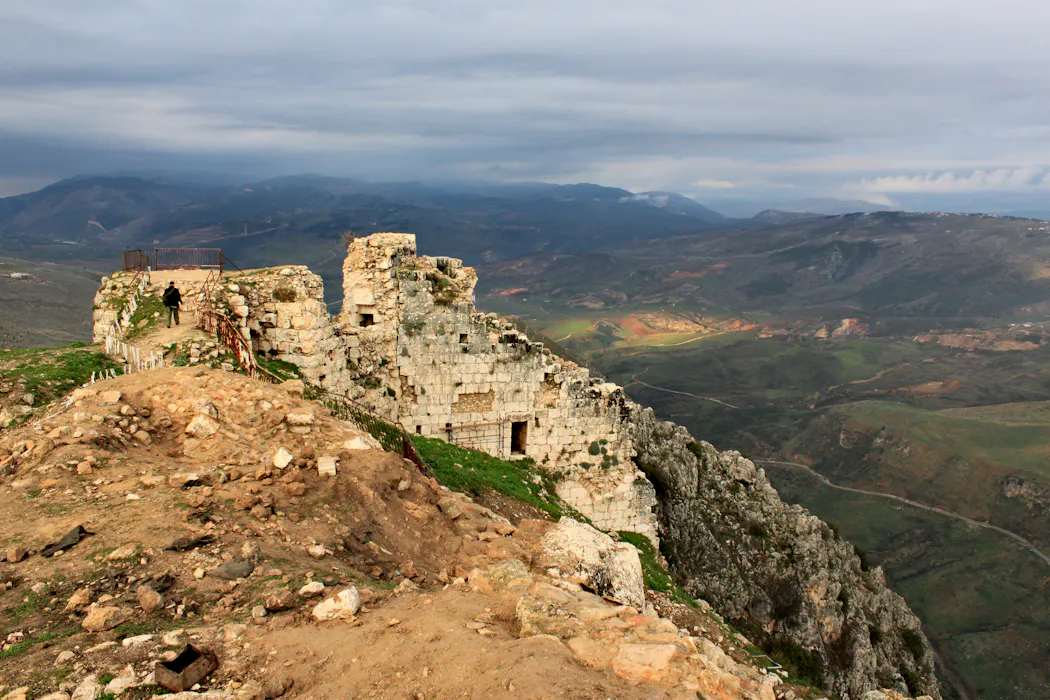
A 12th-century castle built during the Crusades in Lebanon has been seized by Israeli forces in what’s been described as the deepest incursion into Lebanon for more than 25 years.

The historic site, known as Beaufort Castle or Qalʿat al-Shaqīf, sits atop a striking rocky outcrop in a commanding position on the edge of the Litani gorge, boasting spectacular views across southern Lebanon. It has historically been a very strategic site, especially during the Crusades.

What were the Crusades?

The Crusades is the name given to a series of military expeditions, beginning in the late 11th century, of Latin Christians from across Europe to a range of destinations, most famously the Holy Land.

The Crusades were armed pilgrimages, representing a fusion of ideas about warfare and spirituality.

Crusades would be called for by a pope, who would promise participants spiritual rewards if they took the Crusade vow and undertook these campaigns.

The aims and goals of Crusades changed over time as the geopolitical landscape changed. The First Crusade – called in 1095 CE – had a broad goal of “liberating” the holy sites of Jerusalem from the Seljuk Turks, a Sunni Muslim group in power in Asia Minor at the time.

The Crusaders also wanted to render military aid to Eastern Christians in the region.

But what distinguishes the Crusades from other military campaigns was that this was seen as a spiritually meritorious form of warfare.

The First Crusade established the Crusader States, with what came to be known as the Kingdom of Jerusalem at its heart.

Who built Beaufort Castle and why?

This site’s time as a Crusader castle began in 1139 CE with the Franks – the label used at the time to denote western European settlers in the east.

When the Franks arrived at the site, it was probably already being used in some significant way because of its strategic position.

The king of Jerusalem at this time was Fulk, who was a Frank (the Kingdom of Jerusalem had already existed for 40 years before he captured the Beaufort Castle site).

He began construction of Beaufort Castle (Old French for “beautiful fortress”) in about 1139 CE. Ultimately, it became a large castle over two levels, roughly triangular in shape. As is often the case for buildings from this era, it has had parts added on and destroyed over time.

What we are left with is a mix of Frankish building work and augmentations from various Muslim rulers over the centuries.

Latin Christians saw it as part of a network of fortified castles they hoped would help shore up Frankish settlement in the area.

Enter Saladin

The next key character in the history of Beaufort Castle is Saladin. He is among the most famous figures in Crusades history, in the region and in Islamic history more broadly.

King (Saladin from Egypt), from 'Court Game of Geography'
Saladin was a key figure in military Muslim efforts against the Latin Christians. The Metropolitan Museum of Art

He was of Kurdish origin, and by the time Beaufort Castle was controlled by Latin Christians, he was sultan of Egypt and Syria.

By all accounts, Saladin appears to have been a charismatic, canny leader and military practitioner. He was a key figure in Muslim military efforts against the Latin Christians.

Saladin captured Beaufort Castle in 1190 CE. This was part of a longer story of success for Saladin in what has been called the “counter-Crusade”. A few years earlier, he had won some significant victories, including at the famous Battle of Hattin (depicted in Ridley Scott’s 2005 film, Kingdom of Heaven).

Saladin also captured the city of Jerusalem in 1187, which was an enormous loss for the Crusaders.

So the Beaufort capture was part of the bigger picture of Saladin’s spectacular journey of conquest in this region around this time. He died not long after in 1193 CE, and the castle remained in Muslim hands until 1240 CE.

After that, the castle went back to Latin Christian ownership as part of a treaty with Theobald I of Navarre in the Barons’ Crusade. Ultimately, the castle passed to the Knights Templar in 1260 CE.

Who were the Knights Templar?

The Knights Templar was a military religious order made up of hybrid warrior-monks, founded in 1118 in the Kingdom of Jerusalem. Their initial remit was to defend Christian pilgrims visiting holy sites, but their role changed over time.

They lived according to a religious rule, known as the Templar Rule, and they took vows of chastity, poverty and obedience to live in communities according to their vows.

A medieval king consults with the Templars.
A medieval king consults with the Templars. Unknown author - Chronique d’Outremer, vers 1280. Manuscrit Français 770, fol. 313, Gallica/BNF/Wikimedia Commons

What was unusual about these monks was they were also highly trained warriors, especially skilled as mounted knights, as both heavy and light cavalry.

The kings of Jerusalem soon came to rely on them for military advice and as a highly trained standing army.

They were viewed as having the power to fight on both a spiritual and earthly battlefield, a kind of holy super soldiers. According to their patron, Bernard of Clairvaux, the Templar’s

soul is protected by the armour of faith just as his body is protected by armour of steel.

Kings and nobles increasingly began to donate land and riches to the Templars. They eventually became an international organisation with significant wealth across Europe and the Eastern Mediterranean (although they would eventually be tried for heresy).

The Knights Templar held Beaufort Castle for only eight years, before the site was returned to Muslim rule for centuries. In modern history, it has been controlled by Lebanon – until its capture by Israeli forces this week.

This is a region with an incredibly nuanced and complex history, and it remains that way today.

The Conversation

Beth Spacey received funding from the Arts and Humanities Research Council (UK) for her PhD research on medieval history.

We need a new anti-corruption commissioner. Here’s how to pick the right one

The abrupt resignation of the National Anti-Corruption Commissioner Paul Brereton is a pivotal moment for the federal watchdog. For years, questions over the commissioner’s leadership arising from concerns about his ability to manage conflicts of interest had undermined public confidence and trust in a key Australian integrity institution.

The government has committed to a “merit-based process” to appoint the next commissioner.

But can we trust the government to do that and rebuild trust in our national anti-corruption commission? Research finds governments often abuse their power to appoint, fund and oversee integrity agencies in order to avoid serious oversight.

How do we avoid this abuse and safeguard the independence of our integrity agencies? A new report from the Centre for Public Integrity outlines three key ways to ensure these agencies are truly independent.

These reforms should guide the appointment of a new national anti-corruption commissioner.

Fundamental tensions

To do their job, integrity agencies must be independent from the government. This means they must be able to investigate and criticise governments and public officials without fear of political retaliation.

But in practice there are a few problems with this idea.

Unlike the courts and parliament, these agencies are not protected in the Constitution. Instead, they are often created by the government through an act of parliament.

This creates a foundational tension: integrity agencies are designed by government, to hold the government to account.

The government has a vested interest in these institutions being weak. Governments have been accused of establishing weak watchdogs, or deliberately “clipping the wings” of these bodies by amending laws.

There are also operational tensions. Governments can weaken integrity agencies in more subtle ways.

One way is through political appointments. In Australia, we have seen such politicisation, for instance, in appointments to the former Administrative Appeals Tribunal, ultimately leading to its abolition.

Or they might be in the form of cutting funding. This happened most recently in the current budget, with a funding cut in real terms to the Australian National Audit Office. The office had previously said that with its current funding levels, it would not be able to meet its responsibilities for performance audits.

On budget day, the joint parliamentary committee on public accounts and audit expressed its ongoing concern about the operational capability of the office given its financial position.

A new report released by the Centre for Public Integrity outlines a number of ways the independence of these agencies must be protected across three key pillars: appointments, funding and oversight.

You can’t choose your own watchdog

Our analysis shows that across the country, there is significant variation in how heads of integrity agencies are appointed. Many governments exercise broad and opaque discretion over who leads the core integrity agencies.

This creates obvious risks. If governments can appoint agency heads through opaque processes, there may be concerns — justified or not — about whether those leaders are suitably qualified or truly independent.

The controversy surrounding Brereton illustrates the stakes involved. Questions about conflicts of interest under his leadership have fuelled broader concerns about the lack of a transparent, merit-based appointment process for the role.

Our report recommends legally requiring open advertising of senior integrity positions, independent selection panels and greater parliamentary involvement in appointments.

There’s no need to wait. The government could implement such a process in the upcoming NACC appointment, instead of relying on vague platitudes of a “merit-based process”.

This proposal is similar to one that has been successfully adopted elsewhere, including for the reformed Administrative Review Tribunal.

We also recommend longer but non-renewable terms for agency heads to alleviate any pressure leaders may feel in seeking reappointment.

Handing over the purse strings

The second problem then is funding. Most Australian integrity agencies rely on governments to decide how much money they receive each year.

In practice, this means the government can place pressure on agencies by limiting their resources. Underfunded integrity agencies cannot properly investigate corruption, scrutinise spending or carry out oversight work.

Our report argues integrity agencies should have stronger protections around funding, again, drawing on models that have been successfully developed elsewhere, particularly in the ACT for their “Officers of Parliament”.

Our proposal includes separate parliamentary processes and independent funding panels that can publicly recommend appropriate funding levels. Governments would still make final budget decisions, but there would be greater transparency when they made decisions that cut agency funding.


Read more: Australia’s anti-corruption commissioner has a trust problem. He needs to change course to fix it


Genuinely independent oversight

Finally, independence does not mean integrity agencies should operate without accountability. These agencies exercise significant powers. Some can compel evidence, conduct hearings and make findings that seriously affect reputations and careers.

So oversight is essential – but that oversight must be independent. Oversight systems for integrity agencies are often poorly designed. In many jurisdictions, for instance, parliamentary oversight committees are dominated by government members.

A better system would involve parliamentary committees not dominated by government MPs, alongside independent inspectors for agencies exercising coercive powers.

The importance of such roles is underscored by the work of the NACC Inspector, in receiving and investigating complaints about the commission’s decision not to investigate Robodebt referrals.


Read more: NACC belatedly to investigate whether six Robodebt referrals engaged in ‘corrupt conduct’


Is real independence possible?

Australia has invested heavily in creating a set of core integrity agencies. Even if reluctantly, every jurisdiction across the country now has an anti-corruption agency, auditor-general and ombudsman office.

The next challenge is ensuring those institutions are sufficiently independent to do their job. Across the country, there are good designs that alleviate the operational pressures these agencies face. Adopting these designs will help secure better and more transparent funding, appointment, and oversight of core integrity agencies.

These more independent integrity agencies can in turn help safeguard the health of our democracy.

The Conversation

Gabrielle Appleby works as the Research Director for the Centre for Public Integrity. She has received funding from the Australian Research Council.

William Partlett is a Stephen Charles Fellow at the Centre for Public Integrity.

How did we learn which plants are safe to eat? 2 food scientists explain

Catherine Delahaye/Getty

Have you ever eaten a green potato, or a bunch of rhubarb leaves?

Hopefully not, because these two plant parts can be toxic to humans. While they may seem edible, they contain chemicals that can make you seriously ill.

Over centuries, humans have learnt which plants are safe to eat and which are not, often by combining ancient knowledge with modern science.

The power of plants

Without plants, we would struggle to get the nutrients we need.

Crops such as wheat and rice provide carbohydrates, the body’s main source of energy. Fruits and vegetables contain a wide range of vitamins that help us stay healthy.

Plants are also chemical factories. To survive, they produce compounds that deter insects and animals that might eat them. They may also release chemicals that protect them from disease. One example is the tobacco plant which produces nicotine, a natural alkaloid that helps protect the plant from insect attacks.

Globally, there are tens of thousands of plants that contain toxic compounds. In Australia, we have more than 1,000 native and introduced plant species that can be toxic to humans and animals, under certain conditions. However, humans only consume a small fraction of the world’s edible plant species.

What makes a plant toxic?

A key principle of toxicology – the study of what makes something poisonous – is “it’s the dose that makes the poison”. This means certain toxic compounds are safe to consume, as long as you don’t eat too much of them.

Table salt is one example. You likely eat it everyday, but this substance can be harmful in excessive amounts.

And many plant compounds that sound dangerous are actually safe, when consumed in small amounts. For instance, green potatoes contain glycoalkaloids, a group of chemicals that can cause symptoms such as vomiting, fever and diarrhea when consumed in large amounts. Oxalates are a type of toxin found in rhubarb leaves. They too can make you sick, but only if you eat lots of them.

Preparation is key

At first, humans learnt which plants were nourishing and which were harmful through years of observation and experimentation. For instance, cassava was first domesticated in South America where Indigenous communities developed processing methods to remove cyanide, a poisonous chemical found in the plant’s roots and leaves.

Many other First Nations peoples developed sophisticated ways of preparing plants that contained toxins. Some Aboriginal communities in northern Australia would soak, grind or cook cycad seeds to remove naturally occurring toxins before consumption.

This knowledge soon became embedded in each community’s culture, as it was passed down through generations.

Today, we use various techniques to reduce or remove harmful compounds from plants. For example, raw or undercooked kidney beans contain a natural toxin called phytohaemagglutinin, which can cause illness. But by soaking and thoroughly boiling kidney beans, you can easily get rid of this toxin.

Fermentation is another way to remove poisonous chemicals from plants. This is because fermentation changes the plant’s chemistry in ways that can reduce or remove toxic compounds. For example, during soybean fermentation, microbes break down harmful compounds such as phytates and trypsin inhibitors, making the soybeans safer and easier to digest.


Read more: Little shop of horrors: the Australian plants that can kill you


The role of modern science

In some cases, scientists have modified toxic plants to make them safe to eat.

Faba beans, also known as broad beans, are one example. Faba beans are an increasingly important crop for Australian farmers, as they can attract high prices and help manage weeds.

Like many plants, faba beans naturally contain vicine and convicine, two compounds that generally don’t affect humans. But in people with a genetic condition called G6PD deficiency, they can trigger a serious reaction called favism. This condition can be life-threatening as it causes your red blood cells to rapidly break down.

Rather than abandoning this crop, scientists have used modern chemistry and plant breeding to develop new faba bean varieties with lower concentrations of these compounds. And farmers are already planting low-vicine varieties as part of their crop rotations.

Over millenia, humans have unpacked the complex chemistry of plants to learn what is safe to eat. But how we consume these plants, and how much of them we eat, also affects how toxic they may be.

The Conversation

Joel Johnson receives scholarship funding from the Australian government for his PhD program.

Mani Naiker does not work for, consult, own shares in or receive funding from any company or organisation that would benefit from this article, and has disclosed no relevant affiliations beyond their academic appointment.

In a tight NZ budget, will money go where it’s needed most – or to political priorities?

Dean Purcell/Getty Images

As New Zealand’s budget day looms closer, the government has already revealed one important figure – NZ$2.1 billion – that offers an insight into its approach to spending this year.

That’s the government’s tight operating allowance – or the new money available for ongoing spending. And that’s already been trimmed back from $2.4 billion since its budget strategy was announced in December.

The $300 million cut is small relative to total operating expenses, but still significant.

Operating spending funds ongoing commitments, such as public servants’ salaries, benefits and superannuation payments. It also covers the costs of keeping services running: think medicines for hospitals, or electricity for school classrooms.

Operating allowances, meanwhile, determine how much room the government has for new policies and for meeting cost pressures in these areas.

Ahead of Thursday’s budget, those pressures are already intensifying. The outlook now points to higher near-term inflation than was anticipated when the budget strategy was released five months ago, driven in part by rising oil prices following the US-Iran conflict.

If costs rise faster than operating funding, the government faces increasingly difficult choices over what it can continue to fund, expand or cut back.

The risks behind the cuts

We also now know a little about what some of those choices will look like.

Last week, it was announced government agencies’ operating budgets will be cut by 2% in the coming year, followed by a further 5% in each of the following two years.

The government’s wider reform programme also includes reducing core public service employment to no more than 55,000 full-time equivalent roles by July 2029.

The savings will be redirected to health, education, building infrastructure, defence and police. All of these are worthy causes for extra funding, and in principle, there is nothing wrong with asking whether existing spending delivers value and reallocating spending to where it makes the greatest impact.

But, as always, the devil is in the detail – and this is not yet known. It matters where in health, education or policing the extra money goes. It also matters which public service roles are cut, because so-called “back-office functions” can still be essential to delivering frontline services.

Finance Minister Nicola Willis has suggested greater use of artificial intelligence could help the public service do more with less. But some international studies have found higher AI adoption has yet to translate into higher productivity.

If AI does not deliver substantial productivity gains in the public sector, restraint in government spending will ultimately show up somewhere: in deferred maintenance, scaled-back programmes or lower service levels.

Inflation, resilience and the politics of spending

Rising operating costs are not the only impact that inflation has on the government’s books.

In some ways, it can help. Higher prices and wages can lift tax revenue through the goods and services tax (GST), income tax and company tax receipts. Inflation can also inflate nominal gross domestic product – the dollar value of economic activity – which in turn can make government debt appear smaller relative to the size of the economy.

In other ways, however, inflation adds pressure. Interest costs can rise as government debt is refinanced at higher rates, while benefit payments and other spending tied to inflation or wages also increase.

Meanwhile, the government has announced it is increasing capital spending, which funds long-lived assets such as roads, hospitals, schools, defence equipment and infrastructure.

This would appear a sensible move, given that New Zealand faces an infrastructure deficit in many areas. Addressing it could help bring a much-needed improvement in productivity.

There is also the wider question of New Zealand’s economic resilience.

Independent economist and commentator David Skilling has argued global supply chains are being rewired. Where efficiency and just-in-time delivery once took priority for nations, a more unstable geopolitical environment is now shifting the focus toward resilience and security.

In this context, government capital investment can help address vulnerabilities in New Zealand’s critical supply chains – even if its small-economy status means it will always remain dependent on overseas trade.

At the same time, capital spending can also come with political and economic risks. For instance, projects might be chosen more for their political appeal than for whether they genuinely strengthen productivity or supply chain resilience.

Budget 2026 will therefore represent a test of priorities.

Reprioritisation, allocations from the smaller operating allowance and new capital spending should all face the same question: where will public money produce the greatest value?

The answer should be based on economic and strategic need, rather than political visibility or electoral advantage.

The Conversation

Michael Ryan does not work for, consult, own shares in or receive funding from any company or organisation that would benefit from this article, and has disclosed no relevant affiliations beyond their academic appointment.

  • ✇AU Conversation
  • Your say: week beginning June 1 Judy Ingham · Newsletter Producer · The Conversation
    Every day, we publish a selection of your emails in our newsletter. We’d love to hear from you, you can email us at yoursay@theconversation.edu.au. Monday June 1 Caught in the crosshairs “It seems One Nation would have Andrew Hastie perjure himself if that is what will clear Ben Roberts-Smith. If Roberts-Smith is innocent, as he claims, the courts will find it. If not, Hastie’s evidence, if asked for and given, will likely play only a partial role in the outcome. One Nation, openly targeting
     

Your say: week beginning June 1

Every day, we publish a selection of your emails in our newsletter. We’d love to hear from you, you can email us at yoursay@theconversation.edu.au.

Monday June 1

Caught in the crosshairs

“It seems One Nation would have Andrew Hastie perjure himself if that is what will clear Ben Roberts-Smith. If Roberts-Smith is innocent, as he claims, the courts will find it. If not, Hastie’s evidence, if asked for and given, will likely play only a partial role in the outcome. One Nation, openly targeting a potential witness for what they assume he may or may not say, has shown themselves to be utterly lacking in integrity, of which quality Hastie seems to have in abundance.”

Graeme Osborne, Southern River, WA

What’s a crisis?

“I appreciate the Jon Wannberg’s comment on the excessive use of the word ‘trauma’. There is another word that has crept into political, media and now common use – crisis! When does a difficulty become a crisis? If one third of the population is having difficulty with some part of life and two thirds are not, is that a crisis? To me, a crisis is partly objective and partly social. Two parts of society can face the same problem and can define it differently. Politicians, organisations with an axe to grind and the news media are wanting us to jump from problem to crisis. Bah humbug.”

Paul Campbell, West End QLD

On trauma

“I read your recent article on trauma with great interest, though some dissatisfaction. I welcome the destigmatising effects of increasing public engagement with trauma, while worrying about its growing trivialisation. Trauma – alongside broader ‘psychology-speak’ – is increasingly appropriated by mainstream culture, where discursive practices are shaped by more privileged experiences; flattening important distinctions and obscuring the realities of those living with profound or enduring trauma-related distress. While this may reflect changing language, it comes at a cost if we lose sight of the experiences and forms of care most needed by people living with significant trauma-related distress.”

Sophia Schroeder

Tuesday June 2

One Nation’s treatment of journos

“It is deeply concerning to me that there has been so much silence around One Nation ejecting ABC journalists. There is no democracy without a free press, and allowing this to slide under the radar shows that we are already in the process of going down the path of the US. One Nation is counting on widespread situational ethics and moral cowardice to become ‘mainstream’. It is essential that the focus is kept on their bigoted and racist agenda. Interesting that this issue was not mentioned on ABC’s ‘Insiders’ program.”

Jane Davis, Melbourne VIC

Sleepy drivers

“As a sufferer of driver fatigue, I was keen to read this article. I hoped the article might mention the benefit of having a supply of snacks on hand for a long drive. As a young woman living in the country many years ago, I had great difficulty driving the 55 kilometres from home to ‘town’, or back, without feeling drowsy. A noticeboard in a doctor’s surgery advised that eating something was helpful for drowsy drivers. I knew I was going to have to eat quite a bit to keep me awake, so I decided apples would be ideal because each one would take a while to eat and be relatively low in calories. For a start I would often need to eat up to seven apples on the 55-kilometre trip! As the years went by, the number of apples reduced until eventually I could confidently leave home with just one apple to get me safely to my destination. Just reaching for the apple had me wide awake. I can only assume that somehow I was training my brain to stay awake.”

Christine Stevenson, Geelong, VIC

Wednesday June 3

Falling asleep at the wheel

“I’m wondering if drivers have a problem because automation has taken the effort away from driving. With auto transmissions first, then cruise control, now lane keeping and other ‘aids’, the only thing left for the driver is monitoring where the car is going. Not enough brain activity is left for the inherently dangerous activity of driving. I drive a 31-year-old manual with no aids. I have installed additional sensors to provide important information but I have to monitor it. Therefore I have enough brain cells in use to prevent drowsiness – even crossing the Nullabor or Hay Plain.”

Leigh Bunting, Adelaide SA

Do we really need more people?

“Do declining birth rates really matter? A question rarely asked is whether the current world population, on average, is higher or lower than the planet’s carrying capacity. Carrying capacity broadly represents the population size that allows humanity to exist in a sustainable balance with the environment. On this basis, the current world population may well exceed this limit. Therefore, simply replacing the current population level may not be the answer. Instead, advancements in AI, robotics, and humanoid robots could fill the void left by a decreasing population. The solution, perhaps, is not more babies, but technology.”

Ranjan Yagoda

Free power scheme

“We have to consider who some of the beneficiaries of free power are in the middle of a working weekday. Pensioners, people staying home minding children, unemployed or underemployed etc. As a pensioner I have had two lots of free power. It takes planning and hard work to use it well. Clothes washing, baking, vacuuming, sewing, washing carpets, even washing the dog. I am completely exhausted after my 3 hours of free power!”

Carolyn Bussey

Thursday June 4

Melbourne’s love for black

This article was fascinating, but back in the 60s up until the mid-80s, Melbourne’s streets were actually a riot of colour. From the Paris end to the House of Merivale to the Myer Bargain Basement, colour was everywhere. I went away for a couple of years and, when l returned, everything was black (occasionally grey, camel or winter red). We blamed Geoffrey Saba at the time. True, the sharpies might have been drab(ish), but the punks were vibrant. Even the Toorak ladies wore jewel-bright tweeds. It´s been good to see colour returning to Melbourne´s streets of late.”

Maria Hungerford

Do old cars make better drivers?

“Leigh Bunting’s comments (Your Say, June 3) are so true. I have a 21 year old Toyota l have to use muscle to wind down and up my windows. But l am always aware and alert to other drivers. Especially the ones who drive those tanks they call cars. I guess we will have to wait until an accident happens involving a driver who fell asleep at their Tesla before something is done.”

Theresa Jackson, Sydney NSW

How do the Libs move forward?

“After each electoral setback the Liberals revert to the usual cliches about ‘having to do better’ or ‘listening to voters’ or ‘we need to change’ etc. But very little changes. And then they appoint Tony Abbott as president. It’s no wonder One Nation is overtaking them. They have wedged themselves into no man’s land. They can’t move to the left nor to the right. Their future is not looking bright. Their only hope is to wait until Labor self-destructs and they move slightly to the left. Then they may have a chance to get back into government.”

Doug Cadioli, Victoria Point QLD

The Conversation
❌
AU Conversation