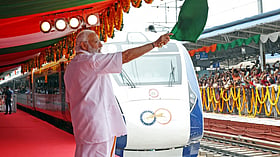
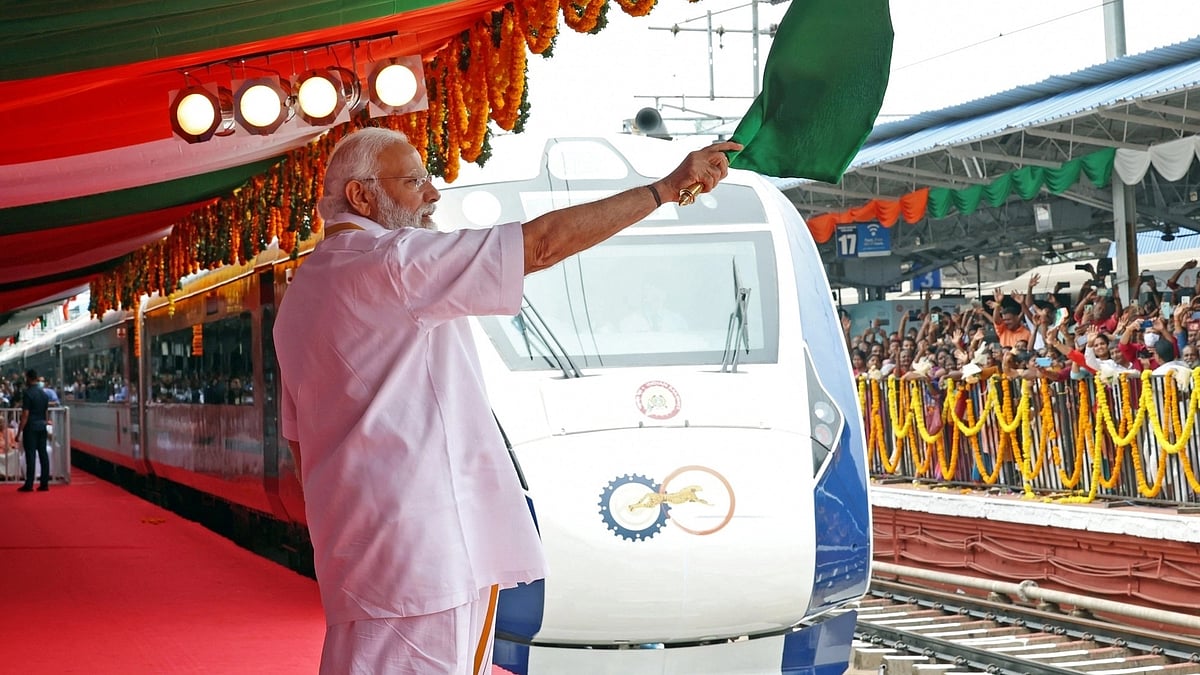
Even as Prime Minister Narendra Modi has been urging citizens to prefer train travel, more than 3.39 crore railway passengers were unable to travel in 2025–26 after their waitlisted tickets remained unconfirmed and were automatically cancelled, according to data provided by the Ministry of Railways under the RTI (Right to Information) Act.
The figures, disclosed in response to an RTI query filed by Bhopal-based activist Chandrasekhar Gaur, point to mounting pressure on the country’s rail network and continuing shortages of confirmed berths on high-demand routes.
According to the Railway Ministry’s reply, around 2.19 crore PNRs (Passenger Name Records) were automatically cancelled during 2025–26 after tickets failed to get confirmed before reservation charts were prepared. These cancellations affected more than 3.39 crore passengers, especially those holding online waitlisted tickets.
The ministry’s class-wise data showed that the highest number of automatic cancellations involved passengers travelling in Sleeper Class and AC 3-tier (3AC).
Nearly 74.55 lakh passengers booked under the 3AC category were unable to travel because their tickets remained unconfirmed, while the highest number of cancellations occurred in Sleeper Class, where more than 1.05 crore PNRs were automatically cancelled.
The ministry also stated that 2.78 lakh PNRs were cancelled in First AC (1AC), affecting around 3.85 lakh passengers, while 16.41 lakh PNRs under Second AC (2AC) were cancelled, impacting nearly 24.21 lakh passengers.
The figures indicate a steady rise in the number of passengers unable to travel because of unconfirmed waitlisted tickets over the past five years:
1.65 crore passengers in 2021–22
2.72 crore in 2022–23
2.96 crore in 2023–24
3.27 crore in 2024–25
3.39 crore in 2025–26
Commenting on the data, Gaur said the figures reflected a serious shortage of trains and confirmed berths on major routes.
“It is a matter of serious concern that even after 78 years of Independence, the Railways has not been able to ensure confirmed tickets for passengers, especially in sleeper classes,” he said.
He added that the rising cancellations highlighted the urgent need to expand train capacity and increase services on heavily used routes across the country.
Rail crisis: Modi urges Indians to travel by train but 3.39 cr passengers unable to get tickets
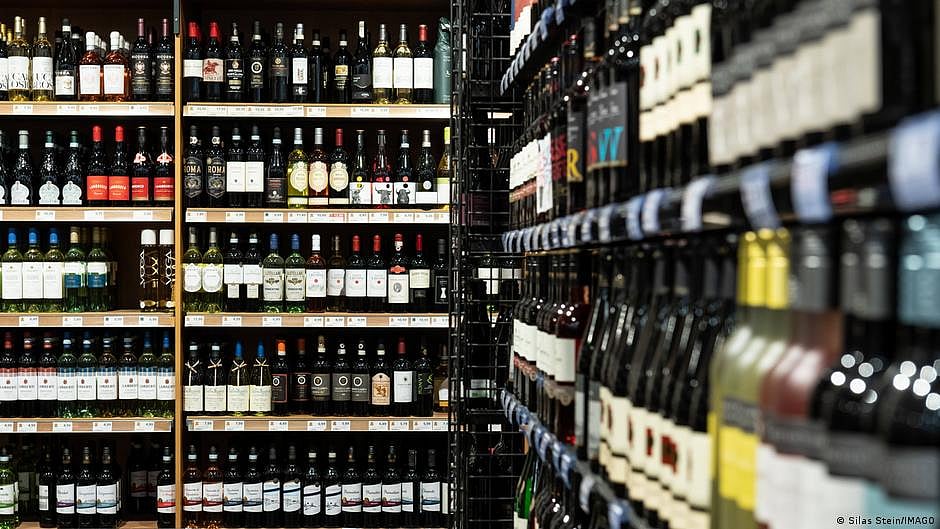
France has consumed more beer than wine for the first time on record, marking a significant shift in the drinking habits of a country long associated with wine culture as younger consumers, changing lifestyles and economic pressures reshape alcohol consumption patterns.
According to figures released by the OIV (International Organisation of Vine and Wine), French wine consumption fell to 22 million hectolitres in 2025, slightly below the 22.1 million hectolitres of beer consumed during the same period, according to data from the French brewers' association, Brasseurs de France.
The figures represent a 70-year low for wine consumption in France and a decline of 3.2 per cent compared with 2024. The OIV described the trend as part of a long-term decline that has unfolded over several decades.
Despite the drop, France remained Europe's largest wine-consuming nation in 2025, although consumption was 7.2 per cent below the country's five-year average.
Economic pressures and generational change
Industry experts attributed the shift to a combination of economic challenges and changing consumer behaviour, particularly among younger generations.
The OIV said overall wine consumption had fallen to its lowest level in more than six decades, reflecting both weaker demand in mature wine markets and broader changes in social habits.
“What we can see in the 2025 data is a sector that's reacting to real-time impacts of US tariff policies, but also adapting to some longer-term changes in terms of climate and consumption,” OIV Director General John Barker said.
Beer consumption, meanwhile, remained relatively stable and marginally exceeded wine consumption for the first time.
The strongest growth was recorded in alcohol-free beer. Consumption of non-alcoholic beer rose by 12 per cent last year, with approximately 600,000 litres consumed during July and August alone.
Analysts said the changing pattern reflected broader shifts in French society, including changing work routines and dining habits.
Sociologist Joan Cortinas told France Télévisions that traditional meal-centred drinking customs were becoming less common.
“Society has become more tertiary. Often people do not even eat properly at midday anymore,” Cortinas said.
Global pressures weigh on wine industry
The decline in wine consumption comes as producers face multiple challenges, including climate-related pressures, changing consumer preferences and trade disruptions.
Tariffs imposed by the United States under President Donald Trump have added fresh uncertainty for wine exporters. The United States remains the world's largest wine market, making trade barriers particularly significant for producers across Europe.
Barker said it was still too early to determine the full impact of the conflict involving Iran on the wine sector, although any disruption to shipping routes and consumer sentiment could affect the industry.
The wine sector has increasingly sought to adapt by diversifying revenue streams through wine tourism, sustainability initiatives and the development of lower-alcohol products aimed at attracting new consumers.
Italy remains largest producer
While France's domestic consumption has declined, it remains one of the world's leading wine-producing countries.
According to OIV figures, Italy was the world's largest wine producer in 2025 with 47.3 million hectolitres, followed by France with 35.9 million hectolitres and Spain with 29.4 million hectolitres.
The latest figures nevertheless highlight a profound cultural shift in France, where beer has overtaken wine in annual consumption for the first time, underscoring how economic realities and changing lifestyles are transforming one of the country's most enduring traditions.
Beer overtakes wine in France for first time as high cost of living reshapes drinking habits
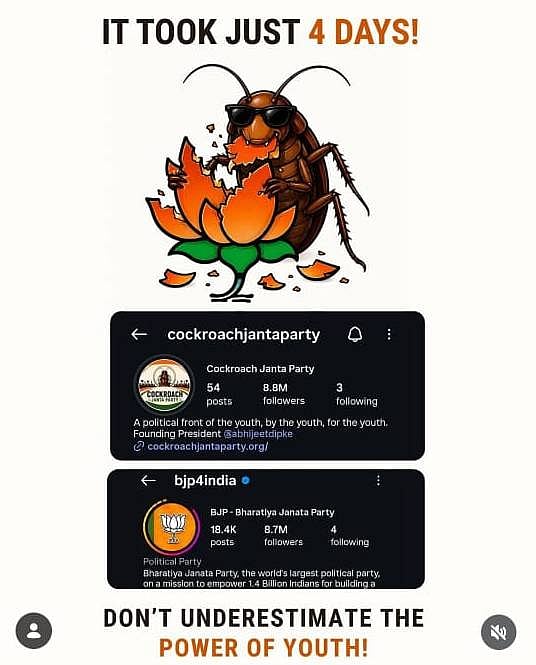
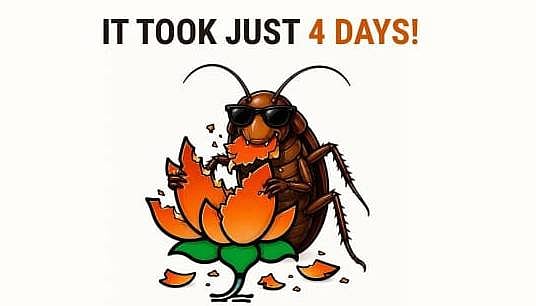
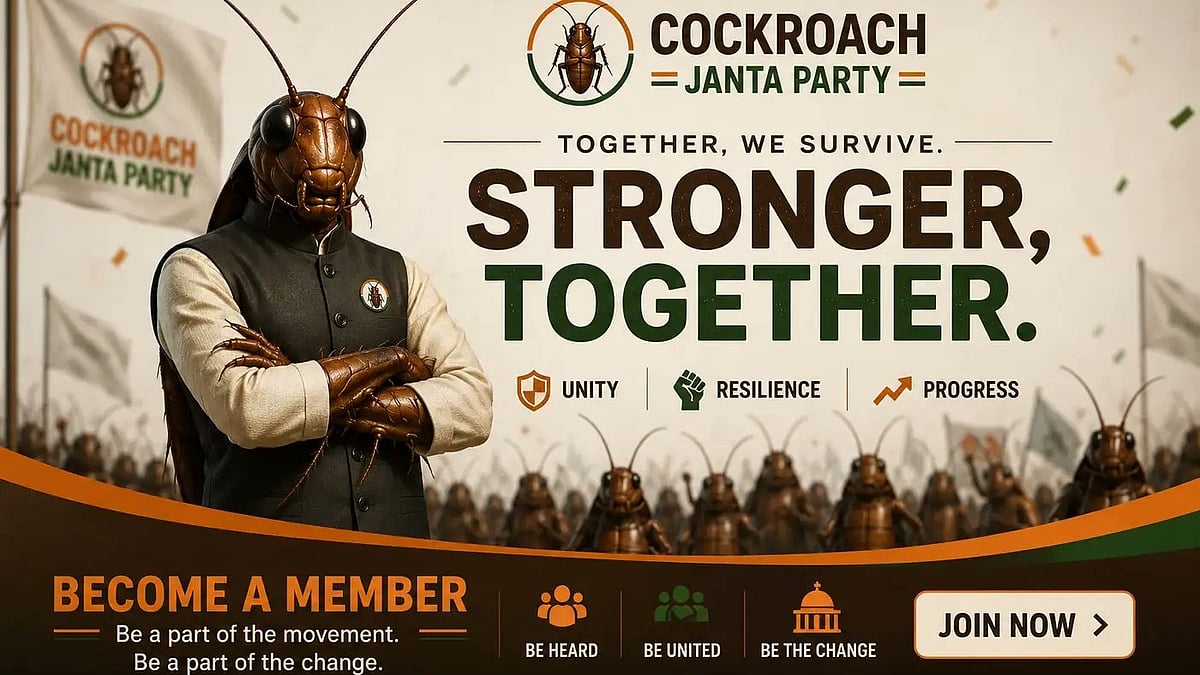
In an illustration of how internet culture can rapidly reshape political conversations, the Cockroach Janata Party (CJP), a satirical online movement launched less than a week ago, has emerged as one of the country's most talked-about social media phenomena, amassing millions of followers and overtaking the BJP's Instagram account in follower count in 'less than four days'.
The movement, launched by Abhijeet Dipke on 16 May, did not rely on traditional political organisation, party workers or grassroots campaigns. Instead, it grew through social media virality, humour and youth participation, turning an online controversy into a mass digital movement within days.
Unlike conventional political parties, the CJP framed itself as a satirical platform and invited supporters to join through online forms and social media engagement. Its rapid growth has fuelled debate over youth discontent, digital activism and the growing influence of meme-driven political participation in India.
Timeline: The rise of Cockroach Janata Party
15 May, 2026 A controversial "cockroach" remark linked to Chief Justice of India Surya Kant triggers widespread discussion on social media, providing the spark for what would soon become an online movement.
16 May, 2026 Abhijeet Dipke launches the Cockroach Janata Party as a satirical digital movement, inviting supporters to join through an online registration platform. Early membership registrations begin pouring in shortly after launch.
17 May, 2026 Membership surges into tens of thousands, with estimates ranging between 40,000 and 45,000 supporters as the campaign gains traction across social media platforms.
18 May, 2026 The movement's growth accelerates further, with registrations cross ing80,000 and may have approached one lakh members. The Instagram account also records a sharp rise in followers, crossing the three-million mark.
20 May, 2026 The party's Instagram following reaches around 9.3 million, transforming the satirical campaign into one of India's biggest online political talking points.
21 May, 2026 The Instagram account crosses 10 million followers, placing the figure above 11 million. The account has overtaken the BJP's Instagram handle in follower count despite being launched less than a week earlier.
A tweet, a Google form and suddenly a Movement.
What started as a sarcastic response to remarks from a CJI comparing young critics of System to "cockroaches" has exploded into a phenomenon, Cockroach Janata Party.
The comparison with the BJP amplified the movement's visibility far beyond internet circles.
The BJP's Instagram account had accumulated its audience over several years and through a professionally managed digital operation supported by one of India's largest political organisations. The CJP, by contrast, was launched only days earlier and had just a few dozen posts when it overtook the BJP's follower count.
The CJP account had around 54 Instagram posts, while the BJP account had more than 18,000 posts. Despite the disparity in organisational resources and content volume, the satirical movement managed to attract a larger audience in a significantly shorter period.
The contrast between institutional political communication and internet-driven virality quickly became a story in itself, drawing attention from media organisations, political commentators and social media users.
Why the movement resonated
Observers attribute the movement's rapid growth to a combination of humour, frustration and ease of participation.
The campaign converted an insult into a collective identity, allowing users to participate through jokes, memes and symbolic support rather than formal political engagement. The approach aligned closely with online culture, where irony and satire often travel faster than conventional political messaging.
The movement also tapped into broader conversations around unemployment, political accountability and freedom of expression, themes that resonated strongly with younger users active on social media platforms.
Supporters were able to join, repost content and publicly associate themselves with the movement with minimal effort, creating a low barrier to participation and accelerating its spread across digital networks.
Beyond follower counts
While the CJP's social media success has been remarkable, analysts caution that online popularity does not necessarily translate into long-term political influence or organisational strength.
Traditional political parties derive their power from electoral structures, cadre networks, governance experience and sustained public engagement. Viral internet movements, by contrast, often depend on momentum, novelty and continued online participation.
Nevertheless, the rise of the Cockroach Janata Party has underscored the ability of digital platforms to reshape political narratives rapidly. Within less than a week, a satirical online campaign evolved into a nationwide talking point and briefly became more visible on Instagram than one of India's most established political parties — a development that many observers see as a defining example of internet-driven politics in 2026.
From viral satire to 11 M followers: How Cockroach Janata Party overtook BJP in 4 days
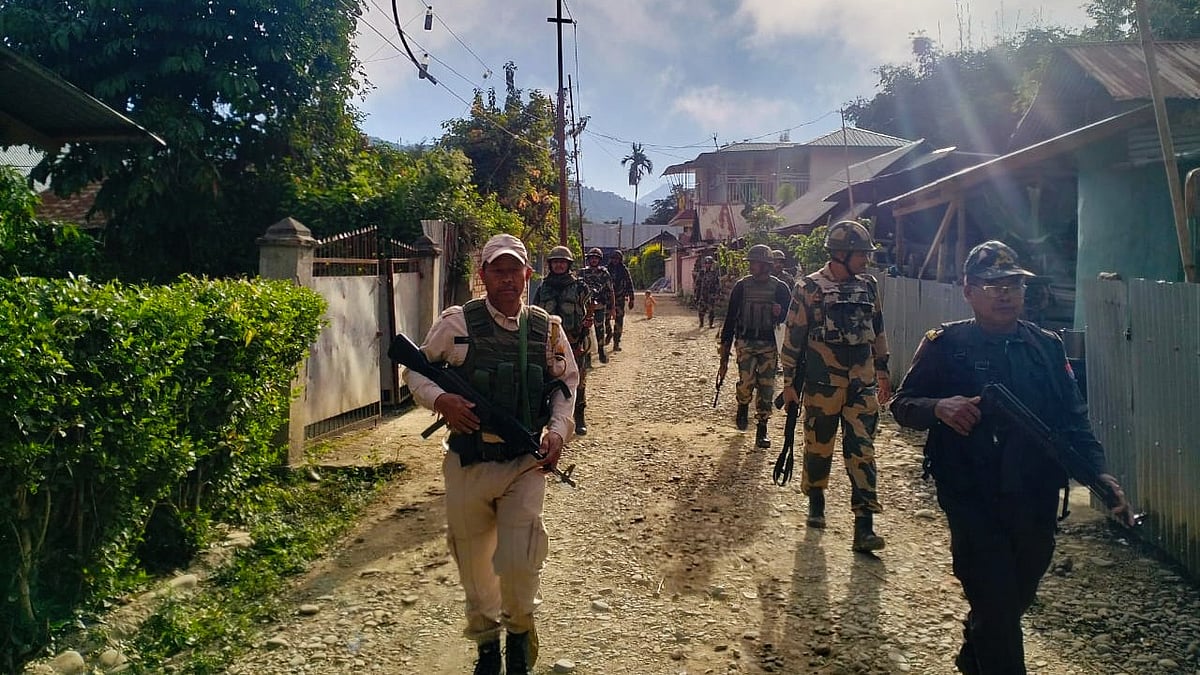
Fourteen Kuki individuals abducted nearly a month ago in Manipur's Senapati district were released on Tuesday, marking a significant breakthrough in efforts to ease tensions arising from the state's prolonged ethnic conflict.
Officials said all the hostages were handed over safely at the Senapati district headquarters in the presence of police and security personnel.
The release was facilitated by the United Naga Council (UNC), the apex body of the Naga community in Manipur, along with several civil society organisations based in Senapati district.
The abductees were among more than 50 people taken hostage by armed groups in Kangpokpi and Senapati districts on 13 May, hours after three church leaders were killed in an ambush in Kangpokpi district.
Chief Minister Y. Khemchand Singh welcomed the development, describing it as a positive humanitarian gesture and calling for an end to violence.
He praised the Naga community for helping secure the release of the hostages and said the act reflected compassion, responsibility and concern for human life.
The chief minister also assured that those responsible for the crisis would face legal action and reiterated that justice would be delivered to victims and their families.
UNC cites humanitarian considerations
UNC president Ng. Lorho said the decision to release the hostages followed appeals from the Centre, the state government, church organisations and tribal bodies.
"Nagas are cultured people. We respect human rights," Lorho said, adding that the council had also taken into account assurances made regarding efforts to trace six missing Naga men who remain in captivity.
According to the UNC, discussions with stakeholders enabled the safe transfer of the 14 hostages to district authorities and security forces.
One of the released men, Paotinkai Chongloi of Taphou Kuki village, said the captives had been held for 27 days.
"We were treated well and provided food during our detention," he said.
Six hostages still untraced
Officials said 31 of the more than 50 abducted persons have now been released, including 12 Naga women from Konsakhul village, 16 Kukis from Kangpokpi district and two Salesian brothers.
However, six Naga men remain missing and their whereabouts are still unknown.
Sources said the 14 Kuki hostages were initially scheduled to be released on 1 June, but the process was delayed following disagreements among some community stakeholders and youth leaders.
Background
Manipur has witnessed recurring ethnic violence between the Meitei and Kuki communities since May 2023, resulting in at least 260 deaths and the displacement of thousands of people.
The state remained under President's Rule from 13 February 2025 following the resignation of former chief minister N. Biren Singh before an elected government was restored in February this year.
The latest release is being viewed as a rare confidence-building measure amid continuing efforts to restore normalcy and trust between communities.
Tourist arrivals in Manipur fall to 17,000 amid unrest, high airfare concerns
The X account of the Cockroach Janata Party (CJP), a satirical youth-led political movement that has gained rapid popularity on social media, has been withheld in India following what the platform described as a “legal demand”, prompting allegations of censorship from the group's founder, Abhijeet Dipke.
Users attempting to access the account in India were shown a notice stating that the handle had been withheld in response to a legal request. Dipke alleged that the Union government was behind the move and accused authorities of attempting to silence dissenting voices online.
The development comes amid a surge in the movement's popularity, particularly among younger social media users, with its content focusing on satire, unemployment, political accountability and governance issues.
Instagram account remains active
Alongside the restriction on X, social media platforms were flooded with claims that the Cockroach Janata Party's Instagram account had been suspended, hacked or otherwise restricted.
Several users reported that the account became temporarily inaccessible on multiple occasions overnight, fuelling speculation about possible enforcement action or cyberattacks. However, the page subsequently reappeared and remained accessible.
At the time of writing, there was no official confirmation from Meta or Instagram that the account had been suspended, restricted or hacked.
The account continued to attract followers rapidly, crossing 11 million followers after reportedly having around 9 million followers the previous night.
Observers suggested that temporary visibility issues could also have been linked to heavy traffic or technical disruptions, although no definitive explanation has been provided.
A tweet, a Google form and suddenly a Movement.
What started as a sarcastic response to remarks from a CJI comparing young critics of System to "cockroaches" has exploded into a phenomenon, Cockroach Janata Party.
In a video statement circulated online, Dipke questioned what he described as efforts to target the movement because of its growing support base.
“Why would you suspend our social media accounts for having a difference of opinion?” he asked.
Dipke also linked the controversy to broader concerns about unemployment and political dissatisfaction among young people.
Referring to India's political leadership, he questioned why criticism of the government was allegedly being curtailed and argued that political leaders should be willing to answer difficult questions publicly.
He urged supporters not to be discouraged by what he described as political pressure or online disruptions, calling the movement a reflection of frustrations among sections of the youth.
Movement emerged from online satire
The Cockroach Janata Party was launched on 15 May by Abhijeet Dipke, a public relations student at Boston University.
The movement gained traction following online discussions surrounding remarks attributed on social media to Chief Justice of India Surya Kant regarding unemployed youth.
Presenting itself as “a political front of the youth, by the youth, for the youth”, the group combines satire, memes and political commentary. Its slogan, “Secular, Socialist, Democratic, Lazy”, has been widely shared across social media platforms.
The organisation's website also allows users to register as members through an online sign-up process, helping expand its reach among younger audiences.
Rapid growth fuels online debate
The movement's rapid rise has sparked discussion about youth engagement with politics, unemployment and freedom of expression online.
Supporters view the initiative as a humorous but pointed critique of contemporary politics and governance, while critics have questioned whether its popularity can translate into sustained political engagement beyond social media.
For now, while the party's X account remains inaccessible in India following the legal demand, claims regarding the suspension of its Instagram account remain unverified, with the page continuing to operate and gain followers.
Cockroach Janata Party's X account withheld in India; Instagram disruption claims remain unverified

 Login
Login