Reading view

A free-for-all is shaping up as Johor calls for elections
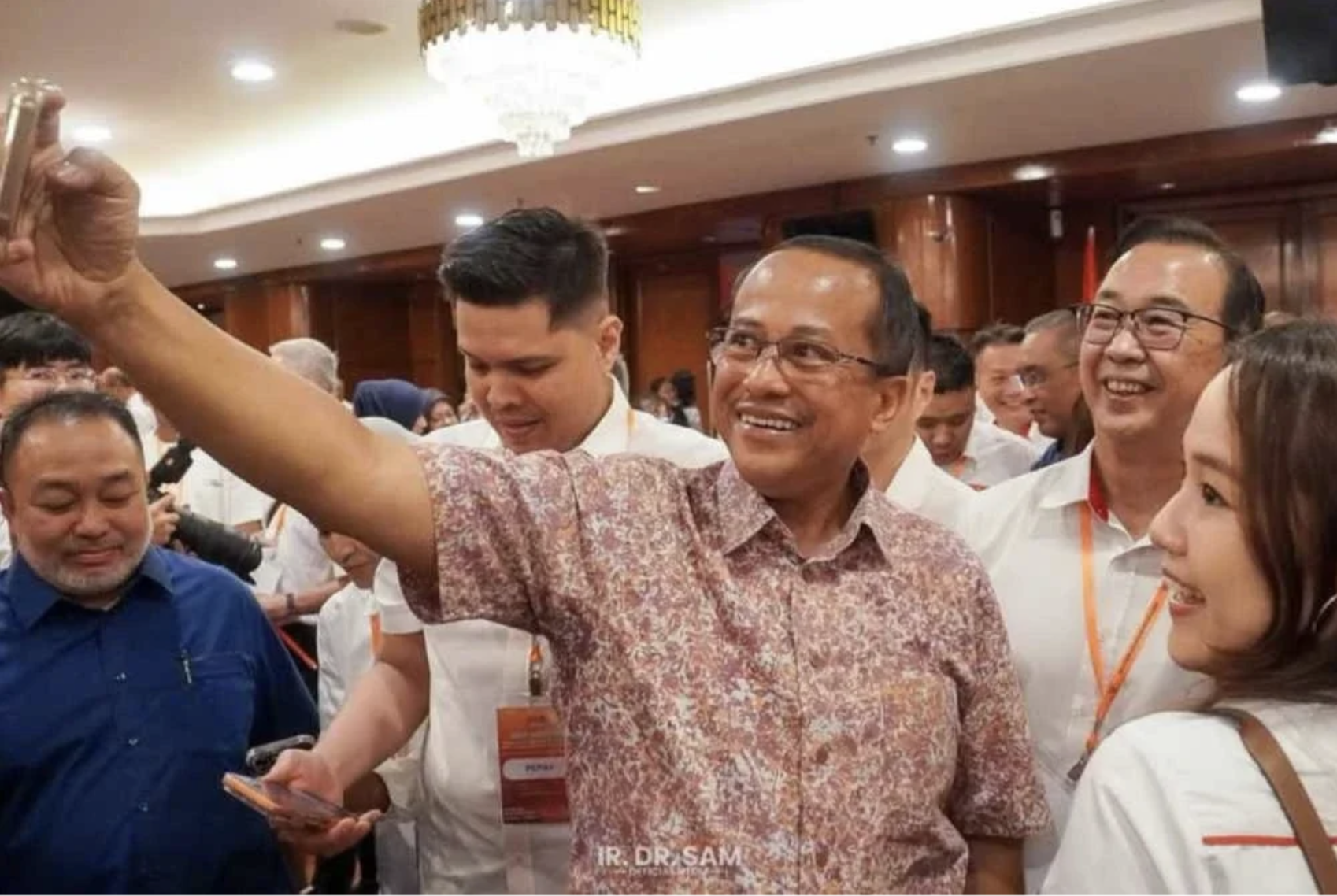
MALAYSIA: The state of Johor is going to the polls after the local legislative assembly was dissolved yesterday, and this may spark a fierce battle pitting parties in the Unity Government headed by Prime Minister Anwar Ibrahim.

Meanwhile, a divided opposition is also in the running for the elections, saying they will contest all the seats.

As expected, Pakatan Harapan (PN), the alliance headed by Anwar, said it will also contest all 56 seats, in what is shaping up as a free-for-all election. The result of the elections will probably serve as a barometer on the popularity of the various coalitions that will compete.

There are no indications so far whether Pakatan Harapan (PH) will attempt to carve a deal with Barisan Nasional (BN) and Umno ahead of the elections, but there will certainly be no electoral workaround between Barisan Nasional (BN) and PN, or PN and PH.

The leader of the opposition, Ahmad Samsuri Moktar, has called on all parties in the Perikatan Nasional (PN) alliance to join forces. He also called for the PN parties to engage in a clean campaign.

His remarks come amid tensions between PN’s two main component parties: the Malaysian Islamic Party (PAS) and the Malaysian United Indigenous Party (BERSATU).

On the role of PN in the elections, Samsuri said it is an opportunity to outline solutions to key issues such as the cost of living, unemployment and administrative integrity.

“PN will enter this election with responsibility, maturity and professionalism, placing the interests of the people as our foremost priority.

“I also urge PN’s campaign machinery to avoid any form of excessive provocation, hate politics and divisiveness. Instead, they should present a calmer, fact-based and solution-oriented approach to politics,” he said in a statement.

On the other hand, United Malays National Organisation (UMNO) vice-president Mohamed Khaled Nordin has described the decision to hold the Johor state election as timely, saying there is no “perfect” timing to return the mandate to the people.

In a statement today, he said the scheduling of the election must take into account weather constraints, the lengthy festive season, and the state’s consistently packed annual calendar.

“Johor has a narrow window left this year. By November, December and January, we will be facing the monsoon season and floods, particularly in areas such as Kota Tinggi.

“Then, February and March will coincide with the Hari Raya celebrations. In Johor, the festive season is usually quite prolonged,” he said when asked to comment on the dissolution of the Johor State Legislative Assembly.

Mohamed Khaled, who is also the Kota Tinggi MP and Defence Minister, said the impact of the Johor state polls on the dynamics of the Unity Government at the federal level. All parties must accept the reality that the country’s political landscape has changed.

He said the era of dominance by a single political party has come to an end and that it was important for Malaysians to cultivate a mature political culture that embraces cooperation for the future of the country.

In the last state poll, BN won 40 seats and has ruled the state single-handedly without Anwar’s PH, in stark contrast with BN-UMNO joining the Madani government at the federal level.

This article (A free-for-all is shaping up as Johor calls for elections) first appeared on The Independent Singapore News.
  •  

Malaysia Politics: PM says no plans to work with Bersatu

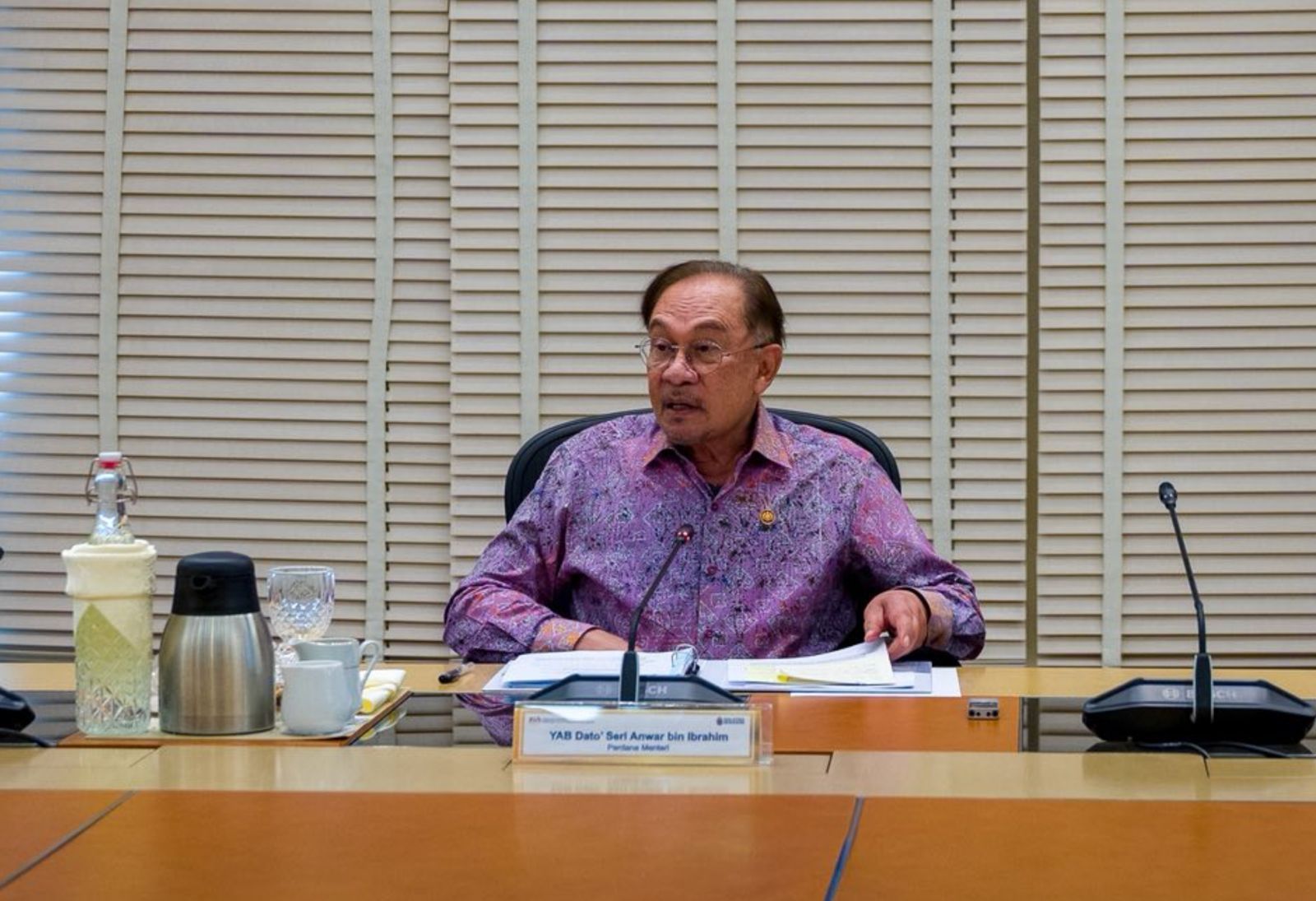
MALAYSIA: Prime Minister Anwar Ibrahim dismissed speculation that Bersatu would join his coalition Pakatan Harapan (PH), firmly rejecting the rumours after PAS severed ties with its opposition partner.

He said he had not heard any rumours about that matter, saying there are no negotiations with Bersatu. Whether there will be negotiations in the future if Bersatu approaches PH is also not known.

However, the internet is full of rumours that the party of Muhyiddin Yassin, a former PM who brought down Anwar’s coalition from power in 2020, is joining PH.

The PH chairman said the political approach practised by his side at present is based on negotiation and cooperation, not manoeuvres that could damage relations between parties.

“There is none yet, not even rumours. This is a political marriage — divorce, talaq, marriage, for me that is not our way,” he said at a press conference concluding his three-day official visit to Japan yesterday.

PAS has severed ties with Bersatu, citing several key points that disrupted the political arrangement that won 76 seats in the general elections in 2022.

The two parties were in power (together with Umno-Barisan Nasional) from 2020 to 2022 following the Sheraton Move that saw Tun Dr Mahathir Mohamad then lose grip on power while his party, Bersatu, left the Pakatan Harapan-led government that won the elections in 2018.

PAS defended its decision to end political cooperation with Bersatu, describing the move as a “bitter pill” necessary for what it says is the broader goal of Muslim unity and national political stability.

“PAS does not take decisions based on sentiment or short-term interests, but based on an assessment of whether a cooperation can achieve a greater objective — the unity of the ummah and political stability of the country.

“It is not something pleasing, but a bitter pill that must be swallowed for the greater good,” its information chief, Ahmad Fadhli Shaari, said.

On the other hand, Anwar, who has so far dismissed calls for fresh general elections, said the Unity Government at the Federal level continues to function well.

The government is shaken with Barisan Nasional and Umno’s decision to contest all state seats in the two state elections in Johor and Negeri Sembilan.

This has set the parties in the ruling coalition apart, with frictions rattling the BN-PH collaboration.

But Anwar said, “So far the Unity Government remains strong even though at the state level there are some differing opinions.

“I have not heard any views, in fact from the Cabinet leadership that exists, they are still firm, consistent in stating the Unity Government at the national level must remain strong,” he said.

At the same time, he said, he will not be involved in any steps that could be considered betraying partners in the existing coalition.

This article (Malaysia Politics: PM says no plans to work with Bersatu) first appeared on The Independent Singapore News.
  •  

Ex-Malaysia PM’s wife risks bankruptcy in Lebanese jeweller’s case

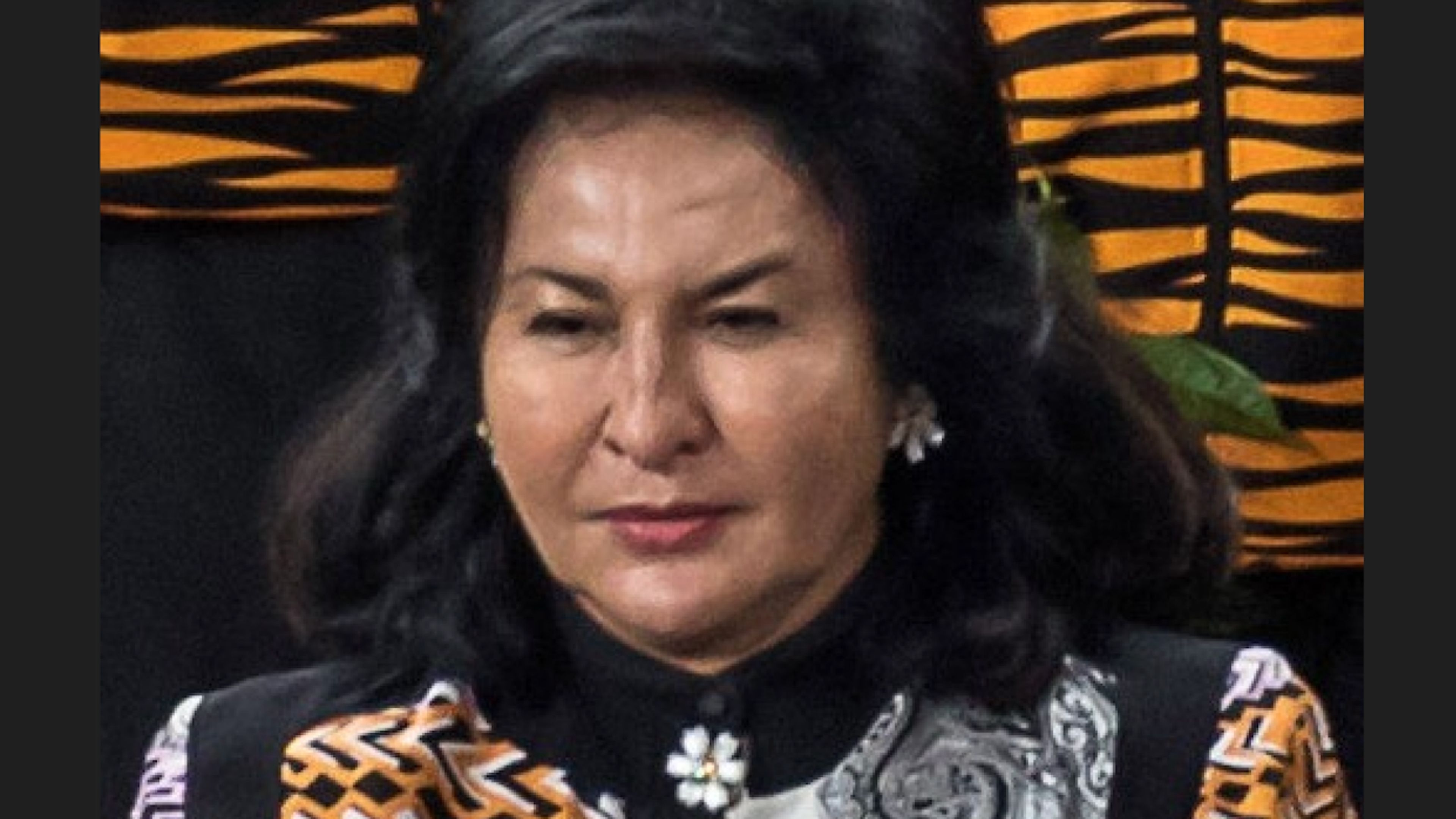
MALAYSIA: The wife of former Prime Minister Najib Razak, Rosmah Mansor, is now faced with a dilemma of paying RM67.5 million (S$21.6 million) or going bankrupt.

The fate of Rosmah is now in the hands of a Lebanese jeweller, Global Royalty Trading SAL Ltd, which said it will use all available legal channels to recover the RM67.5 million from Rosmah, including bankruptcy proceedings as a last resort.

Senior lawyer David Gurupatham, representing the company, said his client intends to fully enforce the High Court’s judgment against the self-proclaimed former First Lady of Malaysia.

“We will enforce the judgment until every cent is recovered or she is declared bankrupt. That is my client’s instruction,” he said to the English language daily, The New Straits Times, yesterday.

Yesterday, the High Court ordered Rosmah Mansor to pay the amount to the Lebanon-based jeweller within one month for 43 pieces of jewellery that were not returned to them.

Rosmah claimed that the missing 43 pieces were seized by the authorities during a raid on May 17, 2018, at a unit in Pavilion where she was staying.

Justice Quay Chew Soon said 44 pieces of jewellery were delivered to the defendant, Rosmah, in February, 2018, for viewing under a consignment arrangement.

The court also dismissed Rosmah’s third-party claim against the Inspector-General of Police and the government, in which she alleged the jewellery was seized during police raids in 2018.

Meanwhile, Rosmah’s lawyer Rajivan Nambiar said they will apply for a stay of execution and file an appeal to the Court of Appeal.

While the Lebanese firm intends to get its money or jewellery back at all costs, David, its lawyer, stressed that bankruptcy proceedings are not an immediate step if Rosmah fails to comply with the court order within one month.

“We will only apply for bankruptcy if all efforts to enforce the judgment to recover the debt fail,” he said.

This article (Ex-Malaysia PM’s wife risks bankruptcy in Lebanese jeweller’s case) first appeared on The Independent Singapore News.

  •  

‘Plant a banana tree’: From potholes to plantations, the viral Malaysian solution

MALAYSIA: Malaysian roads are often described as either among the best in the region or the worst. While privately managed highways are generally well maintained, government‑run roads are frequently criticised for poor upkeep. 

Additionally, navigating Klang Valley roads is increasingly dangerous, with commuters facing potholes, erratic drivers, and fatal accidents. Ageing infrastructure, limited maintenance funds, heavy rainfall, and rising traffic worsen conditions. Experts highlight poor coordination between authorities and utility works, while data shows hundreds of accidents linked to road damage. 

Frustrated by the situation, social media users have begun suggesting creative solutions for local councils to address the issue. 

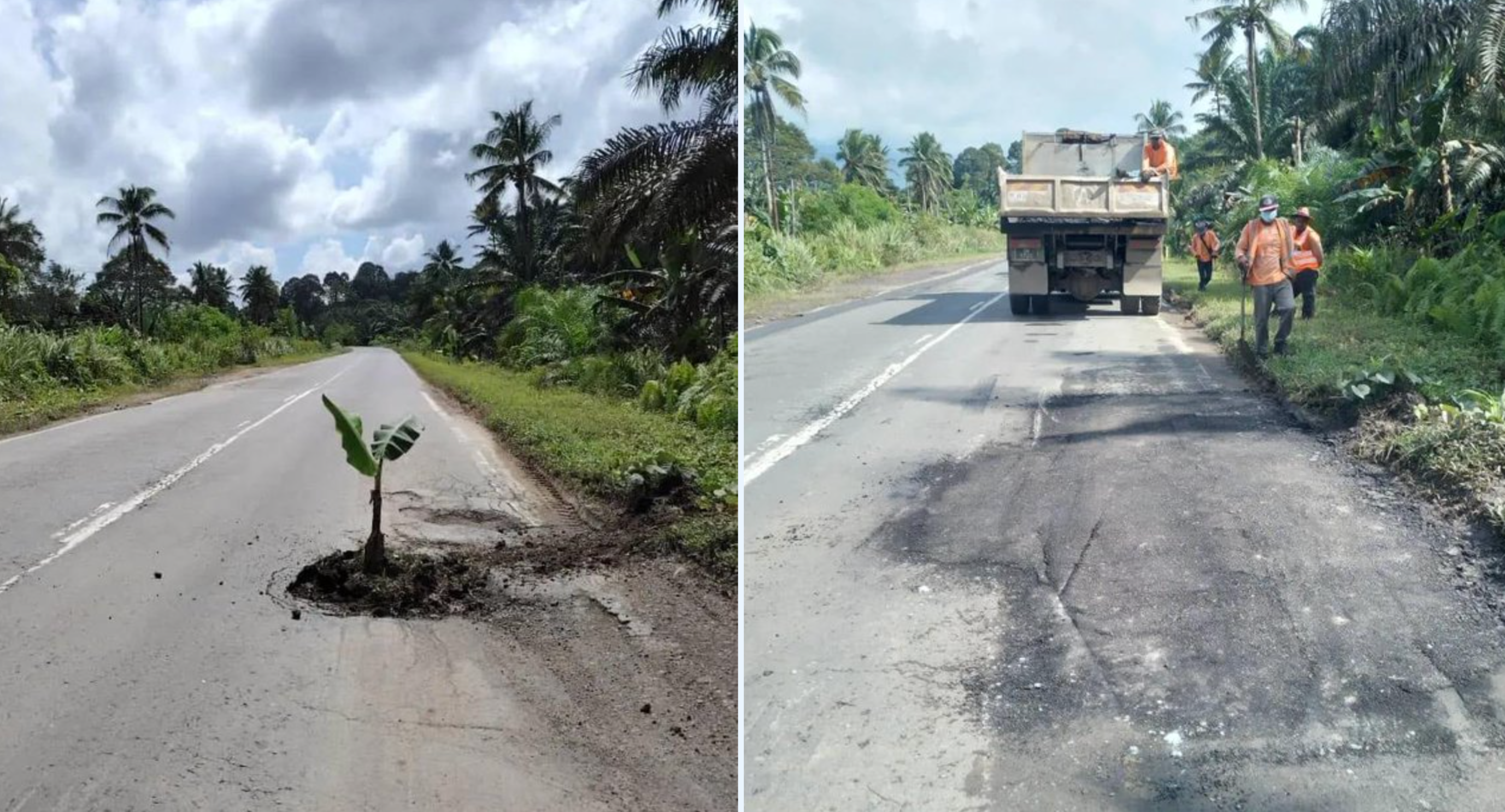
On X, a user offered a humorous take on Malaysia’s pothole problem. Instead of filing complaints with local councils—which can take months or even years to resolve—he joked that a faster solution exists: plant a banana tree in the pothole. 

According to him, authorities would quickly remove the tree and cover the damaged road, ensuring repairs are carried out much sooner.

Following that, another voiced frustration over the “before and after” photos of a repaired road. He noted that while a pothole was patched, the result left behind an uneven surface resembling an unofficial road hump. 

Such poor workmanship poses risks to drivers—especially at night on poorly lit roads—turning what should have been a fix into another road hazard.

One more added to the criticism of recent road repairs, highlighting the safety risks posed by uneven work. He remarked that the newly patched surface feels like a “rollercoaster ride” for cars and motorcycles passing through.

He further stressed that contractors need to apply basic common sense when carrying out repairs—something, he noted, that doesn’t require a degree. 

A citizen raised concerns about the banana‑tree pothole “solution,” questioning liability if a driver failed to notice the tree and crashed into it. He argued that responsibility could fall on the person who planted it. 

In response, one countered with a rhetorical question: which poses a greater danger—driving through a large pothole or hitting a freshly planted banana tree? 

The question remains: what truly is the best solution for Malaysia’s road repairs? Regardless of which government is in power, poor road conditions have persisted across the country. 

From wealthy neighbourhoods to less affluent areas, residents often face dangerous potholes and uneven surfaces. This long‑standing issue highlights the urgent need for consistent, effective, and sustainable road maintenance strategies that prioritise safety over short‑term fixes.

This article (‘Plant a banana tree’: From potholes to plantations, the viral Malaysian solution) first appeared on The Independent Singapore News.

  •  

Johor: It’s either war or peace between PH and BN

MALAYSIA: Prime Minister Anwar Ibrahim underscored his commitment to coalition unity, making it clear he does not want clashes among partners in the Johor state elections.

He advised his supporters to avoid spats with the United Malays National Organisation (UMNO) or Barisan Nasional (BN) throughout the campaign.

However, supporters of Pakatan Harapan (PH) and BN are already sparing no chance to get at each other’s throats on social media.

Meanwhile, Anwar also reiterated that fighting against each other in the elections will be meaningless since the party leaders will have to sit at the same table during Cabinet meetings, for example.

He admitted that the BN and PH decision to contest all the seats in Johor, resulting in the two groups fighting for the same seats, “created a headache for us.”

“While we clash with Umno and BN today, we will be sitting next to each other at the Cabinet meeting on Wednesday,” he said during the weekend.

He also said that his choice would have been to work alongside the unity government partners for these elections, blaming BN in the process for the split.

“It was their (BN) choice to call for an election. It was their (BN) choice to create political instability.”

He added that if they want a fight, then we will fight.

Elections to the state assembly must be held within 60 days after the Johor assembly was dissolved on June 1.

In the March 2022 election, BN won 40 seats in the 56-member state assembly, PH won 12, while Perikatan Nasional secured three and Muda one.

Not happy with Anwar’s call for a truce during the elections, one Facebook user said:

“One minute you’ll fight them on every front, the next minute hands off! He’s talking like his dancing partner, Trump, now!”

Another user questioned the decision by PH, headed by Anwar, to contest all the seats in Johor after BN said it would not ally with PH in the polls, saying, “Just don’t understand what he is trying to do? Don’t fight against BN, but in the first place, BN wanted to go solo! You said you agreed with Mat’s, if they want to fight, then we’ll fight! BN is going to fight in PH’s seats, but now you don’t want PH to fight! How? Give Johor to BN on a platter?”

However, some were more pragmatic amid the looming clashes between parties in the same coalition ruling the country.

“The world is facing uncertainty, economic pressures, and growing challenges. Is this the time for political change, or the time for stability and strong leadership?

At the end of the day, Malaysians want leaders who can manage the country well, protect livelihoods, and focus on the rakyat—not endless political battles,” but it has been said that Anwar has also said he did not want elections as his focus and everybody’s focus should be to work for the country’s economic interest.

This article (Johor: It’s either war or peace between PH and BN) first appeared on The Independent Singapore News.

  •  

Controversy over height of non-Muslim houses of worship in Malaysia

MALAYSIA: Following public pushback and debate, the Selangor state government announced that guidelines called the Selangor State Planning Guidelines and Standards for Community Facilities 2025 have been paused and are undergoing a review.

It recently issued a statement explaining that its position on the proposed guidelines for non-Islamic places of worship is intended to improve planning standards and inclusivity, and not to restrict religious practices.

Selangor Special Committee on Buddhist, Christian, Hindu, Sikh and Taoist Affairs co-chairman P. Papparaidu said the state executive council had agreed to review and refine the guidelines to ensure they remained practical, inclusive and responsive to the needs of the state’s diverse communities.

However, critics argue that the guidelines could impose restrictions that could limit the establishment and expansion of non-Islamic places of worship.

Today, a member of the ruling People’s Justice Party (PKR), Lee Chean Chung, said that he thanked the Selangor State Government Exco YB Ng Sze Han for responding to public concerns regarding the controversy and to his statement dated 1 June on the matter, but Lee says the explanation by the state Exco still falls short of addressing the real concerns on the ground.

The concerns regarding those guidelines are that bans in commercial zones and height and Structural Constraints.

The guidelines initially stipulated that non-Islamic houses of worship could not be located in commercial zones, and existing buildings in these areas could not be converted for such use.

Critics say that because gazetted religious land is often scarce, many religious groups have historically relied on shoplots.

On the issues concerning height and structural constraints, the rules apparently specified that non-Muslim places of worship must not be taller than any mosque located within the same or neighbouring development areas, with an absolute height limit capped at 72 feet.

Lee highlighted two main issues with the proposed rules:

  1. Industrial areas — The guidelines say existing buildings cannot be converted into non‑Islamic houses of worship (RISI). Legally, this could mean RISI are not allowed in industrial zones at all.

  2. Temporary approvals (KMTT) — Many RISI in commercial and industrial areas operate under temporary permits that must be renewed regularly. By law, these permits cannot last more than 12 consecutive years, so approvals are granted cautiously.

“The question is: how can the state government guarantee that such renewals or reapplications will not be treated as new applications and subsequently rejected?

Lee Chean Chung has called for a full withdrawal and review of Selangor’s latest worship guidelines, warning they pose risks to non‑Islamic houses of worship (RISI).

He noted that earlier editions allowed case‑by‑case discretion for religious sites in shop or residential premises, but this clause was removed in 2020, creating uncertainty.

Lee also criticised the residency threshold requiring 1,250 units for new RISI sites, saying such large developments are rare in the Klang Valley.

He raised concerns over clauses permitting enforcement against existing RISI exceeding the 72‑foot height limit, including statues and symbolic structures.

To ease public anxiety, Lee proposed clarifying the status of temporary permits (KMTT), restoring local authority discretion, lowering land thresholds to 500 units, and involving LIMAS in decisions on existing sites. He stressed that reforms are vital to uphold Malaysia’s tradition of coexistence and unity.

This article (Controversy over height of non-Muslim houses of worship in Malaysia) first appeared on The Independent Singapore News.

  •  

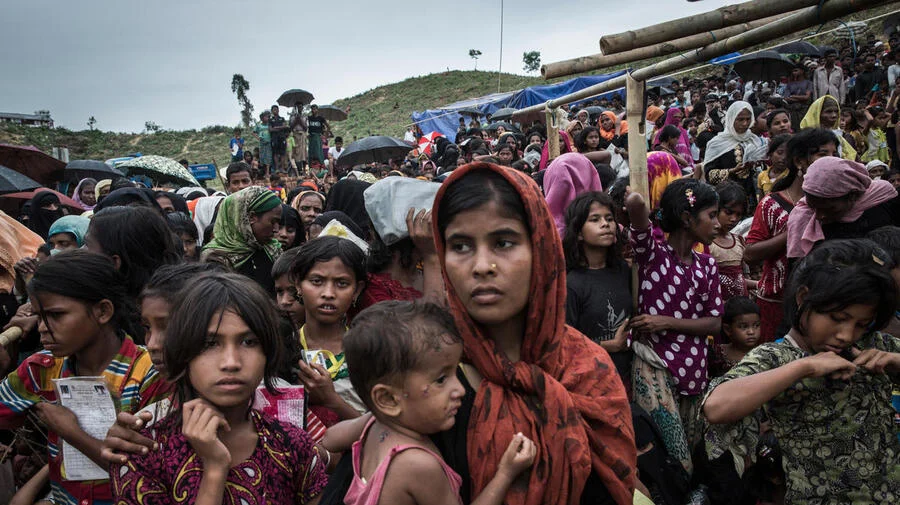
Malaysia’s discourse with Rohingya refugees, as some are campaigning against them

MALAYSIA: A recent social media campaign in Malaysia has sparked heated debate after claims circulated that Rohingya refugees were demanding rights and calling for the disbandment of the Bumiputera status. The allegations triggered intense discussions online, with many Malaysians questioning the role and demands of refugees accepted into the country. 

Rohingya activist Yasmin Ullah dismissed claims that refugees in Malaysia are demanding land and special rights, calling them fabricated misinformation aimed at scapegoating vulnerable communities. 

She stressed Rohingya fled persecution, not to make demands, and warned that online hate speech mirrors rhetoric used in Myanmar before the 2017 genocide. Refugees, she said, should not be blamed for crises they did not create.

A campaign titled “Remove Rohingya from Malaysia” has gained significant traction, amassing over 114,000 signatures in support. Reports estimate more than 200,000 Rohingya currently reside in Malaysia, making the issue highly sensitive.

X page @bencanamalaysia claimed that it is relatively easy for refugees and illegal immigrants to enter Malaysia, contrasting the country’s approach with stricter immigration enforcement in Indonesia. 

The post suggested that Indonesia faces fewer immigration issues due to its tougher stance. Unfortunately, the discussion also drew unkind remarks directed at refugees. 

Some questioned whether Malaysia could send Rohingya refugees to Bangladesh instead, reflecting a sentiment that has gained traction in online discourse. 

While this view is popular among some Malaysians, others drew comparison with Bangladeshi migrants, noting they are perceived more favourably for coming to Malaysia simply to work and keeping to themselves. 

However, some argued that as long as Myanmar faces instability, the Rohingya refugee issue will persist across Southeast and South Asia, since the community has nowhere else to go. He added that Malaysia cannot simply expel refugees after accepting them, as such actions would carry serious humanitarian and political consequences. 

One of the challenges faced by Rohingya refugees in Malaysia is their inability to work legally, leaving many without a stable source of income. Critics warn this situation could push some toward crime out of desperation, while others argue refugees should be given opportunities to contribute productively. 

At the same time, segments of Malaysian society remain welcoming, believing in the importance of helping vulnerable communities despite economic and social pressures. 

This article (Malaysia’s discourse with Rohingya refugees, as some are campaigning against them) first appeared on The Independent Singapore News.
  •  

Muslim and non-Muslim customers segregated at a food outlet in Penang

MALAYSIA: In the past, it used to be about properties where owners would advertise saying ‘No foreigners’ or, in some cases, they would want only people of their race to rent the property.

Later on, signs started to appear in advertisements for a certain type of resort saying that only Muslims or Muslim families are allowed.

Now, it appears that some restaurants are segregating their customers between Muslims and non-Muslims.

This happened in Penang, where the Island City Council issued a warning to the operator of a burger stall at a food court.

Customers said the joint was displaying unapproved halal logo stickers on dining tables. The city council believes this could spark racial sensitivities.

The council issued a statement saying that action was taken following an investigation into claims circulating on social media that Muslim and non-Muslim customers were segregated at a food outlet.

“MBPP wishes to stress that no such action or practice should have been in place at any food premises, public market or food complex under its supervision and management.

“Such a practice was not contained in any official MBPP policy,” the statement said.

Investigations found that a new burger stall operating within a food shop had attached halal logos to three tables to prevent their use by customers consuming non-halal food.

“The owner of the premises has complied with the instructions and immediately removed all the stickers,” the council said in a statement.

The resolution of the issue does not mean users on social media remained silent.

A prominent academic, James Chin, posted on X, asking why we are getting more such cases in Malaysia.

He recapped some of the recent cases where ‘muslim-friendly’ signs were seen, sayING there was a case of a self-service laundromat in Muar, Johor, that had put up signs stating “For Muslim customers only.

Another laundromat in Kangar, Perlis, was found with a sign: “This laundry is dedicated for Muslim use only.” A TikTok video showed a laundromat with designated washers and dryers for Muslims and non-Muslims separately. The poster said there are many private homestays and short-term rentals that explicitly advertise as “Muslims Only”.

“These are often justified on grounds of privacy, prayer facilities, halal standards, or owner comfort,” he writes.

Meanwhile, Malaysia does not have the ‘Muslim-friendly’ or halal everything syndrome. In the past, there were heated debates online regarding ‘Chinese only’ job advertisements or jobs that required employees to be well-versed in Mandarin.

These, and the ‘halal’ only resorts or tourist spots, are always hotly debated.

Responding to Chin, a user asked: “How about races that reject certain other races from renting their property? Even worse, it directly mentions which race is banned. It’s like a pot calling kettle black situation going on here.”

Some were more diplomatic, saying Muslim-friendly AirBnB’s have a good reason for their stance. They would not want to see pork in their units.

“I’m ok with laundromats shared by both muslims and non-Muslims. As for Muslim-only airbnbs, the owners just don’t want to see pork in their airbnbs because that would mean they have to clean it up 6 times with water and once with soil. It‘s a hassle.”

The pressing question is whether Malaysia is veering into extremes in certain situations, or if majority rule ultimately prevails.

This article (Muslim and non-Muslim customers segregated at a food outlet in Penang) first appeared on The Independent Singapore News.

  •  

‘Are Malaysians ready to protest?’: Petition removal fuels anger online

MALAYSIA: The “Remove Rohingya from Malaysia” petition, which had amassed over 424,000 signatures by June 8, was taken down by Change.org following civil society criticism of its hate‑driven narrative. 

The campaign, fueled by misinformation and viral artificial intelligence (AI)‑generated content, targeted the vulnerable Rohingya refugee community and sparked widespread xenophobic commentary online. Rights groups warned the petition echoed propaganda tactics used in Myanmar before the 2017 genocide, raising alarm over rising hostility and disinformation against refugees in Malaysia.

The leader of the Rohingya refugees, Zafar Ahmad Abdul Ghani, condemned rising hate campaigns against the Rohingya, calling them disinformation. 

He urged Malaysia and ASEAN to defend refugee rights, stressing that daily hostility, false claims, and Islamophobia deepen divisions and threaten the safety of his already vulnerable community.

Despite official statements, some social media users argue the issue should spill into the streets. On X, one asked if Malaysians are prepared to demonstrate against the removal of the anti‑Rohingya petition and the continued presence of refugees in the country. 

Additionally, some argue that the government is ignoring the voices of over 400,000 taxpayers who signed the petition demanding the removal of Rohingya refugees. They claim Malaysia was initially expected to host only 10,000 refugees, but that figure has since ballooned to more than 120,000. The frustration reflects growing resentment online. 

Some social media users allege that a Malaysian political party once used undocumented migrants as a tactic. One claimed that in past years, a former political powerhouse granted citizenship to illegals or refugees in exchange for votes. 

However, this rhetoric appears speculative and lacks verified evidence. While such claims resonate with public frustration over refugee issues, they remain controversial. 

Unfortunately, harsh remarks from some X users have shifted the debate into troubling territory, questioning morality itself. A few even asked whether Malaysia needs the return of an infamous past leader, remembered largely for controversy. Such rhetoric underscores how online frustration over refugee issues can spiral into extreme narratives. 

The situation shows little sign of improving, yet it must be remembered that the Rohingya remain human beings deserving dignity. If the Malaysian government truly intends to help, support should go beyond temporary aid. 

Offering access to skills training and education would allow refugees to progress in life, gain independence, and contribute productively. 

This article (‘Are Malaysians ready to protest?’: Petition removal fuels anger online) first appeared on The Independent Singapore News.
  •  

Malaysians online say illegal parking touts remain a problem despite enforcement efforts

MALAYSIA: Illegal parking touts remain a persistent problem in Kuala Lumpur, demanding fees from motorists in public spaces without legal authority. Enforcement by DBKL has led to arrests and fines, with offenders jailed under Section 50(3) of the Road Transport Act 1987. 

Lawyers stress that intimidation or vandalism threats can be prosecuted under the Penal Code. Despite crackdowns, social media users continue sharing experiences of feeling pressured to pay these “ulat” touts.

Social media users remain dissatisfied with the authorities’ handling of parking touts. An X (Twitter) user noted that such practices have persisted since the 1990s, questioning what concrete measures are being taken to end them. 

He adds that the real issue lies in prevention, not just sporadic enforcement. Many users also fear retaliation, saying that if an average motorist resists paying, their vehicles risk being scratched or damaged 

Many social media users are directing blame at the authorities for failing to curb illegal parking touts. One commenter argued that enforcement agencies are not doing their jobs properly, which explains why touts remain widespread across Kuala Lumpur. 

The user stressed that the public is not ignorant of the issue, as countless motorists have repeatedly faced harassment and intimidation from these individuals. 

Some have taken a political angle on the parking touts issue, criticising the government for merely informing the public about the problem, as though ordinary citizens could resolve it within days. 

Furthermore, he argued that expecting people to fix a decades‑old issue is unrealistic, especially when enforcement should be the responsibility of authorities. 

Frustration over parking touts continues to grow, with many sharing their encounters online. One account described being confronted by a tout during dinner, only for the individual to be arrested and released the following day.

This is one of the reasons why such leniency discourages the public from taking action themselves. 

At the end of the day, social media users remain unhappy with official remarks on the parking touts issue. Many argue that resolving the problem is the responsibility of local authorities and the government, not ordinary citizens. 

Calls to “boycott” touts are seen as impractical and potentially dangerous, as refusing payment could lead to vandalism of private vehicles or even physical harm. 

This article (Malaysians online say illegal parking touts remain a problem despite enforcement efforts) first appeared on The Independent Singapore News.
  •  

Former Malaysian PM Najib Razak at center of PETA’s vegan meal debate

MALAYSIA: PETA has urged Kajang Prison to serve vegan meals to inmates, including former Prime Minister Najib Razak, arguing it would cut costs, improve health, and promote “empathy and non‑violence.” 

The group cited prisons abroad reporting calmer populations and savings after adopting plant‑based diets. Najib, jailed since 2022 over 1MDB corruption, remains a controversial figure, with critics mocking PETA’s timing and questioning its credibility given the past euthanasia of thousands of animals.

Malaysian social media users argue that PETA is out of touch with reality. Many netizens feel there are far more pressing issues to address globally than debating whether prisons should serve vegan meals. The proposal is seen as misplaced, reflecting frustration that such campaigns overlook urgent societal challenges. 

Furthermore, one X user criticised the timing of the proposal, noting it was peculiar for an “animal rights” group to suggest vegan meals in Malaysian prisons just a day before Raya Haji, when cow slaughter is a central religious practice. He went further, alleging the move could be part of a “foreign sinister plot.”

In Malaysia, vegan diets are often perceived as a luxury rather than an accessible option. Another Malaysian online questioned whether serving vegan meals in prisons would actually be more expensive for the government. Typically, such meals are considered speciality items beyond the reach of the masses. While vegetarian diets are more common and affordable, they are not fully vegan. 

Many Malaysians feel PETA’s proposal is less about compassion and more about making prison life harsher. One netizen supported the idea, arguing that prisoners don’t deserve free meals with meat. This sentiment suggests that some agree with the rhetoric, seeing vegan meals not as reform but as punishment. 

Oddly, PETA Asia @PETAAsia responded to the entire commotion with, “Animals don’t choose the violence inflicted on them — we do, every time we choose what’s on our plate. If we want to promote non-violence, the compassionate choice is simple: choose vegan meals that spare animals from fear, suffering, and slaughter. Peace starts with what we eat.” 

Across Southeast Asia, many netizens dismiss PETA’s rhetoric as out of touch and unrealistic. The organisation’s proposals, especially peculiar ones like urging Malaysian prisons to adopt vegan meals, are often met with scepticism and sarcasm. 

For most, such campaigns lack relevance to pressing regional issues, reinforcing the perception that PETA is not taken seriously within broader public discourse.

This article (Former Malaysian PM Najib Razak at center of PETA’s vegan meal debate) first appeared on The Independent Singapore News.

  •  

Squabble between Madani allies continues with DAP Youth chiding UMNO

The public spat between Democratic Action Party (DAP) Youth and United Malays National Organisation (UMNO) Youth represents one of the toughest challenges yet for Prime Minister Anwar Ibrahim’s Madani administration, threatening the fragile political stability of the unity government.

The tit-for-tat spat between the two youth wings of the parties in the Madani government is not new. It is a continuation of a long-running fight left unchecked by the leaders of UMNO and the Pakatan Harapan (PH) coalition.

The recent squabble started with the DAP youth wing, DAPSY, lashing out at UMNO for their decision to go into the Johor state elections alone, without PH.

Last week, DAP Youth reminded Barisan Nasional (BN) leaders that PH’s strategic backing kept them relevant after their 2022 defeat, pointing out that “UMNO holds the most minister and deputy minister posts among other parties (in the Unity Government).”

To accentuate the divide, DAP Youth is now pressing Anwar to dissolve the unity government and head for snap polls.

Accusing sections of UMNO of destabilising the coalition, DAP Youth warned, “If some parties are inclined to become backstabbers and to undermine the spirit of the unity government, then DAP Youth urges the prime minister to dissolve Parliament immediately.”

Rather than allowing a localised split, the wing is demanding an all-out, nationwide face-off, telling leadership to “hold GE16 concurrently with the other state elections” and “give Malaysians the mandate to make a clear and final decision.”

Instead of cooling things off, the fiery UMNO Youth chief Dr Akmal Saleh has challenged DAP Youth to withdraw support for state governments led by Barisan Nasional and to push its leaders to dissolve Parliament if it is serious about testing its political strength.

Responding to DAP Youth’s criticism of UMNO and BN, Akmal said the former might have forgotten that without BN’s support, PH might not have been able to form the federal government.

“Don’t talk about ‘forgetting those who helped you’, because everyone knows who helped ensure political stability after the last general election.

“Don’t just talk about pushing to dissolve Parliament, withdraw support from the state governments formed together with BN today as well. Withdraw support in Perak. Withdraw support in Pahang.

“Let us fight in a gentlemanly manner and return the mandate to the people… If you truly want to test your strength, let’s open up the arena. Bring it on,” he said in a Facebook post.

This article (Squabble between Madani allies continues with DAP Youth chiding UMNO) first appeared on The Independent Singapore News.

  •  
❌