Reading view

‘I’m still paying for it’—Singaporean says wife’s wish to upgrade to condo has delayed retirement plans

SINGAPORE: A Singaporean who thought he had finally escaped the grind after becoming debt-free says fulfilling his wife’s desire to upgrade from an HDB flat to a condominium has left him facing years of additional work instead of an earlier retirement.

In a post published on the Singapore Uncensored Facebook page, the man shared that he once believed that becoming debt-free was “the ultimate goal in life” and looked forward to enjoying a more relaxed future after years of paying off loans.

“I thought that once you got to that point, you could just relax and enjoy the rest of your life in peace,” he wrote.

According to the man, he and his wife finally reached that milestone after years of financial discipline and making their last debt payment. While he was eager to enjoy the financial freedom they had achieved, his wife had different plans.

“She wanted to upgrade our HDB to a condo,” he said, adding that he was initially puzzled by the idea.

His wife argued that a condominium would be a better investment and could appreciate in value over time. She also believed it would provide a better living environment and offer greater convenience due to its location.

Although he understood her reasoning, the prospect of taking on another large financial commitment left him uneasy. “I was scared to take on more debt, even if it was a good investment,” he wrote.

Eventually, he agreed to the upgrade. The couple purchased a condominium, which he described as costing “a mountain of cash.”

Years later, he said the property had indeed appreciated in value, but the financial burden remained significant. “Now that a few years have passed, I am still paying for it,” he wrote.

While acknowledging that the condominium’s value had risen, he lamented that the decision had extended his retirement timeline by several years. He said:

“Although one needs to make money for a better life, life is so short, I don’t want to sacrifice so much,” he said, adding that ageing had changed his perspective on money and time. When you’re old, you don’t have the same level of energy to play.”

The post concluded with the writer questioning whether the trade-off was worthwhile.

“You want to work till you die or spend money when you’re old AF,” he wrote.

The post quickly attracted comments from readers, many of whom debated whether owner-occupied property should be viewed as an investment at all.

One commenter argued that a primary residence should not be regarded as an investment unless it is eventually sold and replaced with a cheaper home.

“Your primary residence will never be an investment. It’s a liability. It only becomes an investment if you plan to sell it and buy a cheaper place to live, which is def not what is happening here,” the commenter wrote.

Others suggested that the writer had fallen into a common Singaporean mindset that prioritises property appreciation over financial freedom.

“Haha. She fell into the Singaporean trap,” one commenter said.

The commenter added that homeowners who focus solely on property gains may eventually have to sell and downgrade during retirement anyway.

“I did the math and then I decided. Cash is so much more powerful. And retiring at 55 with the cash flow that can further continue to grow is the best appreciation.”

Several commenters stressed that property is only one of many possible investment options.

“Real estate is not the only investment vehicle. Do your research diligently,” one person wrote.

The commenter also warned that homeowners could face significant difficulties if their financial circumstances changed unexpectedly.

“What if you lose your job or health? You will be stuck with a mortgage you cannot pay.”

Concerns about employment security featured prominently throughout the discussion, with several commenters linking mortgage risks to growing fears about job displacement.

One commenter argued, “If only one spouse is working to pay down the mortgage, that spouse should have the final say.”

The same commenter also cautioned that rapid technological changes could affect future employment prospects.

“Don’t forget AI is a job security worry, and there’s no guarantee selling the condo will not result in financial loss.”

Not everyone disagreed with the couple’s decision, however.

One commenter noted that upgrading to a condominium could be a reasonable strategy for households with stable incomes and excess cash that would otherwise remain uninvested.

“Assuming income is stable (some jobs are), it’s not a terrible idea. It does appreciate in value with time,” the commenter said.

The commenter added that the eventual appreciation could provide a larger retirement nest egg if the owners later chose to downsize.

The same commenter pointed out that investors have a range of options available, including “bonds, stocks, money market, property, annuity,” each with its own advantages and disadvantages.

Another commenter echoed concerns about employment risks, saying the greatest danger associated with a large mortgage is the possibility of losing a job.

“The biggest risk, in my opinion, is losing your job. If one or both of you lose your job, then the repayment is a big problem.”

The commenter added that “there is no job security anymore with AI rampaging.”

This article (‘I’m still paying for it’—Singaporean says wife’s wish to upgrade to condo has delayed retirement plans) first appeared on The Independent Singapore News.
  •  

Singaporeans push back after David Neo says ‘protecting every job’ would be a ‘disservice’

SINGAPORE: Yet another newly minted People’s Action Party (PAP) minister has found himself at the centre of online criticism after comments he made about jobs and employment sparked accusations that he is out of touch with the realities faced by ordinary Singaporean workers.

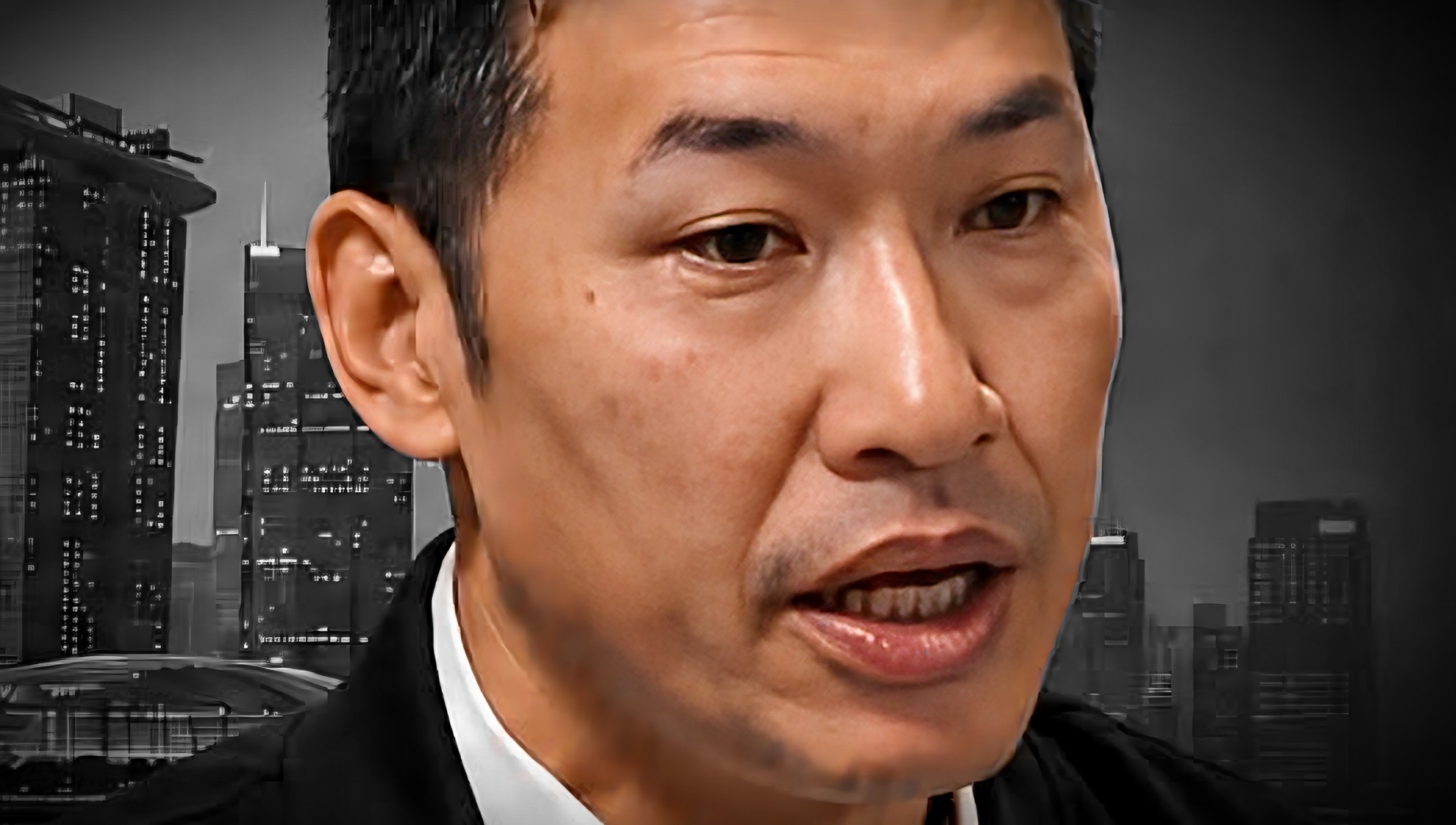
The latest minister to draw fire is Acting Minister for Culture, Community and Youth David Neo, who recently said that it would be a “disservice” to protect every job as Singapore navigates the impact of artificial intelligence and rapid technological change.

Mr Neo, who also serves as co-chair of the Government’s Economic Strategy Review (ESR) committee on human capital, made the remarks in an interview with CNA while discussing how Singapore should respond to technological disruptions and the changing nature of work.

According to Mr Neo, Singapore cannot afford to slow the adoption of AI simply to preserve existing jobs, as doing so would weaken the country’s competitiveness and risk driving businesses elsewhere.

“We want to protect every worker, but we don’t want to do that through protecting every job,” he said, “If we were to just protect jobs in the short term, we’ll be doing our workers a disservice in the long term. Because if we are not competitive, then (businesses) will move out of Singapore.”

Mr Neo added that countries that fail to adapt could lose industries and investments to more competitive economies. Instead of preserving jobs indefinitely, he argued that Singapore should focus on helping workers reskill and upskill while strengthening support for career transitions.

The acting minister also outlined his view of what constitutes a good job.

“A good job is not just a job that offers a good paycheck,” he said, “A good job should be one that offers good dignity, stability, as well as social mobility.”

The ESR has therefore emphasised expanding the range of quality jobs available across the economy for workers at different stages of their careers, he added.

“Ultimately, that’s going to be what provides good jobs, not just today but tomorrow for all our workers.”

However, the comments were met with a wave of criticism online, with many Singaporeans questioning whether Mr Neo is in a position to understand the anxieties faced by workers worried about layoffs and unemployment.

Much of the criticism centred on Mr Neo’s career history.

Mr Neo enlisted in the Singapore Armed Forces (SAF) at the age of 19 and spent his entire professional career in the military before entering politics. During his military career, he held several senior appointments and obtained degrees from the Massachusetts Institute of Technology and Stanford University under Government scholarship.

In 2022, he was appointed Chief of Army and promoted to the rank of Major-General.

In March 2025, he resigned from the SAF. Days later, he was spotted at a PAP walkabout in Tampines GRC alongside Minister for Social and Family Development Masagos Zulkifli. He was subsequently introduced as a PAP candidate for the 2025 General Election and entered Parliament as part of Mr Masagos’ team.

As a minister, Mr Neo is now part of a political leadership that receives some of the highest salaries among elected office holders globally.

For many critics, this background makes his comments on job insecurity difficult to accept.

One netizen wrote: “A paper general will never understand the pain of losing a job because he has never had to live through it himself.

“Every morning, unemployed Singaporeans wake up to the same harsh reality: no job, no certainty, and no clear answers. They face the stress of supporting their families, paying their bills, and wondering when their next opportunity will come.

“While some people discuss unemployment as a statistic or policy issue, those affected are living it every single day. Until you have experienced that struggle firsthand, it is difficult to truly appreciate the fear, frustration, and helplessness that many job seekers endure.”

Another commenter sarcastically suggested that ministers should volunteer for token salaries if they believed pay was not the most important aspect of work, saying, “Volunteer at $1 paycheck lah. Since they are already millionaires or multi-millionaires, serve the country with your passion loh… Just do it.”

Others compared Mr Neo’s remarks to previous controversies involving ministers commenting on issues that critics felt they lacked personal experience with.

“First was a Minister who does not live in an HDB advising about small spaces, then another minister not married to advise on fertility and family planning measures, a minister with no medical knowledge as health minister, and now this bozo of a clown to talk about protecting jobs.

“We really have incompetent ministers who are not even on the ground level to take charge of our livelihoods. All of them are living in castles in the air to understand the plight of common folks.”

Several netizens also focused on the contrast between ministerial salaries and Mr Neo’s remarks about good jobs being about more than pay.

One commenter said: “So long as the people feel that the appointment holders are paid too high and not helpful (contributing), whatever they said would not be well taken.

“In this case, the Minister with a very good paycheck advises Singaporeans that good jobs are about more than a good paycheck.

“The government has to win over the Singaporeans first. Come down to our level first. Leadership by example that they are willing to work with lower paychecks.”

Another netizen remarked that Mr Neo appeared to be describing his own career when defining a good job.

“He’s just describing himself having a good job, on top of a good paycheck. His job offer dignity, stability (won’t be sack unless you decide to resign), and social mobility (will be moved to be some CEO of some company in the event they decide to leave or lose an election)…”

Others were more blunt in their criticism.

“What kind of stupid statement is that, especially when our ministers are all overpaid?” one commenter said, while another netizen said, “David Neo’s job protection plan: protect my job, not yours.”

One netizen quipped sarcastically, “He wakes up every morning because his job is protected.”

Another commenter suggested that public office holders should experience the same competitive pressures faced by workers: “Maybe we need to replace our MPs, Ministers and judges with AI. Then they will know what real competition is.”

This article (Singaporeans push back after David Neo says ‘protecting every job’ would be a ‘disservice’) first appeared on The Independent Singapore News.

  •  

Minister’s advice to use fan instead of aircon resurfaces as Singaporeans brace for El Niño event

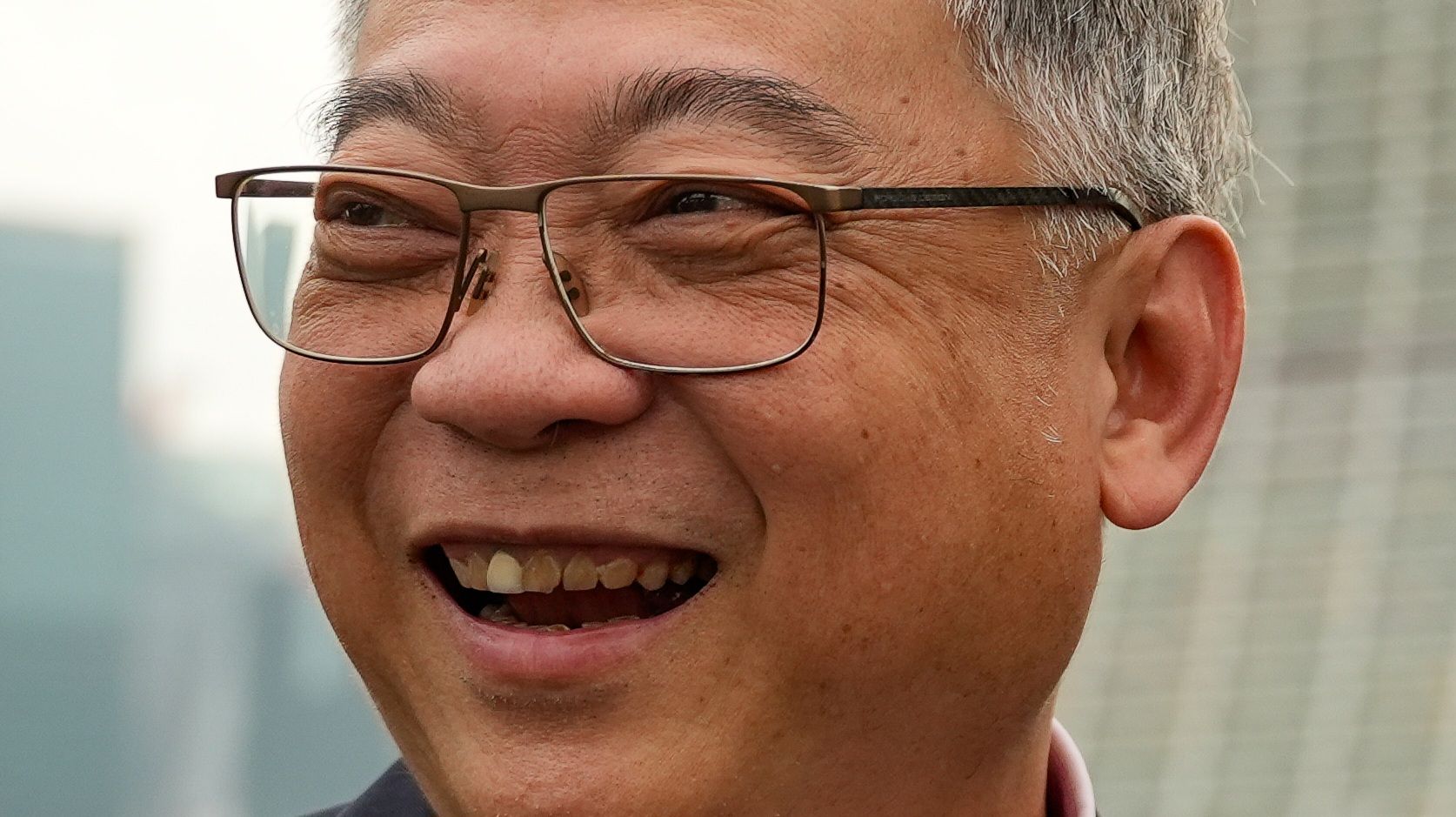
SINGAPORE: Deputy Prime Minister Gan Kim Yong’s controversial advice on opting for fans instead of air-conditioning units is recirculating online as Singaporeans brace for the El Niño weather phenomenon to hit the island.

The remarks have been making the rounds online again after the Meteorological Service Singapore (MSS) warned on May 29 that El Niño conditions are likely to develop between June and July. According to MSS, there is a more than 80% chance that an El Niño event will occur in 2026, with forecasts supported by indicators such as warmer sub-surface ocean temperatures in the eastern tropical Pacific.

If the phenomenon materialises, Singapore can expect warmer conditions from July onwards. MSS has forecast the return of the climate pattern, which is typically associated with reduced rainfall, prolonged dry spells and higher temperatures across the region.

Some international weather scientists have also suggested that South-east Asia could experience a stronger El Niño than in previous years. In March, Thai news outlet The Nation cited US-based weather experts who warned that a severe and prolonged drought-causing El Niño could emerge in 2026.

Despite the warnings, MSS has said it remains too early to determine how severe the event could be for Singapore and the wider region.

El Niño is part of a natural climate cycle known as the El Niño-Southern Oscillation, which influences weather patterns across the Pacific Ocean through shifts in winds and sea surface temperatures. The phenomenon is the opposite of La Niña, which generally brings cooler temperatures and increased rainfall.

Singapore has been experiencing La Niña conditions since late 2025, but meteorologists now expect those conditions to give way to a warming trend in the coming months.

As news of the possible El Niño spreads, many Singaporeans have taken to social media to express concern over the rising temperatures. Some said they already feel the heat becoming increasingly unbearable, despite the event not having fully developed.

One netizen wrote that she had resorted to taking four showers a day simply to stay comfortable.

The complaint quickly sparked references to remarks made by Mr Gan earlier this year, with several commenters reviving what became one of the most debated pieces of government advice in recent months.

Responding to the post, one commenter wrote: “Minister suggest to use fan instead of aircon.”

Another added on sarcastically: “Hey, that’s valuable advice! Well worth the million-dollar salary for talent in government.”

The controversy involving the DPM erupted in April after he suggested in Parliament that Singaporeans can help save electricity by using fans instead of air-conditioning units and by taking public transport instead of driving.

He was speaking in Parliament about rising fuel and electricity costs amid ongoing disruptions to global energy supplies linked to the conflict in the Middle East. The minister outlined measures the Government has taken to cushion the impact of global uncertainties and added that Singaporeans must also do their part.

Mr Gan, who was dubbed the ruling party’s “taskforce man” during the general election last May, suggested that households could cut electricity usage by opting for fans instead of air-conditioning, taking public transport instead of driving, and using climate vouchers to purchase more energy-efficient appliances.

The backlash was swift. Many Singaporeans questioned online whether Mr Gan and his colleagues would adopt the same measures themselves.

Several netizens called on political leaders to “lead by example,” asking whether Parliament would switch off its air-conditioning or whether ministers would begin commuting by bus or train. Others described the remarks as “tone-deaf” and “out of touch,” with some suggesting they reflected a disconnect between policymakers and ordinary citizens.

Calls for ministers to “lead by example” were repeated frequently, with questions being raised about the ministers’ own habits. Some asked how they travelled to Parliament or whether they used fans at home, while others remarked that such advice was being delivered from within fully air-conditioned environments.

This article (Minister’s advice to use fan instead of aircon resurfaces as Singaporeans brace for El Niño event) first appeared on The Independent Singapore News.
  •  

M1 says no changes for customers after Simba acquisition plan collapses

SINGAPORE: Singapore telecommunications company M1 has sought to reassure customers that its services will continue without disruption following the collapse of a proposed takeover by rival telco Simba Telecom.

In a statement posted on Facebook this week, M1 said customers would not experience any changes to their existing plans, prices or contracts despite the termination of the acquisition plan by Simba’s parent company.

The company stressed that it remains on a stable footing and is focused on delivering the same level of service customers have come to expect.

“Following the official termination of the proposed acquisition by SIMBA Telecom, we want to reassure you M1 remains strong and focused on delivering the experience you expect,” the company said.

M1 added that customers’ services would remain unchanged, with “no changes to your plans, pricing or contracts” and that subscribers would continue to receive “the same reliable network and support you trust”.

The telco also stressed its commitment to maintaining a high-quality network across Singapore, saying it would continue to provide “high-performance, resilient connectivity” nationwide.

Addressing concerns over the failed deal, M1 said its long-term commitment to customers remained intact and highlighted plans to further strengthen its services with the backing of its parent company, Keppel.

“Our commitment to provide customers with a reliable, resilient and safe customer experience stays the same. With Keppel’s backing, we are strengthening our network and stepping up improvements, including more seamless and personalised experiences,” the company said.

M1 added that customers could continue to rely on the company for “quality connectivity, strong value, and a better overall experience”.

The reassurance comes weeks after the Infocomm Media Development Authority (IMDA) suspended its assessment of the proposed integration between M1 and Simba after discovering that Simba may have used unallocated radio frequency bands to provide mobile communication services, potentially breaching relevant laws or regulatory requirements.

Following the suspension of IMDA’s assessment, Tuas Limited announced on May 22 that it would no longer proceed with its acquisition of M1.

The proposed merger had been closely watched within Singapore’s telecommunications sector, with observers anticipating significant changes to the competitive landscape if the transaction had gone ahead.

This article (M1 says no changes for customers after Simba acquisition plan collapses) first appeared on The Independent Singapore News.
  •  

JPMorgan doubles private bankers regionally as Singapore’s wealthy population rises

SINGAPORE: JPMorgan Chase & Co has significantly expanded its private banking presence in Singapore, doubling the number of bankers serving wealthy clients across South-east Asia and Australia as competition intensifies for Asia’s growing pool of high-net-worth individuals.

According to Bloomberg, the Wall Street bank now has more than 50 relationship managers based in Singapore covering the Southeast Asia and Australia markets, roughly twice the number it had at the beginning of 2025.

Much of the hiring drive has been focused on Indonesia, and the number of bankers dedicated to the Indonesian market has grown to about 20, up from fewer than 10 last year. The expansion comes as global private banks seek to strengthen their foothold in a market where many wealthy Indonesians hold offshore accounts in Singapore.

The New York-headquartered lender has reportedly recruited talent from rival financial institutions as it seeks to increase revenue from its wealth management business in Asia, an increasingly important growth market for international banks.

Paul Thompson, JPMorgan’s head of Singapore and South-east Asia for the private bank, said the firm has made substantial investments in talent over the past five years and intends to continue doing so to support future growth.

Mr Thompson told the press that the bank recorded its highest-ever revenue and assets under management in both Southeast Asia and the wider Asian region in 2025. He added that the bank continues to see a similar growth trajectory in 2026.

Based in Singapore, Mr Thompson oversees teams serving clients in Singapore, Southeast Asia and Australia. JPMorgan also maintains a separate team focused on Greater China, while private banking services are offered in other regional hubs, including Hong Kong and Australia.

The bank’s rapid expansion has been accompanied by strong growth in client assets. According to rankings published by Asian Private Banker, JPMorgan’s private banking assets under management surged 41% in 2025 to US$300 billion (S$386 billion). The increase propelled the bank past DBS Group Holdings to become the third-largest private bank in Asia excluding China.

Only UBS Group and HSBC Holdings ranked ahead of JPMorgan in the region.

Across Asia, excluding mainland China, JPMorgan increased its relationship manager headcount to 380 in 2025, adding 50 bankers compared with the previous year, according to the industry publication.

The bank has also broadened access to its private banking services by lowering its minimum asset requirement. Sources said clients now need at least US$10 million in assets to qualify, down from US$25 million a few years ago.

JPMorgan’s expansion reflects the broader growth of Asia’s wealth management sector, particularly in Singapore, which has cemented its position as a leading financial hub for affluent individuals across the region.

Singapore’s domestic banks have also benefited from the influx of wealthy clients. DBS Bank, Oversea-Chinese Banking Corporation (OCBC) and United Overseas Bank (UOB) all reported sharp increases in wealth-related fees during the first quarter of the year.

A recent report by Capgemini revealed that Singapore’s population of high-net-worth individuals (HNWIs) grew by 3% in 2025, reaching 141,000 people compared with 136,900 the year before.

This article (JPMorgan doubles private bankers regionally as Singapore’s wealthy population rises) first appeared on The Independent Singapore News.
  •  

Tourists criticise Singapore for not having enough rubbish bins

SINGAPORE: A tourist has sparked discussion online after praising Singapore’s hospitality while questioning why rubbish bins are so difficult to find despite the city-state’s reputation as one of the cleanest countries in the world.

Facebook user Celoteh Dr Malar, who appears to be from Malaysia, shared her experience visiting Singapore in a post that drew reactions from local netizens.

“Omaigod Singapore!! How are you one of the cleanest country in the world but you don’t have rubbish bin at most places,” she wrote.

Describing an incident during her trip, she said she ended up carrying rubbish across two MRT stations because she could not find a bin to dispose of it.

“I was carrying trash across 2 MRT Stations, and the irony is that there were no trashes anywhere and no trash bins also,” she added.

Despite her frustration over the lack of bins, the visitor was full of praise for the service she received throughout her stay.

She commended staff members she encountered at Changi Airport, MRT stations, on buses, as well as employees at Universal Studios Singapore, the Singapore Zoo, restaurants and retail outlets.

“And your customer service cum hospitality ~ definitely top notch!” she wrote.

According to her, the warmth and friendliness shown by workers left a strong impression.

“They were all very warm and friendly and respectful and.. yeah ‘nice’ is the best word I think..!!”

Drawing a comparison between the two neighbouring countries, she remarked that while Malaysia and Singapore are “like step-siblings,” she felt that Singapore’s hospitality stood out.

She also expressed appreciation to Holiday Inn Orchard Road for allowing her family to check in early, saying the gesture “meant a lot”.

Concluding her post on a positive note, she thanked Singapore for creating memorable experiences for her family and said they intended to return in the future.

“Thanks, Singapore for such lovely memory for my family and I ~ we will definitely return another time for few more checklists to be ticked,” she wrote.

The post attracted comments from Singaporeans, some of whom offered explanations for the relative scarcity of rubbish bins around MRT stations.

One commenter suggested that security concerns played a role.

“Just know that the reason there are no trash bins around MRT stations is to prevent any untoward acts of destruction viz-a-viz planting of dangerous items like explosives. Welcome doc to the small dot island in the world map,” the commenter wrote.

Another commenter said locals have become accustomed to holding onto their rubbish until they find a suitable place to dispose of it.

“We are used to placing trash in our handbags till we get home or found a bin nearby. Glad you had wonderful time in Singapore. So happy to hear your compliment to our country,” the person wrote.

The same commenter also attributed Singapore’s cleanliness and civic-mindedness to values instilled from a young age, adding that Singaporeans are generally taught to take responsibility for keeping their surroundings clean.

While the shortage of public rubbish bins remains a recurring point of discussion among visitors and residents alike, many commenters appeared pleased that the tourist’s overall impression of Singapore was overwhelmingly positive, particularly when it came to customer service and hospitality.

This article (Tourists criticise Singapore for not having enough rubbish bins) first appeared on The Independent Singapore News.
  •  

Only 2 in 5 Singapore employers offer flexible work even though jobseekers consider it a priority

SINGAPORE: While Singapore workers are placing a growing premium on flexibility and work-life balance, many employers have yet to fully meet those expectations, according to Indeed’s latest Global Talent Report.

The study found that only 40 per cent of employers in Singapore offer flexible schedules for agile roles, while 42 per cent provide remote work options. The findings come as more job seekers show a preference for working arrangements that give them greater control over their time and personal lives.

Compared with the global average, job seekers in Singapore place a stronger emphasis on workplace flexibility. More than a third of respondents, 38 per cent, said flexibility and greater control over their schedules would be the main reason they would consider agile work. Another 35 per cent cited improved work-life balance as their key motivation.

When asked what would make agile roles more appealing, 64 per cent pointed to flexible schedules, while 60 per cent said remote work options would increase their interest.

Saumitra R Chand, Career Expert at Indeed, said the results highlight an opportunity for employers to better align their workforce strategies with changing employee priorities.

“The findings suggest there is a meaningful opportunity for employers in Singapore to better align workforce strategies with evolving employee expectations,” Ms Chand said, “Workers are increasingly open to more flexible ways of working, but they are still looking for stability, clarity and trust from employers.”

The report also found growing interest in alternative career paths among Singapore professionals. Although only 15 per cent of respondents currently consider themselves agile workers, 60 per cent said agile roles are attractive. This surpassed the 52 per cent who said traditional employment arrangements appeal to them.

Researchers also identified a gap between employers and employees when it comes to internal mobility. While 40 per cent of employers said they look within their organisations to fill agile roles, only 12 per cent of job seekers said they actively seek agile opportunities with their current employer.

Artificial intelligence is emerging as another area where employers and workers appear to be moving at different speeds.

Singapore employers were among the strongest adopters of AI tools for workforce planning and agile work arrangements. Just 10 per cent said they are not using AI in support of workforce agility. In contrast, 35 per cent of job seekers said they are not using AI for similar purposes.

Views differed sharply on AI’s impact on career opportunities, as well. Eight in 10 employers believe AI is helping to create more high-paying agile roles, but only 42 per cent of job seekers share that view.

The findings are based on a global survey of 10,283 respondents. In Singapore, the study included 503 job seekers and 100 employers.

This article (Only 2 in 5 Singapore employers offer flexible work even though jobseekers consider it a priority) first appeared on The Independent Singapore News.
  •  

Singapore’s millionaire population continues to grow, report says

SINGAPORE: Singapore’s population of high-net-worth individuals (HNWIs) grew by 3 per cent in 2025, reaching 141,000 people compared with 136,900 the year before, according to a new report by Capgemini.

The increase came amid stronger economic growth, rising exports and more accommodative financial conditions, all of which contributed to wealth creation in the country.

Capgemini’s findings showed that Singapore’s real gross domestic product (GDP) expanded by 5 per cent in 2025, up from 4.3 per cent in 2024. The growth was driven largely by the manufacturing sector, wholesale trade, and finance and insurance industries, which helped boost corporate earnings and household incomes.

The report also noted that Singapore’s stock market performance played a significant role in supporting wealth growth. Market capitalisation surged 26.4 per cent during the year to reach S$1.06 trillion (US$823.8 billion), providing a substantial boost to investor portfolios.

At the same time, the property market showed signs of moderation. Residential prices continued to rise, but at a slower pace. Overall residential price growth eased to 3.3 per cent in 2025 from 3.9 per cent the previous year, marking the slowest rate of increase since 2020.

Singapore’s export sector delivered a strong performance, as well. Non-oil domestic exports climbed 13 per cent, supported by demand for integrated circuits, personal computers and specialised machinery. The report linked the growth to expanding activity within the global artificial intelligence supply chain, which has increased demand for technology-related products.

Monetary policy also contributed to a favourable environment for wealth accumulation. The Monetary Authority of Singapore eased financial conditions by cutting rates twice during the year, in January and again in April 2025. The moves came as core inflation averaged just 0.5 per cent, significantly below the central bank’s medium-term target of 2 per cent.

Labour market conditions remained largely unchanged. Unemployment stood at 1.98 per cent in 2025, representing a slight uptick compared to the 1.95 per cent recorded in 2024.

This article (Singapore’s millionaire population continues to grow, report says) first appeared on The Independent Singapore News.
  •  

Pay rises in Singapore expected to cool amid inflation and geopolitical risks

SINGAPORE: Singapore’s wage growth is expected to ease in 2026 as businesses take a more cautious stance amid growing geopolitical uncertainties and persistent inflationary pressures.

According to a report released by the Ministry of Manpower (MOM) on Thursday, Singapore’s focus remains on ensuring that wage increases are supported by productivity improvements while safeguarding jobs. The report showed that nominal wages for resident employees rose by 4.9 per cent in 2025, down from the 5.6 per cent increase recorded in 2024.

The moderation in wage growth comes as employers navigate a more challenging economic environment. Businesses are increasingly concerned about rising operating costs, particularly labour expenses, as global uncertainties continue to cloud the outlook.

A survey conducted by an industry group last month found that more than half of the companies polled were worried about labour costs amid an unpredictable global economy. At the same time, Singapore’s labour market has shown signs of softening, with the unemployment rate edging up to 2.1 per cent in the first quarter of the year, compared with 2 per cent in the previous quarter.

The latest data reflects broader concerns over the impact of geopolitical tensions and inflationary risks on business sentiment and hiring decisions.

Prime Minister Lawrence Wong has previously pledged support for workers facing increasingly rapid and unprecedented economic changes. The global environment has become more volatile due to factors such as ongoing conflict in the Middle East and the rapid advancement of artificial intelligence technologies, both of which are reshaping industries and labour markets.

These disruptions are already affecting employment worldwide. Technology giant Meta Platforms and German biotechnology company BioNTech have been among firms that have announced job cuts, highlighting the pressures faced by businesses as they adjust to changing economic conditions.

Singapore’s central bank has also warned of a softer labour market ahead. In April, the Monetary Authority of Singapore (MAS) said labour demand is likely to remain subdued this year as companies adopt a more cautious approach.

The MAS noted that if economic growth weakens for a prolonged period, employers may scale back hiring plans, while layoffs could increase. Such developments could further weigh on wage growth as businesses seek to manage costs and preserve employment in an uncertain environment.

Despite the slower pace of wage increases, Singapore’s labour policies continue to emphasise balancing wage growth with productivity improvements, with the aim of ensuring sustainable income gains for workers while maintaining the competitiveness of businesses.

This article (Pay rises in Singapore expected to cool amid inflation and geopolitical risks) first appeared on The Independent Singapore News.

  •  

First 5-room million-dollar resale flat in Bukit Panjang resold for whopping S$1.05M

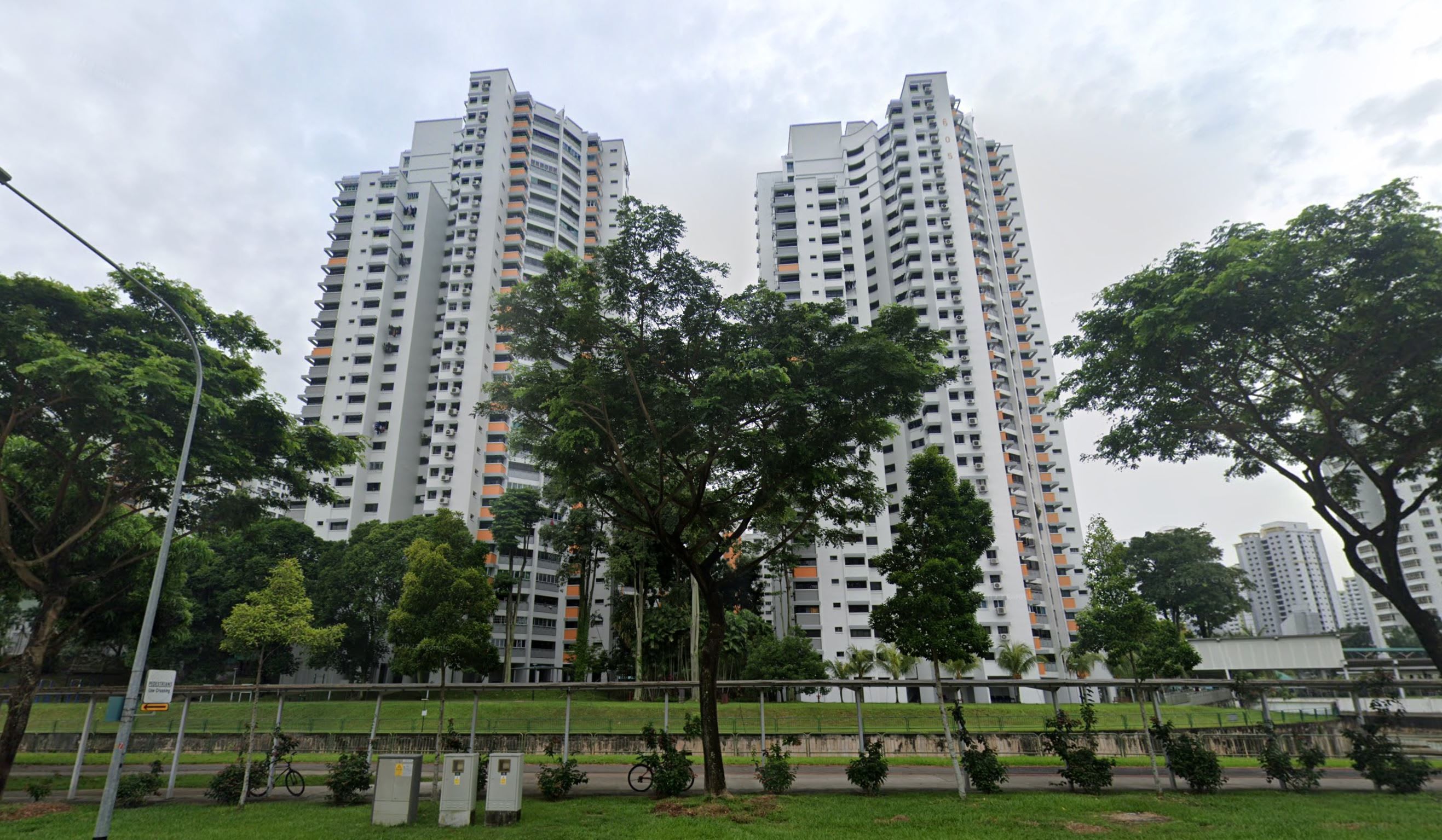
SINGAPORE: Bukit Panjang has recorded its first-ever million-dollar resale transaction for a five-room HDB flat, with a unit at Senja Road changing hands for S$1.05 million and setting a new benchmark for the town.

The record-setting sale was completed on Jun 9, 2026 and involved a five-room flat at Block 605 Senja Road. Situated between the 28th and 30th floors, the unit spans about 1,292 sq ft and was sold for S$1.05 million.

The transaction translates to an estimated price of around S$812 per sq ft. With its lease having commenced in 1999, the flat still has approximately 72 years remaining, giving it a relatively long remaining lease compared to some other high-value resale flats that have made headlines in recent years.

The deal marks the first time a five-room HDB resale flat in Bukit Panjang has breached the S$1 million mark.

Prior to this, the town’s highest-priced five-room resale transaction was recorded in June 2025, when a unit at Block 181 Jelebu Road was sold for S$998,000. That flat narrowly missed becoming Bukit Panjang’s first million-dollar five-room resale.

The previous record-holder was a premium apartment located between the 22nd and 24th floors. Measuring around 1,195 sq ft, it achieved a price of about S$835 per sq ft. Its lease began in 2001, making it slightly newer than the Senja Road unit that has now taken over the top spot.

Despite setting a new record for five-room flats, the Senja Road transaction is not Bukit Panjang’s most expensive HDB resale overall.

That title remains with an Executive Apartment at Block 181 Jelebu Road, which was sold for S$1.18 million in December 2025. Located between the 22nd and 24th floors, the apartment measures approximately 1,367 sq ft and achieved a price of around S$863 per sq ft.

The S$1.05 million sale at Block 605 Senja Road nevertheless ranks among the town’s most significant resale transactions and is currently Bukit Panjang’s 10th most expensive resale deal on record.

A key attraction of the development is its proximity to major transport links. Block 605 Senja Road is located near the Bukit Panjang MRT station on the Downtown Line. The station also serves as an interchange with the Bukit Panjang LRT network, providing residents with convenient access across the estate and seamless connections to Choa Chu Kang, where commuters can link up with the North-South Line and Jurong Region Line.

Residents also benefit from a wide range of nearby shopping and dining options. Junction 10 and The Tennery, located within the vicinity, offer retail outlets, eateries, enrichment centres and a Sheng Siong supermarket. Across the road, Bukit Panjang Plaza provides additional conveniences, including an NTUC FairPrice supermarket.

Hillion Mall, which forms part of the integrated Hillion Residences development, is also nearby. The mall houses another NTUC FairPrice outlet alongside food and beverage options and a variety of everyday services.

Food choices are plentiful in the area. Hawker Street at Bukit Panjang Plaza offers an additional selection of eateries, while the Bukit Panjang Hawker Centre is reachable within roughly 11 minutes by bicycle.

The neighbourhood is also well-positioned for families with young children. There are 12 childcare centres within a 500-metre radius of the block, while MOE Kindergarten @ West View is located about 380 metres away. Several primary schools are also situated within the one-kilometre enrolment radius.

Beyond educational amenities, residents have access to a range of recreational facilities. An ActiveSG facility and a community club are both within about four minutes’ walk of the development. Pang Sua Pond, known for its waterfront boardwalk, viewing decks and community event space, is around five minutes away on foot.

The concentration of transport links, retail offerings, educational institutions and recreational facilities has helped make this part of Bukit Panjang one of the more convenient pockets of the town.

While non-mature estates are sometimes perceived as lacking amenities, the area surrounding Block 605 Senja Road offers a level of accessibility and convenience that rivals many mature housing estates. The trade-off, however, may be increased traffic and activity levels due to its proximity to a major transport and commercial hub.

This article (First 5-room million-dollar resale flat in Bukit Panjang resold for whopping S$1.05M) first appeared on The Independent Singapore News.

  •  

Singapore breaks into global top 10 startup ecosystems index for the first time

SINGAPORE: Singapore has achieved a major milestone in the global startup landscape, entering the world’s top ten startup ecosystems for the first time, according to the Global Startup Ecosystem Index 2026 released by global startup ecosystem research centre StartupBlink.

The annual index evaluates 1,500 cities and 100 countries worldwide, measuring startup ecosystem performance based on factors such as activity levels, ecosystem quality, business environment conditions, startup exits, company valuations, corporate participation and innovation support.

The city of Singapore climbed into tenth place globally, securing a spot among the world’s leading startup hubs for the first time. The city ranked behind established innovation centres including the San Francisco Bay Area, New York, London, Los Angeles and Boston. It was also placed behind Beijing, Tel Aviv, Shanghai and Paris.

According to StartupBlink, Singapore recorded growth of 26.7 per cent, reflecting continued momentum in startup activity and the strength of its fintech sector. The city also achieved the distinction of ranking first globally for startup community activity and second worldwide in fintech.

The report highlighted the role of major corporations in supporting the ecosystem, naming Singtel, Crypto.com and SMRT Corporation among key participants. It also identified Airwallex, Ninja Van and Carousell as prominent startups contributing to the city’s startup landscape.

While Singapore reached a new milestone in the city rankings, Singapore’s national position remained unchanged. The country retained fourth place globally, supported by growth of 24.4 per cent and an ecosystem value of US$292.1 billion (S$375.44 billion).

StartupBlink noted that Singapore’s country ranking was broadly stable compared with the previous year, underlining the nation’s continued strength as one of the world’s leading startup destinations.

The report also shed light on broader trends across the Asia-Pacific region, where performance was mixed. Regional growth stood at 5.6 per cent, with overall results weighed down by a 7.9 per cent contraction in China. Both Beijing and Shanghai registered declines, although Hong Kong emerged as a notable bright spot with positive growth.

Elsewhere in Asia, India climbed to 21st place globally, driven by expansion in cities such as New Delhi and Hyderabad. Japan ranked 18th while South Korea placed 19th, with both countries benefiting from growth in secondary cities.

Taiwan entered the global top 20 country rankings for the first time, a performance StartupBlink attributed to the strength of its semiconductor ecosystem.

Australia also improved its standing, returning to the global top ten country rankings in ninth place on the back of growth in Sydney and Melbourne.

Beyond Asia-Pacific, the report found that Europe expanded by 7.3 per cent, a rate that remained below the global average. North America recorded stronger growth of 12.9 per cent, while the Middle East and Africa emerged as the fastest-growing region, posting an expansion rate of 20.2 per cent.

At the country level, the United States maintained its position as the world’s leading startup ecosystem, followed by the United Kingdom and Israel.

This article (Singapore breaks into global top 10 startup ecosystems index for the first time) first appeared on The Independent Singapore News.

  •  

More Singaporeans now see Singlish as a symbol of national identity, survey finds

SINGAPORE: Singaporeans are increasingly embracing both English and Singlish as part of their everyday lives and national identity, according to a new survey by the Institute of Policy Studies (IPS).

The findings, drawn from IPS’ “Race, Religion and Language” surveys conducted in 2013, 2018 and 2024, suggest that more Singapore residents now see English proficiency as a strength while also becoming more comfortable with the use of Singlish.

The latest survey, carried out between April and August 2024, involved interviews with 4,000 residents across Singapore.

According to the report, 81.5 per cent of respondents in 2024 said they spoke English well or very well, up significantly from 71.9 per cent in 2013. The improvement was especially pronounced among younger Singaporeans. Nearly all respondents aged between 18 and 35 — 97.3 per cent — rated their English proficiency positively.

In contrast, only about six in 10 respondents aged 65 and above felt they spoke English well.

The survey also found growing familiarity with Singlish. In 2024, 57.8 per cent of respondents said they could speak Singlish well, compared to 46.8 per cent a decade earlier.

Younger respondents appeared most comfortable with Singlish, with 80 per cent of those aged 18 to 35 saying they could speak it at least well. Usage in casual settings has also risen sharply. The proportion of respondents who said they frequently used Singlish when speaking with friends climbed from 39.2 per cent in 2013 to 55 per cent in 2024.

Researchers noted that Singlish is increasingly viewed as more than just an informal way of speaking. It is also becoming a marker of national identity.

In 2018, half of the respondents said Singlish gave Singaporeans a sense of identity. By 2024, that figure had grown to 57.8 per cent.

Still, most respondents distinguished informal and formal contexts. The survey found broad agreement that Singlish was appropriate in casual interactions with friends and family, as well as in everyday settings such as hawker centres. However, standard English remained the preferred choice for formal communication, including classrooms, workplace emails and government speeches.

The report also examined attitudes towards mother tongue languages. Overall self-assessed proficiency levels remained relatively high, with 80.9 per cent of Chinese respondents saying they spoke Mandarin well. Among Malay respondents, the figure stood at 93.2 per cent, while 92.9 per cent of Tamil respondents rated their proficiency positively.

However, fewer respondents believed their mother tongue skills had improved over the past decade. Only 36.5 per cent felt their native language proficiency had become better, compared to 62.4 per cent who believed their English had improved.

Younger respondents, as well as those with higher education levels and incomes, were more likely to feel that their mother tongue proficiency had declined.

The survey also pointed to a broader shift in how Singaporeans identify themselves linguistically. In 2013, 65.1 per cent of respondents said they identified most strongly with their mother tongue or heritage language. By 2024, that proportion had fallen to 50.4 per cent.

Over the same period, the proportion of respondents who identified most with English or Singlish rose from 33.8 per cent to 47.6 per cent.

Researchers said the findings suggest that while mother tongue languages continue to hold cultural importance, English and Singlish are increasingly being used to express a shared Singaporean identity.

They added that the trend is significant because language shapes not only communication, but also questions of identity, cultural belonging and Singapore’s place in a globalised world.

This article (More Singaporeans now see Singlish as a symbol of national identity, survey finds) first appeared on The Independent Singapore News.

  •  
❌