Reading view

The Fiber Fix That Transforms Your Gut, Hormones, and Energy

If you’ve spent the last few years optimizing your protein intake (great!), there’s a chance you’ve overlooked the nutrient that makes it all work better. Enter: fiber. It’s one of the most impactful nutrients for women’s health, but most of us aren’t getting nearly enough. As a nutrition consultant, I can’t tell you how often I see women who are doing so much right. Yet they’re simultaneously dealing with bloating, irregular energy levels, or stubborn hormonal symptoms. And 9 times out of 10, when we look at their fiber intake, there’s a gap. Let’s talk about how much fiber you need (we don’t fibermax around here), and simple ways to pair it with protein for meals that truly sustain you.

Pin it easy strawberry matcha smoothie_fiber benefits for women

Why Fiber Deserves Way More Credit

Although fiber doesn’t get the same spotlight as protein or healthy fats, it subtly influences almost every system in your body. From digestion and blood sugar to hormones and immunity, fiber is foundational. It feeds the beneficial bacteria in your gut, helps regulate how quickly glucose enters your bloodstream, supports healthy estrogen metabolism, and keeps your digestive system moving efficiently.

How Much Fiber Do You Need?

Despite how important fiber is, the numbers tell a different story. The recommended daily intake for women is about 25 grams. Most American women are getting roughly 15. That 10-gram gap might not sound like a lot, but it’s enough to affect your energy, your hormones, and how well your body absorbs the nutrients you’re working so hard to eat.

The Benefits of Fiber for Women

Fiber does a lot more than keep you regular (although that matters, too!). Here’s a closer look at why it’s especially important for women.

1. Supports Gut Health From the Inside Out

If you’ve been investing in your gut health—probiotics, fermented foods, bone broth—fiber is the piece that ties it all together. Specifically, soluble fiber acts as a prebiotic, feeding the beneficial bacteria in your gut and helping them thrive. Without it, even the best probiotics won’t have much to work with. A well-fed microbiome means better digestion, less bloating, stronger immunity, and improved nutrient absorption.

2. Helps Balance Your Hormones

This is one of the most underappreciated benefits of fiber for women. Your liver metabolizes excess estrogen and packages it up to be eliminated through your digestive tract. But without adequate fiber, that estrogen can be reabsorbed back into the body instead of exiting. Over time, this can contribute to estrogen dominance—hello, PMS, breast tenderness, heavier periods, and mood swings. Fiber binds to that used-up estrogen in the gut and helps escort it out. For women navigating perimenopause, PCOS, or any kind of hormonal imbalance, fiber is a non-negotiable.

3. Stabilizes Blood Sugar

If you’ve ever eaten what you thought was a balanced meal and still felt a crash two hours later, fiber might be the missing variable. Soluble fiber slows the absorption of glucose into your bloodstream, which means more sustained energy throughout the day. This matters for more than just how you feel after lunch! Chronically unstable blood sugar is linked to increased inflammation, fat storage (especially around the midsection), and heightened cravings. Adding fiber to a meal is one of the simplest ways to smooth out that curve.

4. Keeps You Full

Fiber adds volume and staying power to meals without adding a ton of extra calories. It slows digestion, triggers stretch receptors in the stomach that send satiety signals to the brain, and prolongs the release of fullness hormones. If you find yourself grazing all afternoon or still feeling hungry after eating, it’s worth looking at how much fiber is on your plate—not just how much protein.

5. Reduces Inflammation

Many of the best sources of fiber (berries, leafy greens, oats, flaxseeds, cruciferous veggies, etc.) are also packed with antioxidants and anti-inflammatory compounds. And on a deeper level, fiber feeds gut bacteria that produce short-chain fatty acids, which help reduce inflammation in the gut lining and beyond. For women dealing with joint pain, skin issues, fatigue, or any chronic inflammatory pattern, fiber-rich foods are a powerful place to start.

Fiber Is Protein’s Best Friend

Here’s where I see the biggest disconnect. So many women are eating enough protein—which is fantastic—but they’re not pairing it with enough fiber. And that pairing is what makes the difference between a meal that holds you over for four hours and one that leaves you reaching for a snack by 2 pm.

Protein and fiber work through different satiety pathways. Protein stimulates hormones like PYY and GLP-1 that tell your brain you’re full. Fiber prolongs the presence of those very same fullness hormones. Together, they create a slow, sustained digestive process that keeps blood sugar steady and energy consistent.

Think of it this way: protein is the anchor of your meal. Fiber is what holds the anchor in place.

High-Fiber MVPs to Keep on Hand

  • Berries (raspberries are the fiber queen at about 8 grams per cup)
  • Chia seeds (10 grams per 2 tablespoons)
  • Lentils (about 15 grams per cooked cup)
  • Avocados (10 grams per whole avocado)
  • Broccoli, Brussels sprouts, and artichokes
  • Oats, quinoa, and sweet potatoes
  • Black beans and chickpeas
  • Flaxseeds, almonds, and sunflower seeds

Easy Fiber and Protein Meal Pairings

Instead of doing macro math, I like to keep things simple. Build your meals around a strong protein source, then layer in fiber. Here are some of my favorite pairings that come together quickly and taste amazing.

Breakfast

Lunch

Dinner

Snacks

  • Apple slices with almond butter
  • Hummus with raw veggies and seed crackers
  • A handful of almonds + a few dried apricots

Simple Ways to Eat More Fiber (Without Overhauling Your Diet)

If your fiber intake is on the lower side, start small. Jumping from 15 grams to 35 overnight is a recipe for bloating and discomfort. Instead, try these gentle shifts:

Add, don’t subtract. Sprinkle chia or flaxseeds on your yogurt. Toss a handful of spinach into your smoothie. Stir white beans into soup. These small additions compound quickly.

Swap strategically. Trade white rice for quinoa or brown rice. Choose sourdough over white bread. Use chickpea pasta instead of traditional pasta. Not every meal, but when it makes sense.

Eat your fruits and veggies whole. Juice strips out fiber. When you eat a whole apple versus drinking apple juice, you’re getting all the fiber that slows sugar absorption and feeds your gut. The same goes for blending whole fruits versus juicing them.

Front-load fiber at breakfast. Starting the day with a fiber-rich meal sets the tone for more stable blood sugar and better energy all morning. Overnight (grain-free) oats, a veggie-packed egg scramble, or a smoothie with greens and flaxseed are all easy wins.

Hydrate as you increase. Fiber needs water to do its job. As you eat more of it, make sure you’re drinking enough fluids to keep everything moving smoothly.

The Missing Link in Your Meals

Fiber isn’t the flashiest nutrient on the block. But when it comes to the benefits of fiber for women, the list is long—and it touches everything from gut health and hormones to blood sugar, satiety, and inflammation. If you’ve been focusing hard on protein (which, again, is great!), think of fiber as the missing teammate. The two work better together than either one does alone. Start with one small change this week (an extra serving of veggies with dinner or a sprinkle of ground flax on your yogurt) and let your body feel the difference.

Edie Horstman
Edie Horstman

Edie is the founder of nutrition coaching business, Wellness with Edie. With her background and expertise, she specializes in women’s health, including fertility, hormone balance, and postpartum wellness.

The post The Fiber Fix That Transforms Your Gut, Hormones, and Energy appeared first on Camille Styles.

  •  

The Simple Supplement Routine I Recommend (After Years of Trying Everything)

A few scrolls on Instagram and suddenly it feels like your wellness routine is incomplete. There’s always a new powder, capsule, injection, or “daily essential” promising everything from better energy to balanced hormones. As a nutrition consultant, I see how quickly that kind of marketing turns into a long supplement list. But in most cases, less is more. In fact, my ethos is deeply rooted in the belief that supplements are meant to support your foundation, not replace it. With that in mind, here’s a simple supplement guide to help you tune out the unnecessary noise.

Featured image from our interview with Adrienne Mischler by Michelle Nash.

What Is a Dietary Supplement?

It’s an umbrella term. And it includes everything from vitamins and minerals to herbs, botanicals, enzymes, and other nutrients. Most people think of supplements as a daily multivitamin or a few basics like vitamin D or magnesium, but they actually come in many forms! Including capsules, powders, gummies, liquids, and even fortified foods and drinks. In simple terms, supplements are not meant to replace food or be the foundation of your nutrition. Instead, they’re designed to complement a balanced diet, helping to fill in gaps or support specific needs when food alone may not be enough.

The Purpose of Dietary Supplements

At the end of the day, supplements aren’t a substitute for a balanced diet. And unlike prescription drugs, supplements aren’t allowed to be marketed for the purpose of treating, diagnosing, preventing, or curing diseases. Knowing this, be wary of supplements that make disease claims, such as “lowers high cholesterol” or “treats heart disease!”

In our baseline supplement guide below, each supplement has a specific purpose—and has been vetted for quality.

Pin it

The Truth About How Supplements Are Regulated

Surprisingly, the FDA isn’t authorized to review dietary supplement products—for safety and effectiveness—before they’re marketed. Rather, manufacturers and distributors take this responsibility. They make sure their products are safe before they go to market. Seems like a bit of a loophole, right? Here’s the caveat: If the dietary supplement contains a new ingredient, manufacturers must notify the FDA. In that case, the FDA will review (not necessarily approve!) the new ingredient for safety, but not effectiveness.  

Who Takes Responsibility for Quality?

In terms of quality, this also falls on manufacturers. They ensure their products are pure. Meaning, they don’t have contaminants or impurities. Furthermore, supplements must be accurately labeled according to current Good Manufacturing Practice (GMP) and labeling regulations. That being said, the FDA will get involved if there’s a serious problem associated with a dietary supplement. They have the power to take the dietary supplement off the market due to safety concerns or false/misleading claims.

The Risks in Taking Supplements

As with medications and over-the-counter drugs, there are risks in taking supplements. Many supplements contain active ingredients that have strong biological effects. Depending on usage, this could make them unsafe. For example, the following actions could lead to harmful consequences: 

  • Taking supplements without notifying your healthcare provider
  • Combining supplements
  • Using supplements with medicines (whether prescription or over-the-counter)
  • Substituting supplements for prescription medicines, particularly before, during, and after surgery
  • Consuming too much of some supplements, such as vitamin A, vitamin D, or iron
  • Taking supplements during pregnancy and breastfeeding

Keep in mind that everybody requires different nutrients, so please consult your healthcare provider before changing your supplement routine. 

Do You Need to Take Supplements?

This is the million-dollar question. First and foremost, it’s important to understand that we’re all bio-individuals. We all have unique nutritional needs. And that includes supplements. While supplements are heavily marketed, not everyone needs them. Some people don’t require as many as others. However, a “reference range” and an “optimal range” aren’t the same thing. When possible, optimal is ideal. Therefore, supplements can be incredibly useful for not only filling gaps in your diet but also helping you reach optimal levels. Our supplement guide is here to do both.

3 Things to Consider Before Taking a New Supplement

Whether you’re eyeing new supplements or you’re already taking a few, here’s how to make sure you’re getting the best bang for your buck:

  1. Have you been diagnosed with a deficiency (iron, vitamin D, etc.)? What does your blood work show? Make sure that what you’re taking has a targeted purpose. Rather than waste your money on unnecessary supplements, get your healthcare provider’s stamp of approval first. In the context of nutritional counseling, supplement guidance by a professional is key.
  2. Just because a supplement comes from a “natural” food store doesn’t necessarily mean it’s safe. As noted above, look for specific labels and do your research. Be wary if you’re currently taking other prescriptions or over-the-counter drugs.
  3. Know how much of the supplement you’re supposed to take. A common misconception about dietary supplements is that if a vitamin or mineral is good for you, increasing your intake might deliver additional health benefits. This isn’t the case. For example, too much vitamin D can actually weaken bones, and biotin—a popular supplement to improve skin, nails, and hair—can interfere with lab-test results when taken at high levels.

When to Take Your Daily Supplements

This depends, of course! Some supplements are more specific about the time of day (I prefer magnesium at night), so you can research the individual recommendation for those. However, most are generally flexible. What matters is that you choose a time you know you can be consistent with. As for the empty stomach versus food debate, some vitamins are fat-soluble, and some are water-soluble. Those that are fat-soluble, like vitamin D, should be paired with a source of fat. Some vitamins only need to be paired with water, like B vitamins and vitamin C.

What You Probably Don’t Need (Despite the Marketing)

Before we get to the guide, let’s talk about what you don’t need. Spend a few minutes on Instagram, and it’s easy to believe you need a supplement for everything, from cortisol “calming” gummies to melatonin for sleep and greens powders for energy. While some of these can be helpful in specific situations, they’re often marketed as quick fixes for issues that are better addressed at the root. Chronic stress, for example, is rarely solved with a gummy and is more often tied to factors like sleep, blood sugar balance, and overall lifestyle. The same goes for melatonin, which can be useful short-term but isn’t always the best long-term solution for ongoing sleep issues.

In many cases, focusing on foundational habits will have a far greater impact than adding another supplement, making it important to be discerning about what you actually need versus what’s simply being marketed to you.

Simple Supplement Guide

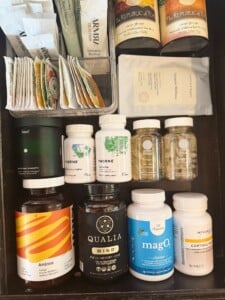
Before getting into the weeds with a long list of targeted supplements, these are a few foundational ones I tend to come back to as a nutrition consultant. They’re widely beneficial, often under-consumed, and can support everything from energy and metabolism to sleep and overall health when used appropriately.

Vitamin D3 + K2

A high-quality vitamin D3 paired with K2 is a great place to start, especially if you’re not getting consistent sun exposure. This combination supports immune function, mood, and bone health, with K2 helping direct calcium to where it’s needed most. In practice, I find vitamin D (which actually functions as a fat-soluble prohormone!) is one of the most common deficiencies I see in clients, and supporting optimal levels can make a noticeable difference in resilience and overall well-being.

Magnesium

Magnesium is one of the most common deficiencies and plays a role in hundreds of processes in the body, including nervous system regulation and sleep. I love the beeyavibe powder for its calming effect, especially in the evening. Many of my clients notice improvements in sleep quality, stress levels, and even digestion when they consistently incorporate magnesium.

Omega-3 (Fish Oil)

A high-quality fish oil can help balance inflammation and support brain, heart, and hormone health. Look for trusted brands like Nordic Naturals or Rosita that prioritize purity and sourcing. From a nutrition standpoint, most diets are lacking in omega-3s, and I often recommend this as a foundational supplement, particularly for those dealing with skin concerns or hormone imbalances.

Creatine

We’ve said it once, but we’ll say it again: creatine isn’t just for athletes. It can support muscle recovery, strength, and even cognitive function, making it a valuable addition for women as well! I typically recommend it (5 grams) for clients who are strength training or working on building lean muscle, as it can enhance performance and recovery when paired with regular exercise. I don’t recommend creatine gummies as research has shown the dosage isn’t always accurate. Instead, opt for creatine monohydrate from Lineage or Thorne.

Spore-Based Probiotic

A spore-based probiotic, like Epetome, can help support gut health in a more resilient way than traditional probiotics. These strains are designed to survive the digestive process more effectively, which can make them a better option for some individuals. In my experience, this can be especially helpful for clients who have dealt with ongoing gut issues or who haven’t seen results from standard probiotics.

While these aren’t one-size-fits-all, they’re a strong starting point before layering in more personalized supplements like a multivitamin or targeted nutrients based on your individual needs.

Edie Horstman
Edie Horstman

Edie is the founder of nutrition coaching business, Wellness with Edie. With her background and expertise, she specializes in women’s health, including fertility, hormone balance, and postpartum wellness.

Disclaimer: As always, this is not medical advice. Supplements should be tailored to your individual needs, so it’s best to consult with your healthcare provider before making any changes to your routine.

This post was last updated on April 20, 2026, to include new insights.

The post The Simple Supplement Routine I Recommend (After Years of Trying Everything) appeared first on Camille Styles.

  •  

7 “Healthy” Habits That Might Be the Reason You’re Always Tired

Sanne Vloet_habis that drain energy

Ever feel like you’re doing everything right—eating well, staying active, keeping up with everything on your plate—but you still feel exhausted? It’s a pattern I see often in my nutrition practice: the women who are the most intentional about their health are often the ones running on empty. And most often, it’s because their “healthy” habits aren’t as supportive as they seem. While their routines aren’t inherently bad, it’s easy to overdo it.

If your energy has felt off lately, good news! It’s not time to do more. It’s time to do things differently. Let’s dive into habits that drain energy vs. habits that restore it.

Featured image from our interview with Sanne Vloet by Michelle Nash.

Pin it Camille styles rest_habits that drain energy

Why You’re Always Tired

For starters, low energy isn’t always a sign that something is wrong. More often, it’s a signal that something is misaligned. For many women, that misalignment comes from habits that don’t fully support their physiology (especially when it comes to blood sugar balance, hormone health, and nervous system regulation!). Add in busy schedules and the pressure to optimize everything, and it’s easy to see how even well-intentioned routines can start to backfire. The goal isn’t to overhaul your life. It’s to gently recalibrate the habits that influence your energy the most.

7 “Healthy” Habits That Drain Your Energy

In many ways, these are the habits we’re told to lean into. Scroll social media long enough, and you’ll see them praised over and over again. But health isn’t one-size-fits-all. Even supportive routines can miss the mark depending on your needs, your stress levels, your day-to-day life, etc.

1. Under-Eating (Even If You’re Eating “Clean”)

This is one of the most common issues I see. Meals built around whole, nutrient-dense foods are a great foundation. But if you’re not eating enough overall, your body will feel it. Chronic under-fueling can lead to fatigue, hormone disruption, increased cravings, and a general sense of burnout. Many women aren’t eating poorly—they’re simply not eating enough to support their energy needs.

2. Skipping Breakfast (or Delaying Food Too Long)

While intermittent fasting can work for some, it’s not universally supportive—especially for women with already elevated stress levels. Cortisol naturally peaks in the morning, and delaying food (while relying on coffee) can amplify that stress response. The result often feels like being wired but tired: alert at first, then crashing later in the day.

3. Overdoing High-Intensity Workouts

It’s no secret that exercise is a powerful tool for energy. But only when it’s appropriately matched to your current capacity. High-intensity workouts (HIIT, intense spin classes, etc.), especially when layered on top of stress or under-fueling, can push the body further into depletion. Movement should support your energy, not compete with it. In many cases, less intensity and more consistency create better results.

4. Not Eating Enough Protein

Protein is all the rage right now, and for good reason. It plays a key role in stabilizing blood sugar, supporting muscle mass, maintaining steady energy throughout the day, and so much more. Without enough protein, meals are more likely to lead to energy spikes and crashes—leaving you reaching for caffeine or sugar to compensate. Anchoring meals with adequate protein is one of the simplest ways to feel more consistent energy.

5. Constant Snacking Instead of Balanced Meals

Snacking isn’t inherently a problem, but grazing throughout the day without building balanced, satisfying meals can keep blood sugar on a rollercoaster. Meals that include protein, healthy fats, and fiber tend to be far more grounding (both physically and mentally)n than relying on frequent, less substantial snacks.

6. Overloading on Raw Foods

Raw veggies and smoothies are often seen as the gold standard of “healthy eating,” but they’re not always the most supportive. Especially in colder months or during times of stress (or postpartum!). Large amounts of raw foods are typically harder to digest, leading to bloating, discomfort, and even low energy. Cooked, warming meals are often easier on the body and more sustaining.

7. Trying to Optimize Everything

At a certain point, the mental effort of trying to do everything “right” becomes its own form of stress. Tracking, timing, perfecting, optimizing… it all adds up. This constant focus on improvement can keep your nervous system in a subtle but persistent state of pressure. And over time, that alone can drain your energy more than any single habit.

Simple Shifts to Support Your Energy

If any of these habits felt familiar, the takeaway isn’t to overhaul your routine overnight. In fact, the opposite tends to work best. Again, think of this as a gentle recalibration—one that works in tandem with your body, not against it.

  • Eat a little more than you think you need. If your meals are built around whole foods, try making them more substantial. Add an extra egg, a scoop of rice, or a handful of healthy fats to keep your energy steady. Not sure if you’re eating enough? Read through these powerful signs.
  • Don’t skip your first meal. Aim to eat within an hour of waking; something with protein, healthy fats, and fiber to help stabilize blood sugar and support your morning energy.
  • Match your workouts to your energy. Keep movement consistent, but adjust intensity based on how you feel. Walking, strength training, and lower-impact workouts often go further than pushing through exhaustion. And don’t underestimate a 20-minute session! Exercise doesn’t need to be long to be impactful.
  • Build meals around protein. Start with a solid protein source (chicken, Greek yogurt, cottage cheese, egg whites, tofu, etc.), then layer in carbs and fats. This simple shift can help reduce energy crashes and keep you feeling more balanced.
  • Prioritize meals over constant snacking. Focus on 2–3 balanced meals before relying on snacks. If you do snack, pair protein with carbs for better energy stability.
  • Lean into warm, cooked foods. Especially during stressful seasons, meals like soups, roasted veggies, and sautéed greens are often easier to digest and more sustaining.
  • Simplify your routine. Choose one or two habits that feel supportive right now, and let the rest go. Less noise often leads to more clarity (and in turn, more energy).

A Gentler Approach to Feeling Better

If your energy feels off, it’s easy to assume you need to try harder. Eat cleaner. Be more disciplined. Wake up earlier. Work out harder. Stick to the routine. But more often than not, it’s the opposite. Sometimes, the most supportive shift is loosening your grip. Don’t underestimate how much eating a little more, resting a little more, simplifying what’s on your plate, and letting your body feel safe again can do for your well-being.

Edie Horstman
Edie Horstman

Edie is the founder of nutrition coaching business, Wellness with Edie. With her background and expertise, she specializes in women’s health, including fertility, hormone balance, and postpartum wellness.

The post 7 “Healthy” Habits That Might Be the Reason You’re Always Tired appeared first on Camille Styles.

  •  

Perimenopause Symptoms No One Warns You About—And How to Deal

Camille Styles friendship

Most women don’t realize they’ve entered perimenopause until something seems off. Everything starts to feel more sensitive (your mood, your cycle, your sleep, etc.), and the things that used to “work” suddenly don’t land the same. For many women, this transition begins without a clear explanation, somewhere around the early 40s. While it’s a milestone that every woman eventually reaches, it can come across as a bit taboo. And most of what you’ll find online is either overly clinical or disconnected from the reality of day-to-day life. What’s often missing? A practical understanding of what’s happening and how to support your body in a way that feels genuinely helpful.

Image above by Michelle Nash

Pin it Camille Styles spring_perimenopause symptoms

What Is Perimenopause, Exactly?

Perimenopause is the transition phase leading up to menopause, and it can start earlier than most women expect, often in the late 30s or early 40s. During this time, hormones begin to fluctuate. Estrogen doesn’t just steadily decline—it rises and falls unpredictably. Progesterone tends to drop more consistently. And these shifts can influence everything from mood to metabolism to sleep. This phase can last anywhere from a few years to over a decade, which is why understanding the signs of perimenopause early on can make a big difference in your energy and demeanor day to day.

Common Perimenopause Symptoms

When people think about menopause, they usually think about hot flashes. But perimenopause symptoms are often more subtle and can show up in ways that are easy to dismiss. Some of the most common ones I see in practice include:

  • More intense PMS or new perimenopause mood swings
  • Irregular cycles or changes in cycle length
  • Sleep disruptions, especially waking in the middle of the night
  • Increased anxiety or feeling more “on edge”
  • Lower stress tolerance
  • Changes in body composition, especially perimenopause weight gain around the midsection
  • Brain fog or reduced focus

In essence, these are all signals from your body that your hormonal landscape is shifting.

Why Weight Gain and Stress Feel More Intense

One of the biggest frustrations I hear from clients is: “I’m doing the same things I’ve always done, but my body is responding differently.” This is especially true when it comes to perimenopause weight gain and stress. As progesterone declines and estrogen fluctuates, your body can become more sensitive to stress. This often shows up as higher baseline cortisol levels, or what people refer to as perimenopause cortisol issues. And cortisol matters here.

Chronically elevated cortisol can:

  1. Make it harder to build or maintain lean muscle
  2. Increase fat storage, especially around the abdomen
  3. Disrupt sleep, which then further impacts hunger and metabolism

So it’s not just about “eating less” or “working out more.” In fact, pushing harder often backfires during this phase.

What Helps During Perimenopause

This is where I like to shift the conversation away from overwhelm and toward what’s (scientifically) supportive. In my coaching sessions, I focus on helping women build a foundation that stabilizes blood sugar, supports hormones, and lowers unnecessary stress on the body. But beyond the basics, there are a few slightly less talked-about shifts that can make a noticeable difference during this phase.

1. Start Your Day With Light

One of the most overlooked pieces of hormonal health is your circadian rhythm, and it plays a direct role in how your body regulates cortisol, sleep, and even mood. Getting outside within 30 minutes of waking, even for 5-10 minutes, helps anchor your internal clock for the day. It signals to your body when to be alert, when to wind down, and supports more stable energy overall. It’s simple, but I’ve seen this make a meaningful difference for women who feel wired at night and tired in the morning!

2. Front-Load Protein Earlier in the Day

Cortisol naturally peaks in the morning, which is part of what helps you wake up and get moving. But without enough protein early in the day, blood sugar can become more unstable, leading to energy dips, cravings, and feeling more on edge. A helpful target here is aiming for around 30 grams of protein at breakfast, ideally within an hour or so of waking. This might look like eggs with cottage cheese on sourdough and greens, a protein smoothie, or Greek yogurt with added protein. It sets the tone for more stable energy and fewer swings throughout the day.

3. Strength Train Consistently

Muscle becomes incredibly important during perimenopause. It’s not just about how your body looks; it’s about how your body functions. Muscle supports insulin sensitivity, metabolic health, bone density, and overall hormone balance. And as estrogen begins to fluctuate, maintaining lean muscle becomes more challenging, which is why this matters even more now. I typically recommend strength training 2-3x/week (so long as you’re reaching close to “failure” with your sets), paired with lower-intensity movement like walking. More isn’t better here! Consistency is.

4. Don’t Overlook Key Nutrients

This is something I see often as a nutrition consultant. Women are doing all the “right” things, but still feeling off. Sometimes, it comes down to nutrients. For example, creatine is starting to get more attention for its role beyond muscle, including cognitive function, focus, and even mood—all areas that can feel impacted during this phase (most women do well with 3-5 grams/day). I also pay attention to nutrients like zinc, which plays a role in hormone production and can influence things like PMS symptoms, skin, and overall mood. This isn’t about adding a long list of supplements, but about recognizing that as your body shifts, your needs might shift too.

Eat in a Way That Supports Blood Sugar

Honing in on blood sugar, keeping glucose stable is one of the most underrated pieces of the puzzle when it comes to how to support perimenopause, and it’s something I focus on heavily with clients in this phase. Practically, this looks like building meals that are anchored in protein, supported by fiber, and rounded out with healthy fats and carbohydrates so you’re not riding constant spikes and crashes throughout the day.

Perimenopause Protein and Fiber Macros

A helpful starting point: aim for roughly 25–35 grams of protein per meal, which typically gets you into the 90–120 grams per day range depending on your needs. This supports muscle and satiety, all of which become more important as hormones shift. Fiber is just as important here. I usually recommend working toward 25–35 grams of fiber per day. Fiber helps slow the absorption of glucose, supports gut health, and plays a role in estrogen metabolism.

Be Selective About Wellness Trends

If there’s one reframe I come back to with clients, it’s this: perimenopause isn’t your body “breaking” or “rebelling.” It’s your body asking for a different kind of support. And often, what helps most is mastering the basics: eating enough protein, lifting weights, sleeping more, and managing stress in micro, sustainable ways. This is also where it helps to take a more thoughtful approach to wellness trends. After all, so much advice is built around doing more or restricting more. Here’s to building habits that carry you through this phase (and beyond).

Edie Horstman
Edie Horstman

Edie is the founder of nutrition coaching business, Wellness with Edie. With her background and expertise, she specializes in women’s health, including fertility, hormone balance, and postpartum wellness.

The post Perimenopause Symptoms No One Warns You About—And How to Deal appeared first on Camille Styles.

  •  

A Nutritionist’s Guide to Spring Produce (Plus the Easiest Ways to Cook It)

Spring fruits and vegetables

As a nutrition consultant, one of the simplest pieces of advice I give clients is to eat with the seasons. And every year in March, that advice suddenly becomes easy to follow. Farmers’ markets start filling with vibrant greens and all the citrus, a welcome change after winter’s heavier meals. It also happens to be my birthday month (sandwiched within weeks of my boys’ birthdays too), so this time of year is always a fresh start in more ways than one. Cooking with seasonal spring produce is one of the easiest ways to lean into that shift. 

Pin it Camille Styles cooking with spring fruits and vegetables.

Why Seasonal Produce Makes Cooking Simpler

One of the simplest ways to make any meal better? Cook with what’s in season. It’s advice I often give my clients when they feel overwhelmed in the kitchen. When produce is at its peak, it tastes better, cooks faster, and usually requires very little preparation—a bunch of asparagus roasted with olive oil and salt. Strawberries sliced over homemade yogurt. Peppery arugula tossed with lemon and parmesan. When ingredients are this fresh, the meal practically builds itself.

The Case for Local Produce

Spring is also when the produce section starts to feel exciting again after winter. Farmers’ markets (if you have access to one!) fill up with greens, herbs, and early berries, and suddenly it’s easy to build lighter meals around what looks good that week. And while I love a Saturday morning farmers market stroll, you don’t have to shop that way to cook seasonally. Many grocery stores now highlight local produce, and CSA boxes make it easy to get what’s growing nearby delivered straight to your door.

What’s in Season: Spring Edition

Below are some of the best fruits and veggies to look for this time of year, along with tips for choosing them and a few easy ways to cook with them.

  • Strawberries
  • Artichokes
  • Fennel
  • Asparagus
  • Arugula
  • Spinach
  • Lettuce
  • Mint
  • Peas
  • Radishes
  • Green Garlic
  • Onions
  • Carrots
  • Rhubarb

Strawberries

How to Buy Strawberries

Look for berries that are bright red, fragrant, and firm. Smaller to medium-sized strawberries often have the best flavor. Avoid containers with bruised or mushy fruit, and check the bottom of the carton to make sure the berries aren’t leaking juice. Hot tip: When you get home, transfer them to a shallow container lined with a paper towel to absorb any extra moisture. Don’t rinse until right before eating!

Easy Ways to Use Them

Slice them over yogurt or oatmeal, use them in this copycat Erewhon smoothie, toss them into spring salads, or macerate them with a little honey and lemon for an easy dessert.

Artichokes

How to Buy Artichokes

Choose artichokes that feel heavy for their size with tightly packed leaves. The leaves should look vibrant and fresh, and the stem should appear recently cut rather than dry.

Easy Ways to Use Them

Steam or roast artichokes and serve with olive oil, grill them for a smoky flavor, or add them to spinach salads or lemony pastas.

Fennel

How to Buy Fennel

Look for bulbs that are firm, pale white, and free of browning. Smaller bulbs tend to be more tender and mild in flavor. The feathery fronds should appear bright green and fresh.

Easy Ways to Use It

Shave fennel thinly into herbaceous salads, roast it alongside pan-seared halibut or chicken, or sauté it with olive oil and garlic for a simple side.

Asparagus

How to Buy Asparagus

Choose asparagus with firm stalks and tightly closed tips. The spears should be vibrant green and not limp. Thicker stalks are just as flavorful as thin ones—just peel the lower portion if they’re especially thick.

Easy Ways to Use It

Roast asparagus, blend it into an immunity-boosting soup, shave it raw into salads, toss it into risotto, or goat cheese frittatas.

Arugula

How to Buy Arugula

Fresh arugula should look vibrant and crisp with deep green leaves. Avoid bunches that appear wilted, yellowing, or soggy. When you get home, put a paper towel down on top of the greens and flip the container upside down—this will help absorb any moisture.

Easy Ways to Use It

Use it as the base for simple salads, pair it with salmon, scatter it over pizza, or toss it into warm dishes right before serving so it gently wilts (and removes a bit of its peppery bite).

Spinach

How to Buy Spinach

Look for leaves that are deep green and crisp. Avoid spinach that looks slimy or yellowing. Baby spinach is more tender and mild, while mature spinach has a slightly heartier texture. Same with storing arugula, put a paper towel down on top of the greens and flip the container upside down.

Easy Ways to Use It

The sky’s the limit. Add a handful to smoothies, sauté it in ghee and top with a fried egg, make saag paneer, enjoy on garlicky pizza, treat yourself to these tarts, or stir it into pasta.

Lettuce

How to Buy Lettuce

Look for heads that feel crisp and hydrated with vibrant leaves. Butter lettuce, romaine, and little gem are especially common in the spring. Avoid lettuce that appears wilted or browning along the edges.

Easy Ways to Use It

Toss lettuce with a simple vinaigrette, use it as a wrap for tacos or grilled meats, or layer it into veggie-based sandwiches.

Mint

How to Buy Mint

Choose mint with vibrant green leaves that appear perky and fragrant. Avoid bunches that are wilted or have dark spots.

Easy Ways to Use It

Add mint to this cumin chickpea salad, blend it into sauces and dressings (like this tzatziki), or whip up a mint julep cocktail!

Peas

How to Buy Peas

Fresh pea pods should look bright green, smooth, and firm. Avoid pods that appear dull, blotchy, or dried out.

Easy Ways to Use Them

Toss peas into a hearty salad or grain bowl; we also love blending them into a delicious pesto for crostinis.

Radishes

How to Buy Radishes

Look for radishes that feel firm with vibrant color. If the greens are still attached, they should appear fresh and lively.

Easy Ways to Use Them

Slice radishes thinly into salads, roast them (or air fry!) until tender, or layer them over toast with butter or goat cheese.

Green Garlic

How to Buy Green Garlic

Green garlic looks similar to a young leek or large scallion. Choose stalks that are firm with bright green tops and white bulbs that aren’t soft or shriveled.

Easy Ways to Use It

Use green garlic anywhere you’d normally use garlic or scallions. Sauté it gently, add it to dressings, stir it into pasta, or use it as a dip for garlic and sage sweet potato fries.

Onions

How to Buy Onions

Look for onions that feel firm with dry, papery skins. Avoid onions that feel soft or have damp spots. Keep these on your counter!

Easy Ways to Use Them

Use onions as a base for soups, sautés, and frittatas, roast them alongside vegetables, or slice them thinly for caramelized onion and prosciutto pizza.

Carrots

How to Buy Carrots

Choose carrots that feel firm with vibrant color. If possible, look for carrots with their green tops still attached, which usually indicates freshness.

Easy Ways to Use Them

Roast carrots and pair with honey-lime yogurt, shave them into salads, or make this vegan flatbread.

Rhubarb

How to Buy Rhubarb

Look for firm stalks that are bright pink or red. Avoid stalks that appear limp or dry. (Rhubarb leaves are toxic and should always be discarded.)

Easy Ways to Use It

Cook rhubarb down into compotes, bake it into crisps or pies, or pair it with strawberries in jams. We love rhubarb for breakfast as much as dessert!

Pin it Strawberries and cream pavlova.

Letting the Season Lead

For me, spring always feels like a fresh start in the kitchen. A few seasonal ingredients, a drizzle of good olive oil, and dinner is halfway done. Let what’s in season lead the way, and you’ll never run out of inspiration. Sometimes the best meals really are the simplest ones.

Edie Horstman
Edie Horstman

Edie is the founder of nutrition coaching business, Wellness with Edie. With her background and expertise, she specializes in women’s health, including fertility, hormone balance, and postpartum wellness.

This post was last updated on March 20, 2026, to include new insights.

The post A Nutritionist’s Guide to Spring Produce (Plus the Easiest Ways to Cook It) appeared first on Camille Styles.
  •  

The Sneaky Nutrient Deficiency That Might Explain Why You’re Always Tired

Camille steak_foods high in iron

Ever notice how your second (or third) cup of coffee has started to feel more like a necessity than a ritual? As a nutrition consultant, I hear this subtle shift described all the time—that sense of chasing energy rather than simply enjoying a morning routine. While stress and poor sleep often take the blame, low iron is one of the most common, easily overlooked contributors. Yes, even mild depletion can leave you feeling far more drained than your lifestyle alone would suggest! Which is exactly why paying attention to foods high in iron is one of the most supportive, sustainable ways to rebuild energy from the inside out.

Pin it Camille Styles drinking coffee_foods high in iron

Why Iron Matters More Than You Think

Iron is essential for producing hemoglobin, the protein in red blood cells that transports oxygen throughout the body. When iron levels dip, oxygen delivery suffers. And that’s when fatigue tends to move in. But what makes iron especially fascinating is how deeply it influences daily function. Adequate levels help support mental clarity, physical endurance, immune health, and hormonal balance. When stores run low, the effects are rarely subtle. If you know, you know: it’s a depletion that feels difficult to explain.

Why Women Are More Likely to Be Deficient

Did you know that iron deficiency disproportionately affects women? To no surprise, this is largely due to menstruation, pregnancy, and increased vulnerability to under-fueling. Heavy periods alone can significantly deplete iron stores over time. Add in restrictive eating patterns, very regimented plant-forward diets, or intense training schedules, and the gap can widen quickly. In practice, I often see women normalize symptoms that deserve a closer look. Their persistent fatigue, headaches, reduced exercise tolerance, or unusual cravings aren’t just a coincidence.

Signs Your Iron May Be Low

Iron deficiency often creeps in gradually. Fatigue tends to lead the conversation, followed by weakness, pale skin, headaches, shortness of breath, brittle nails, hair shedding, cold intolerance, dizziness, or restless legs. Because symptoms develop over time, many women adapt without recognizing the shift. If you suspect your iron is low, it’s time to schedule blood work! Chat with your healthcare provider about getting the following tested:

  • Ferritin
  • Hemoglobin
  • Serum iron
  • Transferrin saturation

These will help paint a complete picture.

Understanding Heme vs. Non-Heme Iron

With this information in hand, we can shift the focus toward nourishment—beginning with the types of iron found in food. For context, dietary iron appears in two forms:

  1. Heme iron, found in animal foods, is more readily absorbed by the body. If you’re an omnivore, this is great news! Moderate portions can significantly support iron status.
  2. Non-heme iron, found in plant foods, remains valuable but requires supportive conditions for optimal absorption. While you can absolutely meet your needs without meat, you need to be a bit more intentional with what’s on your plate.

Foods High in Iron

Rather than focus on a single category, it’s helpful to consider iron sources across a variety of foods. Variety is key.

Animal-Based Sources (Heme Iron)

  • Beef
  • Lamb
  • Poultry (particularly dark meat)
  • Shellfish (oysters, clams, mussels)
  • Organ meats (especially liver)

Plant-Based Sources (Non-Heme Iron)

  • Lentils
  • Beans
  • Tofu
  • Spinach
  • Quinoa
  • Pumpkin seeds
  • Dark chocolate

Fruits High in Iron

  • Dried apricots
  • Raisins
  • Prunes
  • Dates
  • Figs
  • Mulberries
  • Blackberries
  • Raspberries

While fruit isn’t the most concentrated source of iron, these options can meaningfully contribute— particularly dried varieties, where nutrients are more concentrated! Many also contain vitamin C, which helps enhance non-heme iron absorption.

How to Improve Iron Absorption

Speaking of vitamin C, let’s talk about absorption. Here’s where nuance matters. Consuming iron-rich foods is important, but absorption determines how much your body can actually use.

Pair Iron With Vitamin C

Vitamin C significantly increases non-heme iron absorption. A squeeze of lemon over leafy greens, berries alongside overnight oats, or sautéed bell peppers added to lentils can make a measurable difference.

Cook With Cast Iron

Cooking in cast iron, particularly with acidic ingredients (citrus, vinegar, tomatoes, etc.), can subtly increase the iron content of meals. It’s a small adjustment that works in your favor!

Be Mindful of Timing

Coffee, tea, and calcium-rich foods can inhibit iron absorption when consumed simultaneously. This doesn’t require elimination—simply spacing these items away from iron-rich meals can help.

The Bottom Line

Iron may not dominate wellness headlines, but its influence on how you feel each day is undeniable. When energy feels unreliable or fatigue becomes your baseline, small, intentional shifts can make a meaningful difference. As the seasons change, it’s time to prioritize deep nourishment—including meals with foods high in iron—to help you feel more vibrant this spring. Cheers to feeling more like yourself again.

This post was last updated on March 18, 2026, to include new insights.

The post The Sneaky Nutrient Deficiency That Might Explain Why You’re Always Tired appeared first on Camille Styles.

  •  

Peptides 101: What They Are and Whether They’re Worth the Hype

Camille Styles Haven Well Within

Peptides have officially entered the mainstream wellness conversation. Spend five minutes scrolling wellness TikTok, and I can almost guarantee you’ll find someone breaking down their peptide stack. But if you’re wondering what peptides actually are (and why everyone suddenly seems to be talking about them), you’re not alone. From dermatology offices to longevity clinics, peptides are being positioned as the next frontier in targeted health optimization. The problem is, most peptide conversations are either overly technical or wildly promotional. With that in mind, we’re setting the record straight. Scroll for what the research says about peptides benefits… and where the hype starts to outrun the data.

phone free morning routine coffee

What Are Peptides?

Put simply, peptides are amino acids (yes, the same amino acids that form proteins). Your body naturally produces them every day. While proteins are long, complex chains, peptides are shorter sequences that act as signaling molecules in the body. They help regulate hormones, influence inflammation, coordinate tissue repair, and direct cellular communication. In practical terms, think of peptides as messengers. They bind to receptors and tell cells how to respond.

Why Are Peptides Suddenly Everywhere?

Partly scientific, partly cultural. On the scientific side, advances in molecular biology have allowed us to study specific signaling peptides in greater detail. On the cultural side, there is a growing appetite for quick-fix interventions. Peptide therapy benefits are often framed as targeted solutions. Think immediate fat loss, improved collagen production, and accelerated injury repair.

As a nutrition consultant, that narrative is compelling! After all, a molecule that simply “signals” your body to do what it already knows how to do is pretty appealing. The reality, of course, is more nuanced. Some peptides have strong supporting data; others are still supported primarily by animal studies or early human trials. This is where discernment matters.

Peptides Benefits: Where the Evidence Is Strongest

Speaking of discernment, context is everything when it comes to peptides benefits. Not all peptides are interchangeable, and not all uses carry the same level of research support.

Peptides for Skin

These have some of the most consistent evidence. Topical signal peptides and copper peptides can stimulate collagen synthesis and support skin barrier integrity. In dermatology, peptides are widely used in well-formulated serums to improve elasticity and reduce the appearance of fine lines. This category is relatively low risk and well-studied compared to injectable peptide therapy.

Metabolic Peptides

Metabolic peptides are another area with meaningful data. Some medications are designed to mimic peptides your body naturally makes, helping regulate blood sugar and appetite. Drugs like GLP-1s fall into this category and have been studied extensively in clinical trials. That’s very different from peptides sold online as “research chemicals.” FDA-approved medications go through strict safety testing and quality control. Many peptides marketed online do not.

Recovery Compounds

Then there’s growing interest in recovery-focused compounds (such as the BPC-157 peptide). BPC-157 is frequently discussed for tendon healing, muscle repair, and gastrointestinal support. The majority of published research remains in animal models. Human data is limited, and long-term safety has not been firmly established. That doesn’t invalidate the conversation, but it does shift how confidently we can speak about peptide therapy benefits in this space.

Hormone-Modulating Peptides

Last but not least, let’s talk about hormones. Hormone-modulating peptides also exist, particularly those that stimulate growth hormone release. These are typically used under medical supervision in defined clinical contexts. Outside of that, altering endocrine signaling without guidance can carry meaningful risk. In other words, hormones are not a system you want to tinker with without professional oversight.

Sourcing and Regulation: Be Wary

So where does that leave us? While certain benefits are supported by research, the broader conversation around peptides has quickly expanded beyond the evidence. It’s easy to find sweeping claims about peptides benefits. What’s less emphasized is that peptides are not replacements for foundational physiology. If the system they’re signaling is under-supported, the response will likely be limited! Things like adequate protein intake and resistance training still do the heavy lifting when it comes to body composition. Peptides may enhance those processes, but they don’t override them. There’s also the issue of sourcing. Many peptides aren’t regulated for purity (dosing or contamination are real concerns).

protein-rich lunches

Are Peptides Worth the Hype?

At the end of the day, think of peptides as tools. As with most things in modern wellness, the question is not whether something works. It’s whether it works for you, in your context, with proper guidance. I’ve said this once, but I’ll say it again: bio-individuality matters.

When evaluating peptides benefits, the most grounded question you can ask is, “Is this clinically appropriate for me?” That requires nuance, medical oversight in many cases, and a willingness to prioritize fundamentals first.

Peptides aren’t a silver bullet, but they can amplify a well-supported system. If you’re eating enough, strength training consistently, managing stress, and sleeping well, certain peptides can help you move the needle.

Edie Horstman
Edie Horstman

Edie is the founder of nutrition coaching business, Wellness with Edie. With her background and expertise, she specializes in women’s health, including fertility, hormone balance, and postpartum wellness.

The post Peptides 101: What They Are and Whether They’re Worth the Hype appeared first on Camille Styles.

  •  
❌