Reading view

Singapore’s $2.3b office attracts interest from international tycoons
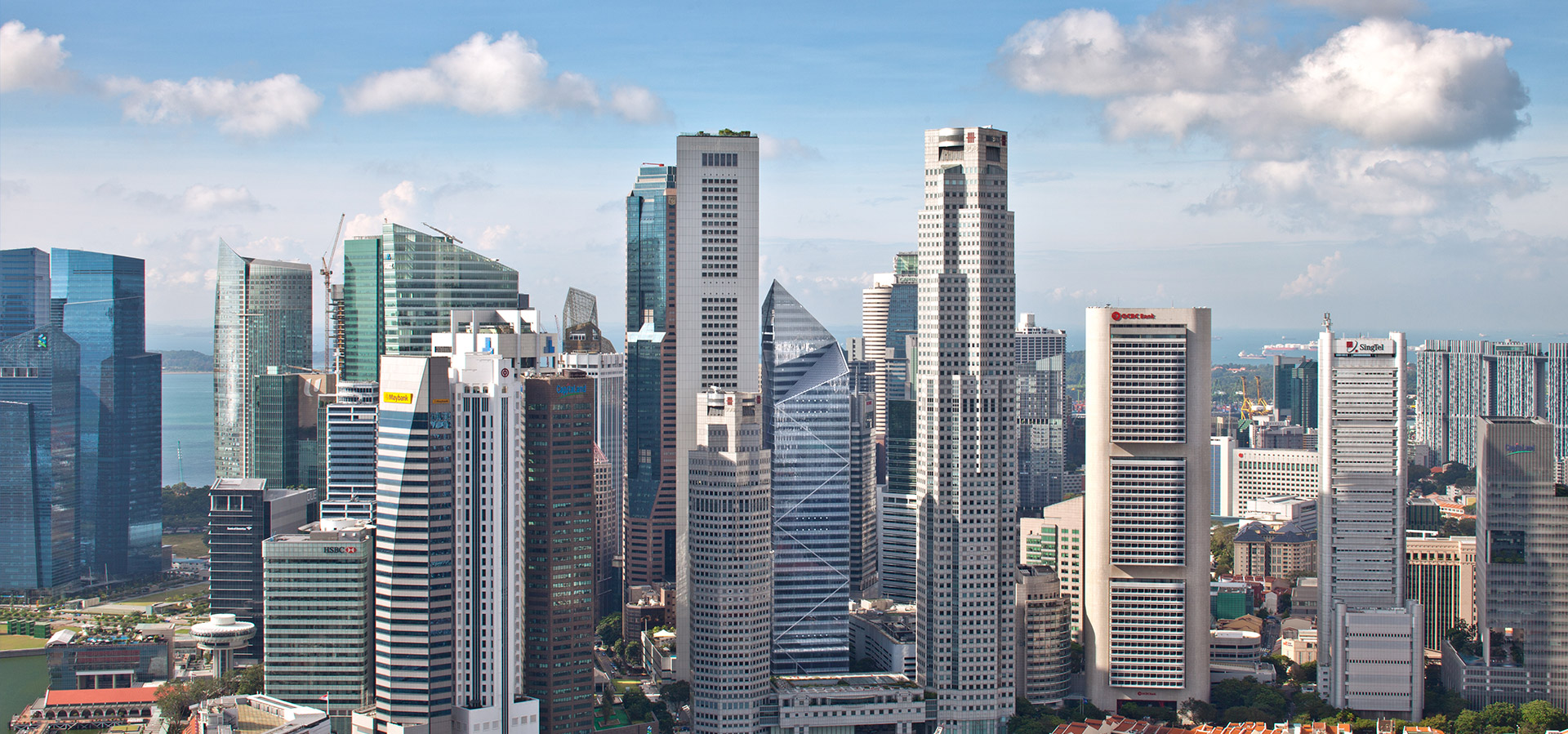
SINGAPORE: One Raffles Place, one of the most recognisable office developments in Singapore’s central business district, has drawn interest from several potential buyers, according to sources who spoke to Bloomberg.

The property, which is being marketed for more than $2.3 billion (US$1.8 billion), has attracted interest from a range of parties including father-and-son property investors Raj Kumar and Kishin RK, Malaysian developer IOI Properties Group Bhd and Singapore-based asset manager CapitaLand Investment Ltd, Bloomberg reported.

Located in the heart of the financial district, One Raffles Place comprises two office towers and a retail mall. The development is among a growing number of commercial properties in Singapore drawing renewed attention as financing conditions improve and sellers show greater flexibility on pricing.

The majority stake in the complex is held by OUE REIT, which is backed by the Indonesian Riady family. The real estate investment trust owns 81.54 per cent of the property, while United Overseas Bank holds the remaining 18.46 per cent and occupies premises within the development.

In a February exchange filing, OUE REIT said it had begun an exercise with UOB to gauge market interest in the property.

A spokesperson for OUE REIT said the trust would decide on its next steps after evaluating the outcome of the exercise. UOB declined to comment, while representatives for RB Capital, the property firm linked to Raj Kumar and Kishin RK, also declined to comment. CapitaLand Investment and IOI Properties did not respond to requests for comment.

Despite the interest, market observers say the scale of the deal presents challenges. The asking price is considered substantial, making it difficult for a single buyer to complete the acquisition. Similar concerns have surfaced in relation to Marina One, another major city-centre asset that has been linked to a potential sale valued at around $5.7 billion.

Based on the valuation of OUE REIT’s stake at the end of 2025, One Raffles Place was valued at approximately $2.37 billion. The property offers 65,309 square metres, or about 702,980 square feet, of lettable space.

Some potential buyers are also said to be weighing the likelihood of additional redevelopment costs. While parts of the complex benefit from long-term leases stretching centuries into the future, much of the development dates back to the 1980s. One of the towers and a quarter of the retail space are held under long-duration leases, while the remaining tower and 75 per cent of the retail component have leases that expire by the 2080s, according to people familiar with the matter.

IOI Properties, controlled by Malaysian businessman Datuk Lee Yeow Seng, has been steadily expanding its footprint in Singapore through a series of acquisitions. Most recently, the company agreed to acquire Asia Square Tower 2 for $2.48 billion.

CapitaLand Investment, which is backed by Temasek Holdings, manages stakes across multiple REITs and private real estate funds.

Raj Kumar and Kishin RK, meanwhile, are linked to several firms including Royal Holdings and RB Capital, and oversee a property portfolio in Singapore that includes RB Capital Building, located beside One Raffles Place.

This article (Singapore’s $2.3b office attracts interest from international tycoons) first appeared on The Independent Singapore News.

  •  

‘I’m still paying for it’—Singaporean says wife’s wish to upgrade to condo has delayed retirement plans

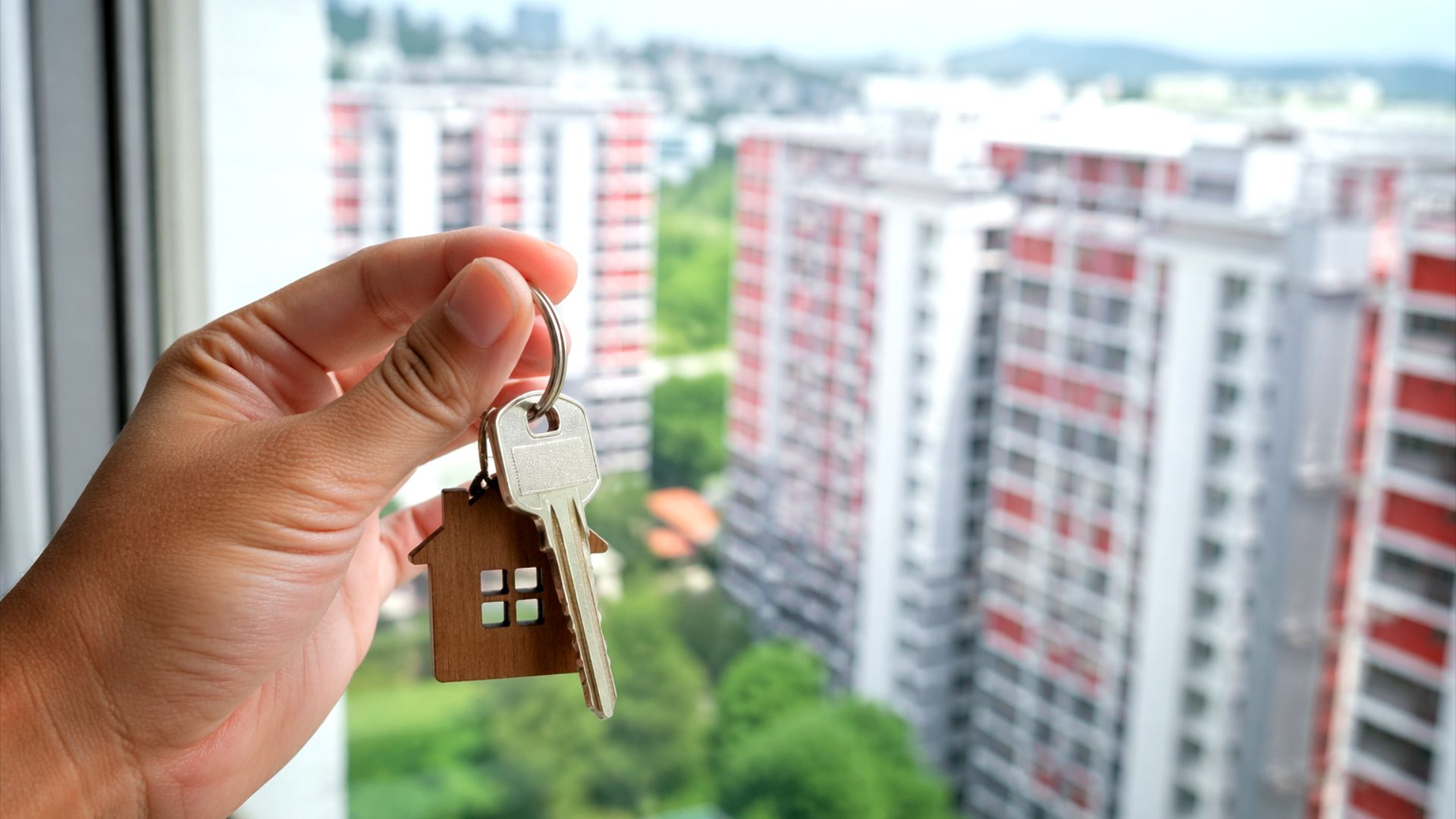
SINGAPORE: A Singaporean who thought he had finally escaped the grind after becoming debt-free says fulfilling his wife’s desire to upgrade from an HDB flat to a condominium has left him facing years of additional work instead of an earlier retirement.

In a post published on the Singapore Uncensored Facebook page, the man shared that he once believed that becoming debt-free was “the ultimate goal in life” and looked forward to enjoying a more relaxed future after years of paying off loans.

“I thought that once you got to that point, you could just relax and enjoy the rest of your life in peace,” he wrote.

According to the man, he and his wife finally reached that milestone after years of financial discipline and making their last debt payment. While he was eager to enjoy the financial freedom they had achieved, his wife had different plans.

“She wanted to upgrade our HDB to a condo,” he said, adding that he was initially puzzled by the idea.

His wife argued that a condominium would be a better investment and could appreciate in value over time. She also believed it would provide a better living environment and offer greater convenience due to its location.

Although he understood her reasoning, the prospect of taking on another large financial commitment left him uneasy. “I was scared to take on more debt, even if it was a good investment,” he wrote.

Eventually, he agreed to the upgrade. The couple purchased a condominium, which he described as costing “a mountain of cash.”

Years later, he said the property had indeed appreciated in value, but the financial burden remained significant. “Now that a few years have passed, I am still paying for it,” he wrote.

While acknowledging that the condominium’s value had risen, he lamented that the decision had extended his retirement timeline by several years. He said:

“Although one needs to make money for a better life, life is so short, I don’t want to sacrifice so much,” he said, adding that ageing had changed his perspective on money and time. When you’re old, you don’t have the same level of energy to play.”

The post concluded with the writer questioning whether the trade-off was worthwhile.

“You want to work till you die or spend money when you’re old AF,” he wrote.

The post quickly attracted comments from readers, many of whom debated whether owner-occupied property should be viewed as an investment at all.

One commenter argued that a primary residence should not be regarded as an investment unless it is eventually sold and replaced with a cheaper home.

“Your primary residence will never be an investment. It’s a liability. It only becomes an investment if you plan to sell it and buy a cheaper place to live, which is def not what is happening here,” the commenter wrote.

Others suggested that the writer had fallen into a common Singaporean mindset that prioritises property appreciation over financial freedom.

“Haha. She fell into the Singaporean trap,” one commenter said.

The commenter added that homeowners who focus solely on property gains may eventually have to sell and downgrade during retirement anyway.

“I did the math and then I decided. Cash is so much more powerful. And retiring at 55 with the cash flow that can further continue to grow is the best appreciation.”

Several commenters stressed that property is only one of many possible investment options.

“Real estate is not the only investment vehicle. Do your research diligently,” one person wrote.

The commenter also warned that homeowners could face significant difficulties if their financial circumstances changed unexpectedly.

“What if you lose your job or health? You will be stuck with a mortgage you cannot pay.”

Concerns about employment security featured prominently throughout the discussion, with several commenters linking mortgage risks to growing fears about job displacement.

One commenter argued, “If only one spouse is working to pay down the mortgage, that spouse should have the final say.”

The same commenter also cautioned that rapid technological changes could affect future employment prospects.

“Don’t forget AI is a job security worry, and there’s no guarantee selling the condo will not result in financial loss.”

Not everyone disagreed with the couple’s decision, however.

One commenter noted that upgrading to a condominium could be a reasonable strategy for households with stable incomes and excess cash that would otherwise remain uninvested.

“Assuming income is stable (some jobs are), it’s not a terrible idea. It does appreciate in value with time,” the commenter said.

The commenter added that the eventual appreciation could provide a larger retirement nest egg if the owners later chose to downsize.

The same commenter pointed out that investors have a range of options available, including “bonds, stocks, money market, property, annuity,” each with its own advantages and disadvantages.

Another commenter echoed concerns about employment risks, saying the greatest danger associated with a large mortgage is the possibility of losing a job.

“The biggest risk, in my opinion, is losing your job. If one or both of you lose your job, then the repayment is a big problem.”

The commenter added that “there is no job security anymore with AI rampaging.”

This article (‘I’m still paying for it’—Singaporean says wife’s wish to upgrade to condo has delayed retirement plans) first appeared on The Independent Singapore News.
  •  

New parents opted for a S$1 million HDB over a condo — here’s why

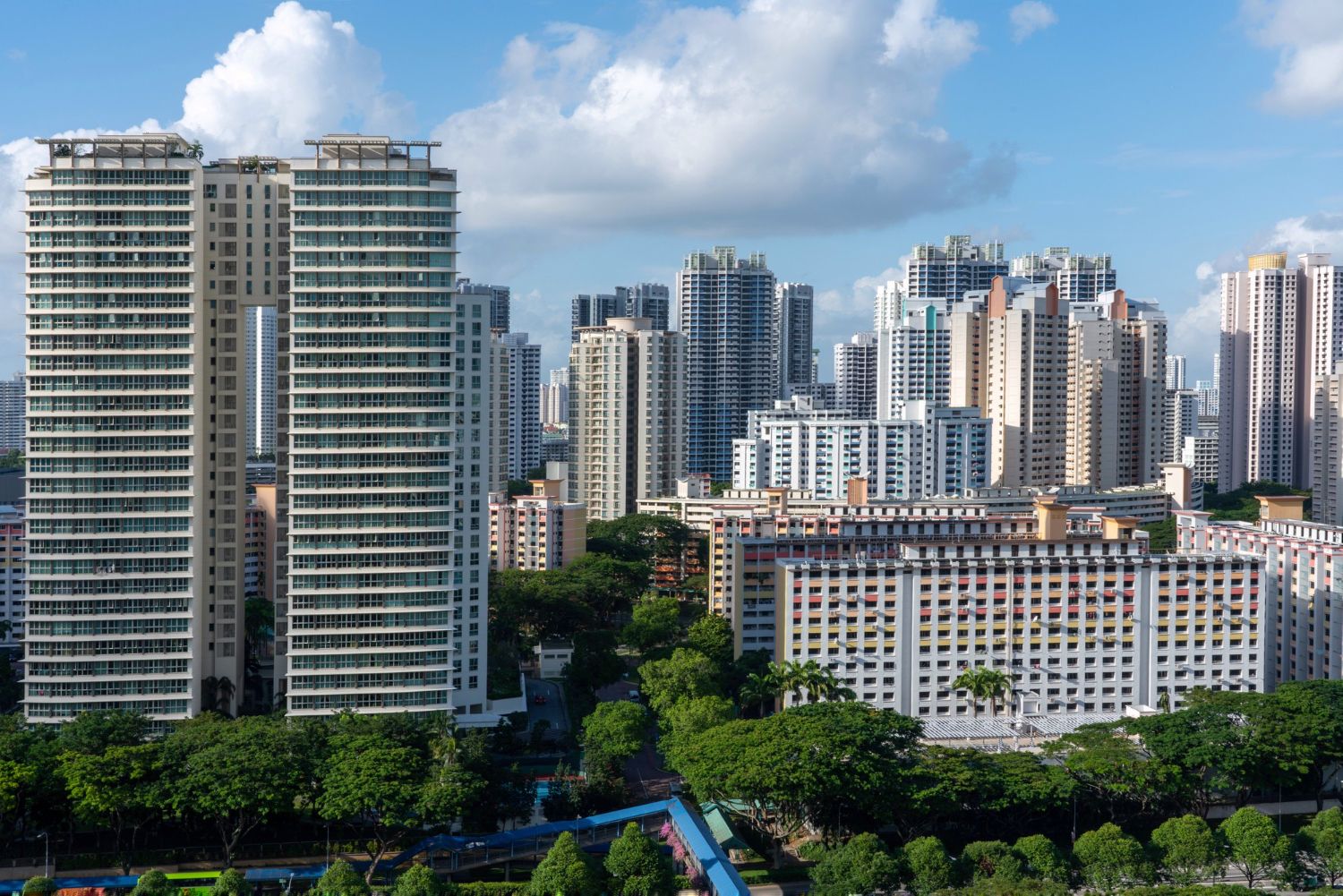
SINGAPORE: Home buyers in Singapore often face the dilemma of having to choose between a resale Housing and Development Board (HDB) flat or a condominium. Deciding becomes even more complex when life circumstances change and new priorities come into play.

For first-time parents, the focus often shifts towards balancing the need for a more spacious home, spending within budget, and having the option to upgrade when other housing needs arise.

A Singaporean couple in their 30s, who recently became first-time parents, faced the exact same dilemma. They originally planned to move from the two-bedroom condo unit they were renting to a three-bedroom condo while remaining in the Bedok area.

However, after reviewing their finances, immediate housing needs as they were expecting a newborn, and long-term property plans with Royston, a property agent and partner property consultant at Stacked, they ultimately decided to purchase a million-dollar resale HDB flat instead.

Why they chose not to upgrade to a condo just yet

As with many home buyers, affordability was one of their biggest considerations.

The Stacked case study, based on a consultation with Royston, noted that the couple had an initial budget of around S$1 million and wanted to avoid overstretching themselves financially after welcoming their newborn.

As first-time buyers, they were eligible to borrow up to 75% of a property’s purchase price. However, given that their combined income was above S$14,000, they were not eligible for an HDB Concessionary Loan and had to rely on a private bank loan instead.

Based on their income and cash flow, their maximum loan quantum was estimated at around S$1 million.

Given the couple’s budget and their aim to avoid overstretching themselves on monthly repayments, Royston said they could opt for an older resale flat, which tends to be priced lower than units that had just reached their Minimum Occupation Period (MOP), while still having more space.

This means, if they went for a two-bedroom condo priced at around S$1.8 million, they would have paid S$5,000 monthly, instead of just about S$3,200 over a 25-year tenure for a S$1 million HDB resale flat.

The couple eventually purchased a four-room, turned three-bedroom corner unit at Bedok South Horizon, a Build-To-Order (BTO) development launched during the November 2016 BTO exercise, for S$1.01 million on May 24. Two rooms in the unit had been merged by the previous owner to accommodate a walk-in closet. /TISG

Read also: Million-dollar HDB resale flats rose to 166 units in May after April dip

This article (New parents opted for a S$1 million HDB over a condo — here’s why) first appeared on The Independent Singapore News.

  •  

Million-dollar HDB resale flats rose to 166 units in May after April dip

SINGAPORE: The number of million-dollar Housing and Development Board (HDB) resale flat transactions rose to 166 units in May 2026 after a dip in April, when there were only 138 units transacted.

According to Singapore Business Review, citing data from 99.co and SRX, which tracked HDB resale flats sold for at least S$1 million, the overall million-dollar resale units share was at 7.8%.

Between May 2025 and May 2026, the number of million-dollar resale transactions ranged from 87 to 172 units per month.

There were 143 units transacted in May last year, followed by 132 in June, 169 in July and 141 in August. The figure rose to 172 in September before falling to 87 in October. It then increased to 120 in November and 145 in December.

This year, January recorded 146 transactions, before the figure fell to 122 in February, rose to 145 in March, and dipped again to 138 in April. The figure then rose to 166 transactions in May.

A five-room HDB flat at Pinnacle@Duxton recorded the highest transacted price for last month at S$1.63 million.

The unit, located at Block 1B Cantonment Road, spanning 1,130 square feet (sq ft), or about S$1,442 per square foot (psf), fetched a price 5.2% higher than the average resale price of five-room flats at Pinnacle@Duxton.

Meanwhile, Bukit Merah recorded the highest number of million-dollar resale flats at 22 units, followed by Toa Payoh and Queenstown with 21 units each.

Last month, a four-room HDB flat at Bukit Merah with only 45 years left on lease was sold for a record S$1.53 million. /TISG

Read also: Million-dollar HDB resale flats rise nearly 50% to over 1,500 in 2025

This article (Million-dollar HDB resale flats rose to 166 units in May after April dip) first appeared on The Independent Singapore News.

  •  
❌