
 Login
Login
Jerrie Cobb Had the “Right Stuff,” But at the Wrong Time
There is one aspect of the space race that America lost decisively, and it had to do with gender. The first woman ever go into space was Russia’s Valentina Tereshkova, in 1963. America didn’t send its first woman to space until twenty years later when Sally Ride flew on the Space Shuttle Challenger in 1983.
But while America lagged, it was not because of a lack of qualified candidates.
In 1960 LIFE ran a story on pilot Jerrie Cobb headlined “A Lady Proves She’s Fit for Space Flight.” Cobb, 29, had just become the first woman to pass all the tests that America’s male astronauts had gone through as part of Project Mercury.
Cobb, from Oklahoma, had been taught to fly by her father and earned her first pilot’s license at age 16. She then set world records for speed, altitude and distance in the twin-engine class. Her accomplishments drew the attention of Dr. W. Randolph Lovelace II, who ran America’s astronaut training program. In 1959 Lovelace invited Cobb to try out.
Cobb withstood the gauntlet, demonstrating that she had what author Tom Wolfe would famously refer to as “the right stuff.” LIFE reported, “After a series of exhaustive and exhausting medical tests, 75 in all, during which she complained less than the Mercury men had, Jerrie Cobb easily passed the rigid requirements laid down for astronauts-in-training.”
LIFE staff photographer Ralph Crane documented Cobb going through her challenges. The magazine concluded, “It now appears inevitable that manned space flight will at some future date become co-educational.”
But that future date turned out to be more far off than expected.
In 1963 the frustration oozed from pages of LIFE when the magazine reported on Tereshkova’s history-making flight for Russia. By that time a dozen other American women had followed Cobb in passing the astronaut qualifying tests. LIFE’s story, headlined “The U.S. Team is Still Warming up the Bench,” fumed about the opportunity denied to these women, including Cobb, who was now what the magazine described as a “never-consulted consultant” to NASA administrator James Webb.
LIFE said, “Two years ago, when Russian space scientists visiting the U.S. first let on that they had a training program for female cosmonauts, Jerrie Cobb went to Washington, collaring anyone who would listen, pleading for a formal American woman-in-space program. The best she got was polite indifference.”
Today a NASA tribute page to Cobb explains why she never had the opportunity to go to space by saying “any hopes of becoming an official NASA astronaut were dashed when she, as a private citizen, was denied access to training facilities at a Navy base in Florida. At the time, all astronaut candidates were required to have military jet fighter experience, and the military did not allow female jet pilots.” The Air Force would not began to train female jet pilots until the mid-1970s.
So that was that. In 1999, after John Glenn flew a celebrated space mission at age 77, some pushed for Cobb to get the same chance, but she was again denied.
While Cobb never went to space, she demonstrated heroism in other—arguably more impactful—ways as she used her pilot’s skills to serve humanity. She moved to South America and spent 30 years delivering medical supplies to indigenous populations in hard-to-reach areas. The governments of Brazil, Ecuador, Paraguay, Colombia and France honored Cobb for her humanitarian work, and in 1981 she was nominated for the Nobel Prize.
Cobb died in 2019 at the age of 88.
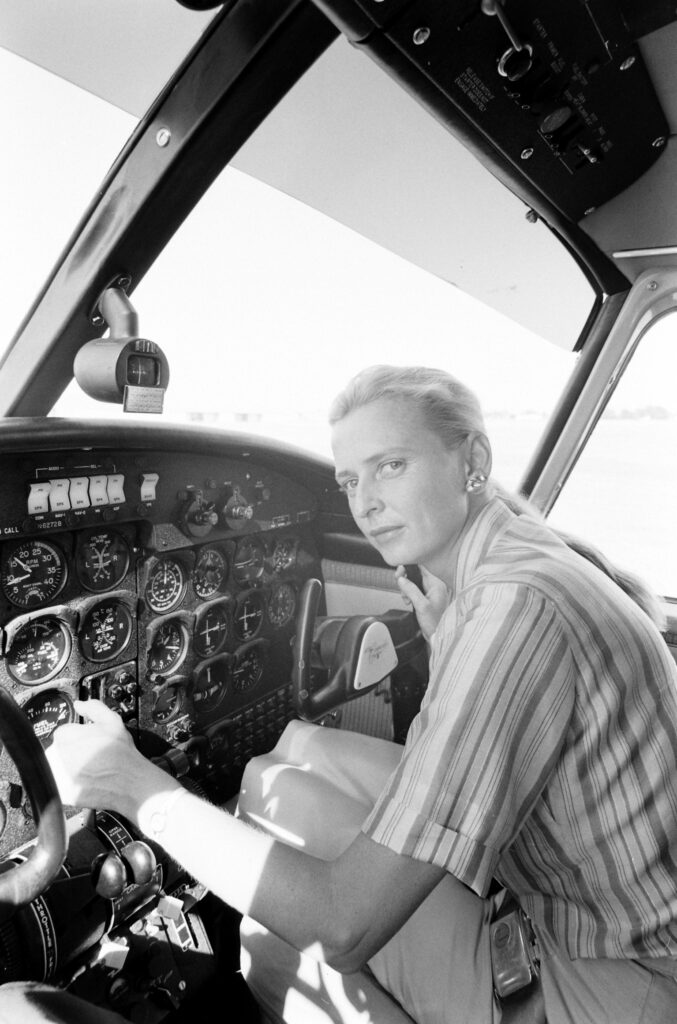
In 1960 Jerrie Cobb became the first U.S. woman to qualify to become an astronaut, though she was never given an opportunity to go up into space.
Ralph Crane/Life Picture Collection/Shutterstock
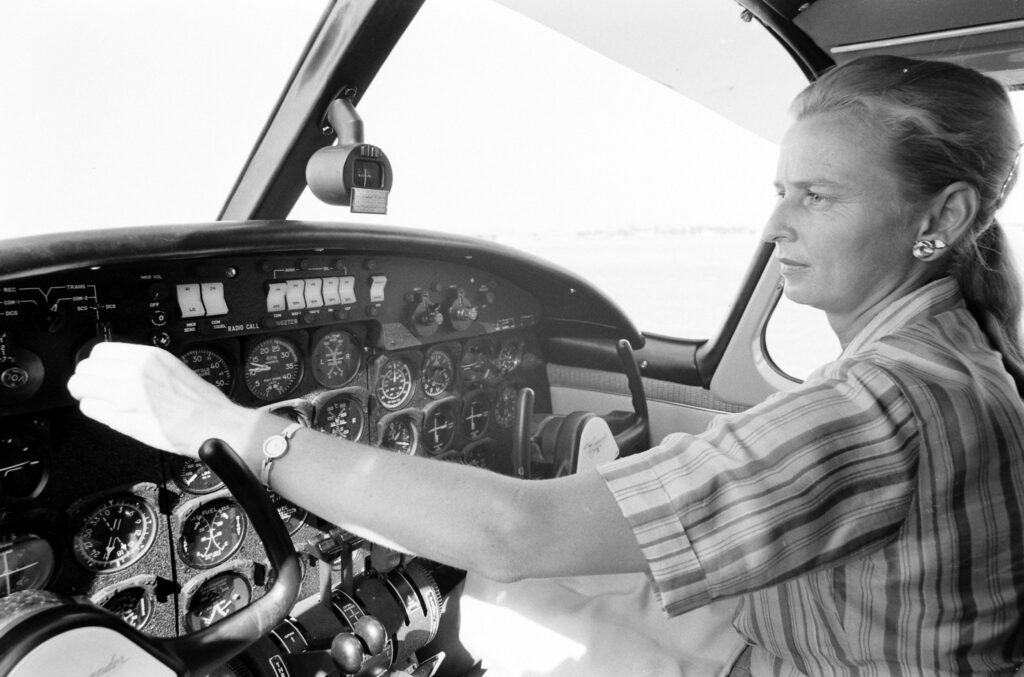
In 1960 Jerrie Cobb became the first U.S. woman to qualify to become an astronaut, though she was never given an opportunity to go up into space.
Ralph Crane/Life Picture Collection/Shutterstock
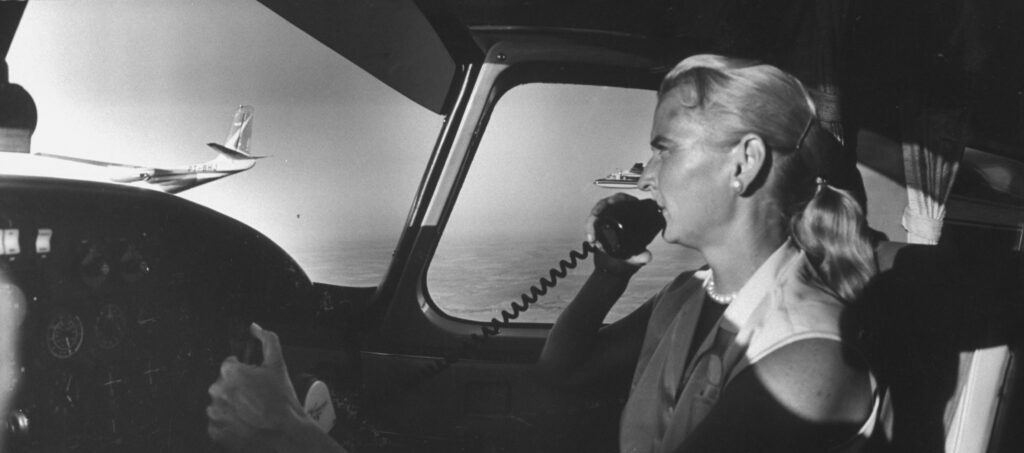
Jerrie Cobb, who became a licensed pilot as a teenager and would later qualify to become an astronaut, flew a plane in her native Oklahoma, 1960.
Ralph Crane/Life Picture Collection/Shutterstock
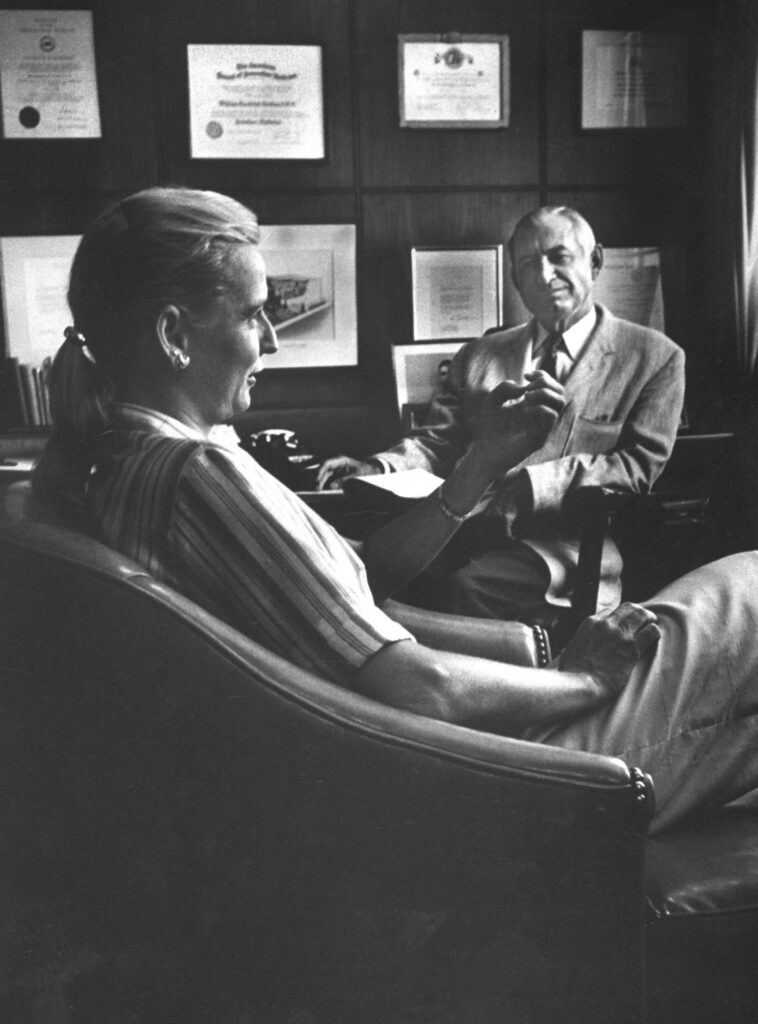
Project Mercury’s Dr. W. Randolph Lovelace II questioned Jerrie Cobb as part of his process of determining if Cobb was capable of becoming an astronaut, 1960.
Ralph Crane/Life Picture Collection/Shutterstock
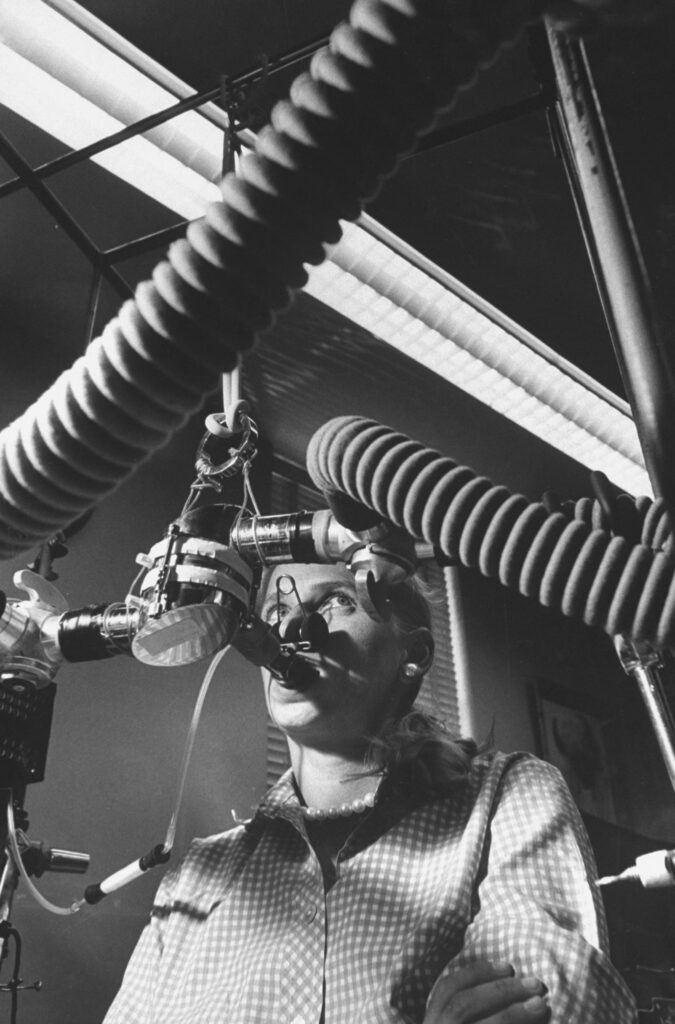
This pulminary test was one of the many hurdles that Jerrie Cobb passed in order to prove her fitness as an astronaut, 1960.
Ralph Crane/Life Picture Collection/Shutterstock
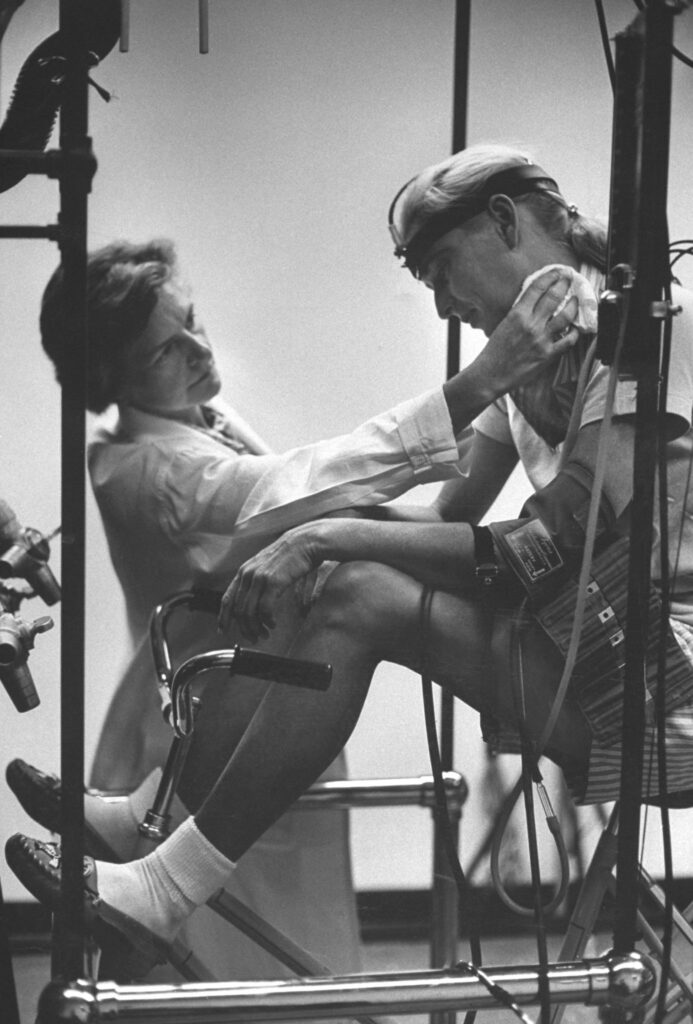
Jerrie Cobb in 1960 passed all the qualifying tests to become America’s first female astronaut but was never given the opportunity to go up into space.
Ralph Crane/Life Picture Collection/Shutterstock
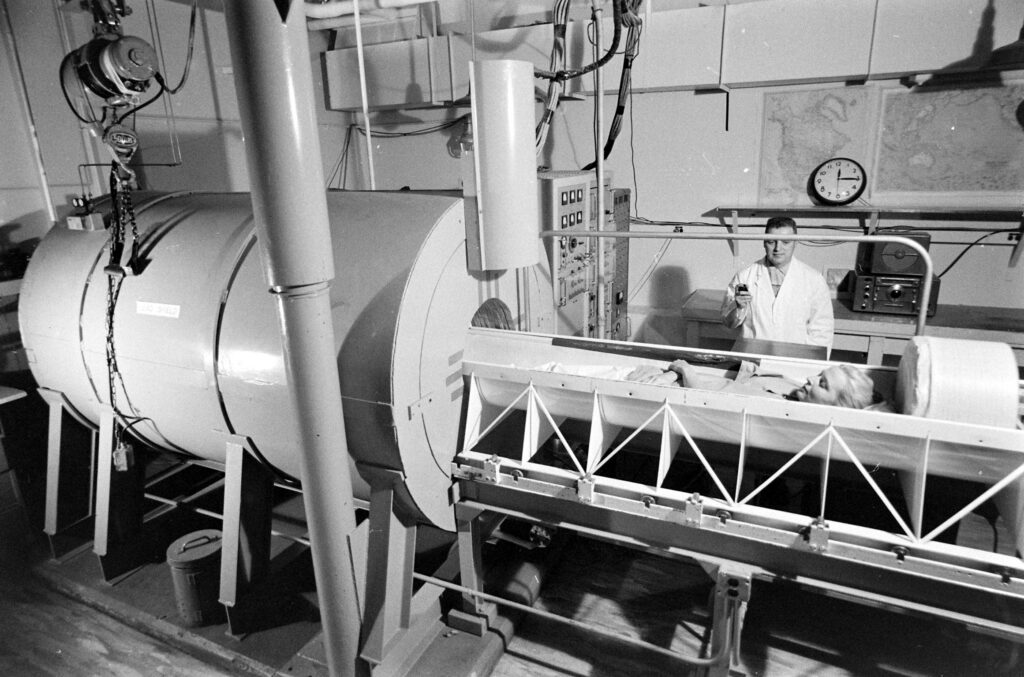
Jerrie Cobb in 1960 passed all the qualifying tests to become America’s first female astronaut but was never given the opportunity to go up into space.
Ralph Crane/Life Picture Collection/Shutterstock
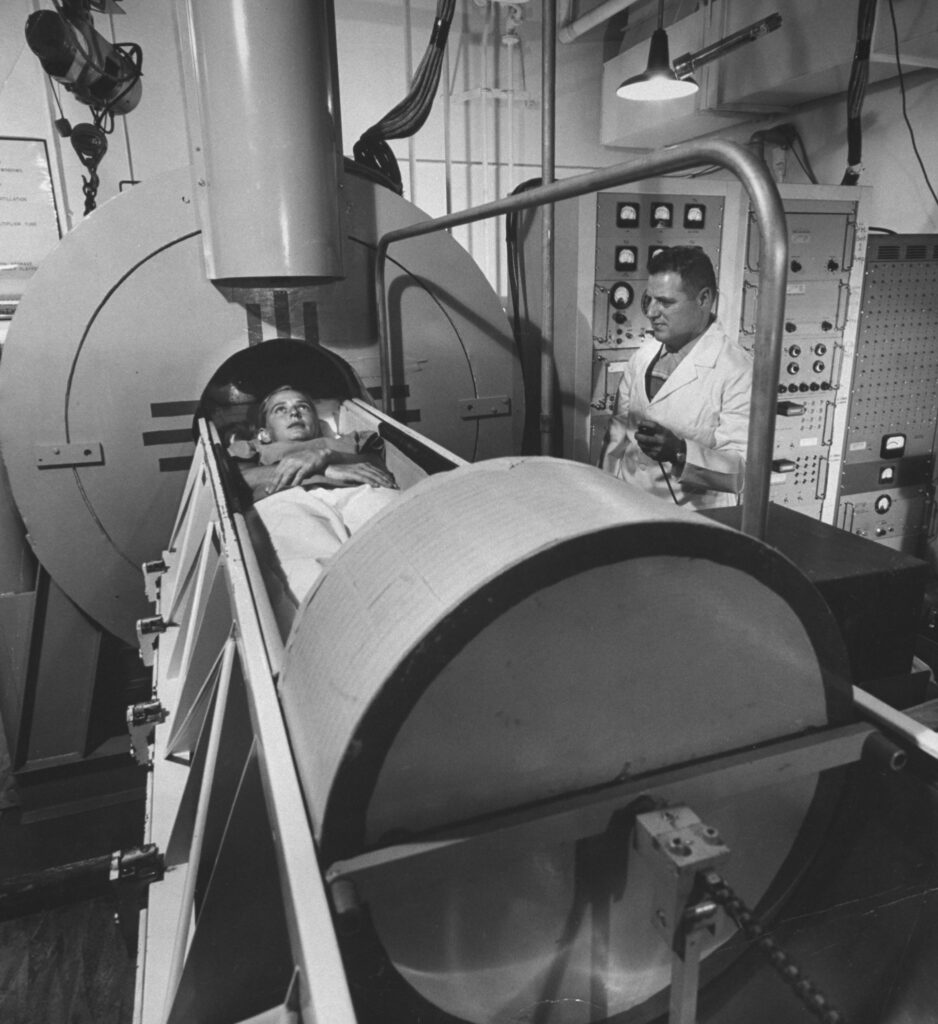
Jerrie Cobb in 1960 passed all the qualifying tests to become America’s first female astronaut but was never given the opportunity to go up into space.
Ralph Crane/Life Picture Collection/Shutterstock
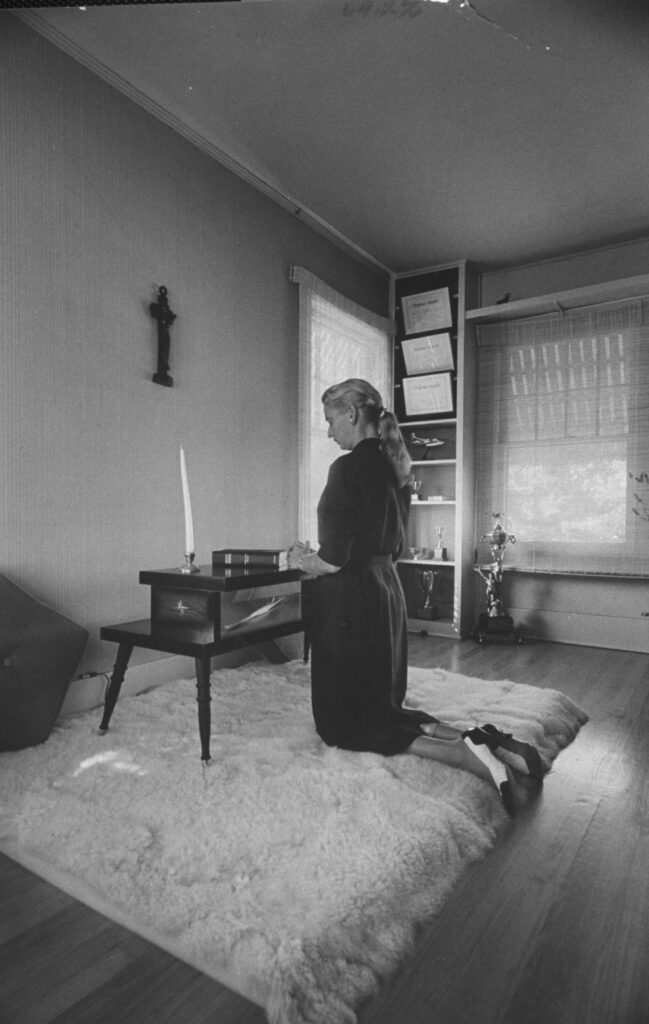
Jerrie Cobb, a veteran pilot who qualified to become an astronaut in 1960, said she thought of the sky as “God’s unspoiled world which humans should not trespass upon without a feeling of reverance.”
Ralph Crane/Life Picture Collection/Shutterstock
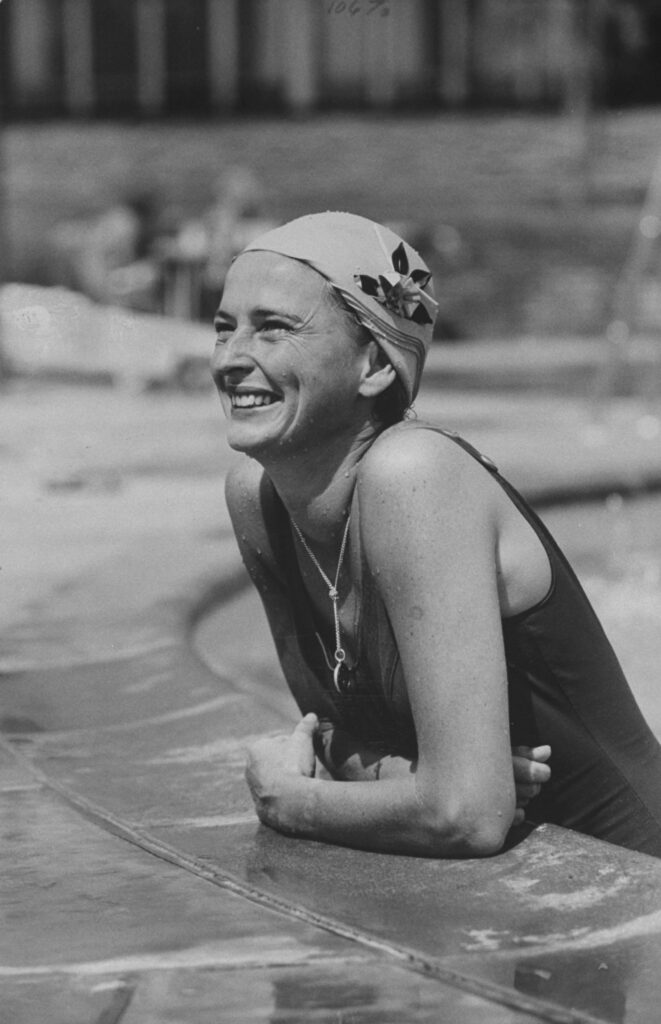
Jerrie Cobb in 1960, after she became the first woman to pass the tests required to become an astronaut.
Ralph Crane/Life Picture Collection/Shutterstock
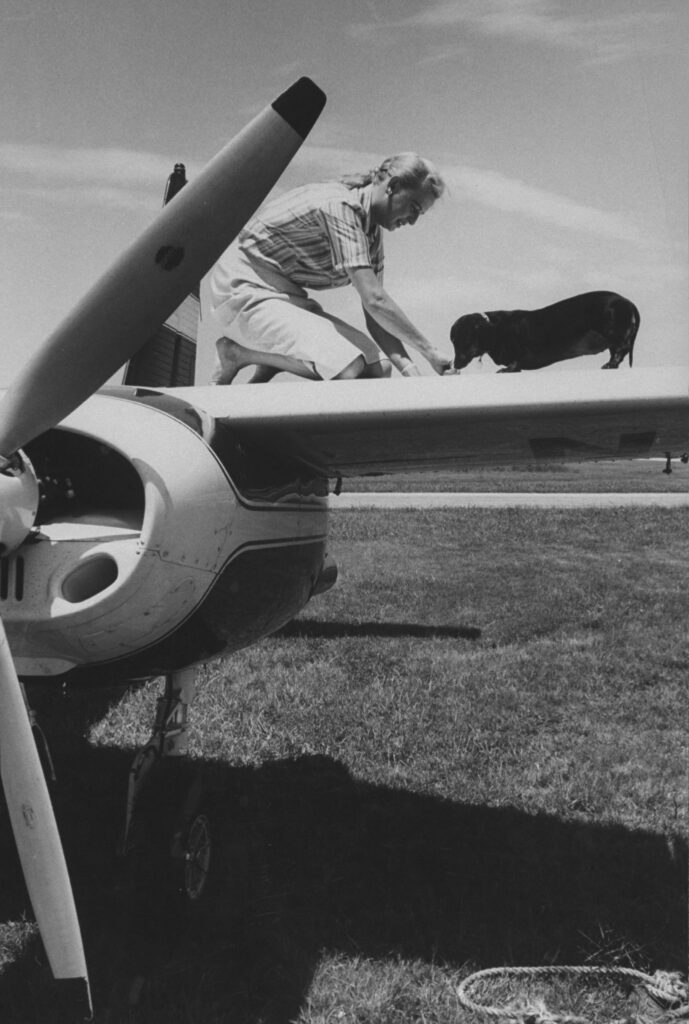
Jerrie Cobb in 1960 passed all the qualifying tests to become America’s first female astronaut but was never given the opportunity to go up into space.
Ralph Crane/Life Picture Collection/Shutterstock
The post Jerrie Cobb Had the “Right Stuff,” But at the Wrong Time appeared first on LIFE.
